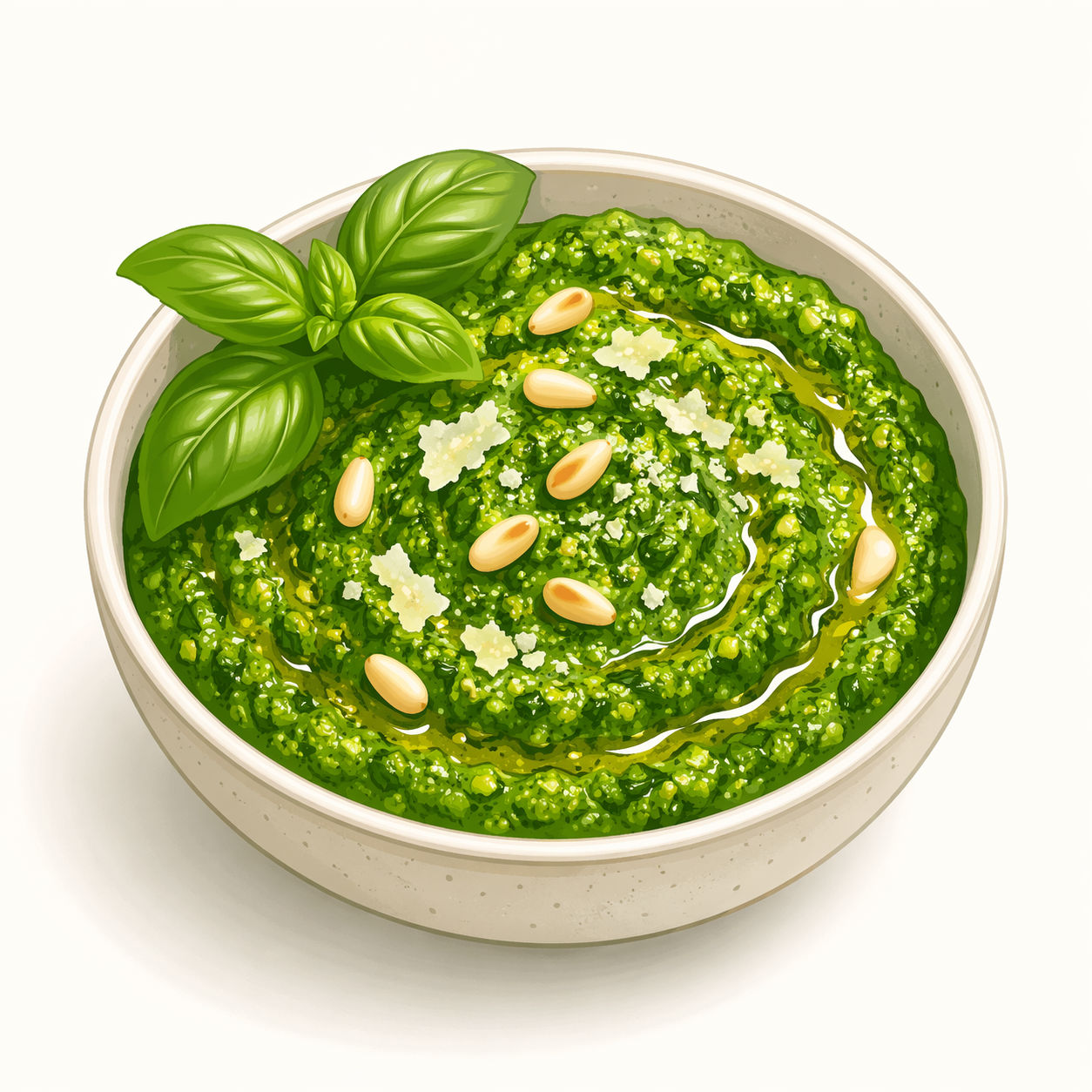
The quintessential summer herb. Plant near tomatoes — they're culinary and companion garden partners. Pinch flowers immediately to keep leaves producing.
Plant window opens
May 25
Last chance to plant
Jun 10
Last frost
~May 1
Days to harvest
25–35 days
Difficulty
Easy
Wrong season — Zone 4
Harvest: Jul – Sep
Planting Calendar
In Zone 4, Basil can be planted outdoors from May 25 — the window closes around Jun 10. Start seeds indoors around Apr 25 – May 5.
Jan
Feb
Mar
Apr
May
Jun
Jul
Aug
Sep
Oct
Nov
Dec
plant
too early
too early
too early
too early
indoors
plant
too late
too late
too late
too late
too late
too late
harvest
harvest
harvest
harvest
too early
indoors
plant window
harvest
too late
Wait for warm nights before transplanting. Basil blackens below 50°F.
Get notified when to plant, water, and harvest your Basil — personalized for your zone.
What Zone 4 growers say about Basil
plant team · Zone 4
Notes from real growers will appear here as our community grows. Be the first to share what works in your garden.
Share your own tip for Zone 4 →
Care Guide
Sunlight
Full sun · 6–8 hrs/day
Watering
Regular
Spacing
12–18 inches
Soil
Rich, well-draining, moist
Days to maturity
25–35 days
Soil pH
6.0–7.0
Plant tip · Zone 4
Wait for warm nights before transplanting. Basil blackens below 50°F.
How to know it's ready
Pick top leaves and stems before flowering. Once it flowers, flavour declines. Pinch flower heads to extend harvest.
Watering Basil
How often
Every 2–3 days — wilts dramatically but recovers quickly
How much
1 inch per week
Method
At soil level — wet leaves cause disease
Overwatering signs
Yellow lower leaves, root rot
Underwatering signs
Wilting, leaf drop
Feeding Schedule
How often
every 3 weeks
Feed type
Balanced fertilizer (light)
Key timing
throughout growing season
NPK: 10-10-10 at half strength — too much makes leaves bitter
Moderate feeder. Liquid balanced feed every 3 weeks keeps growth lush. Pinch out flowers to maintain leaf production.
Example product: Half-strength Miracle-Gro All Purpose
Reminder: every 21 days after feeding
Succession Planting
Sow every 3 weeks
Sow every 3 weeks from last frost through midsummer. Basil bolts quickly in heat — flowering stems become bitter and the plant redirects energy from leaves to seeds. Pinching flowers delays this but doesn't stop it. A fresh succession planting every 3 weeks means you always have young, leafy plants at peak flavor. If you're growing for pesto, succession means you can harvest entire plants rather than carefully pinching to delay bolt.
Indoors — 4 weeks before last frostHarden off required
Start 4–6 weeks before last frost. Very cold-sensitive — do not transplant until night temps stay above 50°F. Harden off over 7–10 days.
Container friendly · Minimum 1 gallons
One of the best herbs for containers. Single large pot or window box. Keep in full sun and water regularly.
Bolting risk: medium
Triggers: Cool temperatures, flowering signal
Prevention: Pinch flower heads off immediately and consistently. Keep harvesting tips. Do not allow any flowers to set seed.
Basil that flowers drops leaf quality but doesn't become inedible. Aggressive pinching extends harvest by weeks.
Companion Planting for Basil
What you plant near basil makes a real difference — here's what to plant, when, and why.
Pest deterrent
Peppers
Repels aphids and spider mites
Plant at same time
Marigolds
Combined pest deterrent effect
Plant at same time
Classic pairing
Tomatoes
Classic pairing — repels aphids, may improve flavour
Plant at same time
Keep away from
Sage— Inhibit each other
Thyme— Compete and inhibit basil
Pests & Diseases
Know what to look for before it gets out of hand — early identification is the most important step.
Aphids
pestmedium
What to look for
Clusters of tiny soft insects on new growth and leaf undersides. Leaves curl, yellow, or become sticky with honeydew. Sooty black mold may follow.
Cause
Multiple aphid species. Populations explode rapidly in warm weather.
Organic treatment
Blast off with strong water jet. Apply insecticidal soap or neem oil directly to colonies. Introduce ladybugs or lacewings.
Prevention
Plant marigolds and nasturtiums nearby. Avoid excess nitrogen fertilizer which creates soft, aphid-attractive growth. Encourage beneficial insects.
Japanese beetle
pestmedium
What to look for
Skeletonized leaves with only veins remaining. Metallic green beetles visible on plants in summer.
Cause
Popillia japonica. Adults feed on foliage July–August.
Organic treatment
Hand-pick beetles into soapy water in the morning when sluggish. Neem oil spray.
Prevention
Row covers during peak beetle season. Milky spore disease treatment targets larvae in lawn.
Fusarium wilt
diseasehigh
What to look for
Sudden wilting of one or more stems, yellow leaves, streaking on stems. Plants die rapidly.
Cause
Fusarium oxysporum f. sp. basilici soil fungus.
Organic treatment
No cure. Remove and destroy infected plants immediately.
Free app · Kickstarter October 2027 · iOS February 2028
Know exactly when to plant, prune, and harvest Basil
plant uses your ZIP code and real frost data to tell you the right day — not just the right month. Get notified when your planting window opens, when to succession sow, and when to cut back for next season.
You're in ✓ — we'll be in touch before launch.
Something went wrong — try again.
Be first to back on Kickstarter · founding grower pricing locked in.
Common questions
In Zone 4, start basil seeds indoors around Apr 25 – May 5, then transplant outdoors May 25 – Jun 10 after your last frost around May 1. Wait for warm nights before transplanting. Basil blackens below 50°F.
Zone 4 has an average last spring frost around May 1 and a first fall frost around Oct 1. These vary by location — the plant app uses your ZIP code with NOAA data for precision.
Good companions for basil include Tomatoes, Peppers, Marigolds. Avoid planting near Sage, Thyme.
Basil typically takes 25–35 days to harvest in Zone 4. Expected harvest window: Jul – Sep.
These guides get better when growers share what they know. If something's off or you've learned something worth passing on, add it here — accepted tips earn you a Founding Grower badge when plant launches.
Your tip for growing Basil in Zone 4
Your name (optional)
Your zone (optional)
Tips are reviewed before publishing. You'll hear from us before the app launches.
Thanks for contributing! We'll review your tip and be in touch before launch.
What needs correcting?
What should it say?
Your zone (optional)
Thanks — we'll review this and update the guide if needed.