Planting Calendar
In Zone 7, Garlic can be planted outdoors from Nov 25 — the window closes around Dec 16.
Long mild winter suits garlic well. Can plant later than northern zones. Softneck varieties store longer.
Zone 7 is split into two subzones. The a/b distinction affects your exact last frost date by 1–2 weeks -- meaningful for heat-sensitive crops and fruit tree hardiness.
| Subzone | Last frost | First fall | Season | Min temp |
|---|---|---|---|---|
| 7a | Apr 7 | Nov 1 | ~208 days | 0 to 5°F |
| 7b | Mar 25 | Nov 8 | ~229 days | 5 to 10°F |
plant detects your subzone from your location and adjusts planting windows accordingly.
Growing Journey
Here is what to expect at each stage — and what to do when you get there.
Plant garlic and onion sets pointed end up, just below the surface. For leeks, sow seeds in modules and transplant as pe
Keep weed-free -- alliums are poor competitors with weeds, especially in early growth.
Stop feeding garlic and onions with nitrogen once the bulb starts forming -- it encourages leafy growth at the expense o
Harvest garlic scapes when curled -- they are delicious and removing them redirects energy to the bulb. For onions, bend
Lift carefully with a fork to avoid bruising. Cure in a warm, airy spot for 2-4 weeks before storing -- this is essentia
Hang or lay in a single layer in good airflow, out of direct rain, for 2-4 weeks. Garlic and onions not properly cured w
What to Expect
At peak: Garlic is a single harvest -- one bulb per planting
Homegrown garlic is incomparably better than shop-bought. The flavour is more complex and the satisfaction of a string of cured bulbs is real.
Care Guide
Watering Garlic
Feeding Schedule
Feed with nitrogen-rich fertilizer when shoots appear in spring. Stop feeding by late spring as bulbs swell -- nitrogen at that stage reduces bulb size.
Companion Planting
Some plants help Garlic thrive. Others compete or cause problems.
Common Problems
Something went wrong? Here is what likely happened and what to do differently next time.
Frost or cold damage
What happened: Established alliums are among the hardiest vegetables and handle frost well. Garlic overwintering in the ground is designed for frost. Young onion seedlings are more vulnerable to late hard freezes.
Next season: Protect young onion sets if a hard freeze threatens in the first few weeks after planting. Established plants need no protection from ordinary frost.
Allium rust or white rot
What happened: Allium rust appears as orange powder on leaves in humid summers -- it weakens but rarely kills the plant. White rot is more serious: a soil-borne fungus that causes bulbs to rot at the base. Once white rot is in soil it persists for decades.
Next season: Rotate alliums to a new bed every year. White rot cannot be eliminated from infected soil -- grow alliums elsewhere if you see it. Rust is largely cosmetic -- harvest early and the bulbs are usually fine.
Rotting bulbs
What happened: Garlic and onion bulbs rot in waterlogged soil, especially during curing. Rain on curing alliums reverses the drying process and causes neck rot -- one of the most common storage failures.
Next season: Ensure excellent drainage. Cure garlic and onions under cover -- a shed or garage with good airflow. Even a few hours of rain on curing bulbs can significantly reduce storage life.
Small bulbs
What happened: Alliums that experience drought stress during bulb development produce small, tight bulbs. Irregular watering is a common cause of disappointing allium harvests.
Next season: Water consistently during bulb formation -- from spring until leaves begin to yellow. Stop watering completely once leaves start to die back naturally.
Poor bulb development
What happened: Alliums need full sun for good bulb development. The bulbing trigger in onions and garlic is day length -- both need long days combined with warmth to form bulbs. In shade or under trees, they often produce only small, undeveloped bulbs.
Next season: Plant alliums in your sunniest, most open bed. Weed competition also significantly reduces yield -- keep allium beds completely weed-free from early spring.
What went wrong
Something didn't work out? Here is what likely happened and what to do differently next season.
Frost or cold damage
What happened: Established alliums are among the hardiest vegetables and handle frost well. Garlic overwintering in the ground is designed for frost. Young onion seedlings are more vulnerable to late hard freezes.
Next season: Protect young onion sets if a hard freeze threatens in the first few weeks after planting. Established plants need no protection from ordinary frost.
Allium rust or white rot
What happened: Allium rust appears as orange powder on leaves in humid summers -- it weakens but rarely kills the plant. White rot is more serious: a soil-borne fungus that causes bulbs to rot at the base. Once white rot is in soil it persists for decades.
Next season: Rotate alliums to a new bed every year. White rot cannot be eliminated from infected soil -- grow alliums elsewhere if you see it. Rust is largely cosmetic -- harvest early and the bulbs are usually fine.
Rotting bulbs
What happened: Garlic and onion bulbs rot in waterlogged soil, especially during curing. Rain on curing alliums reverses the drying process and causes neck rot -- one of the most common storage failures.
Next season: Ensure excellent drainage. Cure garlic and onions under cover -- a shed or garage with good airflow. Even a few hours of rain on curing bulbs can significantly reduce storage life.
Small bulbs
What happened: Alliums that experience drought stress during bulb development produce small, tight bulbs. Irregular watering is a common cause of disappointing allium harvests.
Next season: Water consistently during bulb formation -- from spring until leaves begin to yellow. Stop watering completely once leaves start to die back naturally.
Poor bulb development
What happened: Alliums need full sun for good bulb development. The bulbing trigger in onions and garlic is day length -- both need long days combined with warmth to form bulbs. In shade or under trees, they often produce only small, undeveloped bulbs.
Next season: Plant alliums in your sunniest, most open bed. Weed competition also significantly reduces yield -- keep allium beds completely weed-free from early spring.
Pests & Diseases
Know what to look for before it gets out of hand — early identification is the most important step.
Recommended Varieties
- German Extra Hardy (hardneck, excellent flavour)
- Music (hardneck, large cloves, reliable)
- Chesnok Red (hardneck, roasting)
- Inchelium Red (softneck, long storage)
- Elephant Garlic (mild, huge cloves)
Storing Your Harvest
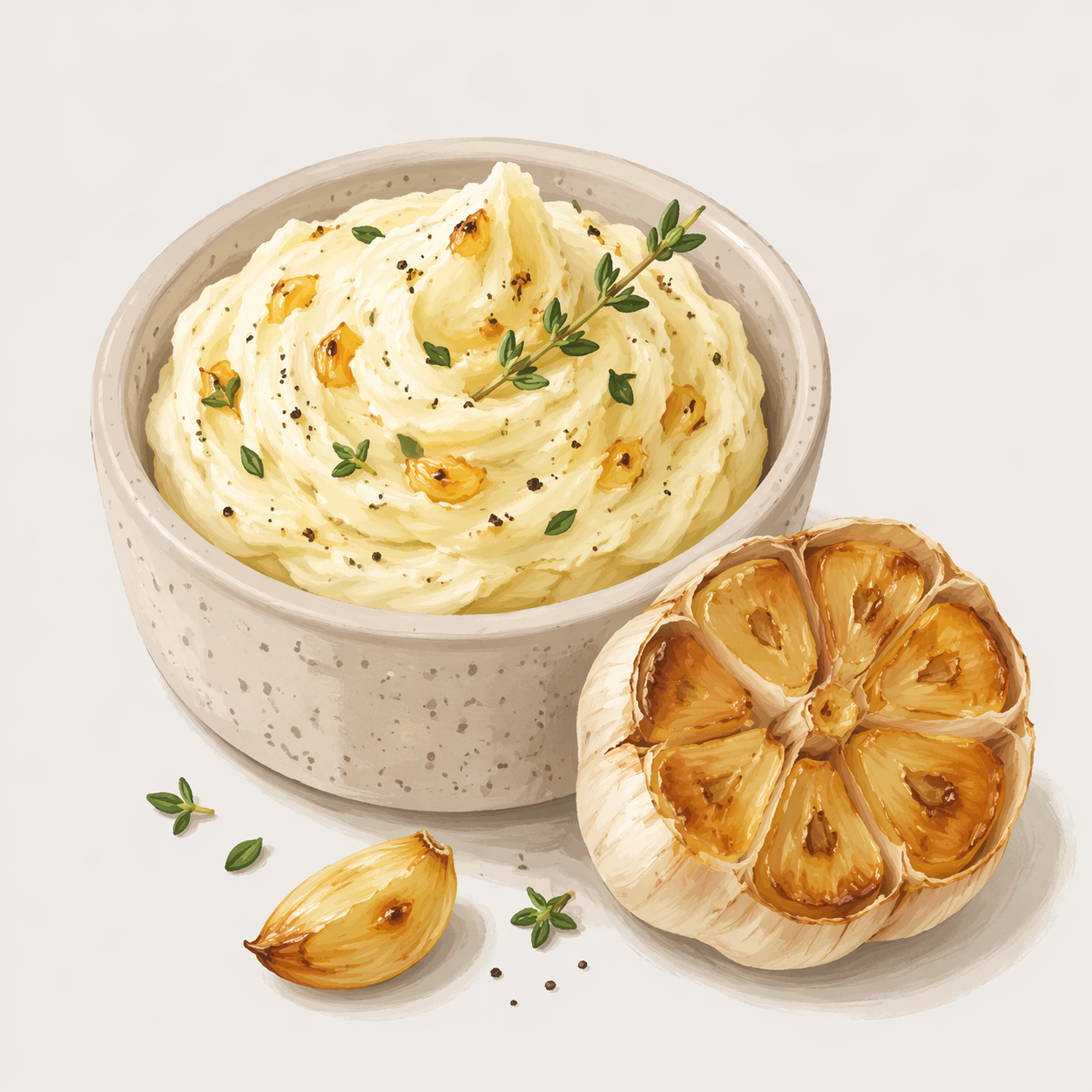
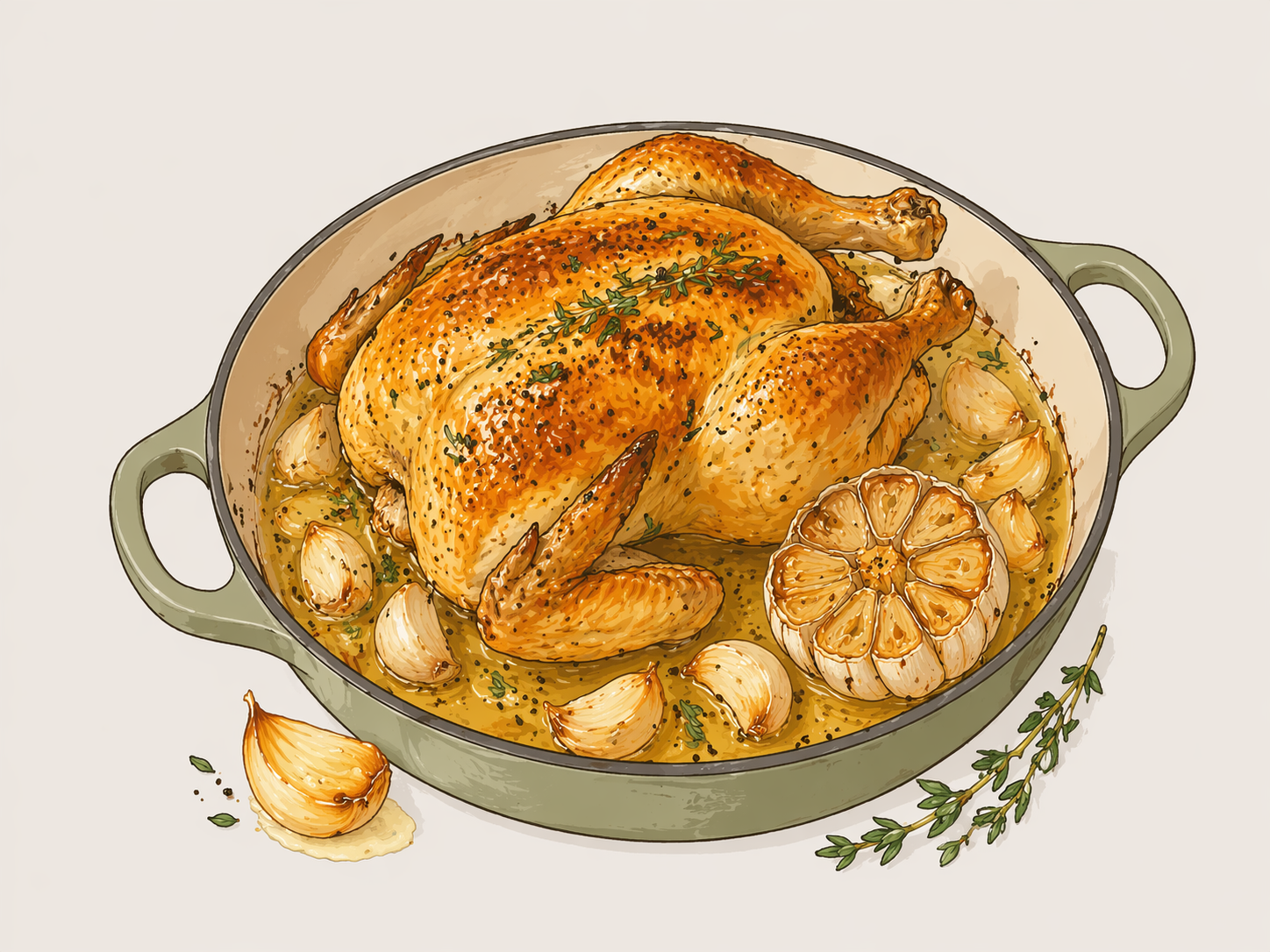
Recipes to try
What to cook when you've got a good harvest.
Free app · Kickstarter October 2027 · iOS February 2028
Know exactly when to plant, prune, and harvest Garlic
plant uses your ZIP code and real frost data to tell you the right day — not just the right month. Get notified when your planting window opens, when to succession sow, and when to cut back for next season.
Be first to back on Kickstarter · founding grower pricing locked in.
Weather watch
plant monitors these conditions and sends an alert the moment they are forecast for your location.
Moon phase planting
Traditional growers have used lunar cycles to time planting and harvest for centuries. The moon affects moisture levels in soil and sap flow in plants.
Common questions
These guides get better when growers share what they know. If something's off or you've learned something worth passing on, add it here -- accepted tips earn you a Founding Grower badge when plant launches.
Your tip for growing Garlic
Your name (optional)
Your zone
Your email (optional)
Tips are reviewed before publishing. Zone 7 tips appear on nearby zone pages too.
What needs correcting?
What should it say?
Your email (optional)