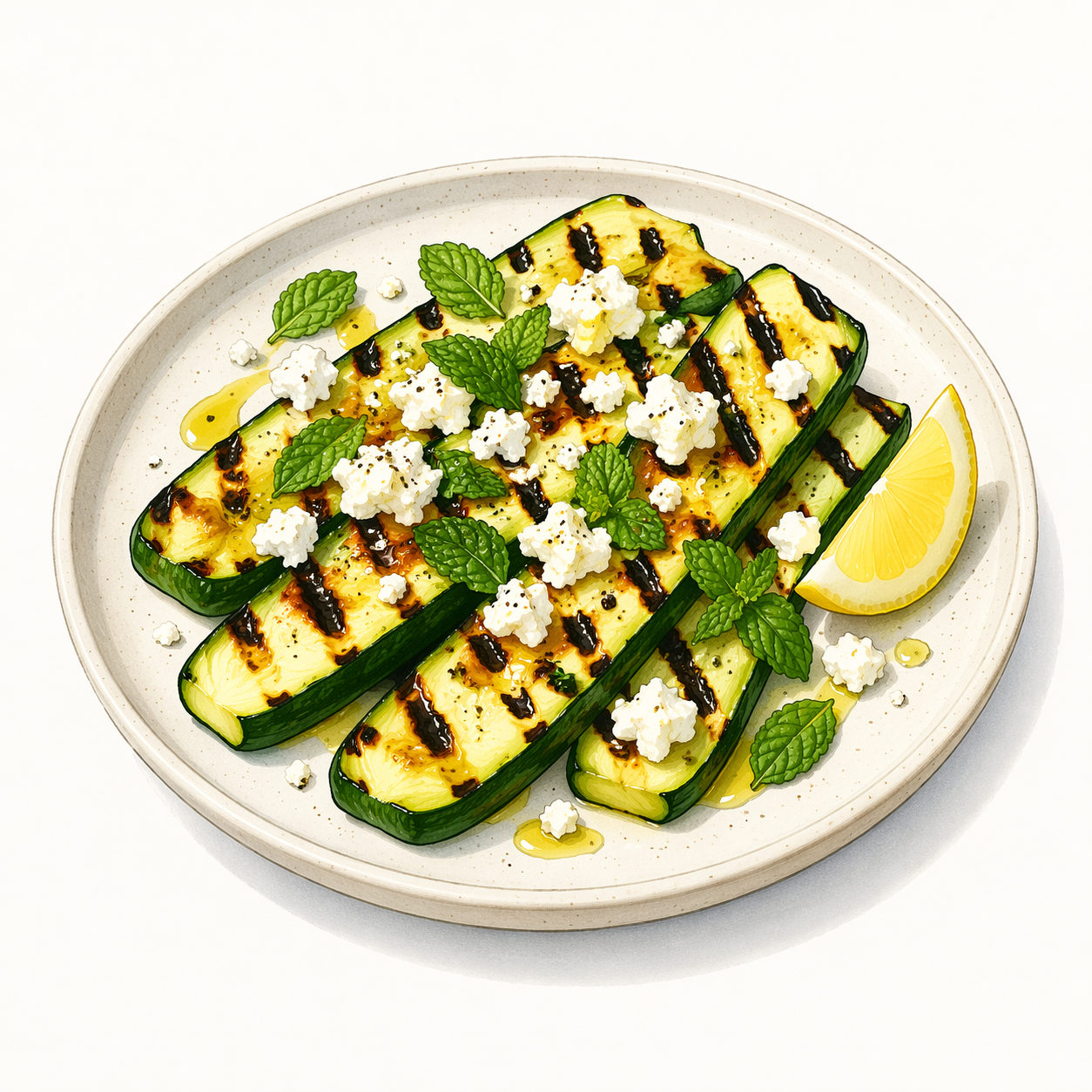
The classic overproducer. Two plants feed a family -- three and you'll be leaving bags on neighbours' doorsteps. Plant in hills with lots of compost.
Plant window opens
Feb 22
Last chance to plant
Sep 30
Last frost
~Jan 15
Days to harvest
45–60 days
Difficulty
Easy
Ready to harvest — Zone 10
Harvest: Apr - May, Nov - Dec
Harvest urgency: daily— Check and pick every day at peak season
Planting Calendar
In Zone 10, Zucchini / Courgette can be planted outdoors from Feb 22 — the window closes around Sep 30.
Jan
Feb
Mar
Apr
May
Jun
Jul
Aug
Sep
Oct
Nov
Dec
plant
too early
plant
plant
plant
too late
too late
too late
harvest
harvest
harvest
harvest
harvest
harvest
harvest
harvest
harvest
harvest
too early
plant window
harvest
too late
Spring crop is main opportunity. Fall planting in September for October-November harvest.
Your zone at a finer grainNOAA 1991–2020
Zone 10 is split into two subzones. The a/b distinction affects your exact last frost date by 1–2 weeks -- meaningful for heat-sensitive crops and fruit tree hardiness.
Subzone
Last frost
First fall
Season
Min temp
10a
none
none
~365 days
30 to 35°F
10b
none
none
~365 days
35 to 40°F
plant detects your subzone from your location and adjusts planting windows accordingly.
Growing Journey
Here is what to expect at each stage — and what to do when you get there.
GerminationDay 4-10
Sow seeds on their edge to prevent rotting. Keep soil warm and moist.
SeedlingDay 7-21
Give them space from the start -- squash plants get very large and do not like competition.
EstablishedDay 14-35
If growing winter squash, direct the vines in the direction you want them to go now -- once established they are harder
FloweringDay 28-50
Hand-pollinate female flowers in the early morning if you are not seeing good fruit set. Touch a male flower to each ope
HarvestDay 45-100
Summer squash picked small tastes better and keeps production going. Winter squash left on the vine longer develops bett
End of SeasonDay 90-150
Cure winter squash at room temperature for 10-14 days before storing -- it hardens the skin and sweetens the flesh. Summ
What to Expect
Typical yield
10-20 lbs over the season -- zucchini is one of the most productive vegetables you can grow
At peak: At peak, one healthy zucchini plant produces 1-2 fruits every 2-3 days
Zucchini is famously easy and productive. You will likely have more than you can eat -- plan to give some away.
Get notified when to plant, water, and harvest your Zucchini / Courgette — personalized for your zone.
Grown Zucchini / Courgette before?or
Care Guide
Sunlight
Full sun · 6–8 hrs/day
Watering
High
Spacing
24–36 inches
Soil
Rich, well-draining, compost-amended
Days to maturity
45–60 days
Soil pH
6.0–7.5
Plant tip · Zone 10
Spring crop is main opportunity. Fall planting in September for October-November harvest.
How to know it's ready
Best at 6-8 inches -- small zucchini have better flavour and texture. Overgrown zucchini (marrows) are still edible but become seedy and watery.
Watering Zucchini / Courgette
How often
Every 2-3 days in heat
How much
1-2 inches per week
Method
At soil level -- wet leaves cause powdery mildew
Overwatering signs
Yellow leaves, stem rot
Underwatering signs
Wilting leaves, small fruit
Feeding Schedule
How often
every 3 weeks
Feed type
Vegetable fertilizer
Key timing
at planting and monthly
NPK: balanced then high K, e.g. 10-10-10
Heavy feeder -- add generous compost at planting. Avoid excess nitrogen once flowering or you'll get lots of leaf and few fruit.
Example product: Espoma Garden-Tone
Reminder: every 21 days after feeding
Succession Planting
Sow every 4 weeks
Sow a second batch 4 weeks after the first. One zucchini plant will produce more than most families can eat -- the reason for succession isn't quantity but quality. Younger plants produce more vigorously and with less disease pressure. Powdery mildew and squash vine borers typically hit older plants hard; a second generation sidesteps this. Two plants per succession, not a full bed.
Direct
Direct sow after last frost. Zucchini grows so fast that starting indoors offers little advantage. If starting indoors, use biodegradable pots -- 3 weeks before last frost maximum.
Container friendly · Minimum 10 gallons
Possible in large containers (10+ gallons) but not ideal -- plants are large and thirsty. Raised beds are much better.
Companion Planting
Some plants help Zucchini / Courgette thrive. Others compete or cause problems.
Grows well with
NasturtiumsBorageMarigoldsBeans
Keep apart from
PotatoesPumpkin
Common Problems
Something went wrong? Here is what likely happened and what to do differently next time.
Frost or cold damage
What happened: Cold or frost at a vulnerable moment -- germination, seedling stage, or transplant -- can set back or kill plants that are not yet established enough to handle it.
Next season: Know your last frost date and work from it. Cover vulnerable plants with fleece when frost threatens, especially in the first few weeks after planting out.
Pests or disease
What happened: Most pest and disease problems are manageable if caught early. Regular checking -- especially undersides of leaves -- is the most effective prevention.
Next season: Check plants weekly and act at the first sign of a problem. Remove affected material promptly. Healthy, well-fed plants in good conditions resist pests better than stressed ones.
Too much water
What happened: Overwatering is one of the most common causes of plant failure. Roots need oxygen as well as moisture -- waterlogged soil suffocates them.
Next season: Water deeply but less often rather than a little every day. Most plants prefer to dry out slightly between waterings. Good drainage is as important as watering.
Too little water
What happened: Drought stress causes wilting, reduced production, and makes plants more susceptible to pest and disease. Stress at critical moments -- germination, flowering, fruiting -- causes the most damage.
Next season: Mulching around plants is the single most effective way to retain soil moisture and reduce watering frequency.
Not enough sun
What happened: Most vegetables and fruits need 6-8 hours of direct sun. In less light they grow slowly, produce poorly, and are more vulnerable to disease.
Next season: Observe your garden through the day and map where the sun falls at different times. Match crops to the light levels available -- shade-tolerant crops for shaded spots, sun-lovers for the brightest beds.
What went wrong
Something didn't work out? Here is what likely happened and what to do differently next season.
Frost or cold damage
What happened: Cold or frost at a vulnerable moment -- germination, seedling stage, or transplant -- can set back or kill plants that are not yet established enough to handle it.
Next season: Know your last frost date and work from it. Cover vulnerable plants with fleece when frost threatens, especially in the first few weeks after planting out.
Pests or disease
What happened: Most pest and disease problems are manageable if caught early. Regular checking -- especially undersides of leaves -- is the most effective prevention.
Next season: Check plants weekly and act at the first sign of a problem. Remove affected material promptly. Healthy, well-fed plants in good conditions resist pests better than stressed ones.
Too much water
What happened: Overwatering is one of the most common causes of plant failure. Roots need oxygen as well as moisture -- waterlogged soil suffocates them.
Next season: Water deeply but less often rather than a little every day. Most plants prefer to dry out slightly between waterings. Good drainage is as important as watering.
Too little water
What happened: Drought stress causes wilting, reduced production, and makes plants more susceptible to pest and disease. Stress at critical moments -- germination, flowering, fruiting -- causes the most damage.
Next season: Mulching around plants is the single most effective way to retain soil moisture and reduce watering frequency.
Not enough sun
What happened: Most vegetables and fruits need 6-8 hours of direct sun. In less light they grow slowly, produce poorly, and are more vulnerable to disease.
Next season: Observe your garden through the day and map where the sun falls at different times. Match crops to the light levels available -- shade-tolerant crops for shaded spots, sun-lovers for the brightest beds.
Pests & Diseases
Know what to look for before it gets out of hand — early identification is the most important step.
Cucumber beetle
pesthigh
What to look for
Yellow-green beetles with black spots or stripes feeding on leaves, flowers, and fruit. Plants wilt suddenly (bacterial wilt transmission). Holey leaves.
Cause
Spotted and striped cucumber beetles. Also transmit bacterial wilt disease.
Organic treatment
Row covers until flowering. Yellow sticky traps. Neem oil spray. Spinosad-based insecticide.
Prevention
Delay planting until plants are large. Use row covers early season. Interplant with radishes and nasturtiums.
Squash bug
pesthigh
What to look for
Grey-brown flat insects on stems and undersides of leaves. Wilting leaves with yellow then brown patches. Bronze egg clusters on leaf undersides.
Cause
Anasa tristis. Overwinters as adults in garden debris.
Organic treatment
Hand-pick adults and egg masses. Trap under boards at night. Neem oil spray on nymphs.
Prevention
Remove all garden debris in autumn. Rotate cucurbit crops. Use row covers early season.
Aphids
pestmedium
What to look for
Clusters of tiny soft insects on new growth and leaf undersides. Leaves curl, yellow, or become sticky with honeydew. Sooty black mold may follow.
Cause
Multiple aphid species. Populations explode rapidly in warm weather.
Organic treatment
Blast off with strong water jet. Apply insecticidal soap or neem oil directly to colonies. Introduce ladybugs or lacewings.
Prevention
Plant marigolds and nasturtiums nearby. Avoid excess nitrogen fertilizer which creates soft, aphid-attractive growth. Encourage beneficial insects.
Spider mites
pestmedium
What to look for
Fine stippling or yellow dots on leaves. Fine webbing on leaf undersides. Leaves may bronze, dry out, and drop. Worst in hot dry weather.
Cause
Tetranychus urticae and related species. Thrives in heat and drought.
Organic treatment
Blast with water repeatedly. Apply neem oil or insecticidal soap to leaf undersides. Increase humidity around plants.
Prevention
Keep plants well-watered in hot weather. Avoid dusty conditions. Introduce predatory mites.
Powdery mildew
diseasemedium
What to look for
White powdery coating on leaf surfaces, stems, and sometimes fruit. Leaves may yellow and die. Worst in warm days with cool nights.
Cause
Fungal disease favoured by humid conditions with poor air circulation.
Organic treatment
Spray with diluted neem oil or a baking soda solution (1 tsp per quart water). Apply potassium bicarbonate spray. Remove and destroy affected leaves.
Prevention
Space plants for good airflow. Water at soil level, not on foliage. Choose resistant varieties. Avoid overhead irrigation.
Bacterial wilt
diseasehigh
What to look for
Sudden wilting of individual leaves, then whole stems, then entire plant. No recovery even with watering. Plants die within days.
Cause
Erwinia tracheiphila bacteria spread by cucumber beetles feeding.
Organic treatment
No cure -- remove and destroy infected plants immediately. Control cucumber beetles to prevent spread.
Prevention
Use row covers to exclude cucumber beetles early in season. Plant resistant varieties.
Downy mildew
diseasehigh
What to look for
Yellow-green patches on upper leaf surface with corresponding grey-purple fuzzy growth on leaf undersides. Leaves die rapidly.
Cause
Pseudoperonospora cubensis fungus. Spreads rapidly in wet humid conditions.
Free app · Kickstarter October 2027 · iOS February 2028
Know exactly when to plant, prune, and harvest Zucchini / Courgette
plant uses your ZIP code and real frost data to tell you the right day — not just the right month. Get notified when your planting window opens, when to succession sow, and when to cut back for next season.
You're in ✓ — we'll be in touch before launch.
Something went wrong — try again.
Be first to back on Kickstarter · founding grower pricing locked in.
Weather watch
plant monitors these conditions and sends an alert the moment they are forecast for your location.
Frost Warning
Frost warning -- protect your squash
Squash is frost-tender. Cover with fleece tonight. Winter squash still on the vine must be harvested before a hard frost -- even one frosty night can damage stored winter squash.
HIGH priority
High Humidity
Powdery mildew risk for your squash
Squash is very susceptible to powdery mildew in humid conditions. Ensure good spacing and airflow. If you see white powdery patches on leaves, remove affected leaves and spray with a dilute baking soda solution.
MEDIUM priority
Drought
Your squash needs deep watering
Squash plants have large leaves and need a lot of water in dry conditions. Water deeply at the base -- not the leaves -- twice a week in drought conditions. Mulch heavily to retain soil moisture.
MEDIUM priority
Moon phase planting
Traditional growers have used lunar cycles to time planting and harvest for centuries. The moon affects moisture levels in soil and sap flow in plants.
Above-ground crop
Waxing moon -- new moon to full moon
Plant and harvest on a waxing moon. Energy draws upward into leaves, stems, and fruit. Germination is strongest in the days after the new moon.
Lunar phase guide
New moon → Full moon
Waxing phase
Best for planting above-ground crops. Sap rises, germination is stronger. Good for transplanting.
Full moon → New moon
Waning phase
Best for harvesting, pruning, and root crops. Energy draws downward. Good for dividing perennials.
Full moon
Peak moisture
Avoid planting -- seeds may rot in high-moisture conditions. Good for harvesting crops to eat fresh.
New moon
Rest period
Avoid planting or transplanting. Best for soil preparation, weeding, and composting.
Common questions
In Zone 10, direct sow zucchini / courgette outdoors Feb 22 - Mar 15, Sep 9 - Sep 30 after your last frost of approximately Jan 15. Spring crop is main opportunity. Fall planting in September for October-November harvest.
Zone 10 has an average last spring frost around Jan 15 and a first fall frost around Dec 31. These vary by location — the plant app uses your ZIP code with NOAA data for precision.
Good companions for zucchini / courgette include Nasturtiums, Borage, Marigolds, Beans. Avoid planting near Potatoes, Pumpkin.
Zucchini / Courgette typically takes 45–60 days to harvest in Zone 10. Expected harvest window: Apr - May, Nov - Dec.
These guides get better when growers share what they know. If something's off or you've learned something worth passing on, add it here -- accepted tips earn you a Founding Grower badge when plant launches.
Your tip for growing Zucchini / Courgette
Your name (optional)
Your zone
Your email (optional)
Tips are reviewed before publishing. Zone 10 tips appear on nearby zone pages too.
Thanks for contributing! We'll review your tip and be in touch before launch.
What needs correcting?
What should it say?
Your email (optional)
Thanks -- we'll review this and update the guide if needed.