Planting Calendar
In Zone 4, Carrot can be planted outdoors from Mar 28 — the window closes around Sep 15.
Can sow every 3 weeks through June for continuous harvest. Fall carrots are sweeter.
Zone 4 is split into two subzones. The a/b distinction affects your exact last frost date by 1–2 weeks -- meaningful for heat-sensitive crops and fruit tree hardiness.
| Subzone | Last frost | First fall | Season | Min temp |
|---|---|---|---|---|
| 4a | May 7 | Oct 6 | ~150 days | -30 to -25°F |
| 4b | May 3 | Oct 11 | ~160 days | -25 to -20°F |
plant detects your subzone from your location and adjusts planting windows accordingly.
Growing Journey
Here is what to expect at each stage — and what to do when you get there.
Keep soil surface consistently moist -- the most common reason carrots fail is the surface drying out during the 2-3 wee
Thin seedlings carefully and promptly. Crowded root vegetables fork and stay small. Thin in stages -- once at 2 inches,
Keep consistently watered -- irregular watering causes cracking and forking in root crops. Weed carefully to avoid distu
Water well before harvesting to loosen the soil. Pull at an angle rather than straight up to prevent snapping. Many root
Check stored roots monthly for any that are rotting -- one bad root can spread to others. Remove immediately.
What to Expect
At peak: Carrots mature roughly all at once -- plan storage
Homegrown carrots taste nothing like shop-bought ones. They are sweeter, more flavourful, and worth every bit of effort.
Care Guide
Watering Carrot
Feeding Schedule
Avoid high nitrogen -- it produces forked, hairy roots. A low-nitrogen feed worked into soil before sowing is ideal.
Succession Planting
Sow every 3 weeks from early spring through midsummer. Carrots are slow to germinate (10-21 days) so keep the seedbed moist until sprouts appear. The key succession insight for carrots is that they store well in the ground -- you can leave a mature batch in place while a new one grows. But succession avoids having all your carrots mature in August heat, when they develop off flavors. Autumn-matured carrots from a late sowing are noticeably sweeter.
Companion Planting
Some plants help Carrot thrive. Others compete or cause problems.
Common Problems
Something went wrong? Here is what likely happened and what to do differently next time.
Frost or cold damage
What happened: Most root vegetables actually benefit from frost -- it converts starches to sugars and improves flavour. Damage at the seedling stage from a late heavy frost is more likely. Potatoes left in the ground through a hard freeze may be damaged.
Next season: Most root crops are frost-tolerant once past the seedling stage. Harvest potatoes before a hard freeze and enjoy carrots and parsnips after light frost -- they taste better for it.
Pests or disease
What happened: Carrot fly lays eggs near carrots and the larvae tunnel through roots. Potato blight is a devastating fungal disease in wet summers. Wire worms damage roots of many crops in newly broken ground.
Next season: Cover carrot and parsnip rows with fine mesh to exclude carrot fly. Rotate potato beds every year. In new beds, reduce wireworm by incorporating poultry grit and exposing soil to birds when digging.
Forked, split, or rotting roots
What happened: Irregular watering causes carrots and parsnips to fork and split, and beetroot to become woody. Sudden heavy rain after a dry period causes potatoes and carrots to crack as they take up water rapidly.
Next season: Consistent moisture is the key to good root crops. Water deeply and regularly rather than allowing the soil to dry fully between waterings. Mulching helps significantly.
Small, tough, or bitter roots
What happened: Drought-stressed root crops put energy into survival rather than root development. Carrots become thin and fibrous, radishes become hot and woody, beetroot becomes tough.
Next season: Deep, consistent watering produces deep, well-developed roots. A single deep watering twice a week is better than shallow watering daily.
Poor germination or slow growth
What happened: Many root crops -- especially carrots -- fail to germinate because the soil surface dried out during the 2-3 week germination period. This is the most common reason for a failed carrot sowing, not poor seed or bad soil.
Next season: Lay a plank or damp newspaper over the carrot row after sowing. Check daily and remove the moment you see any shoot emerging. This single technique transforms carrot germination reliability.
What went wrong
Something didn't work out? Here is what likely happened and what to do differently next season.
Frost or cold damage
What happened: Most root vegetables actually benefit from frost -- it converts starches to sugars and improves flavour. Damage at the seedling stage from a late heavy frost is more likely. Potatoes left in the ground through a hard freeze may be damaged.
Next season: Most root crops are frost-tolerant once past the seedling stage. Harvest potatoes before a hard freeze and enjoy carrots and parsnips after light frost -- they taste better for it.
Pests or disease
What happened: Carrot fly lays eggs near carrots and the larvae tunnel through roots. Potato blight is a devastating fungal disease in wet summers. Wire worms damage roots of many crops in newly broken ground.
Next season: Cover carrot and parsnip rows with fine mesh to exclude carrot fly. Rotate potato beds every year. In new beds, reduce wireworm by incorporating poultry grit and exposing soil to birds when digging.
Forked, split, or rotting roots
What happened: Irregular watering causes carrots and parsnips to fork and split, and beetroot to become woody. Sudden heavy rain after a dry period causes potatoes and carrots to crack as they take up water rapidly.
Next season: Consistent moisture is the key to good root crops. Water deeply and regularly rather than allowing the soil to dry fully between waterings. Mulching helps significantly.
Small, tough, or bitter roots
What happened: Drought-stressed root crops put energy into survival rather than root development. Carrots become thin and fibrous, radishes become hot and woody, beetroot becomes tough.
Next season: Deep, consistent watering produces deep, well-developed roots. A single deep watering twice a week is better than shallow watering daily.
Poor germination or slow growth
What happened: Many root crops -- especially carrots -- fail to germinate because the soil surface dried out during the 2-3 week germination period. This is the most common reason for a failed carrot sowing, not poor seed or bad soil.
Next season: Lay a plank or damp newspaper over the carrot row after sowing. Check daily and remove the moment you see any shoot emerging. This single technique transforms carrot germination reliability.
Pests & Diseases
Know what to look for before it gets out of hand — early identification is the most important step.
Recommended Varieties
- Nantes (classic)
- Chantenay (short, for shallow soil)
- Danvers (sturdy)
- Cosmic Purple / Rainbow Mix
Storing Your Harvest
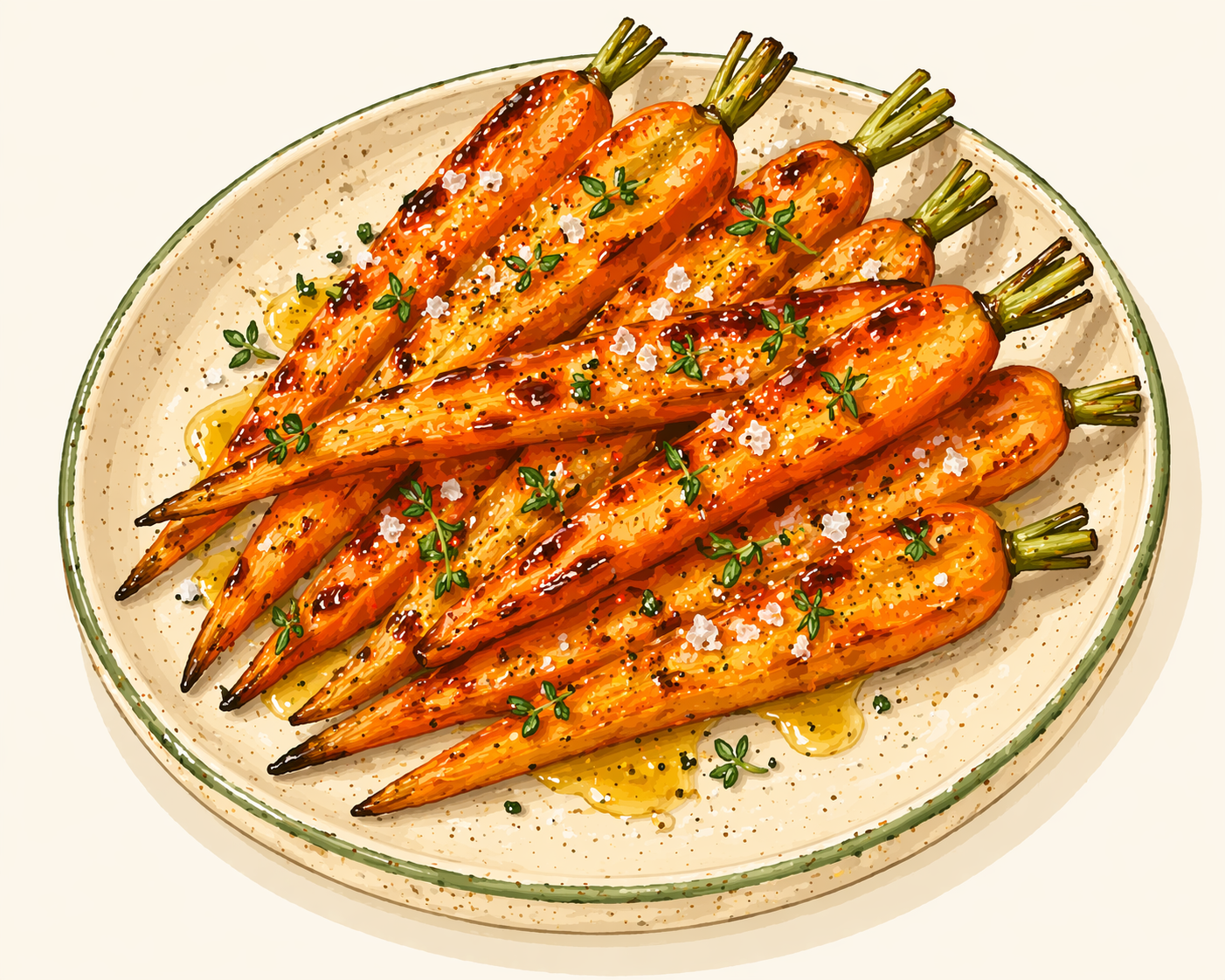
Recipes to try
What to cook when you've got a good harvest.

Free app · Kickstarter October 2027 · iOS February 2028
Know exactly when to plant, prune, and harvest Carrot
plant uses your ZIP code and real frost data to tell you the right day — not just the right month. Get notified when your planting window opens, when to succession sow, and when to cut back for next season.
Be first to back on Kickstarter · founding grower pricing locked in.
Weather watch
plant monitors these conditions and sends an alert the moment they are forecast for your location.
Moon phase planting
Traditional growers have used lunar cycles to time planting and harvest for centuries. The moon affects moisture levels in soil and sap flow in plants.
Common questions
These guides get better when growers share what they know. If something's off or you've learned something worth passing on, add it here -- accepted tips earn you a Founding Grower badge when plant launches.
Your tip for growing Carrot
Your name (optional)
Your zone
Your email (optional)
Tips are reviewed before publishing. Zone 4 tips appear on nearby zone pages too.
What needs correcting?
What should it say?
Your email (optional)