Planting Calendar
In Zone 5, Kale can be planted outdoors from Mar 18 — the window closes around Sep 15.
Very productive zone for kale. Fall crop survives until hard freeze in December.
Zone 5 is split into two subzones. The a/b distinction affects your exact last frost date by 1–2 weeks -- meaningful for heat-sensitive crops and fruit tree hardiness.
| Subzone | Last frost | First fall | Season | Min temp |
|---|---|---|---|---|
| 5a | May 5 | Oct 11 | ~158 days | -20 to -15°F |
| 5b | Apr 25 | Oct 17 | ~173 days | -15 to -10°F |
plant detects your subzone from your location and adjusts planting windows accordingly.
Growing Journey
Here is what to expect at each stage — and what to do when you get there.
Keep soil consistently moist but not waterlogged. Most leafy greens germinate best at 50-65°F -- they actually prefer co
Thin seedlings to the recommended spacing -- crowded leafy greens bolt faster and produce less. The thinnings are edible
Begin harvesting outer leaves now -- this encourages more growth from the centre. Do not wait for the plant to be 'finis
Harvest cut-and-come-again -- remove outer leaves and let the centre keep growing. For butterhead types, harvest the who
Once bolting starts the flavour changes -- harvest everything immediately. Bolted leaves are still edible but more bitte
What to Expect
At peak: A kale plant can produce for months if harvested correctly
Kale is one of the most rewarding crops to grow. Pick it small for salads, larger for cooking.
Care Guide
Watering Kale
Feeding Schedule
Leafy crop that loves nitrogen. Feed monthly with a nitrogen-rich fertilizer. Reduce feeding in the final 4 weeks before harvest.
Succession Planting
Sow every 4 weeks from spring through midsummer. Like collards, kale is cut-and-come-again from the outer leaves -- one plant can produce for months. The most important succession is the late-summer sowing for autumn: kale planted 8-10 weeks before your first frost date will be at peak harvest when temperatures drop, and the flavor improves dramatically after frost. Don't skip this one.
Companion Planting
Some plants help Kale thrive. Others compete or cause problems.
Common Problems
Something went wrong? Here is what likely happened and what to do differently next time.
Frost or cold damage
What happened: Most leafy greens actually handle light frost well once established -- it can even improve flavour. But young seedlings are more vulnerable. If the damage happened at the seedling stage, a late frost likely caught them.
Next season: Cover seedlings with fleece if frost threatens in the first few weeks. Established leafy greens generally recover from light frost on their own.
Pests or disease
What happened: Slugs love leafy green seedlings, especially in wet conditions. Downy mildew affects plants in humid, overcrowded conditions. Flea beetles leave tiny holes in leaves -- especially on arugula and kale.
Next season: Thin seedlings properly to allow airflow. Protect from slugs in the first few weeks. Row cover helps with flea beetles on susceptible varieties.
Too much water or bolting
What happened: Leafy greens in waterlogged soil develop root rot quickly. More commonly, warmth and long days trigger bolting -- the plant sends up a flower stalk and the leaves become bitter. This is the plant completing its lifecycle, not a failure of care.
Next season: Bolting is largely about timing. Sow earlier in spring or switch to a fall sowing -- cooling temperatures signal the plant to keep producing leaves rather than flowering.
Too little water
What happened: Irregular watering is a major bolting trigger in lettuce and spinach. A dry spell followed by heat pushes them to flower and seed rapidly.
Next season: Keep moisture consistent -- mulching around leafy greens makes a real difference. Water in the morning so leaves dry during the day.
Bolted too quickly
What happened: Heat and long days cause most leafy greens to bolt -- this is the most common reason they fail. The plant is not dying, it is doing what it is designed to do. Once bolted the leaves become bitter and inedible quickly.
Next season: The fall sowing is almost always more successful than spring for leafy greens. Cooling temperatures give you longer, slower-bolting plants. Shade cloth can also extend the spring crop by a couple of weeks.
What went wrong
Something didn't work out? Here is what likely happened and what to do differently next season.
Frost or cold damage
What happened: Most leafy greens actually handle light frost well once established -- it can even improve flavour. But young seedlings are more vulnerable. If the damage happened at the seedling stage, a late frost likely caught them.
Next season: Cover seedlings with fleece if frost threatens in the first few weeks. Established leafy greens generally recover from light frost on their own.
Pests or disease
What happened: Slugs love leafy green seedlings, especially in wet conditions. Downy mildew affects plants in humid, overcrowded conditions. Flea beetles leave tiny holes in leaves -- especially on arugula and kale.
Next season: Thin seedlings properly to allow airflow. Protect from slugs in the first few weeks. Row cover helps with flea beetles on susceptible varieties.
Too much water or bolting
What happened: Leafy greens in waterlogged soil develop root rot quickly. More commonly, warmth and long days trigger bolting -- the plant sends up a flower stalk and the leaves become bitter. This is the plant completing its lifecycle, not a failure of care.
Next season: Bolting is largely about timing. Sow earlier in spring or switch to a fall sowing -- cooling temperatures signal the plant to keep producing leaves rather than flowering.
Too little water
What happened: Irregular watering is a major bolting trigger in lettuce and spinach. A dry spell followed by heat pushes them to flower and seed rapidly.
Next season: Keep moisture consistent -- mulching around leafy greens makes a real difference. Water in the morning so leaves dry during the day.
Bolted too quickly
What happened: Heat and long days cause most leafy greens to bolt -- this is the most common reason they fail. The plant is not dying, it is doing what it is designed to do. Once bolted the leaves become bitter and inedible quickly.
Next season: The fall sowing is almost always more successful than spring for leafy greens. Cooling temperatures give you longer, slower-bolting plants. Shade cloth can also extend the spring crop by a couple of weeks.
Pests & Diseases
Know what to look for before it gets out of hand — early identification is the most important step.
Recommended Varieties
- Tuscan/Lacinato (milder, flat leaf)
- Red Russian (tender, frilly)
- Dwarf Blue Curled Scotch (compact)
- Winterbor (very hardy)
Storing Your Harvest
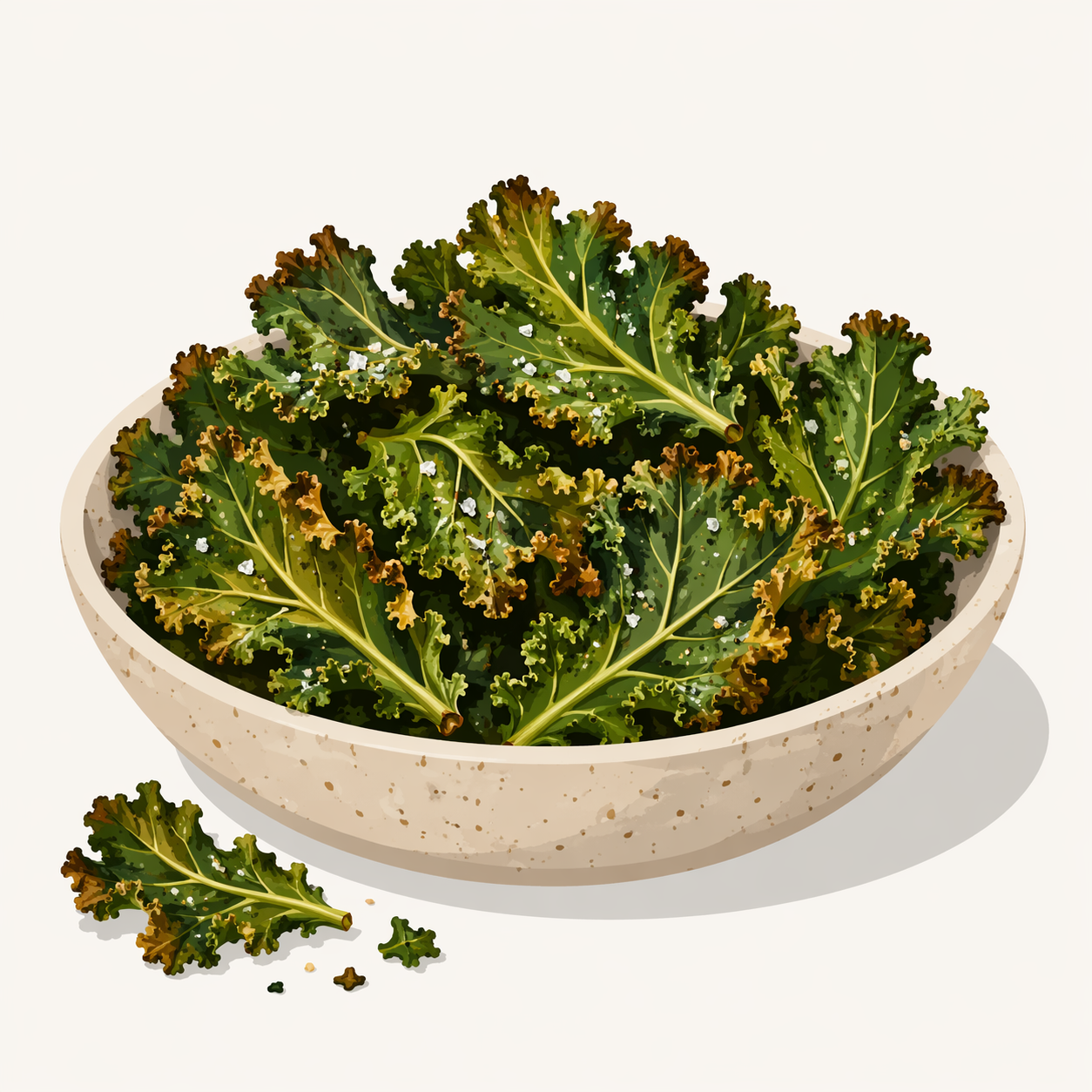
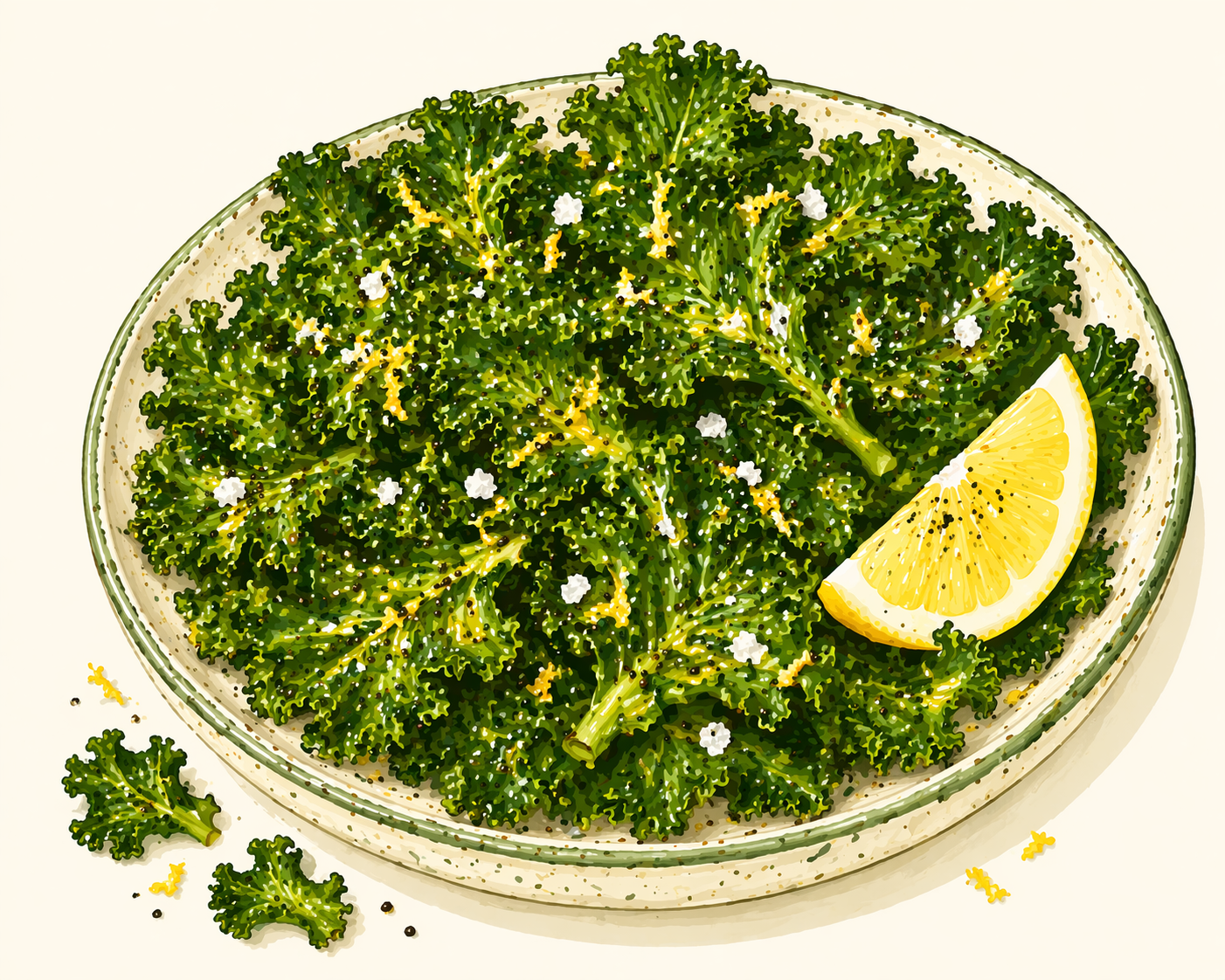
Recipes to try
What to cook when you've got a good harvest.
Free app · Kickstarter October 2027 · iOS February 2028
Know exactly when to plant, prune, and harvest Kale
plant uses your ZIP code and real frost data to tell you the right day — not just the right month. Get notified when your planting window opens, when to succession sow, and when to cut back for next season.
Be first to back on Kickstarter · founding grower pricing locked in.
Weather watch
plant monitors these conditions and sends an alert the moment they are forecast for your location.
Moon phase planting
Traditional growers have used lunar cycles to time planting and harvest for centuries. The moon affects moisture levels in soil and sap flow in plants.
Common questions
These guides get better when growers share what they know. If something's off or you've learned something worth passing on, add it here -- accepted tips earn you a Founding Grower badge when plant launches.
Your tip for growing Kale
Your name (optional)
Your zone
Your email (optional)
Tips are reviewed before publishing. Zone 5 tips appear on nearby zone pages too.
What needs correcting?
What should it say?
Your email (optional)