Planting Calendar
In Zone 6, Basil can be planted outdoors from Apr 15 — the window closes around May 13. Start seeds indoors around Mar 18 - Apr 1.
Great basil zone. Multiple succession plantings possible for continuous harvest through fall.
Zone 6 is split into two subzones. The a/b distinction affects your exact last frost date by 1–2 weeks -- meaningful for heat-sensitive crops and fruit tree hardiness.
| Subzone | Last frost | First fall | Season | Min temp |
|---|---|---|---|---|
| 6a | Apr 11 | Oct 29 | ~200 days | -10 to -5°F |
| 6b | Apr 8 | Oct 30 | ~204 days | -5 to 0°F |
plant detects your subzone from your location and adjusts planting windows accordingly.
Growing Journey
Here is what to expect at each stage — and what to do when you get there.
Keep soil consistently moist. Most annual herbs germinate better in warmth -- 65-75°F is ideal.
Thin to 6-9 inches. The thinnings are edible -- add them to salads.
Begin harvesting by pinching out the growing tips -- this encourages bushy side growth rather than a tall, lanky plant.
Harvest little and often by pinching growing tips. Never remove more than a third of the plant at once. Regular harvesti
Remove flower stems immediately on basil to extend harvest. For cilantro and dill, flowering is part of the lifecycle --
What to Expect
Basil from your own garden, still warm from the sun, is one of the great simple pleasures of growing food.
Care Guide
Watering Basil
Feeding Schedule
Moderate feeder. Liquid balanced feed every 3 weeks keeps growth lush. Pinch out flowers to maintain leaf production.
Succession Planting
Sow every 3 weeks from last frost through midsummer. Basil bolts quickly in heat -- flowering stems become bitter and the plant redirects energy from leaves to seeds. Pinching flowers delays this but doesn't stop it. A fresh succession planting every 3 weeks means you always have young, leafy plants at peak flavor. If you're growing for pesto, succession means you can harvest entire plants rather than carefully pinching to delay bolt.
Companion Planting
Some plants help Basil thrive. Others compete or cause problems.
Common Problems
Something went wrong? Here is what likely happened and what to do differently next time.
Frost or cold damage
What happened: Cold or frost at a vulnerable moment -- germination, seedling stage, or transplant -- can set back or kill plants that are not yet established enough to handle it.
Next season: Know your last frost date and work from it. Cover vulnerable plants with fleece when frost threatens, especially in the first few weeks after planting out.
Pests or disease
What happened: Most pest and disease problems are manageable if caught early. Regular checking -- especially undersides of leaves -- is the most effective prevention.
Next season: Check plants weekly and act at the first sign of a problem. Remove affected material promptly. Healthy, well-fed plants in good conditions resist pests better than stressed ones.
Too much water
What happened: Overwatering is one of the most common causes of plant failure. Roots need oxygen as well as moisture -- waterlogged soil suffocates them.
Next season: Water deeply but less often rather than a little every day. Most plants prefer to dry out slightly between waterings. Good drainage is as important as watering.
Too little water
What happened: Drought stress causes wilting, reduced production, and makes plants more susceptible to pest and disease. Stress at critical moments -- germination, flowering, fruiting -- causes the most damage.
Next season: Mulching around plants is the single most effective way to retain soil moisture and reduce watering frequency.
Not enough sun
What happened: Most vegetables and fruits need 6-8 hours of direct sun. In less light they grow slowly, produce poorly, and are more vulnerable to disease.
Next season: Observe your garden through the day and map where the sun falls at different times. Match crops to the light levels available -- shade-tolerant crops for shaded spots, sun-lovers for the brightest beds.
What went wrong
Something didn't work out? Here is what likely happened and what to do differently next season.
Frost or cold damage
What happened: Cold or frost at a vulnerable moment -- germination, seedling stage, or transplant -- can set back or kill plants that are not yet established enough to handle it.
Next season: Know your last frost date and work from it. Cover vulnerable plants with fleece when frost threatens, especially in the first few weeks after planting out.
Pests or disease
What happened: Most pest and disease problems are manageable if caught early. Regular checking -- especially undersides of leaves -- is the most effective prevention.
Next season: Check plants weekly and act at the first sign of a problem. Remove affected material promptly. Healthy, well-fed plants in good conditions resist pests better than stressed ones.
Too much water
What happened: Overwatering is one of the most common causes of plant failure. Roots need oxygen as well as moisture -- waterlogged soil suffocates them.
Next season: Water deeply but less often rather than a little every day. Most plants prefer to dry out slightly between waterings. Good drainage is as important as watering.
Too little water
What happened: Drought stress causes wilting, reduced production, and makes plants more susceptible to pest and disease. Stress at critical moments -- germination, flowering, fruiting -- causes the most damage.
Next season: Mulching around plants is the single most effective way to retain soil moisture and reduce watering frequency.
Not enough sun
What happened: Most vegetables and fruits need 6-8 hours of direct sun. In less light they grow slowly, produce poorly, and are more vulnerable to disease.
Next season: Observe your garden through the day and map where the sun falls at different times. Match crops to the light levels available -- shade-tolerant crops for shaded spots, sun-lovers for the brightest beds.
Pests & Diseases
Know what to look for before it gets out of hand — early identification is the most important step.
Recommended Varieties
- Genovese (classic pesto)
- Sweet Basil (all-purpose)
- Thai Basil (spicy, aromatic)
- Purple Ruffles (ornamental and culinary)
- Spicy Globe (compact)
Storing Your Harvest
Recipes to try
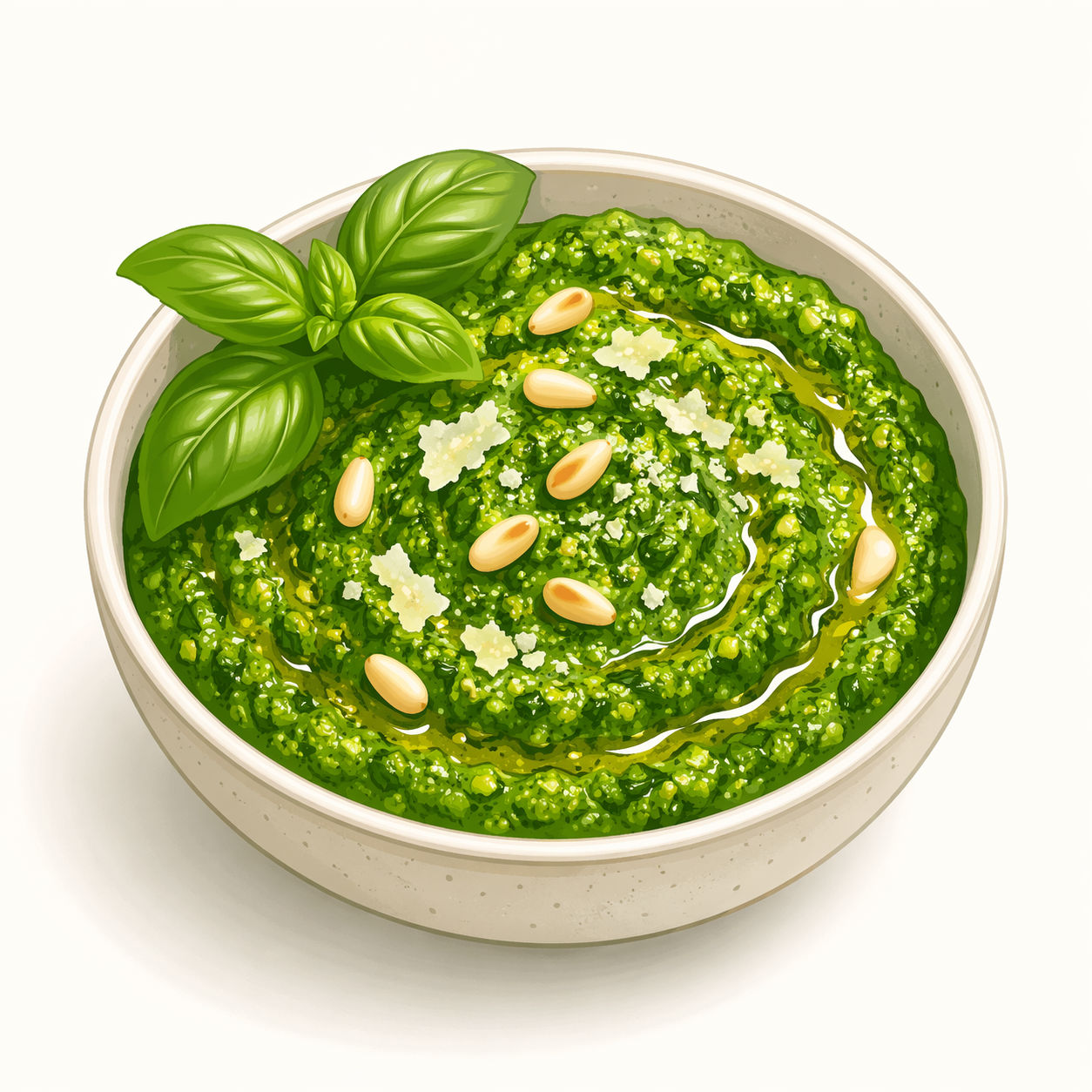
What to cook when you've got a good harvest.
Free app · Kickstarter October 2027 · iOS February 2028
Know exactly when to plant, prune, and harvest Basil
plant uses your ZIP code and real frost data to tell you the right day — not just the right month. Get notified when your planting window opens, when to succession sow, and when to cut back for next season.
Be first to back on Kickstarter · founding grower pricing locked in.
Weather watch
plant monitors these conditions and sends an alert the moment they are forecast for your location.
Moon phase planting
Traditional growers have used lunar cycles to time planting and harvest for centuries. The moon affects moisture levels in soil and sap flow in plants.
Common questions
These guides get better when growers share what they know. If something's off or you've learned something worth passing on, add it here -- accepted tips earn you a Founding Grower badge when plant launches.
Your tip for growing Basil
Your name (optional)
Your zone
Your email (optional)
Tips are reviewed before publishing. Zone 6 tips appear on nearby zone pages too.
What needs correcting?
What should it say?
Your email (optional)