Will it actually fruit here?
Hardiness tells you the tree will survive your winters. It does not tell you whether you will get fruit. Each zone carries its own verdict. Yours is marked.
rarely fruits
rarely fruits
low chill
Tap to switch. plant calibrates to where you are in the journey.
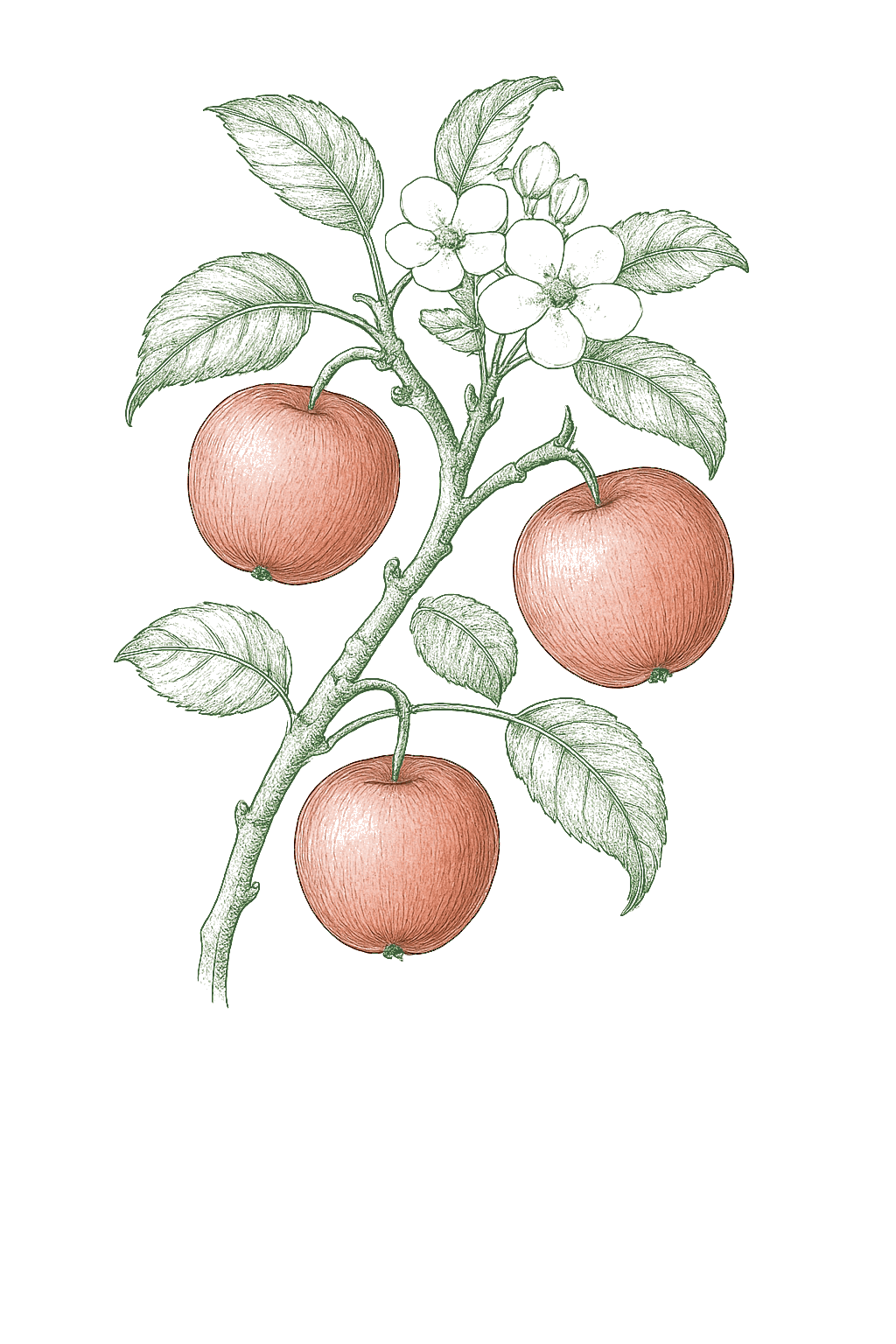
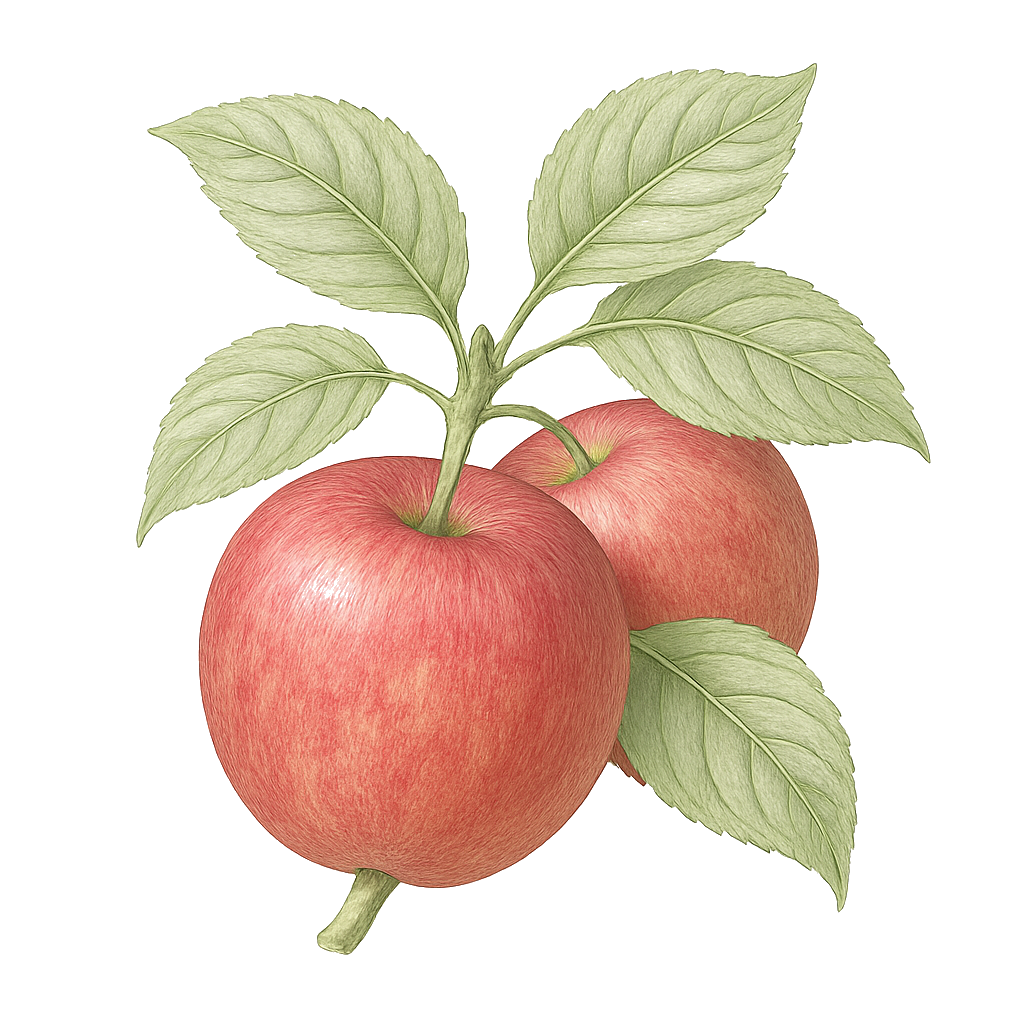
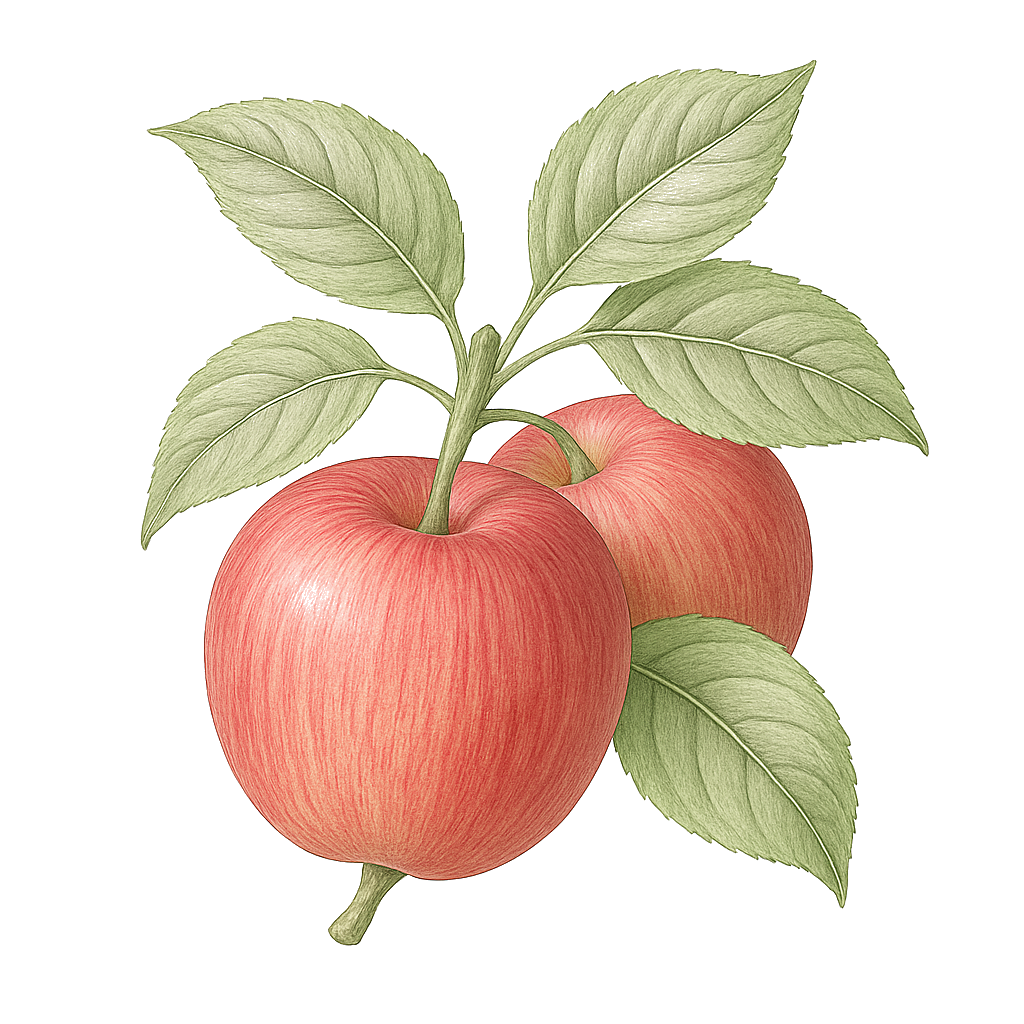
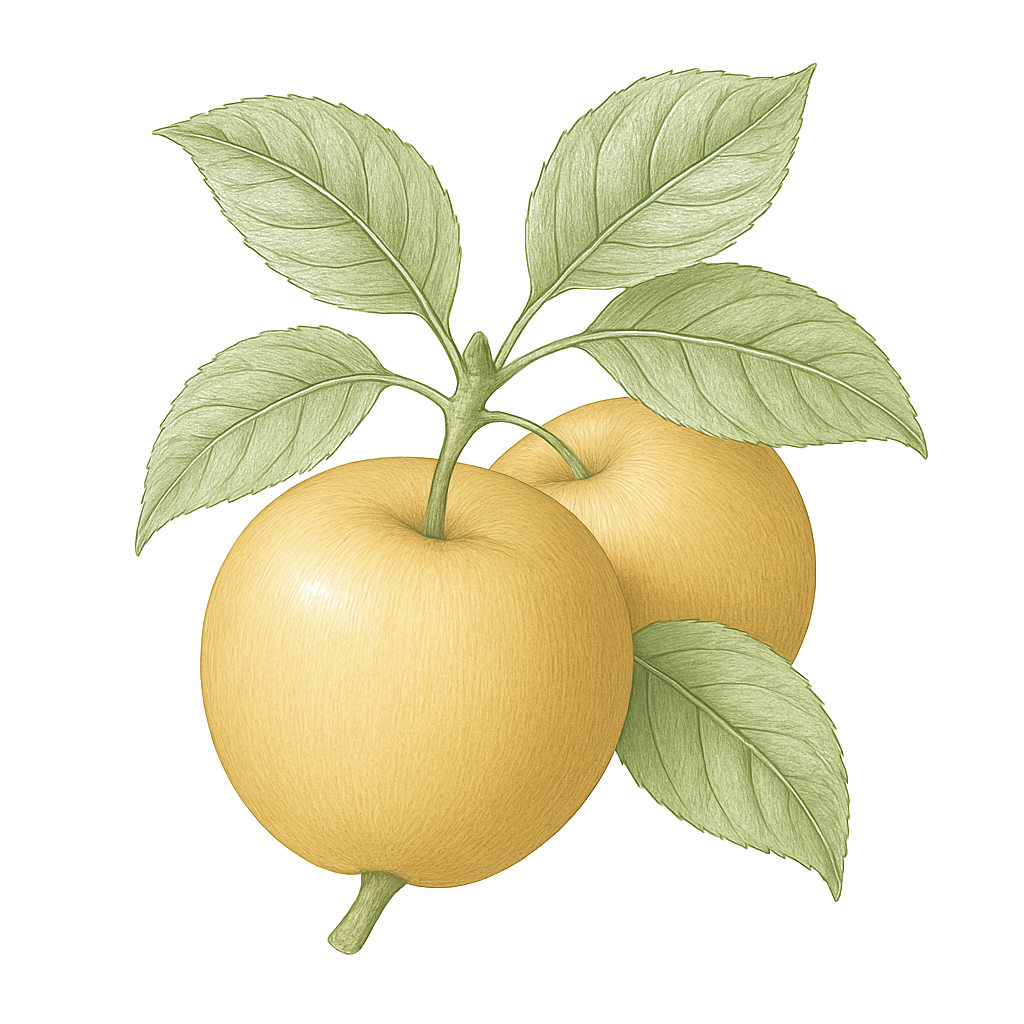
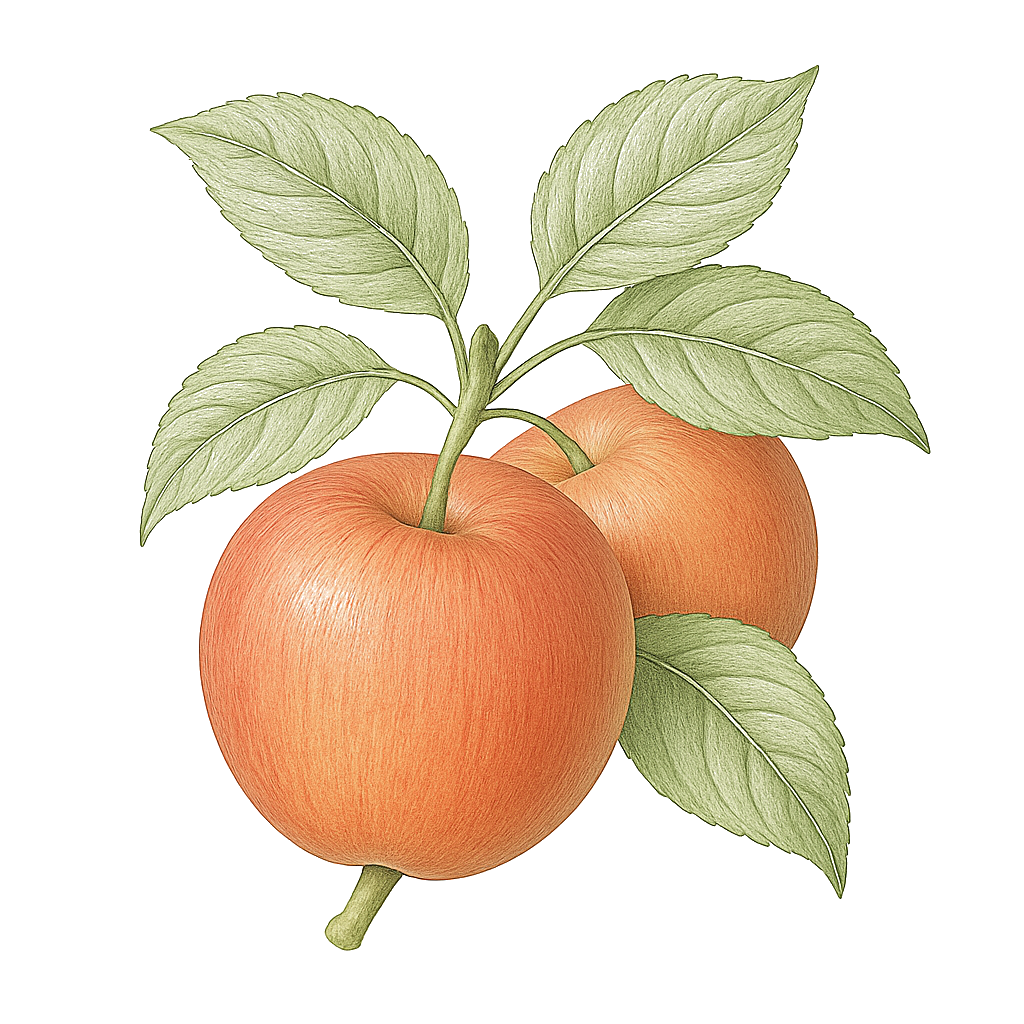
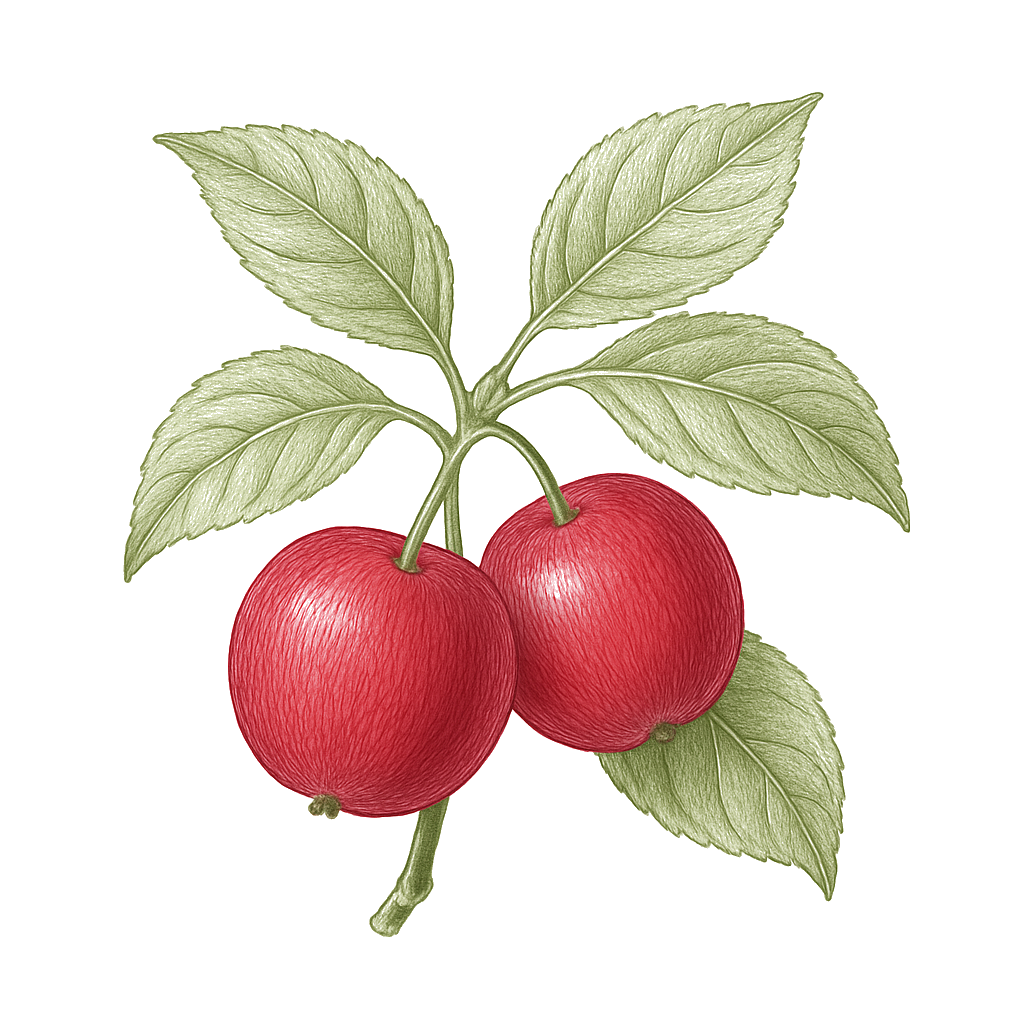
Apple is a fruit tree that lives for decades. Here is the one thing to know before you buy: most apple trees cannot make fruit from their own flowers. You need a second, different apple variety planted nearby (within about 50 ft) that blooms at the same time, so bees can carry pollen from one to the other. A single apple tree by itself usually sets little or no fruit. The kind of apple you pick also decides whether it will fruit where you live, and the rootstock (the roots the variety is grafted onto) decides how tall the tree gets. The varieties run from familiar cold-climate apples like Honeycrisp, Gala, and Empire to low-chill types like Anna, Dorsett Golden, and Ein Shemer that fruit in mild-winter areas where standard apples never get enough cold. A long-lived deciduous fruit tree (Malus domestica) grown for fresh-eating, cooking, and storage fruit. Apple is the classic cross-pollination crop: nearly all cultivars are self-unfruitful, so you plant two different varieties whose bloom periods overlap, within about 50 ft, and rely on bees to move pollen between them. Chill-hour requirement is variety-set and spans a wide range, so cultivar choice, not the species, decides whether a tree fruits in your zone. Rootstock choice sets mature size and how soon the tree bears. The recommended set spans that range, from low-chill Anna, Dorsett Golden, and Ein Shemer for mild-winter zones to high-chill Honeycrisp, McIntosh, and Empire for the North, plus triploids like Jonagold and Mutsu that need two pollen partners instead of one.
Hardiness tells you the tree will survive your winters. It does not tell you whether you will get fruit. Each zone carries its own verdict. Yours is marked.
California: Interior, Zone 9. Winters bank about 300 to 950 chill hours; these varieties need about 100 to 1000 chill hours. Apples fruit well here. In the warmer south valley, pick mid- and lower-chill varieties for the most reliable crops.Southern valley winters meet mid and low chill varieties (Gala, Fuji, Golden Delicious, Pink Lady) dependably; the highest-chill types (McIntosh) can be marginal in warm winters. The hot, dry season favors early to mid ripening.
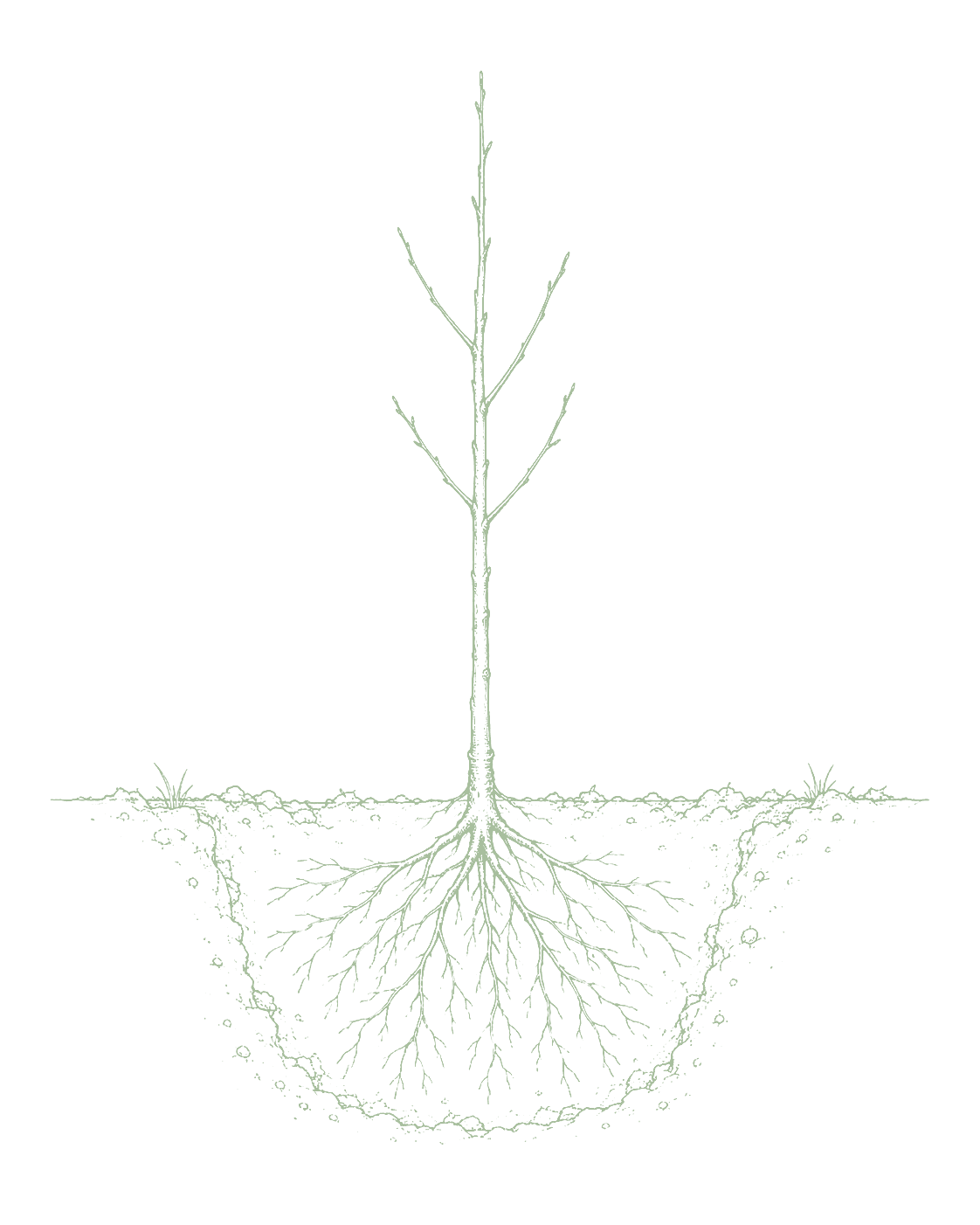
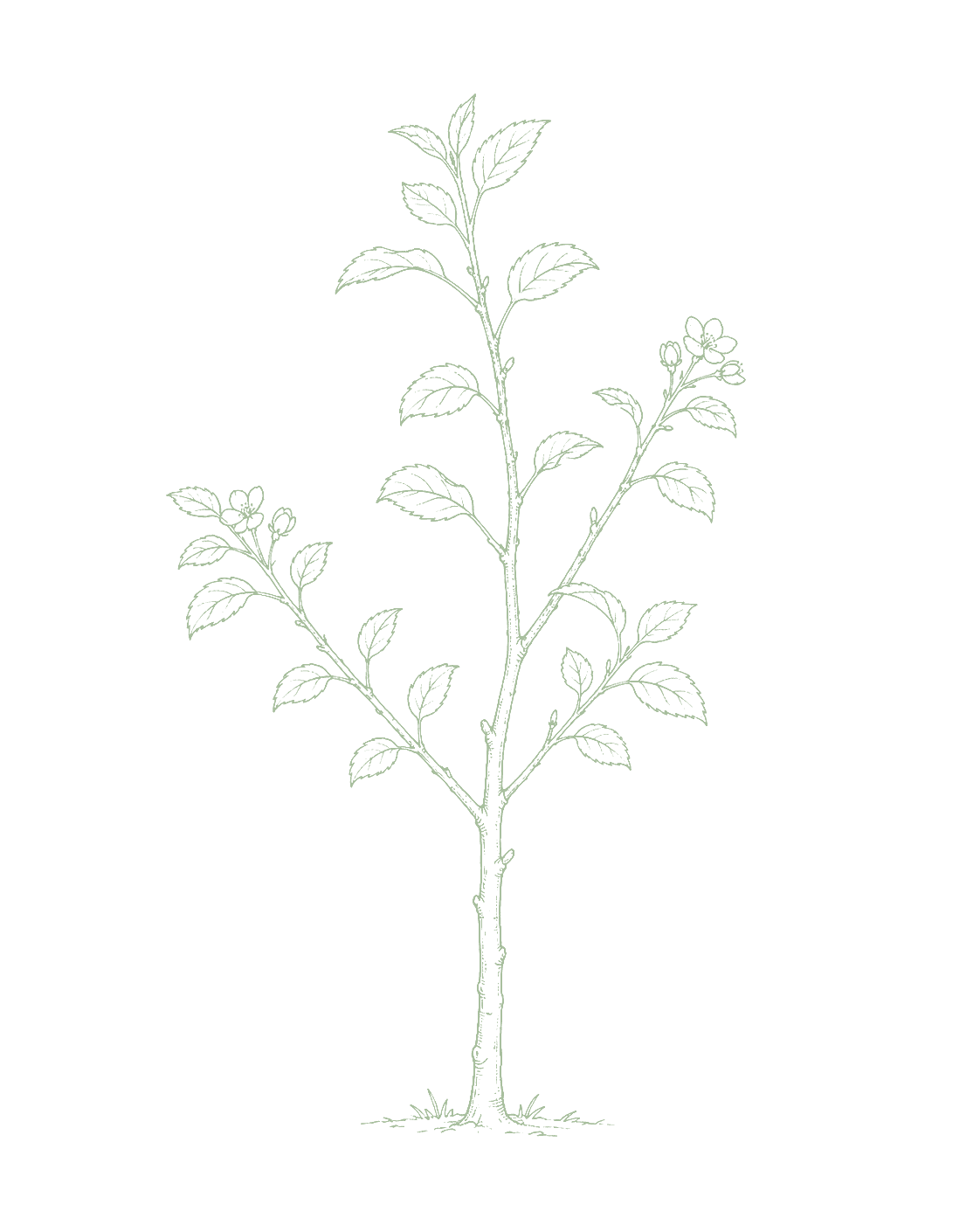
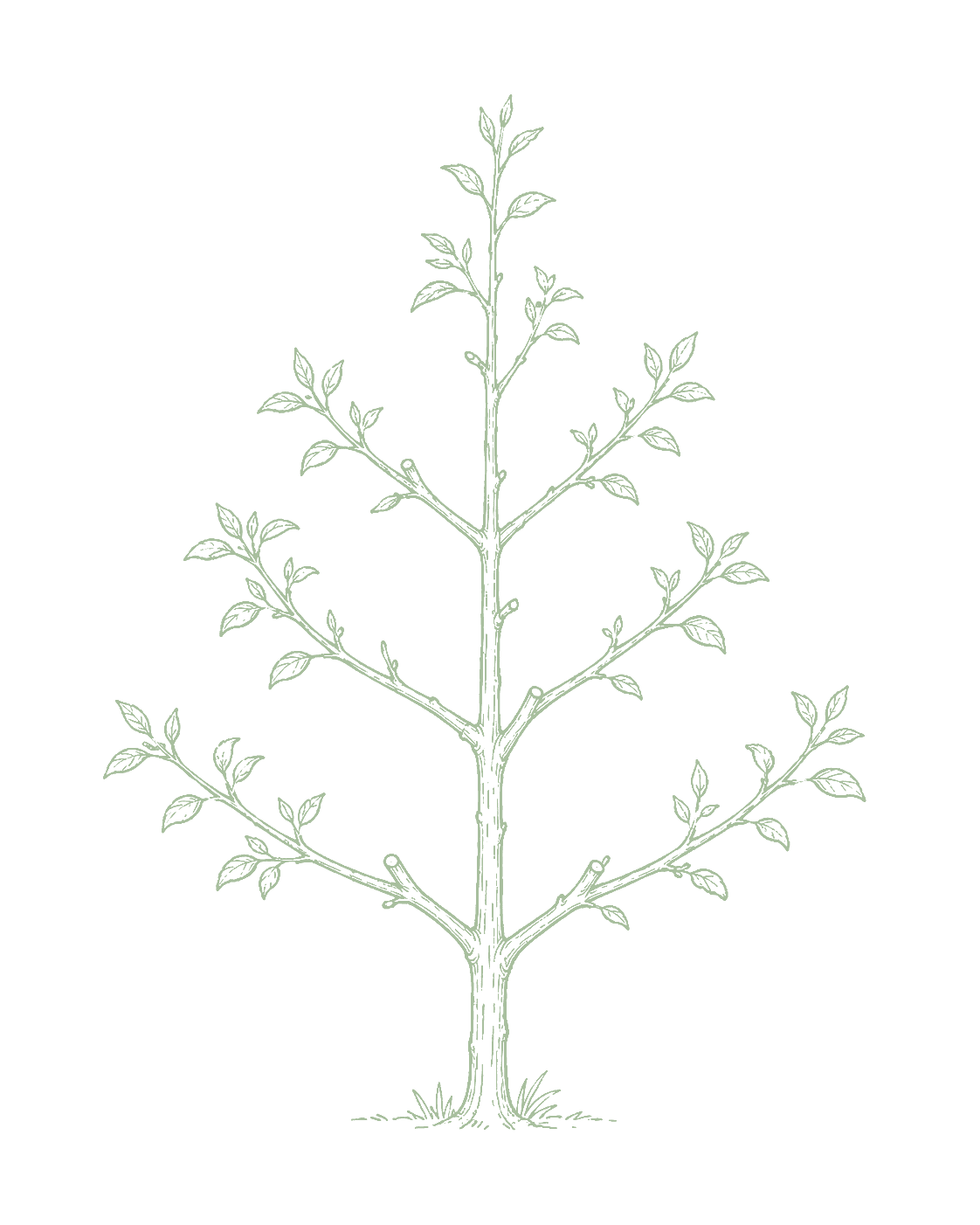
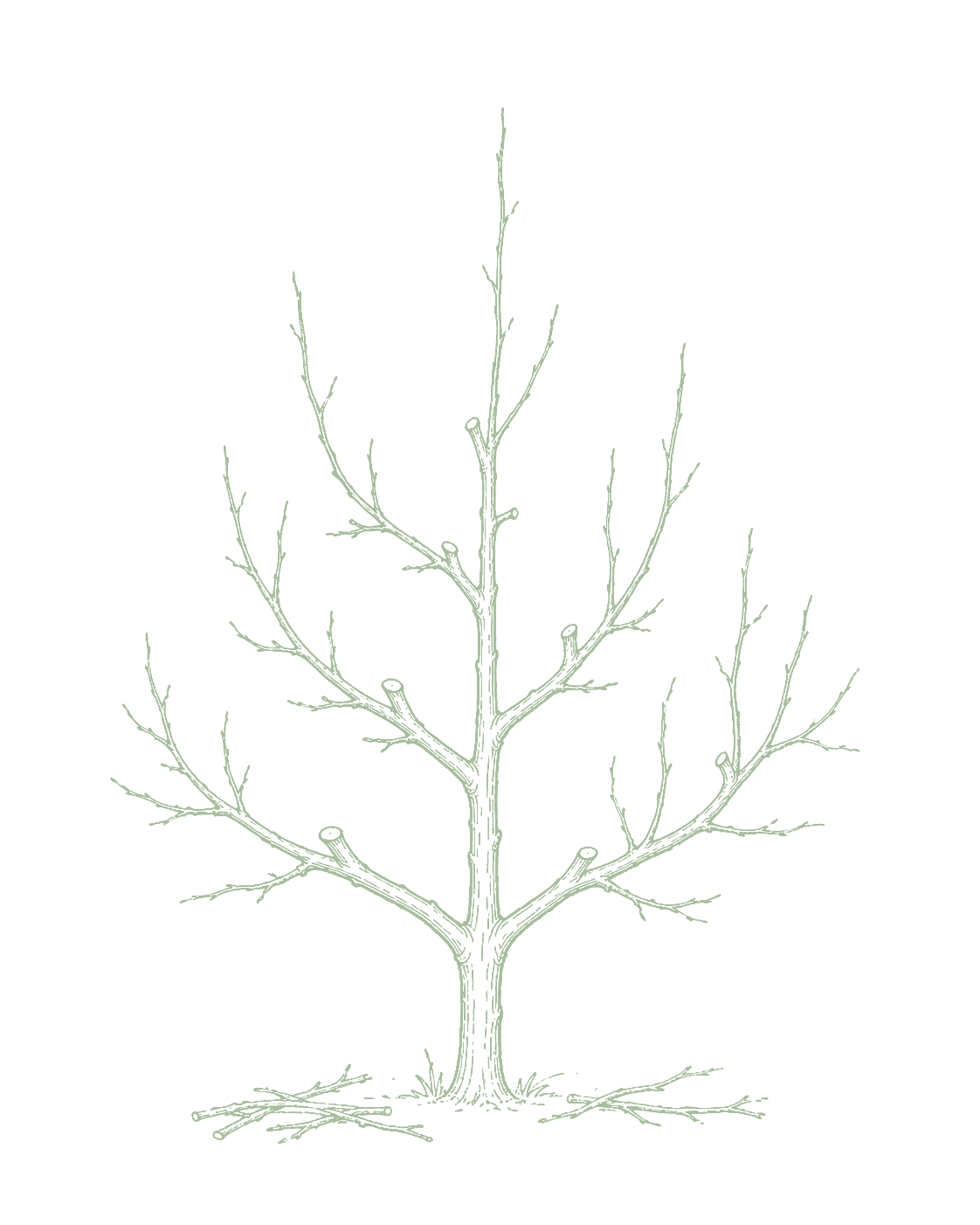
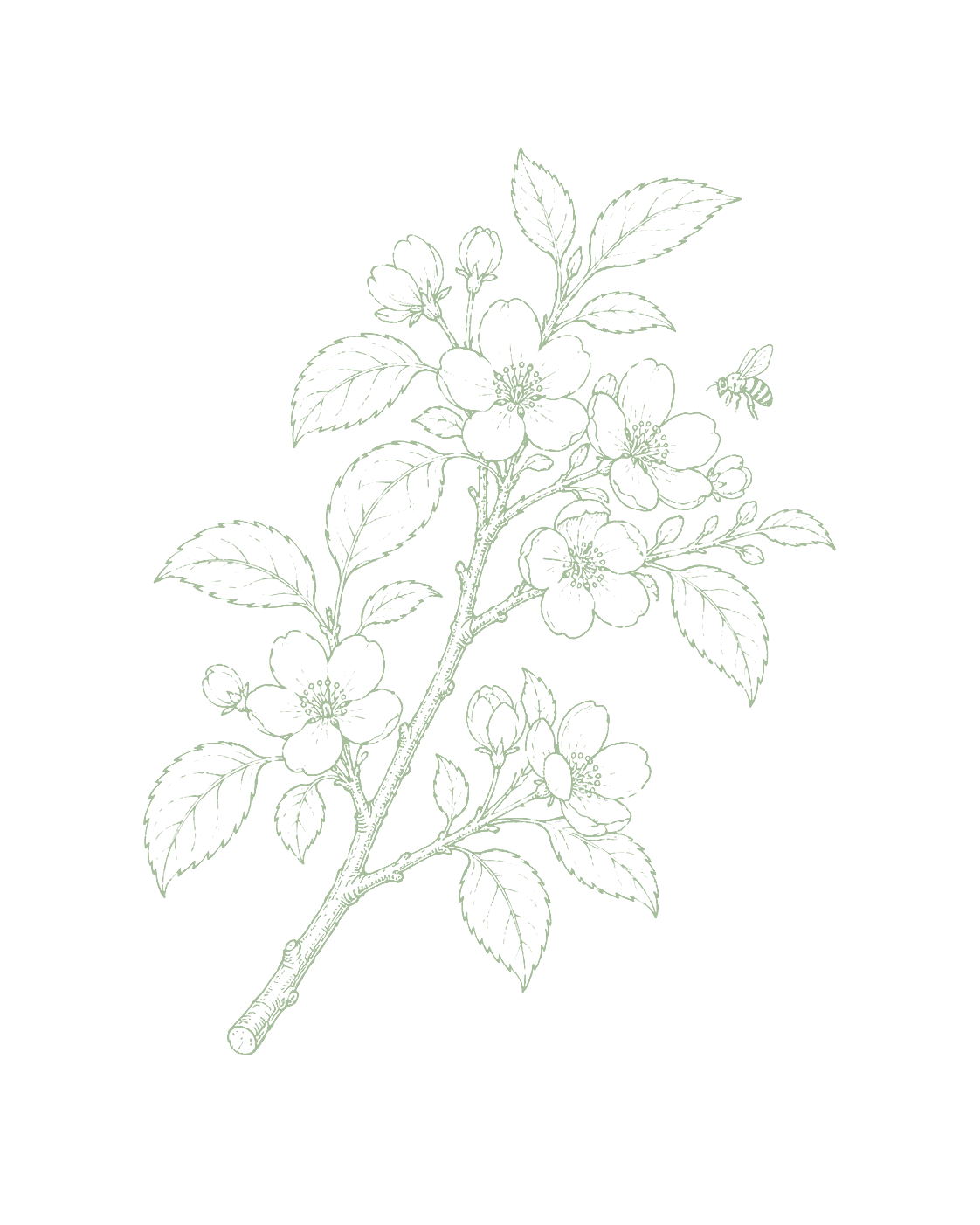
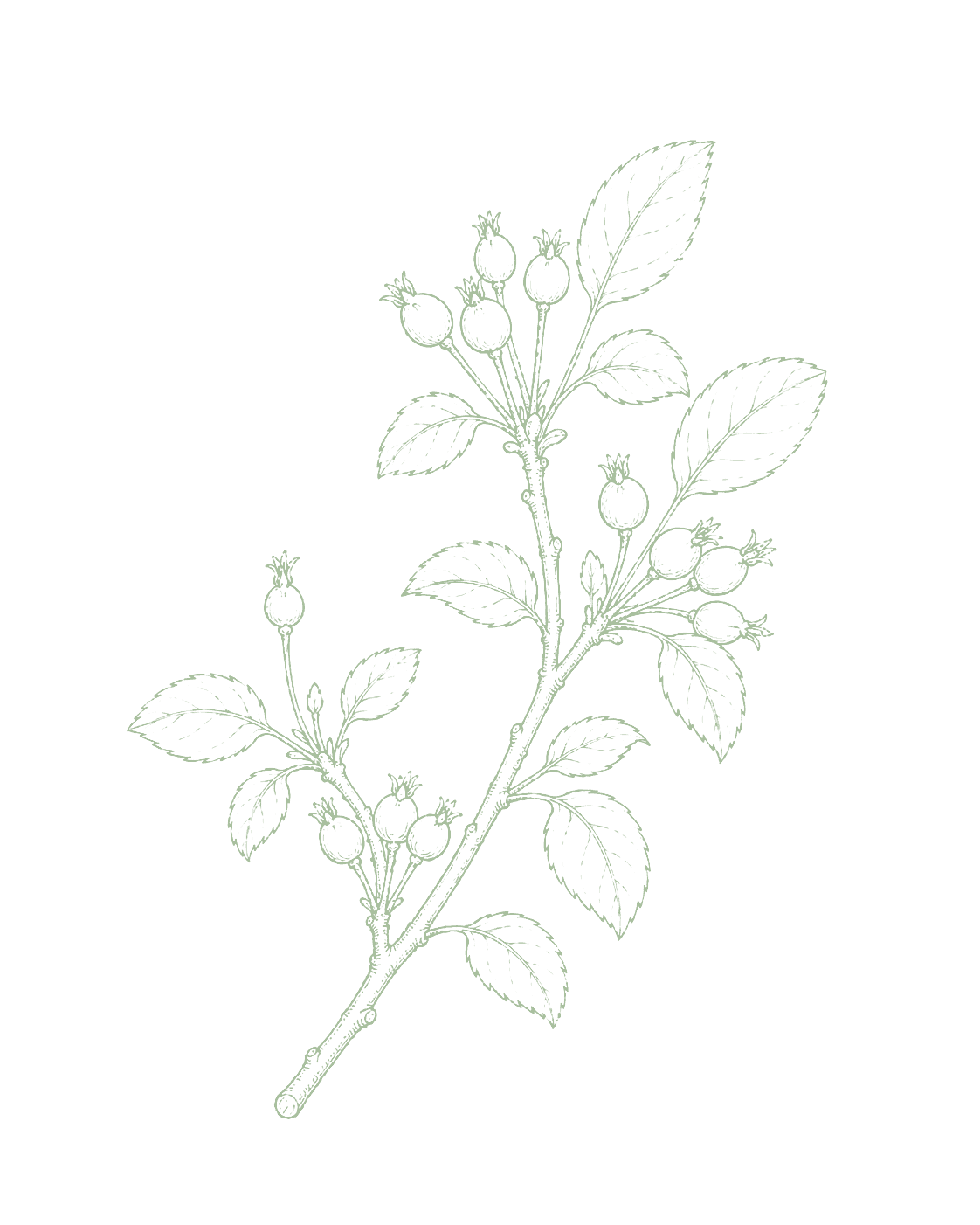
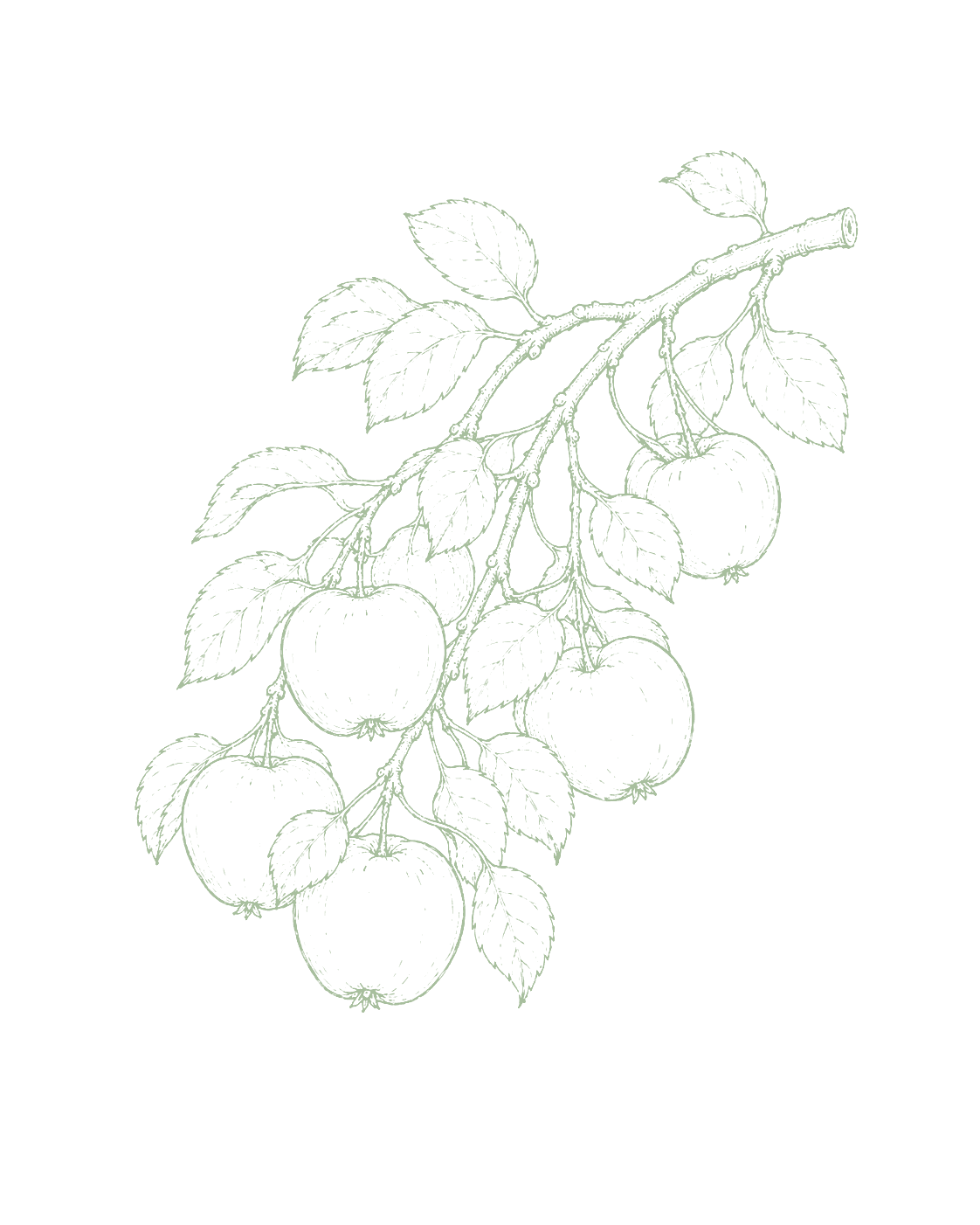
A fruit tree runs on the same rhythm every year: rest, prune, bloom, grow, harvest, then settle in again.
Apple trees need a stretch of cold winter weather before they will flower well in spring. That cold is measured in "chill hours," meaning hours between 32 and 45 °F. Different apple varieties need different amounts: some low-chill kinds need only about 100 hours, while others need close to 1,000. The trick is to pick a variety whose chill need matches your winters. In a warm-winter area, choose a low-chill variety, or the tree may bloom poorly and set little fruit.Chill hours are the accumulated hours between 32 and 45 °F during winter dormancy that a tree must bank before it will break bud and flower normally in spring. Apple's requirement is set by the cultivar, not the species: this guide's roster runs from about 100 hours (low-chill Dorsett Golden, Ein Shemer) to roughly 900 to 1,000 hours (high-chill McIntosh, Honeycrisp). Match the variety's chill need to what your winters reliably deliver: too little chill in a warm zone gives delayed, straggly bloom and poor fruit set.
A lone apple tree sets little or no fruit. Apple flowers need pollen from a different variety, carried by bees, and the two trees have to bloom at the same time to trade it. Plant a second variety whose bloom window overlaps, within about 50 feet.
Bar length shows how long each variety blooms, roughly 8 to 14 days. Bars that overlap can cross-pollinate.
▲ Tap a variety to see its pollination partners
This is the most important thing about growing apples: one apple tree on its own usually will not make fruit. Apple flowers need pollen from a different apple variety, carried over by bees. So plan to plant two different kinds of apple, not two of the same, within about 50 ft of each other, and make sure they bloom at the same time (an early bloomer cannot help a late bloomer). If you only have room for the idea of one tree, a flowering crabapple planted nearby can do the pollinating job instead. Golden Delicious is a reliable all-around partner that pollinates almost any apple. A few special varieties (Mutsu, Jonagold, Shizuka) cannot pollinate anything and actually need two other partners themselves, so ask the nursery if a variety is "triploid" before you rely on it as your second tree.Apple is self-unfruitful: a lone tree, or two trees of the same cultivar, will set little or no fruit. You need a second, genetically different apple variety whose bloom overlaps, planted within about 50 ft, with bees to carry pollen between them (the pollen-supplying tree is the pollinizer). Bloom groups must overlap to cross: an early variety will not pollinate a very-late one. This roster is sequenced very early to very late for exactly this reason, so pair within or adjacent to a bloom group, for example Gala with Honeycrisp (both mid). Golden Delicious is a near-universal pollinizer (heavy, long bloom; viable pollen) and a good default partner; a flowering crabapple whose bloom overlaps also works well and is the standard fix when yard space is tight. One caution: triploid cultivars (for example Mutsu, Jonagold, Shizuka) produce sterile pollen, cannot serve as a pollinizer, and themselves need two other compatible varieties nearby; none of this guide's roster is triploid, but a tree you add from a nursery might be.
Plant at least two different varieties that bloom around the same time so they can pollinate each other. Where winters are mild, choose low-chill kinds like Dorsett Golden, Anna, or Ein Shemer. If summers are humid and you want to spray less, Liberty resists apple scab. Golden Delicious pollinates almost anything and makes a reliable partner, and a Dolgo crabapple blooms early and long enough to pollinate a whole row. Two varieties here, Jonagold and Mutsu, cannot pollinate anything and need two other partners themselves. One honest note on the numbers: bloom times, ripening, and pollination come from university extension guides and are solid, but chill hours (the winter cold a tree needs to fruit) are well documented only for warm-climate apples, so several cold-climate varieties here carry nursery estimates and a few newer ones like Zestar! have no firm figure yet. Treat the chill numbers as a guide, and check each variety's confidence tier to see how sure we are.Sixteen cultivars, thirteen dessert and cooking apples plus two triploids (Jonagold, Mutsu) and the Dolgo crabapple pollinizer, with bloom group kept distinct from ripening season. Pair overlapping bloom groups for cross-pollination; the triploids carry sterile pollen and need two non-triploid partners. Bloom group, ripening, and pollination are anchored to extension sources (Utah State, Missouri G6001, Texas A&M, UF/IFAS, NC State, Maine). Chill-hour data is thinner: extension figures exist mainly for warm-climate varieties where chill is limiting, so several cold-climate cultivars carry nursery estimates and Zestar! has none established. Chill requirement is model-dependent and shifts with local climate; read the per-variety confidence tier as the honest measure of each figure.


M26 (semi-dwarf) is the default backyard pick: it makes a manageable 10 to 14 ft tree that bears young (around year 2 to 4) and fits most yards. It needs staking and prefers well-drained ground (it is susceptible to collar rot on wet sites and to fire blight). For a smaller patio or container tree choose M9 (dwarf, permanent stake); for a large, low-maintenance standard with no staking, choose MM111 or seedling, accepting a longer wait to bear.
Ask which rootstock the tree is grafted on (it sets mature size and how soon it bears) and whether it needs permanent staking.
The numbers that matter, at a glance.
Apple trees like soil that is slightly acidic, a pH around 6.0 to 6.5 (pH is just a measure of how acidic or alkaline soil is, where 7.0 is neutral). Test your soil before you plant, since it is much easier to fix the pH now than after the tree is in the ground. If the test says your soil is too acidic, garden lime raises the pH; if it is too alkaline, garden sulfur lowers it. Your local extension office can test a soil sample for you.Apple does best at a slightly acidic pH of about 6.0 to 6.5, and tolerates roughly 5.5 to 7.0. Test the soil before planting and adjust the whole root zone, not just the hole, because correcting pH around an established tree is slow. Lime raises a low pH; elemental sulfur lowers a high one. Outside this band, iron and manganese become less available and you see interveinal yellowing on new growth even when those nutrients are present.
Feed apple trees once a year, in early spring before the buds open, with a balanced fertilizer. Go easy: too much feeding makes lots of soft leaves instead of fruit and invites a serious disease called fire blight. If the tree is growing well and putting out healthy new branches each year, it may not need much at all.Fertilize lightly in early spring before bud break, guided by shoot growth: a healthy young apple makes about 12 to 18 inches of new shoot growth per year, so feed to reach that, not beyond. Excess nitrogen drives soft, leafy growth that is highly susceptible to fire blight and delays fruiting. Mature trees on fertile soil often need little or no nitrogen.
The three numbers on a fertilizer bag are nitrogen, phosphorus, and potassium. A balanced one like 10-10-10 is fine for apples. The first number (nitrogen) is the one to keep modest, too much makes the tree grow leaves instead of apples.A balanced N-P-K ratio (the three numbers on the bag, nitrogen, phosphorus, potassium), such as 10-10-10, applied at a modest rate; lean toward lower nitrogen on vigorous trees to limit fire-blight-prone growth.
Apples do not pair with other plants the way vegetables do. For an apple, the neighbor that counts is a second, different apple variety planted within about 50 ft that blooms at the same time, because most apple trees need another apple nearby to make fruit. Right around the trunk, do the opposite of planting companions: keep grass and other plants away from the base, out to the edge of the branches, because they steal water and food from the young tree. Use mulch there instead, and never plant an apple near a black walnut tree, which poisons the soil for apples. Apple does not companion-plant in the vegetable sense; the interactions that actually matter are pollination and root competition. The single most important neighbor is a second, bloom-overlapping apple variety (the pollinizer) within about 50 ft, because nearly all apples are self-unfruitful. At the trunk, the rule is the reverse of companionship: keep turf and aggressive perennials out of the root zone, since grass competes hard with a young tree for water and nitrogen. Maintain a mulched, vegetation-free circle out to the dripline, and avoid siting near black walnut, whose juglone is toxic to apple.
An apple is ready when it has turned its full ripe color and comes off easily if you cup it and twist upward, with no hard tug. Cut one open: brown seeds mean it is ripening. Taste is the best test. Do not expect a real crop until about the third year after planting.Ripe apples reach full ground color and varietal flavor and detach with a gentle upward twist; seeds turn brown and starch converts to sugar. First meaningful crop typically comes around year 3, rootstock-dependent.
How many apples you get depends mostly on tree size. A small (dwarf) tree gives roughly 1 to 2 bushels a year (a bushel is about 40 lb of apples), while a full-size tree can give many times that once it is mature.Mature yield is rootstock-driven: a dwarf (M9/M26) tree carries roughly 1 to 2 bushels (about 40 to 80 lb) per year, a semi-vigorous tree (MM106/MM111) more, and a standard tree can exceed 6 to 10 bushels at full maturity.
A tree does not hit full production right away, it builds up over several years after its first crop. Some apple varieties naturally swing between a big year and a small year; thinning the young fruit (removing some) helps keep crops steadier.Trees reach full bearing several years after first crop: roughly years 5 to 8 on dwarfing rootstocks, later on standards. Many cultivars tend toward biennial bearing (a heavy year followed by a light one); thinning fruit evens it out. Expect zero apples the first year, that is normal and intended. Your first real handful of fruit usually comes around year 3.No crop in the planting year (blossoms are removed). First meaningful fruit around year 3 on dwarfing rootstocks.
The ladder troubleshoots from the gentlest solution to the strongest. Start with the gentlest option and only move on when and if it doesn't work.
Start here: pick up and destroy every apple that drops, do not leave them under the tree, since the caterpillars ride out in the fallen fruit. This step alone lowers next year's moths.Removing and destroying dropped and infested fruit through the season strips out larvae before they exit to pupate; the backbone every other step builds on.
Hang a scented (pheromone) trap to tell you when the moths are flying, so you know the right moment to bag fruit or spray. The trap is a timing tool, not a cure on its own.Wing traps baited with sex pheromone time the other steps to egg hatch; UC IPM notes trapping alone is not a reliable way to reduce damage on an isolated tree.
Slip a paper bag or nylon footie over each young apple about a month after bloom and staple it shut. It is the most effective spray-free option, worth the effort on a small tree.Bagging at 1/2 to 1 inch fruit excludes egg-laying moths; UC IPM calls it the only nonchemical method effective enough to use alone, even under heavy pressure.
A white clay film sprayed on the tree makes it an unpleasant place for moths to lay eggs. It only partly controls codling moth, so reapply through the season and expect to pair it with the steps above.Kaolin gives only fair to moderate codling moth control and washes off, so keep new growth covered; heavy use can flare European red mites or scale.
If the steps above are not holding, spinosad is a strong organic spray, but it only works if timed to when the eggs hatch, which is what the trap tells you. It is hard on bees while wet, so spray at dusk and never on open blossoms.Spinosad, timed to egg hatch on a petal-fall or degree-day schedule, controls the boring larvae; toxic to bees while wet, so apply at dusk away from bloom.
Only for a heavy infestation nothing else has held. A synthetic that kills fast but hits bees, fish, and the good bugs too, so it is a last resort, not a routine spray.A broad-spectrum contact pyrethroid is rescue-only; it sets back natural enemies and can trigger mite or aphid resurgence. Observe the label pre-harvest interval.
No spray for this one. Prevention is the control.
The ladder troubleshoots from the gentlest solution to the strongest. Start with the gentlest option and only move on when and if it doesn't work.
Start here: pick up fallen apples every few days, before the maggots crawl out into the soil to overwinter. Clearing the drops promptly breaks the cycle.Removing drops within a few days, before larvae exit into the soil, is the foundational step against apple maggot.
Hang sticky red ball traps that look like ripe apples; the flies land to lay eggs and get stuck. Use about one trap per 100 to 150 apples on the tree, and get them up by mid-June before egg-laying starts.Baited red spheres at roughly one per 100 to 150 fruit trap out egg-laying females and can control apple maggot in a small planting, not just monitor it; keep them sticky and serviced.
Bagging young apples keeps the flies off the fruit entirely, the surest spray-free option where you have the patience to bag each one.Paper bags applied at 1/2 to 1 inch fruit exclude apple maggot as well as codling moth for the rest of the season.
A white clay film repels apple maggot flies and gives strong control of this pest, though it must be reapplied and washed off the fruit at harvest.Kaolin gives strong control of apple maggot specifically; keep the film renewed on new growth through the egg-laying period.
If traps and clay are not enough, a spinosad spray helps, but it is hard on bees while wet, so spray at dusk and not on open flowers.Spinosad, applied when flies are active, backs up trapping; toxic to bees while wet, so time it to dusk.
A last resort for heavy pressure only. It works fast but kills bees, fish, and beneficial insects, so keep it off flowers and out of water.Rescue-only; broad-spectrum and disruptive to natural enemies, with a label pre-harvest interval to observe.
No spray for this one. Prevention is the control.
The ladder troubleshoots from the gentlest solution to the strongest. Start with the gentlest option and only move on when and if it doesn't work.
Start here: clean up dropped apples promptly, since they carry the grubs, and on cool early mornings you can spread a sheet under the tree and tap the branches to jar the beetles down and collect them.Prompt removal of dropped fruit lowers next year's weevils; jarring adults onto a sheet at first light, when they are sluggish, physically removes them.
A white clay film applied right after the petals fall, when the weevils attack the young fruit, deters them from feeding and laying eggs. Reapply through the season to keep new fruit covered.Kaolin gives fair to moderate plum curculio control; start at petal fall, the critical window, and reapply as fruit expands and the film washes off.
Only if clay is not holding and the weevils are ruining the crop. If you spray, the timing that matters is just after the blossoms drop their petals, and again about two weeks later. This is a synthetic that hits bees and beneficials, so keep it off open flowers and treat it as a last resort.A rescue-only conventional; time it to petal fall and a follow-up about two weeks later, after bloom so bees are off the flowers. Broad-spectrum and disruptive to natural enemies, with a label pre-harvest interval.
No spray for this one. Prevention is the control.
The ladder troubleshoots from the gentlest solution to the strongest. Start with the gentlest option and only move on when and if it doesn't work.
The best defense is the rootstock your tree is grafted on: MM106 and MM111 rootstocks resist woolly apple aphid, so ask which one your tree is on when you buy.Woolly apple aphid resistant rootstocks (MM106, MM111) avoid the worst root colonies; the highest-leverage, plant-once choice.
A strong jet of water knocks the cottony colonies off shoots and pruning wounds, and cutting off badly infested twigs removes the worst of them. Both are cheap first steps before any spray.A forceful spray dislodges the woolly colonies on sturdy wood; prune out heavily infested wood to remove established galls, and repeat as colonies rebuild.
Ladybugs, lacewings, and parasitic wasps feed on woolly apple aphid and often keep it in check on their own, so protect them by avoiding broad sprays.Conserving resident natural enemies usually keeps woolly apple aphid down; broad-spectrum sprays that wipe them out are what let it flare, so the softer this ladder stays, the better.
For stubborn colonies, spray them directly with insecticidal soap. It only kills what it wets, so hit the cottony patches thoroughly, and it spares beneficials once dry.Contact soap smothers the exposed colonies but does not reach the wax-protected or root-feeding aphids, so it gives only partial control; coverage and repeat sprays matter.
Horticultural oil smothers the aphids and has a bit more staying power than soap. Do not spray it in heat above 90°F or on a drought-stressed tree, and keep it away from a recent sulfur spray.Narrow-range oil gives partial control by smothering; the waxy wool shields some aphids, so thorough coverage is key. Avoid oil on stressed trees, above 90°F, or within 2 weeks of sulfur. There is no conventional rung here, since pyrethroids destroy this aphid's natural enemies and make outbreaks worse.
No spray for this one. Prevention is the control.
The ladder troubleshoots from the gentlest solution to the strongest. Start with the gentlest option and only move on when and if it doesn't work.
The surest fix is to plant a scab-resistant apple like Liberty, so you rarely have to spray at all.Scab-resistant cultivars such as Liberty remove most of the spray schedule; the highest-leverage control for a disease that is hard to cure once it is going.
Rake up and remove every fallen leaf in autumn. The fungus overwinters in last year's leaves, so clearing them is the single best thing you can do after variety choice.Removing and destroying fallen leaves in autumn strips out the overwintering source, lowering next spring's spore load.
Prune the tree so air moves through it and the leaves dry fast after rain. Scab needs long wet periods to infect, so a drier canopy gets less disease.Opening the canopy shortens leaf-wetness periods, denying the fungus the sustained moisture it needs to infect.
If you grow a susceptible variety, sulfur is the organic spray, but it must go on in spring before infection, on a protective schedule. Once the spots are everywhere it is too late for that year, so prevention is the game. Do not spray sulfur in heat above 90°F, since it burns leaves.Sulfur is a protectant only, so time it to spring infection periods and reapply; it will not cure established scab. Avoid it above 90°F and within 2 weeks of an oil spray, and note it can harm predatory mites.
No spray for this one. Prevention is the control.
The ladder troubleshoots from the gentlest solution to the strongest. Start with the gentlest option and only move on when and if it doesn't work.
Where fire blight is common, the most important choice is a less-susceptible variety and rootstock. There is no spray that cures this disease, so start by not planting the ones that get it worst.Variety and rootstock susceptibility varies widely; choosing resistant stock is the highest-leverage control for a bacterial disease with no cure.
Go easy on fertilizer: soft, sappy new growth from too much nitrogen is exactly what fire blight races through, so feed sparingly. Clean up and destroy any blighted prunings rather than leaving them near the tree.Avoid excess nitrogen, which pushes the succulent growth fire blight colonizes fastest, and destroy infected prunings; there is no cure once the bacteria are in the wood.
This is the main control: cut off each blackened, hooked shoot about a hand's length (6 to 8 inches) below the damage, into healthy wood, and destroy it. Do it in dry weather, and dip your pruners in a bleach solution between cuts so you do not spread it.Cut 6 to 8 inches beyond the visible margin into healthy wood, ideally in dry or dormant weather; placing the cut far enough below the strike matters more than tool sterilizing, though dipping shears in 10% bleach is still wise.
A copper spray at bloom can slow new blossom infections, but it is a limited, preventive help, not a cure, and it cannot save wood that is already infected. Copper is toxic to fish and builds up in the soil, so use it sparingly and follow the label.Fixed copper at early bloom reduces new blossom infection but does not cure existing strikes; a limited protectant, not a fix. Copper accumulates in soil and is toxic to aquatic life, so limit repeat use over the years.
No spray for this one. Prevention is the control.
The ladder troubleshoots from the gentlest solution to the strongest. Start with the gentlest option and only move on when and if it doesn't work.
Rust needs a nearby cedar or juniper to survive, so two things break its cycle: plant a rust-resistant apple variety, or remove cedars and junipers within a few hundred feet if you can.Rust-resistant cultivars, or eliminating the alternate juniper host within a few hundred feet, break the two-host cycle; on light infections the damage is mostly cosmetic.
Rake up fallen infected leaves and pick off the bright orange-spotted ones. On most trees rust is more unsightly than harmful, so this and variety choice are usually enough.Removing infected leaves lowers local inoculum; on a healthy tree light rust is largely cosmetic and rarely warrants spraying.
Only if your tree gets heavy rust every year. A protectant like sulfur must go on in spring, starting around when the buds show pink, before the spots appear; it cannot clear rust that is already there. Do not spray sulfur in heat above 90°F.Sulfur is a preventive protectant applied from pink-bud through early fruit set where rust has a history; it is weaker on rust than synthetic options and will not cure existing lesions, so most gardeners never need it. Avoid it above 90°F and near an oil spray.
No spray for this one. Prevention is the control.
The ladder troubleshoots from the gentlest solution to the strongest. Start with the gentlest option and only move on when and if it doesn't work.
If mildew is a yearly problem, choose a less-susceptible variety; it is the easiest long-term fix.Cultivar susceptibility varies; choosing a less-susceptible variety is the lowest-effort durable control.
Prune the tree open so air moves through it. Powdery mildew hates dry, breezy conditions, so good airflow makes a big difference.Opening the canopy for air movement suppresses mildew, which favors humid, still air; unlike scab it does not need leaf wetness to infect.
Snip off the white-coated shoots as you see them, and cut out any infected twigs during winter pruning. Go easy on nitrogen, since soft new growth is what mildew colonizes.Prune out white-coated shoots and infected wood at dormant pruning, and avoid nitrogen-pushed flushes of the tender growth mildew prefers.
If mildew keeps coming back, sulfur is the classic organic spray, applied before it takes hold. Do not use it in heat above 90°F, since it burns leaves.Sulfur is a reliable protectant fungicide and miticide for powdery mildew; apply preventively where it recurs, avoid above 90°F and within 2 weeks of oil, and note it can set back predatory mites.
No spray for this one. Prevention is the control.
Instead of rotating, just choose a good permanent spot: full sun, soil that drains well, and open air around the tree to keep disease down.Site selection, not rotation, is the lever: full sun, well-drained soil, good air movement to limit disease, and fresh ground free of replant issues.
We're building this guide with real growers. Got a question we missed? Ask here. We read every one and add the best answers right to this page.
Learned something the hard way? Pass it on. Real growers' tips make this guide better for the next person, and we credit you by name when yours goes live.
If you've grown this crop and you see a date, a temperature, a companion claim, or a recommendation that doesn't match your experience, tell us. Real growers' corrections make this guide better for the next person.
Every date, temperature, spacing, and recommendation on this page is sourced from university cooperative extension publications, peer-reviewed agricultural research, NOAA climate data, and direct extension calendars. Where claims are softer (traditional gardening wisdom not formally documented), we say so.
Spot a data point that doesn't match your experience? Submit a correction; accepted corrections earn full author credit on the page.
Zone-aware seasonal nudges, what's worth planting now, and the occasional recipe from the harvest. No spam, ever.