Today · in your zone
What's happening right now
Off-season for bee balm in zone 4.
Tap to switch. plant calibrates to where you are in the journey.
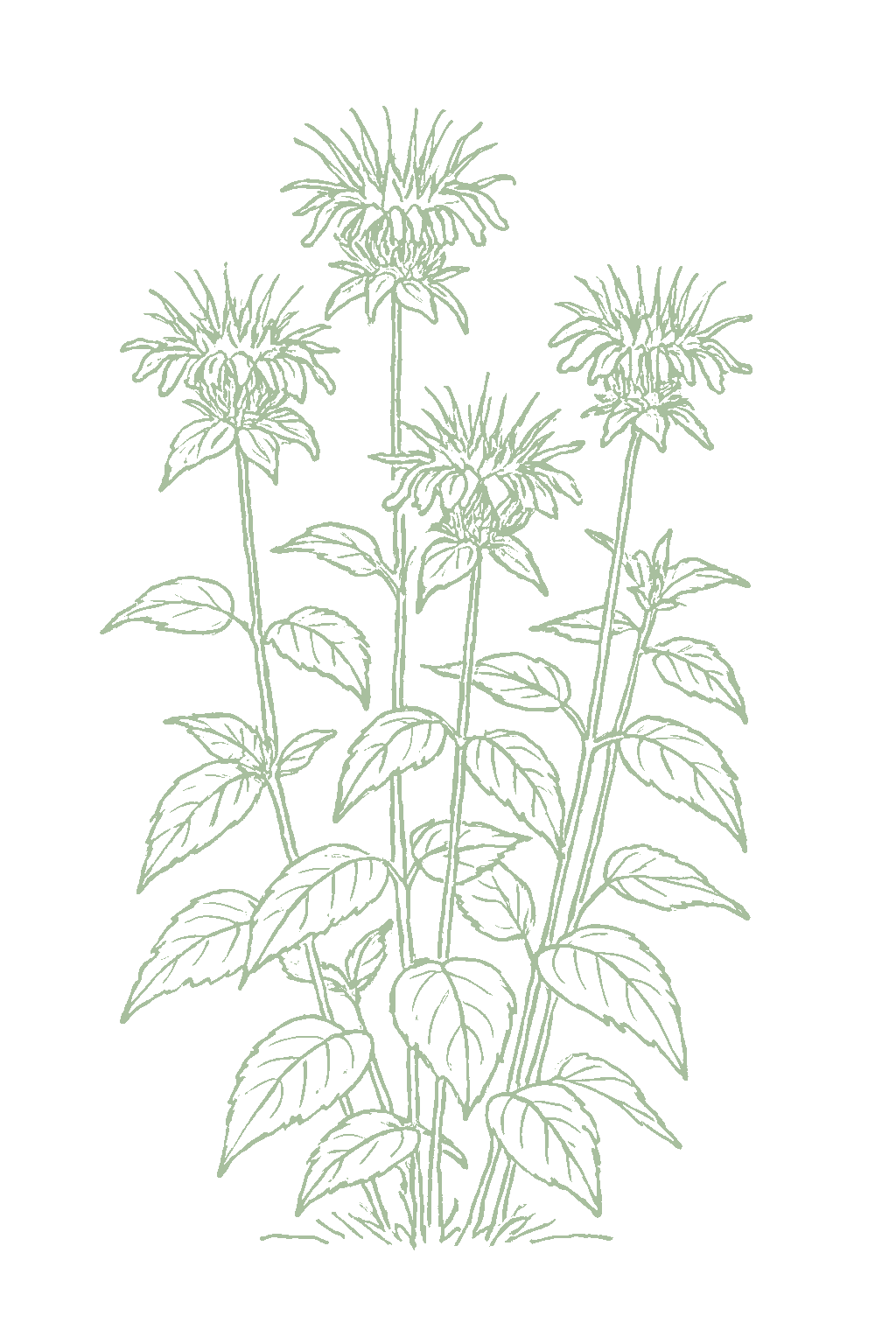
Bee balm is a hardy perennial flower, meaning it comes back every year, grown mostly to bring bees, butterflies, and especially hummingbirds to your garden. It has shaggy, colorful flower heads in red, pink, or purple on tall stems, and minty-smelling leaves you can dry for tea. It blooms in mid to late summer and is very cold-hardy. It spreads by underground roots, so give it room or grow it in a pot. Its one big problem is powdery mildew, a white powder on the leaves, so plant it in full sun, leave space between plants for air, keep the soil moist, and pick mildew-resistant types. Bee balm (Monarda didyma and the native wild bergamot M. fistulosa) is a hardy herbaceous perennial in the mint family (Lamiaceae), native to North America and grown as a top pollinator and hummingbird plant. Clump-forming and spreading by rhizomes, it sends up 2 to 4 foot, square, aromatic stems topped with shaggy, whorled heads of tubular flowers in red, pink, or lavender through mid to late summer. It is cold-hardy (roughly zones 3 to 9), a premier nectar source for bumblebees, long-tongued bees, butterflies, and ruby-throated hummingbirds, and its minty leaves make Oswego tea. Its defining problem is powdery mildew, so the core care is full sun, airflow through spacing and division, even moisture, and mildew-resistant cultivars.
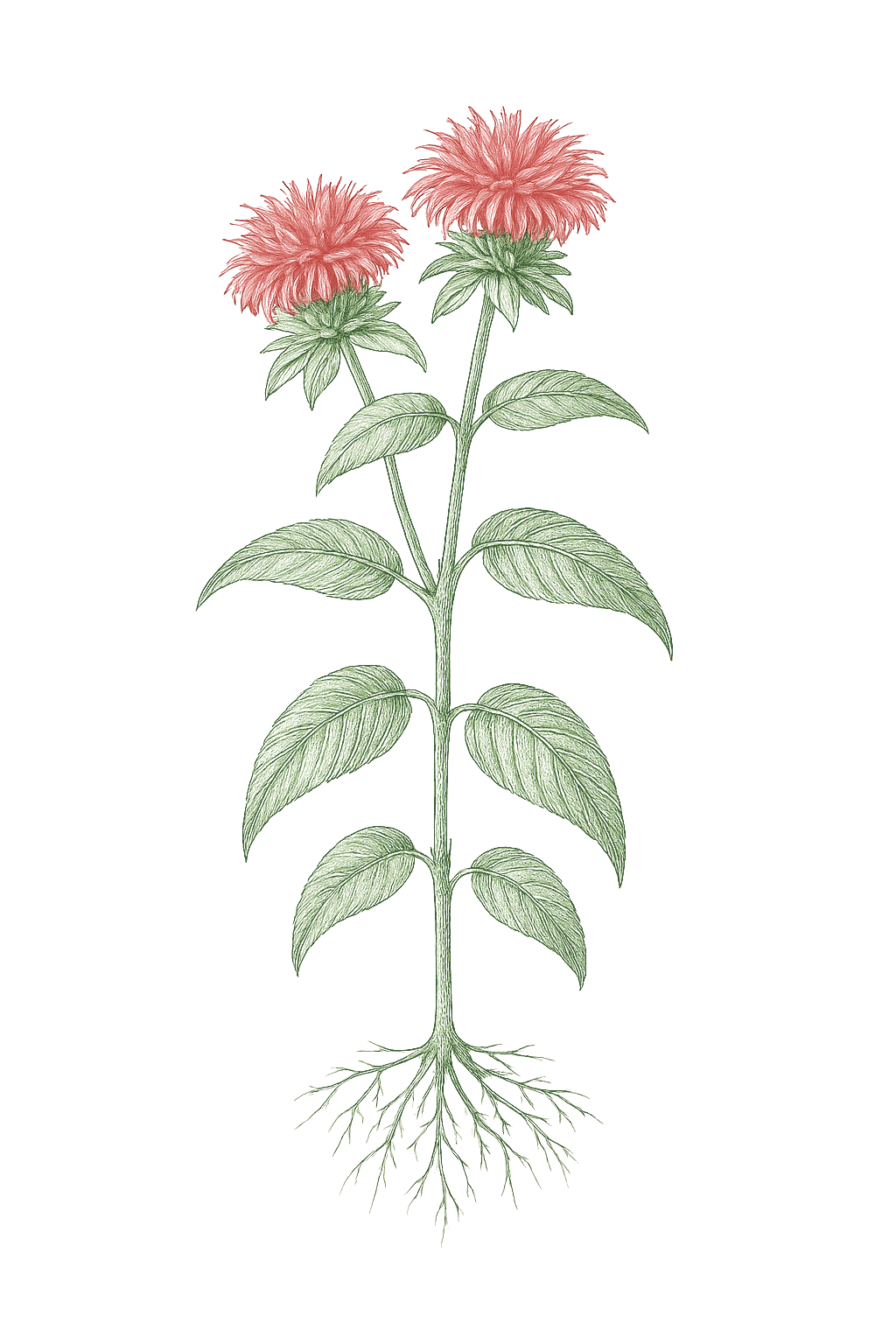
Off-season for bee balm in zone 4.
In Zone 4, bee balm can be planted May through June. In bloom July through September.
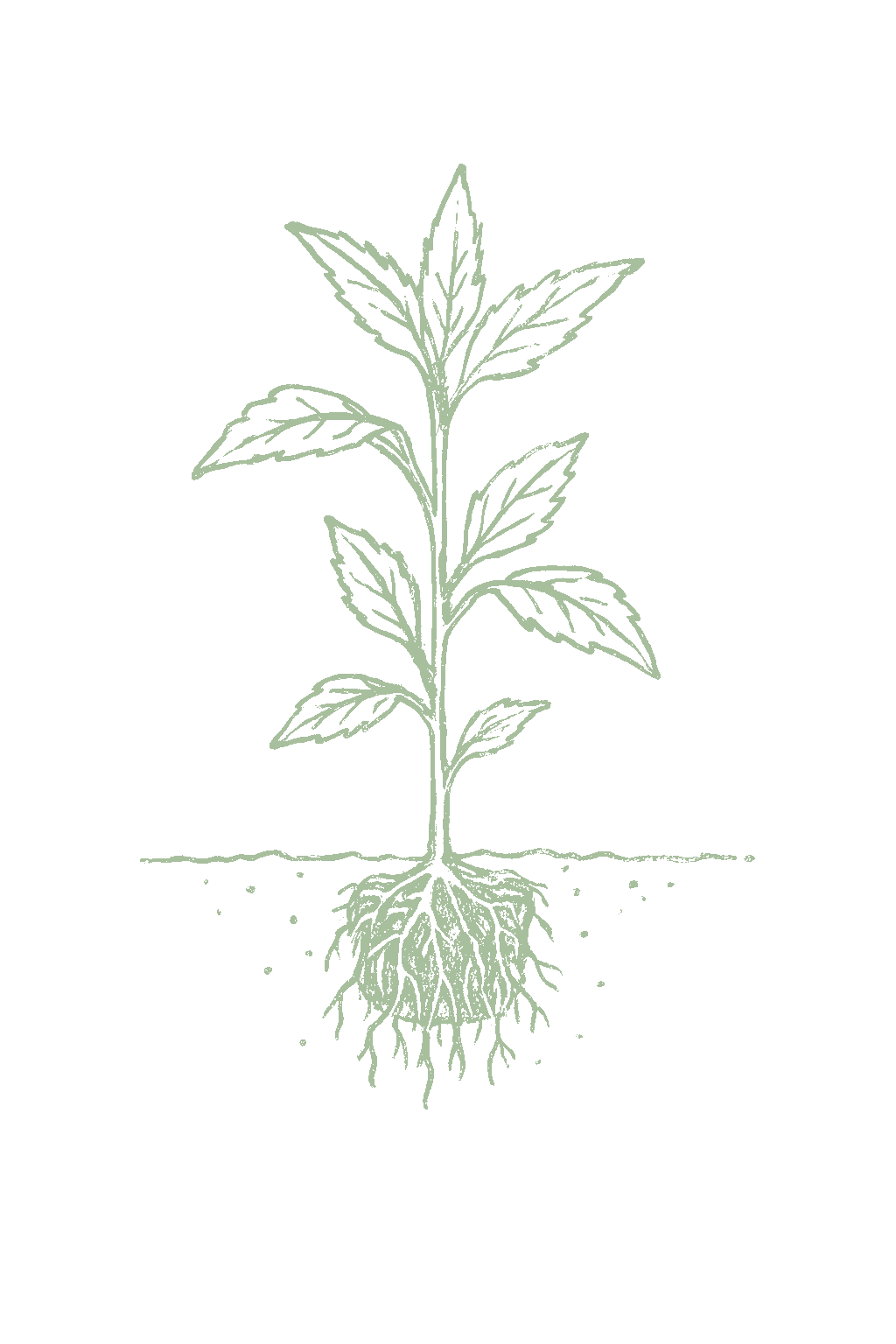
The simplest way to start bee balm is with a nursery plant or a division dug from a friend's clump in spring. Named types do not grow true from seed, so division or a bought plant keeps the variety. You can grow the wild species from seed started indoors about 8 weeks before your last frost, but seed-grown plants often bloom lightly the first year and fill in the next. Pinch the stem tips in late spring for a bushier, more flowery plant.The easiest and most reliable start is a nursery transplant or a spring division of an existing clump; named cultivars are propagated vegetatively and will not come true from seed. To grow the species from seed, start indoors about 8 weeks before last frost (a cool moist period improves germination) or direct-sow, and expect first-year plants to bloom lightly, filling in the following year. Pinch stem tips in late spring to encourage branching and more blooms.
Not sure what soil you have? Grab a small handful of damp soil from your garden bed and squeeze it. If it crumbles apart easily, it's sandy. If it holds together but breaks when you poke it, it's loam (what most vegetables want). If it stays in a hard, slippery ball, it's clay.
Bee balm likes rich, moist soil that does not dry out. Mix compost into the bed before planting to hold moisture and feed the roots. It even handles clay and damp spots, as long as water does not sit and stay pooled. The soil it dislikes most is dry, sandy ground, because plants that go thirsty are the ones that get powdery mildew worst.
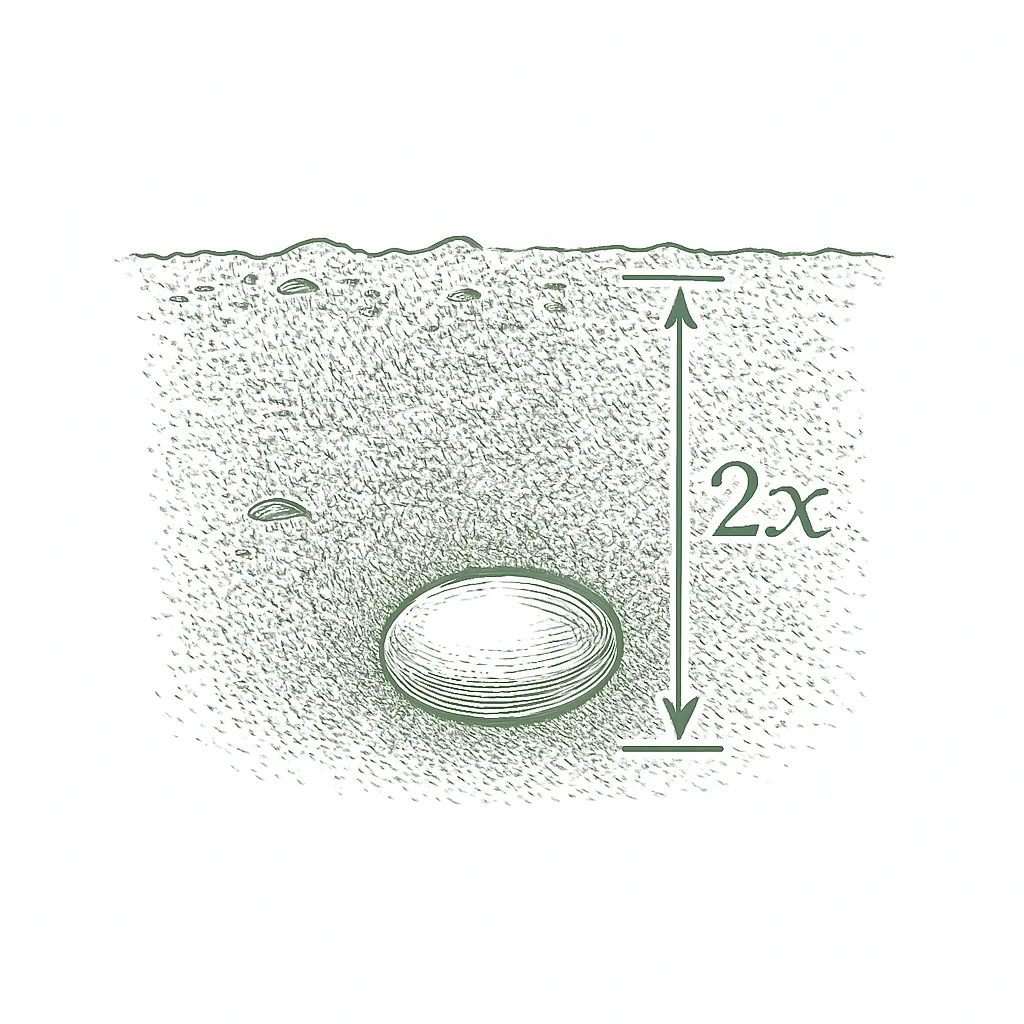
Mix 2-3 inches of compost into the top 6 inches of your bed before planting. Compost holds moisture (which sandy soil drains too fast) and adds the nutrients sandy soil tends to lack. Repeat each season. Compost breaks down over time.
Mix 2-3 inches of compost AND a few inches of coarse sand or perlite into the top 6 inches of your bed. The compost feeds the plants; the sand breaks up the clay so air and water can move through. Don't add sand without compost. It can compact like concrete.
If amending your soil sounds like too much work, or if your soil is heavy clay, full of rocks, or contaminated, build over it. A raised bed at least 12 inches deep filled with a 50/50 mix of compost and sandy loam gives you ideal growing soil with no battles. A 5-gallon container with quality potting mix does the same for one plant at a time. Both bypass your native soil entirely.
The numbers that matter, at a glance.
Bee balm is easygoing about soil pH (how acidic or alkaline the soil is). A normal garden range around 6.0 to 7.0 suits it, and you usually do not need to change anything.Bee balm is not pH-fussy, performing across roughly slightly acidic to neutral soil (about 6.0 to 7.0) and tolerating a bit outside that. No pH adjustment is typically warranted for it specifically.
Bee balm does not need much feeding. A light sprinkle of a balanced all-purpose fertilizer around each plant in early spring, when new shoots appear, is usually enough. Too much fertilizer, especially the high-nitrogen kind, makes soft, crowded growth that gets more mildew, so go easy and let compost in the soil do most of the work.Bee balm is a light feeder; a modest dose of a balanced all-purpose fertilizer as growth resumes in early spring is plenty on ordinary soil. Excess nitrogen pushes soft, crowded growth and can worsen powdery mildew, so favor a single light spring feeding over repeated rich feeding, and rely on compost-improved soil for baseline fertility.
The three numbers on fertilizer (N-P-K) are nitrogen, phosphorus, and potassium. For bee balm, pick a balanced one like 10-10-10 for a light spring feed, not a high first-number (nitrogen) lawn feed.A balanced ratio such as 10-10-10 applied once in early spring suits bee balm; avoid high-nitrogen feeds, which favor lush growth and heighten mildew susceptibility.
Deadheading means snipping off flowers once they fade. Do it through the summer, cutting the old bloom back to the next set of leaves, and the plant makes more flowers instead of seeding all over. Cutting flowers for a vase does the same job. Early on, pinch the stem tips once in late spring so the plant grows bushier, and cut the whole plant back after it finishes and frost hits.Deadhead spent flowerheads back to the next leaf node through the bloom season to prolong flowering and limit self-seeding; cutting stems for the vase serves the same purpose. Pinch stem tips once in late spring to force branching for a fuller, more floriferous plant, and cut the whole plant back after bloom and frost for winter.
Bee balm is one of the best plants you can add to draw pollinators. Its bright, nectar-rich flowers are magnets for bees, butterflies, and especially hummingbirds, so gardeners plant it near vegetables and fruit that need insect pollination (like squash, melons, and cucumbers) and at the edges of beds to pull in bees and helpful predator insects. There is no plant you must keep bee balm away from. The two things to watch are its spread (it travels by underground roots, so give it room or grow it in a pot) and crowding, since packing it against bushy neighbors traps damp air and makes powdery mildew worse. Bee balm's companion role is the pollinator-magnet inversion: it is the plant you site to benefit others. As one of the premier native nectar sources for bumblebees, long-tongued bees, butterflies, and ruby-throated hummingbirds, it is interplanted near insect-pollinated crops and as an insectary border to lift pollinator and beneficial-predator visitation. There is no biologically antagonistic companion to avoid; the real cautions are horticultural. It spreads aggressively by rhizomes, so contain it or divide it to keep it off slower neighbors, and do not crowd it against dense, disease-prone plants, because trapped humidity raises shared powdery-mildew pressure. Site for airflow.
To cut flowers for a vase, snip stems when most of the little flowers on the head are open, in the morning, and put them straight into clean water. To make tea, pick the minty leaves (best just before the plant flowers) or use the flowers, and dry them out of the sun until crisp. Leave some flowers on the plant for the bees, butterflies, and hummingbirds.For the vase, cut stems when the flowerheads are mostly open, in the cool of the morning, into clean water; deadheading and cutting both prolong bloom. For tea, harvest the aromatic leaves at their best just before the plant blooms, or use the edible flowers, and air-dry them out of direct sun until crisp. Leave a share of blooms uncut for the pollinators and hummingbirds that make bee balm worth growing.
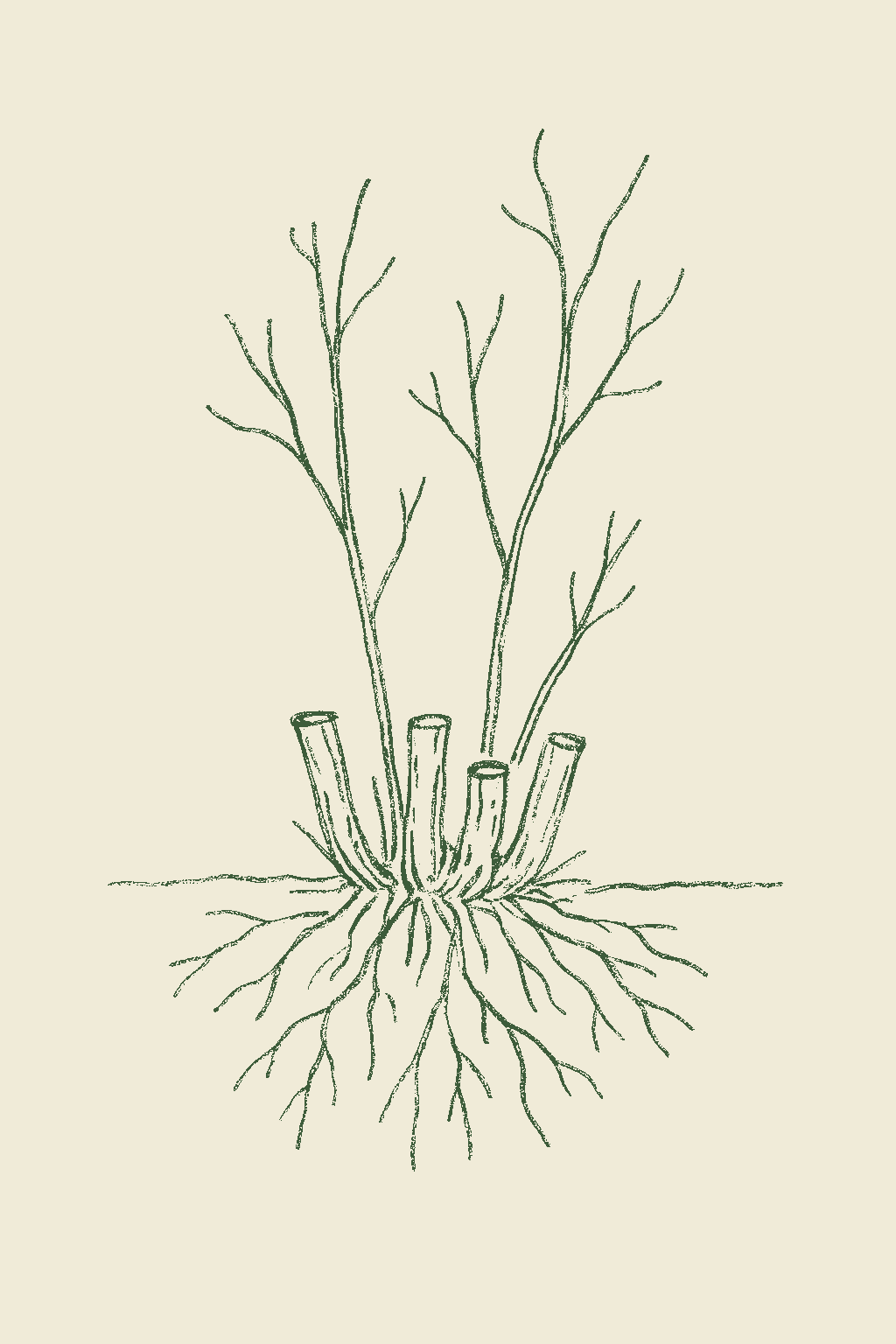
One established bee balm plant gives you dozens of flowers over the summer, plus stems to cut for a vase and leaves for tea, and it feeds a lot of bees, butterflies, and hummingbirds. The clump gets bigger each year, and you divide it every 2 to 3 years.A single established clump produces dozens of nectar-rich flowerheads over its summer bloom, plus cutting stems for the vase and aromatic leaves for tea; more importantly it is a high-value pollinator and hummingbird plant. Clumps enlarge yearly by rhizome and are divided every 2 to 3 years.
Bee balm is a perennial, so it may flower only a little the first year, then come back bigger and bloom fully from the second summer on, returning every year after that.As a perennial, bee balm often blooms only lightly its first year from a transplant, division, or seed, then fills in and flowers fully from the second summer onward, returning and spreading each year thereafter.
If powdery mildew (a white coating on leaves) is common where you garden, the most important choice is the variety. Resistant types like 'Jacob Cline' (red), 'Marshall's Delight' (pink), and 'Raspberry Wine' stay much healthier than older kinds. For pots and small spaces, the dwarf 'Petite Delight' and compact Balmy types are easiest. For a tough native, the wild bergamot types (Monarda fistulosa) such as 'Claire Grace' handle dry spells and bring lavender flowers. All of them are magnets for bees, butterflies, and hummingbirds.Variety choice is the highest-leverage disease decision for bee balm, because powdery mildew is its defining problem. Reach for mildew-resistant cultivars: 'Jacob Cline' (deep red), 'Marshall's Delight' (bright pink), 'Raspberry Wine' (wine red), and 'Grand Marshall' hold up well, and 'Petite Delight' and the compact Balmy series carry resistance in dwarf form for containers and small beds. For a tough native, Monarda fistulosa selections such as 'Claire Grace' add drought tolerance and lavender color. Open, tubular, wide-mouthed flowers serve hummingbirds and long-tongued bees best.
Bee balm is a flower and a tea herb, not food to store, so there is nothing to refrigerate or freeze. For cut flowers, trim the stems, pull off the lower leaves, and use a clean vase; they last several days. To save leaves for tea, pick them (best just before the plant blooms), dry them out of the sun until crisp, and keep them in a sealed jar. The leaves and flowers smell minty and are the classic Oswego tea.Bee balm is an ornamental and herbal-tea plant, so the refrigerate and freeze fields do not really apply. For cut flowers, recut stems, strip lower leaves, and use clean water; expect several days in a vase. To store for tea, harvest leaves (best just before bloom) or flowers, air-dry them out of direct sun until crisp, and keep in an airtight jar. The leaves and edible flowers carry a minty, oregano-like aroma (this is Oswego tea).
Because bee balm stays put for years, rotating it is not really a thing. What helps instead is dividing the clump every 2 to 3 years, planting the divisions in a fresh, open spot, and cleaning up diseased leaves at the end of the season so problems do not carry over.Rotation is a minor concern for a permanent perennial. The relevant practices are dividing the clump every 2 to 3 years to relieve crowding, moving divisions to a fresh airy site, and clearing infected foliage at season's end to limit carryover of powdery mildew and rust.
The plant app sends a timely reminder at every critical moment of your bee balm season. The wording adjusts to whichever you pick: beginner or seasoned. Here are three you'll see in Zone 4.
plant sends the right notification at exactly the right moment, for your zone, your weather, your crops. Founding members lock the rate forever.
We're building this guide with real growers. Got a question we missed? Ask here. We read every one and add the best answers right to this page.
Learned something the hard way? Pass it on. Real growers' tips make this guide better for the next person, and we credit you by name when yours goes live.
If you've grown this crop and you see a date, a temperature, a companion claim, or a recommendation that doesn't match your experience, tell us. Real growers' corrections make this guide better for the next person.
Every date, temperature, spacing, and recommendation on this page is sourced from university cooperative extension publications, peer-reviewed agricultural research, NOAA climate data, and direct extension calendars. Where claims are softer (traditional gardening wisdom not formally documented), we say so.
Spot a data point that doesn't match your experience? Submit a correction; accepted corrections earn full author credit on the page.
Zone-aware seasonal nudges, what's worth planting now, and the occasional recipe from the harvest. No spam, ever.