Today · in your zone
What's happening right now
Off-season for beet in zone 9.
Beets are a cool-weather crop you grow for two foods at once: the round root and the leafy greens, which you cook like chard or spinach. You plant the seeds right in the garden, and here is the surprise: each beet seed is really a little dried fruit with several seeds inside, so one seed grows a clump of seedlings, which is why you have to thin them. The seeds are slow, often 1 to 2 weeks to come up, and the soil surface needs to stay damp until they do. Roots are usually ready in about 50 to 70 days and taste best pulled small, about 1 1/2 to 2 inches across; in heat above about 75°F they turn tough and lose color. Beets handle frost and get sweeter in cool weather, and the roots take more cold than the leaves. Two things to know: beets need a little of the nutrient boron or they get black spots inside, and young plants can bolt (flower instead of making a root) if they get a cold snap followed by long days, so do not plant too early. When you plant depends on your climate: spring and fall where summers are cool, and fall through early spring where summers are hot. Beet (Beta vulgaris) is a cool-season, dual-purpose crop grown for both its swollen root and its edible leaves, which are cooked like chard or spinach, its close relatives in the goosefoot family (Amaranthaceae, formerly Chenopodiaceae). It is direct-sown: each beet seed is a multigerm seedball, a dried fruit holding several embryos, so a single seed sprouts a cluster of seedlings and the stand must be thinned (monogerm cultivars avoid this). Germination is slow, often 1 to 2 weeks, and the seedbed must stay moist and uncrusted until emergence. Roots size up over roughly 50 to 70 days and are sweetest and most tender pulled at about 1 1/2 to 2 inches across; sustained heat above about 75°F turns them woody and strong-flavored and fades their color. Beets tolerate frost and sweeten in cool weather, and the roots withstand more cold than the tops, to roughly 20°F. Two beet-specific cautions: they are unusually boron-sensitive, with deficiency causing internal black spot, and young plants can bolt to seed after a cold spell followed by long spring days, so very early sowings into cold soil are risky. The planting season inverts by climate: spring and fall where summers are cool, and fall through early spring where summers are hot.
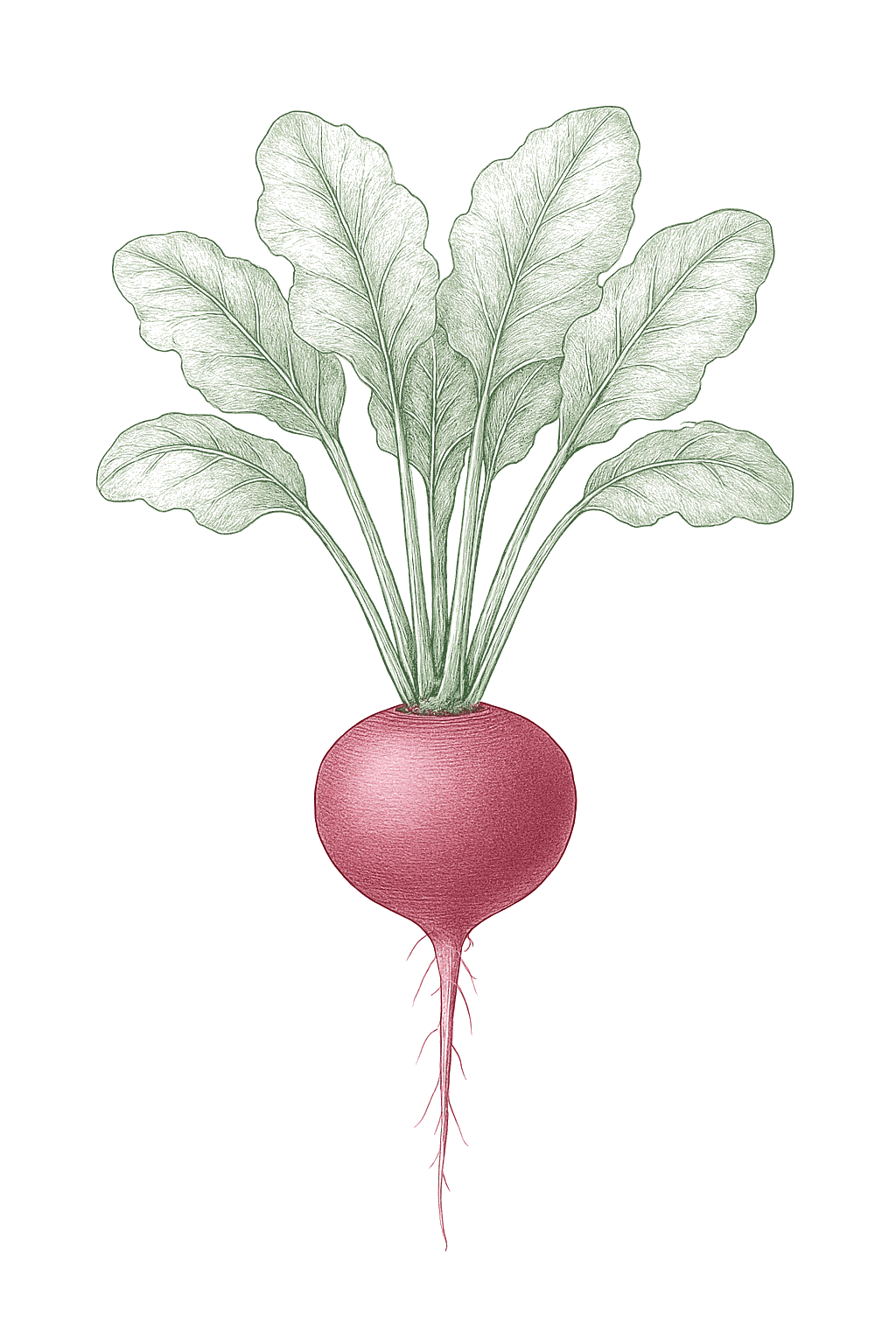
Off-season for beet in zone 9.
Zone 9 averages a last frost around March 1. Within Zone 9, the colder half (9a, winters down to 20°F) runs about a week later. The warmer half (9b, winters down to 25°F) runs about a week earlier. The plant app picks your subzone from your ZIP.
| Subzone | Last spring | First fall | Growing days | Winter min | Fruits reliably |
|---|---|---|---|---|---|
| 9a | Mar 8 | Nov 24 | ~261 | 20-25°F | Yes · two seasons |
| 9b | Feb 28 | Nov 30 | ~275 | 25-30°F | Yes · two seasons |
Averages from 8 weather stations per subzone, drawn from NOAA 1991-2020 Climate Normals. Your actual frost date can vary by up to two weeks based on elevation, proximity to water, and local topography.
In Zone 9, beet can be planted February through May, then again September, skipping the summer heat. Harvest runs April through December.
Instead of planting all your beets at once, sow a short row every 2 to 3 weeks. That way they are ready a few at a time over several weeks. In places with cool summers, start in spring and keep going into early summer, then sow again in late summer for fall. In hot-summer places, grow them in fall, winter, and early spring and skip the summer heat. Do not sow too early into cold soil, which can make beets bolt.Beets succession well: sow a short row every 2 to 3 weeks through the cool-season window rather than one large planting, so roots mature in sequence. In cold-summer climates that means spring through early summer, then a late-summer sowing for a fall and storage crop; in hot-summer climates it means fall through early spring, skipping the heat. Stop spring sowings before sustained heat, since beets near maturity in hot soil turn woody and lose sweetness, and very early sowings into cold soil risk bolting.
In Zone 9, beet can be planted August through May, skipping the summer heat. Harvest runs November through May.
Instead of planting all your beets at once, sow a short row every 2 to 3 weeks. That way they are ready a few at a time over several weeks. In places with cool summers, start in spring and keep going into early summer, then sow again in late summer for fall. In hot-summer places, grow them in fall, winter, and early spring and skip the summer heat. Do not sow too early into cold soil, which can make beets bolt.Beets succession well: sow a short row every 2 to 3 weeks through the cool-season window rather than one large planting, so roots mature in sequence. In cold-summer climates that means spring through early summer, then a late-summer sowing for a fall and storage crop; in hot-summer climates it means fall through early spring, skipping the heat. Stop spring sowings before sustained heat, since beets near maturity in hot soil turn woody and lose sweetness, and very early sowings into cold soil risk bolting.
In Zone 9, beet can be planted September through January, skipping the summer heat. Harvest runs November through April.
Instead of planting all your beets at once, sow a short row every 2 to 3 weeks. That way they are ready a few at a time over several weeks. In places with cool summers, start in spring and keep going into early summer, then sow again in late summer for fall. In hot-summer places, grow them in fall, winter, and early spring and skip the summer heat. Do not sow too early into cold soil, which can make beets bolt.Beets succession well: sow a short row every 2 to 3 weeks through the cool-season window rather than one large planting, so roots mature in sequence. In cold-summer climates that means spring through early summer, then a late-summer sowing for a fall and storage crop; in hot-summer climates it means fall through early spring, skipping the heat. Stop spring sowings before sustained heat, since beets near maturity in hot soil turn woody and lose sweetness, and very early sowings into cold soil risk bolting.
In Zone 9, beet can be planted February through August. Harvest runs May through November.
Instead of planting all your beets at once, sow a short row every 2 to 3 weeks. That way they are ready a few at a time over several weeks. In places with cool summers, start in spring and keep going into early summer, then sow again in late summer for fall. In hot-summer places, grow them in fall, winter, and early spring and skip the summer heat. Do not sow too early into cold soil, which can make beets bolt.Beets succession well: sow a short row every 2 to 3 weeks through the cool-season window rather than one large planting, so roots mature in sequence. In cold-summer climates that means spring through early summer, then a late-summer sowing for a fall and storage crop; in hot-summer climates it means fall through early spring, skipping the heat. Stop spring sowings before sustained heat, since beets near maturity in hot soil turn woody and lose sweetness, and very early sowings into cold soil risk bolting.
In Zone 9, beet can be planted September through May, skipping the summer heat. Harvest runs November through May.
Instead of planting all your beets at once, sow a short row every 2 to 3 weeks. That way they are ready a few at a time over several weeks. In places with cool summers, start in spring and keep going into early summer, then sow again in late summer for fall. In hot-summer places, grow them in fall, winter, and early spring and skip the summer heat. Do not sow too early into cold soil, which can make beets bolt.Beets succession well: sow a short row every 2 to 3 weeks through the cool-season window rather than one large planting, so roots mature in sequence. In cold-summer climates that means spring through early summer, then a late-summer sowing for a fall and storage crop; in hot-summer climates it means fall through early spring, skipping the heat. Stop spring sowings before sustained heat, since beets near maturity in hot soil turn woody and lose sweetness, and very early sowings into cold soil risk bolting.
In Zone 9, beet can be planted March through June. Harvest runs April through September.
Instead of planting all your beets at once, sow a short row every 2 to 3 weeks. That way they are ready a few at a time over several weeks. In places with cool summers, start in spring and keep going into early summer, then sow again in late summer for fall. In hot-summer places, grow them in fall, winter, and early spring and skip the summer heat. Do not sow too early into cold soil, which can make beets bolt.Beets succession well: sow a short row every 2 to 3 weeks through the cool-season window rather than one large planting, so roots mature in sequence. In cold-summer climates that means spring through early summer, then a late-summer sowing for a fall and storage crop; in hot-summer climates it means fall through early spring, skipping the heat. Stop spring sowings before sustained heat, since beets near maturity in hot soil turn woody and lose sweetness, and very early sowings into cold soil risk bolting.
In Zone 9, beet can be planted February through March, then again August through September, skipping the summer heat. Harvest runs April through May.
Instead of planting all your beets at once, sow a short row every 2 to 3 weeks. That way they are ready a few at a time over several weeks. In places with cool summers, start in spring and keep going into early summer, then sow again in late summer for fall. In hot-summer places, grow them in fall, winter, and early spring and skip the summer heat. Do not sow too early into cold soil, which can make beets bolt.Beets succession well: sow a short row every 2 to 3 weeks through the cool-season window rather than one large planting, so roots mature in sequence. In cold-summer climates that means spring through early summer, then a late-summer sowing for a fall and storage crop; in hot-summer climates it means fall through early spring, skipping the heat. Stop spring sowings before sustained heat, since beets near maturity in hot soil turn woody and lose sweetness, and very early sowings into cold soil risk bolting.
In Zone 9, beet can be planted October through December. Harvest runs December through March.
Instead of planting all your beets at once, sow a short row every 2 to 3 weeks. That way they are ready a few at a time over several weeks. In places with cool summers, start in spring and keep going into early summer, then sow again in late summer for fall. In hot-summer places, grow them in fall, winter, and early spring and skip the summer heat. Do not sow too early into cold soil, which can make beets bolt.Beets succession well: sow a short row every 2 to 3 weeks through the cool-season window rather than one large planting, so roots mature in sequence. In cold-summer climates that means spring through early summer, then a late-summer sowing for a fall and storage crop; in hot-summer climates it means fall through early spring, skipping the heat. Stop spring sowings before sustained heat, since beets near maturity in hot soil turn woody and lose sweetness, and very early sowings into cold soil risk bolting.
In Zone 9, beet can be planted September through February, skipping the summer heat. Harvest runs November through April.
Instead of planting all your beets at once, sow a short row every 2 to 3 weeks. That way they are ready a few at a time over several weeks. In places with cool summers, start in spring and keep going into early summer, then sow again in late summer for fall. In hot-summer places, grow them in fall, winter, and early spring and skip the summer heat. Do not sow too early into cold soil, which can make beets bolt.Beets succession well: sow a short row every 2 to 3 weeks through the cool-season window rather than one large planting, so roots mature in sequence. In cold-summer climates that means spring through early summer, then a late-summer sowing for a fall and storage crop; in hot-summer climates it means fall through early spring, skipping the heat. Stop spring sowings before sustained heat, since beets near maturity in hot soil turn woody and lose sweetness, and very early sowings into cold soil risk bolting.
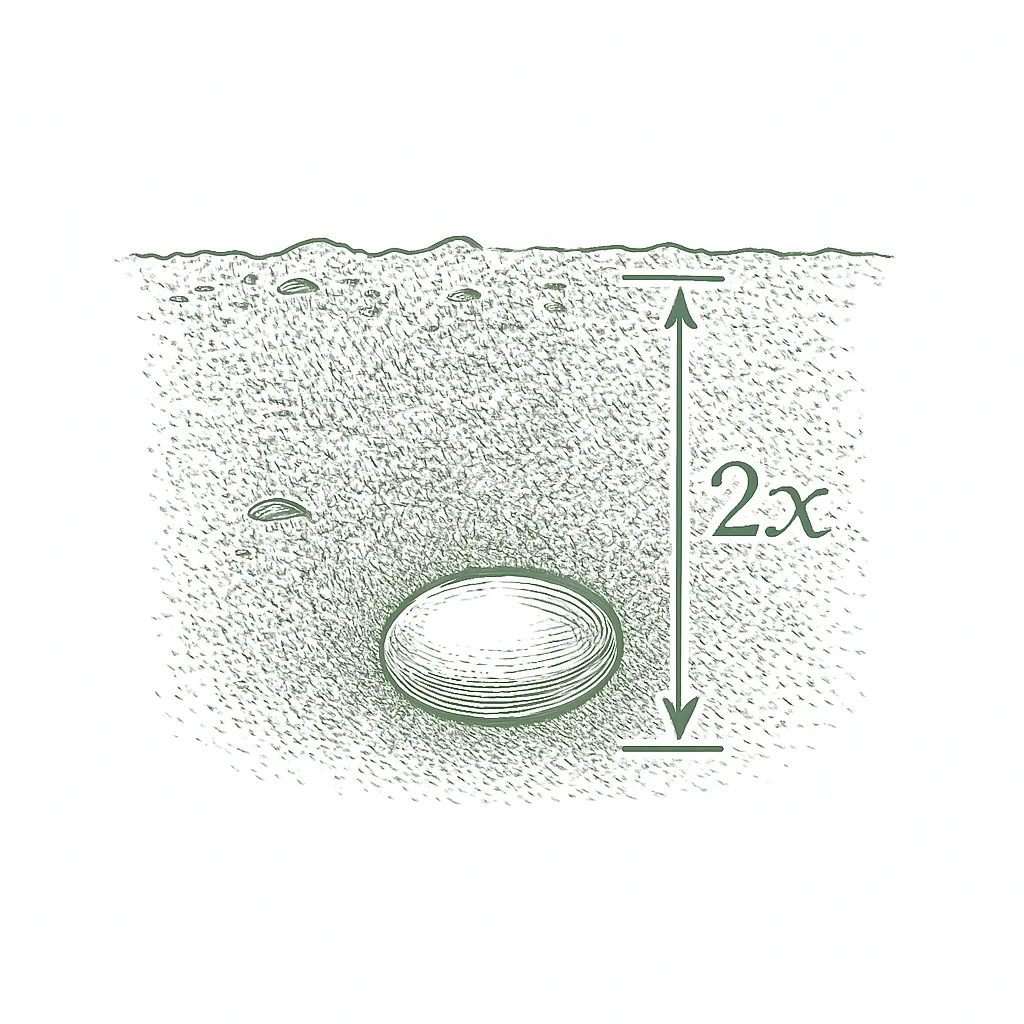
Plant beet seeds right in the garden where they will grow, since beets do not like being moved. Sow them about 1/2 inch deep once the soil is no longer frozen or soggy (about 45 to 50°F), roughly 2 to 3 weeks before your last spring frost, and again in late summer for a fall crop. Soaking the seeds in warm water for about a day before planting helps them sprout faster. Here is the beet surprise: each beet seed is really a little dried fruit holding several seeds, so one seed grows a small clump of seedlings, which is why you have to thin them later. Some kinds, sold as monogerm, grow just one seedling per seed. Keep the soil surface damp until the sprouts appear, often 1 to 2 weeks.Direct-sow beets into the garden; they resent transplanting and are simplest grown from seed in place. Sow about 1/2 inch deep once the soil is workable and at least 45 to 50°F, roughly 2 to 3 weeks before the last spring frost, and again in late summer for a fall crop. Soaking the seed in warm water for about 24 hours before sowing speeds the slow germination. The key beet-specific point is that each beet seed is a multigerm seedball, a dried fruit containing several embryos, so a single seed sprouts a small cluster of seedlings and the stand must be thinned. Monogerm cultivars (one seedling per seed) avoid this. Keep the surface moist and uncrusted until the seedlings emerge, often 1 to 2 weeks.
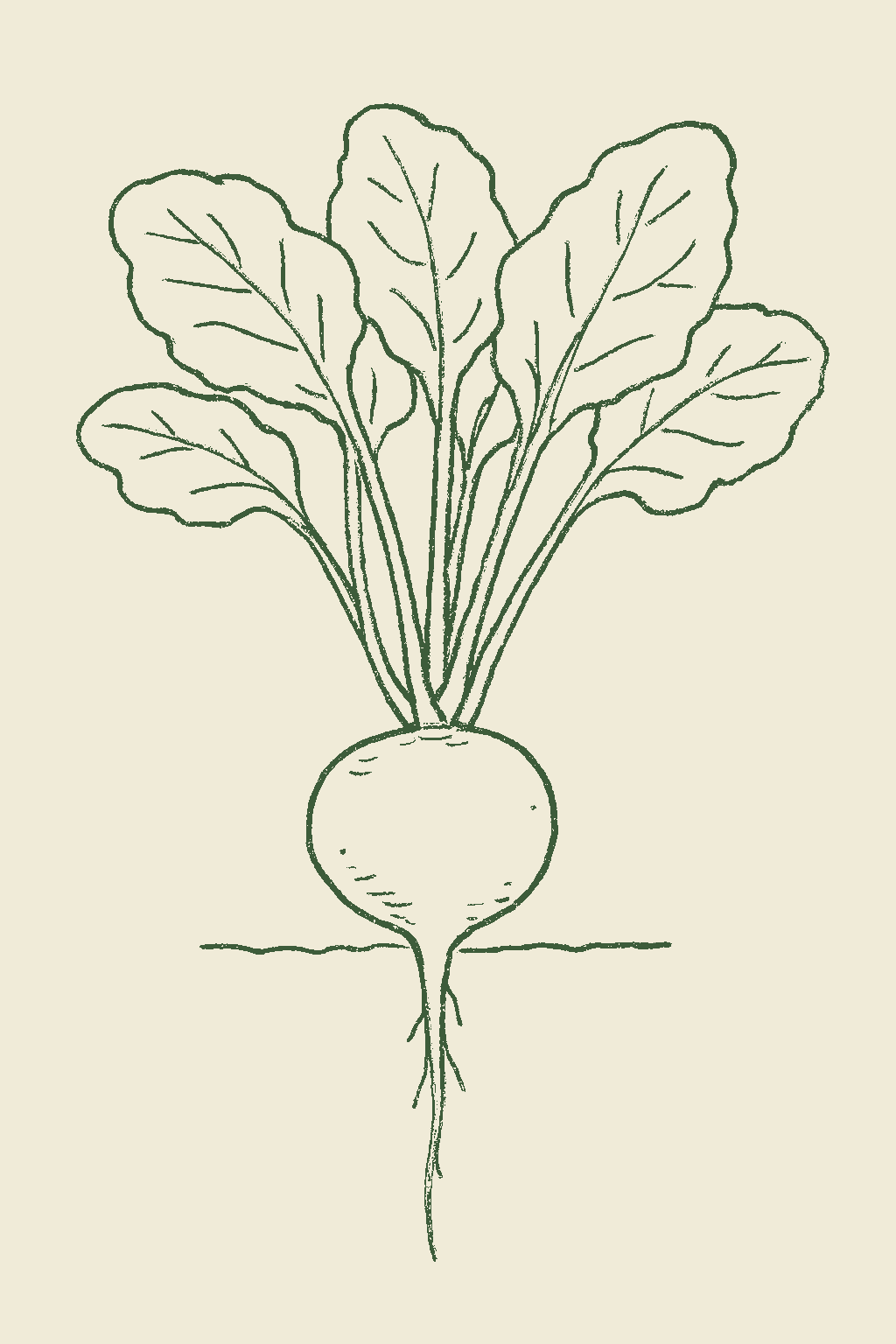







Not sure what soil you have? Grab a small handful of damp soil from your garden bed and squeeze it. If it crumbles apart easily, it's sandy. If it holds together but breaks when you poke it, it's loam (what most vegetables want). If it stays in a hard, slippery ball, it's clay.
Beets like loose, fertile, well-drained soil with no hard crust on top. Loosen the bed about 6 to 8 inches down and rake out rocks and clods, because beet roots grow rounder and smoother in loose soil and come out forked or stunted in packed, stony ground. The most common beet-specific problem is a hard surface crust: the seed is slow and the seedlings cannot push through a dried crust, so keep the top of the soil loose and damp. Mix in some compost, aim for a soil pH around 6.0 to 7.0, and add a little boron only if a soil test shows you need it, because beets get black spots inside the root when boron runs low.
Mix 2-3 inches of compost into the top 6 inches of your bed before planting. Compost holds moisture (which sandy soil drains too fast) and adds the nutrients sandy soil tends to lack. Repeat each season. Compost breaks down over time.
Mix 2-3 inches of compost AND a few inches of coarse sand or perlite into the top 6 inches of your bed. The compost feeds the plants; the sand breaks up the clay so air and water can move through. Don't add sand without compost. It can compact like concrete.
If amending your soil sounds like too much work, or if your soil is heavy clay, full of rocks, or contaminated, build over it. A raised bed at least 12 inches deep filled with a 50/50 mix of compost and sandy loam gives you ideal growing soil with no battles. A 5-gallon container with quality potting mix does the same for one plant at a time. Both bypass your native soil entirely.
The numbers that matter, at a glance.
Beets are a great container crop, even better than carrots for shallow pots, because the root sits near the surface. Use a pot at least 8 inches deep with drainage holes and loose potting mix, keep the soil evenly moist, and thin the seedlings to about 3 inches apart. You can also harvest some leaves for greens along the way.Beets suit containers well and tolerate shallower pots than carrots since the root swells near the surface. Use a container at least 8 inches deep with drainage holes and a loose potting mix, keep moisture even to keep roots tender, and thin to a final 3 inches apart. The edible greens are a bonus crop from the same pot.
Ask what your balcony or roof can carry
A balcony or roof can only hold so much weight. Before you set heavy pots there, ask a building architect what it can safely carry.Illinois Extension's guidance is to consult a building architect about weight limits before placing heavy pots on a balcony or rooftop garden. It gives no weight figure.
Never grow food in a container with anything toxic in it
Many kinds of containers can be used. Whatever you choose, keep anything toxic out of it, especially if you are growing food.Colorado State accepts nearly any container material but warns against using a container that holds toxic materials, especially for edible plants. Illinois adds that a vegetable container should be free of chemicals toxic to plants or people, and urges caution with treated lumber when growing food. If you cannot account for what a repurposed container once held, that alone is a reason to keep food out of it.
Secure hanging containers well
Fasten hanging baskets and window or rail boxes securely. Think about what is below them too, since they can drip on people or things underneath.Illinois Extension asks growers to secure hanging containers well and to think through the safety issues of hanging them. Placement matters too, since a hanging container can drip onto people or belongings below.
Soil pH measures how acidic or alkaline your soil is, on a scale from 1 to 14 where 7 is neutral. Beets like it from about 6.0 to 7.0, slightly acidic to neutral, and they are one of the few vegetables that handle slightly alkaline soil fairly well. The bigger problem is soil that is too acidic, below about 6.0, where seeds come up poorly and the plants cannot take up nutrients well. A cheap soil test from your local extension office tells you your number and whether to add lime. One beet-specific note: low boron in the soil causes black spots inside the root, so if you have seen that before, a soil test can check boron too.Beets grow best at a slightly acidic to neutral pH of about 6.0 to 7.0, and they tolerate mildly alkaline soil better than most garden vegetables. Acidity is the bigger risk: below about 6.0, germination and stand drop off and micronutrient uptake suffers. Above about 7.5, boron, manganese, and iron availability declines, and high pH also favors scab on the roots. Beets are unusually boron-sensitive, so where internal black spot has occurred a soil test should include boron; correct it sparingly, since beets are also easily injured by excess boron. A standard soil test from your local extension office removes the guesswork on both pH and boron before sowing.
Beets do not need heavy feeding. Mix a balanced fertilizer and some compost into the bed before planting, and give one light feeding later only if the plants look weak and pale. Since you eat the leaves too, a little nitrogen is fine, but too much grows big tops and small roots. The one special nutrient for beets is boron: if your roots have had black spots inside, a soil test can tell you whether to add a tiny pinch of borax, but never guess at it because too much boron harms the plants.Beets are moderate feeders. Work a balanced fertilizer and well-finished compost into the bed before sowing, then side-dress lightly once the tops are established if growth is weak. Because the leafy tops are also harvested, beets tolerate more nitrogen than carrots, but heavy nitrogen still favors tops over roots, so keep it balanced. The nutrient to watch is boron: where soils are sandy or alkaline, a boron deficiency causes internal black spot, corrected with a very small, soil-test-guided amount of borax.
The three numbers on a fertilizer bag are nitrogen, phosphorus, and potassium (N-P-K). Beets do well with a balanced blend where the numbers are about even, like a 10-10-10, mixed into the soil before planting along with some compost. Do not pile on high-nitrogen fertilizer, which gives you lots of leaves and small roots. The one extra thing beets care about is boron, and only add that if a soil test says to.Beets are moderate feeders that want steady phosphorus and potassium for root development plus enough nitrogen to drive the edible tops, so a balanced blend such as a 10-10-10 worked into the bed before sowing suits them. Most of the feeding comes from incorporating well-finished compost. Avoid loading on nitrogen, which grows lush leaves at the expense of the root, and watch boron, the micronutrient whose deficiency causes internal black spot.
Beets are easygoing neighbors. They share a bed nicely with leafy greens like lettuce, with the cabbage family (broccoli, cabbage, kale), and with onions and other alliums, which grow upright and shallow and do not crowd the beet roots. The main plants to keep apart from beets are pole beans and peas, an old caution that climbing beans and beets do not grow well together. As always, do not trust every companion chart online, since many of their claims have never been tested. Beets fit easily into mixed beds. West Virginia University's companion guide lists lettuce, the cabbage family, and onions among beets' good neighbors, all reasonable on space-and-timing grounds: leafy greens and shallow-rooted alliums use the surface layer while the beet swells just below it. The same guide names beans and peas as poor companions for beets, the traditional climbing-bean-and-beet caution. Treat these as sensible defaults rather than proven effects: as University of Minnesota's research review stresses, most companion-planting claims are tradition rather than tested science, so use them as a starting point and watch your own results.
Beets give you two harvests. You can pick the leaves young all along, taking a few outer ones per plant so the root keeps growing, and the seedlings you thin out are your first baby greens. The roots are ready by size, not a set date: brush the soil off a shoulder and pull when the beet is about 1 1/2 to 2 inches across, the sweet, tender stage, usually around 50 to 70 days. You can let them grow up to about 3 inches, but bigger beets get woody and strong. There is no rush in cool weather: they get sweeter after a light frost and hold in the ground, and the roots take more cold than the leaves. In cold areas, pile straw over the row and dig them into early winter until the ground freezes. Pull by hand, or loosen with a fork in heavy soil, and twist off the tops, leaving an inch of stem on beets you want to store so they do not bleed out their color.Beets are a dual harvest. The leaves can be picked young throughout, taking a few outer leaves per plant so the root keeps sizing; the thinnings at the seedling stage are the first baby greens. The roots are ready by size rather than the calendar: brush soil from a shoulder and pull when it is about 1 1/2 to 2 inches across, the sweet, tender stage, which for most varieties lands near 50 to 70 days. Beets can be eaten larger, up to about 3 inches, but oversized roots turn woody and strong. There is no rush in cool weather: flavor sweetens after light frost, and roots hold in the ground, withstanding more cold than the tops. In cold regions a heavy straw mulch lets you dig through early winter until the ground freezes hard. Lift by hand, or loosen with a fork in heavier soil, and twist off the tops, leaving an inch of stem on roots you plan to store so they do not bleed.
Each plant gives you one beet root, plus leaves you can eat as it grows. It helps to think by row length: a 10-foot row gives roughly 2 to 5 pounds of beets depending on size, plus greens picked as outer leaves.One root per plant, plus a flush of edible leaves along the way. Yield is best thought of by row length: at a 3 to 4 inch final spacing, a 10-foot row yields roughly 2 to 5 pounds of roots depending on size at harvest, alongside greens taken as outer leaves.
Beets do not regrow a new root after you pull them, since each plant makes one root. A planting is ready about 50 to 70 days after sowing and you harvest it over a couple of weeks, while the leaves give a longer, light harvest. For a steady supply, plant a new short row every 2 to 3 weeks.There is no repeat root harvest; a sowing matures over a short window roughly 50 to 70 days after planting and is pulled over a couple of weeks. The greens give a longer, light pick-as-you-go harvest. Continuous supply comes from succession sowing every 2 to 3 weeks. Beets are grown fresh from seed each year, so your very first planting can do just as well as any later one. The main things that decide your results are loose soil, thinning the seedlings, and keeping the bed evenly damp.Beets are an annual grown fresh from seed every season, so there is no first-year-versus-later distinction as with perennials; the first sowing performs as well as any, provided the soil is loose, the stand is thinned, and moisture stays even.
There are lots of fun beet varieties. Detroit Dark Red is the dependable classic for roots and greens. Early Wonder grows fast and gives great leaves. Bull's Blood is grown mostly for its pretty dark-red leaves. For something different, Chioggia has red-and-white rings inside and golden beets are sweet and do not stain your hands. Cylindra grows long instead of round, handy for slicing. If you hate thinning, look for monogerm beets (like Moneta), whose seeds grow just one seedling each instead of a clump. Most beets are ready in about 50 to 70 days.Beet variety choice spans color, shape, and purpose. Detroit Dark Red is the reliable all-rounder; Early Wonder matures fast and yields heavy tops for greens; Bull's Blood is grown chiefly for its deep-red leaves. For novelty, Chioggia shows red-and-white internal rings and the golden types (Touchstone Gold) are sweet and non-bleeding, while Cylindra produces long roots that slice into even rounds. If thinning is a chore, choose a monogerm cultivar (Moneta), whose seed yields a single seedling rather than the usual cluster. Most table beets mature in about 50 to 70 days.
The ladder troubleshoots from the gentlest solution to the strongest. Start with the gentlest option and only move on when and if it doesn't work.
Give beets a bed away from wherever beets, Swiss chard, or spinach grew last season. The same flies go after all three crops, so a fresh spot each year keeps them from picking up right where they left off.Rotate beets away from ground that carried beets, chard, or spinach the previous season, treating the three hosts as one rotation unit. The shared leafminers are a main reason these relatives are kept apart in the garden rather than replanted in place.
Pull weeds like lambsquarters around the bed, since the leafminer uses them too. Clearing those backup plants and keeping the bed edges clean gives the flies fewer places to keep going between crops.Lambsquarters and related weeds host the same leafminers, so clearing them from the bed and its margins removes the bridge that carries the several short generations across a season.
Clear out old crop leaves and debris at the end of the season, and pull off the first tunneled leaves the moment you see them. Put mined leaves in the trash, not the compost, so the maggots inside cannot finish growing.Clearing crop debris removes overwintering habitat, and removing the first mined leaves promptly, destroyed rather than composted, takes larvae out of the population before they mature and breaks the cycle early.
Lay a row cover, a light fabric that lets in light and water but keeps insects out, over the bed right at sowing. If the flies cannot land on the leaves to lay their eggs, no tunnels get started, and this is the most effective home defense.Cover the bed at sowing, ahead of the egg-laying flights, and keep it in place while plants are young. Exclusion is the most effective home defense here because it denies females the leaf undersides where they set their eggs.
Tiny wasps that hunt leafminer maggots are usually already at work in your garden, and they often keep the numbers down on their own. Skip sprays that kill a wide range of insects so these helpers stay in the bed; you rarely need a spray for this pest anyway.Naturally occurring parasitic wasps usually hold leafminer populations in check, which is much of why insecticide is rarely warranted in a home garden. Most sprays cannot reach larvae shielded inside the leaf, and a broad application tends to cost more in parasitoids than it removes in pest.
No spray for this one. Prevention is the control.
The ladder troubleshoots from the gentlest solution to the strongest. Start with the gentlest option and only move on when and if it doesn't work.
Clean up old plant debris in and around the bed at the end of the season. The beetles spend the winter in garden trash, so less shelter means fewer of them waking up next to your seedlings in spring.Adults overwinter in garden debris, so end-of-season cleanup of the bed and its surroundings trims the local population that emerges onto tender spring growth.
Where the beetles hit hard, you can sow a little later, or sow a few small batches at different times, so at least some seedlings miss the worst spring wave. Once beets are past the seedling stage they shrug off most of the feeding.Pressure concentrates on tender growth in the spring flush, so where it runs severe, delaying or staggering sowings moves the vulnerable seedling window past the peak. The flush shifts with region and season, so confirm the timing locally.
Cover the seedbed with a row cover, a light fabric barrier, for the first weeks after sowing. Keeping the beetles off while the plants are tiny is the most reliable protection, and bigger plants can handle the nibbling.Excluding the beetles through the seedling stage is the most reliable defense. Damage on established plants is mostly cosmetic, so the cover has done its work once plants are past the vulnerable window.
If beetles are swarming young plants, dust the leaves with kaolin clay, a fine natural clay powder that makes the leaves unappealing to them. Keep seedlings well watered and growing fast at the same time, since vigorous plants outgrow the damage, and grown beets rarely need any treatment.Where pressure runs high on seedlings, a kaolin clay coating deters feeding while the plants grow through the vulnerable stage. Pair it with steady water so unstressed seedlings outgrow the injury; mature plantings seldom justify treatment.
No spray for this one. Prevention is the control.
The ladder troubleshoots from the gentlest solution to the strongest. Start with the gentlest option and only move on when and if it doesn't work.
Go easy on nitrogen fertilizer. Heavy feeding pushes out soft, lush leaves, which is exactly the growth aphids multiply on fastest, so a moderate hand keeps the outbreak from getting its start.Populations build fastest on lush, over-fertilized growth, so restrained nitrogen removes the flush of soft tissue that fuels a colony's expansion.
Keep the weeds down near the bed. Winged aphids fly in from weeds and other plants, so fewer weedy hosts nearby means fewer new colonies landing on your beets.Winged forms move in from weeds and neighboring crops, so controlling the weedy hosts around the planting cuts the supply of colonists reaching the foliage.
Knock the clusters off with a strong stream of water from the hose, aiming at the undersides of the leaves where they gather. In a home garden this alone is often enough.A strong water jet dislodges colonies from the leaf undersides and is often sufficient in a home planting; repeat as new clusters appear on fresh growth.
Ladybugs, lacewings, and tiny wasps that attack aphids usually bring the numbers down for you. Help them by not using sprays that kill a wide range of insects, and check the undersides of leaves now and then so you catch colonies while they are small.Natural enemies, including lady beetles, lacewings, and parasitic wasps, usually collapse colonies on their own, so conserving them by avoiding broad-spectrum sprays does most of the work. Scout new growth and leaf undersides so colonies are found small, which matters doubly since aphids can transmit virus diseases.
If the helpers are not keeping up, spray insecticidal soap, a mild soap-based product made for plants, directly onto the aphids on the undersides of the leaves. It only works where it touches them, so coverage is what counts.Where natural enemies are not holding, insecticidal soap applied to the leaf undersides is effective on contact; thorough coverage of the colonies determines the result.
Horticultural oil, a refined oil spray for plants, is the other option that works when it coats the aphids directly. Spray the undersides of the leaves where they cluster, and skip it in high heat or on drought-stressed plants.Horticultural oil sprayed to the undersides of the leaves controls the colonies it wets, on the same footing as soap here; both are contact materials, so coverage governs, and neither leaves the broad-spectrum residue that takes out the natural enemies.
The bottom rungs are products with label rules: timing, pollinators, and days to wait before harvest. Before you spray →
The ladder troubleshoots from the gentlest solution to the strongest. Start with the gentlest option and only move on when and if it doesn't work.
If this disease shows up year after year, start at seed-buying time and pick a variety described as tolerant of Cercospora leaf spot. Tolerant means it holds up better, not that it cannot catch the disease.Where the disease recurs, choose tolerant varieties at ordering time; tolerance reduces severity rather than conferring immunity, so it sits under the cultural steps rather than replacing them.
Move beets, along with their cousins chard and spinach, to a different bed and keep them out of the old spot for two to three years. The fungus waits in the old bed, so replanting there hands it a fresh start.Rotate beets, chard, and spinach as one unit out of the bed for two to three years. The fungus survives on infected beet debris and related weeds, so a same-host replant reconnects the carryover with the crop.
Pick off the worst-spotted leaves and throw them away, and clear out old beet leaves and debris at the end of the season. Leaves already covered in spots cannot be cured, so removing them slows the spread to the rest.Spotted tissue does not recover; removing badly infected leaves during the season, then clearing and destroying crop debris after it, reduces the inoculum available to move onto healthy foliage.
Thin your beets and give the rows room so air moves through and the leaves dry quickly after rain. The fungus needs warm, humid conditions and leaves that stay wet to build up.Space and thin for airflow so the canopy dries fast. Disease builds under prolonged leaf wetness in warm, humid weather, fastest in roughly the 77 to 95°F range, so shortening wet periods works directly against it.
Water at the soil, not over the leaves, and do it in the morning so everything dries fast. Rain and overhead watering are what splash the fungus from old debris up onto the leaves.The fungus reaches foliage by splash from debris, so basal watering in the morning, rather than overhead irrigation, removes a dispersal route and shortens the leaf wetness the disease depends on.
In a very wet season you can add a copper fungicide, a copper-based spray sold for vegetable diseases, starting early at the first spots. It can help slow the spread, but it cannot cure spotted leaves, and the watering and spacing steps still do most of the work.In a wet season a copper product labeled for vegetables can suppress spread if begun early; it protects clean tissue rather than rescuing spotted leaves, and cultural control carries most of the load in a home garden.
The bottom rungs are products with label rules: timing, pollinators, and days to wait before harvest. Before you spray →
The ladder troubleshoots from the gentlest solution to the strongest. Start with the gentlest option and only move on when and if it doesn't work.
Keep the bed evenly moist rather than letting it dry out between waterings, and pay most attention while the roots are filling out. Dry soil at that stage is what lets scab get its hold on the skins.Steady moisture through root sizing is the in-season half of scab control, and it is the half still available once the crop is in the ground. The pH decision is made before planting; this one is made every week.
Hold off on lime for this bed. Scab does better as the soil moves toward neutral and beyond, so where a test puts you above about 7.0 the useful move is to add nothing that pushes it higher.The lever here is restraint rather than application: skip lime and wood ashes where a test shows the bed at or above about 7.0. It is settled before planting and pays off in the next crop, which is why it pairs with steady moisture, the part that acts on the crop already growing.
Move beets to a new bed each year, away from where beets, chard, or spinach grew before. The scab germ lives in the soil, so fresh ground lowers the odds next year's roots pick it up. This year's scabby roots are still fine to eat once peeled.Streptomyces scabies is soilborne, so rotating away from beets and their relatives reduces recurrence. There is no in-season rescue; affected roots remain edible once the corky skin is peeled away, and the rest of the fix is in how the next crop is grown.
No spray for this one. Prevention is the control.
The ladder troubleshoots from the gentlest solution to the strongest. Start with the gentlest option and only move on when and if it doesn't work.
Wait to sow until the soil is warm enough rather than cold and soggy, use fresh seed, and do not plant too deep. Soaking beet seed for a day before sowing helps it come up faster, which shortens the risky stretch when soil organisms can attack it. Then keep the bed damp but not soaking wet.Fresh seed sown at a modest depth into warm-enough, well-drained ground, with restrained watering after, narrows the window the pathogens exploit. A day's presoak speeds the slow-germinating beet seedball through emergence, which is where much of this crop's exposure lies.
If your soil is heavy and stays wet, improve the drainage or sow into a raised bed. The organisms that kill sprouting seeds thrive in cool, soggy ground, so better-drained soil takes away their advantage.Pythium and Rhizoctonia are favored by cool, saturated, poorly drained soil, so improving drainage, or moving to raised beds on heavy ground, removes the conditions the losses depend on.
If seedlings start flopping over, clear the fallen ones away and hold off on watering so the soil surface can dry out some. Seedlings that have collapsed will not recover, so the goal is to slow the attack on their neighbors.Once damping-off appears, remove collapsed seedlings and pause irrigation to let the surface dry somewhat, which slows the pathogens. Affected seedlings are lost, so the move protects the rest of the stand; there is no effective home cure once it takes hold.
No spray for this one. Prevention is the control.
The ladder troubleshoots from the gentlest solution to the strongest. Start with the gentlest option and only move on when and if it doesn't work.
If downy mildew keeps showing up, choose a variety listed as tolerant when you buy seed. Tolerant plants hold up better in the cool, wet weather this disease favors.Where the disease recurs, select tolerant varieties at seed-buying time as the base layer under the cultural steps.
Grow beets in a different spot from where beets, chard, or spinach were last year. The disease survives on old plant debris and on those related crops, so moving the planting breaks that link.The pathogen survives on crop debris and related hosts, so rotating beets, chard, and spinach as a group away from last year's ground separates the new planting from its carryover.
Pick off and throw away the worst-affected leaves, the ones with fuzzy gray or purple growth underneath, and clean up old plant debris. Infected leaves cannot be cured, so removing them slows the spread.Infected tissue does not recover; removing affected leaves and clearing crop debris reduces the inoculum available to spread in moist air and splashing water.
Thin the plants and space the rows so air moves through and the leaves can dry out. This disease works in cool, damp conditions, so helping the bed dry is most of the battle.Space and thin for airflow so foliage dries quickly. Infection runs best in cool, moist conditions, roughly 45 to 59°F with little infection above about 68°F, so shortening damp periods strikes at its working range.
Water at the soil instead of sprinkling over the leaves. The disease spreads in damp air and splashing water, so dry leaves give it much less to work with.Basal watering keeps foliage dry and removes the splash dispersal the pathogen uses, which matters most during the cool, moist spells that favor infection.
Stay out of the beet bed while the leaves are wet from rain, dew, or watering. Brushing through wet plants helps carry the disease from leaf to leaf.Avoid working among wet plants; handling damp foliage moves the pathogen through the planting, so time weeding and harvest for when the canopy is dry.
A copper fungicide, a copper-based spray sold for vegetable diseases, is a last resort for a stretch of weather that stays wet. Keeping the leaves dry does most of the work, and copper cannot cure leaves that are already infected.Copper is a last resort in a persistently wet season, applied to protect rather than to cure; cultural drying measures remain the mainstay for a home crop.
The bottom rungs are products with label rules: timing, pollinators, and days to wait before harvest. Before you spray →
Move your beets to a different spot each year, and do not put them (or their relatives chard and spinach) back in the same bed for about three years. This keeps shared pests and diseases from piling up. Beets do well following beans or peas, which add nitrogen, or onions and garlic.Rotate beets on a roughly three-year cycle, keeping them and their close relatives chard and spinach out of a bed for two to three seasons after they are grown there. This breaks the buildup of the leafminers, flea beetles, and leaf diseases the goosefoot family shares. Following a legume that has added nitrogen, or an allium, suits beets well.
The plant app sends a timely reminder at every critical moment of your beet season. The wording adjusts to whichever you pick: beginner or seasoned. Here are three you'll see in Zone 9.
plant sends the right notification at exactly the right moment, for your zone, your weather, your crops. Founding members lock the rate forever.
We're building this guide with real growers. Got a question we missed? Ask here. We read every one and add the best answers right to this page.
Learned something the hard way? Pass it on. Real growers' tips make this guide better for the next person, and we credit you by name when yours goes live.
If you've grown this crop and you see a date, a temperature, a companion claim, or a recommendation that doesn't match your experience, tell us. Real growers' corrections make this guide better for the next person.
Every date, temperature, spacing, and recommendation on this page is sourced from university cooperative extension publications, peer-reviewed agricultural research, NOAA climate data, and direct extension calendars. Where claims are softer (traditional gardening wisdom not formally documented), we say so.
Spot a data point that doesn't match your experience? Submit a correction; accepted corrections earn full author credit on the page.
Zone-aware seasonal nudges, what's worth planting now, and the occasional recipe from the harvest. No spam, ever.