Today · in your zone
What's happening right now
Off-season for blueberry in zone 13.
Tap to switch. plant calibrates to where you are in the journey.
Blueberries are bushes, not annual plants, and a healthy one can fruit for decades. They are easy to grow once you nail two things: very acidic soil and the right type for your climate. Plant at least two different varieties so they pollinate each other, and you are set for years. Blueberries are long-lived, acid-loving woody shrubs that reward patience: a well-sited bush can produce for decades. Success turns on three things most growers underestimate: matching the type to your winter chill, getting the soil acidic enough, and planting more than one cultivar for cross-pollination.
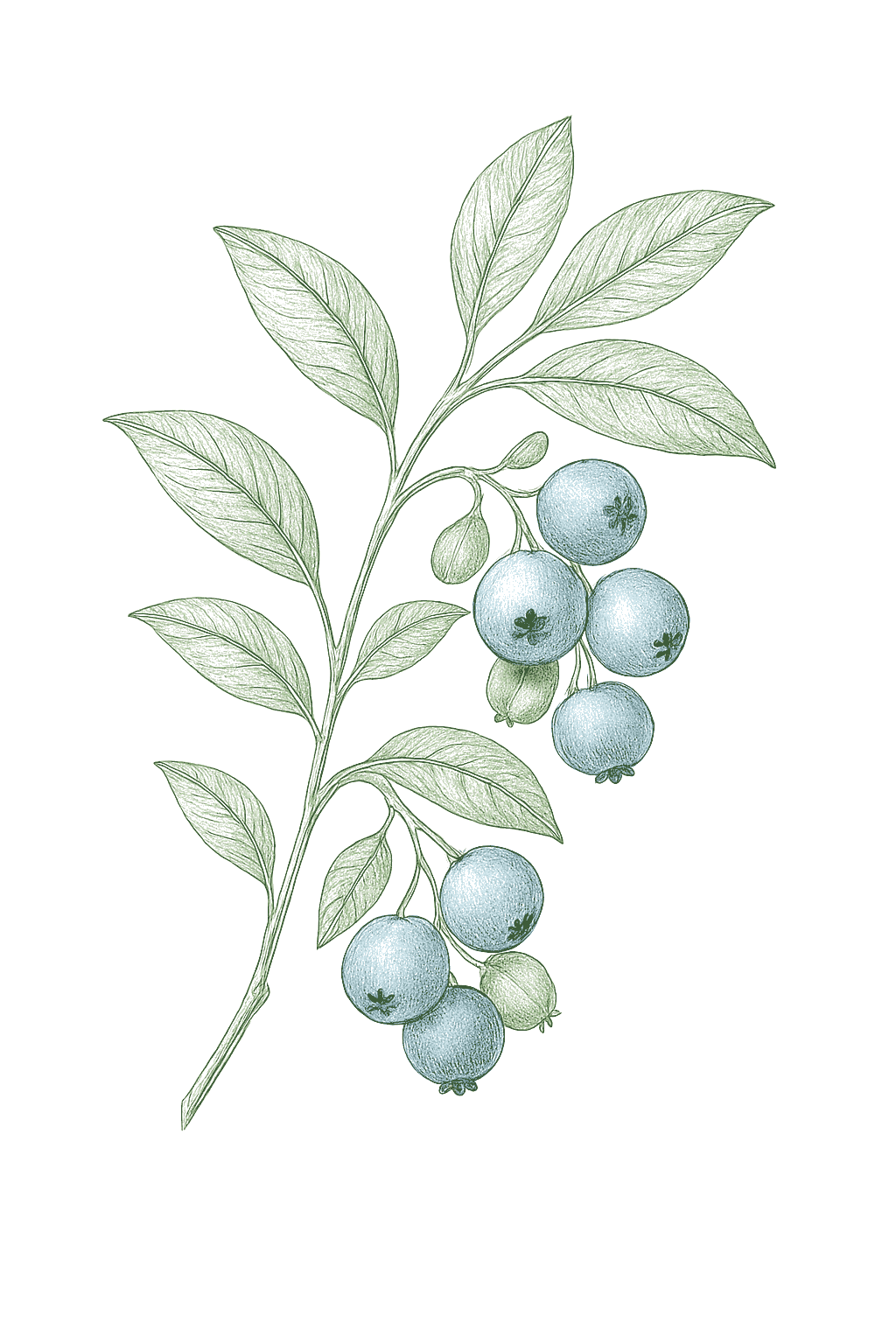
Off-season for blueberry in zone 13.
Blueberries need a stretch of cold winter weather before they will flower and fruit, measured in chill hours (time below 45°F). Each type needs a different amount: northern highbush needs a lot of cold, southern highbush very little, rabbiteye somewhere in between. This is why choosing the type that matches your climate matters so much.Chill hours are the hours of winter temperature below 45°F a blueberry needs to break dormancy and bloom normally. The requirement varies sharply by type: northern highbush wants roughly 800 to 1000 hours, rabbiteye about 350 to 650, and southern highbush as little as 150 to 600. Too little chill for the type gives weak, erratic bloom and little fruit; the figure is the single best predictor of whether a given cultivar will crop where you live.
These need more chill than your winter dependably delivers. In a mild winter they bloom unevenly and crop lightly.
These need more chill than your winter dependably delivers. In a mild winter they bloom unevenly and crop lightly.
These need more chill than your winter dependably delivers. In a mild winter they bloom unevenly and crop lightly.
In Hawaii, blueberries are a fun specialty crop you plant once and keep for years, grown almost always in pots with special low-chill or no-chill varieties, and the bush stays green all year. It flowers, ripens its berries, then settles into a calmer stretch of light care and feeding, staying in leaf the whole time. Keep an eye out for a leaf disease called rust in cool, damp spots, and enjoy it as something a little out of the ordinary.In Hawaii blueberry is a niche, long-lived evergreen crop, planted once and kept for years, grown almost always in containers from roughly 250 to 4000 feet; only low-chill and no-chill southern highbush fruit here, and they hold their leaves year round. The year runs from bloom to harvest, then a care period of light shaping and feeding, the bush staying in leaf the whole time. Watch for blueberry rust in cool, wet sites, and treat it as a rewarding specialty.
Once established, your blueberries follow the same yearly rhythm. Choose a cultivar by chill class above, then use this calendar for the season-to-season timing.
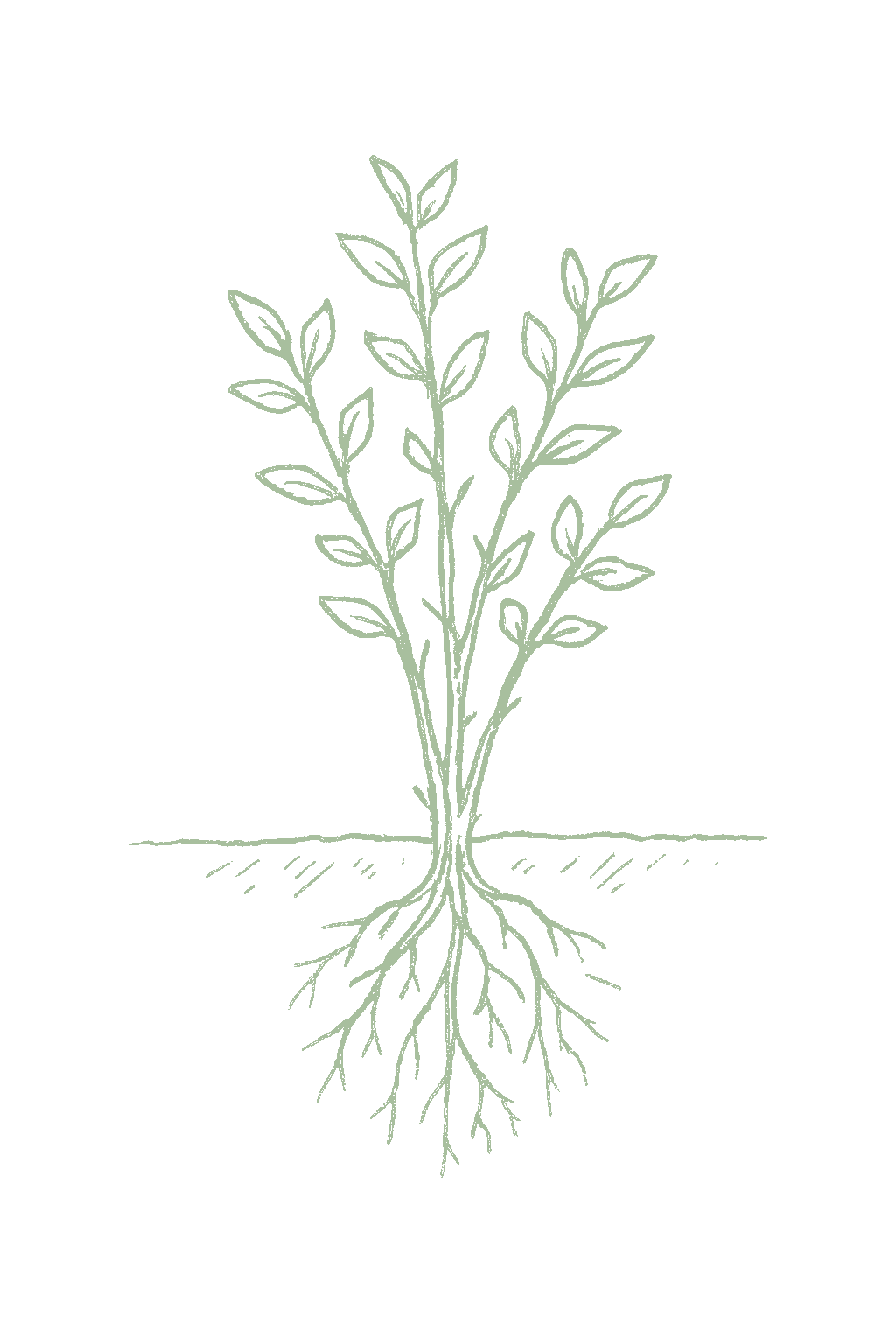
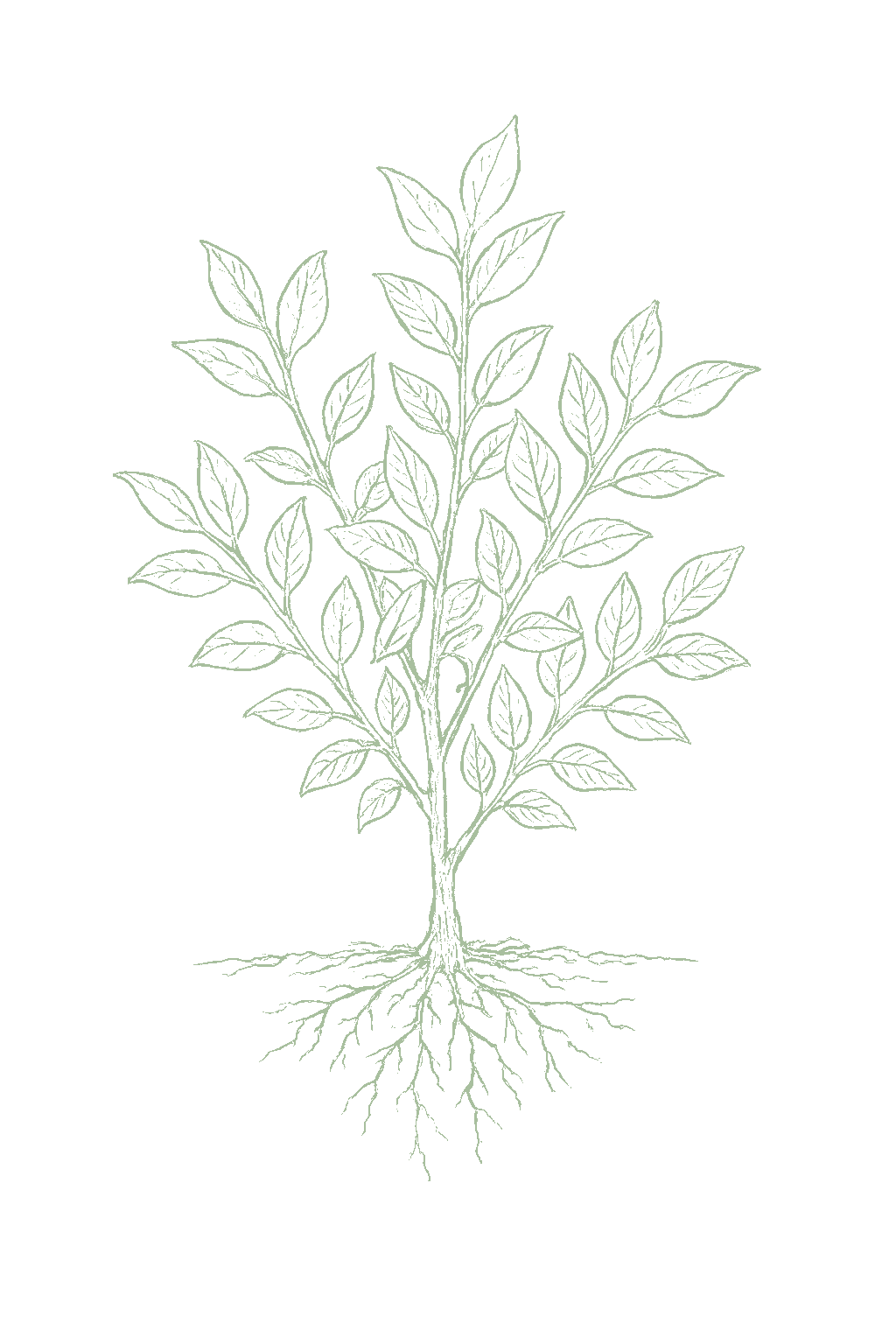





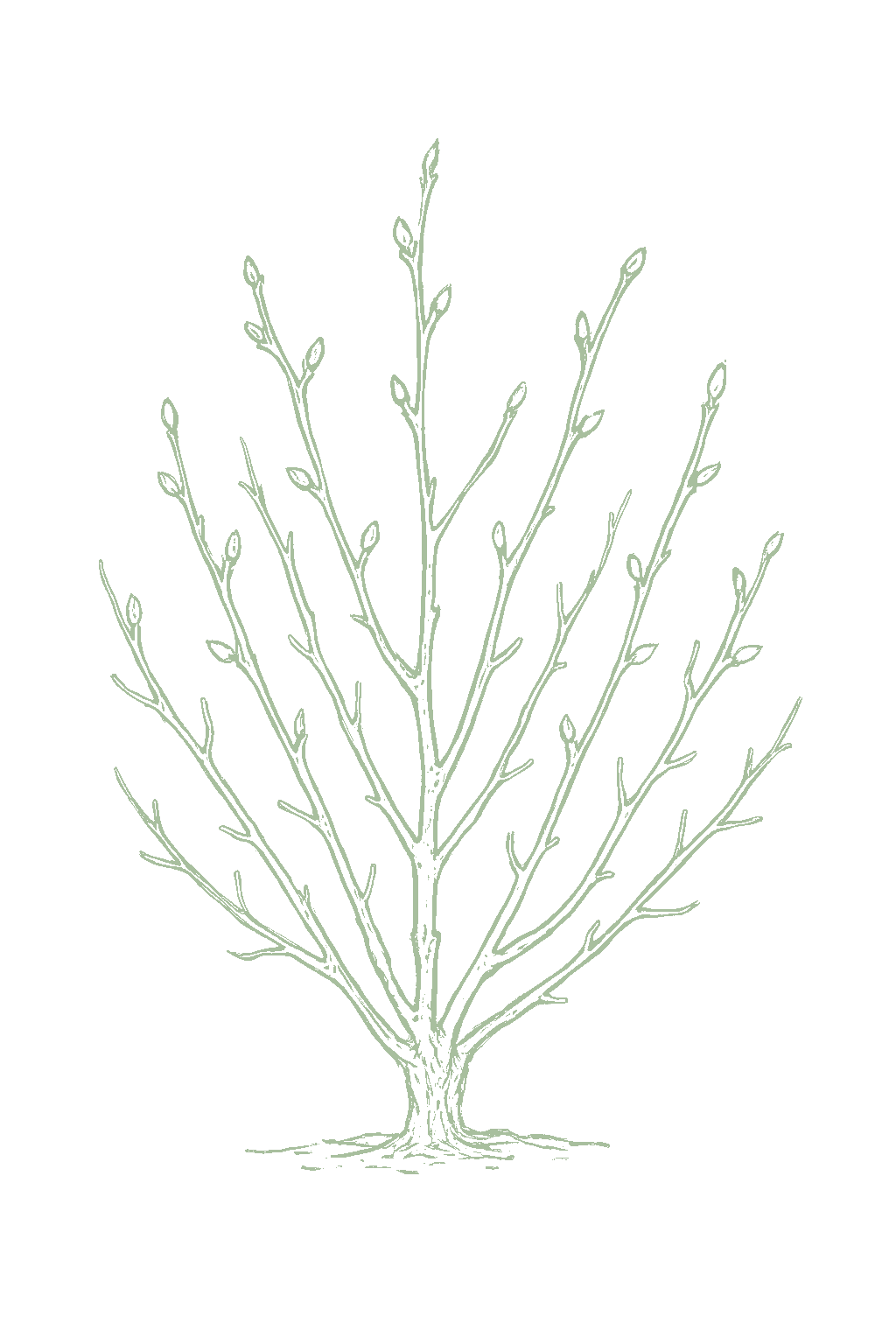

Not sure what soil you have? Grab a small handful of damp soil from your garden bed and squeeze it. If it crumbles apart easily, it's sandy. If it holds together but breaks when you poke it, it's loam (what most vegetables want). If it stays in a hard, slippery ball, it's clay.
Blueberries want loose, acidic soil that drains well and is rich in organic matter. Their roots are shallow and delicate, so heavy clay or soggy ground is a problem. Mixing in peat moss or aged pine bark before planting helps a lot.
Mix 2-3 inches of compost into the top 6 inches of your bed before planting. Compost holds moisture (which sandy soil drains too fast) and adds the nutrients sandy soil tends to lack. Repeat each season. Compost breaks down over time.
Mix 2-3 inches of compost AND a few inches of coarse sand or perlite into the top 6 inches of your bed. The compost feeds the plants; the sand breaks up the clay so air and water can move through. Don't add sand without compost. It can compact like concrete.
If amending your soil sounds like too much work, or if your soil is heavy clay, full of rocks, or contaminated, build over it. A raised bed at least 12 inches deep filled with a 50/50 mix of compost and sandy loam gives you ideal growing soil with no battles. A 5-gallon container with quality potting mix does the same for one plant at a time. Both bypass your native soil entirely.
The numbers that matter, at a glance.
Blueberries are fussy about one thing above all: they need very acidic soil, around pH 4.5 to 5.5. Most garden soil is not acidic enough. Get a cheap soil test before you plant. If your soil reads higher, mix in peat moss and add garden sulfur a few months ahead of planting to bring the acidity down. Get this right and the rest is easy.This is the make-or-break detail. Blueberries need a soil pH of roughly 4.5 to 5.5, far more acidic than most garden plants. Test your soil first. If the pH is above that range, lower it with elemental sulfur or by working in peat moss, and do it several months before planting, because sulfur takes time to act. Above about pH 5.5 the plant cannot take up iron and the leaves yellow between the veins.
Feed blueberries with a fertilizer made for azaleas, rhododendrons, or blueberries. These are acid-forming, which is exactly what blueberries want. Skip ordinary garden fertilizer and never add lime. Go light, especially on young plants, and feed in spring when the buds start to swell.Blueberries take up nitrogen in the ammonium form rather than nitrate, so feed with an acid-forming fertilizer such as ammonium sulfate or a blend made for azaleas and rhododendrons. Avoid nitrate fertilizers and anything containing lime, which raise pH and can injure the plant. Young bushes need very little; increase the amount gradually as the plant grows. Split the season's feeding between budbreak and about six weeks later.
Use an azalea or rhododendron food (an acid fertilizer).An acid-forming complete fertilizer; ammonium-form nitrogen, not nitrate.
Blueberries do not need companion plants to do well. The one thing that matters is keeping them away from large shade trees, whose roots crowd them out and cut down on fruit (pine trees are fine). If you want neighbors, other acid-loving plants like azaleas and rhododendrons share the same soil and look good together. Blueberry is not a heavy-companion crop; the main siting rule is what to keep it away from. Plant it clear of hardwood tree roots, which compete heavily and sharply reduce fruiting (pines are the exception and are compatible). Its best neighbors are other acid-loving Ericaceous plants such as azaleas and rhododendrons that share the same acidified bed, more for shared culture and aesthetics than any tested yield gain. Do not crowd the shallow root zone.
A blueberry is ready when it is completely blue and falls off into your hand with a gentle roll of the thumb. Berries turn blue a few days before they are truly sweet, so give them a little longer, then taste one. Pick over the bush every several days as more ripen.Ripe berries turn fully blue and develop a dusty bloom, and they detach with a light roll of the thumb. Color comes a few days before full sweetness, so wait until they part easily from the cluster. Pick every 5 to 10 days through the ripening window; rabbiteye flavor improves with a slightly longer interval.
How much you get depends on the type and the plant's age. A mature highbush bush gives about 5 to 10 pounds a year. Rabbiteye, the warm-climate type, can give a lot more, often 12 to 25 pounds. One bush keeps producing for decades.Yield depends heavily on type and age. A mature northern highbush bush yields roughly 5 to 10 pounds of fruit per year; southern highbush is similar, often exceeding 8 pounds with good care. Rabbiteye is the most productive, commonly 12 to 25 pounds on a mature, well-grown bush. A single bush can produce for decades.
Blueberries take their time. You will get a small crop around year 3 or 4 and a full crop around years 6 to 8. After that, a healthy bush keeps producing for decades.Blueberries are slow to reach full production. Expect a light crop in years 3 to 4 and full bearing around years 6 to 8, after which a well-tended bush stays productive for 20 to 50 years. Rabbiteye in particular keeps building yield as the bush matures. Do not expect berries the first two years. In fact, you should pinch off the flowers in years 1 and 2 so the plant puts its energy into growing a strong bush. It feels harsh, but it gives you far more fruit down the road. A few berries may show up in year 3.Expect no real harvest in years 1 and 2. The recommended practice is to remove the flower buds during the first two seasons after planting so the plant channels its energy into building roots and shoots; this sacrifice pays back in stronger growth and higher yields later. A few berries may come in year 3.
Pick the type that matches your climate, then choose two or more varieties of that same type so they pollinate each other. Getting an early one and a late one of the same type gives you berries over a longer stretch of summer. For very cold areas or for growing in pots, look for the compact half-high varieties.Choose by type first, then by season. Match the type to your winter chill (northern highbush for cold winters; southern highbush or rabbiteye for mild ones), then plant at least two cultivars of that type with overlapping bloom for cross-pollination. Mixing early, mid, and late cultivars within a type stretches the harvest over many weeks. Half-high cultivars (here listed under northern highbush) are the answer for the very coldest gardens and for containers.
Crop rotation is for vegetables you replant each year. A blueberry is a bush that lives in one spot for decades, so just pick a good site at the start and leave it there.Rotation does not apply to blueberries. Unlike annual vegetables, a blueberry is a long-lived perennial shrub that occupies the same site for 20 to 50 years. Choose the planting spot carefully for drainage and acid soil up front, because you will not be moving it.
The plant app sends a timely reminder at every critical moment of your blueberry season. The wording adjusts to whichever you pick: beginner or seasoned. Here are three you'll see in Zone 13.
plant sends the right notification at exactly the right moment, for your zone, your weather, your crops. Founding members lock the rate forever.
We're building this guide with real growers. Got a question we missed? Ask here. We read every one and add the best answers right to this page.
Learned something the hard way? Pass it on. Real growers' tips make this guide better for the next person, and we credit you by name when yours goes live.
If you've grown this crop and you see a date, a temperature, a companion claim, or a recommendation that doesn't match your experience, tell us. Real growers' corrections make this guide better for the next person.
Every date, temperature, spacing, and recommendation on this page is sourced from university cooperative extension publications, peer-reviewed agricultural research, NOAA climate data, and direct extension calendars. Where claims are softer (traditional gardening wisdom not formally documented), we say so.
Spot a data point that doesn't match your experience? Submit a correction; accepted corrections earn full author credit on the page.
Zone-aware seasonal nudges, what's worth planting now, and the occasional recipe from the harvest. No spam, ever.