Today · in your zone
What's happening right now
Off-season for bok choy in zone 9.
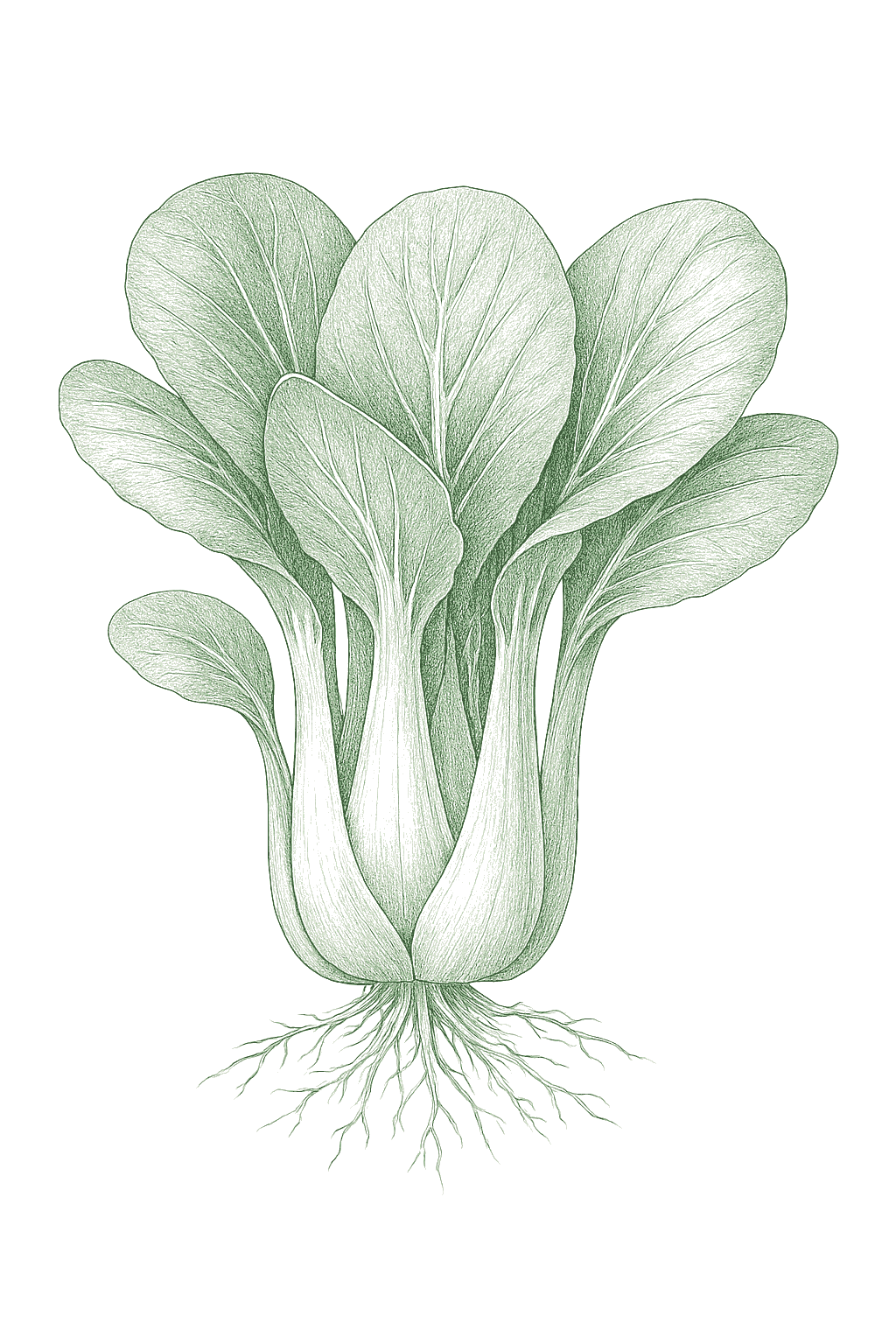
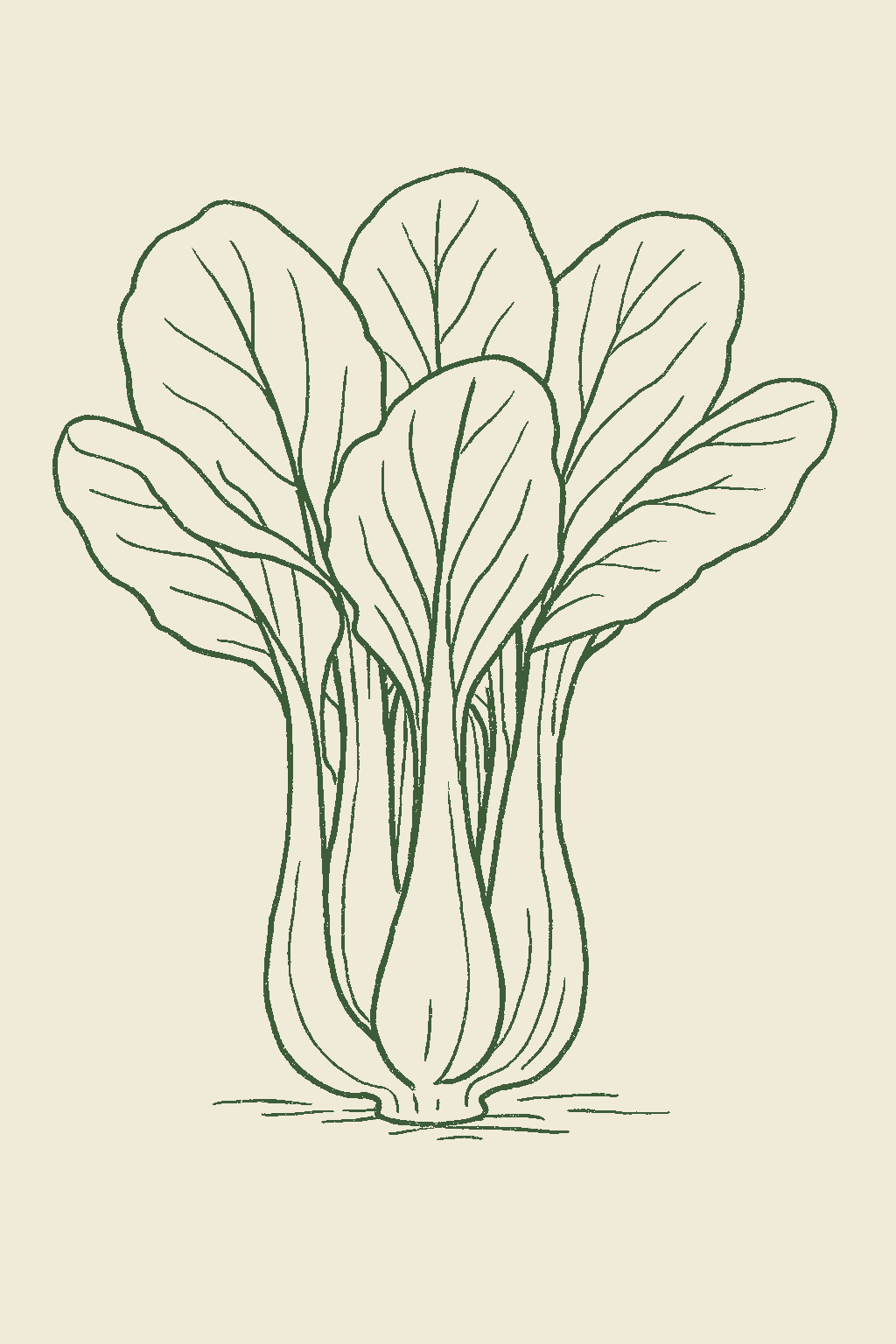
Bok choy, also called pak choi, is a fast cool-weather Asian green grown for its upright bunch of crisp white or green stalks and tender leaves. It does not form a head like cabbage. It is ready in about a month and grows best in cool weather, and it flowers (bolts) easily from both summer heat and a cold spell on young plants, so the fall crop is the most reliable. Harvest the whole plant, or pick the outer stalks and let it keep growing. Bok choy (pak choi) is a fast cool-season Asian brassica (Brassica rapa, Chinensis group) grown for its upright rosette of crisp leaf-stalks and tender leaves, not a head. It matures in about 30 to 50 days, performs best in the cool shoulders of the year, and is notably bolt-prone: it runs to seed both from summer heat and from a cold snap on young plants. Spring is a short window, so the fall crop is the mainstay; harvest the whole plant or pick outer stalks cut-and-come-again.
Off-season for bok choy in zone 9.
Zone 9 averages a last frost around March 1. Within Zone 9, the colder half (9a, winters down to 20°F) runs about a week later. The warmer half (9b, winters down to 25°F) runs about a week earlier. The plant app picks your subzone from your ZIP.
| Subzone | Last spring | First fall | Growing days | Winter min | Fruits reliably |
|---|---|---|---|---|---|
| 9a | Mar 8 | Nov 24 | ~261 | 20-25°F | Yes · two seasons |
| 9b | Feb 28 | Nov 30 | ~275 | 25-30°F | Yes · two seasons |
Averages from 8 weather stations per subzone, drawn from NOAA 1991-2020 Climate Normals. Your actual frost date can vary by up to two weeks based on elevation, proximity to water, and local topography.
In Zone 9, bok choy can be planted January through April, then again August through October, skipping the summer heat. Harvest runs March through December.
Plant bok choy a little at a time, every week or two, instead of all at once, since it grows and bolts fast. Spring is short, so lean on the fall crop, which lasts longer and is more reliable.Bok choy is fast and bolt-prone, so plant in small batches every 1 to 2 weeks within the cool windows rather than all at once: spring is short and the fall crop is the mainstay. The spring window is narrow because the crop must mature before heat and avoid the cold-snap bolt, so most gardens fit only a sowing or two; the fall planting, heading into cooling weather, is the more reliable and longer-yielding crop.
In Zone 9, bok choy can be planted September through February, skipping the summer heat. Harvest runs October through March.
Plant bok choy a little at a time, every week or two, instead of all at once, since it grows and bolts fast. Spring is short, so lean on the fall crop, which lasts longer and is more reliable.Bok choy is fast and bolt-prone, so plant in small batches every 1 to 2 weeks within the cool windows rather than all at once: spring is short and the fall crop is the mainstay. The spring window is narrow because the crop must mature before heat and avoid the cold-snap bolt, so most gardens fit only a sowing or two; the fall planting, heading into cooling weather, is the more reliable and longer-yielding crop.
In Zone 9, bok choy can be planted September through November, skipping the summer heat. Harvest runs October through March.
Plant bok choy a little at a time, every week or two, instead of all at once, since it grows and bolts fast. Spring is short, so lean on the fall crop, which lasts longer and is more reliable.Bok choy is fast and bolt-prone, so plant in small batches every 1 to 2 weeks within the cool windows rather than all at once: spring is short and the fall crop is the mainstay. The spring window is narrow because the crop must mature before heat and avoid the cold-snap bolt, so most gardens fit only a sowing or two; the fall planting, heading into cooling weather, is the more reliable and longer-yielding crop.
In Zone 9, bok choy can be planted February through September. Harvest runs March through November.
Plant bok choy a little at a time, every week or two, instead of all at once, since it grows and bolts fast. Spring is short, so lean on the fall crop, which lasts longer and is more reliable.Bok choy is fast and bolt-prone, so plant in small batches every 1 to 2 weeks within the cool windows rather than all at once: spring is short and the fall crop is the mainstay. The spring window is narrow because the crop must mature before heat and avoid the cold-snap bolt, so most gardens fit only a sowing or two; the fall planting, heading into cooling weather, is the more reliable and longer-yielding crop.
In Zone 9, bok choy can be planted January through April, then again August through October, skipping the summer heat. Harvest runs March through December.
Plant bok choy a little at a time, every week or two, instead of all at once, since it grows and bolts fast. Spring is short, so lean on the fall crop, which lasts longer and is more reliable.Bok choy is fast and bolt-prone, so plant in small batches every 1 to 2 weeks within the cool windows rather than all at once: spring is short and the fall crop is the mainstay. The spring window is narrow because the crop must mature before heat and avoid the cold-snap bolt, so most gardens fit only a sowing or two; the fall planting, heading into cooling weather, is the more reliable and longer-yielding crop.
In Zone 9, bok choy can be planted March through August. Harvest runs May through October.
Plant bok choy a little at a time, every week or two, instead of all at once, since it grows and bolts fast. Spring is short, so lean on the fall crop, which lasts longer and is more reliable.Bok choy is fast and bolt-prone, so plant in small batches every 1 to 2 weeks within the cool windows rather than all at once: spring is short and the fall crop is the mainstay. The spring window is narrow because the crop must mature before heat and avoid the cold-snap bolt, so most gardens fit only a sowing or two; the fall planting, heading into cooling weather, is the more reliable and longer-yielding crop.
In Zone 9, bok choy can be planted February through March, then again August through September, skipping the summer heat. Harvest runs March through April.
Plant bok choy a little at a time, every week or two, instead of all at once, since it grows and bolts fast. Spring is short, so lean on the fall crop, which lasts longer and is more reliable.Bok choy is fast and bolt-prone, so plant in small batches every 1 to 2 weeks within the cool windows rather than all at once: spring is short and the fall crop is the mainstay. The spring window is narrow because the crop must mature before heat and avoid the cold-snap bolt, so most gardens fit only a sowing or two; the fall planting, heading into cooling weather, is the more reliable and longer-yielding crop.
In Zone 9, bok choy can be planted October through December. Harvest runs December through March.
Plant bok choy a little at a time, every week or two, instead of all at once, since it grows and bolts fast. Spring is short, so lean on the fall crop, which lasts longer and is more reliable.Bok choy is fast and bolt-prone, so plant in small batches every 1 to 2 weeks within the cool windows rather than all at once: spring is short and the fall crop is the mainstay. The spring window is narrow because the crop must mature before heat and avoid the cold-snap bolt, so most gardens fit only a sowing or two; the fall planting, heading into cooling weather, is the more reliable and longer-yielding crop.
In Zone 9, bok choy can be planted January through May, then again September through October, skipping the summer heat. Harvest runs March through December.
Plant bok choy a little at a time, every week or two, instead of all at once, since it grows and bolts fast. Spring is short, so lean on the fall crop, which lasts longer and is more reliable.Bok choy is fast and bolt-prone, so plant in small batches every 1 to 2 weeks within the cool windows rather than all at once: spring is short and the fall crop is the mainstay. The spring window is narrow because the crop must mature before heat and avoid the cold-snap bolt, so most gardens fit only a sowing or two; the fall planting, heading into cooling weather, is the more reliable and longer-yielding crop.
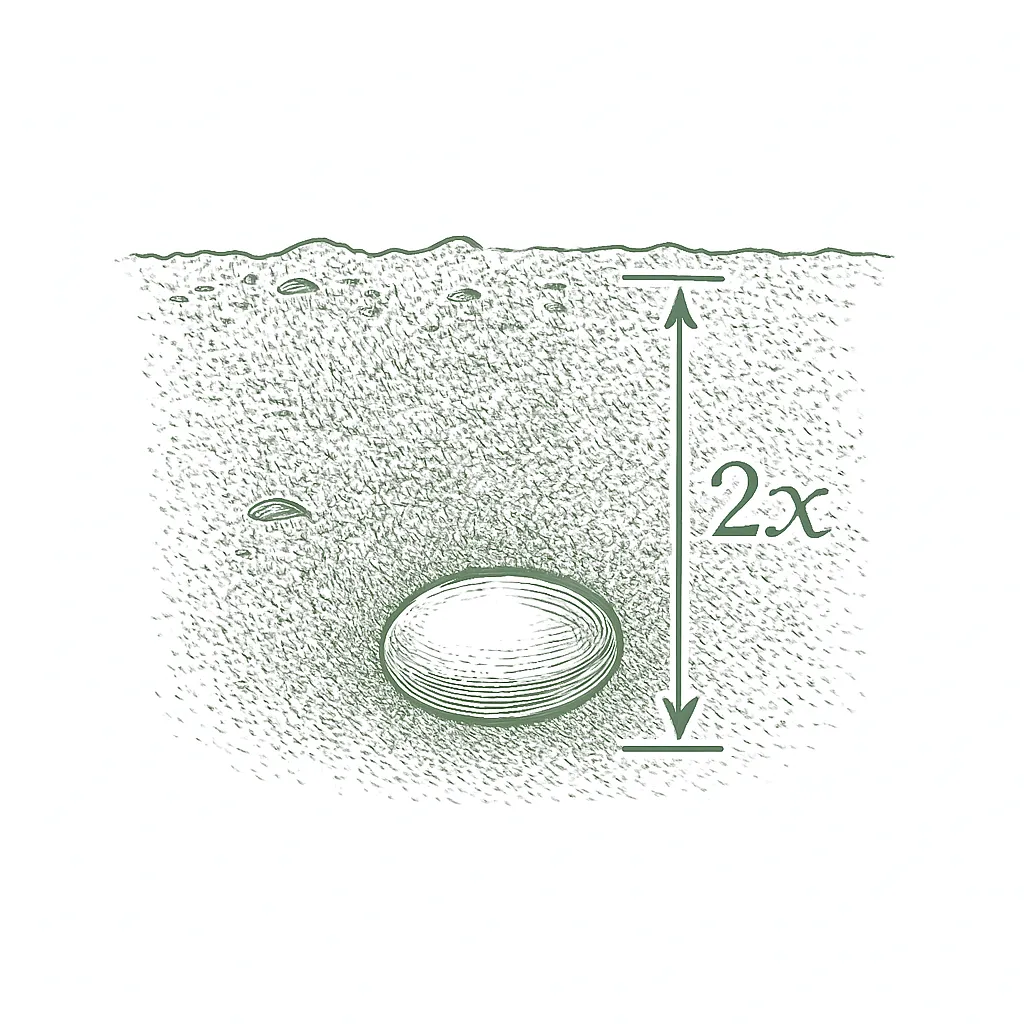
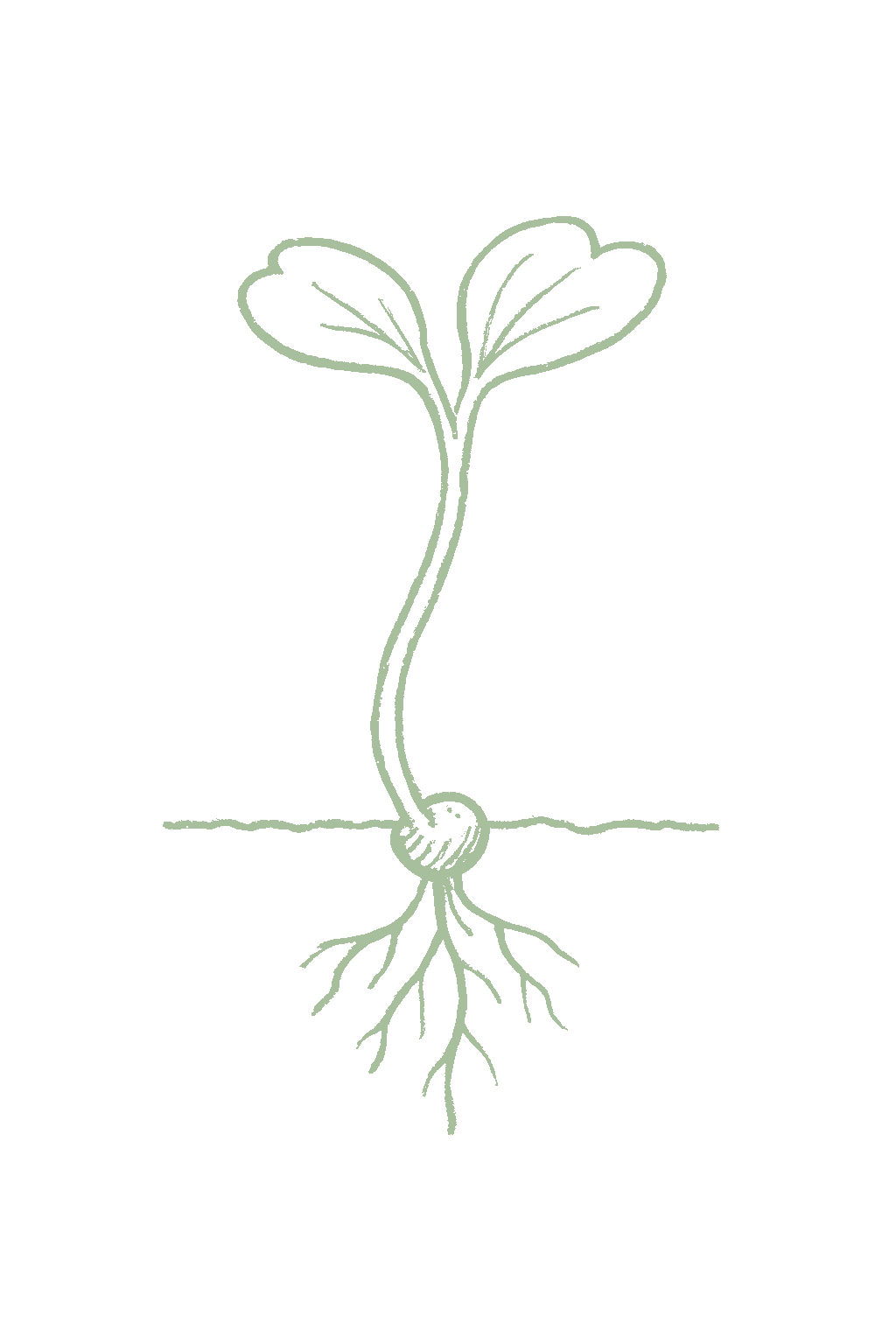
Bok choy is best sown straight in the garden because it grows fast and does not like having its roots disturbed, though small transplants work too. Sow the seeds about a quarter to half an inch deep and thin to about 6 inches apart for baby plants or a foot for full-size ones. The big thing to avoid is a cold spell on young plants: more than about a week of nights below 50°F can make them flower (bolt) once it warms up. The fall crop is the most reliable. In hot areas, plant in fall through early spring instead of summer.Bok choy is fast and resents root disturbance, so it is often direct sown, though young transplants work well if set out before they become root-bound. Sow seed about 0.25 to 0.5 inch deep (NCSU) and thin to about 6 inches for baby types or 12 to 18 inches for full-size heads (NCSU; UMN). For transplants, start only about 3 weeks ahead and set out small. The timing trap is the cold-snap bolt: bok choy held more than about a week of nights below 50°F bolts once it warms, so avoid setting young spring plants into a long cold spell, and lean on the fall sowing, which is the more reliable crop. In hot regions, shift sowing to fall through early spring, since heat and long days force bolting.
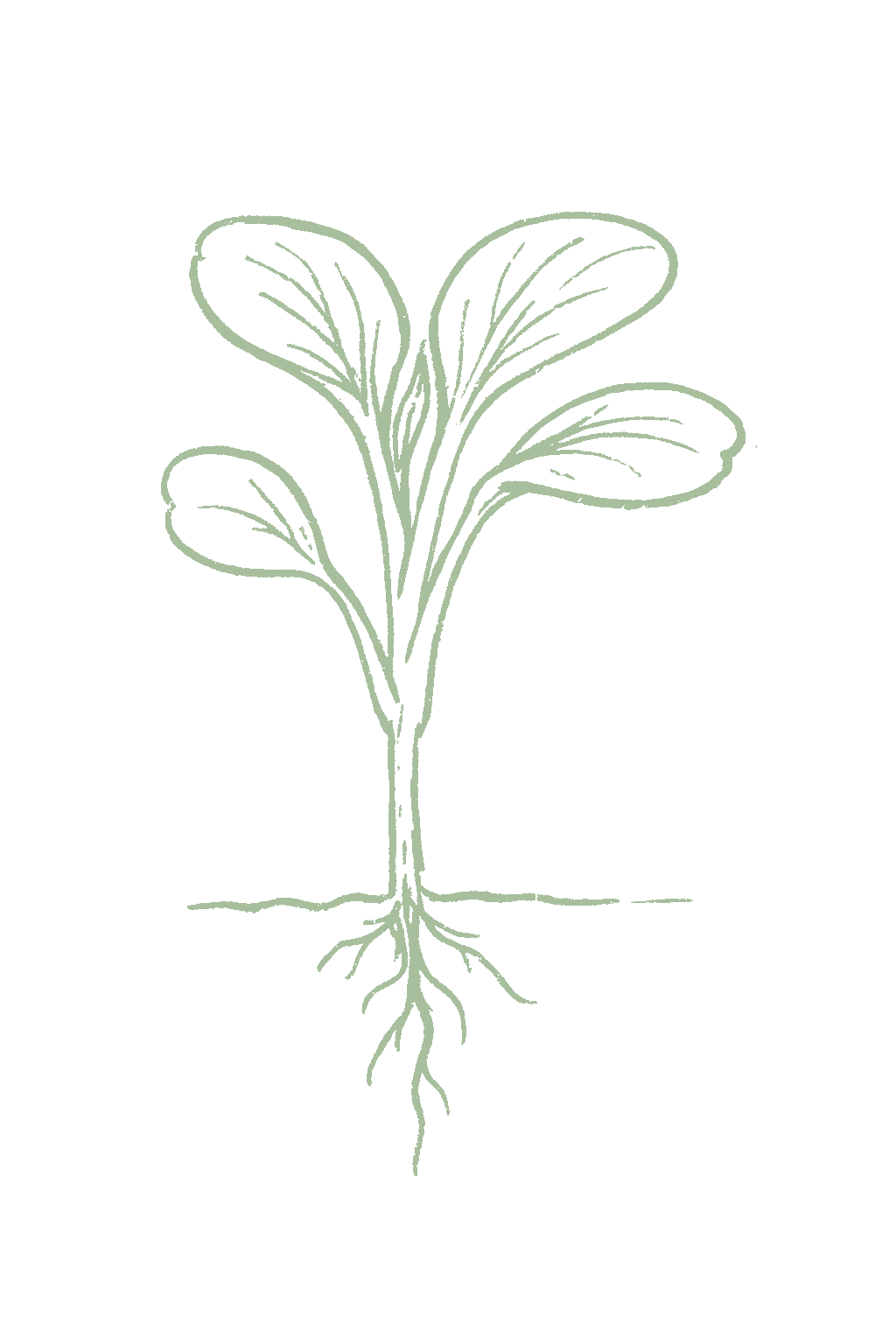
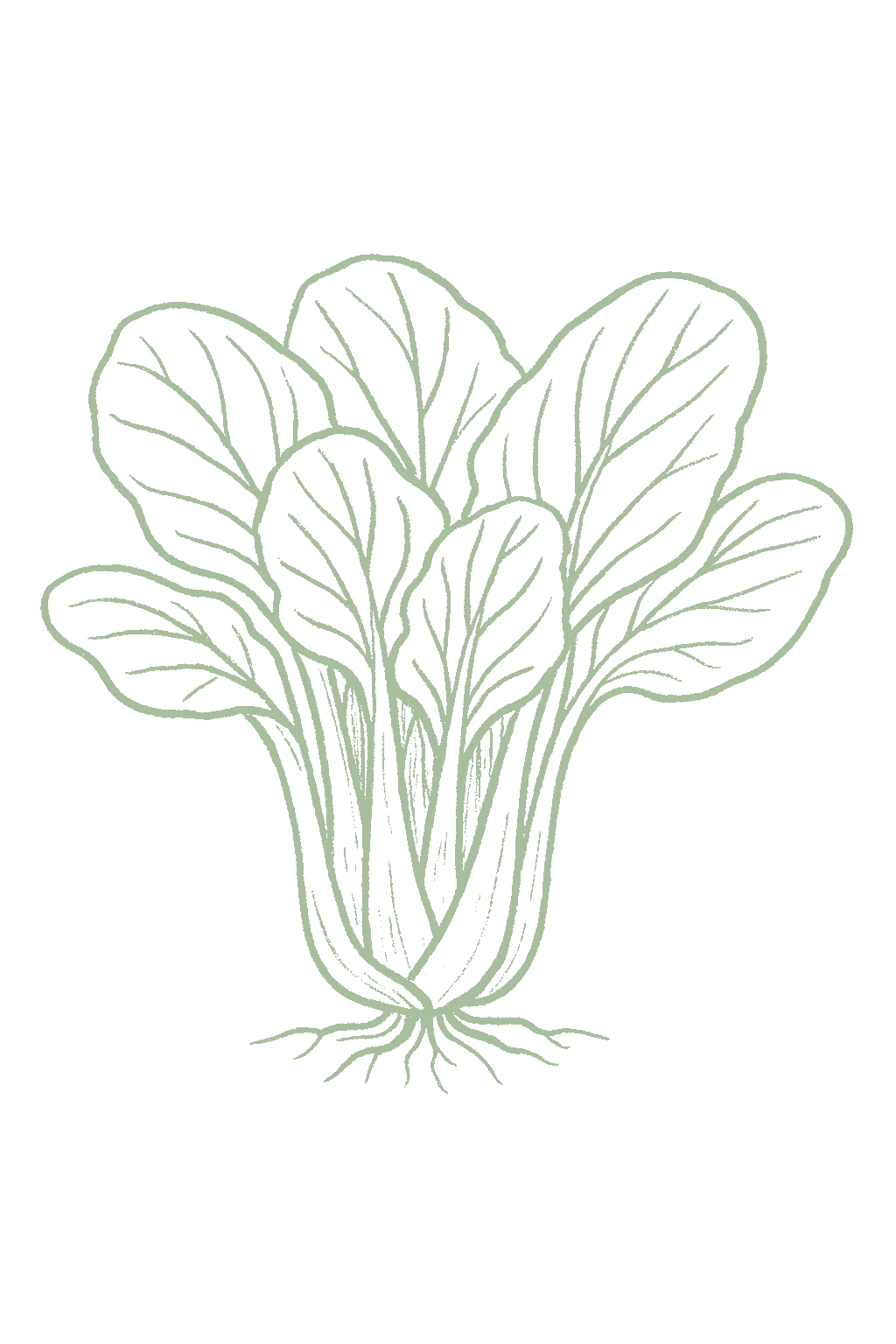
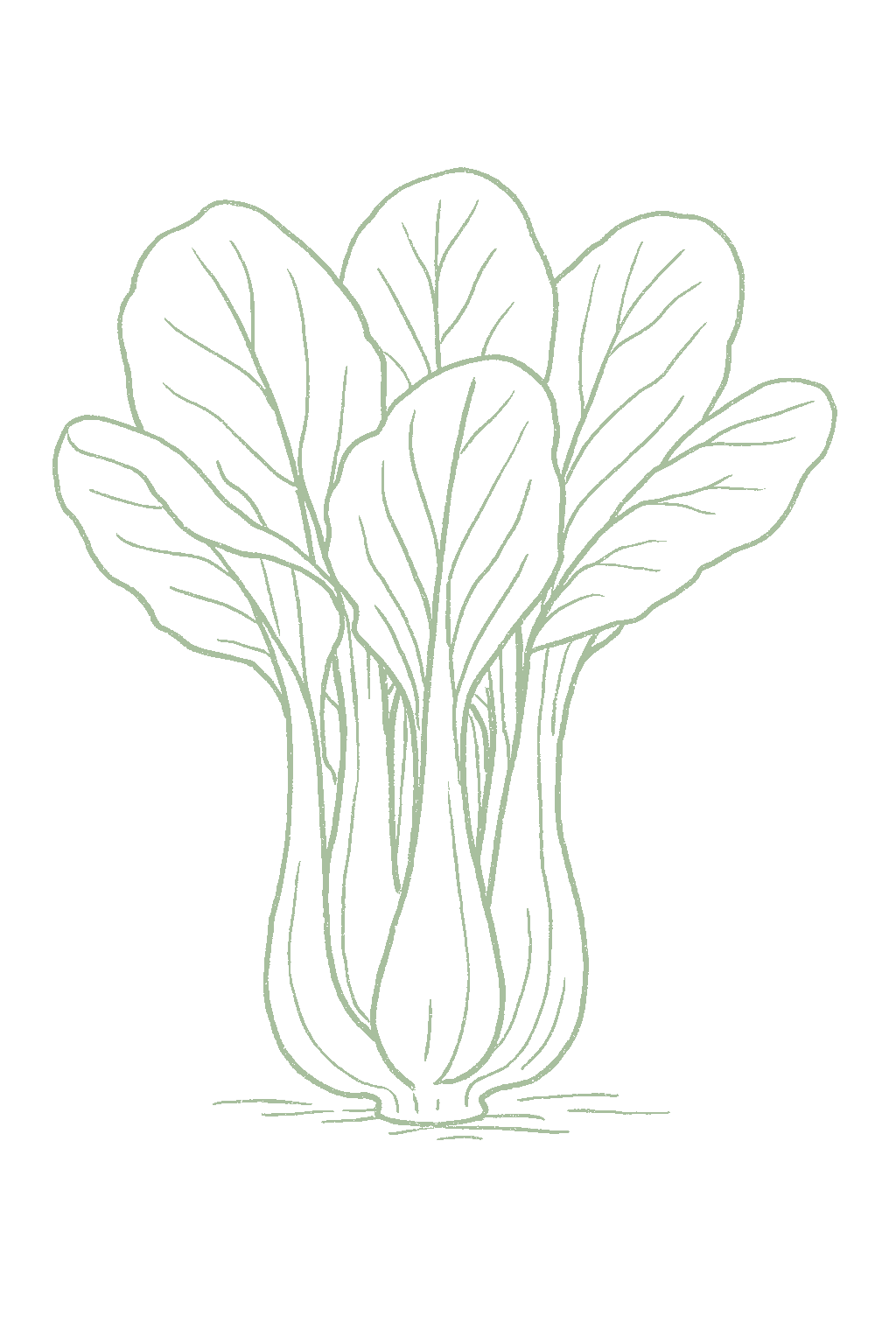




Not sure what soil you have? Grab a small handful of damp soil from your garden bed and squeeze it. If it crumbles apart easily, it's sandy. If it holds together but breaks when you poke it, it's loam (what most vegetables want). If it stays in a hard, slippery ball, it's clay.
Bok choy likes loose, rich soil with plenty of compost that holds moisture but still drains well. Steady, even moisture keeps the leaf-stalks crisp and mild and keeps the plant from bolting; dry, hard soil stresses it and pushes it to flower.
Mix 2-3 inches of compost into the top 6 inches of your bed before planting. Compost holds moisture (which sandy soil drains too fast) and adds the nutrients sandy soil tends to lack. Repeat each season. Compost breaks down over time.
Mix 2-3 inches of compost AND a few inches of coarse sand or perlite into the top 6 inches of your bed. The compost feeds the plants; the sand breaks up the clay so air and water can move through. Don't add sand without compost. It can compact like concrete.
If amending your soil sounds like too much work, or if your soil is heavy clay, full of rocks, or contaminated, build over it. A raised bed at least 12 inches deep filled with a 50/50 mix of compost and sandy loam gives you ideal growing soil with no battles. A 5-gallon container with quality potting mix does the same for one plant at a time. Both bypass your native soil entirely.
The numbers that matter, at a glance.
Bok choy is an easy, fast container crop, and the baby types are perfect for pots. Use a pot at least 8 inches deep, sow seed and thin to a few plants or grow baby leaves close together, and keep it watered and in the cool seasons. Give some afternoon shade in warm weather to slow bolting.Bok choy is one of the better container greens, especially the compact baby types (Toy Choi, Mei Qing Choi), which suit a pot at least 8 inches deep. Sow and thin to size, keep moisture even since shallow pots dry fast and drought triggers bolting, grow it in the cool seasons, and give afternoon shade in warm spells. A pot is also the easiest way to move the crop into shade or shelter as the weather turns or a cold snap threatens.
Joi ChoiA widely grown full-size white-stemmed hybrid pak choi with broad white stalks and dark leaves; vigorous, cold-tolerant, and slower to bolt, the standard full-size pick (Clemson names it the pak choi type).
Toy ChoiA miniature green-stemmed baby bok choy, very fast at about 30 days, ideal for close spacing, containers, and whole-plant baby harvest.
Mei Qing ChoiA compact green-stemmed (Shanghai-type) baby choi with pale green stalks, fast and fairly slow to bolt; a dependable baby-to-small-head choice.
Shanghai Green
In mild areas, a pot of fall-sown bok choy can keep going through winter in a sheltered, sunny spot. In cold areas, move the pot against the house or into a cold frame, or cover it during hard freezes; bok choy takes light frost but a hard freeze damages it.Bok choy tolerates light frost, so a fall-sown container can hold through winter in mild zones in a sheltered spot and resume in cool weather. In cold zones the limited root volume freezes harder than open ground, so sink the pot, move it to a cold frame or unheated structure, or cover it during hard freezes. Watch for the cold-snap bolt: a pot of young plants chilled below 50°F for a week or more will run to seed when warmth returns.
Ask what your balcony or roof can carry
A balcony or roof can only hold so much weight. Before you set heavy pots there, ask a building architect what it can safely carry.Illinois Extension's guidance is to consult a building architect about weight limits before placing heavy pots on a balcony or rooftop garden. It gives no weight figure.
Never grow food in a container with anything toxic in it
Many kinds of containers can be used. Whatever you choose, keep anything toxic out of it, especially if you are growing food.Colorado State accepts nearly any container material but warns against using a container that holds toxic materials, especially for edible plants. Illinois adds that a vegetable container should be free of chemicals toxic to plants or people, and urges caution with treated lumber when growing food. If you cannot account for what a repurposed container once held, that alone is a reason to keep food out of it.
Secure hanging containers well
Fasten hanging baskets and window or rail boxes securely. Think about what is below them too, since they can drip on people or things underneath.Illinois Extension asks growers to secure hanging containers well and to think through the safety issues of hanging them. Placement matters too, since a hanging container can drip onto people or belongings below.
Bok choy grows best in soil that is slightly acidic to neutral, about 6.0 to 7.0. A simple soil test tells you where you stand. Keeping the soil from getting too acidic also helps prevent clubroot, a cabbage-family soil disease.Aim for a soil pH of about 6.0 to 7.0. Bok choy is forgiving and grows well across roughly 5.5 to 7.5: UMN and NCSU both give 6.0 to 7.5 for Chinese cabbage and bok choy, while Clemson lists 5.8 to 6.5. As with other brassicas, holding the soil toward neutral rather than strongly acidic also helps suppress clubroot, so a grower with clubroot history should lean to the high end.
Bok choy grows fast and likes steady nitrogen for tender leaves and stalks. Mix some compost or a balanced fertilizer into the soil before planting, then give it one light feeding a couple of weeks after the seedlings come up. Because the crop is so quick, you usually do not need to feed it much more.Bok choy is a fast leafy brassica that runs on nitrogen for quick, tender growth, but the crop is so quick that one or two light feedings are plenty. Work compost or a balanced fertilizer into the bed before sowing, then side-dress lightly with nitrogen about 2 to 3 weeks after emergence to push crisp, mild leaf-stalks. Clemson gives the cole-crop rate of 5-10-10 worked in before planting, then about 34-0-0 side-dressed; for a 30-to-50-day crop, keep it light, since lush late growth draws aphids and does little for a plant you will cut soon.
Use a balanced fertilizer like 10-10-10 at planting, then one light nitrogen feed a couple of weeks after the seedlings come up.High N for fast, tender leafy growth: a balanced 5-10-10 or 10-10-10 worked in before planting, then a light nitrogen side-dress such as 21-0-0, calcium nitrate, or blood meal 2 to 3 weeks after emergence. Do not overfeed a quick crop.
Bok choy is small, fast, and easygoing, so it tucks in between slower crops. It grows well next to lettuce and other quick greens, bush beans, and aromatic herbs like dill, and alliums such as onions. The main thing is to keep it away from other cabbage-family plants, which share its pests and diseases, and to watch for flea beetles, which love it. Most bok choy companion pairings rest on space, timing, and tradition rather than measured effects. The practical ones are structural: bok choy is quick and shallow-rooted, so it interplants with lettuce and other fast greens and tucks beside legumes and aromatic herbs. Aromatic herbs and alliums are the traditional scent-based deterrents for the cabbage-family pests bok choy shares. The well-grounded caution is to separate bok choy from other brassicas, which share clubroot and the whole cole-crop pest complex, a rotation and disease principle more than a tested adjacency effect; bok choy is also a flea-beetle magnet, sometimes deliberately used as a trap crop near choicer brassicas.
Cut the whole plant at the base when it is full-sized and the stalks are crisp, before it sends up a flower stalk, or pick the outer stalks a few at a time. Harvest in the cool morning.Cut the whole plant at the base when the rosette is full-sized for its type, the stalks crisp and the leaves tender, before any seedstalk forms; or harvest outer stalks cut-and-come-again. Pick in the cool of the morning.
Each plant gives you one upright cluster of stalks: a small baby plant or a full-size head up to a foot tall and a pound or two, depending on the type. If you pick outer stalks instead of cutting the whole plant, you can keep harvesting from it for a couple of weeks.Expect one upright rosette per plant: a baby plant of a few ounces at about 6 inches, or a full-size head up to a foot tall and roughly 1 to 2 pounds, depending on type and spacing. Cut-and-come-again picking of outer stalks extends the take from a single plant over a couple of weeks in cool weather before it bolts.
Bok choy is fast, ready in about a month, so a planting comes in over a week or two. For a steady supply, sow a little every couple of weeks instead of all at once. The fall crop lasts the longest before bolting.Because bok choy matures in about 30 to 50 days, the harvest is quick and concentrated: a sowing comes ready over a week or two, so the way to a steady supply is successive sowings every 2 weeks rather than one big planting. The fall crop yields most reliably, holding longer in cool weather before bolting. The main thing new growers learn with bok choy is that it bolts fast, especially from a cold spell or heat. Pick it promptly when it is ready, grow it mostly in fall, and sow a little at a time so you always have more coming.The common first-year mistake is letting bok choy sit too long or catching it with a cold snap or heat: it bolts fast and the window is short. Harvest promptly at full size, lean on the fall crop, and succession sow so a bolted batch is quickly replaced.
For full-size bok choy with broad white stalks, grow a type like Joi Choi or Win-Win. For quick baby bok choy, perfect for pots and close spacing, grow Toy Choi or Mei Qing Choi, which are ready in about a month. If you are planting where it may get warm or where spring cold snaps make plants flower early, choose a slow-to-bolt, heat-tolerant kind like Black Summer.Match the type to the slot and the season. White-stemmed types (Joi Choi, Win-Win) are the classic full-size pak choi, with broad white stalks; green-stemmed Shanghai types (Mei Qing, Black Summer) tend to be more compact and a touch more heat-tolerant. For heat and a longer spring stand, choose selections bred for bolt resistance like Black Summer. Baby types (Toy Choi, Mei Qing) are fastest, best for close spacing, containers, and the quick succession sowings that suit this crop. Where bolting from spring cold snaps is a risk, slow-bolting hybrids matter most.
The ladder troubleshoots from the gentlest solution to the strongest. Start with the gentlest option and only move on when and if it doesn't work.
Clear out old cabbage-family plants and plant scraps when a crop finishes. The beetles ride out the winter in that leftover debris, so removing it leaves fewer of them to attack next spring's seedlings.Adults overwinter in crop debris and emerge onto the earliest, smallest plants; removing spent brassica material after harvest cuts the local population before the next sowing.
Pull up wild mustard and other cabbage-family weeds growing near the bed. Those weeds feed the same beetles, so clearing them means fewer beetles waiting for your bok choy.Crucifer weeds sustain flea beetle populations between plantings; keeping the bed and its edges clear of them removes a standing host bridge to a strongly preferred crop.
Sow a small sacrificial mustard patch to one side before the main sowing, so the beetles settle there rather than on your seedlings. Check this method's cautions for when to take it out, since the patch helps only while it is being managed.An early mustard sowing diverts beetles from the main stand through the seedling stage, which is when the feeding costs most. Take the removal timing from this method's cautions, because a loaded patch left in place supports the next generation instead of drawing it away.
Cover the bed with a row cover, a light fabric sheet that lets in light and water but keeps insects out, from the day you sow. It is the single best defense, because the seedlings are what the beetles can kill.Exclusion from sowing onward is the most effective tool here. Pressure on bok choy runs high, and the vulnerable window is the seedling stage, so the cover's job is to buy the crop rapid establishment past it; keep growth pushing with even water so that window stays short.
If beetles are heavy despite the cover, a spinosad spray can knock them back while the seedlings get established. Treat it as backup for bad years, not a routine step, and follow the label.Under heavy pressure spinosad supplements exclusion; the goal remains fast establishment past the seedling stage, so use it as a bridge rather than a season-long program, and time applications toward dusk to spare foraging bees.
The bottom rungs are products with label rules: timing, pollinators, and days to wait before harvest. Before you spray →
The ladder troubleshoots from the gentlest solution to the strongest. Start with the gentlest option and only move on when and if it doesn't work.
Go easy on nitrogen fertilizer. Heavy feeding pushes out soft, lush new growth, which is exactly what these aphids multiply on fastest.Excess nitrogen produces the succulent growth this brassica-specialist aphid colonizes preferentially; a restrained feeding program removes that flush without starving a fast leafy crop.
After harvest, pull out old cabbage-family plants instead of leaving them standing. The aphids ride out the gap between crops on that leftover material.Destroy brassica crop debris promptly; it carries colonies between plantings, and pressure is typically heaviest on the fall crop that follows.
Keep young plants under a row cover, a light fabric sheet, so winged aphids cannot land and start colonies while the plants are small.Covering young plants blocks the winged colonizers; pair it with weekly scouting of the growing tips and stalk folds so anything that gets established is caught before it lodges where it cannot be cleaned out.
Knock the clusters off with a strong jet of water from the hose, aiming into the folds where the leaf stalks meet, and repeat every few days while you keep finding them.A forceful spray dislodges colonies before they settle deep in the leaf-stalk folds; it is a purely physical knockdown that leaves natural enemies untouched, and early timing is what makes it work.
Let the helpful insects work for you. Ladybugs and lacewings eat aphids, so give them time to find the colony and avoid sprays that would kill them along with the pests.Conserve the parasitoid wasps, hoverflies and lady beetles that regulate this aphid; a broad-spectrum spray removes them and gives the survivors, breeding rapidly, a clear field.
Spray insecticidal soap directly onto the aphids, coating the undersides of the leaves and down into the stalk crevices, and repeat every few days. It only works where it touches them.Soap kills by contact, so on bok choy the operative difficulty is reaching colonies lodged in the stalk folds; spray deliberately into them and the leaf undersides, and repeat at short intervals.
Neem oil is another option for coating the colonies. Hit the leaf undersides and the crevices, repeat every few days, and skip spraying on hot days or when plants are thirsty.Neem serves as a coverage-dependent alternative to soap on these colonies; the same thoroughness in the stalk folds applies, and it spares beneficials once dry.
Horticultural oil, a light spray oil, can also smother the aphids it coats. Cover the same hidden spots, repeat as needed, and avoid using it in high heat.Horticultural oil rounds out the contact options alongside soap and neem; whichever you choose, coverage of the undersides and stalk crevices decides the result more than the product does.
The bottom rungs are products with label rules: timing, pollinators, and days to wait before harvest. Before you spray →
The ladder troubleshoots from the gentlest solution to the strongest. Start with the gentlest option and only move on when and if it doesn't work.
Clean up old cabbage-family plants and nearby weeds when a crop finishes. That leftover growth is where the moths and butterflies keep breeding between your plantings.Removing spent brassicas and weed hosts breaks the local breeding cycle that carries the cabbageworm, looper and diamondback complex between successive plantings.
A row cover, a light fabric sheet over the bed, stops the white butterflies and moths from ever laying eggs on the leaves. No eggs means no caterpillars.Excluding the egg-laying adults preempts all three species at once; keep scouting leaf undersides for eggs and small larvae in case any were laid before the cover went on.
Check the undersides of the leaves and pick off caterpillars and their eggs by hand. On a small planting this goes a long way, since even a little chewing spoils a crop you eat whole.Hand removal of eggs and young larvae from leaf undersides is practical at garden scale and hits the window when they are easiest to find and have done the least damage.
Spray Bt, a caterpillar-specific control that is low in toxicity to people, pets and bees. It cannot tell a pest caterpillar from a butterfly's, so treat only the plants with a problem, and spray again after rain washes it off.Bt kurstaki targets young larvae of all three species; it breaks down and washes off, so reapply after rain, and confine applications to infested plantings since it acts on caterpillars as a group.
If Bt and handpicking are not keeping up, spinosad is a stronger organic caterpillar spray. Save it for real outbreaks and follow the label.Spinosad is the escalation when the softer steps have not held; like Bt it is best aimed at young larvae, and applications belong at dusk to spare foraging bees.
The bottom rungs are products with label rules: timing, pollinators, and days to wait before harvest. Before you spray →
The ladder troubleshoots from the gentlest solution to the strongest. Start with the gentlest option and only move on when and if it doesn't work.
Plant your bok choy somewhere cabbage-family crops have not grown recently. The fly seeks out ground where its host plants were before.Rotating away from prior brassica ground reduces the carryover population emerging right where the new transplants go in.
A plant with maggots already in its roots cannot be saved, so pull the badly damaged ones and get them out of the garden. Put your effort into protecting the rest from new eggs.There is no rescue once larvae are in the roots; rogue out wilted and collapsing plants and shift the effort to blocking further egg-laying on the survivors.
A row cover, a light fabric sheet over the bed, keeps the fly from reaching the plants to lay its eggs at their base in the first place. That holds only on fresh ground. Over a bed that grew cabbage-family plants last year, the flies emerging from the soil finish up inside the cover with the crop.Exclusion through cool, wet spring establishment covers the period of heaviest fly activity and protects the stage that root feeding kills, the new transplant. Site it on ground rotated off brassicas, since a cover laid over last season's crucifer bed encloses the emerging generation rather than shutting it out.
Set a small collar or disk flat around the base of each transplant. It blocks the fly from laying eggs right against the stem, which is where the maggots start their trip to the roots.A basal collar or disk placed at transplanting denies the adult its egg-laying site at the stem; it is the per-plant alternative where covering the whole bed is impractical.
No spray for this one. Prevention is the control.
The ladder troubleshoots from the gentlest solution to the strongest. Start with the gentlest option and only move on when and if it doesn't work.
Clear away garden debris, old cabbage-family plants and weeds at season's end. The adults spend the winter hiding in that cover, so removing it cuts down next year's bugs.Adults overwinter in crop debris and crucifer weeds; eliminating that shelter is the main preventive lever on a warm-region specialist that runs several generations a year. Rogue out heavily infested plants during the season as well.
Sow a small mustard patch early, before the bok choy goes out, so the overwintered bugs gather on it instead. Then destroy that patch, bugs and all, before you set out the main crop. Pulling it on time is the whole point, since a loaded patch left standing feeds the next round.An early mustard stand aggregates emerging overwintered adults ahead of transplanting, and this crop's guidance carries the step through to its end, destroying the stand before the main crop is set out. The removal is what turns a concentration into a control, and this method's cautions give the timing.
A row cover, a light fabric sheet over the plants, keeps the bugs off entirely. Put it on before you start seeing them.Exclusion keeps colonizing adults off the crop and matters most early, when overwintered adults move onto the first cabbage-family plants available.
Search the plants and crush the bugs, their young, and the little barrel-shaped eggs laid in neat rows. If a plant is overrun, pull the whole plant rather than defending it.Hand destruction of adults, nymphs and the distinctive barrel-shaped egg rows works at garden scale on an insect this visible; removing heavily infested plants outright is part of the same pass.
Where the bugs are severe, insecticidal soap sprayed directly on them can help, especially against the soft younger ones. It only works on the bugs it actually wets.Soap assists under severe pressure and earns its keep mainly against nymphs, which are softer-bodied than the shield-backed adults; contact is required, so spray the insects, not the plant in general.
Neem oil is another spray that can help when pressure is severe. Coat the bugs directly, and avoid spraying in high heat.Neem is the alternative contact option where pressure is severe; as with soap, it is most useful on nymphs, and coverage decides the result.
The bottom rungs are products with label rules: timing, pollinators, and days to wait before harvest. Before you spray →
The ladder troubleshoots from the gentlest solution to the strongest. Start with the gentlest option and only move on when and if it doesn't work.
Clear damp debris and clutter from around the bed and keep mulch light and pulled back from the plants. Slugs hide in cool, damp cover by day and come out at night to feed.Removing daytime shelter, moist debris and heavy mulch against the crowns lowers the resident population that a succulent, low-growing green like bok choy supports.
Water at the soil in the morning rather than the evening, so the surface has time to dry before night, which is when slugs come out to feed.Morning irrigation at the base lets the surface dry before the nightly feeding window; a bed that stays wet into the evening maintains exactly the conditions they build up in.
Go out at night or right after rain with a flashlight and pick the slugs and snails off. Those are the hours they are out feeding, and steady picking makes a real dent.Night collection after rain removes the feeding individuals directly; run alongside shelter removal, it steadily brings numbers down.
Set shallow traps near the plants and empty them regularly. They draw slugs in overnight so you can dispose of them.Shallow traps concentrate the nocturnal feeders for disposal and double as a gauge of how heavy pressure is; run them alongside handpicking rather than instead of it.
If traps and picking are not enough, scatter an iron phosphate slug bait on the soil around the plants. It carries less risk around pets than the older metaldehyde baits, but it is still a pesticide, so follow the label.Iron phosphate bait backs up the physical steps; it is the lower-risk choice relative to metaldehyde but still a pesticide, and it goes on the soil, not onto the leaves of a crop eaten whole.
The bottom rungs are products with label rules: timing, pollinators, and days to wait before harvest. Before you spray →
The ladder troubleshoots from the gentlest solution to the strongest. Start with the gentlest option and only move on when and if it doesn't work.
Once clubroot is in a bed, stop growing bok choy or any cabbage-family crop there for several years. The germ lives on in the soil and slowly starves out when it has nothing to infect.Resting spores persist in soil for many years; where clubroot is known, UMN advises rotating brassicas out on a cycle of up to 7 years, which starves the inoculum down over time.
Keep the soil from being too acidic by liming it toward neutral. The disease takes hold far more easily in acidic soil, so this holds it back.Liming toward neutral suppresses infection, which proceeds most readily below about pH 6.5; pair it with the long rotation, since neither alone clears established ground.
Fix spots where water sits in the bed. The disease moves and infects in wet soil, so better drainage works against it.The pathogen spreads in contaminated soil and water, so correcting drainage on heavy or low ground lowers infection pressure on the roots.
There is no cure for an infected plant, so pull it up, swollen roots and all, and get it out of the garden. Every lumpy root left behind adds more of the germ to your soil.Rogue out infected plants with the root galls intact and destroy them; galls left in or returned to the bed release spores back into soil that already carries a multi-year burden.
No spray for this one. Prevention is the control.
The ladder troubleshoots from the gentlest solution to the strongest. Start with the gentlest option and only move on when and if it doesn't work.
Give the plants enough room that air can move between them and dry the leaves. This disease needs cool, damp leaves to get going, and bok choy grows in exactly that weather.Spacing for airflow shortens the leaf-wetness periods infection depends on; the crop's cool, humid season overlaps the pathogen's preferred conditions, so the layout has to do the drying.
Water at the soil line instead of over the leaves. Wet foliage and splashing water are how this disease spreads.Basal irrigation removes the overhead wetting and splash that spread spores and extend the wet periods the pathogen needs.
If downy mildew shows up most years where you live, pick a variety described as resistant when you buy seed.Where downy mildew is a recurring regional problem, a resistant cultivar is the seed-time decision that lowers pressure before any in-season step is needed.
Remove the worst-affected leaves so there is less disease to spread. Once damp weather settles in it is hard to stop, so the preventive steps do most of the work.Removing the most affected foliage lowers inoculum, but once humidity stays high the disease is difficult to arrest; treat removal as a supplement to prevention, not a substitute.
If the disease keeps spreading despite everything else, a copper-based fungicide can help. It works best applied early, before things get bad, and keep the spray out of ponds and drains, since copper is very harmful to fish and other water life.Copper is the escalation when cultural steps are not holding under high pressure; it is preventive in action, so apply at the first sign rather than into an established outbreak, and mind runoff, copper being highly toxic to aquatic life.
The bottom rungs are products with label rules: timing, pollinators, and days to wait before harvest. Before you spray →
The ladder troubleshoots from the gentlest solution to the strongest. Start with the gentlest option and only move on when and if it doesn't work.
Start with certified disease-free seed and healthy transplants. This disease usually arrives on the seed or the young plants themselves, so a clean start is the main defense.The pathogen is seedborne, so certified seed and clean transplants close the main door; a hot-water seed treatment adds assurance where black rot has been a problem.
Do not plant where cabbage-family crops grew in the last few years. The bacteria hang on in what those plantings left behind.Rotate 2 to 3 years away from brassicas so inoculum surviving in old residues is gone before a susceptible crop returns to that ground.
Space the plants so air moves between them and the leaves dry quickly. The disease spreads fastest when plants stay warm and wet.Open spacing shortens the warm, wet leaf conditions the bacterium spreads fastest in, and it slows movement from an infected plant to its neighbors.
Water at the soil rather than over the tops of the plants, so you are not splashing the bacteria from leaf to leaf.Avoiding overhead irrigation removes the splash and standing leaf water the bacterium travels in between plants.
Stay out of the bed while the leaves are wet. Brushing against wet plants carries the bacteria from a sick plant to a healthy one.Work the planting only when foliage is dry; handling wet plants moves the bacterium efficiently, and the rule applies after rain and dew, not just after watering.
There is no real cure, so pull infected plants and get them out of the garden before the disease reaches their neighbors.Rogue and destroy symptomatic plants promptly; with no effective treatment, removal is the in-season control, and the V-shaped marginal lesions with blackened veins make cases identifiable early.
No spray for this one. Prevention is the control.
The ladder troubleshoots from the gentlest solution to the strongest. Start with the gentlest option and only move on when and if it doesn't work.
Start with clean, disease-free seed. This fungus can come into the garden on the seed itself.Seedborne inoculum is one of the entry routes, so clean seed removes the infections you would otherwise plant with the crop.
Plant your bok choy away from where cabbage-family crops grew recently, since the fungus carries over from old plantings.Rotation away from brassica ground separates the crop from spores carried over on the previous crop's residues.
Space the plants so the leaves dry quickly. Crowded, damp plantings are where the spotting takes off, and bok choy is especially prone to this disease.Airflow that shortens leaf wetness works directly against a pathogen driven by long wet periods and crowding; note that bok choy is more susceptible to Alternaria than common cabbage, so prevention carries extra weight here.
Keep water off the leaves by watering at the soil line. Splashing water carries the spores from leaf to leaf.Basal watering removes the splash dispersal route and the added leaf wetness that overhead irrigation creates.
Pick off spotted leaves as soon as you see them, and clear away plant scraps after harvest. Both are where the fungus lives and spreads from.Prompt removal of symptomatic leaves and post-harvest debris lowers the spore load; crop residue is a principal carryover reservoir.
If spotting keeps spreading anyway, a copper-based fungicide can help. Apply it early rather than after the leaves are covered, and keep it out of ponds and drains, since copper is very harmful to fish and other water life.Copper is the escalation under heavy pressure; it protects new growth rather than curing spotted leaves, so timing is early, and runoff matters, copper being highly toxic to aquatic life.
The bottom rungs are products with label rules: timing, pollinators, and days to wait before harvest. Before you spray →
The ladder troubleshoots from the gentlest solution to the strongest. Start with the gentlest option and only move on when and if it doesn't work.
If white rust shows up in your garden year after year, choose a resistant variety at seed-buying time.Where white rust is endemic, resistant cultivars are the primary lever; in-season options are limited, so the seed decision carries the most weight.
Move your planting away from where cabbage-family crops grew before, so the disease left in that ground does not meet the new crop.Rotation away from brassicas separates the crop from the oospores and debris-borne inoculum that survive in an old bed.
Space the plants out so air keeps the leaves dry. The disease spreads in cool, moist conditions and needs wet leaves.Airflow that limits leaf wetness works against a pathogen favored by cool nights, mild days and prolonged moisture.
Water at the soil line and avoid wetting the leaves, since the disease travels in splashing water.Drip or basal irrigation removes splash dispersal and shortens the wet periods infection needs; the spores move by splash and wind.
Remove infected leaves and clear plant scraps from the bed. Sprays are of little help against this one in a home garden, so cleanup and prevention are the real tools.Removing pustuled leaves and debris lowers inoculum that would otherwise persist; with home-garden chemical options limited, sanitation plus the preventive steps above are the whole program.
No spray for this one. Prevention is the control.
Try not to grow bok choy or other cabbage-family plants (cabbage, broccoli, kale, mustard, radishes, turnips) in the same spot more than about once every 3 years. They share pests like flea beetles and a soil disease called clubroot that build up when these crops keep coming back. Plant bok choy after peas, beans, onions, squash, or tomatoes instead.Rotate bok choy and its brassica relatives so they do not return to the same ground for about 3 years. The cabbage-family pest complex (flea beetles above all, plus cabbage caterpillars and aphids) and the soilborne clubroot organism build up where brassicas repeat, and bok choy's quick succession plantings make it easy to keep flea beetles cycling in one bed. Follow brassicas with legumes, alliums, cucurbits, or nightshades, and keep the soil near neutral to help suppress clubroot.
The plant app sends a timely reminder at every critical moment of your bok choy season. The wording adjusts to whichever you pick: beginner or seasoned. Here are three you'll see in Zone 9.
plant sends the right notification at exactly the right moment, for your zone, your weather, your crops. Founding members lock the rate forever.
We're building this guide with real growers. Got a question we missed? Ask here. We read every one and add the best answers right to this page.
Learned something the hard way? Pass it on. Real growers' tips make this guide better for the next person, and we credit you by name when yours goes live.
If you've grown this crop and you see a date, a temperature, a companion claim, or a recommendation that doesn't match your experience, tell us. Real growers' corrections make this guide better for the next person.
Every date, temperature, spacing, and recommendation on this page is sourced from university cooperative extension publications, peer-reviewed agricultural research, NOAA climate data, and direct extension calendars. Where claims are softer (traditional gardening wisdom not formally documented), we say so.
Spot a data point that doesn't match your experience? Submit a correction; accepted corrections earn full author credit on the page.
Zone-aware seasonal nudges, what's worth planting now, and the occasional recipe from the harvest. No spam, ever.