Today · in your zone
What's happening right now
Off-season for borage in zone 9.
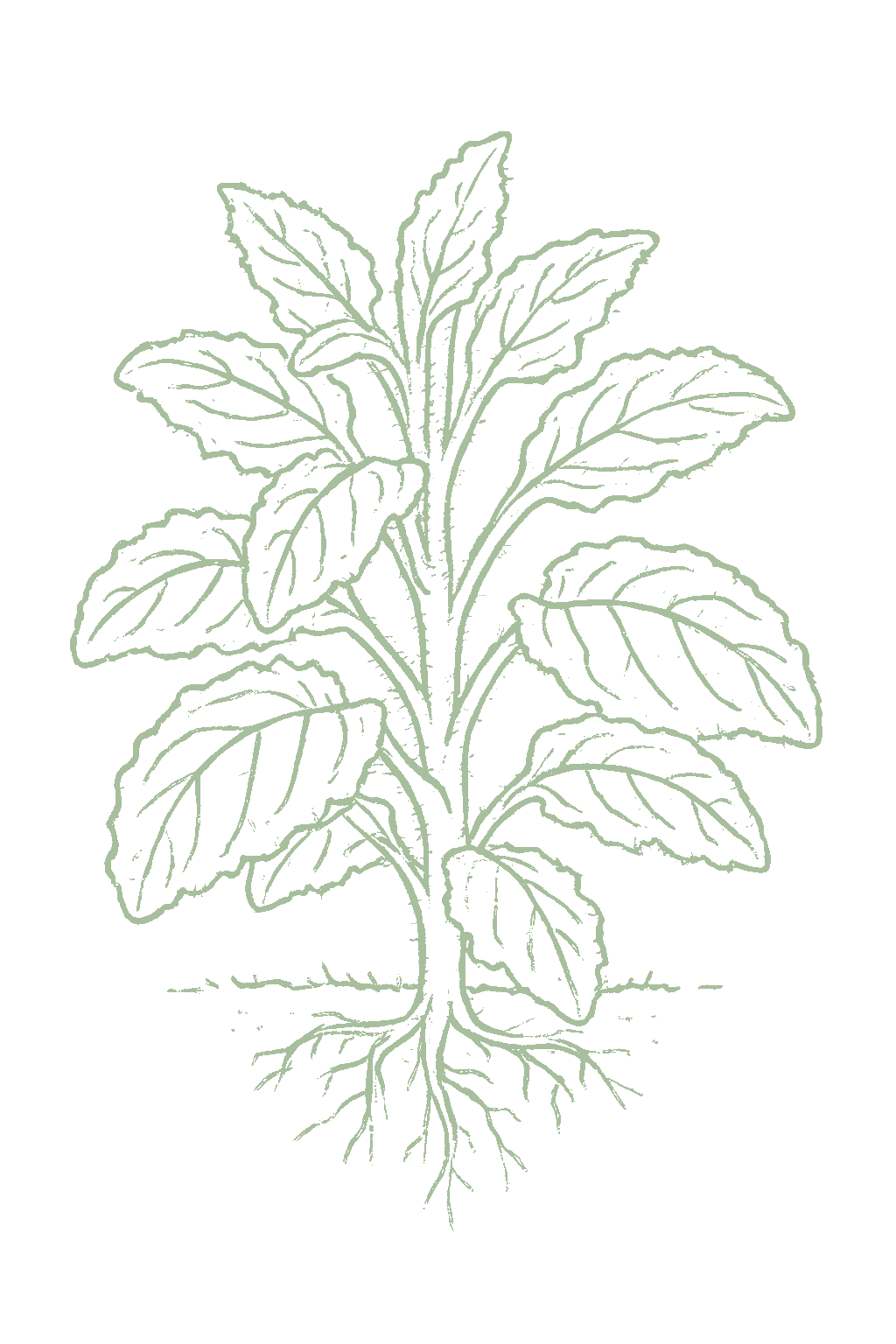
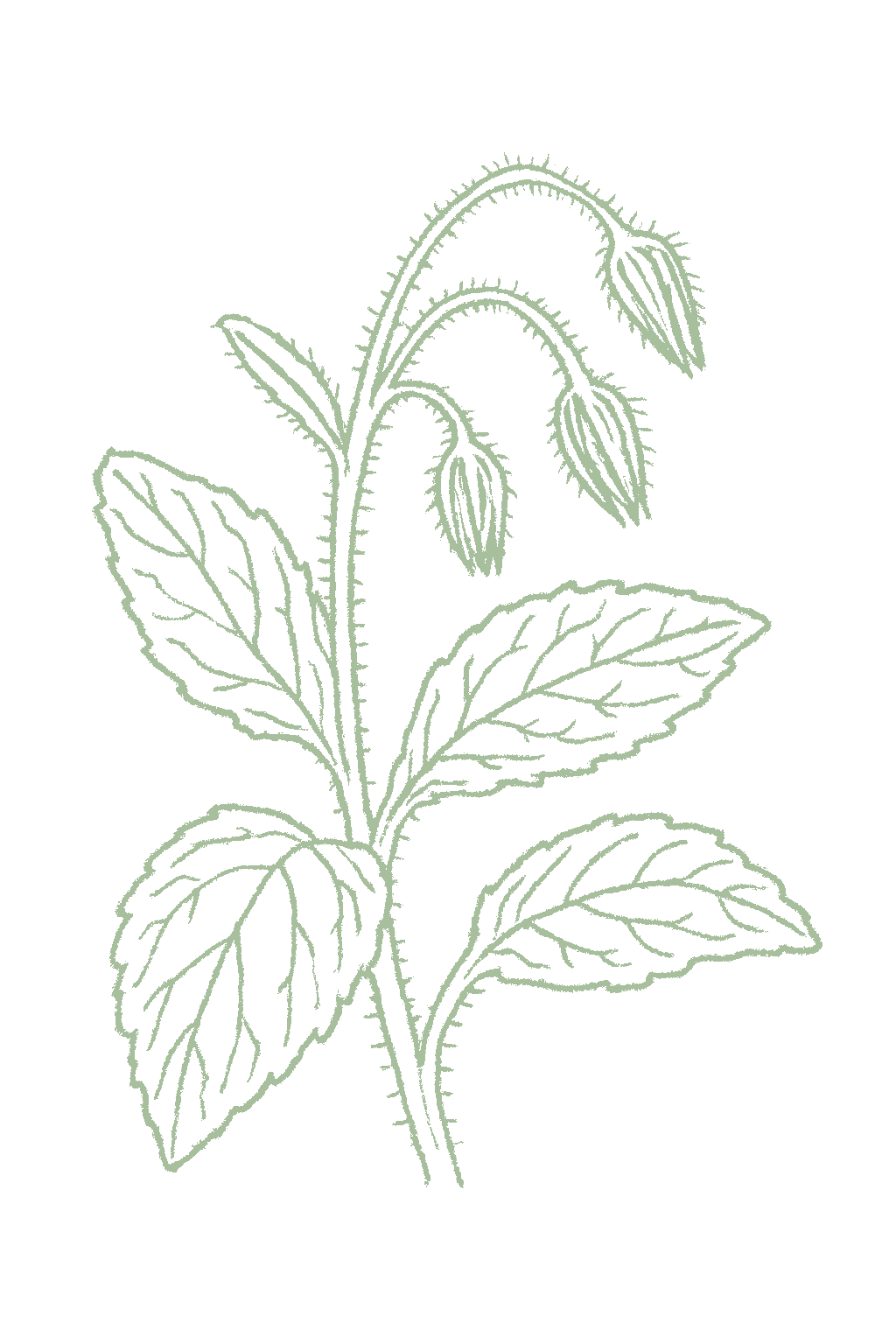
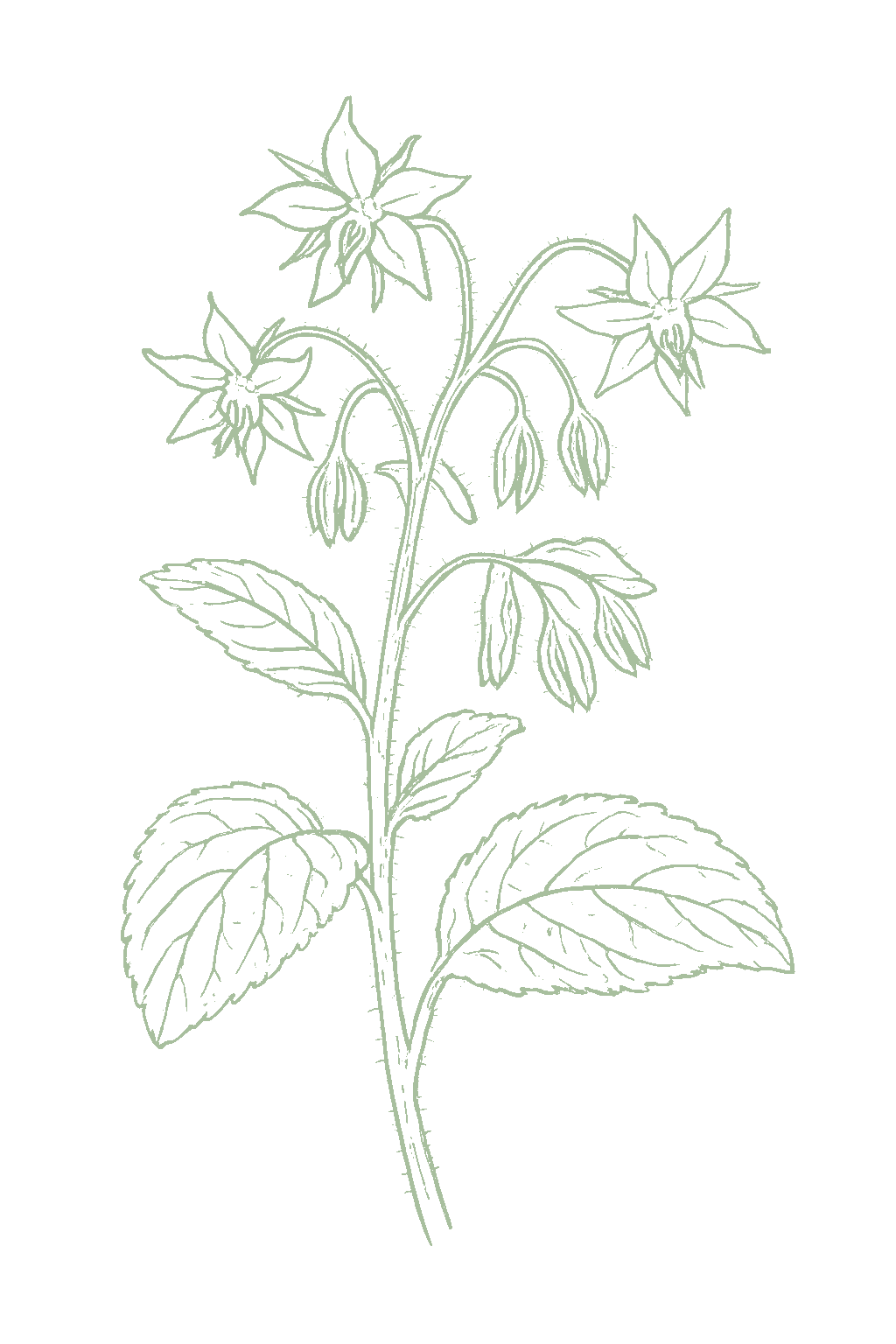
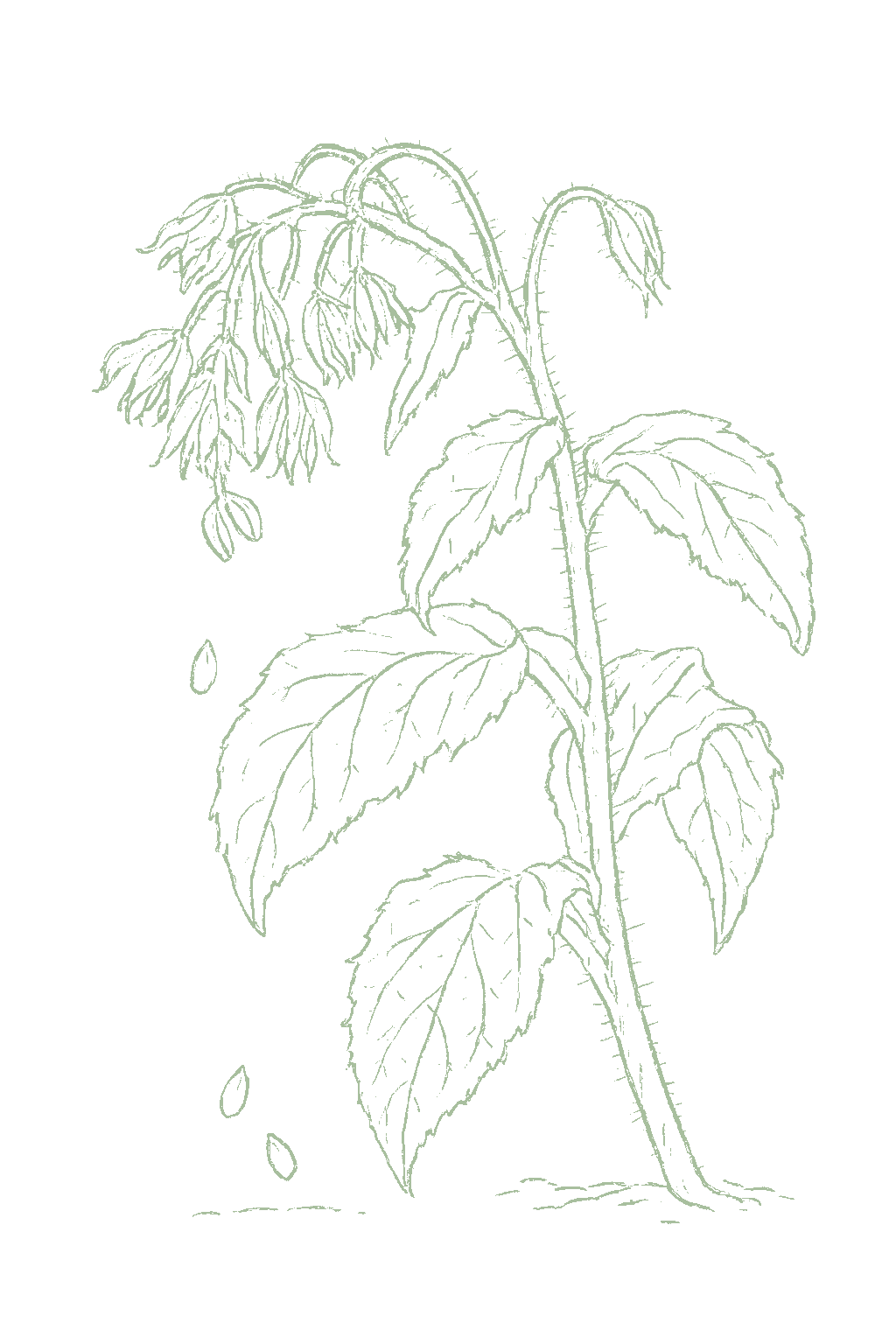
Borage is a big, easy, bushy herb with fuzzy leaves and beautiful blue, star-shaped flowers. Bees absolutely love it, which is why gardeners plant it near vegetables like tomatoes, squash, and strawberries. The young leaves taste like cucumber, and both the leaves and the blue flowers are edible, though you should eat them only in small amounts. Borage grows fast, sprawls out, so give it room, and it drops seed and comes back on its own year after year. It likes the warm part of the year in most gardens and is killed by frost; in hot, humid places it is grown in the cooler months instead. Borage (Borago officinalis), also called starflower, is a large, fast-growing, frost-tender annual herb in the borage family (Boraginaceae), native to the Mediterranean. It builds a bushy, sprawling plant about 2 to 3 ft tall and 12 to 16 in wide, clothed in coarse, bristly, gray-green leaves, and carries loose clusters of nodding, star-shaped, sky-blue flowers from late spring into fall. Borage is one of the best bee and pollinator plants a garden can grow, a traditional companion set near tomatoes, squash, and strawberries, and a vigorous self-seeder that naturalizes readily once established. Both the cucumber-flavored young leaves and the blue flowers are edible, used fresh as a garnish and in drinks and salads, though borage is best eaten in moderation. It grows through the warm months in cool and temperate regions and is killed by hard frost; in hot, humid climates it is grown instead as a cool-season plant.
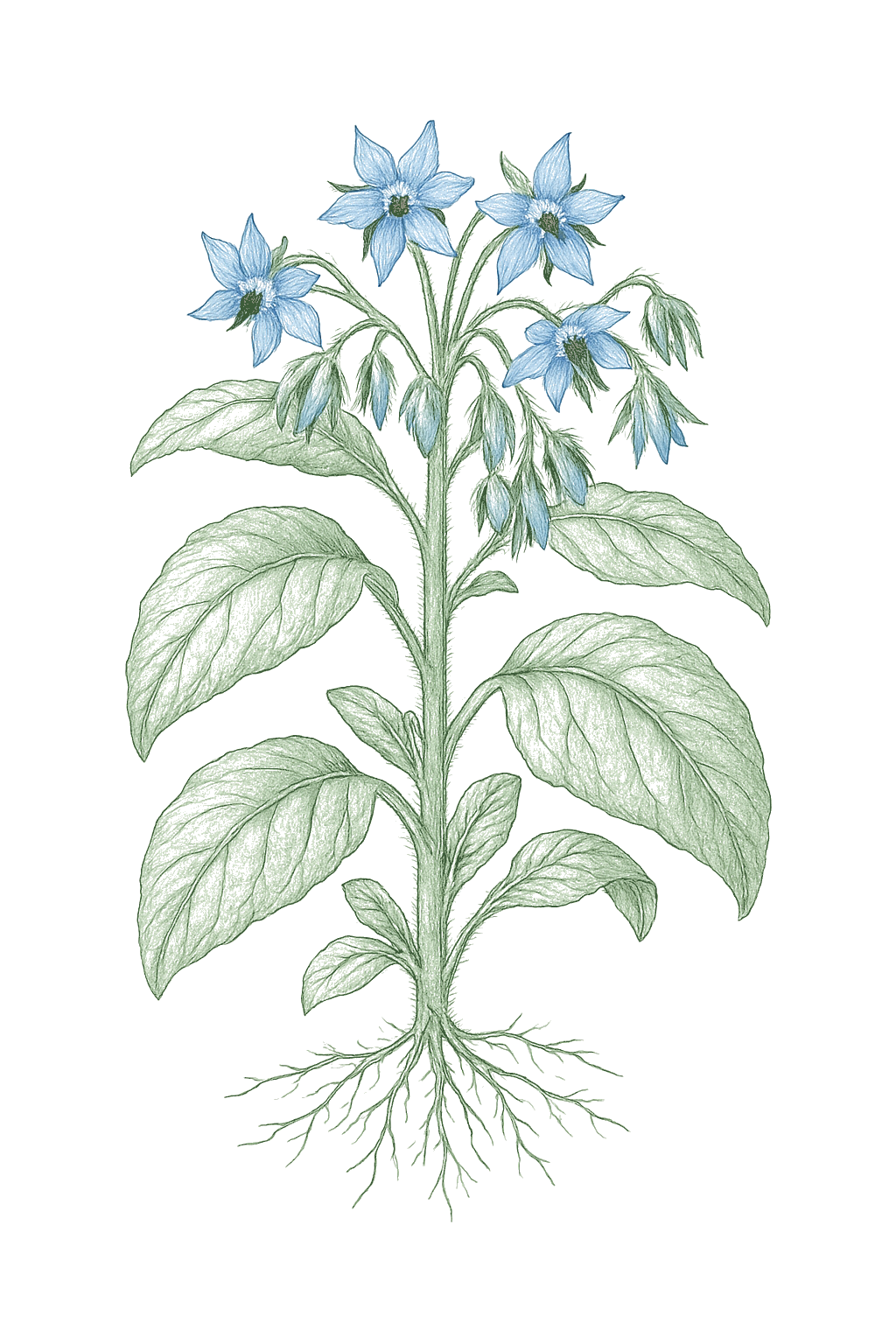
Off-season for borage in zone 9.
Zone 9 averages a last frost around March 1. Within Zone 9, the colder half (9a, winters down to 20°F) runs about a week later. The warmer half (9b, winters down to 25°F) runs about a week earlier. The plant app picks your subzone from your ZIP.
| Subzone | Last spring | First fall | Growing days | Winter min | Fruits reliably |
|---|---|---|---|---|---|
| 9a | Mar 8 | Nov 24 | ~261 | 20-25°F | Yes · two seasons |
| 9b | Feb 28 | Nov 30 | ~275 | 25-30°F | Yes · two seasons |
Averages from 8 weather stations per subzone, drawn from NOAA 1991-2020 Climate Normals. Your actual frost date can vary by up to two weeks based on elevation, proximity to water, and local topography.
In Zone 9, borage can be planted February through May, then again October through November, skipping the summer heat.
For a steady supply of leaves and flowers, sow a new small batch of borage every 3 to 4 weeks, though one planting plus the seedlings it drops usually keeps going by itself. Where summers are hot, stop sowing during the hottest months, because borage struggles in that heat.Borage can be sown successively every 3 to 4 weeks through the growing window for a continuous supply of young leaves and fresh flowers, though a single spring sowing plus its own self-sown volunteers often keeps a patch going on its own. In hot regions there is a real summer pause: stop sowing through the hottest, most humid months, since borage declines and mildews in that heat.
In Zone 9, borage can be planted October through December, skipping the summer heat.
For a steady supply of leaves and flowers, sow a new small batch of borage every 3 to 4 weeks, though one planting plus the seedlings it drops usually keeps going by itself. Where summers are hot, stop sowing during the hottest months, because borage struggles in that heat.Borage can be sown successively every 3 to 4 weeks through the growing window for a continuous supply of young leaves and fresh flowers, though a single spring sowing plus its own self-sown volunteers often keeps a patch going on its own. In hot regions there is a real summer pause: stop sowing through the hottest, most humid months, since borage declines and mildews in that heat.
In Zone 9, borage can be planted March through August.
For a steady supply of leaves and flowers, sow a new small batch of borage every 3 to 4 weeks, though one planting plus the seedlings it drops usually keeps going by itself. Where summers are hot, stop sowing during the hottest months, because borage struggles in that heat.Borage can be sown successively every 3 to 4 weeks through the growing window for a continuous supply of young leaves and fresh flowers, though a single spring sowing plus its own self-sown volunteers often keeps a patch going on its own. In hot regions there is a real summer pause: stop sowing through the hottest, most humid months, since borage declines and mildews in that heat.
In Zone 9, borage can be planted February through September.
For a steady supply of leaves and flowers, sow a new small batch of borage every 3 to 4 weeks, though one planting plus the seedlings it drops usually keeps going by itself. Where summers are hot, stop sowing during the hottest months, because borage struggles in that heat.Borage can be sown successively every 3 to 4 weeks through the growing window for a continuous supply of young leaves and fresh flowers, though a single spring sowing plus its own self-sown volunteers often keeps a patch going on its own. In hot regions there is a real summer pause: stop sowing through the hottest, most humid months, since borage declines and mildews in that heat.
In Zone 9, borage can be planted March through August.
For a steady supply of leaves and flowers, sow a new small batch of borage every 3 to 4 weeks, though one planting plus the seedlings it drops usually keeps going by itself. Where summers are hot, stop sowing during the hottest months, because borage struggles in that heat.Borage can be sown successively every 3 to 4 weeks through the growing window for a continuous supply of young leaves and fresh flowers, though a single spring sowing plus its own self-sown volunteers often keeps a patch going on its own. In hot regions there is a real summer pause: stop sowing through the hottest, most humid months, since borage declines and mildews in that heat.
In Zone 9, borage can be planted February through May, then again August through October, skipping the summer heat.
For a steady supply of leaves and flowers, sow a new small batch of borage every 3 to 4 weeks, though one planting plus the seedlings it drops usually keeps going by itself. Where summers are hot, stop sowing during the hottest months, because borage struggles in that heat.Borage can be sown successively every 3 to 4 weeks through the growing window for a continuous supply of young leaves and fresh flowers, though a single spring sowing plus its own self-sown volunteers often keeps a patch going on its own. In hot regions there is a real summer pause: stop sowing through the hottest, most humid months, since borage declines and mildews in that heat.
In Zone 9, borage can be planted October through November. In bloom December through February.
For a steady supply of leaves and flowers, sow a new small batch of borage every 3 to 4 weeks, though one planting plus the seedlings it drops usually keeps going by itself. Where summers are hot, stop sowing during the hottest months, because borage struggles in that heat.Borage can be sown successively every 3 to 4 weeks through the growing window for a continuous supply of young leaves and fresh flowers, though a single spring sowing plus its own self-sown volunteers often keeps a patch going on its own. In hot regions there is a real summer pause: stop sowing through the hottest, most humid months, since borage declines and mildews in that heat.
In Zone 9, borage can be planted January through May, then again September through November, skipping the summer heat.
For a steady supply of leaves and flowers, sow a new small batch of borage every 3 to 4 weeks, though one planting plus the seedlings it drops usually keeps going by itself. Where summers are hot, stop sowing during the hottest months, because borage struggles in that heat.Borage can be sown successively every 3 to 4 weeks through the growing window for a continuous supply of young leaves and fresh flowers, though a single spring sowing plus its own self-sown volunteers often keeps a patch going on its own. In hot regions there is a real summer pause: stop sowing through the hottest, most humid months, since borage declines and mildews in that heat.
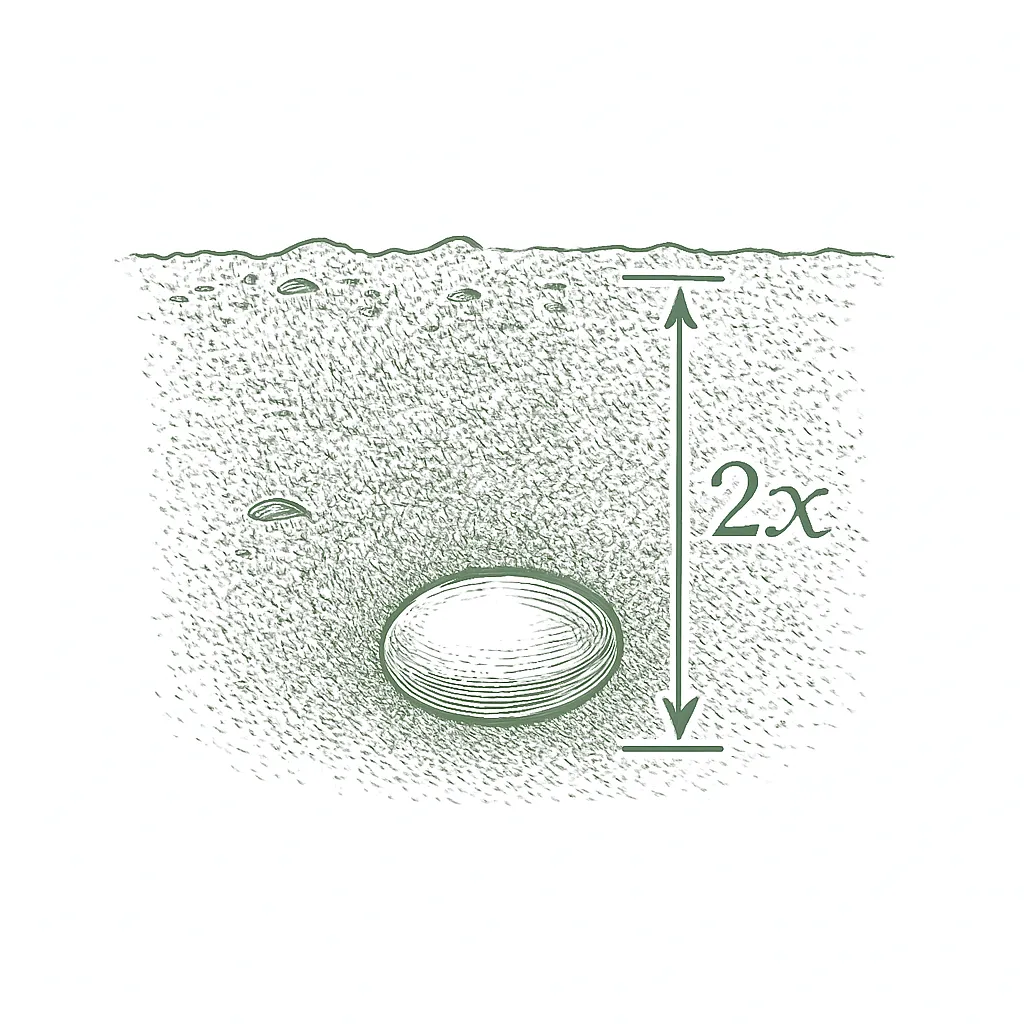
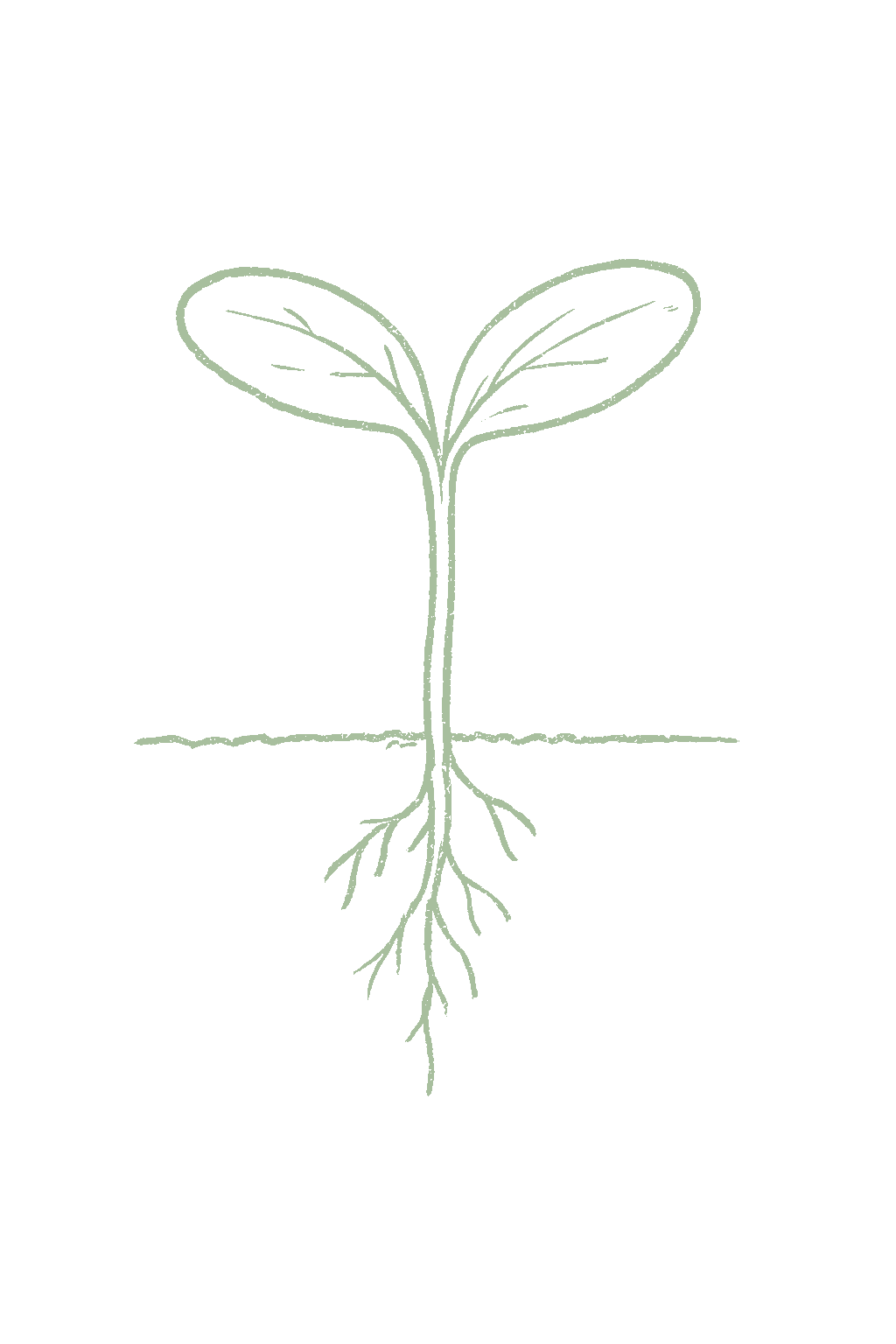
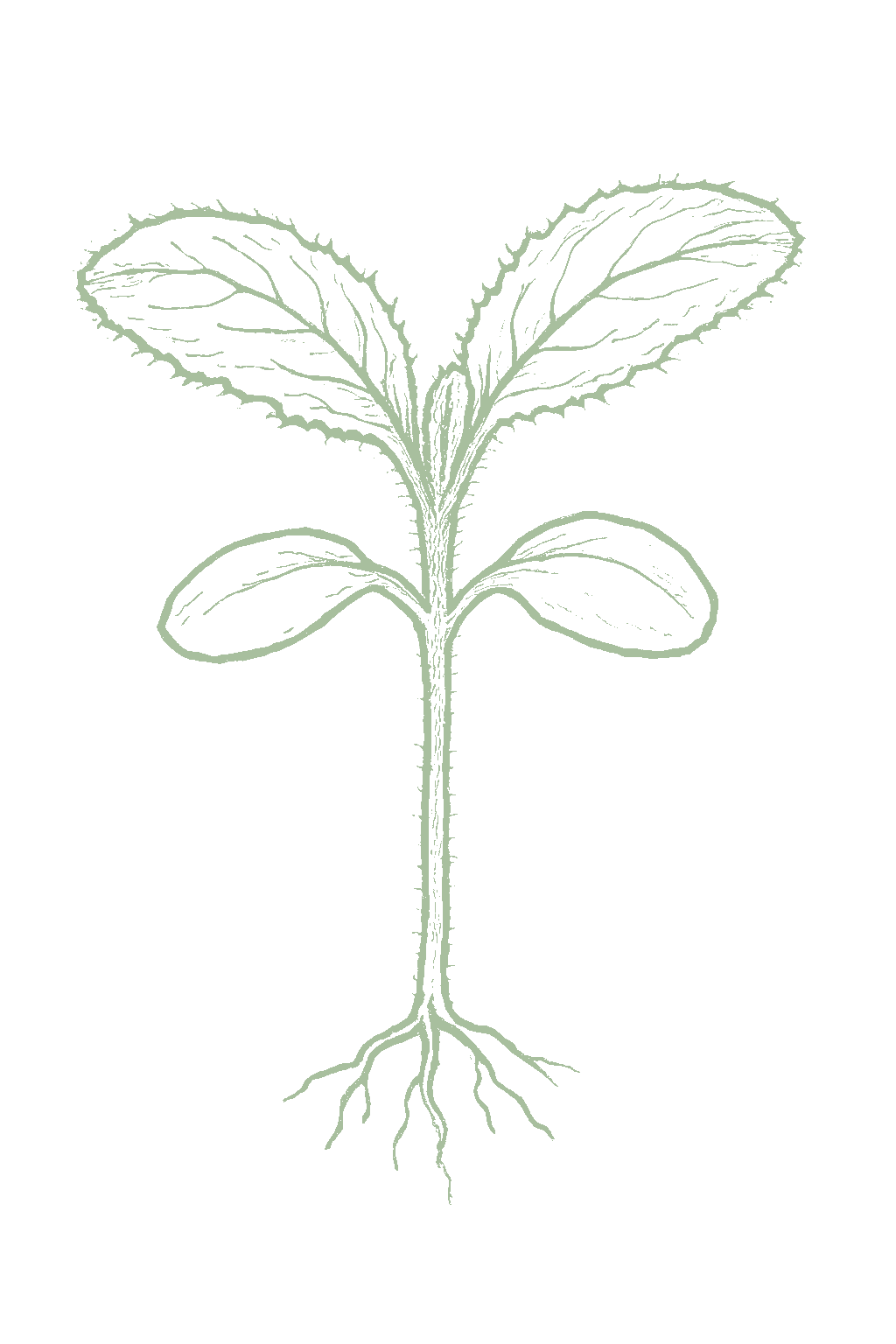
Sow borage seeds straight into the garden where you want plants, since it does not like being transplanted. Plant after your last frost in most gardens, or in the cool season where summers are hot, covering the seeds about half an inch deep. They come up in one to two weeks. Space plants 12 to 24 inches apart because borage gets big, and it will drop seed and come back on its own.Direct-sow borage where it will grow; it has a taproot and does not transplant well, so starting it indoors is not recommended. Sow after the last spring frost in cool and temperate regions, or in fall and the cool season in hot ones, covering the seed about 1/2 in (it germinates fine in darkness or light, but should be covered). It comes up in 1 to 2 weeks. Thin or space plants to 12 to 24 in, since borage grows large and sprawling, and it self-sows readily for future seasons.

Not sure what soil you have? Grab a small handful of damp soil from your garden bed and squeeze it. If it crumbles apart easily, it's sandy. If it holds together but breaks when you poke it, it's loam (what most vegetables want). If it stays in a hard, slippery ball, it's clay.
Borage is not fussy about soil and grows well even in poor ground, as long as water drains away and does not pool. Ordinary, well-drained garden soil is perfect. Very rich soil just makes big floppy plants, and soggy soil rots the roots, so pick a spot that drains well and go easy on the compost.
Mix 2-3 inches of compost into the top 6 inches of your bed before planting. Compost holds moisture (which sandy soil drains too fast) and adds the nutrients sandy soil tends to lack. Repeat each season. Compost breaks down over time.
Mix 2-3 inches of compost AND a few inches of coarse sand or perlite into the top 6 inches of your bed. The compost feeds the plants; the sand breaks up the clay so air and water can move through. Don't add sand without compost. It can compact like concrete.
If amending your soil sounds like too much work, or if your soil is heavy clay, full of rocks, or contaminated, build over it. A raised bed at least 12 inches deep filled with a 50/50 mix of compost and sandy loam gives you ideal growing soil with no battles. A 5-gallon container with quality potting mix does the same for one plant at a time. Both bypass your native soil entirely.
The numbers that matter, at a glance.
Borage can grow in a container, but it gets big with a deep taproot, so use a large, deep pot (5 gallons or more) with drainage holes and a well-draining mix in a sunny spot. It is happier in the ground, where it has room to sprawl and reseed.Borage is growable in containers but is better suited to the open ground: it develops a taproot, grows large and sprawling, and self-sows, none of which suit a small pot. If you do container-grow it, use a large, deep pot (5 gallons or more) with excellent drainage, full sun, and a free-draining mix, and expect to stake or let it spill. Keep the mix from staying wet, since borage rots in saturated soil.
Ask what your balcony or roof can carry
A balcony or roof can only hold so much weight. Before you set heavy pots there, ask a building architect what it can safely carry.Illinois Extension's guidance is to consult a building architect about weight limits before placing heavy pots on a balcony or rooftop garden. It gives no weight figure.
Never grow food in a container with anything toxic in it
Many kinds of containers can be used. Whatever you choose, keep anything toxic out of it, especially if you are growing food.Colorado State accepts nearly any container material but warns against using a container that holds toxic materials, especially for edible plants. Illinois adds that a vegetable container should be free of chemicals toxic to plants or people, and urges caution with treated lumber when growing food. If you cannot account for what a repurposed container once held, that alone is a reason to keep food out of it.
Secure hanging containers well
Fasten hanging baskets and window or rail boxes securely. Think about what is below them too, since they can drip on people or things underneath.Illinois Extension asks growers to secure hanging containers well and to think through the safety issues of hanging them. Placement matters too, since a hanging container can drip onto people or belongings below.
Borage is not picky about soil pH (how acidic or alkaline the soil is). A normal garden range of about 6.0 to 7.0 is ideal, and it tolerates soil well outside that, so you usually do not need to change anything.Borage performs best across roughly 6.0 to 7.0 and is broadly adaptable to soil chemistry; extension descriptions record it growing in acid, neutral, and alkaline soils alike (tolerating roughly 5.5 to 8.0). pH adjustment is rarely warranted, so focus on drainage and modest fertility instead.
Borage barely needs feeding and even grows in poor soil. Mix a little compost or balanced fertilizer into the ground at planting and that is usually all it needs. Too much fertilizer, especially the high-nitrogen kind, just gives you a giant floppy plant with fewer flowers.Borage is a light feeder that thrives even in poor soil, so it needs little supplemental fertilizer. A modest amount of compost or a balanced feed worked in at planting is plenty. Excess nitrogen produces soft, oversized, floppy plants that flower less and are more prone to powdery mildew, so favor a balanced or slightly low-nitrogen feed and skip routine feeding once plants are established.
The three numbers on fertilizer (N-P-K) are nitrogen, phosphorus, and potassium. For borage, a balanced one like 10-10-10 is fine, used sparingly; avoid a high first-number (nitrogen) lawn feed, which gives leaves instead of flowers.A balanced ratio such as 10-10-10 worked in lightly at planting suits borage; some growers give a monthly half-strength balanced feed, but a high-nitrogen lawn-type feed only pushes floppy foliage over flowers.
Deadheading means snipping off flowers once they fade. Doing it regularly keeps borage blooming for weeks instead of going to seed, and it also cuts down on how much borage reseeds itself. Snip spent flowers off before they drop seed if you want fewer volunteers, or leave a few at the end of the season so it comes back on its own. Picking flowers to eat or for a vase does the same thing.Deadhead or cut borage's spent flowers regularly to prolong bloom; it flowers for many weeks when older flowers are removed and slows once it is allowed to set seed. Deadheading also curbs its prolific self-sowing, so remove spent flowers before seed drops if you want fewer volunteers, and leave a few late heads if you want it to return on its own. Cutting stems for the vase or for edible flowers does the same job.
Borage is one of the classic companion plants, and its superpower is bees. It flowers for a long time and is a magnet for honey bees, bumble bees, and native bees, so planting it among vegetables draws in pollinators and helpful insects. Gardeners traditionally set it near tomatoes, squash, and strawberries: near squash, melons, and cucumbers it helps pollination; near tomatoes and strawberries it is a long-standing companion said to help them along and bring in the beneficial bugs that eat pests like hornworms. Those pest-fighting claims are garden tradition rather than proven fact, so enjoy borage mainly as a pollinator plant. Just give it lots of room, since it gets big and sprawly, and keep it a bit apart from squash so both get airflow, because they can share powdery mildew. Borage's best-grounded companion value is as a premier insectary and pollinator plant: its long succession of nectar-rich blue flowers strongly attracts honey bees, bumble bees, and native bees, along with beneficial predators, which is well documented by extension. Interplanted around squash, melons, and cucumbers it is credited with improving pollination, and it is a long-standing traditional companion for tomatoes and strawberries (West Virginia University lists it among strawberry companions), with grower lore that it improves their vigor, flavor, and pest resistance and draws in predators of tomato hornworm. Those neighbor-benefit and pest-repellent effects are traditional practice rather than trialed results, so they are framed as tradition. There is no biologically antagonistic companion to avoid; site borage for full sun and airflow, give it generous room because it sprawls, and keep it from crowding squash since the two share powdery-mildew susceptibility.
Borage is mostly for its bees, its blue edible flowers, and its cucumber-tasting young leaves. Pick young leaves before they get too fuzzy and prickly, and pick open flowers on a dry day, snapping off the fuzzy green part behind each one. Only eat borage that has not been sprayed, and eat it in small amounts. Use the leaves in salads and drinks and the flowers as a garnish or frozen in ice cubes. Wear gloves because the stems are prickly.Borage is grown for garden color, a strong pollinator draw, edible flowers, and cucumber-flavored leaves. Harvest young, tender leaves before they turn too bristly, and pick fully open flowers on a dry day, pulling off the fuzzy green sepals behind each bloom. Use only unsprayed plants and eat borage in moderation. The leaves go into salads, teas, and cool drinks; the blue flowers are a garnish or can be frozen into ice cubes. Wear gloves, since the stems are prickly.
One borage plant is big and flowers for weeks, giving you plenty of blue flowers and young cucumber-tasting leaves; one or two plants are usually plenty. Keep snipping faded flowers and more keep coming, and it reseeds itself for next year.A single borage plant is large and long-blooming, producing a steady succession of small blue flowers over many weeks along with an ongoing supply of young cucumber-flavored leaves; one or two plants easily cover a household's garnish and pollinator needs. Deadheading sustains bloom, and the plant self-sows to renew itself.
Borage flowers the same season you plant it, about eight weeks after sowing, and you can pick young leaves even earlier. There is no waiting year, and it usually comes back on its own from dropped seed.Borage flowers the first season from seed, roughly 8 weeks after sowing, so there is no establishment year; young leaves can be picked even sooner, and the plant self-sows for the following year.
The plain blue borage is the classic choice and the best one for bees, and it reseeds itself easily. If you want something different, 'Alba' has white flowers instead of blue, and variegated types like 'Bill Archer' have pretty cream-and-green leaves. They are all the same easy plant with edible flowers and cucumber-tasting leaves, and they all come back from their own dropped seed.For most gardens the ordinary blue species is the one to grow: it is the strongest bee draw, self-sows freely, and gives the classic edible sky-blue stars. 'Alba' is a white-flowered form of the same easygoing plant, useful in white or cottage plantings, and the variegated selections ('Bill Archer', 'Variegata') are grown more for their cream-splashed foliage than for a different flower. All are the same species, are edible-flowered and cucumber-leaved, and come readily from saved or self-sown seed; the simple, open single flowers of every form serve pollinators well.
Borage is a plant for the garden, the bees, and fresh use, not for storing like vegetables. Pick young leaves before they get too fuzzy and prickly, and pick open flowers on a dry day. Snap off the fuzzy green part behind each flower before eating it. The leaves taste like cucumber in salads and drinks, and the blue flowers make a pretty garnish or can be frozen in ice cubes. Only eat borage that has not been sprayed, and eat it only in small amounts: borage leaves contain natural compounds called pyrrolizidine alkaloids that can harm the liver if eaten in large or frequent amounts, so keep borage to a garnish or an occasional few leaves. Wear gloves when you pick it because the stems are prickly.Borage is grown for bloom, a top pollinator draw, and edible leaves and flowers, so the refrigerate and freeze fields do not apply as they would for produce. Harvest young, tender leaves before they turn too bristly, and pick fully open flowers on a dry day; pull off and discard the fuzzy green sepals behind each flower before eating. The leaves taste of cucumber and are used in salads, teas, and cool drinks; the blue flowers are a garnish and can be frozen into ice cubes. Use only unsprayed plants, and eat borage in moderation: the leaves contain pyrrolizidine alkaloids, which NC State notes can damage the liver and lungs, so use them only sparingly, and borage also has a diuretic effect in large amounts. Wear gloves when harvesting, since the stems and older leaves are prickly.
The ladder troubleshoots from the gentlest solution to the strongest. Start with the gentlest option and only move on when and if it doesn't work.
A firm blast of water from the hose knocks aphids (tiny soft-bodied sap-sucking insects) off the tender tips and flower buds where they cluster. Do it early in the day so the leaves dry quickly, and repeat if they regroup.A hard hose-jet on colonized shoot tips is often all the intervention a light colony needs on borage, which is seldom seriously bothered. Spray in the morning so foliage dries fast, and treat it as a knock-back that buys time for predators rather than an eradication.
Borage's nectar-rich flowers draw in ladybugs, hoverflies, and lacewings, and their young eat aphids. Light infestations often clear on their own, so wait and watch before spraying anything, and avoid sprays that would kill these helpers.Conservation is the real control here: the planting recruits its own aphid predators (lady beetles, syrphid and lacewing larvae), which is why borage is sometimes grown deliberately as an insectary planting. Withhold broad-spectrum materials, let the resident predators work, and step in only if colonies keep building past what they hold down.
Insecticidal soap (a mild spray that kills soft insects it wets directly) handles a stubborn cluster the water spray did not clear. Coat the aphids themselves, and spray only where you see them, since it also harms the soft-bodied helpers it touches.Reserve soap for populations that keep building despite the predator pressure; the guidance frames it as the fallback, not the opener. It works by contact only, so coverage of colonized tips and buds decides the result, and it kills the syrphid and lacewing larvae it wets, so spot-treat rather than blanket a flowering plant.
The bottom rungs are products with label rules: timing, pollinators, and days to wait before harvest. Before you spray →
The ladder troubleshoots from the gentlest solution to the strongest. Start with the gentlest option and only move on when and if it doesn't work.
Give each plant plenty of room and a spot in full sun. Powdery mildew (the white dusty film on leaves) builds where air sits still and plants crowd together, so open spacing and good light are the main defense.Set the defense at planting: generous spacing, an open sunny site, and thinning where a stand has filled in. This disease builds in warm, humid, still, crowded plantings and worsens as summer heat and humidity climb, and airflow is the lever the guidance leans on rather than any spray.
Water the soil, not the leaves. Keeping the foliage dry and the planting less humid gives the mildew less of the damp, still conditions it favors.Base watering keeps canopy humidity down, which is what matters for a mildew that needs only humid, still air to get going. It supports the spacing and siting work rather than replacing it.
Pick off badly affected leaves as you see them, and clear spent plants at the end of the season. Removing the worst foliage slows the spread through the rest of the plant.Remove heavily affected foliage promptly and clear the planting when it declines; the guidance manages this disease culturally, with removal named alongside spacing and base watering rather than a spray program.
No spray for this one. Prevention is the control.
The ladder troubleshoots from the gentlest solution to the strongest. Start with the gentlest option and only move on when and if it doesn't work.
Plant borage in soil that drains well, and go easy on the watering; it is a drought-tolerant plant that would rather run dry than sit wet. Cold, soggy, poorly drained ground is what rots the roots and the base of the stem.This is a siting decision, not a treatment: keep borage out of heavy, water-retentive, low-lying beds, and let the soil dry before watering again. The rot shows up in cold, wet, poorly drained ground, and it reflects the plant's intolerance of waterlogging rather than any particular susceptibility.
Sow into warm, well-drained soil and water lightly while seedlings come up. In cold, wet ground, young borage seedlings can rot and topple right at the soil line.Damping-off is the seedling face of the same wet-soil problem, so it is prevented at sowing: wait for the seedbed to warm and drain, and water with restraint until the stand establishes. It is a prevention story; once seedlings collapse there is little to do but resow.
No spray for this one. Prevention is the control.
Rotating borage is not very important. Plant it in a different spot each year if you can, keep it away from squash so mildew does not spread between them, and clean up old leaves at the end of the season. Borage reseeds itself, so you will often get new plants popping up on their own.Rotation is a minor concern for a fast, self-seeding annual herb in a family (Boraginaceae) that rarely overlaps with vegetable crops. Moving borage to a fresh spot and clearing debris limits carryover of powdery mildew, and keeping it away from powdery-mildew-prone squash helps both. Because it reseeds readily, plan on volunteers and thin or relocate them for airflow.
The plant app sends a timely reminder at every critical moment of your borage season. The wording adjusts to whichever you pick: beginner or seasoned. Here are three you'll see in Zone 9.
plant sends the right notification at exactly the right moment, for your zone, your weather, your crops. Founding members lock the rate forever.
We're building this guide with real growers. Got a question we missed? Ask here. We read every one and add the best answers right to this page.
Learned something the hard way? Pass it on. Real growers' tips make this guide better for the next person, and we credit you by name when yours goes live.
If you've grown this crop and you see a date, a temperature, a companion claim, or a recommendation that doesn't match your experience, tell us. Real growers' corrections make this guide better for the next person.
Every date, temperature, spacing, and recommendation on this page is sourced from university cooperative extension publications, peer-reviewed agricultural research, NOAA climate data, and direct extension calendars. Where claims are softer (traditional gardening wisdom not formally documented), we say so.
Spot a data point that doesn't match your experience? Submit a correction; accepted corrections earn full author credit on the page.
Zone-aware seasonal nudges, what's worth planting now, and the occasional recipe from the harvest. No spam, ever.