Today · in your zone
What's happening right now
Off-season for broad beans / fava in zone 13.
Tap to switch. plant calibrates to where you are in the journey.
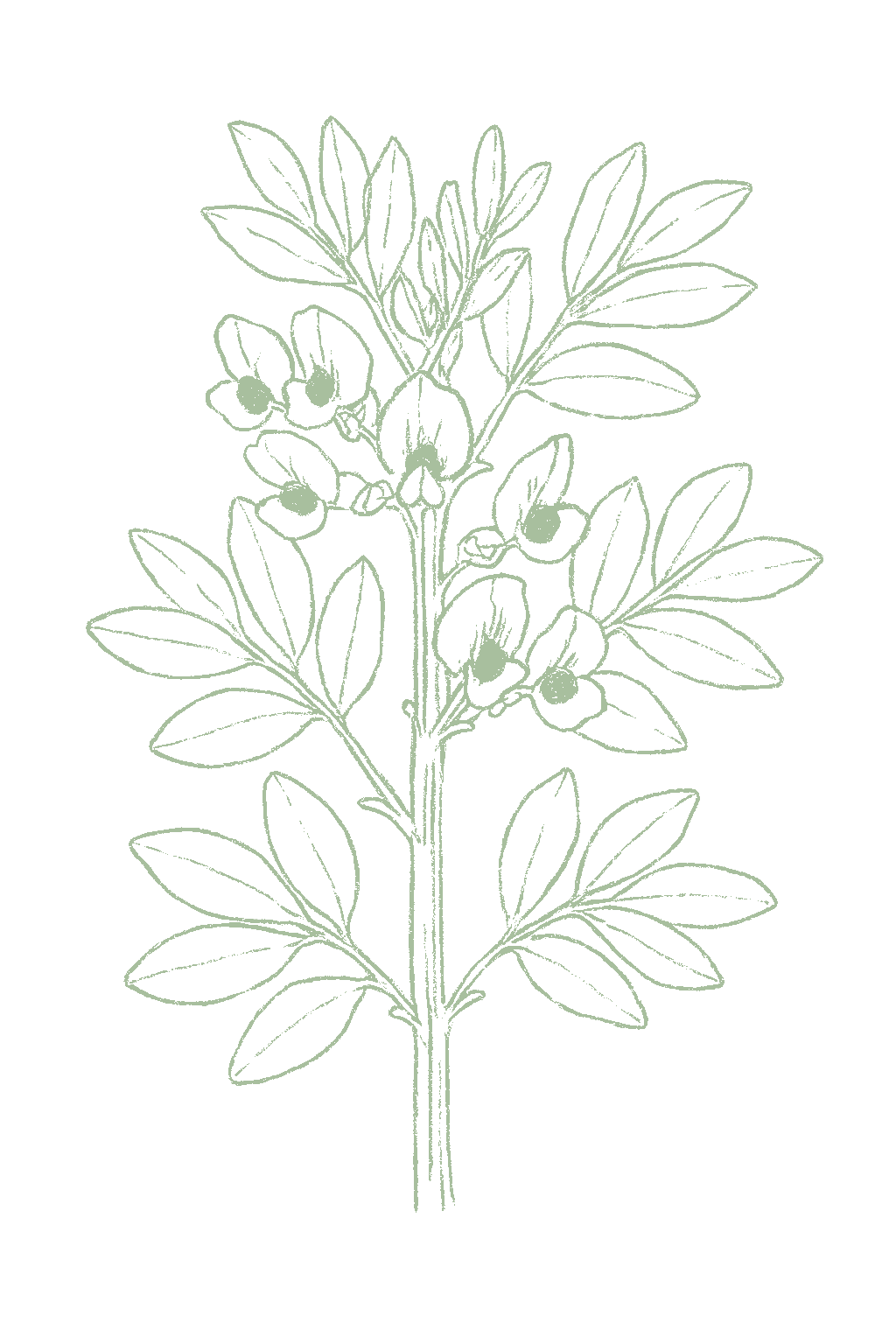
Broad beans, better known as fava beans, are a cool-weather crop grown for their big, flat, buttery beans, eaten fresh and green shelled from the pod or dried. They are not the same as garden peas: the seeds are large and flat, and the plants are sturdy, upright stalks 2 to 4 feet tall that stand up on their own and do not need a trellis. Two things make favas special. They are extremely cold-hardy, handling frost down to about 10 to 15°F, so where winters are mild you plant them in fall to grow over winter, and where winters are cold they are one of the first things you plant in late winter or spring. And they dislike heat: they stop making pods once it stays above about 75 to 80°F, so they have to flower and fill before summer arrives. Favas also feed the soil with nitrogen and make a great cover crop. One important note: fava beans can cause a serious reaction, called favism, in people who have an inherited enzyme deficiency (G6PD), so they should always be cooked before you eat them. Broad beans, also called fava beans (Vicia faba), are a cool-season legume grown for their large, flat, buttery seeds, eaten as tender green favas shelled from the pod or dried as a pulse. They are a different plant from the garden pea, in a different genus (Vicia, not Pisum): the seeds are large and flat, and the plants are stiff, upright stalks 2 to 4 feet tall that stand on their own and need no trellis, unlike climbing peas. Two traits define how favas are grown. They are among the most cold-hardy of all vegetables, tolerating hard frost to roughly 10 to 15°F, so in mild-winter regions they are fall-sown and overwintered for an early crop, and in cold regions they are one of the first crops sown in late winter or spring. And they are heat-intolerant: they set pods best around 60 to 65°F and stop podding once daytime temperatures pass about 75 to 80°F, so the crop must flower and fill before summer heat. As a nitrogen-fixing legume, fava is also a favorite cover crop and green manure that leaves the soil richer. One honest caution: favas can trigger a serious reaction, called favism, in the minority of people with an inherited G6PD enzyme deficiency, so they should always be cooked before eating.
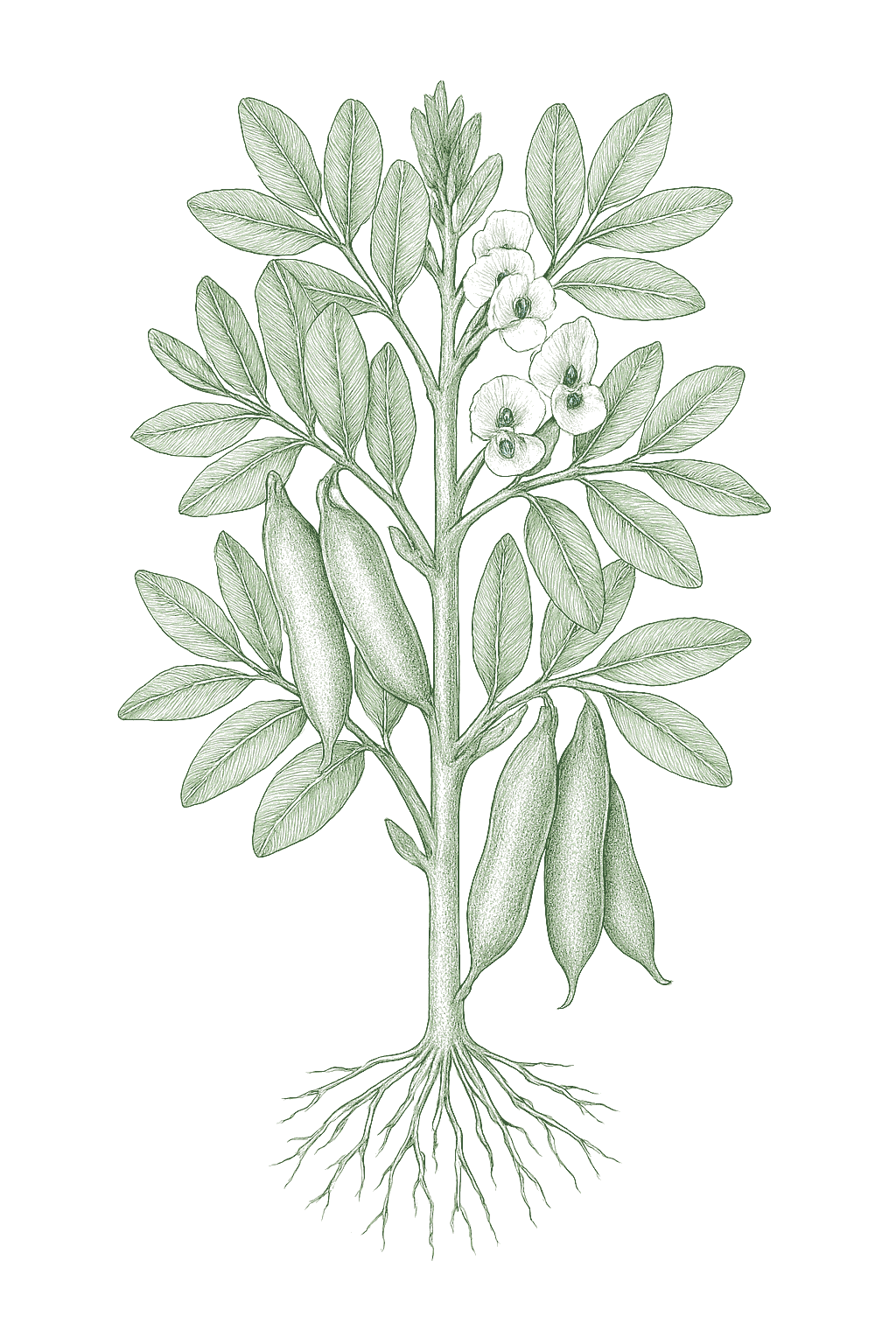
Off-season for broad beans / fava in zone 13.
In Zone 13, broad beans / fava can be planted November through December, skipping the summer heat. Harvest runs February through February.
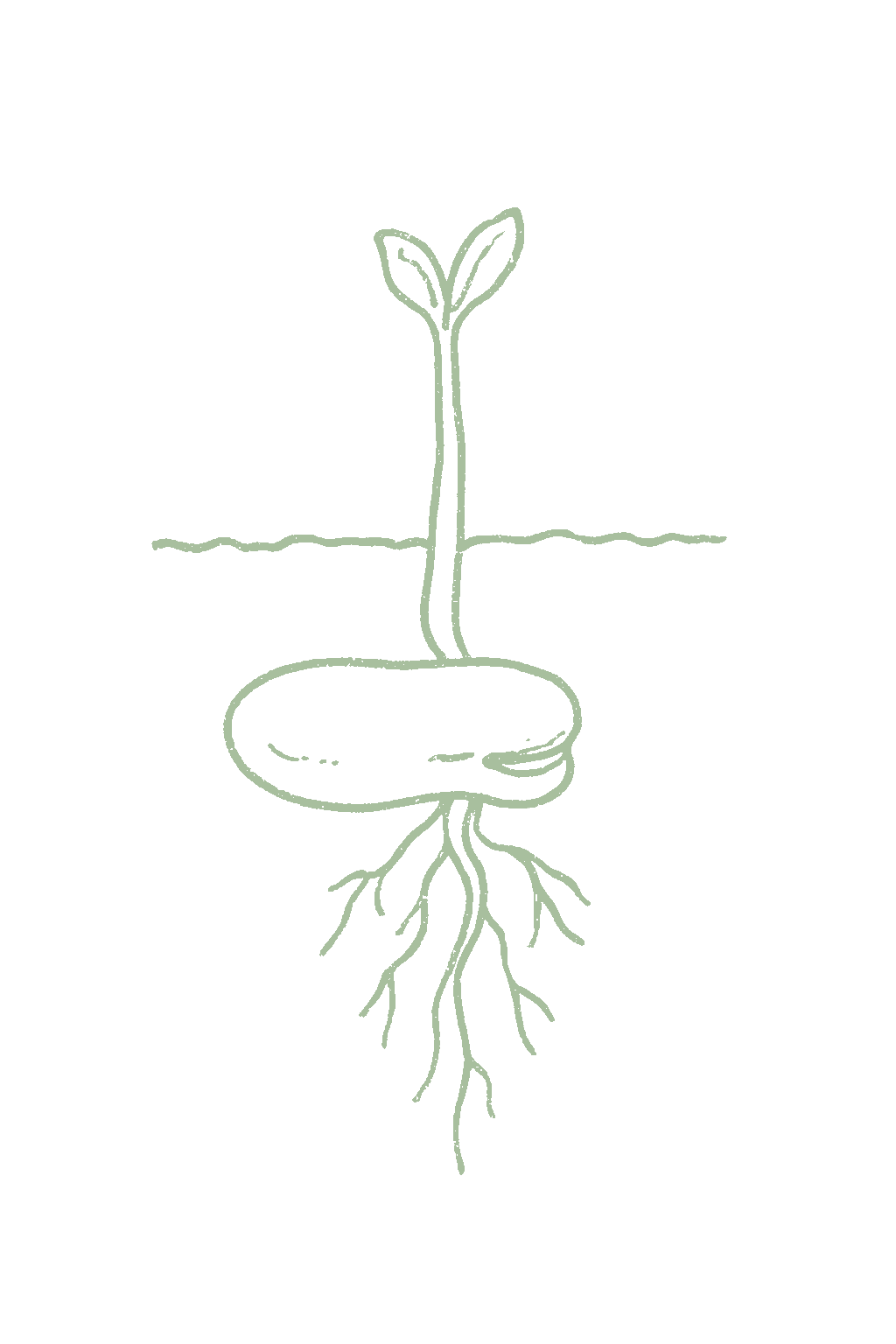
Plant the big flat fava seeds right where they will grow, about 1 to 2 inches deep and 4 to 6 inches apart, then thin to about 8 to 10 inches apart. Where winters are mild, plant in fall so the crop grows over winter; where winters are cold, plant as early as you can work the soil in late winter or spring. The seeds are slow to sprout, sometimes taking up to three weeks, and there is no need to start them indoors.Direct-sow the large flat seed about 1 to 2 inches deep and 4 to 6 inches apart, thinning to stand 8 to 10 inches apart, in rows 18 to 30 inches apart. In mild-winter regions sow in fall (roughly October to November) to overwinter; in cold regions sow as early as the soil can be worked in late winter or early spring. Germination is slow in cool soil and can take up to three weeks; there is no benefit to starting favas indoors.




Not sure what soil you have? Grab a small handful of damp soil from your garden bed and squeeze it. If it crumbles apart easily, it's sandy. If it holds together but breaks when you poke it, it's loam (what most vegetables want). If it stays in a hard, slippery ball, it's clay.
Fava beans grow in most garden soil as long as it drains well. They like a fertile loam with some compost worked in, but they are not fussy and will handle heavier clay loam or lighter sandy soil. The one thing to avoid is cold, soggy ground, because the large seeds rot easily when they sit in wet soil before sprouting. If your bed stays wet after rain, add compost or plant on a raised bed.
Mix 2-3 inches of compost into the top 6 inches of your bed before planting. Compost holds moisture (which sandy soil drains too fast) and adds the nutrients sandy soil tends to lack. Repeat each season. Compost breaks down over time.
Mix 2-3 inches of compost AND a few inches of coarse sand or perlite into the top 6 inches of your bed. The compost feeds the plants; the sand breaks up the clay so air and water can move through. Don't add sand without compost. It can compact like concrete.
If amending your soil sounds like too much work, or if your soil is heavy clay, full of rocks, or contaminated, build over it. A raised bed at least 12 inches deep filled with a 50/50 mix of compost and sandy loam gives you ideal growing soil with no battles. A 5-gallon container with quality potting mix does the same for one plant at a time. Both bypass your native soil entirely.
The numbers that matter, at a glance.
Fava beans grow best in soil from about 6.0 to 6.8, which is slightly acidic to neutral, and they tolerate up to about 7.5. Most garden beds are already in a good range. If a soil test reads strongly acidic, mix in a little lime before planting.Aim for a soil pH of about 6.0 to 6.8, slightly acidic to neutral, with tolerance up to roughly 7.5. Fava beans are not demanding about pH, but like other legumes they nodulate and fix nitrogen best in this near-neutral range. A soil test is the reliable way to confirm pH and baseline fertility before sowing; lime an overly acidic plot the season before.
Fava beans make much of their own food from the air, so they barely need fertilizer. Mix a little compost or a balanced fertilizer into the bed before you plant and that is enough. Too much fertilizer gives you tall leafy plants but fewer pods, and it can attract aphids. You can coat the seed with a bean or pea inoculant powder to help the roots make nitrogen, but it is optional.Fava beans are light feeders. As a legume, fava fixes much of its own nitrogen through Rhizobium nodules on the roots, so heavy nitrogen drives leafy stalk growth at the expense of pods and can make plants more prone to aphids and disease. Without a soil test, work a little compost or balanced fertilizer into the bed before sowing and leave it at that. Adequate potassium supports the plant against chocolate spot. An inoculant of the correct Rhizobium can help nodulation where favas or vetch have not grown before, but it is optional.
A balanced fertilizer like 5-10-10 mixed into the bed before planting is plenty; skip extra nitrogen.A balanced 5-10-10 worked in before sowing if no soil test is available; skip added nitrogen, which favas supply themselves.
Fava beans get along with most cool-season vegetables and, because they leave nitrogen in the soil, they make a good crop to grow before a leafy green or a brassica. Many growers plant summer savory nearby, which is the traditional herb partner for favas. As with peas, the pairing to be cautious about is planting favas right next to onions or garlic. As a nitrogen-fixing legume and a common cover crop, favas leave the bed richer for what follows and pair naturally with the other cool-season crops that share their spring and fall windows: brassicas, potatoes, lettuce, and spinach are traditional bed-mates that benefit from the nitrogen. Summer savory is the classic herb companion, long grown alongside broad beans and said by many growers to help deter the black bean aphid. The traditional caution, as with all legumes, is to keep favas away from the alliums (onion, garlic), which are widely held to interfere with the root bacteria the plant depends on to fix nitrogen.
Fresh green favas are ready when the pods are plump and glossy and the beans inside have filled out but are still tender, starting with the lower pods on the plant. Small young pods can be eaten whole. For dried beans, leave the pods on the plant until they are dark and papery. Always cook favas before eating them.For fresh green favas, pick the pods when they are plump, glossy, and well filled but the beans are still tender, before the seed coats toughen, working from the bottom of the plant up as the lower pods fill first. Very young, finger-sized pods can be eaten whole. For dried beans, leave the pods to turn dark and papery on the plant. Always cook favas before eating.
Each fava plant gives a modest handful of pods, so favas are grown in rows, not one at a time. A short row gives a steady picking of fresh green favas over a few weeks, or a batch of dried beans if you let them mature on the plant.Favas yield modestly per plant and are grown in rows or blocks rather than singly. A well-grown plant carries roughly a dozen to two dozen pods up its sturdy stalks; a short double row gives a steady picking of fresh green favas over a few weeks, or a batch of dried beans if left to mature.
The fresh harvest comes over a few weeks, from the bottom of the plant up, then ends as the heat arrives. Favas are a one-sowing crop, not something you replant every couple of weeks, so grow several plants and pick regularly to get the most from them.The fresh green harvest comes on over a few weeks from the bottom of the plant up, then the crop ends as summer heat stops pod set. Because favas are a single main sowing rather than a succession crop, most of the yield arrives in that window; growing several plants and picking regularly is how to make the most of it. Favas are a great, forgiving first-year crop. You plant the big seeds straight into cool soil, the plants stand up on their own without a trellis, and they are tough enough that a fall planting can grow over winter. The main things that affect your harvest are planting at the right time for your climate, pinching the tops to control aphids, and picking while the beans are tender.Favas are a rewarding and forgiving first-year crop: hardy seed sown straight into cool soil, plants that stand on their own without a trellis, and real cold tolerance that lets a fall sowing overwinter. The main levers on yield are sowing at the right time for your winters, pinching the tops to beat black bean aphid, and picking fresh favas while the beans are tender.
Fava beans, also called broad beans, come in tall big-seeded types like Windsor and shorter small-seeded types used for overwintering and cover cropping. The key is to match the variety to when you plant: for a fall planting that grows over winter, choose a hardy overwintering type like Aquadulce or Sweet Lorane; for a spring planting, the big Windsor types are excellent. Robin Hood is a short variety that suits pots.Fava beans (Vicia faba) come in a tall broad-bean form (Windsor and most named types, 2 to 4 feet, big flat seeds for shelling) and a shorter, small-seeded form grown for cover cropping and overwintering. The single most important variety choice is timing: for a fall-sown, overwintered crop pick a cold-hardy overwintering type such as Aquadulce, Sweet Lorane, or Ianto's Return; for a spring crop the large-seeded Windsor types shine. Vroma is a versatile all-rounder, and Robin Hood is the dwarf choice for containers.
Move your favas to a new spot on a three-to-four-year cycle, and do not plant them where any beans or peas grew recently. Because favas feed the soil with nitrogen, whatever heavy feeder you plant there next will benefit.Rotate favas on a three-to-four-year cycle away from all legumes, leaning to four years where chocolate spot has shown up. Their nitrogen-fixing habit and their common use as a cover crop make them an excellent predecessor for nitrogen-hungry crops.
The plant app sends a timely reminder at every critical moment of your broad beans / fava season. The wording adjusts to whichever you pick: beginner or seasoned. Here are three you'll see in Zone 13.
plant sends the right notification at exactly the right moment, for your zone, your weather, your crops. Founding members lock the rate forever.
We're building this guide with real growers. Got a question we missed? Ask here. We read every one and add the best answers right to this page.
Learned something the hard way? Pass it on. Real growers' tips make this guide better for the next person, and we credit you by name when yours goes live.
If you've grown this crop and you see a date, a temperature, a companion claim, or a recommendation that doesn't match your experience, tell us. Real growers' corrections make this guide better for the next person.
Every date, temperature, spacing, and recommendation on this page is sourced from university cooperative extension publications, peer-reviewed agricultural research, NOAA climate data, and direct extension calendars. Where claims are softer (traditional gardening wisdom not formally documented), we say so.
Spot a data point that doesn't match your experience? Submit a correction; accepted corrections earn full author credit on the page.
Zone-aware seasonal nudges, what's worth planting now, and the occasional recipe from the harvest. No spam, ever.