Today · in your zone
What's happening right now
Off-season for brussels sprouts in zone 9.
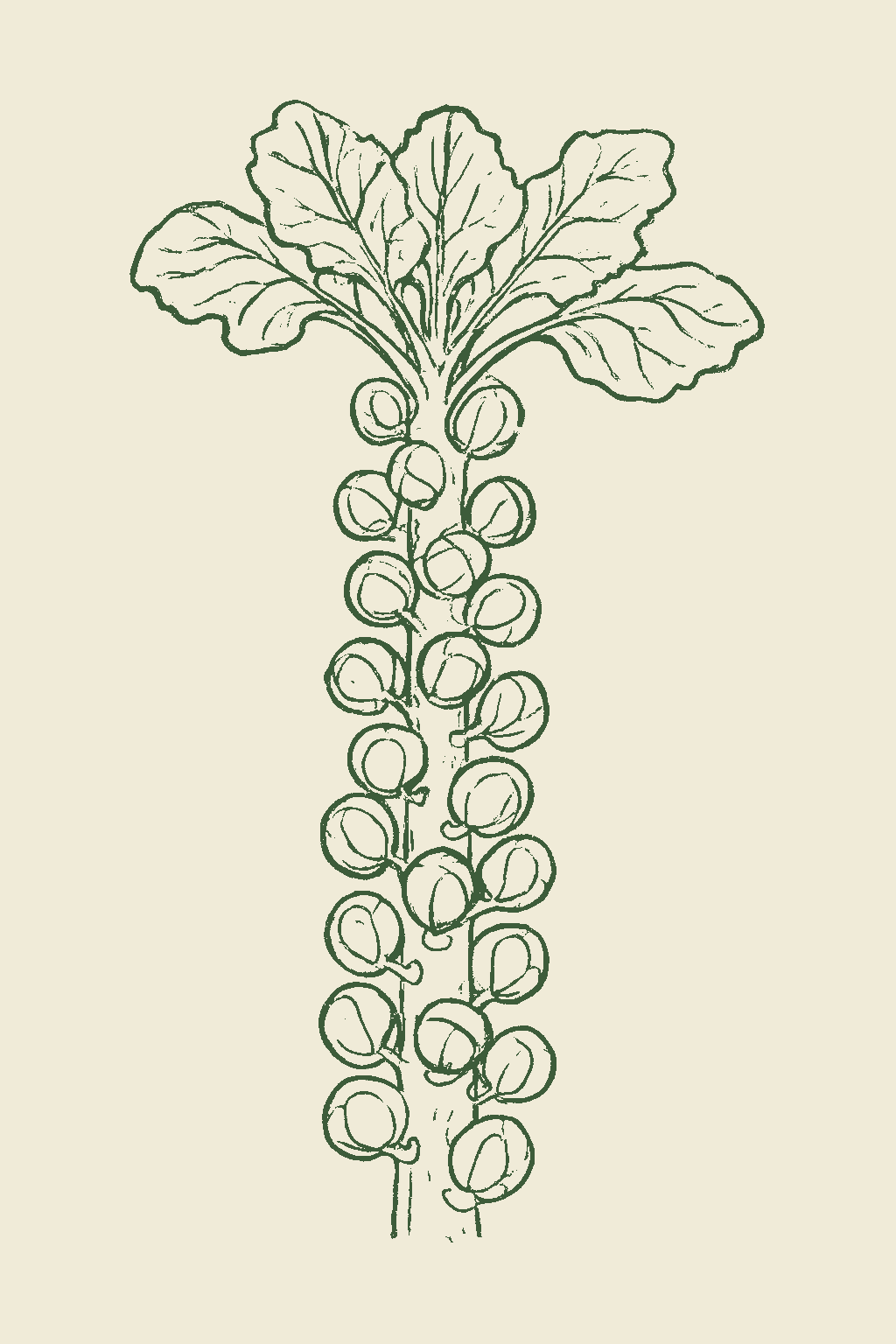
Brussels sprouts grow as small cabbage-like buds along a tall stalk, and you pick them a few at a time from the bottom up. They take a long time, about 3 to 6 months, and taste best when they mature in cool fall weather. Frost makes them sweeter, so the best sprouts come after the cold sets in. Summer heat makes them loose and bitter, so they are really a fall and winter crop. Brussels sprouts are a cool-season brassica grown for the small, cabbage-like buds that form in the leaf axils along a tall central stalk, harvested progressively from the bottom up. A long-season crop needing roughly 90 to 180 days, it is timed to mature in cool fall and winter weather: heat gives loose, bitter sprouts, while frost actually sweetens them, so the best sprouts come after the first hard frosts. It is one of the most cold-hardy garden vegetables, standing in the garden into early winter while temperatures hold above about 20°F.
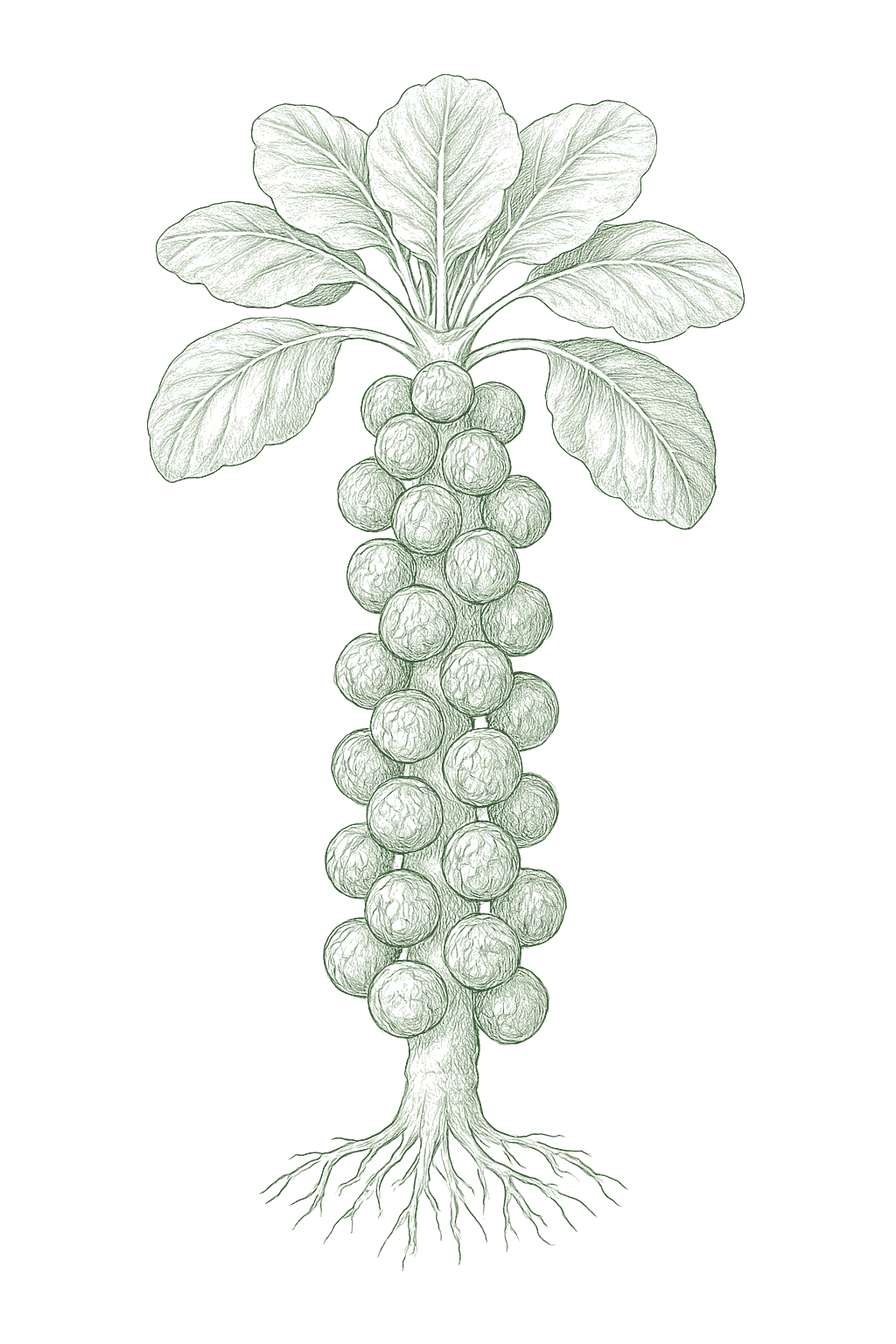
Off-season for brussels sprouts in zone 9.
Zone 9 averages a last frost around March 1. Within Zone 9, the colder half (9a, winters down to 20°F) runs about a week later. The warmer half (9b, winters down to 25°F) runs about a week earlier. The plant app picks your subzone from your ZIP.
| Subzone | Last spring | First fall | Growing days | Winter min | Fruits reliably |
|---|---|---|---|---|---|
| 9a | Mar 8 | Nov 24 | ~261 | 20-25°F | Yes · two seasons |
| 9b | Feb 28 | Nov 30 | ~275 | 25-30°F | Yes · two seasons |
Averages from 8 weather stations per subzone, drawn from NOAA 1991-2020 Climate Normals. Your actual frost date can vary by up to two weeks based on elevation, proximity to water, and local topography.
In Zone 9, brussels sprouts can be planted July through August. Start indoors Jun. Harvest runs November through February.
Brussels sprouts grow for a long time, so most gardeners plant just one crop and pick from it for weeks, rather than planting in batches. In mild areas with a long cool season you can stagger a couple of plantings a month apart. The key is to plant so the sprouts form in cool fall weather; in hot areas, skip summer and grow them for fall and winter.Brussels sprouts are largely a single long-season planting rather than a true succession crop: each plant holds the bed for months and is harvested progressively up the stalk. In short-season regions, set out one crop and let it ride. In long, mild regions such as the cool coast you can stagger a couple of sowings about a month apart to spread the harvest. Time plantings so the sprouts form in cool weather; in hot regions skip summer and plant for a fall and winter crop.
In Zone 9, brussels sprouts can be planted September through October. Start indoors Aug. Harvest runs December through March.
Brussels sprouts grow for a long time, so most gardeners plant just one crop and pick from it for weeks, rather than planting in batches. In mild areas with a long cool season you can stagger a couple of plantings a month apart. The key is to plant so the sprouts form in cool fall weather; in hot areas, skip summer and grow them for fall and winter.Brussels sprouts are largely a single long-season planting rather than a true succession crop: each plant holds the bed for months and is harvested progressively up the stalk. In short-season regions, set out one crop and let it ride. In long, mild regions such as the cool coast you can stagger a couple of sowings about a month apart to spread the harvest. Time plantings so the sprouts form in cool weather; in hot regions skip summer and plant for a fall and winter crop.
In Zone 9, brussels sprouts can be planted September through October. Start indoors Aug. Harvest runs December through February.
Brussels sprouts grow for a long time, so most gardeners plant just one crop and pick from it for weeks, rather than planting in batches. In mild areas with a long cool season you can stagger a couple of plantings a month apart. The key is to plant so the sprouts form in cool fall weather; in hot areas, skip summer and grow them for fall and winter.Brussels sprouts are largely a single long-season planting rather than a true succession crop: each plant holds the bed for months and is harvested progressively up the stalk. In short-season regions, set out one crop and let it ride. In long, mild regions such as the cool coast you can stagger a couple of sowings about a month apart to spread the harvest. Time plantings so the sprouts form in cool weather; in hot regions skip summer and plant for a fall and winter crop.
In Zone 9, brussels sprouts can be planted February through May. Start indoors Jan. Harvest runs July through December.
Brussels sprouts grow for a long time, so most gardeners plant just one crop and pick from it for weeks, rather than planting in batches. In mild areas with a long cool season you can stagger a couple of plantings a month apart. The key is to plant so the sprouts form in cool fall weather; in hot areas, skip summer and grow them for fall and winter.Brussels sprouts are largely a single long-season planting rather than a true succession crop: each plant holds the bed for months and is harvested progressively up the stalk. In short-season regions, set out one crop and let it ride. In long, mild regions such as the cool coast you can stagger a couple of sowings about a month apart to spread the harvest. Time plantings so the sprouts form in cool weather; in hot regions skip summer and plant for a fall and winter crop.
In Zone 9, brussels sprouts can be planted September through November, skipping the summer heat. Start indoors Aug. Harvest runs December through April.
Brussels sprouts grow for a long time, so most gardeners plant just one crop and pick from it for weeks, rather than planting in batches. In mild areas with a long cool season you can stagger a couple of plantings a month apart. The key is to plant so the sprouts form in cool fall weather; in hot areas, skip summer and grow them for fall and winter.Brussels sprouts are largely a single long-season planting rather than a true succession crop: each plant holds the bed for months and is harvested progressively up the stalk. In short-season regions, set out one crop and let it ride. In long, mild regions such as the cool coast you can stagger a couple of sowings about a month apart to spread the harvest. Time plantings so the sprouts form in cool weather; in hot regions skip summer and plant for a fall and winter crop.
In Zone 9, brussels sprouts can be planted May through June. Start indoors Mar 20 - May 19. Harvest runs September through January.
Brussels sprouts grow for a long time, so most gardeners plant just one crop and pick from it for weeks, rather than planting in batches. In mild areas with a long cool season you can stagger a couple of plantings a month apart. The key is to plant so the sprouts form in cool fall weather; in hot areas, skip summer and grow them for fall and winter.Brussels sprouts are largely a single long-season planting rather than a true succession crop: each plant holds the bed for months and is harvested progressively up the stalk. In short-season regions, set out one crop and let it ride. In long, mild regions such as the cool coast you can stagger a couple of sowings about a month apart to spread the harvest. Time plantings so the sprouts form in cool weather; in hot regions skip summer and plant for a fall and winter crop.
In Zone 9, brussels sprouts can be planted August through September. Start indoors Jun 15 - Jul 6. Harvest runs November through December.
Brussels sprouts grow for a long time, so most gardeners plant just one crop and pick from it for weeks, rather than planting in batches. In mild areas with a long cool season you can stagger a couple of plantings a month apart. The key is to plant so the sprouts form in cool fall weather; in hot areas, skip summer and grow them for fall and winter.Brussels sprouts are largely a single long-season planting rather than a true succession crop: each plant holds the bed for months and is harvested progressively up the stalk. In short-season regions, set out one crop and let it ride. In long, mild regions such as the cool coast you can stagger a couple of sowings about a month apart to spread the harvest. Time plantings so the sprouts form in cool weather; in hot regions skip summer and plant for a fall and winter crop.
In Zone 9, brussels sprouts can be planted September through November. Start indoors Jul 21 - Oct 19. Harvest runs December through April.
Brussels sprouts grow for a long time, so most gardeners plant just one crop and pick from it for weeks, rather than planting in batches. In mild areas with a long cool season you can stagger a couple of plantings a month apart. The key is to plant so the sprouts form in cool fall weather; in hot areas, skip summer and grow them for fall and winter.Brussels sprouts are largely a single long-season planting rather than a true succession crop: each plant holds the bed for months and is harvested progressively up the stalk. In short-season regions, set out one crop and let it ride. In long, mild regions such as the cool coast you can stagger a couple of sowings about a month apart to spread the harvest. Time plantings so the sprouts form in cool weather; in hot regions skip summer and plant for a fall and winter crop.
In Zone 9, brussels sprouts can be planted September through October, skipping the summer heat. Start indoors Aug. Harvest runs December through March.
Brussels sprouts grow for a long time, so most gardeners plant just one crop and pick from it for weeks, rather than planting in batches. In mild areas with a long cool season you can stagger a couple of plantings a month apart. The key is to plant so the sprouts form in cool fall weather; in hot areas, skip summer and grow them for fall and winter.Brussels sprouts are largely a single long-season planting rather than a true succession crop: each plant holds the bed for months and is harvested progressively up the stalk. In short-season regions, set out one crop and let it ride. In long, mild regions such as the cool coast you can stagger a couple of sowings about a month apart to spread the harvest. Time plantings so the sprouts form in cool weather; in hot regions skip summer and plant for a fall and winter crop.
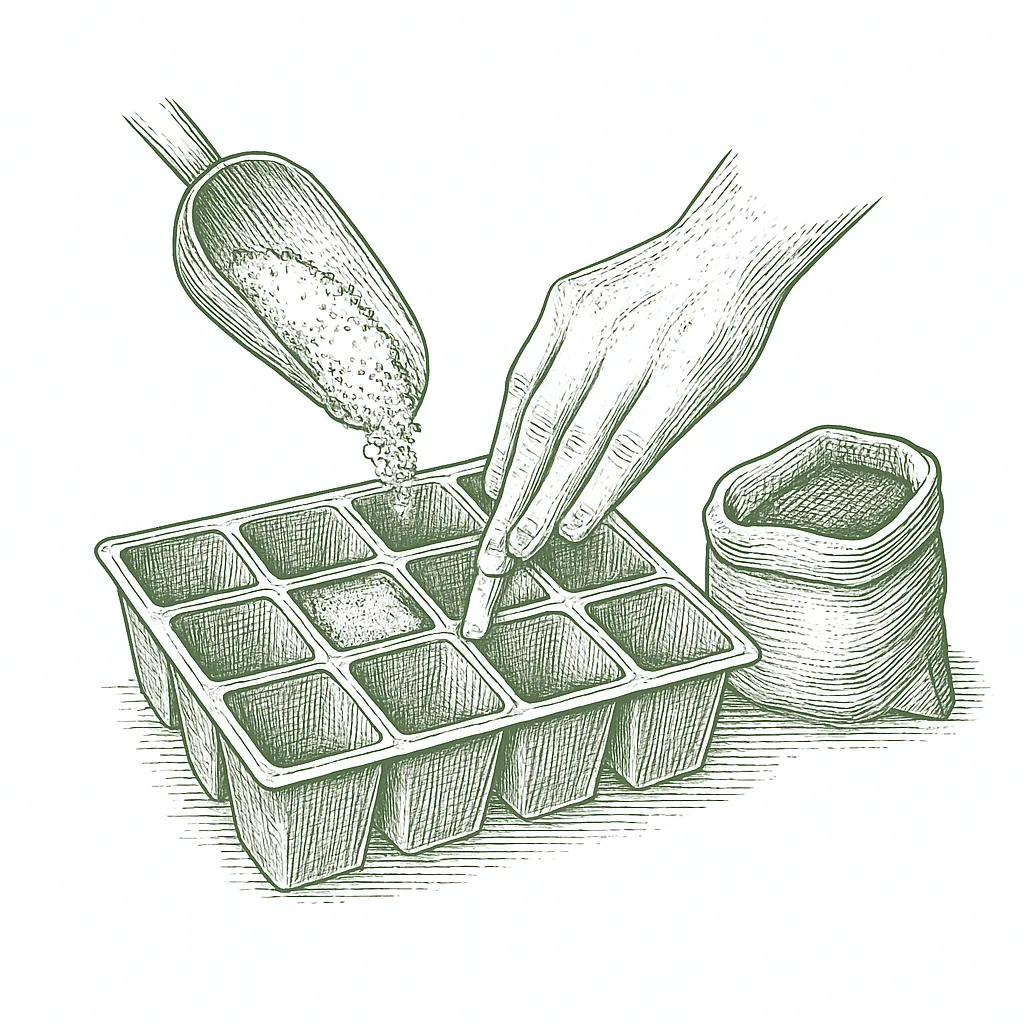
Brussels sprouts take a long time to grow, so it is easiest to start them as transplants. Sow seeds indoors about 5 to 6 weeks before you plant out. In cold areas, plant out in late spring or early summer so they mature in fall. In warm areas, plant in late summer or fall for a winter crop. Let homegrown seedlings get used to the outdoors over a week before planting.Brussels sprouts are almost always transplanted because of their long season. Start seeds indoors about 5 to 6 weeks before set-out. In cold regions, sow in spring and transplant in late spring or early summer to mature in the cool fall; in warm regions, sow in mid to late summer and transplant in late summer or fall for a winter crop. Set out sturdy young plants with about 4 to 6 true leaves and harden them off over 7 to 10 days.










Not sure what soil you have? Grab a small handful of damp soil from your garden bed and squeeze it. If it crumbles apart easily, it's sandy. If it holds together but breaks when you poke it, it's loam (what most vegetables want). If it stays in a hard, slippery ball, it's clay.
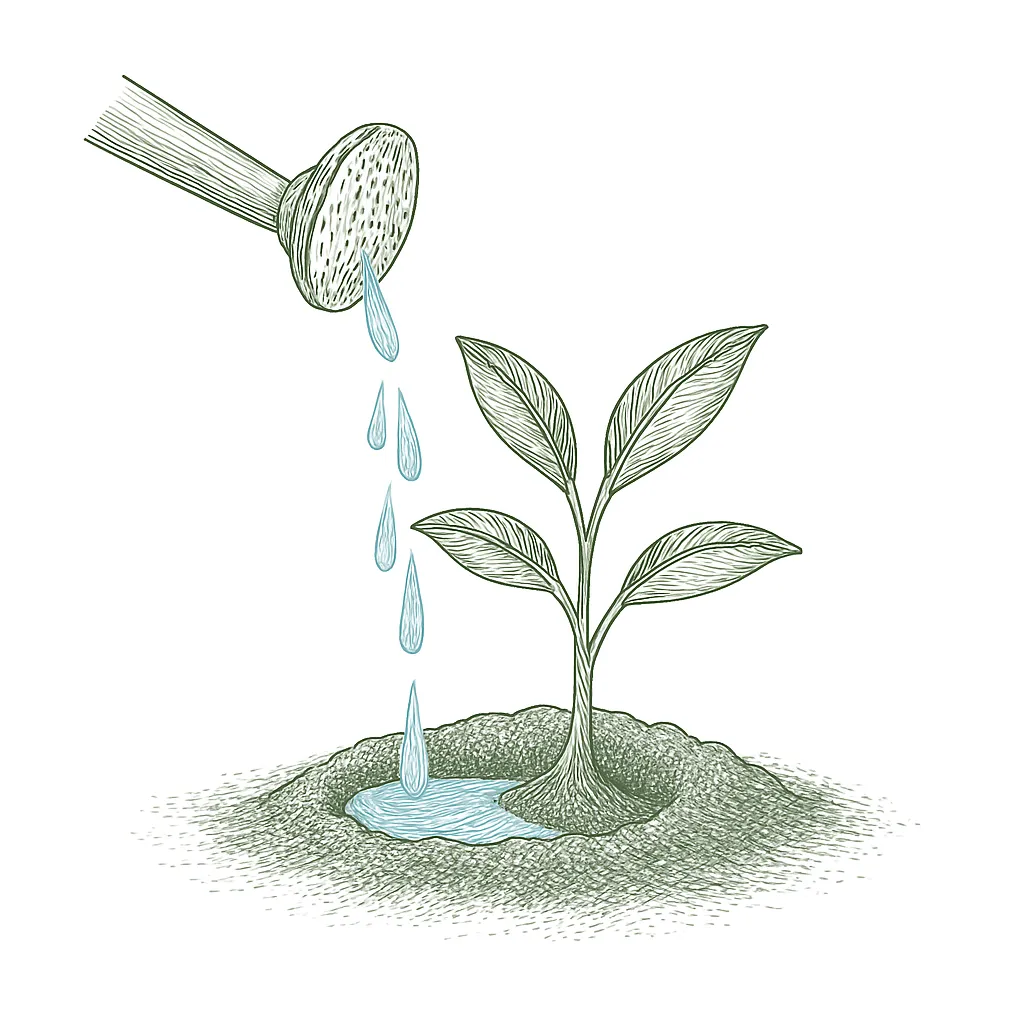
Brussels sprouts like rich, fertile soil with plenty of compost worked in, and they do best in firm, settled ground rather than loose, fluffy soil. Loose soil tends to give loose, open sprouts, so firm the bed before planting and keep it evenly moist but never waterlogged.
Mix 2-3 inches of compost into the top 6 inches of your bed before planting. Compost holds moisture (which sandy soil drains too fast) and adds the nutrients sandy soil tends to lack. Repeat each season. Compost breaks down over time.
Mix 2-3 inches of compost AND a few inches of coarse sand or perlite into the top 6 inches of your bed. The compost feeds the plants; the sand breaks up the clay so air and water can move through. Don't add sand without compost. It can compact like concrete.
If amending your soil sounds like too much work, or if your soil is heavy clay, full of rocks, or contaminated, build over it. A raised bed at least 12 inches deep filled with a 50/50 mix of compost and sandy loam gives you ideal growing soil with no battles. A 5-gallon container with quality potting mix does the same for one plant at a time. Both bypass your native soil entirely.
The numbers that matter, at a glance.
Brussels sprouts can grow in a large pot, but they are tall, top-heavy, long-season plants, so they are not the easiest container crop. Use a deep pot of at least 5 gallons, one plant per pot, stake it so it does not topple, and keep it well watered and fed. Pick sprouts from the bottom up.Brussels sprouts are a marginal container crop: they are large, top-heavy, and occupy the pot for months, so the gains of a container (mobility, soil control) come with real demands. Use a deep, heavy container of at least 5 gallons (10 is better), one plant per pot, stake the stalk against toppling, and keep moisture and feeding steady since a small soil volume runs out over a long season. The general container-vegetable guidance applies; brussels-specific container figures are modeled, not separately sourced.
Long Island ImprovedA dependable open-pollinated heirloom (about 90 days) with good production, eating quality, and storage; compact and a longtime garden standard. Seed-saveable, unlike the hybrids.
HestiaA uniform, upright hybrid bred for tidy, even sprouts and good standing ability; widely grown for fall. Days to maturity approximate.
Jade Cross
In mild-winter areas, a brussels plant in a big pot keeps standing and producing through the cold; just move it to a sheltered, sunny spot and keep picking. In cold areas, the small soil volume freezes hard, so pull the pot against the house during deep freezes or harvest the whole stalk before the worst cold.Brussels sprouts are cold-hardy enough to stand through winter in a container in mild zones, holding their sprouts in a sheltered, sunny spot. In colder zones the limited root volume freezes harder than open ground, so move containers against a wall during hard freezes, or treat the potted crop as a single fall-into-early-winter planting and cut the stalk before deep cold.
Ask what your balcony or roof can carry
A balcony or roof can only hold so much weight. Before you set heavy pots there, ask a building architect what it can safely carry.Illinois Extension's guidance is to consult a building architect about weight limits before placing heavy pots on a balcony or rooftop garden. It gives no weight figure.
Never grow food in a container with anything toxic in it
Many kinds of containers can be used. Whatever you choose, keep anything toxic out of it, especially if you are growing food.Colorado State accepts nearly any container material but warns against using a container that holds toxic materials, especially for edible plants. Illinois adds that a vegetable container should be free of chemicals toxic to plants or people, and urges caution with treated lumber when growing food. If you cannot account for what a repurposed container once held, that alone is a reason to keep food out of it.
Secure hanging containers well
Fasten hanging baskets and window or rail boxes securely. Think about what is below them too, since they can drip on people or things underneath.Illinois Extension asks growers to secure hanging containers well and to think through the safety issues of hanging them. Placement matters too, since a hanging container can drip onto people or belongings below.
Brussels sprouts grow best in soil that is slightly acidic to neutral, about 6.0 to 7.0. A simple soil test tells you where you stand. If you have had clubroot, keeping the soil closer to neutral helps hold it back.Aim for a soil pH of about 6.0 to 7.0; the plant still does fine across a wider 5.5 to 7.5 band. Clubroot, the key brassica soil disease, is far more likely below pH 6.5, so where it is a concern hold the soil toward the neutral end and lime acidic ground well ahead of planting.
Brussels sprouts grow for a long time and need regular feeding. Mix a balanced fertilizer into the soil before planting, then feed with a nitrogen fertilizer about a month and again two months after planting. Once the little sprouts start forming, go easier on the nitrogen, because too much makes loose, leafy sprouts and brings aphids.Brussels sprouts are long-season heavy feeders that need steady nitrogen to build the tall, leafy stalk that carries the crop. Work a balanced fertilizer such as 10-10-10 into the bed before planting, then side-dress with nitrogen about 4 and 8 weeks after transplanting. Ease off heavy nitrogen once sprouts begin forming, since late, lush growth encourages loose, leafy sprouts and draws aphids.
Use a balanced fertilizer like 10-10-10 at planting, then a nitrogen feed a month or two later.High N to build the stalk and leaves; a 10-10-10 starter worked in before planting, then a nitrogen side-dress such as 21-0-0 at about 4 and 8 weeks. Ease off N as sprouts set.
Brussels sprouts do well next to aromatic herbs, onions, and quick cool-season crops you can tuck in while the plants are small. The most important rule is to keep them away from other cabbage-family plants, which share the same pests and diseases. Most brussels sprouts companion pairings are traditional rather than trial-tested. The ones worth acting on are practical: aromatic herbs and alliums as scent-based deterrents for cabbage pests, small flowering plants such as sweet alyssum and dill to draw the parasitic wasps and hoverflies that attack aphids and caterpillars (a habitat tactic Clemson recommends for cole crops), and quick crops like lettuce that use the open ground while the slow brussels plants fill in. The well-grounded caution is to separate brussels sprouts from other brassicas, which share clubroot and the whole cabbage-family pest complex, a rotation and disease principle more than a tested adjacency effect.
Start picking at the bottom of the stalk when the lowest sprouts are firm and about 1 inch across, like tiny cabbages, and still tight and green. Twist them off and pull the leaf under them, then work up the stalk over the following weeks. They taste sweetest after a frost.Pick sprouts from the bottom of the stalk upward once they are firm, tight, and about 1 to 1.5 inches across, deep green, before they loosen or yellow. Snap or twist off the lowest mature sprouts and strip the leaf below each as you go; the upper sprouts keep sizing up for weeks. Flavor is best after a frost or two.
Each plant gives you a stalk of about 50 to 100 sprouts, picked a few at a time over several weeks, often a pound or two per plant. How much you get depends on the variety and how long and cool your season is.A single stalk yields roughly 50 to 100 sprouts, about 0.75 to 2 pounds per plant, harvested progressively up the stalk over several weeks rather than all at once. Extension row yields run about 4 to 10 pounds per 10 feet of row depending on variety and season length.
The sprouts ripen up the stalk over several weeks, with the best picking in cool late fall and, in mild areas, winter. They do poorly in heat and stop once a hard freeze or spring warmth ends the plant.Sprouts mature from the bottom up over weeks, peaking in the cool weather of late fall and, in mild zones, winter. Production stalls or fails in heat (loose sprouts), and ends when a deep freeze below about 20°F damages the plant or when warmth in spring makes overwintered plants bolt. Here is the trick: brussels sprouts need cool weather to form good sprouts, so plant them to mature in fall, not summer. Then pick from the bottom up as the sprouts firm, a few at a time, instead of waiting for the whole plant. Be patient, the best sprouts come after frost.The two keys to a good crop are timing and patience: time the plant to reach sprout formation in cool weather (heat gives loose, bitter sprouts), and then harvest progressively from the bottom rather than waiting for the whole stalk. New growers often plant too late, pick too early (before the sprouts firm up and a frost sweetens them), or give up on a plant that simply has not reached cool weather yet.
Jade Cross and Long Island Improved are easy, dependable choices, and Long Island Improved lets you save seed. Diablo is a later, heavy producer for a long cool season. Hestia gives neat, even sprouts, and red types like Redarling are pretty but slower. If brassica diseases are a problem where you live, look for a disease-resistant variety such as Nautic.Match the variety to the season length. Where the season is short, lean on early types (Jade Cross, Long Island Improved) that finish before deep cold; where it is long and cool, late heavy-yielders like Diablo reward the wait. Hybrids (Jade Cross, Hestia, Nautic, Diablo) give more uniform sprouts and firmer standing than the open-pollinated Long Island Improved, which in turn is the one to grow for saving seed. Where brassica disease is chronic, choose a resistant hybrid such as Nautic. Red types are slower and more ornamental than productive.
The ladder troubleshoots from the gentlest solution to the strongest. Start with the gentlest option and only move on when and if it doesn't work.
Ease off the nitrogen fertilizer once sprouts start forming along the stem. Heavy feeding pushes out soft new growth, and that soft growth is what draws these aphids.Hold nitrogen back from the point sprouts set. The succulent tissue it produces is what this brassica specialist builds on, and pressure already runs heaviest on the long-season late-summer and fall crop.
When a cabbage-family planting is finished, pull it out instead of letting it stand. Aphids carry over on that leftover growth and move onto whatever you plant next.Destroy brassica crop debris rather than leaving it in the bed; it is one of the things that carries this aphid across the gap between plantings.
A reflective mulch, a light-colored or foil-faced sheet laid on the soil, makes it harder for flying aphids to settle on young plants. It goes down while the plants are still small, which is the stage it is meant for.Reflective mulch under young plants is one of the two coverings this crop's guidance names against the aphid. It belongs to the small-plant stage, laid before colonies establish rather than in answer to them.
A row cover, a light fabric sheet that lets light and water through while keeping insects off, stops winged aphids landing on young plants. Keep checking the growing tips and the folds where leaves meet the stem even so, because catching a colony early is what keeps it out of the sprouts.Cover young plants to block the winged colonizers, and scout the growing tips and leaf axils weekly regardless. The aim throughout is finding a colony before it lodges inside the developing sprouts, where the insects and their sticky honeydew contaminate the buds you harvest and are extremely hard to clean out.
Knock the clusters off with a strong jet of water from the hose, working the undersides of the leaves and down into the sprouts. Repeat every few days while you are still finding them, and spray early enough in the day that the leaves dry.A forceful jet dislodges colonies physically and leaves the natural enemies untouched. Direct it at leaf undersides and into the forming sprouts, and repeat at intervals of a few days rather than treating it as one pass.
Ladybugs and lacewings eat aphids, so make them welcome and skip broad sprays that would take them out along with the pests.Conserve the natural enemies that suppress this aphid, among them the parasitoid wasp Diaeretiella rapae, hoverflies and lady beetles. A broad-spectrum material removes them and leaves a fast-reproducing pest a clear field.
Spray insecticidal soap right onto the aphids, coating the undersides of the leaves and getting it down into the sprouts, then repeat every few days. It acts only where it wets them, so soak the clusters instead of misting the whole plant.Soap is a contact material, so coverage of the leaf undersides and the interior of the forming sprouts decides the outcome, and the waxy bloom on these colonies is part of why deliberate, repeated application is needed. Spray only where the aphids are, since it also kills the soft-bodied beneficials it wets.
Neem oil is a second choice for the same soaking job. Work it into the same hidden places, repeat every few days, and hold off in high heat or when the plants are dry at the roots.Neem is the coverage-dependent alternative to soap here, and it spares beneficials once it has dried. Keep it off anything in flower, weeds included, where bees forage, and off water-stressed plants in hot weather.
Horticultural oil, a light spray oil, is a third contact option that coats the aphids it reaches. Cover the same leaf undersides and sprouts, and avoid using it on hot days or on thirsty plants.Horticultural oil rounds out the contact choices alongside soap and neem. Whichever you reach for, thoroughness of coverage matters more than the product does, and none of the three should go on a water-stressed planting in high heat.
The bottom rungs are products with label rules: timing, pollinators, and days to wait before harvest. Before you spray →
The ladder troubleshoots from the gentlest solution to the strongest. Start with the gentlest option and only move on when and if it doesn't work.
Clear away old cabbage-family plants when a crop is done. The caterpillars pass a resting stage, called the pupa, in that leftover debris, so hauling it off leaves fewer butterflies and moths for the next round.Removing spent brassica material takes away the debris that shelters pupae between crops, trimming the local carryover of the imported cabbageworm, looper and diamondback complex.
Put a row cover, a light fabric sheet that lets light and water in while keeping insects out, over the plants after planting. The white butterflies and small moths cannot lay eggs on leaves they cannot reach.Floating row cover or fine mesh from transplanting excludes the egg-laying adults of the whole complex at once. Because the point is exclusion, the cover belongs on the crop before the first white butterflies appear; sighting them is a spray cue, not a cue to start covering.
Turn the lower leaves over and take off the caterpillars and the eggs you find there. On a few plants this does real work, and it matters more as the sprouts start to form, since a caterpillar that tunnels into a sprout has spoiled the part you were growing it for.Hand removal of larvae and eggs from leaf undersides is practical at garden scale, and the species sort out in hand: velvety green imported cabbageworms, loopers that arch as they crawl, small diamondback larvae that wriggle when disturbed, and the black-and-white banded cross-striped cabbageworm. Weight the passes toward the period when sprouts are forming, since damage to the buds is the costly kind.
Bt, short for Bacillus thuringiensis, is a spray that acts on caterpillars and is low in toxicity to people, pets and bees. It cannot tell a pest caterpillar from a butterfly one, so treat only the plants that have a problem and keep it off plants you are growing for butterflies. Rain washes it off, so a shower means going out again.Bt kurstaki acts on the larvae and spares beneficials, and the first white butterflies on the wing are the cue to begin. It breaks down, so reapply after rain, and confine applications to infested plantings, since it takes caterpillars as a group, desirable species included.
If Bt and hand-picking are not keeping up, spinosad is the stronger organic caterpillar spray. Hold it for genuine pressure, put it on toward dusk while bees are off the flowers, and follow the label.Spinosad is the escalation once the softer rungs have not held, and control is worth tightening as sprouts form, when larvae bore into the buds. It is toxic to bees while wet and for roughly a day afterward, so time applications to dusk and keep them off flowering plants.
The bottom rungs are products with label rules: timing, pollinators, and days to wait before harvest. Before you spray →
The ladder troubleshoots from the gentlest solution to the strongest. Start with the gentlest option and only move on when and if it doesn't work.
Clear garden debris, spent cabbage-family plants and cabbage-family weeds at the end of the season, since that is the cover the adults spend the winter in. If a plant is overrun in season, take the whole thing out instead of fighting for it.The species passes the winter as an adult in debris and crucifer weeds, so taking out both is the main preventive lever against an insect that completes two to three generations a year in the southern states. Roguing heavily infested plants belongs to the same pass.
Put in a small patch of cleome or mustard before the sprouts are set out, so the overwintered bugs gather there rather than on the transplants. That patch is grown to be given up, not picked: this crop's guidance says to destroy it before the main planting goes in. Check this method's cautions for how late it can be left.An early cleome or mustard stand aggregates overwintered adults away from the transplants, and this crop's guidance carries the tactic through to its end, destroying the stand before the main crop is set out. That matters more here than on a quick brassica: sprouts hold the bed into late fall, so a loaded patch left standing sits beside a planting with months still to run. The removal deadline is in this method's cautions.
A row cover, a light fabric sheet laid over the plants, keeps the bugs off. Get it on early, before you are seeing them.Exclusion keeps the adults from reaching the crop at all, which is worth most at the front of the season, while the generation that overwintered is still searching out cabbage-family hosts.
Walk the plants and crush the bugs, the young ones, and the barrel-shaped eggs laid in neat rows. They are shield-shaped and brightly marked, so they are not hard to find.Destroying adults, nymphs and the barrel-shaped egg rows by hand suits garden scale, since nothing about this insect is inconspicuous: a shield-shaped true bug up to about 3/8 inch, patterned black with yellow or red.
Where the bugs get severe, insecticidal soap sprayed straight at them can help. Only the bugs it actually wets are affected, so put the nozzle on them and not over the foliage in general.Soap is listed as help where pressure is severe, no more than that. It is strictly contact-acting, so direct it onto the insects and their clusters, and spray only where they are, since it also kills the soft-bodied beneficials it wets.
Neem oil is another spray named for severe pressure. Coat the bugs directly, and skip it in high heat or on plants that are dry at the roots.Neem is the alternative contact option under severe pressure, so coverage of the insects themselves decides the result. Keep it off anything in flower nearby, weeds included, where bees are foraging.
Pyrethrum, the botanical spray pressed from chrysanthemum flowers, is also listed for severe pressure and knocks the bugs down on contact. It leaves little behind, so expect to repeat it, and keep it away from anything in flower: it sits in UC IPM's strictest bee band, which grants no evening window.Pyrethrin supplies contact knockdown where pressure is severe and persists little, so repeat applications are likely. Being organically acceptable does not soften the bee precaution, which is the strictest band with no dusk exception, and it is rated moderate for harm to natural enemies, so a spray can remove the predators that were holding something else down.
The bottom rungs are products with label rules: timing, pollinators, and days to wait before harvest. Before you spray →
The ladder troubleshoots from the gentlest solution to the strongest. Start with the gentlest option and only move on when and if it doesn't work.
Pull out the cabbage-family weeds that come up around the bed. They feed the same beetles, so clearing them leaves fewer waiting to move onto your seedlings.Nearby crucifer weeds host the same beetles, so a bed and its margins kept clear of them leave the population nothing to hold on to while it waits for a young planting.
Cover young plants with a row cover, a light fabric sheet that lets light and water through but keeps insects out, right from planting. Steady water and feeding belong with it, because the real goal is getting the seedlings big enough to shrug off the little shot holes.Exclusion from transplanting protects the stage that is actually at risk. A vigorous transplant generally grows through the feeding while a stalled seedling can be set back badly, which is why even watering and feeding sit alongside the cover rather than after it, and why a slow start matters on a crop that needs the whole season.
If there are a lot of beetles anyway, a spinosad spray can knock them back while the seedlings get established. Spray toward dusk, when bees are not foraging, and follow the label.Spinosad supplements exclusion where pressure is high, and the objective does not change: carry the stand past the vulnerable seedling stage rather than run a spray program across a crop that will stand for months. Time applications to dusk, since it is toxic to bees while wet and about a day after.
The bottom rungs are products with label rules: timing, pollinators, and days to wait before harvest. Before you spray →
The ladder troubleshoots from the gentlest solution to the strongest. Start with the gentlest option and only move on when and if it doesn't work.
Plant where cabbage-family crops have not grown recently. The fly builds up in ground that carried its host plants, so moving the bed puts new transplants away from it.Rotating off recent brassica ground separates the new transplants from the population carried over where the previous crop stood, and it is settled before anything goes in.
Once maggots are in the roots that plant cannot be saved, so pull the badly damaged ones and get them out of the garden. Put the work into stopping the fly from laying again around the plants that are still sound.There is no rescue once larvae are tunneling in the roots and lower stem, so rogue out the wilting and collapsing plants and redirect the work to blocking further egg-laying on the survivors.
A row cover, a light fabric sheet spread over the bed, means the fly never reaches the stem bases where it would lay. It earns the most at establishment, when the soil is cool and damp and the damage is worst. Choose a bed that has been out of cabbage-family crops for a season, since fabric over old brassica ground shuts the emerging flies in with the sprouts.Exclusion through cool, wet establishment covers the stretch of heaviest adult activity and protects the stage root feeding can kill outright, the new transplant. Lay it over ground that did not carry brassicas last season, so the cover is not holding emerging flies in with the crop.
Fit a small collar or disk around each transplant, sitting flat on the soil. It denies the fly the spot it lays in, right against the stem, which is where the maggots start down toward the roots.A basal collar or disk fitted at transplanting takes away the egg-laying site at the stem base. It is the per-plant option where covering a whole bed of a long-season crop for the establishment period is impractical.
No spray for this one. Prevention is the control.
The ladder troubleshoots from the gentlest solution to the strongest. Start with the gentlest option and only move on when and if it doesn't work.
Once clubroot turns up, keep brussels sprouts and their cabbage-family relatives out of that bed for several years, longer if it has been bad. The organism lives on in the soil and slowly starves when there is nothing there for it to infect.The pathogen persists in soil for many years; where clubroot is known, UMN advises rotating brassicas out on a 5 to 7 year cycle, which draws the soil population down over time. On a crop that holds its ground most of the season, that is a bed-planning decision rather than an in-season one.
Lime the bed so the soil is not sitting on the acid side, closer to neutral. That holds the disease back rather than curing it, and it is worth keeping the liming to the affected bed, since most vegetables prefer soil a little more acid than that.Infection proceeds most readily in acidic soil, below about pH 6.5, so liming toward neutral suppresses it. Pair it with the long rotation, since neither clears established ground on its own, and confine the treatment to affected ground.
Fix the places where water stands in the bed. The disease travels in soil and water, so drainage takes away part of what it needs.Water moving through the bed is one of the ways this organism gets around, so ground that drains rather than staying saturated gives it less to work with. On heavy or low-lying beds the correction is worth making before a susceptible crop goes in.
There is no cure once a plant has it, so lift it with the clubbed roots attached and get it out of the garden. Knock the soil off your tools afterward, because the disease rides along on dirt carried out of an infested bed.Nothing applied to an infected plant will help, so lift it whole, galls and all, and destroy it. Then deal with the carrier: soil clinging to tools and boots is how an infested bed seeds a clean one.
No spray for this one. Prevention is the control.
The ladder troubleshoots from the gentlest solution to the strongest. Start with the gentlest option and only move on when and if it doesn't work.
Begin with certified seed and transplants that look healthy. This one usually arrives on the seed or on the young plants themselves, so what you plant with is most of the defense.The bacterium is seedborne, so certified seed and transplants you know are clean shut the main entry route, and a hot-water seed treatment adds a margin where black rot has appeared before. The decision is settled at purchase, before anything reaches the bed.
Keep the planting off ground that carried cabbage-family crops recently. Two to three years should pass before brassicas return to that spot.Rotate 2 to 3 years off brassicas, so what survives locally between crops is spent before a susceptible planting returns to that ground.
Set the plants far enough apart that air passes between them and the foliage dries. The disease runs fastest in warm, wet weather, so drying time works against it.Open spacing shortens the warm, wet leaf conditions the bacterium spreads fastest in. Brussels sprouts carry a wide canopy for months, so the room has to be given at planting; it cannot be added later.
Put the water on the soil rather than over the tops of the plants; watering from above splashes the bacteria from one leaf to the next.Skip overhead irrigation, which wets foliage and splashes the bacterium between plants. It enters through leaf pores and wounds, so free water sitting on the leaf is what it is waiting for.
Stay out of the planting while the leaves are wet. Brushing past wet plants carries the bacteria from a sick one onto a healthy one.Work the bed only when foliage is dry. Handling wet plants moves the bacterium efficiently, and the rule holds after rain and dew, not only after watering. What it buys is a slower rate of spread, not an end to an infection already moving.
Nothing will cure an infected plant, so lift it and carry it out of the garden before the disease works its way to the ones beside it. The tell is a yellow V-shaped patch at the leaf edge pointing inward, with blackened veins inside it.With no effective cure, roguing symptomatic plants is the in-season control. The V-shaped marginal lesions with blackened veins allow an early call, before the pathogen has run through the vascular system and blackened foliage and sprouts.
No spray for this one. Prevention is the control.
The ladder troubleshoots from the gentlest solution to the strongest. Start with the gentlest option and only move on when and if it doesn't work.
Start with clean seed. The fungus can ride in on the seed, so a clean packet keeps it from turning up with the crop.Alternaria is seedborne, so disease-free seed, hot-water treated where the disease has a history, closes one of the two ways it enters a garden. Crop debris is the other.
Move brussels sprouts and their cabbage-family relatives to a different spot, about three years away from ground that grew brassicas, since the fungus carries over there.Rotate roughly 3 years off brassicas. The fungi survive on crop debris between seasons, so the interval has to outlast the residue rather than just the season.
Leave the plants enough room for air to pass through and dry the foliage quickly. Wet leaves are what the spots need to start, so time spent drying does much of the work for you.Long leaf wetness is what drives infection, so spacing that shortens wet periods works directly against target-spot lesions establishing and running together. On a plant that will stand into fall, that spacing is set once, at planting.
Keep the water at the soil line and off the foliage. The spores move in splashing water and need wet foliage to get started.Spores travel in wind and splashing water, so basal irrigation removes the splash route and keeps the watering itself from extending the wet period the fungus needs.
Pick off the badly spotted leaves as you notice them and clear plant debris out of the bed, since that is where the fungus waits for the next crop.Remove heavily spotted foliage during the season and clear crop debris afterward; residue is the principal carryover reservoir, and severe spotting can blemish the sprouts as well as downgrade the leaves.
If the spotting keeps spreading, a copper spray can help. It does more applied early than once the leaves are covered, keep it out of ponds and drains because copper is very harmful to fish and other water life, and follow the label rate.Copper is the escalation where pressure stays high. It protects new growth rather than curing spotted leaves, so it goes on early or not at all; it is highly toxic to aquatic life and accumulates at the soil surface with repeat use, so mind runoff and limit how often you lean on it. Which copper compound is on the label changes the acute hazard band, so read the active ingredient rather than the brand name.
The bottom rungs are products with label rules: timing, pollinators, and days to wait before harvest. Before you spray →
The ladder troubleshoots from the gentlest solution to the strongest. Start with the gentlest option and only move on when and if it doesn't work.
Stand the plants far enough apart that moving air can dry the leaves. This disease wants cool, damp foliage, and that is the weather brussels sprouts finish in.Air moving through the planting is what shortens the wet periods this organism needs. Sprouts mature into cool, humid weather that suits it, so how far apart the plants stand is carrying more of the load here than it would on a summer crop.
Aim the water at the soil, not down over the foliage. It travels in splashing water and on leaves that stay wet.Putting water on the ground rather than into the canopy removes one of the things this organism travels in, and it keeps you from adding to a leaf wetness period the weather is already supplying.
Where downy mildew turns up most years, choose a variety listed as resistant at seed-buying time.Where downy mildew recurs regionally, the resistant cultivar is the seed-time choice that lowers the pressure everything else has to carry, and it counts for more on a crop standing in the ground for months than on a quick one.
Take off the worst leaves, the ones with pale yellow blotches on top and fuzzy gray growth underneath, so there is less disease to spread. Once the damp weather sets in this one is hard to check, which is why the steps above it carry most of the load.Pulling the badly affected foliage lowers the spore load, but the disease is difficult to arrest once humidity stays high, so removal supplements the preventive steps rather than replacing them.
Where it goes on spreading despite the rest, a copper spray can give some help. It does the most applied early rather than once the disease is everywhere, and keep it away from ponds and drains, since copper is very harmful to fish and other water life.Copper is where you go when the cultural steps are not holding and pressure stays high. It acts preventively, so it belongs at the first sign rather than partway into an established outbreak; keep spray and runoff away from water, and limit repeat reliance, since copper builds up in surface soil.
The bottom rungs are products with label rules: timing, pollinators, and days to wait before harvest. Before you spray →
Don't plant brussels sprouts or other cabbage-family crops in the same spot year after year. Waiting at least 3 years between them, and longer if you have had clubroot, helps avoid soil diseases.Rotate so brussels sprouts and their brassica relatives do not return to the same ground for at least 3 years, and longer where clubroot is present; the University of Minnesota advises against growing cole crops where they grew in the past four years, and clubroot warrants a 5-to-7-year break. Holding soil pH near neutral also helps suppress clubroot.
The plant app sends a timely reminder at every critical moment of your brussels sprouts season. The wording adjusts to whichever you pick: beginner or seasoned. Here are three you'll see in Zone 9.
plant sends the right notification at exactly the right moment, for your zone, your weather, your crops. Founding members lock the rate forever.
We're building this guide with real growers. Got a question we missed? Ask here. We read every one and add the best answers right to this page.
Learned something the hard way? Pass it on. Real growers' tips make this guide better for the next person, and we credit you by name when yours goes live.
If you've grown this crop and you see a date, a temperature, a companion claim, or a recommendation that doesn't match your experience, tell us. Real growers' corrections make this guide better for the next person.
Every date, temperature, spacing, and recommendation on this page is sourced from university cooperative extension publications, peer-reviewed agricultural research, NOAA climate data, and direct extension calendars. Where claims are softer (traditional gardening wisdom not formally documented), we say so.
Spot a data point that doesn't match your experience? Submit a correction; accepted corrections earn full author credit on the page.
Zone-aware seasonal nudges, what's worth planting now, and the occasional recipe from the harvest. No spam, ever.