Today · in your zone
What's happening right now
Off-season for calendula in zone 11.
Tap to switch. plant calibrates to where you are in the journey.
Calendula, also called pot marigold, is an easy, cheerful flower for cool weather. It is not the same plant as the marigolds you may know (those are a different plant called Tagetes). Calendula handles light frost, blooms in the cool parts of the year, spring and fall, and right through winter in mild-winter areas, but it fades and stops flowering in hot summer weather. The gold and orange petals are edible and add color to food, and the flowers have long been used in skin creams and salves. Plant the seeds in cool weather, snip off faded blooms to get more, and it will often drop seed and come back on its own. Calendula (Calendula officinalis), commonly called pot marigold, is a cool-season, frost-tolerant annual in the Asteraceae family, native to the Mediterranean. Despite the name, it is not a true marigold (those are Tagetes); it is a separate genus grown for single to double daisy-form blooms in gold, orange, yellow, and apricot. It thrives in the cool shoulders of the year, blooming almost continuously from spring or fall sowings, and through winter in mild and Mediterranean zones, but it languishes and stops flowering once sustained summer heat above roughly 85°F sets in. Plants tolerate frost to about 25°F, self-seed readily, and rebloom well with deadheading. The petals are edible, lending a saffron-like color to food, and calendula has a long traditional use in skin salves.
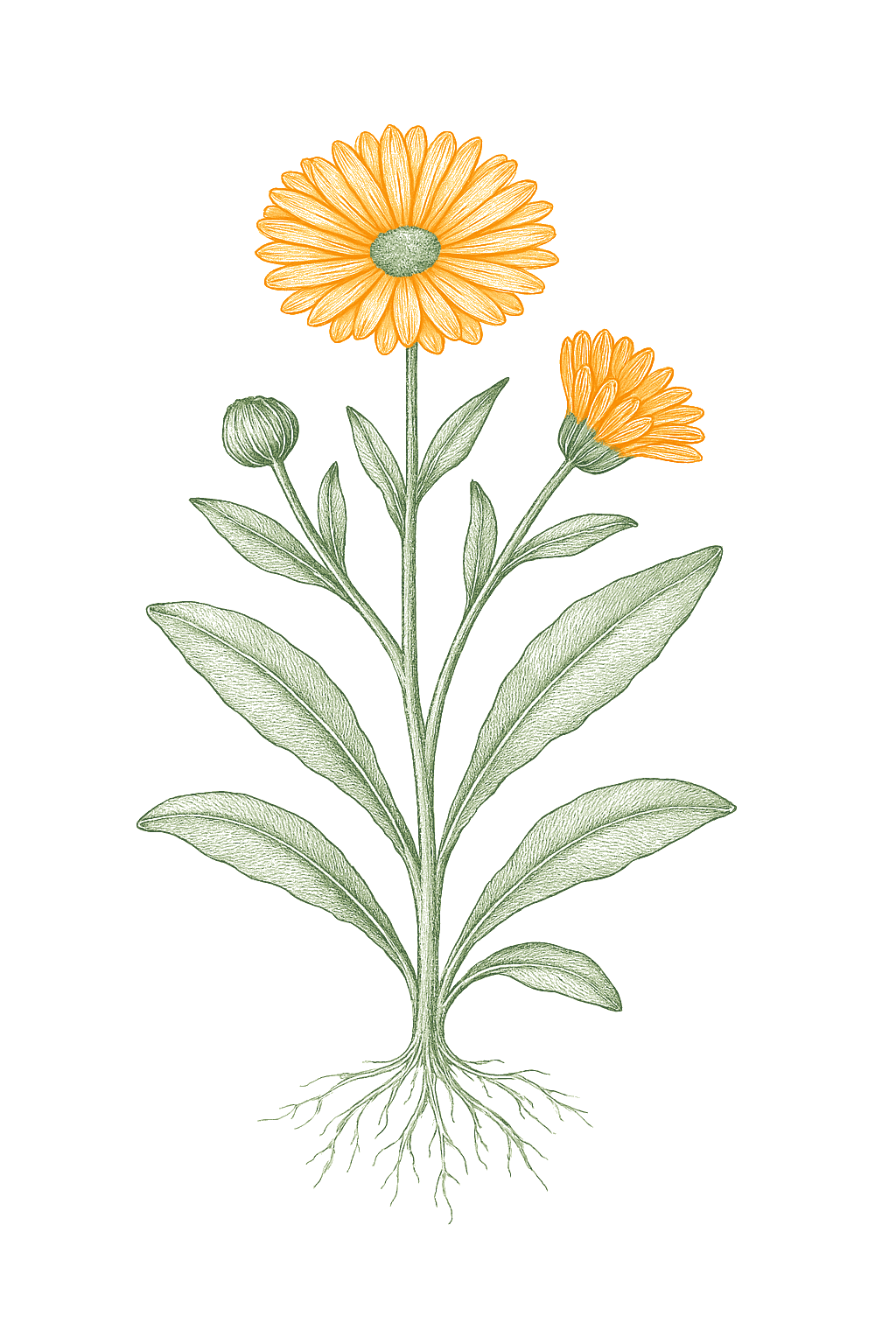
Off-season for calendula in zone 11.
In Zone 11, calendula can be planted October through January, skipping the summer heat.
For flowers all through the cool season, sow a new small batch of seeds every 3 to 4 weeks in spring and again in late summer and fall (and through winter where winters are mild). Stop during the hot months: calendula does not do well sown into summer heat.Sow successively every 3 to 4 weeks through the cool windows, early spring and again late summer into fall, and through winter in mild and Mediterranean zones, to keep fresh, vigorous plants in bloom. There IS a heat pause: stop sowing through the hot months, since calendula germinates and blooms poorly in summer heat.
In Zone 11, calendula can be planted October through December, skipping the summer heat.
For flowers all through the cool season, sow a new small batch of seeds every 3 to 4 weeks in spring and again in late summer and fall (and through winter where winters are mild). Stop during the hot months: calendula does not do well sown into summer heat.Sow successively every 3 to 4 weeks through the cool windows, early spring and again late summer into fall, and through winter in mild and Mediterranean zones, to keep fresh, vigorous plants in bloom. There IS a heat pause: stop sowing through the hot months, since calendula germinates and blooms poorly in summer heat.
In Zone 11, calendula can be planted September through April, skipping the summer heat.
For flowers all through the cool season, sow a new small batch of seeds every 3 to 4 weeks in spring and again in late summer and fall (and through winter where winters are mild). Stop during the hot months: calendula does not do well sown into summer heat.Sow successively every 3 to 4 weeks through the cool windows, early spring and again late summer into fall, and through winter in mild and Mediterranean zones, to keep fresh, vigorous plants in bloom. There IS a heat pause: stop sowing through the hot months, since calendula germinates and blooms poorly in summer heat.
In Zone 11, calendula can be planted November through December, skipping the summer heat.
For flowers all through the cool season, sow a new small batch of seeds every 3 to 4 weeks in spring and again in late summer and fall (and through winter where winters are mild). Stop during the hot months: calendula does not do well sown into summer heat.Sow successively every 3 to 4 weeks through the cool windows, early spring and again late summer into fall, and through winter in mild and Mediterranean zones, to keep fresh, vigorous plants in bloom. There IS a heat pause: stop sowing through the hot months, since calendula germinates and blooms poorly in summer heat.
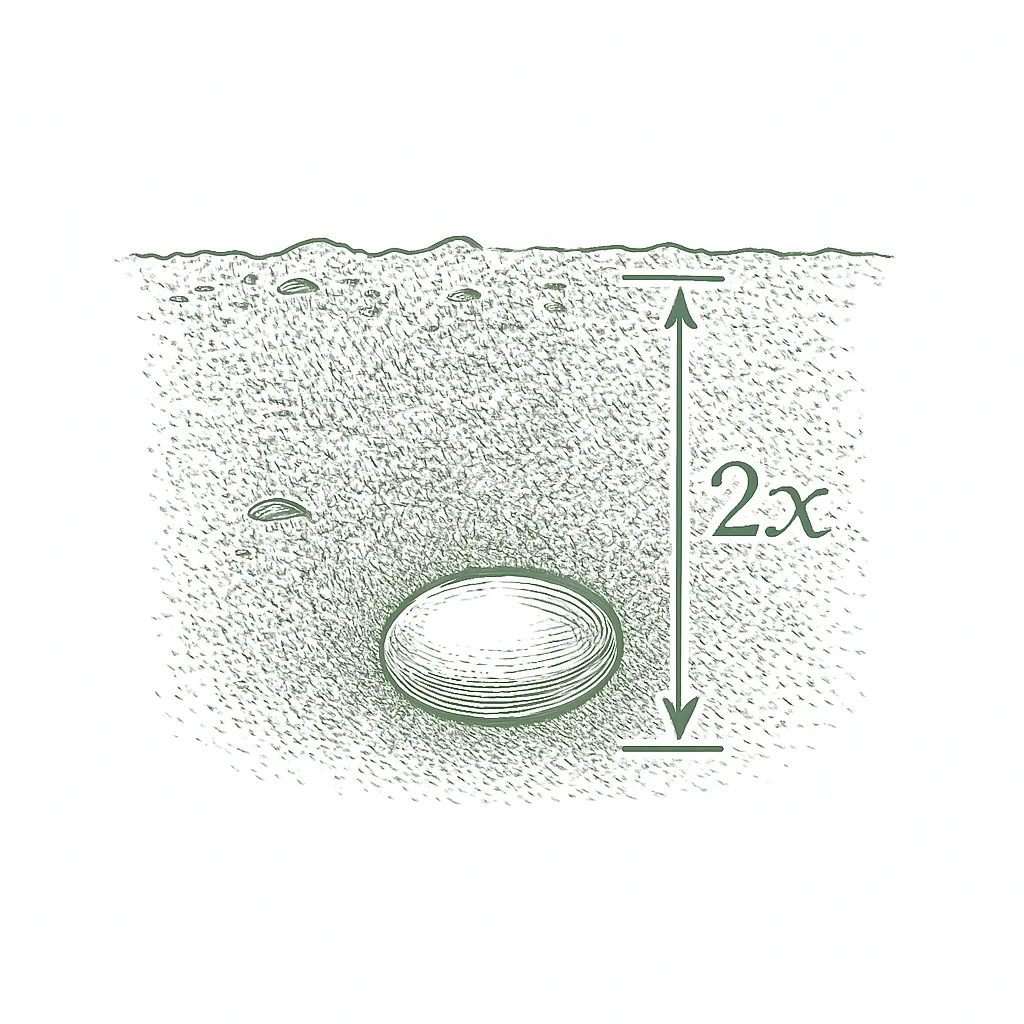
The easiest way is to sow calendula seeds straight into cool garden soil (about 60°F), a quarter to half an inch deep, and cover them well because the seeds need darkness to sprout. They come up in one to two weeks. For a head start, sow indoors about 6 to 8 weeks before your last frost and move the young plants outside. You can pinch the tops once to make plants bushier.Calendula direct-sows readily into cool soil (about 60°F) at 1/4 to 1/2 in depth; cover the seed, because light inhibits germination. It germinates in 1 to 2 weeks and is the simplest method in the cool shoulders. To gain time in short-season areas, start indoors about 6 to 8 weeks before the last frost and transplant; calendula resents heavy root disturbance, so use cells or pots and transplant while young. Pinch once when young for bushier plants.








Not sure what soil you have? Grab a small handful of damp soil from your garden bed and squeeze it. If it crumbles apart easily, it's sandy. If it holds together but breaks when you poke it, it's loam (what most vegetables want). If it stays in a hard, slippery ball, it's clay.
Calendula is easygoing and grows in most ordinary garden soil as long as water drains away and does not pool. Moderately fertile, well-drained soil is ideal. It handles poorer soil too, but soggy ground rots the roots, so pick a spot that drains well and add a little compost if your soil is thin.
Mix 2-3 inches of compost into the top 6 inches of your bed before planting. Compost holds moisture (which sandy soil drains too fast) and adds the nutrients sandy soil tends to lack. Repeat each season. Compost breaks down over time.
Mix 2-3 inches of compost AND a few inches of coarse sand or perlite into the top 6 inches of your bed. The compost feeds the plants; the sand breaks up the clay so air and water can move through. Don't add sand without compost. It can compact like concrete.
If amending your soil sounds like too much work, or if your soil is heavy clay, full of rocks, or contaminated, build over it. A raised bed at least 12 inches deep filled with a 50/50 mix of compost and sandy loam gives you ideal growing soil with no battles. A 5-gallon container with quality potting mix does the same for one plant at a time. Both bypass your native soil entirely.
The numbers that matter, at a glance.
Calendula is not picky about soil pH (how acidic or alkaline the soil is). A normal garden range around 6.0 to 7.0 is ideal, and you usually do not need to change anything.Calendula performs best across roughly 6.0 to 7.0 and tolerates a little outside that range. It is broadly adaptable to soil chemistry, so pH adjustment is rarely warranted; focus on drainage and moderate fertility instead.
Calendula does not need much feeding. Mix a little balanced fertilizer or compost into the soil before planting and that is usually plenty. Too much fertilizer, especially the high-nitrogen kind, gives you leaves instead of flowers and more pest and mildew trouble.Calendula is a light feeder and needs little supplemental fertilizer. A modest balanced dose worked into the soil at planting is usually enough. Excess nitrogen pushes soft, leafy growth that flowers poorly and is more prone to powdery mildew and aphids, so favor a balanced or slightly lower-nitrogen feed and skip routine feeding once established.
The three numbers on fertilizer (N-P-K) are nitrogen, phosphorus, and potassium. For calendula, pick a balanced one like 10-10-10 rather than a high first-number (nitrogen) lawn feed, which gives leaves instead of flowers.A balanced ratio such as 10-10-10 worked in at planting suits calendula better than a high-nitrogen lawn-type feed, which favors foliage over flowers.
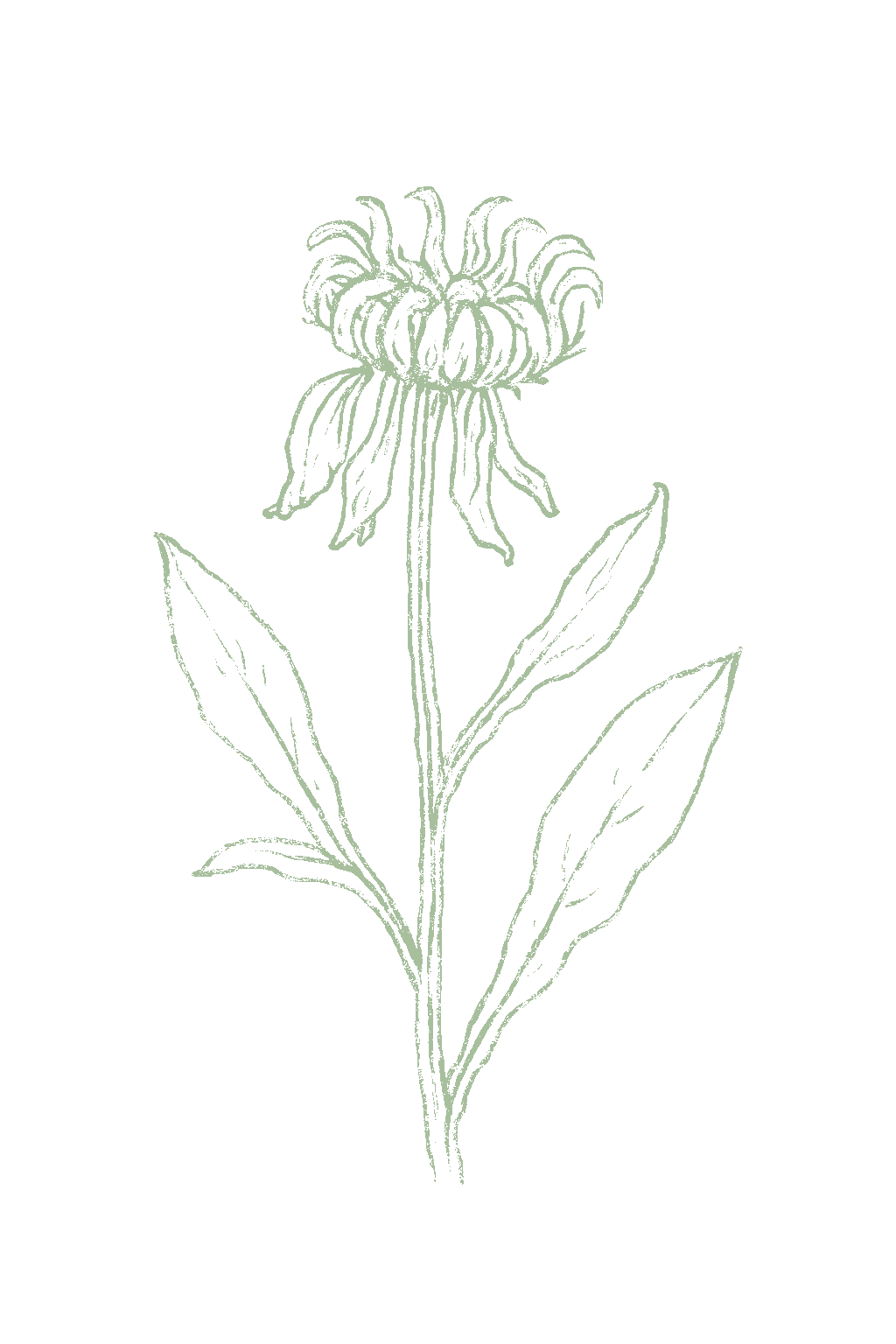
Deadheading means snipping off flowers once they fade. Do it regularly: cut the old bloom back to the next set of leaves and the plant makes more flowers instead of going to seed. Cutting flowers for a vase or picking petals does the same job. Leave a few flowers at the end of the season to drop seed, and calendula often comes back on its own. Pinch young plants once to make them bushier.Deadhead spent blooms back to the next leaf through the cool season to redirect energy from seed set into new flowers and sustain bloom; cutting for the vase or harvesting petals serves the same function. Calendula reblooms well with regular deadheading and slows when it is allowed to set seed, though it self-sows freely if you leave the last heads. Pinch young plants once to force branching and more flowering stems.
Calendula is a classic, cheerful companion plant grown to help the rest of the garden. Unlike true marigolds (Tagetes), it is not a proven soil-nematode fighter, so do not expect that from it. What it does well is bring in bees and helpful insects like hoverflies and ladybugs, whose young eat aphids. Gardeners also plant it as a trap or decoy because aphids love it, drawing them off nearby crops, and it traditionally goes near vegetables for color and pollinators. There is no plant you must keep it away from; just give it sun and room, and remember it likes cool weather, so pair it with other cool-season crops. Calendula's companion value is pollinator and beneficial-insect support, not the nematode suppression documented for true marigolds (Tagetes); pot marigold is a separate genus and should not be assumed to share that effect. Its open, nectar-rich flowers draw bees, hoverflies, lacewings, and ladybugs whose larvae prey on aphids, so it earns its place as an insectary edge. Because aphids are strongly attracted to calendula, it is also used traditionally as a trap or banker plant to pull aphids off a main crop, a tactic with a plausible mechanism but limited formal trialing. As a cool-season annual it pairs naturally with other cool-season vegetables and flowers. There is no biologically antagonistic companion to avoid; site for sun and airflow.
Calendula is mostly for cool-season color, pollinators, and its edible petals. Cut flowers for a vase when fully open and the stem feels firm, in the morning into clean water. To eat the petals, pick fully open, unsprayed flowers on a dry morning, pull off the colorful petals, and skip the bitter green base. Snip off faded flowers through the season to keep more coming.Calendula is grown for garden color, pollinators, cutting, edible petals, and traditional herbal use. Cut blooms for the vase when flowers are fully open and the stem is firm, in the cool of the morning into clean water; expect several days of vase life. Harvest petals from fully open, unsprayed flowers on a dry morning, pulling the rays and discarding the bitter green base. Deadhead spent blooms through the cool season to sustain flowering.
One calendula gives you lots of flowers over the cool season. Short types make many small blooms; tall types make fewer, bigger flowers on long stems good for cutting or for picking petals. Keep snipping faded flowers and more keep coming until it gets too hot or freezes hard.A single calendula blooms generously over the cool season, carrying a steady succession of 2 to 3 in daisy flowers; dwarf types make many smaller blooms for color and edging, while tall strains give fewer, longer-stemmed flowers for cutting and petal harvest. Deadheading or cutting sustains production until heat or hard frost ends it.
Calendula flowers the same season you plant it, about six to eight weeks after sowing. There is no waiting year, and it often drops seed and comes back on its own.Calendula blooms the first season from seed, roughly 6 to 8 weeks after sowing, so there is no establishment year; a cool-season sowing flowers through the cool months and self-sows for the next.
Pick the type for your spot. Tall kinds like Pacific Beauty and Indian Prince give long stems good for cutting; short, early kinds like Bon Bon and Calypso are great for the front of a bed or in pots. If you want calendula for skin salves or tea, look for Resina, a type grown for that. All calendula have edible petals, and the simpler, more open flowers are best for bees. Most come true from seed you save yourself.Choose by height and purpose. Tall strains such as Pacific Beauty and Indian Prince give long, cuttable stems for the vase and the back of a bed; dwarf, early types such as Bon Bon and Calypso suit edging, the front of a border, and containers. For herbal and salve use, growers favor high-resin selections such as Resina (often grown as single or semi-double flowers that are easy to pick). Most calendula are open-pollinated and come reasonably true from saved seed, and all are edible-petaled; single and semi-double forms serve pollinators best.
Calendula is a flower for the garden and the vase, not food to store like vegetables. To make cut flowers last, cut them in the morning and put them in clean water. The orange and gold petals are edible: pull them off the flower, skip the bitter green base, and sprinkle them fresh on food for color (a cheap stand-in for saffron), or dry them on a screen and keep them in a sealed jar for tea or homemade salve. Only eat flowers that have not been sprayed.Calendula is grown for bloom, a pollinator draw, an edible petal garnish, and traditional herbal use, so the refrigerate and freeze fields do not apply as for produce. For cut flowers, cut in the cool of the morning into clean water and expect several days of vase life. The ray petals are edible: pull them from the flower head, discard the bitter green base, and use fresh as a slightly bitter, saffron-like color for soups, rice, salads, and butters, or dry them on a screen out of direct sun and store airtight for tea, color, and salve-making. Use only unsprayed flowers.
Rotating calendula is not as important as it is for vegetables, but it helps. Plant it in a different spot each year if you can, and clean up old, diseased leaves at the end of the season. Calendula reseeds itself, so you will often get new plants popping up nearby on their own.Rotation matters less for a fast cool-season ornamental annual than for heavy-feeding vegetables, but moving calendula to a fresh bed and clearing infected debris limits carryover of powdery mildew and aphid-vectored virus. Because it readily self-seeds, expect volunteers, and thin or relocate them to keep airflow.
The plant app sends a timely reminder at every critical moment of your calendula season. The wording adjusts to whichever you pick: beginner or seasoned. Here are three you'll see in Zone 11.
plant sends the right notification at exactly the right moment, for your zone, your weather, your crops. Founding members lock the rate forever.
We're building this guide with real growers. Got a question we missed? Ask here. We read every one and add the best answers right to this page.
Learned something the hard way? Pass it on. Real growers' tips make this guide better for the next person, and we credit you by name when yours goes live.
If you've grown this crop and you see a date, a temperature, a companion claim, or a recommendation that doesn't match your experience, tell us. Real growers' corrections make this guide better for the next person.
Every date, temperature, spacing, and recommendation on this page is sourced from university cooperative extension publications, peer-reviewed agricultural research, NOAA climate data, and direct extension calendars. Where claims are softer (traditional gardening wisdom not formally documented), we say so.
Spot a data point that doesn't match your experience? Submit a correction; accepted corrections earn full author credit on the page.
Zone-aware seasonal nudges, what's worth planting now, and the occasional recipe from the harvest. No spam, ever.