Today · in your zone
What's happening right now
Off-season for cayenne pepper in zone 7.
Tap to switch. plant calibrates to where you are in the journey.
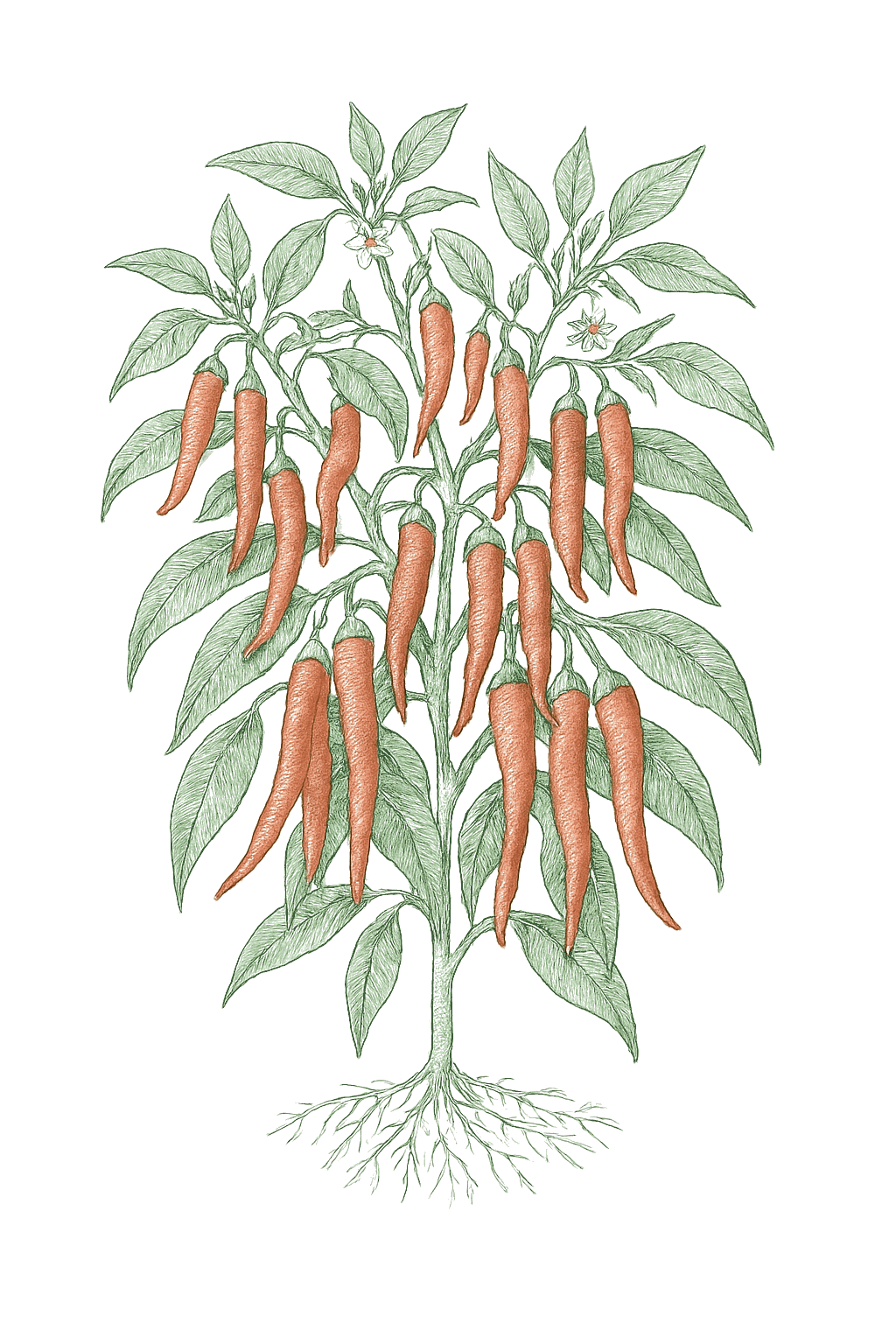
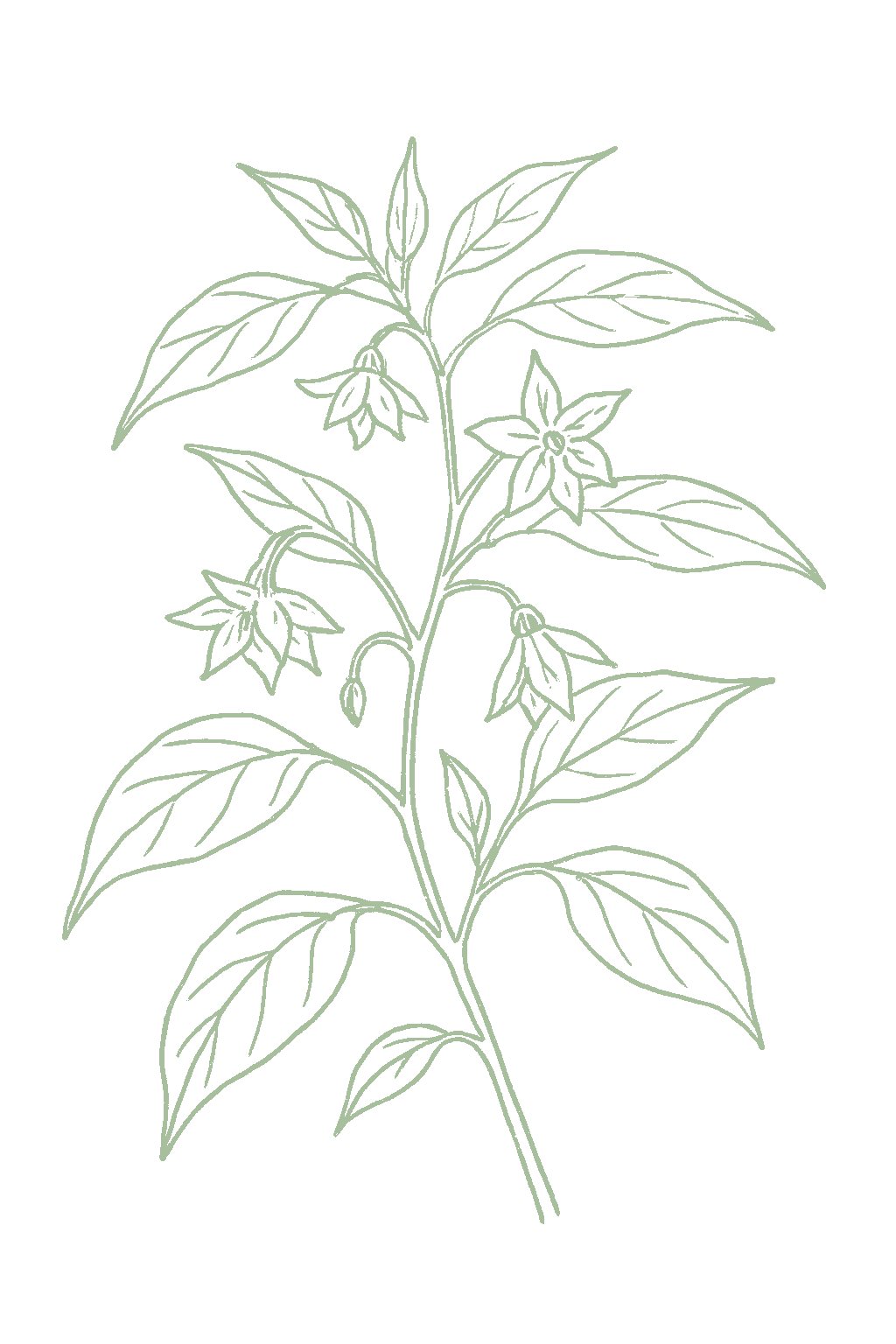
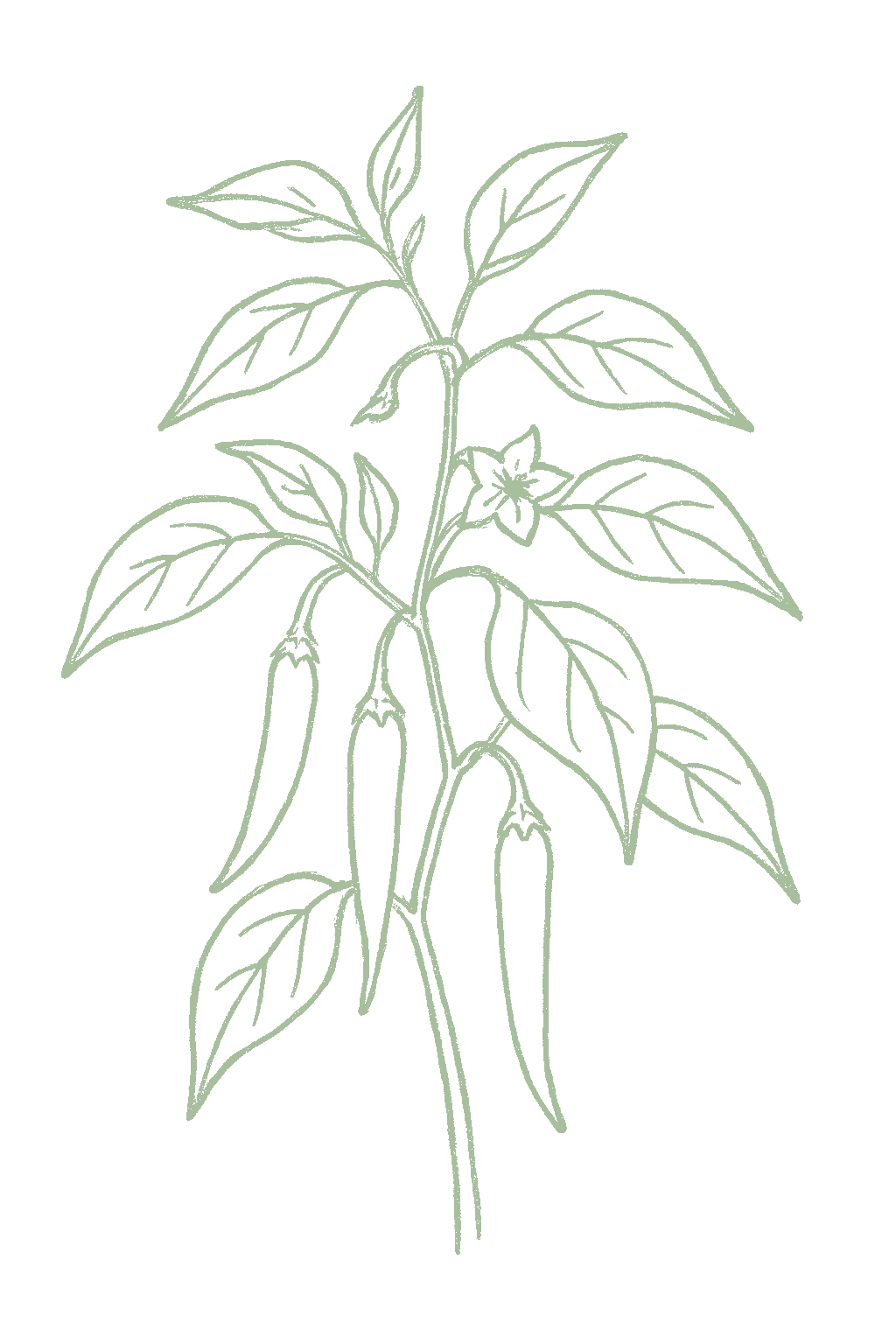
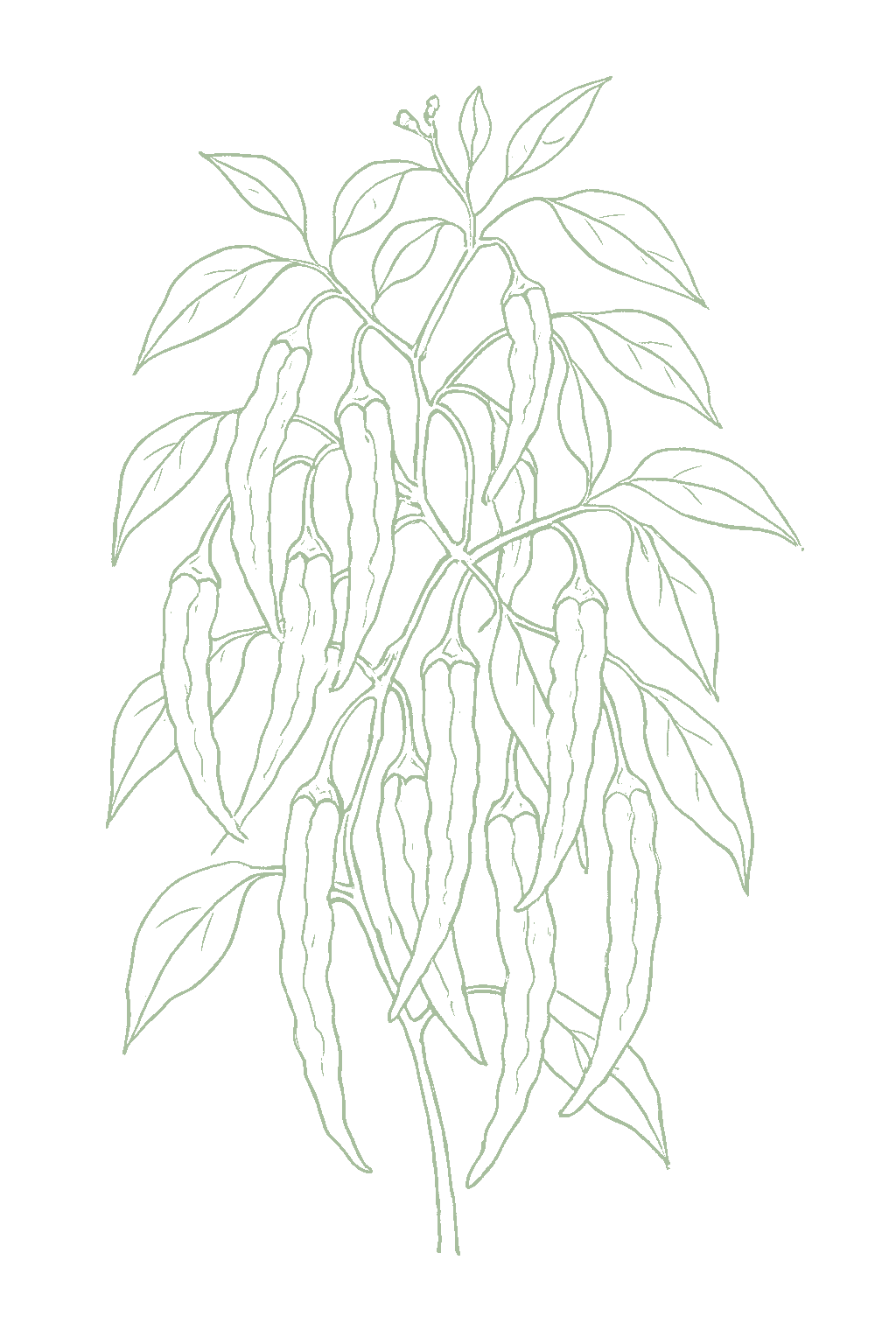
Cayenne is a hot pepper, a warm-season plant in the same family as tomatoes and grown for its long, slim, fiery-hot pods. The peppers are thin and tapering, about 4 to 6 inches, often a little curved and wrinkled, and they ripen from green to bright red. They are seriously hot, roughly 25,000 to 50,000 on the Scoville heat scale, several times hotter than a jalapeno. The classic use is drying: you let the pods turn fully red, then string them up to dry or use a dehydrator and grind them into cayenne powder to keep all year. You grow cayenne much like a tomato, from a transplant set into warm soil after the last frost, with a few pepper quirks: the seeds are slow and like real warmth, the plant sulks if set out into cold soil, you feed it lightly (too much nitrogen gives all leaves and few peppers), and in very hot weather it drops its flowers and stops setting for a while, picking back up as it cools. The plant is compact and does not need staking, and one plant makes a lot of pods over a long season. Watch for aphids, flea beetles on young plants, and a few diseases, and keep the water steady to avoid blossom-end rot. Always wear gloves when handling a lot of hot peppers, since the oil that makes them hot stings skin and eyes. Cayenne is a hot pepper (Capsicum annuum), a warm-season fruiting vegetable in the nightshade family grown for its long, slender, fiery pods. The fruit is the signature: thin-walled, tapering, and typically 4 to 6 inches, often curved and wrinkled, ripening from waxy green to bright red, and rating roughly 25,000 to 50,000 Scoville heat units, several times hotter than a jalapeno (about 2,500 to 8,000). Classically it is grown for drying: the pods are left to color fully red, then strung and hung or run through a dehydrator and ground into cayenne powder, a summer's heat put by for the year. Culturally it is a tomato relative and grown much the same way, a self-fertile transplant crop set into warm soil after frost, but with a few pepper particulars: it germinates slowly and wants real warmth, sulks if planted cold, is a moderate feeder that runs to leaf if over-fed with nitrogen, and, like tomato, drops its blossoms and pauses fruit set in extreme heat (days above about 90°F, nights above 75°F), so in the hot deserts and deep South the crop pauses through the peak of summer and flushes again in fall. The plant is compact and self-supporting, needs no staking, and is prolific over a long season. Its pests are aphids (and the viruses they carry), flea beetles on seedlings, and the pepper maggot and pepper weevil of warmer regions, to which the thin-walled cayenne is relatively less prone; its diseases are bacterial leaf spot, the mosaic viruses, Phytophthora blight, and the ripe-fruit rot of anthracnose, plus the physiological blossom-end rot that steady watering prevents. Handle the pods with gloves: the capsaicin that makes them hot is an oil that burns skin and eyes.
Off-season for cayenne pepper in zone 7.
In Zone 7, cayenne pepper can be planted April through May. Start indoors Feb 20 - Mar 10. Harvest runs July through November.
In Zone 7, cayenne pepper can be planted April through May. Start indoors Feb 23 - Mar 23. Harvest runs July through October.
In Zone 7, cayenne pepper can be planted April through May. Start indoors Feb 18 - Mar 18. Harvest runs June through October.
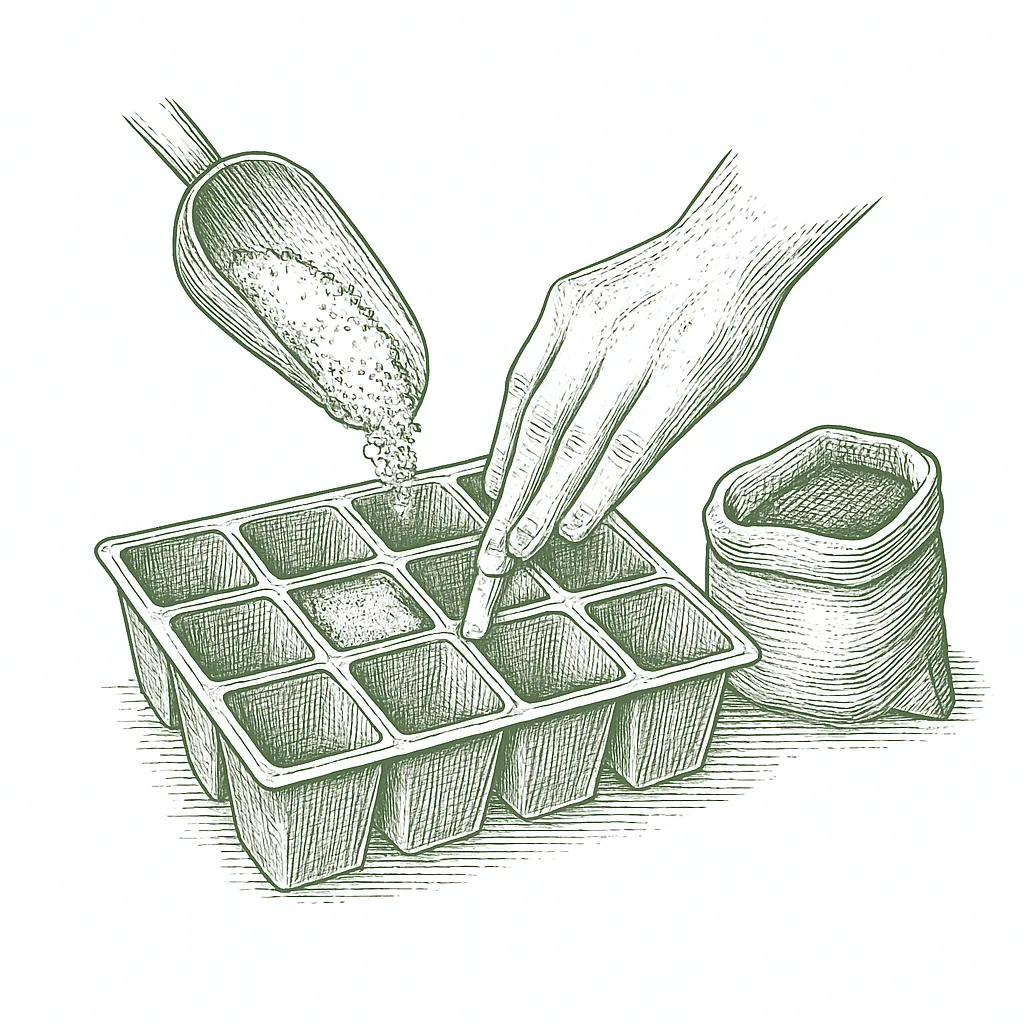
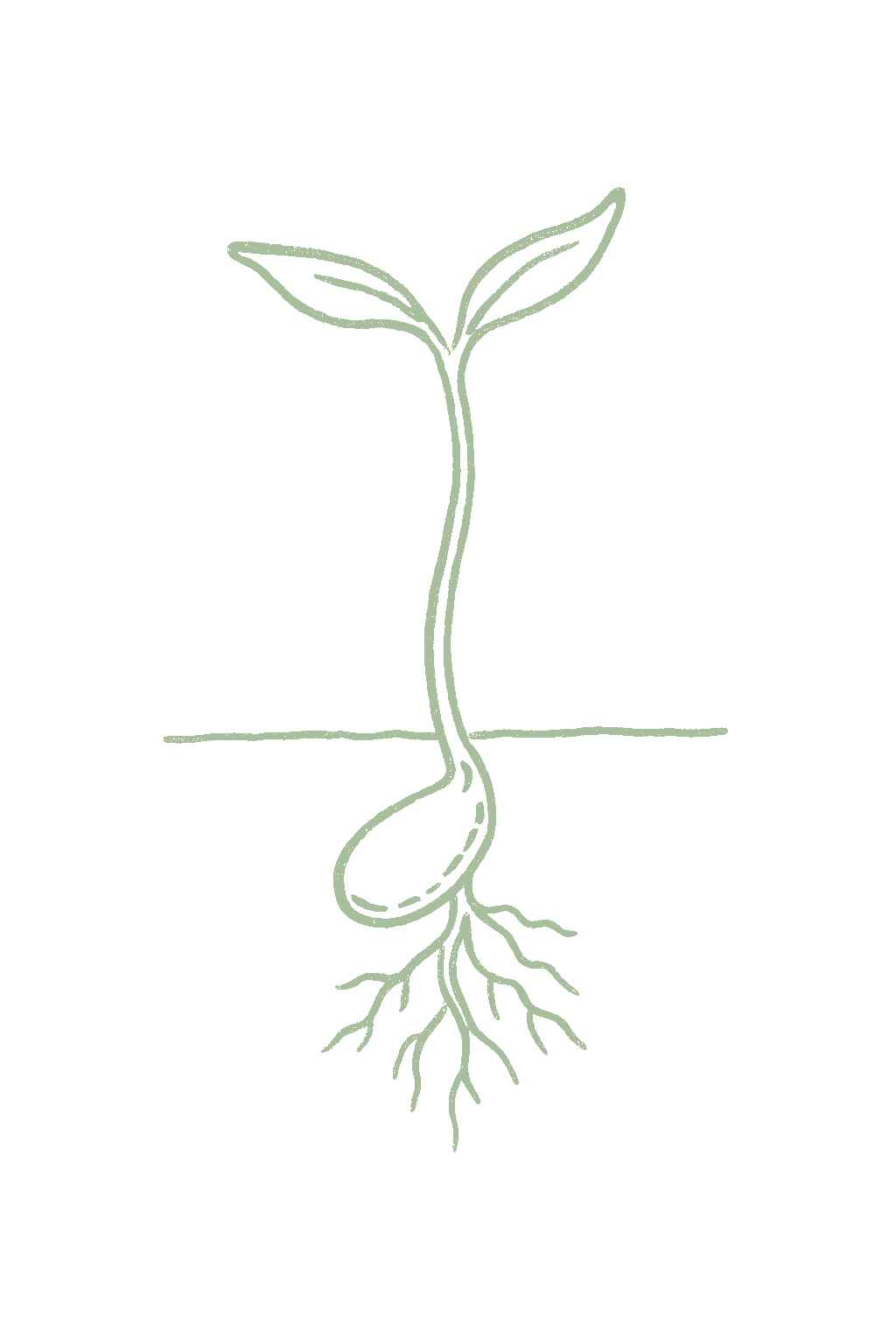
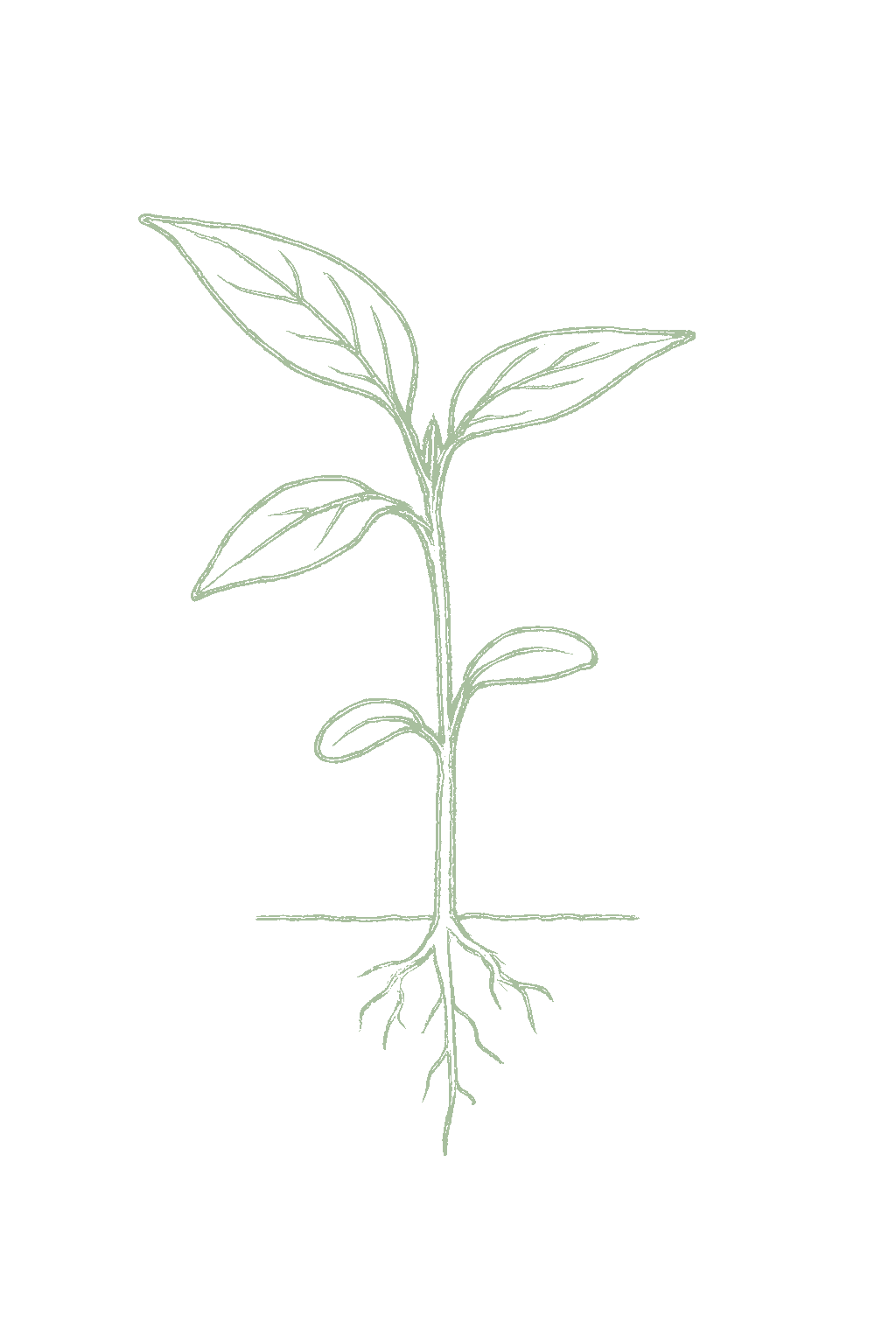
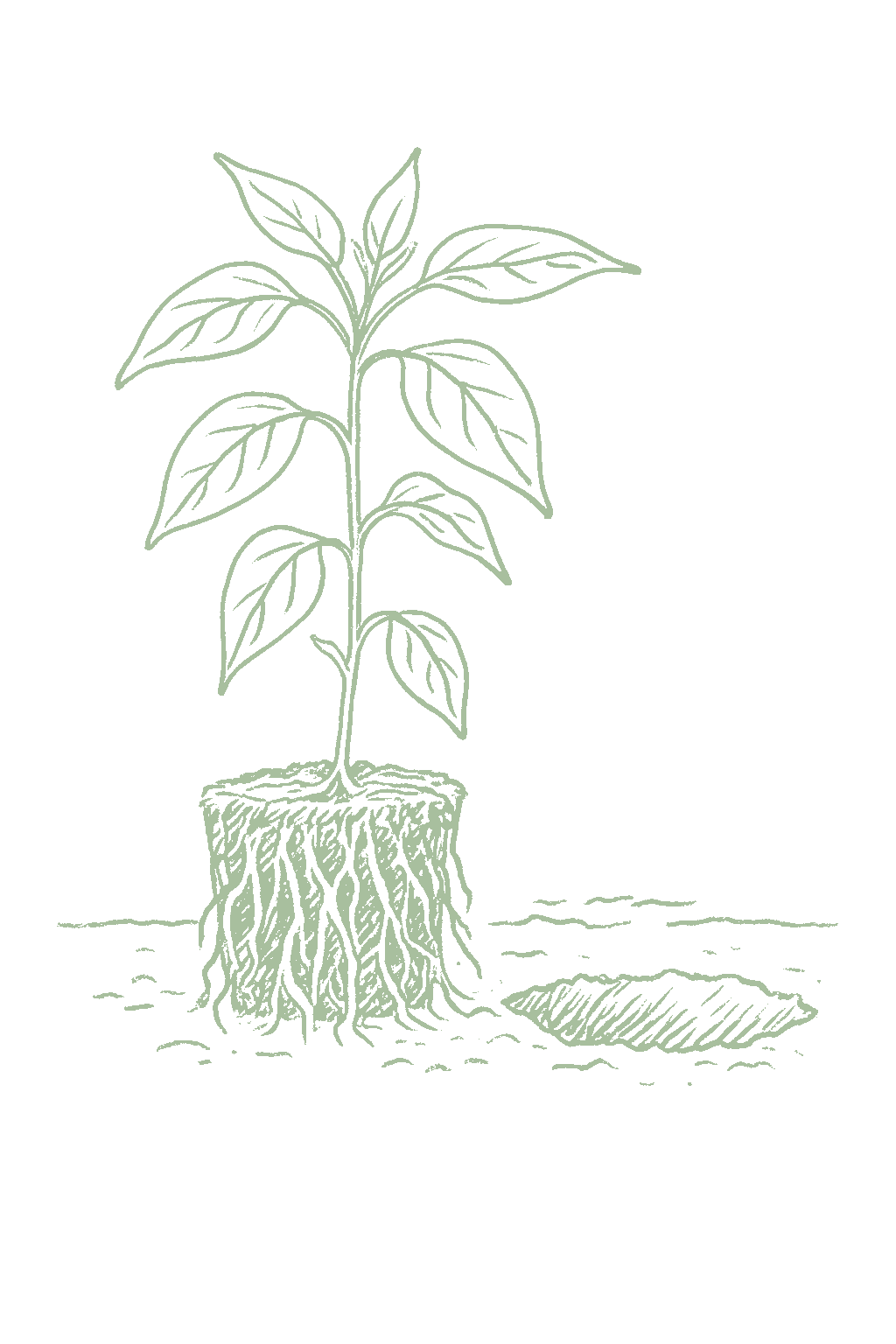
Start cayenne seeds indoors about 8 weeks before you plan to plant out, sown a quarter inch deep in a warm, clean seed mix. Peppers are slow to sprout and like it warm, so a heating mat at 80 to 90°F helps a lot, and cool soil makes them slow or fail. Keep the seedlings in bright light so they grow stocky, and set out strong young plants once the soil and nights are warm. Cayenne is almost always grown from transplants, not sown straight into the garden.Start cayenne seeds indoors about 8 weeks before transplanting (6 to 10 weeks depending on your season), sown a quarter inch deep in a warm, sterile mix. Peppers germinate slowly and want warmth: a heating mat holding the flat at 80 to 90°F gives the fastest, most even emergence, and cool soil delays or prevents it. Give seedlings strong light so they grow stocky, thin or pot them up after the true leaves appear, and set out sturdy transplants once the soil and nights are warm. Cayenne is grown from transplants in almost every region; direct sowing only works where the warm season is very long.
Not sure what soil you have? Grab a small handful of damp soil from your garden bed and squeeze it. If it crumbles apart easily, it's sandy. If it holds together but breaks when you poke it, it's loam (what most vegetables want). If it stays in a hard, slippery ball, it's clay.
Cayenne likes rich, well-drained soil that warms up nicely in the sun, because peppers are warm-season plants that dislike cold, soggy ground. Mix 2 to 3 inches of compost into the bed before planting. If your soil is heavy clay or slow to warm, a raised bed or a sheet of black plastic mulch warms it up and helps peppers get going. The most important thing is drainage: soggy soil stalls the plant, causes root and fruit rots, and the uneven watering that comes with it leads to blossom-end rot on the pods.
Mix 2-3 inches of compost into the top 6 inches of your bed before planting. Compost holds moisture (which sandy soil drains too fast) and adds the nutrients sandy soil tends to lack. Repeat each season. Compost breaks down over time.
Mix 2-3 inches of compost AND a few inches of coarse sand or perlite into the top 6 inches of your bed. The compost feeds the plants; the sand breaks up the clay so air and water can move through. Don't add sand without compost. It can compact like concrete.
If amending your soil sounds like too much work, or if your soil is heavy clay, full of rocks, or contaminated, build over it. A raised bed at least 12 inches deep filled with a 50/50 mix of compost and sandy loam gives you ideal growing soil with no battles. A 5-gallon container with quality potting mix does the same for one plant at a time. Both bypass your native soil entirely.
The numbers that matter, at a glance.
Cayenne likes soil that is slightly acidic, about pH 6.0 to 6.8, and a lot of garden soil is already close. The pH scale runs from acidic to alkaline, and this range is where peppers take up nutrients best. If your soil runs alkaline, common in the dry interior West, you may need to add sulfur before planting. An inexpensive soil test from your local extension office tells you where you stand.Cayenne grows best at a soil pH of about 6.0 to 6.8, the range where the nutrients peppers need stay most available; Penn State reports best yields in the 6.0 to 6.8 band, and Clemson and UGA center a slightly tighter 6.0 to 6.5. It tolerates a little either side of this, but as the soil turns strongly acidic or above about 7.0 the uptake of several nutrients tightens and growth suffers. Most Eastern and Midwestern garden soils sit naturally near the target; alkaline soils common across the interior West often need sulfur worked in before planting. A simple soil test from your local extension office settles it before you plant.
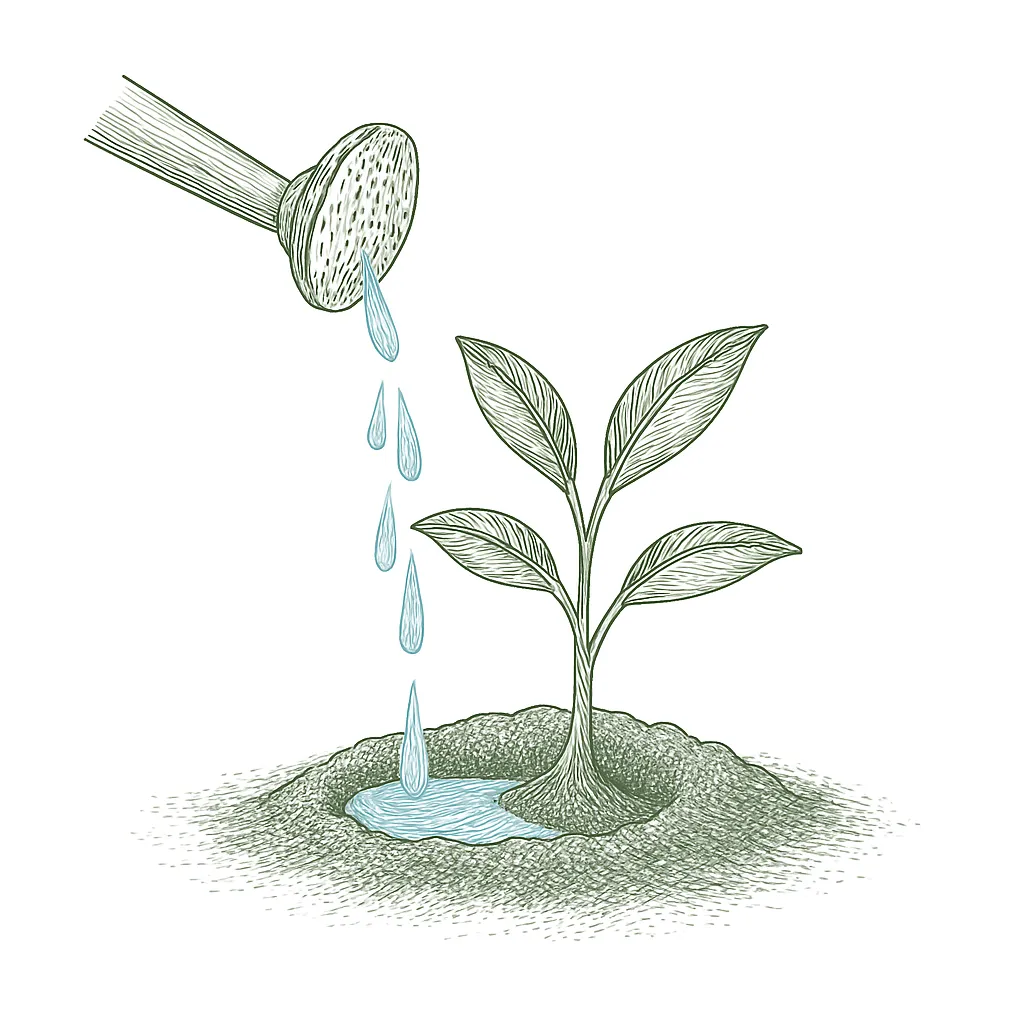
Cayenne does not need heavy feeding, and the timing matters more than the amount. Mix a balanced fertilizer such as 10-10-10, or a few inches of compost, into the soil before you plant. Then feed lightly with nitrogen about 3 to 4 weeks after planting and again once the first pods set. The big rule: go easy on nitrogen. Too much gives you a large, leafy plant with lots of leaves but hardly any peppers. Steady watering matters more than extra fertilizer for a good crop.Cayenne is a moderate feeder rather than a heavy one, and the timing matters more than the amount. Work a complete fertilizer such as 1 to 2 pounds of 10-10-10 per 100 square feet, or a few inches of compost, into the bed before transplanting. Then side-dress lightly with nitrogen about 3 to 4 weeks after planting and again once the first pods have set. The cardinal rule is to go easy on nitrogen: too much gives a big, bushy, leafy plant with plenty of foliage but few blooms and little fruit, the single most common pepper-feeding mistake. Pair modest feeding with steady moisture, since even watering, not extra fertilizer, is what fills clean pods and heads off blossom-end rot.
Use a balanced fertilizer like 10-10-10 at planting, then a light nitrogen feed once pods set. Do not overdo the nitrogen, or you get all leaves and few peppers.A complete fertilizer such as 10-10-10 worked in at planting, then a light nitrogen side-dress (for example calcium nitrate, 15.5-0-0) 3 to 4 weeks after planting and again at fruit set. Avoid heavy nitrogen, which gives foliage at the expense of pods.
Most cayenne companions are more tradition than proven science, but the sensible ones share the warm, sunny, well-watered conditions peppers like and help with pests. Basil, and a ring of nasturtiums or marigolds, can lure aphids and flea beetles away, onions and chives are traditional pest deterrents, and low crops like carrots and lettuce fit around peppers without competing. The one rule that really matters is to keep cayenne away from tomatoes, potatoes, and eggplant, which are close relatives that share the same pests and soil diseases. Most cayenne companion pairings are traditional rather than trial-tested. The useful ones share the warm, sunny, evenly watered culture peppers want and help deflect their pests: basil and a border of nasturtium or marigold are the classic aphid and flea-beetle deflectors, alliums such as onions and chives are traditional pungent deterrents, and low root or leaf crops like carrots and lettuce use different space without sharing pepper problems. The single firmest rule is a rotation one: keep cayenne away from its Solanaceae relatives, tomatoes, potatoes, and eggplant, which share its aphid-vectored viruses, flea beetle, bacterial spot, and the soilborne Phytophthora and verticillium.
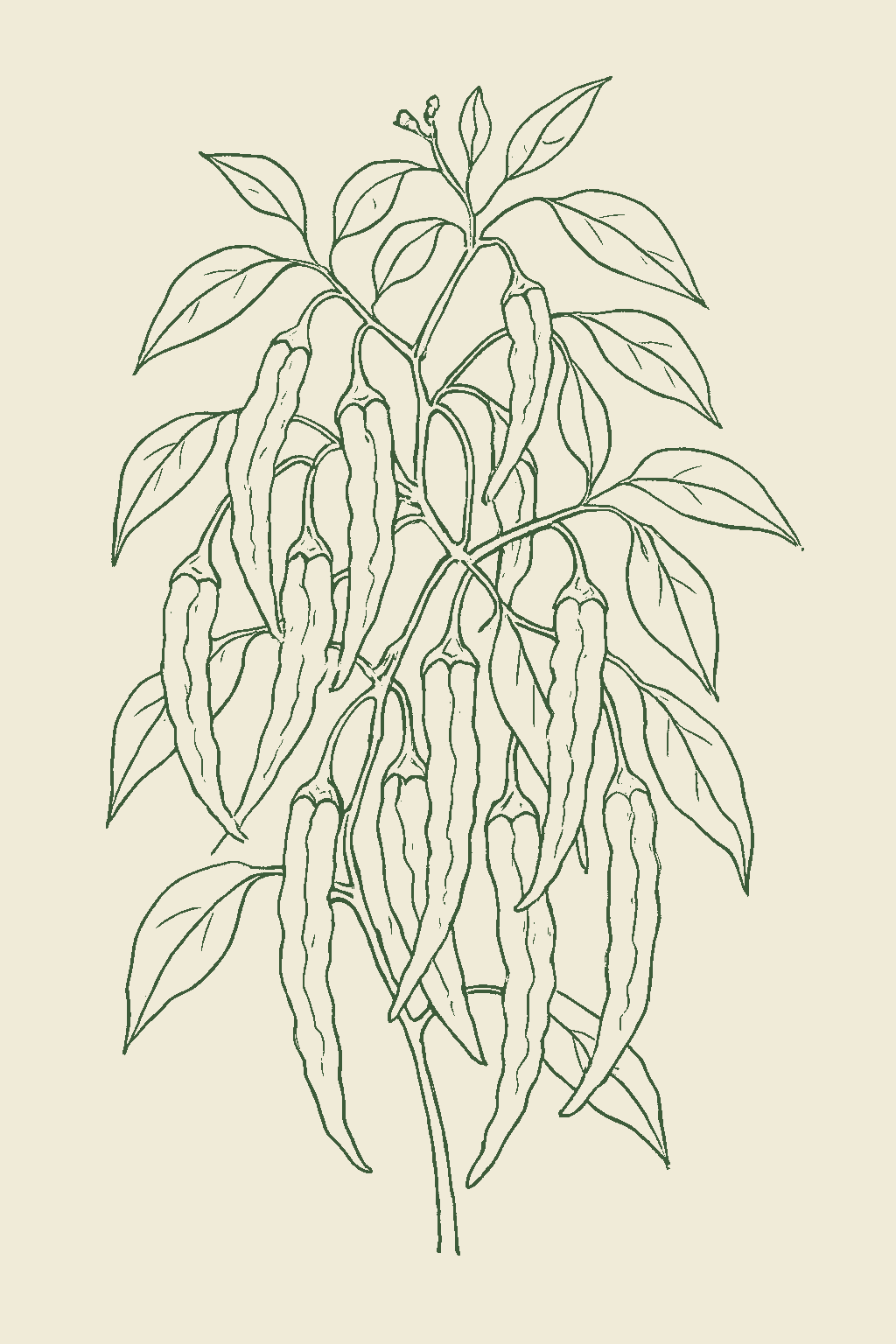
You can pick cayenne at two stages, depending on what you want. For fresh use, pick the pods GREEN once they are full size (about 4 to 6 inches), firm, and shiny, roughly 70 to 80 days after planting. For dried cayenne powder, leave them on the plant a couple of weeks longer, until they turn fully bright RED, when they are hottest and dry best. Cut the peppers off with scissors or a knife instead of pulling, which snaps the brittle branches. Always wear gloves when handling a lot of hot peppers: the oil that makes them hot sticks to your skin and stings your eyes and face for hours, so keep your hands away from your face and wash well with soap and water afterward. To dry them for powder, thread the red pods on a string through their stems and hang them somewhere with good airflow for a few weeks, or use a food dehydrator, then grind the dry pods into powder and keep it in an airtight jar in a cool, dark cupboard. You can also pull whole plants full of red pods and hang them to finish drying just before the first fall frost. Keep picking through the season, since taking the ripe peppers keeps the plant making more.Cayenne can be picked at either of two stages, and which you choose depends on how you will use it. For fresh cooking or pickling, harvest the pods GREEN once they reach full size, about 4 to 6 inches, firm, and glossy, roughly 70 to 80 days after transplanting. For the classic use, cayenne powder, leave the pods on the plant an extra two to three weeks (about 90 to 100 days) until they ripen fully to bright RED, when they are at their hottest and sweetest and dry best. Cut the pods off with shears or a knife rather than pulling, which tears the brittle branches. Wear gloves whenever you handle a good quantity, because capsaicin, the compound that makes cayenne hot, is an oil that clings to skin and burns eyes, nose, and lips for hours; keep your hands away from your face and wash thoroughly with soap and water afterward. To dry for powder, string the red pods on a heavy thread through their stems and hang them where the air moves freely (about three to four weeks), or use a dehydrator, then grind the brittle pods into cayenne powder and store it airtight in a cool, dark place. Whole plants heavy with red pods can also be pulled and hung to finish drying just ahead of the first fall frost. Pick regularly through the season, since removing mature pods keeps the plant setting more.
One healthy cayenne plant is very productive, giving dozens of small pods over the season, many more (though smaller) than a bell pepper's six to eight. Because the pods are small, a single plant makes a lot of them, and dried and ground they add up to a good jar of cayenne powder. Warmth, steady water, light feeding, and regular picking give the best crop.A healthy cayenne plant is prolific, setting dozens of slender pods over a long season, far more numerous (though much smaller) than the six to eight fruit a bell pepper yields. Extension gives general pepper yields around 15 to 20 pounds per 10-foot row under good management; because cayenne pods are small, a single plant can produce a large count of pods and, dried and ground, a surprising quantity of cayenne powder. Steady warmth, even moisture, modest nitrogen, and regular picking carry a plant to the upper end.
Once it gets going, cayenne keeps producing from midsummer until the first fall frost. Keep picking the ripe pods, since leaving the plant loaded slows down new fruit. In very hot regions the plant takes a break from setting fruit during the worst summer heat and picks back up as it cools in fall.Cayenne bears continuously through the warm months once it starts, with pods setting and ripening from midsummer until the first fall frost ends the plant. Picking mature pods regularly keeps the plant flowering and setting more; a plant left loaded with ripe fruit slows its new set. In the hottest regions, fruit set pauses through the peak of summer heat and resumes as nights cool in late summer and fall. The two things that trip up first-year growers are planting too early into cold soil and over-fertilizing with nitrogen (which gives all leaves and few peppers). Wait until it is truly warm, feed lightly, keep the water steady, and cayenne is an easy, generous plant.First-season growers most often lose yield to two things: setting plants out too early into cold soil, where peppers sit and sulk for weeks, and overdoing the nitrogen, which gives a big leafy bush with few pods. Wait for real warmth, feed lightly, keep moisture even to prevent blossom-end rot, and the plant rewards a long, warm season generously.
Cayenne is really a family of long, slim, very hot peppers, not one single variety. For the classic type grow Long Slim Cayenne, for a bit more flesh try Large Thick Cayenne, and for a pot or a short season the compact hybrid Super Cayenne II is early and productive. In the South, where tiny soil pests called root-knot nematodes attack peppers, the resistant Carolina Cayenne and the hotter Charleston Hot are great picks. They all turn from green to red and dry well.Cayenne is a type as much as a single variety, a group of long, slender, thin-walled, very hot Capsicum annuum peppers grown for fresh use and, above all, drying. For the classic pepper, grow Long Slim Cayenne; for a little more flesh, Large Thick Cayenne; for containers or a short season, the compact, early hybrid Super Cayenne II. In the South, where root-knot nematodes plague peppers in sandy soil, the nematode-resistant Carolina Cayenne and the hotter Charleston Hot (both developed in Charleston, South Carolina) are standouts. All ripen green to red and dry well; the thinner-walled types dry fastest.
Move cayenne to a different part of the garden each year, and do not return it, or its relatives tomato, potato, and eggplant, to the same spot for about four years. Soil diseases and the pests and viruses that bother peppers build up where nightshades grow, and rotation is the main tool to keep them in check. Clean up old plants and dropped peppers at the end of the season too.Rotate cayenne on a long cycle, returning it to a given bed no sooner than the fourth year (Clemson advises not more than once every three years for peppers and their relatives; Iowa State recommends 3 to 4 years, preferably longer). This breaks the buildup of the soilborne Phytophthora and verticillium, the seed- and debris-borne bacterial spot and anthracnose, and the flea beetle and virus-carrying aphids. The wider Solanaceae, tomato, potato, and eggplant, share that complex, so rotate them as a group and avoid following any of them. Clear and remove spent plants and dropped fruit at season's end rather than tilling them in.
The plant app sends a timely reminder at every critical moment of your cayenne pepper season. The wording adjusts to whichever you pick: beginner or seasoned. Here are three you'll see in Zone 7.
plant sends the right notification at exactly the right moment, for your zone, your weather, your crops. Founding members lock the rate forever.
We're building this guide with real growers. Got a question we missed? Ask here. We read every one and add the best answers right to this page.
Learned something the hard way? Pass it on. Real growers' tips make this guide better for the next person, and we credit you by name when yours goes live.
If you've grown this crop and you see a date, a temperature, a companion claim, or a recommendation that doesn't match your experience, tell us. Real growers' corrections make this guide better for the next person.
Every date, temperature, spacing, and recommendation on this page is sourced from university cooperative extension publications, peer-reviewed agricultural research, NOAA climate data, and direct extension calendars. Where claims are softer (traditional gardening wisdom not formally documented), we say so.
Spot a data point that doesn't match your experience? Submit a correction; accepted corrections earn full author credit on the page.
Zone-aware seasonal nudges, what's worth planting now, and the occasional recipe from the harvest. No spam, ever.