Will it actually fruit here?
Hardiness tells you the tree will survive your winters. It does not tell you whether you will get fruit. Each zone carries its own verdict. Yours is marked.
rarely fruits
low chill
low chill
low chill
A sour cherry (also called a tart or pie cherry) is a hardy fruit tree that drops its leaves each winter and gives tart fruit best used for pies, jam, juice, and freezing rather than eating fresh. It is much easier to grow than a sweet cherry for two big reasons: ONE tree makes fruit on its own (no second tree needed), and it is far tougher in cold winters, doing well in zones 4 to 6. It is also naturally small, so it is easy to cover against birds. It still needs a cold winter to bloom, and it still gets brown rot, birds, and especially cherry leaf spot, a disease that will strip the leaves off an unsprayed tree. Montmorency is the classic variety; North Star and Meteor stay small and are very hardy. Sour cherry, also called tart or pie cherry, is a deciduous stone-fruit tree (Prunus cerasus) grown for bright, tart fruit destined for pies, preserves, juice, and the freezer rather than fresh dessert eating. It is far easier than sweet cherry on the two counts that matter most: it is SELF-FRUITFUL, so a single tree crops with no pollinizer, and it is markedly more cold-hardy, thriving in cold-winter zones 4 to 6 where sweet cherry struggles. It is also naturally small, a large bush or compact tree easy to net against birds. It still needs a real cold winter to bloom, and it still faces brown rot, birds, and above all cherry leaf spot, which will defoliate an unsprayed Montmorency. Montmorency is the classic; North Star and Meteor are compact and very hardy.
Hardiness tells you the tree will survive your winters. It does not tell you whether you will get fruit. Each zone carries its own verdict. Yours is marked.
California: Interior, Zone 9. Winters bank about 300 to 950 chill hours; these varieties need about 700 to 1200 chill hours. The warmer interior (zone 9) is even milder in winter, too mild for sour cherry to fruit reliably. The tree survives but rarely crops. Grow low-chill fruit or a sweet cherry instead.Lower-elevation zone 9 interior banks even less chill (around 300 to 950 hours), well below what sour cherry needs, so the tree survives but does not fruit dependably. Grow low-chill stone fruit or a sweet cherry here instead.
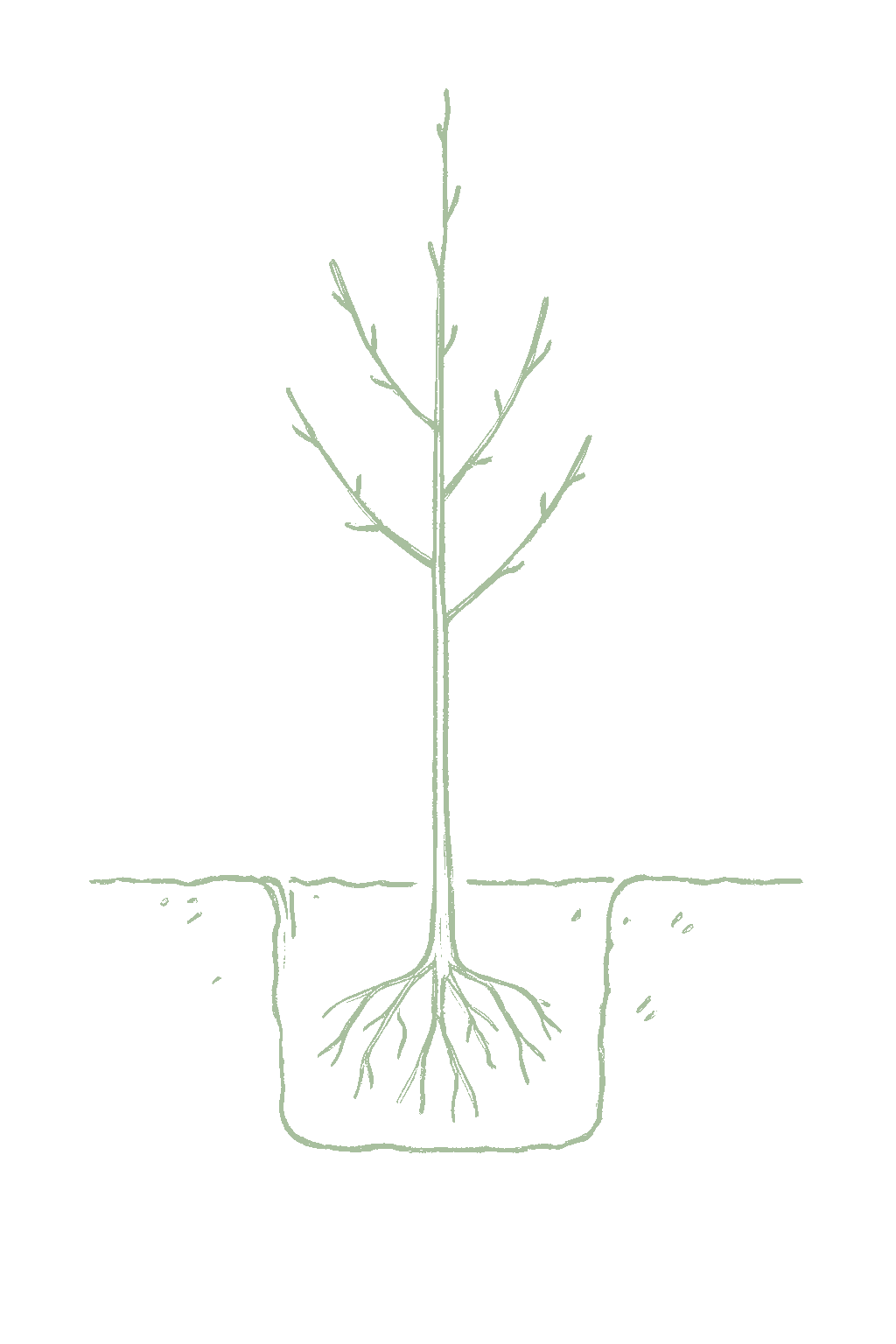
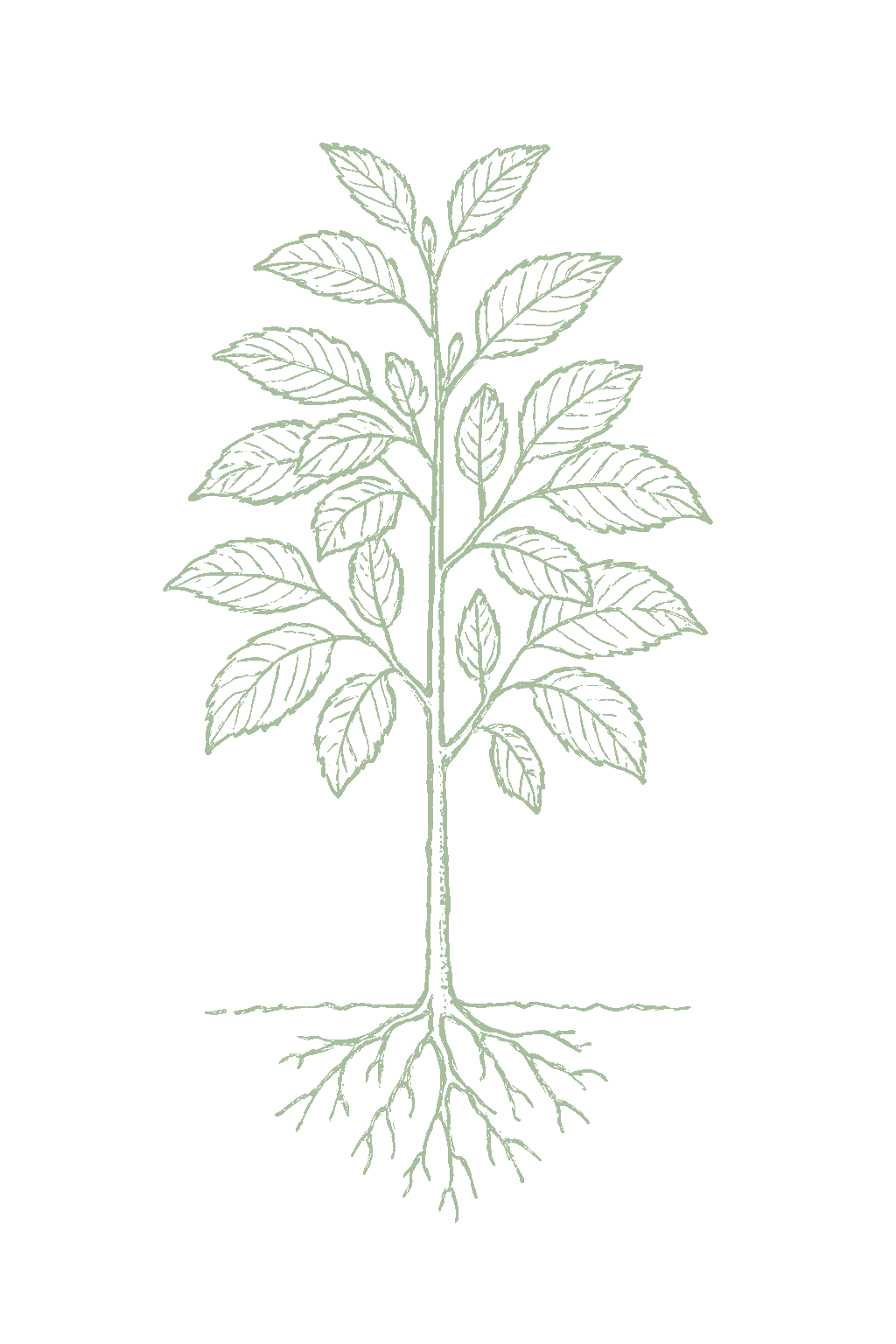
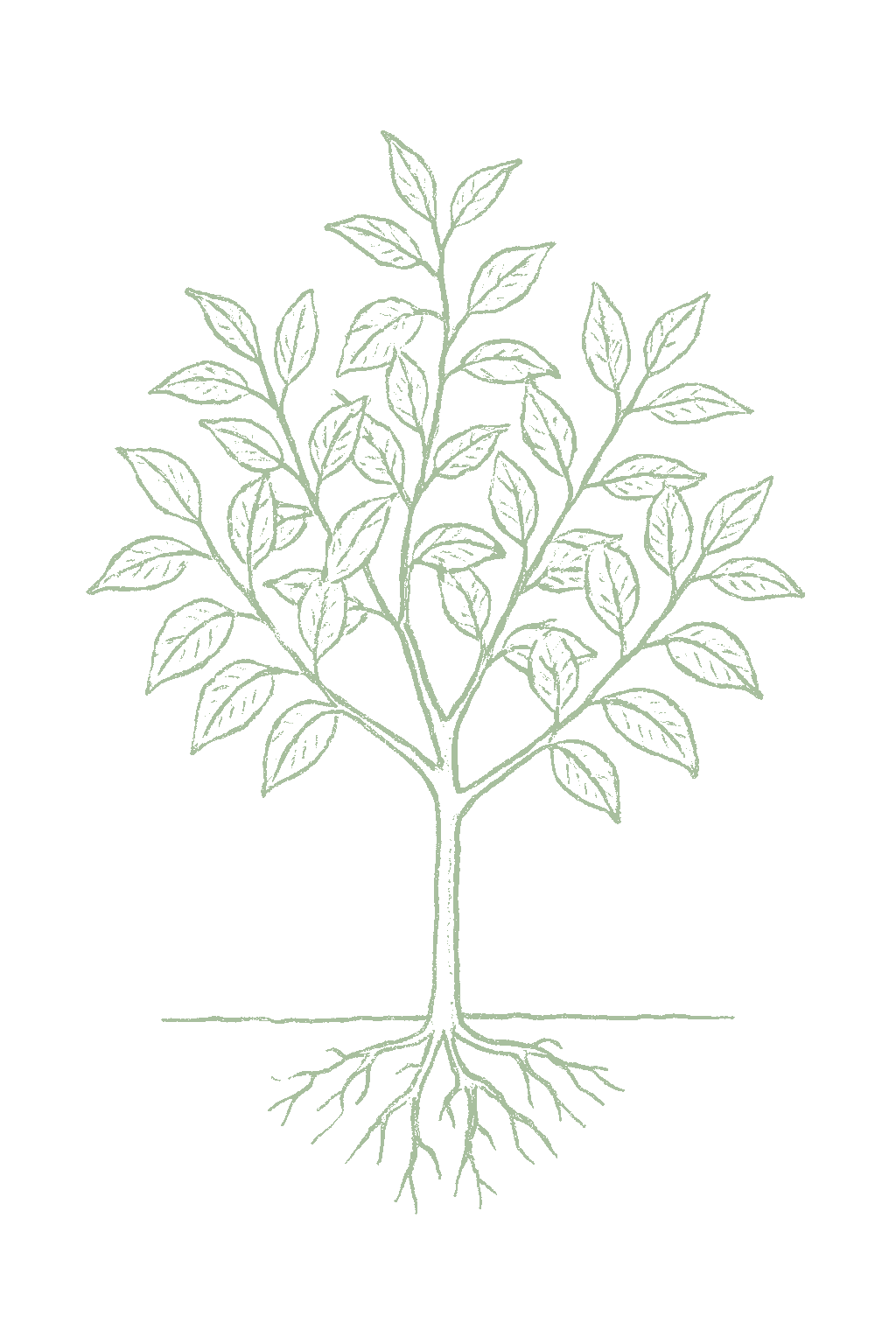
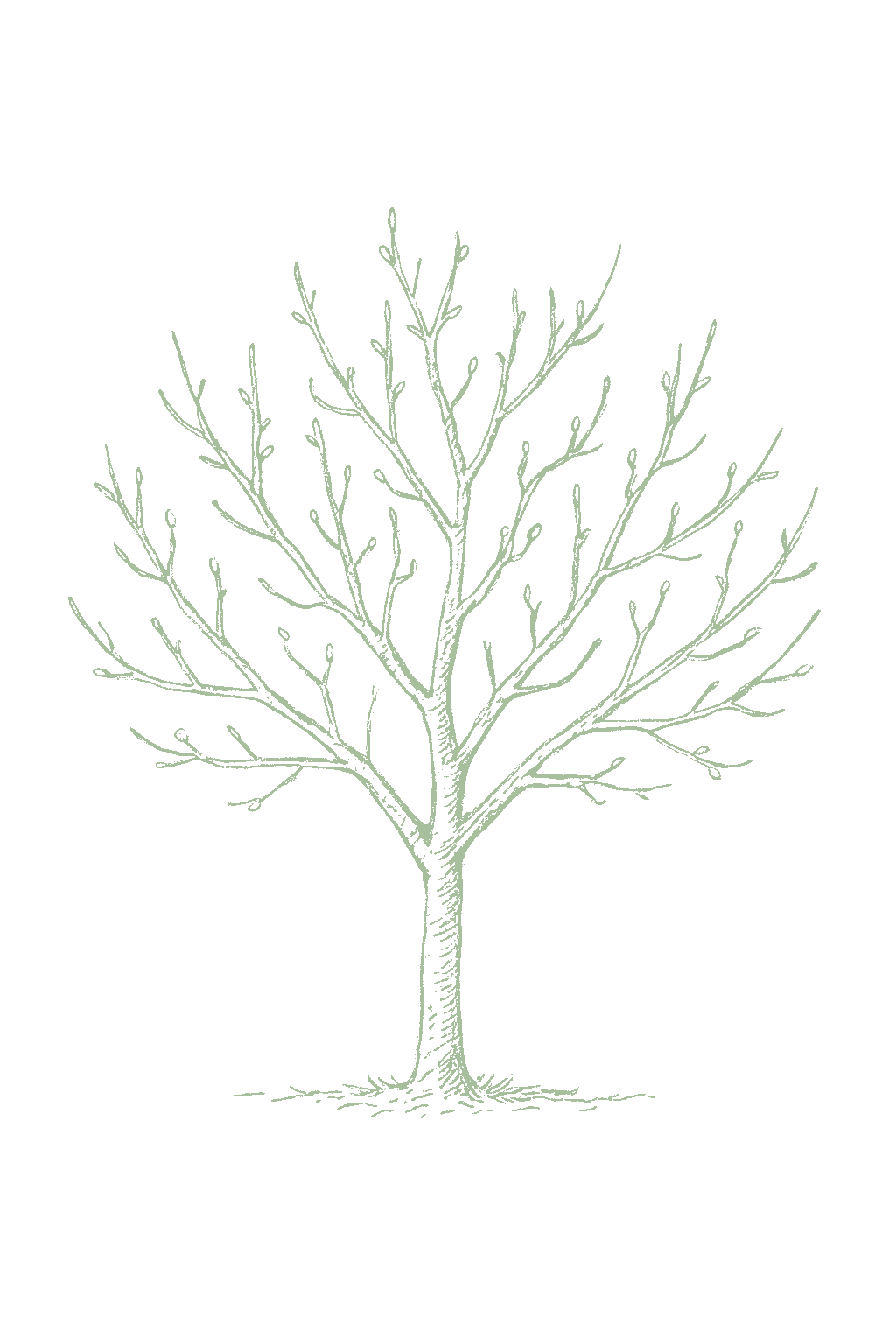
A fruit tree runs on the same rhythm every year: rest, prune, bloom, grow, harvest, then settle in again.
Sour cherry trees need plenty of cold winter hours, called chill hours, before they will bloom well in spring. Most kinds need a lot, roughly 700 to 1,000 hours or more, so sour cherry only suits cold-winter areas. Unlike peaches, there is no low-chill sour cherry for mild climates. If your winters are mild, the tree will bloom poorly and make little or no fruit, which is why it is not grown in the warm South or along the mild coasts.Sour cherry needs a solid stretch of winter cold, counted as chill hours (hours between about 32°F and 45°F), to break dormancy and bloom evenly. Most cultivars want a substantial chill, roughly 700 to 1,000 hours or more (Montmorency near 1,000), with the cold-hardy North Star and Meteor at the lower end and the tart Morello types similar. There is no low-chill sour cherry the way there is for peach, so it stays a cold-winter tree throughout its range. Where winters no longer bank that chill, the tree blooms weakly and sets little, which is why the mild South and West coasts are off the table.
These need the cold end of your range. In a mild winter they bloom unevenly and crop lightly.
Most cherry (sour)s are self-fruitful: a single tree sets a full crop with its own pollen, so you don’t need a second variety to get fruit. Bees still move the pollen from blossom to blossom, so strong pollinator activity through bloom is what drives a heavy set.
Bar length shows how long each variety blooms, roughly 8 to 14 days. Bars that overlap bloom at the same time.
▲ Tap a variety to see its bloom timing
A sour cherry pollinates itself, so one tree makes a full crop with no second tree needed. This is the easy difference from most sweet cherries, which must have a partner. Montmorency and the other common sour cherries all fruit on their own. Bees still carry the pollen from flower to flower, so lots of bee activity during the short bloom helps a single tree set well.Sour cherry is self-fruitful, so a single tree sets a full crop with no pollinizer partner, the reverse of most sweet cherries. Montmorency, North Star, Meteor, and English Morello all fruit alone. A second sour cherry can raise set slightly but is never required. The tree is insect-pollinated, mainly by bees, so supporting bee activity during the short bloom helps a lone tree fill out its crop.
Pick a sour cherry by the tree size you want and what you will do with the fruit, not by pollination, because they all fruit on their own. Montmorency is the classic bright-red pie cherry; Balaton is darker and a bit sweeter; English Morello is very tart and ripens late. For a small yard or a very cold spot, North Star (8 to 10 feet) and Meteor (10 to 14 feet) are naturally small and super hardy. They all need a cold winter, and all do better with a spray program for cherry leaf spot, especially Montmorency.Choose a sour cherry by SIZE and USE, not by pollination, since every recommended cultivar is self-fruitful and one tree crops alone. Montmorency is the bright-red pie-and-juice standard; Balaton is darker, firmer, and a touch sweeter; English Morello is the very tart, late, shade-tolerant Morello. For a small or very cold garden, the genetic dwarfs North Star (8 to 10 feet) and Meteor (10 to 14 feet) stay compact and shrug off hard winters. All want a real cold winter, and all benefit from leaf-spot protection, Montmorency most of all.
Sour cherry is naturally a small tree or large bush (often 12 to 18 feet, less on a dwarf), so rootstock is more about soil fit and precocity than size. Mahaleb is the traditional sour cherry rootstock: precocious and cold-hardy, but only on deep, well-drained ground. Choose Mazzard for heavier or wetter soils, a Gisela for a smaller, easily netted tree, and remember the genetic-dwarf cultivars (North Star, Meteor) stay small on their own without any dwarfing rootstock.
Ask for your sour cherry on Mahaleb for deep, very well-drained soil where you want a precocious, cold-hardy tree.
The numbers that matter, at a glance.
Sour cherry really wants to grow in the ground, and a pot is the workaround only if you lack the space. It can be done on a dwarfing rootstock like Gisela 5, but expect more hands-on care, a smaller crop, and more cracking from the wet-dry swings a pot brings. use the biggest, best-draining pot you can, and plan to net it against birds.Sour cherry is fundamentally a ground tree; a container is a compromise for growers short on space. It works on a genetic-dwarf or Gisela 5 tree, but expect more management, lighter crops, and more cracking from the rapid wet-dry cycling of a pot. give it the largest practical, freely draining pot, and net it at color change against birds.
Gisela 525 gal pot. A small dwarfing rootstock about half the usual size, very cold-hardy, and quick to fruit (in 2 to 3 years), even in heavier soil. It can overset when young, so feed it well; it makes the easiest tree to net and pick.25 gal pot. A true dwarfing rootstock, roughly half standard size, very precocious and very cold-hardy, doing well even on heavier soils. It sets so heavily so young that fruit can run small without good feeding and crop thinning; the best choice for a small, nettable, or containerized tree.
Roots in a pot get much colder than roots in the ground, because cold reaches the soil from every side. A cherry that survives winter fine in your yard can still freeze its roots in a pot. Before hard freezes, either bury the pot to its rim in a garden bed, or move it to an unheated but sheltered spot (an attached garage or shed) that stays cold but not deep-freezing. The tree still needs the winter chill to rest and bloom, so do not bring it into a warm room.Roots in a pot sit several zones colder than roots in the ground, so a cherry hardy in your ground may still freeze its roots in a container, and sour cherry is already among the less cold-hardy fruit trees. Before hard freezes, either sink the pot to its rim in a bed or move it to an unheated but sheltered space that holds dormancy without the deep lows. The tree still needs its winter chill, so do not overwinter it in a heated room.
Cold protection in a pot is about more than the roots: the exposed trunk and the graft union are vulnerable to freeze and to winter sun-scald, and sour cherry's thin bark is canker-prone where injured. Wrap or shade the lower trunk in exposed sites, and bank mulch or sink the pot to insulate the root zone. The goal is a cold, stable dormancy without the deep lows that kill exposed roots; a too-warm shelter that breaks dormancy early leaves the tree to bloom into frost.
Hardy to zone 4 in the ground; roots in a pot sit colder than that.
Ask what your balcony or roof can carry
A balcony or roof can only hold so much weight. Before you set heavy pots there, ask a building architect what it can safely carry.Illinois Extension's guidance is to consult a building architect about weight limits before placing heavy pots on a balcony or rooftop garden. It gives no weight figure.
Never grow food in a container with anything toxic in it
Many kinds of containers can be used. Whatever you choose, keep anything toxic out of it, especially if you are growing food.Colorado State accepts nearly any container material but warns against using a container that holds toxic materials, especially for edible plants. Illinois adds that a vegetable container should be free of chemicals toxic to plants or people, and urges caution with treated lumber when growing food. If you cannot account for what a repurposed container once held, that alone is a reason to keep food out of it.
Secure hanging containers well
Fasten hanging baskets and window or rail boxes securely. Think about what is below them too, since they can drip on people or things underneath.Illinois Extension asks growers to secure hanging containers well and to think through the safety issues of hanging them. Placement matters too, since a hanging container can drip onto people or belongings below.
Sour cherry grows best in a near-neutral soil, around pH 6.5 to 7.0, and is fine from about 6.0 to 7.5 (pH just measures how acidic or alkaline the soil is). Test your soil before planting and adjust slowly if needed: garden lime raises the pH if the soil is too acidic, and elemental sulfur lowers it if it is too alkaline. Mix any of this in before you plant, because pH changes slowly and is far easier to fix before the permanent tree goes in.Sour cherry does best in a near-neutral soil, roughly pH 6.5 to 7.0, and tolerates about 6.0 to 7.5. Test the soil before planting and adjust gradually if needed: lime raises a too-acidic pH, elemental sulfur lowers one that is too alkaline. Work amendments in ahead of planting, since pH shifts slowly and is far easier to correct before the permanent tree is in the ground.
Feed once in early spring before the tree starts growing. Scatter the fertilizer evenly on the soil around the tree out to where the branches reach, keep it off the trunk, and water it in. Sour cherry needs less feeding than peach, so go light: if the tree is making plenty of new growth, it may need none at all. Never feed late in the year, because soft late growth gets damaged by winter cold, and that damage is how the serious disease bacterial canker gets in.Feed lightly in early spring before growth begins, broadcasting evenly around the root zone out to the drip line, off the trunk, and watering it in. Sour cherry needs less nitrogen than peach: aim for about 8 to 12 inches of new shoot growth a year on a bearing tree, and ease off if it makes more. Never feed late in the season, since late nitrogen pushes soft growth that winter cold injures, and that injury is the main entry point for bacterial canker.
A balanced fertilizer like 10-10-10 (the three numbers are nitrogen, phosphorus, and potassium) works for backyard cherries, used sparingly. Do not overdo nitrogen, the first number, because too much pushes leafy growth that is more prone to disease and winter damage.A balanced ratio such as 10-10-10 suits backyard cherries, applied modestly. Avoid high-nitrogen feeding, which drives soft, canker-prone, overly vigorous growth at the expense of fruiting and winter hardiness.
A sour cherry does not need a companion tree to pollinate it, since it fruits on its own. What matters for a tree is the ground around the roots, not the usual vegetable partners: keep grass and weeds pulled back from under the branches, because lawn competes hard with a young tree, and a mulched, weed-free area helps it settle in. Flowers that bring in bees can help the short bloom set well. The one site rule is replant disease: do not plant a cherry where a cherry, plum, peach, or apricot was recently growing. Because sour cherry is self-fruitful, it needs no companion pollinizer, unlike sweet cherry. The interactions that matter for a tree are at the root zone, not classic vegetable pairings: keep turf and weeds cleared back from under the canopy, since they compete hard with a young tree, and a mulched, competition-free root area establishes it faster. A skirt of pollinator plants can lift bee activity at the short bloom. The one site rule is replant disease: do not follow stone fruit with stone fruit on the same ground.
A sour cherry is ripe when it turns full deep red, feels soft and juicy, and comes off easily. Unlike a sweet cherry, you pick a sour cherry fully soft for cooking, and a dead-ripe one may even pull off the stem, which is fine for pies and juice. It stays tart even when ripe, so go by color and juiciness rather than sweetness, and let it hang until fully red and full-flavored. Pick it all promptly once ripe, since rain splits ripe fruit and birds and small vinegar flies show up quickly; the whole tree usually ripens within a week or two.A sour cherry is ready when it reaches full, deep red color, hangs soft and juicy, and pulls free easily. Unlike sweet cherry, sour cherry is picked at full softness for processing, and a dead-ripe Montmorency will often part from its stem, which is fine for pies and juice. Taste is the guide: the fruit stays tart even ripe, but sugars and juice peak in the last few days, so let it hang until fully colored and richly flavored. Pick promptly and completely once ripe, because rain cracks ripe fruit and birds and spotted wing drosophila move in fast; a whole tree often ripens within a week or two.
A grown sour cherry gives roughly 15 to 30 pounds on a small dwarf like North Star and 30 to 60 pounds or more on a full-size Montmorency, as long as it dodges frost, keeps its leaves, and is protected from birds. Since one tree fruits on its own, the crop depends on frost, disease, and birds far more than on pollination or feeding.A mature sour cherry yields by tree size: roughly 15 to 30 pounds on a genetic dwarf (North Star), 20 to 40 on a semi-dwarf (Meteor), and 30 to 60-plus pounds on a full-size Montmorency, given a frost-free bloom, leaf-spot control, and protection from birds. Because the tree is self-fruitful, crop is limited by frost, leaf spot, and birds rather than by pollination.
A sour cherry hits full production around years 4 to 6 and keeps bearing for 20 to 25 years. One tree is all you need, so the things that decide your crop are avoiding frost, controlling cherry leaf spot, and netting against birds.Trees reach full bearing around years 4 to 6 and stay productive for 20 to 25 years. A self-fruitful tree needs no pollinizer, so the levers on yield are frost avoidance, cherry leaf spot control, and bird netting. Do not expect cherries the first year or two. If a little fruit forms early, pick it off so the young tree builds roots and strong branches. Your first real harvest usually comes in years 3 to 4 (sooner on a small dwarf tree), with full crops by years 4 to 6.Expect no crop in the planting year and little to none through year 2. Remove any early fruit so the tree builds roots and a strong framework; the first meaningful harvest typically comes in years 3 to 4, sooner on a precocious dwarf, with full bearing by years 4 to 6.
The ladder troubleshoots from the gentlest solution to the strongest. Start with the gentlest option and only move on when and if it doesn't work.
Gather and destroy the cherries that drop, wormy ones included, before the maggots (the small white grubs inside) can crawl out into the soil. Each grub that reaches the ground turns into a fly the following spring, so a clean tree floor is the step that pays you back year after year.Larvae that leave dropped fruit pupate in the soil and emerge as the next season's adults, so gathering and destroying drops is what actually lowers next season's population. With one generation a year, a single well-tended backyard tree can hold pressure very low.
Pick the tree clean as the fruit ripens instead of letting the last cherries hang. Green fruit is not at risk, so the job starts when the cherries begin to color, and anything left past that point is where the grubs finish growing.Egg laying tracks the color change, so a prompt and thorough harvest lifts infested fruit off the tree before larvae mature and drop. A tail of late fruit left hanging undoes the sanitation done underneath it.
Hang a yellow sticky trap (a bright card coated in glue) in the tree from mid-spring. It will not control the flies by itself, but it tells you the day they show up, which is what any organic spray timing would hang on. Once a maggot is inside a cherry, nothing you spray reaches it, so cleanup and picking are what actually protect this crop.Traps hung from mid-spring give a first-catch date, the reference point an organic material would be timed from a few days later. Treat them as monitoring: there is no rescue for larvae already in the fruit, so the working backyard controls here are sanitation and harvest timing.
No spray for this one. Prevention is the control.
The ladder troubleshoots from the gentlest solution to the strongest. Start with the gentlest option and only move on when and if it doesn't work.
Pick every two or three days once the cherries start ripening, and get the fruit into the refrigerator soon after, since cold stops the tiny white maggots (grubs) inside. Ripe fruit left hanging is what this fly breeds in, so a tight picking schedule is the main control you have.Harvest on a two to three day interval through ripening and chill immediately, since refrigeration arrests larval development in picked fruit. A generation can close in about a week, so pressure climbs steeply the longer ripe fruit hangs, and picking interval carries more weight here than on any other cherry pest.
Take off any overripe, damaged, or fallen cherries and dispose of them rather than leaving them under the tree. This fly feeds on plenty of other yard and wild plants too, so clearing dropped fruit across the whole yard helps more than tidying one tree.Culls, overripe fruit, and drops are breeding substrate; removing them lowers local pressure. The fly uses many wild and garden hosts, so yard-scale sanitation counts for more than tree-scale, and unattended fruit nearby keeps reseeding the population.
A cup of apple cider vinegar hung near the fruit catches these flies and tells you they have arrived. It tracks activity rather than protecting the crop, so a catch is a signal to tighten your picking schedule, not a reason to reach for a spray.Apple cider vinegar traps track adult activity and time the harvest and exclusion steps around it. They are detection rather than control, and the response to a positive catch is a shorter picking interval and sealed netting.
Fine mesh netting over the tree keeps the flies off the fruit. It has to be genuinely fine, since this is a small vinegar fly, and closed at the edges so nothing slips in underneath. Put it up before the fruit ripens rather than after.Fine no-see-um-grade mesh sealed at every edge excludes adults from the canopy, and it is one of the two practical backyard tools alongside clean picking. Installed after ripening is underway it can shut flies in with the crop instead of out.
No spray for this one. Prevention is the control.
The ladder troubleshoots from the gentlest solution to the strongest. Start with the gentlest option and only move on when and if it doesn't work.
Go easy on fertilizer, especially high-nitrogen feed. It pushes out the soft, sappy new growth these aphids multiply on, so a moderately fed tree gives them less to work with.Nitrogen-driven flush is what the spring colonies build on, so keeping a tree vigorous without forcing succulent growth lowers the peak. This is a feeding habit set ahead of the season rather than a response during it.
Knock the colonies off with a strong jet from the hose, aimed at the shoot tips where they cluster. It costs nothing and it spares the ladybugs. Do it early in the day so the leaves dry off quickly.A forceful water jet dislodges colonies from the tender tips without touching the predator complex; repeat as they rebuild on new flush. Most worth the trouble on a heavily hit young tree, where shoot growth is what is at stake.
Often the best move is to leave it alone. Ladybugs, lacewings, and other helpers usually clear this aphid by midsummer as the shoots toughen, and the curled spring leaves rarely cost you cherries. Protect those helpers by keeping broad-spectrum insecticides off the tree.Resident natural enemies plus hardening shoots collapse the population by midsummer without intervention, and the early curl is largely cosmetic as far as the crop goes. Conserving that predator complex is the control here, so a broad-spectrum material is the wrong tool for a problem that resolves itself.
If a young tree is badly hit and the hose is not keeping up, spray insecticidal soap straight onto the curled tips. It only kills what it wets, so open the curl as best you can and cover the colonies. Skip it on a dry, stressed tree or above 90°F, since it can burn foliage.Contact soap works on the colonies it wets, so coverage inside the curled tip is the limiting factor; it also kills soft-bodied beneficials it hits directly, which argues for spot treatment over a whole-tree spray. Avoid it on water-stressed trees and above 90°F.
Horticultural oil is the other option for the curled tips, and a dormant oil spray in late winter cuts back the eggs that overwinter on the tree, which is worth doing where this aphid shows up most years. Do not use oil above 90°F or on a dry, stressed tree, and keep it well apart from any sulfur spray.Oil smothers exposed colonies in season, and a late-winter dormant application acts on the overwintering egg stage, the better lever where pressure is chronic. Observe the heat and water-stress limits, and leave at least 30 days between oil and sulfur while the tree is in leaf; check the oil label, since some specify longer.
No spray for this one. Prevention is the control.
The ladder troubleshoots from the gentlest solution to the strongest. Start with the gentlest option and only move on when and if it doesn't work.
Reflective tape and scare balloons can push birds off for a short while and cost little to try. Birds get used to them fairly fast, so move the devices around, swap types, and treat this as a stopgap rather than the thing that saves the crop.Visual deterrents buy short-term relief before habituation sets in; rotate and reposition them weekly, and treat them as a supplement to exclusion rather than a substitute for it.
Fine bird netting over the whole tree is what reliably works. Put it on as the cherries start to color, before the birds find the tree, and tuck the bottom edge in so they cannot get underneath. A sour cherry is naturally a small tree, and a dwarf such as North Star is smaller still, so covering one is manageable.Draping fine netting over the canopy at first color with the skirt secured at the bottom is the exclusion that holds; robins, starlings, waxwings, and jays can strip an open tree in a day or two. Sour cherry's small stature, or a dwarf like North Star, makes whole-canopy netting practical in a way it is not on a full-size sweet cherry.
No spray for this one. Prevention is the control.
The ladder troubleshoots from the gentlest solution to the strongest. Start with the gentlest option and only move on when and if it doesn't work.
Rake up the fallen leaves in autumn and destroy them. The fungus waits out the winter in that leaf litter, so clearing it does more for this disease than any other step a home grower can take.Blumeriella jaapii overwinters in fallen leaves, so autumn removal and destruction strips out the primary inoculum before spring. On a highly susceptible sour cherry this is the foundation, since midsummer defoliation costs fruit quality, winter hardiness, and next year's bloom.
Prune the tree open so air moves through it and the leaves dry quickly after rain. Infection needs warm, wet foliage, so a canopy that dries fast picks up less of it.An open canopy shortens leaf wetness and damps the repeat infection cycles that drive midsummer defoliation. It matters most through a wet spring and on Montmorency, which sheds leaves after only a few lesions.
No spray for this one. Prevention is the control.
The ladder troubleshoots from the gentlest solution to the strongest. Start with the gentlest option and only move on when and if it doesn't work.
Take off and destroy the dried, shriveled fruit (mummies) still clinging to the tree over winter, and pick up the ones on the ground. They hold the spores that start the next round. During the season, pull any cherry that begins to rot as soon as you spot it.Mummies on the tree and on the ground carry Monilinia through winter and feed the bloom infections that later seed the fruit rot, so year-round removal is the core control. In season, culling rotting fruit on sight limits the spread that can take a crop within days in warm, humid weather.
Prune so the tree stays open and the fruit dries fast after rain. Warm, wet conditions are what let a single brown spot swallow a whole cherry in a day or two.An open canopy shortens post-rain drying on the fruit itself, which is the condition that drives rapid lesion expansion. It is the cultural lever with the most effect during the ripening window.
Pick on time and handle the cherries gently. Fruit left hanging past ripeness and any bruise or split gives the fungus an opening, so a prompt, careful harvest keeps losses down.Harvest promptly and handle gently: wounds, rain cracks above all, are entry points, and fruit held past ripeness in warm, humid weather rots first. Prompt picking also lifts out the culls that would otherwise seed the fruit beside them.
Cut out the gummy dead twig patches (cankers), taking the cut back into clean wood well below the damage, and destroy what you remove. Those patches hold spores the same way the mummies do.Twig cankers formed where a blossom infection ran back into the spur are an overwintering reservoir alongside the mummies; cut well beyond the visible margin into sound wood and destroy the prunings. Disinfecting shears between cuts is sensible, though where you place the cut matters more.
No spray for this one. Prevention is the control.
The ladder troubleshoots from the gentlest solution to the strongest. Start with the gentlest option and only move on when and if it doesn't work.
Plant the tree where water drains away well. Soggy ground is one of the stresses that opens the door to this disease, and picking the right spot is far easier than fixing a wet one later. Nothing on the market clears this bacterium out of a tree it has taken hold in, so the work that counts happens before planting.Poor drainage is one of the named stress factors behind canker severity, so siting on well-drained ground is a plant-once decision that lowers exposure for the life of the tree. No material on offer eradicates the bacterium from wood it has colonized, so the site decisions taken before planting carry more weight than any intervention available afterward.
A young tree that is badly cankered is not likely to come back. Taking it out and destroying it, rather than leaving it standing beside healthy trees, is the honest call once the trunk and main limbs are involved.Removing and destroying a badly infected young tree caps the loss and takes a bacterial reservoir out of the planting. Sour cherry tolerates this disease better than sweet cherry does, but a young or stressed tree can still be killed by it.
Cut cankered wood out well below the sunken, gummy patch, back into healthy wood, and do it in dry summer weather rather than a wet spring, since the bacteria move in cool, wet conditions and enter through fresh cuts. Clean your pruning tools between cuts, and avoid needless wounds to the trunk while you work.Excise cankered wood well below the visible margin during dry summer weather; cool, wet spring conditions favor infection through fresh wounds, so timing the cut is part of the control rather than a detail. Disinfect between cuts, and leave the trunk unwounded wherever the work allows.
Copper gives partial protection at best and cures nothing already in the wood, so treat it as a supplement to the steps above. Copper is toxic to fish, builds up in the soil over the years, and burns foliage if overdone, so keep to the label rate and use it sparingly. Read the active ingredient rather than the brand name, since the different copper compounds carry different hazard ratings.Copper offers only partial protection and does nothing for wood that is already colonized, so its role is limited protectant cover on a tree whose real defenses are siting, low stress, and dry-season pruning. It accumulates at the soil surface and is highly toxic to aquatic life, and the acute hazard band runs from Low to the DANGER band by compound, so read the active ingredient.
No spray for this one. Prevention is the control.
If you have no choice but to replant where a stone fruit was, dig out and replace a big area of soil, pick a tougher rootstock, remove any nearby diseased trees first, and expect the tree to start slower. The simplest fix is to plant in a new spot instead.If a cherry must go where a stone fruit was removed, replace a generous volume of soil, choose a tolerant rootstock, remove any diseased or infected neighboring trees first, and expect slower establishment. Best practice is simply to pick a new site.
We're building this guide with real growers. Got a question we missed? Ask here. We read every one and add the best answers right to this page.
Learned something the hard way? Pass it on. Real growers' tips make this guide better for the next person, and we credit you by name when yours goes live.
If you've grown this crop and you see a date, a temperature, a companion claim, or a recommendation that doesn't match your experience, tell us. Real growers' corrections make this guide better for the next person.
Every date, temperature, spacing, and recommendation on this page is sourced from university cooperative extension publications, peer-reviewed agricultural research, NOAA climate data, and direct extension calendars. Where claims are softer (traditional gardening wisdom not formally documented), we say so.
Spot a data point that doesn't match your experience? Submit a correction; accepted corrections earn full author credit on the page.
Zone-aware seasonal nudges, what's worth planting now, and the occasional recipe from the harvest. No spam, ever.