Today · in your zone
What's happening right now
Off-season for collards (collard greens) in zone 8.
Tap to switch. plant calibrates to where you are in the journey.
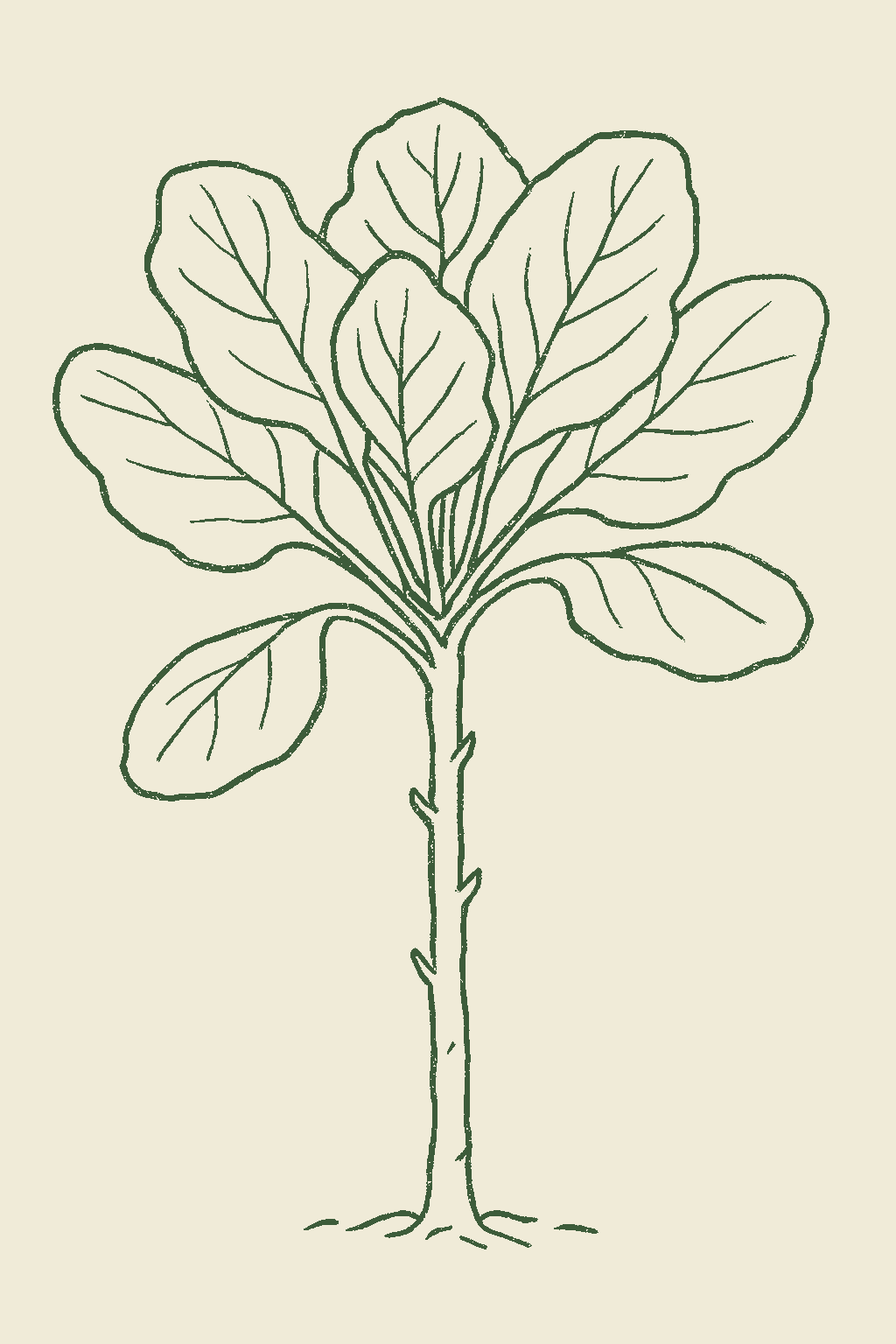
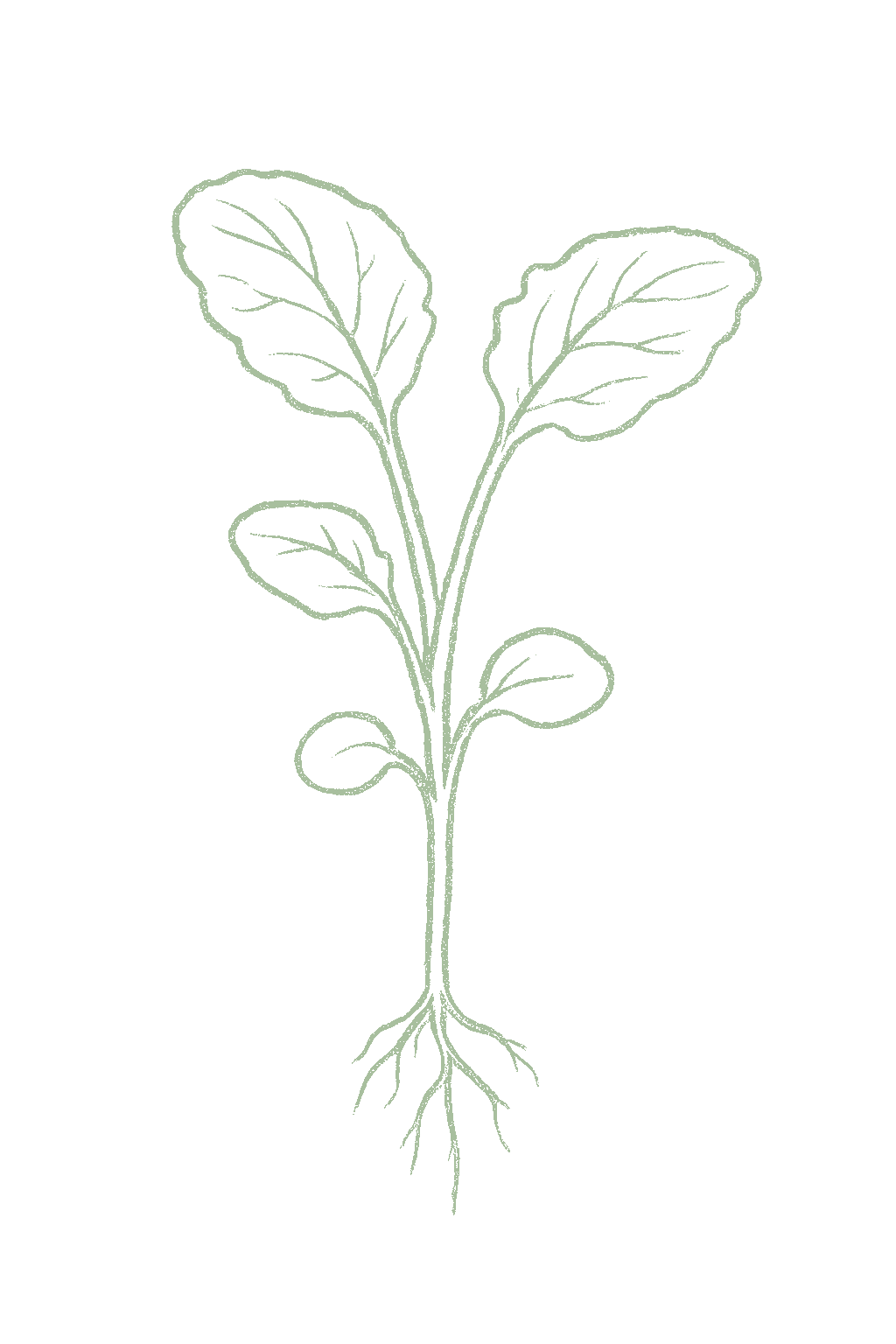
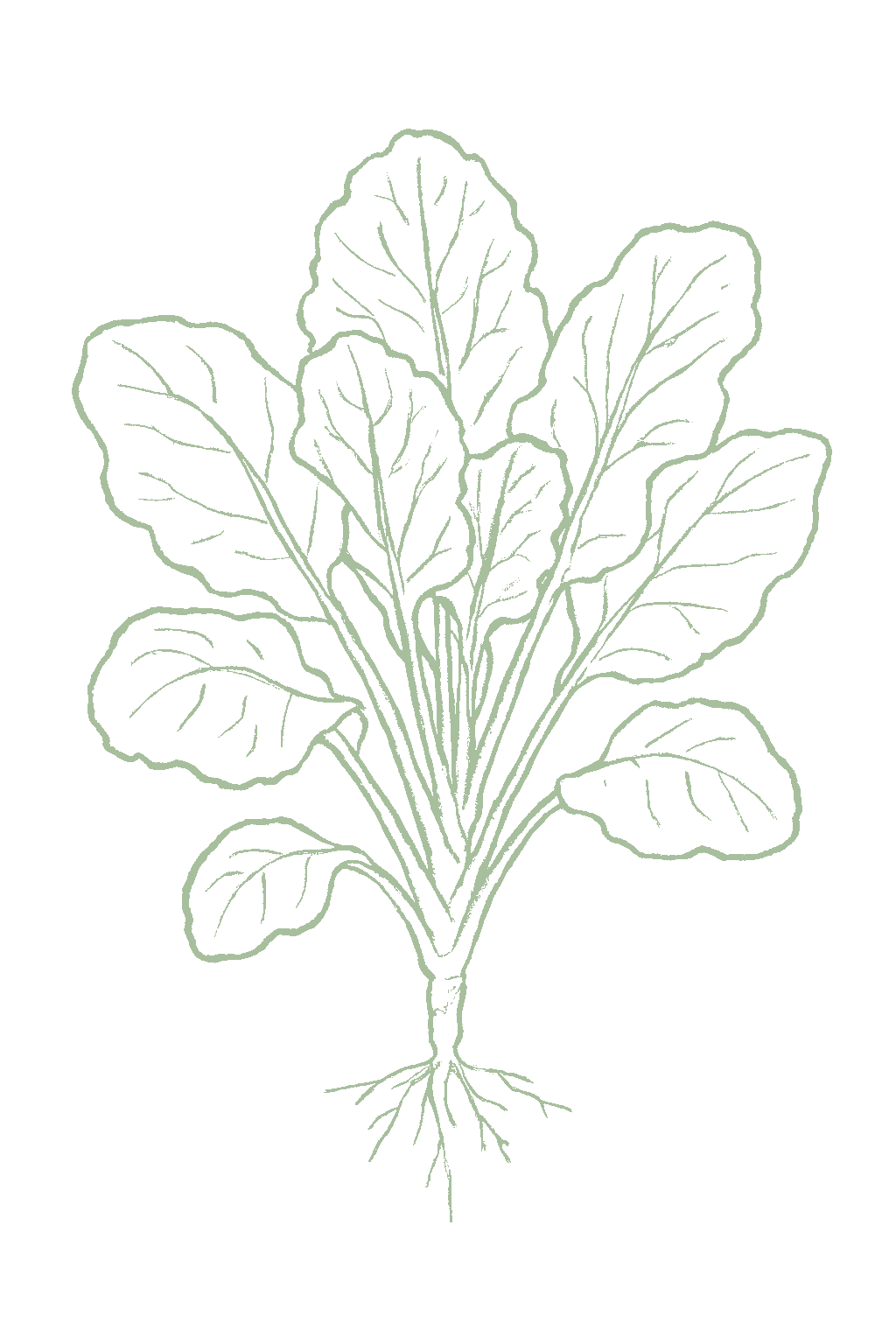
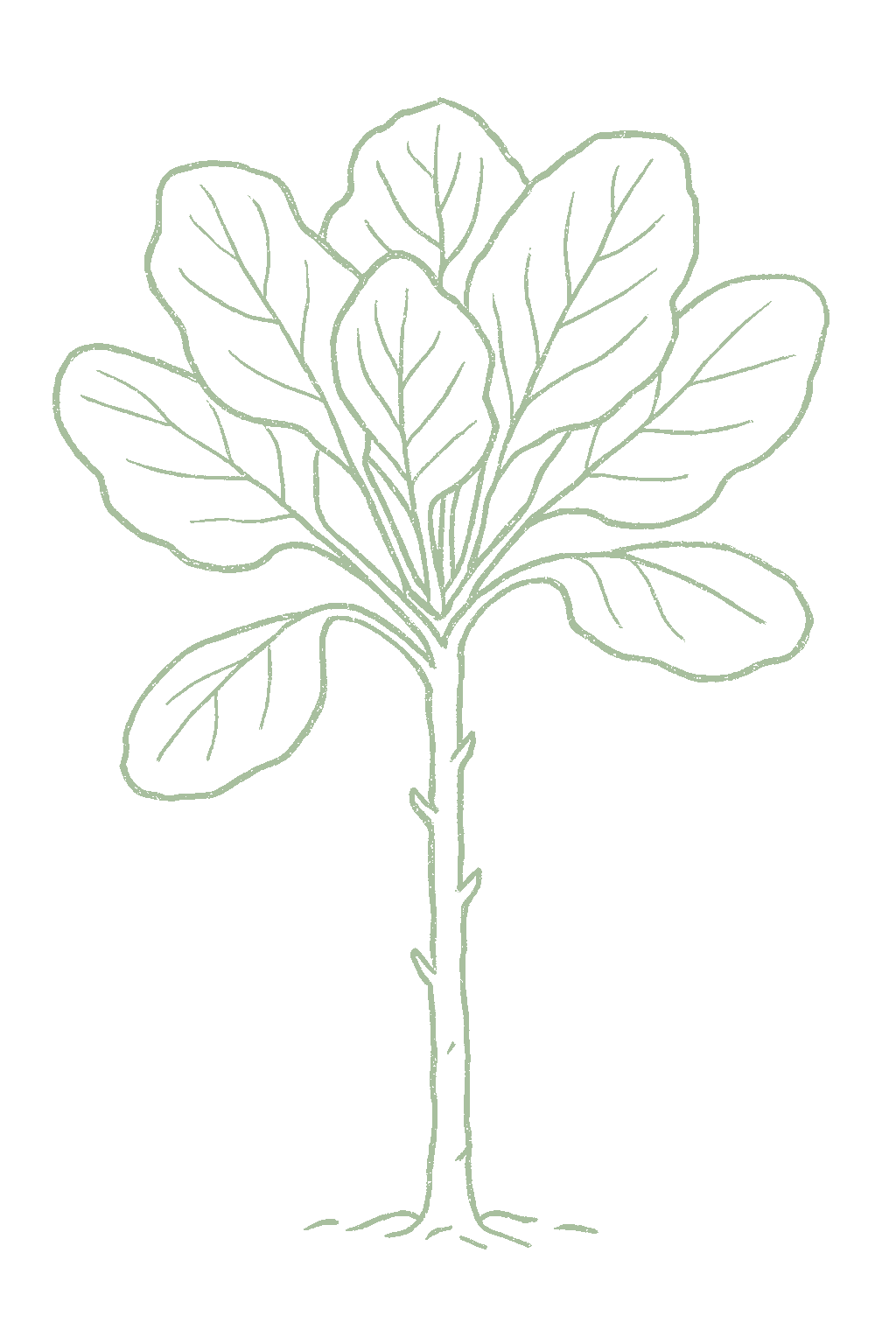
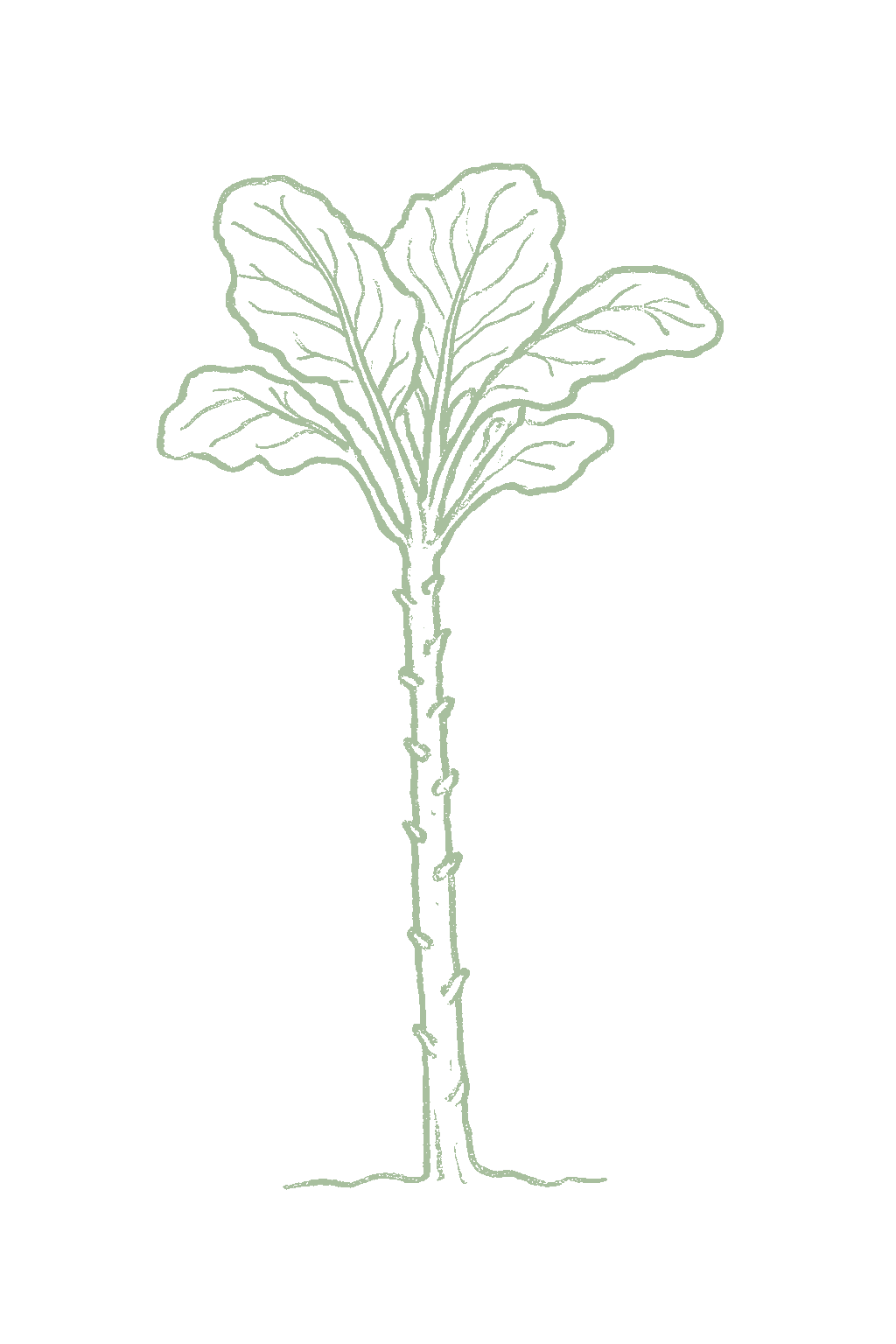
Collards are a leafy cousin of kale and cabbage, grown for their big, smooth green leaves. They are the famous green of Southern cooking, and they are tough: they handle cold better than almost any other vegetable and get sweeter after frost, but they also keep growing in summer heat that stops other greens. The plant grows tall with a bunch of large leaves at the top. You pick the lower leaves a few at a time for months, or cut the whole young plant. In warm areas collards grow almost all year; in cooler areas they do best in spring and fall. Collards (Brassica oleracea, Acephala group) are a loose-leaf, non-heading cabbage relative grown for their large, smooth blue-green leaves, the same species as kale and the classic green of Southern gardens. Their signature is unusual tolerance of BOTH cold and heat: collards are the most cold-hardy of the cole crops, sweetening after frost and holding through hard freezes, yet they are also the most heat-tolerant, producing right through Southern summers where lettuce and most brassicas have long since bolted. A collard plant builds a stout upright stem topped with a rosette of broad leaves, and you crop the lower leaves over a long run or cut the whole young plant. In much of the South they grow nearly year-round; everywhere else they shine in the long cool shoulders of spring and fall.
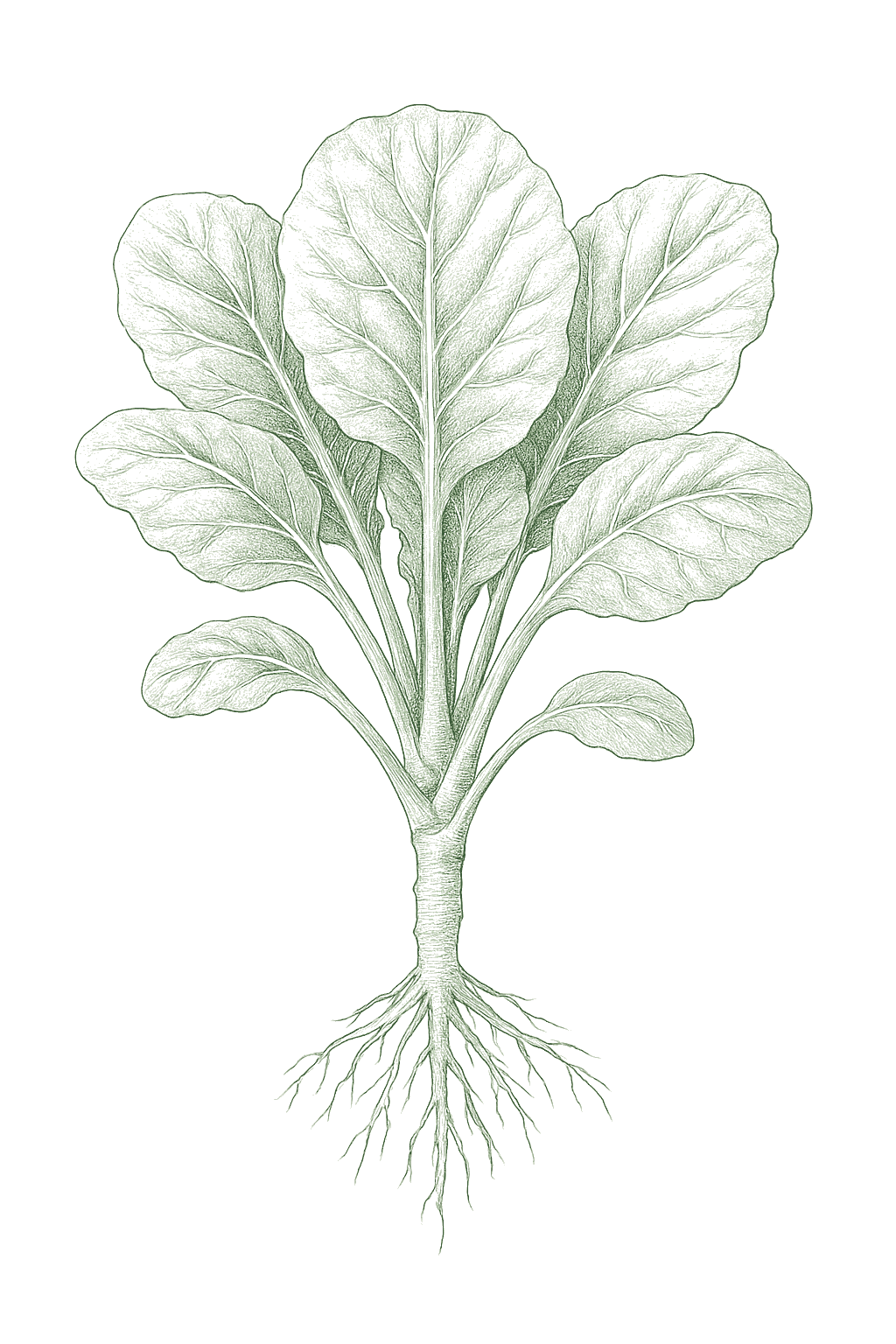
Off-season for collards (collard greens) in zone 8.
In Zone 8, collards (collard greens) can be planted February through September. Harvest runs April through January.
Plant collards in small batches a couple of weeks apart, in spring and again in late summer for fall, rather than all at once. Each plant keeps giving leaves for a long time, so you do not need many. In hot-desert and tropical areas, skip the peak summer and plant for fall and winter.Collards crop over a long window, so rather than one big planting, sow small batches every 2 to 3 weeks through the cool stretches of spring and again from late summer for a fall and winter crop. Because each plant is cropped over many weeks, you need fewer sowings than for a fast crop, but staggering keeps tender young leaves coming. In the South you can plant across most of the year; only in genuinely extreme heat (deserts, peak Florida and Hawaii summers) do you skip the peak and plant for fall and winter instead.
In Zone 8, collards (collard greens) can be planted February through June, then again September, skipping the summer heat. Harvest runs March through January.
Plant collards in small batches a couple of weeks apart, in spring and again in late summer for fall, rather than all at once. Each plant keeps giving leaves for a long time, so you do not need many. In hot-desert and tropical areas, skip the peak summer and plant for fall and winter.Collards crop over a long window, so rather than one big planting, sow small batches every 2 to 3 weeks through the cool stretches of spring and again from late summer for a fall and winter crop. Because each plant is cropped over many weeks, you need fewer sowings than for a fast crop, but staggering keeps tender young leaves coming. In the South you can plant across most of the year; only in genuinely extreme heat (deserts, peak Florida and Hawaii summers) do you skip the peak and plant for fall and winter instead.
In Zone 8, collards (collard greens) can be planted March through September. Harvest runs May through February.
Plant collards in small batches a couple of weeks apart, in spring and again in late summer for fall, rather than all at once. Each plant keeps giving leaves for a long time, so you do not need many. In hot-desert and tropical areas, skip the peak summer and plant for fall and winter.Collards crop over a long window, so rather than one big planting, sow small batches every 2 to 3 weeks through the cool stretches of spring and again from late summer for a fall and winter crop. Because each plant is cropped over many weeks, you need fewer sowings than for a fast crop, but staggering keeps tender young leaves coming. In the South you can plant across most of the year; only in genuinely extreme heat (deserts, peak Florida and Hawaii summers) do you skip the peak and plant for fall and winter instead.
In Zone 8, collards (collard greens) can be planted February through April, then again August through October. Harvest runs April through August.
Plant collards in small batches a couple of weeks apart, in spring and again in late summer for fall, rather than all at once. Each plant keeps giving leaves for a long time, so you do not need many. In hot-desert and tropical areas, skip the peak summer and plant for fall and winter.Collards crop over a long window, so rather than one big planting, sow small batches every 2 to 3 weeks through the cool stretches of spring and again from late summer for a fall and winter crop. Because each plant is cropped over many weeks, you need fewer sowings than for a fast crop, but staggering keeps tender young leaves coming. In the South you can plant across most of the year; only in genuinely extreme heat (deserts, peak Florida and Hawaii summers) do you skip the peak and plant for fall and winter instead.
In Zone 8, collards (collard greens) can be planted February through March, then again August through September. Harvest runs April through August.
Plant collards in small batches a couple of weeks apart, in spring and again in late summer for fall, rather than all at once. Each plant keeps giving leaves for a long time, so you do not need many. In hot-desert and tropical areas, skip the peak summer and plant for fall and winter.Collards crop over a long window, so rather than one big planting, sow small batches every 2 to 3 weeks through the cool stretches of spring and again from late summer for a fall and winter crop. Because each plant is cropped over many weeks, you need fewer sowings than for a fast crop, but staggering keeps tender young leaves coming. In the South you can plant across most of the year; only in genuinely extreme heat (deserts, peak Florida and Hawaii summers) do you skip the peak and plant for fall and winter instead.
In Zone 8, collards (collard greens) can be planted February through March, then again August through September, skipping the summer heat. Harvest runs April through May.
Plant collards in small batches a couple of weeks apart, in spring and again in late summer for fall, rather than all at once. Each plant keeps giving leaves for a long time, so you do not need many. In hot-desert and tropical areas, skip the peak summer and plant for fall and winter.Collards crop over a long window, so rather than one big planting, sow small batches every 2 to 3 weeks through the cool stretches of spring and again from late summer for a fall and winter crop. Because each plant is cropped over many weeks, you need fewer sowings than for a fast crop, but staggering keeps tender young leaves coming. In the South you can plant across most of the year; only in genuinely extreme heat (deserts, peak Florida and Hawaii summers) do you skip the peak and plant for fall and winter instead.
In Zone 8, collards (collard greens) can be planted February through March, then again June through July, skipping the summer heat. Harvest runs April through April.
Plant collards in small batches a couple of weeks apart, in spring and again in late summer for fall, rather than all at once. Each plant keeps giving leaves for a long time, so you do not need many. In hot-desert and tropical areas, skip the peak summer and plant for fall and winter.Collards crop over a long window, so rather than one big planting, sow small batches every 2 to 3 weeks through the cool stretches of spring and again from late summer for a fall and winter crop. Because each plant is cropped over many weeks, you need fewer sowings than for a fast crop, but staggering keeps tender young leaves coming. In the South you can plant across most of the year; only in genuinely extreme heat (deserts, peak Florida and Hawaii summers) do you skip the peak and plant for fall and winter instead.
In Zone 8, collards (collard greens) can be planted February through September. Harvest runs April through November.
Plant collards in small batches a couple of weeks apart, in spring and again in late summer for fall, rather than all at once. Each plant keeps giving leaves for a long time, so you do not need many. In hot-desert and tropical areas, skip the peak summer and plant for fall and winter.Collards crop over a long window, so rather than one big planting, sow small batches every 2 to 3 weeks through the cool stretches of spring and again from late summer for a fall and winter crop. Because each plant is cropped over many weeks, you need fewer sowings than for a fast crop, but staggering keeps tender young leaves coming. In the South you can plant across most of the year; only in genuinely extreme heat (deserts, peak Florida and Hawaii summers) do you skip the peak and plant for fall and winter instead.
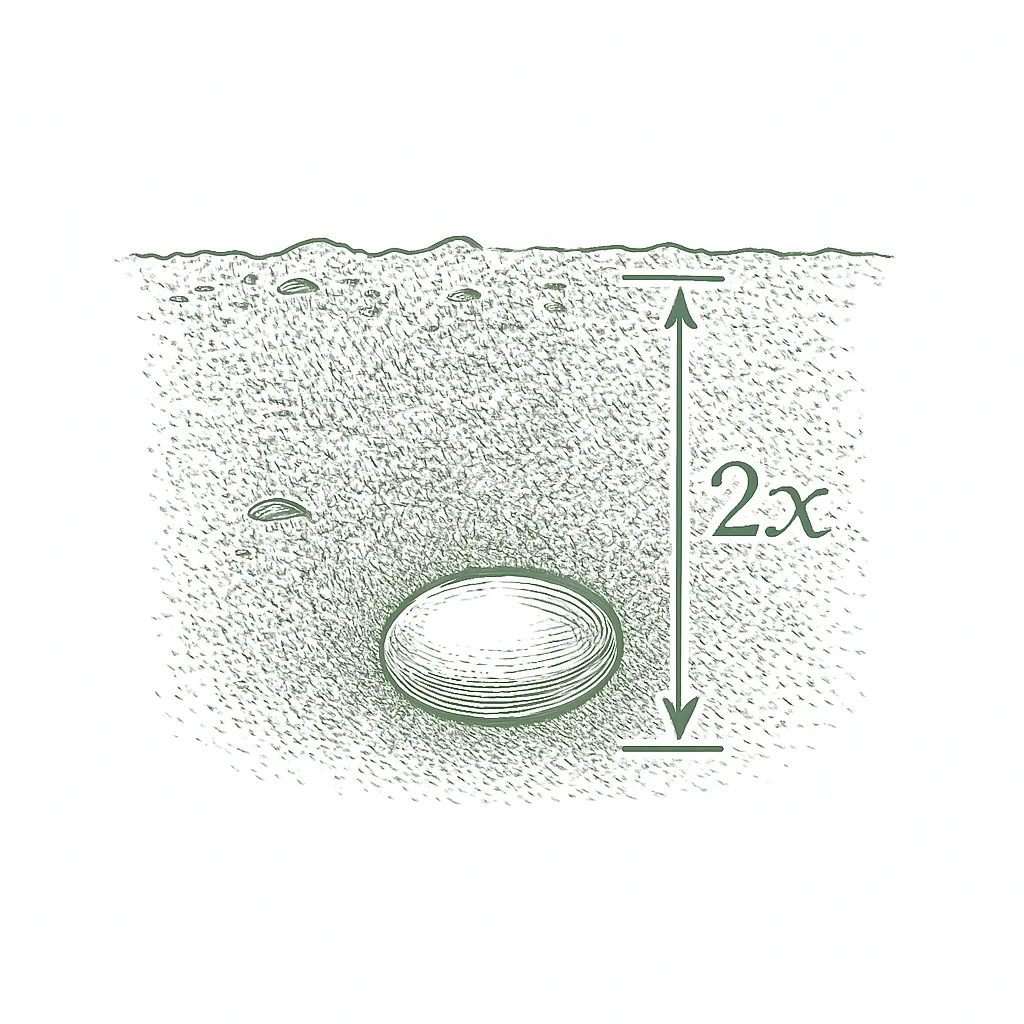
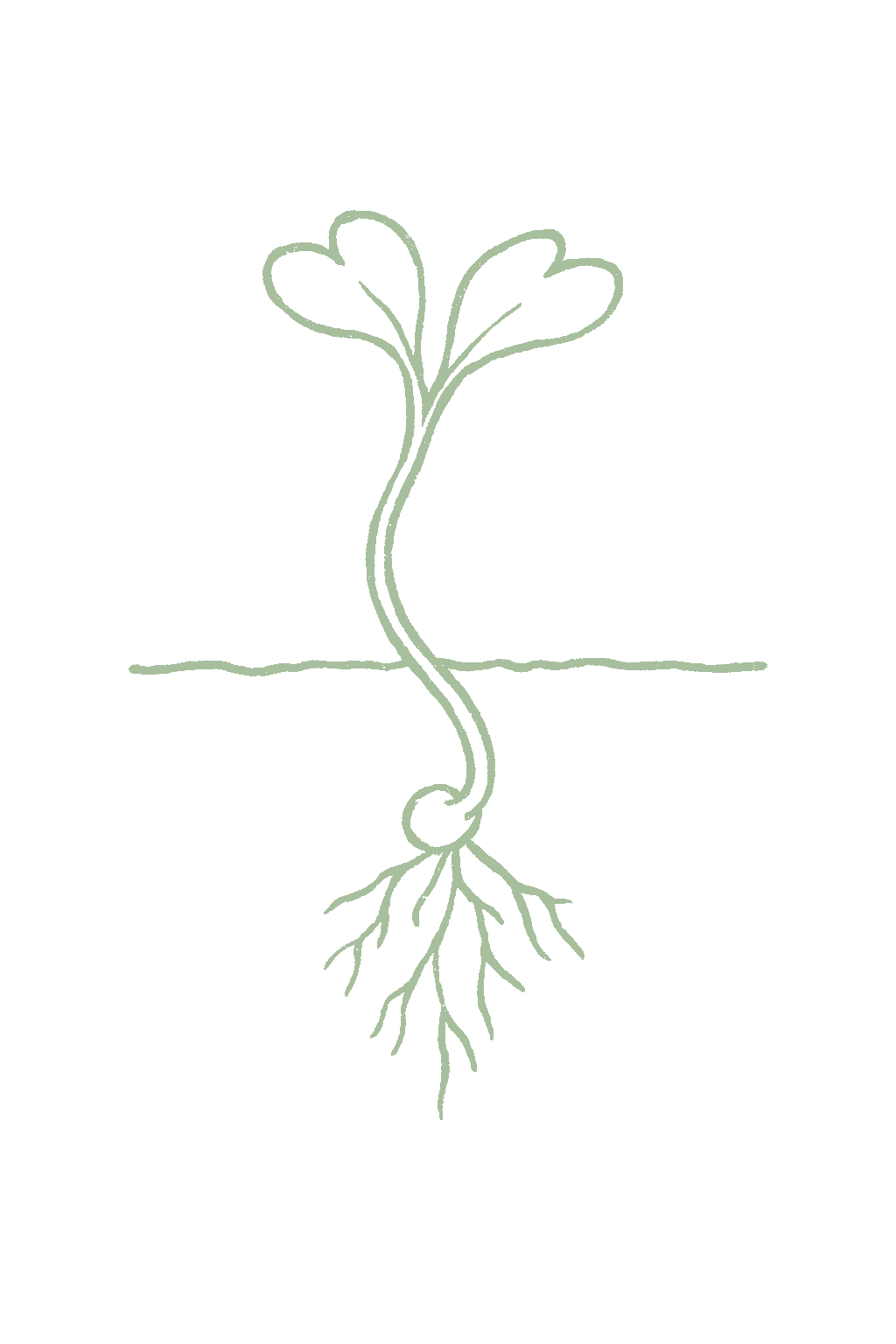
You can sow collard seeds right in the garden or start them indoors. For spring, start seeds about a month before planting out, and set plants in the garden a few weeks before your last frost, or just sow seeds once the soil can be worked. For a fall crop, sow in mid to late summer so it is ready before winter. Space full-size plants 18 to 24 inches apart. If you grow your own transplants, let them get used to the outdoors over a week before planting.Collards can be direct sown or transplanted, and in the South direct sowing is the norm. For a spring crop, start seeds indoors about 4 to 5 weeks before set-out and transplant around 3 to 4 weeks before the last frost, or direct sow as soon as the soil is workable; collards tolerate frost. For a fall and winter crop, sow in mid to late summer so plants size up before cold, then harvest through fall and, in mild zones, winter. Harden transplants off over 7 to 10 days. Thin or set plants 18 to 24 inches apart for full-size plants.
Not sure what soil you have? Grab a small handful of damp soil from your garden bed and squeeze it. If it crumbles apart easily, it's sandy. If it holds together but breaks when you poke it, it's loam (what most vegetables want). If it stays in a hard, slippery ball, it's clay.
Collards like rich, loose soil that holds moisture but still drains well. Mix in plenty of compost before planting, since these big leafy plants are hungry feeders. They grow in most garden soils, but do best when the soil is fertile and never bone dry or waterlogged.
Mix 2-3 inches of compost into the top 6 inches of your bed before planting. Compost holds moisture (which sandy soil drains too fast) and adds the nutrients sandy soil tends to lack. Repeat each season. Compost breaks down over time.
Mix 2-3 inches of compost AND a few inches of coarse sand or perlite into the top 6 inches of your bed. The compost feeds the plants; the sand breaks up the clay so air and water can move through. Don't add sand without compost. It can compact like concrete.
If amending your soil sounds like too much work, or if your soil is heavy clay, full of rocks, or contaminated, build over it. A raised bed at least 12 inches deep filled with a 50/50 mix of compost and sandy loam gives you ideal growing soil with no battles. A 5-gallon container with quality potting mix does the same for one plant at a time. Both bypass your native soil entirely.
The numbers that matter, at a glance.
Collards grow best in soil that is slightly acidic to neutral, around 6.0 to 6.8. A simple soil test tells you where you stand. If you have had clubroot, keeping the soil closer to neutral helps hold it back.Aim for a soil pH of about 6.0 to 6.8; collards still grow across a wider 5.5 to 7.5 band. Holding the soil toward neutral, roughly 6.8 to 7.2, also helps suppress clubroot, a key brassica soil disease, so a grower with clubroot history should lean to the high end.
Collards grow a lot of leaves, so they need regular feeding to stay deep green and tender. Mix some fertilizer into the soil when you plant, feed again about 3 to 4 weeks later, and give a light feed after a big harvest so it grows fresh leaves. Do not overdo it, since too much fertilizer makes soft growth that bugs love.Collards are leafy and N-hungry, and steady nitrogen drives the deep green color and tender growth that make the crop. Work a balanced fertilizer into the bed at planting, then side-dress with nitrogen about 3 to 4 weeks later, and feed again after a heavy cutting to push new leaves. Extension guides commonly cite a nitrogen side-dressing such as calcium nitrate or 27-3-3 along the row; on long-held plants a feed every 3 to 4 weeks keeps them productive. Avoid overdoing nitrogen, which softens growth and draws aphids.
Use a balanced vegetable fertilizer at planting, then a nitrogen-rich feed like blood meal as the plant grows.A balanced feed such as 10-10-10 at planting, then nitrogen side-dressings (calcium nitrate, blood meal, or 27-3-3) 3 to 4 weeks later and after heavy cutting to keep tender leaves coming.
Collards do well next to aromatic herbs, onions, and quick cool-season crops like lettuce and beets. The main thing is to keep them away from other cabbage-family plants, which share their pests and diseases, so planting them together makes problems worse. Most collard companion pairings are traditional rather than research-tested. The ones worth acting on are practical: aromatic herbs and alliums as scent-based deterrents against the cabbage-family pests that hammer collards in the South, and quick cool-season crops like lettuce and beets as interplants that use space while the collards are small. The well-grounded caution is to separate collards from other brassicas, which share clubroot and the whole cole-crop pest complex, a rotation and disease principle more than a tested adjacency effect.
Begin picking when the lower leaves are about the size of your hand or bigger, around 8 to 10 inches. Take the lowest, outside leaves and leave the middle growing, so the plant keeps making more for months. You can also cut the whole young plant off near the ground and let it grow back. The leaves taste best picked while still tender, and they get sweeter after a frost.Start cropping outer leaves once they reach about 8 to 10 inches, taking the lowest, oldest leaves first and leaving the central bud and upper rosette to keep producing. Leaves are most tender picked young to medium-sized; old leaves turn tough and stringy. Alternatively cut the whole young plant near the soil line at 6 to 10 inches and let it regrow, or harvest the tender inner rosette. Flavor is mildest and sweetest in cool weather and after a frost.
Each collard plant gives you a steady supply of big leaves over months, not one big harvest. How much you get depends on the variety and how long your season is, but a few plants keep producing for a long time.A single collard plant yields a steady run of large outer leaves over a long season rather than one harvest, roughly 1 to 2 pounds or more per plant depending on variety, season length, and how often you crop it. Extension yields run about 8 to 15 pounds per 10 feet of row.
Collards produce the most once the plant is full-sized, and they keep going strongest in cool fall weather and, in mild areas, through winter. Unlike most greens they also keep going through summer in the South, and they stop once they flower in spring.Production climbs as the plant sizes up and then holds for weeks to months as you crop the lower leaves, peaking in the cool weeks of fall and, in mild zones, through winter. Collards keep producing through summer in much of the South, slowing only in genuinely extreme heat, and the crop ends when the plant bolts in spring. Here is the trick: pick the lower leaves often, but always leave the small center bud to keep growing. Regular picking keeps a plant making leaves for months. Do not take the middle of the plant, and do not let old leaves toughen on the stem.The key to total yield is cropping the lower leaves regularly while leaving the central growing bud: frequent, moderate picking keeps a plant productive for months, whereas stripping a plant bare or letting old leaves toughen on the stem checks it. New growers often pick too timidly or take the bud, which stalls the plant.
Georgia is an easy, tough heirloom that takes heat and poor soil, great for beginners. Vates and Champion are compact and very cold-hardy, perfect for a fall or winter crop. Top Bunch and Blue Max are fast hybrids if you want tender leaves sooner. Morris Heading makes a softer, cabbage-like collard.Match the variety to the slot. Georgia (Georgia Southern) is the heat- and stress-tolerant Southern heirloom for summer-into-fall production; Vates and Champion are compact, bolt-resistant, very cold-hardy types that shine in fall and overwintering. Top Bunch and Blue Max are fast, uniform hybrids for quick, repeated cutting. Morris Heading is the traditional heading collard for a milder, more tender leaf. Where clubroot or other brassica diseases are a concern, look for resistant cultivars.
Do not plant collards or other cabbage-family crops in the same spot year after year. Waiting at least 3 years between them, and longer if you have had clubroot, helps avoid soil diseases.Rotate so collards and their brassica relatives do not return to the same ground for at least 3 years, and longer where clubroot is present, since the clubroot organism persists in soil for years. Keeping soil pH near neutral also helps suppress clubroot. In the South, where collards are grown nearly year-round, planning that rotation across beds takes extra thought.
The plant app sends a timely reminder at every critical moment of your collards (collard greens) season. The wording adjusts to whichever you pick: beginner or seasoned. Here are three you'll see in Zone 8.
plant sends the right notification at exactly the right moment, for your zone, your weather, your crops. Founding members lock the rate forever.
We're building this guide with real growers. Got a question we missed? Ask here. We read every one and add the best answers right to this page.
Learned something the hard way? Pass it on. Real growers' tips make this guide better for the next person, and we credit you by name when yours goes live.
If you've grown this crop and you see a date, a temperature, a companion claim, or a recommendation that doesn't match your experience, tell us. Real growers' corrections make this guide better for the next person.
Every date, temperature, spacing, and recommendation on this page is sourced from university cooperative extension publications, peer-reviewed agricultural research, NOAA climate data, and direct extension calendars. Where claims are softer (traditional gardening wisdom not formally documented), we say so.
Spot a data point that doesn't match your experience? Submit a correction; accepted corrections earn full author credit on the page.
Zone-aware seasonal nudges, what's worth planting now, and the occasional recipe from the harvest. No spam, ever.