Today · in your zone
What's happening right now
Off-season for cosmos in zone 8.
Tap to switch. plant calibrates to where you are in the journey.
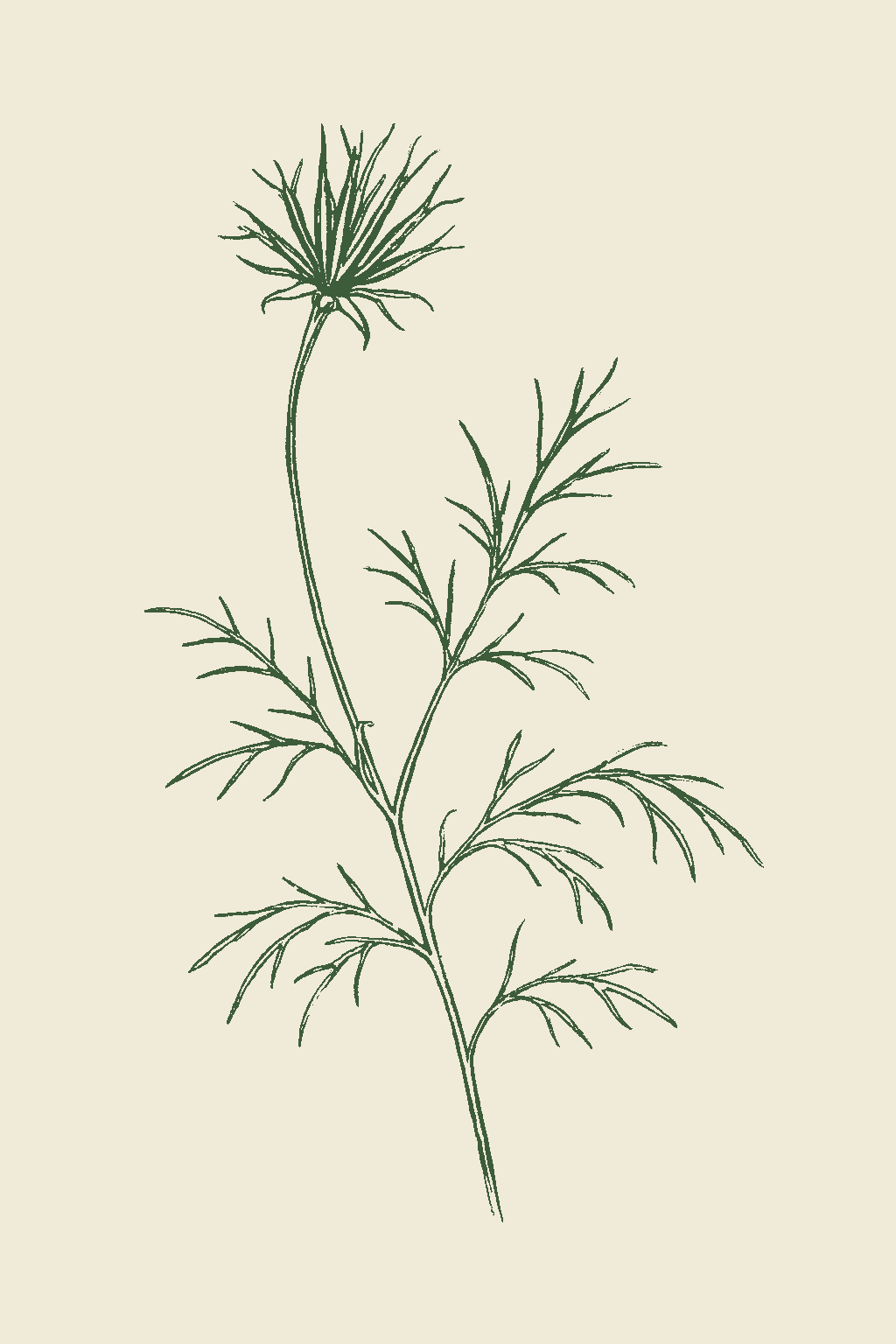
Cosmos are easy, airy flowers you grow for blooms, not for eating. There are two kinds: tall garden cosmos with feathery leaves and pink, white, or lavender flowers, and shorter orange cosmos in bright orange, gold, and red that handle heat better. They love full sun and, unusually, they bloom best in poor soil with no fertilizer. Plant the seeds outside after your last frost, once the soil is warm, and you get flowers in about two months that keep coming until the first fall frost. Bees and butterflies love them, they make good cut flowers, and they drop seed and come back on their own. Cosmos (Cosmos bipinnatus and Cosmos sulphureus, Asteraceae) is a warm-season, frost-tender annual grown for airy, daisy-like blooms on tall, branching, fine-foliage plants, not for food. Garden cosmos (C. bipinnatus) reaches roughly 3 to 6 ft with pink, white, rose, and lavender flowers; sulphur or orange cosmos (C. sulphureus) is usually shorter, 1 to 3 ft, in hot orange, gold, and red, and takes heat and humidity better. Sown into warm soil after frost, cosmos reaches first bloom in about 60 to 70 days and flowers from summer to the first fall frost. Its defining trait is that it thrives on neglect: lean, low-fertility soil and full sun give the most flowers, while rich soil and fertilizer give lush leaves and few blooms. It is a top pollinator and beneficial-insect plant, a good cut flower, and it self-seeds freely.
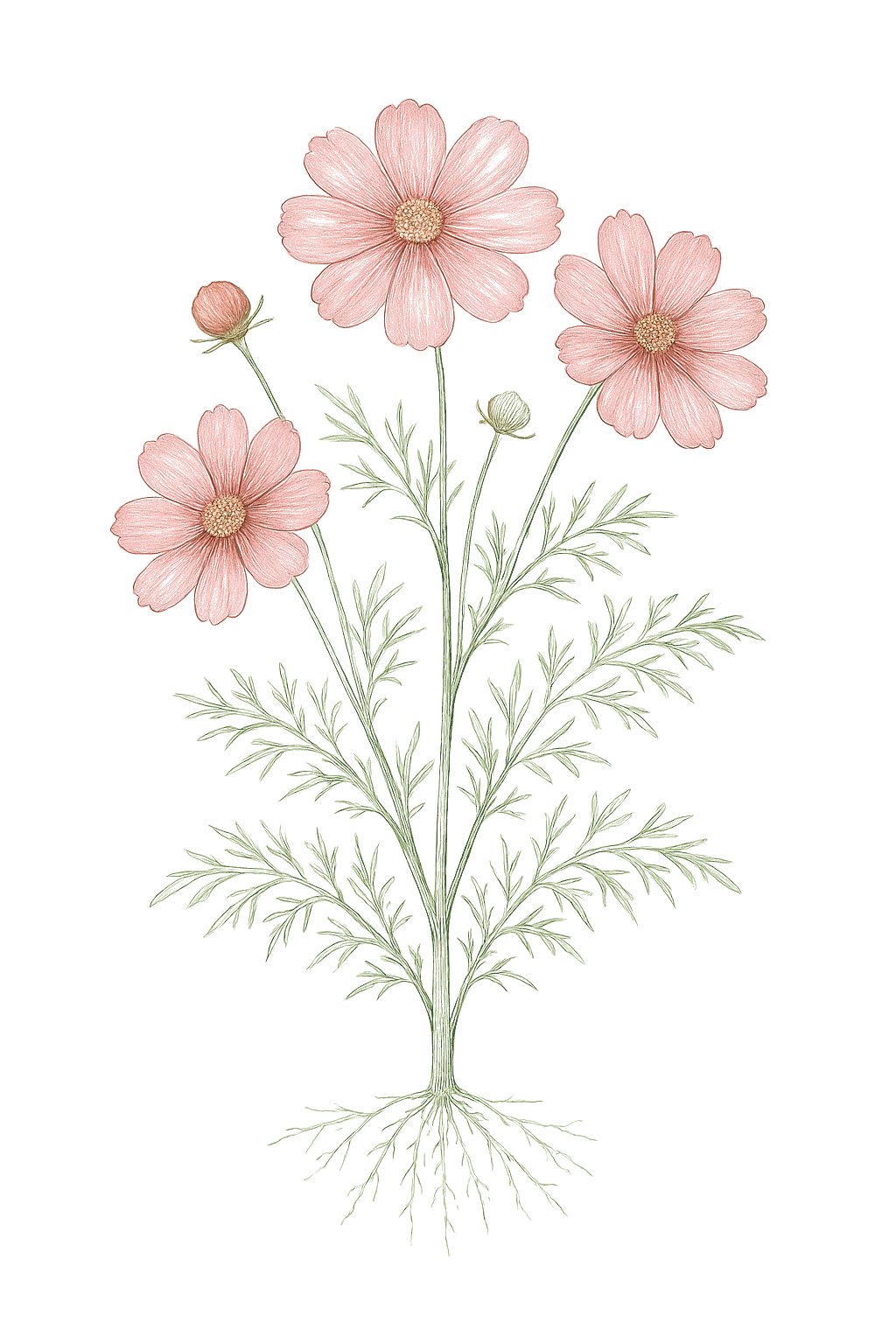
Off-season for cosmos in zone 8.
In Zone 8, cosmos can be planted April through August. Start indoors Feb 25 - Mar 11. In bloom June through November.
For flowers all season, plant a new small batch of seeds every 2 to 3 weeks from after the last frost into midsummer. Fresh young plants give the best flowers late in the season, and cosmos loves the heat, so you do not stop for summer.Sow successively every 2 to 3 weeks from after last frost through midsummer to keep fresh, vigorous stems coming; older plantings decline as the season wears on even with deadheading. There is no heat pause: cosmos thrives through peak summer. Letting a few plants self-seed also renews the stand.
In Zone 8, cosmos can be planted April through August. Start indoors Feb 25 - Mar 11. In bloom June through November.
For flowers all season, plant a new small batch of seeds every 2 to 3 weeks from after the last frost into midsummer. Fresh young plants give the best flowers late in the season, and cosmos loves the heat, so you do not stop for summer.Sow successively every 2 to 3 weeks from after last frost through midsummer to keep fresh, vigorous stems coming; older plantings decline as the season wears on even with deadheading. There is no heat pause: cosmos thrives through peak summer. Letting a few plants self-seed also renews the stand.
In Zone 8, cosmos can be planted March through April. In bloom June through November.
For flowers all season, plant a new small batch of seeds every 2 to 3 weeks from after the last frost into midsummer. Fresh young plants give the best flowers late in the season, and cosmos loves the heat, so you do not stop for summer.Sow successively every 2 to 3 weeks from after last frost through midsummer to keep fresh, vigorous stems coming; older plantings decline as the season wears on even with deadheading. There is no heat pause: cosmos thrives through peak summer. Letting a few plants self-seed also renews the stand.
In Zone 8, cosmos can be planted April through August. Start indoors Mar 4 - Mar 18. In bloom June through October.
For flowers all season, plant a new small batch of seeds every 2 to 3 weeks from after the last frost into midsummer. Fresh young plants give the best flowers late in the season, and cosmos loves the heat, so you do not stop for summer.Sow successively every 2 to 3 weeks from after last frost through midsummer to keep fresh, vigorous stems coming; older plantings decline as the season wears on even with deadheading. There is no heat pause: cosmos thrives through peak summer. Letting a few plants self-seed also renews the stand.
In Zone 8, cosmos can be planted April through August. Start indoors Feb 27 - Mar 13. In bloom June through October.
For flowers all season, plant a new small batch of seeds every 2 to 3 weeks from after the last frost into midsummer. Fresh young plants give the best flowers late in the season, and cosmos loves the heat, so you do not stop for summer.Sow successively every 2 to 3 weeks from after last frost through midsummer to keep fresh, vigorous stems coming; older plantings decline as the season wears on even with deadheading. There is no heat pause: cosmos thrives through peak summer. Letting a few plants self-seed also renews the stand.
In Zone 8, cosmos can be planted March through April. In bloom June through November.
For flowers all season, plant a new small batch of seeds every 2 to 3 weeks from after the last frost into midsummer. Fresh young plants give the best flowers late in the season, and cosmos loves the heat, so you do not stop for summer.Sow successively every 2 to 3 weeks from after last frost through midsummer to keep fresh, vigorous stems coming; older plantings decline as the season wears on even with deadheading. There is no heat pause: cosmos thrives through peak summer. Letting a few plants self-seed also renews the stand.
In Zone 8, cosmos can be planted April. In bloom June through October.
For flowers all season, plant a new small batch of seeds every 2 to 3 weeks from after the last frost into midsummer. Fresh young plants give the best flowers late in the season, and cosmos loves the heat, so you do not stop for summer.Sow successively every 2 to 3 weeks from after last frost through midsummer to keep fresh, vigorous stems coming; older plantings decline as the season wears on even with deadheading. There is no heat pause: cosmos thrives through peak summer. Letting a few plants self-seed also renews the stand.
In Zone 8, cosmos can be planted March through August. Start indoors Feb 13 - Feb 27. In bloom May through November.
For flowers all season, plant a new small batch of seeds every 2 to 3 weeks from after the last frost into midsummer. Fresh young plants give the best flowers late in the season, and cosmos loves the heat, so you do not stop for summer.Sow successively every 2 to 3 weeks from after last frost through midsummer to keep fresh, vigorous stems coming; older plantings decline as the season wears on even with deadheading. There is no heat pause: cosmos thrives through peak summer. Letting a few plants self-seed also renews the stand.
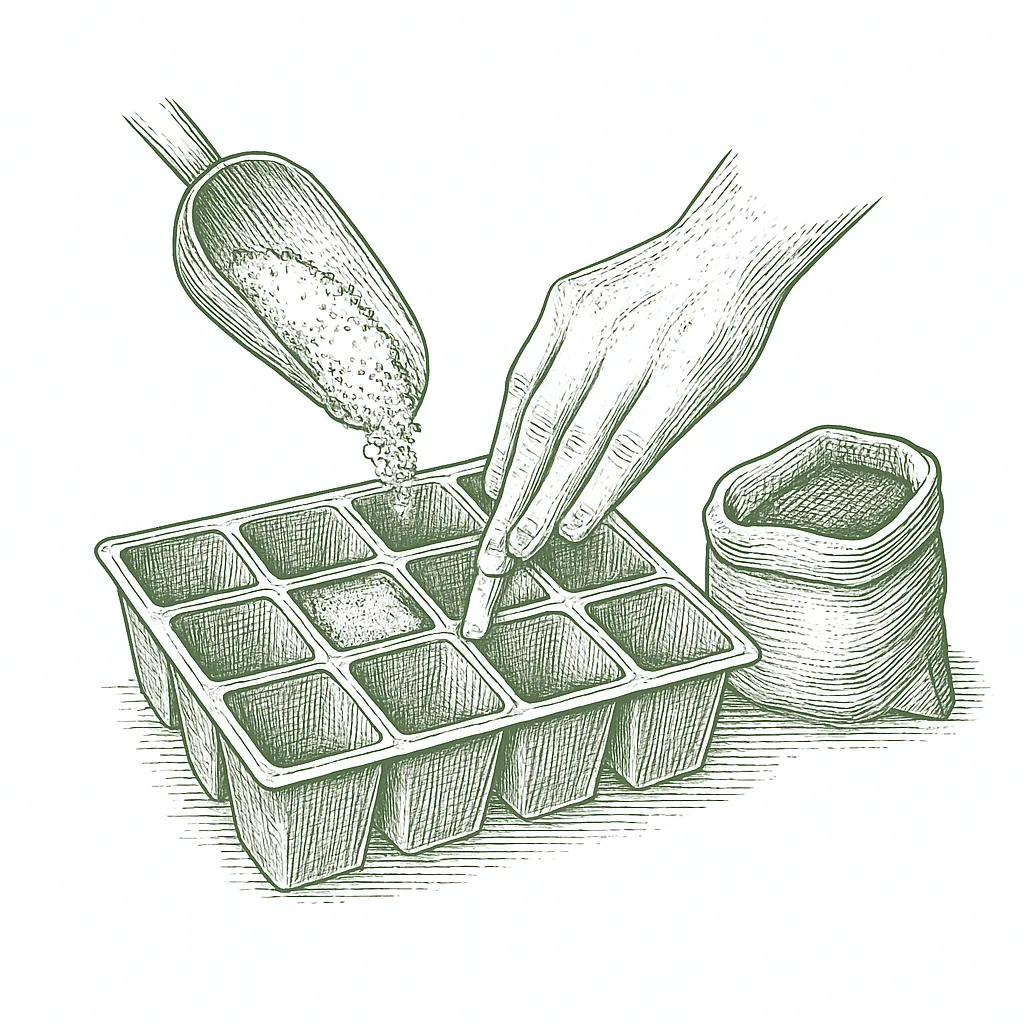
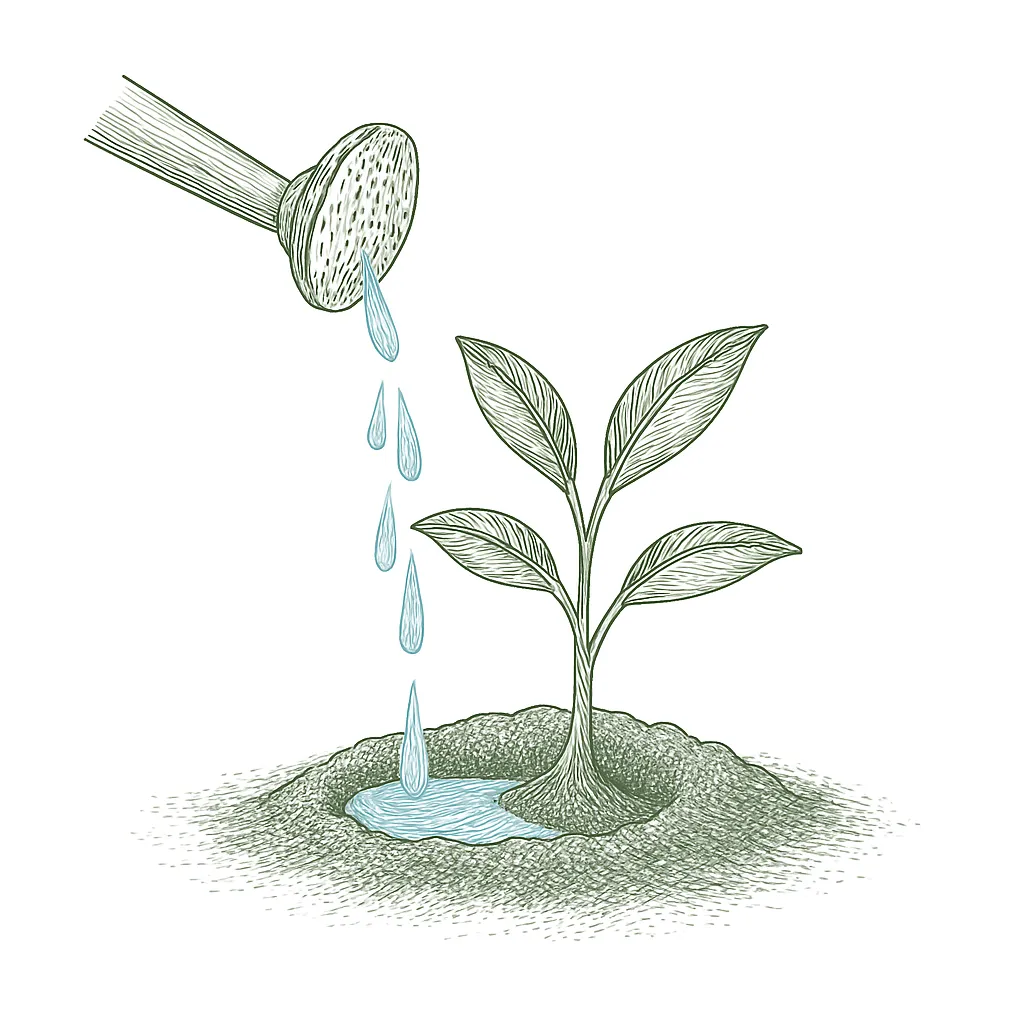
The easiest way is to sow cosmos seeds straight into warm garden soil (about 65 °F) after your last frost, about a quarter inch deep. If your season is short, you can start them indoors about 4 weeks before the last frost and move them outside afterward. Remember to use poor soil, not rich, and pinch the young tops to make them branch.Cosmos direct-sows readily into warm soil (about 65 °F) at roughly 1/4 in depth and is very successful sown straight into the garden, so direct sowing is the simplest, strongest method. To gain time in short seasons, start indoors about 4 weeks before last frost and transplant after frost. Sow into lean soil in full sun, and pinch young plants at three to four leaf sets to encourage branching.










Not sure what soil you have? Grab a small handful of damp soil from your garden bed and squeeze it. If it crumbles apart easily, it's sandy. If it holds together but breaks when you poke it, it's loam (what most vegetables want). If it stays in a hard, slippery ball, it's clay.
Cosmos grows in almost any soil that drains well, and it actually flowers best in poor, un-fed soil. You do not need to add compost or fertilizer. The main thing to avoid is rich, soggy ground: too much richness gives leaves instead of flowers, and wet soil can rot the roots.
Mix 2-3 inches of compost into the top 6 inches of your bed before planting. Compost holds moisture (which sandy soil drains too fast) and adds the nutrients sandy soil tends to lack. Repeat each season. Compost breaks down over time.
Mix 2-3 inches of compost AND a few inches of coarse sand or perlite into the top 6 inches of your bed. The compost feeds the plants; the sand breaks up the clay so air and water can move through. Don't add sand without compost. It can compact like concrete.
If amending your soil sounds like too much work, or if your soil is heavy clay, full of rocks, or contaminated, build over it. A raised bed at least 12 inches deep filled with a 50/50 mix of compost and sandy loam gives you ideal growing soil with no battles. A 5-gallon container with quality potting mix does the same for one plant at a time. Both bypass your native soil entirely.
The numbers that matter, at a glance.
Cosmos is not picky about soil pH (how acidic or alkaline the soil is). A normal garden range around 6.0 to 7.0 is fine, and it tolerates soils quite a bit more acidic or alkaline, so you usually do not need to change anything.Cosmos is not pH-fussy and performs across roughly 6.0 to 7.0, tolerating both mildly acidic and alkaline soils well outside that band. No pH adjustment is normally warranted.
Do not feed cosmos. It flowers best in poor soil, and fertilizer, especially the high-nitrogen kind, gives you lots of leaves and few flowers, plus tall floppy plants. Only if your soil is very poor sand should you give one small dose of a low-nitrogen flower fertilizer when you plant.Do not fertilize cosmos. It flowers best in lean soil, and feeding, especially nitrogen, pushes soft foliage and stem elongation at the expense of bloom and makes tall types flop. If the soil is truly impoverished sand, a single light dose of a low-nitrogen, bloom-leaning fertilizer at planting is the most you should give.
The three numbers on fertilizer (N-P-K) are nitrogen, phosphorus, and potassium. If you feed cosmos at all, pick one low in the first number (nitrogen), like 5-10-10, not a high-nitrogen lawn feed.If you feed at all, a low-nitrogen, phosphorus-leaning ratio such as 5-10-10 suits cosmos; avoid balanced or high-nitrogen lawn-type feeds, which drive foliage over bloom.
Deadheading means snipping off flowers once they fade. Do it regularly, cutting the old bloom back to the next set of leaves, and the plant makes more flowers instead of going to seed. Cutting flowers for a vase does the same thing. If plants get tall and floppy with few flowers, cut them back to about 12 to 18 inches and they will bush out and rebloom in about a month.Deadhead spent blooms back to the next leaf or side bud through the season to redirect energy from seed set into new flowers and sustain bloom to frost. Cutting for the vase does the same job. When plants grow tall and leggy, cut them back to about 12 to 18 in to force a fresh flush of branching and rebloom in roughly a month. Pinch young plants at three to four leaf sets to encourage bushier, better-branched growth.
Cosmos is mostly grown to help the rest of the garden. It is one of the best flowers for bringing in bees, butterflies, and helpful bugs that eat pests, so plant it near vegetables like tomatoes, squash, and beans. One important tip: cosmos blooms best in poor soil, so do not plant it in a rich, well-fed vegetable bed, or you will get tall leafy plants with few flowers. Put it along a leaner edge instead. It also drops seed and comes back on its own, so pull extra seedlings if you do not want more. There is no plant you need to keep it away from. Cosmos, like other insectary annuals, is planted to benefit its neighbors rather than the other way around. Both species are strong nectar sources that draw bees, butterflies, and other beneficial insects, and birds feed on the seed heads; sulphur cosmos is an especially noted beneficial-insect plant. Interplant it as a border or insectary strip near fruiting and cucurbit crops to lift pollinator visitation and natural pest control. One cosmos-specific caution: it flowers best in lean soil, so do not plant it inside a richly fertilized vegetable bed, where the extra nitrogen makes it tall, leafy, and flowerless; site it at the drier, leaner edge. It also self-seeds freely, so deadhead or thin volunteers where you do not want a stand. No plant is biologically antagonistic to it.
Cut cosmos flowers when the buds are just starting to open and show their color; they keep opening in the vase. Cut in the morning, put the stems straight into clean water, and pull off the lower leaves. Cosmos does not last as long as some cut flowers, about 4 to 6 days, so cut them often.Cut cosmos for the vase when the buds are just cracking open and showing color, since the flowers continue to open in water. Cut in the cool of the morning into clean water and strip the lower leaves. Cosmos has a fairly short vase life, roughly 4 to 6 days, so cut often and keep the plants deadheaded to drive fresh stems.
One cutting-type cosmos can give you lots of flowers over the summer if you keep cutting. The short, dwarf types make plenty of small flowers for color rather than for the vase.A single cut-flower cosmos, pinched and cut regularly, yields many airy stems over a season; dwarf bedding types produce more, smaller blooms for color rather than cutting. Vase life is short, so value is in volume and continuous bloom.
Cosmos flowers the same year you plant it, usually about two months after sowing. There is no waiting year. Plant in spring for flowers from summer until the first frost.Cosmos blooms the first season from seed, typically about 60 to 70 days after sowing, so there is no establishment year; a spring sowing flowers from summer to first frost.
There are two kinds of cosmos. Garden cosmos is tall with feathery leaves and pink, white, or lavender flowers, and it is the best for cutting (look for Sensation, Purity, or Versailles). Orange cosmos is shorter with orange, gold, and red flowers and handles heat and humidity better, so choose it in hot, humid areas (Cosmic, Bright Lights). For pots and edges pick a dwarf like Sonata or Cosmic. Flat, open, single flowers feed bees and butterflies best.The most important choice is species. Garden cosmos (Cosmos bipinnatus) is the tall, airy, feathery-foliage plant with pastel pink, white, and lavender daisies, and it supplies the premier cut-flower series (Sensation, Versailles, Purity, Seashells). Sulphur or orange cosmos (Cosmos sulphureus) is usually shorter and coarser, in hot orange, gold, and red, and takes heat and humidity notably better, so it is the stronger pick for the Deep South and low desert (Cosmic, Bright Lights, Sunny). Dwarf series such as Sonata and Cosmic suit beds and containers; tall types want support and are the best for cutting. Single, open-faced blooms serve pollinators better than dense doubles.
Cosmos are flowers for a vase, not food to store, so there is nothing to refrigerate or freeze. To keep cut cosmos fresh, cut when the buds are just opening, trim the stem ends, remove any leaves that would sit under water, and use a clean vase. They usually last about 4 to 6 days.Cosmos is a cut flower, not a stored edible, so the refrigerate and freeze fields do not apply. For vase life, cut when buds are just opening, recut stems, strip leaves below the waterline, use clean water, and keep blooms out of direct sun. Expect a fairly short vase life of about 4 to 6 days.
Rotating cosmos is not as important as it is for vegetables, but it still helps. Clean up old, diseased leaves at the end of the season, and pull and throw away (do not compost) any plants with aster yellows so the problem does not carry over.Rotation matters less for a fast, self-seeding ornamental annual than for heavy-feeding vegetables, but clearing infected debris at season end and moving the planting limits carryover of aster yellows host material, powdery mildew, and gray mold. Pull and destroy any aster-yellows plants rather than composting them.
The plant app sends a timely reminder at every critical moment of your cosmos season. The wording adjusts to whichever you pick: beginner or seasoned. Here are three you'll see in Zone 8.
plant sends the right notification at exactly the right moment, for your zone, your weather, your crops. Founding members lock the rate forever.
We're building this guide with real growers. Got a question we missed? Ask here. We read every one and add the best answers right to this page.
Learned something the hard way? Pass it on. Real growers' tips make this guide better for the next person, and we credit you by name when yours goes live.
If you've grown this crop and you see a date, a temperature, a companion claim, or a recommendation that doesn't match your experience, tell us. Real growers' corrections make this guide better for the next person.
Every date, temperature, spacing, and recommendation on this page is sourced from university cooperative extension publications, peer-reviewed agricultural research, NOAA climate data, and direct extension calendars. Where claims are softer (traditional gardening wisdom not formally documented), we say so.
Spot a data point that doesn't match your experience? Submit a correction; accepted corrections earn full author credit on the page.
Zone-aware seasonal nudges, what's worth planting now, and the occasional recipe from the harvest. No spam, ever.