Today · in your zone
What's happening right now
Off-season for dry beans in zone 9.
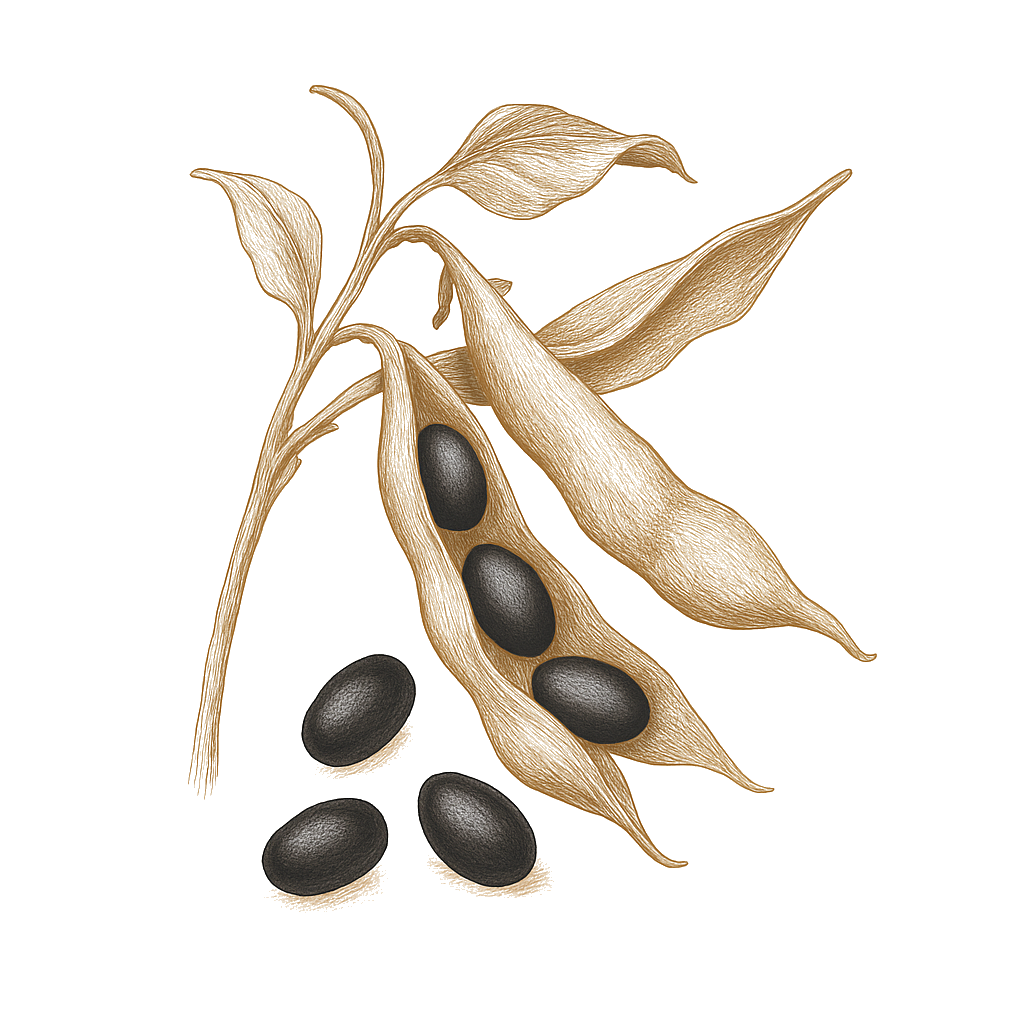
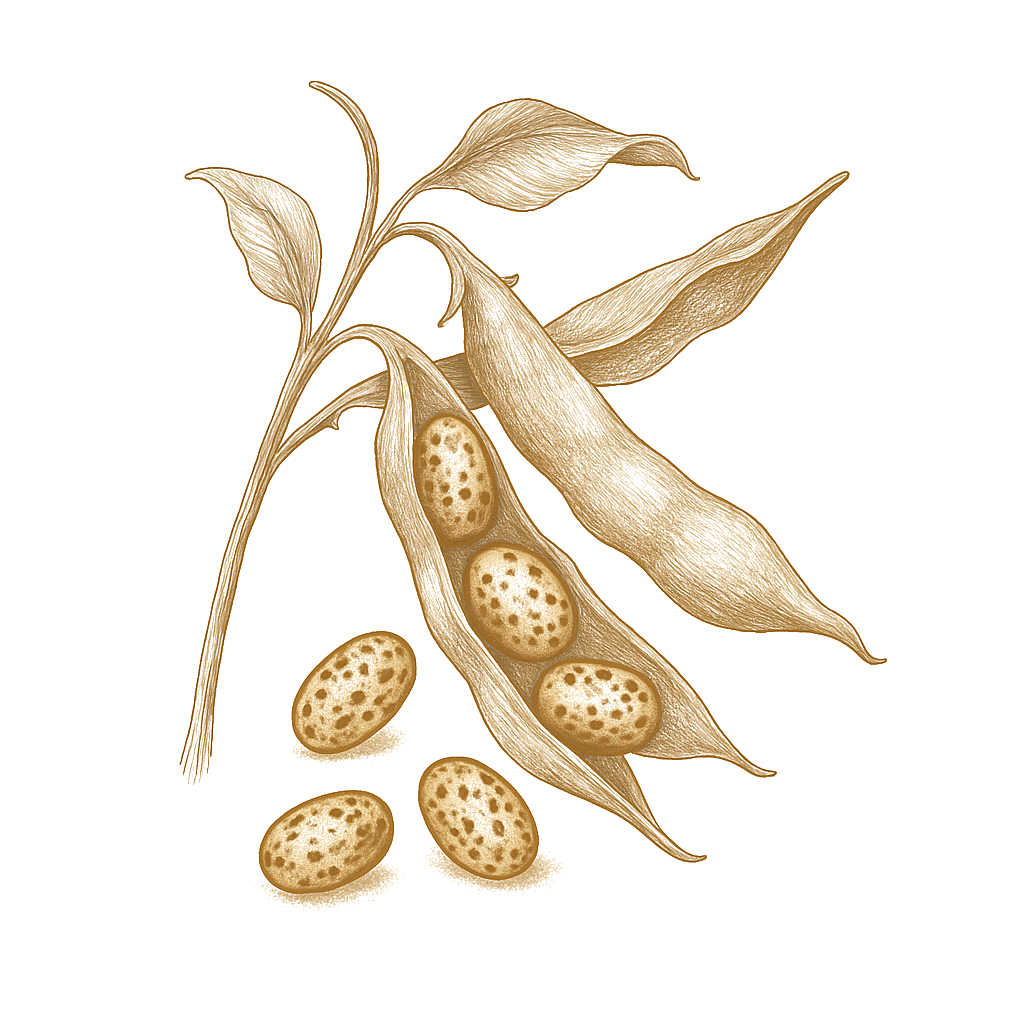
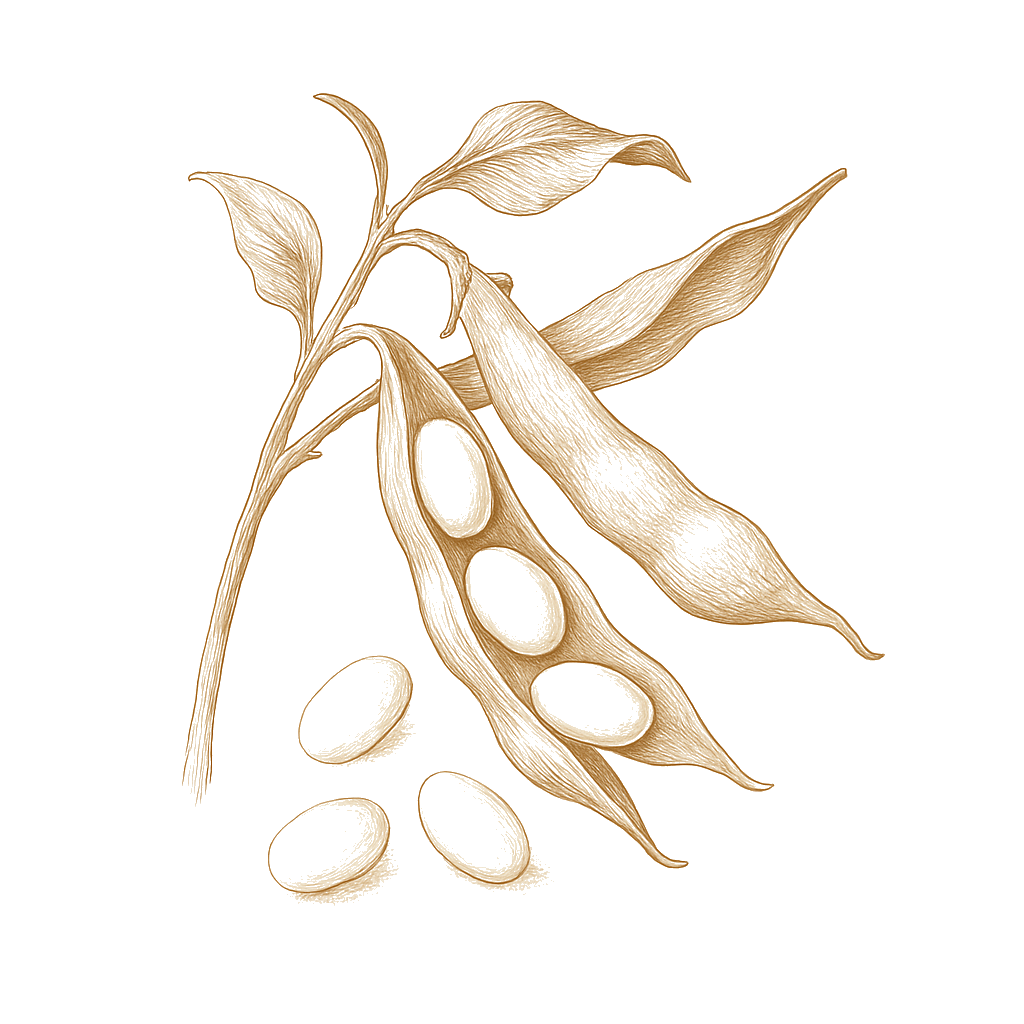
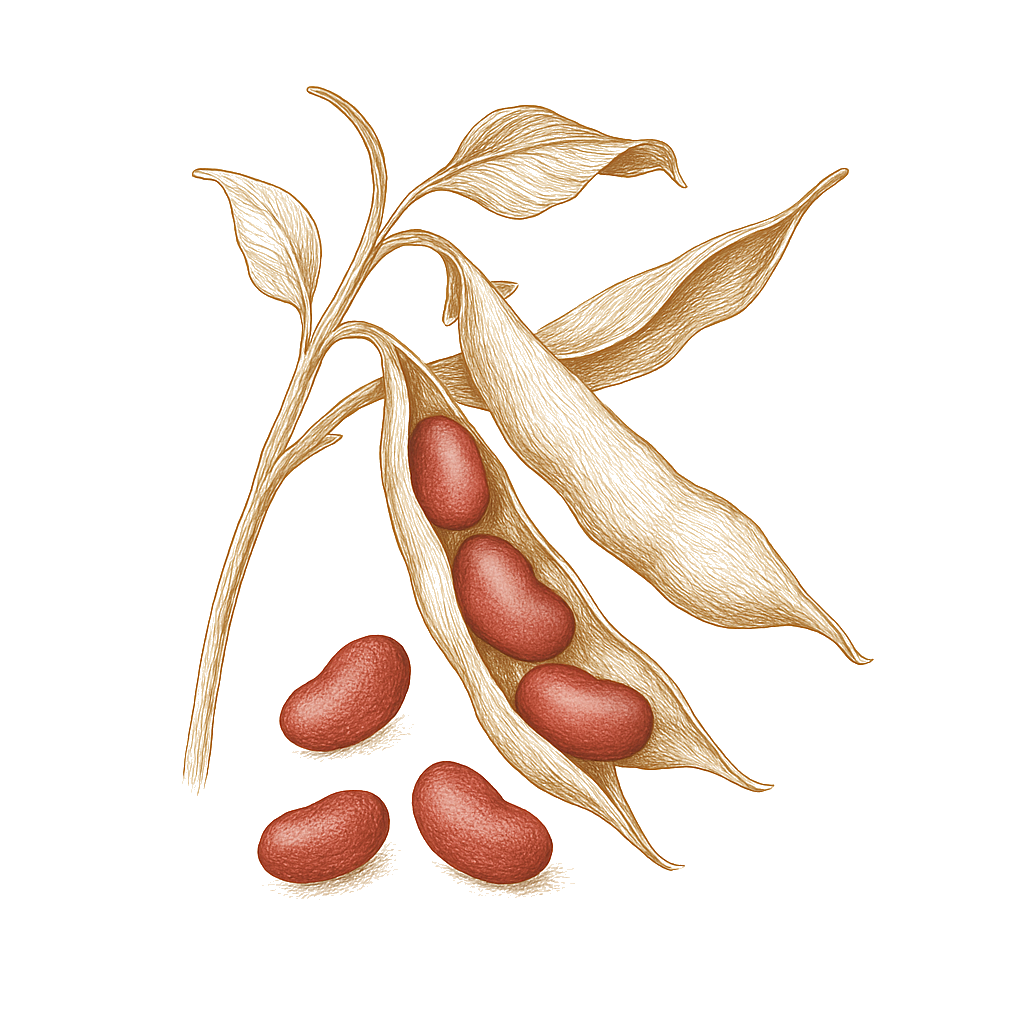
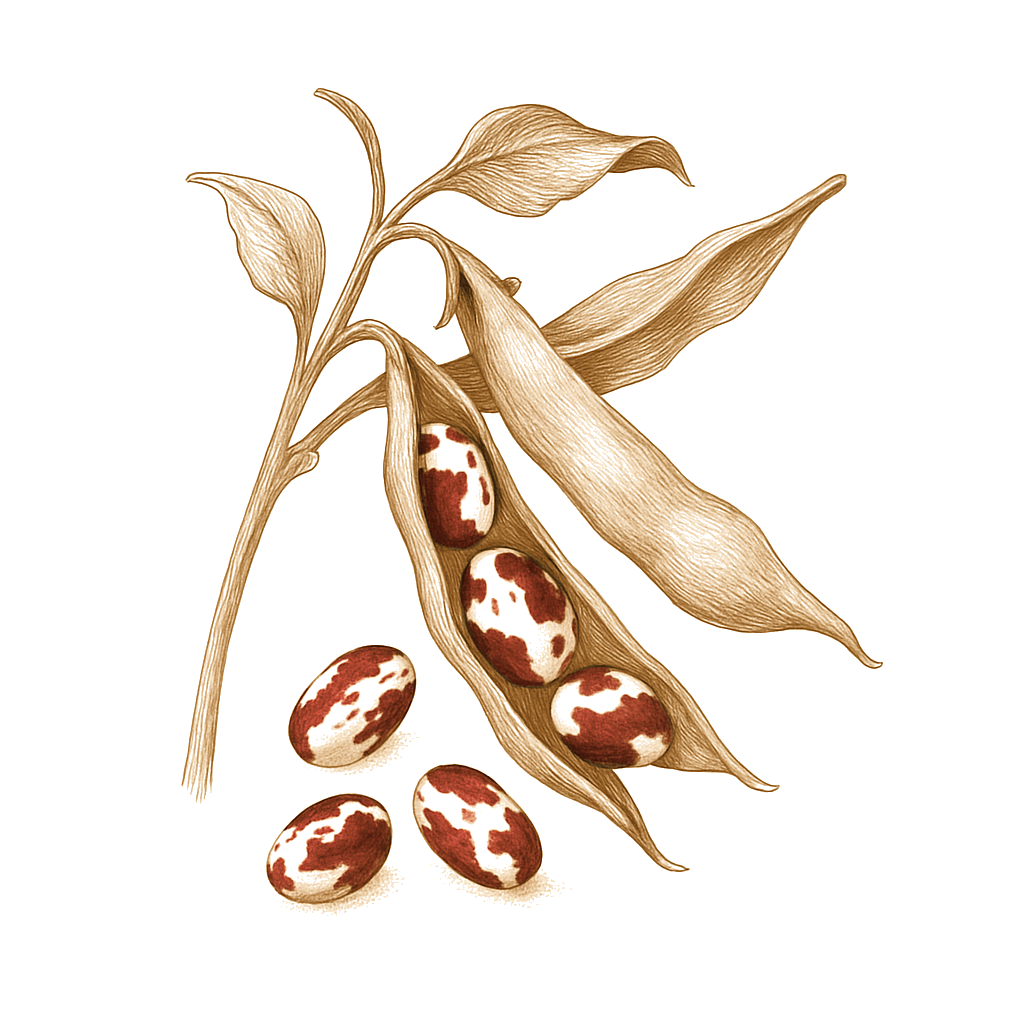
Dry beans are grown just like green beans, but instead of picking the pods young you leave them on the plant to dry out completely. The beans inside get hard, and you harvest, shell, and store them to cook later. Common kinds include black beans like Black Turtle, plus pinto, navy, kidney, and heirlooms like Jacob's Cattle. They are easy to grow and keep for a long time once dried. Dry beans (Phaseolus vulgaris) are the same warm-season legume as snap beans, but grown on to full maturity for their dry, storable seed rather than picked young for tender pods. You sow once in late spring, let the whole planting flower, set pods, and dry down on the plant, then harvest once when the pods are brown and the beans rattle. Cured and shelled, the beans keep for months to years. Black Turtle, Pinto, Navy, Kidney, and heirlooms like Jacob's Cattle are all dry types of this one species, differing in seed size, color, and how long they take to dry down (roughly 85 to 110 days).
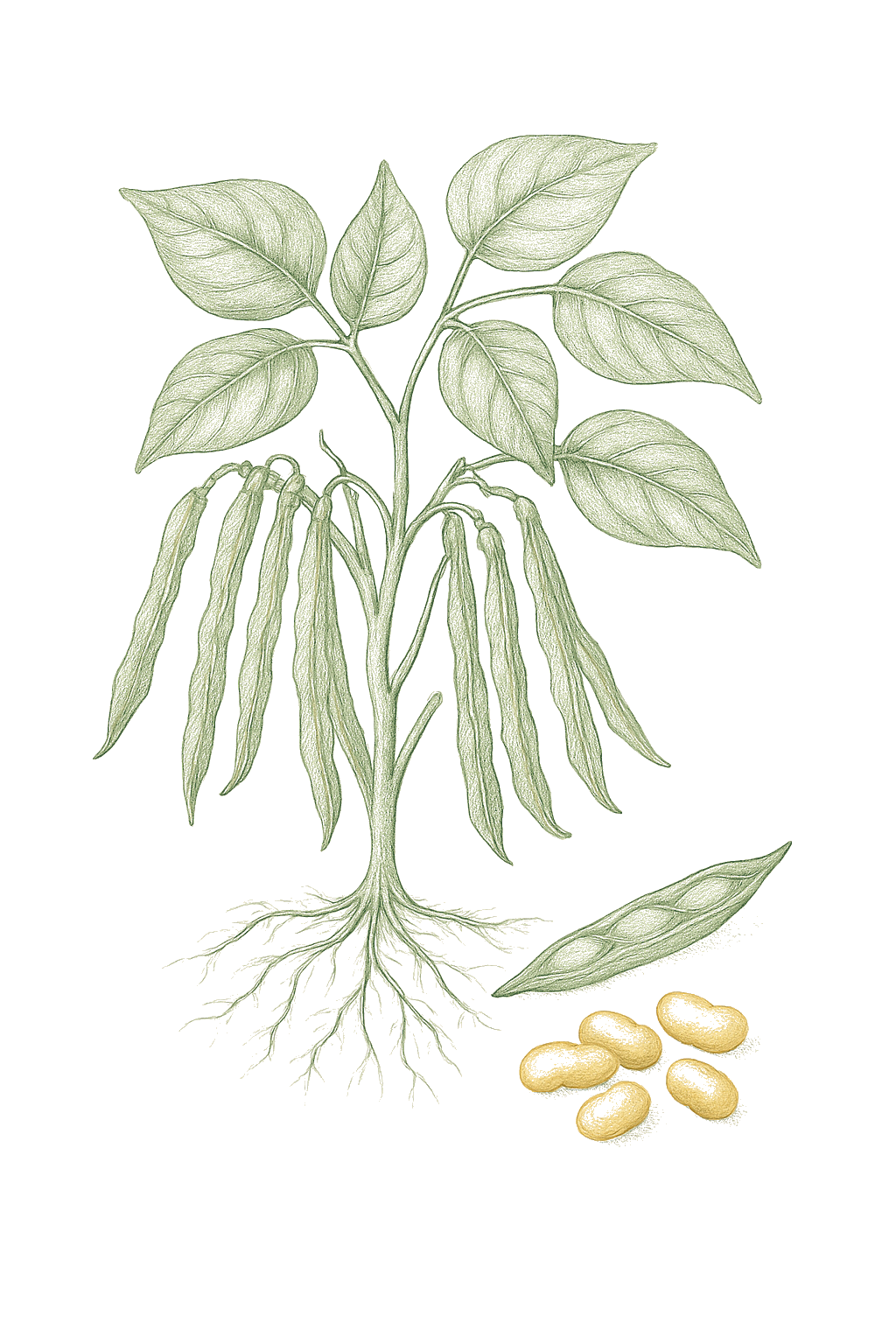
Off-season for dry beans in zone 9.
Zone 9 averages a last frost around March 1. Within Zone 9, the colder half (9a, winters down to 20°F) runs about a week later. The warmer half (9b, winters down to 25°F) runs about a week earlier. The plant app picks your subzone from your ZIP.
| Subzone | Last spring | First fall | Growing days | Winter min | Fruits reliably |
|---|---|---|---|---|---|
| 9a | Mar 8 | Nov 24 | ~261 | 20-25°F | Yes · two seasons |
| 9b | Feb 28 | Nov 30 | ~275 | 25-30°F | Yes · two seasons |
Averages from 8 weather stations per subzone, drawn from NOAA 1991-2020 Climate Normals. Your actual frost date can vary by up to two weeks based on elevation, proximity to water, and local topography.
In Zone 9, dry beans can be planted May through July. Harvest runs September through October.
In Zone 9, dry beans can be planted February through March, skipping the summer heat. Harvest runs May through June.
In Zone 9, dry beans can be planted February through March, skipping the summer heat. Harvest runs May through June.
In Zone 9, dry beans can be planted May through June. Harvest runs September through October.
In Zone 9, dry beans can be planted April through June. Harvest runs August through September.
In Zone 9, dry beans can be planted May through June. Harvest runs July through September.
In Zone 9, dry beans can be planted March through April. Harvest runs June through August.
In Zone 9, dry beans can be planted March. Harvest runs May through July.
In Zone 9, dry beans can be planted March through April. Harvest runs June through August.
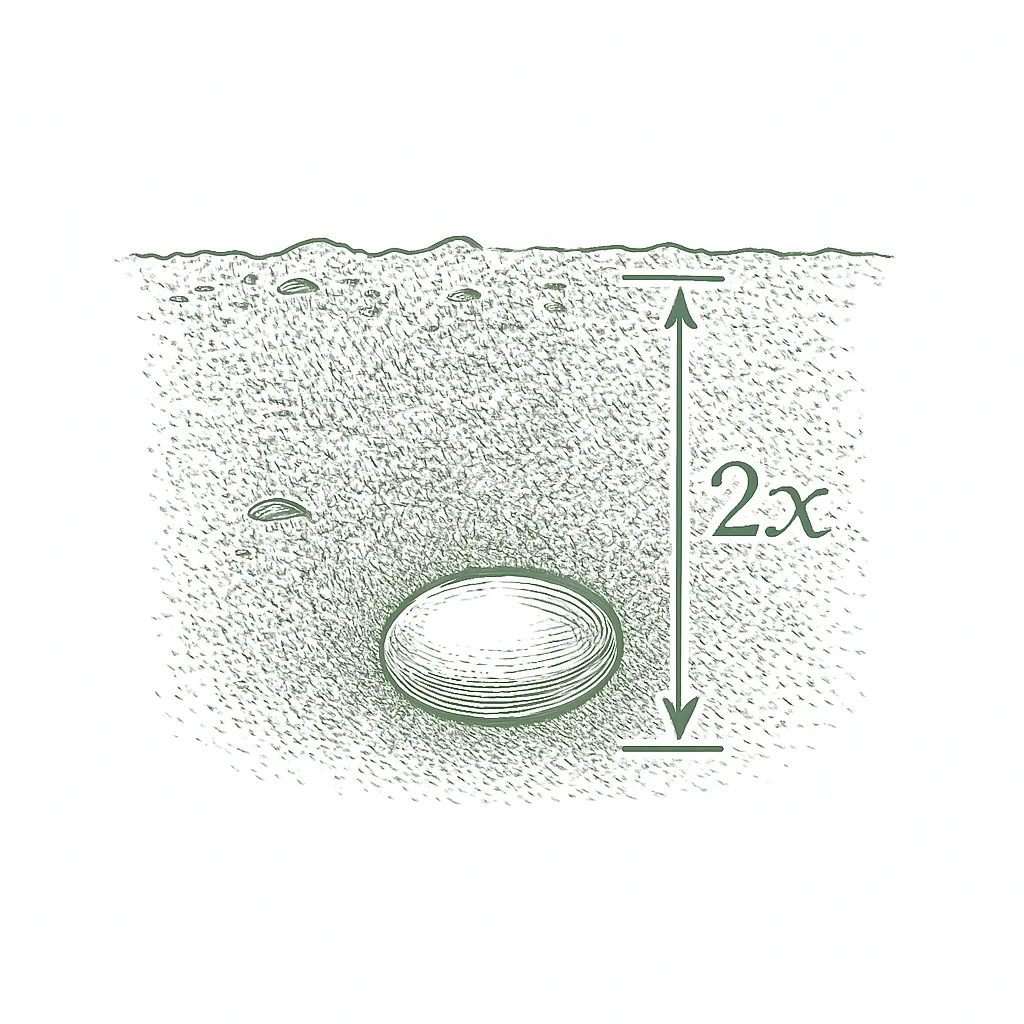
Plant bean seeds right where they will grow, once the soil has warmed and frost is past. Beans do not like having their roots disturbed, so skip starting them indoors.Sow directly into warm soil after the last spring frost. Beans resent root disturbance and germinate quickly in place, so transplanting offers no advantage and risks setting plants back.















Not sure what soil you have? Grab a small handful of damp soil from your garden bed and squeeze it. If it crumbles apart easily, it's sandy. If it holds together but breaks when you poke it, it's loam (what most vegetables want). If it stays in a hard, slippery ball, it's clay.
Beans like loose, fertile soil that drains well. If water sits on top of your bed for a long time after rain, work in some compost first to help it drain.
Mix 2-3 inches of compost into the top 6 inches of your bed before planting. Compost holds moisture (which sandy soil drains too fast) and adds the nutrients sandy soil tends to lack. Repeat each season. Compost breaks down over time.
Mix 2-3 inches of compost AND a few inches of coarse sand or perlite into the top 6 inches of your bed. The compost feeds the plants; the sand breaks up the clay so air and water can move through. Don't add sand without compost. It can compact like concrete.
If amending your soil sounds like too much work, or if your soil is heavy clay, full of rocks, or contaminated, build over it. A raised bed at least 12 inches deep filled with a 50/50 mix of compost and sandy loam gives you ideal growing soil with no battles. A 5-gallon container with quality potting mix does the same for one plant at a time. Both bypass your native soil entirely.
The numbers that matter, at a glance.
Bush beans grow well in a pot at least 5 gallons and 8 inches deep. Plant several seeds across the surface and keep the mix evenly moist.Bush beans are well-suited to containers given their compact, determinate habit. A pot of at least 5 gallons and 8 inches deep, planted with several seeds for a worthwhile pick, performs well with even moisture.
Provider
Bush Blue Lake 274
Contender
Ask what your balcony or roof can carry
A balcony or roof can only hold so much weight. Before you set heavy pots there, ask a building architect what it can safely carry.Illinois Extension's guidance is to consult a building architect about weight limits before placing heavy pots on a balcony or rooftop garden. It gives no weight figure.
Never grow food in a container with anything toxic in it
Many kinds of containers can be used. Whatever you choose, keep anything toxic out of it, especially if you are growing food.Colorado State accepts nearly any container material but warns against using a container that holds toxic materials, especially for edible plants. Illinois adds that a vegetable container should be free of chemicals toxic to plants or people, and urges caution with treated lumber when growing food. If you cannot account for what a repurposed container once held, that alone is a reason to keep food out of it.
Secure hanging containers well
Fasten hanging baskets and window or rail boxes securely. Think about what is below them too, since they can drip on people or things underneath.Illinois Extension asks growers to secure hanging containers well and to think through the safety issues of hanging them. Placement matters too, since a hanging container can drip onto people or belongings below.
Beans do well in slightly acidic to neutral soil. If you have not tested your soil, a pH near 6.5 is a safe target and most garden beds are already close.A soil pH of 5.8 to 6.5 suits snap beans. A soil test is the reliable way to confirm both pH and fertility before the season starts.
Beans make a lot of their own food from the air, so they do not need much fertilizer. Mix a little balanced fertilizer into the bed before you plant, and feed once more right before the plants flower. Too much fertilizer gives you big leafy plants but fewer beans.Snap beans are moderate, light feeders. As legumes they fix much of their own nitrogen, so heavy nitrogen pushes leafy growth at the expense of pods. Without a soil test, work in a balanced starter before planting, then sidedress once just before the first bloom. Sandy beds or leaching rains can call for a second light sidedress.
A balanced vegetable fertilizer like 5-10-10 works well.Pre-plant 5-10-10 if no soil test is available; sidedress a nitrogen source before bloom.
Beans get along with most vegetables. The classic trio is beans with corn and squash. The one pairing to avoid is planting beans right next to onions or garlic. As a nitrogen-fixing legume, beans leave the soil better for what follows and pair traditionally with corn and squash in the Three Sisters planting. The long-standing caution is to keep beans away from the alliums (onion, garlic), which are widely held to suppress them.
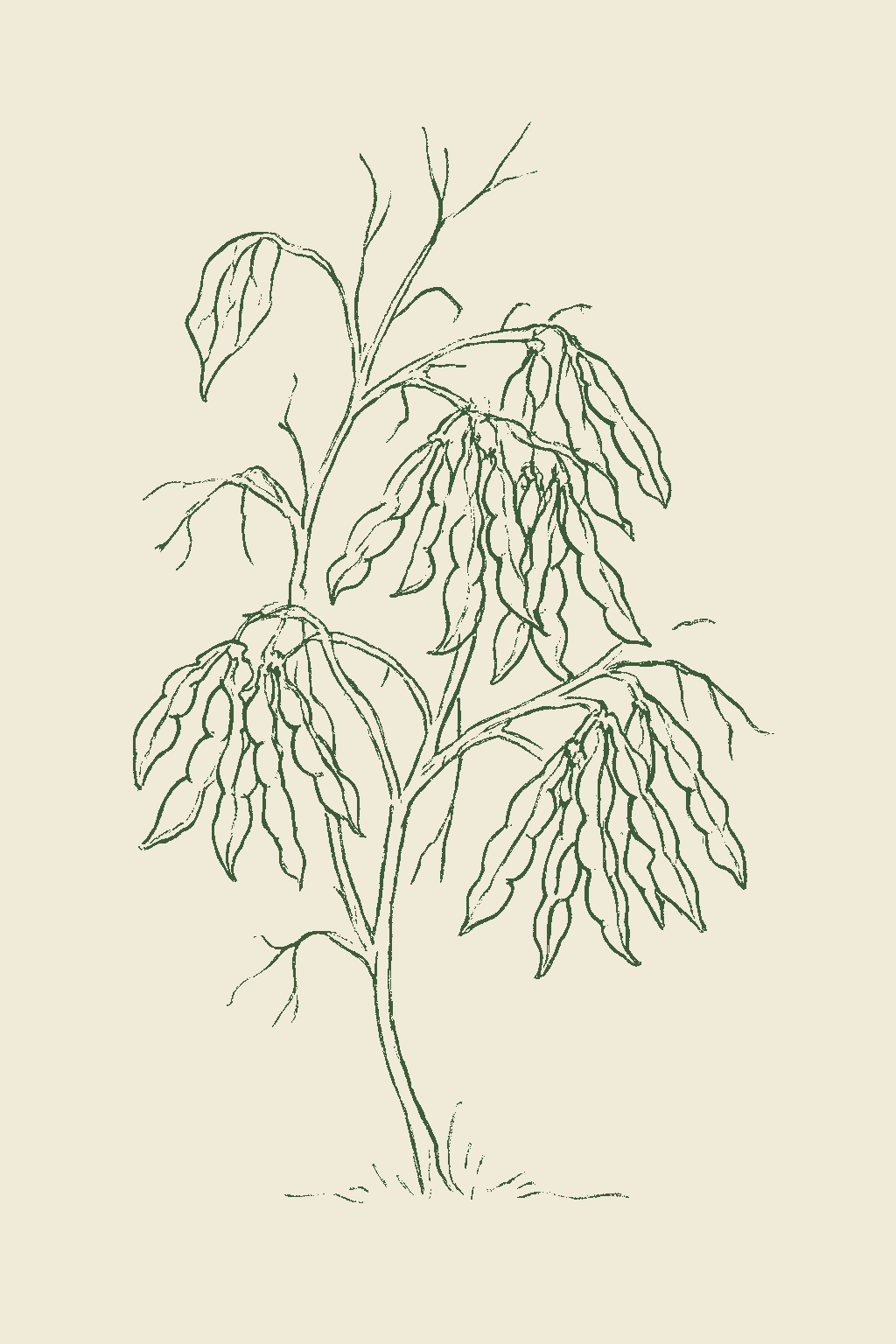
The beans are ready when almost all the pods are dry, brown, and brittle and the beans inside are hard and rattle. Pull up the whole plant on a dry day, before the pods pop open and drop their beans. Unlike green beans, you harvest the whole crop at once.Harvest when about 90 percent of the pods are dry, brown, and brittle and the beans are too hard to dent with a fingernail, ideally before the driest pods shatter or fall rain sets in. Pull or cut the whole plant on a dry day, then finish drying under cover if needed. This is a single harvest, not a repeated pick.
One plant does not make much, so dry beans are grown in rows or blocks. A 10-foot row gives you about 2 to 2.5 pounds of dry beans to store. How much you get depends on the variety and the weather.Dry beans yield a modest amount of shelled seed, which is why they are grown in blocks or long rows. A 10-foot row of bush dry beans returns roughly 2 to 2.5 pounds of dry, shelled beans (USU gives about 20 to 25 pounds per 100 feet of row). Yield depends on variety, season length, and how fully the pods fill.
You harvest dry beans all at once when the plants have dried, not a little at a time like green beans.A single harvest: the whole planting dries down together and is gathered once, rather than picked repeatedly over weeks. Bush beans are one of the most reliable crops for a first-year garden. They come up fast, need little fuss, and give a real harvest in about 50 to 60 days. Even a short row should give you a good pick, and the main thing that affects how much you get is keeping the water steady while they flower and form pods.Bush beans are among the most dependable first-year crops: they germinate quickly, ask little, and produce a real harvest in about 50 to 60 days. A first-year grower can reasonably expect a solid pick from even a short row, with steady moisture through flowering and pod fill being the main lever on yield.
Most dry beans are grown the same way; they just look different and take slightly different amounts of time. If your season is short, choose a faster type like navy rather than a long-season type like black turtle or kidney.Nearly all common dry beans are bush or half-runner forms of Phaseolus vulgaris, so they share this crop's culture; they differ mainly in seed color, size, and days to maturity. Match the variety to your season: navy dries down fastest, while black turtle and Jacob's cattle run the longest.
The ladder troubleshoots from the gentlest solution to the strongest. Start with the gentlest option and only move on when and if it doesn't work.
Wade and Black Valentine are listed as tolerant varieties, which means they hold up better under feeding, not that they go untouched. If this beetle turns up most years where you garden, that choice is made at seed-buying time.Wade and Black Valentine carry documented tolerance rather than immunity; a plant-once decision worth making where Mid-Atlantic or southern Appalachian pressure is routine.
Most of the chewing lands in July and August, so a fast-maturing bush bean sown very early, or a second sowing made in late summer, can largely miss the worst of it.Damage concentrates in July and August as successive generations stack up, so quick-maturing varieties sown well ahead of that window, or a late-summer sowing behind it, sidestep much of the pressure.
Move beans to a different bed rather than replanting where they grew last season.Rotation off last year's bean ground is paired with prompt debris removal in the standing prevention advice; treat the two as one habit rather than as alternatives.
Right after your last picking, pull the spent plants and work them into the soil so the beetles lose the leftover cover they would shelter in over winter.Prompt incorporation of crop debris after harvest strips the overwintering shelter the bed offers; adults also winter near woodland edges, which is why this sits alongside rotation and sowing time rather than replacing them.
Turn the leaves over and take the coppery adults, the spiny yellow young (called larvae), and the clusters of yellow eggs in one pass. Caught early, this works well in a home-sized patch. Beans shrug off a fair amount of chewing, so light feeding is not worth chasing.Scout leaf undersides and take adults, egg masses, and larvae in the same pass; effective in a home patch when started early. Beans tolerate roughly 30 percent defoliation before bloom and 15 percent through bloom and pod fill, so light feeding sits below any treatment threshold.
A small parasitic wasp, Pediobius foveolatus, is sold as a biological control for bean beetles, meaning it is a living helper you buy and release rather than a spray.Pediobius foveolatus is commercially available against this beetle; a purchased release, so it fits an active infestation on a planting big enough to justify the cost, with handpicking already in place.
Only where the beetles get heavy despite the steps above. Spinosad is an organic spray labeled for bean beetles. Follow the label, and skip it for light feeding, since beans can lose leaf without losing pods.Reserve for heavy pressure: spinosad is labeled for bean beetles where timing and handpicking have not held. Weigh it against the defoliation tolerance before treating.
The bottom rungs are products with label rules: timing, pollinators, and days to wait before harvest. Before you spray →
The ladder troubleshoots from the gentlest solution to the strongest. Start with the gentlest option and only move on when and if it doesn't work.
Go easy on the fertilizer. Too much nitrogen pushes out soft, lush growth, which is the tissue aphids favor.Restrained nitrogen keeps growth from turning soft, denying colonies the flush they build on fastest.
Lay reflective mulch, a shiny surface over the soil, while the plants are still small. It confuses aphids arriving to feed and cuts down on the mosaic viruses they carry from plant to plant.Reflective mulch disorients incoming aphids, reducing both feeding and spread of the bean mosaic viruses; laid early while the canopy is still open enough for it to work.
A strong jet from the hose knocks the colonies off the growing tips and leaf undersides. Do it as soon as you find them, before the clusters thicken.A forceful water spray dislodges colonies without touching natural enemies; start at first detection, since reproduction outruns the predators early in the season.
Ladybugs and other helpful insects usually bring aphids down once the weather warms, so give them a chance before reaching for anything stronger.Resident predators generally overtake aphid colonies as temperatures rise; conservation is the default control here, with sprays held behind it.
If colonies keep building, insecticidal soap works on contact, so spray it straight onto the aphids under the leaves. Start when you first see colonies rather than waiting.Insecticidal soap gives good contact control where coverage reaches leaf undersides; begin at first colonies, ahead of the honeydew and sooty mold that follow heavy feeding.
The bottom rungs are products with label rules: timing, pollinators, and days to wait before harvest. Before you spray →
The ladder troubleshoots from the gentlest solution to the strongest. Start with the gentlest option and only move on when and if it doesn't work.
Keep the soil evenly moist instead of swinging between soaked and bone dry. Drought-stressed plants are far more likely to be hit, so steady watering is the first thing to fix.Even soil moisture removes the drought stress that predisposes plants to rapid buildup; the standing preventive through hot, dry spells.
Aim a strong spray of water at the undersides of the leaves to knock the mites and their webbing off. Check those undersides through hot, dry weather so you catch the buildup while numbers are still low.Hosing leaf undersides dislodges mites and strips webbing; repeat it, since a generation can close in as few as eight days in heat.
Ladybugs and other predators feed on mites and help hold them down, so leave them room to work before you spray.Resident predators contribute suppression alongside the physical knock-back, which is why they sit ahead of any spray in the sequence.
Insecticidal soap works only where it lands, so coat the undersides of the leaves. Use it before the mites get thick, since it is much harder once they explode in hot weather.Apply before numbers climb, with coverage on the undersides where colonies sit; in hot, dry weather population growth can outpace a late application.
The bottom rungs are products with label rules: timing, pollinators, and days to wait before harvest. Before you spray →
The ladder troubleshoots from the gentlest solution to the strongest. Start with the gentlest option and only move on when and if it doesn't work.
Plant beans in a new spot each year so the beetles are denied the place they would overwinter.Rotating beans off the previous bed denies overwintering sites, paired with post-harvest debris removal.
Clear the finished plants away after your last picking, since leftover debris is where the beetles get through the winter.Post-harvest residue removal takes out the overwintering shelter; the same pass already run for Mexican bean beetle covers it.
Where this beetle is a known problem, cover the seedlings with a lightweight fabric row cover as they come up. The early weeks are what matter, because chewing around the stem near the soil can kill young plants and thin the stand.Where this beetle is locally established, covering the row until plants are past the girdling-susceptible stage keeps the stand intact; it is that stand loss, not the leaf holes, that costs yield.
Pick the beetles off as you see them. A fair amount of chewed leaf on an established plant costs you no pods, so ragged holes there usually need nothing. Put your attention on the seedlings.Handpicking, with the Mexican bean beetle measures already running, generally holds this one; foliar feeding on established plants falls inside the crop's defoliation tolerance, so the seedling stage is where intervention pays.
No spray for this one. Prevention is the control.
The ladder troubleshoots from the gentlest solution to the strongest. Start with the gentlest option and only move on when and if it doesn't work.
If rust keeps coming back in your garden, pick a rust-resistant variety when you buy seed.Rust-resistant cultivars are the standing answer where the disease recurs, chosen at purchase rather than fought in season.
Where rust has shown up before, put beans on new ground. The fungus rides through winter in the soil and in leftover debris.Rotate off ground with a rust history; the fungus carries season to season in soil and residue, so a repeat planting meets last year's carryover.
Water the soil rather than the leaves. Rust develops in humid conditions, so anything that keeps the foliage wet longer works in its favor.Base watering avoids the overhead wetting that feeds infection; humidity is the named driver for this one.
Give the plants enough room that air moves through them and the leaves dry off. Crowded beans hold humidity, which is what rust needs.Spacing for airflow shortens the humid periods that drive infection; set at planting rather than reached for as a rescue.
Pick off and destroy the leaves carrying rust bumps rather than composting them, clear the old plants at season's end, and clean or replace any stakes or supports you reuse, since the fungus can persist on them.Remove infected foliage in season and residue at the end of it; carryover on stakes or supports reused from a previous crop is documented, so clean or replace them between seasons.
Where rust has run severe, sulfur dust or spray gives good control, but begin at first flowers and reapply about every 10 to 14 days. Follow the label.Sulfur begun at the start of bloom and held to a 10 to 14 day interval is the option where rust has run severe; it is a scheduled program, so the interval is the part that carries it.
The bottom rungs are products with label rules: timing, pollinators, and days to wait before harvest. Before you spray →
The ladder troubleshoots from the gentlest solution to the strongest. Start with the gentlest option and only move on when and if it doesn't work.
Start with certified disease-free seed. This fungus travels in the seed itself, so seed held back from a crop that had anthracnose brings it straight back.The pathogen is seedborne, so certified clean seed is the entry point; saved seed off an affected crop reintroduces it directly.
Keep beans out of that spot for two to three years. The fungus can live on old plant debris in the soil for up to two years.A two to three year break off affected ground covers the up-to-two-year survival on residue.
Pull and destroy affected plants rather than composting them, and clear all the old plants after harvest. Tissue that is already infected cannot be cured, so removal is about slowing the spread.There is no cure for infected tissue, so removing affected plants and clearing residue after harvest is the working control.
Water at the soil line, and keep soil from splashing onto the leaves. Splashing water is how this fungus gets around.Splash dispersal is the in-season spread mechanism, so base watering and keeping soil off the foliage matter most through the cool, wet spells that favor it.
Copper fungicide can hold it back on snap beans if you begin early, though clean seed and rotation do most of the work.Copper suppresses rather than cures, and only when started early on snap beans; cultural steps stay the mainstay for a home crop.
Named alongside copper as the other material that can hold anthracnose back, and only where it is started early. It suppresses rather than cures, and this crop's guidance is plain that the cultural steps above are what carries a home crop, so this sits at the far end rather than being the answer. Read its warnings before choosing it.Named with copper as a material that can suppress anthracnose where treatment starts early; the source calls cultural control the mainstay for a home crop, so this rung closes a program rather than replacing one. Suppression rather than eradication, and preventive in its timing, so a late application buys little.
The bottom rungs are products with label rules: timing, pollinators, and days to wait before harvest. Before you spray →
The ladder troubleshoots from the gentlest solution to the strongest. Start with the gentlest option and only move on when and if it doesn't work.
Start every season with fresh certified seed rather than your own saved seed. Both of these blights begin on infected seed.Both pathogens are seedborne, so new certified seed each season is the primary break in the cycle.
Give any one bed a three year break from beans. The bacteria can last as long as two years in the leftover debris of an infected crop.A three year interval outruns the up-to-two-year survival on residue in the bed.
Water at the base rather than overhead. Both blights move in rain and damp conditions, and overhead water does the same job for them.Overhead irrigation reproduces the rain splash both blights travel in; base watering removes that route.
Stay out of the bean patch while the leaves are still wet. Brushing past wet plants carries the bacteria from one to the next.Handling wet foliage moves bacteria plant to plant, so timing your work to a dry canopy is a no-cost control, separate from how you water.
Infected plants do not recover, but copper sprays on about a 10 day schedule can slow the spread. Follow the label.Copper on a 10 day interval slows spread only; infected plants do not recover, so the seed and moisture steps carry the program.
The bottom rungs are products with label rules: timing, pollinators, and days to wait before harvest. Before you spray →
The ladder troubleshoots from the gentlest solution to the strongest. Start with the gentlest option and only move on when and if it doesn't work.
Hold off sowing until the soil reaches about 69°F at a depth of 4 inches. Seed that sits in cold, wet soil rots before it can come up.Sowing once soil reaches about 69°F at 4 inches cuts the time seed and seedling sit exposed in the cold, wet conditions these fungi exploit.
Plant on raised beds in ground that drains well and stay out of low, wet spots. Cool, wet soil is what lets these root rots in.Raised beds on well-drained ground remove the standing wet that Rhizoctonia, Pythium, and Fusarium exploit; these fungi are resident, so the site is the lever rather than any treatment.
Move beans around the garden each year, following them with other vegetables.Rotation with other vegetables is the residual step once site and sowing temperature are handled.
Pull the seedlings that have rotted, since there is no saving them, and clear the old plants after harvest. If you lose a stand, replant once the soil is warmer and draining better.Rotted seedlings do not recover: remove them, clear residue after harvest, and treat a replant into warmer, better-drained conditions as the only in-season recovery.
No spray for this one. Prevention is the control.
The ladder troubleshoots from the gentlest solution to the strongest. Start with the gentlest option and only move on when and if it doesn't work.
Give plants and rows enough space for air to move between them. This mold needs still, humid air inside a crowded canopy, so spacing is the main thing you control.Wider plant and row spacing dries the canopy the fungus depends on; with no recommended home-garden spray, layout carries most of the management.
Go easy on the fertilizer. Too much nitrogen pushes heavy, leafy growth, and that dense canopy traps the damp, still air this mold needs.Excess nitrogen drives the lush vine growth that closes the canopy, so restrained feeding is the second half of the airflow strategy.
Water the soil, not the leaves, and try not to leave the plants wet and packed together.Base watering avoids adding to the cool, moist conditions under which lesions run together and choke the stem.
Pull and destroy infected plants rather than composting them. Nothing on the home-garden shelf is recommended against it, so how you grow and clean up is the whole program.Rogue out infected plants and destroy them; with nothing recommended chemically at the home-garden scale, removal plus canopy management is the whole of it.
No spray for this one. Prevention is the control.
Move your beans to a new spot each year, on about a three-year rotation. Because beans feed the soil with nitrogen, whatever you plant there next will benefit.Rotate beans on a roughly three-year cycle. Their nitrogen-fixing habit makes them a good predecessor for nitrogen-hungry crops.
The plant app sends a timely reminder at every critical moment of your dry beans season. The wording adjusts to whichever you pick: beginner or seasoned. Here are three you'll see in Zone 9.
plant sends the right notification at exactly the right moment, for your zone, your weather, your crops. Founding members lock the rate forever.
We're building this guide with real growers. Got a question we missed? Ask here. We read every one and add the best answers right to this page.
Learned something the hard way? Pass it on. Real growers' tips make this guide better for the next person, and we credit you by name when yours goes live.
If you've grown this crop and you see a date, a temperature, a companion claim, or a recommendation that doesn't match your experience, tell us. Real growers' corrections make this guide better for the next person.
Every date, temperature, spacing, and recommendation on this page is sourced from university cooperative extension publications, peer-reviewed agricultural research, NOAA climate data, and direct extension calendars. Where claims are softer (traditional gardening wisdom not formally documented), we say so.
Spot a data point that doesn't match your experience? Submit a correction; accepted corrections earn full author credit on the page.
Zone-aware seasonal nudges, what's worth planting now, and the occasional recipe from the harvest. No spam, ever.