Pick your zone and the dates re-calibrate.
The Guide Flowers Vol. 003

Echinacea (Purple Coneflower)

in Zone 4, this week

Purple coneflower, also called echinacea, is a tough, easy-care perennial flower that comes back year after year from the same roots. It grows about 2 to 4 feet tall, with big daisy-like flowers: pinkish-purple petals that often droop a little around a raised, spiky orange-brown center cone. It blooms from summer into fall and is hardy in most of the country (roughly zones 3 to 9). Once it settles in, its deep root makes it very drought tolerant and happy in poor, even rocky soil, as long as the ground drains well; soggy or overly rich soil makes it short-lived and floppy. Bees and butterflies love the flowers, and later the seed heads feed goldfinches and other birds, so many people leave the dried cones standing through winter. You plant it once and it spreads a little on its own from dropped seed. This is the same plant used to make herbal echinacea, traditionally from the roots and flowers. Purple coneflower (Echinacea purpurea) is a tough, clump-forming herbaceous perennial in the Asteraceae family, native to the central and eastern United States and hardy across roughly USDA zones 3 through 9 (best 3 to 8). It sends up sturdy 2 to 4 foot stems topped by large daisy flowers: rose-purple, often slightly drooping ray petals surrounding a raised, bristly coppery-orange cone, blooming from early or mid summer well into fall. A deep taproot makes an established plant notably drought, heat, and humidity tolerant and content in lean, even rocky soil, though it wants good drainage; wet, rich ground shortens its life and makes it flop. It is a premier pollinator plant, drawing bees and butterflies over a long bloom, and its ripening seed cones are a magnet for goldfinches and other songbirds, so many gardeners leave the spent cones standing into winter. It self-sows freely and is easily raised from divisions or from seed, which germinates best after a cold, moist chill. The genus is the source of the herbal echinacea preparations, traditionally made from the roots and tops.
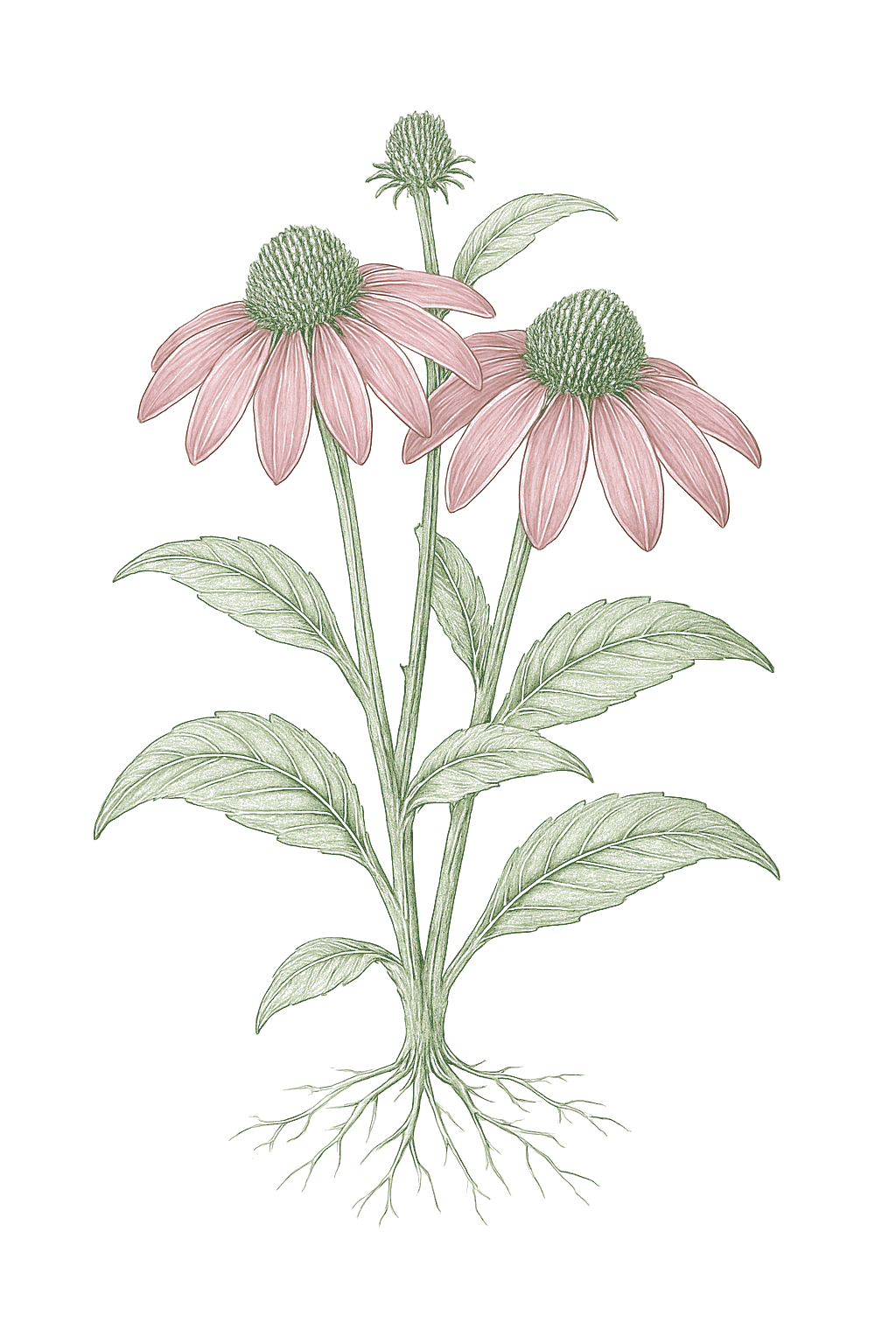
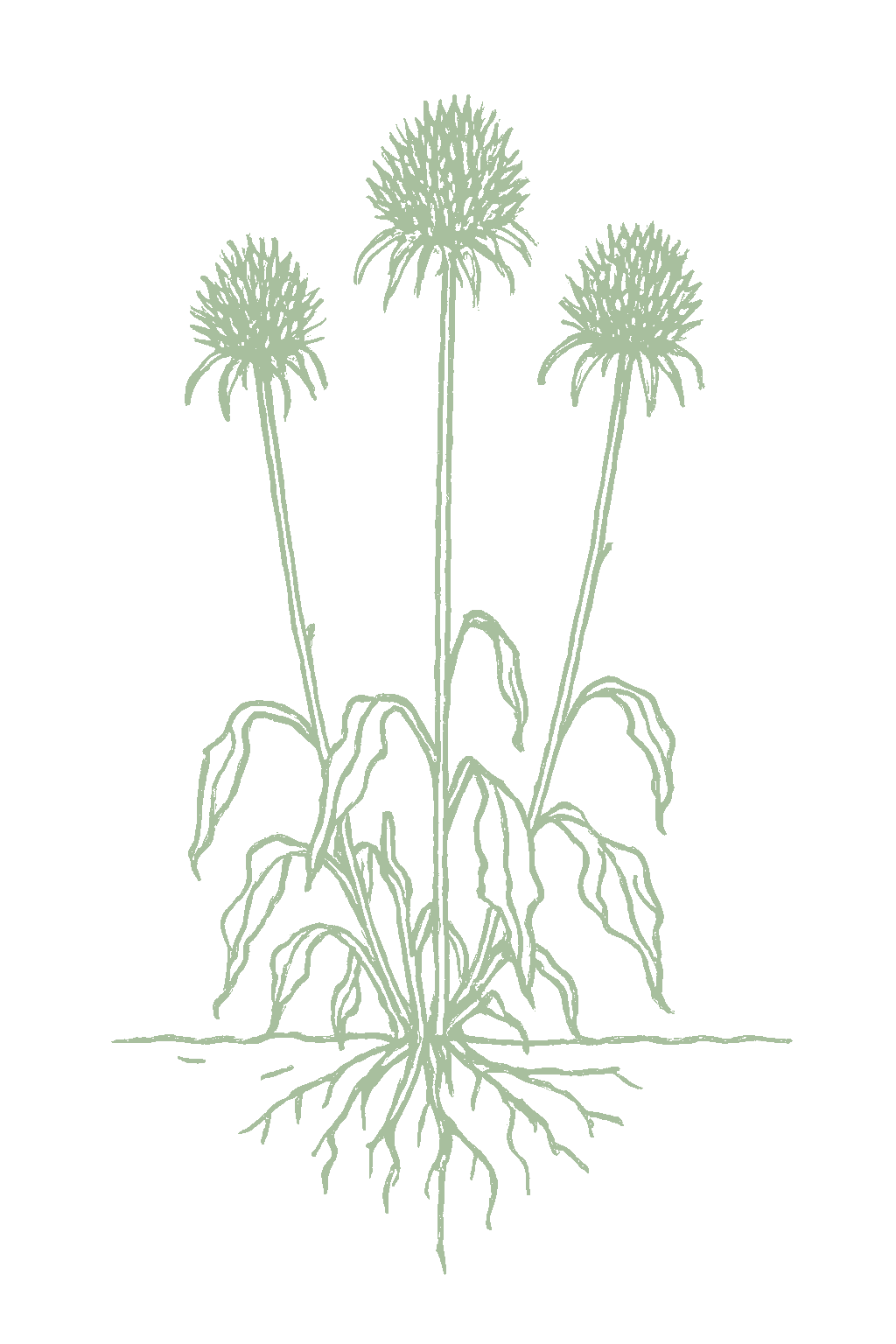
Echinacea (Purple Coneflower) mature plant
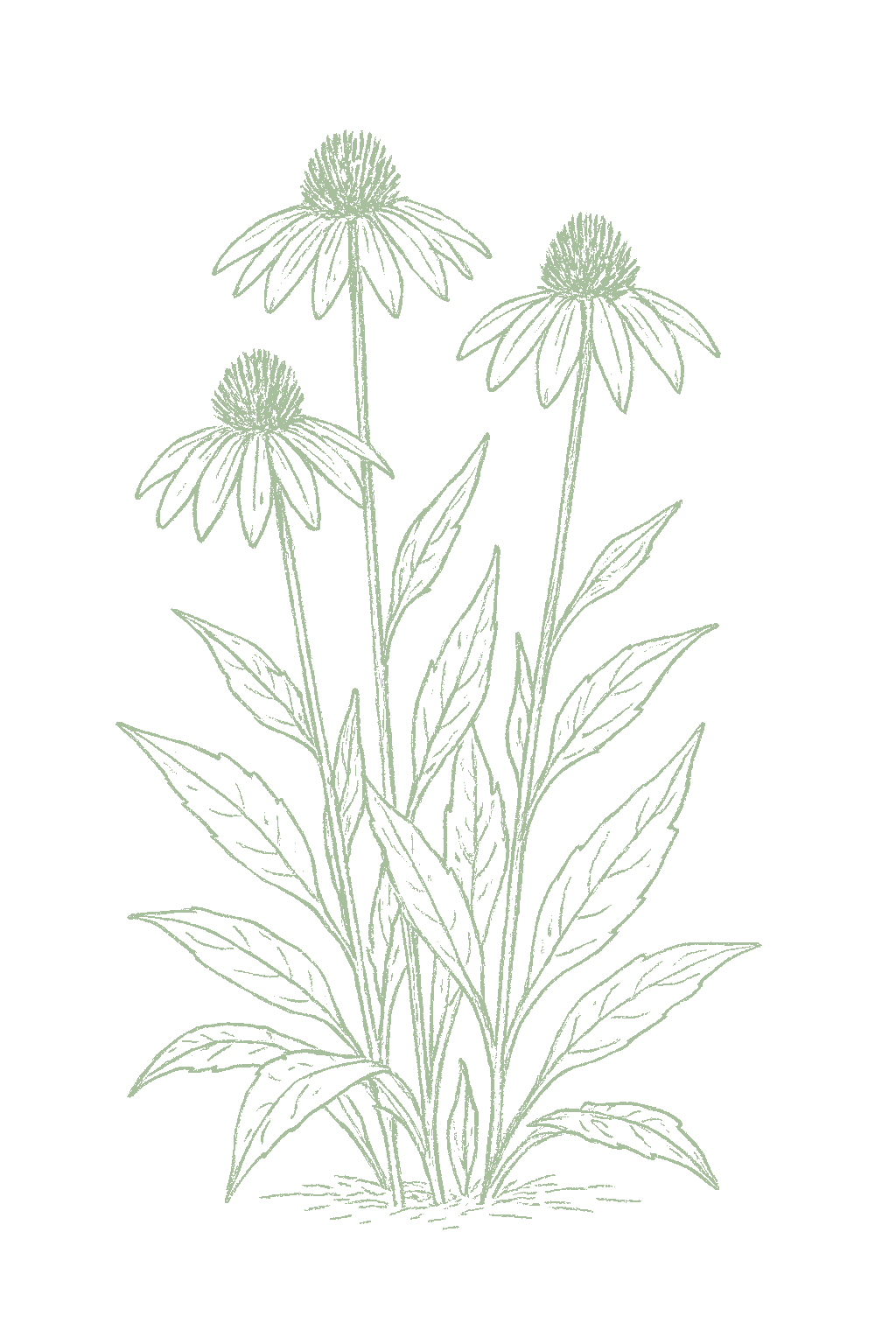
Fig. 01 · Echinacea (Purple Coneflower), mature Zone 4
Mature in
90-120d
from transplant
Sunlight
Full sun to partial shade
6-8 hrs daily
Water
Low
1 inch / week
Spacing
18-24"
between plants
Soil pH
6-7
slightly acidic
Today · in your zone

What's happening right now

July 24 · Zone 4 · Stage 01 · Establishment (planting or spring regrowth)

Off-season for echinacea (purple coneflower) in zone 4.

The season at a glance

Planting calendar

In Zone 4, echinacea (purple coneflower) can be planted May through June. In bloom July through September.

Jan
Feb
Mar
Apr
May
Jun
Jul
Aug
Sep
Oct
Nov
Dec
plant
too cold
too cold
too cold
too cold
plant
plant
too late
too late
too late
too cold
too cold
too cold
bloom
bloom
bloom
bloom
indoors
plant out
bloom
Keep them blooming Deadhead spent blooms through the bloom window to keep new flowers coming.
The season, mapped

Seed to garden

There are three easy ways to get coneflowers going. The simplest is to plant a division or a young nursery plant in spring; it usually flowers that first summer. You can also grow them from seed, but chill the seed first (a few weeks damp in the fridge, or sow outdoors in fall) so it sprouts well, then start indoors around 65 to 70 °F, barely covering the seed since a little light aids germination. Seedlings sprout in about 10 to 20 days but can take a year or two to reach full size, except quick types like 'PowWow Wild Berry' that bloom the first year. Every few years, dig and split a big clump in spring or fall to keep it healthy.Echinacea can be established three ways. The simplest is a spring-planted division or nursery transplant, which typically flowers the same summer and fills in fully the next year. From seed, cold, moist stratification greatly improves and evens germination (a few weeks of chilling, or an outdoor fall/winter sowing), after which seed sown indoors at about 65 to 70 °F, surface-sown or only barely covered since light aids germination, germinates in roughly 10 to 20 days and is transplant-ready in 20 to 28 days; seedlings may take two or more years to reach full size, though first-year-flowering selections like 'PowWow Wild Berry' bloom their first season from an early start. Divide established clumps every 3 to 4 years in spring or fall to renew vigor.
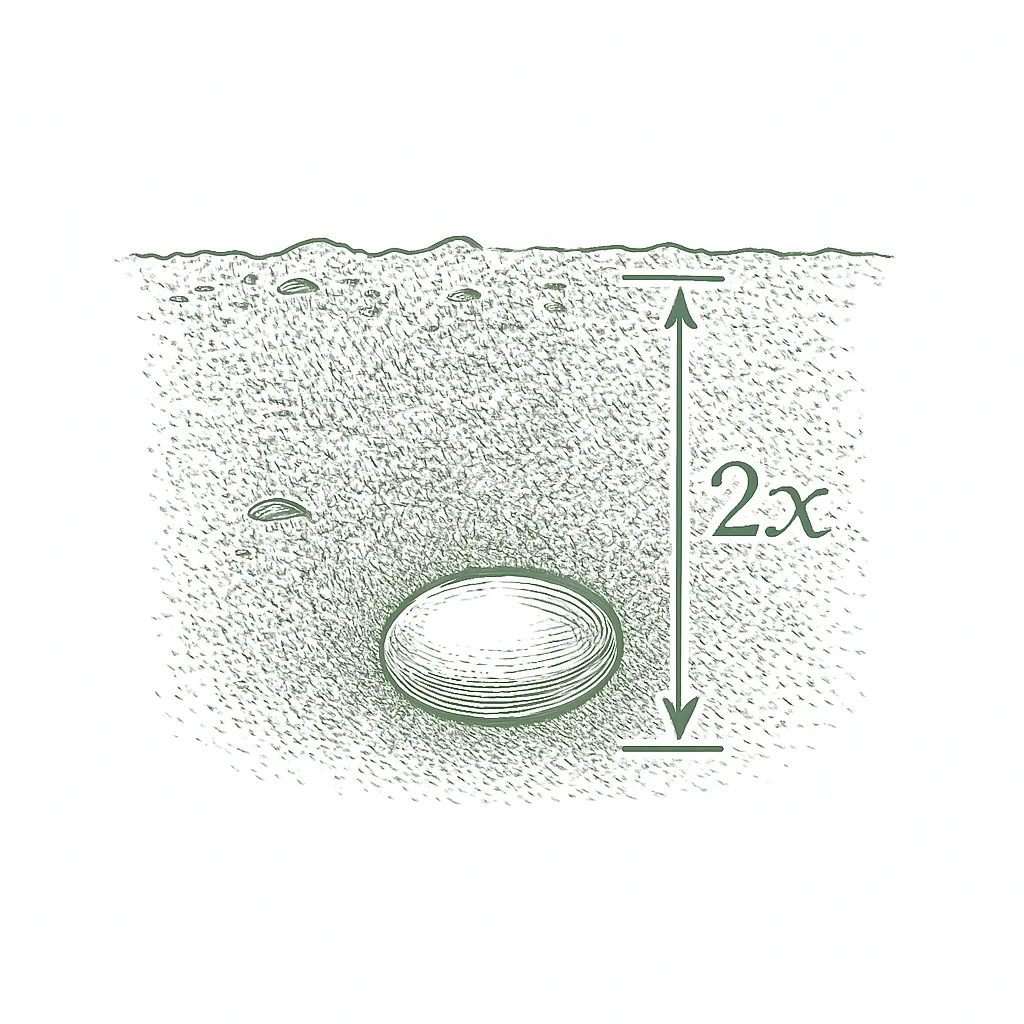
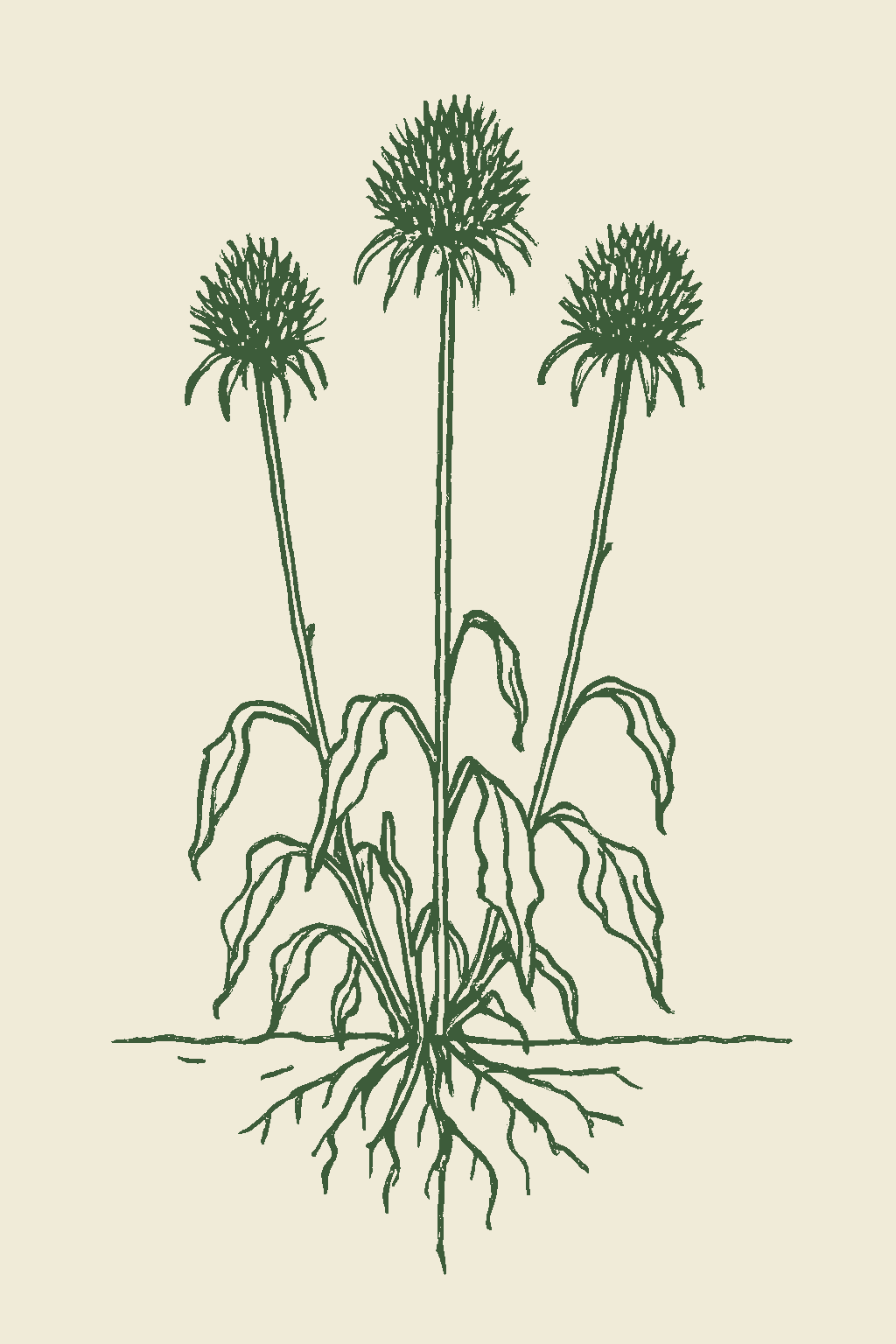
  1. 01
    Sow outside
    May
  2. 02
    First harvest
    From Jul 1
    90-120 days from sowing
Start method
Both
Soil temp
65-70°F
From seed to fruit

The growing journey

Stage 01 · Establishment (planting or spring regrowth)
01
Establishment (planting or spring regrowth)
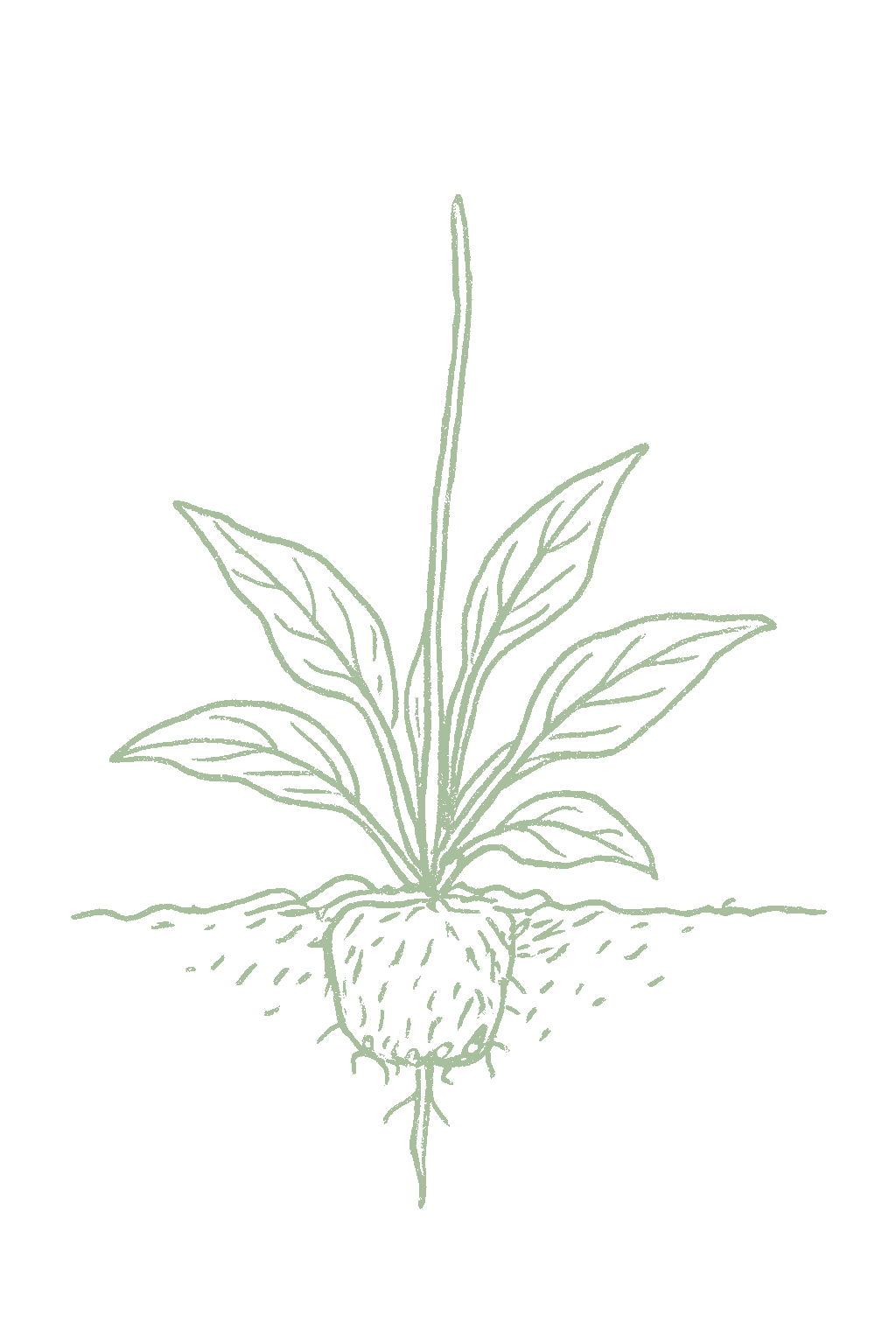
A newly planted coneflower starts growing, or an established one sends up fresh leaves from the ground in spring.A spring-set division or transplant roots in and pushes new growth; an established clump sends up a fresh basal rosette of rough, dark-green leaves from the crown as the soil warms.
Plant divisions or young plants in spring in a sunny, well-drained spot about 18 to 24 inches apart, water them in, and keep the soil damp until they are growing well. Do not overfeed.Set out divisions or transplants after hard frost into full sun and well-drained soil, space 18 to 24 inches, water in, and keep evenly moist only until roots take hold; do not overfeed.
FROM PLANT · Plant in full sun in soil that drains well. Soggy soil is the number one killer, so drainage matters more than rich soil. Space plants about 18 to 24 inches apart.Site in full sun and sharply drained soil; wet feet, not cold or heat, is what kills coneflowers. Lean soil is fine and better than rich. Space 18 to 24 inches for airflow.
FROM PLANT · Growing from seed? Chill the seed damp for a few weeks first (or sow outdoors in fall) so it sprouts well, then keep it around 65 to 70 °F. Or just plant a division in spring for flowers the same summer.From seed, give cold, moist stratification (a few weeks chilled, or a fall/winter outdoor sowing) for even germination, then 65 to 70 °F indoors for 10 to 20 day emergence; or skip it and set out a division for same-summer bloom.
02
Vegetative growth
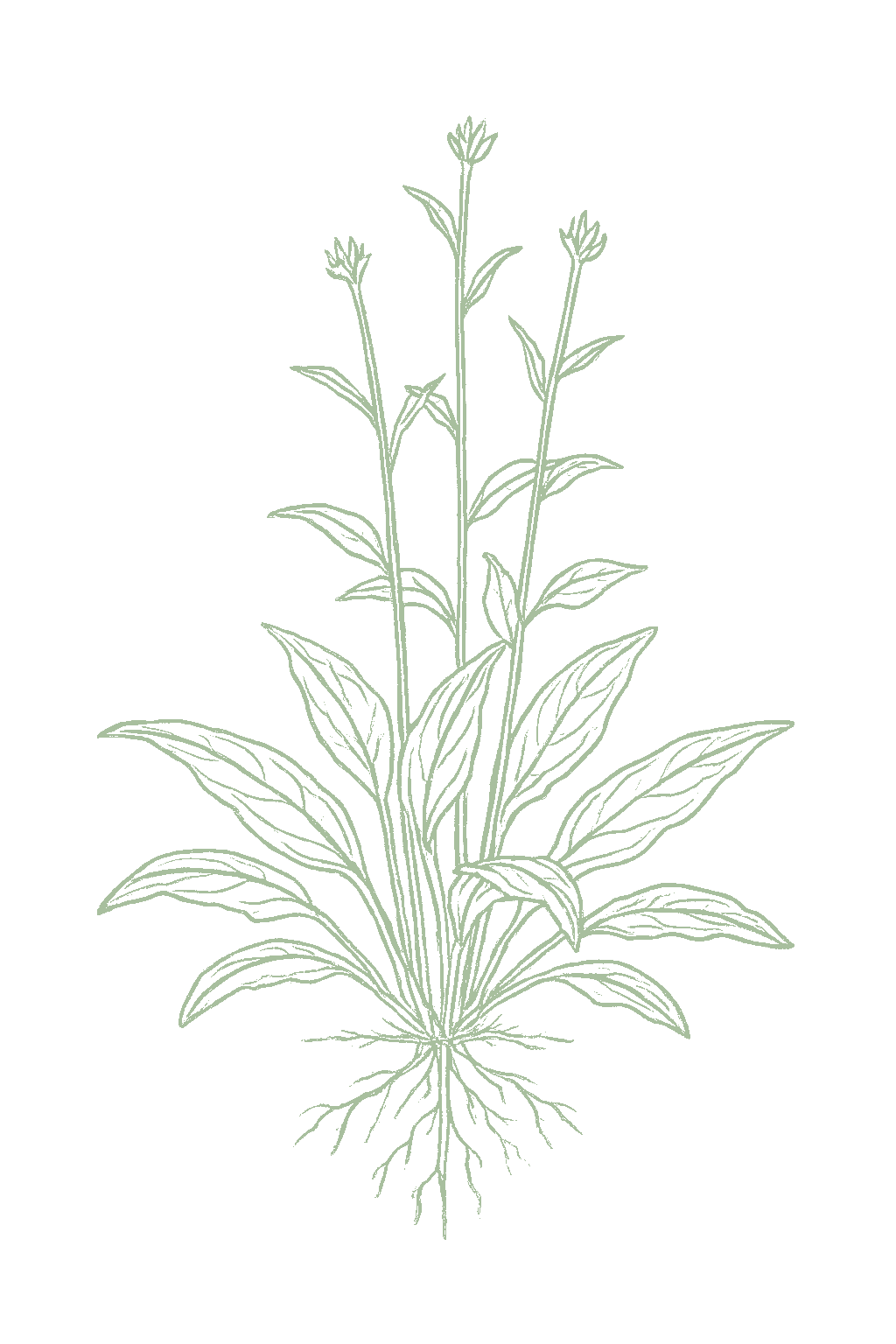
The plant fills out with leaves and starts sending up tall flower stalks.The clump builds a mound of coarse foliage and begins to send up flower stems 2 to 4 feet tall through late spring and early summer.
Water less now that it is growing well. Keep an eye out for aphids, beetles, and any strange, deformed flowers, which can mean disease.Ease off water as the plant establishes; stake nothing (stems are self-supporting unless soil is too rich); scout for aphids and early Japanese beetles and watch for any deformed growth signaling aster yellows.
FROM PLANT · Do not overfeed or overwater. Rich, wet soil makes coneflowers tall and floppy and shortens their life. Keeping them a bit lean and dry makes them sturdy and long-lived.Resist the urge to feed and pamper: rich, moist, high-nitrogen conditions produce tall, floppy, lodging-prone, short-lived plants. Under-water and under-feed for sturdy, long-lived clumps.
03
Budding
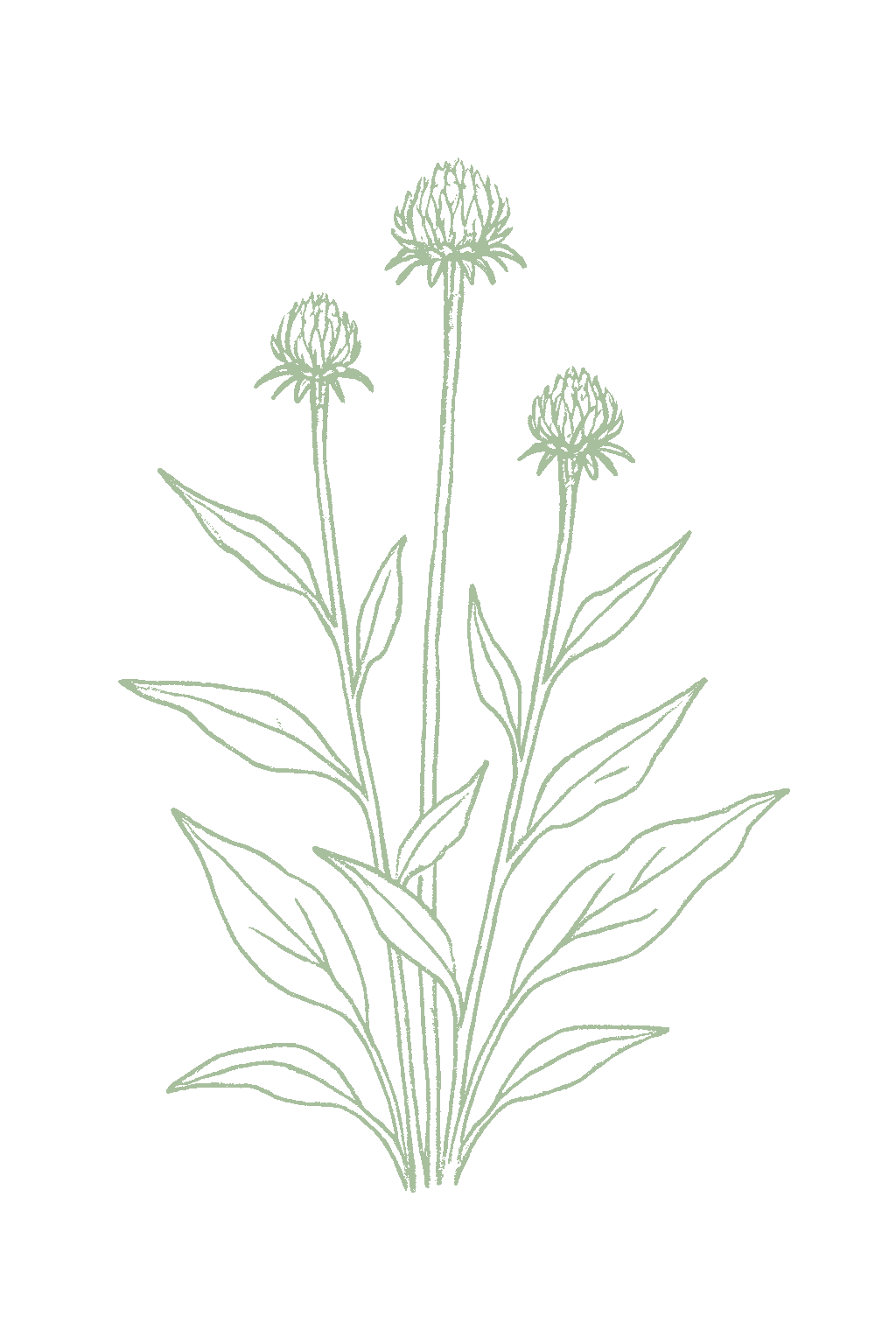
Flower buds form at the tops of the stems and start to open.Cone-shaped buds form at the stem tips and begin to open, the ray petals unfurling around the central cone.
Keep watering light and even. Watch for beetles on the new flowers and any oddly tufted, distorted buds.Keep water light and even; begin watching for Japanese beetles on opening flowers and for eriophyid-mite distortion in buds.
FROM PLANT · Watch the forming flower buds. Pick off Japanese beetles, and pull out any plant with strange, deformed green flowers (a disease that cannot be cured). Keep the water even.As buds form and open, keep water even and start scouting: Japanese beetles favor opening flowers, and eriophyid-mite feeding shows as tufted, distorted buds erupting from the cone. Rogue out any plant with green, deformed, witches-broom flowers, the sign of incurable aster yellows.
04
Flowering
The big daisy flowers open and keep coming for weeks, from summer into fall, full of bees and butterflies.The long bloom: large daisy flowers open over many weeks from early or mid summer into fall, drawing bees and butterflies; the raised cone darkens as it matures.
Snip off faded flowers to get more blooms, or leave some to make seed for the birds. Cut flowers for a vase just as they fully open.Deadhead spent blooms through the season to prolong flowering and reduce self-sowing, or leave some cones to ripen for the birds; cut for the vase just as flowers fully open.
FROM PLANT · Snip off faded flowers through summer for more blooms and less self-seeding, but leave the last ones to form seed heads for the birds. Simple single flowers feed bees best.Deadhead through summer to extend bloom and curb self-sowing, but leave the final flush of cones to ripen for goldfinches; open single forms feed pollinators far better than doubles.
FROM PLANT · Pick Japanese beetles off by hand in the morning into soapy water, and skip the beetle traps, which attract more than they catch. Pull out any plant with strange, deformed green flowers (a disease).Hand-pick Japanese beetles into soapy water in the cool morning; skip lure traps, which draw in more beetles than they remove. Watch for eriophyid-mite bud distortion and rogue out any aster-yellows deformity.
05
Seed set and dormancy
The flower centers turn into spiky brown seed heads that feed birds. In fall the plant dies back to the ground and rests over winter, then comes back in spring.After bloom the cones ripen to spiny brown seed heads that feed goldfinches; in fall the top dies back and the plant overwinters as a dormant crown, resprouting the next spring. Deciduous everywhere it freezes.
Leave the seed heads and stems standing for the birds and winter looks, then cut them down in late winter. Every few years, dig and split crowded clumps.Leave standing cones and stems for goldfinches and winter interest; cut dead stems back to 12 to 24 inches or to the ground in late winter. Divide crowded clumps every 3 to 4 years.
FROM PLANT · Leave the seed heads and stems standing through winter for the goldfinches. Cut the dead stems down in late winter, and split crowded clumps every few years to keep them vigorous.Leave standing cones and stems into winter as goldfinch food and structure; NC State suggests cutting dead stems only to 12 to 24 inches and letting them stand. Cut back in late winter and divide every 3 to 4 years.
Beginner
Know your soil

Your soil

Identify yours

Not sure what soil you have? Grab a small handful of damp soil from your garden bed and squeeze it. If it crumbles apart easily, it's sandy. If it holds together but breaks when you poke it, it's loam (what most vegetables want). If it stays in a hard, slippery ball, it's clay.

What this crop wants

Coneflowers are not fussy and grow in most ordinary garden soil, including poor, sandy, or rocky ground, as long as it drains well. The one thing they hate is soil that stays wet, which rots the roots and shortens the plant's life. You do not need to enrich the soil much; very rich or heavily fertilized ground actually makes them grow tall and floppy and live fewer years. Good drainage matters far more than fertility.

If your soil doesn't match

You have sandy soil

Mix 2-3 inches of compost into the top 6 inches of your bed before planting. Compost holds moisture (which sandy soil drains too fast) and adds the nutrients sandy soil tends to lack. Repeat each season. Compost breaks down over time.

You have clay soil

Mix 2-3 inches of compost AND a few inches of coarse sand or perlite into the top 6 inches of your bed. The compost feeds the plants; the sand breaks up the clay so air and water can move through. Don't add sand without compost. It can compact like concrete.

Containers and raised beds

If amending your soil sounds like too much work, or if your soil is heavy clay, full of rocks, or contaminated, build over it. A raised bed at least 12 inches deep filled with a 50/50 mix of compost and sandy loam gives you ideal growing soil with no battles. A 5-gallon container with quality potting mix does the same for one plant at a time. Both bypass your native soil entirely.

Learn more about your soil
The specs

Care guide

The numbers that matter, at a glance.

Sunlight
Full sun to partial shade · 6-8 hrs/day
Water
Low
Spacing
18-24 inches
Soil
loam, sandy loam
Days to maturity
90-120 days from transplant
Soil pH
6 to 7
Container OK?
Yes · 3+ gal pot
Germination temp
65-70°F
Soil chemistry

Soil pH for echinacea (purple coneflower)

Preferred
6 to 7
Tolerated
5.5 to 8

Coneflowers are easygoing about soil pH (how acidic or alkaline the soil is). Anywhere from about 6.0 to 7.0 is ideal, and they tolerate a wider range, so most garden soil is already fine and you usually do not need to change anything.Echinacea does well across the roughly 6.0 to 7.0 range of typical garden loam and tolerates a good deal more, including neutral to mildly alkaline ground (NC State rates it for neutral soils). pH adjustment is rarely warranted; focus on drainage rather than fine-tuning acidity, since wet feet, not pH, is what limits this plant.

Verified · 2 sources View
Steady hand on the hose

Watering

When & how much
Frequency
Water new plants regularly for their first summer so the roots get going. After that, coneflowers handle dry spells very well on their own and usually only need extra water during a long drought. It is much easier to harm them by watering too much than too little.Water regularly through the first season to establish the root system, then back off sharply; an established coneflower is deeply drought tolerant thanks to its taproot and generally thrives on rainfall alone in most climates, wanting supplemental water only in prolonged drought. Overwatering is far more dangerous than underwatering here.
Amount
For the first season, give about 1 inch of water a week counting rain. After that, only water deeply now and then during a real dry spell, and let the soil dry out in between. Grown coneflowers like it on the dry side.During establishment, aim for about 1 inch of water per week from rain plus irrigation. Once established, water deeply but infrequently only when rainfall is short over an extended dry spell, and let the soil dry well between waterings; the plant is adapted to lean, dry conditions.
Method
Water the ground around the plant, not the leaves, using a soaker hose or watering can at the base. Dry leaves get less disease. Water deeply and only occasionally, and never let the soil stay soggy, which rots the roots.Water at the base with a soaker hose or drip to keep foliage dry, which limits powdery mildew and leaf spots. Deep, infrequent watering suits the taproot and the plant's drought adaptation; never keep the soil constantly moist, which invites crown rot.
Signs of trouble
Too much water
If the plant wilts even though the soil is wet, the lower leaves yellow, or the base turns soft and dark, it is getting too much water or the soil drains poorly. That leads to root rot, which is the usual way coneflowers die.Wilting despite wet soil, yellowing lower leaves, a soft or blackened crown, and sudden collapse signal overwatering or poor drainage and the onset of crown and root rot, the plant's main killer. Constantly moist, rich soil also drives floppy, short-lived growth.
Too little water
A coneflower that is too dry wilts in the afternoon heat and perks back up in the evening, and the leaves may look dull. Established plants bounce back easily from short dry spells once you water.Afternoon wilting that recovers by evening and slightly dulled foliage indicate underwatering, most relevant during establishment or a prolonged drought; established plants are very forgiving of short dry spells and recover readily.
Feeding rhythm

Feeding

Frequency
Low
Type
Balanced, low-nitrogen slow-release
When to start
Once in early spring, if at all

Coneflowers do not need much feeding and actually do better in poor soil. At most, give a light feeding of a balanced, slow-release fertilizer once in early spring. Do not overdo it: too much fertilizer, especially the high-nitrogen kind, makes them grow tall and floppy with fewer flowers and a shorter life. A little compost scratched in each spring is plenty.Coneflowers are not heavy feeders and often perform best in lean soil. Clemson suggests, at most, a light spring feeding such as a 12-6-6 slow-release product at about 1 pound per 100 square feet in late March or early April. Excess nitrogen and rich, moisture-holding beds drive soft, tall, floppy growth, reduce flowering, and shorten the plant's life, so err toward under-feeding. A thin spring topdressing of compost is usually all an established clump needs.

N · P · K = 12-6-6

The three numbers on fertilizer (N-P-K) are nitrogen, phosphorus, and potassium. For coneflowers, a gentle one like 12-6-6 used just once in spring is plenty. Skip high first-number (nitrogen) lawn feeds, which give floppy leaves instead of flowers.A low-nitrogen, balanced ratio such as 12-6-6 applied once in early spring is ample; avoid high-nitrogen lawn feeds, which push weak, leafy, lodging-prone growth at the expense of flowers and longevity.

Flower care

Deadheading echinacea (purple coneflower)

Flower form
daisy-form single with rose-purple, often gently drooping ray petals around a raised, spiny coppery-orange central cone; also white, green, and many multicolor hybrid selections

Deadheading (snipping off faded flowers) makes coneflowers bloom more and reseed less: through summer, cut the old flowers back to the next bud and the plant makes more. Cutting fresh ones for a vase does the same. The trade-off is that if you leave the last flowers to form seed heads, they feed the goldfinches and look good in winter, so many people stop deadheading in late summer and leave the cones standing, then cut the stems down in late winter. You do not need to pinch coneflowers.Deadheading extends the bloom and limits self-sowing: through summer, snip spent flowers back to the next bud or a leaf node to push more blooms, and cutting for the vase does the same. The deliberate trade-off is that leaving the final flush of cones to ripen feeds goldfinches and provides winter structure, so many gardeners stop deadheading in late summer and leave the seed heads standing, cutting stems back only in late winter. There is no pinching needed; the plant branches and reblooms on its own.

Who grows well together

Companion planting

Coneflowers are grown mostly for themselves, but they are one of the best plants you can add for pollinators and birds. The big flowers pour out nectar and pollen for bees and butterflies all summer, and later the seed cones feed goldfinches and other songbirds, so many people leave the dried heads up through winter. Native bees even nest in the hollow dead stems. Coneflowers shine planted in a sunny perennial or pollinator border with other tough, sun-loving prairie flowers like black-eyed Susan, bee balm, and coreopsis. Because it is a long-lived perennial that stays put and self-sows, it belongs in a permanent bed, not in a vegetable patch you replant each year. Echinacea earns its place as a premier insectary and wildlife plant rather than a vegetable companion. The long-blooming composite heads supply abundant, accessible nectar and pollen to bees (including native and specialist bees) and butterflies over many weeks, and NC State notes native bees nest in the dead hollow stems while songbirds, especially American goldfinches, eat the ripening seed, so standing cones function as a natural winter bird feeder. It combines naturally in sunny, well-drained perennial and prairie-style borders with other drought-tolerant natives (Rudbeckia, Monarda, Coreopsis, Asclepias, native grasses). The honest siting caveat is structural, not chemical: it is a long-lived perennial that stays in place and self-sows, so it belongs in a permanent border rather than a rotated annual vegetable bed, and open single-flowered forms serve pollinators far better than doubled hybrids.

Other
Bees and butterflies (pollinator planting)
A coneflower is hundreds of tiny flowers packed into one head, so it feeds lots of bees and butterflies over a long summer bloom. Planting a few in a sunny spot is one of the best things you can do for pollinators.Echinacea's best-supported companion function. The long-blooming composite heads offer abundant, accessible nectar and pollen to honey bees, native and specialist bees, and butterflies for many weeks. NC State notes native bees also nest in the dead hollow stems, so leaving stems through winter supports them. Single, pollen- and nectar-rich forms serve pollinators far better than doubled hybrids. Plant as a sunny insectary border near the vegetable garden. Research-backed
Goldfinches and songbirds (seed-cone food source)
If you leave the spent flower cones standing instead of cutting them off, they dry into little seed heads that goldfinches and other birds love to perch on and eat all fall and winter. It also gives the winter garden some structure.A deliberate wildlife-gardening use. Ripening cones left standing feed American goldfinches and other seed-eating songbirds into fall and winter, functioning as a natural bird feeder; NC State suggests cutting dead stems only to 12 to 24 inches and letting them stand until they disintegrate. The tension is direct: leaving cones for birds is the opposite of deadheading for more bloom or a tidy look, so choose by intent, and it is also how the plant self-sows. Research-backed
Sun-loving native perennials (Rudbeckia, Monarda, Coreopsis, native grasses)
Coneflowers look and grow best planted with other tough, sunny prairie flowers like black-eyed Susan, bee balm, and coreopsis. They all want the same full sun and well-drained soil, bloom together, and make a low-care pollinator border.A cultural-fit and design pairing rather than a trialed interaction. Echinacea shares its full-sun, well-drained, lean-soil, drought-tolerant preferences with other prairie natives (Rudbeckia, Monarda, Coreopsis, Asclepias, Schizachyrium and other native grasses), which bloom in overlapping windows and together make a resilient, long-blooming pollinator border. Group by these shared conditions rather than expecting a specific pest or yield benefit. Traditional
Keep apart from
Rotated annual vegetable beds and rich, wet ground Coneflowers are long-lived perennials that stay in one place for years and drop seed, so they do not belong in a vegetable bed you dig and replant every season. They also hate rich, soggy soil, which makes them flop and rot, so do not tuck them into a heavily watered, heavily fed vegetable patch.Not a chemical antagonism but an honest siting mismatch. Echinacea is a long-lived, self-sowing perennial that wants lean, sharply drained soil and minimal disturbance; a rotated annual vegetable bed offers the opposite (frequent digging, rich amended soil, heavy irrigation), which drives the floppy growth and crown rot that shorten its life and leaves stray seedlings in next year's crop rows. Keep it in a permanent, well-drained perennial or pollinator border instead. Well-grounded
Provenance tagged inline · see methodology for the labeling system Key
Cutting for the vase

When to cut

Coneflowers give you a few options. For a vase, cut the flowers just as they fully open, in the morning, into clean water, and pull off the lower leaves; they last a week or more. For seeds, let the cones dry to brown on the plant, then cut and finish drying them somewhere warm and airy before rubbing out the seed. Often the best choice is to harvest nothing at all and leave the seed heads standing for the goldfinches through winter, cutting the stems down in late winter.Echinacea offers two harvests plus a wildlife use. For cut flowers, cut stems just as the blooms fully open, in the cool of the morning into clean water, stripping lower leaves; vase life runs about a week or more. For seed, let cones ripen and dry to brown on the plant, then cut and finish drying in a warm, airy, rodent-free spot before rubbing out the seed. The third and often best choice is to harvest nothing: leave the standing cones for goldfinches through fall and winter, cutting the stems back only in late winter.

Bloom yield

What to expect

One coneflower plant sends up lots of flower stems and gets bigger every year, so a single plant becomes a full clump you can split into several plants after a few years. It gives cut flowers all season, and each flower center becomes a seed head that feeds birds or that you can save.A single established clump produces many flower stems (dozens of blooms over a long summer-to-fall season) and increases in size each year, forming a wider clump that can be divided every 3 to 4 years into several new plants. As a cut flower it yields repeatedly through the bloom window; as a seed and wildlife plant, each cone holds a head of seed that feeds birds or can be saved.

The first year is usually modest, and the plant really performs from the second year on. A division or young plant set out in spring often flowers that first summer, but it fills in and blooms best the next year. Plants grown from seed may not bloom until year two, unless you pick a fast type like 'PowWow Wild Berry'.Expect a modest first year and full performance from year two onward: a spring-planted division or transplant usually flowers its first summer but really hits its stride once the taproot and clump are established. Seed-grown plants often bloom only in their second year, though first-year-flowering selections such as 'PowWow Wild Berry' bloom the first season from an early start.

What changes yield
Establishment method: a spring division or transplant blooms sooner (often first summer) than seed, which may wait until year two.Soil and drainage: sharp drainage and lean soil give sturdy, long-lived, well-flowering clumps; rich or wet soil gives floppy, short-lived plants and fewer years of yield.Age of clump: bloom count rises for the first few years as the clump widens, then benefits from division every 3 to 4 years.Deadheading vs seed: deadheading prolongs bloom, while leaving cones trades late flowers for goldfinch food and self-sown seedlings.Cultivar: the straight species and hardy selections are longest-lived; many interspecific hybrid colors are showier but shorter-lived.
Verified · 2 sources View
Pick your variety

Recommended varieties

If you want a coneflower that lives for years and feeds the most bees and birds, stick with the classic purple and white kinds: 'Magnus' (purple), 'Ruby Star', and 'White Swan' (white), plus the dwarf 'Kim's Knee High' for small spaces. 'PowWow Wild Berry' is a great pick because it can bloom the very first year from an early start. The fancy new colors (orange, red, yellow, and double flowers, sold under names like Big Sky, 'Hot Papaya', and 'Tiki Torch') are gorgeous but tend to be shorter-lived and need really well-drained soil. Green kinds like 'Green Envy' are fun collector's plants but also short-lived. One tip: the simple single flowers feed bees far better than the puffy double ones.For a reliable, long-lived perennial and the best pollinator and bird value, the straight species and its close purple-to-white selections are the safe choice: 'Magnus' (a widely grown rose-purple standard), 'Ruby Star'/'Rubinstern', and the white 'White Swan', with 'Kim's Knee High' for a dwarf. 'PowWow Wild Berry' is notable for blooming the first year from an early sowing and for a tidy, well-branched, floriferous habit. The many interspecific hybrid colors (Echinacea x, sold in orange, red, yellow, and double forms such as Big Sky, Conefections, and 'Hot Papaya') are showy but, as Clemson notes, may not be reliably hardy in poorly drained soils and are commonly shorter-lived; site them in especially sharp drainage and treat them as a shorter-term display. Green novelties like 'Green Envy' are collector's forms, likewise short-lived. Note that open, single, pollen- and nectar-rich flowers feed pollinators best; heavily doubled hybrids offer them much less.

'Magnus'
rose-purple, large flowers with flatter, less drooping petals; a widely grown standard, about 30 to 36 in
'PowWow Wild Berry'
compact, intense magenta, well-branched; blooms the first year from an early seed sowing, an All-America Selections winner
'White Swan'
creamy white petals around an orange-brown cone, about 24 to 36 in
'Ruby Star' / 'Rubinstern'
deep carmine-rose, sturdy horizontal petals, about 30 to 36 in
'Kim's Knee High'
dwarf, about 12 to 18 in, for the front of the border and containers
'Green Envy'
novelty green-to-rose petals with a green cone; short-lived and best treated as a collector's form
Interspecific hybrid color series (for example Big Sky, Conefections, Sombrero, 'Hot Papaya', 'Tiki Torch') in orange, red, yellow, and doubles; showy but often shorter-lived and less reliably perennial than the straight species
In the vase

Vase life

Honestly, the best thing to do with most coneflower seed heads is to leave them standing on the plant through fall and winter, where they feed goldfinches and look good in the winter garden; cut the old stems down in late winter. If you want more plants, it is easier to divide a clump or let it self-sow than to save and start seed. The plant is the source of herbal echinacea, traditionally made from the roots and flowers, which we mention just as background, not health advice.Beyond the vase and seed saving, the honest thing to store on this plant is often nothing: many gardeners deliberately leave the seed cones standing on the plant through fall and winter as food for goldfinches and other birds and as winter structure, cutting the dead stems back only in late winter. If you want plants for next year, the easiest increase is division or letting it self-sow, not seed storage. The genus is the source of herbal echinacea preparations traditionally made from roots and tops, a use noted here without any health claim.

Verified · 2 sources View
When something goes wrong

Common problems

Weird green or deformed flowersGreen, tufted, or witches-broom flowers
01 of 05
What happened A disease called aster yellows, spread by little insects, turned the flowers into strange green, leafy tufts. It cannot be cured and can spread.Aster yellows, a leafhopper-spread phytoplasma, deformed the flowers into green, leafy, broccoli-like witches brooms with stunting; there is no cure and it can spread through the planting. Next season Dig up and throw away (do not compost) any plant with these deformed flowers as soon as you see it, clean your pruners, and mow down weeds nearby that shelter the insects.Rogue out and destroy infected plants promptly (do not compost), disinfect pruners, and control weedy, grassy areas that harbor leafhoppers. Do not confuse it with localized eriophyid-mite bud distortion.
It wilted, rotted, or never came backPlant wilted, collapsed, or did not return
02 of 05
What happened The roots and base rotted in soggy soil, which is the usual way coneflowers die. Fancy hybrid types rot fastest in wet ground.Crown and root rot from wet, poorly drained, or overly rich soil, the most common cause of coneflower loss; interspecific hybrids are especially prone in heavy or soggy ground. Next season Next time, plant in soil that drains fast, water less, keep mulch away from the base, and pick the tougher plain purple or white kinds instead of the fancy hybrids in heavy soil.Replant in sharply drained, leaner soil, water sparingly, keep mulch off the crown, and choose the straight species or hardy selections over rot-prone hybrids in heavy soil.
Tall and floppy with few flowersTall, floppy, leafy, few flowers
03 of 05
What happened The plant got too much shade or too much rich food and water, so it grew tall and floppy with few flowers.Too much shade, or rich, moist, high-nitrogen soil, drove soft leafy growth that lodges and blooms poorly; coneflowers want full sun and lean conditions. Next season Next time, plant in full sun and go easy on water and fertilizer. Lean, well-drained soil makes them stand up and bloom more.Grow in full sun, hold back on water and nitrogen, and favor lean, well-drained soil for sturdy, free-flowering plants.
Odd tufts growing out of the flower centerTufted, distorted growth from the cone
04 of 05
What happened Tiny hidden mites inside the flower buds made weird tufts grow out of the flower centers. Sprays do not reach them inside the bud.Eriophyid (rosette) mites living inside the flower buds caused tufts of stunted, distorted flower parts erupting from individual cones; contact sprays do not reach them inside the bud. Next season Cut off and throw away the affected flower heads. Unlike the whole-plant disease, this only hits individual flowers, so removing them helps.Prune out and destroy affected heads; damage is localized to individual heads, unlike whole-plant aster yellows, so removing them limits spread.
It did not bloom the first yearNo flowers the first year
05 of 05
What happened Coneflowers grown from seed often spend the first year growing leaves and roots and only bloom the second year. That is normal.Seed-grown coneflowers commonly spend their first year building a rosette and root and bloom only in year two; this is normal, not failure, unless a first-year-flowering selection was expected. Next season For flowers sooner, plant a division or young nursery plant in spring, or pick a fast type like 'PowWow Wild Berry' started early.For faster bloom, set out a division or nursery transplant in spring, or choose a first-year-flowering cultivar like 'PowWow Wild Berry' started early.
Verified · 4 sources View
The usual suspects

Pests & diseases

Pests
Japanese beetles
P · 01
Eriophyid mites
P · 02
Aphids
P · 03
Rabbits and deer
P · 04
Diseases
Aster yellows
D · 01
Powdery mildew
D · 02
Bacterial and fungal leaf spots
D · 03
Crown and root rot in wet soil
D · 04
Seasoned
Where to plant next year

Crop rotation

You do not really rotate coneflowers like vegetables, because they are perennials that stay put for years. Instead, keep them healthy by dividing a big clump every few years and by starting them in a sunny, well-drained spot. Avoid soggy ground and any place where coneflowers had the strange, deformed aster yellows disease. They also seed themselves around, so you usually get new plants for free.Rotation is largely a non-concept for a perennial coneflower: it is sited once in a permanent, well-drained, sunny border and refreshed by dividing the clump every 3 to 4 years rather than by moving it annually. The relevant cautions when establishing or renewing a planting are drainage (to avoid crown and root rot) and avoiding ground with an aster yellows history. Its self-sowing means new plants appear on their own, so increase is rarely a matter of deliberate planting.

Family
Asteraceae
0
Avoid following
Coneflowers are perennials you plant once and leave in place, not something you rotate each year. When choosing a spot for a new one, avoid soggy, poorly drained ground and any bed where coneflowers have had the deforming aster yellows disease. Expect a few self-sown baby plants to pop up nearby, which you can move or pull.As a long-lived perennial, echinacea is planted once and not rotated in the annual sense; it holds its spot for years and is renewed by division. When starting a new planting, avoid a bed with a known history of aster yellows or with poor drainage and a crown-rot history, since both are the plant's chief threats. Because it self-sows, expect volunteer seedlings nearby, which are easy to move or remove.
Plant after
perennialsnative wildflowers
Verified · 2 sources View
In the app · pre-launch

When plant taps you on the shoulder

The plant app sends a timely reminder at every critical moment of your echinacea (purple coneflower) season. The wording adjusts to whichever you pick: beginner or seasoned. Here are three you'll see in Zone 4.

p
plant
7 days after last frost
Time to plant coneflowers
Frost is over, so you can plant coneflowers now. Put them in a sunny, well-drained spot about 18 to 24 inches apart. They usually bloom this summer. Water them until they settle in.
p
plant
Flowering arrives
Snip faded flowers, or leave for birds
Your coneflowers are blooming. Snip off faded flowers for more blooms, or leave some to make seed for the birds. Cut flowers for a vase just as they open.
p
plant
Seed and dormancy arrives
Leave seed heads for the birds
The flowers are turning into seed heads. Leave them standing so goldfinches and other birds can eat the seeds through fall and winter. Cut the dead stems down in late winter.
Get personalized alerts.

plant sends the right notification at exactly the right moment, for your zone, your weather, your crops. Founding members lock the rate forever.

Back the Kickstarter →
Ask the gardener

Common questions

Got a question we missed?

We're building this guide with real growers. Got a question we missed? Ask here. We read every one and add the best answers right to this page.

Grown this before?

Share a tip

Learned something the hard way? Pass it on. Real growers' tips make this guide better for the next person, and we credit you by name when yours goes live.

Seasoned
Spot something wrong?

Report a problem

If you've grown this crop and you see a date, a temperature, a companion claim, or a recommendation that doesn't match your experience, tell us. Real growers' corrections make this guide better for the next person.

How we built this guide

Methodology & sources

Every date, temperature, spacing, and recommendation on this page is sourced from university cooperative extension publications, peer-reviewed agricultural research, NOAA climate data, and direct extension calendars. Where claims are softer (traditional gardening wisdom not formally documented), we say so.

Research-backed Documented in cooperative extension publications or peer-reviewed research
Well-grounded A known agronomic principle, but not formally tested for this specific pair
Traditional Time-tested gardening wisdom, limited formal research support
Last reviewed
July 2, 2026
Data version
crops_data_final · v1.0 · schema 2.9
Sources cited on this page
16 publications
Verified entries
Companion-planting claims tagged inline · zone dates verified against 5+ extensions
See all sources cited on this page
  • University of Minnesota Extension umn_ext
  • University of Maryland Extension umd_ext
  • Cornell Cooperative Extension cornell_ext
  • Iowa State University Extension iastate_ext
  • Michigan State University Extension msu_ext
  • NC State Extension ncsu_ext
  • Penn State Extension psu_ext
  • U. of Illinois Urbana-Champaign Extension uiuc_ext
  • UC Davis Postharvest Center ucd_postharvest
  • Texas A&M AgriLife Extension tamu_agrilife
  • Virginia Cooperative Extension 426-331 vce_426_331
  • Piedmont Master Gardeners piedmont_mg
  • UGA Vegetable Garden Calendar uga_calendar
  • Clemson Home & Garden Information Center clemson_hgic
  • UC IPM Statewide IPM Program uc_ipm
  • NOAA 1991-2020 Climate Normals noaa_normals

Growing notes, weekly.

Zone-aware seasonal nudges, what's worth planting now, and the occasional recipe from the harvest. No spam, ever.

Vol. 003 · Echinacea (Purple Coneflower) · plant.lifestyle