Today · in your zone
What's happening right now
Off-season for elderberry in zone 9.
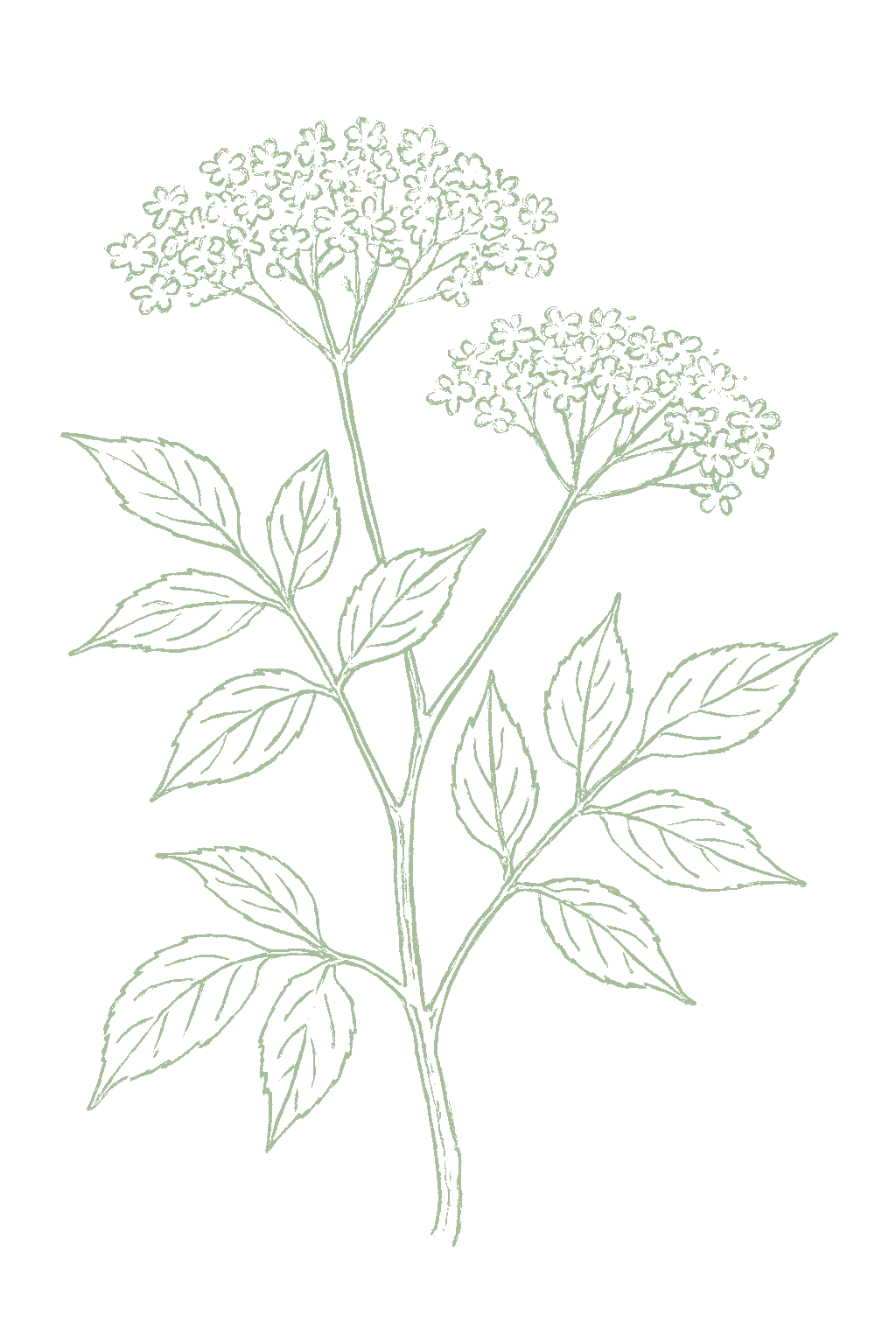
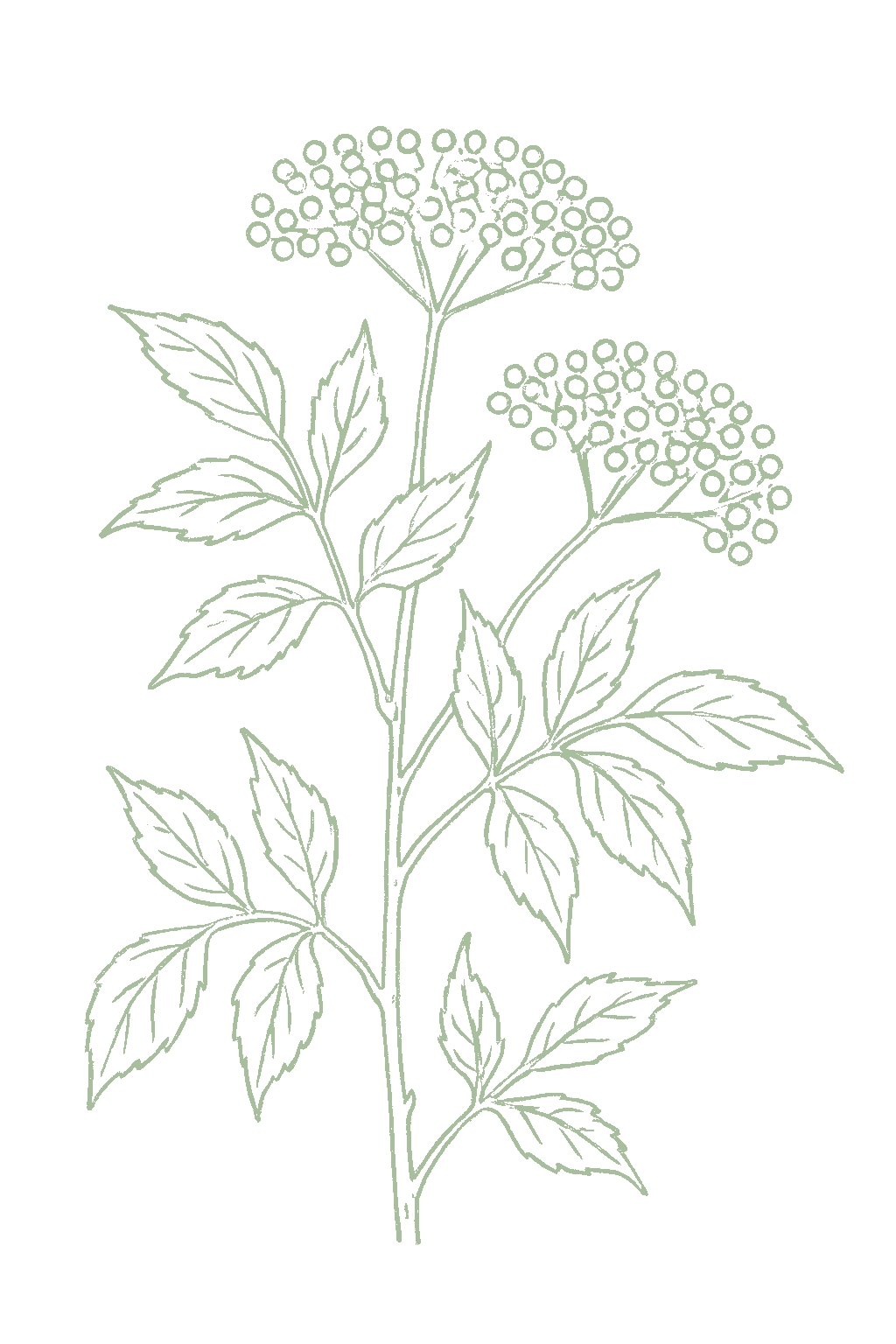
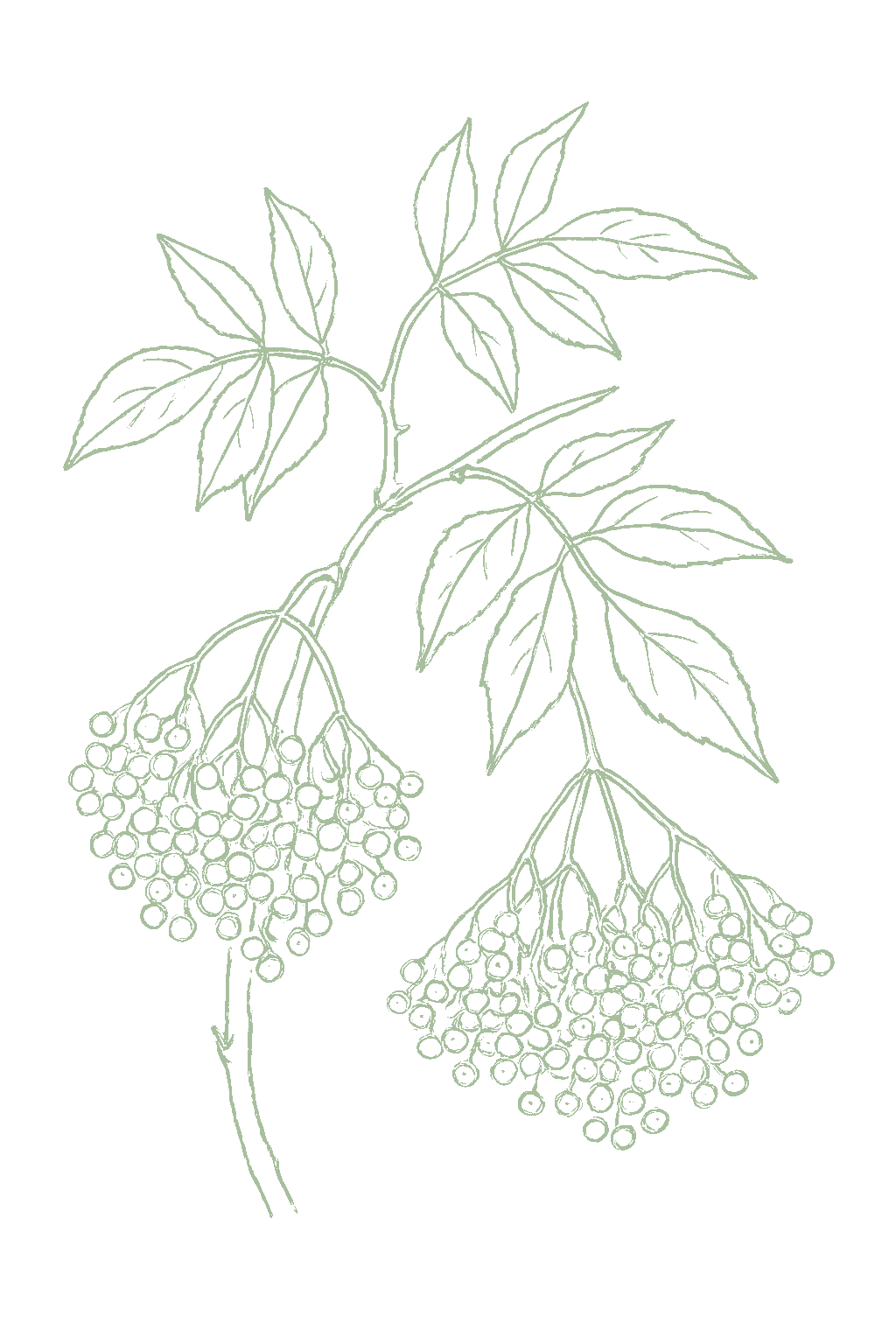
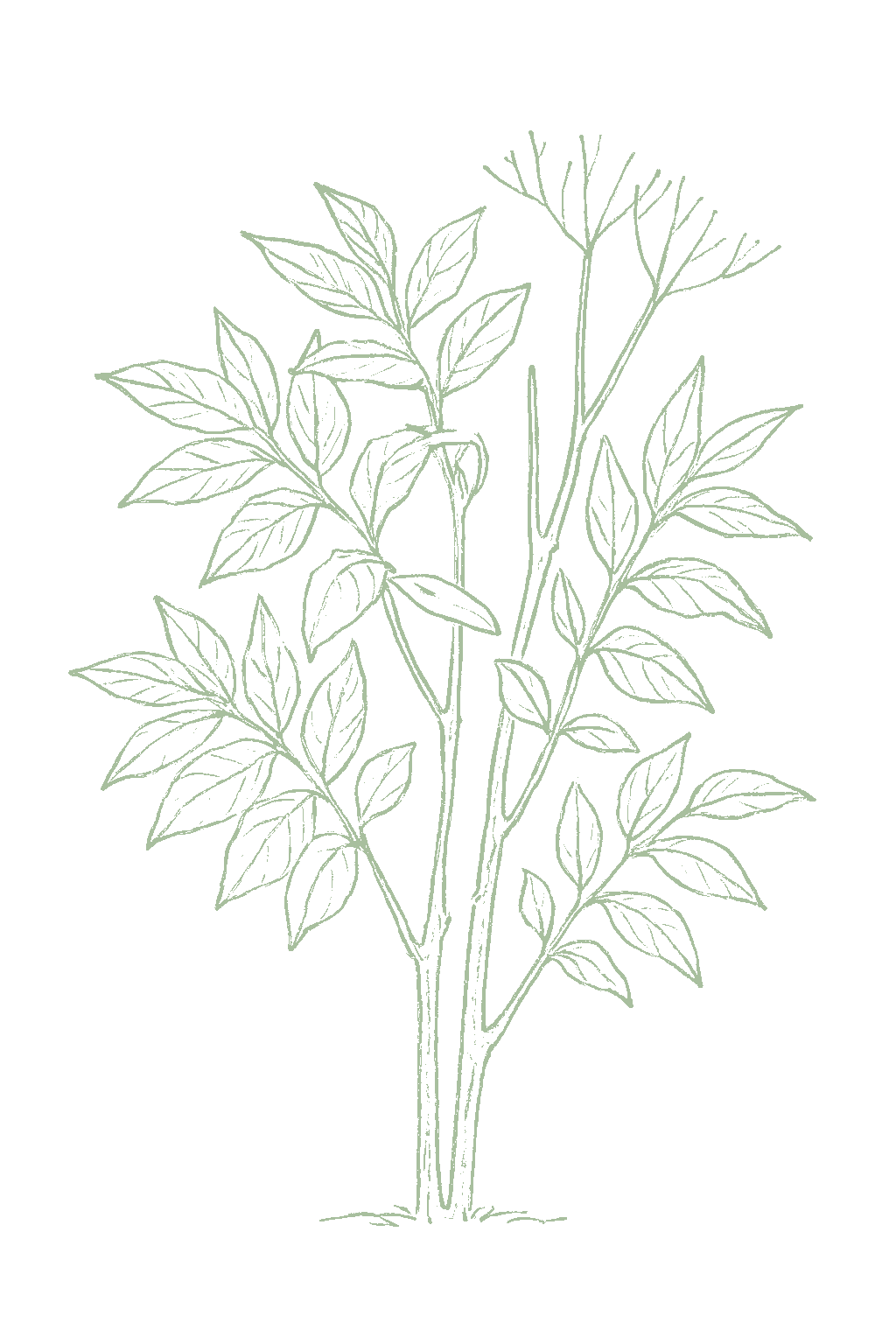
Elderberry is a large, easygoing native shrub that gives big clusters of small dark berries for making juice, syrup, jelly, and pies. It is very cold-hardy, handles wet soil, and starts producing in just two or three years. Remember two things: plant two different varieties so you get plenty of fruit, and always cook the berries, because raw berries, leaves, and stems can make you sick. Elderberry is a big, fast, tough native shrub grown for its clusters of small dark berries, which are cooked into juice, syrup, jelly, wine, and pie (and its flowers are used too). It is one of the easiest fruits to grow: very cold-hardy, wet-tolerant, and productive within two or three years. Two things are non-negotiable: plant two different cultivars for good yield, and always COOK the berries, because raw or unripe fruit, leaves, and stems are mildly toxic.
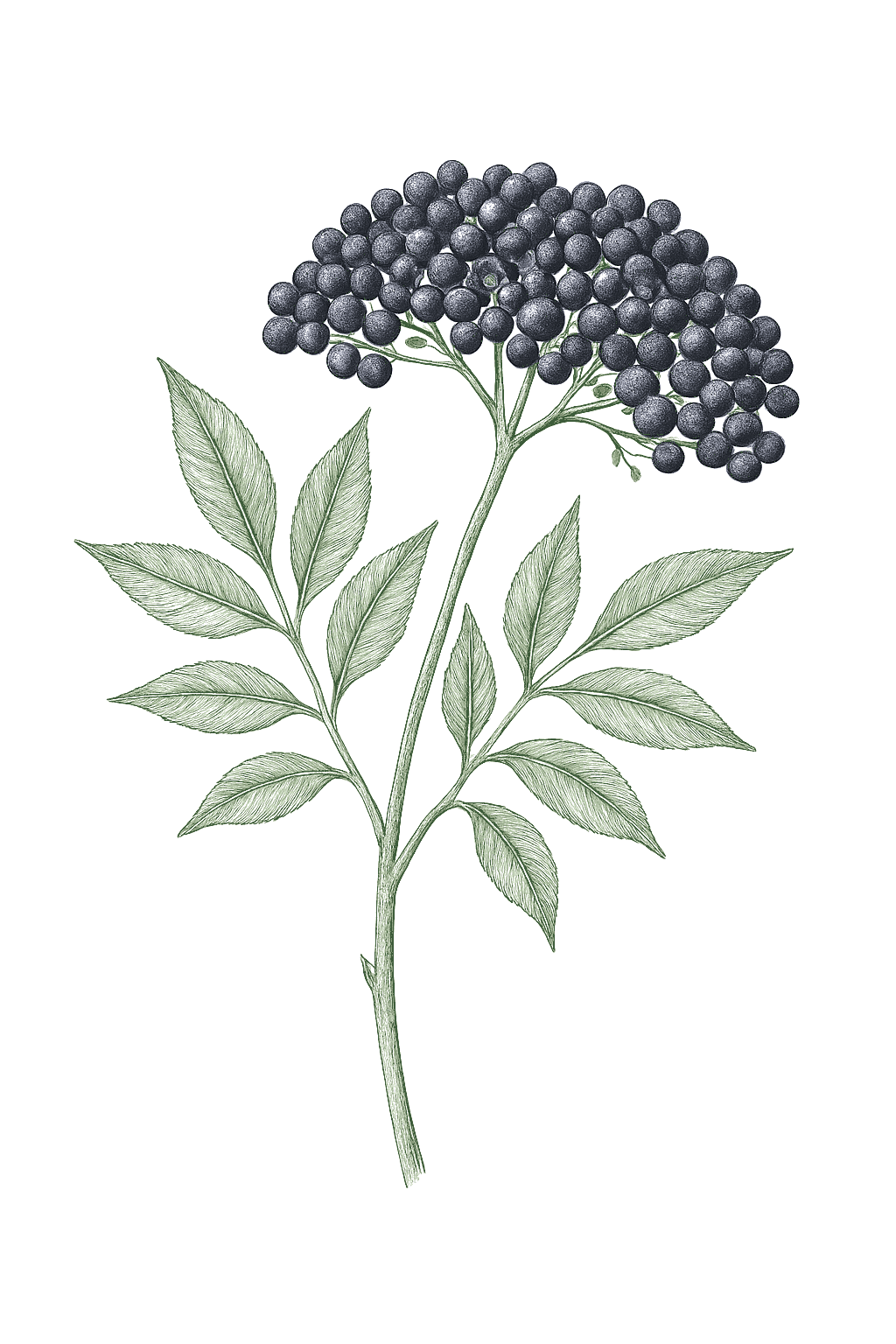
Off-season for elderberry in zone 9.
Zone 9 averages a last frost around March 1. Within Zone 9, the colder half (9a, winters down to 20°F) runs about a week later. The warmer half (9b, winters down to 25°F) runs about a week earlier. The plant app picks your subzone from your ZIP.
| Subzone | Last spring | First fall | Growing days | Winter min | Fruits reliably |
|---|---|---|---|---|---|
| 9a | Mar 8 | Nov 24 | ~261 | 20-25°F | Yes · two seasons |
| 9b | Feb 28 | Nov 30 | ~275 | 25-30°F | Yes · two seasons |
Averages from 8 weather stations per subzone, drawn from NOAA 1991-2020 Climate Normals. Your actual frost date can vary by up to two weeks based on elevation, proximity to water, and local topography.
Elderberry needs a cold winter rest, but not much, and you do not pick varieties by chill the way you do with blueberries; there is basically one kind of elderberry. The only place low winter cold matters is the frost-free deep South, where it can make fruiting less reliable.Elderberry is a deciduous shrub that rests dormant each winter and needs a period of cold to do so, but its chill requirement is low and, unlike blueberry, is NOT how you choose a cultivar: there is essentially one type (American elderberry) grown everywhere. In practice, winter dormancy is a given across its hardy range, and the low-chill point only matters at the frost-free warm edge, where too little cold can make bloom and fruiting erratic.
Your elderberry is a long-lived bush you plant once and keep for years. In the mild winters here it rests only briefly, flowers in spring, and ripens earlier than up North. Keep it well watered in the heat, prune old stems in late winter, and plant two different varieties.Elderberry is a permanent deciduous shrub here too, planted once and kept for years, though in the mild winters it rests only briefly. It blooms in spring and ripens earlier than in the North; keep it well watered through the heat, renew old canes in late winter, and plant two different cultivars for good fruit set.
Once established, your blueberries follow the same yearly rhythm. Choose a cultivar by chill class above, then use this calendar for the season-to-season timing.
Elderberry needs a cold winter rest, but not much, and you do not pick varieties by chill the way you do with blueberries; there is basically one kind of elderberry. The only place low winter cold matters is the frost-free deep South, where it can make fruiting less reliable.Elderberry is a deciduous shrub that rests dormant each winter and needs a period of cold to do so, but its chill requirement is low and, unlike blueberry, is NOT how you choose a cultivar: there is essentially one type (American elderberry) grown everywhere. In practice, winter dormancy is a given across its hardy range, and the low-chill point only matters at the frost-free warm edge, where too little cold can make bloom and fruiting erratic.
These need more chill than your winter dependably delivers. In a mild winter they bloom unevenly and crop lightly.
Your elderberry is a long-lived bush you plant once and keep for years. In the mild winters here it rests only briefly, flowers in spring, and ripens earlier than up North. Keep it well watered in the heat, prune old stems in late winter, and plant two different varieties.Elderberry is a permanent deciduous shrub here too, planted once and kept for years, though in the mild winters it rests only briefly. It blooms in spring and ripens earlier than in the North; keep it well watered through the heat, renew old canes in late winter, and plant two different cultivars for good fruit set.
Once established, your blueberries follow the same yearly rhythm. Choose a cultivar by chill class above, then use this calendar for the season-to-season timing.
Elderberry needs a cold winter rest, but not much, and you do not pick varieties by chill the way you do with blueberries; there is basically one kind of elderberry. The only place low winter cold matters is the frost-free deep South, where it can make fruiting less reliable.Elderberry is a deciduous shrub that rests dormant each winter and needs a period of cold to do so, but its chill requirement is low and, unlike blueberry, is NOT how you choose a cultivar: there is essentially one type (American elderberry) grown everywhere. In practice, winter dormancy is a given across its hardy range, and the low-chill point only matters at the frost-free warm edge, where too little cold can make bloom and fruiting erratic.
Your elderberry is a long-lived, very cold-hardy bush you plant once and keep for years. It rests over our mild winter, grows fast in spring, flowers in June, and ripens dark berries from August into September. Prune the oldest stems in late winter, and plant two different varieties for a bigger crop; our wet climate actually suits this plant well.Elderberry is a permanent, very cold-hardy deciduous shrub here, planted once and renewed in place for many years. It rests dormant through the mild, wet winter, leafs out and grows fast in spring, blooms in June, and ripens clusters of dark berries from August into September. Renew the oldest canes in late winter and plant two different cultivars for good fruit set; this native, adaptable shrub asks for little beyond the moisture this region already supplies.
Once established, your blueberries follow the same yearly rhythm. Choose a cultivar by chill class above, then use this calendar for the season-to-season timing.
Elderberry needs a cold winter rest, but not much, and you do not pick varieties by chill the way you do with blueberries; there is basically one kind of elderberry. The only place low winter cold matters is the frost-free deep South, where it can make fruiting less reliable.Elderberry is a deciduous shrub that rests dormant each winter and needs a period of cold to do so, but its chill requirement is low and, unlike blueberry, is NOT how you choose a cultivar: there is essentially one type (American elderberry) grown everywhere. In practice, winter dormancy is a given across its hardy range, and the low-chill point only matters at the frost-free warm edge, where too little cold can make bloom and fruiting erratic.
Your elderberry is a long-lived bush you plant once and keep for years. In the mild Mojave winters it rests only briefly, flowers in spring, and ripens earlier than up North. Keep it well watered in the heat, prune old stems in late winter, and plant two different varieties.Elderberry is a permanent deciduous shrub here too, planted once and kept for years, though in the mild Mojave winters it rests only briefly. It blooms in spring and ripens earlier than in a cooler climate; keep it well watered through the heat, renew old canes in late winter, and plant two different cultivars for good fruit set.
Once established, your blueberries follow the same yearly rhythm. Choose a cultivar by chill class above, then use this calendar for the season-to-season timing.
Elderberry needs a cold winter rest, but not much, and you do not pick varieties by chill the way you do with blueberries; there is basically one kind of elderberry. The only place low winter cold matters is the frost-free deep South, where it can make fruiting less reliable.Elderberry is a deciduous shrub that rests dormant each winter and needs a period of cold to do so, but its chill requirement is low and, unlike blueberry, is NOT how you choose a cultivar: there is essentially one type (American elderberry) grown everywhere. In practice, winter dormancy is a given across its hardy range, and the low-chill point only matters at the frost-free warm edge, where too little cold can make bloom and fruiting erratic.
These need more chill than your winter dependably delivers. In a mild winter they bloom unevenly and crop lightly.
Your elderberry is a long-lived bush you plant once and keep for years. In the mild Valley winters it rests only briefly, flowers earlier than up North, and ripens earlier too. Keep it well watered in the heat, prune old stems in late winter, and plant two different varieties.Elderberry is a permanent deciduous shrub in the Valley too, planted once and kept for years, though in the mild winters here it rests only briefly. It blooms earlier than farther north and ripens earlier as well; keep it well watered through the intense summer heat, renew old canes in late winter, and plant two different cultivars for good fruit set.
Once established, your blueberries follow the same yearly rhythm. Choose a cultivar by chill class above, then use this calendar for the season-to-season timing.
Elderberry needs a cold winter rest, but not much, and you do not pick varieties by chill the way you do with blueberries; there is basically one kind of elderberry. The only place low winter cold matters is the frost-free deep South, where it can make fruiting less reliable.Elderberry is a deciduous shrub that rests dormant each winter and needs a period of cold to do so, but its chill requirement is low and, unlike blueberry, is NOT how you choose a cultivar: there is essentially one type (American elderberry) grown everywhere. In practice, winter dormancy is a given across its hardy range, and the low-chill point only matters at the frost-free warm edge, where too little cold can make bloom and fruiting erratic.
Your elderberry is a long-lived bush you plant once and keep for years. In the mild winters here it rests only briefly, flowers in spring, and ripens earlier than up North. Keep it well watered in the heat, prune old stems in late winter, and plant two different varieties.Elderberry is a permanent deciduous shrub here too, planted once and kept for years, though in the mild winters it rests only briefly. It blooms in spring and ripens earlier than in the North; keep it well watered through the heat, renew old canes in late winter, and plant two different cultivars for good fruit set.
Once established, your blueberries follow the same yearly rhythm. Choose a cultivar by chill class above, then use this calendar for the season-to-season timing.
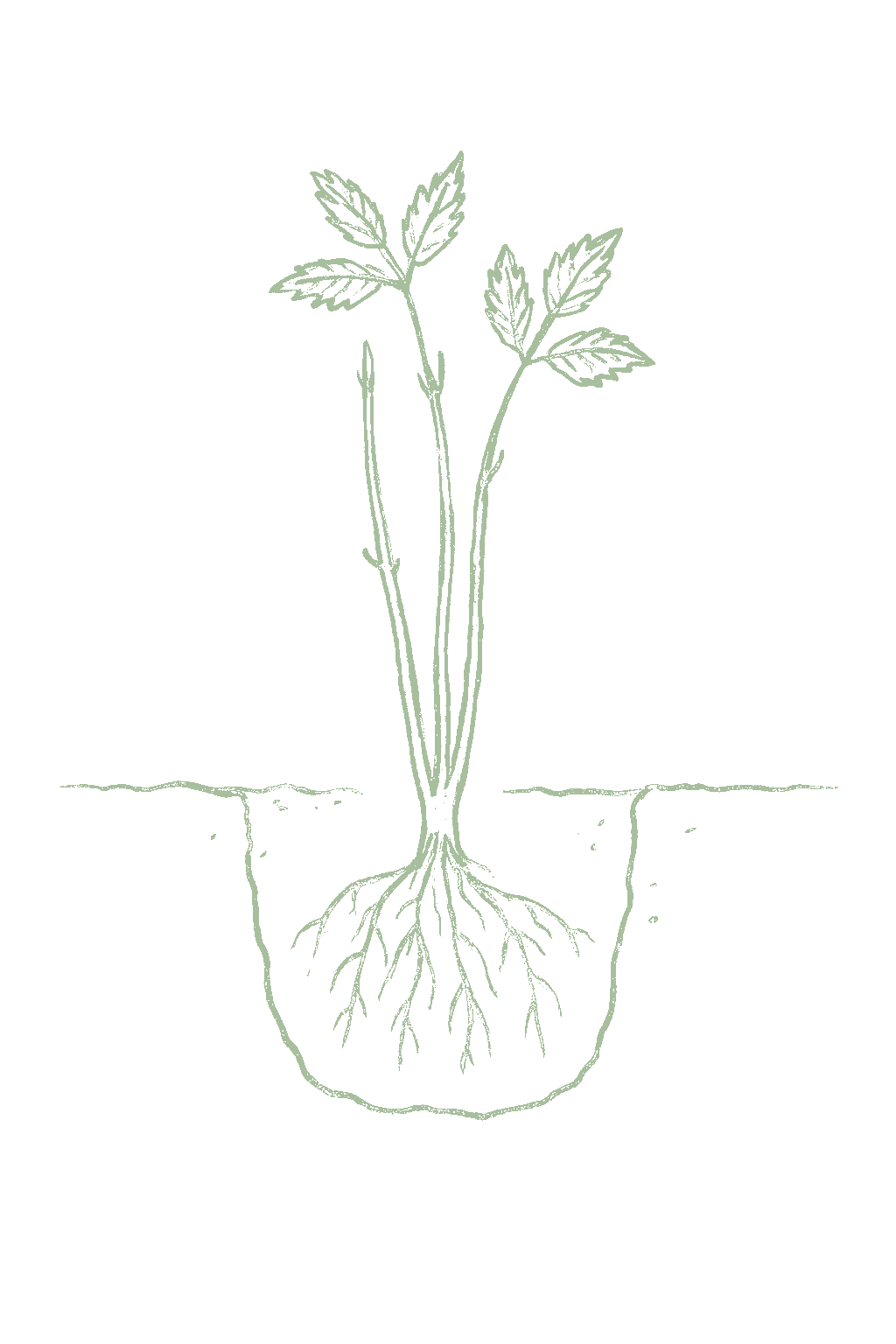
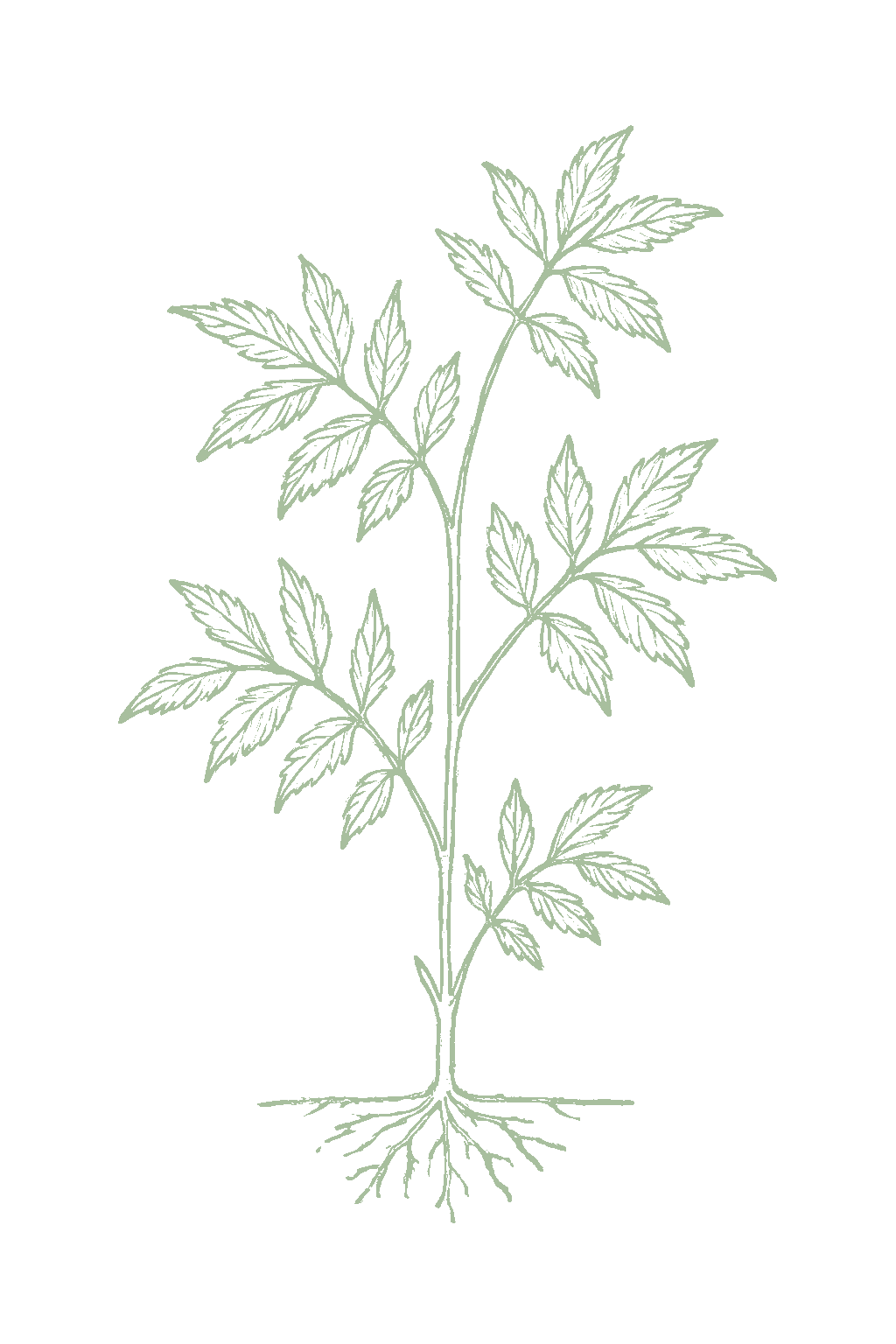
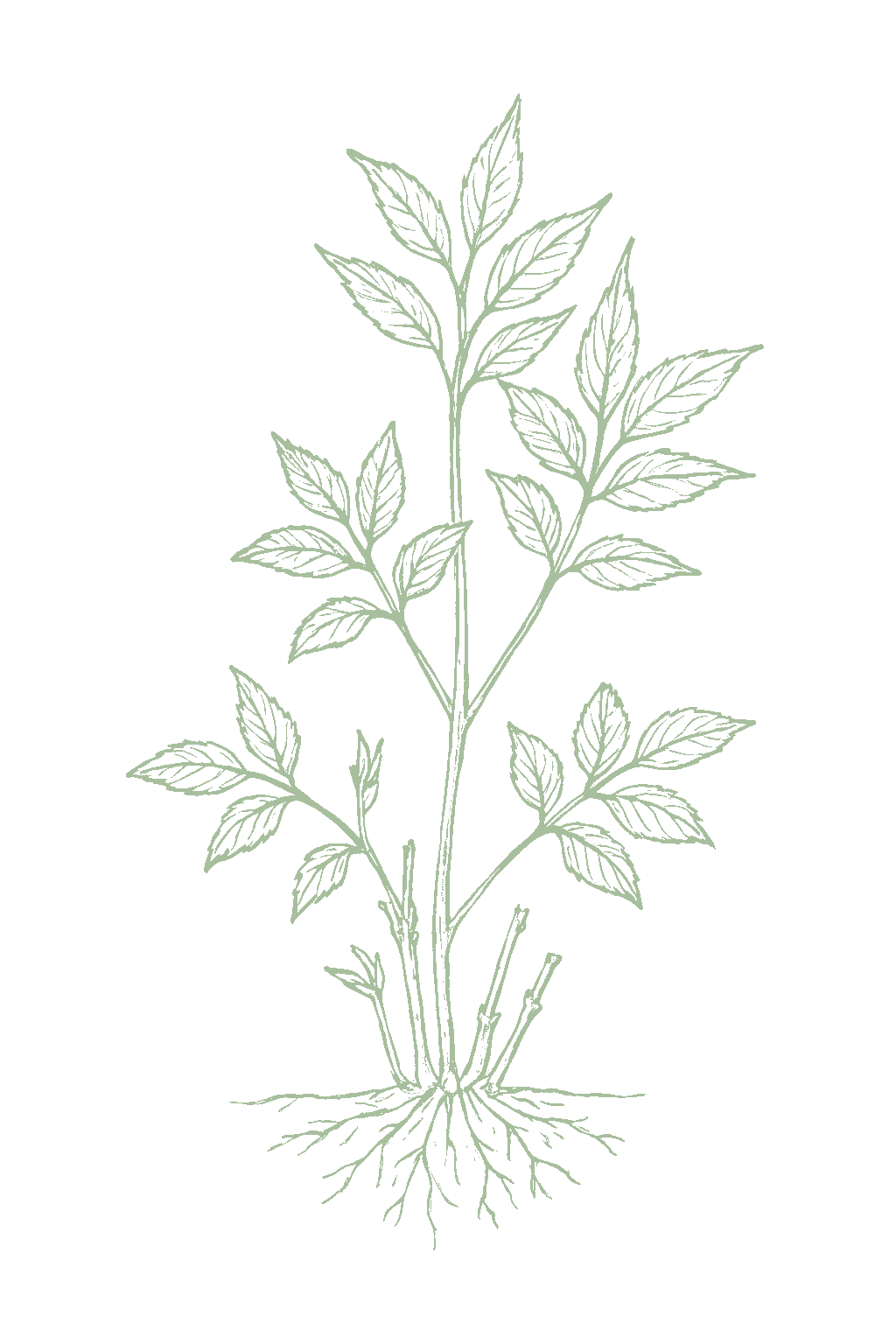
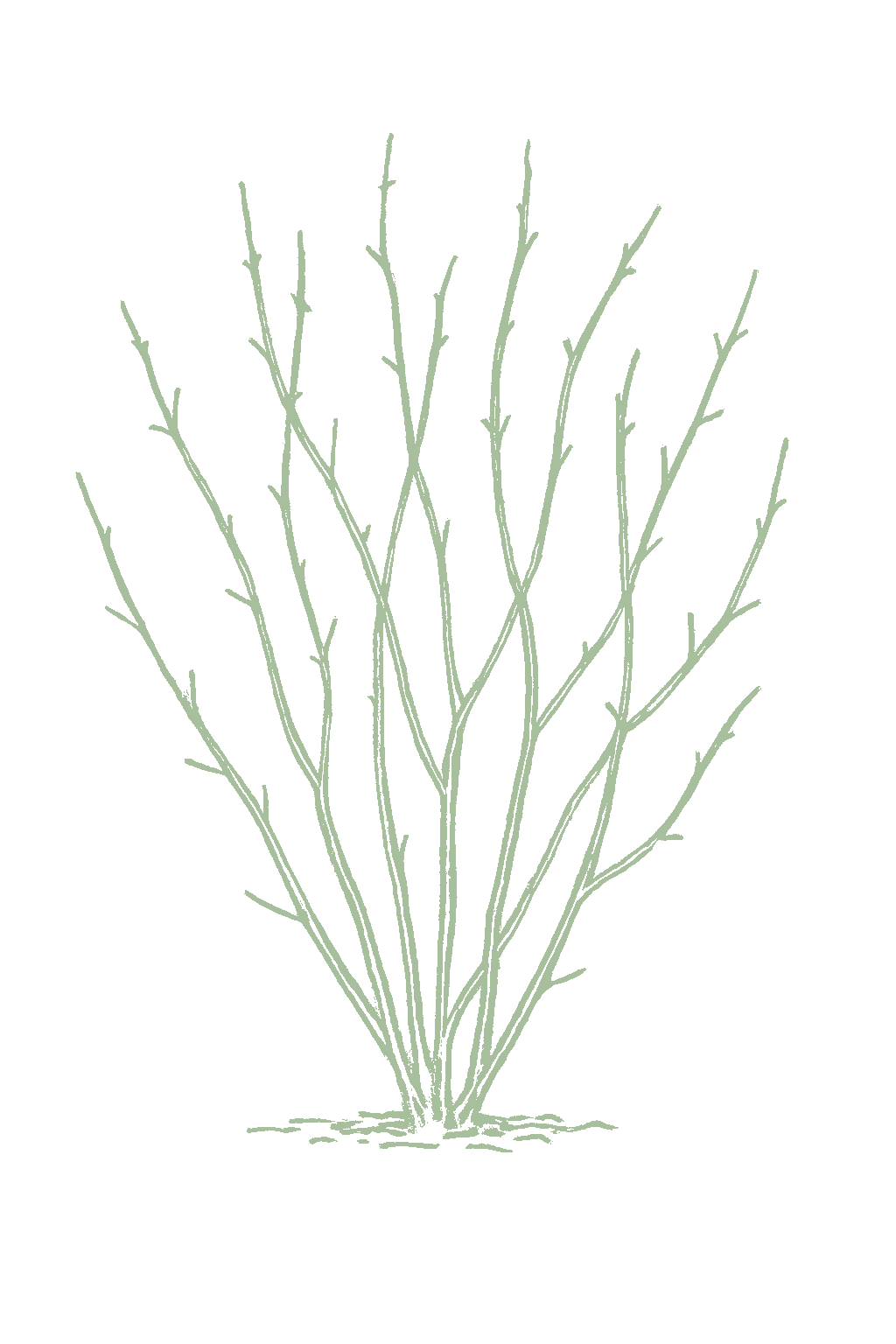
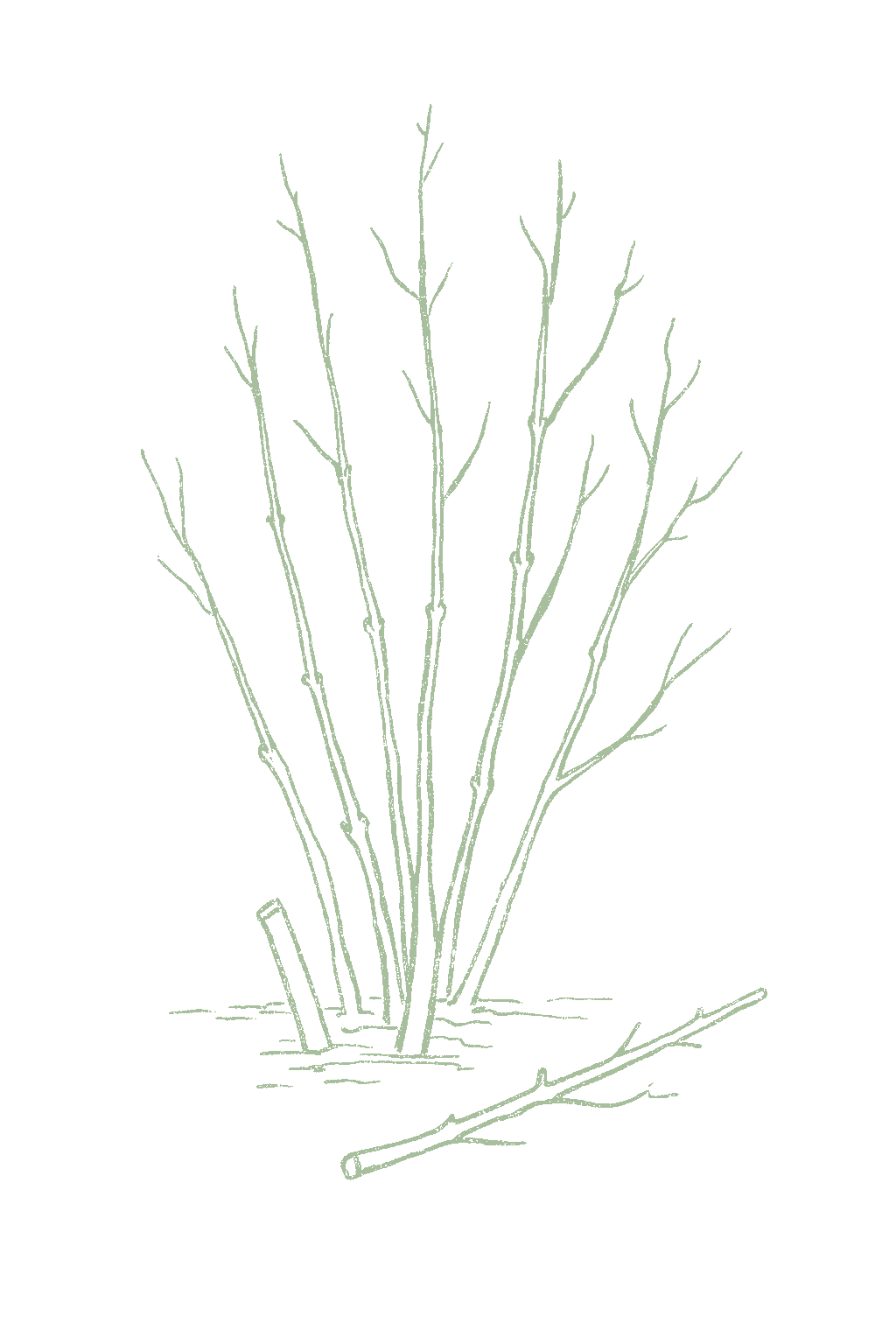
Not sure what soil you have? Grab a small handful of damp soil from your garden bed and squeeze it. If it crumbles apart easily, it's sandy. If it holds together but breaks when you poke it, it's loam (what most vegetables want). If it stays in a hard, slippery ball, it's clay.
Elderberry wants rich, moist soil and is happy in spots that are too wet for most fruit. Work in plenty of compost, keep it damp, and it will thrive; the only soil it really dislikes is dry, droughty sand.
Mix 2-3 inches of compost into the top 6 inches of your bed before planting. Compost holds moisture (which sandy soil drains too fast) and adds the nutrients sandy soil tends to lack. Repeat each season. Compost breaks down over time.
Mix 2-3 inches of compost AND a few inches of coarse sand or perlite into the top 6 inches of your bed. The compost feeds the plants; the sand breaks up the clay so air and water can move through. Don't add sand without compost. It can compact like concrete.
If amending your soil sounds like too much work, or if your soil is heavy clay, full of rocks, or contaminated, build over it. A raised bed at least 12 inches deep filled with a 50/50 mix of compost and sandy loam gives you ideal growing soil with no battles. A 5-gallon container with quality potting mix does the same for one plant at a time. Both bypass your native soil entirely.
The numbers that matter, at a glance.
Elderberry is a big, fast, suckering shrub that is really happiest in the ground. You can grow one in a container if you pick a compact variety like Ranch, use a large pot (at least 20 gallons), and keep it well watered and fed, but expect a smaller plant and a smaller crop.Containers are workable but not the ideal home for elderberry, which is a large, vigorous, suckering shrub. If you must, choose a compact cultivar such as Ranch, use a 20-to-25-gallon pot of rich moisture-holding mix, water generously (elderberry is thirsty and wet-tolerant), and feed regularly; yields will be lower than in the ground and the plant will stay smaller.
Bob GordonA standout modern Missouri cultivar: exceptionally productive, with heavy cymes that invert (droop) after fruit set, shedding rain and hiding the berries from birds. A top choice for juice and yield.
RanchA compact, shorter Missouri cultivar with early, uniform ripening; its smaller stature suits tight spaces and makes it easy to net and harvest.
Elderberry is very cold-hardy, but roots in a pot are more exposed. In cold-winter areas, move the container to a sheltered spot or unheated garage, or mulch heavily around it for winter.The top of a potted elderberry is fully cold-hardy; the concern is the less-insulated root zone. In cold zones, sink the pot, cluster and mulch containers, or shift them to an unheated shelter, while still letting the plant go dormant.
A potted elderberry is cold-hardy on top but its root zone is less insulated than ground soil, so in cold-winter regions protect the roots over winter: sink the pot, cluster and mulch pots together, or move them to an unheated garage, while still letting the plant go dormant.
Hardy to zone 3 in the ground; roots in a pot sit colder than that.
Ask what your balcony or roof can carry
A balcony or roof can only hold so much weight. Before you set heavy pots there, ask a building architect what it can safely carry.Illinois Extension's guidance is to consult a building architect about weight limits before placing heavy pots on a balcony or rooftop garden. It gives no weight figure.
Never grow food in a container with anything toxic in it
Many kinds of containers can be used. Whatever you choose, keep anything toxic out of it, especially if you are growing food.Colorado State accepts nearly any container material but warns against using a container that holds toxic materials, especially for edible plants. Illinois adds that a vegetable container should be free of chemicals toxic to plants or people, and urges caution with treated lumber when growing food. If you cannot account for what a repurposed container once held, that alone is a reason to keep food out of it.
Secure hanging containers well
Fasten hanging baskets and window or rail boxes securely. Think about what is below them too, since they can drip on people or things underneath.Illinois Extension asks growers to secure hanging containers well and to think through the safety issues of hanging them. Placement matters too, since a hanging container can drip onto people or belongings below.
Elderberry is relaxed about soil pH, doing well anywhere from about 5.5 to 6.5 and tolerating up to around 7.0. Unlike blueberries, it does not need acidic soil, so no special treatment is required. A basic soil test is all you need.Elderberry prefers a soil pH of about 5.5 to 6.5, but it is easygoing and grows well from slightly acidic up to near-neutral (roughly 5.5 to 7.5). Unlike blueberry, it needs no special acidification: a soil test and ordinary garden pH management are plenty. If anything, keep it out of strongly alkaline ground.
Feed elderberry once a year in early spring, starting the second year, with a balanced fertilizer like 10-10-10 or a good layer of compost. Do not feed at planting time. Elderberry grows fast on its own, so go easy; too much fertilizer makes weak, floppy stems.Elderberry is a moderate feeder that responds well to nitrogen and organic matter. Do not fertilize at planting; from the second year on, apply a balanced fertilizer such as 10-10-10, or a generous topdressing of compost or aged manure, once in early spring as growth begins. A vigorous plant that is putting up strong new canes usually needs little more; over-feeding just makes soft, floppy growth.
A balanced all-purpose fertilizer (like 10-10-10), or compost.A balanced complete fertilizer with nitrogen; compost or aged manure works too.
Elderberry does not need companion plants. It is a large shrub, so give it plenty of space and keep it from shading smaller plants. Its one real planting rule is to put a second, different variety nearby so the two can pollinate each other. Elderberry is not a companion-driven crop; it is a big, vigorous shrub best sited for its own sake. The main rules are practical: give it room (it reaches 8 to 12 feet and suckers), keep it where its size will not shade smaller sun-loving crops, and lean into its strengths as a pollinator and wildlife plant and a tolerator of wet, low ground. Its most important 'companion' is simply a second, different cultivar nearby for cross-pollination.
Elderberries are ready when most berries in a cluster are deep purple-black, plump, and soft. Snip off the whole cluster with pruners instead of picking one berry at a time, then pull the berries off the stems (freezing the clusters briefly makes this easy). Skip any green or red berries, keep the stems out, and always cook the berries before eating.Harvest whole flower-cluster heads (cymes) when most of the berries in a cluster have turned deep purple-black and are plump and soft, usually late summer. Cut the entire cluster with pruners rather than picking berries one by one, then strip the berries from the green stems (chilling or briefly freezing makes this easy). Leave green or red under-ripe berries, and never include stems. Berries do not sweeten after picking, and they must be cooked.
A mature elderberry bush usually gives about 10 to 15 pounds of berries a year, more with good soil, plenty of water, and a second variety nearby for pollination.A mature, well-grown elderberry commonly yields roughly 10 to 15 pounds of berries per year, sometimes more on the most productive modern cultivars in good, moist soil. Yield climbs quickly as the shrub fills in and is heavily dependent on cross-pollination and moisture.
Elderberry produces quickly. You will get a small crop the second year and close to a full crop by year three or four, then good harvests for years with regular pruning.Elderberry is fast: expect a light crop the second year and something close to full production by years three to four, far quicker than blueberry. A well-managed, renewed planting stays productive for many years. Do not expect berries the first year, and pinch off the flowers that first summer so the plant grows strong. Elderberry is quick, so you will be picking real crops by year two or three.Expect little or no harvest the first year, and remove the flower clusters that season so the young plant builds roots and canes. It grows so fast that this costs you almost nothing: real crops arrive by the second or third year.
There is really just one kind of elderberry to grow, American elderberry, so pick varieties by how much they yield and when they ripen, not by your climate. The important thing is to plant two different varieties near each other so they pollinate and you get far more fruit. Good pairs are Adams with York, or Bob Gordon with Wyldewood.Elderberry is not split into climate types the way blueberry is: nearly every home and commercial cultivar is American elderberry (Sambucus canadensis), and you choose by yield, ripening season, and habit rather than by chill. The one rule that matters is to plant at least two DIFFERENT cultivars with overlapping bloom for cross-pollination, which sharply raises yield. Classic pairings are Adams with York, or a modern Missouri pair like Bob Gordon with Wyldewood. European elderberry (S. nigra) cultivars exist and can be grown too, but the American types are hardier and better adapted across most of the country.
The ladder troubleshoots from the gentlest solution to the strongest. Start with the gentlest option and only move on when and if it doesn't work.
If you are still choosing what to plant, look at how the variety carries its fruit. Some elderberries, Bob Gordon among them, flip their berry clusters downward once the fruit has set, which tucks the berries into the foliage, and those plantings tend to lose fewer of them to birds.Cultivars with inverting cymes, Bob Gordon the named example here, present ripening fruit downward and inside the canopy rather than held up on top of it, with lower reported bird loss as a result. It is a decision made at planting, so weigh it when a new shrub goes in.
Pick each cluster as soon as it is ready and clear the bush as you work through it, rather than leaving ripe fruit hanging for another week. Anything still up there is what the birds are working on.Ripe fruit left on the shrub is the standing invitation, so a tight picking interval shortens the window in which there is anything worth raiding. Birds are widely the leading competitor for this crop and a flock can take most of it within a few days of the fruit blackening, which is what puts weight on picking on time.
Shiny tape, spinning reflectors and plastic owls will push birds off a bush at first. The catch is that they get used to them, and after that the devices stop earning their keep. Use them to buy a little time, and plan on netting for the fruit you want to keep.Visual and noise devices give brief relief before habituation sets in, so on a crop birds rank this highly they support the netting rather than stand in for it.
This is the step that actually holds. Drape bird netting over the shrub, or over a frame built around it, before the berries begin to darken, and tuck or pin the edges in at the base so nothing can get underneath. Putting it up after the birds have found the fruit is too late to help much.Netting over the shrub or carried on a frame, with the skirt secured at ground level, is the dependable control. Install ahead of coloring rather than at first damage, and seal the base, since an open skirt simply routes the birds under the mesh.
No spray for this one. Prevention is the control.
The ladder troubleshoots from the gentlest solution to the strongest. Start with the gentlest option and only move on when and if it doesn't work.
Pick ripe clusters often, and strip the whole cluster instead of taking the easy berries, so nothing soft is left hanging. Get what you pick into the refrigerator soon after, since the fly lays its eggs in good ripe fruit and the beetles arrive on anything that has gone over. A tight picking schedule is the main tool you have here.Frequent, clean harvest works on both halves of this problem: spotted wing drosophila lays into sound ripe fruit, so the picking interval sets how much susceptible fruit is standing at any moment, while sap beetles arrive on whatever is allowed to go overripe or split. Cool the picked fruit promptly rather than letting it sit warm.
Clear up berries that have dropped and clusters that have gone soft or split, and bag them for the trash rather than the compost pile. Overripe fruit on the ground and on the bush is what draws the beetles in.Sanitation is the other half of the same program: overripe and split fruit is what sap beetles are drawn to, and culls left lying keep a food source sitting under the planting. Bag what you pull rather than composting it.
A cup of apple cider vinegar hung near the fruit catches the flies and tells you they have arrived, so you know when the picking and cleanup really matter. It is a warning device, not a control: the trap will not bring the numbers on the bush down.Cider vinegar traps report the fly's presence and let you tighten the harvest interval on evidence rather than on guesswork. Detection only, since trap catch is not population reduction.
No spray for this one. Prevention is the control.
The ladder troubleshoots from the gentlest solution to the strongest. Start with the gentlest option and only move on when and if it doesn't work.
When a cane, meaning one of the shrub's main stems, wilts or dies back and you find it hollow and tunneled, cut it out below the damage and get rid of it straight away, because the grub is inside the piece you just took off. Do the same each winter with old and damaged canes, and carry the trimmings away from the bush instead of leaving them in a pile nearby.Removal is the control here. The larvae feed inside the cane, so cutting an infested or wilting cane out below the tunneling and destroying it takes the insect with the wood; nothing applied to the outside reaches them. Annual dormant renewal of old and damaged canes is the preventive half, and it holds only if the prunings leave the site rather than overwintering in a pile beside the planting.
No spray for this one. Prevention is the control.
The ladder troubleshoots from the gentlest solution to the strongest. Start with the gentlest option and only move on when and if it doesn't work.
Go easy on the fertilizer. A heavy push of nitrogen gives the shrub a flush of soft new shoots, and soft new shoots are what aphid colonies build up on. Look over the new growth in spring while you are out there, since that is where they show up first.Restrained feeding keeps the shrub from throwing the flush of tender shoot tips colonies establish on. Pair it with a scouting habit on new spring growth, which is where the first colonies and the first curled tips appear.
For a light patch, knock them off with a hose. Aphids are soft and most of the ones you dislodge do not get back up. Do it earlier in the day so the leaves have time to dry off.A forceful jet dislodges colonies from a woody shrub that can take the pressure, and it costs you none of the predators already working the same shoots, which a spray would. Time it early enough that foliage dries.
Ladybugs and other helpful insects eat aphids and will usually handle a light infestation for you. Supporting them mostly means leaving them alone: skip the broad, kill-everything sprays that take them out along with the pest.Resident predators, ladybugs prominent among them, are the standing suppression on an established elderberry and generally hold light colonies without help. Conserving them means keeping broad-spectrum material out of the canopy, which is the argument for the feeding and water steps coming first.
If a colony gets away from you, insecticidal soap kills the aphids you actually wet, so cover the shoot tips and the undersides of leaves where they are sitting. It only works while it is wet, so you may need to repeat it, and skip it on a plant that is dry and stressed or during hot weather.Contact material with no residual: coverage of shoot tips and leaf undersides decides the outcome, and repeat applications are the norm. It also kills the soft-bodied beneficials it wets directly, so spot-treat the colonies rather than washing the whole shrub, and hold off on stressed plants and in heat.
The bottom rungs are products with label rules: timing, pollinators, and days to wait before harvest. Before you spray →
The ladder troubleshoots from the gentlest solution to the strongest. Start with the gentlest option and only move on when and if it doesn't work.
Go out in the cool of the morning while the beetles are still slow and knock them into a tub of soapy water. That is usually all a healthy elderberry asks for, since a strong shrub grows past a fair bit of chewed foliage. Skip the lure traps sold for these beetles, because they pull more in than they take out.Morning handpicking into soapy water, while the adults are sluggish, is the practical control. A vigorous established shrub usually grows past a fair amount of skeletonized leaf, so light midsummer feeding is a tolerate-and-watch call rather than a trigger for anything stronger. Lures work against you on a single planting by drawing beetles in from beyond it.
No spray for this one. Prevention is the control.
The ladder troubleshoots from the gentlest solution to the strongest. Start with the gentlest option and only move on when and if it doesn't work.
Put the shrub somewhere open where air actually moves through it, and keep it from growing into a solid thicket, so the leaves dry off after rain and dew.Site and canopy openness are the preventive half. An open position with real air movement, plus thinning that keeps the interior from closing in, shortens how long foliage stays wet. Set at planting where you have the choice.
This rust moves back and forth between elderberry and sedges, a group of grassy weeds, and it needs both to keep going. Pull the sedges growing near the planting and keep that ground clear, and you take away the other half of the cycle.The fungus is host-alternating between elderberry and nearby sedges, so clearing sedges from around the planting cuts the cycle at the point elderberry alone cannot supply. This is host removal rather than general tidiness, which is worth knowing before clearing ground that was doing no harm.
Cut off the shoots and clusters carrying the orange spots and the swollen, distorted growths as soon as you spot them, and take them out of the garden instead of dropping them under the bush.Prompt excision of infected shoots and flower clusters lowers what is producing spores inside the planting, and the material goes off site rather than under the shrub. This is removal of affected tissue and it works alongside the sedge clearing rather than in place of it.
No spray for this one. Prevention is the control.
The ladder troubleshoots from the gentlest solution to the strongest. Start with the gentlest option and only move on when and if it doesn't work.
Prune to open the bush up so air moves through the middle of it. This mildew gets going on crowded growth in still air late in summer, and an open plant is the main thing working against it.Opening the canopy is the lever that matters, since the fungus builds where growth is dense and air movement is poor, typically late in the season. An established shrub carries a fair amount of it without real harm, so the aim is keeping the plant open rather than chasing the film.
Do not over-feed the shrub. Heavy feeding gives you a thick flush of soft growth, which is exactly the crowded canopy this mildew does well in.Restrained nitrogen keeps the shrub from producing the dense, soft growth that closes the canopy and holds humidity in it. This is a feeding habit rather than a rescue, so it is set well before the white film shows up.
Cut out the growth that is worst affected, and then leave it be. An established elderberry usually carries late-season mildew without real harm, so this is generally as far as you need to take it.Removing the badly affected growth is where the response stops on an established shrub, which usually tolerates the infection without treatment. Dulled late-season foliage is the typical cost, so escalating past this is hard to justify on a plant of this vigor.
No spray for this one. Prevention is the control.
The ladder troubleshoots from the gentlest solution to the strongest. Start with the gentlest option and only move on when and if it doesn't work.
Take the oldest canes out on a regular yearly schedule rather than letting them grow old and tired on the shrub, since these fungi get into old, stressed and winter-damaged wood. Carry what you cut well away from the bush instead of stacking it beside the planting.Scheduled renewal of old wood is the preventive half: these pathogens colonize old, stressed and winter-injured canes rather than sound young ones, so keeping the shrub on a renewal cycle limits how much susceptible wood is standing. Prunings leave the site rather than piling up next to the plant.
Where a cane carries a sunken, discolored patch, called a canker, cut the cane well below that patch and into wood that still looks healthy, then destroy the piece you removed. Wipe or dip your pruners between cuts. Try not to leave the shrub any fresh wounds you did not need to make, because wounds are how these fungi get in.Place the cut below the visible lesion margin into sound tissue and destroy what comes off; how far below you cut is what decides whether the excision holds. Disinfect between cuts, and keep needless wounding to a minimum while you work, since wounds and winter injury are the entry points these pathogens use.
No spray for this one. Prevention is the control.
Crop rotation is for vegetables you replant each year. Elderberry is a shrub that lives in one spot for years, so just pick a good moist, sunny site and leave it there.Rotation does not apply to elderberry. It is a long-lived perennial shrub that occupies the same spot for many years, so choose a moist, sunny, roomy site up front, since you will not be moving it.
The plant app sends a timely reminder at every critical moment of your elderberry season. The wording adjusts to whichever you pick: beginner or seasoned. Here are three you'll see in Zone 9.
plant sends the right notification at exactly the right moment, for your zone, your weather, your crops. Founding members lock the rate forever.
We're building this guide with real growers. Got a question we missed? Ask here. We read every one and add the best answers right to this page.
Learned something the hard way? Pass it on. Real growers' tips make this guide better for the next person, and we credit you by name when yours goes live.
If you've grown this crop and you see a date, a temperature, a companion claim, or a recommendation that doesn't match your experience, tell us. Real growers' corrections make this guide better for the next person.
Every date, temperature, spacing, and recommendation on this page is sourced from university cooperative extension publications, peer-reviewed agricultural research, NOAA climate data, and direct extension calendars. Where claims are softer (traditional gardening wisdom not formally documented), we say so.
Spot a data point that doesn't match your experience? Submit a correction; accepted corrections earn full author credit on the page.
Zone-aware seasonal nudges, what's worth planting now, and the occasional recipe from the harvest. No spam, ever.