Pick your zone and the dates re-calibrate.
The Guide Fruit trees Vol. 004

Grapefruit

in Zone 12, this week

Grapefruit is a big evergreen citrus tree that grows the large, tangy fruit you eat for breakfast. The two things that shape where it does well are heat and time: grapefruit needs a lot of summer heat and a very long season, because the fruit takes roughly nine to thirteen months to ripen and only a long, hot season makes it sweet instead of sour. That is why grapefruit is at its best in hot places like the Arizona and California desert, South Texas, and Florida, where it sweetens through the winter into spring. In cool coastal areas the tree lives and flowers, but the fruit stays sour and never really ripens because there is not enough heat. One tree makes fruit on its own, with no second tree needed, and it grows into one of the biggest, longest-lived citrus trees you can plant. Grapefruit (Citrus x paradisi) is a large, vigorous evergreen citrus tree, an 18th-century Caribbean hybrid of pummelo and sweet orange grown for its big, tart-to-sweet breakfast fruit. Its defining trait for a gardener is a high heat requirement paired with a very long ripening season: the fruit hangs and develops for roughly nine to thirteen months, and only a long, hot season banks enough heat to burn off acid and build sugar. This makes grapefruit a hot-region crop. It reaches its best in the low desert of Arizona and California, the Texas Rio Grande Valley, and peninsular Florida, where fruit sweetens through winter into spring. In cool coastal California the tree survives and blooms but the fruit stays acidic, poorly flavored, or never truly ripens, because heat accumulation is too low. Grapefruit is self-fruitful, so a single tree bears a full crop, and it makes one of the largest and longest-lived citrus trees in the yard.

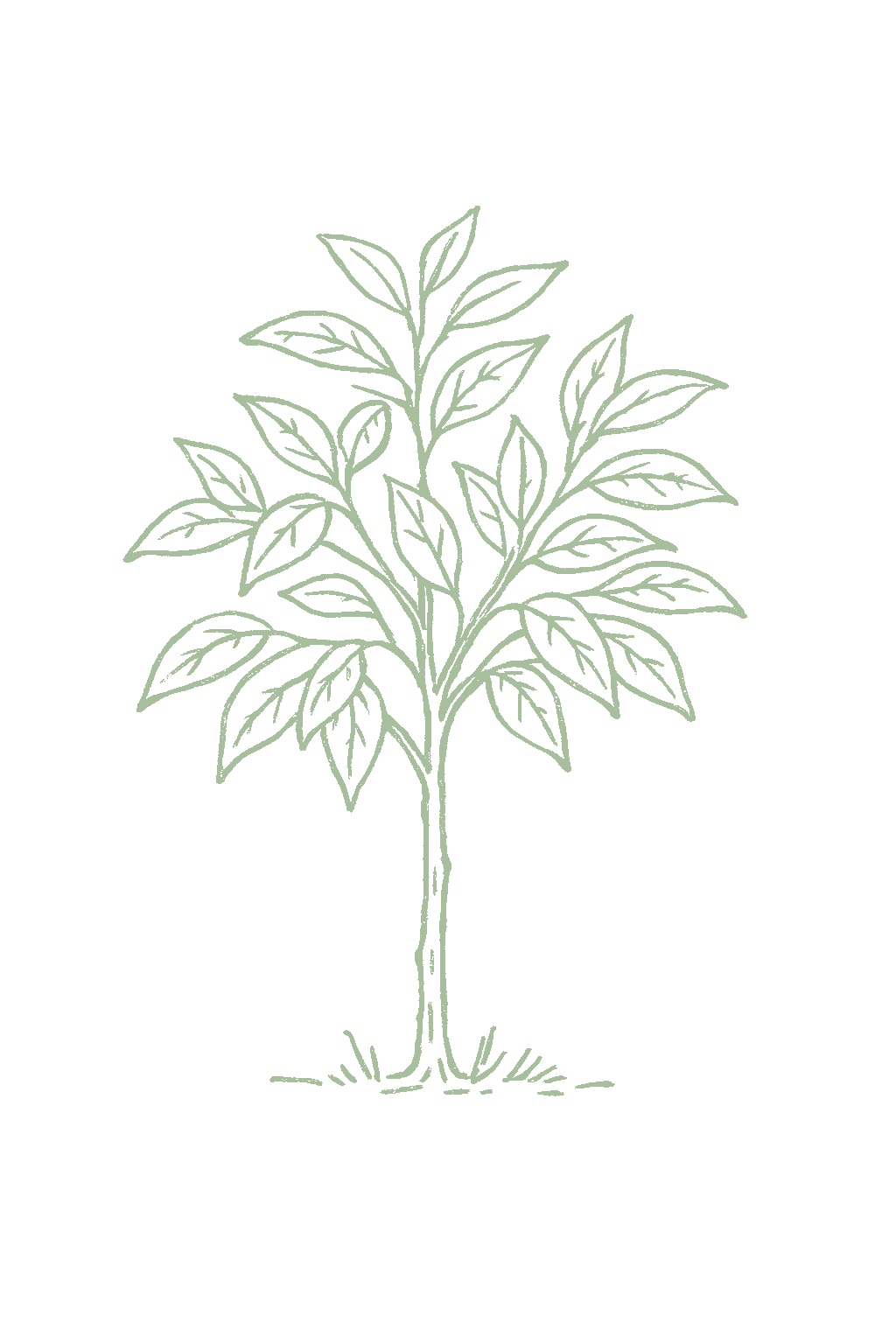
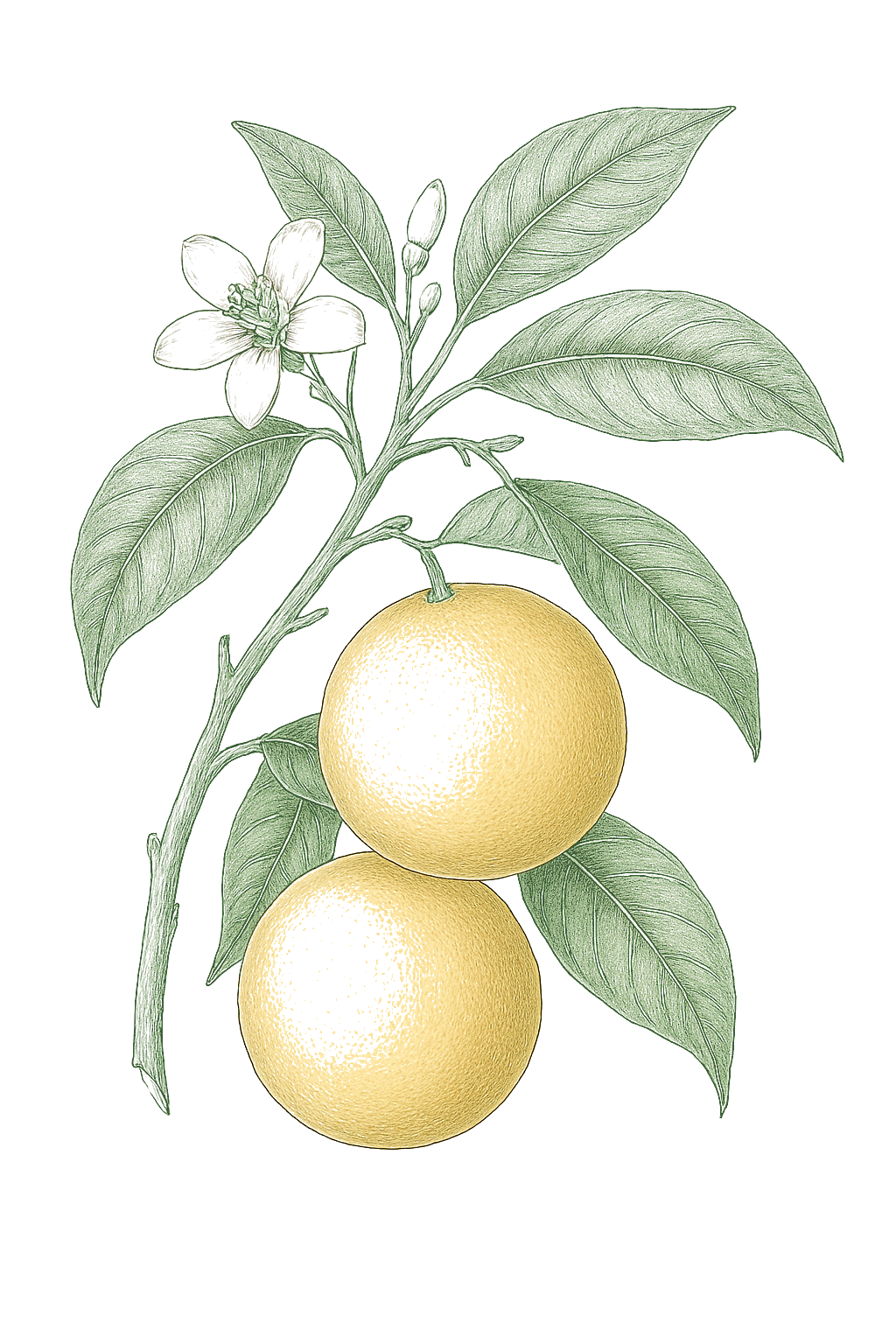
Grapefruit mature plant
Fig. 01 · Grapefruit, mature Zone 12
First fruit
3-4 yrs
to first harvest
Sunlight
Full sun
8-12 hrs daily
Water
Moderate
Spacing
18-30 ft
between trees
Soil pH
6-6.5
slightly acidic
Hardiness & fruiting range

Will it actually fruit here?

Hardiness tells you the tree will survive your winters. It does not tell you whether you will get fruit. Each zone carries its own verdict. Yours is marked.

3
survives,
rarely fruits
4
survives,
rarely fruits
5
survives,
rarely fruits
6
survives,
rarely fruits
7
survives,
rarely fruits
8
survives,
rarely fruits
9
reliable
10
reliable
11
reliable
Fruits reliably
Fruits reliably Survives only Too warm
← colder winterswarmer, less chill →
The growing year

Your grapefruit year, month by month

A fruit tree runs on the same rhythm every year: rest, prune, bloom, grow, harvest, then settle in again.

Jan
Feb
Mar
Apr
May
Jun
Jul
Aug
Sep
Oct
Nov
Dec
▲ We are here
Tree’s year
Dormant rest Prune Bloom Growing fruit Harvest Post-harvest care
Chill hours

Will your winter be cold enough?

Grapefruit does not need any winter chill to flower or fruit. Unlike peaches and apples, which need hundreds of cold hours in winter to wake up and set a crop, citrus is evergreen and blooms from spring warmth instead. What grapefruit needs is the reverse: a lot of summer heat over a long season to ripen sweet fruit. So chill hours, which matter for deciduous fruit trees, do not apply to grapefruit.Grapefruit requires no winter chilling to flower or fruit. It is evergreen and does not enter a chill-triggered dormancy; flowering is driven by spring warming and moisture rather than release from a cold period. What grapefruit needs instead is the opposite, high accumulated summer HEAT over a long season to ripen sweet fruit. This distinguishes citrus from deciduous fruit trees such as peaches and apples, which require hundreds of chill hours to break bud dormancy and set a crop.

Dependable here
Rio Red0Ruby Red (Redblush)0Star Ruby0Marsh0Duncan0Oro Blanco0
!Borderline in a warm winter
None. Every variety in this roster gets enough chill here.
Bloom timing & cross-pollination

One tree is usually enough

Most grapefruits are self-fruitful: a single tree sets a full crop with its own pollen, so you don’t need a second variety to get fruit. Bees still move the pollen from blossom to blossom, so strong pollinator activity through bloom is what drives a heavy set.

Rio Red blooms mid season and is self-fruitful, setting a full crop on its own.Blooms alongside: Ruby Red (Redblush), Star Ruby, Marsh, Duncan, Oro Blanco.

Bar length shows how long each variety blooms, roughly 8 to 14 days. Bars that overlap bloom at the same time.

▲ Tap a variety to see its bloom timing

Very early Early Mid Late Very late
Rio Red✓ same time
Ruby Red (Redblush)✓ same time
Star Ruby✓ same time
Marsh✓ same time
Duncan✓ same time
Oro Blanco✓ same time
The pollination rule

A grapefruit tree makes fruit all by itself, so you only need one and do not need bees or a second tree for it to bear. It is not seedless the way a navel orange is; how many seeds you get depends on the variety. White Marsh and the red types (Ruby Red, Rio Red, Star Ruby) have few or no seeds when grown apart from other citrus, while the old Duncan is full of seeds. If bees carry pollen from another nearby citrus into the flowers, a low-seed grapefruit can end up with more seeds, so keeping it away from other citrus helps keep the seeds down.Grapefruit is self-fruitful: a single tree sets a full crop, and extension guidance is that one grapefruit tree suffices with no pollinizer needed. Unlike the seedless-by-sterility navel orange, grapefruit produces viable pollen, and seed content is a variety trait. White Marsh and the red sports (Ruby Red, Rio Red, Star Ruby) are low-seeded to nearly seedless when isolated, while old Duncan is very seedy. Bees moving pollen from a nearby seed-bearing citrus can raise the seed count in an otherwise low-seed variety, so isolation from other pollen-heavy citrus helps keep low-seed grapefruit low-seed.

Pick your variety

Recommended varieties

Grapefruit comes in white (tart, like Marsh) and red (sweeter, like Ruby Red, Rio Red, and Star Ruby), plus sweet low-acid hybrids like Oro Blanco. All make fruit on their own. The red Texas types are the classic sweet choice for hot areas; Oro Blanco is the one to try if your summers are cooler, because it tastes sweet without needing as much heat. Duncan is very seedy but great for juice. Pick based on the flesh color you like, whether you mind seeds, and how hot your summers get.Grapefruit varieties split into white types (tart, e.g. Marsh, Duncan) and the red-fleshed sports that arose from them (Ruby Red, then the deeper Rio Red and Star Ruby), plus low-acid pummelo hybrids (Oro Blanco, Melogold) that eat sweeter with less heat. All are self-fruitful. The practical differences are flesh color, seediness, and how much heat and hang time each needs to sweeten: the red Texas types shine in the hot Rio Grande Valley and desert, while Oro Blanco extends acceptable quality into cooler locations. Duncan is seedy but juice-rich and a touch hardier.

Rio Red
fresh eating, juice
Ruby Red (Redblush)
fresh eating, juice
Star Ruby
fresh eating
Marsh
fresh eating, juice
Duncan
juice
Oro Blanco
fresh eating
Rootstock & size

How big will it get?

Grapefruit grows vigorously and yields well on Swingle citrumelo, which resists Phytophthora and citrus nematode and tolerates the tristeza virus that killed off the once-standard sour orange rootstock for grapefruit. Sour orange still produces excellent grapefruit where tristeza is not a threat. For containers or small spaces, Flying Dragon trifoliate makes a dwarf tree. Ask the nursery which rootstock the tree is on and match it to your soil, since Swingle and trifoliate types dislike high-pH, calcareous, or saline soils common in the desert.

Carrizo citrange standard
Mature height
15–25 ft
Bears
year 3
Container
in-ground
Recommended
Swingle citrumelo standard
Mature height
12–20 ft
Bears
year 3
Container
in-ground
Flying Dragon trifoliate dwarf
Mature height
5–8 ft
Bears
year 3
Container
pot OK, 25+ gal
Ask the nursery

Ask for a certified disease-free tree on Carrizo citrange. Confirm your soil is not highly alkaline or saline, as Carrizo is sensitive to both conditions.

From seed to fruit

The growing journey

Stage 01 · Planting and settling in
01
Planting and settling in
Over the next few weeks you should see new leaves pushing out. Check that the soil has not settled up over the graft union.Expect roots to begin working and a first push of new leaves over the coming weeks as the soil warms, with the canopy staying firm. Watch that the mound does not settle up over the graft union.
Plant the tree slightly raised on a low mound, with the knobby graft union above the soil. Soak it in well and keep mulch off the trunk. Leave it plenty of room, since grapefruit grows big, and on heavy clay build the mound a little higher so water drains.Set the tree high on a mound so the graft union clears the soil and mulch line, backfill with native soil, water in to settle air pockets, and keep mulch off the trunk. Grapefruit makes a large tree, so give it generous spacing. Where the ground is clay, build the mound up more, since fast drainage is the first requirement.
FROM PLANT · Plant so the graft bump sits a couple inches above the soil, and keep mulch off the trunk. A buried, damp union can rot.Plant with the graft union standing two to three inches clear of the finished soil and keep mulch pulled back from the trunk. A buried or mulch-packed union stays damp and is the classic entry point for foot rot.
FROM PLANT · Leave a grapefruit plenty of space, since it grows into one of the biggest citrus trees. Do not crowd it against a wall or another tree; give it room to spread.Give a grapefruit room. It makes the largest of the common citrus trees, so allow generous spacing (extension guidance is a minimum of about 15 feet between citrus, and grapefruit sits at the roomy end of that) rather than crowding it against a wall or another tree.
02
Establishment years
You want the tree getting bigger each year, with new branches and a fuller canopy. Do not worry that there is little or no fruit yet, that is exactly right.Steady extension of new shoots and a filling canopy each warm season, with the trunk thickening and scaffold branches developing. Little to no fruit is the goal here, not a worry.
For the first couple of years, focus on growing a strong tree rather than getting fruit. Pinch off the flowers the first year. This matters even more for grapefruit, since its fruit hangs for the better part of a year and drains a young tree. Water it regularly, feed it, and protect it from frost in winter.Build the tree, not the crop. Remove flowers and any fruit set in the first year so energy goes to roots and framework, which matters extra for grapefruit because its long-hanging crop is such a heavy draw. Water consistently to establish the roots, feed on the citrus nitrogen rhythm, and protect young frost-tender wood through its first winters; in desert climates shield the young trunk from sunburn.
FROM PLANT · For the first two or three years, pick off the fruit. Grapefruit takes most of a year to ripen, which is a big load, so let the young tree grow strong first.Strip the first few years' fruit so the tree builds frame before it bears. Grapefruit carries a very long nine-to-thirteen-month crop, a heavy draw, and a young tree allowed to hold that load early grows slowly and stays structurally weak.
FROM PLANT · Check the new growth for tiny citrus psyllid insects while the tree is small. They spread a serious disease that hits grapefruit hard, and they go after fresh new leaves, so look them over often.Scout new flush for Asian citrus psyllid while the tree is small and easy to inspect. The psyllid spreads huanglongbing, which grapefruit succumbs to quickly, and it feeds and lays on tender new growth, so catching it early on a young tree matters most.
03
Spring bloom
Sweet-smelling white flowers open over a few weeks. A grapefruit does not need a second tree or bees to make fruit. Some flowers and tiny fruit will drop on their own, which is normal.Fragrant white blossoms opening over a few weeks. Grapefruit sets a full crop on a single tree; some natural flower and early-fruit drop is normal self-thinning.
When the tree blooms in spring, keep watering even (not too dry, not soggy) and keep feeding, because this sets the fruit you harvest almost a year later. Do not spray oil while it is flowering. One grapefruit tree makes fruit on its own; you do not need a second tree.Bloom sets the crop you will harvest nearly a year later, so any stress now costs that crop. Keep the root zone evenly moist through bloom, avoid fertilizer gaps, and do not let the soil swing dry or saturated, either of which triggers flower drop. Hold off on oil sprays while blooms are open to protect pollinators. Grapefruit is self-fruitful, so no second tree is needed, but keeping low-seed varieties away from other pollen-heavy citrus keeps seed counts down.
FROM PLANT · Keep the soil evenly moist during the few weeks the tree flowers in spring. If it dries out, the flowers and tiny fruit drop, and that fruit takes almost a year to ripen.Hold soil moisture steady through the roughly three-week spring bloom; drought stress now drops flowers and the young fruit behind them. That fruit will not be ripe for the better part of a year, so protecting the bloom protects a very long-term crop.
FROM PLANT · Grapefruit pollinates itself, so just leave the flowers and new fruit alone and do not do big pruning while it is flowering. If you want few seeds, keep it away from other citrus, whose pollen can add seeds.Grapefruit is self-fruitful and needs no pollination partner, so leave the flowering wood undisturbed and skip heavy pruning during and just after bloom. If seedlessness matters, keep low-seed varieties away from other pollen-heavy citrus, whose pollen can add seeds.
04
Fruit set and the long hang
The fruit gets bigger slowly through summer, fall, and winter, taking many months, and the skin colors up as it goes. Keep an eye on fruit on the sunny side during heat waves, and on any fruit dropping.Fruit expanding slowly through summer into fall and winter, sizing up over months, with rind color developing as cooler weather arrives. Watch for sun-exposed fruit on the hot side of the canopy and for drop during heat spikes.
Over the summer, fall, and into winter the fruit grows slowly, and the heat builds its sweetness. Keep watering steadily, and water extra during heat waves so the fruit does not drop or sunburn. The amount of summer heat over these long months is what makes grapefruit sweet: in hot areas it sweetens, but in cool coastal areas the fruit stays sour no matter what you do.This long stretch is where the heat axis decides the crop. Keep irrigation steady through fruit sizing, raising it in extreme heat to prevent fruit drop and rind sunburn. Accumulated summer heat over these many months is what burns off acid and builds sugar: in hot desert and low-elevation climates the fruit sweetens, while in cool-summer climates the tree carries fruit that stays acidic no matter the care. Because the crop hangs so long, consistency across the whole period matters more than any single watering.
FROM PLANT · Keep watering deeply and evenly through the long summer and fall. Grapefruit takes many months to grow, and uneven watering makes it split, drop, or go dry inside, so stay consistent.Water deeply and consistently across the long hang. Grapefruit develops over nine to thirteen months, and uneven moisture during that stretch shows up as splitting, pre-harvest drop, and dry granulated flesh, so a steady rhythm through summer heat is the priority.
FROM PLANT · If the tree drops a lot of small fruit a few weeks after flowering, that is normal. It is keeping the fruit it can ripen well, so do not panic.Treat the natural drop a few weeks after set as self-thinning, not a problem. The tree sheds more fruit than it can finish, and what stays sizes up better for it, so do not react by overwatering or overfeeding.
05
Ripening and the long harvest
Full-size fruit that tastes good once enough tartness has dropped. In warm areas it keeps getting better into spring; in cool coastal areas it may stay too sour to enjoy, which is the main limit of growing grapefruit there.Fruit that has reached full size and, on tasting, has lost enough acid to eat well. In heat-adequate climates quality keeps improving into spring; in cool-summer climates the fruit reaches this window but may stay too tart to enjoy, the defining limitation of the site.
Pick by taste, not just color, and do not rush. Grapefruit can be picked months before it is at its best, and it gets sweeter the longer it hangs, so late-season fruit (around March through May in hot areas) is sweeter than early fruit. The skin color fools you. Pick a few at a time over a long stretch. In hot, dry areas, taste now and then so you catch it before it dries out inside.Harvest by taste, not color, and take your time. Grapefruit is edible months before it is at its best, sweetening on the tree as acid drops, so early-season fruit is tart and late-season fruit (often March through May in the desert and South Texas) is sweeter. Rind color is a poor guide. Pick over a long window rather than all at once, since the fruit stores itself on the tree. In hot, dry climates taste through the late season so you catch fruit before it granulates.
FROM PLANT · Taste a grapefruit before picking the whole tree, and taste again later in the season. It is edible but tart early and sweeter later, so try one first instead of judging by color.Taste before you strip the tree, and taste again later. Grapefruit reaches legal maturity months before peak flavor and keeps sweetening on the tree as acid drops, so early fruit is tart and late fruit is best; let flavor, not rind color, call the harvest.
FROM PLANT · You can leave ripe grapefruit on the tree and pick it over months, and it keeps getting better. In the hot, dry desert, taste now and then and pick before it dries out inside.Leave ripe grapefruit on the tree and pick over months rather than all at once; the fruit stores itself outdoors and improves. In hot, dry desert, though, taste through the late season and pick before fruit granulates and dries inside.
06
Mature bearing
Steady big crops each year (some heavier than others is normal). Watch for shoots sprouting below the graft knob, dead twigs, and any general decline that could mean a drainage or root problem.Consistent heavy annual crops, with mild natural alternate bearing. Watch for rootstock suckers below the graft, dead wood in humid climates, and declining vigor that signals a drainage or root issue.
Once the tree is grown, it settles into a yearly routine: water deeply but not too often (more in heat), feed through spring and summer and stop by late summer, and prune lightly in spring after harvest. Remove any shoots below the graft knob (those are rootstock and will not make grapefruit) and, in humid areas, cut out dead wood. A healthy grapefruit produces for decades.Settle into the annual rhythm: deep, infrequent irrigation raised in heat; nitrogen-forward feeding spring through summer, stopping by late summer; light shaping in spring after harvest plus removal of any below-graft rootstock shoots and, in humid regions, dead wood that harbors melanose. A mature grapefruit is large, long-lived, and heavy-bearing on good drainage, and the long on-tree hold lets you harvest across many months.
FROM PLANT · On a grown tree, prune lightly. Take out dead wood (it can spread a skin-spotting disease in humid areas) and any shoots from below the graft bump, since those come from the rootstock, not your grapefruit.Keep pruning minimal on a bearing grapefruit: deadwood (which harbors melanose in humid climates), crossing limbs, and rootstock suckers from below the graft. Those suckers are the rootstock, not your grapefruit, and left to grow they sap vigor and can overrun the top.
FROM PLANT · Grapefruit often makes a big crop one year and a smaller one the next, which is normal. Steady feeding and watering helps even it out, but a sudden big drop means something is wrong to check.Expect alternate bearing and feed and water to even it out. Grapefruit swings between heavier and lighter crop years; steady fertility and consistent irrigation soften the swing, while a sharp unexplained drop points to a root, water, or disease problem worth chasing.
The specs

Care guide

The numbers that matter, at a glance.

Sunlight
Full sun · 8-12 hrs/day
Water
moderate
Spacing
216-360 inches
Soil pH
6 to 6.5
Container OK?
Yes · 20+ gal pot
Soil chemistry

Soil pH for grapefruit

Preferred
6 to 6.5

Grapefruit likes soil that is slightly acidic, around pH 6.0 to 6.5, and tolerates a bit either side. The main thing to watch is alkaline (high-pH) soil, common in the desert and inland West, where the tree cannot take up iron and zinc and the leaves turn yellow with green veins. If that happens, use a citrus fertilizer that includes iron and zinc, and over time you can add sulfur to make the soil a little more acidic.Grapefruit prefers a slightly acidic soil, roughly pH 6.0 to 6.5, and tolerates a somewhat wider band; extension citrus guidance clusters around 5.5 to 6.5. The practical issue is high-pH alkaline soil (common in the desert Southwest and interior West), where iron, zinc, and manganese become chemically unavailable and the tree shows interveinal chlorosis (yellow leaves with green veins) even though the nutrients are present. Correct with chelated micronutrients and a citrus fertilizer that includes them, and acidify the soil gradually with elemental sulfur for a durable fix.

Verified · 1 source View
Steady hand on the hose

Watering

When & how much
Frequency
Water deeply but not too often. Soak the root zone thoroughly, then let the surface dry out, checking with a finger: when the top inch or two feels dry, it is time to water again. Water more often in hot weather and less in cool weather. Young trees dry out faster, but still let the surface dry between waterings and never keep the soil constantly wet.Deep and infrequent. Water established trees thoroughly, then let the top inch or two of soil dry before watering again; the interval stretches in cool weather and shortens in desert heat. Young trees need more frequent water to establish but still on a soak-and-dry pattern, never kept constantly wet.
Amount
Water enough to soak the soil deeply each time, out as far as the edge of the branches, not just a quick splash at the base. A few quick sprinkles do not reach the deep roots, so a long, thorough soak is better, especially through a hot summer.Each irrigation should push moisture down through the full root depth, which for a large grapefruit means soaking the soil out to the canopy dripline. Frequent shallow sprinklings develop weak surface roots that dry out quickly and leave the tree drought-prone; they also miss the deep roots that carry the tree through the long desert summer when the crop is sizing.
Method
Use drip emitters or a slow soak from a hose around the outer edge of the branches. Keep water off the trunk and the graft knob, because a wet trunk base can rot. Mulch the area under the tree (but keep the mulch away from the trunk) and keep grass out.Drip or low-volume emitters around the dripline, or a slow soak from a hose, are ideal. Keep water off the trunk and crown, and never wet the graft union, since a constantly damp crown is a direct route to foot rot. Maintain a mulched, grass-free basin, with mulch pulled back from the trunk.
Signs of trouble
Too much water
Signs of too much water are yellow, wilting leaves that do not perk up when you water, dropping leaves, soggy or bad-smelling soil, and gum oozing at the base of the trunk. The key clue is that watering makes the wilting worse, not better.Yellowing leaves that wilt but do not recover after watering, leaf drop, mushy or sour-smelling soil, and gumming at the trunk base are signs of overwatering and incipient foot rot. The diagnostic tell is wilting that worsens, not improves, with more water.
Too little water
Signs of too little water are leaves that curl or look dull and gray, wilting that gets better after you water, fruit dropping early, and dry, hard soil. In hot weather, a thirsty tree drops fruit and the fruit can sunburn or dry out inside.Leaves that curl, cup, or dull and gray, wilting that recovers after watering, premature fruit drop, and a hard, dry root zone indicate underwatering. In desert heat, underwatered trees drop fruit and the exposed rind sunburns, and late-season water stress can leave fruit dry and pithy inside.
Feeding rhythm

Feeding

Frequency
split applications through the growing season
Type
citrus (nitrogen-forward, with iron, zinc, and manganese)
When to start
late winter or early spring through summer; stop by late summer

Grapefruit is a big tree that is hungry for nitrogen and wants most of its food during the growing season. Start feeding a grown tree as the weather warms in late winter or early spring, keep it up through summer in a few split doses, and stop by late summer so the new growth toughens before cool weather. Feed young trees smaller amounts more often to build the framework. If your soil is alkaline, use a citrus fertilizer that includes iron and zinc so the leaves do not yellow. Do not overfeed, since extra soft growth attracts pests.Grapefruit is a large, nitrogen-hungry tree and responds to a feeding rhythm concentrated in the growing season. Feed a mature tree from late winter or early spring through summer in split applications, and stop by late summer so new growth hardens before winter cold. Young trees get smaller, more frequent doses to build the framework. Alkaline soils chemically lock up iron, zinc, and manganese, so look for a citrus-formulated fertilizer that supplies all three as chelates and water it in well to reach the roots. Do not overfeed, since excess tender flush draws aphids, leafminer, and psyllid, and can raise fruit acidity on a crop that already leans tart.

N · P · K = 2-1-1

A fertilizer made for citrus (look for one labeled citrus or citrus and avocado); these are higher in nitrogen and include the iron and zinc citrus needsA nitrogen-forward citrus formulation (for example a 2-1-1 ratio) with included micronutrients (iron, zinc, manganese), or a product labeled specifically for citrus and avocado

Who grows well together

Companion planting

Keep grass and lawn out from under a grapefruit tree, since grass steals the water and food the tree's shallow roots need, and a big grapefruit needs a lot of both. A wide ring of mulch (kept back from the trunk) is better than grass right up to the tree. There is no real benefit to planting things close around citrus, and other citrus nearby can add seeds to a low-seed grapefruit. Keep turf and lawn grasses out of the root zone. Grass competes aggressively for water and nutrients in the top soil layer where citrus feeder roots concentrate, and a large grapefruit with its heavy, long-hanging crop is a hungry, thirsty tree that suffers most from that competition. A mulched, grass-free area extending to the canopy dripline is the standard recommendation for all citrus. Low-growing legume cover or shallow-rooted ground covers planted outside the trunk flare provide living mulch without root competition. Grapefruit is self-fruitful, so no pollinizer companion is needed; if anything, nearby seed-bearing citrus can raise the seed count in an otherwise low-seed grapefruit.

Other
Comfrey
Comfrey is a leafy plant that grows well near citrus. Its roots reach deep, so it does not fight the tree for water, and a few times a season you can cut the big leaves and lay them on the soil as a mulch. Plant it out past the trunk, not against the tree, and let its flowers bring in helpful bees.Deep roots pull up nutrients, and the leaves can be cut and dropped as a mulch. Plant it outside the trunk flare, not against the tree. Traditional
Yarrow
Yarrow is a low, tough plant with flat flower heads that draw in ladybugs, lacewings, and other good bugs that eat aphids. It is shallow-rooted and easygoing, so it does not crowd the citrus roots as long as you keep it out toward the edge of the canopy. Let it flower to get the benefit.A low, shallow-rooted plant that draws beneficial insects and does not compete with the citrus roots when kept outside the dripline. Traditional
Fava bean
A cool-season nitrogen fixer that can be grown beyond the dripline as a cover, then cut and dropped to feed the soil without crowding the tree. Research-backed
White clover
A low clover outside the trunk area acts as a living mulch and adds a little nitrogen, without stealing water the way lawn grass does. Research-backed
Nasturtium
An easy flower that covers bare soil and draws in helpful insects. Keep it out from the trunk so it does not crowd the base. Traditional
Keep apart from
St. Augustine grass St. Augustine is a thick, fast-spreading lawn grass, and it is rough on citrus. It soaks up the water and food in the top soil where the tree's roots feed, and it creeps up to the trunk. Keep a clear or mulched circle around the base and hold the grass back beyond it.A dense, spreading lawn grass that competes aggressively for water and nutrients in the top soil and creeps right up to the trunk. Keep it cleared out to the dripline. Research-backed
Other seed-bearing citrus nearby Grapefruit does not need a pollinizer, and planting a seedy citrus close by works against a low-seed grapefruit rather than for it. White Marsh and the red grapefruit sports are low-seeded to nearly seedless when grown in isolation, but bees moving pollen from a nearby seed-bearing citrus can fertilize the flowers and raise the seed count in the fruit. This is not a pest or disease issue, just a fruit-quality one: if seedlessness matters to you, give a low-seed grapefruit some distance from other pollen-heavy citrus. Research-backed
Turf grass Lawn grass under the tree steals the water and food a big grapefruit's shallow roots need. A ring of mulch, kept back from the trunk, is better than grass. Research-backed
Bermuda grass A tough, spreading lawn grass that competes hard for water and is difficult to keep out of the root zone. Clear it out to the edge of the branches. Research-backed
Provenance tagged inline · see methodology for the labeling system Key
Harvest signals

When to pick

Pick grapefruit by taste, not by color, and know that there is no rush. The fruit is ready to eat months before it is at its best: in hot areas you can start picking in December, but it is usually sweeter around March through May after hanging longer and losing some tartness. The skin color fools you, since fruit can look a little green but be ready early, or turn gold later. So taste one to decide. Grapefruit keeps on the tree for months and gets better, so pick a few at a time. Two cautions: fruit left on far too long in the hot, dry desert can dry out inside, and in cool coastal areas the fruit may never get truly good.Harvest grapefruit by taste, not color, and expect a long, forgiving window. The fruit reaches legal maturity months before it is at its best: in the desert and South Texas it can be picked from December but is usually sweeter and less acidic from March through May, after a long hang drops the acid. Rind color is a poor guide, since fruit can be green-tinged yet ripe early in the season and gold later. Taste-test a fruit to judge readiness. Grapefruit holds on the tree for months and keeps improving, so pick over an extended period rather than all at once. The exceptions are that fruit left far past peak in hot, dry desert can dry inside, and in cool coastal climates the fruit may never reach good eating quality at all.

Yield

What to expect

A full-grown grapefruit tree is a big producer, often bearing well over a hundred pounds of fruit a year in good conditions, though it depends on the variety, climate, and tree size. A small dwarf tree in a pot makes much less, but still plenty to enjoy.A mature standard grapefruit is a heavy yielder, commonly bearing on the order of one hundred fifty to three hundred pounds of fruit per year under good conditions on a large tree, with the figure varying widely by variety, climate, tree size, and rootstock. Dwarf container trees yield far less but still produce a meaningful home crop.

A grapefruit tree hits its full crop around six to nine years old, a bit later than some citrus because the fruit takes so long to ripen, and then produces well for decades. It is normal for the crop to be heavier some years and lighter others.Trees reach full production around the sixth to ninth year, a little later than quicker-ripening citrus because the crop hangs so long, and then bear heavily for decades. Grapefruit shows mild natural alternate bearing, with somewhat lighter and heavier crops in alternating years, which is normal. Young trees need their first-year energy in roots and branches, not fruit. Snap off any flowers that appear in the first season. Grapefruit carries a big crop for a long time, so a young tree holding fruit too early grows slowly. Fruit will start coming around year three or four, with a real crop building as the tree grows.Strip any flowers that set in the first season so the tree puts its energy into roots and canopy framework rather than fruit. No crop is expected in year one anyway, and because grapefruit carries a long, heavy crop, letting a young tree hold fruit early slows establishment badly. Light bearing typically begins in year three or four, with a full crop building as the tree matures.

Off the vine

Storing your harvest

Room temp
Once picked, grapefruit lasts about one to two weeks on the counter. But the best way to store it is to leave it on the tree, where it keeps and gets sweeter for months.Picked grapefruit keeps about one to two weeks at room temperature. Its bigger storage advantage is on the tree: grapefruit holds and continues to sweeten on the tree for months, so in a warm region the tree itself is the best long-term storage.
Fridge
In the fridge, grapefruit lasts three to four weeks, up to about six weeks in the crisper drawer. Keep it loose or in a bag with holes so it does not get damp and moldy.Refrigerated, grapefruit keeps three to four weeks, and up to about six weeks in a crisper drawer. Store loose or in a perforated bag so the fruit does not sweat; do not seal it airtight.
Freezer
Whole grapefruit does not freeze well, but the juice does. Squeeze the juice and freeze it in a sealed container for up to about six months. You can also freeze peeled segments in a little syrup, or freeze the zest for cooking.Whole grapefruit does not freeze well, but the juice and segments do. Squeeze and freeze juice in airtight containers for up to about six months; segments can be frozen in a light syrup. Zest can be frozen for baking.
When something goes wrong

Common problems

The grapefruit is sour and never gets good even though the tree seems fineFruit stays sour and never really sweetens even though the tree looks healthy
01 of 06
What happened This is the main thing that can go wrong with grapefruit, and it is about your climate, not anything you did. Grapefruit needs a lot of summer heat over a long season to turn sweet. In cool coastal or foggy areas the tree looks healthy and makes fruit, but there is not enough heat, so it stays sour no matter how well you care for it.This is grapefruit's defining failure mode and it is a climate limitation, not a care mistake. Grapefruit needs high accumulated summer heat over a long nine-to-thirteen-month season to burn off acid and build sugar. In cool coastal and fog-influenced climates the tree grows, blooms, and sets fruit, but heat is too low, so the fruit stays sharply acidic and poorly flavored regardless of feeding, watering, or patience, and may hang past a year without becoming good. Next season There is no way to fix a lack of heat with watering or feeding. In a cool coastal area, expect standard grapefruit to be sour; a hot south-facing wall helps a little, and a sweet low-acid type like Oro Blanco is a better bet because it does not need as much heat. In a warm area, just give the fruit more time on the tree, since grapefruit keeps getting sweeter.There is no cultural fix for insufficient heat. If you are in a cool-coast climate, expect tart, poor fruit from standard grapefruit; the best options are a warmer microclimate against a south-facing heat-trapping wall, or growing a low-acid pummelo-grapefruit hybrid such as Oro Blanco, which eats sweet with less heat. In a heat-adequate climate, simply allow the full long hang, since grapefruit sweetens the longer it holds.
A lot of flowers or little fruit fell offHeavy flower or young-fruit drop, often after a spring heat spike
02 of 06
What happened Losing a few flowers and tiny fruit is normal, but losing a lot usually means the watering bounced between too dry and too wet, a hot spell (into the 90s°F) struck during bloom, or the tree was underfed. This is common in hot-spring desert and inland areas.Some flower and post-set drop is the tree thinning itself and is expected, but heavy loss usually points to the root zone swinging between dry and waterlogged, a sudden spring heat spike into the 90s°F during or right after bloom, or nutrient stress through flowering. In hot-spring desert and interior climates this drop is a recurring challenge, and grapefruit holds its crop best on even moisture and steady feeding. Next season Next time, keep the watering steady so the soil is neither bone dry nor soggy, and water extra during a hot spell while the tree is in bloom. Keep feeding through flowering. You cannot control the weather, but even soil moisture is the best thing you can do.Keep the watering even so the root zone neither bakes dry nor sits saturated, and bump it up during a heat spike to cushion the tree. Maintain steady citrus feeding from bloom through set. The weather is out of your hands, but consistent soil moisture is the single strongest lever against heat-spike drop.
The fruit looks ripe but is dry and pithy insideFruit is dry, pithy, or granulated inside despite looking ripe outside
03 of 06
What happened Sometimes grapefruit that looks ripe outside is dry and pithy inside. This happens to fruit left on the tree too long in a hot, dry climate, which is easy to do because grapefruit hangs so well for months. Heat, dryness, and over-ripeness are the causes, and the skin can look fine even when the inside has dried out.Granulation (juice vesicles drying and hardening) and general drying tend to appear in fruit left on the tree well past peak in hot, dry climates, which is a real risk for grapefruit precisely because its long on-tree hold tempts you to leave fruit for months. Over-mature fruit, late-season water stress, and intense heat with low humidity all contribute, and the rind can look perfectly normal while the interior loses quality. Next season In hot, dry areas, taste the fruit through late season and pick it before it dries out, instead of leaving it on for the maximum time, and keep watering steadily late in the season.In hot, dry climates, taste through the late season and harvest before granulation sets in rather than relying on the fullest hold, and keep late-season irrigation steady to limit water stress. The long hang is a feature, but it has a limit in the desert.
The tree is dropping a lot of leavesSudden leaf drop and a thinning canopy
04 of 06
What happened Two things often cause leaf drop. One is cold: after a frost, a grapefruit (which never goes dormant, and is a bit more cold-tender than an orange) can wilt and drop leaves a few days later. The other is too much water or poor drainage, which rots the roots and yellows the leaves, and the clue there is that watering makes it worse, not better. A long heat wave can also cause some leaf drop.Two common causes look different but both end in leaf drop. Cold injury follows a frost, with leaves wilting, browning, and dropping days afterward on an evergreen tree that never goes dormant, and grapefruit is slightly more frost-tender than orange. Overwatering and poor drainage are the other frequent culprit: saturated roots and incipient Phytophthora foot rot cause yellowing and drop, and the tell is leaves that wilt but do not recover after watering. Sustained heat stress can also force some defensive drop. Next season Figure out the cause first. If it was frost, protect the tree better next time and wait until spring to trim damaged branches. If it is overwatering, water less, make sure the soil drains fast, and check the graft knob is not buried. If it is heat, water steadily during hot weather.Distinguish the cause before acting. For cold, improve frost protection and wait until spring growth to prune damaged wood so you can see what survived. For overwatering, back off irrigation, confirm sharp drainage, and check that the graft union and crown are not buried. Treat heat-driven drop with steady irrigation through hot spells.
The skin is marked with rusty, speckled, or oily blotchesBlemished rind: dull russeting, rough brown specks, or oily spotting
05 of 06
What happened Grapefruit has smooth, pale skin, so any blemish shows. In humid areas like Florida and the Gulf, several harmless-looking skin problems are common: rusty or bronzed skin from a tiny mite, rough brown specks from a fungus called melanose, and oily corky spots from canker. The fruit inside is usually fine, and in dry desert areas the skin is usually clean.Grapefruit's smooth, thin, pale peel shows every rind blemish, and in the humid Southeast several cosmetic problems are common: dull tan or bronze russeting from citrus rust mite, small raised sandpaper-rough specks from melanose (a deadwood fungus), and oily-margined corky lesions from citrus canker. All three are cosmetic to the flesh (except canker at severe levels), and all are far worse in warm, wet, humid climates than in the arid West, where fruit is usually clean. Next season For cleaner skin, cut out dead wood (for melanose), avoid harsh sprays that kill the helpful mites (for the rust mite), and follow local guidance for canker. In humid areas, a well-timed oil, sulfur, or copper spray in early summer helps. In dry areas you usually do not need to do anything.Manage the underlying cause for cleaner fruit: prune out deadwood to cut melanose, preserve predatory mites to hold down rust mite, and follow canker guidance in regulated Gulf areas. Where russeting or spotting recurs in humid regions, a well-timed early-summer oil, sulfur, or copper program reduces it. In the arid West little or no action is needed.
Leaves turning yellow but the veins stay greenYellowing leaves with green veins (iron or zinc chlorosis)
06 of 06
What happened When leaves turn yellow but the veins stay green, especially on new growth, the tree is short on a micronutrient, usually iron or zinc. This happens on alkaline (high-pH) soils, common in the desert and inland West, the very hot places grapefruit likes best. It looks different from an even all-over yellowing (usually nitrogen) and from the blotchy yellowing of citrus greening.Yellow leaves with a network of green veins, especially on new growth, signal a micronutrient deficiency, most often iron or zinc, common on alkaline, high-pH soils where these nutrients are present but chemically unavailable. This is widespread in desert and interior-West soils, exactly the hot regions where grapefruit otherwise thrives. It is distinct from the symmetric overall yellowing of nitrogen deficiency and from the asymmetric blotching of greening disease. Next season Fix it with a chelated iron or zinc product, sprayed on the leaves for a fast response and added to the soil for the long run, and use a citrus fertilizer that lists micronutrients. Over time, making the soil a little more acidic with sulfur helps the tree use the nutrients already there.Correct with a chelated iron or zinc product, applied as a foliar spray for a quick response and to the soil for longer-term supply, and use a citrus fertilizer that includes micronutrients. Lowering soil pH toward slightly acidic over time with sulfur makes the existing nutrients available and is the durable fix on high-pH ground.
Verified · 5 sources View
The usual suspects

Pests & diseases

Pests
Asian citrus psyllid
P · 01
Symptoms This tiny brown insect rests on new leaves at an angle, rear end raised, which is your identification clue. The young ones make little waxy white threads and curl the new leaf tips. The real danger is not the feeding but a fatal disease it spreads, citrus greening, which hits grapefruit especially hard, so act on it even where the pest seems uncommon.A tiny mottled-brown insect, about an eighth of an inch, that feeds tilted up at a 45-degree angle on new flush, a posture no other citrus pest shares. Nymphs produce waxy tubules and curl tender growth. It matters less for direct damage than for what it carries: it is the vector of Huanglongbing (citrus greening), the most serious citrus disease worldwide, and grapefruit is among the citrus that decline fastest once infected. Scout the youngest flush. Cause The psyllid breeds on fresh new leaves, so it builds up fastest when the tree is pushing tender growth in warm weather. It has spread across the southern states, and any psyllid you find could be carrying the disease.Adults lay eggs only on new flush, so populations track flushing cycles and surge in warm weather. The pest is established across much of the southern United States, and any psyllid should be assumed a potential disease carrier. Organic treatment Spray horticultural oil or insecticidal soap on the new growth to knock back the young psyllids, repeating each time fresh leaves appear. Hold off on oil when it is hot, above about 95°F, or when the tree is short on water. Report any psyllids or signs of the disease to your local farm advisor, because it is closely tracked.On a backyard tree, horticultural oil and insecticidal soap on new flush reduce nymphs; thorough coverage is key, repeated as each flush emerges. Do not apply oil above 95°F or to a drought-stressed tree. Most importantly, report suspected psyllids or greening symptoms to your county agricultural office, since this is a regulated pest. Prevention Buy certified citrus from a trusted nursery, and never carry citrus plants or cuttings out of a quarantine zone. Check the new leaves often in warm weather. If citrus greening is in your area, follow local guidance on controlling the psyllid.Buy only certified citrus from a reputable nursery and never move citrus plants or leaves out of a quarantine area. Inspect each new flush in the warm season, and conserve the natural enemies (the parasitic wasp Tamarixia and general predators) that suppress it. Where the disease is present, area-wide psyllid control is the front line.
Citrus rust mite
P · 02
Symptoms A mite far too small to see plainly makes the skin of grapefruit turn a dull, rusty brown or tan, sometimes rough like sharkskin. It shows up badly on grapefruit because the smooth pale skin makes every mark obvious. The fruit inside is usually fine, but the peel looks blemished. It is worst in humid areas like Florida and the Gulf.A microscopic mite that feeds on the rind of developing fruit, bronzing or russeting the peel to a dull tan or brown (sometimes called sharkskin or russet). On grapefruit the injury is prominent because the smooth, thin, light peel shows every blemish, and heavy feeding can also reduce fruit size and increase water loss. Damage is cosmetic to the interior but a real quality issue for fresh fruit, and it is worst in the humid Southeast. Cause The mite feeds on the fruit skin and multiplies fast in warm, humid weather, so grapefruit in Florida and along the Gulf gets the most russeting, while dry desert fruit is usually clean.The rust mite builds up on the rind through the warm, humid part of the season, with populations peaking in summer. Warm, humid conditions favor it, which is why the Southeast sees far more russeting than the arid West. Organic treatment In humid areas, a horticultural oil or sulfur spray in early summer cuts down on the rusty skin, but cover the fruit well and only spray in mild conditions, not high heat. In dry areas you usually do not need to do anything.A well-timed horticultural oil or sulfur application in early summer reduces russeting where it is a problem in humid regions; thorough coverage of the fruit is needed, and oil heat limits apply (not above 95°F or on a stressed tree). In the arid West it rarely needs treatment. Prevention Keep the tree healthy and just accept a little rusty skin on home fruit, since it does not hurt the eating quality. Avoid strong insecticides that kill the helpful mites that keep it in check.Keep the tree healthy and monitor developing fruit in the warm season. Preserve predatory mites and other natural enemies by avoiding broad-spectrum sprays, and tolerate light russeting on home fruit, which does not affect eating quality.
Scale insects
P · 03
Symptoms Scale look like little hard or waxy lumps that sit still on twigs and leaf undersides, so it is easy to mistake them for part of the branch. The softer kinds make the leaves tacky and a sooty black coating grows on the stickiness. Ants are often crawling around them.Fixed, non-moving bumps clustered on twigs, along the leaf midrib, and beneath leaves. Armored types form firm gray or brown shells like raised bark; softer types are plumper and secrete honeydew that leaves foliage tacky and grows black sooty mold, with ants patrolling for the sugar. Heavy numbers cause mottled yellow leaves, premature leaf fall, and twig dieback. Cause Scale are little insects that feed on the tree's sap. They get worst when ants are around, since ants protect them from the helpful bugs that eat scale.A mix of armored and soft scale species tap into the tree and feed on its sap. They get the upper hand on dusty, crowded, or ant-tended trees, because ants drive away the ladybugs and parasitic wasps that would thin the colony. Organic treatment Coat the lumps with horticultural oil, reaching the backs of leaves and the twigs. Save the spray for cooler, well-watered days, never above about 95°F, or it can scorch the foliage. Spray again later as new ones appear.A thorough horticultural oil application (narrow-range petroleum or neem) smothers scale; wet every surface, especially twig undersides and leaf backs. Skip oil above about 95°F or on a drought-stressed tree, and plan a follow-up as fresh crawlers hatch. Prevention Keep ants from climbing the tree with a sticky band around the trunk, which lets the good bugs control the scale, and check any new tree for lumps before planting.Keep the tree vigorous, rinse dust off the canopy, and cut off ants with a sticky trunk band so resident beneficials do the work. Inspect any incoming nursery tree, since scale often hitchhikes in on new stock.
Aphids
P · 04
Symptoms Clusters of tiny soft-bodied insects, often green or black, packed onto the newest leaves and flower buds, curling the tips. They leave a sticky coating that ants follow and that grows a black sooty film. Grapefruit is most vulnerable during the spring and fall flushes.Clusters of soft-bodied green, black, or brown aphids on the youngest flush and flower buds, with curled, distorted new leaves and sticky honeydew that draws ants and grows sooty mold. Spring and fall flushes are the targets. The brown citrus aphid can also vector citrus tristeza virus, which raises the stakes where that disease is a concern. Cause Aphids multiply very fast on soft new growth in mild weather, and ants protect them. Too much fertilizer makes extra tender leaves that draw them in.Aphids reproduce explosively on tender new growth in mild weather and are tended by ants for their honeydew. Lush, over-fertilized flush is especially attractive, and ant protection lets colonies outrun their natural enemies. Organic treatment Spray them off with water, or use insecticidal soap or horticultural oil, getting under the curled leaves. Keep oil for mild days only, not in high heat or on a stressed tree, and avoid harsh sprays that kill the good bugs.A forceful water spray, insecticidal soap, or horticultural oil controls aphids; cover the undersides of curled leaves and repeat as needed. Observe oil heat limits (not above 95°F or on stressed trees), and preserve natural enemies by skipping broad-spectrum insecticides. Prevention Do not over-fertilize, and keep ants out so ladybugs and other helpers can eat them. A blast of water from the hose usually clears them off.Avoid forcing excessive tender flush with heavy nitrogen. Control ants so ladybugs, lacewings, and parasitic wasps can suppress colonies. A strong jet of water knocks aphids off new growth and is often all that is needed.
Citrus leafminer
P · 05
Symptoms Squiggly silver trails snaking through the new leaves, often with the leaf edge curled. A tiny caterpillar makes the tunnels inside young leaves only. It looks alarming but rarely hurts a grown tree, though it can set back a small young one, and in humid areas the leaf wounds can let canker in.Silvery, serpentine tunnels winding through new leaves, with a thin dark line of frass down the center and margins that curl around the mine. The larva mines only young, expanding foliage. On established trees it is cosmetic, but on young grapefruit pushing lots of flush it slows growth, and the leaf wounds are an entry court for citrus canker in humid regions. Cause A tiny moth lays eggs on the newest leaves and the larvae tunnel inside. They breed fast in warm weather, so the worst damage shows up on the late-summer growth.A small moth lays eggs on tender new flush and the larvae mine between the leaf surfaces. Generations cycle quickly in warm weather, so damage peaks on late-summer and fall flushes rather than spring growth. Organic treatment Usually no treatment is needed, and spraying can kill the good bugs. On a small young tree, light horticultural oil on the new leaves discourages the moth. Only spray oil in mild conditions, and leave the tunneled leaves on the tree.Chemical control is rarely warranted, and broad-spectrum sprays undermine the parasitic wasps that suppress it. For young trees, a light horticultural oil at bud break discourages egg-laying on new flush; repeat as each flush emerges. Follow label heat restrictions and do not spray above 95°F. Leave mined leaves in place. Prevention Do not over-fertilize or prune a lot in summer, since that makes the tender leaves the moth needs. On a healthy grown tree it is best to live with the trails. In humid areas, controlling it on young trees also helps prevent canker.Avoid pushing excess tender flush with heavy nitrogen or unnecessary summer pruning. Tolerate cosmetic mining on bearing trees; resident parasitic wasps usually provide good control if broad-spectrum sprays are avoided. On young trees in canker regions, managing leafminer reduces canker entry points.
Diseases
Huanglongbing (citrus greening, HLB)
D · 01
Symptoms The classic sign is a leaf yellowed in a blotchy, uneven pattern, with one side not matching the other (a nutrient problem is usually even). Fruit stay small, lopsided, green on the bottom, and taste bad. Grapefruit goes downhill fast with it. There is no cure and the tree slowly dies. It is the worst citrus disease there is.Blotchy, asymmetric yellowing of leaves that does not mirror across the midrib (unlike a symmetric nutrient deficiency), yellow shoots, and corky enlarged veins. Fruit are small, lopsided, stay green at the bottom, and taste bitter and salty. Grapefruit is among the citrus that decline fastest under HLB. The tree declines over several years and there is no cure; it is the most destructive citrus disease worldwide. Cause Bacteria spread by the Asian citrus psyllid clog the tree's plumbing, blocking nutrients to roots and fruit. No treatment reverses it; an affected tree is a permanent source of spread. The whole strategy is preventing psyllid feeding and removing any confirmed tree.The bacterium Candidatus Liberibacter asiaticus spreads tree to tree via the Asian citrus psyllid feeding on new growth, then clogs the phloem so nutrients cannot reach roots and fruit. No treatment clears the infection, so management is entirely about suppressing the psyllid and removing confirmed trees. Organic treatment There is no treatment that saves an infected tree. Focus entirely on prevention: keep the psyllid off your trees, and if a tree is diagnosed, remove it promptly. An infected tree left in place becomes an ongoing source of psyllid pressure.There is no cure and no organic remedy for an infected tree. Management is prevention and vector control only: protect trees from the psyllid, and remove and properly dispose of confirmed-infected trees promptly so they cannot serve as a reservoir. Prevention Buy only certified clean trees, never move citrus out of a quarantine zone, and control the psyllid that spreads it. Check your tree often and report anything that looks like greening to your local agricultural office, because removing infected trees quickly protects everyone's citrus.Plant only certified disease-free nursery trees, never move citrus out of quarantine areas, and control the psyllid aggressively where present. Inspect regularly and report suspected greening to your county agricultural commissioner, since coordinated removal of infected trees is the only effective area-wide defense.
Phytophthora foot rot, root rot, and gummosis
D · 02
Symptoms This soil water-mold disease shows up as gum oozing low on the trunk, dark mushy bark right at ground level, and a tree that gradually yellows and gets sparse. The big clue: the leaves yellow and wilt but do not bounce back when you water, which means rot rather than thirst.Gum weeping from the lower trunk and crown (gummosis), and bark at the soil line that turns dark and water-soaked, then splits and dries into a sunken lesion (foot rot). When the water mold attacks feeder roots instead, the tree fades slowly with yellowing leaves and a thinning canopy. The diagnostic clue is foliage that yellows and wilts yet fails to recover after irrigation. Cause It lives in the soil and travels in standing water. It gets going when the ground stays wet, when soil or mulch is mounded around the trunk, or when the graft union (the knob low on the trunk where the fruiting variety joins the roots) ends up buried. Overwatering young trees is the usual trigger.Phytophthora organisms, water molds rather than true fungi, live in the soil and release swimming spores whenever it is wet; those spores splash onto the trunk or move through saturated ground to the roots. Soggy soil, mulch or soil heaped against the trunk, a buried graft union, and the chronic overwatering young trees receive all set it up. Organic treatment Sort out the drainage or stop the overwatering first, or nothing else will work. For a gummy patch on the trunk, gently trim away the dark dead bark to healthy bark and let it dry. A serious root case is tough to cure, so getting the planting right up front is what counts.Fix the water and drainage problem first, since the tree cannot recover while the roots stay wet. On a fresh trunk lesion, pare back the dark dead bark to a rim of healthy tissue and let it dry; opening a buried crown to air sometimes arrests it. Advanced root rot is hard to turn around, which is why the planting practices matter. Prevention Prevention is mostly in the planting. Put the tree up on a small mound, keep the graft union well above the soil, make sure water drains off fast, hold mulch a hand's width from the trunk, and never point water at the base. This is the disease most worth preventing from the start.Engineer this out at planting, the only reliable defense. Aim for a crown that drains immediately: build a low mound, cover only the uppermost roots, keep the graft union well above finished grade, grade for positive drainage, hold mulch a foot back from the trunk, and keep emitters out of the crown zone. A tolerant rootstock (Swingle, trifoliate) adds protection, which is one reason those are preferred for grapefruit.
Greasy spot
D · 03
Symptoms The leaves get yellow splotches on top and raised, greasy-looking brown or black blisters underneath, making them look oily. Affected leaves drop early, usually in late winter, thinning the tree over time, and the fruit can get a fine black speckling. Grapefruit catches it easily. It is mainly a humid-climate disease, common in Florida and along the Gulf, and rare in the arid West.Yellow mottling on the upper leaf surface that develops into greasy-looking, blister-like brown-to-black lesions on the underside, giving the leaf a translucent, oily look. Affected leaves drop prematurely, often in late winter, thinning the canopy; a fine black rind speckling (greasy spot rind blotch) can also mark the fruit. Grapefruit is notably susceptible, and the disease is a major problem in the humid Southeast and Gulf. Cause A fungus causes it, growing on the old fallen leaves under the tree and then infecting new leaves in warm, humid weather. The dead leaves on the ground are where it comes from, so it keeps itself going through the litter.The fungus Zasmidium citri-griseum completes its spore cycle in decomposing fallen leaves under the tree; from that litter, spores release during warm, humid, wet periods and infect the leaf undersides, with a long latent interval before blistering shows. Because it regenerates from its own debris, sanitation disrupts the cycle. Organic treatment Cleaning up the fallen leaves is the main organic fix. In humid regions with a lot of it, a horticultural oil or copper spray in early summer helps, but do not use oil on very hot days. Most trees outside the humid Southeast need nothing.Sanitation (removing leaf litter) is the core organic control. Where pressure is high in humid regions, a horticultural oil or copper spray timed to early summer reduces infection. Observe oil heat limits. Most home trees outside the humid Southeast need no treatment. Prevention Rake up and get rid of the fallen leaves under the tree, since that is where the fungus lives, and that one step helps the most. Good airflow helps too. In dry inland or desert areas you will probably never see it.Rake up and remove fallen leaves under the tree to break the cycle, the single most useful step, and promote air movement. In dry inland and desert climates the disease is essentially absent and no action is needed. Grapefruit's susceptibility makes leaf sanitation worthwhile in humid regions.
Melanose
D · 04
Symptoms Melanose makes tiny, raised, rough brown specks on the skin of young grapefruit, often in streaks or a mud-splash pattern, and similar spots on leaves and twigs. The fruit inside is fine; it just looks blemished, which shows up on grapefruit's smooth pale skin. It is a warm, wet-climate disease of Florida and the Gulf, worst on old trees with a lot of dead wood.Small, raised, dark brown, sandpaper-rough specks and streaks on the rind of young fruit, and similar spots on leaves and twigs; the specks often form tear-streak or mudcake patterns where spores washed down the fruit. It is a cosmetic rind blemish that does not reach the flesh, but grapefruit's smooth pale peel shows it plainly, downgrading fresh fruit. It is a warm, wet climate disease of the Southeast and Gulf, worst on older trees with dead wood. Cause A fungus living in dead twigs in the tree releases spores in warm, rainy weather that wash onto the young fruit and mark the skin. Older trees with lots of dead wood have more of it, so it gets worse with age in humid areas.The fungus Diaporthe citri lives in dead twigs and wood in the canopy and releases spores during warm, rainy weather that wash down onto young fruit and leaves, infecting them while the tissue is very young. Older trees with more dead wood produce more inoculum, so the disease worsens with tree age in humid climates. Organic treatment Removing dead wood is the main organic fix. In humid areas with a lot of it, a copper spray right after the flowers drop, while the fruit is tiny, cuts down on the skin spots. It only prevents new spots, it does not remove old ones. Most trees outside the humid Southeast need nothing.Sanitation (removing deadwood) is the core organic control. Where pressure is high in humid regions, a copper spray timed to the period when young fruit is exposed after petal fall reduces rind spotting; it prevents, it does not cure existing spots. Most trees outside the humid Southeast need no treatment. Prevention Cut out and remove dead twigs and branches, since that is where the fungus lives, and keep the tree open for airflow. In dry inland or desert areas you will not see it.Prune out and remove dead twigs and wood, the main source of spores, to reduce infection. Good air movement and avoiding prolonged wetness help. In dry inland and desert climates melanose is absent and no action is needed.
Citrus canker
D · 05
Symptoms Canker makes raised, rough, tan spots, often ringed with yellow and looking oily at the edges, on leaves, twigs, and fruit skin. The spots come through both sides of the leaf and feel bumpy. Bad cases drop leaves and mark or drop fruit. Grapefruit catches canker easily, and it is mostly a problem in warm, wet, windy places like the Gulf Coast.Raised, corky, tan lesions with a water-soaked or oily margin and often a yellow halo, on leaves, twigs, and fruit rind, erupting through both leaf surfaces and feeling rough and raised. Severe infection causes defoliation, twig dieback, and blemished, dropping fruit. Grapefruit is highly susceptible to canker. It is a regulated disease in the Gulf states and far worse in warm, wet, windy climates than in arid ones. Cause Bacteria spread it through wind-blown rain and on dirty tools and hands, getting in through tiny wounds including leafminer tunnels. Warm, rainy, windy weather makes it worse, so it is mainly a humid-climate problem and rarely shows up in dry inland or desert areas.The bacterium Xanthomonas citri spreads in wind-driven rain and on contaminated tools and hands, entering through natural openings and wounds, including leafminer mines. Warm temperatures, frequent rain, and wind make it severe; it is largely absent from dry interior and desert climates. Organic treatment There is no cure, only ways to slow it. In humid regions, copper sprays during the rainy season help prevent new spots, and you should remove badly infected branches and clean your tools. In dry climates you usually do not need to worry about it.Copper-based protectant sprays before and during the wet season are the primary backyard tool in canker regions; they slow new infections without curing existing ones. Prune out and dispose of heavily affected wood and disinfect tools between trees. In arid climates, where canker's humid conditions are absent, growers rarely encounter it. Prevention Start with certified clean trees. In canker regions, avoid pruning or handling the tree when it is wet, since the bacteria spread in water, and disinfect tools between cuts. Controlling leafminer on young trees helps, since the tunnels are entry points. Where canker is active, follow your state extension's guidance.Plant certified disease-free stock, avoid working in the canopy when wet, disinfect pruning tools, manage leafminer (whose mines are infection courts), and provide good air movement. In regulated Gulf areas, follow state guidance, which may include copper programs. Grapefruit's high susceptibility makes these steps matter more.
Sooty mold
D · 06
Symptoms A black, dusty powder covering leaves and sometimes fruit; it wipes off and does not damage the tissue underneath. It grows on the sticky droppings of sap-sucking insects like aphids, scale, or whitefly feeding above. Finding it is a cue to look for the insect making the honeydew.A black, powdery-sooty layer on leaves, twigs, and fruit that grows on honeydew secreted by sap-sucking insects; it rubs off, leaving the tissue beneath undamaged. The mold does not infect the tree, but heavy deposits shade the leaf and blemish the rind, and its presence reliably signals that aphids, soft scale, mealybugs, or whitefly are active above. Cause The black mold grows on the sweet honeydew that sap-sucking insects leave behind, so sooty mold really means one of those insects is feeding on the tree, and ants often make it worse.Saprophytic fungi colonize the sugary honeydew excreted by aphids, soft scale, mealybugs, or whitefly. Sooty mold is therefore a symptom of an insect infestation, and ants tending those insects make it worse by protecting them from predators. Organic treatment Treat the insect causing it with horticultural oil or insecticidal soap, and keep ants away. The mold already there can be rinsed or wiped off and will fade once the stickiness stops. Do not use oil on very hot days.Treat the insect, not the mold: horticultural oil or insecticidal soap on the honeydew producer, plus ant control, resolves both. Existing mold can be hosed or wiped off and weathers away once the honeydew stops. Observe oil heat limits. Prevention Get rid of the insect making the honeydew and keep ants out, and the mold will have nothing to grow on. You do not need to treat the mold by itself.Control the underlying honeydew producer (aphids, scale, mealybug, whitefly) and manage ants, and the mold has nothing to grow on. There is no need to treat the mold directly.
Verified · 3 sources View
Seasoned
Where to plant next year

Crop rotation

Rotation does not apply to a permanent tree like a grapefruit. The one thing to know: if you remove an old citrus tree, avoid planting a new one in the exact same spot, since the old root zone can harbor pathogens and tired soil that stress a young tree. Give a replacement a fresh location a few feet away if you can.Rotation is not applicable to a permanent tree crop. The one related consideration is citrus replant problems: when removing an old citrus and planting a new one in the same spot, soil-borne issues and residual pathogens can set back the replacement, so replant in fresh ground, improve and rest the old site, or choose a tolerant rootstock if replanting in place is unavoidable.

Avoid following
N/A for grapefruit. Rotation is for vegetables you replant each year. A grapefruit tree is permanent and lives in the same spot for many years, so there is nothing to rotate.N/A. Crop rotation does not apply to grapefruit, a permanent tree that holds the same ground for decades rather than an annual replanted each season. There is no rotational sequence to manage.
Ask the gardener

Common questions

Got a question we missed?

We're building this guide with real growers. Got a question we missed? Ask here. We read every one and add the best answers right to this page.

Grown this before?

Share a tip

Learned something the hard way? Pass it on. Real growers' tips make this guide better for the next person, and we credit you by name when yours goes live.

Seasoned
Spot something wrong?

Report a problem

If you've grown this crop and you see a date, a temperature, a companion claim, or a recommendation that doesn't match your experience, tell us. Real growers' corrections make this guide better for the next person.

How we built this guide

Methodology & sources

Every date, temperature, spacing, and recommendation on this page is sourced from university cooperative extension publications, peer-reviewed agricultural research, NOAA climate data, and direct extension calendars. Where claims are softer (traditional gardening wisdom not formally documented), we say so.

Research-backed Documented in cooperative extension publications or peer-reviewed research
Well-grounded A known agronomic principle, but not formally tested for this specific pair
Traditional Time-tested gardening wisdom, limited formal research support
Last reviewed
July 2, 2026
Data version
crops_data_final · v1.0 · schema 2.9
Sources cited on this page
16 publications
Verified entries
Companion-planting claims tagged inline · zone dates verified against 5+ extensions
See all sources cited on this page
  • University of Minnesota Extension umn_ext
  • University of Maryland Extension umd_ext
  • Cornell Cooperative Extension cornell_ext
  • Iowa State University Extension iastate_ext
  • Michigan State University Extension msu_ext
  • NC State Extension ncsu_ext
  • Penn State Extension psu_ext
  • U. of Illinois Urbana-Champaign Extension uiuc_ext
  • UC Davis Postharvest Center ucd_postharvest
  • Texas A&M AgriLife Extension tamu_agrilife
  • Virginia Cooperative Extension 426-331 vce_426_331
  • Piedmont Master Gardeners piedmont_mg
  • UGA Vegetable Garden Calendar uga_calendar
  • Clemson Home & Garden Information Center clemson_hgic
  • UC IPM Statewide IPM Program uc_ipm
  • NOAA 1991-2020 Climate Normals noaa_normals

Growing notes, weekly.

Zone-aware seasonal nudges, what's worth planting now, and the occasional recipe from the harvest. No spam, ever.

Vol. 004 · Grapefruit · plant.lifestyle