Today · in your zone
What's happening right now
Off-season for honeydew melon in zone 7.
Tap to switch. plant calibrates to where you are in the journey.
Honeydew is a warm-season melon that loves heat and sun and grows smooth-skinned, sweet fruit on long, trailing vines. It needs the longest, hottest season of the common melons and handles cold worse than cantaloupe, so cool or short summers are a real stretch. You harvest a honeydew once, when it is fully ripe, and it will not get any sweeter after you cut it. Unlike a cantaloupe, it does not pop off the vine, so you have to judge ripeness: the skin turns from green to creamy white or yellow, the surface feels waxy and a little sticky, and the end away from the stem softens and smells sweet. Cut it off with a knife. Give honeydew warm soil, full sun, plenty of room, and steady water while the fruit grows, and rely on bees to set fruit. Watch for cucumber beetles (which spread a wilt disease melons catch easily), aphids, spider mites, and several wilt and leaf diseases. Honeydew is a heat-loving, long-season trailing melon (Cucumis melo, Inodorus Group) grown for its smooth-skinned, sweet, pale flesh, a warm-season cousin of cantaloupe, cucumber, and squash. Of the common melons it wants the most heat and the longest season, roughly 85 to 100 warm days, and it is more cold-sensitive than cantaloupe, so cool-summer northern and coastal areas are marginal to unsuitable. It is harvested once at full ripeness and does not sweeten further off the vine, so reading the plant is the whole game, and it is harder to read than cantaloupe. Unlike cantaloupe, honeydew does NOT slip from the vine, so ripeness is a learned judgment from several signs together: the smooth rind turns from green to a creamy white or yellow, its surface shifts from hard and slick to waxy and slightly tacky, the blossom end softens slightly and gives a faint sweet aroma, and the ground spot pales to cream. Because it will not detach on its own, cut the fruit from the vine. Plant only into warm soil above 70°F, give full sun and room to sprawl, and rely on bees for fruit set. The main pressures are cucumber beetles (which transmit bacterial wilt, to which melons are very susceptible), aphids, and spider mites, plus Fusarium wilt, powdery and downy mildew, and gummy stem blight.
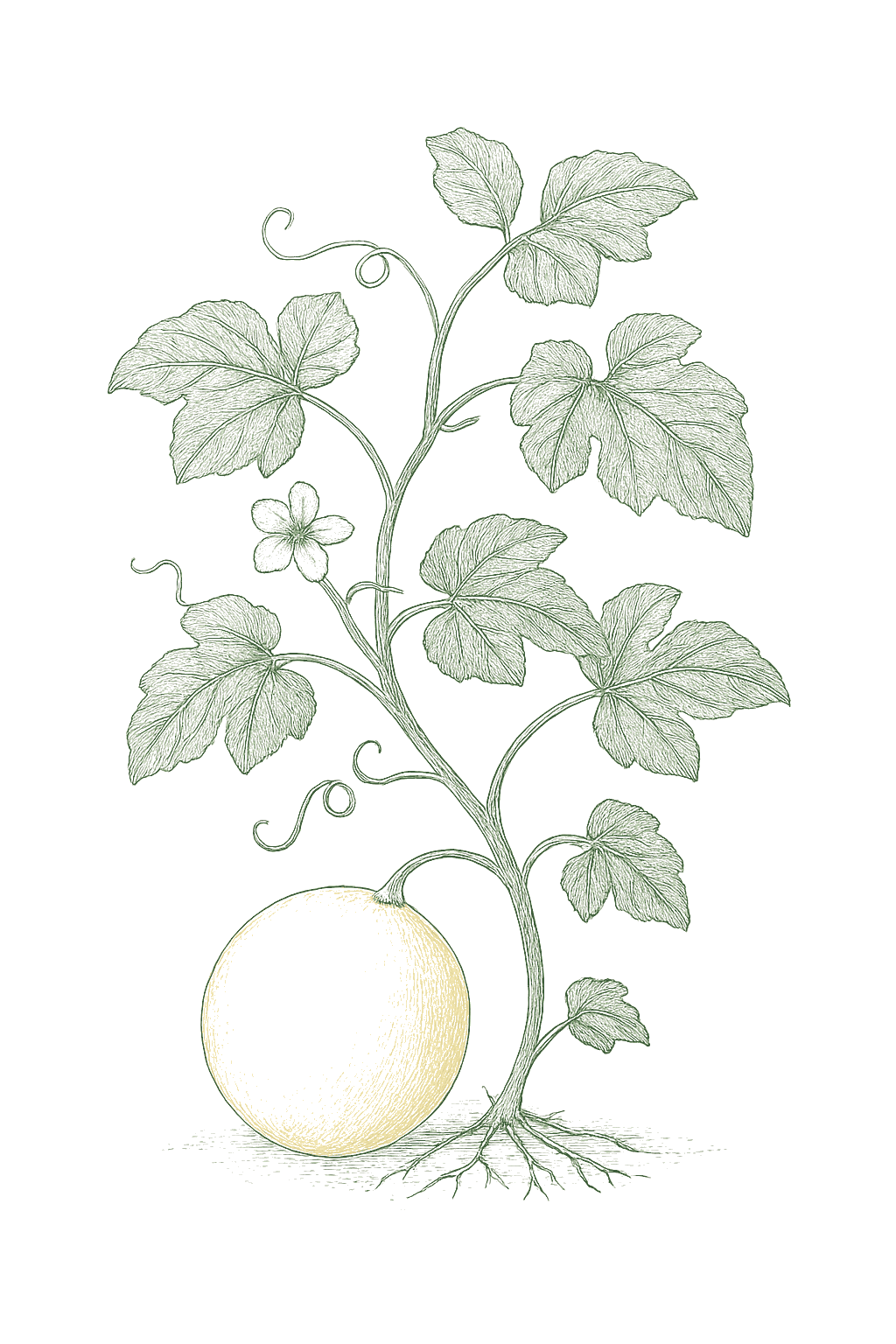
Off-season for honeydew melon in zone 7.
In Zone 7, honeydew melon can be planted April through May. Harvest runs August through September.
In Zone 7, honeydew melon can be planted April through July. Harvest runs July through October.
In Zone 7, honeydew melon can be planted April through June. Harvest runs July through September.
Honeydew loves heat and needs a long, hot season, longer than most melons, so wait for warm soil (about 70°F) before planting. The easiest way is to sow seeds right where they will grow, a few seeds 1 inch deep per hill, then keep the strongest two. If your summers are short or cool, honeydew is a stretch: start seeds indoors about 3 weeks early, move them out once it warms up, and use black plastic mulch to warm the soil. One plant can set its own fruit with the help of bees.Honeydew needs warm soil and the longest, hottest season of the common melons. Direct sow once the soil at 2 inches is reliably 70°F or more (it germinates poorly below about 65°F), sowing several seeds about 1 inch deep per hill and thinning to the strongest two. Because honeydew is more cold-sensitive than cantaloupe and takes 85 to 100 days, short-season and cool-summer areas are marginal to unsuitable: start transplants indoors about 3 weeks ahead in large cells, set them out after the soil warms, use black plastic mulch to warm the ground and gain time, and lean on the earliest-maturing varieties. Honeydew is a standard seeded melon with both male and perfect flowers, so it sets fruit on its own with bees and needs no separate pollinizer.
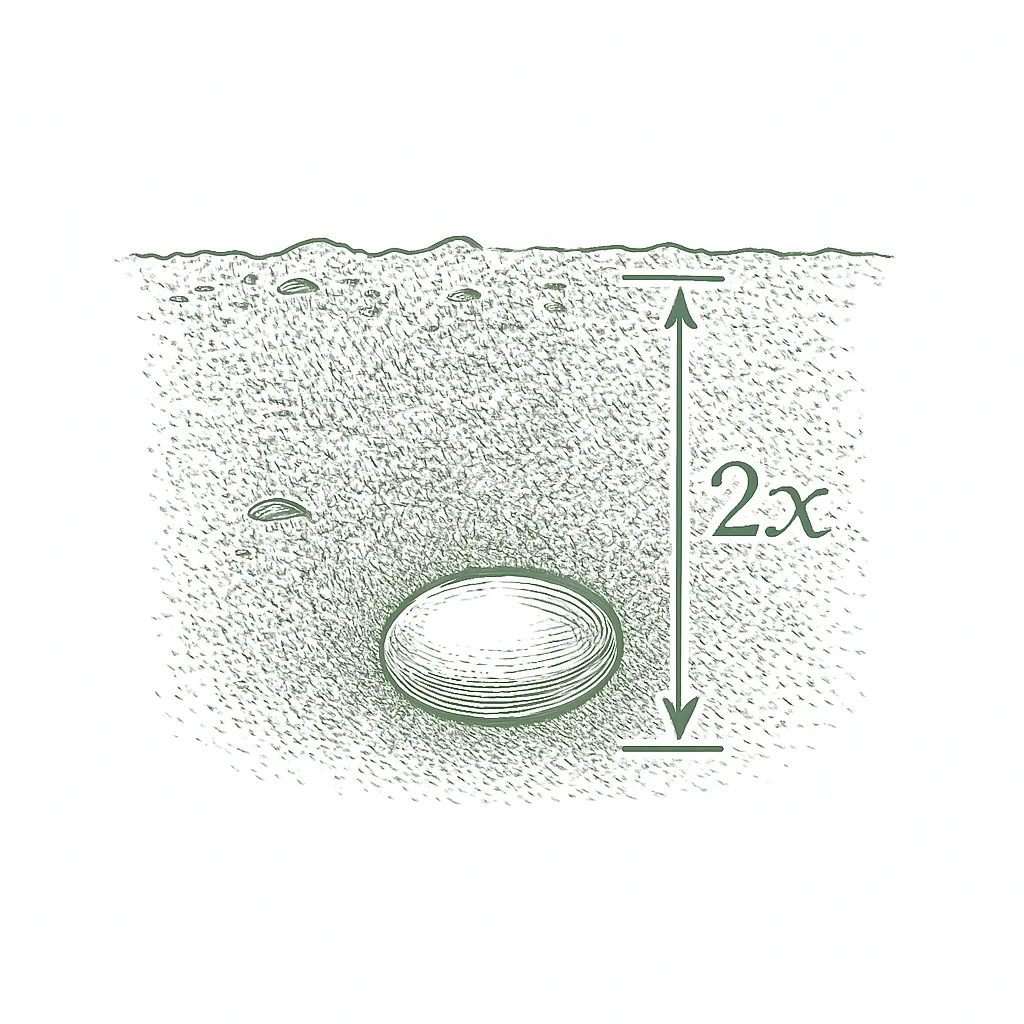
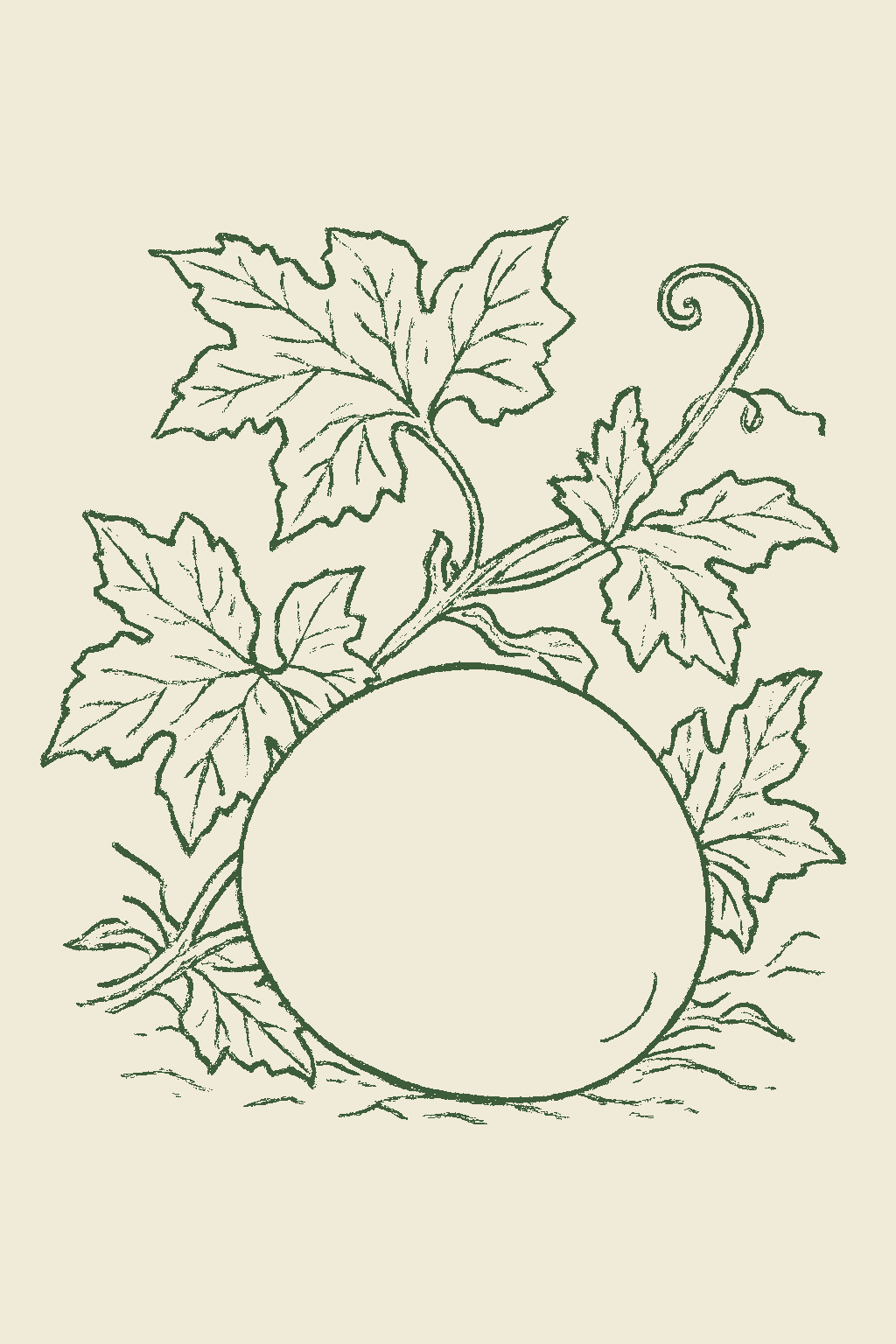







Not sure what soil you have? Grab a small handful of damp soil from your garden bed and squeeze it. If it crumbles apart easily, it's sandy. If it holds together but breaks when you poke it, it's loam (what most vegetables want). If it stays in a hard, slippery ball, it's clay.
Plant honeydew in light, well-drained soil that warms up fast, like a sandy loam, with some compost mixed in. Do not overdo rich, high-nitrogen material, because that gives you lots of leaves and vine but less fruit. Many gardeners plant on low hills or raised mounds, which warm up and drain better and keep the fruit off soggy ground. Honeydew needs a long, hot season, so if your soil is heavy clay, it stays cold and wet and slows the crop, so mix in compost and build the soil into mounds, or pick the sandiest, best-draining spot you have.
Mix 2-3 inches of compost into the top 6 inches of your bed before planting. Compost holds moisture (which sandy soil drains too fast) and adds the nutrients sandy soil tends to lack. Repeat each season. Compost breaks down over time.
Mix 2-3 inches of compost AND a few inches of coarse sand or perlite into the top 6 inches of your bed. The compost feeds the plants; the sand breaks up the clay so air and water can move through. Don't add sand without compost. It can compact like concrete.
If amending your soil sounds like too much work, or if your soil is heavy clay, full of rocks, or contaminated, build over it. A raised bed at least 12 inches deep filled with a 50/50 mix of compost and sandy loam gives you ideal growing soil with no battles. A 5-gallon container with quality potting mix does the same for one plant at a time. Both bypass your native soil entirely.
The numbers that matter, at a glance.
Honeydew likes soil that is slightly acidic to neutral, about pH 6.0 to 6.8, and most garden soil is already close. An inexpensive soil test tells you where you stand and whether you need to adjust it before planting.Honeydew grows best in slightly acidic to neutral soil, around pH 6.0 to 6.8, and tolerates a wider band of roughly 5.5 to 7.5. Like other melons it is a little more forgiving of mildly acidic ground than many vegetables, but strongly acidic or strongly alkaline soil tightens nutrient uptake. Test before planting and lime or add sulfur only on the test's advice rather than by guess.
Honeydew does not need a lot of nitrogen, and too much gives you big leafy vines but fewer, less sweet melons. Mix a fertilizer that is lower in nitrogen, like a 5-10-10, into the soil before planting, then give the plants a little nitrogen when the vines start to run and again when flowers appear. Once the melons start to form, stop pushing nitrogen so the plant puts its energy into growing sweet fruit instead of more leaves.Honeydew is a moderate feeder that wants more phosphorus and potassium than nitrogen, since excess nitrogen drives leafy vine at the expense of fruit set and sugar. Work a lower-nitrogen complete fertilizer such as 5-10-10 into the bed before planting (Clemson suggests about 30 pounds per 1,000 square feet), then side-dress with a nitrogen source as the vines begin to run, and again lightly at flowering. Ease off nitrogen once fruit has set so the plant pours its energy into sizing and sweetening the melons rather than growing more vine. Because honeydew hangs on the vine longer than cantaloupe, pair feeding with steady, even moisture, since the nutrients only help a plant that is not also drought-stressed.
Use a lower-nitrogen fertilizer like 5-10-10 at planting, then a little nitrogen as the vines spread. Do not overdo the nitrogen once melons form, or you get leaves instead of fruit.A lower-nitrogen complete fertilizer such as 5-10-10 worked in at planting, then a nitrogen side-dress as the vines run and again lightly at flowering, easing off nitrogen once fruit sets. Too much nitrogen gives vine and leaf at the expense of fruit and sweetness.
The most useful honeydew companions are flowers that bring in bees, since honeydew needs lots of bee visits to set fruit. Nasturtiums can lure cucumber beetles away, which is helpful because those beetles spread a wilt disease that melons catch easily. Bush beans add a little nitrogen. The one rule that really matters is to keep honeydew away from other melons, cucumbers, and squash, which all share the same pests and diseases. Most honeydew companion pairings are traditional rather than trial-tested, and the ones worth acting on serve two practical ends: pollination and pest pressure. Because honeydew fruit set is strongly pollinator-limited, flowering insectary plants like borage near the patch are a genuine help. A trap planting of nasturtium can divert cucumber beetles, which matters more here than for watermelon because those beetles spread bacterial wilt and melons are very susceptible to it. Bush beans fix a little nitrogen the crop can use without the heavy feeding that would grow vine over fruit. The firmest rule is a rotation one: keep honeydew away from other cucurbits, which share its pest and disease complex, including the soilborne Fusarium wilt and the foliar gummy stem blight that build up where melons follow melons.
You pick a honeydew once, when it is fully ripe, and it will not get any sweeter after you cut it, so timing matters and it is trickier than a cantaloupe. Honeydew does not pop off the vine on its own, so you have to judge it. Look for several signs together: the smooth skin turns from green to a creamy white or pale yellow; the surface goes from hard and slick to a waxy, slightly sticky feel; the blossom end (the end away from the stem) softens a little when you press it and smells faintly sweet; and the pale spot where it sits on the ground turns cream. Cut it off the vine with a knife, leaving a short piece of stem, since it will not come off by itself. The creamy skin plus a slightly soft, sweet-smelling blossom end is your best check.Honeydew is harvested once, at full ripeness, and does not sweeten further after cutting, so reading the plant correctly is everything, and it is harder to read than cantaloupe. Unlike cantaloupe, honeydew does NOT slip from the vine, so there is no clean release to tell you it is ready. Instead judge by several signs together: the smooth rind changes from green or greenish white to a creamy white or pale, buttery yellow; its surface shifts from hard and slick to a waxy feel that turns slightly tacky, almost sticky, when fully ripe; the blossom end (opposite the stem) softens slightly and gives a little to gentle thumb pressure; a faint sweet aroma develops at that blossom end; and the ground spot where the melon rests pales to cream. Because it will not detach on its own, cut the fruit from the vine with shears or a knife, leaving a short stub of stem. Learning the creamy-rind and softening-blossom-end pair is the most reliable check, and it takes a season or two to get your eye in.
A honeydew plant usually gives you 2 to 4 melons. Each plant needs a lot of room. If you want bigger, sweeter melons, keep just two or three fruit per vine so the plant can size them up.A healthy honeydew vine typically ripens 2 to 4 melons over the season. Limiting fruit to two or three per vine channels energy into larger, better-filled, sweeter melons. Plants need plenty of room, and even moisture with modest feeding through sizing builds the sugars.
Unlike summer squash, honeydew does not keep producing all season. The plant sets its fruit over a few weeks and the melons ripen over a stretch in late summer, and you pick each one once when it is ripe.Honeydew does not produce continuously; the plant sets fruit over a few weeks and then sizes and ripens that crop, with the melons coming ready over a window in late summer rather than all at once or all season long. Each melon is harvested once, at full ripeness, and because honeydew is slow to signal ripeness, the harvest window feels gradual. The big first-year surprises are how much heat and how long a season honeydew needs, how far the vines spread, how much they depend on bees, and how tricky it is to tell when one is ripe (it does not pop off the vine, and it will not ripen after you pick it). Give them lots of heat and room, grow some flowers for the bees, and learn the ripeness signs before cutting.The usual first-year surprises are how much heat and season length honeydew demands (the most of the common melons), how much room the vines take, how pollinator-dependent fruit set is, and how much harder honeydew is to judge for ripeness than cantaloupe, since it does not slip. Give plants full sun and room, grow flowers nearby for bees, and learn the creamy-rind and softening-blossom-end check before you cut.
Pick a honeydew by your summer. Honeydew needs a longer, hotter season than most melons, so if your season is short or cool, grow the earliest kind you can, like Earlidew or Venus, and know it is still a stretch. If you have a long, hot summer, grow a full-season type like Honey Dew Green Flesh or Tam Dew for the sweetest fruit. All honeydews are regular seeded melons, so a single plant can make fruit with the help of bees.Choose by season length and heat, because honeydew wants the longest, hottest run of the common melons. Where summers are short or cool, lean on the earliest varieties such as Earlidew or Venus, and even then treat honeydew as marginal, using transplants and black plastic mulch. In long, hot regions the full-season Honey Dew Green Flesh, Tam Dew, and Orange Flesh reward the heat with the sweetest fruit. There is no seedless honeydew to plan around; all of these are standard seeded types that set fruit on their own with bees.
Try not to grow honeydew or its relatives (cucumbers, melons, squash) in the same spot more than once every 3 years, and wait longer, up to five years, if you have had wilt. Moving them around the garden is the best way to avoid a buildup of disease. Clean up old vines at the end of the season too.Rotate honeydew and its cucurbit relatives on at least a 3 year cycle, and stretch it to five years where Fusarium wilt is established, since the melon wilt fungus persists in soil for years and gummy stem blight carries over on debris and seed. A long rotation is the single most important cultural defense against the soilborne diseases that limit this crop. Clear and remove spent vines at season's end rather than tilling them in, which removes overwintering disease sites and beetle shelter.
The plant app sends a timely reminder at every critical moment of your honeydew melon season. The wording adjusts to whichever you pick: beginner or seasoned. Here are three you'll see in Zone 7.
plant sends the right notification at exactly the right moment, for your zone, your weather, your crops. Founding members lock the rate forever.
We're building this guide with real growers. Got a question we missed? Ask here. We read every one and add the best answers right to this page.
Learned something the hard way? Pass it on. Real growers' tips make this guide better for the next person, and we credit you by name when yours goes live.
If you've grown this crop and you see a date, a temperature, a companion claim, or a recommendation that doesn't match your experience, tell us. Real growers' corrections make this guide better for the next person.
Every date, temperature, spacing, and recommendation on this page is sourced from university cooperative extension publications, peer-reviewed agricultural research, NOAA climate data, and direct extension calendars. Where claims are softer (traditional gardening wisdom not formally documented), we say so.
Spot a data point that doesn't match your experience? Submit a correction; accepted corrections earn full author credit on the page.
Zone-aware seasonal nudges, what's worth planting now, and the occasional recipe from the harvest. No spam, ever.