Today · in your zone
What's happening right now
Off-season for lavender in zone 7.
Tap to switch. plant calibrates to where you are in the journey.
Lavender is a small woody shrub with silvery leaves and fragrant purple flower spikes in summer. It comes from the dry Mediterranean, so it wants full sun, poor dry soil, and very little water, and it actually does worse if you pamper it. The one job that matters is trimming it back every year after it flowers so it stays bushy instead of turning into bare woody sticks. English lavender is the hardy, cook-with-it kind; the frillier Spanish and French types are mainly for looks and are not cold-hardy. Lavender is a woody Mediterranean perennial sub-shrub in the mint family, grown for its fragrant summer flower spikes and silvery, aromatic foliage. It thrives on neglect in full sun and lean, sharply drained soil, and its defining care act is an annual hard cut-back after bloom that keeps it compact and prevents it from going woody and splitting open. English lavender is both the hardiest type and the one used in cooking, while the showy Spanish and French types are tender and ornamental.
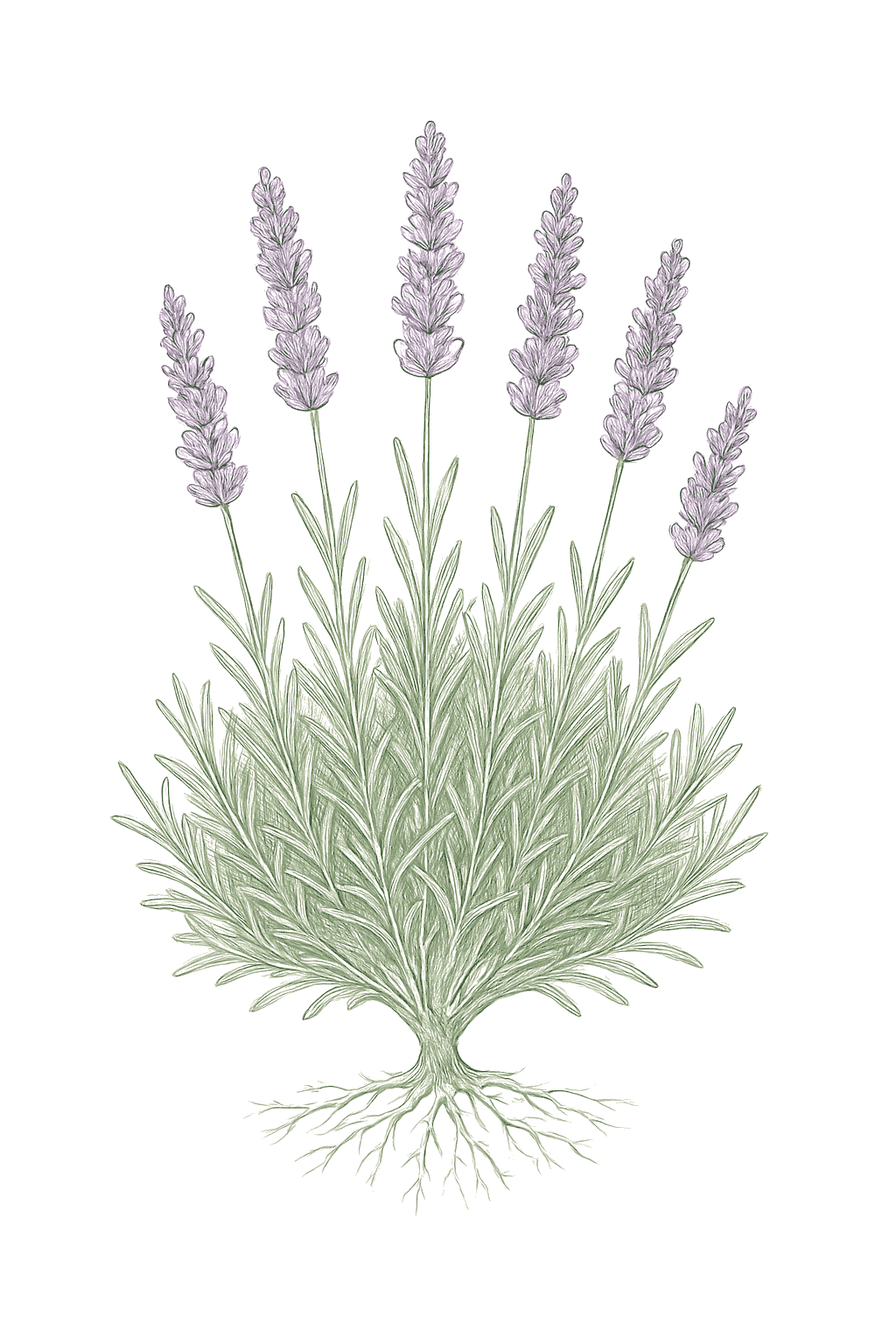
Off-season for lavender in zone 7.
Lavender comes back every year here. English types are easy in the ground; the showy Spanish and French ones are best in pots you can bring inside if a hard winter threatens.Perennial. In zone 7, English lavender overwinters in the ground as a woody sub-shrub and is comfortably within its hardy range; lavandins do well here too. The tender Spanish and French types are near their cold edge and are safest as container plants brought in for winter.
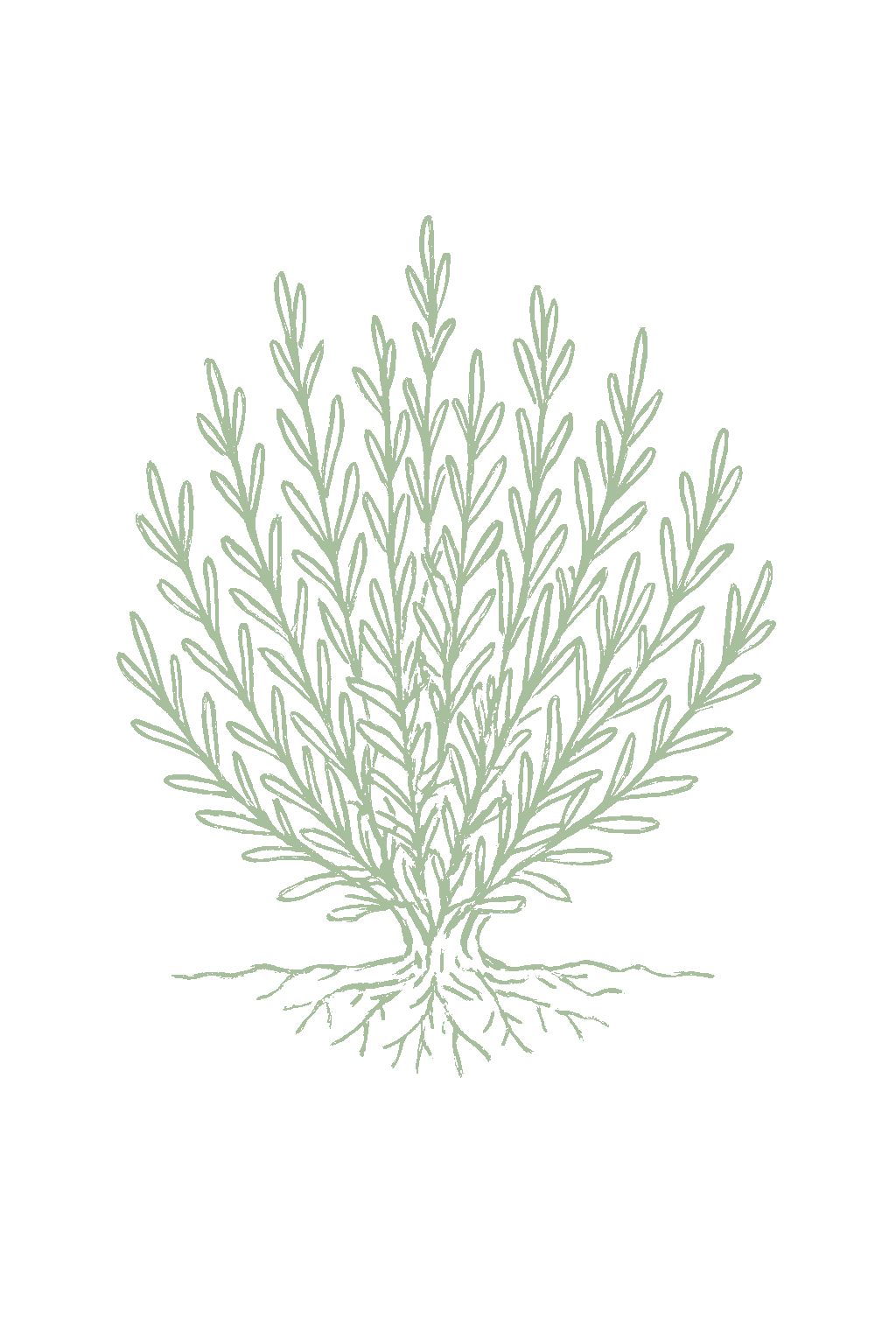
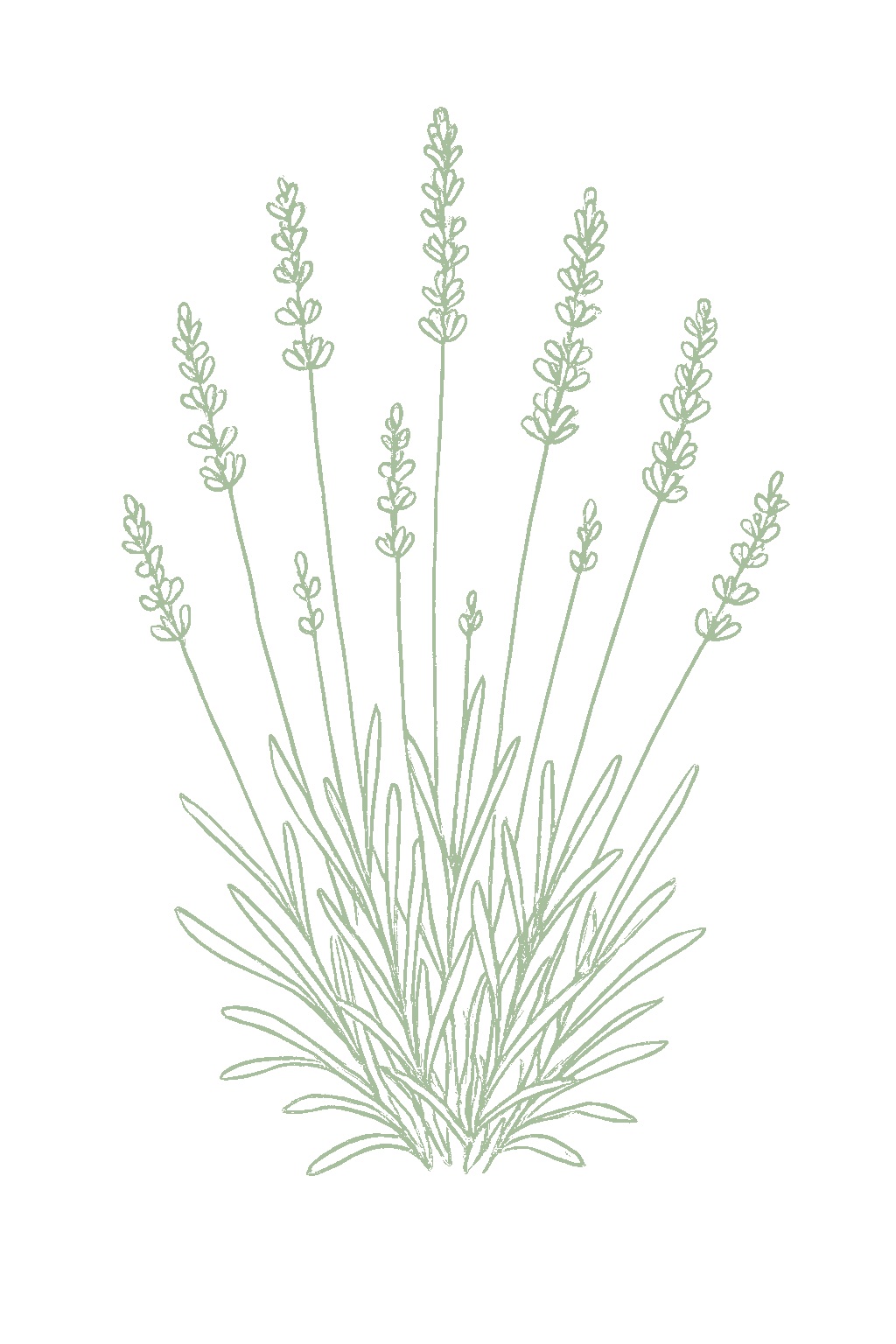
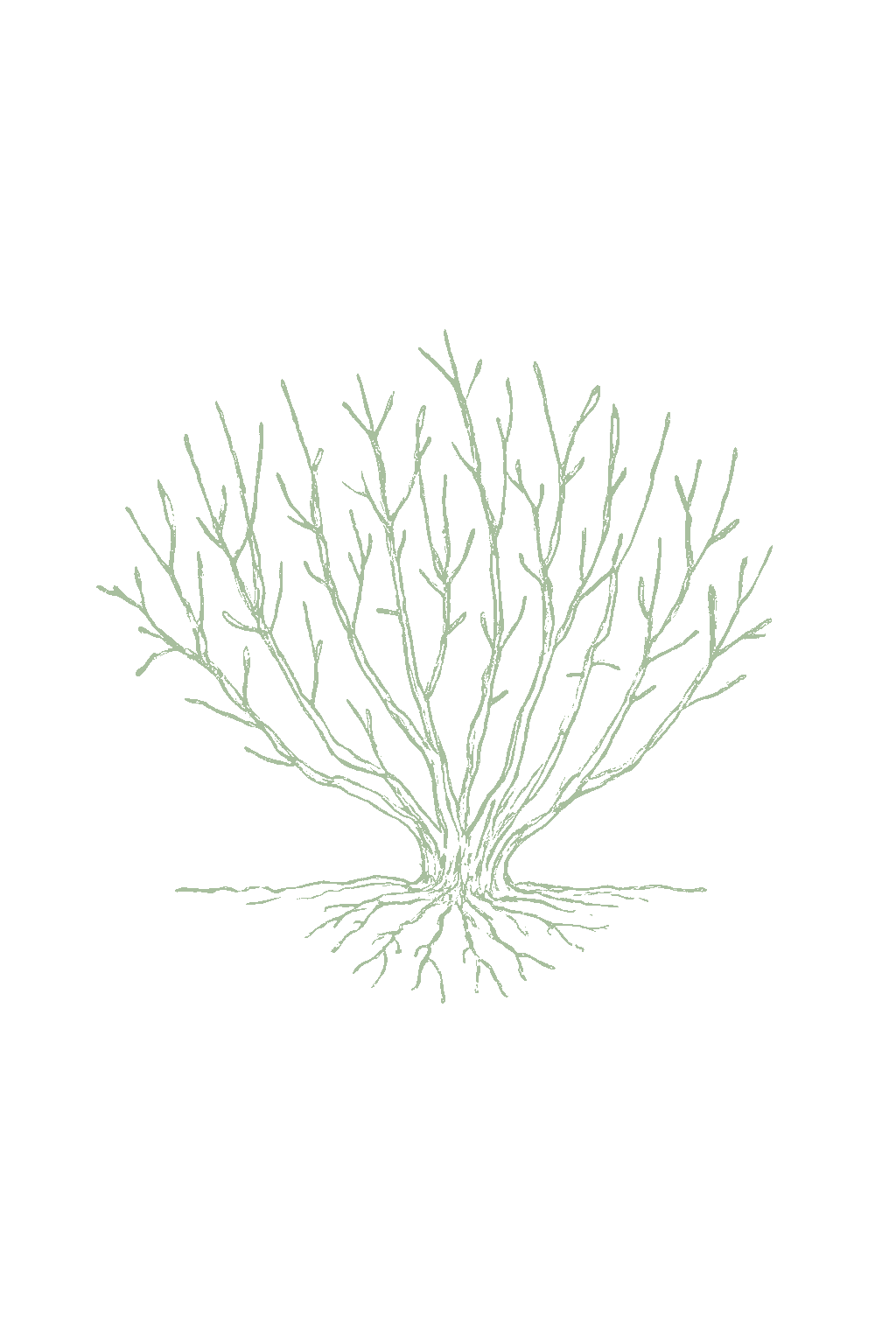
Once established, lavender settles into the same rhythm year after year: a winter rest, fresh spring growth, an early-summer bloom you cut for fragrant bundles, then a hard cut-back that keeps the plant compact and flowering for years.
Lavender lives outdoors year round in zone 7 here. Winter cold is not the problem, the humid summer is: wet soil brings root rot and leaf spot, so plant it on a raised, fast draining mound in full sun with space around each plant for air to move.Perennial, and comfortably so. Zone 7 sits well inside English lavender's hardy range (to about zone 5), so it lives in the ground as a woody subshrub through the Piedmont's real winter. The everyday risk here is not cold, it is the region's humid summer: NC State's own profile of the species flags root rot from wet soil and leaf spot as the real threats. Plant on a raised, sharply drained mound in full sun with room between plants for airflow, the same drainage discipline growers lean on farther south in the humid Southeast.
Once established, lavender settles into the same rhythm year after year: a winter rest, fresh spring growth, an early-summer bloom you cut for fragrant bundles, then a hard cut-back that keeps the plant compact and flowering for years.
Lavender lives outdoors year round in zone 7 here. Winter cold is not the problem, the humid summer is: wet soil brings root rot and leaf spot, so plant it on a raised, fast draining mound in full sun with space around each plant for air to move.Perennial, and comfortably so. Zone 7 sits well inside English lavender's hardy range (to about zone 5), so it lives in the ground as a woody subshrub through the Ozark uplands' real winter. The everyday risk here is not cold, it is the region's humid summer: the University of Arkansas's own profile of the species flags root rot from wet soil and leaf spot as the real threats. Plant on a raised, sharply drained mound in full sun with room between plants for airflow, the same drainage discipline growers lean on farther south in the humid Southeast.
Once established, lavender settles into the same rhythm year after year: a winter rest, fresh spring growth, an early-summer bloom you cut for fragrant bundles, then a hard cut-back that keeps the plant compact and flowering for years.
The easy and reliable way to grow lavender is to buy a small plant, or take a cutting from an existing one. Growing it from seed is slow and unpredictable, and seed-grown plants often do not match the parent, so most gardeners skip it. If you do want to grow it from seed, chill the seed in the refrigerator for a few weeks first, then surface-sow it and do not cover it, since it needs light to sprout; keep it around 70°F, start indoors about 10 weeks before your last frost, and be patient, because it comes up slowly and unevenly.Lavender is almost always started from a nursery transplant or from softwood cuttings taken after bloom, not from seed. English lavender does not come true from seed and germination is slow and variable (roughly 100 to 200 days from seeding to a plantable size), so named cultivars are propagated vegetatively. To raise it from seed anyway, cold-stratify the seed for three to six weeks (moist, in the refrigerator) to improve and even germination, then surface-sow at about 70°F since light aids germination, starting indoors roughly 10 weeks before the last frost; expect slow, erratic emergence.
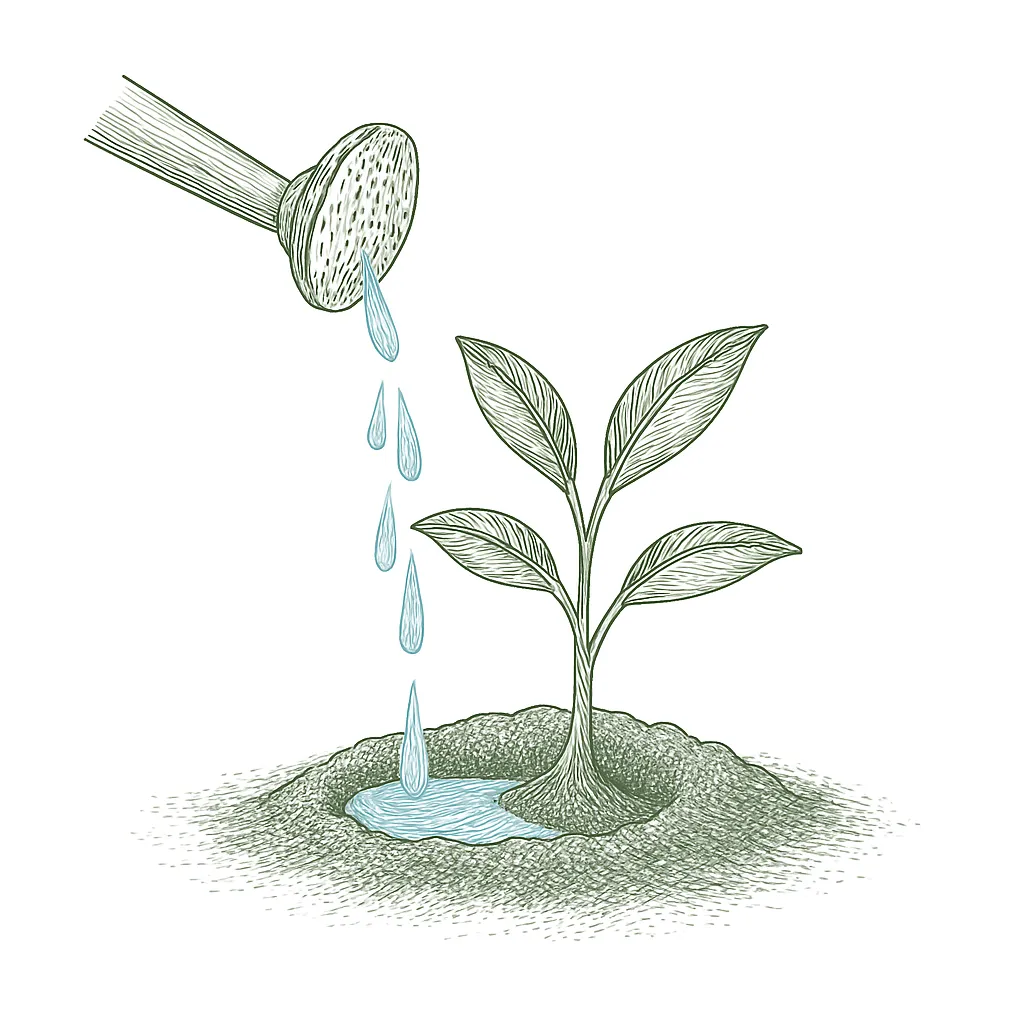
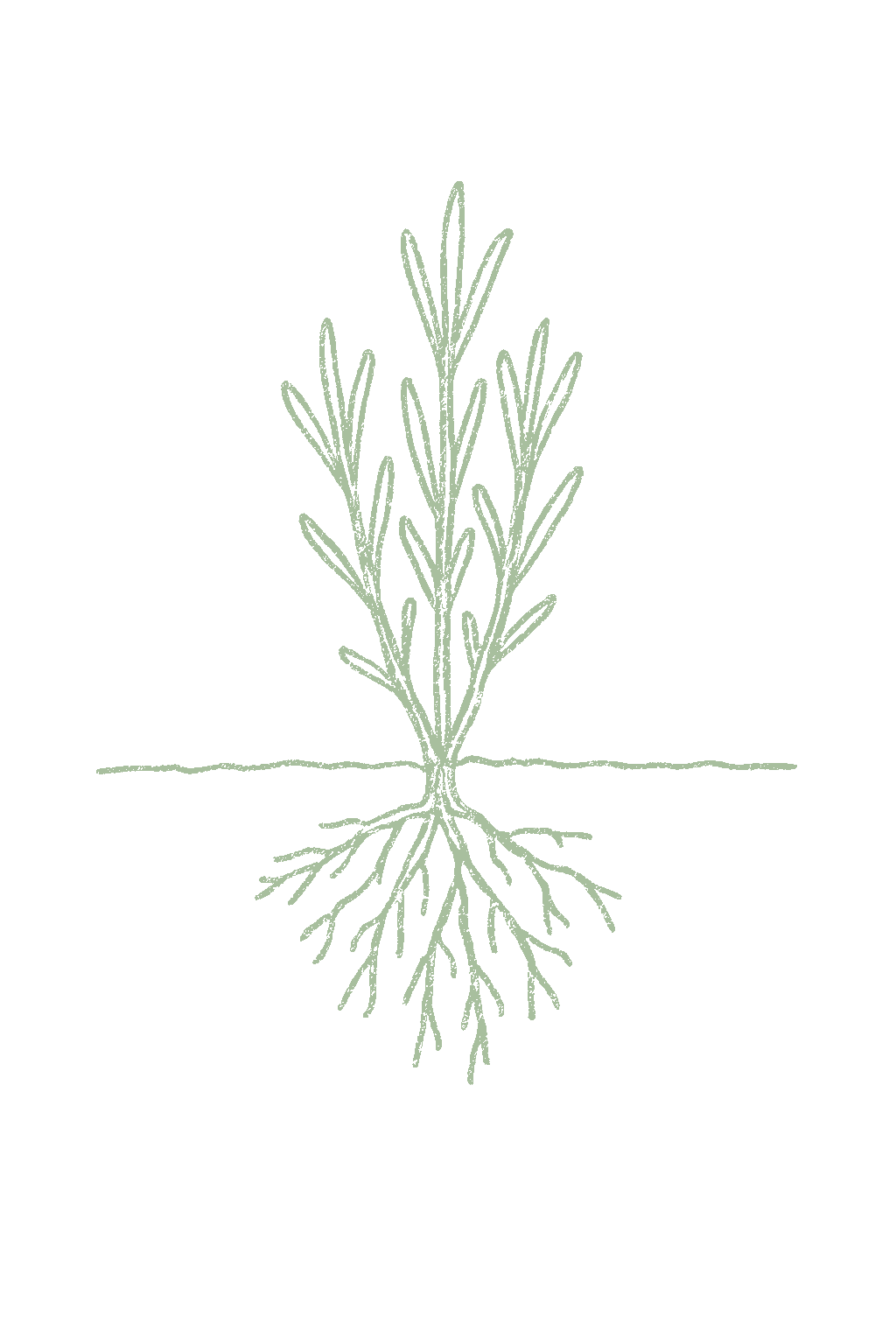
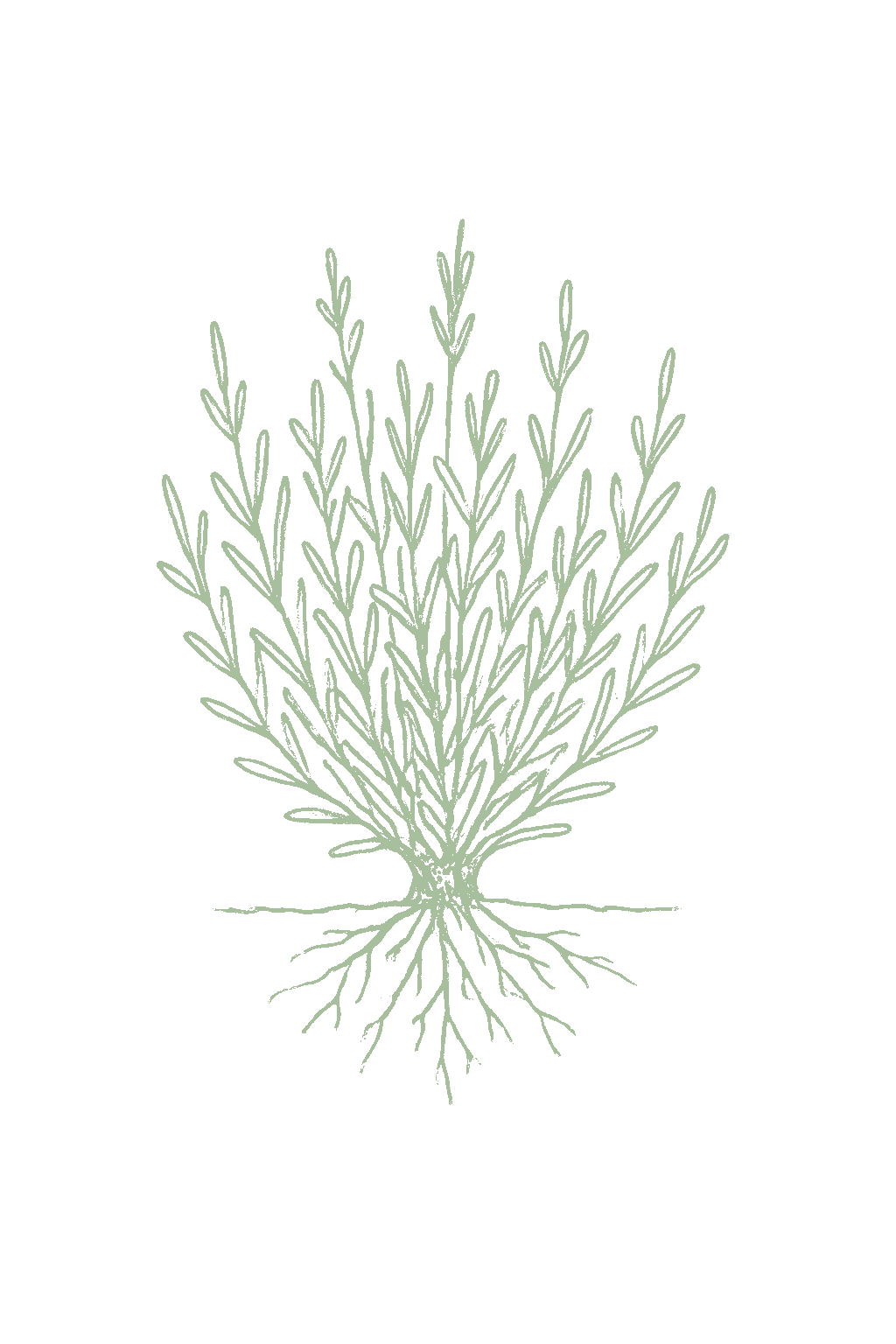


Not sure what soil you have? Grab a small handful of damp soil from your garden bed and squeeze it. If it crumbles apart easily, it's sandy. If it holds together but breaks when you poke it, it's loam (what most vegetables want). If it stays in a hard, slippery ball, it's clay.
Lavender likes poor, dry, gritty soil and full sun. That sounds backward, but it comes from the dry Mediterranean hills, so rich, damp soil actually makes it weak and rot-prone. If your soil is heavy clay, mix in coarse material so water drains fast, and skip the compost.
Mix 2-3 inches of compost into the top 6 inches of your bed before planting. Compost holds moisture (which sandy soil drains too fast) and adds the nutrients sandy soil tends to lack. Repeat each season. Compost breaks down over time.
Mix 2-3 inches of compost AND a few inches of coarse sand or perlite into the top 6 inches of your bed. The compost feeds the plants; the sand breaks up the clay so air and water can move through. Don't add sand without compost. It can compact like concrete.
If amending your soil sounds like too much work, or if your soil is heavy clay, full of rocks, or contaminated, build over it. A raised bed at least 12 inches deep filled with a 50/50 mix of compost and sandy loam gives you ideal growing soil with no battles. A 5-gallon container with quality potting mix does the same for one plant at a time. Both bypass your native soil entirely.
The numbers that matter, at a glance.
Lavender likes soil that is neutral to a little bit chalky (about pH 6.5 to 7.5, and it copes up to around 8.0). If your soil is on the acidic side, a small amount of garden lime nudges it where lavender wants it.Lavender prefers a near-neutral to slightly alkaline soil, roughly pH 6.5 to 7.5, and tolerates alkaline ground up to about 8.0. In acidic soils a light addition of garden lime brings the pH up. This alkaline tolerance is part of why it suits dry-climate and high-pH gardens.
Lavender barely needs feeding, and too much fertilizer actually hurts it. A little compost mixed in when you plant is enough. Feed it heavily and you get a big leafy plant with few flowers that is more likely to get sick or die back in winter.Lavender has very low fertility needs and is one of the few plants you can harm by feeding. A single inch of compost worked in at planting, or one application of a slow-release fertilizer for the season, is plenty. Over-fertilized plants put on lush foliage at the expense of flowers and fragrance and become more prone to disease and winter injury.
N/A. There is no fertilizer number to hit here, since the aim is to feed lavender as little as possible.N/A. Lavender is not fed by N-P-K targets; a lean soil and minimal-to-no supplemental feed is the goal, so no fertilizer analysis applies.
Plant lavender next to other plants that also like full sun and dry soil, such as drought-tolerant perennials. Keep it away from plants that need a lot of water, because the wet soil those plants want will rot your lavender. Lavender pairs naturally with other sun-loving, low-water plants that share its lean, dry, sharply drained conditions; group it with drought-tolerant perennials rather than thirsty, rich-soil neighbors. As a strong pollinator draw it also supports nearby flowering plants. Avoid siting it among plants that need frequent water, which forces conditions that rot lavender.
For a fresh vase, cut the stems when about half the little buds on the spike have opened. For drying or cooking, cut a bit sooner, when just the first couple of buds have opened. Cut in the morning once the dew has dried, when lavender smells strongest.Cut for fresh bouquets when about half the buds on a spike have opened; cut for drying or culinary use a little earlier, when only the first one or two buds on the spike have opened, so the buds hold their color and oils. Harvest in the morning after the dew dries but before the heat, when the fragrance is most concentrated.
A grown lavender gives you plenty of flower stems each summer, enough to cut for the house and to dry, especially once it is a few years old.A mature plant yields many cuttable flower spikes each summer (often dozens of stems), enough for fresh bouquets plus bundles for drying; productivity peaks once the plant reaches full size at about three years.
Do not expect much the first year. Trimming off the first flowers helps the plant bulk up for bigger harvests later.Expect little to no usable harvest the first year; pinching early flowers to build a bushy framework pays off in later seasons.
There are a few kinds of lavender. English lavender (like Munstead or Hidcote) is the toughest and the one you cook with, so it is the best all-rounder. The big hybrid types (lavandins like Grosso) are great for drying and scent. The frilly Spanish and French types are pretty but not cold-hardy and are mainly for looks, grown in pots in cold areas. If you want just one plant, choose an English lavender.Lavender reaches the grower as four practical groups on one plant page. English lavender (Lavandula angustifolia, e.g. Munstead and Hidcote) is the hardiest and the type used in cooking. Lavandins (L. x intermedia, e.g. Grosso and Phenomenal) are larger, vigorous hybrids best for drying and oil and nearly as hardy. Spanish (L. stoechas) and French (L. dentata) lavenders are tender, showy, ornamental-only types grown in pots and overwintered indoors where winters are cold. Pick English if you want one hardy plant for both the garden and the kitchen.
Dry lavender by tying the stems in small bunches and hanging them upside down somewhere cool, dark, and airy. When they are dry, you can leave them as bundles or rub the buds off into a sealed jar kept out of the light, so they hold their color and smell.To dry lavender, cut stems as the first buds open, gather them into small bundles of 50 to 100 stems secured with a rubber band, and hang them upside down in a cool, dark, well-ventilated place. Once dry, strip the buds and store them in a sealed, opaque container away from light and air, which fade the color and scent.
N/A. Lavender is not rotated like a vegetable because it is a permanent plant that stays put for years. If you replace an old one, pick a fresh, well-draining spot.N/A. Lavender is a long-lived perennial that stays in place for a decade or more, so annual crop rotation does not apply. When replanting an old lavender bed, choose a fresh, well-drained site to avoid carrying over soil-borne root rot.
The plant app sends a timely reminder at every critical moment of your lavender season. The wording adjusts to whichever you pick: beginner or seasoned. Here are three you'll see in Zone 7.
plant sends the right notification at exactly the right moment, for your zone, your weather, your crops. Founding members lock the rate forever.
We're building this guide with real growers. Got a question we missed? Ask here. We read every one and add the best answers right to this page.
Learned something the hard way? Pass it on. Real growers' tips make this guide better for the next person, and we credit you by name when yours goes live.
If you've grown this crop and you see a date, a temperature, a companion claim, or a recommendation that doesn't match your experience, tell us. Real growers' corrections make this guide better for the next person.
Every date, temperature, spacing, and recommendation on this page is sourced from university cooperative extension publications, peer-reviewed agricultural research, NOAA climate data, and direct extension calendars. Where claims are softer (traditional gardening wisdom not formally documented), we say so.
Spot a data point that doesn't match your experience? Submit a correction; accepted corrections earn full author credit on the page.
Zone-aware seasonal nudges, what's worth planting now, and the occasional recipe from the harvest. No spam, ever.