Today · in your zone
What's happening right now
Off-season for lavender in zone 9.
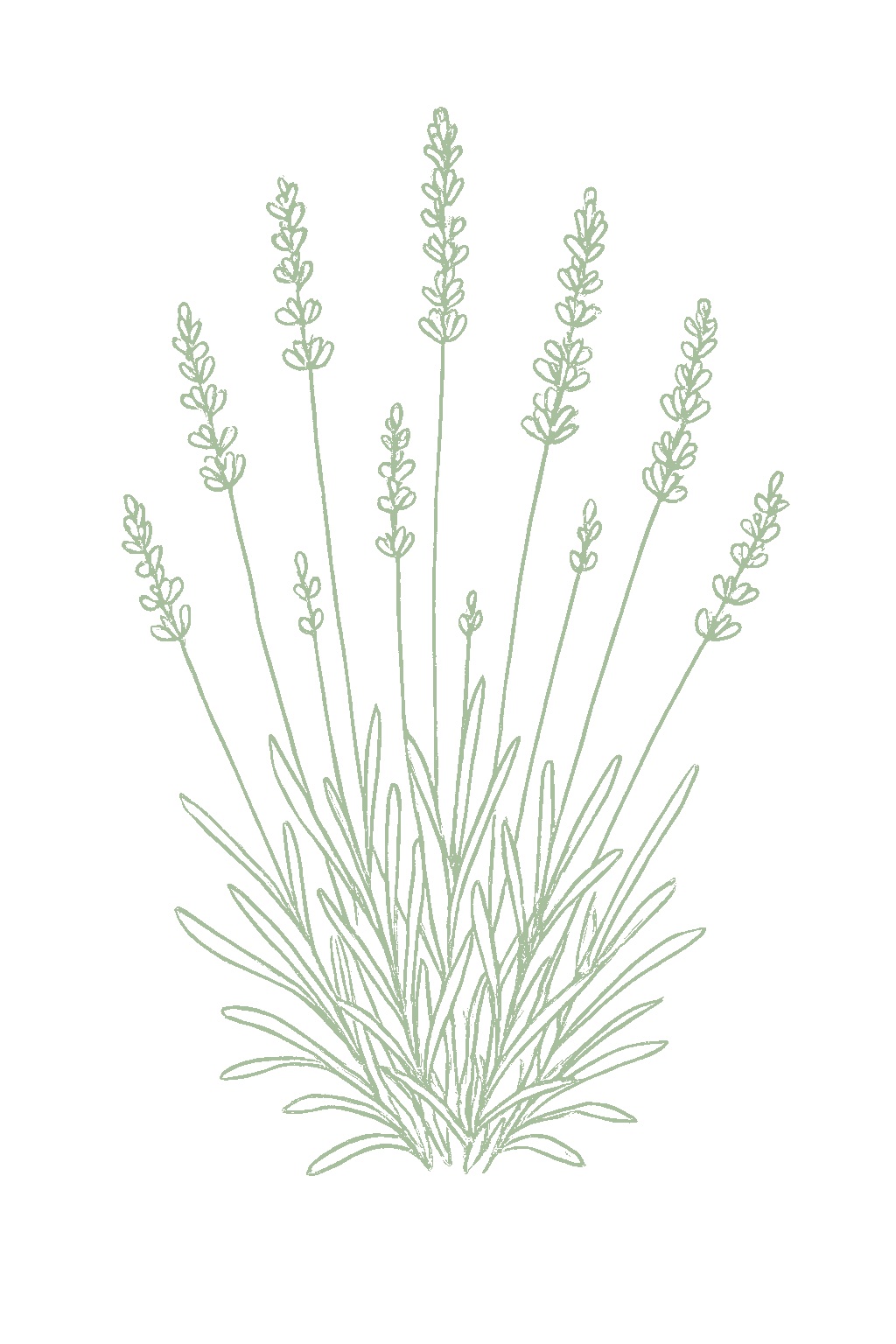
Lavender is a small woody shrub with silvery leaves and fragrant purple flower spikes in summer. It comes from the dry Mediterranean, so it wants full sun, poor dry soil, and very little water, and it actually does worse if you pamper it. The one job that matters is trimming it back every year after it flowers so it stays bushy instead of turning into bare woody sticks. English lavender is the hardy, cook-with-it kind; the frillier Spanish and French types are mainly for looks and are not cold-hardy. Lavender is a woody Mediterranean perennial sub-shrub in the mint family, grown for its fragrant summer flower spikes and silvery, aromatic foliage. It thrives on neglect in full sun and lean, sharply drained soil, and its defining care act is an annual hard cut-back after bloom that keeps it compact and prevents it from going woody and splitting open. English lavender is both the hardiest type and the one used in cooking, while the showy Spanish and French types are tender and ornamental.
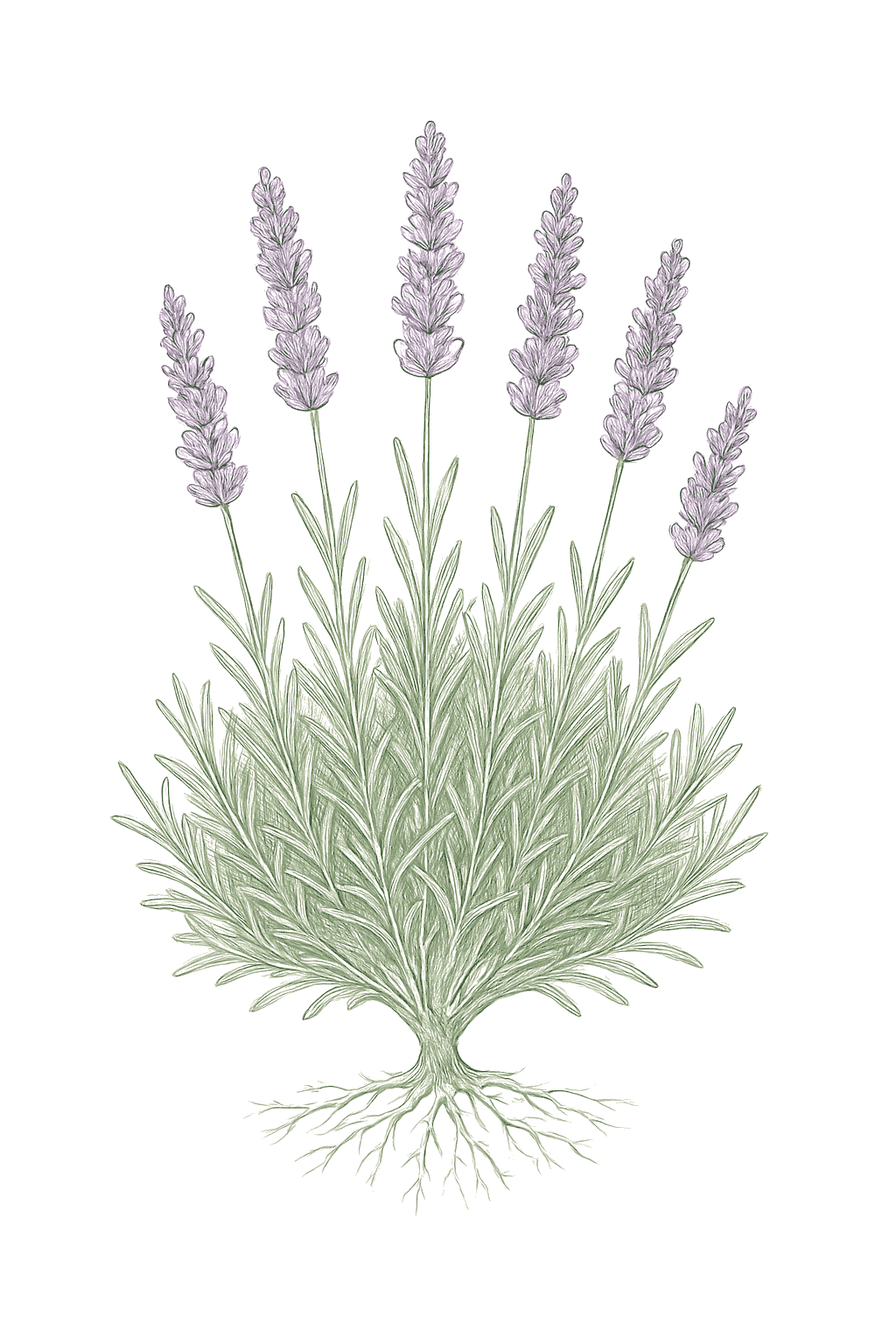
Off-season for lavender in zone 9.
Zone 9 averages a last frost around March 1. Within Zone 9, the colder half (9a, winters down to 20°F) runs about a week later. The warmer half (9b, winters down to 25°F) runs about a week earlier. The plant app picks your subzone from your ZIP.
| Subzone | Last spring | First fall | Growing days | Winter min | Fruits reliably |
|---|---|---|---|---|---|
| 9a | Mar 8 | Nov 24 | ~261 | 20-25°F | Yes · two seasons |
| 9b | Feb 28 | Nov 30 | ~275 | 25-30°F | Yes · two seasons |
Averages from 8 weather stations per subzone, drawn from NOAA 1991-2020 Climate Normals. Your actual frost date can vary by up to two weeks based on elevation, proximity to water, and local topography.
Lavender loves the Valley's hot dry summers and comes back year after year in the ground. Give it a sunny spot with fast-draining soil and do not let it sit wet. Plant it in fall or early spring rather than mid-summer.Perennial. The hot, dry summers and cool, wet winters of the Central Valley are close to lavender's Mediterranean ideal, so it lives in the ground for years as a woody sub-shrub. English lavender and the lavandins do well; Spanish lavender is the earliest to bloom. The real risk here is not cold but wet feet and crown rot, so plant high in sharp-draining soil and avoid overhead summer water. Plant in fall or early spring, not in the heat of summer.
Once established, lavender settles into the same rhythm year after year: a winter rest, fresh spring growth, an early-summer bloom you cut for fragrant bundles, then a hard cut-back that keeps the plant compact and flowering for years.
Lavender is a perennial in the Arizona low desert if you plant it in the cool season and shade it from afternoon sun. Use fast-draining soil and water deeply but seldom. Protect young plants from frost. It flowers in late spring to early summer, then the heat slows it down.Perennial. University of Arizona Extension classes lavender as a perennial for the low desert, planted in the cool season and given frost protection while young. The dry desert air suits it, but the summer sun is brutal: give it morning sun with afternoon shade, sharp drainage, and lean, infrequent water. Spanish lavender does especially well in the low desert. Bloom is a late-spring-to-early-summer flush that the heat brings to an end.
Once established, lavender settles into the same rhythm year after year: a winter rest, fresh spring growth, an early-summer bloom you cut for fragrant bundles, then a hard cut-back that keeps the plant compact and flowering for years.
Lavender can grow in the California desert as a perennial if you plant it in the cool season and give it afternoon shade. Use fast-draining soil and water deeply but seldom. It flowers spring into early summer, then the heat shuts it down.Perennial. Lavender's deep drought tolerance suits the desert, and it lives in the ground for years with sharp drainage, but the intense summer sun is hard on it: give afternoon shade, set plants out in the cool season rather than summer, and expect bloom to finish by early summer as the heat climbs. Spanish lavender and the lavandins tend to take desert heat best.
Once established, lavender settles into the same rhythm year after year: a winter rest, fresh spring growth, an early-summer bloom you cut for fragrant bundles, then a hard cut-back that keeps the plant compact and flowering for years.
Lavender does well on the cool coast as a year-round plant. Give it the sunniest, best-draining spot and keep air moving around it, since coastal damp can cause rot. Plant in fall or early spring; it flowers from late spring into late summer.Perennial. The cool, mild coast suits lavender well, though it is less hot than lavender's Mediterranean ideal, so give it the sunniest, most open, best-drained spot you have and watch for fog-driven dampness. English lavender and the lavandins are reliable; cool summers stretch the bloom from late spring into late summer. Plant in fall or early spring.
Once established, lavender settles into the same rhythm year after year: a winter rest, fresh spring growth, an early-summer bloom you cut for fragrant bundles, then a hard cut-back that keeps the plant compact and flowering for years.
Lavender thrives on the mild southern coast and comes back every year. Plant it in fall or early spring in a sunny, fast-draining spot, and do not overwater. It flowers from spring into summer, with Spanish lavender starting early.Perennial. The mild southern coast, with hot dry summers and cool wet winters, is an excellent fit for lavender, which lives in the ground as a drought-tolerant woody perennial. Spanish lavender blooms earliest, followed by English lavender and the lavandins. Plant in fall or early spring in full sun and very well-drained soil; overwatering and poor drainage, not cold, are what cause trouble.
Once established, lavender settles into the same rhythm year after year: a winter rest, fresh spring growth, an early-summer bloom you cut for fragrant bundles, then a hard cut-back that keeps the plant compact and flowering for years.
Lavender does well here too. The region's dry summers suit it, though the immediate coast is a bit cooler and cloudier than the driest inland pockets. The main danger is wet feet in winter, so plant it on a raised, well-drained mound in full sun.Perennial, and a good climate overall. English lavender and the hardy lavandins are comfortably inside their hardy range on the milder coast too, and the region's generally dry summer suits this Mediterranean herb well, though the immediate coast runs a touch cooler and cloudier than the region's driest rain-shadow pockets further inland. The one real risk is winter wet, not cold: WSU Puyallup's ornamental plant pathology program names Phytophthora root and crown rot as lavender's main disease concern here.
Once established, lavender settles into the same rhythm year after year: a winter rest, fresh spring growth, an early-summer bloom you cut for fragrant bundles, then a hard cut-back that keeps the plant compact and flowering for years.
Lavender is a perennial here in the Las Vegas Valley floor and thrives in the dry desert heat; hot Las Vegas summers are not a problem, and once it settles in it is drought-tolerant. Give it full sun, lean alkaline soil with sharp drainage, and only occasional deep water once established.Perennial, and desert-strong here. English lavender is hardy well below zone 8, to about zone 5, so winter cold is not the Nevada Mojave's limiting factor in the Las Vegas Valley floor. This crop thrives in the Mojave: summer heat is not a problem, and established plants are genuinely drought-tolerant, and the Mojave's alkaline, fast-draining soil and bone-dry summer air are close to lavender's native Mediterranean hillside habitat. Give it full sun, lean alkaline soil with sharp drainage, and only occasional deep water once established.
Once established, lavender settles into the same rhythm year after year: a winter rest, fresh spring growth, an early-summer bloom you cut for fragrant bundles, then a hard cut-back that keeps the plant compact and flowering for years.
Lavender is genuinely hard to grow in the Rio Grande Valley. It is not the cold that hurts it here, since the Valley almost never freezes; it is the heat and humidity, which rot the roots. Grow it in a pot with excellent drainage and good airflow, choose a tough type like Spanish lavender or Phenomenal, and do not expect it to last for many years.Lavender is perennial in name only in the Rio Grande Valley, and best grown in a container. Cold is not the problem this far south; the Valley's heat and humidity are genuinely hard on this dry-climate Mediterranean plant, and LSU AgCenter is blunt that lavender is a challenge across the humid Gulf South for exactly this reason: plants grow acceptably through the cooler months, but once heat and humidity build they trigger root and crown rot. English lavender largely fails in this climate; choose heat- and humidity-tolerant types such as Spanish lavender, Goodwin Creek Grey, or the hybrid Phenomenal, planted in a well-drained container so drainage and airflow can be controlled. Expect it to be short-lived and be prepared to replace plants that decline over a hot, humid stretch.
Once established, lavender settles into the same rhythm year after year: a winter rest, fresh spring growth, an early-summer bloom you cut for fragrant bundles, then a hard cut-back that keeps the plant compact and flowering for years.
Lavender is hard to grow in the humid South, so think of it as a container plant for the cooler months. The summer heat and humidity cause root rot, so use a pot with excellent drainage and good airflow, and pick a tough type like Spanish lavender or Phenomenal. Plant in fall and do not expect it to last for years.Perennial in name only here, and best grown in a container. The LSU AgCenter is blunt that lavender is a challenge across the humid Gulf South: through the cooler half of the year, roughly October to May, plants grow acceptably, but once summer heat and humidity arrive they trigger root rot, so it is most reliably grown in pots where drainage and air flow can be controlled and the plant moved as seasons change. English lavender largely fails; choose heat- and humidity-tolerant types such as Spanish lavender, Goodwin Creek Grey, or the hybrid Phenomenal. Many growers treat it as a cool-season or short-lived plant. Moderate your expectations.
Once established, lavender settles into the same rhythm year after year: a winter rest, fresh spring growth, an early-summer bloom you cut for fragrant bundles, then a hard cut-back that keeps the plant compact and flowering for years.
The easy and reliable way to grow lavender is to buy a small plant, or take a cutting from an existing one. Growing it from seed is slow and unpredictable, and seed-grown plants often do not match the parent, so most gardeners skip it. If you do want to grow it from seed, chill the seed in the refrigerator for a few weeks first, then surface-sow it and do not cover it, since it needs light to sprout; keep it around 70°F, start indoors about 10 weeks before your last frost, and be patient, because it comes up slowly and unevenly.Lavender is almost always started from a nursery transplant or from softwood cuttings taken after bloom, not from seed. English lavender does not come true from seed and germination is slow and variable (roughly 100 to 200 days from seeding to a plantable size), so named cultivars are propagated vegetatively. To raise it from seed anyway, cold-stratify the seed for three to six weeks (moist, in the refrigerator) to improve and even germination, then surface-sow at about 70°F since light aids germination, starting indoors roughly 10 weeks before the last frost; expect slow, erratic emergence.
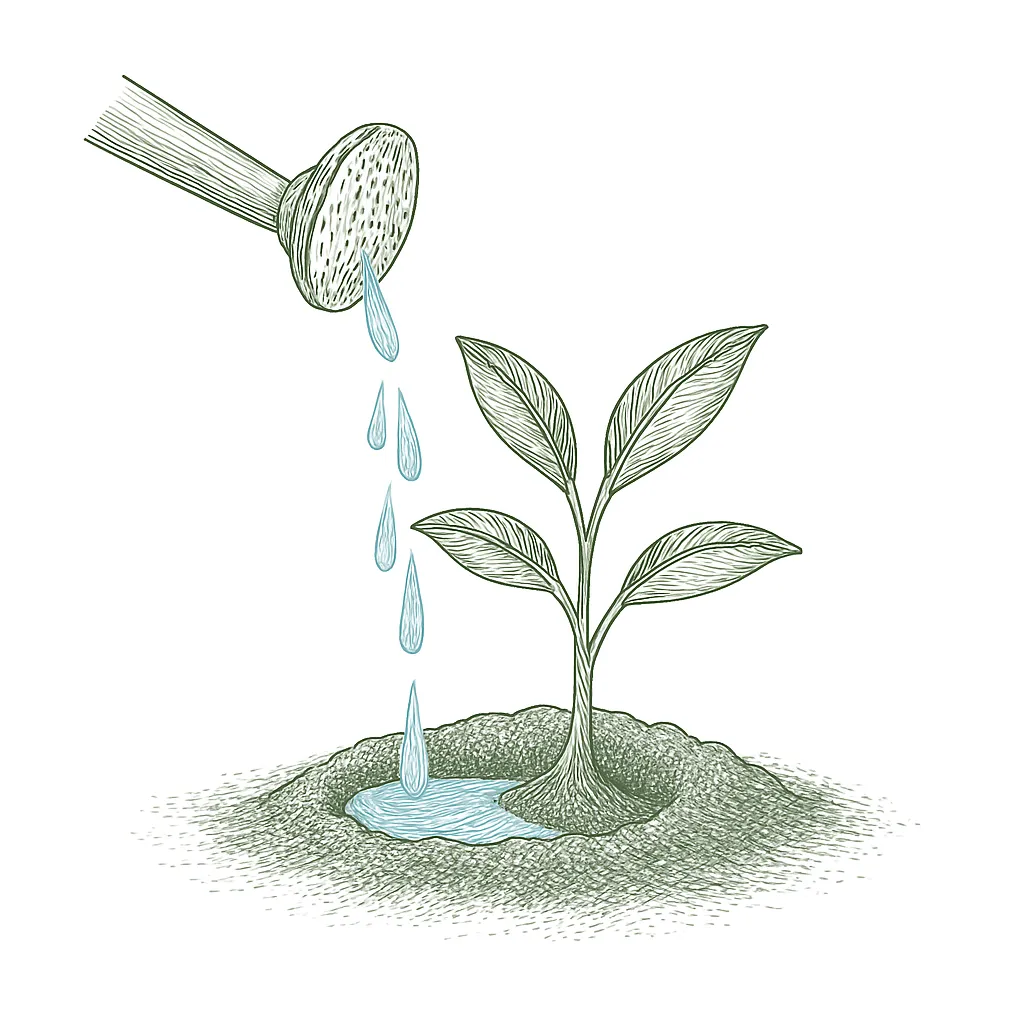
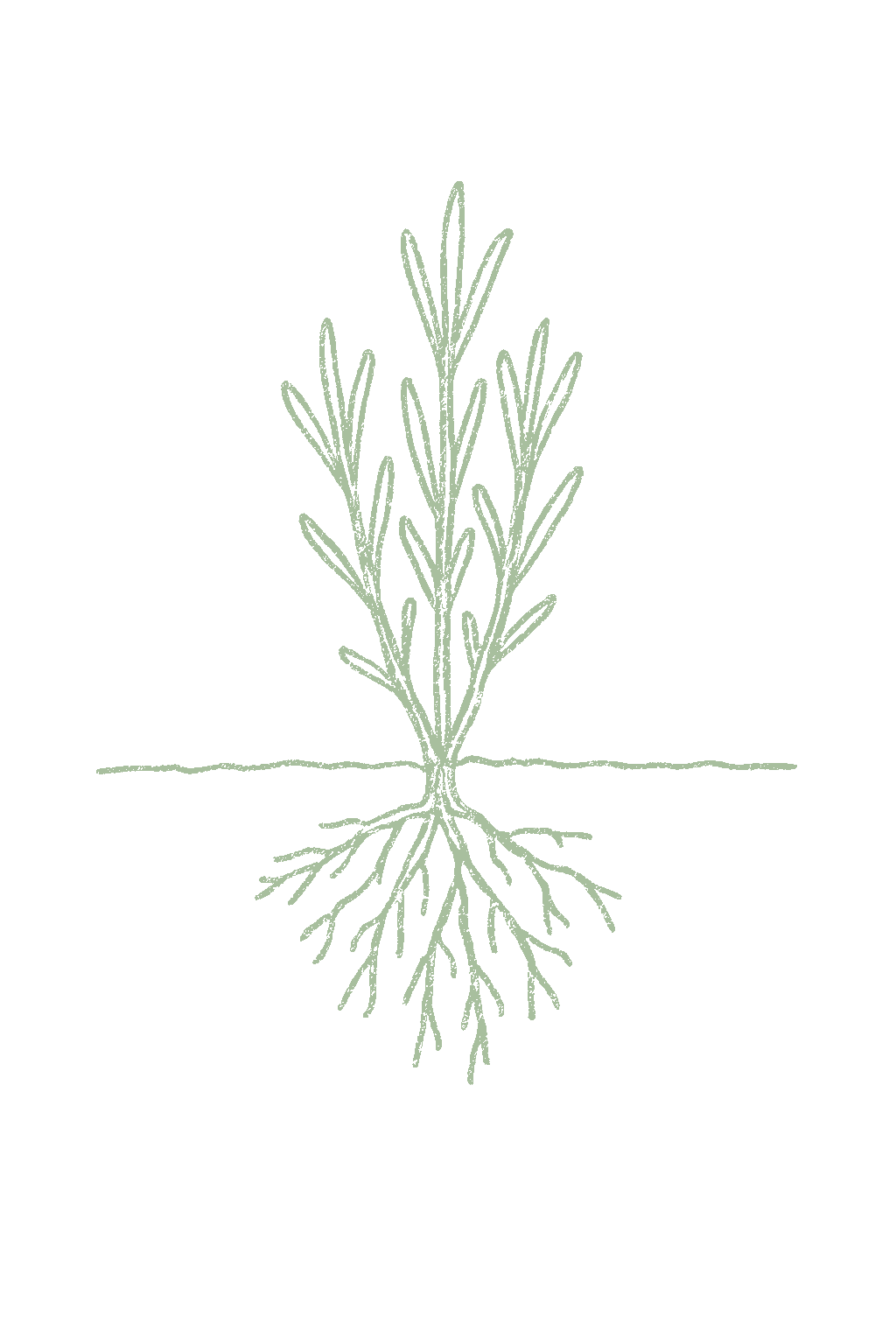
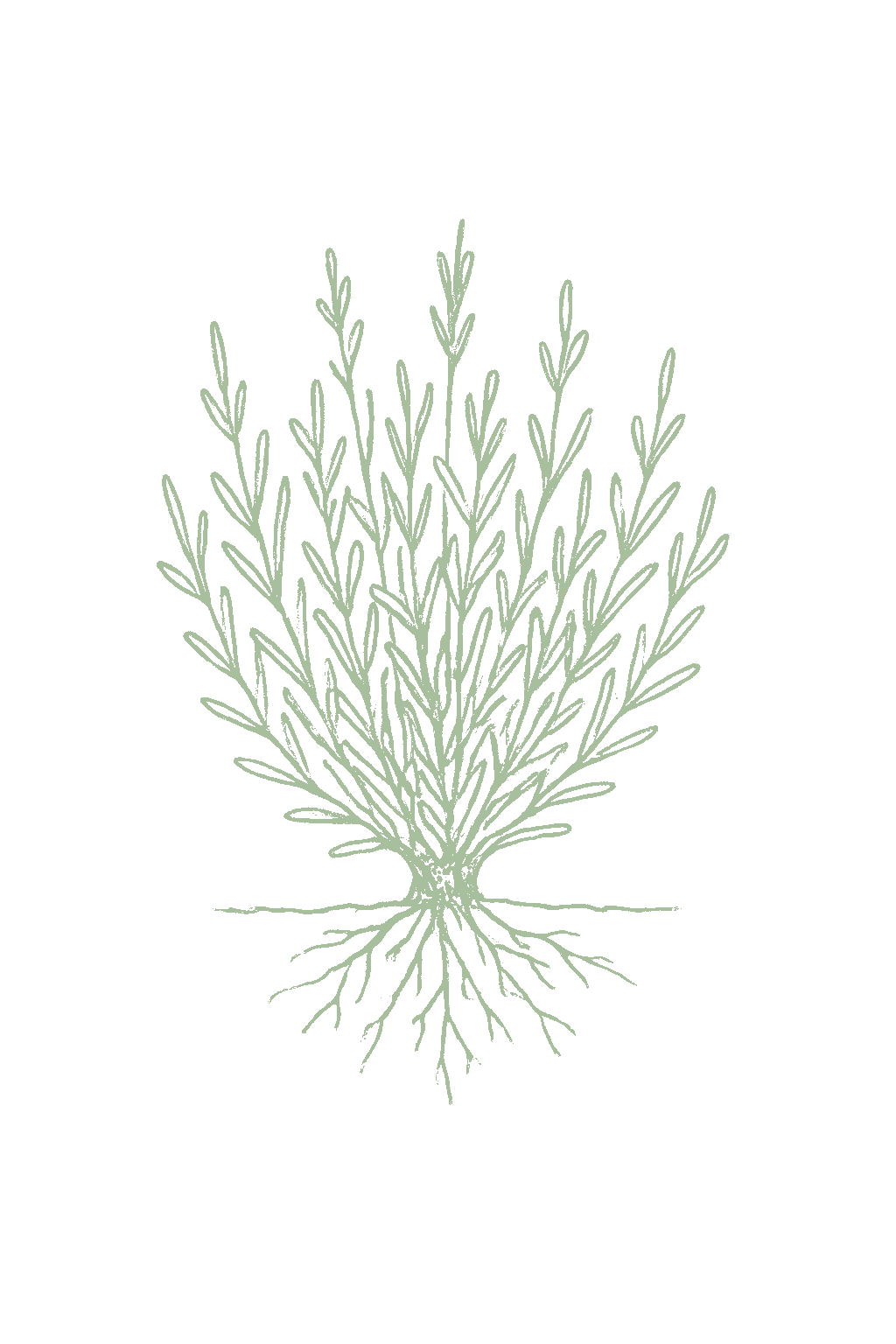



Not sure what soil you have? Grab a small handful of damp soil from your garden bed and squeeze it. If it crumbles apart easily, it's sandy. If it holds together but breaks when you poke it, it's loam (what most vegetables want). If it stays in a hard, slippery ball, it's clay.
Lavender likes poor, dry, gritty soil and full sun. That sounds backward, but it comes from the dry Mediterranean hills, so rich, damp soil actually makes it weak and rot-prone. If your soil is heavy clay, mix in coarse material so water drains fast, and skip the compost.
Mix 2-3 inches of compost into the top 6 inches of your bed before planting. Compost holds moisture (which sandy soil drains too fast) and adds the nutrients sandy soil tends to lack. Repeat each season. Compost breaks down over time.
Mix 2-3 inches of compost AND a few inches of coarse sand or perlite into the top 6 inches of your bed. The compost feeds the plants; the sand breaks up the clay so air and water can move through. Don't add sand without compost. It can compact like concrete.
If amending your soil sounds like too much work, or if your soil is heavy clay, full of rocks, or contaminated, build over it. A raised bed at least 12 inches deep filled with a 50/50 mix of compost and sandy loam gives you ideal growing soil with no battles. A 5-gallon container with quality potting mix does the same for one plant at a time. Both bypass your native soil entirely.
The numbers that matter, at a glance.
Lavender does fine in a pot, which is handy if your winters are very cold or you are growing one of the tender types. Use a wide pot with holes in the bottom and a gritty mix, and tip out any water that collects in the saucer.Lavender grows well in containers, which is the standard way to keep tender Spanish or French types and to grow lavender in the coldest zones where it is treated as a bring-in plant. Use a wide, free-draining pot, re-pot into fresh gritty mix each spring, and never let it stand in water.
MunsteadCompact English lavender, sweet fragrance, good for cooking and borders.
HidcoteDeep violet-blue English lavender, strong sweet scent, compact; a kitchen favorite.
In cold-winter areas, or with tender Spanish or French lavender, grow it in a pot you can move into an unheated but protected spot for winter, then bring it back out in spring.Where the chosen species is not reliably hardy, a container lets you overwinter the plant under cover (an unheated garage or porch); keep it on the dry side and protected from hard freezes, then return it outdoors after frost.
Hardy to zone 5 in the ground; roots in a pot sit colder than that.
Ask what your balcony or roof can carry
A balcony or roof can only hold so much weight. Before you set heavy pots there, ask a building architect what it can safely carry.Illinois Extension's guidance is to consult a building architect about weight limits before placing heavy pots on a balcony or rooftop garden. It gives no weight figure.
Never grow food in a container with anything toxic in it
Many kinds of containers can be used. Whatever you choose, keep anything toxic out of it, especially if you are growing food.Colorado State accepts nearly any container material but warns against using a container that holds toxic materials, especially for edible plants. Illinois adds that a vegetable container should be free of chemicals toxic to plants or people, and urges caution with treated lumber when growing food. If you cannot account for what a repurposed container once held, that alone is a reason to keep food out of it.
Secure hanging containers well
Fasten hanging baskets and window or rail boxes securely. Think about what is below them too, since they can drip on people or things underneath.Illinois Extension asks growers to secure hanging containers well and to think through the safety issues of hanging them. Placement matters too, since a hanging container can drip onto people or belongings below.
Lavender likes soil that is neutral to a little bit chalky (about pH 6.5 to 7.5, and it copes up to around 8.0). If your soil is on the acidic side, a small amount of garden lime nudges it where lavender wants it.Lavender prefers a near-neutral to slightly alkaline soil, roughly pH 6.5 to 7.5, and tolerates alkaline ground up to about 8.0. In acidic soils a light addition of garden lime brings the pH up. This alkaline tolerance is part of why it suits dry-climate and high-pH gardens.
Lavender barely needs feeding, and too much fertilizer actually hurts it. A little compost mixed in when you plant is enough. Feed it heavily and you get a big leafy plant with few flowers that is more likely to get sick or die back in winter.Lavender has very low fertility needs and is one of the few plants you can harm by feeding. A single inch of compost worked in at planting, or one application of a slow-release fertilizer for the season, is plenty. Over-fertilized plants put on lush foliage at the expense of flowers and fragrance and become more prone to disease and winter injury.
N/A. There is no fertilizer number to hit here, since the aim is to feed lavender as little as possible.N/A. Lavender is not fed by N-P-K targets; a lean soil and minimal-to-no supplemental feed is the goal, so no fertilizer analysis applies.
Plant lavender next to other plants that also like full sun and dry soil, such as drought-tolerant perennials. Keep it away from plants that need a lot of water, because the wet soil those plants want will rot your lavender. Lavender pairs naturally with other sun-loving, low-water plants that share its lean, dry, sharply drained conditions; group it with drought-tolerant perennials rather than thirsty, rich-soil neighbors. As a strong pollinator draw it also supports nearby flowering plants. Avoid siting it among plants that need frequent water, which forces conditions that rot lavender.
For a fresh vase, cut the stems when about half the little buds on the spike have opened. For drying or cooking, cut a bit sooner, when just the first couple of buds have opened. Cut in the morning once the dew has dried, when lavender smells strongest.Cut for fresh bouquets when about half the buds on a spike have opened; cut for drying or culinary use a little earlier, when only the first one or two buds on the spike have opened, so the buds hold their color and oils. Harvest in the morning after the dew dries but before the heat, when the fragrance is most concentrated.
A grown lavender gives you plenty of flower stems each summer, enough to cut for the house and to dry, especially once it is a few years old.A mature plant yields many cuttable flower spikes each summer (often dozens of stems), enough for fresh bouquets plus bundles for drying; productivity peaks once the plant reaches full size at about three years.
Do not expect much the first year. Trimming off the first flowers helps the plant bulk up for bigger harvests later.Expect little to no usable harvest the first year; pinching early flowers to build a bushy framework pays off in later seasons.
There are a few kinds of lavender. English lavender (like Munstead or Hidcote) is the toughest and the one you cook with, so it is the best all-rounder. The big hybrid types (lavandins like Grosso) are great for drying and scent. The frilly Spanish and French types are pretty but not cold-hardy and are mainly for looks, grown in pots in cold areas. If you want just one plant, choose an English lavender.Lavender reaches the grower as four practical groups on one plant page. English lavender (Lavandula angustifolia, e.g. Munstead and Hidcote) is the hardiest and the type used in cooking. Lavandins (L. x intermedia, e.g. Grosso and Phenomenal) are larger, vigorous hybrids best for drying and oil and nearly as hardy. Spanish (L. stoechas) and French (L. dentata) lavenders are tender, showy, ornamental-only types grown in pots and overwintered indoors where winters are cold. Pick English if you want one hardy plant for both the garden and the kitchen.
Dry lavender by tying the stems in small bunches and hanging them upside down somewhere cool, dark, and airy. When they are dry, you can leave them as bundles or rub the buds off into a sealed jar kept out of the light, so they hold their color and smell.To dry lavender, cut stems as the first buds open, gather them into small bundles of 50 to 100 stems secured with a rubber band, and hang them upside down in a cool, dark, well-ventilated place. Once dry, strip the buds and store them in a sealed, opaque container away from light and air, which fade the color and scent.
The ladder troubleshoots from the gentlest solution to the strongest. Start with the gentlest option and only move on when and if it doesn't work.
Spittlebugs build up on the weeds around a planting and move onto lavender from there, so clear that weedy ground in spring. Cutting weeds that already carry foam, while the insects inside them are still young, is the one preventive step worth doing.This is a timed clearance, not general tidiness. UC IPM's instruction is to cut spittlebug-infested weeds in spring before the insects mature and spread, and University of Minnesota Extension's is to keep weeds down near the garden; the surrounding cover is the reservoir, and once the adults are mobile it has already emptied onto whatever grows beside it.
If the froth bothers you, a forceful stream from the hose washes the young insects off the stems. This is a tidying choice rather than a treatment, because an established lavender is not being harmed either way.A hard jet takes the foam and the nymph inside it off the stem, and that is the whole effect; the feeding itself costs an established subshrub nothing. Weigh it against simply leaving them: the masses are a late-spring event that passes on its own, and the Royal Horticultural Society asks gardeners not to remove these insects at all.
On a few stems you can wipe the foam away and lift the small insect out by hand. It is slower than the hose, but it leaves the foliage dry.Hand removal suits a handful of shoots or a small planting and is the option that does not wet the canopy. There is one generation a year in colder regions and at most two in mild ones, so a single walk through the planting in late spring usually finishes the job.
No spray for this one. Prevention is the control.
The ladder troubleshoots from the gentlest solution to the strongest. Start with the gentlest option and only move on when and if it doesn't work.
Look every new plant over for whiteflies before it comes into the garden. This is the first thing UC IPM tells you to do, because most whitefly problems arrive on a plant somebody carried home rather than flying in.Inspect new plants for adults and for the nonmobile nymphs on the leaf undersides before they join the planting. It is the cheapest step available and the only one that acts before the pest is present, which on a long-lived perennial matters more than on an annual you will pull out in autumn.
Shiny metallic-coated paper or reflective plastic laid on the soil repels whiteflies, and it works best around small plants. Lay it on bare ground with the edges buried, and take it up when the plant gets large or the weather turns hot.The published effect is repellent and it is strongest away from small plants, so on a perennial this belongs to the first season rather than to an established bush. Two removal rules ride with it and both are the source's own: take the mulch up when plants get large, and take it up when summer temperatures get high, to prevent overheating the plant. Clear the weeds off the bed before laying it.
Prune out isolated infested leaves as soon as you first spot them. If the plant is already carrying a lot, taking off the most heavily loaded leaves is still worth doing: it can bring the numbers down far enough for the insects that eat whiteflies to handle the rest.Two separate uses, at two different stages. Early, prune out isolated infested leaves at first detection. Later, hand removal of leaves heavily infested with the nonmobile nymphal and pupal stages may reduce populations to levels that natural enemies can contain, which makes this the step that hands the problem to the predators rather than one that stops paying once the infestation is general.
Keep ants off the plant. Whiteflies produce honeydew, the honeydew draws ants, and the ants then drive off the insects that would otherwise eat the whiteflies for you.Ants tending a honeydew source interfere with the natural enemies that do most of the control here, so excluding them protects the biological control rather than killing anything itself. UC IPM flags dust and ants together as the two things that most often disrupt whitefly natural enemies.
Hose the adults off with a strong stream of water. Washing the foliage down also knocks off dust, and dusty leaves are part of what lets whitefly numbers climb.Syringing dislodges adults, and it does a second job: hot, dry, dusty conditions favor whiteflies and inhibit their natural enemies. Note the crop-specific limit, because the source is written for gardens generally. Wash the FOLIAGE; do not answer a dust problem on lavender by watering the ground more, since sitting in wet soil is what gives this plant its one genuinely dangerous disease.
Yellow sticky traps catch flying adults, but they are better at telling you whether whiteflies are present and building than at controlling them. Set the sticky part level with where the insects are, and face it toward the plant but out of direct sun.Treat these as monitoring first: the source is explicit that traps are most useful for detecting whiteflies rather than controlling them, and that they will not eliminate a damaging population. Whiteflies do not fly far, so useful numbers are high, quoted as one trap per medium-size vegetable plant and as many as one per two large plants. Keep the yellow surface level with the infestation, out of direct sunlight, and cleaned, or it stops catching anything.
Lacewings, lady beetles and tiny parasitic wasps do most of the work on whiteflies, and outbreaks usually follow something disturbing them. Do not spray when they are around, and keep dust down, because dust kills them too.Outbreaks frequently occur when natural enemies are disturbed or destroyed by pesticides, dust buildup, or ants, so conserving them is the center of this program and not a courtesy. Avoiding insecticides that kill natural enemies is described by the source as a very important part of whitefly management. Parasitized nymphs show round or oval exit holes; a healthy whitefly leaves a T-shaped one, which is how you tell whether the wasps are already working.
Insecticidal soap is the last step and a limited one: it kills only the whiteflies the spray actually wets, so you need to cover the undersides of the infested leaves and repeat it. Use it only when the plant is not dry-stressed and the temperature is under 90°F, and spray the infested foliage rather than the flowers.Soap and the oils alongside it control only those whiteflies directly sprayed, so thorough coverage and repeat applications are both required, and the leaves that need it most are the lowest and hardest to reach. The limits are the source's: not on drought-stressed plants, not above 90°F. Early evening, with enough light to apply safely but no direct sun on the plant, is the suggested window. Confine it to infested growth, since it kills the soft-bodied beneficials it wets and lavender in bloom is a pollinator plant.
The bottom rungs are products with label rules: timing, pollinators, and days to wait before harvest. Before you spray →
The ladder troubleshoots from the gentlest solution to the strongest. Start with the gentlest option and only move on when and if it doesn't work.
Lavender rots where the ground stays wet, so this one is decided by where you put the plant. Give it light, sharply drained soil in a dry, open, sunny position, water deeply but only once the top few inches have dried out, and never let water stand around the base.Prolonged soil saturation and standing water at the base are the conditions the water molds need, so drainage is the control here and fungicides do not stand in for it. On heavy or low-lying ground, plant on a mound: UC IPM puts that at 8 to 10 inches for annuals and up to 2 feet with a gradual slope for a perennial. Let the top few inches dry thoroughly between waterings and keep soil and mulch off the crown itself.
Variety choice shifts the odds a little. Among lavender types, the big lavandin hybrids are reported to hold up better against the wilt diseases than English lavender, and cultivars with gray foliage or dark flowers are the most susceptible. Treat it as a hedge, not a way to grow lavender on wet ground.Take a resistant variety where one is offered. The reported gradient runs lavandin over English lavender for the vascular wilts, with gray-foliage and dark-flowered cultivars at the susceptible end and pale-flowered types holding up better. NC State words that gradient for the wilt diseases, and its own pathogen list files Phytophthora spp. under wilt, so read it as tilting the odds on a site you have already drained, not as a substitute for draining it.
Buy certified nursery stock and look the plant over before it goes in the ground. A rot that arrives in the pot has already skipped past every other step here.Select certified nursery stock, and a resistant rootstock or variety where one is available. Root and crown rot has no in-ground rescue, so a plant that arrives already infected is a loss paid for at purchase; inspecting at the nursery costs nothing and is the last point at which the decision is entirely yours.
Dig out and get rid of a lavender whose crown has gone soft. It will not come back, and diseased tissue dropped on a compost pile can carry the problem on.A substantial infection rarely recovers, so removing and destroying the affected plant is the honest response rather than a rescue attempt. Do not put a susceptible replacement in the same spot until the drainage that caused it has actually been fixed, since the ground, not the plant, is what failed.
No spray for this one. Prevention is the control.
The ladder troubleshoots from the gentlest solution to the strongest. Start with the gentlest option and only move on when and if it doesn't work.
Plant lavender 18 to 24 inches apart in full sun, in soil that drains well and stays on the dry side. Good airflow around the plants helps prevent leaf spot.Space plants 18 to 24 inches apart in full sun, on perfectly drained soil that stays on the dry side. NC State reports no significant problems for English lavender, though it is susceptible to leaf spot and root rot. Good air circulation helps prevent leaf spot, and root rot is caused by overwatering.
One to two inches of white sand around the plants is the mulch recommended for lavender, and it is meant to cut fungal infection. Skip the heavy organic mulches such as wood chips and sawdust here, because on lavender they push fungal problems the other way.White sand at one to two inches is the lavender-specific recommendation, and a mineral layer over the soil surface is the barrier that keeps rain splash from carrying soil onto the lowest leaves. The heavy organic mulches are a documented contra-indication on this crop, reported to raise both fungal pathogens and insect problems, so the straw and wood-chip options that suit other crops do not transfer here.
Rake the fallen leaves out from under the bush and take off any foliage that is badly marked, rather than letting that litter sit there through the winter.Stripping spotted foliage and clearing the litter beneath the plant lowers what is left to start the next round. This is general leaf-spot practice rather than a lavender-specific finding, and on a crop where the disease stays minor it belongs as a light habit, not a program.
No spray for this one. Prevention is the control.
N/A. Lavender is not rotated like a vegetable because it is a permanent plant that stays put for years. If you replace an old one, pick a fresh, well-draining spot.N/A. Lavender is a long-lived perennial that stays in place for a decade or more, so annual crop rotation does not apply. When replanting an old lavender bed, choose a fresh, well-drained site to avoid carrying over soil-borne root rot.
The plant app sends a timely reminder at every critical moment of your lavender season. The wording adjusts to whichever you pick: beginner or seasoned. Here are three you'll see in Zone 9.
plant sends the right notification at exactly the right moment, for your zone, your weather, your crops. Founding members lock the rate forever.
We're building this guide with real growers. Got a question we missed? Ask here. We read every one and add the best answers right to this page.
Learned something the hard way? Pass it on. Real growers' tips make this guide better for the next person, and we credit you by name when yours goes live.
If you've grown this crop and you see a date, a temperature, a companion claim, or a recommendation that doesn't match your experience, tell us. Real growers' corrections make this guide better for the next person.
Every date, temperature, spacing, and recommendation on this page is sourced from university cooperative extension publications, peer-reviewed agricultural research, NOAA climate data, and direct extension calendars. Where claims are softer (traditional gardening wisdom not formally documented), we say so.
Spot a data point that doesn't match your experience? Submit a correction; accepted corrections earn full author credit on the page.
Zone-aware seasonal nudges, what's worth planting now, and the occasional recipe from the harvest. No spam, ever.