Pick your zone and the dates re-calibrate.
The Guide Fruit trees Vol. 004

Lemon

in Zone 12, this week

The lemon is an evergreen tree that grows in warm climates and gives tart, fragrant fruit for much of the year. It is one of the more cold-sensitive citrus, but it is also one of the most rewarding to grow, loving full sun and well-drained soil. In cold areas people grow it in a pot and bring it indoors for winter, and a handy bonus is that ripe lemons keep on the tree for weeks, so you can pick them as you need them. Lemon (Citrus limon) is an evergreen subtropical tree prized for its tart, aromatic fruit and near-continuous productivity in mild climates. It is among the most cold-sensitive common citrus but also one of the most rewarding and forgiving to grow where adapted, thriving in full sun and sharply drained soil. Cold-climate growers keep it in containers and move it to shelter for winter, and fruit conveniently holds on the tree for weeks to months, spreading the harvest.

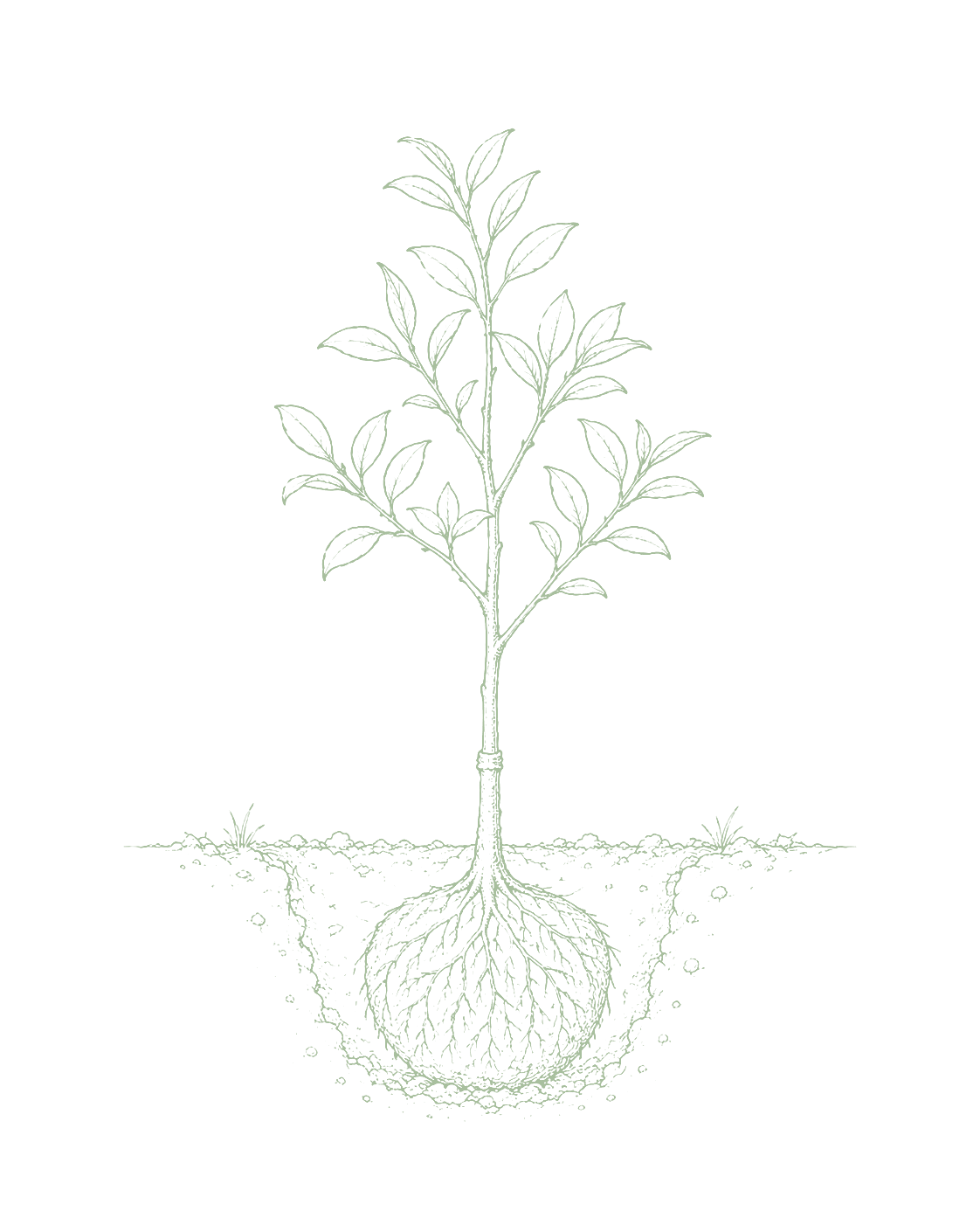
Lemon mature plant
Fig. 01 · Lemon, mature Zone 12
Container
20 gal
min 15 gal pot
Sunlight
Full sun
8-12 hrs daily
Water
Moderate
Spacing
15-25 ft
between trees
Soil pH
5.5-6.5
slightly acidic
Hardiness & fruiting range

Will it actually fruit here?

Hardiness tells you the tree will survive your winters. It does not tell you whether you will get fruit. Each zone carries its own verdict. Yours is marked.

3
survives,
rarely fruits
4
survives,
rarely fruits
5
survives,
rarely fruits
6
survives,
rarely fruits
7
survives,
rarely fruits
8
survives,
rarely fruits
9
reliable
10
reliable
11
reliable
Fruits reliably
Fruits reliably Survives only Too warm
← colder winterswarmer, less chill →
The growing year

Your lemon year, month by month

A fruit tree runs on the same rhythm every year: rest, prune, bloom, grow, harvest, then settle in again.

Jan
Feb
Mar
Apr
May
Jun
Jul
Aug
Sep
Oct
Nov
Dec
▲ We are here
Tree’s year
Dormant rest Prune Bloom Growing fruit Harvest Post-harvest care
Chill hours

Will your winter be cold enough?

Lemons do not need a cold winter to fruit. What they cannot handle is freezing. That is the thing to plan around.Lemons are subtropical evergreens with essentially no winter chilling requirement (about 0 chill hours). They never go fully dormant, so bloom is triggered by warmth and the day-to-night temperature swing rather than by accumulated winter cold. Chill hours, the limiter for deciduous fruit like peaches and apples, are not what governs where a lemon fruits; frost is. (Sources: UF/IFAS, UC ANR.)

Dependable here
Eureka0Lisbon0Improved Meyer0Ponderosa0Variegated Pink (Pink Lemonade)0
!Borderline in a warm winter
None. Every variety in this roster gets enough chill here.
Bloom timing & cross-pollination

One tree is usually enough

Most lemons are self-fruitful: a single tree sets a full crop with its own pollen, so you don’t need a second variety to get fruit. Bees still move the pollen from blossom to blossom, so strong pollinator activity through bloom is what drives a heavy set.

Eureka blooms mid season and is self-fruitful, setting a full crop on its own.Blooms alongside: Lisbon, Improved Meyer, Ponderosa, Variegated Pink (Pink Lemonade).

Bar length shows how long each variety blooms, roughly 8 to 14 days. Bars that overlap bloom at the same time.

▲ Tap a variety to see its bloom timing

Very early Early Mid Late Very late
Eureka✓ same time
Lisbon✓ same time
Improved Meyer✓ same time
Ponderosa✓ same time
Variegated Pink (Pink Lemonade)✓ same time
The pollination rule

Bees like lemon flowers and help fruit set, but you do not need to do anything. The tree sets fruit on its own outdoors.Lemon flowers are fragrant and attractive to honey bees and other pollinators, but because the tree is self-fruitful and partly parthenocarpic, pollinator presence improves set rather than being required. The main practical case where it matters is a tree kept permanently indoors, away from insects, which may need hand pollination. (Sources: UC ANR.)

Pick your variety

Recommended varieties

If you want the classic tart lemon, choose Eureka (mild climates) or Lisbon (hot summers). If you are growing in a pot or somewhere a little cold, pick Improved Meyer: it is hardier, sweeter, and stays small.For most growers a true lemon (Eureka in coastal/mild climates, Lisbon where summers are hot) gives the familiar tart fruit nearly year-round. Improved Meyer is the standout for containers and colder sites: hardier, sweeter, and compact, though its flavor is milder and rounder than a true lemon's. Ponderosa and Variegated Pink are grown largely for novelty and ornament. Across all of them chill is irrelevant (citrus has no chilling requirement); the real selection axes are cold hardiness, heat tolerance, and disease pressure (scab in humid regions). (Sources: UC Riverside citrus, UF/IFAS, Texas A&M AgriLife.)

Eureka
all-purpose (juice, zest, cooking)
Lisbon
all-purpose (juice, zest, cooking)
Improved Meyer
fresh eating, cooking (sweeter, lower acid)
Ponderosa
novelty, zest, cooking
Variegated Pink (Pink Lemonade)
all-purpose; ornamental
Rootstock & size

How big will it get?

At a retail nursery you usually take whatever industry-standard rootstock the tree is grafted on; it is rarely a choice. Where it is, sour orange is the broad default: well adapted to most soils, productive, good fruit quality, and foot-rot (Phytophthora) resistant. Its one serious caveat is susceptibility to tristeza virus in some scion combinations. In colder sites trifoliate orange or its hybrids (Carrizo, Swingle citrumelo) add a few degrees of cold hardiness and resist foot rot, at the cost of poor tolerance of high-pH or saline soils. Note that scion choice, not rootstock, is the bigger driver of a lemon's own cold hardiness.

Recommended
sour orange (Citrus aurantium) standard
Mature height
Bears
Container
in-ground
trifoliate orange (Citrus trifoliata) semi-dwarf
Mature height
Bears
Container
pot OK
Carrizo / Swingle citrumelo (trifoliate hybrids) semi-dwarf
Mature height
Bears
Container
pot OK
Ask the nursery

Most retail lemons are already on a standard industry rootstock; ask whether it is on sour orange, which suits most yard soils.

From seed to fruit

The growing journey

Stage 01 · Planting and settling in
01
Planting and settling in
Within a few weeks you should see fresh new leaves starting. Make sure the soil has not slumped up over the graft union.New root activity and the first flush of leaves within a few weeks in warm soil; the canopy should hold firm rather than wilt. Watch the graft union stays clear of soil as the mound settles.
Plant the tree a little high on a small mound, keeping the knobby graft union well above the soil. Water it in well and keep mulch away from the trunk.Plant high on a raised mound with the graft union well above the soil and mulch line, backfill with native soil, water in to settle, and keep mulch pulled back from the trunk. Stake only if needed and remove the nursery wrap.
FROM PLANT · Plant so the knobby graft bump sits a couple inches above the soil, not level with it. If soil ends up covering that bump, the trunk can rot there.Set the graft union a good two to three inches above the finished soil line on the mound, not flush with it. Buried unions invite foot rot and gummosis at the bark, and a settling mound can swallow a union that looked fine on planting day.
FROM PLANT · Soak the tree well right after planting so the soil settles around the roots. Wait to fertilize until you see new leaves growing.Water in thoroughly at planting to collapse air pockets around the roots, then hold off on fertilizer until you see new growth. Feeding a root system that has not started working yet just pushes salts past the roots and can burn them.
02
Establishment years (1 to 3)
You want to see the tree getting visibly bigger each season. A grafted lemon usually makes a little fruit in year two and a real crop around year three.Steady extension of new shoots and a thickening trunk each season. A grafted lemon typically sets a few fruit in its second year and begins a real crop in about its third.
For the first couple of years, let the tree focus on growing, not fruiting. Water regularly, feed it citrus fertilizer, and pick off any flowers or baby fruit the first year so it can build strong roots. Cover or move it on frosty nights.Prioritize framework over fruit. Water consistently to establish deep roots, feed with a citrus fertilizer on a light, frequent schedule through the growing season, and in the first year remove the few flowers or fruit that set so the tree invests in roots and canopy. Protect from frost every cold night while young.
FROM PLANT · In the first year, pick off the flowers and any baby fruit. You want the young tree putting its energy into growing roots and branches, not making fruit yet.Pinch off the first year's flowers and any fruit that sets. A young lemon that ripens fruit early does it at the expense of root and canopy growth, and you trade one or two early lemons for a slower-to-fill, weaker tree.
FROM PLANT · Give the young tree small amounts of citrus fertilizer several times during the growing season instead of one big feeding. Small regular amounts are safer for the roots.Feed little and often with a citrus fertilizer through the growing season rather than one heavy dose. Young citrus roots are shallow and salt-sensitive, so frequent light feeding keeps nitrogen available without the burn risk of a single big application.
03
Bloom
Look for fragrant white flowers, mostly in spring. In mild places the tree may flower a little at other times too.Fragrant white blossoms, often tinged purple in bud, opening on new and recent growth. In mild areas expect a strong spring flush plus scattered bloom at other times.
Keep the soil evenly moist while the tree is flowering and do not let it dry out, or the flowers drop. You do not need a second tree for pollination. Avoid heavy pruning now.Maintain even soil moisture and steady feeding through bloom; avoid drought stress that drops flowers. No pollination partner is needed, as lemons are self-fruitful. Hold off heavy pruning so you do not remove flowering wood.
FROM PLANT · Do not let the tree dry out while it is flowering, or the blossoms fall off. You do not need a second tree for pollination, just keep the water steady.Keep soil moisture even right through bloom; a dry spell during flowering triggers blossom and young-fruit drop. Lemons are self-fruitful, so you are not waiting on a pollinator, you are protecting the flowers the tree already has from stress.
FROM PLANT · Do not do big pruning while the tree is flowering, since you would cut off the branches that are making this year's lemons. Prune later, after you pick.Hold off heavy pruning during bloom. Lemons flower on recent growth, so cutting hard now removes the very wood carrying this year's crop. Save structural pruning for after harvest.
04
Fruit set and development
Green fruit slowly getting bigger over several months. If some tiny fruit falls off early, that is the tree thinning itself, which is fine.Green fruit enlarging steadily over the months after bloom. A wave of small-fruit drop shortly after set is the tree shedding excess and is not a problem.
As the little fruits grow, keep watering deeply and evenly so they do not drop or split, and keep feeding. The tree dropping some small fruit on its own is normal.Keep watering deep and consistent as fruit sizes, since uneven moisture causes fruit drop and splitting. Continue the citrus feeding rhythm and watch for the micronutrient chlorosis common on high-pH soil. Some natural fruit drop after set is normal self-thinning.
FROM PLANT · Keep watering deeply and evenly while the fruit grows. Big swings from dry to wet make lemons split or drop, so steady watering is what keeps them on the tree.Water deeply and on a steady rhythm as fruit sizes. Swings between bone-dry and soaked are what split rinds and drop fruit, since the pulp swells faster than the rind can stretch. Even moisture is the single biggest lever on clean fruit.
FROM PLANT · If new leaves turn yellow between the green veins, the tree needs micronutrients. Use a citrus fertilizer that lists iron, zinc, and manganese, not a plain all-purpose one.On high-pH or sandy soils, watch the new leaves for yellowing between green veins; that interveinal pattern is the micronutrient chlorosis citrus is prone to, and a citrus feed carrying iron, zinc, and manganese corrects it. A general fertilizer often will not.
05
Ripening and harvest
Full-sized fruit that feels heavy and gives slightly when squeezed. Taste one to check, since color alone can fool you.Fruit that has reached full size with a slight give and heavy feel for its size. Flavor and juice content, not a fully yellow rind, signal readiness.
Pick lemons by feel and taste, not just color, because they can be ready while still a bit green. You can leave ripe fruit on the tree and just pick what you need over weeks.Harvest by taste and size rather than color alone, since lemons can be usable while still greenish and color is an unreliable maturity cue. Clip or twist fruit free, and take advantage of the tree's ability to hold ripe fruit for weeks to months, picking as needed.
FROM PLANT · Pick lemons by how they feel and taste, not by color. They can be ready while still a little green, so squeeze for heaviness and taste one to check.Judge ripeness by feel and taste, not rind color. A lemon can be fully juicy while still greenish, and waiting for a deep yellow can mean picking past its best. Lift a heavy-feeling fruit, then taste one to set your picking standard for the tree.
FROM PLANT · You can leave ripe lemons on the tree and pick them as you need them over weeks. The tree keeps them better than your counter does.Use the tree as your storage. Ripe lemons hold on the branch for weeks to months with little quality loss, so pick as you need them rather than stripping the tree at once and scrambling to use the crop.
06
Mature year-round bearing
A steady yearly cycle of flowers, fruit, and harvest with full green leaves. Some years are heavier than others, which is normal, but a big drop-off means something is wrong to check on.Consistent annual bloom, fruit set, and harvest, with healthy dense foliage. Year-to-year variation in crop size is normal; sharp decline signals a root, water, or disease issue to investigate.
Now the tree is on a yearly routine: water deeply and regularly, feed it citrus fertilizer, prune only lightly (remove dead wood and any shoots from below the graft), and protect it from frost if you are in a borderline-cold area. It should give you a dependable crop each year.Settle into a steady annual rhythm: consistent deep watering, the citrus feeding schedule with micronutrients on high-pH soils, minimal pruning beyond removing deadwood, suckers below the graft, and crossing or crowding limbs, and reliable frost protection in marginal zones. The tree should now carry and ripen fruit dependably each year.
FROM PLANT · On an established tree, prune only a little. Cut out dead branches and any shoots coming from below the graft bump, since those are from the rootstock and not your lemon.Keep pruning light on a mature lemon: remove deadwood, crossing limbs, and any suckers coming from below the graft union. Suckers are rootstock growth, not your lemon, and left alone they steal vigor and can take over the canopy.
FROM PLANT · If you are in a cold-edge area, still cover the tree on frosty nights. Cold can damage leaves, fruit, and even branches, so protect it before the cold hits.In borderline-cold zones, protect the tree on frost nights even once mature. Citrus damage runs from leaf and fruit loss into wood kill as temperatures drop and the cold holds, so cover or add heat before a hard night rather than after.
The specs

Care guide

The numbers that matter, at a glance.

Sunlight
Full sun · 8-12 hrs/day
Water
moderate
Spacing
180-300 inches
Soil
loam, sandy loam
Soil pH
5.5 to 6.5
Container OK?
Yes · 15+ gal pot
Soil chemistry

Soil pH for lemon

Preferred
5.5 to 6.5
Tolerated
5.5 to 8

Lemons like slightly acidic soil (about pH 5.5-6.5) but are not fussy as long as water drains away well.Lemons prefer a slightly acidic soil around pH 5.5-6.5 but tolerate a fairly wide range (roughly 5.5-8.0) provided drainage is good; on high-pH alkaline soils, watch for iron and zinc deficiency and avoid phosphorus-heavy fertilizers, which worsen it. (Sources: UF/IFAS HS1153, Texas A&M AgriLife.)

Steady hand on the hose

Watering

When & how much
Frequency
Water deeply, then wait until the top inch or two of soil feels dry before watering again. Do not keep the soil constantly wet. In cool weather an established tree may only need water every week or two; in hot weather it needs more. Check the soil with your finger instead of watering on a set schedule.Water deeply but infrequently, allowing the top one to two inches of soil to dry between irrigations rather than keeping the root zone constantly moist. Established in-ground trees in mild climates may need watering only every one to two weeks in cool months and more often in heat; young trees and any in fast-draining or sandy soil need more frequent attention. Let weather and soil, not a fixed calendar, drive timing.
Amount
When you water, give enough to soak the soil deeply all through the root area, not just a quick splash on top. A good deep soak now and then beats a little water every day.Apply enough water at each irrigation to wet the entire root zone to depth, then let it partially dry. Deep, thorough soakings that push moisture down encourage deep rooting; shallow, frequent sprinkles keep roots near the surface and leave the tree drought-prone.
Method
Water the soil around the tree, not the trunk itself. A drip line or slow hose works well. Keep water, soil, and mulch pulled back from the trunk so the base stays dry, which helps prevent rot.Water at the base of the tree and keep the trunk and crown dry; drip or a slow soaker hose around the dripline is ideal. Keep water, soil, and mulch away from the trunk and graft union, since wet bark at the crown invites foot rot.
Signs of trouble
Too much water
If the leaves turn yellow and stay yellow even after you water, or the soil never seems to dry out, you are likely watering too much. Soggy soil leads to root rot. Let the soil dry on top before watering again.Persistently yellowing leaves that do not recover after watering, leaf drop, and a generally declining canopy point to overwatering and the root and foot rot it enables. Constantly saturated soil and standing water near the trunk are warning signs in themselves; soil that never dries between waterings is the underlying problem.
Too little water
Leaves that wilt, curl, or look dull usually mean the tree is too dry, and it may drop flowers or little fruit when very thirsty. A quick droop on a very hot afternoon can be normal, but if watering does not perk it back up, look more closely.Wilting or curling leaves, dull or cupped foliage, and during stress, flower and young-fruit drop indicate the tree is too dry. Brief, recoverable midday wilt in extreme heat can be normal, but leaves that wilt and stay wilted after watering signal a watering problem rather than simple dryness.
Feeding rhythm

Feeding

Frequency
light doses several times through the growing season
Type
citrus (nitrogen-forward)
When to start
late winter or early spring through summer; stop by late summer

Feed from early spring through summer in small, regular doses, then stop by late summer. Feeding late in the year pushes out soft new growth that frost can damage. Always keep fertilizer off the trunk and water it in afterward. Trees in pots need feeding more often because nutrients wash out faster.Feed in light, frequent doses from late winter or early spring through summer, then stop by late summer so late flushes harden before cold; feeding too late pushes tender growth into frost season. Keep fertilizer off the trunk and water it in. Container trees need more frequent, lighter feeding because nutrients leach quickly from pots.

Nitrogen-forward

Use a citrus fertilizer or one with plenty of nitrogen (the first number on the label). If your soil is alkaline (high pH), the tree may need extra iron and zinc, often sold as chelated micronutrients, to keep the leaves green. Skip fertilizers heavy in phosphorus (the middle number).Nitrogen-forward; use a fertilizer formulated for citrus or a balanced-to-high-nitrogen feed. On alkaline or high-pH soils, supplement with chelated iron and zinc to correct the micronutrient deficiencies these soils cause, and avoid phosphorus-heavy formulas, which aggravate iron and zinc lockout.

Who grows well together

Companion planting

Keep grass and weeds away from under a lemon tree, out to the edge of the branches. They steal water and feed the tree needs. Keep mulch a hand's width back from the trunk. You do not need a second tree for it to fruit. For a tree, 'companions' is really root-zone management, not vegetable pairing. The single most important rule is to keep lawn grass and weeds well clear of the root zone out to the drip line: turf competes hard for water and nitrogen and slows a young citrus markedly. Keep organic mulch pulled back at least a foot from the trunk to reduce Phytophthora foot-rot risk. Because lemon is self-fruitful, there is no need to site a second tree nearby for pollination. Low, shallow-rooted plantings outside the drip line are harmless; anything that crowds the trunk or holds moisture against it is not. (Sources: Texas A&M AgriLife, UF/IFAS.)

Keep apart from
Lawn grass Keep lawn grass from growing right up to your lemon tree. Grass competes with the tree for water and nutrients, and citrus is especially sensitive to this when it is flowering and putting out new growth. Mowing and trimming close to the trunk can also nick the bark and hurt the tree. Keep a clear or mulched circle around the base instead.Grass under the tree steals the water and food a young lemon needs. Keep it cleared out to the edge of the branches. Research-backed
Weeds at the trunk Pull weeds away from the base of your lemon tree. Weeds growing against the trunk steal water and nutrients the tree needs, and they give cover to pests and rodents that can damage the bark. A weed-free or lightly mulched space around the trunk keeps the tree healthier, just keep any mulch pulled back a little so it does not sit against the bark.Weeds and damp material crowding the trunk hold moisture against the bark and can rot the base. Keep the area right around the trunk clear and dry. Research-backed
Turfgrass within the drip line Turf competes hard for water and nitrogen in the shallow zone where citrus feeder roots concentrate, and it slows a young tree markedly. Keep a mulched, grass-free area out to the dripline. Research-backed
Moisture-holding mulch against the trunk Organic mulch piled against the trunk holds moisture on the bark and crown and invites Phytophthora foot rot. Keep mulch pulled back at least a foot from the trunk. Well-grounded
Provenance tagged inline · see methodology for the labeling system Key
Harvest signals

When to pick

Pick lemons when they have reached good size and turned from green toward yellow; ripe fruit feels heavy and gives slightly when gently squeezed. The best test is to taste one, because color can fool you. Twist or snip the fruit off without tearing the skin. The nice thing is you can leave ripe lemons on the tree and pick them as you go.Harvest by color, size, and feel: lemons can be picked from green-mature through full yellow, are usually heavy for their size with a slight give when ripe, and the surest test is taste, since color alone can mislead. Clip or twist fruit free without tearing the rind. Because mature fruit holds well on the tree, the harvest window is forgiving and fruit can be left and picked as needed.

Verified · 2 sources View
Yield

What to expect

A grown lemon tree produces a lot, often dozens of lemons a year and many more on a large, happy tree. How much depends on the tree's size and age, the variety, and your climate. A tree in a pot will make fewer than a big tree in the ground.A mature, well-grown lemon is a heavy and reliable producer, commonly yielding dozens to many dozens of fruit per year, with vigorous in-ground trees in suitable climates producing well into the hundreds. Yield depends strongly on tree size, age, variety, and climate; container trees bear proportionally less than full-size in-ground trees.

A lemon hits its full output around year four to six and keeps producing for decades. In mild climates it can carry fruit over a long stretch of the year instead of all at once.Trees reach full bearing from roughly the fourth to sixth year onward and, as evergreens in mild climates, can carry fruit over a long season rather than a single concentrated harvest. Productive lifespan is long, often decades, with consistent care. Do not expect lemons the first year, and pinch off the first-year flowers so the tree can build strong roots instead. You may get a few in year two, with a real crop starting around year three as the tree settles in.Expect little or no fruit in the first year, and remove first-year blossoms so the young tree invests in roots and framework rather than fruit. A few fruit may set in the second year, with real cropping building from about the third year as the tree establishes.

Verified · 2 sources View
Off the vine

Storing your harvest

Room temp
Off the tree, lemons last about a week or two on the counter before they start to dry out. The neat trick with lemons is that you can leave ripe fruit on the tree for weeks or even months and just pick what you need.Picked lemons keep at room temperature for roughly a week or two, gradually softening and losing moisture. For longer holding, the tree itself is the best store: mature fruit holds on the tree for weeks to months in mild climates, so pick as needed rather than harvesting all at once.
Fridge
In the fridge, lemons stay good for several weeks, sometimes up to a month. Keep them loose or in a loosely closed bag in the crisper drawer.Refrigerated, lemons keep well for several weeks, often up to about a month, stored loose or in a vented bag in the crisper. They hold longer cold than at room temperature once picked.
Freezer
Whole lemons do not freeze well, but the juice and zest do. Freeze juice in an ice-cube tray and keep zest in a sealed container, and both will last for months to use in cooking.Whole lemons are not ideal frozen, but juice and zest freeze very well for long-term storage: freeze juice in ice-cube trays and store grated zest in a sealed container, both keeping for months for cooking use.
Verified · 2 sources View
When something goes wrong

Common problems

The flowers or little fruit fell offFlowers or young fruit dropped heavily
01 of 05
What happened A little dropping is normal, but a lot usually means the watering swung between too dry and too wet, a heat spell hit during bloom, or the tree was underfed.Some flower and post-set fruit drop is normal self-thinning, but heavy loss usually traces to moisture swings (drought stress or waterlogging), sudden heat during bloom, or nutrient stress. Lemons hold a crop best with even soil moisture and steady feeding. Next season Next time, water more evenly so the soil is never bone dry or soggy, keep feeding through flowering, and give a little shade or shelter if a heat wave hits while it is blooming.Even out irrigation so the root zone never fully dries or stays saturated, maintain the citrus feeding rhythm through bloom and set, and provide some afternoon relief or wind protection in extreme-heat climates during flowering.
The tree looks great but makes no fruitHealthy tree, plenty of leaves, but little or no fruit
02 of 05
What happened Usually the tree is just too young, because a grafted lemon does not really fruit until around year three. Too much fertilizer can also make it grow leaves instead of fruit, and hard pruning cuts off the flowering wood. It does not need a second tree, so that is not the issue.Most often the tree is simply too young, since a grafted lemon does not crop meaningfully until about its third year. Excess nitrogen also pushes leafy growth at the expense of fruit, and severe pruning removes flowering wood. Lemons need no pollinator, so a missing partner is not the cause. Next season Be patient with a young tree, do not over-fertilize, and prune only a little so you do not remove the parts that would have flowered.Give a young tree time, ease off high-nitrogen feeding in favor of a balanced citrus fertilizer, and prune only lightly so you keep flowering wood.
Cold weather hurt the treeLeaves, twigs, or fruit damaged after a cold snap
03 of 05
What happened Lemons are the citrus most easily hurt by cold. Temperatures in the high 20s F damage leaves and fruit, and a hard freeze can kill a young tree. An unprotected young tree in an open spot is most at risk.Standard lemons are among the most frost-tender citrus, with leaf and fruit injury when temperatures fall into the high 20s F and possible death of young wood in a hard freeze. Damage is worse on unprotected young trees and in exposed sites without a warm microclimate. Next season Put the tree in the warmest spot you have, cover or wrap it on cold nights, and in a borderline-cold area keep it in a pot you can bring inside. Wait for spring growth before cutting off cold-damaged wood, so you can see what survived.Site the tree in the warmest microclimate available, protect every cold night with covers, trunk wraps, or a soil bank over the graft, and in marginal zones grow in a container that can move indoors. Wait until new spring growth to assess and prune freeze damage.
Sticky gum on the trunk and a sad-looking treeGumming on the lower trunk with a declining canopy
04 of 05
What happened Gum oozing low on the trunk plus a thinning, yellowing tree usually means root rot from soggy soil, a buried graft union, or mulch piled on the trunk. A clue: the leaves do not perk up even after you water.This is the signature of Phytophthora foot or root rot, driven by poor drainage, a buried graft union, mulch against the trunk, or overwatering. The giveaway is foliage that yellows and wilts but does not recover after watering, separating it from drought stress. Next season Fix the drainage, clear soil and mulch away from the base so the trunk can dry, and water less. If the spot stays soggy, replant the tree higher on a mound.Correct drainage, pull soil and mulch back to expose the crown and graft union, scrape active cankers back to healthy bark and let them dry, and stop overwatering. Replant high on a mound if drainage cannot be fixed in place.
Yellow leaves but the veins stay greenYellow leaves with green veins, mostly on new growth
05 of 05
What happened Yellow between the veins with green veins means the tree cannot get enough iron or zinc, which happens a lot in alkaline soil. The nutrients are there, the tree just cannot absorb them, and soggy soil makes it worse.This interveinal pattern is micronutrient chlorosis, typically iron or zinc, common where soil is alkaline or calcareous and the nutrients are chemically locked up. It is a soil-availability disorder rather than a deficiency of the nutrient in the ground, and overwatering worsens uptake. Next season Feed a citrus fertilizer with iron and zinc, or a chelated iron and zinc product made for alkaline soil, and improve drainage. A spray on the leaves greens it up faster for a while.Use a citrus fertilizer that includes iron, zinc, and manganese, or a chelated iron and zinc product (EDDHA iron holds up best on high-pH soil), and improve drainage. Foliar micronutrient sprays give a faster short-term green-up.
Verified · 4 sources View
The usual suspects

Pests & diseases

Pests
Scale insects
P · 01
Symptoms Scale shows up as tiny crusty or waxy bumps stuck to twigs and the backs of leaves. They do not move, so they are easy to mistake for part of the bark. Some kinds leave the leaves sticky and a black film (sooty mold) grows on the stickiness.Look for small, immobile bumps along stems, leaf midribs, and the undersides of leaves: armored scales sit as hard gray to brown discs, while soft scales are rounder and often shiny. Soft scales excrete honeydew, so the first sign is frequently a sticky leaf surface and the black sooty mold that grows on it, sometimes with ants farming the colony. Heavy infestations cause yellow leaf blotches, leaf drop, and twig dieback. Cause Scale are sap-sucking insects. They build up fastest when ants are present, because ants chase off the helpful bugs that would otherwise eat the scale.Several armored and soft scale species feed on citrus by sucking sap. Populations build on crowded, dusty, or ant-tended trees because ants protect scale from the natural predators and parasitic wasps that normally keep it in check. Organic treatment Spray horticultural oil to coat the bumps, getting the undersides of leaves and the stems. Do not spray oil on a hot day (over about 95°F) or when the tree is dry and stressed, or it can burn the leaves.Horticultural oil (narrow-range petroleum or neem) smothers scale and is the standard backyard control; thorough coverage of stems and leaf undersides matters most. Do not spray oil when temperatures exceed 95°F or the tree is drought-stressed, as oil can burn foliage under heat. Repeat as new crawlers appear. Prevention Keep ants out of the tree (a sticky band around the trunk works) so natural predators can do their job, and check any new tree for bumps before you plant it.Keep trees unstressed and avoid dusty conditions. Control ant access to the canopy (a sticky band on the trunk helps) so resident predators and parasites can work. Inspect new nursery stock before planting, since scale often arrives on it.
Aphids
P · 02
Symptoms Aphids are tiny soft insects, often green or black, packed onto new leaves and buds. The new growth curls up. You may also see stickiness, a black film, and ants.Clusters of soft green, black, or yellowish insects on new flush, flower buds, and the undersides of tender leaves, which curl and distort toward the stem. As with scale, honeydew and sooty mold often appear, along with ants. Aphids are mainly a problem on young trees and on varieties that flush continuously. Cause Aphids feed on the softest new growth. A few of them can also carry a citrus virus, but spraying one backyard tree does not stop that, so the reason to act is the feeding damage itself.Several aphid species (spirea, black citrus, and cotton or melon aphid) colonize new growth. Beyond direct feeding, spirea, black, and cotton aphids can transmit citrus tristeza virus, though area-wide spread makes spray control for virus prevention ineffective in a backyard. Organic treatment Blast them off with a hose, or spray insecticidal soap if there are a lot. On an older tree you usually do not need to spray at all.A strong jet of water knocks colonies off tender shoots and is often enough. Insecticidal soap or horticultural oil handles heavier outbreaks on young trees; an insecticide is rarely warranted on an established tree. Prevention Do not over-fertilize, since lots of soft new growth invites aphids. Most of the time you can leave them alone: ladybugs and other helpers usually clean them up within about six weeks as the leaves toughen.Avoid pushing excessive tender flush with heavy nitrogen, which aphids favor. Tolerate low numbers: natural enemies (ladybugs, lacewings, parasitic wasps) normally bring aphids fully under control within about six weeks, and numbers fall on their own as the flush hardens off.
Citrus leafminer
P · 03
Symptoms Leafminer makes shiny, squiggly trails inside new leaves, and the leaves curl and look distorted. It looks alarming but on an established tree it is mostly a cosmetic problem.Silvery, winding tunnels (mines) just under the surface of young leaves, with leaves curled and twisted around the larva's path. Damage is concentrated on new flush in summer and fall. On mature backyard trees the injury is cosmetic and rarely affects tree health or yield; young trees putting on framework growth are more meaningfully set back. Cause A tiny moth lays eggs on brand-new leaves, and the caterpillar tunnels inside them. It can only attack soft new leaves, not older tough ones.The larva of a small moth (Phyllocnistis citrella) feeds between the leaf surfaces of tender new growth. It cannot mine hardened mature leaves, so the damage tracks each flush of soft foliage. Organic treatment On an older tree, do nothing. On a young tree, you can coat the new growth with horticultural oil to discourage the moth, reapplying as fresh leaves appear. Avoid strong insecticides, which kill the helpful wasps.On mature trees, no treatment is generally needed. For young trees, horticultural oil on emerging flush deters egg-laying and slows larvae; repeated application as each flush appears is required because oil is short-lived. Broad-spectrum insecticides are discouraged, as they disrupt the parasitic wasps that attack leafminer. Prevention Do not over-prune or over-fertilize, because that pushes out tender new leaves for the moth to attack. Leave the damaged leaves on the tree, since they still feed it.Avoid pruning healthy foliage and avoid heavy nitrogen that triggers off-season flushes, since synchronizing growth limits the window of vulnerable leaves. Do not remove mined leaves that are still photosynthesizing; the tree still uses them. Pheromone traps help time and monitor populations.
Spider mites and citrus mites
P · 04
Symptoms Mites are almost too small to see, but they leave leaves looking dusty, speckled, or bronzed, and sometimes a fine webbing. They get worse when the tree is hot, dusty, and dry.Fine stippling, bronzing, or a dull silvered cast on leaves and sometimes fruit, with faint webbing in heavy twospotted spider mite infestations. Citrus red mite is monitored February through May; twospotted spider mite can appear year-round and worsens in hot, dusty, water-stressed conditions. Cause Mites are tiny relatives of spiders that suck on leaves. Dust and a dry, stressed tree make them multiply.Several mite species feed by puncturing leaf cells. Dust, drought stress, and the loss of predatory mites to broad-spectrum sprays all favor outbreaks. Organic treatment Spray the undersides of the leaves with water. For a bad case, use horticultural oil, but not on a hot day or a dry, stressed tree.A forceful water spray to the leaf undersides suppresses populations. Horticultural oil controls heavier infestations; observe the same heat and drought-stress cautions as for scale. Prevention Water the tree properly and rinse dust off the leaves in dry weather. Avoid strong insecticides, which kill the good mites that eat the bad ones.Keep trees well watered and hose dust off foliage in dry spells. Preserve predatory mites by avoiding broad-spectrum insecticides, which often trigger worse secondary mite flare-ups.
Mealybugs
P · 05
Symptoms Mealybugs look like little tufts of white cotton wedged where leaves meet stems and around the fruit. They leave the same stickiness and black film as aphids and scale.Soft, white, cottony masses tucked into leaf axils, fruit clusters, and the calyx end of fruit. Like soft scale and aphids, mealybugs produce honeydew, so sticky foliage and sooty mold are common. Heavy populations cause leaf yellowing and premature fruit drop. Cause Mealybugs are sap-suckers that hide in tight spots on the tree. Ants protect them, so ant control matters here too.Mealybugs are sap-feeders that shelter in protected crevices and on fruit. As with scale, ant tending shields them from natural enemies and lets populations grow. Organic treatment Dab or spray the cottony clumps with insecticidal soap or horticultural oil, and repeat, since their waxy coat sheds the spray.Spot-treat colonies with a cotton swab or spray of insecticidal soap or horticultural oil, ensuring contact with the protected masses. Repeat applications are usually needed because the waxy coating sheds spray. Prevention Keep ants out of the tree and check new plants for cottony patches. Natural predators usually handle the rest.Control ants, inspect new plants, and avoid the dense, unpruned, dusty conditions mealybugs prefer. Resident predators and parasites (including mealybug destroyer beetles) usually keep backyard numbers low.
Asian citrus psyllid (ACP)
P · 06
Symptoms The Asian citrus psyllid is a small brown insect that feeds on new growth with its back end tilted up in the air. By itself it does little harm. It matters because it spreads citrus greening, a fatal disease. It is a real problem in Florida and parts of California, Texas, Arizona, and the Gulf Coast, but it is absent from most of the country, so most home growers will never see it.Tiny mottled-brown insects that feed on new flush at a characteristic 45-degree, tail-up angle, along with their waxy white tubule excretions and twisted, notched new leaves. The psyllid itself does limited feeding damage; its importance is entirely as the vector of Huanglongbing (citrus greening). It is a serious regional concern in Florida and parts of California, Texas, Arizona, and the Gulf states, and is absent or under quarantine in much of the rest of the country, so most backyard growers outside those areas will not encounter it. Cause The psyllid picks up the greening germ from a sick tree and injects it into a healthy one while feeding. Moving citrus plants between regions spreads it, which is why some states restrict carrying citrus around.The psyllid (Diaphorina citri) acquires the greening bacterium from infected trees and transmits it as it feeds on new flush of healthy ones. Movement of infested or infected plant material across regions spreads both insect and disease, which is why citrus is quarantined in affected states. Organic treatment Spraying your own tree does little against the psyllid. The useful thing you can do is spot it early, report it, and remove a tree confirmed to have greening so it does not infect others.Backyard chemical control of ACP is of limited value and is best coordinated through regional area-wide programs rather than attempted tree by tree. The meaningful home action is early detection and reporting, plus removing confirmed greening-infected trees to protect the area. Prevention If you live where the psyllid is present, buy certified healthy trees, do not carry citrus plants in from other areas, and tell your local extension office if you think you see it. If you live where it is absent, just do not bring in citrus plants from quarantine areas.Only in regions where ACP is present: buy certified disease-free trees, never move citrus plant material across quarantine boundaries, inspect new flush for psyllids, and report suspected finds to your county agricultural commissioner or extension office. Where ACP is absent, no action is needed beyond not importing citrus from quarantined areas.
Diseases
Phytophthora foot rot, root rot, and gummosis
D · 01
Symptoms This water-mold disease shows up as sticky gum oozing from the lower trunk, dark soft bark near the ground, and a tree that slowly yellows and thins out. A key clue: the leaves wilt and yellow but do not perk up when you water, which tells you it is rot and not just dryness. Lemons catch it more easily than most citrus.Oozing beads of gum on the lower trunk and crown (gummosis), dark, water-soaked or sunken bark near the soil line that later cracks and dries (foot rot), and a slow general decline with yellowing leaves and thin canopy when feeder roots are attacked (root rot). A telling sign is foliage that wilts and yellows but does not recover after watering, which separates it from ordinary water stress. Lemons are among the most susceptible citrus, and infection can extend up onto scaffold branches. Cause The disease lives in the soil and spreads in standing water. It takes hold when the ground stays soggy, when soil or mulch is piled against the trunk, or when the graft union (the knob low on the trunk where the top variety was joined to the roots) is buried. Overwatering young trees is the most common cause.Soil-dwelling Phytophthora species (water molds, not true fungi) release swimming zoospores under wet conditions that splash onto the trunk or are carried to roots in saturated soil. Disease is driven by poor drainage, soil or mulch piled against the trunk, a buried graft (bud) union, and overwatering, especially of young trees. Organic treatment First fix the drainage or overwatering, or nothing else will help. For a gummy spot on the trunk, you can carefully cut away the dark dead bark back to healthy bark and let it dry. A bad case in the roots is hard to cure, so prevention is what really matters.Correct the underlying water and soil problem first; recovery is impossible without it. For an active trunk canker, scrape away dark diseased bark down to a margin of healthy greenish bark and let it dry out; exposing a buried crown to air can halt spread. Severe root rot on an established tree is difficult to reverse, which is why prevention carries the weight. Prevention Prevention is mostly about how you plant. Set the tree high on a little mound, keep the graft union and the soil line well apart (UF/IFAS says keep the union more than six inches above the soil), make sure water drains away fast, keep mulch a hand's width back from the trunk, and do not aim water at the base of the trunk. This is the most important disease to prevent up front.This is the single most important disease to design out at planting, and the practices already built into siting a lemon are the defense: plant high on a raised mound so the first roots are barely covered, keep the graft union well above the soil and mulch line (UF/IFAS advises more than six inches above the soil), provide sharp drainage, keep mulch pulled back a foot from the trunk, and never water the crown directly. Choosing a Phytophthora-tolerant rootstock adds further protection.
Greasy spot
D · 02
Symptoms Greasy spot makes yellow blotches on top of the leaf and greasy dark patches underneath, and the tree drops those leaves early. It is mainly a humid-climate problem (Florida and the Gulf), and dry-climate growers rarely see it.Yellow mottling on the upper leaf surface with corresponding greasy, olive-brown to black blisters on the underside, leading to premature leaf drop, most heavily on interior and lower canopy. It is primarily a problem in warm, humid regions such as Florida and the Gulf Coast and is uncommon in arid citrus areas like interior California and Arizona. Cause A fungus that grows on old fallen leaves and spreads in warm, wet, humid weather. Dry summers keep it from getting started.A fungus (Zasmidium citri) whose spores develop on decomposing fallen leaves and infect during warm, humid, wet weather. The long warm rainy season of the Southeast drives the disease; dry summers suppress it. Organic treatment A copper spray is the usual treatment where it is a real problem, along with cleaning up fallen leaves. In a dry climate you usually do not need to treat it at all.Copper fungicide is the accepted organic-compatible control where pressure warrants; sanitation of fallen leaves remains the foundation. No treatment is generally needed in dry climates. Prevention Rake up and toss fallen leaves, since the fungus grows on them, and keep the inside of the tree open to air. In humid areas a copper spray in early summer helps prevent it.Rake up and remove fallen leaves to reduce the spore source, improve air movement through the canopy, and avoid overhead wetting of foliage. In high-pressure humid regions a copper fungicide timed to early summer is the standard preventive.
Sooty mold
D · 03
Symptoms Sooty mold is a black, dusty coating on leaves and fruit. It does not actually attack the tree. It grows on the sticky honeydew left by aphids, scale, mealybugs, or whitefly, so it is really a sign that one of those insects is present.A black, soot-like film coating leaves, twigs, and fruit. It does not infect plant tissue; it grows on the honeydew secreted by aphids, soft scale, mealybugs, and whitefly. Heavy coatings can shade leaves enough to reduce photosynthesis, and it dirties fruit, but it is a symptom of an insect problem rather than a disease of the tree. Cause The black film feeds on insect honeydew, so finding it means you have one of the sticky-residue insects (aphids, scale, mealybugs, or whitefly) on the tree.The mold colonizes honeydew. Its presence points directly to a sap-sucking, honeydew-producing pest in the canopy, often tended by ants. Organic treatment After you deal with the insect, the black film slowly washes and wears away on its own. You can rinse it off fruit and leaves with water or mild soapy water. It does not need a fungicide.Once the pest is controlled, existing mold weathers and flakes off over time; a wash with water or mild soapy water speeds removal from fruit and foliage. The mold itself needs no fungicide. Prevention Get rid of the insect making the honeydew and the black film has nothing to grow on. Controlling ants helps, since they protect those insects.Control the honeydew-producing insect and the mold loses its food source. Managing ants, which protect those insects, is part of the same fix.
Citrus canker
D · 04
Symptoms Canker makes raised, rough, corky spots with a yellow ring on leaves and fruit, and the tree may drop leaves and fruit early. It is a regulated disease found mainly in Florida and the Gulf, so most growers elsewhere do not have to worry about it. Lemons are one of the more easily affected types.Raised, corky, tan lesions on leaves, fruit, and twigs, each typically ringed by a yellow halo and a water-soaked margin, often with premature leaf and fruit drop and blemished fruit. It is a regulated bacterial disease established in Florida and the Gulf region and is not a concern in most other citrus areas; lemons and limes are among the more susceptible hosts. Cause A bacterium spread by wind-blown rain, dirty tools, and moving infected plants. It gets in through tiny openings and wounds, and leafminer damage makes it worse. Warm, wet, windy weather helps it spread.The bacterium (Xanthomonas citri) is spread by wind-driven rain, contaminated tools, and movement of infected plant material; it enters through pores and wounds, and leafminer damage increases susceptibility. Warm, wet, windy weather drives outbreaks. Organic treatment There is no cure once a tree has it, so the focus is on preventing spread. Copper sprays slow it and removing badly infected parts helps. Follow your local rules if you are in an affected area.There is no cure for an infected tree; management is preventive and regulatory. Copper protectants reduce spread, and removing heavily infected material limits inoculum. Follow local regulatory guidance in affected regions. Prevention If you live where canker is present: choose tolerant types if you can, do not prune or handle the tree when it is wet, clean your tools, keep leafminer down, and use a copper spray in the wet season. Do not carry citrus plants out of a quarantine area.Where canker is present: plant resistant or tolerant types where available, avoid working the tree when wet, disinfect pruning tools, manage leafminer to reduce entry wounds, and use copper protectant sprays during the wet season. Never move citrus plant material out of a quarantined area.
Huanglongbing (HLB, citrus greening)
D · 05
Symptoms Greening causes blotchy yellow leaves (in an uneven pattern, not matching on both sides of the vein), dieback, and small lopsided fruit that stays green on one side and tastes bitter. There is no cure and it eventually kills the tree. It is the disease that wrecked Florida's citrus. It is carried by the Asian citrus psyllid and is a problem in Florida and parts of California, Texas, Arizona, and the Gulf, but most of the country does not have it.Asymmetric blotchy yellow mottling that crosses leaf veins unevenly, yellow shoots, twig dieback, and small, lopsided, poorly colored fruit that stays partly green and tastes bitter, with seeds often aborted. Decline is progressive and the disease is ultimately fatal to the tree. It is the disease that has devastated the Florida citrus industry and is the reason home citrus growing declined there. It is spread by the Asian citrus psyllid and is a regional concern in Florida and parts of California, Texas, Arizona, and the Gulf; it is absent from most of the country. Cause A bacterium spread by the Asian citrus psyllid (see the psyllid entry under pests) and by grafting from infected trees. Once a tree has it, it cannot be cured.A bacterium (Candidatus Liberibacter species) that colonizes the tree's vascular system, transmitted by the Asian citrus psyllid (see the ACP pest entry) and by grafting infected material. Once a tree is infected there is no recovery. Organic treatment There is no cure. The only real responses are controlling the psyllid, starting with healthy trees, and removing an infected tree. Scientists are working on resistant types, but for now nothing cures it.There is no treatment that cures HLB. Management is limited to vector control, sourcing clean stock, and removing infected trees. Research into tolerant varieties is ongoing but there is no home cure. Prevention This only matters where the psyllid lives. There, the steps are to buy certified healthy trees, help control the psyllid, check your tree often, and remove a tree that is confirmed infected so it does not spread. Elsewhere, just do not bring in citrus from affected areas.Only relevant where the psyllid and disease are present: buy certified disease-free trees, control the psyllid through area-wide programs, inspect regularly, and promptly remove confirmed infected trees to protect surrounding trees. Where ACP is absent, the practical safeguard is not importing citrus from affected regions.
Iron and zinc deficiency (high-pH chlorosis)
D · 06
Symptoms The leaves turn yellow between the veins while the veins stay green, mostly on new growth. This is not a disease you catch; it means the tree cannot pull enough iron or zinc out of the soil. It is common in high-pH (alkaline) soils, which lock those nutrients away.Interveinal yellowing of leaves with the veins staying green, most pronounced on new growth: iron deficiency yellows the youngest leaves with a fine green vein network, while zinc deficiency produces blotchy yellowing with smaller, narrowed leaves. It is a disorder, not an infection, and is common on alkaline (high-pH) and calcareous soils where these micronutrients are chemically locked up. Cause In alkaline soil, iron and zinc are there but the tree cannot absorb them. Lemons in that kind of soil often run short, and soggy soil makes it worse.On high-pH soils, iron and zinc become unavailable to the roots even when present in the soil. Lemons on alkaline or calcareous ground are especially prone, and overwatering or poor drainage worsens uptake. Organic treatment Feed the tree a citrus micronutrient mix or a chelated iron and zinc product (chelated types last longer in alkaline soil). A spray on the leaves greens it up faster but does not last as long. Fixing drainage helps it work.Apply a citrus micronutrient fertilizer or a chelated iron and zinc product; chelated forms (especially EDDHA iron on high-pH soil) stay available longer than sulfate forms. Foliar micronutrient sprays give a faster but shorter-lived green-up. Correcting drainage supports the response. Prevention If your soil is alkaline, expect to feed the tree micronutrients rather than trying to change the whole soil. Keep it well drained and do not overwater. A fertilizer made for citrus that includes iron and zinc prevents most of this.Match expectations to soil: where soil is alkaline, plan on supplementing micronutrients rather than trying to acidify a whole landscape. Maintain good drainage and avoid overwatering, both of which impair root uptake. A citrus-formulated fertilizer that includes iron, zinc, and manganese heads off most cases.
Verified · 4 sources View
Seasoned
Where to plant next year

Crop rotation

Rotation is a vegetable idea and does not apply to a permanent lemon tree. If you are replacing an old citrus, it is best to plant the new one in a fresh spot.Rotation does not apply to a permanent evergreen tree. If replacing an old citrus, choose a fresh planting site or refresh the soil and confirm good drainage before replanting young citrus in the same ground.

Avoid following
Not applicable. A lemon is a permanent tree that stays put for decades, so you do not rotate it like vegetables. One tip: do not plant a new young citrus in the exact spot where an old, sick citrus was just removed, since problems can linger in that soil.Not applicable. Lemon is a long-lived permanent tree, not a rotated annual, so crop-rotation sequencing does not apply. The one related caution is replant decline: avoid planting a young citrus directly into the spot a declining or removed old citrus came out of, where soilborne pathogens and root issues may persist.
Verified · 2 sources View
Ask the gardener

Common questions

Got a question we missed?

We're building this guide with real growers. Got a question we missed? Ask here. We read every one and add the best answers right to this page.

Grown this before?

Share a tip

Learned something the hard way? Pass it on. Real growers' tips make this guide better for the next person, and we credit you by name when yours goes live.

Seasoned
Spot something wrong?

Report a problem

If you've grown this crop and you see a date, a temperature, a companion claim, or a recommendation that doesn't match your experience, tell us. Real growers' corrections make this guide better for the next person.

How we built this guide

Methodology & sources

Every date, temperature, spacing, and recommendation on this page is sourced from university cooperative extension publications, peer-reviewed agricultural research, NOAA climate data, and direct extension calendars. Where claims are softer (traditional gardening wisdom not formally documented), we say so.

Research-backed Documented in cooperative extension publications or peer-reviewed research
Well-grounded A known agronomic principle, but not formally tested for this specific pair
Traditional Time-tested gardening wisdom, limited formal research support
Last reviewed
June 12, 2026
Data version
crops_data_final · v1.0 · schema 2.9
Sources cited on this page
16 publications
Verified entries
Companion-planting claims tagged inline · zone dates verified against 5+ extensions
See all sources cited on this page
  • University of Minnesota Extension umn_ext
  • University of Maryland Extension umd_ext
  • Cornell Cooperative Extension cornell_ext
  • Iowa State University Extension iastate_ext
  • Michigan State University Extension msu_ext
  • NC State Extension ncsu_ext
  • Penn State Extension psu_ext
  • U. of Illinois Urbana-Champaign Extension uiuc_ext
  • UC Davis Postharvest Center ucd_postharvest
  • Texas A&M AgriLife Extension tamu_agrilife
  • Virginia Cooperative Extension 426-331 vce_426_331
  • Piedmont Master Gardeners piedmont_mg
  • UGA Vegetable Garden Calendar uga_calendar
  • Clemson Home & Garden Information Center clemson_hgic
  • UC IPM Statewide IPM Program uc_ipm
  • NOAA 1991-2020 Climate Normals noaa_normals

Growing notes, weekly.

Zone-aware seasonal nudges, what's worth planting now, and the occasional recipe from the harvest. No spam, ever.

Vol. 004 · Lemon · plant.lifestyle