Today · in your zone
What's happening right now
Lettuce (Leaf) plant-out window opens Sep 15.
Tap to switch. plant calibrates to where you are in the journey.
One of the fastest and most forgiving crops you can grow, and a great pick for a first garden. Sow the seed right where the plants will grow, then harvest the outer leaves a few at a time, taking the oldest first while the center keeps making new ones. Lettuce is a cool-season crop, which means it grows best in the mild parts of the year: once steady heat arrives it turns bitter and sends up a flower stalk (this is called bolting). To keep tender leaves coming, sow a small batch every couple of weeks in spring, then again in fall, instead of planting one big bed all at once. One of the fastest, most forgiving crops in the garden, and a strong first-season choice. Sow it directly where it will grow and harvest the outer leaves as cut-and-come-again, taking the oldest first while the center keeps producing. Lettuce is a cool-season crop: it bolts and turns bitter once sustained heat arrives, so the productive window is the cool shoulders of the year. Succession sow small batches every couple of weeks through spring, then again in fall, to keep tender leaves coming rather than harvesting one bed all at once.
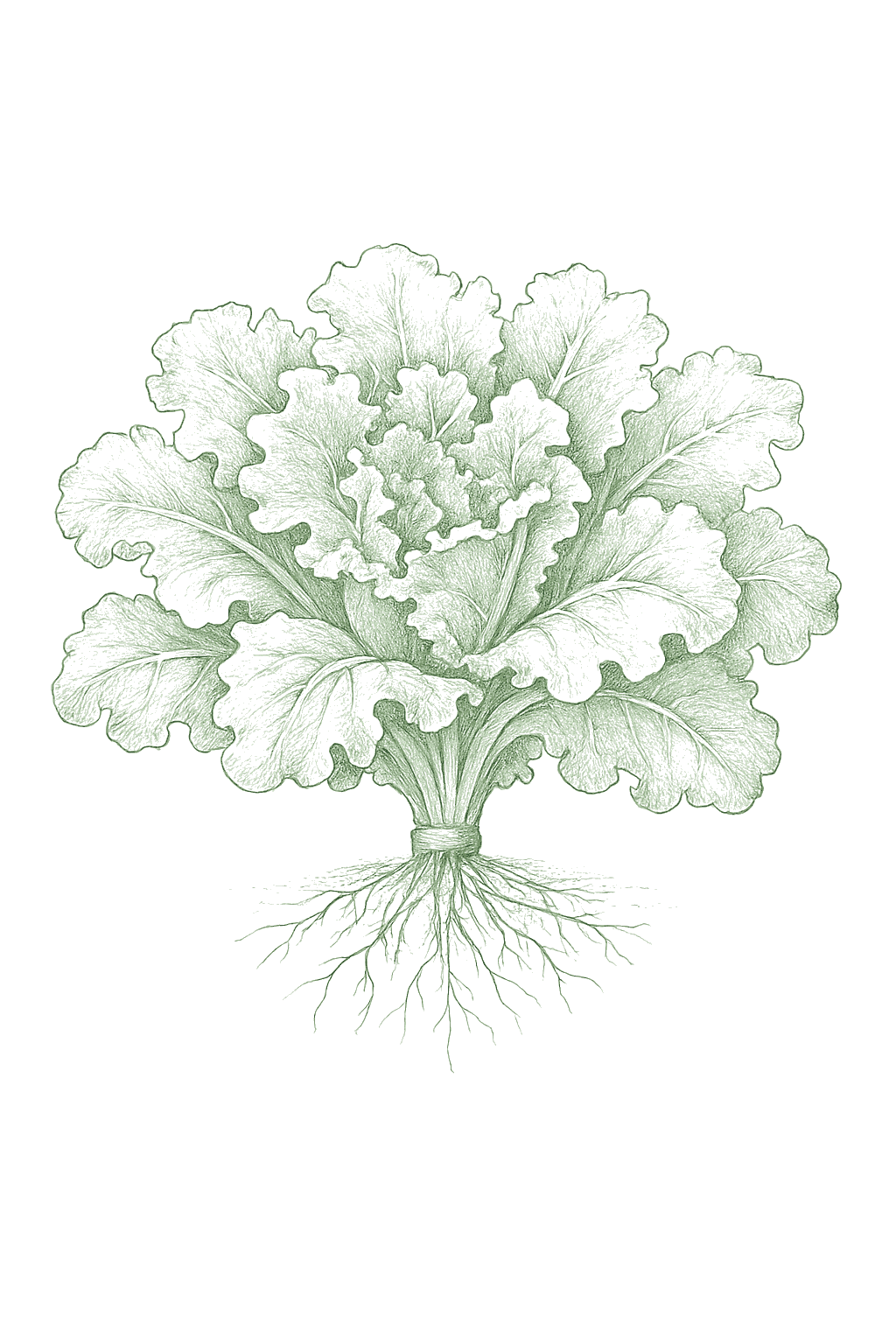
Lettuce (Leaf) plant-out window opens Sep 15.
In Zone 11, lettuce (leaf) can be planted September through February, skipping the summer heat. Harvest runs November through April.
Sow a short row every couple of weeks instead of one big planting, so you always have fresh lettuce coming in. In cold-winter areas, start in spring once the soil warms and keep going into early summer, then sow again in late summer for a fall crop. In hot-summer areas, do the reverse: grow through fall, winter, and spring, and skip the heat of summer. Either way, lettuce turns bitter and goes to seed (bolts) once it is too hot, so pause your sowings whenever the hottest stretch arrives.Succession sow at roughly 2-week intervals through the cool-season window for your climate. Where summers are cold-limited, that means spring through early summer plus a late-summer fall sowing; where summers are hot, it means fall through spring with a summer heat pause. Lettuce bolts and turns bitter above about 75°F, so anchor your sowings to the cool side of the season and stop before sustained heat. Sow just enough for 1-2 weeks of salads per batch rather than a full bed at once.
In Zone 11, lettuce (leaf) can be planted September through December, skipping the summer heat. Harvest runs October through February.
Sow a short row every couple of weeks instead of one big planting, so you always have fresh lettuce coming in. In cold-winter areas, start in spring once the soil warms and keep going into early summer, then sow again in late summer for a fall crop. In hot-summer areas, do the reverse: grow through fall, winter, and spring, and skip the heat of summer. Either way, lettuce turns bitter and goes to seed (bolts) once it is too hot, so pause your sowings whenever the hottest stretch arrives.Succession sow at roughly 2-week intervals through the cool-season window for your climate. Where summers are cold-limited, that means spring through early summer plus a late-summer fall sowing; where summers are hot, it means fall through spring with a summer heat pause. Lettuce bolts and turns bitter above about 75°F, so anchor your sowings to the cool side of the season and stop before sustained heat. Sow just enough for 1-2 weeks of salads per batch rather than a full bed at once.
In Zone 11, lettuce (leaf) can be planted August through April, skipping the summer heat. Harvest runs September through June.
Sow a short row every couple of weeks instead of one big planting, so you always have fresh lettuce coming in. In cold-winter areas, start in spring once the soil warms and keep going into early summer, then sow again in late summer for a fall crop. In hot-summer areas, do the reverse: grow through fall, winter, and spring, and skip the heat of summer. Either way, lettuce turns bitter and goes to seed (bolts) once it is too hot, so pause your sowings whenever the hottest stretch arrives.Succession sow at roughly 2-week intervals through the cool-season window for your climate. Where summers are cold-limited, that means spring through early summer plus a late-summer fall sowing; where summers are hot, it means fall through spring with a summer heat pause. Lettuce bolts and turns bitter above about 75°F, so anchor your sowings to the cool side of the season and stop before sustained heat. Sow just enough for 1-2 weeks of salads per batch rather than a full bed at once.
In Zone 11, lettuce (leaf) grows year round here: plant in any month and harvest all year.
Sow a short row every couple of weeks instead of one big planting, so you always have fresh lettuce coming in. In cold-winter areas, start in spring once the soil warms and keep going into early summer, then sow again in late summer for a fall crop. In hot-summer areas, do the reverse: grow through fall, winter, and spring, and skip the heat of summer. Either way, lettuce turns bitter and goes to seed (bolts) once it is too hot, so pause your sowings whenever the hottest stretch arrives.Succession sow at roughly 2-week intervals through the cool-season window for your climate. Where summers are cold-limited, that means spring through early summer plus a late-summer fall sowing; where summers are hot, it means fall through spring with a summer heat pause. Lettuce bolts and turns bitter above about 75°F, so anchor your sowings to the cool side of the season and stop before sustained heat. Sow just enough for 1-2 weeks of salads per batch rather than a full bed at once.
Sow seed straight into the garden about 3 to 4 weeks before your last spring frost, as soon as you can work the soil, since lettuce handles light frost and sprouts in cool ground. For an earlier harvest, start seeds indoors about 4 weeks ahead and set out the young plants when they are 3 to 4 weeks old, which also lets you skip thinning. Lettuce moves outdoors easily because its shallow roots settle in fast, just harden the plants off first (let them get used to outdoor conditions over several days before planting them out).Direct sow outdoors about 3 to 4 weeks before your last spring frost, as soon as the soil is workable, since lettuce tolerates light frost and germinates in cool soil. To get an earlier harvest, start seeds indoors roughly 4 weeks ahead and set out 3 to 4 week old transplants, which also skips the thinning step. Lettuce transplants easily because its shallow roots re-establish quickly, just harden plants off before moving them outside.
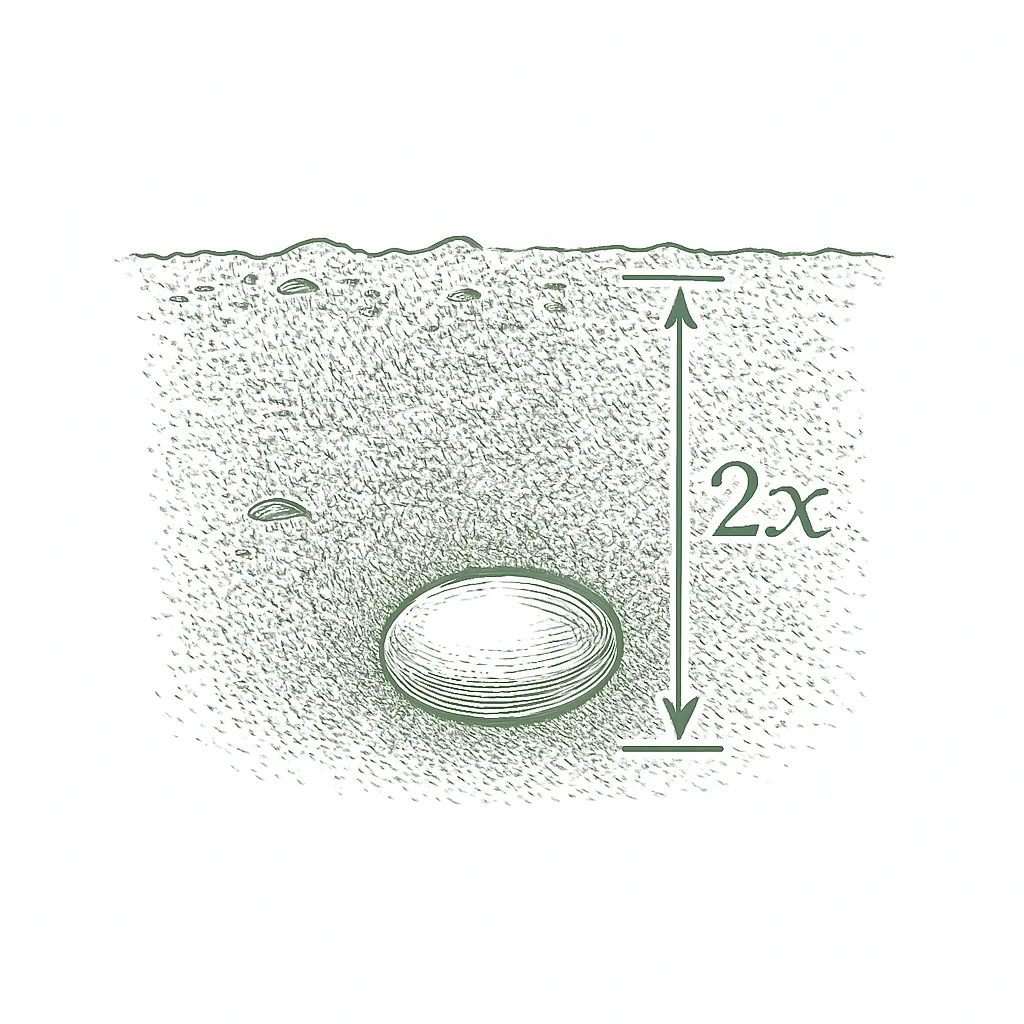
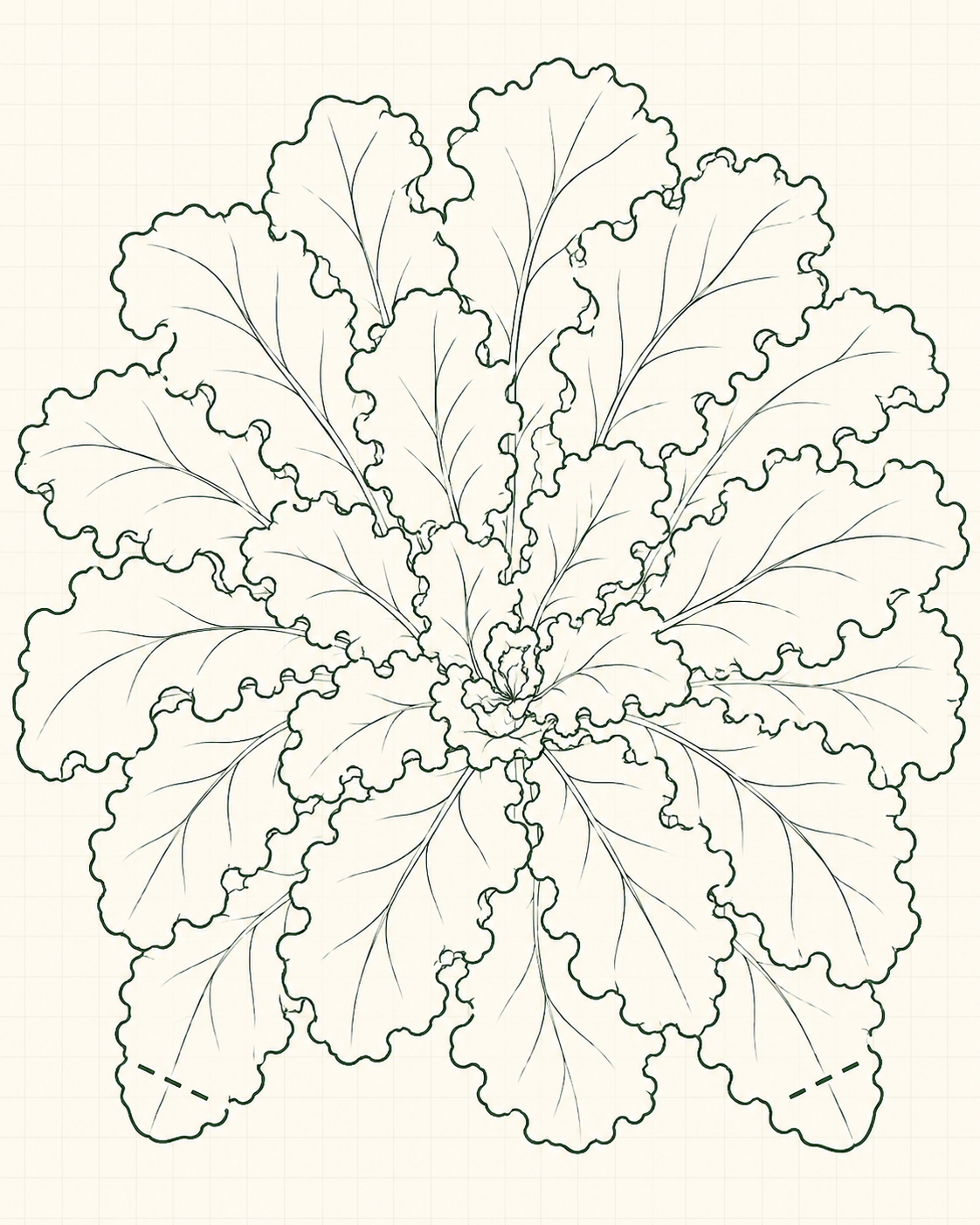









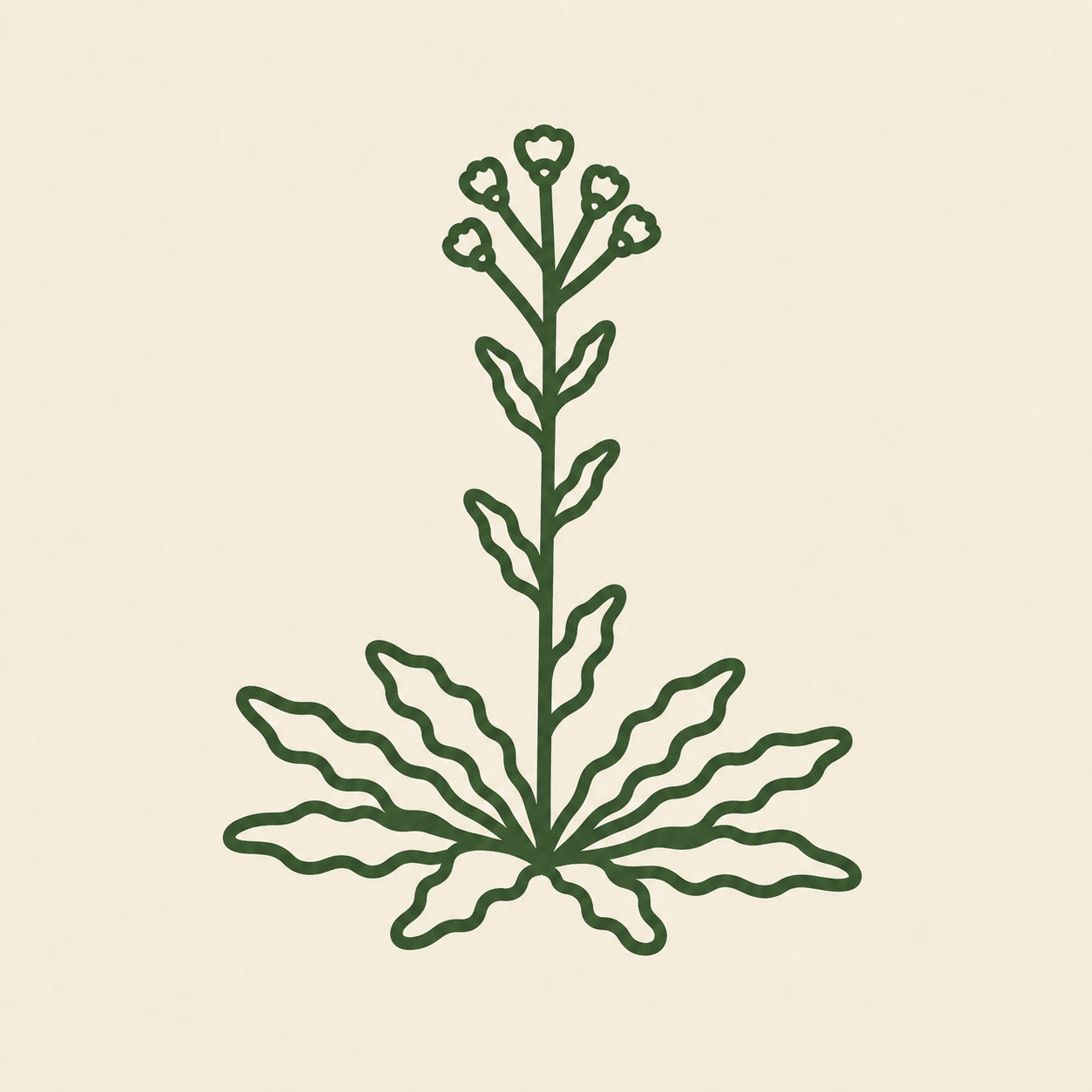
Not sure what soil you have? Grab a small handful of damp soil from your garden bed and squeeze it. If it crumbles apart easily, it's sandy. If it holds together but breaks when you poke it, it's loam (what most vegetables want). If it stays in a hard, slippery ball, it's clay.
Lettuce likes loose, rich soil that drains well but never dries out completely. Because its roots are shallow and delicate, soggy or packed-down soil hurts lettuce more than it would a tomato, and letting the bed dry out even briefly makes the leaves turn bitter and the plant go to seed early. The simplest fix for almost any soil is to mix 2 to 3 inches of compost into the top few inches before you plant, which helps sandy soil hold water and helps heavy soil drain. Try to avoid thick clay, it forms a hard crust that small seedlings struggle to push through and stays wet around the roots.
Mix 2-3 inches of compost into the top 6 inches of your bed before planting. Compost holds moisture (which sandy soil drains too fast) and adds the nutrients sandy soil tends to lack. Repeat each season. Compost breaks down over time.
Mix 2-3 inches of compost AND a few inches of coarse sand or perlite into the top 6 inches of your bed. The compost feeds the plants; the sand breaks up the clay so air and water can move through. Don't add sand without compost. It can compact like concrete.
If amending your soil sounds like too much work, or if your soil is heavy clay, full of rocks, or contaminated, build over it. A raised bed at least 12 inches deep filled with a 50/50 mix of compost and sandy loam gives you ideal growing soil with no battles. A 5-gallon container with quality potting mix does the same for one plant at a time. Both bypass your native soil entirely.
The numbers that matter, at a glance.
Soil pH measures acidity on a scale from 0 to 14, where 7 is neutral and lower numbers are more acidic. Lettuce does best between 6.0 and 6.8, slightly acidic, because that is where the nutrients it needs are easiest for the roots to take up. If your soil is more acidic than 6.0 or more alkaline than 7.0, lettuce can show yellowing leaves or browning edges even when fertilizer is present. The only way to know your number is to test, so get an inexpensive soil test from your local extension office before adding lime to raise pH or sulfur to lower it.Soil pH governs nutrient availability, and lettuce is most productive in the slightly acidic 6.0 to 6.8 band where phosphorus, calcium, and magnesium stay soluble. Below about 6.0, calcium uptake falls off and aluminum and manganese grow more available, which can scorch leaf margins and stunt the fine root system. Above 7.0, iron and manganese begin to lock up and drive interveinal yellowing on new growth. Across the alkaline interior West and in alkaline-irrigation districts, growers often acidify before planting, while the naturally acidic soils of the forested East more often need lime to reach the target band.
Leafy crops run on nitrogen, the nutrient that drives the leaf growth you are harvesting, so feed a balanced or nitrogen-forward liquid fertilizer every 2 to 3 weeks. Keep it steady rather than heavy: a sudden big dose of nitrogen pushes fast, soft growth that can make tipburn worse (brown, dried edges on the inner leaves). And no amount of feeding stops bolting once heat and long days arrive, because that is driven by the plant's hormones, not by nutrients.Leafy crops run on nitrogen, which directly drives the tender leaf growth you're harvesting, so feed a balanced or nitrogen-forward liquid fertilizer every 2 to 3 weeks. Keep it steady rather than heavy: a sudden surge of nitrogen pushes fast, lush growth that can worsen tipburn by outrunning calcium delivery to the inner leaves. No amount of feeding prevents bolting once heat and long days arrive, since that is hormonal, not nutritional.
Use a fertilizer with more nitrogen (the first number), such as 10-5-5, or a balanced 10-10-10. Those three numbers on the label are the amounts of nitrogen, phosphorus, and potassium.higher N, e.g. 10-5-5 or a balanced 10-10-10
For lettuce, companion planting is mostly about sharing space well, not about one plant protecting another. Its best neighbors are crops that do not compete with it for the same room: fast radishes and deep-rooted carrots, plus chives, whose oniony smell helps hide lettuce from aphids. A lot of the popular "never plant these together" pairings for lettuce are old garden lore with mixed or no real evidence, so we keep those out of the way in the seasoned view. Get sun, water, and spacing right first. Companions are a small bonus on top. Lettuce companions are mostly about sharing space, not chemistry. Its best partners are fast or deep-rooted crops it does not compete with (radishes, carrots) and scent plants that help mask it from aphids (chives). Many popular 'avoid' pairings for lettuce are traditional lore with conflicting evidence rather than documented harm, so we keep those in the seasoned view with honest framing. Get sun, water, and spacing right first, companions are a small bonus on top.
Pick the outer leaves whenever they are big enough to use, taking the oldest ones from several plants and leaving the center to keep growing. Or cut the whole plant back to about an inch above the base for one larger harvest that will grow back. Harvest in the cool of the morning, when the leaves are crisp and full of water. Heat is the limiting factor: once a stalk starts to rise from the center (this is bolting, the plant shifting to making flowers), the leaves turn bitter and tough, so take your biggest harvests before steady warm weather arrives.Pick the outer leaves whenever they reach usable size, taking the oldest from several plants and leaving the crown to keep growing, or cut the whole plant back to about an inch above the crown for a single larger harvest that regrows. Harvest in the cool of the morning, when leaves are crisp and full of water. The limiting factor is heat: once the central stem begins to elongate (bolting), the plant shifts to flowering, and the leaves turn bitter and tough, so take your fullest harvests before sustained warm weather sets in.
A single leaf-lettuce plant keeps producing as long as it is still growing leaves, which in practice means until heat pushes it to send up a flower stalk (bolt). Picked a few outer leaves at a time, one plant gives you repeated harvests over several weeks rather than all at once. But the limit is temperature, not the calendar: once you get steady days above about 75°F, the plant starts to bolt, the leaves turn bitter, and it is finished. In cool spring and fall weather that window lasts longer, and in summer heat it closes fast.A single leaf-lettuce plant keeps producing as long as it stays in active vegetative growth, which in practice means until rising heat pushes it toward bolting. Picked as cut-and-come-again, one plant yields repeated cuttings over several weeks rather than a single harvest, but the productive window is bounded by temperature, not a fixed calendar: once sustained days above about 75°F trigger the seedstalk, the leaves turn bitter and the plant is finished. In cool spring and fall stretches that window runs longer; through summer heat it closes fast.
There are two ways to harvest, and they work on different timelines. You can pick individual outer leaves off a standing plant every few days as new ones size up, always taking the oldest first. Or you can cut the whole plant back to about an inch above the base, which gives a bigger single harvest but then needs about 2 to 4 weeks to grow back before the next cut. A plant will usually give two such cuttings, sometimes a third. For a steady supply, sowing a new small batch every couple of weeks matters more than pushing any one plant.There are two harvest rhythms, and they run on different clocks. Picking individual outer leaves off a standing plant can be done every few days as new leaves size up, taking the oldest first. Cutting the whole plant back to about an inch above the crown, the full cut-and-come-again method, gives a larger single harvest but then needs roughly 2 to 4 weeks of regrowth before the next cutting, and a plant will usually give two such cuttings, sometimes a third. For a steady supply, succession sowing matters more than pushing any one plant. Leaf lettuce is one of the quickest and most forgiving crops for a first season. You can be cutting baby leaves in roughly a month from sowing, while a full-sized plant takes longer, about 40 to 80 days depending on the type, with loose-leaf kinds the fastest and heading types the slowest. Because you do not have to wait for a head to form, that early baby-leaf harvest is what makes lettuce feel so fast.Leaf lettuce is one of the fastest and most forgiving crops for a first season. You can be cutting baby leaves in roughly a month from sowing, while a full-sized plant takes longer, about 40 to 80 days depending on the type, with loose-leaf varieties the quickest and heading types the slowest. Because you do not have to wait for a head to form, the early baby-leaf harvest is what makes it feel so quick.
Buttercrunch is one of the easiest varieties for beginners. It is a butterhead type, which handles heat better and is slower to go to seed (bolt) than the crisphead lettuces you see as supermarket iceberg, so it keeps producing longer when the weather warms up.Buttercrunch is among the most forgiving varieties for beginners, a butterhead type that is more heat tolerant and slower to bolt than crisphead lettuces, with a longer productive window in warm weather.
Try not to grow lettuce in the same spot more than about once every 3 years, and avoid planting it where its close relatives in the daisy family grew last (endive, radicchio, chicory, artichoke). The main reason is soil disease: the organisms behind common lettuce problems like lettuce drop, bottom rot, and downy mildew build up in the soil when the same kind of plant keeps coming back to that spot. A root-feeding insect called lettuce root aphid, which can survive in the soil, is a second reason to keep moving the crop around.Rotate lettuce out of the same bed for about 3 years, and avoid following other daisy-family crops (endive, radicchio, chicory, artichoke) in the same spot. The main reason is soilborne disease: the fungi behind lettuce drop (Sclerotinia), bottom rot, and downy mildew build up in soil and on debris when hosts return year after year. Lettuce root aphid, which can carry over in soil as well as cycling through nearby poplars, is a secondary reason to move the crop.
The plant app sends a timely reminder at every critical moment of your lettuce (leaf) season. The wording adjusts to whichever you pick: beginner or seasoned. Here are three you'll see in Zone 11.
plant sends the right notification at exactly the right moment, for your zone, your weather, your crops. Founding members lock the rate forever.
We're building this guide with real growers. Got a question we missed? Ask here. We read every one and add the best answers right to this page.
Learned something the hard way? Pass it on. Real growers' tips make this guide better for the next person, and we credit you by name when yours goes live.
If you've grown this crop and you see a date, a temperature, a companion claim, or a recommendation that doesn't match your experience, tell us. Real growers' corrections make this guide better for the next person.
Every date, temperature, spacing, and recommendation on this page is sourced from university cooperative extension publications, peer-reviewed agricultural research, NOAA climate data, and direct extension calendars. Where claims are softer (traditional gardening wisdom not formally documented), we say so.
Spot a data point that doesn't match your experience? Submit a correction; accepted corrections earn full author credit on the page.
Zone-aware seasonal nudges, what's worth planting now, and the occasional recipe from the harvest. No spam, ever.