Today · in your zone
What's happening right now
Off-season for okra in zone 4.
Tap to switch. plant calibrates to where you are in the journey.
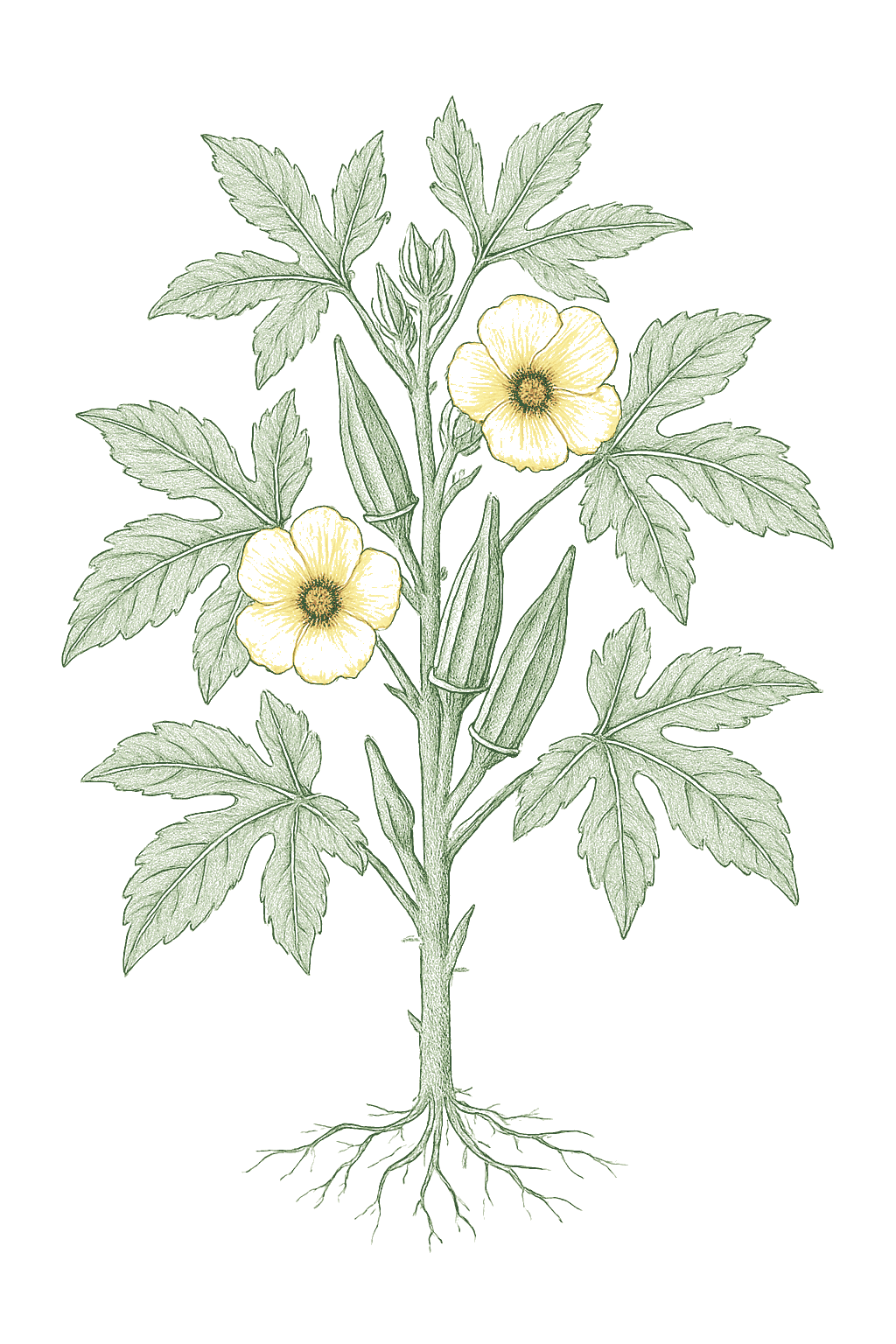
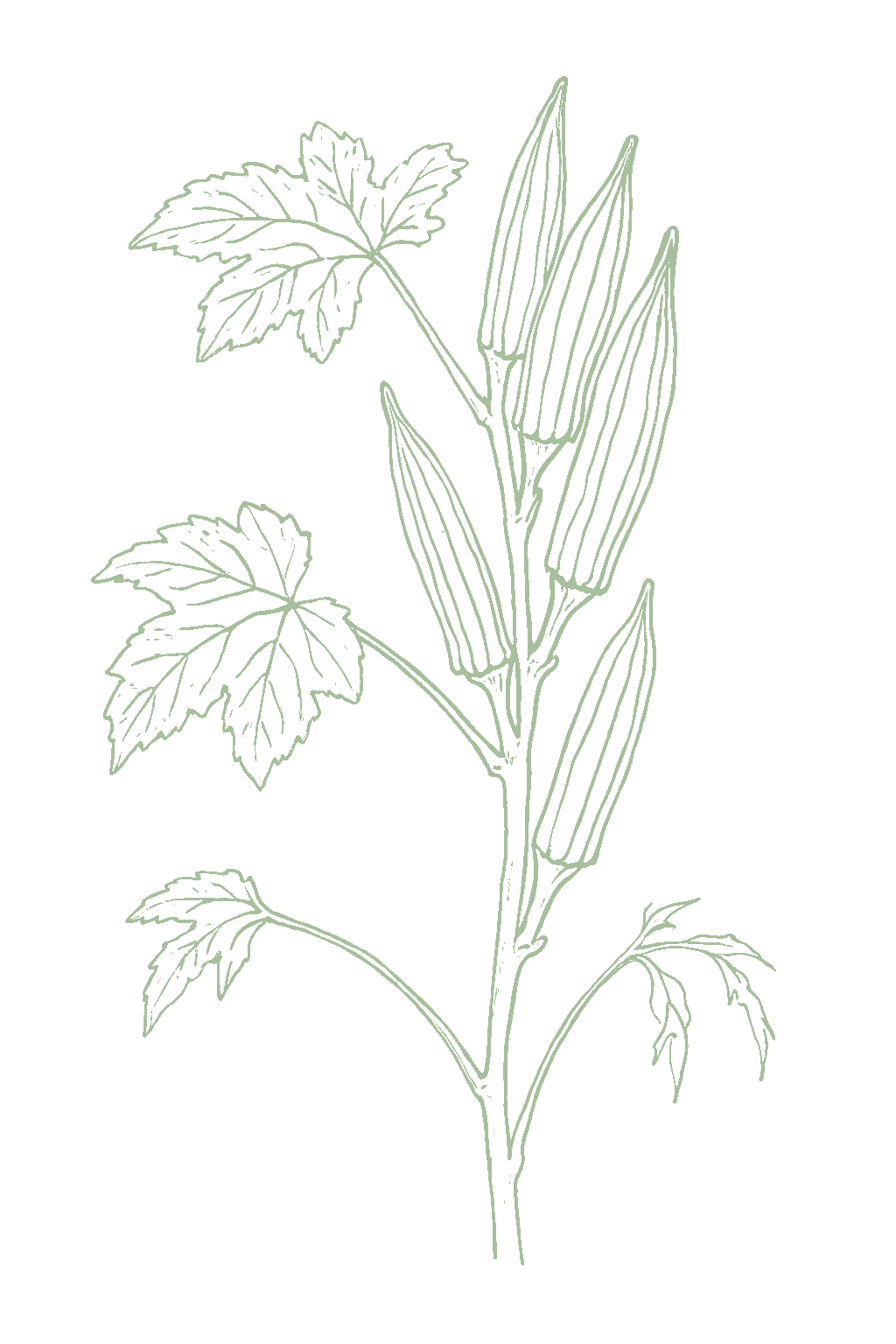
Okra is the great heat-loving vegetable of the South, a tall plant in the same family as cotton and hibiscus (not a nightshade) grown for its tender young seed pods. It loves the hottest part of summer and grows where tomatoes struggle, but it needs warm soil and a long hot season, so it is harder to grow in cool-summer areas like the far North or the foggy California coast. Plants get tall, often 4 to 6 feet, with pretty pale-yellow flowers, and the pods have to be picked small (2 to 4 inches) and often (every day or two), because they turn tough and stringy fast. Soak the hard seeds overnight before planting, and wear gloves with spiny varieties. Most gardeners sow okra straight into warm soil a couple of weeks after the last frost, and one planting keeps producing pods until cold weather arrives. Okra (Abelmoschus esculentus) is the classic heat-loving Southern vegetable, a tall member of the mallow family (Malvaceae, related to cotton and hibiscus, not the nightshades) grown for its tender immature seed pods. It thrives in the hottest part of summer where tomatoes and beans falter, demanding warm soil (at least 65°F at planting, ideally 70°F or more) and a long, hot season to crop well. Plants grow tall, commonly 4 to 6 feet and more, bear large pale-yellow hibiscus-like flowers, and produce pods that must be picked young (2 to 4 inches) and often (every 1 to 2 days), because they turn woody and inedible within a day or two. Seed is hard-coated and benefits from an overnight soak; many varieties carry spines, so gloves and sleeves help at harvest. Okra is most often direct-sown once soil is warm, about two to three weeks after the last frost, and bears continuously until cold weather. It is well suited to the South, Gulf, and hot interior and desert regions, and marginal in cool-summer areas (the far North and cool coastal California), where it needs transplants, the fastest varieties, and soil-warming tricks, and may still produce only lightly.
Off-season for okra in zone 4.
In Zone 4, okra can be planted May through June. Start indoors Apr 24 - May 8. Harvest runs August through September.
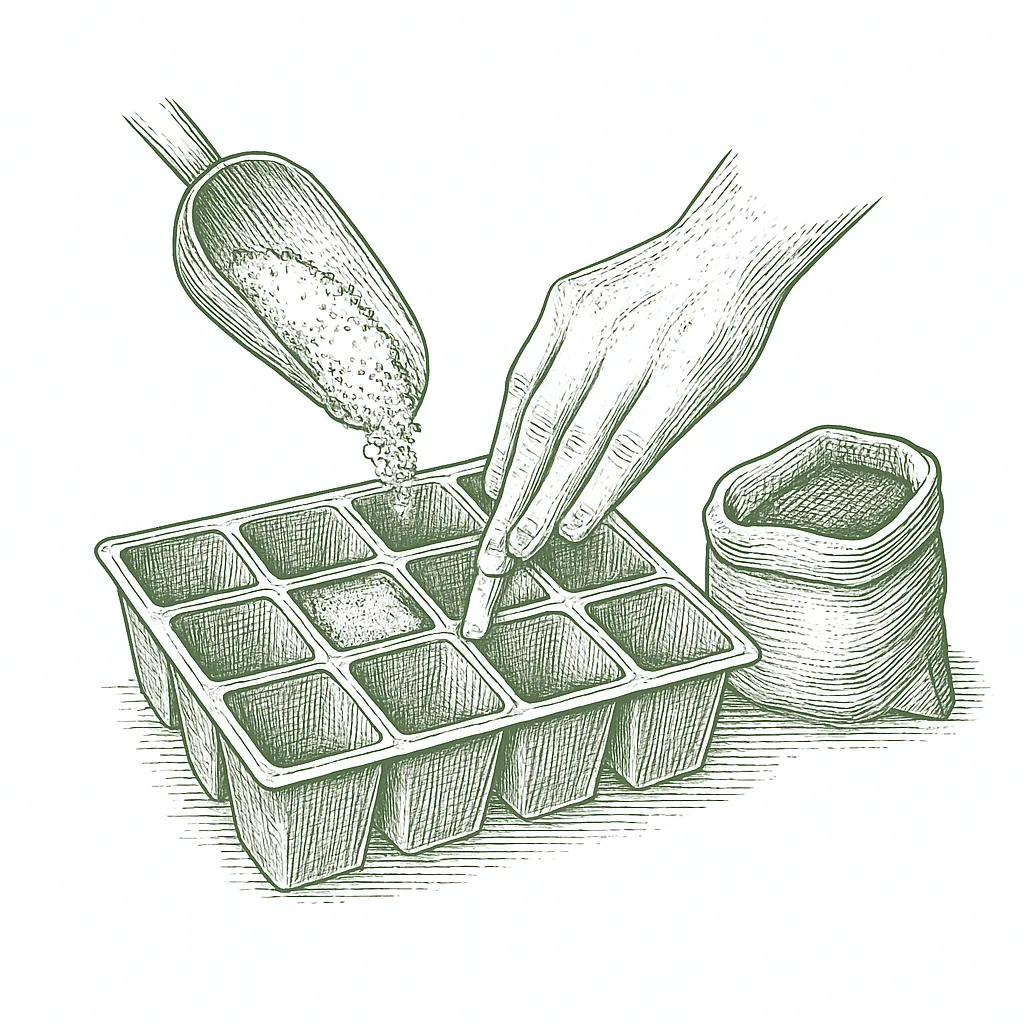
The easiest way to grow okra is to sow seeds right where they will grow, once the soil is truly warm (about 65 to 70°F), usually two to three weeks after your last frost. Soak the seeds overnight first to help them sprout, and plant them about 1 inch deep. In a short, cool-summer area, start seeds indoors in peat pots about four weeks early and use a fast variety, since okra will not sprout or grow in cold soil.Okra is most often direct-sown once the soil is reliably warm, at least 65°F at a 4-inch depth (ideally 70°F or more), which is roughly two to three weeks after the last frost. Soak the hard seed overnight or nick the coat to speed germination, and sow about 1 inch deep. Start seeds indoors only to gain a few weeks in a short season, using peat or coir pots to avoid disturbing the taproot, and set plants out after the soil warms. In cold zones, transplants plus a fast variety and black plastic mulch to pre-warm the soil are what make a crop possible.










Not sure what soil you have? Grab a small handful of damp soil from your garden bed and squeeze it. If it crumbles apart easily, it's sandy. If it holds together but breaks when you poke it, it's loam (what most vegetables want). If it stays in a hard, slippery ball, it's clay.
Okra likes rich, well-drained soil with plenty of compost worked in, and it grows in most kinds of soil as long as water drains away. The one thing it will not tolerate is cold, soggy ground, which rots the seed and holds the plant back. Mix a few inches of compost into the bed before planting. If your soil is heavy clay or stays wet, build up rows or raised beds so it drains and warms faster, because okra is a warm-weather plant that wants warm soil.
Mix 2-3 inches of compost into the top 6 inches of your bed before planting. Compost holds moisture (which sandy soil drains too fast) and adds the nutrients sandy soil tends to lack. Repeat each season. Compost breaks down over time.
Mix 2-3 inches of compost AND a few inches of coarse sand or perlite into the top 6 inches of your bed. The compost feeds the plants; the sand breaks up the clay so air and water can move through. Don't add sand without compost. It can compact like concrete.
If amending your soil sounds like too much work, or if your soil is heavy clay, full of rocks, or contaminated, build over it. A raised bed at least 12 inches deep filled with a 50/50 mix of compost and sandy loam gives you ideal growing soil with no battles. A 5-gallon container with quality potting mix does the same for one plant at a time. Both bypass your native soil entirely.
The numbers that matter, at a glance.
Okra is not fussy about soil pH and does well in slightly acidic to neutral soil, about 6.0 to 6.8, which is where most garden soil already sits. An inexpensive soil test tells you where you stand. The main thing to fix is very acidic soil, which a little garden lime corrects before planting.Okra grows well in slightly acidic to neutral soil, roughly pH 6.0 to 6.8, and tolerates a wider band from about 5.5 to 7.5, including the mildly alkaline soils common across the South and interior West. It is more forgiving of pH than many garden crops, so the practical step is a soil test before planting and lime only if the test shows the soil running below about 6.0. Strongly acidic soil is the one to correct, since it ties up the phosphorus and calcium this heavy-fruiting plant draws on.
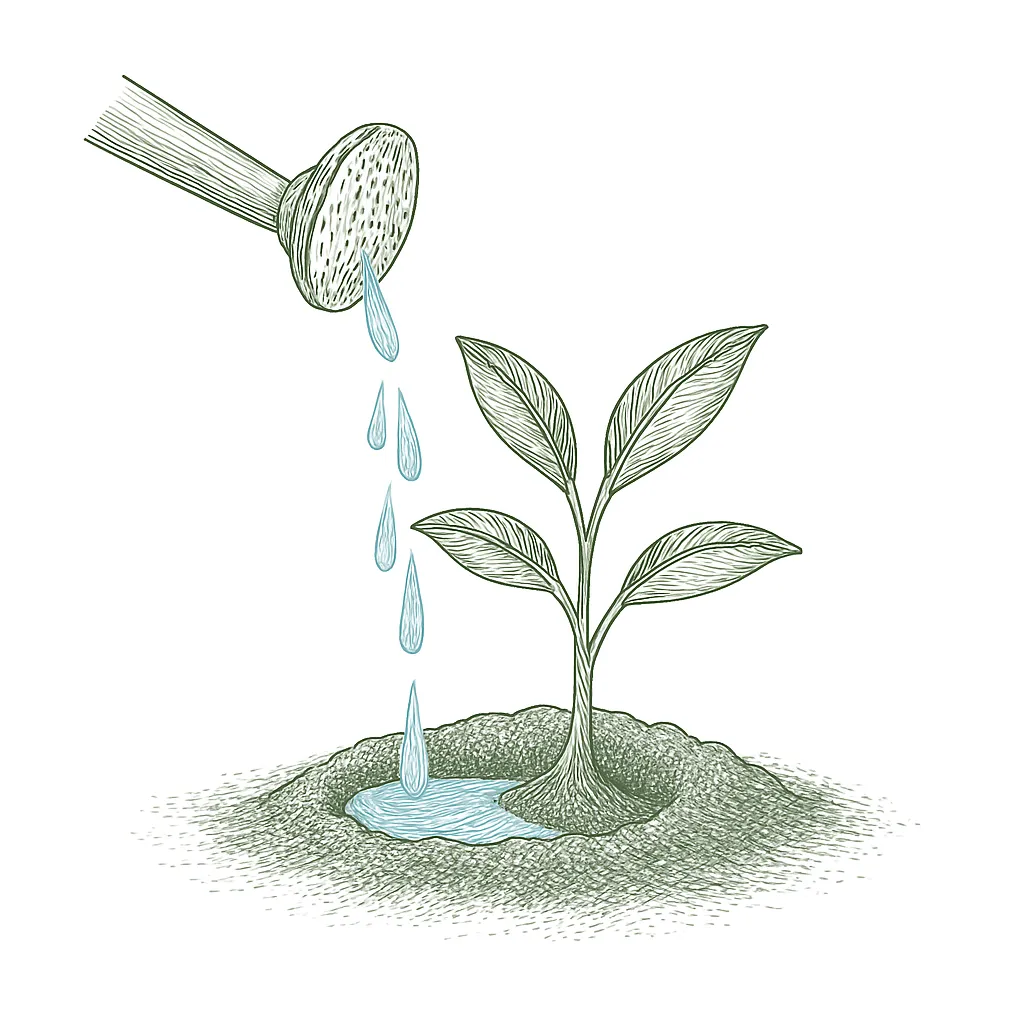
Okra needs only modest feeding, and too much nitrogen makes a big leafy plant with few pods. Mix a balanced fertilizer such as 10-10-10 into the soil before planting, then give a light feeding once the first pods come in and again a few weeks later. Water it in, and keep the granules off the stems and leaves.Okra is a moderate, steady feeder over a long season, and the classic mistake is too much nitrogen, which gives a tall leafy plant with few pods. Work a complete fertilizer such as 10-10-10 into the bed before planting (about 2 pounds per 100 square feet), then side-dress lightly once the first pods are harvested and again two to three weeks later, with 10-10-10 or a nitrogen source like calcium nitrate. Pair feeding with steady moisture, since the nutrients only help a plant that is not also drought-stressed at pod set.
Use a balanced fertilizer like 10-10-10 at planting, then a little extra once pods begin. Do not overdo the nitrogen, or you get leaves instead of pods.A complete fertilizer such as 10-10-10 worked in before planting, then a light nitrogen side-dress (10-10-10 or calcium nitrate 15.5-0-0) once pods begin and again a few weeks later. Go easy on nitrogen, which trades pods for leaf.
Most okra companion advice is garden tradition, but a few pairings genuinely help. Okra is tall and does not catch the same diseases as tomatoes, so it is a fine neighbor for them. Southern peas and beans add nitrogen and can lure stink bugs away from the pods, and quick crops like lettuce or radish fill the space while the okra is still small. The one rule that really matters is to keep okra away from cotton and other mallow-family plants, which share its soil pests. Okra companion pairings are largely traditional rather than trial-tested, and the useful ones fall into a few practical roles. As a tall, late, heat-loving Malvaceae, okra does not share the disease load of tomatoes and other nightshades, so it makes a good rotational and bed neighbor for them rather than a competitor for the same soil pests. Southern peas and other legumes are a long-standing Southern partner, fixing nitrogen and, in the case of cowpeas, acting as a trap that pulls stink bugs and leaf-footed bugs off the pods. Quick crops like lettuce and radish use the open ground while young okra is small, and flowering insectary plants draw the bees and beneficial insects that help. The firmest rule is a rotation one: keep okra away from cotton, hibiscus, and other mallows, which share its root-knot nematode and fusarium problems.
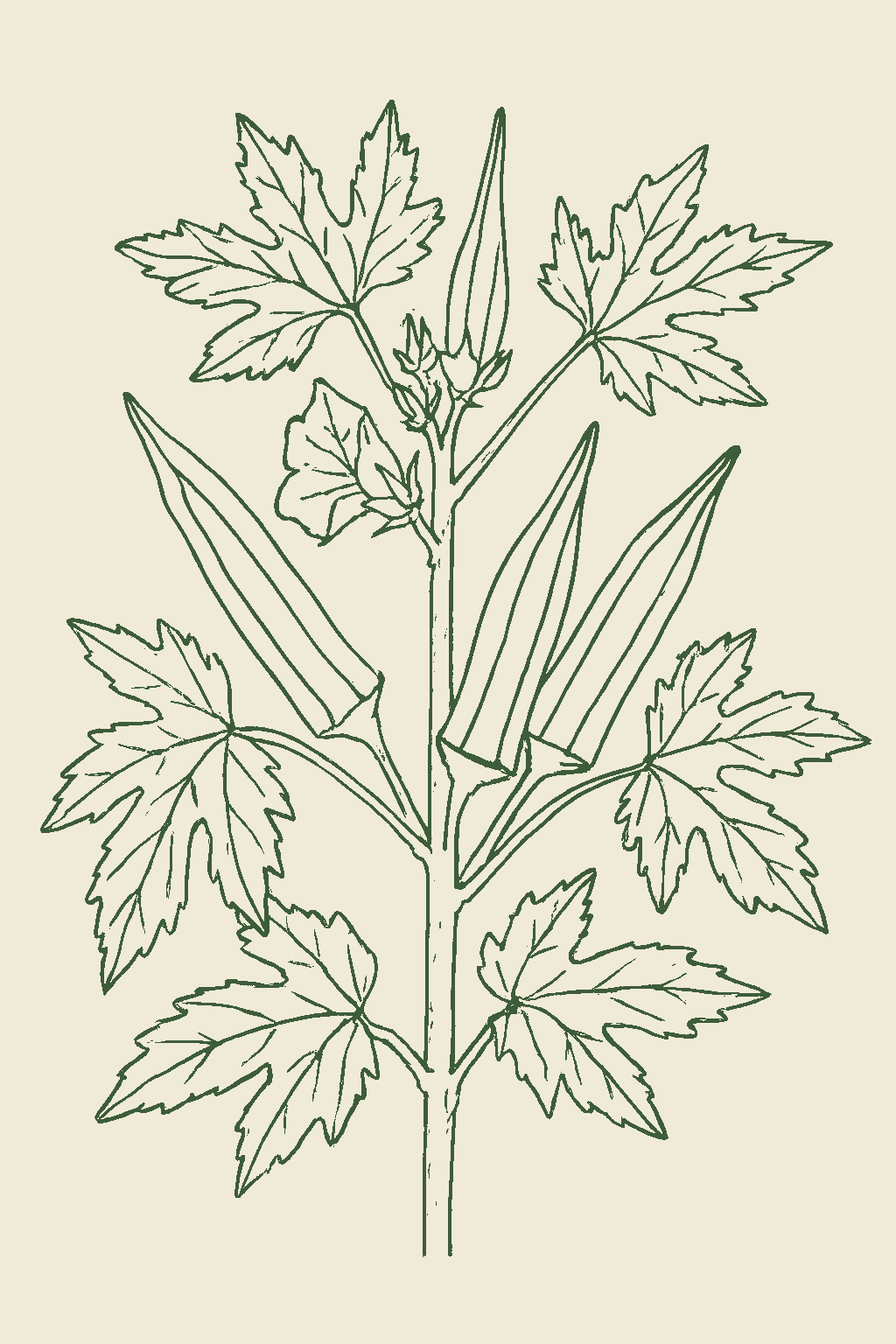
Pick okra young and often. Pods are ready just a few days after the flower opens, when they are 2 to 4 inches long and still tender. Cut them off with a short stem rather than pulling. Check every day or two, because okra pods turn tough and stringy within a day or two if you leave them. A good test: a ready pod snaps easily and your thumbnail dents the tip; if it is hard, it is too old to eat. Pull off any pods that got too big and compost them, so the plant keeps making new ones. Many okra plants have little spines, so wear long sleeves and gloves when you pick.Harvest okra young and often: pods are ready about 4 to 6 days after a flower opens, at 2 to 4 inches long, while they are still tender and snap easily. Cut the pod with a short stem using shears or a knife rather than pulling. Pick at least every other day, daily at peak, because pods lignify within a day or two of readiness and a tough pod cannot be reversed. A reliable test: a ready pod's tip bends and snaps, and a thumbnail dents it easily; if it resists, it is past eating. Strip and compost any over-mature pods you find, since pods left to mature signal the plant to slow new production. Many varieties have spines that irritate skin, so wear long sleeves and gloves.
One okra plant keeps giving pods over a long season, often a pod or a few every day or two at its peak. A short row of about six plants is plenty for a family, because you pick a little all the time rather than all at once.A healthy okra plant yields steadily over a long season once it starts, often a pod or several every day or two per plant at peak. A short row of a half-dozen plants keeps a household supplied, since picking is continuous rather than a single harvest.
In the hottest part of summer you will be picking every day or two, and okra keeps producing as long as you keep picking and it stays warm. It slows down when the nights turn cool in fall.At peak in midsummer heat, expect to pick every 1 to 2 days, and production holds as long as you keep harvesting and the weather stays warm. Output climbs through the hottest weeks and tapers as nights cool in fall. Your first year, expect a bit less while you get the timing right. The things that matter most are warm soil at planting, full sun, steady water while it sets pods, and picking every day or two so no pods get tough. Stay ahead of the pods and the plant keeps giving.First-season okra often lands at the lower end while you learn the local warm-soil timing and the every-day-or-two picking rhythm. The biggest levers are warm soil at planting, full sun, steady moisture at pod set, and frequent harvest. Keeping ahead of the pods so none go woody is the single habit that most improves yield.
Okra varieties vary in height, pod color, and how fast they mature. Spineless kinds like Clemson Spineless and Cajun Delight are the easiest to grow and pick, since spiny types can itch your skin. If your summers are short or cool, choose a fast, compact variety. For a small space or a container, pick a dwarf like Baby Bubba.Okra varieties differ mainly in plant height, spininess, pod color, and days to maturity. Spineless types (Clemson Spineless, Annie Oakley II, Cajun Delight) are easiest to pick without gloves; spiny heirlooms can irritate skin, so wear sleeves and gloves. In short or cool-summer seasons, lean on the fastest, most compact hybrids (Cajun Delight, Jambalaya, Annie Oakley II); for big Southern gardens, tall heirlooms like Cow Horn yield heavily over a long season.
Try not to grow okra or its relatives (cotton, hibiscus) in the same spot more than once every 3 years or so. Moving it around the garden and following it with corn, grasses, or beans helps avoid a buildup of soil pests and disease. Clean up old stalks at the end of the season too.Rotate okra on a 3 year cycle, keeping it and its mallow relatives (cotton, hibiscus, hollyhock) out of a given bed for at least three years, longer where root-knot nematode or fusarium is known, since both persist in soil for years. Following okra with grasses, corn, or a nematode-suppressing cover crop helps break the buildup. Clear and remove spent stalks at season's end rather than leaving them, which removes overwintering disease sites.
The plant app sends a timely reminder at every critical moment of your okra season. The wording adjusts to whichever you pick: beginner or seasoned. Here are three you'll see in Zone 4.
plant sends the right notification at exactly the right moment, for your zone, your weather, your crops. Founding members lock the rate forever.
We're building this guide with real growers. Got a question we missed? Ask here. We read every one and add the best answers right to this page.
Learned something the hard way? Pass it on. Real growers' tips make this guide better for the next person, and we credit you by name when yours goes live.
If you've grown this crop and you see a date, a temperature, a companion claim, or a recommendation that doesn't match your experience, tell us. Real growers' corrections make this guide better for the next person.
Every date, temperature, spacing, and recommendation on this page is sourced from university cooperative extension publications, peer-reviewed agricultural research, NOAA climate data, and direct extension calendars. Where claims are softer (traditional gardening wisdom not formally documented), we say so.
Spot a data point that doesn't match your experience? Submit a correction; accepted corrections earn full author credit on the page.
Zone-aware seasonal nudges, what's worth planting now, and the occasional recipe from the harvest. No spam, ever.