Pick your zone and the dates re-calibrate.
The Guide Herbs Vol. 003

Oregano

in Zone 4, this week

Oregano is a low, spreading herb with pungent, fragrant leaves you cook with, famous on pizza and in tomato sauces. It comes from the dry Mediterranean, so it wants full sun, poor dry soil, and very little water, and it does worse if you pamper it. It grows about 1 to 2 feet tall in a bushy mound. The leaves taste best just before it flowers in mid-to-late summer, so many gardeners pinch off the flowers, and oregano is one of the few herbs that tastes even stronger dried. It is tough and rarely bothered by pests, but it spreads by creeping roots and dropped seed, so it is best grown in a pot or with edging. Watch out: Mexican oregano is a different plant, not true oregano. Oregano is a spreading, low, woody Mediterranean perennial in the mint family, grown for its pungent aromatic leaves that flavor pizza, tomato sauces, meats, and Mediterranean and Mexican dishes. It forms a bushy, mat-like mound about 1 to 2 feet tall and thrives on neglect in full sun and lean, well-drained soil; wet, rich, or humid conditions rot it and dull its flavor. Its flavor peaks just before its mid-to-late-summer bloom, so many growers pinch off the flowers to keep the leaves at their best, and the leaves are unusual in tasting even stronger dried. It is hardy and pest-resistant but spreads by creeping stems and self-sown seed, so it is best contained. Note that Mexican oregano is a different, unrelated plant.
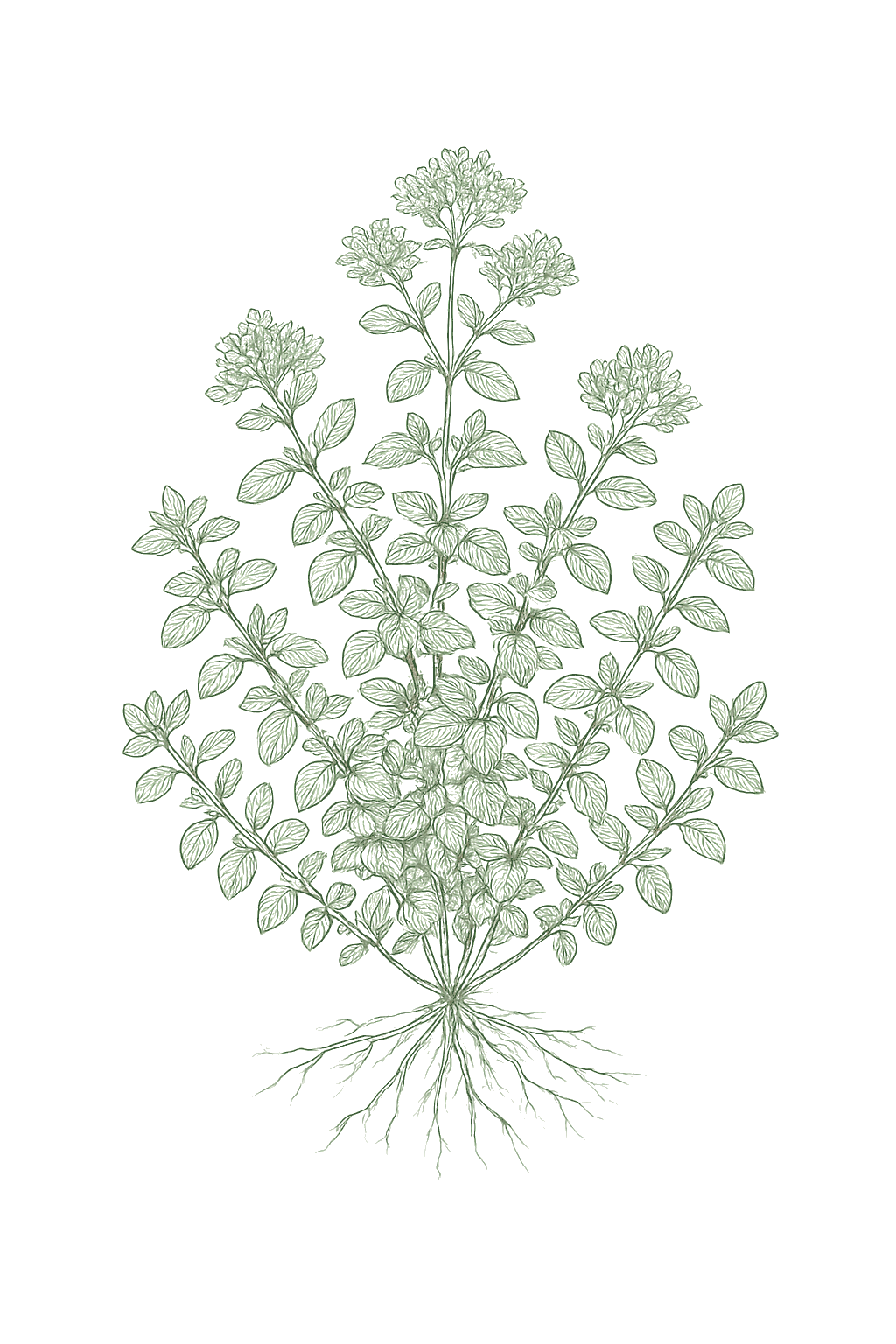
Oregano mature plant
Fig. 01 · Oregano, mature Zone 4
Container
2 gal
min 1 gal pot
Sunlight
Full sun
6-8 hrs daily
Water
Low
Spacing
10-12"
between plants
Soil pH
6.5-7.5
slightly acidic
Today · in your zone

What's happening right now

July 24 · Zone 4 · Stage 01 · Plant out

Off-season for oregano in zone 4.

The growing year

Your oregano year, month by month

Grown as a perennial Northern Tier, Zone 4

Oregano comes back year after year in zone 4. Give it full sun and fast-draining soil, and it lives through the winter in the ground. The tough common type is the most reliable, and a winter mulch helps in the coldest spots.Perennial. Zone 4 is within oregano's reliable hardy range, so it overwinters in the ground as a low woody sub-shrub. Give it sharp drainage and full sun; the hardiest common Origanum vulgare comes through cold winters best, and at the coldest edge a winter mulch after the ground freezes adds insurance.

Once established, lavender settles into the same rhythm year after year: a winter rest, fresh spring growth, an early-summer bloom you cut for fragrant bundles, then a hard cut-back that keeps the plant compact and flowering for years.

Jan
Feb
Mar
Apr
May
Jun
Jul
Aug
Sep
Oct
Nov
Dec
▲ We are here
Oregano’s year
rest
growing
bloom
prune
growing
rest
Plant
plant
Winter restBloomGrowingPrune
Plant
May 1 - May 15
Bloom
Jul 15 - Aug 20
Cut back after bloom Once the summer flowers fade, trim off the old flower stems and cut the plant back into its leafy growth for fresh new leaves, avoiding the hard woody stems. Trimming now also stops it dropping seed everywhere. Snipping oregano often plus this trim keeps it bushy, but it still gets woody with age, so replace or divide it every few years and cut out old woody stems at the end of winter.After the summer flowers fade, shear off the spent flower stems and cut the plant back into leafy growth to spur a fresh flush, avoiding the bare old wood, which resprouts poorly. Deadheading now also limits self-seeding. Frequent harvesting plus this post-bloom shear keeps oregano bushy; even so, plants go woody with age and are best divided or replaced every few years, with old leggy wood cut out at the end of winter.
The season, mapped

Seed to garden

The easy, reliable way to grow oregano is to buy a small plant, divide an existing clump, or root a cutting in spring. You can grow it from seed, but the seed is tiny and needs light (do not cover it), and seed-grown plants vary in flavor, so for good culinary oregano most gardeners start from a plant. If you do start from seed, sow it indoors about 8 weeks before your last frost.Oregano is most reliably started from a nursery transplant, a division of an established clump, or a softwood cutting; all can be done in spring. It also grows readily from seed (germinating in about four days in warm soil), but the tiny seed needs light to germinate so should not be covered, and seed-grown plants vary in flavor and do not come true, so named culinary types like Greek oregano are propagated vegetatively. Start seed indoors about 8 weeks before the last frost.
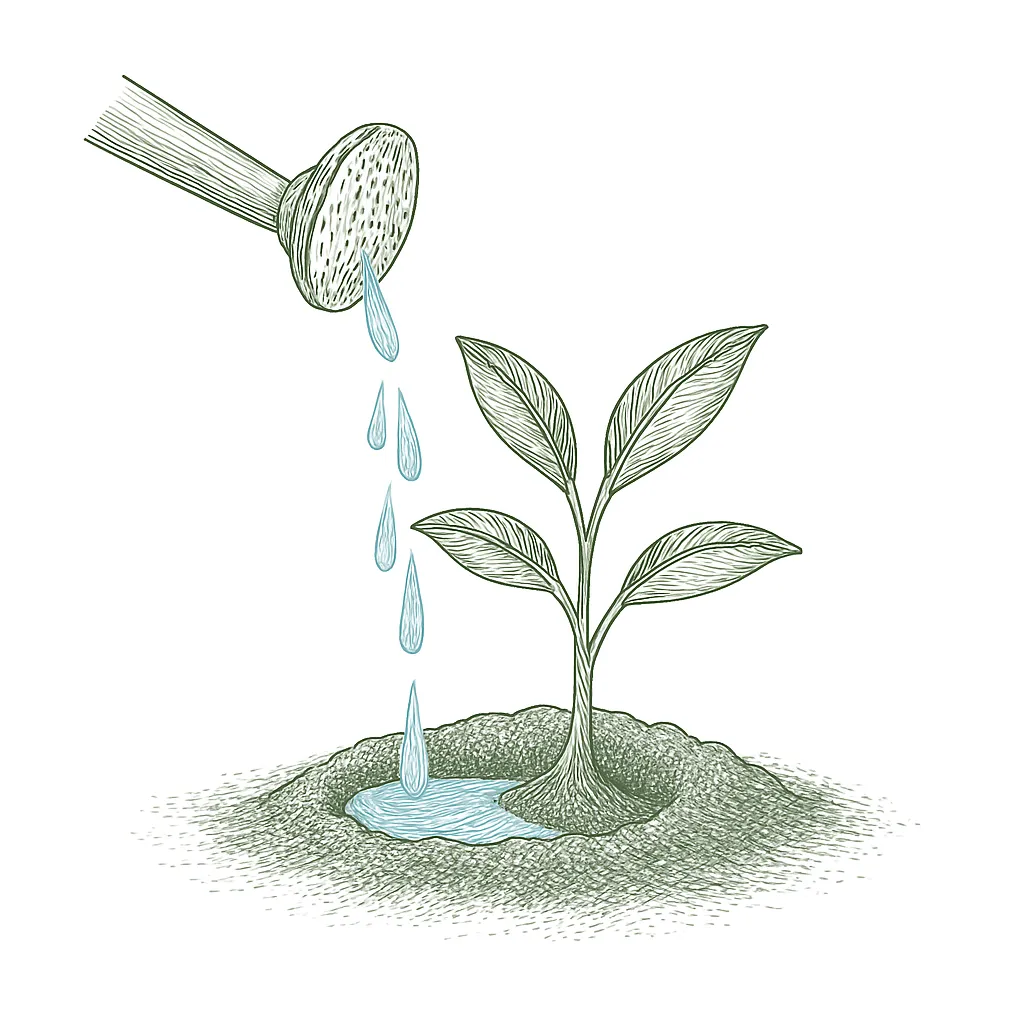

  1. 01
    Plant out
    May 1 - May 15
Start method
Nursery transplant
Soil temp
65-70°F
From seed to fruit

The growing journey

Stage 01 · Plant out
01
Plant out
A small bushy plant with fragrant green leaves and roots that hold the potting soil together when you slide it out.A compact young plant with fragrant green leaves and firm roots filling the pot, ready to set out once frost has passed.
Gently loosen the roots, plant so the top of the rootball is level with the soil, and water once to settle it. Skip the fertilizer and rich compost.Loosen the rootball, set the crown level with the soil surface, and water in once to settle the roots. Do not amend with rich compost or fertilizer; oregano wants lean ground.
FROM PLANT · Oregano does best in poor, dry soil, so do not add fertilizer or rich compost. Give it your sunniest spot, and if your soil is heavy clay, plant on a little mound or raised bed so water drains away.Plant oregano lean and dry, not rich. Skip the compost-and-fertilizer routine, set it in the sunniest, best-draining spot, and on clay build a mound or raised bed. Rich, wet soil weakens flavor and rots the roots.
FROM PLANT · Oregano spreads fast, so decide up front how to contain it: a pot, or edging sunk into the soil, keeps its creeping roots from taking over the bed.Contain the spread from the start. Oregano creeps by rooting stems and self-sows, so plant it in a pot, a bottomless bucket sunk in the bed, or behind deep edging if you do not want it colonizing the garden.
02
Establishment (year one)
New growth spreading low and wide as the plant fills in. It naturally creeps outward a bit, which is normal.Steady new growth spreading low and outward as the plant begins to form a bushy mound. Some spread by creeping stems is normal and healthy.
Water fairly often until the plant takes hold, then water less. Pinch the tips to make it bushy, only snip a little, and do not feed it.Water until the plant is settled, then taper toward infrequent watering. Pinch the growing tips to build a bushy plant, harvest only lightly, and hold off on fertilizer.
FROM PLANT · The first year is about getting established. Water fairly often until it takes hold, then water less. Pinch the tips when it is about 6 inches tall to make it bushy, and only pick a little this year.Year one is about establishing, not harvesting hard. Water until the plant is settled, then taper off, pinch the tips at about 6 inches to build a bushy plant, and harvest only lightly this season.
FROM PLANT · Try not to feed it. Oregano needs very little, and too much fertilizer gives soft leaves with less flavor. The same is true for water, where more is not better.Resist the urge to feed. Oregano has low fertility needs, and over-fertilizing produces soft growth with weaker flavor. The same goes for water: more is not better and invites rot.
03
Spring leaf-out and harvest
Soft new growth low on the plant in spring. That tells you it survived winter. You may also see new shoots coming up a short way from the main plant.New soft growth emerging along the stems and crown, signaling the plant came through winter and is growing again. Watch also for new shoots popping up beyond the original clump.
In early spring, once you see new growth and frost is over, cut out any old woody stems. Start snipping sprigs to cook with, water deeply but not often, and pull up any shoots that have wandered where you do not want them.Cut out old leggy wood in early spring once growth resumes and frost has passed. Begin harvesting sprigs as needed, settle into infrequent watering, and pull or dig any unwanted spread to keep the plant in bounds.
FROM PLANT · Once it is established, snip oregano often. Regular cutting keeps it bushy and slows it turning woody, and you can pick leaves anytime to cook with.Harvest little and often once the plant is established. Snipping sprigs regularly keeps oregano bushy and productive and slows it going woody; you can take leaves anytime for cooking.
FROM PLANT · In early spring, once new growth shows and frost is over, cut out old woody stems and pull up any pieces that have spread too far. Cut into the leafy parts, not the bare old wood.Cut out old, leggy wood in early spring once growth resumes and frost has passed, and pull up any shoots that have crept beyond where you want them. Cutting into leafy growth, not bare old wood, gives the best regrowth.
04
Bloom
Little flower buds forming in clusters at the tips. For the best flavor, cut sprigs just as the buds appear, before they open.Flower buds forming in clusters on the stem tips. For the strongest flavor and best dried quality, harvest just as the buds form, before they open.
Cut sprigs to dry as the buds form. Pinch off the rest of the flowers to keep the leaves tasty, or leave a few for the bees but snip them before they make seed so the plant does not spread everywhere. Keep watering light and do not fertilize.Cut sprigs for drying as the flower buds form. Pinch or cut off remaining flowers to favor leaf growth and flavor, or leave some to bloom for pollinators and deadhead before seed sets to limit self-seeding. Keep watering light and do not feed.
FROM PLANT · For the best flavor, cut oregano to dry just as the flower buds appear, before they open, when the oils are strongest. Pinch off the flowers to keep the leaves tasting their best.For the strongest flavor, harvest and cut for drying just as the flower buds form, before they open, when the leaf oils peak. Pinch or cut off the flowers to favor leaf growth and keep the best flavor.
FROM PLANT · Decide about the flowers. Cutting them off keeps the leaves tasting best and stops the plant spreading by seed; leaving a few for the bees is fine, but snip them before they make seed.Decide what to do with the flowers. Removing them keeps the leaves at peak flavor and limits self-seeding; leaving some to open feeds bees and butterflies, but deadhead before seed sets so oregano does not sow itself across the garden.
05
Shear back
Faded, brownish flowers and a plant done blooming. Notice the older woody stems below the green growth.Spent, browning flower stems and a plant finished with its main bloom. Below the leafy growth are older woody stems that resprout poorly.
Trim off the old flowers and cut the plant back into its leafy parts, avoiding the bare woody stems. Snipping often plus this trim keeps oregano bushy, but it still gets woody with age, so replace or divide it every few years.Shear off the spent flowers and reduce the plant, cutting into leafy growth and avoiding the bare old wood. Regular harvesting plus this shear keeps oregano bushy and productive; even so, plants go woody with age and are best divided or replaced every few years.
FROM PLANT · After it flowers, trim off the old flower stems and cut it back into the leafy parts for fresh new leaves, avoiding the bare woody stems. Snipping often plus this trim keeps oregano bushy, but it still gets woody, so replace or divide it every few years.Shear off the spent flower stems after bloom and cut the plant back into leafy growth for a fresh flush, avoiding the bare old wood. Frequent harvest plus this shear keeps oregano bushy, but it still goes woody with age, so divide or replace it every few years.
FROM PLANT · Trim off the old flowers before they make seed. Oregano drops a lot of seed and can pop up all over, so deadheading it as you cut back keeps the seedlings down.Deadhead as you shear to limit self-seeding. Oregano seeds readily and can sow itself across a bed, so cutting the spent flowers before seed matures keeps stray seedlings down.
06
Dormancy (cold zones)
The leaves and stems browning and dying back for winter. In hardy areas the roots stay alive underground and grow again in spring.Top growth browning and dying back for the season as the plant goes dormant. Roots stay alive underground in hardy zones and push new growth in spring.
Stop watering and feeding, and save any big trim for spring. In very cold areas, lay a loose winter mulch of straw over the plant after the ground freezes, and take it off in spring. Bring less hardy types or pots somewhere sheltered.Stop watering and feeding, and leave any hard cutback for spring. At the cold edge of its range, apply a loose winter mulch of straw or evergreen boughs after the ground freezes, and remove it as growth resumes. Move less hardy types or container plants under cover.
FROM PLANT · In winter, do almost nothing. Stop watering and feeding, and save the trim for spring. Oregano sitting in wet winter soil rots, so do not keep watering it.Over winter, do almost nothing: stop watering and feeding, and leave hard cutback for spring. A plant in wet winter soil rots, so the worst thing you can do is keep it watered.
FROM PLANT · Shelter plants in very cold areas. Cover the plant with straw or evergreen branches after the ground freezes and take it off in spring, or grow less hardy types like Greek oregano in a pot you can bring under cover.Protect plants at the cold edge of the range. In the coldest zones, mulch over the crown with straw or evergreen boughs after the ground freezes and remove it in spring, or overwinter less hardy types like Greek oregano in a pot under cover.
Beginner
Know your soil

Your soil

Identify yours

Not sure what soil you have? Grab a small handful of damp soil from your garden bed and squeeze it. If it crumbles apart easily, it's sandy. If it holds together but breaks when you poke it, it's loam (what most vegetables want). If it stays in a hard, slippery ball, it's clay.

What this crop wants

Oregano likes poor, dry, well-draining soil and full sun. That sounds backward, but it comes from the dry Mediterranean hills, so rich, damp soil actually makes it weak, rot-prone, and bland. If your soil is heavy clay, plant oregano in a raised bed or mound so water drains away fast, and skip the compost.

If your soil doesn't match

You have sandy soil

Mix 2-3 inches of compost into the top 6 inches of your bed before planting. Compost holds moisture (which sandy soil drains too fast) and adds the nutrients sandy soil tends to lack. Repeat each season. Compost breaks down over time.

You have clay soil

Mix 2-3 inches of compost AND a few inches of coarse sand or perlite into the top 6 inches of your bed. The compost feeds the plants; the sand breaks up the clay so air and water can move through. Don't add sand without compost. It can compact like concrete.

Containers and raised beds

If amending your soil sounds like too much work, or if your soil is heavy clay, full of rocks, or contaminated, build over it. A raised bed at least 12 inches deep filled with a 50/50 mix of compost and sandy loam gives you ideal growing soil with no battles. A 5-gallon container with quality potting mix does the same for one plant at a time. Both bypass your native soil entirely.

Learn more about your soil
The specs

Care guide

The numbers that matter, at a glance.

Sunlight
Full sun · 6-8 hrs/day
Water
low
Spacing
10-12 inches
Soil pH
6.5 to 7.5
Container OK?
Yes · 1+ gal pot
Germination temp
65-70°F
Soil chemistry

Soil pH for oregano

Preferred
6.5 to 7.5
Tolerated
6 to 8

Oregano likes soil that is neutral to a little bit chalky, about pH 6.5 to 7.5, and copes anywhere from 6.0 to 8.0. It does not do well in acidic soil, so if your soil is sour, a small amount of garden lime nudges it where oregano wants it.Oregano prefers a near-neutral to slightly alkaline soil, roughly pH 6.5 to 7.5, and tolerates ground from about 6.0 up to 8.0. It is intolerant of acidic soil, so on sour ground a light addition of garden lime helps. As with most herbs, sharp drainage matters more than hitting an exact pH.

Verified · 2 sources View
Steady hand on the hose

Watering

When & how much
Frequency
Water deeply but not often. Water a new plant until it settles in, then let the soil dry out before watering again. An established oregano needs very little water. Pots dry faster, so check them, but still let them dry between waterings.Deep and infrequent. Water new plants until they are established, then let the soil dry between waterings; mature oregano needs little water and is quite drought-tolerant. Container plants dry faster and need checking, but should still dry out between drinks.
Amount
A regular soak for a new plant, then much less once it is established.Enough to settle new plants while establishing; once mature, only occasional deep watering in prolonged dry spells. Keep plants on the dry side to avoid root and stem rot.
Method
Pour water at the base of the plant, not over the leaves, and let it dry out before watering again. Wet leaves and a soggy base are what make oregano rot.Water at the base and let the soil dry between waterings. Avoid wetting the foliage, which invites rust and rot in humid conditions.
Signs of trouble
Too much water
If leaves yellow and shoots wilt or die back even though you are watering, the problem is almost always too much water, not too little. Soggy roots rot.Yellowing leaves, wilting or dieback of whole shoots, and a plant that fails despite watering signal too-wet roots and likely root or stem rot, not drought. Flavor also weakens in soft, over-watered growth.
Too little water
Oregano almost never gets too little water once established. A little droop on a very hot afternoon that bounces back by morning is fine.Established oregano rarely shows true drought stress; light wilting in extreme heat that recovers overnight is normal and not a reason to increase watering.
Feeding rhythm

Feeding

Frequency
rarely
Type
None to minimal
When to start
At planting, or a light annual feed

Oregano barely needs feeding, and too much fertilizer works against it. A little compost mixed in when you plant, or a single light feeding once a year, is enough. Feed it heavily and you get lots of soft leaves with weaker flavor.Oregano has low fertility needs and is easy to over-feed. A little compost worked in at planting, or at most one balanced feeding a year, is plenty; lean soil gives the best flavor. Over-fertilizing pushes soft, leafy growth at the expense of the concentrated oils that make oregano pungent, and rich soil dulls the taste.

Lean soil, minimal feed

N/A. There is no fertilizer number to hit here, since the aim is to feed oregano as little as possible.N/A. Oregano is not fed by N-P-K targets; the goal is lean soil and minimal feed, so no fertilizer analysis applies. At most, one annual application of a balanced general-purpose fertilizer.

Who grows well together

Companion planting

Plant oregano next to other plants that also like full sun and dry soil, such as thyme, rosemary, sage, and lavender. Many gardeners also tuck it near cabbage and its relatives, believing the scent helps keep pests away. Keep oregano away from plants that need a lot of water, because that wet soil will rot it. Remember that oregano spreads, so give it room at the edge of a bed or grow it in a pot. Oregano pairs naturally with other sun-loving, low-water Mediterranean herbs that share its lean, well-drained conditions, such as thyme, rosemary, sage, and lavender; group these together so one dry, waterwise bed suits them all, and their flowers draw bees and butterflies. Oregano is also a traditional companion in the vegetable garden, where growers have long planted it near cabbage-family crops in the belief its aroma helps deter cabbage pests. Keep it away from thirsty, rich-soil plants whose watering would rot it, and remember it spreads, so give it its own edge or container rather than crowding slower neighbors.

Other
Thyme
Likes the same sunny, dry spot as oregano.Thyme is a natural oregano partner because it asks for the same things: full sun, lean soil, and not much water. Grow them together and you can run one dry, waterwise bed rather than a watering compromise, which is what keeps both from rotting at the roots. They also look at home together as a low, fragrant herb patch. Traditional
Rosemary
Another sun-and-dry-soil herb that grows happily beside oregano.Rosemary wants the same dry, sunny, well-drained conditions as oregano, so the two share a bed with no fuss. Keeping them together means you water the whole group sparingly, which is exactly what oregano needs to stay healthy and full-flavored. Traditional
Sage
Shares oregano's love of sun and dry soil.Sage is a tough Mediterranean herb that likes the same lean, dry, sunny spot as oregano, so the two make an easy, drought-tolerant pairing. Group them and you can keep the watering light for both, which is the key to good flavor and healthy roots. Traditional
Lavender
Loves the same dry, sunny conditions and brings in pollinators.Lavender and oregano are classic dry-garden partners: both come from the Mediterranean and want full sun, sharp drainage, and very little water, so one lean bed suits them both. Both also draw bees and butterflies when they flower. Plant them together in free-draining ground and resist the urge to pamper either. Traditional
Cabbage and other brassicas
A traditional pairing; many gardeners plant oregano near cabbage to help keep pests off.Setting fragrant oregano near the cabbage family is an old companion-planting habit, the idea being that its strong scent helps confuse or deter cabbage moths and worms. Treat this as grower tradition rather than proven fact. One honest caveat: cabbages want richer, moister soil than oregano's lean, dry ideal, so plant oregano at the dry edge of the bed rather than in the heart of it. Traditional
Keep apart from
Basil and other thirsty herbs Basil and similar moisture-loving herbs want steady water and richer soil, the opposite of oregano's lean, dry, sharply drained ideal. Grown together, the watering that keeps basil happy keeps oregano's roots too wet and invites rot, so give them separate conditions. Well-grounded
Provenance tagged inline · see methodology for the labeling system Key
Harvest signals

When to pick

You can snip oregano anytime once it is established: cut the top few inches of leafy stems. The flavor is strongest just before it flowers, so that is the best time to cut oregano to dry, in the morning after the dew dries. Pinching off the flower buds keeps the leaves tasting their best, and snipping it often keeps it bushy. Oregano is unusual in that it tastes even stronger once dried.Harvest oregano sprigs anytime once the plant is established: snip the top few inches of leafy growth, taking up to about three-quarters of the current season's growth at a cutting. Flavor is most concentrated just before the plant flowers, so cut for drying as the buds form, on a dry morning after the dew has lifted. Pinching or cutting off the flowers keeps the leaves pungent, and regular harvesting keeps the plant bushy. Oregano is one of the few herbs whose flavor deepens when dried.

Verified · 4 sources View
Yield

What to expect

A grown oregano plant gives you plenty of sprigs all season, enough to cook with fresh and to dry, especially once it is a couple of years old. The more you snip it, the more it makes.A mature plant yields a steady supply of sprigs through the growing season, easily enough to keep a kitchen stocked with fresh oregano plus bundles to dry; productivity is best once the plant reaches full size at about the second year, and frequent harvesting keeps it coming.

Do not expect much the first year. Picking lightly and pinching to make it bushy while the plant settles in gives you bigger harvests from year two.Expect only light harvests the first year; harvesting sparingly and pinching to build a bushy plant while it establishes pays off in fuller production from the second season on.

What changes yield
Plant age and size (full production at about the second year)Full sun and lean, well-drained soilFrequent harvesting and pinching to keep growth soft and non-woodyRemoving flowers to keep leaves productive and flavorful
Verified · 2 sources View
Pick your variety

Recommended varieties

There are several kinds of oregano. Greek oregano is the bold, spicy one used in cooking and sold dried, and it is the best choice for the kitchen. Italian oregano is milder and sweeter. Common or wild oregano is the toughest and most cold-hardy, but its flavor varies a lot and some plants are almost bland, so taste it first. Hot & Spicy is extra strong, Golden oregano has bright yellow leaves, and Syrian oregano is the za'atar herb. Watch out for one thing: Mexican oregano is a completely different plant (in the verbena family), not a true oregano, even though it tastes similar. For cooking, start with Greek oregano.Oregano reaches the grower as several practical types. Greek oregano (Origanum vulgare subsp. hirtum) is the hot, pungent kitchen standard and the type sold dried; Italian oregano (O. x majoricum, an oregano-marjoram hybrid) is milder and sweeter. Common or wild oregano (O. vulgare) is the hardiest and most vigorous but has variable, sometimes bland flavor, so taste before you rely on it. Hot & Spicy is an extra-pungent selection, Golden oregano (O. vulgare 'Aureum') is a bright-foliaged ornamental-culinary form, and Syrian oregano (O. syriacum) is the tender za'atar herb. One important caution: Mexican oregano (Lippia graveolens) is not a true oregano at all but a shrub in the verbena family, grown in hot climates for a similar, stronger flavor. For cooking, start with Greek oregano.

Greek oregano
culinary
Italian oregano
culinary
Common (wild) oregano
culinary + ornamental
Hot & Spicy oregano
culinary
Golden oregano
ornamental + culinary
Syrian oregano (za'atar)
culinary
Off the vine

Storing your harvest

Room temp
Fresh sprigs last a few days standing in a little water on the counter. Oregano is one of the few herbs that tastes even better dried, so to keep it, hang small bunches upside down somewhere warm and airy, then store the dried leaves in a sealed jar.Fresh cut sprigs hold for a few days in a glass of water on the counter. For long-term keeping, dry oregano: unlike most herbs its flavor actually concentrates and improves when dried. Tie small bundles and hang them upside down in a warm, dry, airy place, then strip the leaves into a sealed jar out of the light.
Fridge
Keep fresh oregano in the fridge, loosely wrapped in a slightly damp paper towel inside a bag, for about one to two weeks.Refrigerate fresh sprigs loosely wrapped in a slightly damp paper towel in a bag, where they keep for about one to two weeks.
Freezer
You can freeze oregano: put whole sprigs in a bag, or freeze the leaves in water or oil in an ice-cube tray to drop into cooking later.Freeze whole sprigs in a bag, or strip the leaves and freeze them in water or oil in ice-cube trays for cooking; frozen oregano keeps its flavor well for months, though drying is the traditional method.
Verified · 3 sources View
From the garden to the kitchen

Recipes to try

When something goes wrong

Common problems

Leaves turning yellow or the plant dying backYellowing leaves or dieback
01 of 04
What happened For oregano, yellow leaves and dieback usually mean too much water, not too little. Overwatering and soggy soil are the biggest killer. The plant is drowning, not thirsty.With oregano, yellowing and dieback almost always mean too wet, not too dry. Overwatering, poor drainage, and excess winter moisture are the number one killer, leading to root and stem rot. The plant is drowning, not thirsty. Next season Water much less and improve drainage. Use poor, well-draining soil in full sun, keep it on the dry side, and on heavy or humid ground plant on a mound. Never let it sit in soggy ground.Cut back on watering hard and fix drainage. Plant in lean, well-drained soil in full sun, keep it on the dry side, and on clay or in humid areas use a mound or raised bed. Never let oregano sit in wet ground, especially over winter.
Spreading everywhereSpreading and taking over the bed
02 of 04
What happened Oregano spreads on its own, both by creeping roots and by dropping lots of seed, so it can take over a bed if you let it. This is just what oregano does, not a problem with the plant.Oregano spreads by creeping, rooting stems and by prolific self-seeding, so an unchecked plant can colonize a bed and crowd its neighbors. This is the plant behaving normally, not a disease; common wild oregano is the most aggressive. Next season Keep it contained: grow oregano in a pot, or put edging around it in the ground. Cut off the flowers before they make seed, and each spring pull up any shoots that have wandered off.Contain it: grow oregano in a pot or a sunken bottomless container, or set deep edging around it. Deadhead the flowers before seed sets, and each spring pull or dig out shoots that have crept beyond bounds.
Woody and bare in the middleLeggy, woody, bare-centered plant
03 of 04
What happened When oregano gets woody and bare in the middle, it is mostly just getting old. All oregano goes woody eventually; snipping often, pinching, and trimming after bloom slow it down, but plants are best replaced or divided every few years.An oregano plant that has gone woody and bare or open in the center is aging. Oregano goes woody with time; frequent harvest, pinching, and a post-bloom shear slow it, and cutting out old wood at the end of winter helps, but plants are best divided or replaced every few years. Next season Snip oregano often, pinch the tips, and trim it after it flowers. Cut out old woody stems at the end of winter, and every few years split a healthy older plant or start a new one from a cutting.Harvest regularly, pinch to keep growth soft, and shear after bloom, cutting into leafy growth. Cut out old leggy wood at the end of winter, and divide a healthy older clump or start a fresh plant from a cutting every few years.
Not much flavorWeak flavor or bland leaves
04 of 04
What happened Oregano with little flavor usually has too much fertilizer or water, or too little sun, or it is a plain seed-grown type. Letting it flower also weakens the leaf flavor. Oregano tastes strongest when it is grown lean, dry, and sunny.Bland oregano with soft, lush growth usually means too much feed, too much water, too little sun, or a seed-grown common type with naturally weak flavor. It can also mean the plant was left to flower, which reduces leaf flavor. The concentrated oils build up in lean, dry, sunny conditions. Next season Stop feeding it, water less, and make sure it gets full sun. Grow a flavorful type like Greek oregano, pick it just before it flowers, pinch off the flowers, and dry the leaves, which makes the flavor stronger.Stop fertilizing, water less, and give the plant full sun. Choose a named flavorful type like Greek oregano, harvest just before bloom when the oils peak, pinch off flowers, and dry the leaves, which concentrates the flavor.
The usual suspects

Pests & diseases

Pests
Aphids
P · 01
Symptoms Small soft bugs grouped on new growth, usually on young seedlings or stressed plants. Grown oregano's scent tends to keep them away, so this is normally minor.Clusters of small soft-bodied insects on tender new growth, most likely on young seedlings or stressed, crowded plants. Mature oregano's aroma tends to repel them, so this is usually a minor, early-season problem. Cause Small sap-sucking insects that sometimes appear, mostly on young plants. Oregano has very few pest problems and rarely needs spraying.Sap-feeding insects that occasionally find oregano, mainly at the seedling stage. Oregano has few pests overall and is typically grown with little or no pesticide. Organic treatment Spray them off with water, and use insecticidal soap or neem if there are a lot. Cutting the plant back also removes most of them.Knock them off with a strong spray of water, and use insecticidal soap or neem if numbers climb. A hard harvest removes much of the infested growth at once. Prevention Keep oregano in full sun with room around it, dry lean soil, and not too much water. Healthy, mature plants rarely get aphids.Give plants full sun, lean soil, and good spacing for airflow, and avoid overwatering. Vigorous, unstressed oregano rarely attracts aphids, and mature plants largely deter them.
Spider mites
P · 02
Symptoms Tiny yellow speckles on the leaves and faint webbing on the stems, usually in hot, dry weather or on indoor plants. Oregano rarely has pest trouble, so this is normally minor.Fine stippling or yellowing on the leaves with faint webbing on the stems, most likely in hot, dry weather or on stressed or indoor plants. Oregano is generally pest-resistant, so this is usually minor and weather-driven. Cause Very small sap-sucking mites that show up in hot, dry spells or indoors. Oregano has very few pest problems and rarely needs spraying.Tiny sap-feeding mites that flare in hot, dry conditions and on plants grown indoors. Oregano has few pests overall and seldom needs treatment. Organic treatment Spray them off with water, and use insecticidal soap if there are a lot. Cutting the plant back also removes most of them.Rinse plants with a strong spray of water, and use insecticidal soap if numbers build. A hard harvest or shear removes much of the infested growth. Prevention Keep oregano in full sun with room around it, and do not let potted plants dry out completely in a heat wave. Healthy plants rarely get mites.Give plants full sun and good airflow, and do not let container plants bake bone-dry in a heat wave. Vigorous, unstressed oregano rarely attracts mites.
Diseases
Root and stem rot
D · 01
Symptoms The plant slowly wilts, yellows, and dies back even though the soil is wet, often with dark, rotted stems and roots at the base. This is the main thing that kills oregano, and it comes from soggy soil, not cold weather.Gradual wilting, yellowing, and dieback that does not recover with watering, often with brown or black decay at the base of the stems and roots. It is the main way oregano is lost and is tied to wet, poorly drained soil and excess winter moisture rather than to cold. Cause Rots that take hold when soil stays soggy and drains badly, attacking the roots and base of the stems. The real cause is wet soil, not cold, and it is worst over a wet winter.Soilborne root and stem rots that thrive in saturated, poorly drained soil and attack the roots and stem base. Waterlogged ground and wet winters, not cold, are the underlying cause; oregano is intolerant of wet feet. Organic treatment Once the base is rotting there is no fix, so pull out and throw away affected plants. The answer is preventing it with good drainage, not curing it.There is no cure once the crown and roots are rotting; remove and discard affected plants. Focus everything on prevention through drainage rather than rescue. Prevention Plant in fast-draining soil in full sun, keep it on the dry side, and never let oregano sit in soggy ground, especially over winter. On heavy clay or in humid areas, plant on a mound or raised bed and give plants room.Plant in lean, sharply drained soil in full sun, keep plants on the dry side, and never let oregano sit in wet ground or excess winter moisture. On clay or in humid regions, use a mound or raised bed and space plants for airflow.
Rust
D · 02
Symptoms Small round spots and rusty orange or brown powder on the leaves and stems. This is a rust disease, and if you catch it early, cutting off the affected parts can save the plant.Small circular spots and orange or brown powdery pustules on the leaves and stems, a rust fungus that can spread through a planting if left unchecked. Caught early, pruning off affected parts can save the plant. Cause A rust fungus that likes damp, crowded plants and wet leaves. Oregano can catch it when the foliage stays wet.A rust fungus favored by damp, crowded, poorly ventilated conditions and overhead watering. Oregano can be affected when the foliage stays wet. Organic treatment Cut off and throw away the affected parts, give the plant more air, and water at the soil instead of over the top. Badly infected plants are best pulled out.Prune out and destroy affected growth promptly, improve airflow, and water at the base rather than overhead. Severely infected plants are best removed to protect the rest. Prevention Give plants room for airflow, plant in full sun, and avoid watering over the leaves. Keeping the foliage dry and the area tidy is the main thing.Space plants for good air circulation, site in full sun, avoid overhead watering, and remove plant debris. Good airflow and dry foliage are the main defenses.
Botrytis and humid-weather foliar disease
D · 03
Symptoms Grayish mold, spots, or a powdery white film on the leaves in warm, humid weather, more likely on crowded plants. A minor problem next to root rot.Grayish moldy patches, spotting, or a powdery-white coating on the foliage, favored by warm, humid, still air and on crowded or overhead-watered plants. A minor issue next to root and stem rot. Cause Leaf fungi like gray mold and powdery mildew that like damp, still, humid air and crowded plants. Oregano is fairly disease-resistant, so this is mostly a humid-weather problem.Foliar fungi such as Botrytis (gray mold) and powdery mildew that are favored by humidity, crowding, and poor air movement. Oregano is fairly disease-resistant, so these are mainly a humid-climate and overcrowding issue. Organic treatment Pick off affected leaves, give the plant more air, and water at the soil instead of over the top. Cutting it back also helps.Remove affected foliage, open up airflow, and water at the base rather than overhead. A hard harvest or shear clears and renews the canopy. Prevention Give plants room for airflow, plant in full sun, and avoid watering over the leaves. In humid areas, more open upright plants handle it better than dense low mats.Space plants for air circulation, site in full sun, avoid overhead watering, and favor upright culinary types over dense low ones where humidity is high. Good airflow is the main defense.
Verified · 2 sources View
Seasoned
Where to plant next year

Crop rotation

N/A. Oregano is not rotated like a vegetable because it is a permanent plant that stays put for years. If you replace an old one, pick a fresh, well-draining spot and pull up any pieces it has spread around.N/A. Oregano is a perennial that stays in place for several years, so annual crop rotation does not apply. When replanting an old oregano patch, choose a fresh, well-drained site to avoid carrying over soilborne root rot, and clear any strays it has spread by root or seed.

In the app · pre-launch

When plant taps you on the shoulder

The plant app sends a timely reminder at every critical moment of your oregano season. The wording adjusts to whichever you pick: beginner or seasoned. Here are three you'll see in Zone 4.

p
plant
0 days after last frost
Time to plant your oregano
It is time to plant your oregano. Put it in a sunny, well-draining spot now that frost has passed, leaving 10 to 12 inches between plants, and do not add fertilizer. A pot helps keep it from spreading.
p
plant
0 days after last frost
Pinch off the flower buds
Your oregano is starting to bud. For the best-tasting leaves, snip some now before the flowers open, and pinch off the rest of the buds. You can leave a few flowers for the bees, but cut them before they make seed so the plant does not spread.
p
plant
0 days after last frost
Time to trim your oregano
Your oregano flowers are fading, so trim off the old flower stems and cut it back into the leafy growth for fresh new leaves. This also stops it dropping seed. Replace or divide woody old plants every few years.
Get personalized alerts.

plant sends the right notification at exactly the right moment, for your zone, your weather, your crops. Founding members lock the rate forever.

Back the Kickstarter →
Ask the gardener

Common questions

Got a question we missed?

We're building this guide with real growers. Got a question we missed? Ask here. We read every one and add the best answers right to this page.

Grown this before?

Share a tip

Learned something the hard way? Pass it on. Real growers' tips make this guide better for the next person, and we credit you by name when yours goes live.

Seasoned
Spot something wrong?

Report a problem

If you've grown this crop and you see a date, a temperature, a companion claim, or a recommendation that doesn't match your experience, tell us. Real growers' corrections make this guide better for the next person.

How we built this guide

Methodology & sources

Every date, temperature, spacing, and recommendation on this page is sourced from university cooperative extension publications, peer-reviewed agricultural research, NOAA climate data, and direct extension calendars. Where claims are softer (traditional gardening wisdom not formally documented), we say so.

Research-backed Documented in cooperative extension publications or peer-reviewed research
Well-grounded A known agronomic principle, but not formally tested for this specific pair
Traditional Time-tested gardening wisdom, limited formal research support
Last reviewed
July 2, 2026
Data version
crops_data_final · v1.0 · schema 2.9
Sources cited on this page
16 publications
Verified entries
Companion-planting claims tagged inline · zone dates verified against 5+ extensions
See all sources cited on this page
  • University of Minnesota Extension umn_ext
  • University of Maryland Extension umd_ext
  • Cornell Cooperative Extension cornell_ext
  • Iowa State University Extension iastate_ext
  • Michigan State University Extension msu_ext
  • NC State Extension ncsu_ext
  • Penn State Extension psu_ext
  • U. of Illinois Urbana-Champaign Extension uiuc_ext
  • UC Davis Postharvest Center ucd_postharvest
  • Texas A&M AgriLife Extension tamu_agrilife
  • Virginia Cooperative Extension 426-331 vce_426_331
  • Piedmont Master Gardeners piedmont_mg
  • UGA Vegetable Garden Calendar uga_calendar
  • Clemson Home & Garden Information Center clemson_hgic
  • UC IPM Statewide IPM Program uc_ipm
  • NOAA 1991-2020 Climate Normals noaa_normals

Growing notes, weekly.

Zone-aware seasonal nudges, what's worth planting now, and the occasional recipe from the harvest. No spam, ever.

Vol. 003 · Oregano · plant.lifestyle