Today · in your zone
What's happening right now
Off-season for oregano in zone 9.
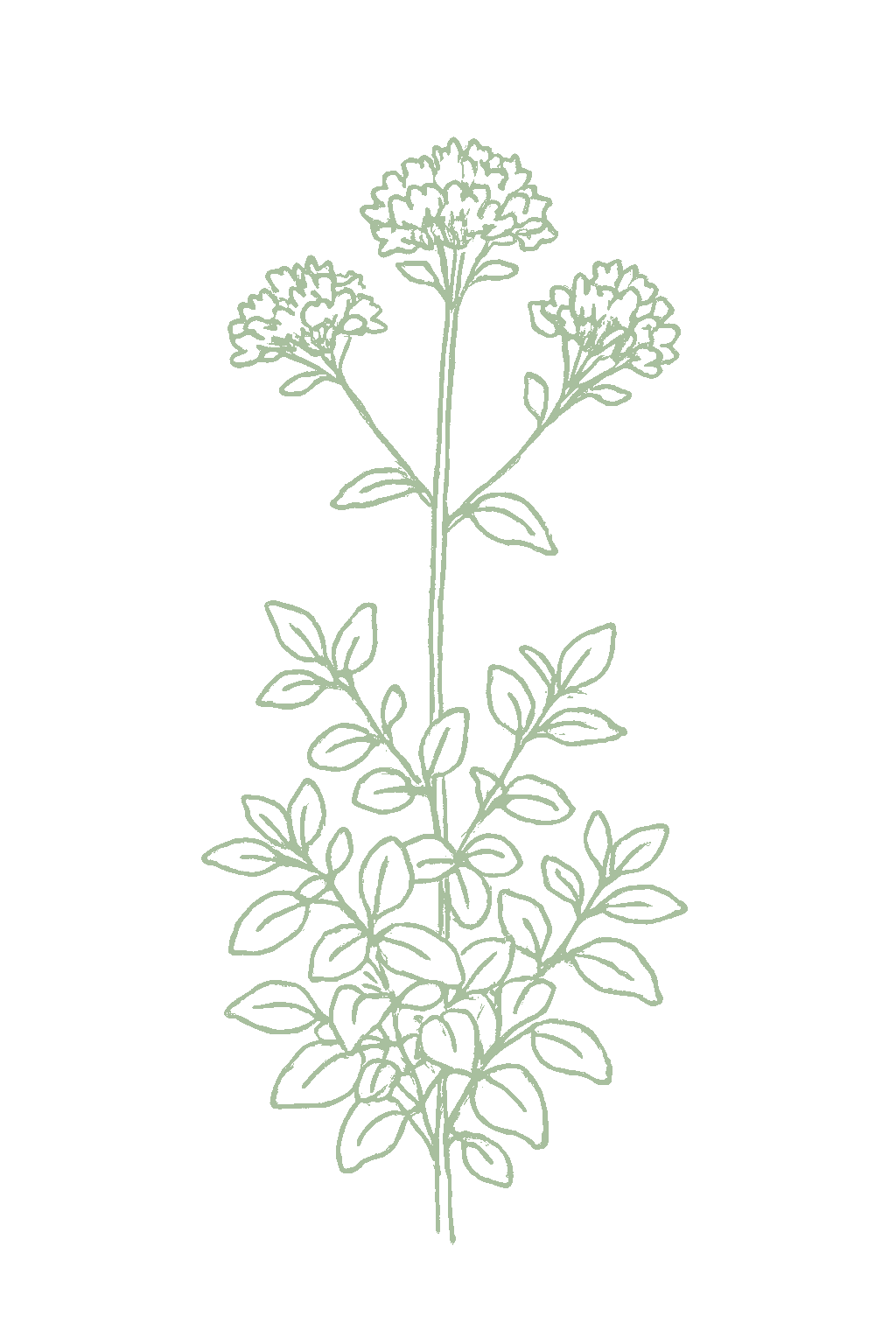
Oregano is a low, spreading herb with pungent, fragrant leaves you cook with, famous on pizza and in tomato sauces. It comes from the dry Mediterranean, so it wants full sun, poor dry soil, and very little water, and it does worse if you pamper it. It grows about 1 to 2 feet tall in a bushy mound. The leaves taste best just before it flowers in mid-to-late summer, so many gardeners pinch off the flowers, and oregano is one of the few herbs that tastes even stronger dried. It is tough and rarely bothered by pests, but it spreads by creeping roots and dropped seed, so it is best grown in a pot or with edging. Watch out: Mexican oregano is a different plant, not true oregano. Oregano is a spreading, low, woody Mediterranean perennial in the mint family, grown for its pungent aromatic leaves that flavor pizza, tomato sauces, meats, and Mediterranean and Mexican dishes. It forms a bushy, mat-like mound about 1 to 2 feet tall and thrives on neglect in full sun and lean, well-drained soil; wet, rich, or humid conditions rot it and dull its flavor. Its flavor peaks just before its mid-to-late-summer bloom, so many growers pinch off the flowers to keep the leaves at their best, and the leaves are unusual in tasting even stronger dried. It is hardy and pest-resistant but spreads by creeping stems and self-sown seed, so it is best contained. Note that Mexican oregano is a different, unrelated plant.
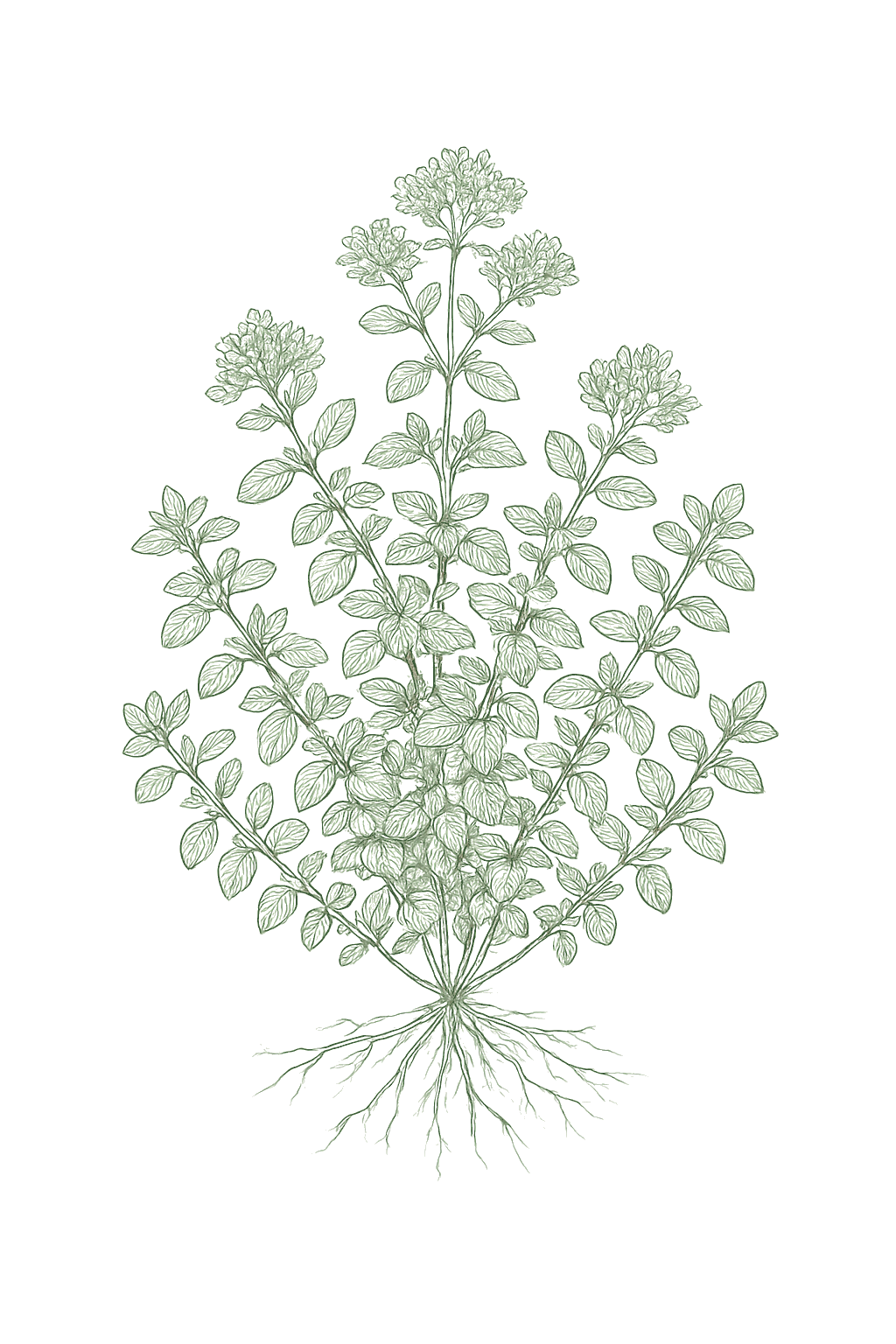
Off-season for oregano in zone 9.
Zone 9 averages a last frost around March 1. Within Zone 9, the colder half (9a, winters down to 20°F) runs about a week later. The warmer half (9b, winters down to 25°F) runs about a week earlier. The plant app picks your subzone from your ZIP.
| Subzone | Last spring | First fall | Growing days | Winter min | Fruits reliably |
|---|---|---|---|---|---|
| 9a | Mar 8 | Nov 24 | ~261 | 20-25°F | Yes · two seasons |
| 9b | Feb 28 | Nov 30 | ~275 | 25-30°F | Yes · two seasons |
Averages from 8 weather stations per subzone, drawn from NOAA 1991-2020 Climate Normals. Your actual frost date can vary by up to two weeks based on elevation, proximity to water, and local topography.
Oregano is an easy perennial in zone 9, growing almost year round in the sun and mild winters. Keep the soil poor and fast-draining, water it only now and then, and keep it from spreading.Perennial. Zone 9 here suits oregano well: full sun, dry summers, and mild-enough winters let it grow as a long-lived, near-evergreen sub-shrub. Keep the soil lean and sharply drained, water infrequently, and contain its spread.
Once established, lavender settles into the same rhythm year after year: a winter rest, fresh spring growth, an early-summer bloom you cut for fragrant bundles, then a hard cut-back that keeps the plant compact and flowering for years.
Oregano is a perennial in zone 9 and loves the dry desert soil and sun, with a bit of afternoon shade in the hottest weeks. Plant it in the cool season, and keep the soil fast-draining so it does not rot.Perennial. Zone 9 desert heat suits oregano's love of lean, dry soil and sun, though a little afternoon shade helps in peak summer. Plant in the cool season so it establishes before the heat, and keep drainage sharp; even here, wet soil rots it.
Once established, lavender settles into the same rhythm year after year: a winter rest, fresh spring growth, an early-summer bloom you cut for fragrant bundles, then a hard cut-back that keeps the plant compact and flowering for years.
Oregano is an easy perennial in zone 9, growing almost year round in the sun and mild winters. Keep the soil poor and fast-draining, water it only now and then, and keep it from spreading.Perennial. Zone 9 here suits oregano well: full sun, dry summers, and mild-enough winters let it grow as a long-lived, near-evergreen sub-shrub. Keep the soil lean and sharply drained, water infrequently, and contain its spread.
Once established, lavender settles into the same rhythm year after year: a winter rest, fresh spring growth, an early-summer bloom you cut for fragrant bundles, then a hard cut-back that keeps the plant compact and flowering for years.
Oregano does well here too, easily surviving winter. It flowers a little later than in the warmer inland zone because the coastal spring runs cooler. Give it full sun and fast-draining soil.Perennial, and comfortable here too. Oregano is hardy well beyond this zone's range, and the region's mild, dry summer, even on the cooler immediate coast, never brings on the rot and rust that humid climates cause. Give it full sun and sharp drainage; the coast's cooler, later-warming spring pushes bloom back a little compared to the warmer inland zone.
Once established, lavender settles into the same rhythm year after year: a winter rest, fresh spring growth, an early-summer bloom you cut for fragrant bundles, then a hard cut-back that keeps the plant compact and flowering for years.
Oregano is a perennial here in the Las Vegas Valley floor and thrives in the dry desert heat; hot Las Vegas summers are not a problem, and once it settles in it is drought-tolerant. Give it full sun and lean, sharply drained soil, and water only infrequently once it is established.Perennial, and desert-strong here. Common oregano is hardy well below zone 8, to about zone 4, so winter cold is not the Nevada Mojave's limiting factor in the Las Vegas Valley floor. This crop thrives in the Mojave: summer heat is not a problem, and established plants are genuinely drought-tolerant, and the Mojave's dry heat and alkaline soil suit oregano's Mediterranean origin far better than a humid climate would, with none of the wet-soil rot risk that troubles it elsewhere. Give it full sun and lean, sharply drained soil, and water only infrequently once it is established.
Once established, lavender settles into the same rhythm year after year: a winter rest, fresh spring growth, an early-summer bloom you cut for fragrant bundles, then a hard cut-back that keeps the plant compact and flowering for years.
Oregano grows year-round in the Valley and comes back reliably each year since it almost never freezes. Plant it in full sun with fast-draining soil, and expect to dig and replant it every three to four years once it gets woody, per Texas A&M AgriLife's Texas herb guidance.Oregano is a hardy perennial. Texas A&M AgriLife's herb guide recommends full sun after a protected start and spacing of 8 to 10 inches; UF/IFAS gives 10 to 12 inches for air circulation. Texas A&M advises dividing perennial herbs every 3 or 4 years in early spring. Humid conditions can bring on root rot, so plant in well-drained soil with good air circulation. UF/IFAS recommends raised beds in humid central Florida to control moisture.
Once established, lavender settles into the same rhythm year after year: a winter rest, fresh spring growth, an early-summer bloom you cut for fragrant bundles, then a hard cut-back that keeps the plant compact and flowering for years.
Oregano lives year round in zone 9, but the humid Deep South heat can make it rot. Grow it in a raised bed or pot with fast drainage and full sun, keep it airy, and plant it in the cooler months.Perennial, but at the edge of comfort. Zone 9 keeps oregano alive year round, yet humid Deep South heat pushes it toward root and stem rot and rust. Grow it in a raised bed or container with sharp drainage, full sun, and open airflow, and plant in the cooler months.
Once established, lavender settles into the same rhythm year after year: a winter rest, fresh spring growth, an early-summer bloom you cut for fragrant bundles, then a hard cut-back that keeps the plant compact and flowering for years.
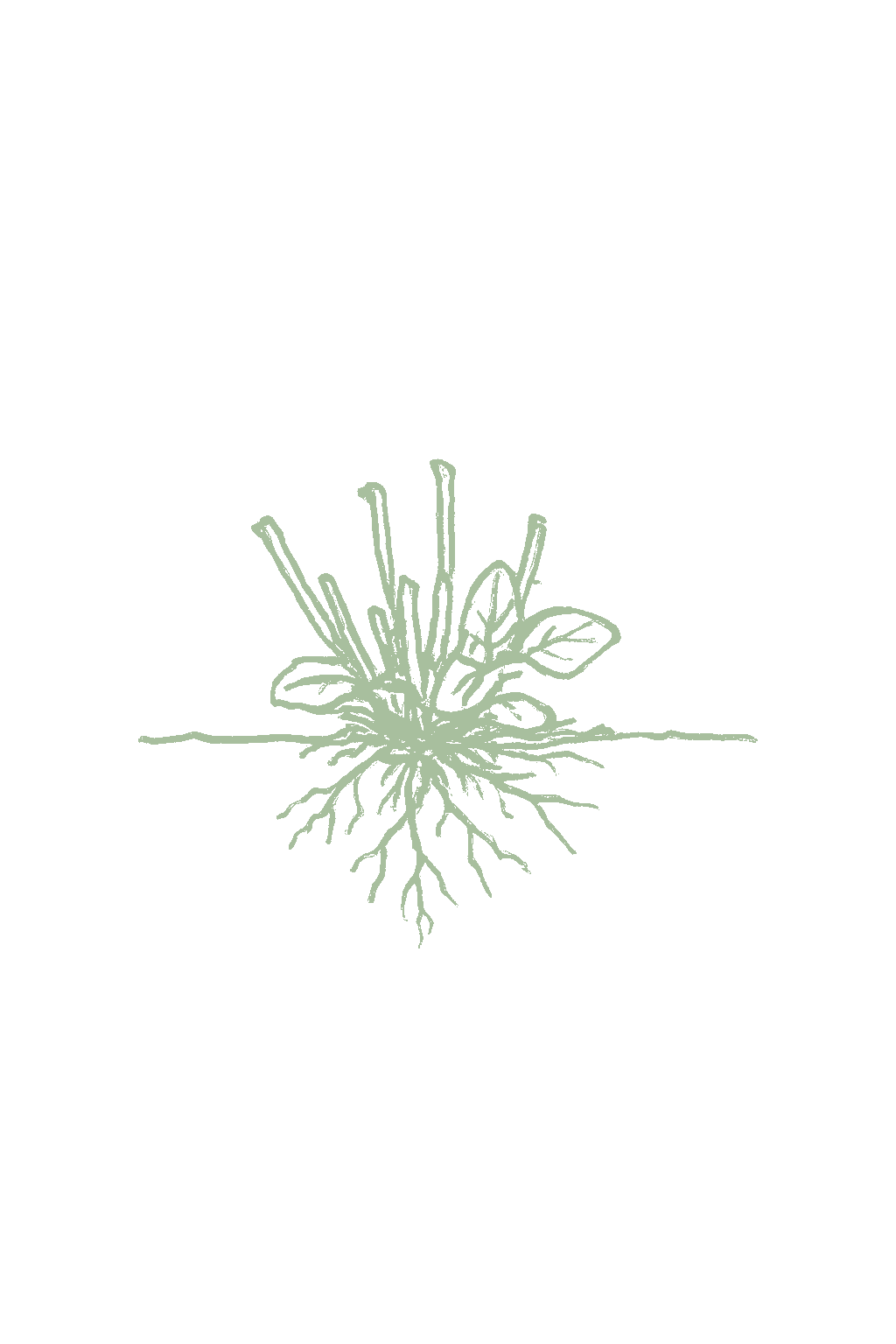
The easy, reliable way to grow oregano is to buy a small plant, divide an existing clump, or root a cutting in spring. You can grow it from seed, but the seed is tiny and needs light (do not cover it), and seed-grown plants vary in flavor, so for good culinary oregano most gardeners start from a plant. If you do start from seed, sow it indoors about 8 weeks before your last frost.Oregano is most reliably started from a nursery transplant, a division of an established clump, or a softwood cutting; all can be done in spring. It also grows readily from seed (germinating in about four days in warm soil), but the tiny seed needs light to germinate so should not be covered, and seed-grown plants vary in flavor and do not come true, so named culinary types like Greek oregano are propagated vegetatively. Start seed indoors about 8 weeks before the last frost.
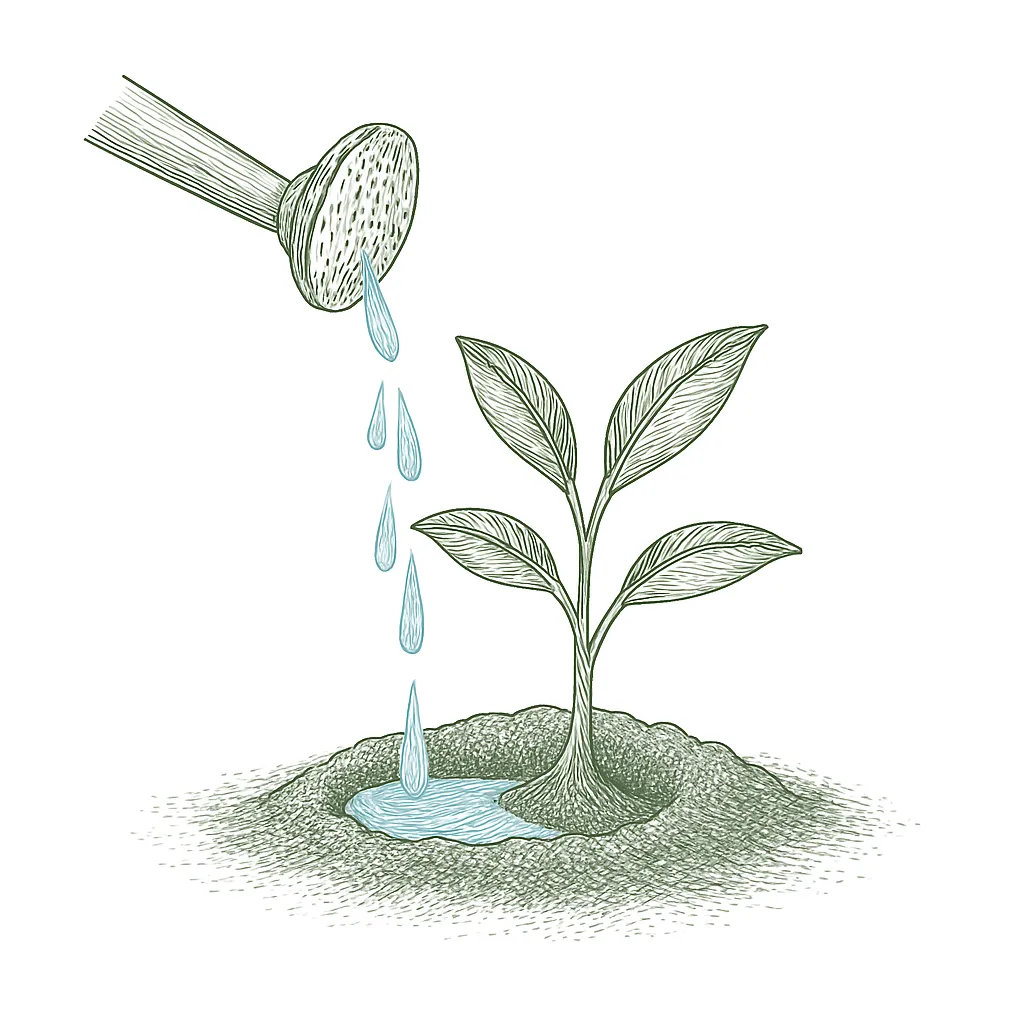
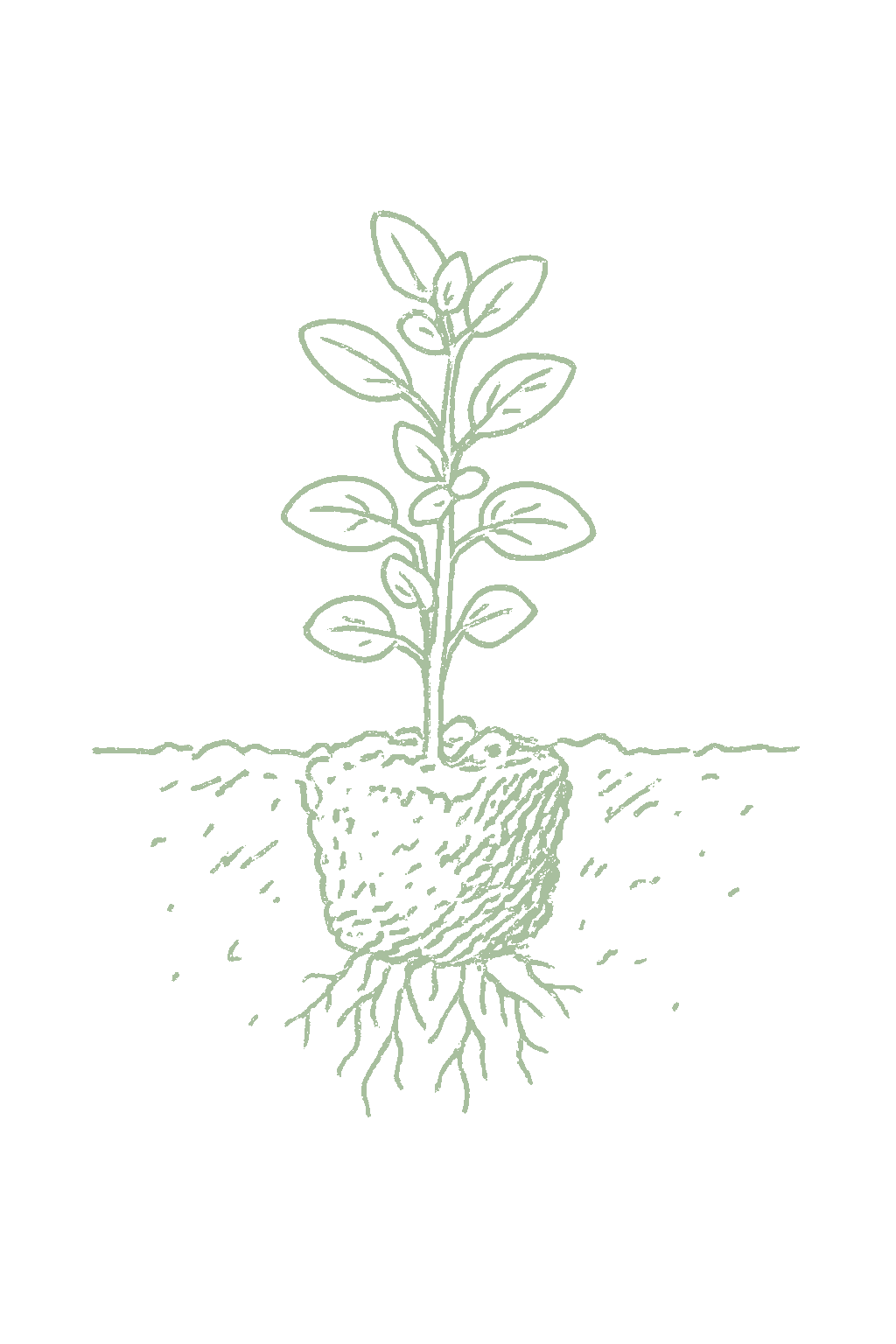

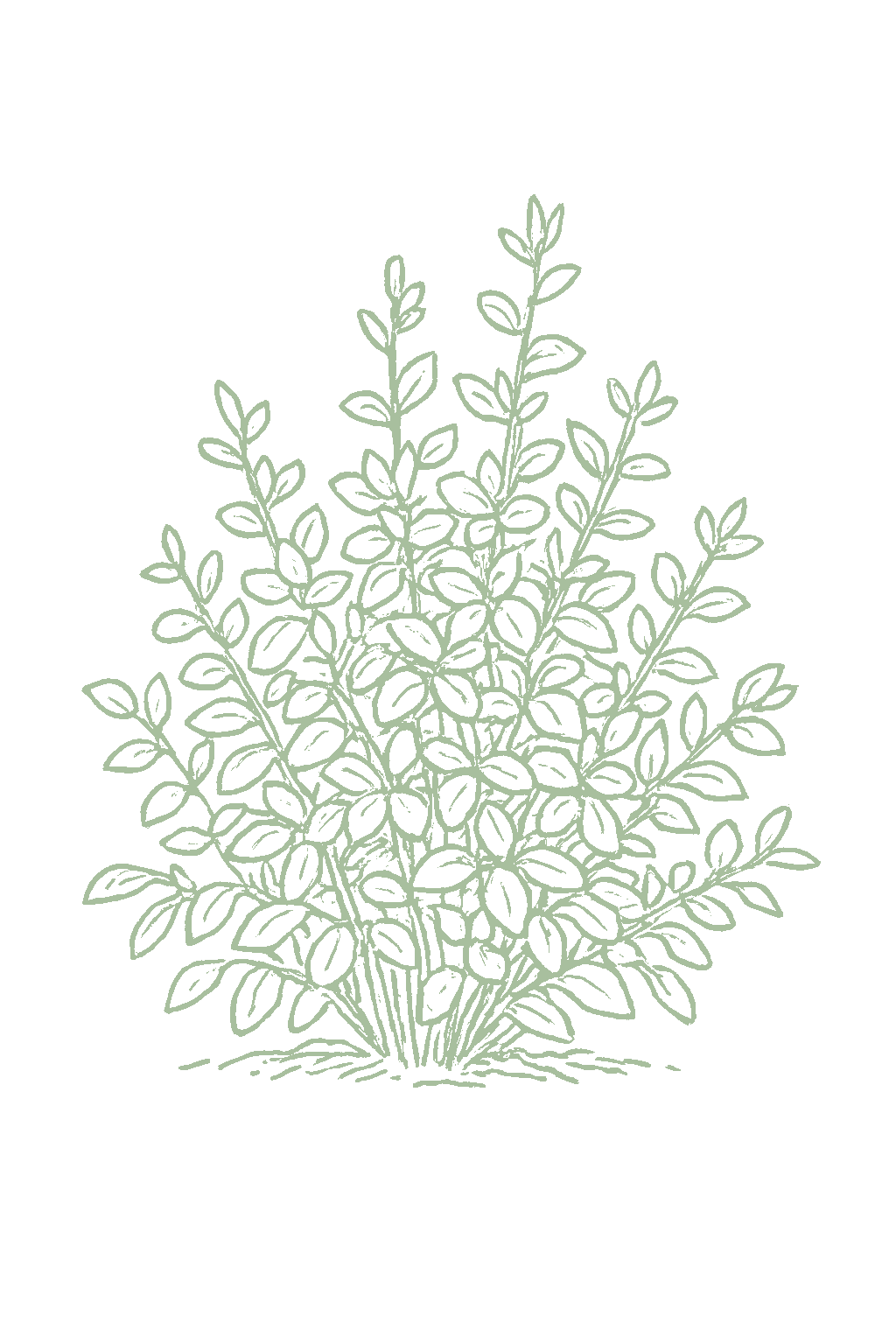






Not sure what soil you have? Grab a small handful of damp soil from your garden bed and squeeze it. If it crumbles apart easily, it's sandy. If it holds together but breaks when you poke it, it's loam (what most vegetables want). If it stays in a hard, slippery ball, it's clay.
Oregano likes poor, dry, well-draining soil and full sun. That sounds backward, but it comes from the dry Mediterranean hills, so rich, damp soil actually makes it weak, rot-prone, and bland. If your soil is heavy clay, plant oregano in a raised bed or mound so water drains away fast, and skip the compost.
Mix 2-3 inches of compost into the top 6 inches of your bed before planting. Compost holds moisture (which sandy soil drains too fast) and adds the nutrients sandy soil tends to lack. Repeat each season. Compost breaks down over time.
Mix 2-3 inches of compost AND a few inches of coarse sand or perlite into the top 6 inches of your bed. The compost feeds the plants; the sand breaks up the clay so air and water can move through. Don't add sand without compost. It can compact like concrete.
If amending your soil sounds like too much work, or if your soil is heavy clay, full of rocks, or contaminated, build over it. A raised bed at least 12 inches deep filled with a 50/50 mix of compost and sandy loam gives you ideal growing soil with no battles. A 5-gallon container with quality potting mix does the same for one plant at a time. Both bypass your native soil entirely.
The numbers that matter, at a glance.
Growing oregano in a pot is a great idea, both because it likes to dry out between waterings and because a pot keeps it from spreading all over the garden. Use a wide pot with holes in the bottom and a gritty mix, keep it in full sun, and tip out any water that collects in the saucer.A container is the recommended way to grow oregano for most gardeners: it suits the plant's love of drying out between waterings and, just as important, it contains oregano's vigorous spread by creeping stems and self-sown seed. Use a wide, free-draining pot with a gritty mix, keep it in full sun, and never let it stand in water. A pot is also the easy way to overwinter less hardy types where winters are cold.
Greek oreganoThe classic culinary oregano with a hot, spicy, pungent flavor and white flowers; this is the type sold dried in stores and the best pick for cooking.
Golden oreganoA golden-yellow-leaved, variegated form grown as much for its bright foliage as for the kitchen; milder in flavor and lower-growing, it makes an attractive edible groundcover in full sun.
In the coldest zones, or with a less hardy type like Greek oregano, grow it in a pot you can move into an unheated but sheltered spot for winter, then bring it back out in spring. A sunny indoor windowsill also works for a winter supply.Where the chosen type is not reliably hardy, a container lets you overwinter the plant under cover (an unheated garage or porch) or on a bright windowsill; keep it on the dry side and protected from hard freezes, then return it outdoors after frost.
Hardy to zone 4 in the ground; roots in a pot sit colder than that.
Ask what your balcony or roof can carry
A balcony or roof can only hold so much weight. Before you set heavy pots there, ask a building architect what it can safely carry.Illinois Extension's guidance is to consult a building architect about weight limits before placing heavy pots on a balcony or rooftop garden. It gives no weight figure.
Never grow food in a container with anything toxic in it
Many kinds of containers can be used. Whatever you choose, keep anything toxic out of it, especially if you are growing food.Colorado State accepts nearly any container material but warns against using a container that holds toxic materials, especially for edible plants. Illinois adds that a vegetable container should be free of chemicals toxic to plants or people, and urges caution with treated lumber when growing food. If you cannot account for what a repurposed container once held, that alone is a reason to keep food out of it.
Secure hanging containers well
Fasten hanging baskets and window or rail boxes securely. Think about what is below them too, since they can drip on people or things underneath.Illinois Extension asks growers to secure hanging containers well and to think through the safety issues of hanging them. Placement matters too, since a hanging container can drip onto people or belongings below.
Oregano likes soil that is neutral to a little bit chalky, about pH 6.5 to 7.5, and copes anywhere from 6.0 to 8.0. It does not do well in acidic soil, so if your soil is sour, a small amount of garden lime nudges it where oregano wants it.Oregano prefers a near-neutral to slightly alkaline soil, roughly pH 6.5 to 7.5, and tolerates ground from about 6.0 up to 8.0. It is intolerant of acidic soil, so on sour ground a light addition of garden lime helps. As with most herbs, sharp drainage matters more than hitting an exact pH.
Oregano barely needs feeding, and too much fertilizer works against it. A little compost mixed in when you plant, or a single light feeding once a year, is enough. Feed it heavily and you get lots of soft leaves with weaker flavor.Oregano has low fertility needs and is easy to over-feed. A little compost worked in at planting, or at most one balanced feeding a year, is plenty; lean soil gives the best flavor. Over-fertilizing pushes soft, leafy growth at the expense of the concentrated oils that make oregano pungent, and rich soil dulls the taste.
N/A. There is no fertilizer number to hit here, since the aim is to feed oregano as little as possible.N/A. Oregano is not fed by N-P-K targets; the goal is lean soil and minimal feed, so no fertilizer analysis applies. At most, one annual application of a balanced general-purpose fertilizer.
Plant oregano next to other plants that also like full sun and dry soil, such as thyme, rosemary, sage, and lavender. Many gardeners also tuck it near cabbage and its relatives, believing the scent helps keep pests away. Keep oregano away from plants that need a lot of water, because that wet soil will rot it. Remember that oregano spreads, so give it room at the edge of a bed or grow it in a pot. Oregano pairs naturally with other sun-loving, low-water Mediterranean herbs that share its lean, well-drained conditions, such as thyme, rosemary, sage, and lavender; group these together so one dry, waterwise bed suits them all, and their flowers draw bees and butterflies. Oregano is also a traditional companion in the vegetable garden, where growers have long planted it near cabbage-family crops in the belief its aroma helps deter cabbage pests. Keep it away from thirsty, rich-soil plants whose watering would rot it, and remember it spreads, so give it its own edge or container rather than crowding slower neighbors.
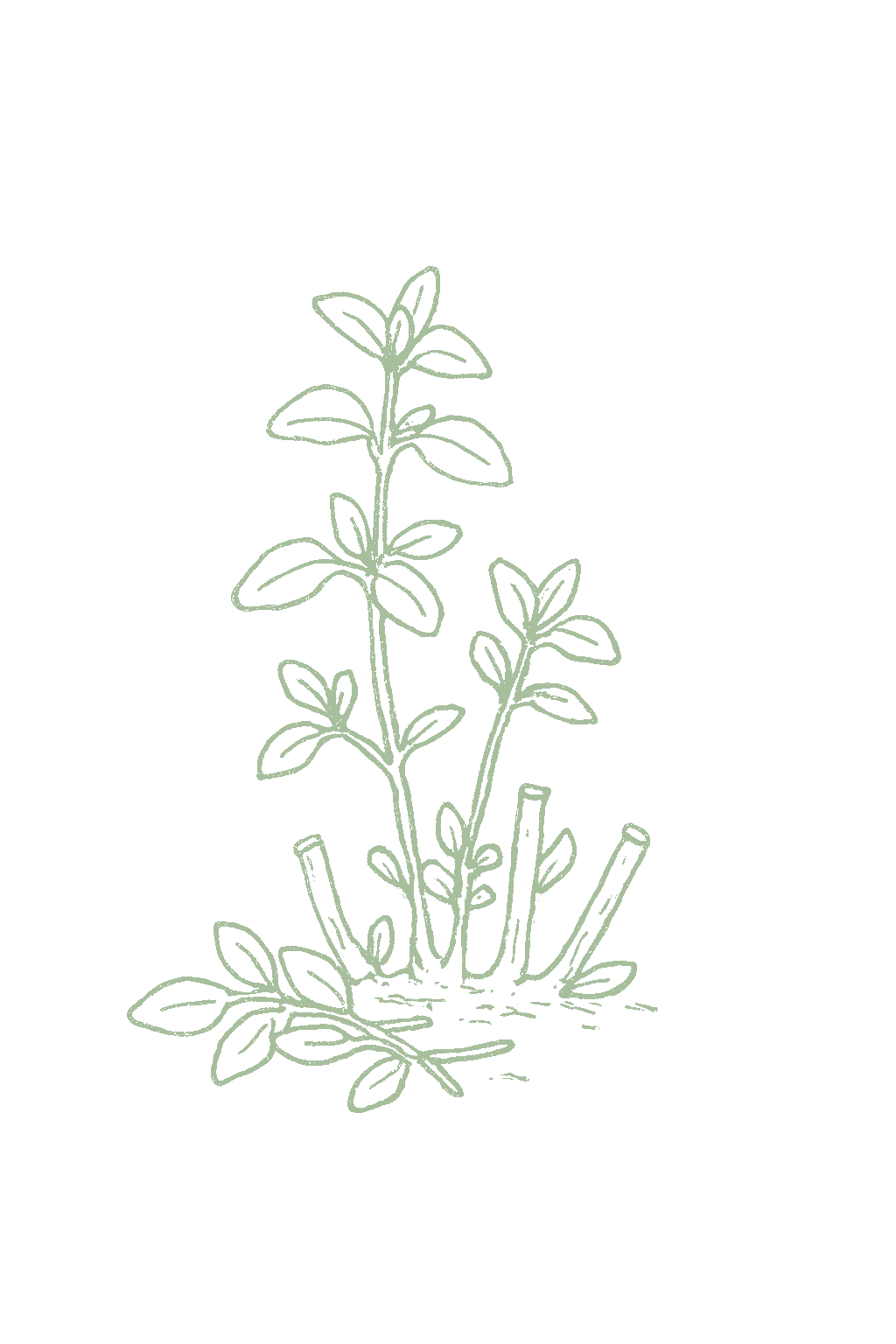
You can snip oregano anytime once it is established: cut the top few inches of leafy stems. The flavor is strongest just before it flowers, so that is the best time to cut oregano to dry, in the morning after the dew dries. Pinching off the flower buds keeps the leaves tasting their best, and snipping it often keeps it bushy. Oregano is unusual in that it tastes even stronger once dried.Harvest oregano sprigs anytime once the plant is established: snip the top few inches of leafy growth, taking up to about three-quarters of the current season's growth at a cutting. Flavor is most concentrated just before the plant flowers, so cut for drying as the buds form, on a dry morning after the dew has lifted. Pinching or cutting off the flowers keeps the leaves pungent, and regular harvesting keeps the plant bushy. Oregano is one of the few herbs whose flavor deepens when dried.
A grown oregano plant gives you plenty of sprigs all season, enough to cook with fresh and to dry, especially once it is a couple of years old. The more you snip it, the more it makes.A mature plant yields a steady supply of sprigs through the growing season, easily enough to keep a kitchen stocked with fresh oregano plus bundles to dry; productivity is best once the plant reaches full size at about the second year, and frequent harvesting keeps it coming.
Do not expect much the first year. Picking lightly and pinching to make it bushy while the plant settles in gives you bigger harvests from year two.Expect only light harvests the first year; harvesting sparingly and pinching to build a bushy plant while it establishes pays off in fuller production from the second season on.
There are several kinds of oregano. Greek oregano is the bold, spicy one used in cooking and sold dried, and it is the best choice for the kitchen. Italian oregano is milder and sweeter. Common or wild oregano is the toughest and most cold-hardy, but its flavor varies a lot and some plants are almost bland, so taste it first. Hot & Spicy is extra strong, Golden oregano has bright yellow leaves, and Syrian oregano is the za'atar herb. Watch out for one thing: Mexican oregano is a completely different plant (in the verbena family), not a true oregano, even though it tastes similar. For cooking, start with Greek oregano.Oregano reaches the grower as several practical types. Greek oregano (Origanum vulgare subsp. hirtum) is the hot, pungent kitchen standard and the type sold dried; Italian oregano (O. x majoricum, an oregano-marjoram hybrid) is milder and sweeter. Common or wild oregano (O. vulgare) is the hardiest and most vigorous but has variable, sometimes bland flavor, so taste before you rely on it. Hot & Spicy is an extra-pungent selection, Golden oregano (O. vulgare 'Aureum') is a bright-foliaged ornamental-culinary form, and Syrian oregano (O. syriacum) is the tender za'atar herb. One important caution: Mexican oregano (Lippia graveolens) is not a true oregano at all but a shrub in the verbena family, grown in hot climates for a similar, stronger flavor. For cooking, start with Greek oregano.
BBQ & Grill · 25m · Serves 4
The ladder troubleshoots from the gentlest solution to the strongest. Start with the gentlest option and only move on when and if it doesn't work.
Go easy on the fertilizer. Oregano does not need rich feeding, and the soft, sappy shoots that a heavy dose of nitrogen pushes out are exactly what aphids breed on. Feeding lightly, or not at all, gives them much less to work with.Aphid reproduction tracks the soluble nitrogen in new growth, so a heavy feed raises the ceiling on a colony rather than simply feeding one that was coming anyway. Feed in small portions rather than in one push, and judge the effect by how fast a colony builds, not by whether one turns up at all.
When the aphids are packed onto two or three shoot tips, pinch those tips off and put them in the trash. On a plant the size of an oregano that can be the whole treatment.UC IPM's own line is that where populations are localized on a few curled leaves or new shoots, pruning those out and disposing of them may be the best control. It works here because oregano's aphids concentrate on young growth, so the infested tissue is a small, identifiable fraction of the plant rather than something spread through the canopy.
Knock them off with a hard jet from the hose, aiming under the leaves and into the shoot tips. Most of the aphids that land on the ground never make it back. Do it in the morning so the plant dries through the day.Expect to repeat it every few days while numbers are climbing; one pass thins a colony rather than ending it. The catch on this crop is that oregano's aphids concentrate on seedlings and young plants, and a stream forceful enough to dislodge a colony will flatten a seedling, so hold the hose back until the plant has some substance to it and pinch out the infested tips instead until then.
Ladybugs, lacewings and tiny wasps eat aphids, and on a plant this small they usually find the colony before you would have. Give a light infestation a week or two and watch it before reaching for anything.Conservation costs nothing and is why most oregano aphid flare-ups end on their own. The real cost sits on the other side: a broad-spectrum insecticide takes the predators out along with the aphids, and the colony that rebuilds afterward has nothing left holding it down. Ants working the plant do the same job from the other direction, driving predators off a colony they are farming for honeydew.
If a young plant is being overwhelmed, insecticidal soap works, but only where the spray actually lands on an insect. Cover the undersides of the leaves and plan on repeating it.Soap leaves no residual, so this is a coverage problem rather than a dose problem and anything the spray misses is the population that rebuilds. Keep it off a plant that is already dry and stressed, and off any plant when the temperature is near 90°F, since that is when the foliage burns. It also kills the soft-bodied predators it wets, so spray the colony rather than the planting.
The bottom rungs are products with label rules: timing, pollinators, and days to wait before harvest. Before you spray →
The ladder troubleshoots from the gentlest solution to the strongest. Start with the gentlest option and only move on when and if it doesn't work.
Mites build up fastest on a plant that has been left dry and stressed. Oregano likes it on the dry side, but a pot baking through a heat wave is a different thing, so water it before it starts to wilt.The distinction worth holding on a drought-adapted herb is between soil that drains fast and a rootball that has actually run out. The first is how oregano should be grown; the second is what tips a mite population into a flare, because water-stressed plants are highly susceptible. Containers reach that point first, since they hold days of water where a bed holds weeks.
Rinse the plant hard with the hose, getting the water under the leaves where the mites actually sit, and repeat every few days in hot weather. On a garden plant this alone often settles it.UC IPM's finding for gardens and small plants is that regular, forceful water spraying often reduces mite numbers adequately on its own, which puts this ahead of any product rather than beside one. It also works on the second half of the problem: mites are first found on plants next to dusty roadways and at garden margins, so wetting the paths and bare ground nearby at regular intervals belongs in the same habit.
You can buy predatory mites, but be honest about the scale. They are meant for a large planting, and on a few oregano plants most of them will simply leave. The predators already in your garden do more.UC IPM scopes purchase and release to large plantings and orchards, and released predators starve or move on when prey is not already there, so on a herb bed this is a top-up rather than a plan. If you do release, the working guideline is roughly one predator per ten spider mites, and it closes off sulfur afterward, which harms predatory mites that are not sulfur-resistant.
Before you spray anything, make sure the mites are still there. The speckling stays on the leaf long after they have gone. If they are, insecticidal soap kills what it touches, so cover the undersides of the leaves and plan on repeating it.The published instruction is to be sure mites are present before treating, because they are often gone by the time the damage is noticed and plants recover on their own once they leave. Stippling is a record of the past, not a reading of the present, so confirm with a hand lens first. Then treat for coverage: there is no residual, and whatever the spray misses is the population that comes back.
Light horticultural oil smothers mites the same way and can be the better choice on a heavier infestation. Do not use it on a dry, stressed plant or when it is above 90°F.Soap and oil are the two selective materials UC IPM names for mites, and the reason to stop at them is that broad-spectrum insecticides do the opposite: they set off mite outbreaks by clearing out the predators that were holding numbers down. Keep oil and sulfur at least 30 days apart in the growing season, since the combination injures foliage, and check the oil label, since some specify longer.
The bottom rungs are products with label rules: timing, pollinators, and days to wait before harvest. Before you spray →
The ladder troubleshoots from the gentlest solution to the strongest. Start with the gentlest option and only move on when and if it doesn't work.
This is the whole game. Oregano will take drought and will not take wet feet, so plant it where water drains away fast, and on heavy ground put it on a raised bed or grow it in a pot. Water it, then let it dry out before watering again.Drainage is the control here, not a preference: the rot organisms need free water in the soil pores to move and infect, so a bed that is still saturated hours after a soaking is the disease condition itself. NC State groups prolonged watering, poor drainage and standing water together as what favors it, and RHS puts the same weight on winter, when the plant is drawing almost nothing down and the ground holds everything it gets.
Look at what you are bringing home. Slide a new plant out of its pot and check that the roots are pale and firm rather than brown, black and mushy, so you are not carrying the rot into a clean bed.These pathogens arrive with the plant more often than they arrive on their own, and a bed that has been infested stays infested, so the inspection at purchase buys more than anything available afterward. The same care applies to a division handed over the fence, which comes with a rootball and its own soil.
Once the roots have gone there is no bringing the plant back, so pull it out and get rid of it. Wash the pot and the tools before they touch anything else.There is no rescue at the crown, so the only in-season decisions are how quickly the plant comes out and what the tools and containers touch next. Sanitizing both sits on NC State's cultural list, and it matters most on the way out: a pot that grew a rotted plant is the shortest route to the next one.
Do not put another oregano into the spot where one rotted. The disease stays in that soil, so give the new plant fresh ground or a pot of new mix.This is the fact that changes the advice from remove the plant to do not replant here: NC State records that the pathogen survives in soil from season to season, and that once a bed is infested it cannot be eradicated without extreme measures. UC IPM's oregano guidance says the same thing in one line, to avoid areas that have had previous disease problems. Treat the ground as spent for susceptible plants rather than treating the plant that died.
If a bed has already killed a plant or two and you want it back, you can cook it: wet the bare soil, cover it with clear plastic, and leave it through the hottest four to six weeks of summer. It costs you the bed for a season, and it lowers what is living down there rather than clearing it out.Solarization is on NC State's list, and the same document's line that the pathogen cannot be eradicated without extreme measures is the honest expectation to hold: this reduces the load, it does not sterilize the ground. It also needs a genuinely hot, clear stretch to drive lethal temperatures into the top foot, so it is worth attempting only where summer reliably delivers that. Nothing waits behind it either: NC State records a lack of OMRI-approved products that effectively manage Phytophthora diseases, so the soil is where the whole of this disease gets dealt with and there is no spray to fall back on.
No spray for this one. Prevention is the control.
The ladder troubleshoots from the gentlest solution to the strongest. Start with the gentlest option and only move on when and if it doesn't work.
Give each plant room and an open spot where the sun and a bit of breeze reach it, so the leaves dry off soon after rain or dew. Rust needs the leaf to stay wet to get in, so the faster it dries the fewer chances it gets.What you are really setting with spacing and site is how many hours the foliage stays wet. A crowded mat holds moisture well into the morning after an open plant has dried, and that difference is what decides whether a spore landing overnight gets the window it needs. This is a layout decision, so it is made once, at planting, and is hard to undo afterward without taking a knife to an established clump.
Water the soil at the foot of the plant instead of sprinkling over the top, and water in the morning where you can. Wet leaves are exactly what rust needs, and a sprinkler hands it that for free.Overhead water does two jobs for the fungus at once: it keeps the leaf wet long enough for a spore to germinate, and it splashes spores from a marked leaf onto a clean one. Rain and dew are outside your control, which is why this sits alongside spacing rather than replacing it. What is inside your control is not adding hours of leaf wetness to a plant that is already carrying the disease.
Oregano gets passed around as divisions and cuttings, and rust can travel with them. Take pieces only from a plant that has stayed clean all season, and look a new plant over before it joins the bed.On mint, where this disease is best documented, outbreaks are usually traced to infection already inside the rhizomes and stem cuttings used for propagation rather than to spores arriving on the wind, and the published response is to inspect source material and discard anything infected. The oregano side of that has not been documented to the same depth, so treat clean stock as the prudent move rather than a proven mechanism, and simply do not propagate from a plant that showed rust this year.
Pick the rusty leaves off as soon as you see them and put them in the trash, not on the compost heap. If a plant is covered in pustules, take the whole plant out: that is the step that protects the rest of the bed. Clear the old growth away at the end of the season.Removal, not spot pruning, is what the control literature calls for. RHS's instruction is to remove affected plants promptly, before the black resting spores form, and cutting the marked leaves off a badly infected plant leaves the fungus in tissue that has not spotted yet. Carry what you remove out in a bag rather than shaking it over the bed, since rust spores move easily on air currents.
No spray for this one. Prevention is the control.
The ladder troubleshoots from the gentlest solution to the strongest. Start with the gentlest option and only move on when and if it doesn't work.
Give plants room and an open, sunny spot. Air moving through the planting is the thing that reliably keeps powdery mildew down on oregano, because a crowded clump holds still, humid air right where the leaves are.UF/IFAS recommends spacing plants 10 to 12 inches apart to improve air circulation and prevent the extra humidity that attracts pests and diseases. To prevent powdery mildew, UF/IFAS pairs good air circulation with avoiding overhead watering. Oregano generally resists disease but can occasionally get powdery mildew or root rot, especially in humid conditions.
If mildew keeps coming back on a plant you actually want to pick from, sulfur spray or dust is the standard organic option. It works by stopping new infection rather than clearing what is there, so it goes on early, and you follow the label.UF/IFAS names sulfur or copper for oregano, and sulfur is the one with established powdery mildew activity, so it is the one worth buying. It is a protectant: it stops spores landing on treated tissue from establishing and does nothing to the colonies already on the leaf, which makes it worth reaching for only on a plant with a history of the disease, applied before the season turns. Keep it off the plant near or above 90°F and at least 30 days away from any oil spray in the growing season, check the oil label since some specify longer, and observe the label's interval before harvest.
The bottom rungs are products with label rules: timing, pollinators, and days to wait before harvest. Before you spray →
N/A. Oregano is not rotated like a vegetable because it is a permanent plant that stays put for years. If you replace an old one, pick a fresh, well-draining spot and pull up any pieces it has spread around.N/A. Oregano is a perennial that stays in place for several years, so annual crop rotation does not apply. When replanting an old oregano patch, choose a fresh, well-drained site to avoid carrying over soilborne root rot, and clear any strays it has spread by root or seed.
The plant app sends a timely reminder at every critical moment of your oregano season. The wording adjusts to whichever you pick: beginner or seasoned. Here are three you'll see in Zone 9.
plant sends the right notification at exactly the right moment, for your zone, your weather, your crops. Founding members lock the rate forever.
We're building this guide with real growers. Got a question we missed? Ask here. We read every one and add the best answers right to this page.
Learned something the hard way? Pass it on. Real growers' tips make this guide better for the next person, and we credit you by name when yours goes live.
If you've grown this crop and you see a date, a temperature, a companion claim, or a recommendation that doesn't match your experience, tell us. Real growers' corrections make this guide better for the next person.
Every date, temperature, spacing, and recommendation on this page is sourced from university cooperative extension publications, peer-reviewed agricultural research, NOAA climate data, and direct extension calendars. Where claims are softer (traditional gardening wisdom not formally documented), we say so.
Spot a data point that doesn't match your experience? Submit a correction; accepted corrections earn full author credit on the page.
Zone-aware seasonal nudges, what's worth planting now, and the occasional recipe from the harvest. No spam, ever.