Will it actually fruit here?
Hardiness tells you the tree will survive your winters. It does not tell you whether you will get fruit. Each zone carries its own verdict. Yours is marked.
rarely fruits
rarely fruits
low chill
low chill
low chill
Tap to switch. plant calibrates to where you are in the journey.
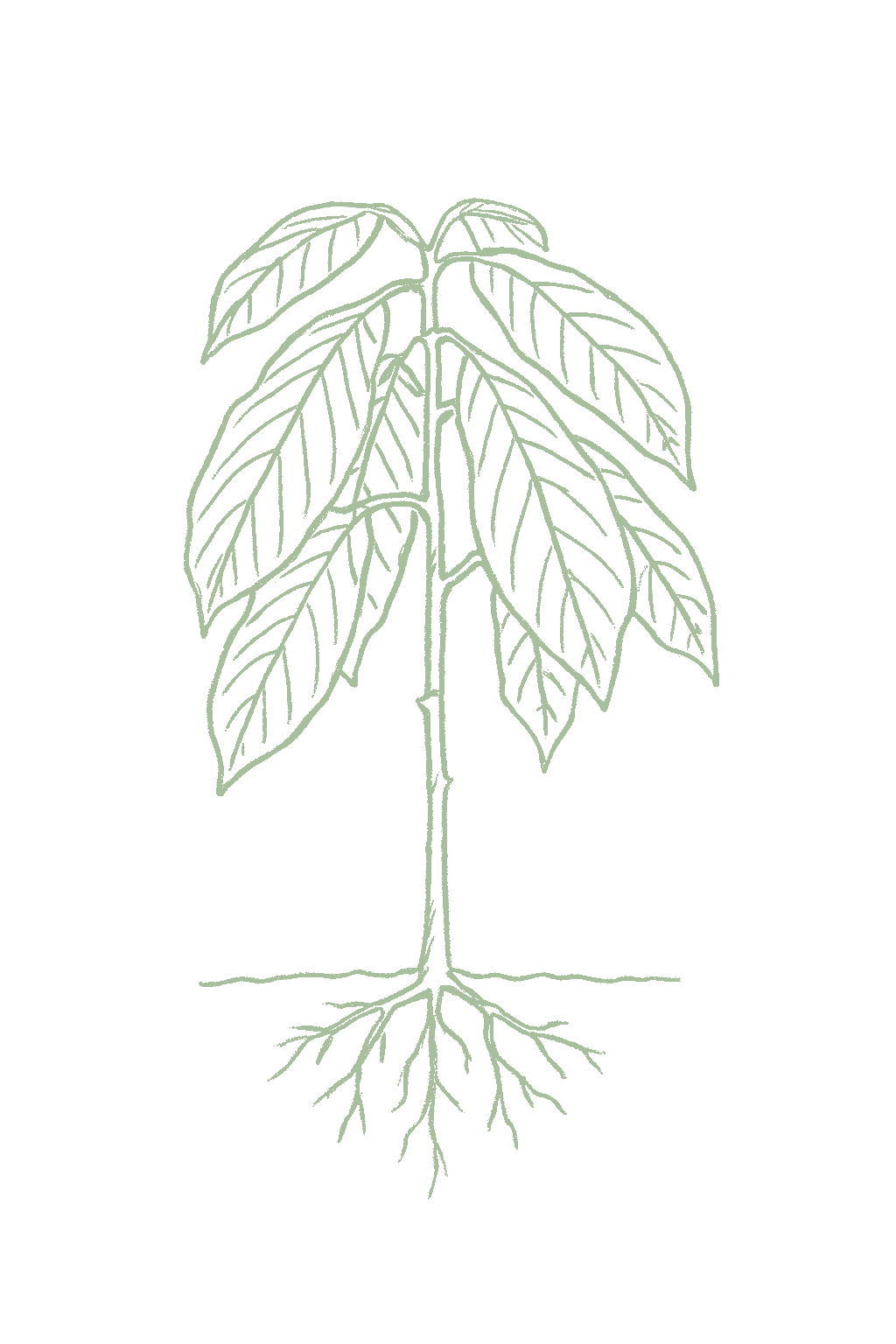
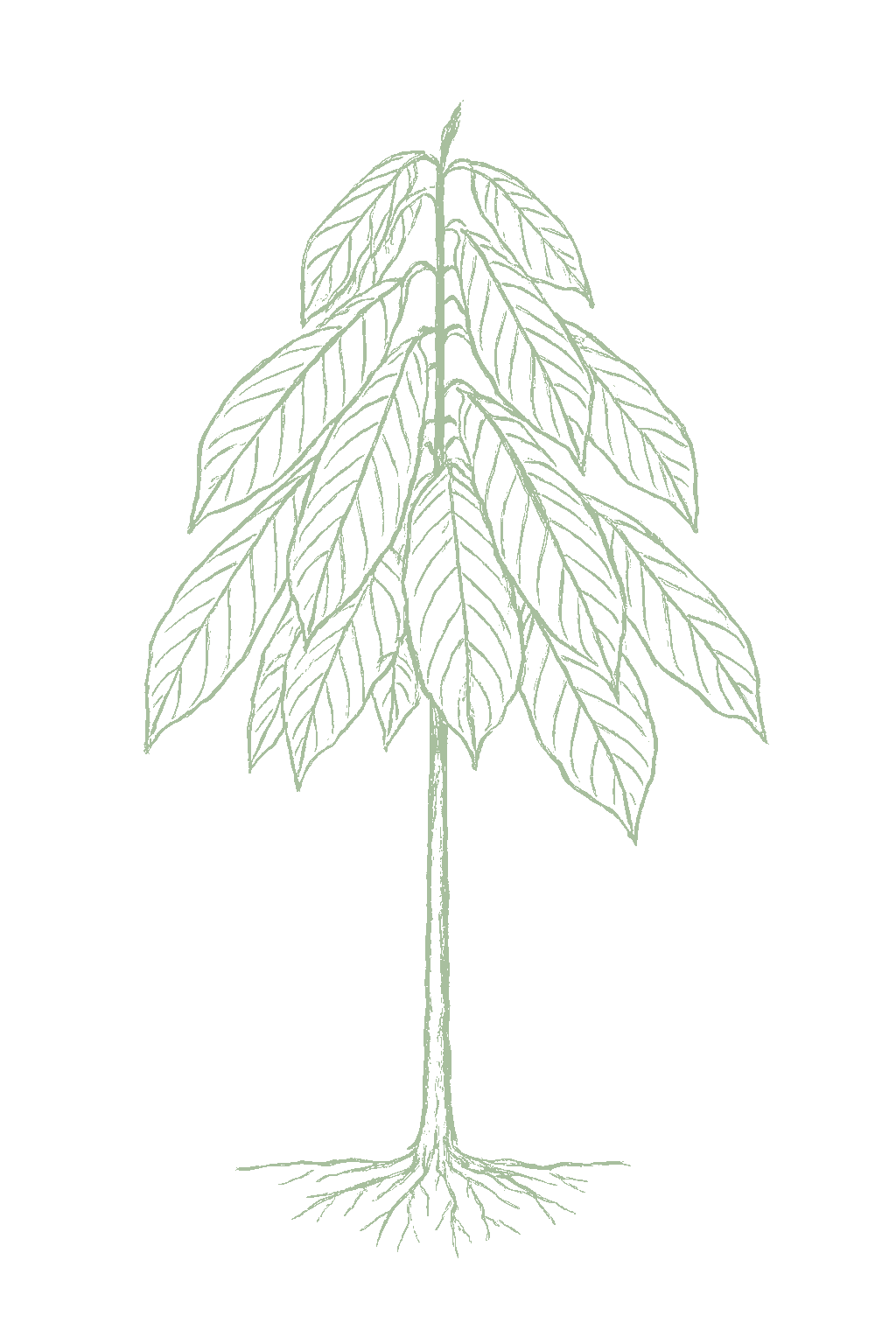
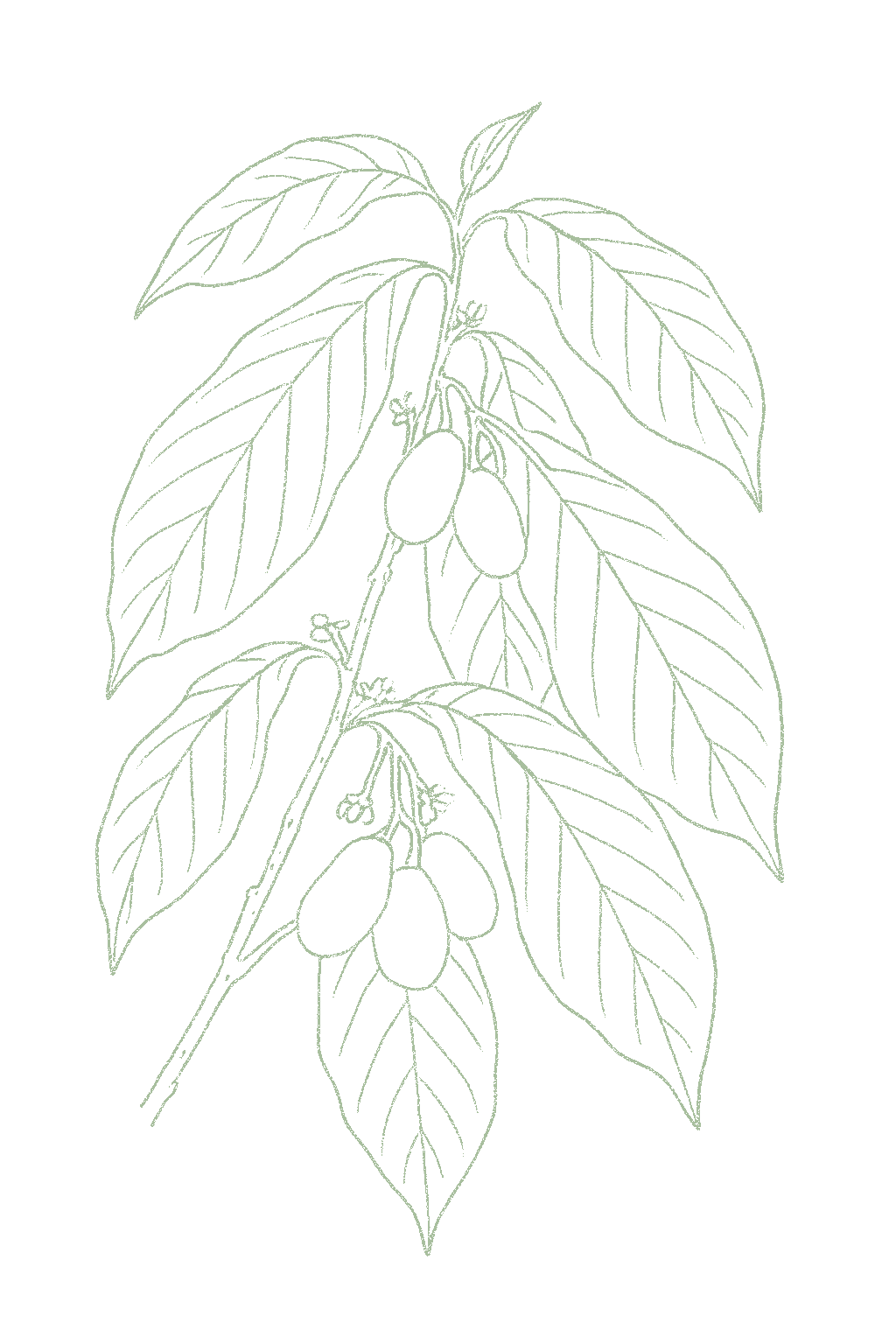
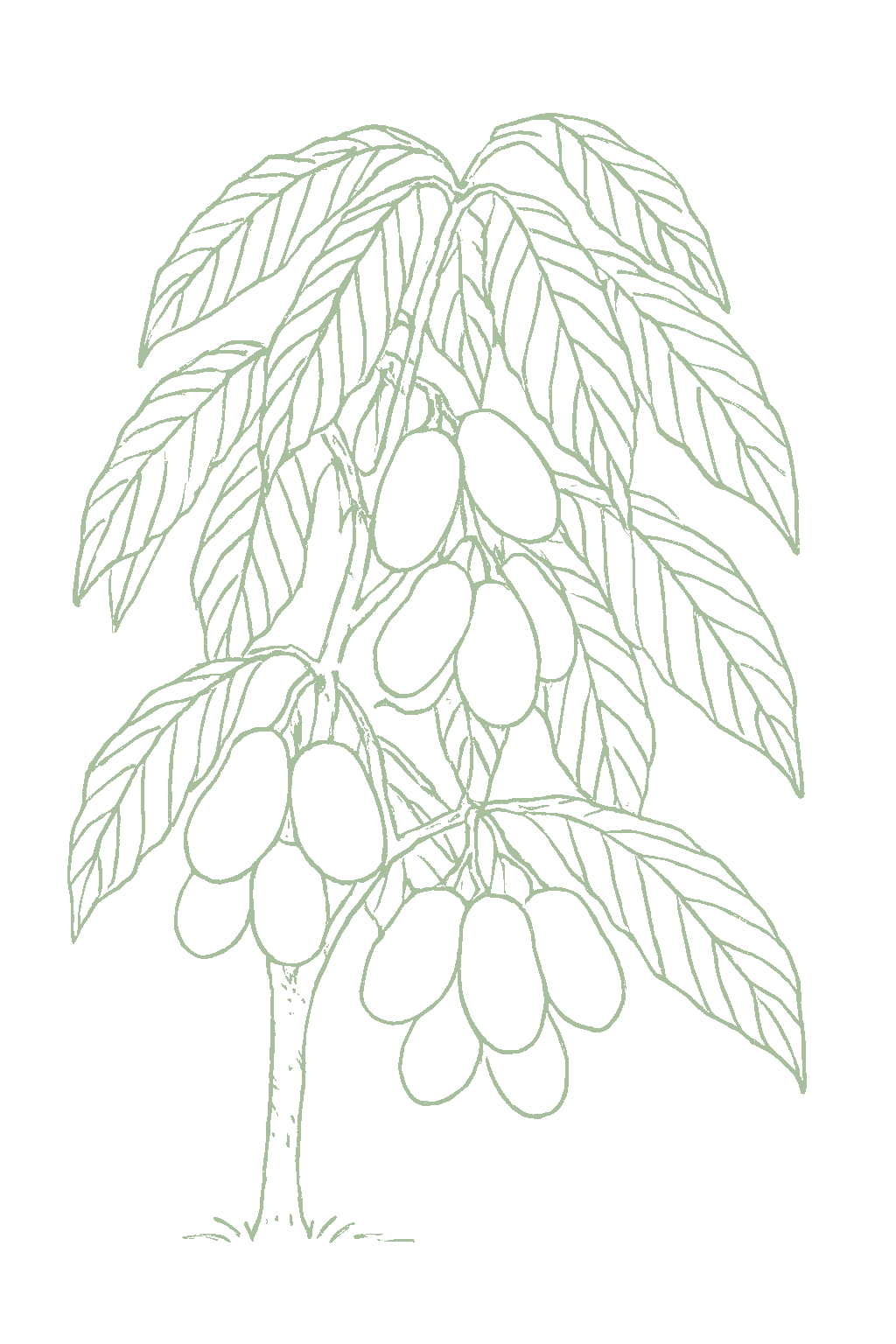
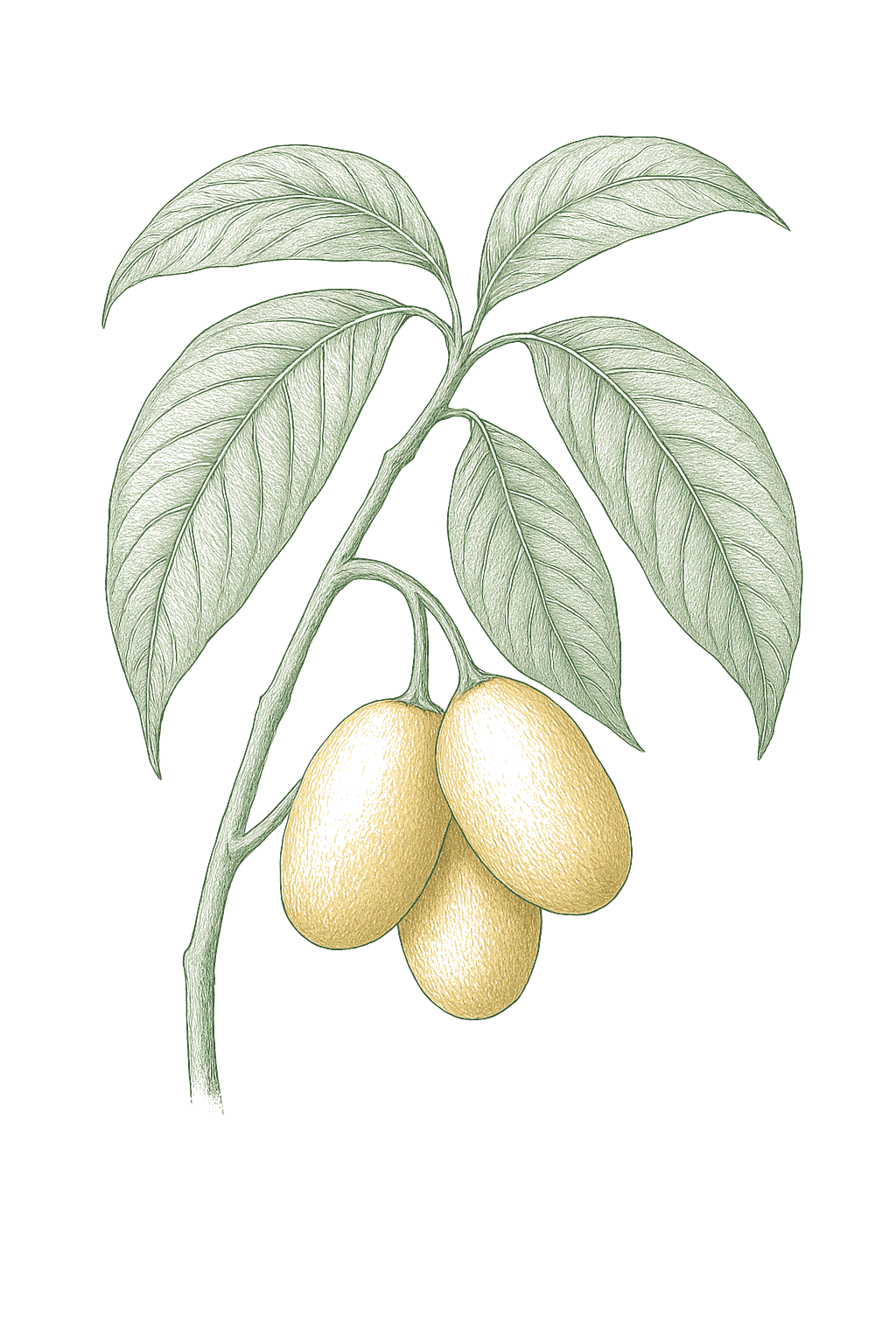
A pawpaw (Asimina triloba) is a small tree native to the eastern United States that gives the largest fruit of any plant native to North America. The fruit tastes tropical, like a mix of banana, mango, and pineapple, with a soft custard texture; it ripens in late summer and fall and spoils so fast you almost never see it in stores. Two things make pawpaw different from other fruit trees. First, one tree cannot pollinate itself, and it is pollinated by flies and beetles instead of bees, so you need at least two different trees and often have to hand-pollinate the flowers to get fruit. Second, it grows wild under other trees, so a young pawpaw wants some shade for its first year or two before it can take full sun. It is very cold-hardy (about zones 5 to 8), spreads by suckers into patches, has almost no pest or disease problems, and deer leave it alone. Pawpaw (Asimina triloba) is a deciduous understory tree native to eastern North America and, in the Annonaceae (custard-apple) family, the largest edible fruit native to the continent. Its custardy, tropical-tasting fruit, a blend of banana, mango, and pineapple, ripens in late summer and fall and is so perishable it is almost never sold in stores. Growing it well means working with two unusual traits: it is self-incompatible and fly- and beetle-pollinated, so it needs two genetically distinct trees and often hand pollination to set fruit; and as a woodland understory native, its young foliage wants part shade the first year or two before it takes full sun. It is very cold-hardy across roughly zones 5 to 8, spreads by root suckers into clonal patches, and is notably free of the pests and diseases that plague other fruit trees, with deer avoiding its foliage.
Hardiness tells you the tree will survive your winters. It does not tell you whether you will get fruit. Each zone carries its own verdict. Yours is marked.
California: Interior, Zone 9. Winters bank about 300 to 950 chill hours; these varieties need about 400 to 1000 chill hours. Like interior zone 8, pawpaw is marginal here: it can fruit with careful watering, wind protection, and shade, but the hot, dry climate and less winter cold make it a challenging choice, not a natural fit.As in interior zone 8, pawpaw is marginal here: it can fruit with careful irrigation, wind shelter, and shade, but the hot, dry climate and lower chill make it a challenging, high-care choice rather than a natural fit.
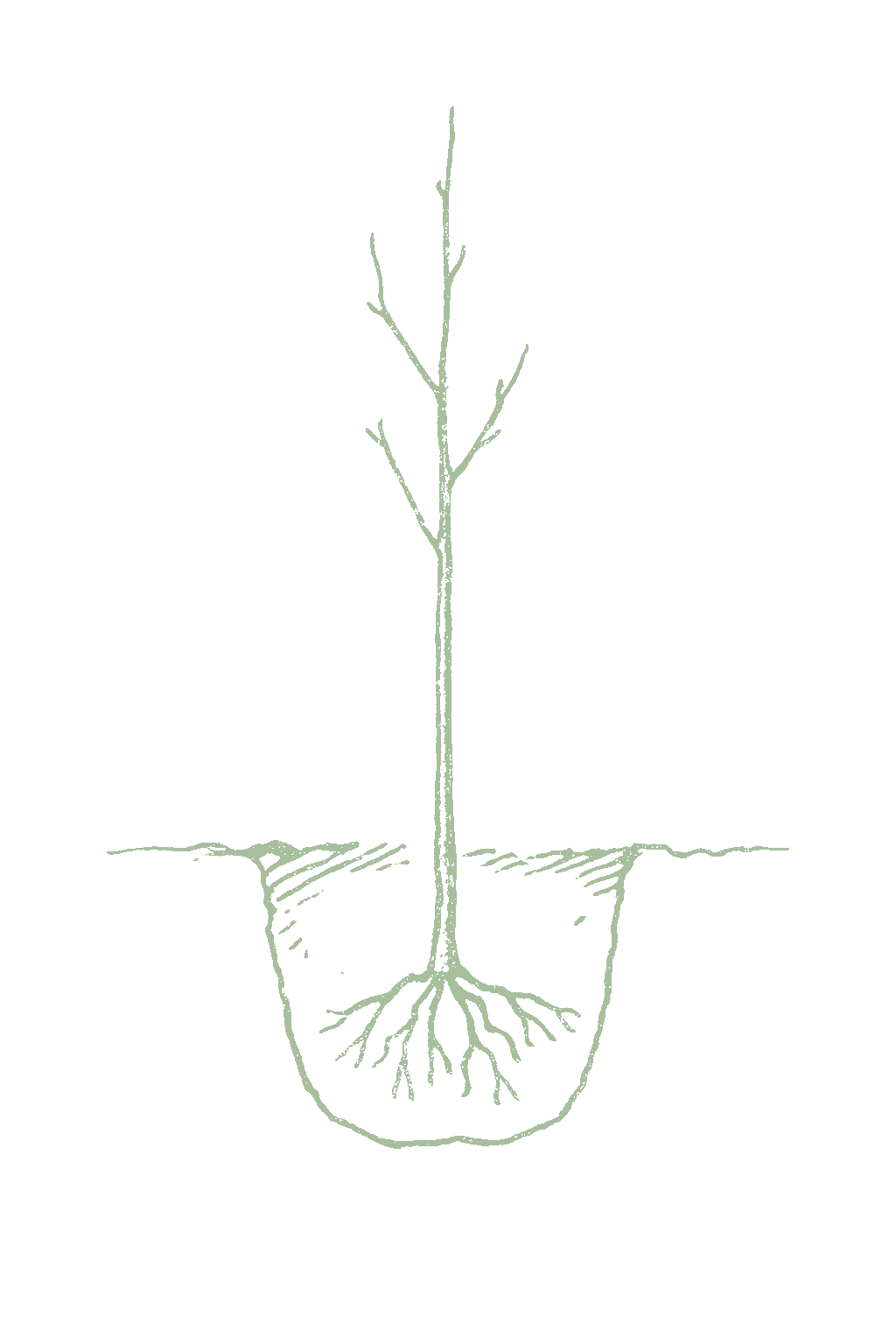
A fruit tree runs on the same rhythm every year: rest, prune, bloom, grow, harvest, then settle in again.
Pawpaw needs some winter cold, measured as chill hours, before it will bloom properly in spring, but scientists have not pinned down exactly how much. The estimate is roughly 400 to 1000 hours, with northern types needing more and southern ones less. For most of where pawpaw grows, chill is not the thing that decides success, and unlike peaches you do not need to match varieties carefully to it. It mainly matters at the warm southern edge, where very mild winters may not give the tree enough cold for good flowering and fruit set.Pawpaw needs a stretch of winter cold, counted as chill hours, to break dormancy and bloom properly, but its exact requirement has not been rigorously studied. Current estimates put it at roughly 400 to 1000 chill hours, with northern-adapted selections needing more and southern ones less. In practice, chill is rarely the deciding factor across most of pawpaw's range; unlike peach, you do not match cultivars closely to chill. It matters mainly at the warm southern edge, where very mild winters can leave a tree short of the cold it needs for even bloom and good set.
A lone pawpaw tree sets little or no fruit. Pawpaw flowers need pollen from a different variety, carried by bees, and the two trees have to bloom at the same time to trade it. Plant a second variety whose bloom window overlaps, within about 50 feet.
Bar length shows how long each variety blooms, roughly 8 to 14 days. Bars that overlap can cross-pollinate.
▲ Tap a variety to see its pollination partners
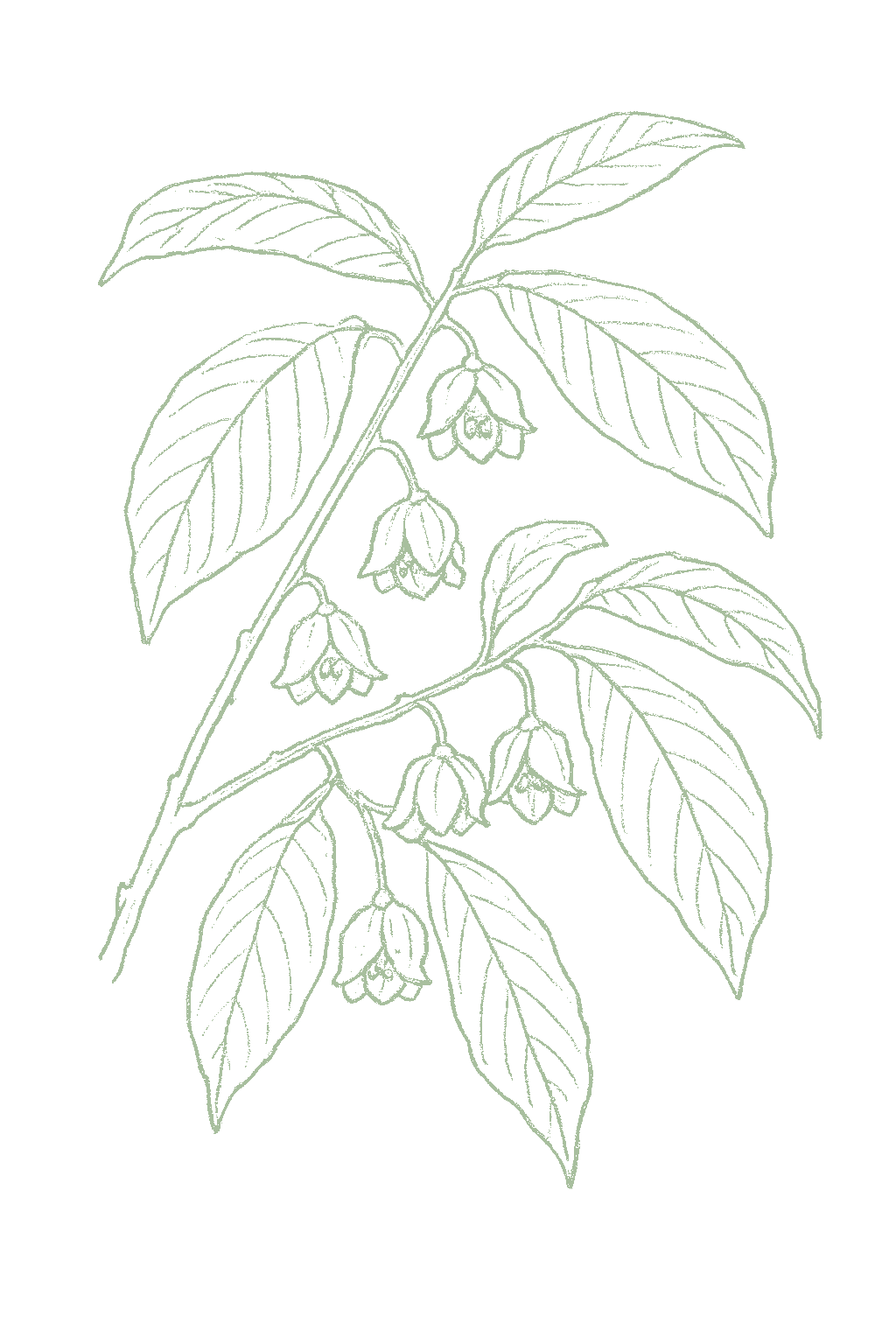
Pollination is the hardest part of growing pawpaw, and it works unlike any other fruit tree. First, a pawpaw cannot pollinate itself: one tree, or a patch that is really one plant spread by suckers, will flower a lot but give almost no fruit, so you must plant at least two different trees (two different named varieties, or two or more seedlings) close together. Second, pawpaw is pollinated by flies and beetles, not bees; its deep maroon flowers give off a faint carrion or fermented smell to attract them, and these insects are unreliable, so even with two trees the fruit set is often poor. That is why most serious growers hand-pollinate: use a small soft brush to move fresh pollen from the newly opened flowers of one tree to the sticky centers of the flowers on a different tree, doing it several times during bloom. The flowers are also built so their female part is ready before their own pollen is released, which further stops a flower from pollinating itself.Pollination is the defining challenge of growing pawpaw, and it works unlike any other fruit tree. Pawpaw is self-incompatible: a single tree, or a stand that is genetically one clone (a named cultivar plus its own root suckers), will bloom heavily but set almost no fruit, so you must plant at least two genetically distinct trees, two different cultivars or two or more seedlings, close together. On top of that, pawpaw is pollinated by flies and beetles rather than bees; its deep maroon, faintly carrion-scented flowers evolved to attract them, and these pollinators are inefficient and undependable, so natural fruit set is often poor even with two trees. Because of this, most serious growers hand-pollinate: with a small soft brush, transfer fresh pollen from the just-opened flowers of one tree to the ripe, sticky stigmas of a genetically different tree, repeating over the bloom period. The flower is also protogynous, its female parts receptive before its own pollen sheds, which further prevents self-pollination.
Picking pawpaw varieties is different from other fruit trees: the main rule is to plant two different kinds, not to match cold hours. Because a pawpaw cannot pollinate itself, plant at least two different named varieties (or a variety plus some seedlings) that bloom around the same time so their flowers can cross. Named grafted varieties, like the well-known Peterson types (Shenandoah, Susquehanna, Allegheny, Potomac) and older favorites like Sunflower and Overleese, give bigger fruit with fewer seeds and better flavor than plain seedlings, and they fruit sooner. Pawpaw's cold-hours need is roughly 400 to 1000 and about the same across varieties, so do not stress over it; just plant two that bloom together.Choose pawpaw varieties differently from other fruit trees: the first rule is genetic diversity, not chill matching. Because the species is self-incompatible, plant at least two different cultivars (or a cultivar plus seedlings) with overlapping bloom so their flowers can cross-pollinate. Named grafted cultivars, most famously the Peterson selections (Shenandoah, Susquehanna, Allegheny, Potomac) and old standards like Sunflower and Overleese, give larger fruit, fewer seeds, and better flavor than random seedlings, and they bear sooner. Chill requirement is estimated at roughly 400 to 1000 hours and is not well differentiated among cultivars, so match your winters loosely and prioritize two compatible, overlapping-bloom trees.
Named pawpaw cultivars are grafted onto pawpaw (Asimina triloba) seedling rootstock; there are no size-controlling or dwarfing rootstocks, so the tree grows to full size whatever it is grafted on.
Ask for a named cultivar grafted onto pawpaw seedling rootstock; there is no dwarfing option.
The numbers that matter, at a glance.
Pawpaw grows best in slightly acidic soil, about pH 5.5 to 7.0 (pH is just a measure of how acidic or alkaline the soil is). Test your soil before planting and adjust slowly if you need to: garden lime raises the pH if the soil is too acidic, and elemental sulfur lowers it if the soil is too alkaline. Mix any of this in before you plant, because pH changes slowly and is much easier to fix before a permanent tree goes in. Pawpaw dislikes very alkaline, chalky soils.Pawpaw does best in a slightly acidic soil, roughly pH 5.5 to 7.0. Test the soil before planting and adjust gradually if needed: lime raises a too-acidic pH, while elemental sulfur lowers one that is too alkaline. Work amendments in ahead of planting, since pH shifts slowly and is far easier to correct before the permanent tree is in the ground. Pawpaw performs poorly on high-pH, calcareous soils.
Pawpaw does not need heavy feeding. Scatter a balanced fertilizer evenly on the soil around the tree out to where the branches reach, keep it off the trunk, and water it in. Young trees do best with a little food given often, so feed lightly every few weeks through the first half of the season while the tree is getting going. An older tree needs just one spring feeding, or none at all if the soil is good. Stop by midsummer so the tree is not pushed into soft growth that winter can damage. A layer of mulch does a lot of the work.Pawpaw is a light feeder. Spread a balanced fertilizer evenly around the root zone out to the drip line, keep it off the trunk, and water it in. Young trees respond well to a little fed often, so a light balanced feeding every few weeks through the first half of the season speeds establishment; an established tree needs only a single spring application, if any, on decent soil. Stop feeding by midsummer so no soft late growth is pushed into fall. A ring of organic mulch supplies much of what the tree needs.
A balanced fertilizer like 10-10-10 (the three numbers are nitrogen, phosphorus, and potassium) works well for pawpaw, and on rich soil it may need none. For young trees, a balanced feed given lightly every few weeks in the first half of the season helps them settle in. Do not overdo the nitrogen, the first number, because too much pushes leafy growth instead of a strong frame.A balanced ratio such as 10-10-10 suits pawpaw; on fertile, organic-rich ground it may need no feeding at all. Kentucky State recommends a balanced feed (a 20-20-20 is often cited) applied lightly and often to young trees during the first half of the season. Avoid heavy nitrogen, which pushes soft growth at the expense of a sturdy framework.
The most important companion for a pawpaw is another pawpaw. Pawpaw cannot pollinate itself, so a single tree, or a group of trees that are all the same variety or all suckers from one plant, will flower but set little or no fruit. Plant at least two genetically different pawpaws (two different named varieties, or two or more seedlings) close together so their flowers can cross-pollinate. Beyond that second tree, what matters most is the root zone: keep grass and weeds pulled back from under a young tree, since lawn competes hard for water, and remember pawpaw is a woodland tree that wants shade over its roots and its young leaves for the first year or two. The companion that decides whether a pawpaw fruits is a second, genetically distinct pawpaw. The species is self-incompatible, so a lone tree, or a block of one clone (a named variety and its own root suckers are genetically identical), blooms but sets almost nothing. Plant two or more different cultivars or seedlings within a short distance so the fly and beetle pollinators can move pollen between distinct trees. Past that, pawpaw's interactions are about the root zone, not classic vegetable pairings: clear turf from under a young tree, which competes for moisture, and honor its woodland nature by shading the roots and the sun-sensitive young foliage through establishment.
A pawpaw is ripe when it softens like a ripe peach or avocado and gives to a gentle squeeze, smells strongly sweet, and often gets brown or black speckles or blotches on the skin (that is normal ripening, not rot). Ripe fruit starts to drop off the tree. Because ripe fruit is delicate and animals grab it fast, most people pick fruit as it just begins to soften and let it finish ripening indoors over a few days. It ripens from about August in warm areas to October in cold ones, over a short window, so pick over the tree a few times.A pawpaw is ripe when it softens like a ripe peach or avocado and yields to gentle pressure, turns intensely fragrant, and often develops brown or black skin speckles or blotches (normal ripening, not spoilage). Ripe fruit begins to drop from the tree. Because tree-ripe fruit is fragile and quickly taken by wildlife, most growers pick as fruit just begins to soften and finish ripening indoors over a few days. Ripening runs from roughly August in the South to October in the North, over a short window, so pick over the tree in several passes.
A grown pawpaw can give roughly 25 to 50 pounds of fruit in a good year, with each fruit weighing from about 6 ounces to a pound. How much you get depends a lot on pollination, since poor fruit set, not the tree itself, is usually what limits the crop. A well-pollinated tree, often one you hand-pollinate, carries far more than one left to the flies and beetles.A mature pawpaw commonly yields on the order of 25 to 50 pounds of fruit in a good year, with individual fruits ranging from about 6 ounces to a pound. Yield swings widely with pollination success, since poor fruit set, not the tree's capacity, is usually the limit; a well-pollinated tree (often hand-pollinated) carries far more than one left to flies and beetles.
Grafted trees usually start fruiting around year 4 and reach full production by about years 7 to 8; seedlings take longer, often 5 to 8 years to the first fruit. How much you get depends most on having two or more different trees and on pollinating them, more than on feeding or pruning.Grafted trees typically begin bearing around year 4 and build toward full production by roughly years 7 to 8; seedlings take longer, often 5 to 8 years to first fruit. Peak yield depends most on having two or more genetically distinct trees and on pollination effort, more than on feeding or pruning. Do not expect fruit for several years: pawpaw is slow to start, with grafted trees fruiting around year 4 and seedlings later. Pick off any early flowers so a young tree builds roots and branches instead, and spend the early years giving it shade, steady water, and a second different tree for pollination later on.Expect no fruit for several years: pawpaw is slow to bear, with grafted trees starting around year 4 and seedlings later. Remove any early flowers so a young tree invests in roots and framework, and focus the early years on shade, steady moisture, and establishing two genetically distinct trees for future cross-pollination.
Pick a spot where the pawpaw can stay for good: it is a permanent tree that can spread by suckers, and it wants deep, moist, well-drained, slightly acidic soil out of frost pockets, with shade while young. If you do not want it to spread into a patch, just pull or mow off the suckers that come up from the roots.Site a pawpaw where it can stay: a permanent, potentially suckering tree wants a deep, moist, well-drained, slightly acidic spot out of frost pockets, with shade for the first year or two. If you do not want a spreading clonal patch, remove root suckers as they appear or keep the tree mown around.
We're building this guide with real growers. Got a question we missed? Ask here. We read every one and add the best answers right to this page.
Learned something the hard way? Pass it on. Real growers' tips make this guide better for the next person, and we credit you by name when yours goes live.
If you've grown this crop and you see a date, a temperature, a companion claim, or a recommendation that doesn't match your experience, tell us. Real growers' corrections make this guide better for the next person.
Every date, temperature, spacing, and recommendation on this page is sourced from university cooperative extension publications, peer-reviewed agricultural research, NOAA climate data, and direct extension calendars. Where claims are softer (traditional gardening wisdom not formally documented), we say so.
Spot a data point that doesn't match your experience? Submit a correction; accepted corrections earn full author credit on the page.
Zone-aware seasonal nudges, what's worth planting now, and the occasional recipe from the harvest. No spam, ever.