Pick your zone and the dates re-calibrate.
The Guide Fruit trees Vol. 004

Pear (European)

in Zone 5, this week

Pear is a fruit tree that lives for decades, often longer than an apple. Two things make pears special. First, most pear trees cannot make fruit from their own flowers, so you need a second, different pear variety nearby that blooms at the same time, with bees to carry the pollen. Second, and this surprises people: you do NOT let pears ripen on the tree. You pick them while they are still firm and green but full-sized, then let them finish ripening on the counter. A pear left on the tree turns brown and mushy in the middle while the outside still looks fine. The biggest disease to know about is fire blight, which is worst in warm, damp places, so picking a resistant variety helps a lot. A long-lived deciduous fruit tree (Pyrus communis) grown for fresh-eating, dessert, and storage fruit. European pear is a cross-pollination crop: most cultivars are self-unfruitful, so you plant two different varieties whose bloom periods overlap and rely on bees to move pollen between them (a few, like Bartlett and Anjou, are partially self-fruitful in mild climates but still crop better with a pollinizer). The signature difference from apple is at harvest: European pears ripen OFF the tree. Pick them mature but firm and green, give them a cool rest, then ripen at room temperature; a pear left to ripen on the branch goes mealy and rotten at the core. Fire blight is the major disease, worst in warm, humid regions, so cultivar and rootstock resistance matter. Chill requirement is variety-set, and rootstock choice sets mature size and how soon the tree bears.

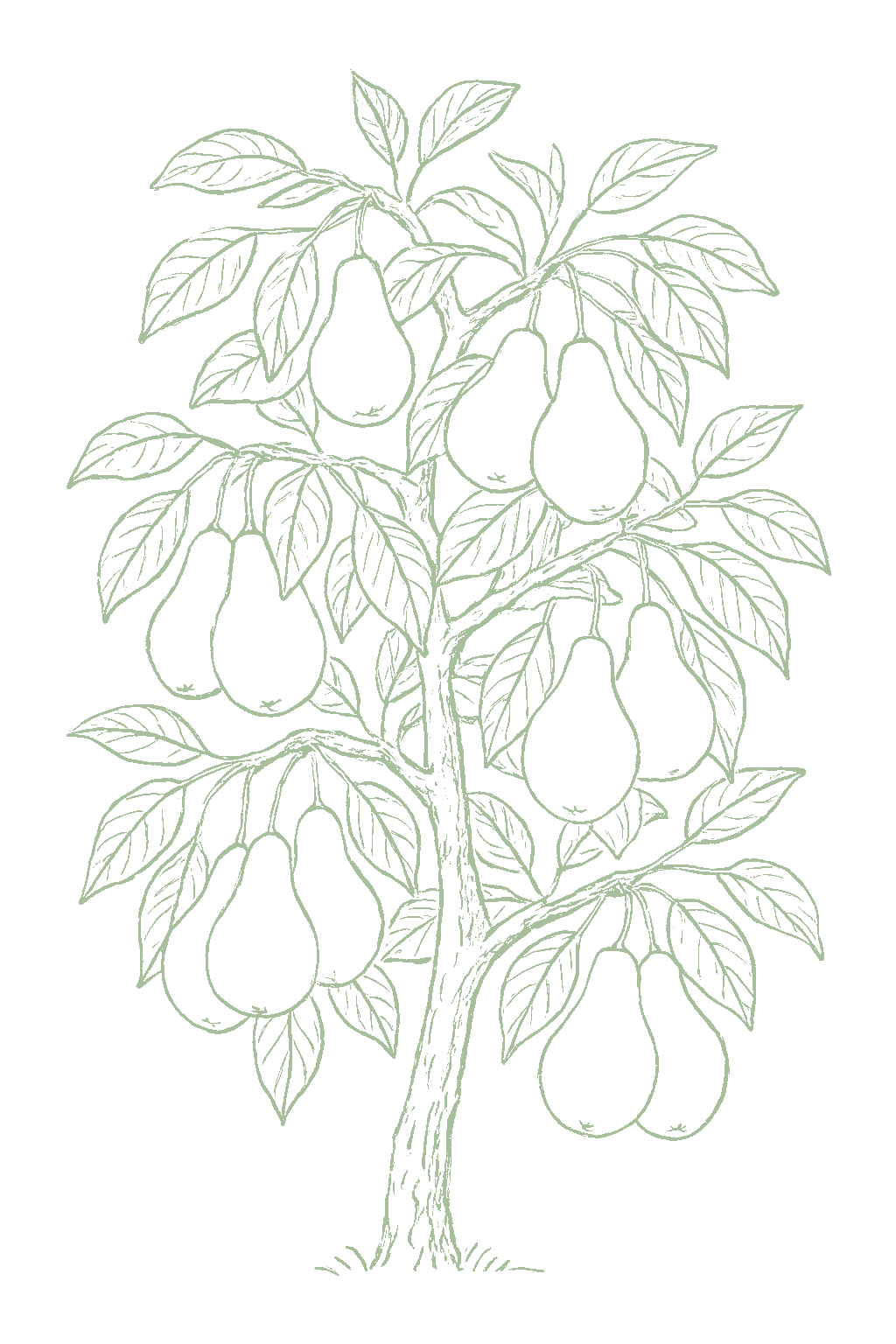
Pear (European) mature plant
Fig. 01 · Pear (European), mature Zone 5
Container
20 gal
min 15 gal pot
Sunlight
Full sun
6-8 hrs daily
Water
Moderate
1 inch / week
Spacing
15-25 ft
between trees
Soil pH
6-7
slightly acidic
Hardiness & fruiting range

Will it actually fruit here?

Hardiness tells you the tree will survive your winters. It does not tell you whether you will get fruit. Each zone carries its own verdict. Yours is marked.

3
survives,
rarely fruits
4
survives,
rarely fruits
Your zone
5
reliable
6
reliable
7
reliable
8
reliable
9
reliable
10
reliable
11
survives,
low chill
Fruits reliably
Fruits reliably Survives only Too warm
← colder winterswarmer, less chill →
Zone 5: Pears grow well here. Most varieties will give you a good crop.Dependable pear country. The full hardy roster fruits well, with ample chill and a long enough season for mid and late varieties.
The growing year

Your pear (european) year, month by month

Northern Tier, Zone 5. Winters bank about 900 to 1400 chill hours; these varieties need about 200 to 800 chill hours. Pears grow well here. Most varieties will give you a good crop.Dependable pear country. The full hardy roster fruits well, with ample chill and a long enough season for mid and late varieties.

A fruit tree runs on the same rhythm every year: rest, prune, bloom, grow, harvest, then settle in again.

Jan
Feb
Mar
Apr
May
Jun
Jul
Aug
Sep
Oct
Nov
Dec
▲ We are here
Tree’s year
rest
prune
bloom
growing
harvest
care
rest
Plant new tree
plant
plant
Dormant rest Prune Bloom Growing fruit Harvest Post-harvest care
Plant bare-root
Mar - Apr
Bloom
Apr 22 - May 12
Harvest
Sep - Oct
Chill hours

Will your winter be cold enough?

Pear trees need a stretch of winter cold before they will flower well in spring, measured in 'chill hours' (hours between about 32 and 45°F). Different pear varieties need different amounts: a low-chill kind like Hood needs only about 200 hours, while the familiar Bartlett and Bosc need 600 to 800. As a rule, pears want a bit more winter cold than apples do. Pick a variety whose chill need matches your winters; in a mild-winter area, choose a low-chill variety or the tree will bloom poorly and set little fruit.Chill hours are the accumulated hours between about 32 and 45°F during winter dormancy that a tree must bank before it breaks bud and flowers normally in spring. European pear's requirement is set by the cultivar: this guide's roster runs from about 200 hours (low-chill Hood) through the classic 600 to 800 hours (Bartlett, Bosc, Anjou, Comice). As a group European pears need MORE chill than apples, which is why they are less at home in the warm-winter South than apples or Asian pears. Match the variety's chill need to what your winters reliably deliver: too little chill gives delayed, straggly bloom and poor fruit set.

Your winter ~900 – 1400 hrs
0 250 500 750 1000
Dependable here
Hood200Kieffer350Orient350Seckel500Moonglow600Ayers600Warren600Bartlett800Comice600Bosc600Anjou700Magness700
!Borderline in a warm winter
None. Every variety in this roster gets enough chill here.
Bloom timing & cross-pollination

Pear (European)s need a partner

A lone pear (european) tree sets little or no fruit. Pear (European) flowers need pollen from a different variety, carried by bees, and the two trees have to bloom at the same time to trade it. Plant a second variety whose bloom window overlaps, within about 50 feet.

Comice blooms mid season. 4 varieties overlap and can pollinate it: Ayers, Warren, Bartlett, Bosc.Best pick: Bartlett, the strongest bloom overlap of the group.

Bar length shows how long each variety blooms, roughly 8 to 14 days. Bars that overlap can cross-pollinate.

▲ Tap a variety to see its pollination partners

Very early Early Mid Late Very late
Hood✓ partner
Kieffer✓ partner
Orient✓ partner
Seckel✓ partner
Moonglow✓ partner
Ayers✓ partner
Warren✓ partner
Bartlett✓ partner
Comice✓ partner
Bosc✓ partner
Anjou✓ partner
Magness✓ partner
The pollination rule

This is the most important thing about growing pears: one pear tree alone usually will not make fruit. Pear flowers need pollen from a DIFFERENT pear variety, carried by bees. So plan to plant two different kinds of European pear, not two of the same, within about 50 to 100 ft of each other, and make sure they bloom at the same time. A couple of varieties (Bartlett, Anjou) can set a small crop on their own in mild areas, but even they do much better with a partner. Watch out for one famous mismatch: Bartlett and Seckel cannot pollinate each other, so give each of them a different partner like Bosc or Comice. And a few varieties (like Magness) cannot pollinate anything and need two partners themselves, so ask the nursery before you rely on one as your second tree.European pear is largely self-unfruitful: a lone tree, or two trees of the same cultivar, sets little or no fruit. Plant a second, genetically different European pear whose bloom overlaps, within about 50 to 100 ft, with bees to move pollen between them (pear flowers are low in nectar, so strong bee activity matters more than for apples). A few cultivars (Bartlett, Anjou) are PARTIALLY self-fruitful and will set a light crop alone in mild climates, but all of them yield heavier, more regular crops with a pollinizer. Bloom groups must overlap to cross. Mind the known incompatibilities: Bartlett and Seckel will not pollinate each other, so pair each with a third variety (Bosc, Comice, or Moonglow). One caution: a few cultivars (Magness) produce sterile pollen, cannot serve as a pollinizer, and themselves need two other compatible varieties nearby. European and Asian pears can cross only when their bloom genuinely overlaps, which is often unreliable.

Pick your variety

Recommended varieties

Pick at least two different varieties that bloom around the same time so they can pollinate each other. Where summers are warm and humid, choose fire-blight-resistant kinds like Kieffer, Orient, Moonglow, Ayers, or Warren. In drier or cooler areas you can grow the famous dessert pears (Bartlett, Bosc, Comice). Two gotchas: Bartlett and Seckel cannot pollinate each other, and Magness cannot pollinate anything, so do not rely on it as a partner.Twelve cultivars sequenced very early to very late by bloom so you can pair overlapping bloom groups for cross-pollination. Chill spans about 200 hours (low-chill Hood) to 800 (Bartlett); match it to your winters. For the humid Southeast, lean on the fire-blight-resistant set (Kieffer, Orient, Moonglow, Ayers, Warren, Magness); Bartlett, Bosc, and Comice are dessert-quality but blight-susceptible and want drier or cooler air. Mind two pairing rules: Bartlett and Seckel will not cross, and Magness is pollen-sterile (needs two partners).

Hood
fresh eating (low-chill, fire-blight resistant)
Kieffer
cooking, canning (very adaptable, partially self-fruitful)
Orient
fresh eating, canning (fire-blight resistant)
Seckel
fresh eating (small, very sweet)
Moonglow
fresh eating (fire-blight resistant)
Ayers
fresh eating (fire-blight resistant, Southern)
Warren
fresh eating (fire-blight resistant, cold-hardy)
Bartlett
fresh eating, canning (the classic; partially self-fruitful)
Comice
fresh eating (premium dessert)
Bosc
fresh eating, baking (russeted, stores well)
Anjou
fresh eating, storage (long-keeping; partially self-fruitful)
Magness
fresh eating (fire-blight resistant; POLLEN-STERILE)
Rootstock & size

How big will it get?

OHxF 87 (semi-dwarf) is the default backyard pick for European pear: it makes a manageable tree slightly smaller than a Bartlett seedling, bears reasonably young, and is one of the most productive of the fire-blight-tolerant Old Home x Farmingdale series, which also resists pear decline. For the smallest patio or container tree choose a quince stock or OHxF 333 (but note quince is graft-incompatible with Bartlett, Bosc, Seckel, and others without an Old Home interstem, and is not winter-hardy in cold regions); for a large, low-maintenance standard, choose Bartlett or Winter Nelis seedling, accepting a longer wait to bear.

Quince (with interstem) dwarf
Mature height
8–12 ft
Bears
year 3–4
Container
pot OK, 20+ gal
OHxF 333 semi-dwarf
Mature height
10–14 ft
Bears
year 3–5
Container
pot OK, 20+ gal
Recommended
OHxF 87 semi-dwarf
Mature height
12–16 ft
Bears
year 4–6
Container
in-ground
OHxF 97 semi-dwarf
Mature height
16–22 ft
Bears
year 5–7
Container
in-ground
Bartlett / Winter Nelis seedling standard
Mature height
25–40 ft
Bears
year 6–10
Container
in-ground
Ask the nursery

Ask which rootstock the tree is on, and if it is quince, whether your variety is grafted with an Old Home interstem (Bartlett, Bosc, and Seckel are graft-incompatible with quince directly).

From seed to fruit

The growing journey

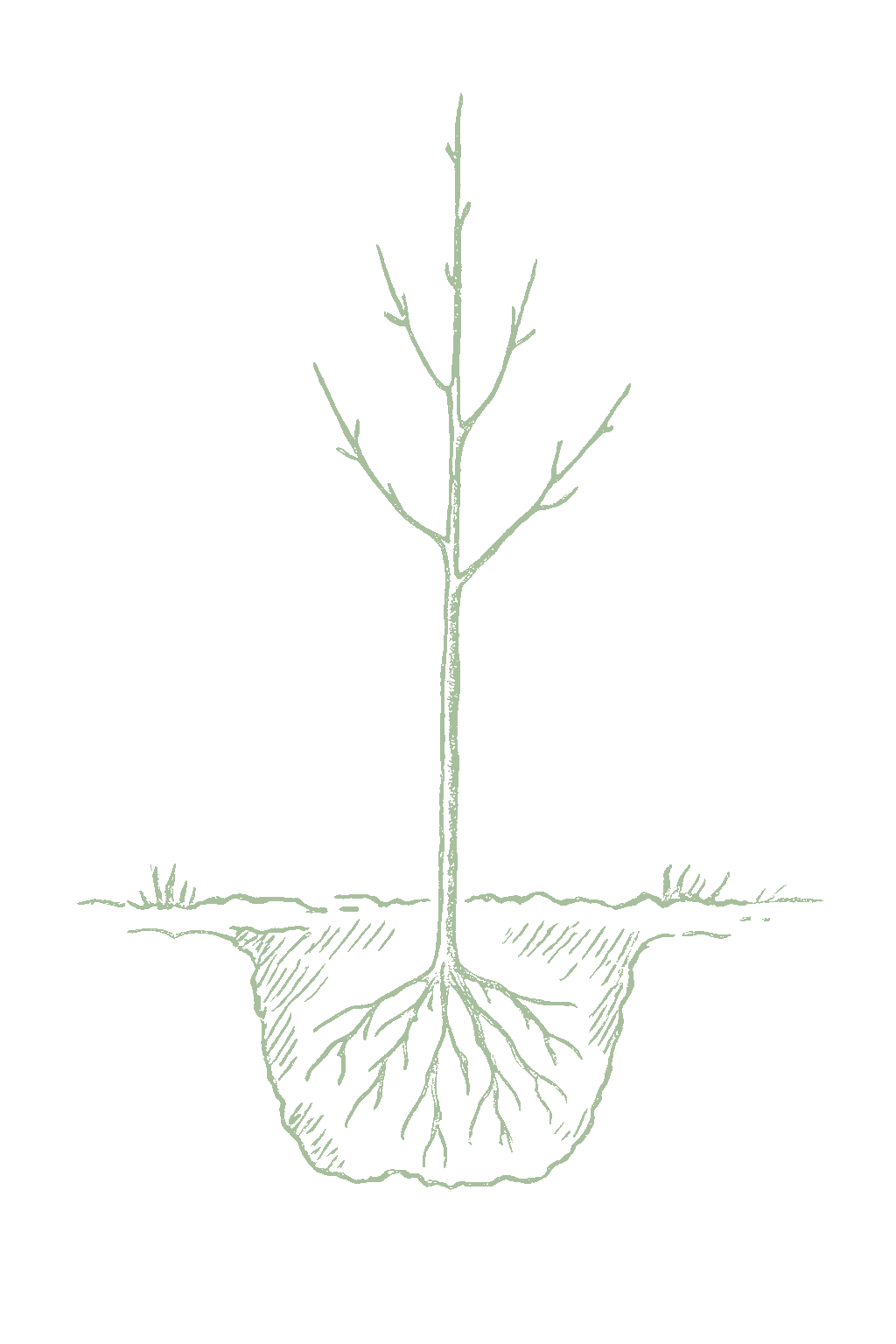
Stage 01 · Planting (bare-root, dormant)
01
Planting (bare-root, dormant)
You are planting a small, leafless tree, often sold bare-root (no pot, roots wrapped). Look for a bump low on the trunk, that is the graft where your pear variety joins the rootstock, and keep it above the soil line.A dormant, leafless bare-root or potted young tree with a visible graft union; buds tight and not yet swelling. Roots should be moist and pliable, not dried out.
Plant it in early spring in a sunny, well-drained spot, before the buds open. Keep that graft bump above the ground, water it in well, and stake it if it is a small tree. Hold off on fertilizer for now.Plant while dormant in well-drained full sun; keep the graft union 2 to 3 inches above the soil line; water in deeply; stake if on a dwarfing or quince rootstock. Do not fertilize at planting.
FROM PLANT · Keep the graft union (the bumpy spot low on the trunk where the variety was joined to the roots) 2 to 3 in above the soil. If you bury it, the top variety grows its own roots and the tree loses the size control and disease resistance the rootstock gives it.Keep the graft union 2 to 3 inches above the soil line, burying it lets the variety root and lose the rootstock's size and disease benefits.
FROM PLANT · Plant a second, different pear variety at the same time so they can pollinate each other, and check they are compatible (Bartlett and Seckel are not). A single pear, or a mismatched pair, usually makes no fruit.Plant a compatible, bloom-overlapping pollinizer at the same time, a lone pear (or an incompatible pair like Bartlett with Seckel) wastes years.
02
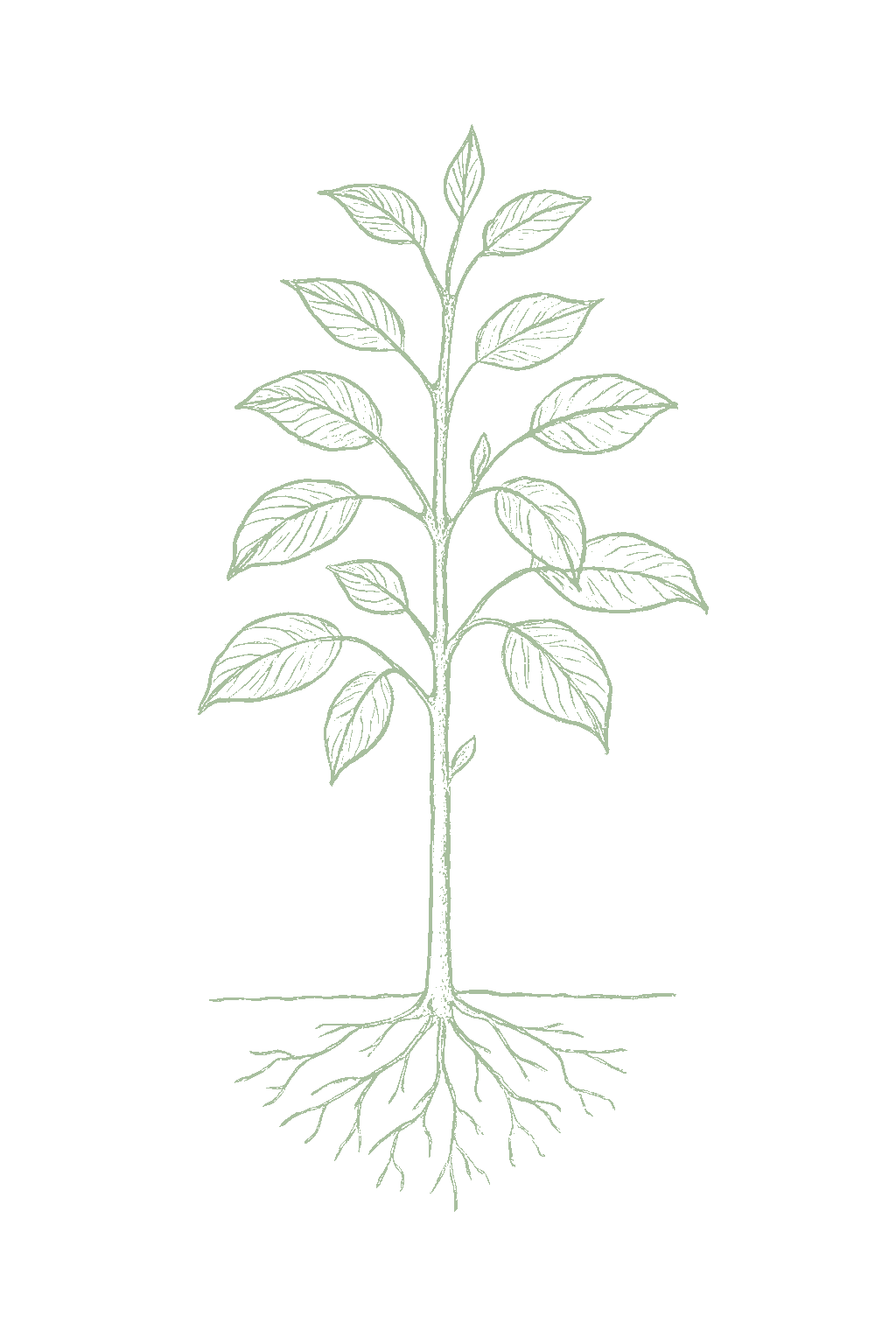
Year-1 establishment (remove blossoms)
The tree leafs out and grows its first new shoots. It may even try to flower, do not let it. Watch for any branch tips that suddenly turn black and bend over.First leaves and shoots emerge; the tree may attempt to flower. Watch for steady new shoot growth (the sign roots are taking) and for any blackened shoot tips (early fire blight).
If flowers open this first year, pinch them off, the tree is too young to fruit. Water deeply once or twice a week, mulch (not touching the trunk), and let it build roots. No pears this year is exactly right.Remove any blossoms that open this first year so energy goes to roots and scaffold. Keep soil evenly moist (deep-soak 1 to 2 times per week), mulch, protect the trunk from rodents and sunscald, and prune only lightly and only in dry weather to limit fire blight.
FROM PLANT · Pinch off all the flowers the first spring. Going without fruit in year 1 lets the tree put its energy into roots and branches, which makes it much stronger for the long life ahead.Pinch off every blossom the first spring, a fruitless year 1 builds a stronger tree for the decades pear lives.
FROM PLANT · Spread mulch in a wide circle around the tree, but keep it a few inches away from the trunk. Mulch against the trunk holds rot-causing moisture and hides mice that chew bark.Mulch a wide ring but keep it a few inches off the trunk to avoid rot and rodent cover.
FROM PLANT · A young pear should grow about 12 to 18 in of new branch each year. A lot more than that means too much nitrogen (the leafy-growth nutrient), which on pears feeds the disease fire blight, so ease off feeding.Aim for about 12 to 18 inches of new shoot growth a year, much more means too much nitrogen, which on a pear directly feeds fire blight.
FROM PLANT · Protect the young trunk through its first few winters with a light-colored tree guard. This prevents sunscald (bark damage from winter sun) and stops voles from chewing the bark.Protect the young trunk from sunscald and voles with a light-colored guard over the first winters.
03
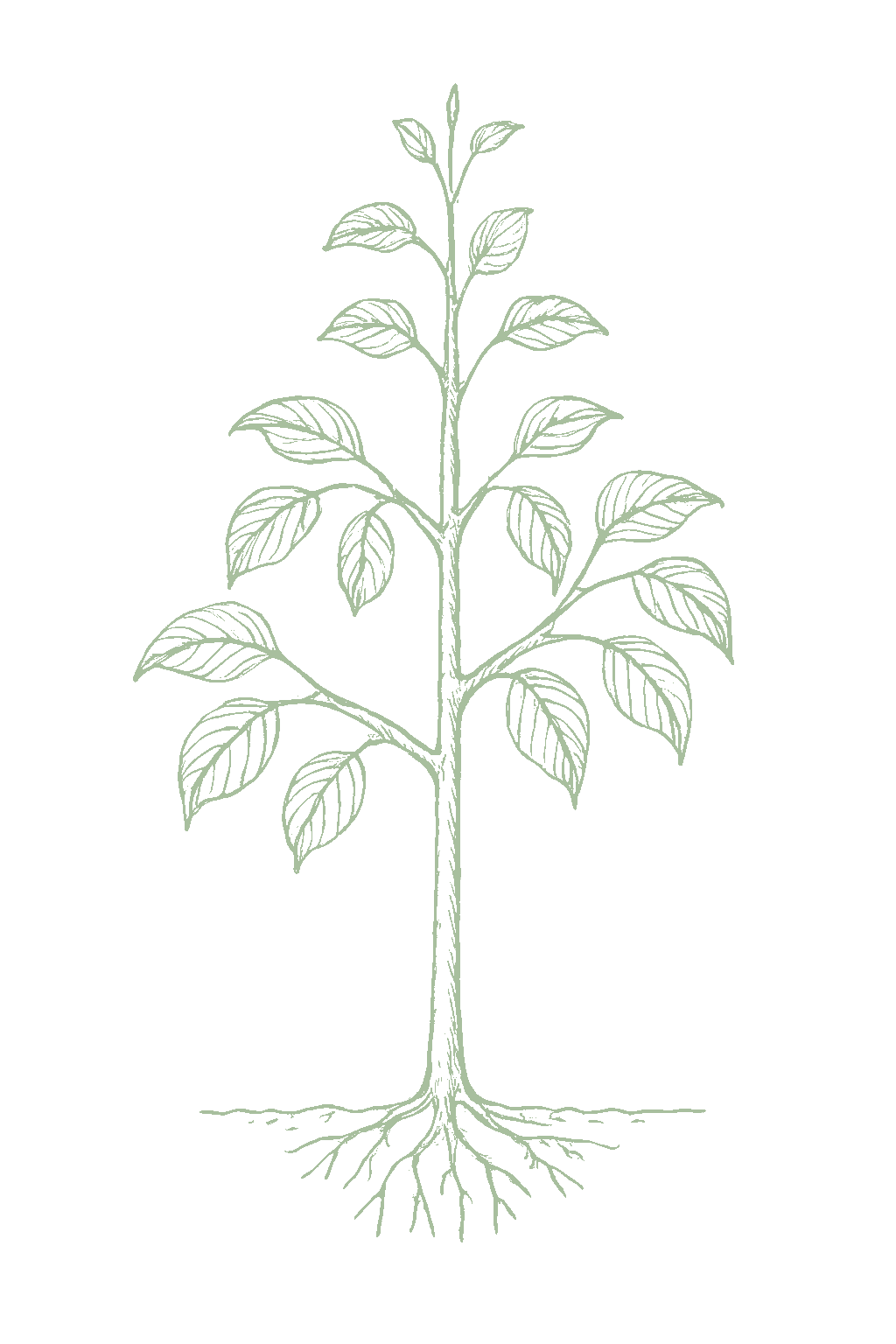
Scaffold formation (years 1 to 4)
Over the first few years the tree builds its main branches. Pears want to grow tall and narrow, so you want to encourage a few strong branches that spread outward.The permanent branch framework develops. Pears grow naturally upright and narrow, so look for well-spaced scaffolds and work to widen their crotch angles with spreaders.
Each winter while the tree is bare and the weather is dry, do some light shaping: keep one main upright stem and a few evenly spaced side branches, and gently spread upright branches outward with small spacers. Go easy, hard pruning makes soft growth that catches disease.Each winter, prune lightly in dry weather to train structure: keep a central leader, select well-spaced scaffolds, and use limb spreaders to widen the naturally narrow crotch angles. Prune conservatively, heavy cuts force the succulent regrowth fire blight exploits.
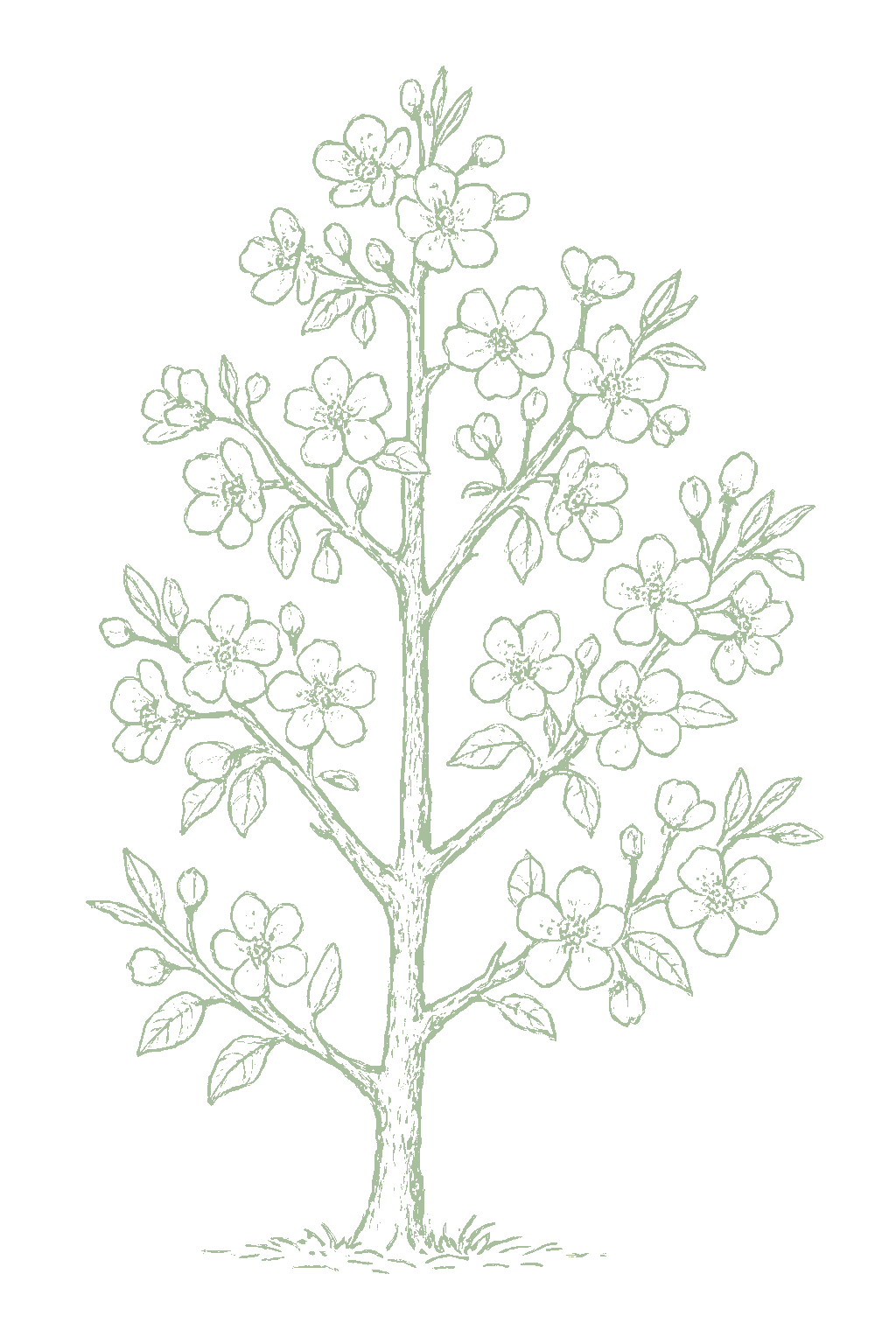
FROM PLANT · Pears want to grow tall and narrow, so in the first few winters gently push the upright branches outward with small spreaders to build a strong, open shape. Prune only a little, and only when it is dry, because hard pruning makes soft growth that catches fire blight. The shape you set now is the shape the tree keeps for life.Pears grow naturally upright and narrow, so train the framework with limb spreaders to widen crotch angles while the wood is young, and prune conservatively in dry weather, heavy cuts force the succulent regrowth fire blight exploits. The shape you set in the first few years is the shape the tree keeps for decades.
04
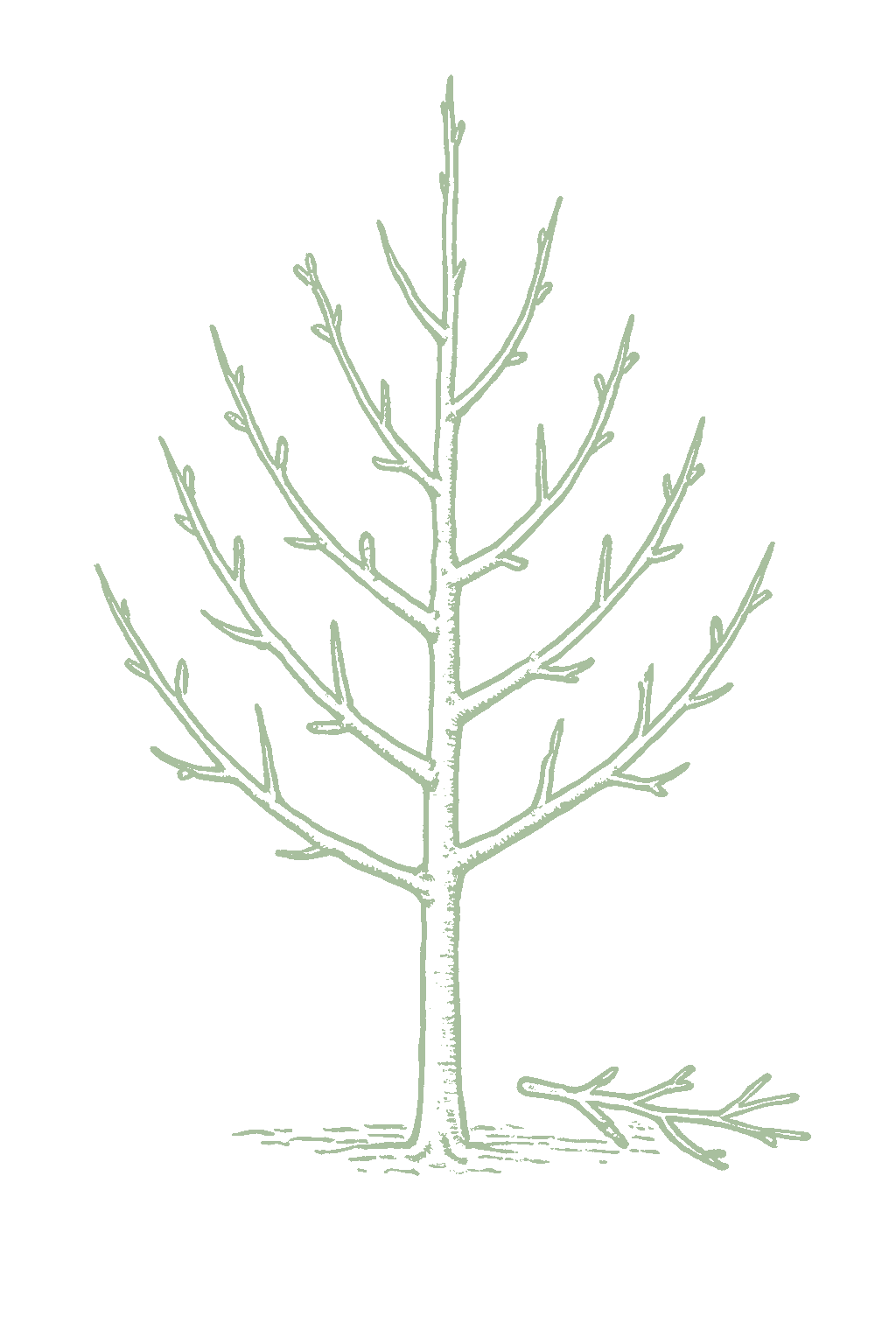
Annual winter dormant prune
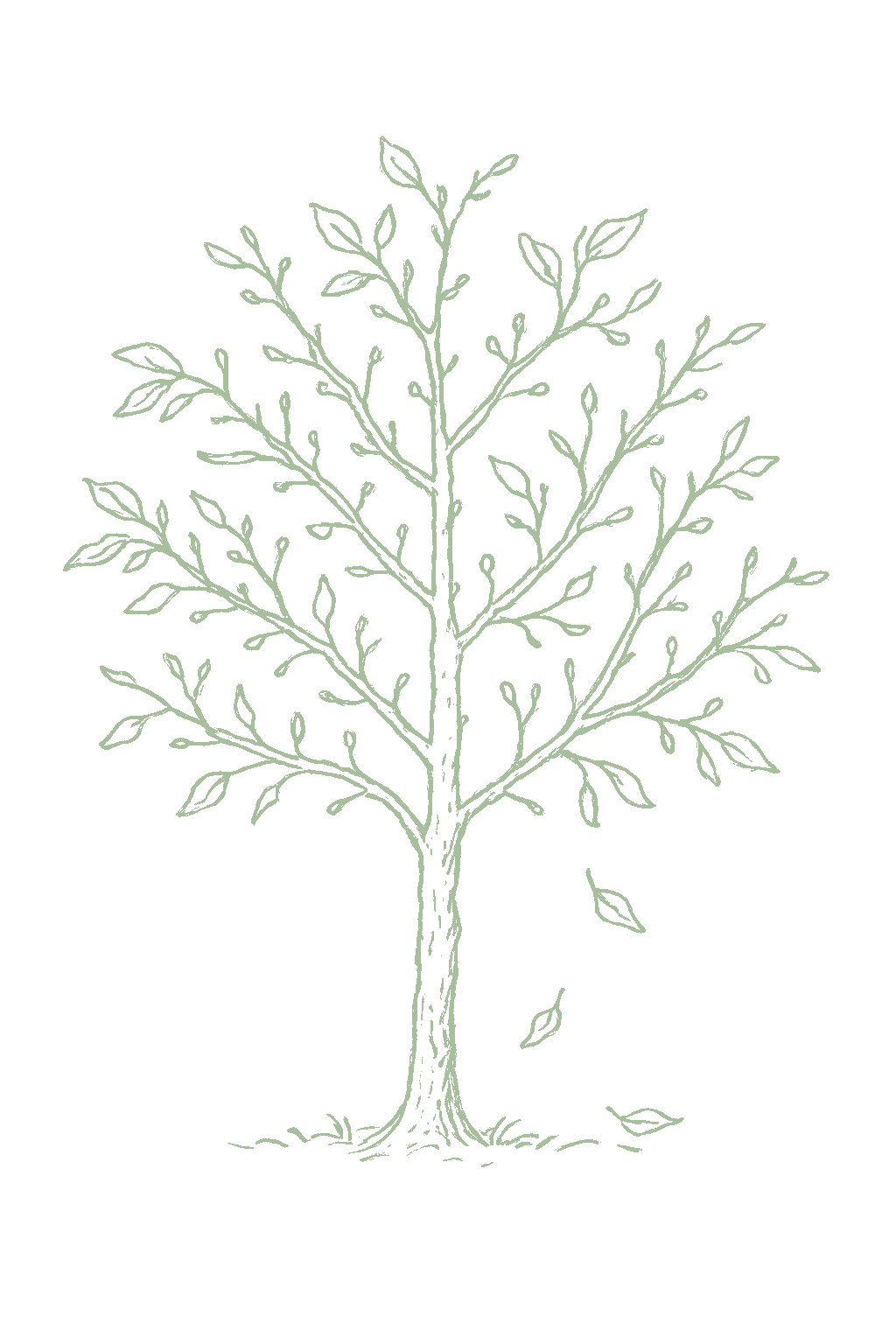
In late winter the tree is bare, the best time to prune because you can see the branches. Look for any black, scorched-looking wood from fire blight.A leafless, dormant canopy, the time to shape structure. Note water sprouts, crossing limbs, and any blackened fire-blight wood or cankers to remove.
Once a year, in late winter and only when it is dry out, thin the branches so sunlight and air get in, and remove dead or crossing wood. If you see any fire-blight-burned branch, cut well below it and wipe your tools with disinfectant between cuts.Prune annually in late winter, in dry weather: thin for light and air, remove water sprouts, crossing, and dead wood, and cut out fire-blight cankers 8 to 12 inches below the damage, disinfecting tools between cuts. Keep cuts moderate.
FROM PLANT · Do your pruning in late winter, before the buds open, and only when the weather is dry. Cuts made in damp weather let in fire blight, a serious disease that blackens and kills pear branches.Prune in late winter before bud break and only in dry weather; pruning a pear in humid conditions opens cuts to fire blight.
FROM PLANT · If fire blight might be around, wipe your pruners with disinfectant between each cut, and when you remove a burnt-looking branch, cut well below the damage (about a hand's length past it).Disinfect pruners between cuts whenever fire blight may be present, and cut cankers 8 to 12 inches below visible damage.
FROM PLANT · In winter the leafless tree is resting and collecting its chill hours (the cold it needs in order to flower and fruit later). The cold is helping the tree, not hurting it.Dormancy is when the tree banks its chill hours, the cold is doing necessary work, not harm.
05
Bloom and pollination
The tree covers itself in white flowers, a bit earlier than apples. Bees should be visiting. Check that your second pear variety is flowering too, and watch the weather, warm and wet during bloom is when fire blight spreads.Buds open to white blossoms, generally a few days before apples. Watch for bee activity (pear nectar is low, so bees can be sparse) and check that a compatible pollinizer is blooming at the same time. Warm, wet bloom weather is the fire-blight danger window.
Never spray bug killer while the tree is in bloom, you would kill the bees you need. Cover small trees if a hard frost is coming, since frost on open flowers means no pears. Make sure your second pear variety is blooming too, and do not prune in warm, wet weather.Do not apply insecticide during bloom (it kills pollinators). Watch the frost forecast and protect open bloom from late frost. Ensure a compatible pollinizer is in bloom within about 50 to 100 ft. In warm, wet weather, follow a fire-blight forecast and avoid pruning.
FROM PLANT · Never spray bug killer while the tree is in bloom. Pear flowers do not attract many bees to begin with, and insecticide kills the few you are counting on to set fruit.Never spray insecticide during bloom, and remember pear nectar is low, so you need every bee that visits.
FROM PLANT · Keep an eye on the frost forecast while the tree is flowering. Pears bloom early, so a hard frost can destroy the whole year's crop, cover the tree if a freeze is coming.Watch the frost forecast: pear blooms early, so a hard frost on open blossoms can cost the whole crop.
06
Fruit set and thinning
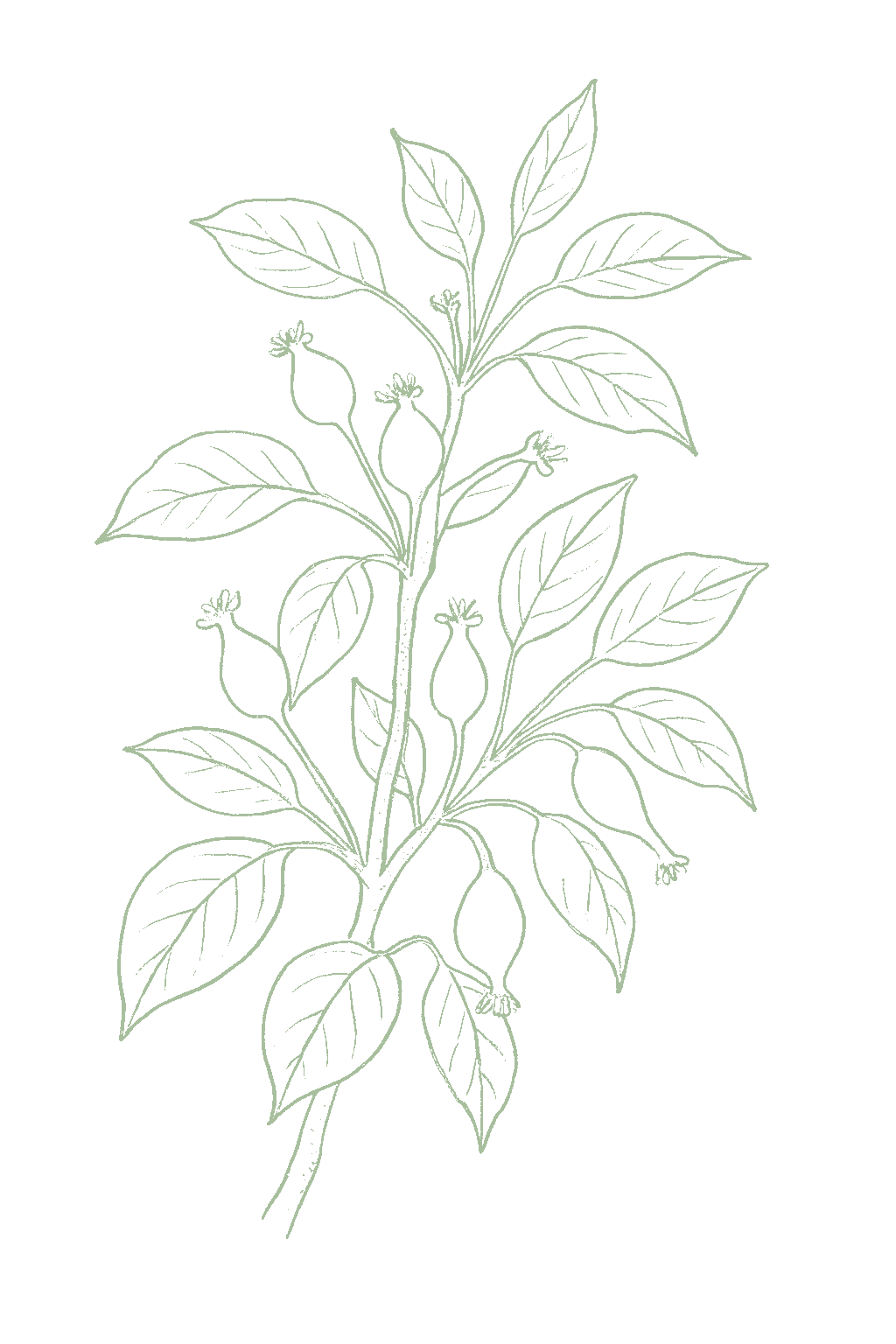
After the flowers fall, little pears appear in clusters. The tree drops some on its own, but usually leaves too many close together.Small fruitlets form in clusters after petals drop. A natural drop sheds some; remaining clusters are often too crowded for good size. Petal fall is also a codling-moth timing window.
Thin the young pears: snap off extras so you leave about one per cluster, spaced roughly a hand-width apart. Fewer pears means bigger, better fruit and less chance of a branch breaking. Petal fall is also the time to deal with the codling moth (the worm in the fruit).Thin to about one fruit per cluster (roughly 6 inches apart) within 4 to 6 weeks of bloom to size up fruit, reduce limb breakage, and curb biennial bearing. Target codling moth at petal fall, and watch for the first sticky signs of pear psylla.
FROM PLANT · About a month after bloom, thin the tiny pears to one per cluster by pinching off extras. Fewer pears per cluster means bigger fruit and a more even crop year to year.Thin to one fruit per cluster within about a month of bloom for bigger pears and steadier yearly crops.
FROM PLANT · The time right after petals fall is the key window to control codling moth (the worm in the fruit). Also check the new shoots for sticky, shiny goo, the sign of pear psylla.Petal fall is the codling-moth timing window; also scout the new shoots for the first sticky honeydew of pear psylla.
07
Harvest mature-but-firm (around year 4 to 6+)
Pears reach full size and the green starts to lighten, and they snap off easily when you lift and twist them up. They will still be hard, and that is right. Do not wait for them to soften on the tree.Full varietal size with the green ground color lightening, corky tan lenticels, and easy detachment when lifted and twisted upward to horizontal. Pick FIRM, the flesh should still be hard. Different varieties ripen weeks apart; do not wait for softening on the tree.
Pick the pears while firm as each kind comes ready (your first real harvest is usually around the fourth to sixth year). Put them somewhere cold for a while, then bring a few out to finish ripening on the counter. Handle them gently so they do not bruise.Pick mature but firm as each variety comes ready (first real crop usually around year 4 to 6, rootstock-dependent). Cool-store to satisfy post-harvest chilling, then ripen at room temperature. Handle gently to avoid bruising.
FROM PLANT · A pear is ready to pick, not eat, when it is full-sized, the green is lightening, and it snaps off when you lift and twist it up. It will still be hard, and that is right. Ripen them indoors, a pear left to ripen on the tree rots from the inside.Pick mature but FIRM and ripen off the tree: full size, ground color lightening, lenticels corky, and the stem snapping free on an upward twist. A tree-ripened pear browns and turns gritty at the core.
FROM PLANT · Winter pears like Anjou and Bosc need a few weeks in the cold (the fridge works) before they will ripen on the counter; summer Bartlett needs only a few days of cool. Then warm them up to finish.Give winter pears (Anjou, Bosc) a cold rest near freezing for several weeks before ripening; summer Bartlett ripens after just a few days cool.
08
Post-harvest and fall sanitation
After harvest the leaves turn and fall, and the tree goes to sleep for winter. Look at what is left on the ground.Leaves yellow and drop as the tree re-enters dormancy. Note dropped fruit and fallen leaves (carryover sources for codling moth, scab, and Fabraea leaf spot).
Rake up and remove the fallen leaves and any pears on the ground, this one chore prevents a lot of next-year disease and pests. Do not prune yet, save that for late winter when it is dry.Rake and remove fallen leaves (breaks pear scab and Fabraea cycles) and clear dropped fruit (breaks codling moth). A late-fall or dormant horticultural oil sets up pear-psylla control. Do not prune now, wait for late-winter dormancy and dry weather.
FROM PLANT · Rake up and remove the fallen leaves in autumn. This one chore breaks the cycle of pear scab and Fabraea leaf spot (two leaf-spotting fungi that overwinter in old leaves) for next year.Rake and remove fallen leaves, this single chore breaks the pear-scab and Fabraea-leaf-spot cycles for next year.
FROM PLANT · Pick up every dropped pear to break the codling-moth cycle, and a late-fall or winter spray of horticultural oil helps knock back pear psylla for next year.Clear dropped fruit to break the codling-moth cycle, and apply a dormant oil to set up pear-psylla control.
The specs

Care guide

The numbers that matter, at a glance.

Sunlight
Full sun · 6-8 hrs/day
Water
moderate
Spacing
180-300 inches
Soil
loam
Soil pH
6 to 7
Container OK?
Yes · 15+ gal pot
Soil chemistry

Soil pH for pear (european)

Preferred
6 to 7
Tolerated
5.5 to 7.5

Pear trees like soil that runs from slightly acidic to neutral, a pH around 6.0 to 7.0 (pH just measures how acidic or alkaline soil is, where 7.0 is neutral). Pears are a bit more tolerant of alkaline soil than apples. Test your soil before planting, since it is much easier to adjust the pH now than after the tree is in the ground. Garden lime raises a low pH; garden sulfur lowers a high one. Your local extension office can test a sample for you.Pear does best at a pH of about 6.0 to 7.0 and tolerates roughly 5.5 to 7.5, a slightly wider and more alkaline-tolerant band than apple. Test the soil before planting and adjust the whole root zone, not just the hole, because correcting pH around an established tree is slow. Lime raises a low pH; elemental sulfur lowers a high one. Well outside this band, iron and manganese availability falls and new growth yellows between the veins.

Verified · 1 source View
Steady hand on the hose

Watering

When & how much
Frequency
Water deeply but not too often, aim for about 1 inch a week while the tree is growing and making fruit. Water more in hot, dry spells and less once the leaves drop in fall.Deep, infrequent irrigation: about 1 inch of water per week through the growing season, more in heat and during fruit sizing, tapering off as the tree goes dormant.
Amount
About 1 inch a week. The easiest way is one long, slow soak that gets the water down deep, rather than a quick daily sprinkle.Roughly 1 inch per week as a baseline (a deep soak that wets the full root zone), increasing during fruit sizing in mid to late summer; pears drop fruit when droughted at sizing.
Method
Use a soaker hose or drip line, or let a hose trickle slowly at the edge of the branches. Keep water off the trunk itself, and mulch around the tree (not touching the trunk) to hold moisture in.Drip or a slow soak at the dripline; keep water off the trunk and crown to avoid collar rot, and mulch to hold moisture (pulled back a few inches from the trunk).
Signs of trouble
Too much water
If the leaves yellow and the ground stays soggy, the tree is getting too much water or the soil drains poorly. Rot at the base of the trunk is a warning sign.Yellowing leaves, persistently soggy soil, and root or collar rot at the trunk base signal too much water or poor drainage; pear tolerates wet ground better than most fruit trees but not standing water.
Too little water
Wilting or dry, brown leaf edges, and small fruit that drops early, mean the tree is too dry, especially in mid to late summer when the pears are filling out.Wilting or scorched leaf margins and premature fruit drop in summer indicate drought stress, especially during fruit sizing.
Feeding rhythm

Feeding

Frequency
annual
Type
balanced
When to start
early spring before bud break

Feed pear trees once a year, in early spring before the buds open, with a balanced fertilizer, and go light. Too much feeding is the number-one pear mistake: it makes lots of soft new growth that the disease fire blight loves, and it pushes the tree to grow leaves instead of fruit. If the tree is growing well and putting out healthy new branches each year, it may need no feeding at all. When in doubt, use less.Feed lightly in early spring before bud break, guided by shoot growth: a healthy young pear makes about 12 to 18 inches of new shoot growth a year, so feed to reach that and no more. Excess nitrogen is the classic pear mistake, it drives soft, succulent growth that fire blight runs straight through, and it delays fruiting. Mature trees on fertile soil often need no nitrogen at all. If anything, err on the side of underfeeding a pear.

N · P · K = 10-10-10

The three numbers on a fertilizer bag are nitrogen, phosphorus, and potassium. A balanced one like 10-10-10 is fine for pears, used sparingly. The first number (nitrogen) is the one to keep low, because too much makes soft growth that catches fire blight.A balanced N-P-K ratio (the three numbers on the bag, nitrogen, phosphorus, potassium) such as 10-10-10 at a modest rate, leaning toward the low end on any vigorous tree to limit fire-blight-prone growth. On fertile ground a pear often wants none.

Who grows well together

Companion planting

Pears do not pair with other plants the way vegetables do. For a pear, the neighbor that counts is a second, different pear variety that blooms at the same time, within about 50 to 100 ft, because most pears need another pear nearby to make fruit. Right around the trunk, do the opposite of planting companions: keep grass and other plants away from the base out to the edge of the branches, because they steal water and food from the young tree. Use mulch there instead, and never plant a pear near a black walnut tree, which poisons the soil for it. Pear does not companion-plant in the vegetable sense; the interactions that matter are pollination and root competition. The single most important neighbor is a second, bloom-overlapping pear variety (the pollinizer) within about 50 to 100 ft, since most pears are self-unfruitful. At the trunk, the rule reverses: keep turf and aggressive perennials out of the root zone, where grass competes hard with a young tree for water and nitrogen. Maintain a mulched, vegetation-free circle to the dripline, and avoid siting near black walnut, whose juglone is toxic to pear.

Pest deterrent
spring bulbs (daffodil)
Plant a ring of daffodils around your pear tree, out where the branches reach. They come up early in spring, help keep grass from creeping toward the trunk, and because they are poisonous to nibble, they discourage mice and deer. They die back in summer, so they stay out of the tree's way.A ring of daffodils at the drip line is a traditional fruit-tree-guild move with two intended jobs: the early foliage forms a band that helps hold back creeping grass, the tree's main competitor, and daffodils are toxic enough that voles and deer tend to avoid grazing through them to the trunk. They emerge and feed before the canopy leafs out, then go dormant, so they do not compete in summer. Treat this as a useful cultural barrier rather than a measured yield booster. Traditional
Nutrient
comfrey
Comfrey is a leafy plant that grows well around fruit trees. Its roots reach deep down, so it does not steal water from the tree, and it crowds out grass. A few times each summer you can cut the big leaves and lay them on the soil under the tree, where they rot down into natural food for it. Its flowers also bring in helpful bees.Comfrey is a workhorse of the fruit-tree guild. Its deep taproot pulls from well below the tree's surface feeder roots, so it does not compete for the same water and nutrients, and it shades out grass along the row. Chopped two or three times a season and dropped under the tree, its lush leaves break down into a mineral-rich mulch, and the flowers feed pollinators. The dynamic-accumulator framing is more tradition than proven chemistry, but the practical value as non-competing mulch and grass suppression is real. Traditional
Ground cover
clover (living mulch)
White clover is a low, soft plant you can grow as a living carpet under your pear tree. It pulls nitrogen from the air and feeds it slowly into the soil, while covering the ground to keep weeds down and hold in moisture. It is tough enough to walk on at picking time. Just keep it from growing right against the trunk.Dutch white clover makes a strong living mulch under pears. As a legume it fixes atmospheric nitrogen through its root symbiosis, feeding the tree slowly while staying low and tolerating harvest foot traffic. It covers the ground to suppress weeds and hold moisture without the aggressive grass competition bare turf brings. Keep it back from the immediate trunk zone, and note it does draw some moisture, so manage it on dry sites. Because pears want lean nitrogen, treat the clover's slow trickle as a feature, not a reason to also fertilize. Well-grounded
Keep apart from
black walnut Keep pear trees far away from black walnut trees. Black walnuts release a natural chemical called juglone from their roots and leaves that is poisonous to pears and can make them sicken and die. The chemical spreads through the soil well past the walnut's branches, so give them a very wide berth, at least 50 feet from a big walnut.Black walnut is a definitive bad neighbor for pear. Its roots, hulls, and leaf litter release juglone, an allelopathic compound toxic to many sensitive plants, and pear (like apple) is among those affected, showing decline and dieback within the walnut's root zone. The effect extends well beyond the visible canopy, roughly to the full root spread (commonly cited at fifty-plus feet from a mature tree), so siting matters more than spacing tweaks: keep pears entirely out of a black walnut's root zone. Well-grounded
turfgrass to the trunk Do not let lawn grass grow right up against your pear tree's trunk. The grass competes with the young tree for water and food, so it grows slower and fruits later. Grass at the trunk also hides mice that can chew the bark in winter. Keep a clear or mulched circle about two feet around the trunk, with the mulch pulled back slightly so it does not touch the bark.Letting turfgrass grow right up to a pear trunk is a quiet but real drag on the tree, especially when young. Grass competes directly for water and nitrogen in the surface zone where the feeder roots sit, slowing growth and delaying bearing, and dense grass and mulch against the trunk harbor voles that girdle bark over winter. Maintain a vegetation-free or mulched strip about two feet out from the trunk (mulch pulled back a few inches off the bark itself). Research-backed
Provenance tagged inline · see methodology for the labeling system Key
Harvest signals

When to pick

A pear is ready to PICK, not eat, when it has reached full size, its green has started to lighten, and it snaps off the branch easily when you lift it and twist it up to horizontal. It will still be hard, and that is correct. Do not wait for it to soften on the tree, a tree-ripened pear rots from the inside out and turns gritty and brown at the core. Bring the firm pears indoors, give them a week or two somewhere cool, then let them finish on the counter until the neck gives slightly to a gentle press. Do not expect a real crop until about the fourth to sixth year after planting.European pears are picked MATURE BUT FIRM, not tree-ripe: full varietal size with the ground color shifting from grass-green toward a lighter yellow-green, lenticels turning corky and tan, and the fruit detaching when lifted and twisted upward to horizontal. Tree-ripening ruins them, the flesh browns and breaks down at the core (stone-cell grittiness) while the skin still looks sound. After picking, most varieties need a cool rest (near 30 to 40°F) before they will ripen evenly at room temperature. First meaningful crop typically comes around year 4 to 6, rootstock-dependent.

Verified · 2 sources View
Yield

What to expect

How many pears you get depends mostly on tree size. A small tree gives roughly 1 to 2 bushels a year (a bushel is about 40 lb of pears), while a full-size tree can give several times that once mature. Established pears often crop heavily.Mature yield is rootstock-driven: a size-controlled tree (quince or OHxF 333) carries roughly 1 to 2 bushels (about 40 to 80 lb) per year, a semi-vigorous OHxF 87/97 more, and a standard seedling-rooted tree can exceed 4 to 8 bushels at full maturity. Pears tend to bear heavily once established.

A pear does not hit full production right away, it builds up over several years after its first crop, a bit slower than an apple. Some varieties naturally swing between a big year and a small year; thinning the young fruit helps keep crops steadier.Trees reach full bearing several years after first crop: roughly years 6 to 10, later than apple and later still on standard rootstocks. Many cultivars tend toward biennial bearing (a heavy year then a light one); consistent fruit thinning evens it out. Expect zero pears the first year, that is normal and intended. Your first real handful of fruit usually comes around year 4 to 6, a bit later than an apple.No crop in the planting year (blossoms are removed). First meaningful fruit around year 4 to 6, rootstock-dependent and later than apple.

What changes yield
rootstock (sets tree size, bearing age, and fire-blight/decline tolerance)cross-pollination success (compatible, overlapping pollinizer within ~50 to 100 ft)fruit thinning (size and biennial-bearing control)late-frost damage to early bloomfire blight and pear psylla pressure
Verified · 1 source View
Off the vine

Storing your harvest

Room temp
A ripe pear stays good only a few days on the counter, so ripen just a few at a time. A firm, unripe summer pear like Bartlett takes about 4 to 7 days to soften at room temperature.Once ripened, pears hold only a few days at room temperature; ripen them in small batches as needed. Unripened, firm summer pears (Bartlett) ripen in 4 to 7 days at room temperature, winter pears need a cold period first.
Fridge
In the fridge, firm unripe pears last a long time, about 2 to 3 months for summer Bartlett and up to 4 to 5 months for winter pears like Anjou and Bosc. The cold storage also does double duty: many pears need that chill before they will ripen properly on the counter. Take out a few at a time to ripen.Held firm and unripe near 30 to 35°F at high humidity, summer pears (Bartlett) keep 2 to 3 months and winter pears (Anjou, Bosc, Comice) keep 3 to 5 months. The cold also satisfies the post-harvest chilling many varieties need before they will ripen at room temperature. Pull a few out to ripen as wanted.
Freezer
Whole pears turn mushy if frozen. Instead, peel and slice them into a little light syrup, or cook them down first, then freeze. Frozen this way they keep about a year and are great for baking.Pears do not freeze well whole (texture turns mushy); freeze as slices in light syrup or as sauce for cooking use up to about a year.
Verified · 2 sources View
When something goes wrong

Common problems

Lots of flowers, but no pearsTree flowered but set no fruit
01 of 06
What happened Your tree had plenty of flowers but they fell off without making pears. Usually there was no second, compatible pear variety blooming nearby. Watch for two traps: Bartlett and Seckel cannot pollinate each other, and Magness cannot pollinate anything.Without a compatible pollinizer in overlapping bloom within about 50 to 100 ft, pear blossoms are not fertilized and drop. A common trap is an INCOMPATIBLE pair (Bartlett with Seckel) or a pollen-sterile variety (Magness) used as the lone partner. Next season Plant a second, different pear variety nearby that blooms at the same time and is a compatible match, then bees can do their job. Avoid the Bartlett-Seckel mismatch.Add a second, genetically different, COMPATIBLE pear whose bloom overlaps, within about 50 to 100 ft (check the compatibility chart). Strong bee activity helps, since pear nectar is low.
Branches turned black, as if burnedBranch tips blackened and scorched
02 of 06
What happened Branch tips suddenly turned black and bent into a hook, as if scorched. This is fire blight, the main pear disease, which spreads in warm, wet weather and loves the soft growth from too much fertilizer.Fire blight (Erwinia amylovora) infected through blossoms or tender shoots in warm, wet weather, blackening shoots into shepherd's crooks and forming cankers. Pear is highly susceptible, and lush nitrogen-pushed growth made it worse. Next season Cut the blackened branches well below the damage in dry weather, wiping tools between cuts. Next time choose a resistant variety, go easy on fertilizer, and only prune when it is dry.Cut out infected wood 8 to 12 inches below symptoms in dry weather, disinfecting between cuts; going forward plant resistant cultivars (Kieffer, Orient, Moonglow) on a tolerant rootstock and keep nitrogen lean.
Pears mushy and brown insidePears brown and gritty at the core
03 of 06
What happened You cut open a pear and the middle was brown and gritty while the outside looked fine. That happens when pears ripen on the tree instead of being picked firm and ripened indoors.The fruit was left to ripen on the tree, or held too warm too long after picking. European pears ripen from the inside out and break down at the core (stone-cell grit, internal browning) if tree-ripened or over-held. Next season Next time pick the pears while still firm and green, give them a cold rest, then ripen them on the counter and eat them soon after they soften.Pick mature but FIRM (upward-twist detachment, lightening ground color), cool-store to satisfy post-harvest chilling, then ripen at room temperature and eat promptly once the neck softens.
Few flowers, or flowers very lateSparse, delayed, or straggly bloom
04 of 06
What happened The tree barely flowered, or flowered oddly late and patchy. This usually means the variety needs more winter cold than your area gives, and pears need more cold than apples.A high-chill variety grown in a warm-winter zone did not accumulate enough chill to break dormancy normally, giving delayed, uneven, weak bloom and poor set. European pears need more chill than apples, so the mismatch is easy to make. Next season Pick a low-chill pear variety suited to mild winters, like Hood, Kieffer, or Orient. The right variety for your climate flowers normally.Match variety chill to your winters: in warm zones choose low-chill cultivars (Hood, Kieffer, Orient).
Sticky, blackened leaves and shootsSticky leaves with black sooty mold
05 of 06
What happened The leaves and young pears got coated in sticky goo that turned black and grimy. That is pear psylla, a pear-specific insect; it gets worse if harsh sprays have killed the helpful bugs.Pear psylla nymphs fed heavily and exuded honeydew that grew black sooty mold, scorching leaves and russeting fruit. Outbreaks often follow broad-spectrum sprays that kill the psylla's natural enemies. Next season Spray dormant oil in late winter to smother the overwintering insects, use insecticidal soap during the season, and avoid harsh sprays that kill the good bugs.Apply dormant oil in late winter, use insecticidal soap or summer oil in season, and conserve natural enemies by avoiding broad-spectrum insecticides.
A huge year, then a bare yearHeavy crop one year, almost none the next
06 of 06
What happened One year the tree was loaded, the next it had almost none. Pears can get into this on-and-off rhythm when they over-crop.The tree fell into biennial bearing: a heavy crop suppressed next year's flower buds, giving an off year. Some pear varieties are naturally prone to it. Next season Thin the young pears every single year, even in a big year. Leaving fewer pears helps the tree make flower buds for next year and evens out the crops.Thin fruit consistently every year (about one per cluster) so the tree sets flower buds for the following season and crops more evenly.
Verified · 6 sources View
The usual suspects

Pests & diseases

Pests
Codling moth
P · 01
Symptoms This is the classic 'worm in the fruit.' You find a small hole with brown crumbly stuff (frass) around it, and a tunnel into the core when you cut it open. Bad pears drop early.Larvae tunnel into the fruit core, leaving a frass-filled entry hole (often at the calyx end) and brown trails; infested pears drop early or are inedible. Cause A small moth lays eggs on the tiny pears in spring; the eggs hatch into caterpillars that crawl into the fruit. There can be two batches a summer, so the problem repeats.Cydia pomonella; female moths lay eggs on developing fruit and young leaves near bloom, and hatching larvae bore into the pear. Two or more generations per season in most regions. The same pest attacks apple. Organic treatment Pick up and throw away every pear that drops, do not leave them under the tree. You can slip paper bags over young pears to keep moths out, and scent traps help you know when to act. Sprays like spinosad work if timed right.Monitor with pheromone traps to time control; remove and destroy dropped and infested fruit; bag individual fruit; spinosad or kaolin clay on a degree-day/petal-fall schedule. Mating disruption works at larger scale. Prevention Keep the ground under the tree clean of fallen pears, and wrap a band of cardboard around the trunk to trap crawling caterpillars. Nearby neglected pear or apple trees make it worse.Orchard sanitation (clear dropped fruit and debris), keep nearby abandoned pear or apple trees pruned or removed, and band trunks to catch larvae seeking pupation sites.
Pear psylla
P · 02
Symptoms Leaves and young pears get coated in a sticky, shiny film that turns black and grimy (sooty mold), and the leaves may scorch and drop. Tiny insects cluster on the new shoots.Nymphs feed in clusters on shoots and leaves and exude copious sticky honeydew that blackens with sooty mold; heavy feeding causes leaf scorch, premature drop, fruit russeting, and tree decline. The signature pear pest. Cause A tiny pear-specific insect (a kind of jumping plant louse) that sucks sap and oozes sticky stuff. It can build up fast, especially if bug sprays have wiped out the good bugs that normally keep it down.Cacopsylla pyricola; a small psyllid specific to pear that overwinters as an adult and builds several overlapping generations through the season. Outbreaks follow broad-spectrum sprays that kill its natural enemies. Organic treatment Spray horticultural oil while the tree is dormant in late winter to smother the overwintering insects, and use insecticidal soap in the growing season. Avoid harsh sprays, which kill the helpful bugs that eat psylla.Dormant-season horticultural oil to smother overwintering adults and eggs; in-season insecticidal soap or summer oil; conserve natural enemies (anthocorid bugs, lacewings) by avoiding broad-spectrum insecticides; kaolin clay deters egg-laying. Prevention A good dormant oil spray in late winter and going easy on harsh sprays and fertilizer keep this pear-specific pest in check.A well-timed dormant oil program plus a natural-enemy-friendly spray regime is the backbone of psylla management; avoid the lush nitrogen-pushed growth psylla favors.
Pear scab
P · 03
Symptoms Dark, fuzzy olive-to-black spots appear on the leaves and the pears get rough, scabby, cracked patches. In a bad year the tree drops its leaves early.Olive-green to black velvety spots on leaves, shoots, and fruit; fruit lesions become corky and cracked, and severe infection causes leaf yellowing and early defoliation. The pear analog of apple scab. Cause A fungus that survives winter in last year's fallen leaves and spreads in cool, wet spring weather onto the new leaves and fruit.Venturia pyrina; spores overwinter in fallen leaves and infect during wet spring weather, with infection periods driven by leaf wetness and temperature. Distinct from the apple-scab fungus but managed the same way. Organic treatment Sulfur spray in spring, applied before infection takes hold, is the organic option. Once the spots are everywhere it is too late for that year, so prevention is the game.Apply sulfur or other labeled fungicide on a protective schedule keyed to spring infection periods; far easier to prevent than to cure once established. Prevention The single best move is to rake up and remove fallen leaves every autumn, that is where the fungus hides over winter. Prune for good airflow too.Rake and remove fallen leaves in autumn (destroys the overwintering source), prune for airflow, and choose less-susceptible varieties.
Fabraea leaf spot
P · 04
Symptoms Lots of small dark spots speckle the leaves in mid to late summer, and the tree may drop a lot of leaves early. The pears can get spotted and pitted too.Numerous small, dark purple-to-black spots on leaves and fruit through summer; heavy infection causes blotching, early defoliation, and pitted, cracked fruit. Most damaging in warm, humid regions and on susceptible cultivars (Bartlett, Bosc). Cause A fungus that lives in old fallen leaves and spreads in warm, rainy summer weather, getting worse as summer goes on. It is a bigger problem in hot, humid areas.Entomosporium mespili (Fabraea maculata); the fungus overwinters in fallen leaves and infected twigs and spreads in warm, rainy summer weather, building late in the season. Organic treatment If your tree gets this every year, a protective fungicide through summer helps. Always rake up and remove the fallen leaves to break the cycle.Protective fungicide (labeled product) on a summer schedule where it has a history; rake and destroy fallen leaves to cut the overwintering source. Prevention Rake up fallen leaves every fall, prune so air moves through the tree, and in hot humid areas choose a resistant variety.Fall leaf removal, airflow pruning, and resistant cultivar choice; the disease is far worse in the humid Southeast than in arid or northern regions.
Diseases
Fire blight
D · 01
Symptoms Branch tips and flower clusters suddenly turn black and look burned, as if scorched by fire, and the tip bends over into a hook shape. It can kill whole branches or the whole tree. Pears catch it worse than apples.Blossoms and shoot tips suddenly wilt, blacken, and die, bending into a characteristic 'shepherd's crook'; affected branches look scorched, and sunken, oozing cankers form on wood. Pear is markedly MORE susceptible than apple, and a single warm, wet bloom can kill whole limbs or a young tree. Cause Bacteria that infect through the flowers and soft new shoots in warm, wet spring weather. Fast, soft growth from too much fertilizer makes it much worse. It is the main reason pears struggle in warm, damp climates.Erwinia amylovora; bacteria infect through open blossoms and tender shoot tips in warm, wet spring weather and spread fastest on lush, nitrogen-pushed growth. It is the single biggest reason European pears fail in the humid South and East. Organic treatment Cut off the blackened branches well below the damage (about a hand's length past it), wiping your pruners with disinfectant between every cut so you do not spread it, and only in dry weather. There is no spray that cures it.Prune out infected wood at least 8 to 12 inches below visible symptoms, disinfecting tools between cuts, in dry weather; remove badly affected trees. There is no cure once established, management is prevention plus cutting it out. Prevention The best defense is to choose a resistant variety (Kieffer, Orient, Moonglow, Ayers, Warren) on a resistant rootstock, especially where summers are warm and humid. Then go easy on fertilizer (soft growth catches it) and prune only in dry weather.The decisive move is variety and rootstock choice: plant fire-blight-resistant cultivars (Kieffer, Orient, Moonglow, Ayers, Warren, Magness) on a tolerant rootstock (the OHxF series). Then avoid excess nitrogen, prune only in dry weather, and follow a bloom-time forecast model where available.
Pear scab
D · 02
Symptoms Dark, fuzzy spots on the leaves and rough, scabby, cracked patches on the pears. In a bad year the tree drops its leaves early.Olive to black velvety lesions on leaves and fruit that turn corky and cracked; severe infection yellows leaves and causes early defoliation and scabby, misshapen fruit. Cause A fungus that overwinters in last year's fallen leaves and spreads onto new leaves and fruit in cool, wet spring weather.Venturia pyrina; overwinters in fallen leaves and infects during wet spring weather, infection periods set by leaf wetness and temperature. Organic treatment Sulfur spray in spring before the spots appear is the organic route. Once it is widespread it is too late for that year.Sulfur or a labeled fungicide on a protective spring schedule keyed to infection periods; prevention beats cure. Prevention Rake up fallen leaves every fall and prune for good airflow. Resistant varieties rarely need spraying.Rake and remove fallen leaves each autumn, prune for airflow, and choose less-susceptible varieties.
Fabraea leaf spot
D · 03
Symptoms Lots of small dark spots cover the leaves in summer, and the tree can drop most of its leaves early. The pears get spotted and pitted.Many small dark purple-black spots on leaves and fruit through summer, leading to early defoliation and pitted, cracked fruit; the dominant summer foliar disease of pear in warm, humid regions. Cause A fungus that lives in old leaves and twigs and spreads in warm, rainy summer weather, getting worse through the summer.Entomosporium mespili; overwinters in fallen leaves and twig lesions and spreads in warm, rainy summer weather, intensifying late in the season. Organic treatment A protective fungicide through summer if it keeps coming back, plus raking up all the fallen leaves in fall.Protective fungicide on a summer schedule where it recurs; rigorous fall leaf removal to cut the overwintering inoculum. Prevention Rake up fallen leaves, prune for airflow, and pick a resistant variety in hot, humid areas.Fall sanitation, airflow pruning, and resistant cultivars; far less of a problem in arid and northern climates.
Pear decline
D · 04
Symptoms The tree slowly weakens over years, with small leaves that redden early in fall and a shrinking crop, or sometimes a sudden collapse. It is tied to the pear psylla insect and to certain rootstocks.Slow decline, weak growth, small leaves with reddish autumn color, and reduced yield, or in acute cases sudden collapse; driven by a phytoplasma transmitted by pear psylla and expressed through a sensitive rootstock. Cause A tiny disease organism carried by the pear psylla insect. How badly a tree is hit depends on its rootstock, so a resistant rootstock is the main protection.A phytoplasma (a bacteria-like organism) spread by pear psylla; severity depends heavily on rootstock sensitivity, which is why decline-resistant rootstocks (OHxF series) matter. Organic treatment There is no cure once a tree has it. Keep pear psylla under control and, most importantly, start with a resistant rootstock when you plant.No cure; manage by controlling pear psylla (the vector) and, at planting, choosing a tolerant rootstock (OHxF). Remove severely declining trees. Prevention Buy a tree grown on a resistant rootstock (the OHxF series) and keep pear psylla in check. That is the whole prevention.Plant on a decline-tolerant rootstock (OHxF 87/97/333) and keep psylla populations low; avoid highly sensitive rootstocks.
Verified · 4 sources View
Seasoned
Where to plant next year

Crop rotation

Instead of rotating, just choose a good permanent spot: full sun, soil that drains (pears handle heavier soil than most fruit trees), and open air around the tree to keep disease down.Site selection, not rotation, is the lever: full sun, well-drained soil (pear tolerates heavier ground than most fruit), good air movement to limit fire blight and Fabraea, and fresh ground free of replant issues.

Family
Rosaceae
Avoid following
Crop rotation is for annual vegetables, not pear trees, a pear stays in one spot for many years. The one thing to know: do not plant a new pear exactly where an old pear (or apple) used to be, because leftover soil problems can stunt the new tree. Pick a fresh spot, or dig out and replace the old soil.Not applicable as annual rotation: pear is a permanent tree that holds its site for decades. The real concern is replant disease, avoid planting a new pear where an old pear or apple stood, or replace the soil in the planting hole and choose a vigorous rootstock.
Verified · 1 source View
Ask the gardener

Common questions

Got a question we missed?

We're building this guide with real growers. Got a question we missed? Ask here. We read every one and add the best answers right to this page.

Grown this before?

Share a tip

Learned something the hard way? Pass it on. Real growers' tips make this guide better for the next person, and we credit you by name when yours goes live.

Seasoned
Spot something wrong?

Report a problem

If you've grown this crop and you see a date, a temperature, a companion claim, or a recommendation that doesn't match your experience, tell us. Real growers' corrections make this guide better for the next person.

How we built this guide

Methodology & sources

Every date, temperature, spacing, and recommendation on this page is sourced from university cooperative extension publications, peer-reviewed agricultural research, NOAA climate data, and direct extension calendars. Where claims are softer (traditional gardening wisdom not formally documented), we say so.

Research-backed Documented in cooperative extension publications or peer-reviewed research
Well-grounded A known agronomic principle, but not formally tested for this specific pair
Traditional Time-tested gardening wisdom, limited formal research support
Last reviewed
July 2, 2026
Data version
crops_data_final · v1.0 · schema 2.9
Sources cited on this page
16 publications
Verified entries
Companion-planting claims tagged inline · zone dates verified against 5+ extensions
See all sources cited on this page
  • University of Minnesota Extension umn_ext
  • University of Maryland Extension umd_ext
  • Cornell Cooperative Extension cornell_ext
  • Iowa State University Extension iastate_ext
  • Michigan State University Extension msu_ext
  • NC State Extension ncsu_ext
  • Penn State Extension psu_ext
  • U. of Illinois Urbana-Champaign Extension uiuc_ext
  • UC Davis Postharvest Center ucd_postharvest
  • Texas A&M AgriLife Extension tamu_agrilife
  • Virginia Cooperative Extension 426-331 vce_426_331
  • Piedmont Master Gardeners piedmont_mg
  • UGA Vegetable Garden Calendar uga_calendar
  • Clemson Home & Garden Information Center clemson_hgic
  • UC IPM Statewide IPM Program uc_ipm
  • NOAA 1991-2020 Climate Normals noaa_normals

Growing notes, weekly.

Zone-aware seasonal nudges, what's worth planting now, and the occasional recipe from the harvest. No spam, ever.

Vol. 004 · Pear (European) · plant.lifestyle