Today · in your zone
What's happening right now
Off-season for pole beans in zone 3.
Tap to switch. plant calibrates to where you are in the journey.
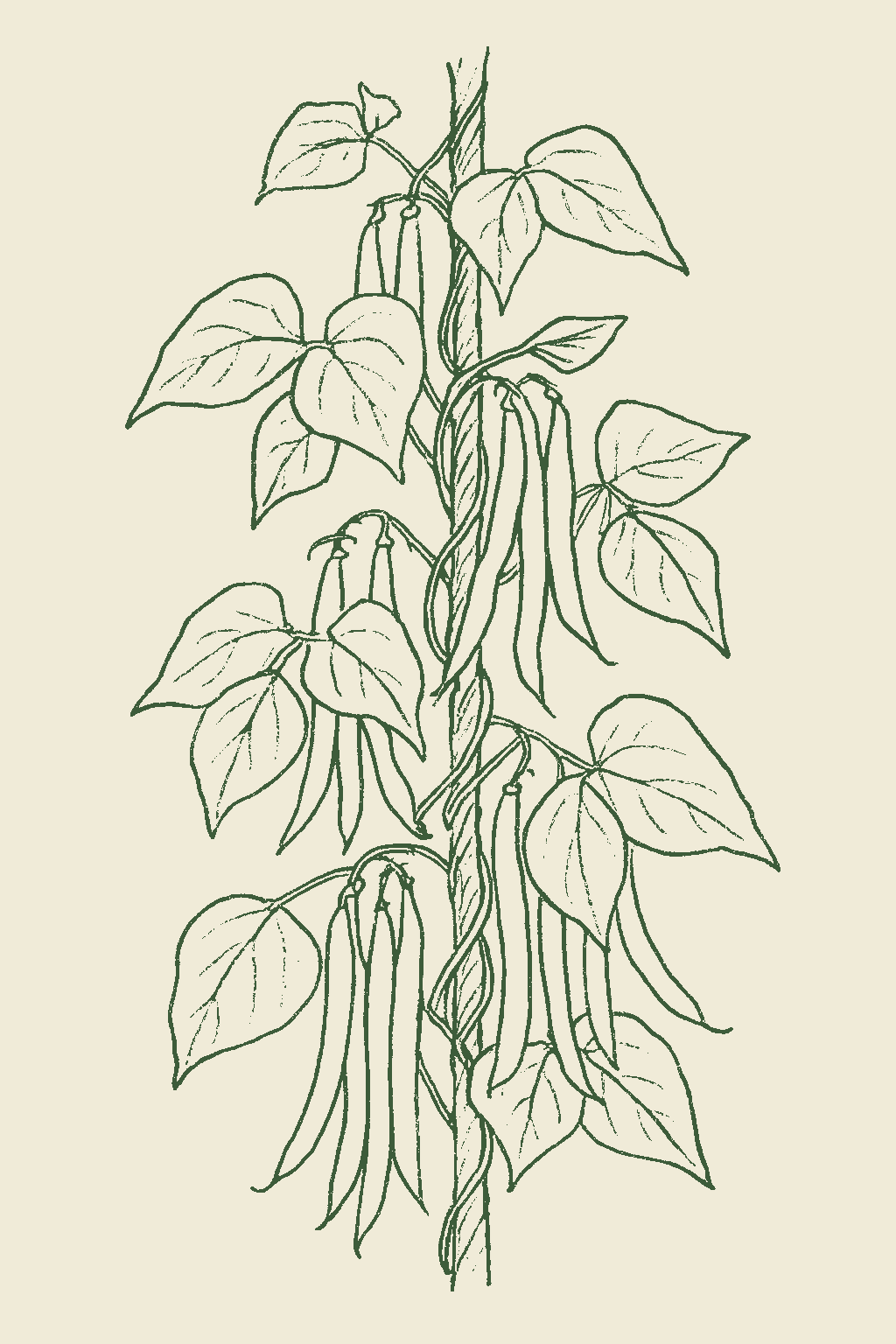
Pole beans are the climbing kind of green bean. Instead of staying short like bush beans, they grow as long vines that need something tall to climb, like a trellis, a teepee of poles, or a fence about 6 to 8 feet high. The reward is a long harvest: one planting keeps making beans for weeks, all the way until frost, so you pick a handful every few days instead of getting them all at once. You plant the seeds straight in the garden after the last frost, give them their support, keep them watered, and start picking in about two months. Pole beans (Phaseolus vulgaris) are the climbing form of the common snap bean: frost-tender, warm-season, nitrogen-fixing legumes grown for their tender immature pods. Unlike the self-supporting bush type, they are twining vines that need a sturdy trellis, teepee, or fence 6 to 8 feet tall to climb. That vertical habit is the payoff: a single planting flowers and sets pods progressively over many weeks, bearing more from the same ground than a bush planting and continuing right up to frost, so you pick regularly rather than facing one concentrated glut. Direct-sown into warm soil after the last frost, they reach a first pickable crop in about 60 to 70 days.
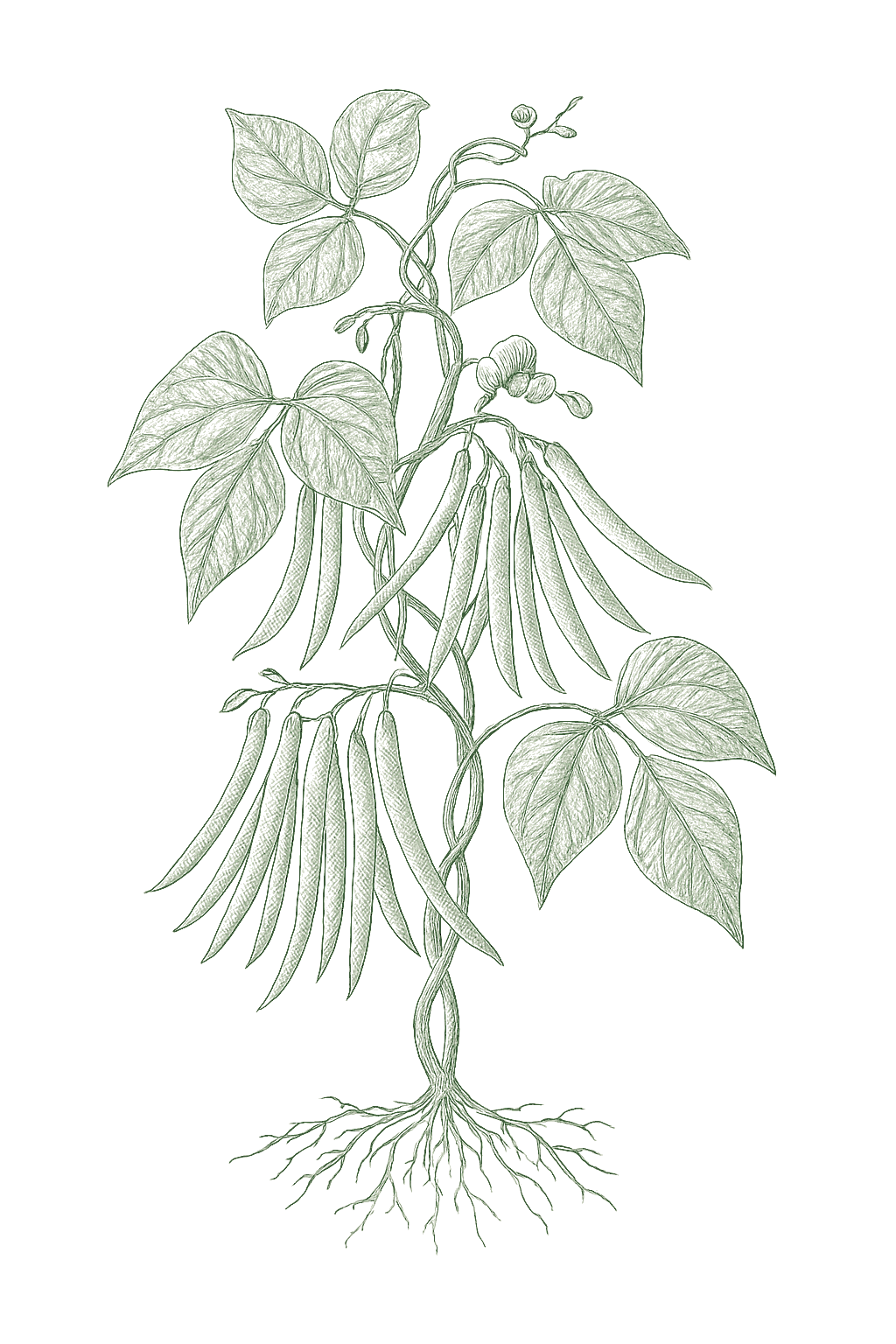
Off-season for pole beans in zone 3.
In Zone 3, pole beans can be planted May through July. Harvest runs July through September.
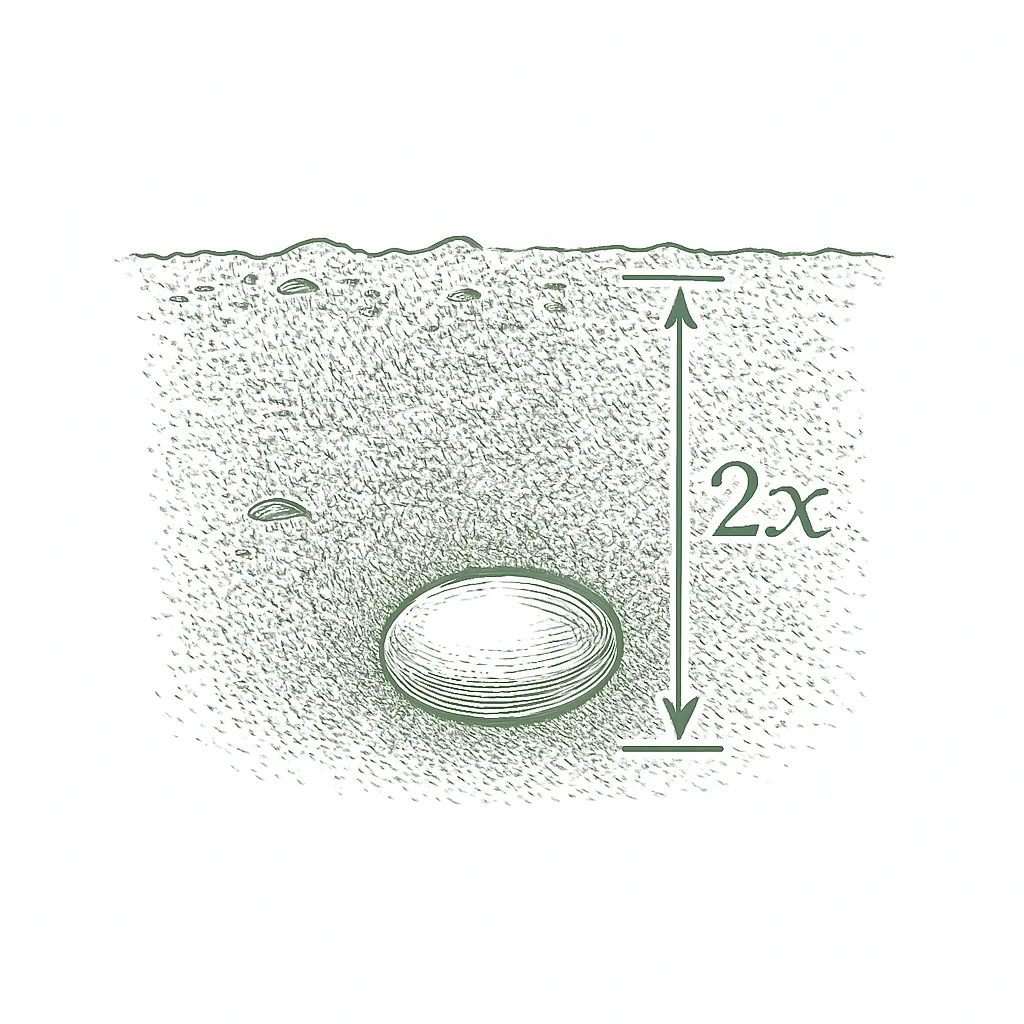
Plant pole bean seeds right where they will grow, once the soil has warmed and frost is past, and put up the trellis or poles at the same time. Beans do not like having their roots disturbed, so skip starting them indoors.Sow directly into warm soil after the last spring frost, and set the trellis, poles, or netting in place at planting so you do not disturb the roots later. Beans resent root disturbance and germinate quickly in place, so transplanting offers no advantage.










Not sure what soil you have? Grab a small handful of damp soil from your garden bed and squeeze it. If it crumbles apart easily, it's sandy. If it holds together but breaks when you poke it, it's loam (what most vegetables want). If it stays in a hard, slippery ball, it's clay.
Pole beans like loose, fertile soil that drains well. If water sits on top of your bed for a long time after rain, work in some compost first to help it drain.
Mix 2-3 inches of compost into the top 6 inches of your bed before planting. Compost holds moisture (which sandy soil drains too fast) and adds the nutrients sandy soil tends to lack. Repeat each season. Compost breaks down over time.
Mix 2-3 inches of compost AND a few inches of coarse sand or perlite into the top 6 inches of your bed. The compost feeds the plants; the sand breaks up the clay so air and water can move through. Don't add sand without compost. It can compact like concrete.
If amending your soil sounds like too much work, or if your soil is heavy clay, full of rocks, or contaminated, build over it. A raised bed at least 12 inches deep filled with a 50/50 mix of compost and sandy loam gives you ideal growing soil with no battles. A 5-gallon container with quality potting mix does the same for one plant at a time. Both bypass your native soil entirely.
The numbers that matter, at a glance.
Pole beans do well in slightly acidic to neutral soil. If you have not tested your soil, a pH near 6.5 is a safe target and most garden beds are already close.A soil pH of 5.8 to 6.5 suits snap beans; they tolerate up to about neutral. A soil test is the reliable way to confirm both pH and fertility before the season starts.
Pole beans make a lot of their own food from the air, so they need little fertilizer. Mix a little balanced fertilizer into the bed before you plant, and feed once more lightly right before the plants flower. Too much fertilizer gives you big leafy vines climbing the trellis but fewer beans, and it delays flowering.Pole beans are light feeders. As legumes they fix much of their own nitrogen through root nodules, and excess nitrogen delays flowering and pushes leafy vine growth up the trellis at the expense of pods. Without a soil test, work a balanced starter into the bed before planting, then sidedress lightly just before the first bloom. Sandy beds or leaching rains can call for a second light feeding across the long bearing season.
A balanced vegetable fertilizer like 5-10-10 works well.Pre-plant 5-10-10 if no soil test is available; sidedress a nitrogen source lightly before bloom.
Pole beans get along with most vegetables. The classic combination is beans, corn, and squash grown together, with the beans climbing the corn. The one pairing to avoid is planting beans right next to onions or garlic. As a nitrogen-fixing legume, pole beans leave the soil better for what follows and are the classic climbing partner in the Three Sisters planting, where the beans scramble up the corn while squash covers the ground. The long-standing caution is to keep beans away from the alliums (onion, garlic), which are widely held to suppress them.
Beans are ready when the pods are firm and crisp and snap cleanly, before you can see the seeds bulging inside. Pick every two or three days all season. On pole beans, picking often is what keeps new beans coming, so do not let old pods sit on the vine.Pick when pods are firm, crisp, and snap cleanly, before the enlarging seeds bulge the pod wall. Pole beans bear over a long season, so work the vines every two to three days: regular picking keeps the plant flowering and setting new pods, while pods left to mature signal it to slow down.
Pole beans give more from the same patch than bush beans because they grow up instead of out and keep bearing for a long time. A 10-foot row of pole beans usually gives about 8 to 12 pounds of beans over the season, versus around 5 pounds for bush beans in the same space.Pole beans out-yield bush beans from the same footprint by growing vertically and bearing over a long season. A 10-foot row of pole beans typically returns roughly 8 to 12 pounds of pods over its extended cropping period, compared with about 5 pounds for bush beans in the same space.
Instead of one big batch, pole beans give a steady supply over many weeks from a single planting, all the way to frost. That is why you do not need to replant every couple of weeks like with bush beans: one planting keeps going, as long as you pick every few days.Rather than a single burst, pole beans bear steadily over many weeks from one planting, right up to frost. That long, running harvest is why succession sowing is unnecessary: one well-tended planting keeps a household supplied, provided you pick every couple of days to keep it flowering. Pole beans are a satisfying crop for a first-year garden. They come up fast, need little fuss, and one planting keeps making beans for weeks once it starts, about 60 to 70 days from planting. The main things that affect how much you get are keeping the water steady and picking often so the vine keeps producing.Pole beans are a rewarding first-year crop: they germinate quickly, ask little, and a single planting bears for weeks once it starts, around 60 to 70 days from sowing. The main first-year lever on yield is steady moisture through the long flowering and pod-fill season, plus picking often enough to keep the vine producing.
Kentucky Wonder and Blue Lake Pole are easy, dependable choices for a first pole bean patch. Rattlesnake is a good pick if your summers are hot. One to know: Scarlet Runner bean, with its bright red flowers, is a different plant (Phaseolus coccineus) usually grown for looks, not the same as a snap bean.Choose cultivars with resistance to bean common mosaic virus and anthracnose where those diseases are a concern. The varieties here are widely recommended pole types; Kentucky Wonder and Blue Lake Pole lead for dependable, long-bearing crops. Note that Scarlet Runner bean is a different species (Phaseolus coccineus), often grown as an ornamental, not a green-podded snap bean.
Move your beans to a new spot each year, on about a three-year rotation, and clean or swap out the poles and trellis between seasons. Because beans feed the soil with nitrogen, whatever you plant there next will benefit.Rotate beans on a roughly three-year cycle, and clean or replace poles and trellis between seasons since rust and blights persist on them. Their nitrogen-fixing habit makes beans a good predecessor for nitrogen-hungry crops.
The plant app sends a timely reminder at every critical moment of your pole beans season. The wording adjusts to whichever you pick: beginner or seasoned. Here are three you'll see in Zone 3.
plant sends the right notification at exactly the right moment, for your zone, your weather, your crops. Founding members lock the rate forever.
We're building this guide with real growers. Got a question we missed? Ask here. We read every one and add the best answers right to this page.
Learned something the hard way? Pass it on. Real growers' tips make this guide better for the next person, and we credit you by name when yours goes live.
If you've grown this crop and you see a date, a temperature, a companion claim, or a recommendation that doesn't match your experience, tell us. Real growers' corrections make this guide better for the next person.
Every date, temperature, spacing, and recommendation on this page is sourced from university cooperative extension publications, peer-reviewed agricultural research, NOAA climate data, and direct extension calendars. Where claims are softer (traditional gardening wisdom not formally documented), we say so.
Spot a data point that doesn't match your experience? Submit a correction; accepted corrections earn full author credit on the page.
Zone-aware seasonal nudges, what's worth planting now, and the occasional recipe from the harvest. No spam, ever.