Today · in your zone
What's happening right now
Off-season for popcorn in zone 8.
Tap to switch. plant calibrates to where you are in the journey.
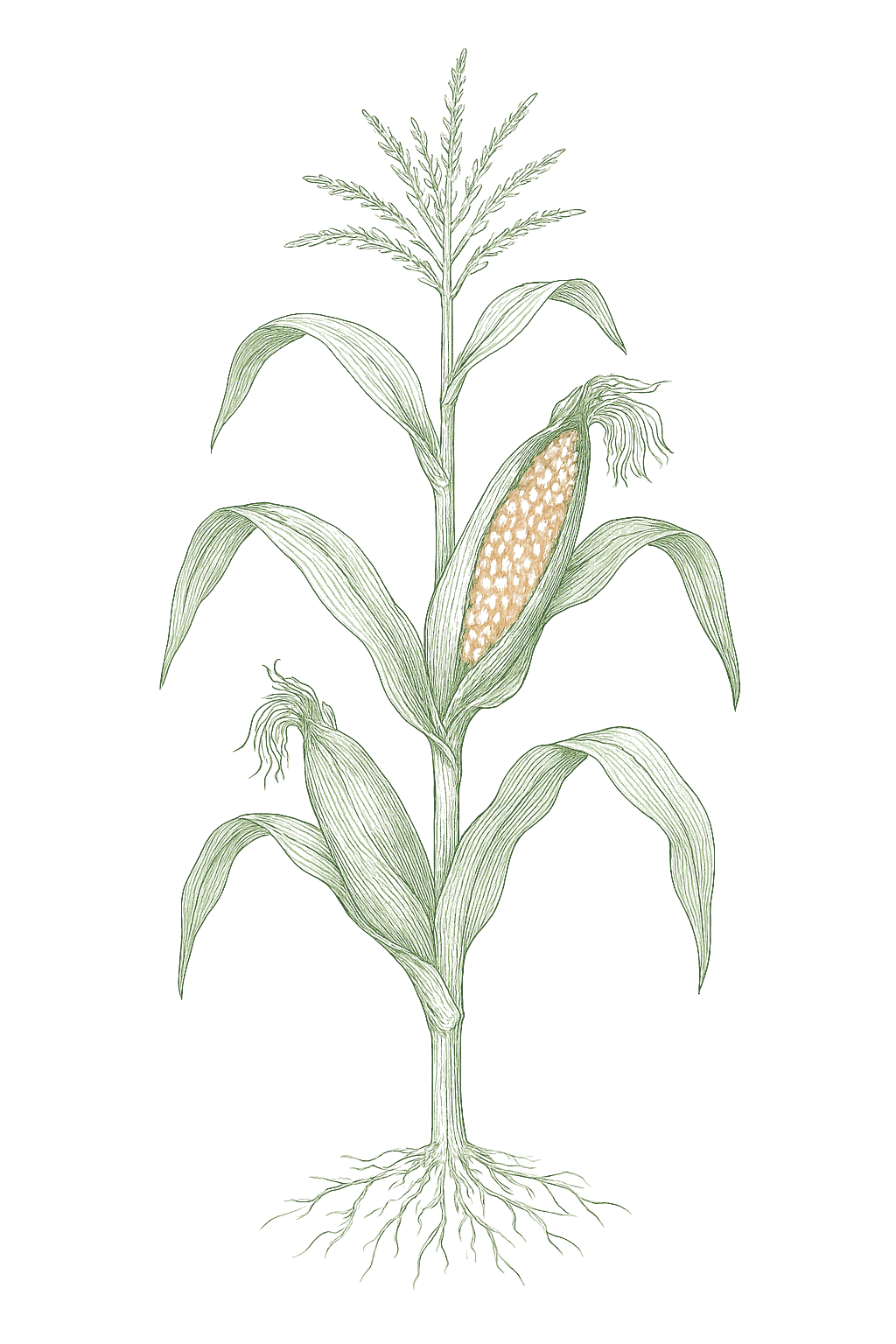
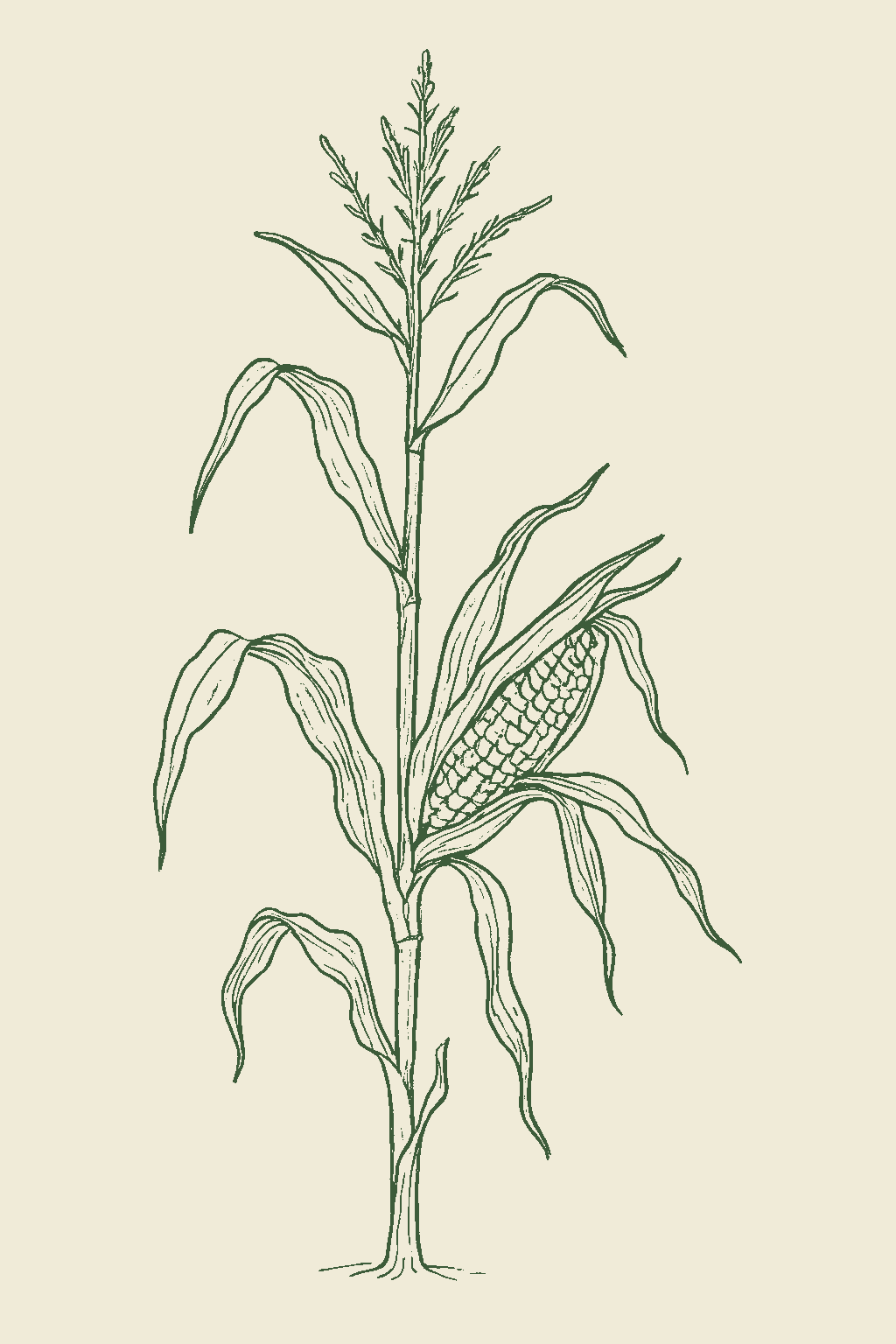
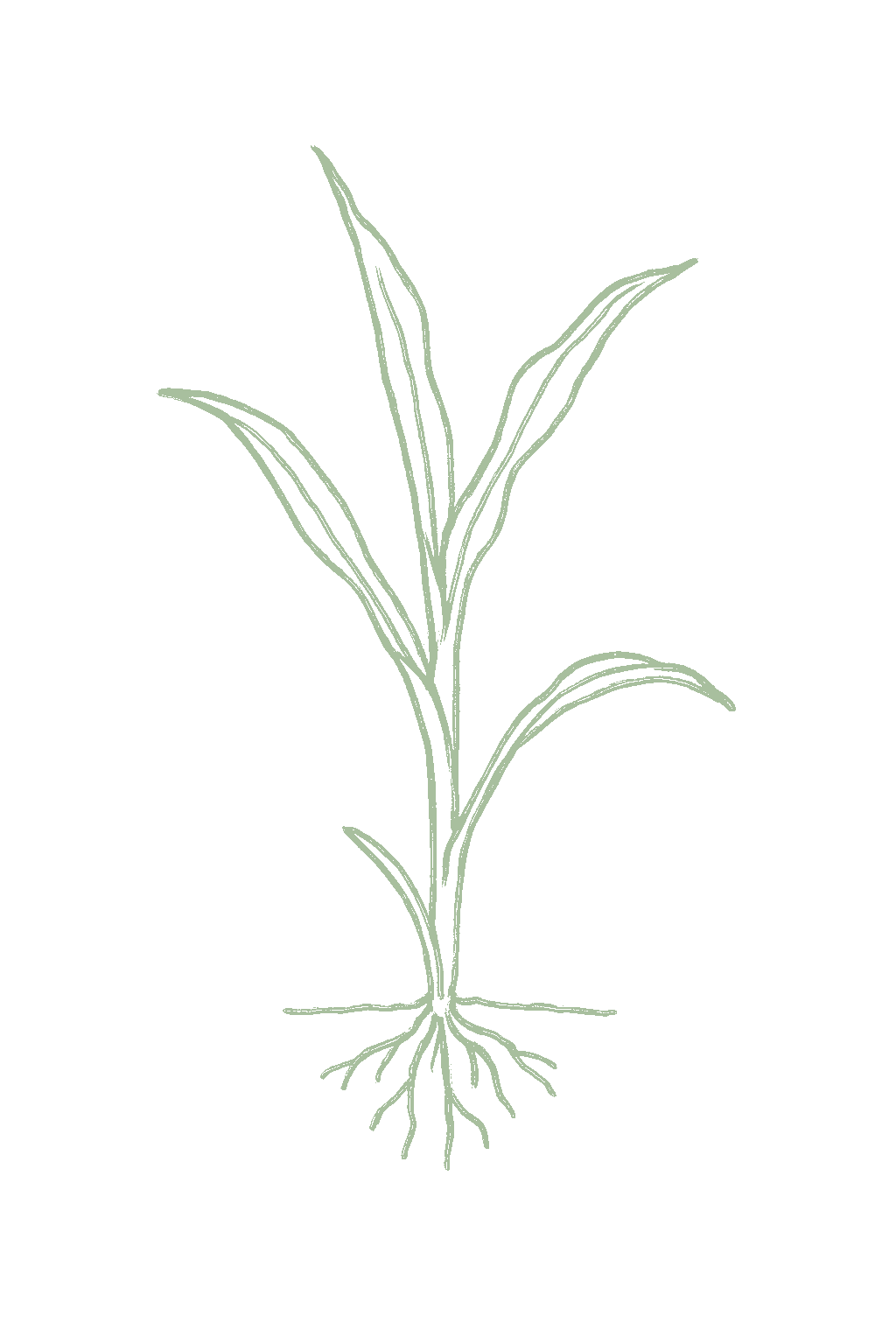
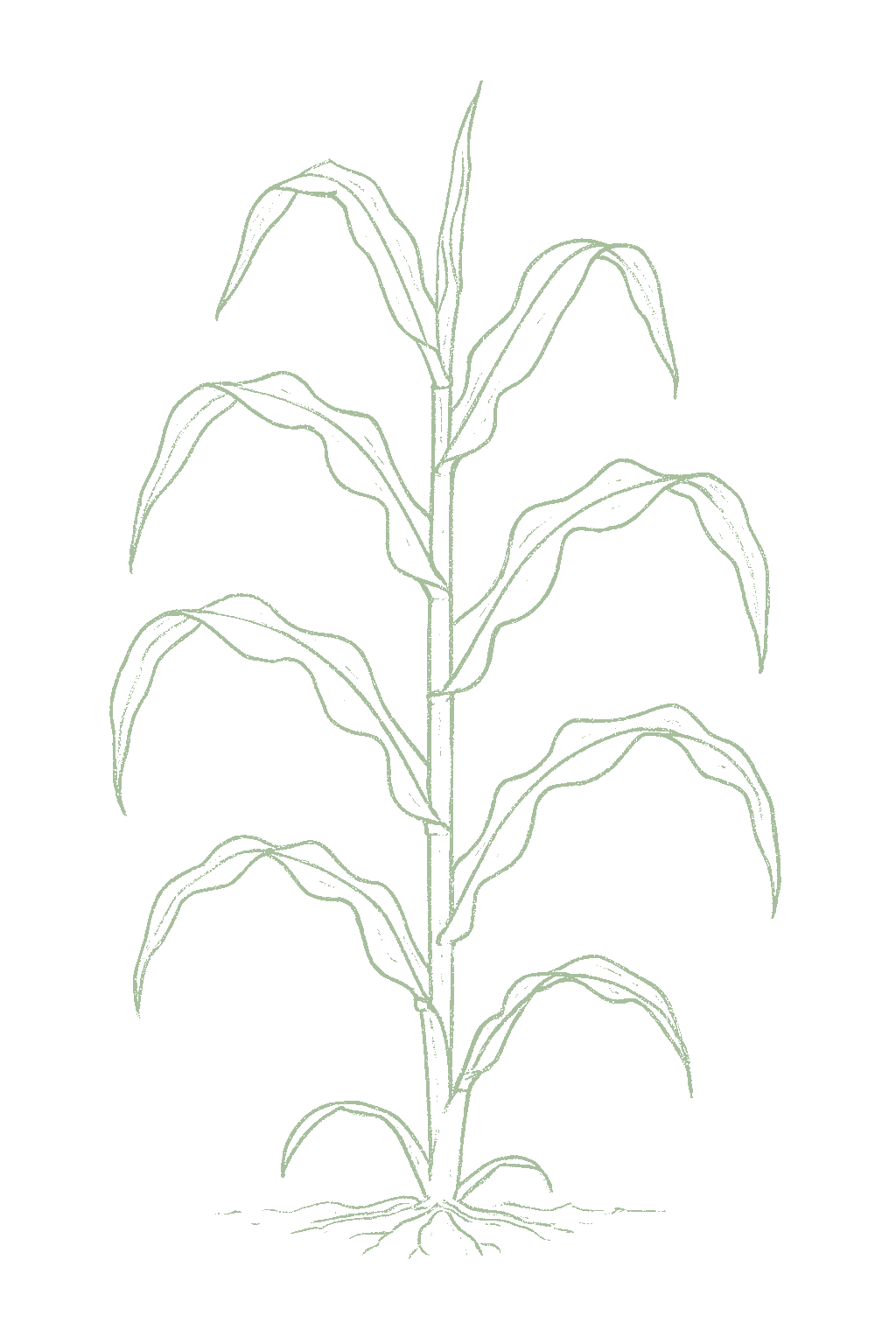
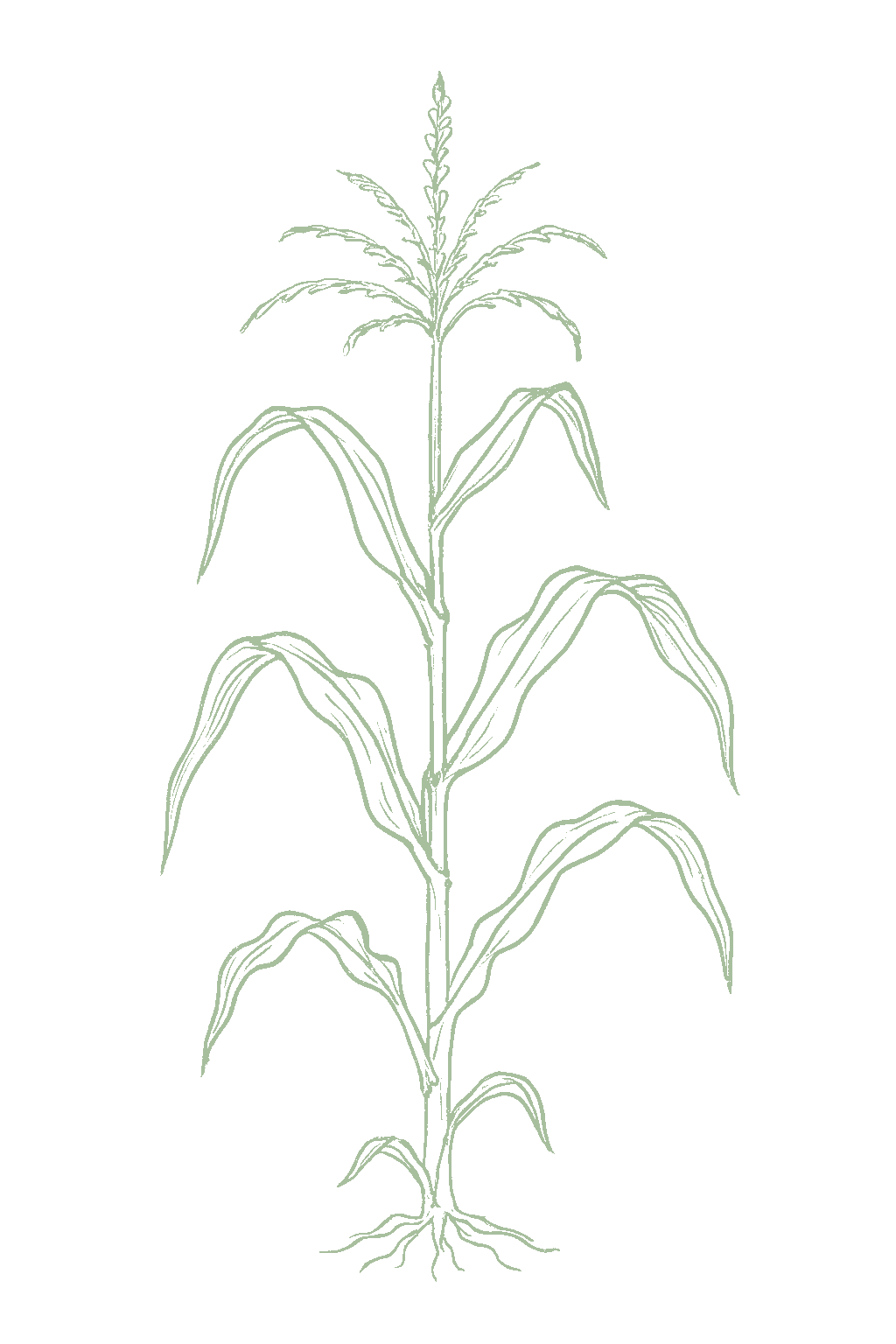
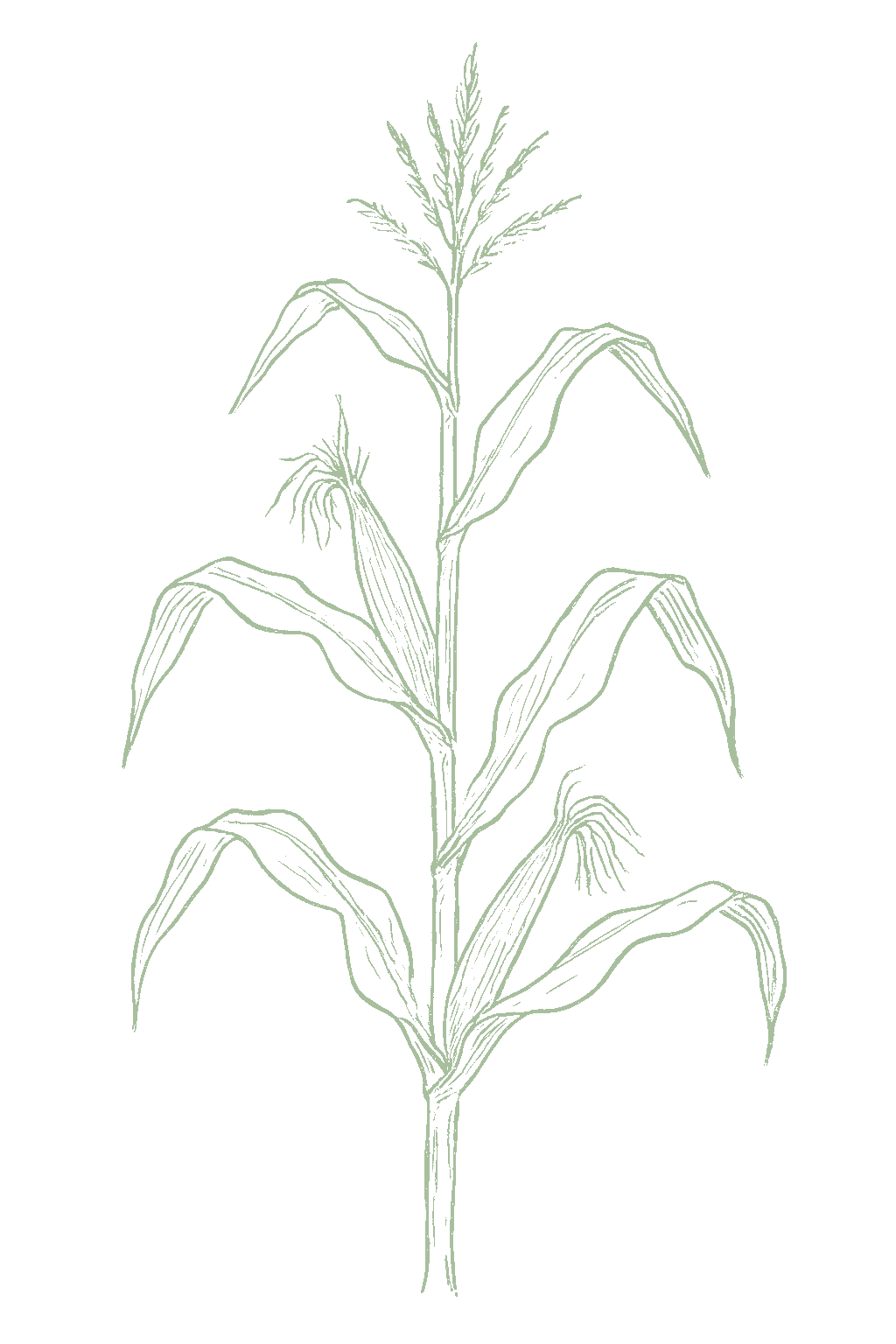
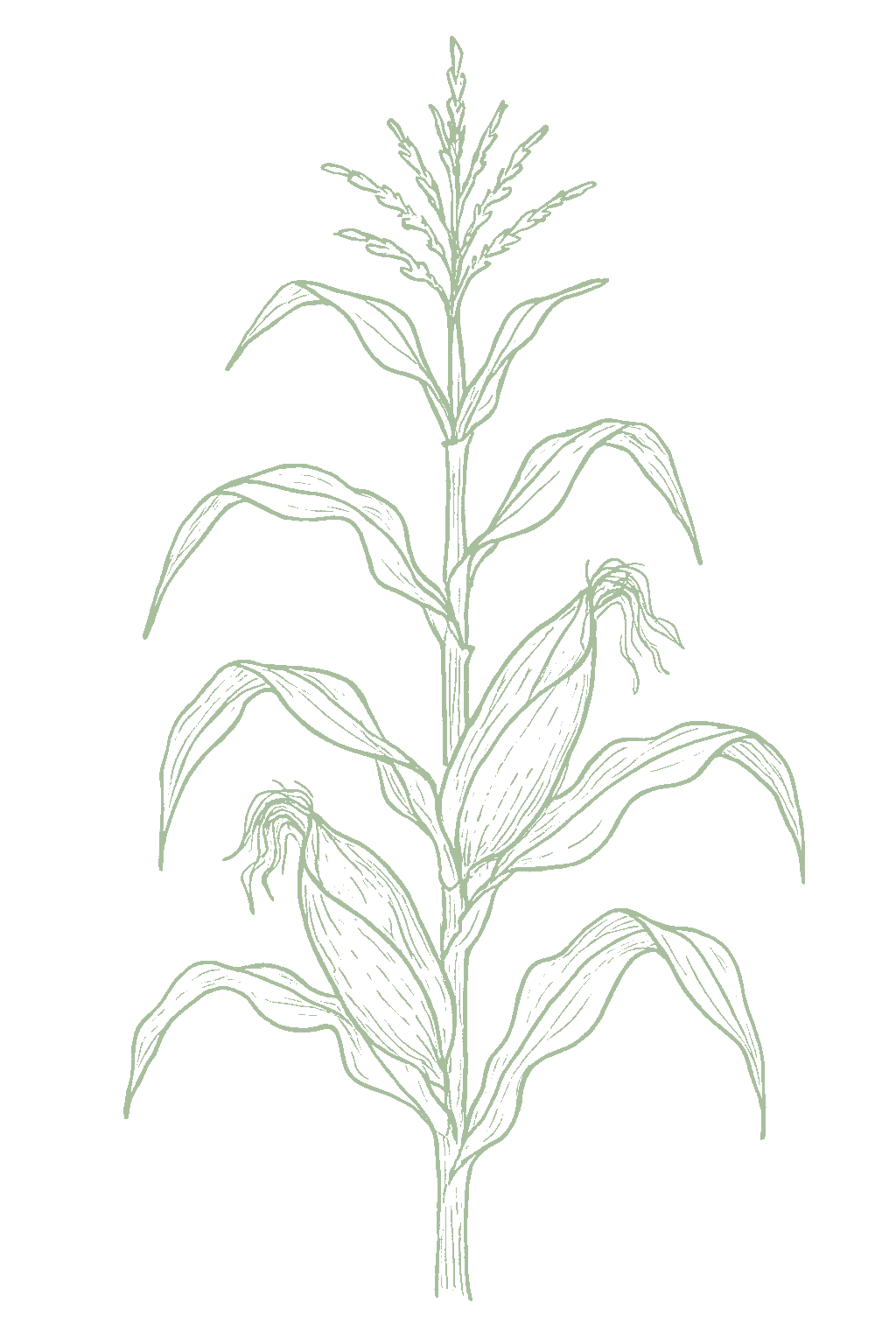
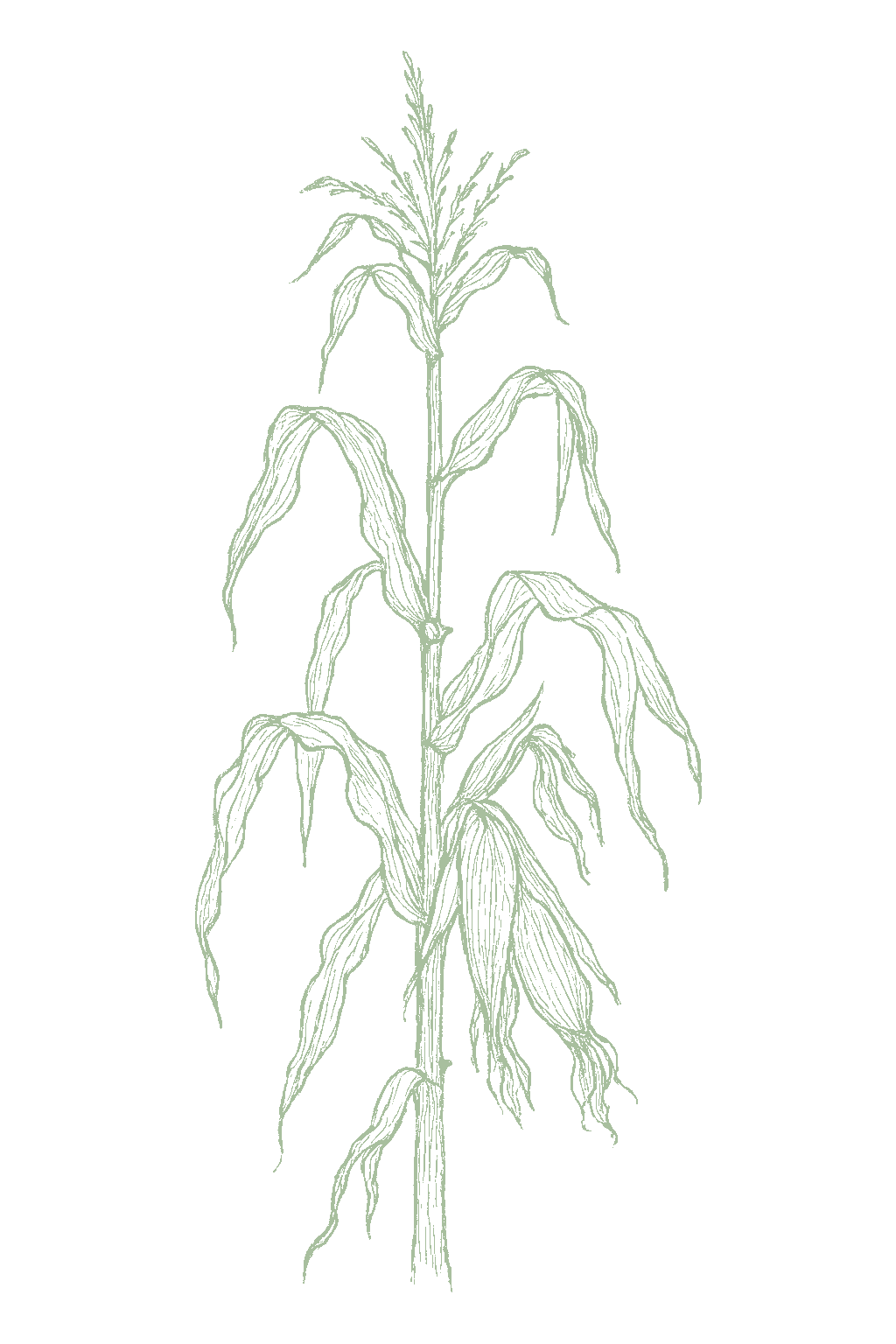
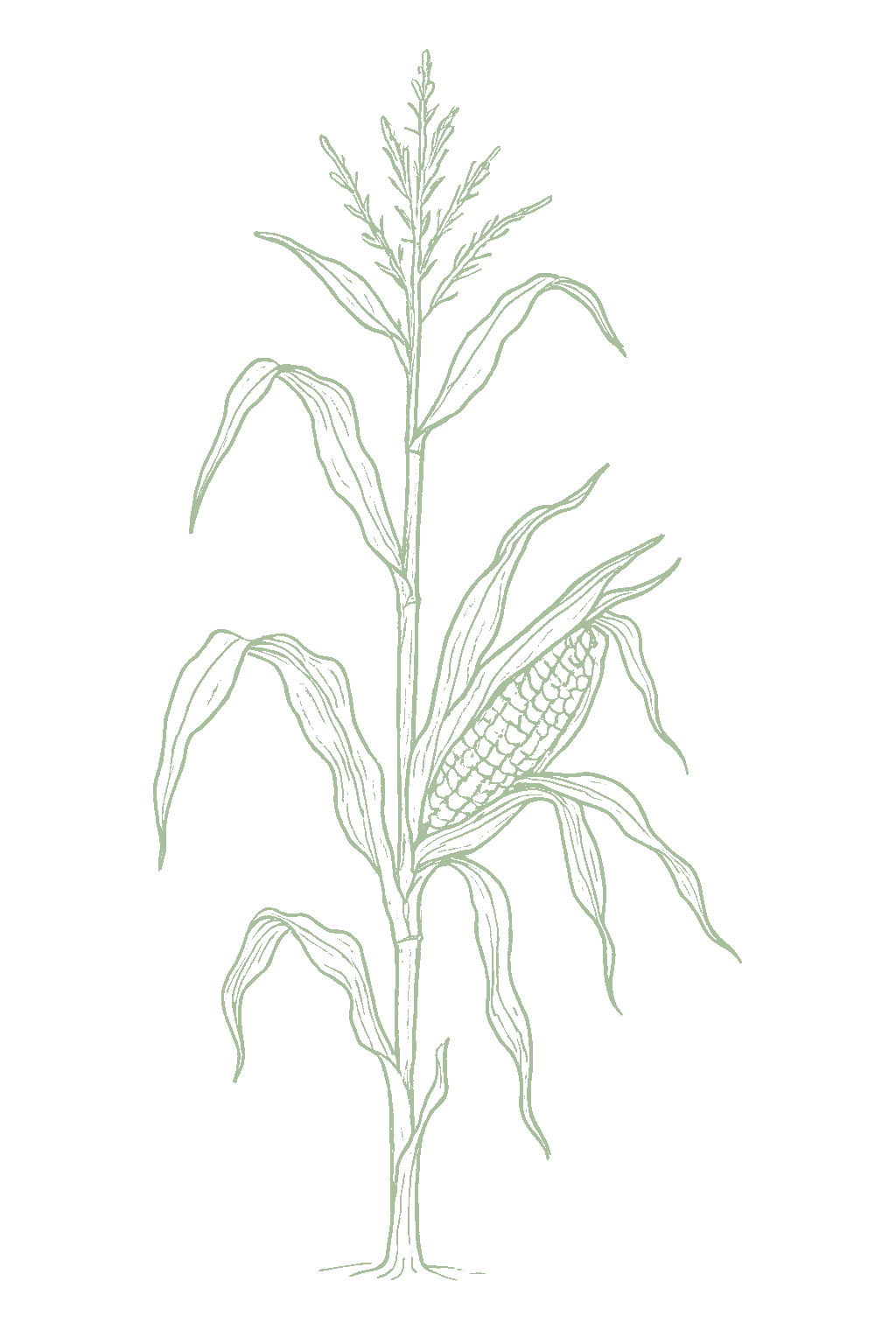
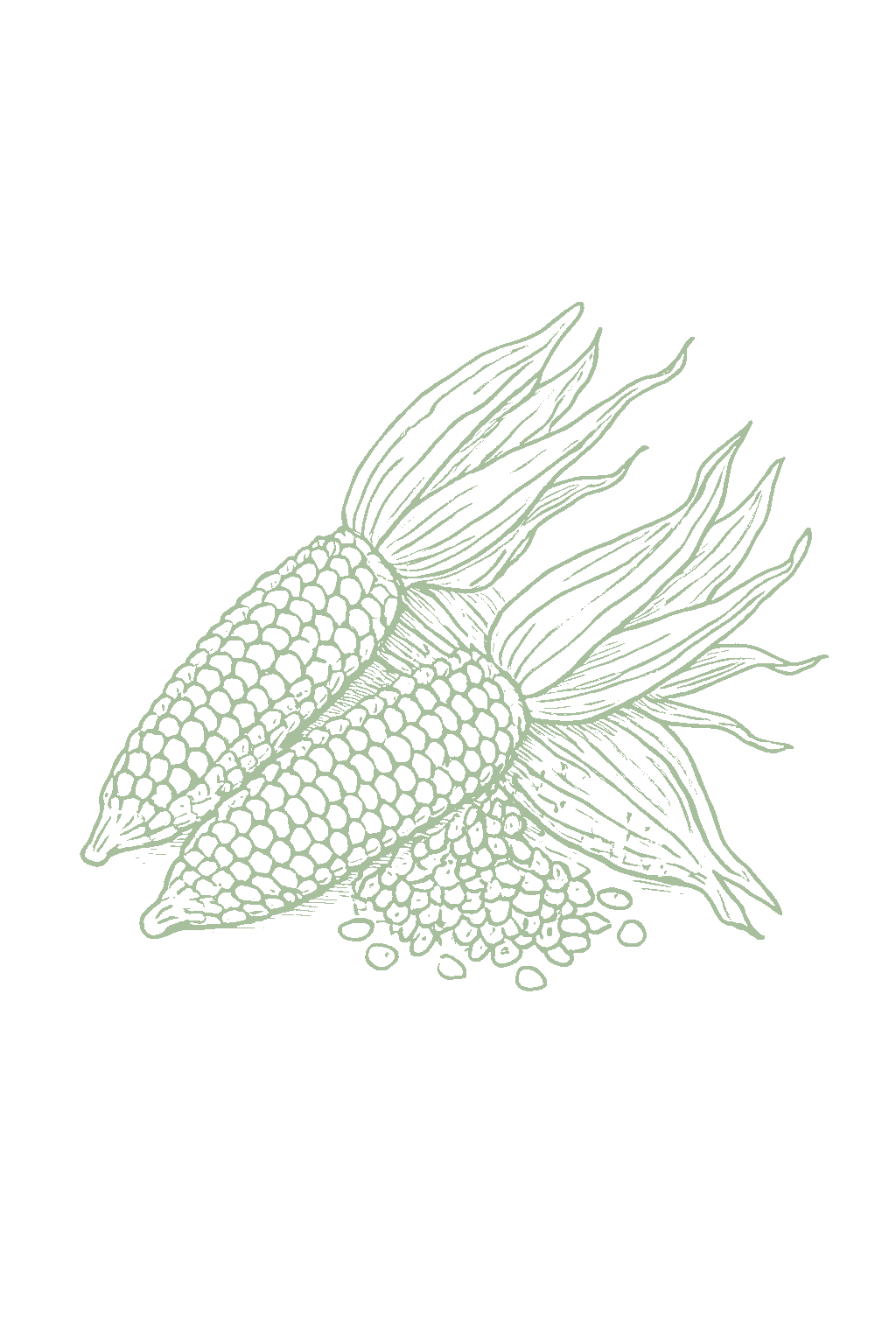
Popcorn is a type of corn grown for its small, hard kernels that burst into fluffy popped corn when heated. Each kernel has a hard, moisture-sealed shell around a dense, starchy center; when it gets hot, the tiny bit of water trapped inside flashes to steam and the kernel explodes, turning itself inside out. You grow it just like other corn, in a square block of short rows so the wind can pollinate it, and you let the ears dry down on the stalk. Popular home types include the reliable yellow Robust hybrids, the tender heirloom Japanese Hulless, and ornamentals like deep-red Strawberry popcorn and blue-black Dakota Black that look as good on the shelf as they taste in the bowl. The single most important rule: keep popcorn away from all other corn, because pollen from sweet corn or field corn drifting onto your popcorn ruins its ability to pop. Keep them at least 300 feet apart, or time your plantings so they tassel about two weeks apart. Getting the kernels to the right dryness, about 13 to 14 percent moisture, is what makes them pop well. Popcorn (Zea mays var. everta) is a flint-type corn whose kernels carry an exceptionally hard, moisture-tight hull over a dense, glassy endosperm. When heated, the small amount of water sealed inside each kernel flashes to steam and pressure builds against the hard hull until it ruptures, and the gelatinized starch turns the kernel inside out into a crisp flake. That mechanism makes moisture the whole game: the ideal kernel moisture for popping is 13 to 14 percent, and kernels that are too wet pop small and chewy while kernels dried too far fail to pop at all. Representative types run from dependable modern yellow hybrids (the Robust series) and the classic tender heirloom Japanese Hulless to ornamentals like ruby Strawberry and blue-black Dakota Black that pop as well as they display. It is wind-pollinated and block-planted like any corn, a heavy nitrogen feeder with the same critical moisture window at tasseling and silking. Its isolation rule is the strictest of all the corns: because popping depends on an intact hard endosperm, any foreign pollen, sweet or dent, crossing onto the ear degrades the pop, so isolate by about 300 feet or stagger tasseling by roughly two weeks.
Off-season for popcorn in zone 8.
In Zone 8, popcorn can be planted March through April. Harvest runs June through August.
In Zone 8, popcorn can be planted May through July. Harvest runs August through October.
In Zone 8, popcorn can be planted May through June. Harvest runs August through October.
In Zone 8, popcorn can be planted April through August. Harvest runs July through October.
In Zone 8, popcorn can be planted March through August. Harvest runs July through October.
In Zone 8, popcorn can be planted March through April. Harvest runs July through August.
In Zone 8, popcorn can be planted March through April. Harvest runs June through July.
In Zone 8, popcorn can be planted May through June. Harvest runs August through October.
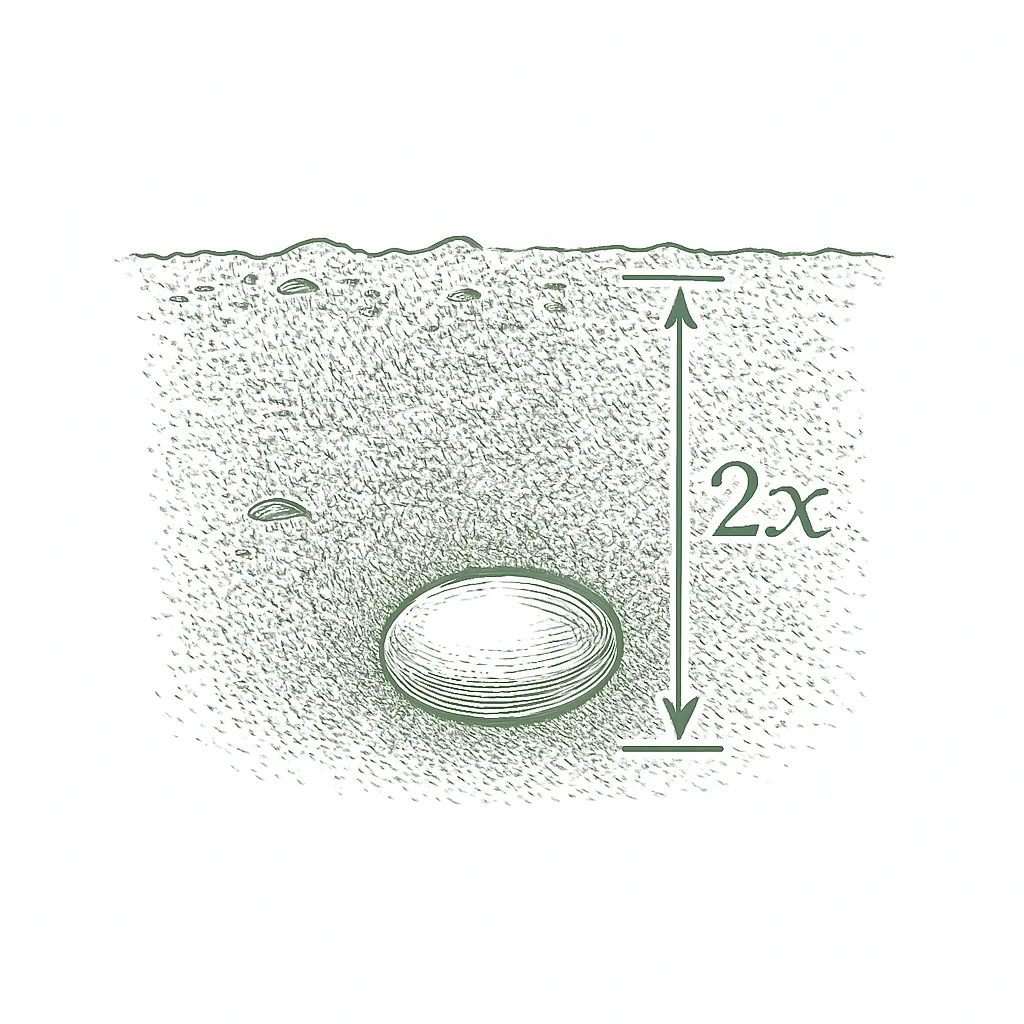
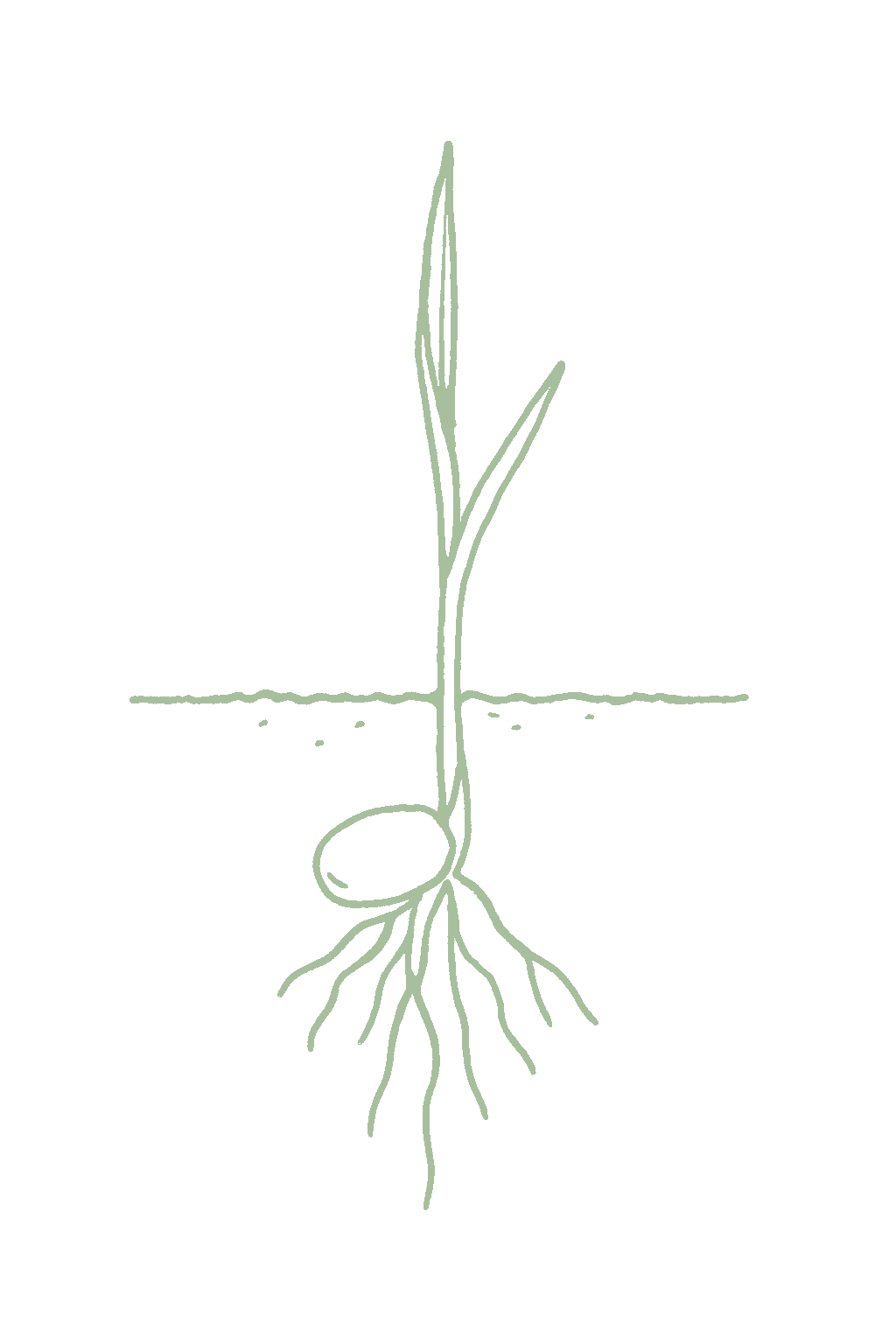
Plant corn seeds right where they will grow, once the soil has warmed to at least 60°F and frost is past. Corn does not like having its roots disturbed and comes up fast anyway, so there is little reason to start it indoors.Direct-sow into warm soil (at least 60°F) after the last spring frost. Corn resents root disturbance and germinates quickly in place, so transplanting offers little gain and risks setting plants back.
Not sure what soil you have? Grab a small handful of damp soil from your garden bed and squeeze it. If it crumbles apart easily, it's sandy. If it holds together but breaks when you poke it, it's loam (what most vegetables want). If it stays in a hard, slippery ball, it's clay.
Corn likes deep, rich, well-drained soil. If water pools on your bed after rain, work in compost and consider a raised bed so the roots never sit wet.
Mix 2-3 inches of compost into the top 6 inches of your bed before planting. Compost holds moisture (which sandy soil drains too fast) and adds the nutrients sandy soil tends to lack. Repeat each season. Compost breaks down over time.
Mix 2-3 inches of compost AND a few inches of coarse sand or perlite into the top 6 inches of your bed. The compost feeds the plants; the sand breaks up the clay so air and water can move through. Don't add sand without compost. It can compact like concrete.
If amending your soil sounds like too much work, or if your soil is heavy clay, full of rocks, or contaminated, build over it. A raised bed at least 12 inches deep filled with a 50/50 mix of compost and sandy loam gives you ideal growing soil with no battles. A 5-gallon container with quality potting mix does the same for one plant at a time. Both bypass your native soil entirely.
The numbers that matter, at a glance.
Corn does best in soil that is slightly acidic to neutral, around a pH of 6.0 to 6.8. Most garden beds are already close; a soil test is the only way to know for sure and to catch soil that is too acidic.A soil pH of 6.0 to 6.8 suits popcorn. Lime an acidic bed to reach that range the season before, and confirm both pH and fertility with a soil test, since corn's heavy feeding rewards a well-limed, well-fed bed.
Corn is hungry, especially for nitrogen. Mix a balanced fertilizer into the soil at planting, then feed again when the plants are about knee-high and once more when the tassels appear at the top. Those are the times corn needs the most food. In sandy soil or after heavy rain, feed a little more often, since the nitrogen washes away.Corn is a heavy nitrogen feeder. Work a balanced starter into the bed at planting, then sidedress nitrogen twice: once when plants are knee-high and again as the tassels form, the two windows when demand peaks. Sandy soils and heavy rain leach nitrogen, so split the sidedressing further where that applies.
Corn wants plenty of nitrogen. Use a balanced fertilizer at planting, then feed nitrogen again as it grows.Nitrogen-forward feeding: a balanced starter, then nitrogen sidedressings at knee-high and tasseling.
Corn is the tall centerpiece of the classic Three Sisters planting with beans and squash. The beans feed the soil the corn is so hungry for, and the squash shades the ground below. Keep corn away from tomatoes, since the two share the same ear-and-fruit worm. Corn anchors the traditional Three Sisters trio: beans climb it and fix nitrogen for its heavy demand, and squash sprawls below as a living mulch. The main caution is tomatoes, which share the pest Helicoverpa zea (corn earworm / tomato fruitworm), so a shared planting can concentrate it.
Popcorn is ready when the ears have dried down on the stalk: the husks are brown and papery, the silks are long dead, and the kernels are hard and glossy, not soft or milky. Leave the ears on the plant to dry as long as the weather stays dry, then pick them, pull back the husks, and finish drying them indoors. It is not truly done until the kernels actually pop well: dry them to about 13 to 14 percent moisture and test-pop a small handful before you shell and store the whole crop.Harvest at full maturity and beyond, when the husks are brown and papery and the kernels are hard and glassy. Unlike sweet corn there is no milk-stage window; the goal is a dry, flinty kernel. Let sound ears field-dry on the stalk in dry weather, or pick at hard-dry and finish under cover, then cure to the popping window of about 13 to 14 percent moisture. Test-pop a sample once or twice a week: kernels that pop up crisp and fluffy are ready to shell and store, chewy or jagged pops mean the corn is still too wet, and a batch that fails to pop has usually been dried too far.
Each plant gives about one or two ears, and the small dwarf types can set several little ears each. A 10-foot row in your block yields roughly a dozen to two dozen dried ears, which comes to a few pounds of kernels once you shell them off the cobs.Each stalk yields one to two mature ears of popcorn, and the small-kerneled dwarf types can set several little ears per plant. Home plantings are measured in ears rather than bushels: a 10-foot block row returns roughly a dozen to two dozen dried ears, which shell out to a few pounds of kernels for popping.
There is no rush like there is with sweet corn. The whole block dries down together in fall, you bring it in once, and the dry kernels keep for years, so you harvest it all at once instead of checking it every day.Unlike sweet corn there is no fleeting peak. The whole block matures and dries down together over a few weeks in fall, and the dry kernels then keep for years, so the harvest is a single event rather than a race against the milk stage. Popcorn is not hard to grow, but it needs room and time: a block of several rows and a long, warm season of 90 to 110 days to dry down, then a couple more weeks of drying to get it popping right. The payoff is an easy harvest with no daily checking, and kernels that store for years.Popcorn is easy to grow but demands space, a long season, and patience: it needs a block of several rows for pollination and a full 90 to 110 days to dry down, plus a couple of weeks of curing to reach the popping moisture. Its great advantage over sweet corn is a forgiving, one-shot harvest and kernels that store for years.
There are a few kinds to choose from. Reliable yellow hybrids like the Robust types are the easiest and highest-popping. Mushroom types pop into round balls that hold caramel well. The old heirloom Japanese Hulless is loved for its tender, almost hull-free popped corn, and colorful ornamentals like Strawberry (deep red) and Dakota Black (blue-black) are pretty enough to display and still pop. If your season is short, an early dwarf like Tom Thumb ripens fastest. Whichever you pick, keep it far from all other corn, because pollen from sweet or field corn will ruin its popping.Popcorn choice splits by pop shape and use. Yellow butterfly hybrids like the Robust series are the dependable, high-popping workhorses; mushroom types (Gourmet Mushroom) pop into dense round balls that hold caramel and seasonings; the tender heirloom Japanese Hulless is prized for its nearly hull-free eating; and ornamentals like Strawberry and Dakota Black are grown as much for the jewel-colored ears as for a smaller but respectable pop. Short-season gardeners can reach for an early dwarf like Tom Thumb. Whatever you grow, isolate it from every other corn, sweet or field, since any stray pollen spoils the pop.
Move your corn to a new spot each year, on about a two-to-three-year cycle. Planting it where beans or peas grew the year before gives it the extra nitrogen it wants.Rotate corn on a two-to-three-year cycle and place it after a nitrogen-fixing legume where you can, since corn is a heavy nitrogen feeder.
The plant app sends a timely reminder at every critical moment of your popcorn season. The wording adjusts to whichever you pick: beginner or seasoned. Here are three you'll see in Zone 8.
plant sends the right notification at exactly the right moment, for your zone, your weather, your crops. Founding members lock the rate forever.
We're building this guide with real growers. Got a question we missed? Ask here. We read every one and add the best answers right to this page.
Learned something the hard way? Pass it on. Real growers' tips make this guide better for the next person, and we credit you by name when yours goes live.
If you've grown this crop and you see a date, a temperature, a companion claim, or a recommendation that doesn't match your experience, tell us. Real growers' corrections make this guide better for the next person.
Every date, temperature, spacing, and recommendation on this page is sourced from university cooperative extension publications, peer-reviewed agricultural research, NOAA climate data, and direct extension calendars. Where claims are softer (traditional gardening wisdom not formally documented), we say so.
Spot a data point that doesn't match your experience? Submit a correction; accepted corrections earn full author credit on the page.
Zone-aware seasonal nudges, what's worth planting now, and the occasional recipe from the harvest. No spam, ever.