Today · in your zone
What's happening right now
Off-season for raspberry in zone 9.
Raspberries are one of the fastest fruits to reward you: plant in spring and you can be picking within a year or two, with a patch that lasts for years. The key thing to understand is the cane. The roots live for years, but each cane lives only two, so how and when you prune depends on whether your type fruits on new canes or year-old canes. They pollinate themselves, handle cold winters, and spread by runners, so a little containment and a stake or trellis go a long way. Raspberries are fast, generous perennial cane fruits: a planting set out this spring can hand you berries within a year or two and keep bearing for a decade. The defining feature is the biennial cane. Roots and crown are permanent, but each cane lives two years, and matching your pruning to whether the type fruits on first-year canes (everbearing) or second-year canes (summer-bearing) is the whole game. They are self-fertile, very cold-hardy, and they sucker freely, so containment and a simple trellis matter as much as feeding.
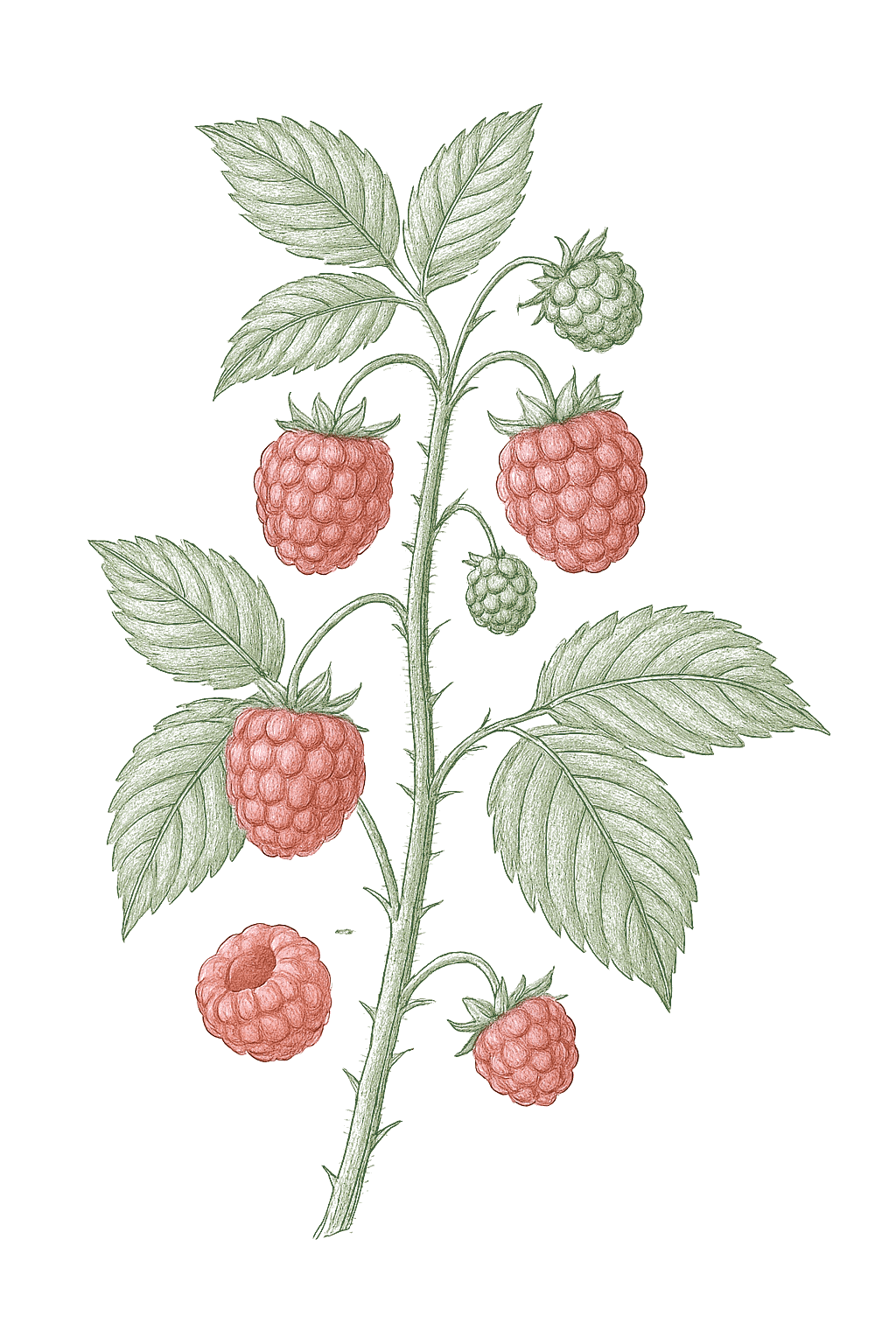
Off-season for raspberry in zone 9.
Zone 9 averages a last frost around March 1. Within Zone 9, the colder half (9a, winters down to 20°F) runs about a week later. The warmer half (9b, winters down to 25°F) runs about a week earlier. The plant app picks your subzone from your ZIP.
| Subzone | Last spring | First fall | Growing days | Winter min | Fruits reliably |
|---|---|---|---|---|---|
| 9a | Mar 8 | Nov 24 | ~261 | 20-25°F | Yes · two seasons |
| 9b | Feb 28 | Nov 30 | ~275 | 25-30°F | Yes · two seasons |
Averages from 8 weather stations per subzone, drawn from NOAA 1991-2020 Climate Normals. Your actual frost date can vary by up to two weeks based on elevation, proximity to water, and local topography.
Raspberries need a cold winter rest, measured in chill hours (time below about 45°F), before they fruit well. Most red raspberries need a lot of winter cold, which is why they do not grow in warm-winter places. A few special heat-tolerant types need much less. If a type does not get the cold it needs, it barely fruits, so matching the type to your climate matters.Most raspberries need a stretch of winter chill (hours below about 45°F) to break dormancy and fruit normally. Standard red raspberries are high-chill, often needing 800 or more hours, which is why they fail in mild-winter regions; medium-chill types want 400 to 600, and a few heat-bred types such as Dormanred need only about 300. Too little chill for the type gives weak, erratic budbreak and little fruit, so chill, alongside summer heat tolerance, is the main thing that limits where raspberries grow.
In inland California, raspberries rest over a mild winter, then flower in early spring and ripen in late spring before the worst heat. They may give a lighter second crop in fall. Give them afternoon shade and plenty of water.In the interior valleys a raspberry is grown as a deciduous cane fruit through a mild winter that banks just enough chill; planted dormant in winter, it blooms in early spring and ripens in late spring before peak summer heat, then can push a lighter fall crop where heat eases. Afternoon shade and steady water are essential.
Once established, your blueberries follow the same yearly rhythm. Choose a cultivar by chill class above, then use this calendar for the season-to-season timing.
Raspberries need a cold winter rest, measured in chill hours (time below about 45°F), before they fruit well. Most red raspberries need a lot of winter cold, which is why they do not grow in warm-winter places. A few special heat-tolerant types need much less. If a type does not get the cold it needs, it barely fruits, so matching the type to your climate matters.Most raspberries need a stretch of winter chill (hours below about 45°F) to break dormancy and fruit normally. Standard red raspberries are high-chill, often needing 800 or more hours, which is why they fail in mild-winter regions; medium-chill types want 400 to 600, and a few heat-bred types such as Dormanred need only about 300. Too little chill for the type gives weak, erratic budbreak and little fruit, so chill, alongside summer heat tolerance, is the main thing that limits where raspberries grow.
These need more chill than your winter dependably delivers. In a mild winter they bloom unevenly and crop lightly.
These need more chill than your winter dependably delivers. In a mild winter they bloom unevenly and crop lightly.
In the Arizona low desert, raspberries can only be attempted with full shade, deep mulch, and constant water. Plant in winter and hope for a small spring crop before the extreme summer. The plants usually do not last long.In the Arizona low desert a raspberry can only be attempted as a deciduous, low-chill cane fruit nursed through extreme conditions: planted dormant in winter, it must finish a small crop in spring before the searing summer, under full shade, deep mulch, and constant irrigation. Plantings are typically short-lived.
Once established, your blueberries follow the same yearly rhythm. Choose a cultivar by chill class above, then use this calendar for the season-to-season timing.
Raspberries need a cold winter rest, measured in chill hours (time below about 45°F), before they fruit well. Most red raspberries need a lot of winter cold, which is why they do not grow in warm-winter places. A few special heat-tolerant types need much less. If a type does not get the cold it needs, it barely fruits, so matching the type to your climate matters.Most raspberries need a stretch of winter chill (hours below about 45°F) to break dormancy and fruit normally. Standard red raspberries are high-chill, often needing 800 or more hours, which is why they fail in mild-winter regions; medium-chill types want 400 to 600, and a few heat-bred types such as Dormanred need only about 300. Too little chill for the type gives weak, erratic budbreak and little fruit, so chill, alongside summer heat tolerance, is the main thing that limits where raspberries grow.
These need more chill than your winter dependably delivers. In a mild winter they bloom unevenly and crop lightly.
These need more chill than your winter dependably delivers. In a mild winter they bloom unevenly and crop lightly.
In the low desert, raspberries can only be attempted with heavy shade and constant water. Plant in winter, hope for a small spring crop before the extreme summer heat, and expect the plants not to last long.In the low desert a raspberry can only be attempted as a deciduous, low-chill cane fruit nursed through extreme heat: planted dormant in winter, it blooms in late winter and must finish a small crop in spring before the brutal summer, under heavy shade and constant water. Most plantings are short-lived.
Once established, your blueberries follow the same yearly rhythm. Choose a cultivar by chill class above, then use this calendar for the season-to-season timing.
Raspberries need a cold winter rest, measured in chill hours (time below about 45°F), before they fruit well. Most red raspberries need a lot of winter cold, which is why they do not grow in warm-winter places. A few special heat-tolerant types need much less. If a type does not get the cold it needs, it barely fruits, so matching the type to your climate matters.Most raspberries need a stretch of winter chill (hours below about 45°F) to break dormancy and fruit normally. Standard red raspberries are high-chill, often needing 800 or more hours, which is why they fail in mild-winter regions; medium-chill types want 400 to 600, and a few heat-bred types such as Dormanred need only about 300. Too little chill for the type gives weak, erratic budbreak and little fruit, so chill, alongside summer heat tolerance, is the main thing that limits where raspberries grow.
These need more chill than your winter dependably delivers. In a mild winter they bloom unevenly and crop lightly.
These need more chill than your winter dependably delivers. In a mild winter they bloom unevenly and crop lightly.
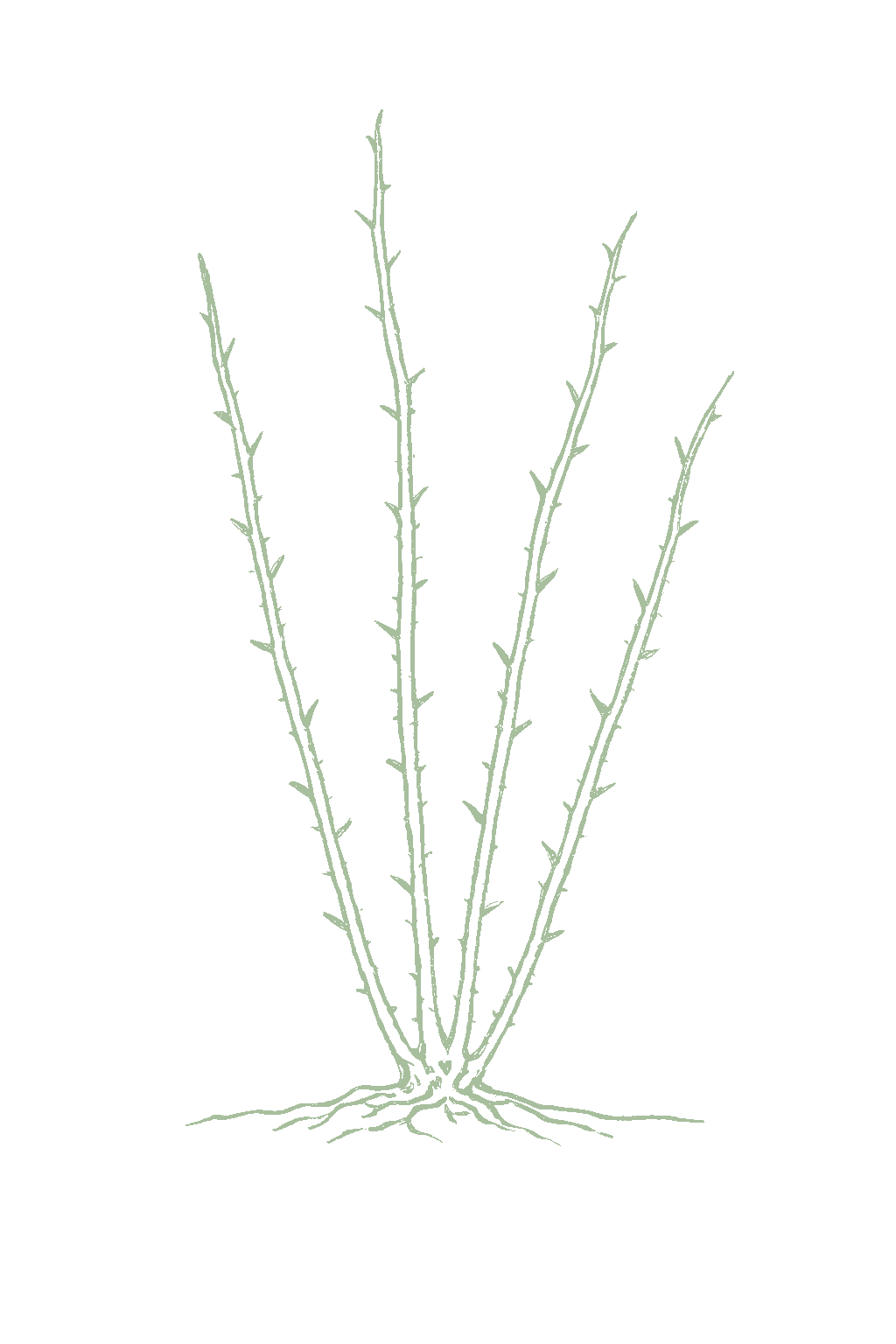
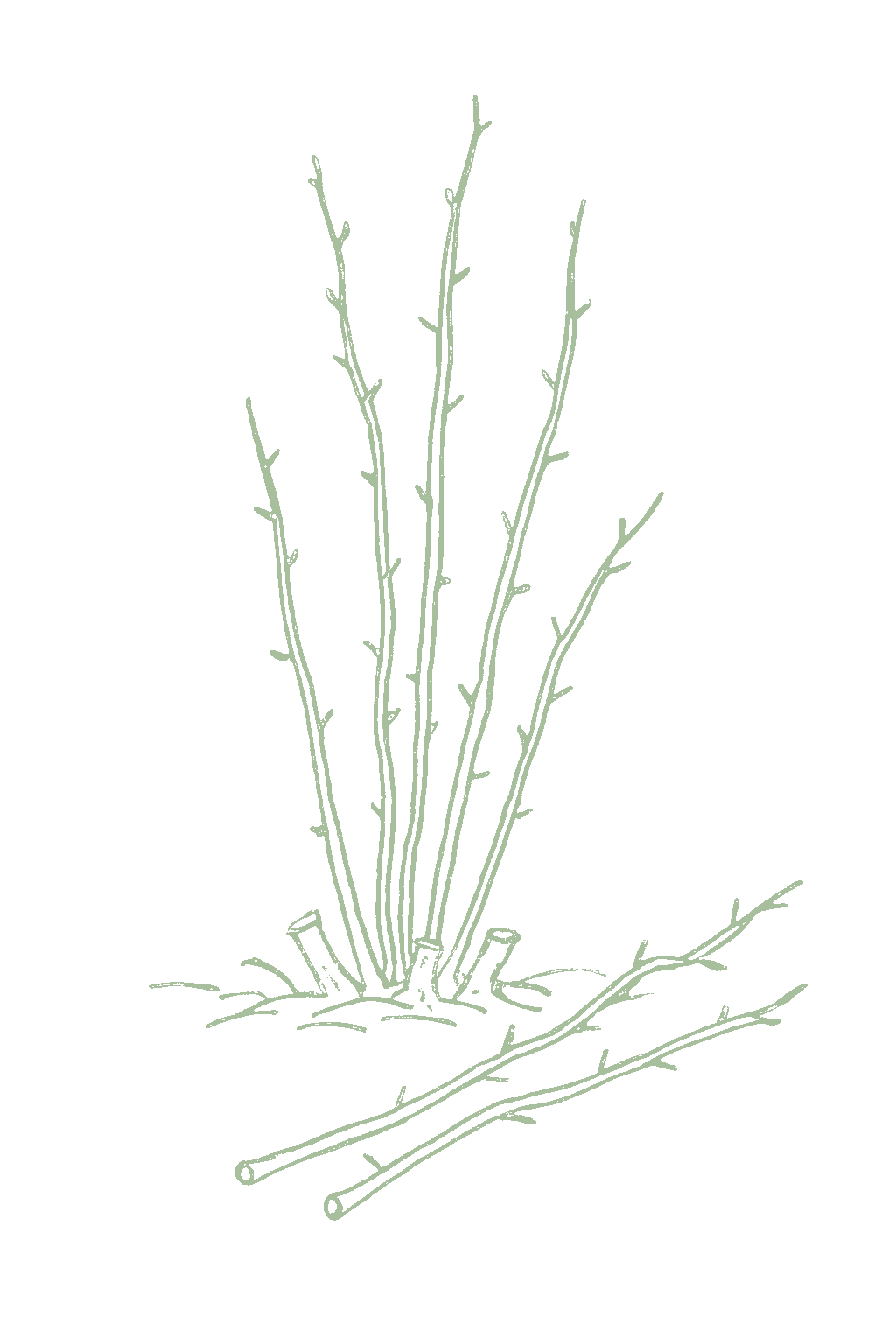
Your raspberry loses its leaves and rests through winter (this rest is called dormancy). The roots live for years, but each cane lives only two: it grows one year, then fruits and dies. You prune in winter, and how you prune depends on the type. Plant once and a patch keeps producing for many years.Raspberry is a deciduous cane fruit everywhere it grows, including here: the canes drop their leaves and rest through winter, banking the chill the plant needs. The perennial crown lives for years while each cane lives only two, growing one year and fruiting the next before dying. You prune in the dormant season, matching the cut to the type. Planted once, a patch fruits for a decade or more.
Once established, your blueberries follow the same yearly rhythm. Choose a cultivar by chill class above, then use this calendar for the season-to-season timing.
Raspberries need a cold winter rest, measured in chill hours (time below about 45°F), before they fruit well. Most red raspberries need a lot of winter cold, which is why they do not grow in warm-winter places. A few special heat-tolerant types need much less. If a type does not get the cold it needs, it barely fruits, so matching the type to your climate matters.Most raspberries need a stretch of winter chill (hours below about 45°F) to break dormancy and fruit normally. Standard red raspberries are high-chill, often needing 800 or more hours, which is why they fail in mild-winter regions; medium-chill types want 400 to 600, and a few heat-bred types such as Dormanred need only about 300. Too little chill for the type gives weak, erratic budbreak and little fruit, so chill, alongside summer heat tolerance, is the main thing that limits where raspberries grow.
These need more chill than your winter dependably delivers. In a mild winter they bloom unevenly and crop lightly.
These need more chill than your winter dependably delivers. In a mild winter they bloom unevenly and crop lightly.
On the mild southern coast, raspberries rest through a gentle winter, flower in late winter, and ripen in late spring before it gets hot. Plant in winter, give afternoon shade if you are inland, and water well.On the mild southern coast a raspberry is grown as a deciduous, low-chill cane fruit; the gentle winter banks just enough chill for budbreak, and it blooms in late winter and ripens in late spring before summer heat. Plant dormant in winter, give afternoon shade away from the immediate coast, and keep it well-watered.
Once established, your blueberries follow the same yearly rhythm. Choose a cultivar by chill class above, then use this calendar for the season-to-season timing.
Raspberries need a cold winter rest, measured in chill hours (time below about 45°F), before they fruit well. Most red raspberries need a lot of winter cold, which is why they do not grow in warm-winter places. A few special heat-tolerant types need much less. If a type does not get the cold it needs, it barely fruits, so matching the type to your climate matters.Most raspberries need a stretch of winter chill (hours below about 45°F) to break dormancy and fruit normally. Standard red raspberries are high-chill, often needing 800 or more hours, which is why they fail in mild-winter regions; medium-chill types want 400 to 600, and a few heat-bred types such as Dormanred need only about 300. Too little chill for the type gives weak, erratic budbreak and little fruit, so chill, alongside summer heat tolerance, is the main thing that limits where raspberries grow.
Your raspberry patch comes back every year, even though each individual cane only lives two seasons: it grows one year, then fruits and dies the next, while fresh canes keep coming up from the roots. Plant dormant canes in late fall or winter, give them a trellis, and cut out the canes that already fruited each winter.Raspberry is a deciduous cane fruit here as everywhere: the canes drop their leaves and rest through the mild, wet winter, banking the modest chill the plant needs. The perennial crown lives for a decade or more while each cane lives only two, growing one year and fruiting the next before dying. Set dormant bare-root canes from late fall through winter, train them on a trellis, and prune out the spent fruited canes and thin the new ones in the dormant season.
Once established, your blueberries follow the same yearly rhythm. Choose a cultivar by chill class above, then use this calendar for the season-to-season timing.
Raspberries need a cold winter rest, measured in chill hours (time below about 45°F), before they fruit well. Most red raspberries need a lot of winter cold, which is why they do not grow in warm-winter places. A few special heat-tolerant types need much less. If a type does not get the cold it needs, it barely fruits, so matching the type to your climate matters.Most raspberries need a stretch of winter chill (hours below about 45°F) to break dormancy and fruit normally. Standard red raspberries are high-chill, often needing 800 or more hours, which is why they fail in mild-winter regions; medium-chill types want 400 to 600, and a few heat-bred types such as Dormanred need only about 300. Too little chill for the type gives weak, erratic budbreak and little fruit, so chill, alongside summer heat tolerance, is the main thing that limits where raspberries grow.
These need more chill than your winter dependably delivers. In a mild winter they bloom unevenly and crop lightly.
These need more chill than your winter dependably delivers. In a mild winter they bloom unevenly and crop lightly.
In the Mojave, raspberries are grown as a heat-tolerant type, planted in winter while dormant. They flower in late winter to early spring and ripen before the worst heat. Only special low-chill types will keep going here, and even those may not last many years.In the Mojave a raspberry is grown as a deciduous, heat-tolerant cane fruit, planted while dormant in winter; it blooms in late winter to early spring and ripens before the worst heat arrives, then is pruned and retrained in the dormant season. Only low-chill, heat-tolerant types persist here, and even those are best treated as a short-lived planting rather than a dependable one.
Once established, your blueberries follow the same yearly rhythm. Choose a cultivar by chill class above, then use this calendar for the season-to-season timing.
Raspberries need a cold winter rest, measured in chill hours (time below about 45°F), before they fruit well. Most red raspberries need a lot of winter cold, which is why they do not grow in warm-winter places. A few special heat-tolerant types need much less. If a type does not get the cold it needs, it barely fruits, so matching the type to your climate matters.Most raspberries need a stretch of winter chill (hours below about 45°F) to break dormancy and fruit normally. Standard red raspberries are high-chill, often needing 800 or more hours, which is why they fail in mild-winter regions; medium-chill types want 400 to 600, and a few heat-bred types such as Dormanred need only about 300. Too little chill for the type gives weak, erratic budbreak and little fruit, so chill, alongside summer heat tolerance, is the main thing that limits where raspberries grow.
These need more chill than your winter dependably delivers. In a mild winter they bloom unevenly and crop lightly.
These need more chill than your winter dependably delivers. In a mild winter they bloom unevenly and crop lightly.
In the Valley, raspberries are grown as a heat-tolerant trailing type, planted in winter while dormant. They flower in late winter and ripen in early spring before the worst heat. Only special low-chill types will keep going here, and even those may not last many years.In the Valley a raspberry is grown as a deciduous, heat-tolerant trailing cane fruit, planted while dormant in winter; it blooms in late winter and ripens a small early-spring crop before the worst heat arrives, then is pruned and retrained in the dormant season. Only the low-chill, heat-tolerant types persist here, and even those are best treated as a short-lived novelty rather than a dependable planting.
Once established, your blueberries follow the same yearly rhythm. Choose a cultivar by chill class above, then use this calendar for the season-to-season timing.
Raspberries need a cold winter rest, measured in chill hours (time below about 45°F), before they fruit well. Most red raspberries need a lot of winter cold, which is why they do not grow in warm-winter places. A few special heat-tolerant types need much less. If a type does not get the cold it needs, it barely fruits, so matching the type to your climate matters.Most raspberries need a stretch of winter chill (hours below about 45°F) to break dormancy and fruit normally. Standard red raspberries are high-chill, often needing 800 or more hours, which is why they fail in mild-winter regions; medium-chill types want 400 to 600, and a few heat-bred types such as Dormanred need only about 300. Too little chill for the type gives weak, erratic budbreak and little fruit, so chill, alongside summer heat tolerance, is the main thing that limits where raspberries grow.
These need more chill than your winter dependably delivers. In a mild winter they bloom unevenly and crop lightly.
These need more chill than your winter dependably delivers. In a mild winter they bloom unevenly and crop lightly.
In the Deep South, raspberries are grown as a heat-tolerant trailing type, planted in winter while dormant. They flower in early spring and ripen in early summer before the worst heat. Only special low-chill types will keep going here, and even those may not last many years.In the Gulf South a raspberry is grown as a deciduous, heat-tolerant trailing cane fruit, planted while dormant in winter; it blooms in early spring and ripens an early-summer crop before the worst heat, then is pruned and retrained in the dormant season. Only the low-chill, heat-tolerant types persist here, and even those are best treated as a short-lived novelty.
Once established, your blueberries follow the same yearly rhythm. Choose a cultivar by chill class above, then use this calendar for the season-to-season timing.








Not sure what soil you have? Grab a small handful of damp soil from your garden bed and squeeze it. If it crumbles apart easily, it's sandy. If it holds together but breaks when you poke it, it's loam (what most vegetables want). If it stays in a hard, slippery ball, it's clay.
Raspberries want loose, well-drained soil rich in organic matter, anywhere from slightly acidic to neutral. Their shallow roots rot in soggy ground, so drainage is everything. Mixing in compost and planting on a slightly raised row before planting helps a lot.
Mix 2-3 inches of compost into the top 6 inches of your bed before planting. Compost holds moisture (which sandy soil drains too fast) and adds the nutrients sandy soil tends to lack. Repeat each season. Compost breaks down over time.
Mix 2-3 inches of compost AND a few inches of coarse sand or perlite into the top 6 inches of your bed. The compost feeds the plants; the sand breaks up the clay so air and water can move through. Don't add sand without compost. It can compact like concrete.
If amending your soil sounds like too much work, or if your soil is heavy clay, full of rocks, or contaminated, build over it. A raised bed at least 12 inches deep filled with a 50/50 mix of compost and sandy loam gives you ideal growing soil with no battles. A 5-gallon container with quality potting mix does the same for one plant at a time. Both bypass your native soil entirely.
The numbers that matter, at a glance.
Raspberries can be grown in a large pot, which is a good way to control a spreading, suckering plant. Use a big container, at least 10 gallons, fill it with a rich, well-draining mix, and choose a compact or fall-bearing variety. Give it sun, steady water, and a small support, and remember pots dry out fast.Containers are a practical way to grow raspberries where space is tight or where you want to contain their aggressive suckering. Use a 10-to-15-gallon pot of free-draining, compost-rich mix, choose a compact or fall-bearing cultivar so you can cut canes to the ground each winter, and stake the canes. Keep the mix evenly moist, feed lightly and regularly, and protect the roots over winter while still meeting the plant's chilling and dormancy needs.
HeritageThe classic fall-bearing (primocane) red and possibly the easiest, heaviest producer: mow all canes to the ground each winter for one reliable fall crop, or leave them for a lighter summer crop too. Firm, good-flavored medium berries.
CarolineA vigorous fall-bearing red with large, richly flavored berries and good disease resistance; ripens a little earlier than Heritage, useful for dodging the worst spotted-wing drosophila pressure.
Autumn BlissAn early fall-bearing red that starts ripening weeks ahead of Heritage, helping northern growers finish a crop before frost and beat peak SWD; sturdy, nearly self-supporting canes.
AnneA pale-gold fall-bearing raspberry with large, sweet, mild berries prized for fresh eating; gold types are mutations of red raspberry grown the same way.
Raspberry Shortcake
In cold-winter areas, roots in a pot are more exposed than in the ground. Move the container against a sheltered wall, into an unheated garage, or heel it into the ground and mulch heavily for winter.Potted root zones are far less insulated than ground soil. In cold zones, sink the pot, cluster and mulch containers, or move them to an unheated shelter; the goal is to protect roots from hard freezes while still delivering the winter chill and dormancy the canes need.
Potted root zones are far less insulated than ground soil, so in cold-winter regions a container raspberry needs winter root protection while still going dormant and getting its chill. Sink the pot in the ground, cluster pots together and mulch heavily, or move them to an unheated garage; the goal is to buffer the roots from hard freezes without keeping the plant warm enough to skip dormancy.
Hardy to zone 3 in the ground; roots in a pot sit colder than that.
Ask what your balcony or roof can carry
A balcony or roof can only hold so much weight. Before you set heavy pots there, ask a building architect what it can safely carry.Illinois Extension's guidance is to consult a building architect about weight limits before placing heavy pots on a balcony or rooftop garden. It gives no weight figure.
Never grow food in a container with anything toxic in it
Many kinds of containers can be used. Whatever you choose, keep anything toxic out of it, especially if you are growing food.Colorado State accepts nearly any container material but warns against using a container that holds toxic materials, especially for edible plants. Illinois adds that a vegetable container should be free of chemicals toxic to plants or people, and urges caution with treated lumber when growing food. If you cannot account for what a repurposed container once held, that alone is a reason to keep food out of it.
Secure hanging containers well
Fasten hanging baskets and window or rail boxes securely. Think about what is below them too, since they can drip on people or things underneath.Illinois Extension asks growers to secure hanging containers well and to think through the safety issues of hanging them. Placement matters too, since a hanging container can drip onto people or belongings below.
Raspberries like soil that is slightly acidic to neutral, about pH 5.6 to 6.5, which is what most gardens already have. Unlike blueberries, they need no special acidic soil. If your soil is very alkaline and the leaves yellow between the veins, work in compost and use a chelated-iron product.Raspberries prefer a slightly acidic to neutral soil, roughly pH 5.6 to 6.5, and tolerate 5.5 to 7.0. This is far less demanding than a blueberry and close to what most vegetable gardens already have, so no special acidification is needed. In very alkaline soils above about 7.5 the plants can develop iron chlorosis (yellowing between the veins), corrected with chelated iron and added organic matter rather than by drastic pH change.
Feed raspberries lightly in early spring when growth starts, using a balanced fertilizer or some composted manure spread along the row. That spring feeding fuels the new canes. Avoid feeding late in the season, which makes weak, floppy canes that get diseased.Raspberries are moderate feeders. Apply a balanced fertilizer or well-rotted manure in early spring as new growth begins, banded along the row rather than against the crowns. Nitrogen drives the primocane growth that carries next year's (or this fall's) crop, but too much late in the season produces soft, disease-prone canes, so feed early and stop by midsummer. A soil test guides the rate.
Use a balanced fertilizer such as 10-10-10, or composted manure.A balanced complete fertilizer with enough nitrogen to drive primocane growth; roughly a 10-10-10 or composted manure.
Raspberries do not need companion plants to do well. The important rules are what to avoid: do not plant them where tomatoes, potatoes, peppers, eggplant, or strawberries grew recently (they share a soil disease called Verticillium wilt), and pull out any wild brambles nearby, which spread viruses. If you want neighbors, garlic along the edge and clover between rows are easy, low-risk choices. Raspberry is not a heavy-companion crop; the siting rules that matter most are about what to keep it away from. Do not plant it where tomatoes, potatoes, peppers, eggplant, or strawberries have grown in the last few years, because all share Verticillium wilt, and clear out nearby wild brambles that carry viruses and spotted-wing drosophila. Good neighbors are modest: traditional allium edges and a mowed legume cover in the row middles for soil and weeds. The bigger gains come from spacing, drainage, and a clean start, not from companions.
A raspberry is ready when it is fully colored and pulls off easily into your hand, leaving a hollow center. If it does not slip off, it is not ripe, and it will not get sweeter after picking. Pick every two or three days in the cool morning, be gentle, and refrigerate right away.A ripe raspberry takes on full color and slips free of its white core with a light tug, leaving the hollow, thimble-shaped fruit; one that resists is not ready and will not sweeten off the plant. Pick over the planting every two to three days in the cool morning after dew dries, handling the soft fruit as little as possible, and refrigerate at once.
Each raspberry plant gives about 1 to 2 quarts (roughly 1 to 2 pounds) a season once established, and a full row makes about a pound for every foot of row. A few plants quickly add up to plenty of berries.A mature raspberry plant yields roughly 1 to 2 quarts (about 1 to 2 pounds) of fruit per season, and a well-managed row produces on the order of 1 pound per linear foot. Fall-bearing types give a single concentrated fall crop; summer-bearing types give one heavy early-summer crop. Yields build as the planting fills in.
Raspberries produce fast. A fall-bearing type can give berries the first fall; a summer type fruits the second year. Both hit full swing around years 3 to 4 and keep producing for 10 to 15 years if you prune and care for them.Raspberries crop quickly compared with tree fruit. A fall-bearing planting can fruit its first fall; a summer-bearing one fruits in its second year. Both reach full production around years 3 to 4, then stay productive for about 10 to 15 years for reds and yellows, less for blacks, with steady pruning and renewal. Whether you get fruit the first year depends on the type. Summer-bearing raspberries make no fruit the first year and start the next summer. Fall-bearing raspberries planted in spring can give you a small crop that same fall, so they are the quickest to your first berries.What you get the first year depends on type. A summer-bearing (floricane) planting makes essentially no fruit the first year, since it fruits on second-year canes; expect the first real crop the following summer. A fall-bearing (primocane) planting set out in spring can ripen a modest crop on its new canes that very fall, which is why fall-bearing types are the fast route to a first harvest.
Pick by type first. Summer-bearing red raspberries give one big crop in early summer and include the toughest, most cold-hardy varieties. Everbearing (fall-bearing) types fruit in late summer or fall on new canes, and you can just mow all the canes down each winter, which makes pruning easy. Black and purple raspberries are sweeter and grown a bit differently but are less hardy. In the hot South, only special heat-tolerant kinds like Dormanred will grow. Whatever you pick, buy certified virus-free plants.Choose first by cane type, then by hardiness and season. Summer-bearing (floricane) reds give one big early-summer crop on second-year canes and include the hardiest varieties for cold regions; everbearing (primocane) types fruit on first-year canes in late summer or fall and can be mowed to the ground each winter for the simplest pruning and a clean, single fall crop. Black and purple raspberries are summer-bearing, do not sucker, and are less hardy and more disease-prone than reds. In the hot, humid South, standard raspberries fail, and only heat-tolerant low-chill types such as Dormanred are worth trying. Always start with certified virus-free stock.
The ladder troubleshoots from the gentlest solution to the strongest. Start with the gentlest option and only move on when and if it doesn't work.
Start here: pick every ripe berry every day or two so no soft fruit is left sitting on the cane. This fly lays eggs in good ripe fruit, not just rotten fruit, so tight, complete picking takes away most of what it breeds in.Complete harvest on a one to two day interval is the backbone, since the female cuts into sound ripening fruit rather than waiting for it to break down; anything held past color is breeding habitat, and fall-bearing and late crops take the worst of the season's build-up.
Clear the overripe and fallen berries too, the ones that are past picking. Seal them in a bag and put them out with the trash rather than on the compost pile.Culls and drops are the other half of the source, so bag and dispose of them rather than composting; picking clean and cleaning up underneath work together, and neither substitutes for the other.
Wild brambles along a fence line or in the hedgerow can host this fly as well, so clearing them out lowers what arrives at your row.Wild brambles around the planting are a documented host, so clearing the edges belongs with the harvest and cleanup work rather than after it.
A cup of apple cider vinegar hung near the canes catches the flies and tells you when they have shown up, so you can time everything else. It is a warning device rather than a control.Vinegar traps hung before fruit ripens and checked weekly give the arrival date the rest of the program is timed off; catches detect, they do not suppress.
Fine netting, finer than a millimeter of mesh, put over the planting before the first berries color and sealed down at the edges, keeps the flies off the fruit.Exclusion mesh under 1 mm, installed ahead of first color and closed at every edge, is the physical option; the install date is what decides whether it is worth the labor.
No spray for this one. Prevention is the control.
The ladder troubleshoots from the gentlest solution to the strongest. Start with the gentlest option and only move on when and if it doesn't work.
As soon as a new cane tip wilts and flops over, cut it off a few inches below the two rings of punctures and get rid of it. The egg or young grub is inside that top piece, so taking it early removes the insect before it tunnels further down the cane.Removing each wilted tip a few inches below the lower puncture ring takes out the egg or young larva while it is still in the upper cane; on a scouting pass through early summer this is the treatment, and destroying what you cut matters as much as making the cut.
Wild brambles near the planting harbor this beetle, so clearing them out around the row lowers the pressure on your canes.Volunteer brambles at the edges harbor the beetle, so keeping them cleared reduces what moves into the planting.
If you spot the beetle itself, slim and black and yellow, pick it off. Between that and cutting out the wilted tips, a backyard planting usually does not need a spray.Handpicking the slender long-horned adults backs up tip removal through the early summer flight; the guidance puts a home planting below the point where a spray is usually called for.
No spray for this one. Prevention is the control.
The ladder troubleshoots from the gentlest solution to the strongest. Start with the gentlest option and only move on when and if it doesn't work.
Start a new patch on ground with no recent bramble history, using certified borer-free nursery plants. The grubs work inside the crown, the woody base of the plant, where nothing you spray can reach them, so where you plant and what you plant with does more than anything you can do afterward.Siting on ground without a recent bramble history, from certified clean stock, is the most effective control the record offers, because the larvae feed inside the crown out of reach of any material; replacing a failing patch on a fresh site is the same move made later.
Clear wild brambles from around the planting, since they can carry the borer to your row.Wild brambles nearby are a standing source that can reinfest clean ground, so clearing the edges protects the siting decision above.
Dig out and destroy plants that are badly infested, crown and all. It feels drastic, but the grubs are hidden down inside where sprays do not reach, and removing them is what breaks the two-year cycle.Digging and destroying infested crowns removes larvae that spend two years in the base of the plant, which is how the cycle is broken; an infested plant declines over two seasons and can die anyway, so removal is not costing you a producer.
No spray for this one. Prevention is the control.
The ladder troubleshoots from the gentlest solution to the strongest. Start with the gentlest option and only move on when and if it doesn't work.
Go out in the cool of the morning while the beetles are still slow and knock them into a jar of soapy water. This is the most effective thing you can do about them at home. Leave the bag traps sold for them alone, since they pull in more beetles than they catch. Vigorous, healthy canes also shrug off a good deal of the leaf chewing.Morning handpicking into soapy water, kept up through the flight, is the primary home control; pheromone traps draw in more beetles than they remove, so they work against the planting they hang near. Vigor carries much of the rest, since established canes tolerate the skeletonizing better than the fruit feeding suggests.
Where the beetles are working on the berries, a light cover over the fruiting canes keeps them off the fruit as it ripens.A cover over the fruiting canes through the flight protects ripening fruit, which is the loss that is hard to absorb; it does nothing for the foliage feeding, which a healthy planting carries better.
No spray for this one. Prevention is the control.
The ladder troubleshoots from the gentlest solution to the strongest. Start with the gentlest option and only move on when and if it doesn't work.
Go easy on nitrogen fertilizer. Heavy feeding pushes out the soft new growth these insects build up on, so a modest hand makes the planting less inviting.Restrained nitrogen limits the flush of succulent tissue colonies multiply on; the feeding damage itself is minor here, so holding numbers down is about the viruses several of these species move, with the large raspberry aphid the one called out in particular.
Pull out wild brambles growing near the patch. They give aphids somewhere to build up right next door to your canes.Clearing wild brambles at the edges removes a nearby source of both the aphids and what they carry into the planting.
A hard jet of water knocks a light infestation off the shoot tips. Do it early in the day so the leaves dry quickly afterward.A forceful spray dislodges light colonies from tips and leaf undersides with no material applied; go early so the foliage is not left wet.
Ladybugs and other helpful insects eat aphids and often keep them in check for free. Protecting them mostly means holding off on broad sprays that would kill them along with the aphids.Resident natural enemies carry most of the suppression on a pest rated low for damage; conserving them means declining the broad-spectrum materials that would take them out too.
If there are a lot of them, insecticidal soap kills the aphids it wets directly, so coat the shoot tips and the undersides of the leaves. Skip it in a hot spell or on a plant short of water, since the leaves can burn.Contact soap with no residual: coverage of tips and leaf undersides decides the result, and it spares the beneficials it does not wet. Hold it back in heat or on a water-stressed planting.
The bottom rungs are products with label rules: timing, pollinators, and days to wait before harvest. Before you spray →
The ladder troubleshoots from the gentlest solution to the strongest. Start with the gentlest option and only move on when and if it doesn't work.
This is the whole answer, because rotted roots cannot be brought back. Plant on tall raised rows or ridges so the roots sit above the wet, and shape the ground so surface water runs away from the row instead of standing in it.Drainage is the control: tall raised beds or ridges lift the root zone clear of saturation, and diverting surface water keeps the low end of a row from being where plants collapse. Red raspberries on heavy ground are the most exposed.
Where the ground tends to stay damp, look for varieties described as more tolerant of root rot. Tolerant is not the same as immune, so it goes alongside the drainage work rather than in place of it.Cultivar tolerance varies and is worth using on an imperfect site, but it moderates the risk rather than removing it on ground that stays saturated.
Start with disease-free plants, and when you replace ones you have lost, set the clean plants on better-drained ground rather than back into the same wet spot.Clean planting stock keeps the pathogen from arriving with the plants, and replanting losses onto a better-drained position rather than the original one is what keeps the replacement from following the plant it replaced.
No spray for this one. Prevention is the control.
The ladder troubleshoots from the gentlest solution to the strongest. Start with the gentlest option and only move on when and if it doesn't work.
Where this turns up every wet spring, choosing a variety with some resistance takes pressure off. Black raspberries are hit hardest, so the choice counts for most there.Cultivar resistance reduces pressure rather than removing it; black raspberries are the most susceptible, which is where the variety decision earns the most.
Set a new planting with clean plants, so the fungus does not arrive on the canes you buy.Clean stock keeps the fungus out of the planting material, which matters because it carries over on cane tissue rather than needing to blow in each year.
Keep the row narrow and the canes thinned so air moves through and wet foliage dries quickly. A crowded row stays damp, and damp weather is when this fungus infects.A narrow, open row shortens the wetness periods that drive spring infection; canopy density is set at planting and held with annual thinning, and wet springs are when it shows.
Water at the soil rather than over the top of the plants, so you are not wetting canes and leaves that would otherwise stay dry.Base watering takes out the overhead wetting that extends infection periods; you cannot control the rain, but irrigation is yours to place.
Cut out the old canes that already fruited, along with the worst-spotted new ones, and take them away from the planting. The fungus spends the winter on old canes, so clearing them every year cuts down what is there to infect the new growth.Annual removal of spent floricanes and the most heavily spotted primocanes strips the overwintering source ahead of spring infection; it is a yearly job rather than a one-time cleanup, and it does more than anything else on this list.
No spray for this one. Prevention is the control.
The ladder troubleshoots from the gentlest solution to the strongest. Start with the gentlest option and only move on when and if it doesn't work.
Thin the canes to the number the row is meant to carry and keep the row narrow so air moves through. Crowded, wet plantings are where both of these blights do their worst.Thinning to the recommended cane density and holding the row narrow lowers the sustained wetness both pathogens favor; dense plantings are where the guidance puts the heaviest losses.
Go easy on nitrogen. An overfed planting puts out crowded, soft growth, which is the condition these fungi do best in.Excess nitrogen thickens the canopy and pushes soft wood, and over-fertilized plantings are named alongside dense and wet ones as the worst cases.
Prune when the canes are dry rather than in rain or heavy dew. These fungi get in through cuts, and dry-weather pruning is what the guidance calls for.Restricting pruning to dry weather narrows the gap between a fresh wound and a dry surface; wounds are the entry point, so when you cut carries real weight. It lowers the rate of spread rather than protecting a cane already infected.
Take the old fruited canes out promptly once picking is finished and move them away from the row. Avoid scraping and bruising the canes you keep, since injuries are where the fungus gets in.Prompt removal of spent floricanes after harvest cuts the source held in dying wood, and keeping handling injuries down on the canes you keep denies the fungi the wounds they need.
Where a cane already carries a canker, a dark sunken patch on the stem, cut it out well below the damage and into clean wood, then destroy what you removed. Dip your pruners between cuts so you are not carrying it to the next cane.Cut well below the canker margin into sound tissue and destroy the wood; placing the cut far enough down counts for more than the disinfecting, though a shear dip between cuts is worth the seconds. Canes that snap at a canker are the ones that were missed.
No spray for this one. Prevention is the control.
The ladder troubleshoots from the gentlest solution to the strongest. Start with the gentlest option and only move on when and if it doesn't work.
Start with clean nursery plants. There is no cure once a plant has this, so keeping it out of the planting is the part you control.Clean nursery stock is the front door: the fungus is systemic, so a plant that arrives infected carries it for life and works as a source from the day it goes in.
Where this rust is common locally, red raspberries hold up better than black or purple ones, so the type you choose to plant is a real lever.Red raspberries are the more resistant group and black and purple types take the worst of it, which makes the choice a live one wherever rust runs in the neighborhood.
Clear wild brambles from around the planting. They carry this rust and stand close enough to shed spores onto your plants.Wild brambles are a standing reservoir for the rust, so clearing the edges is part of protecting a clean planting rather than a tidiness measure.
Look the new shoots over each spring, and if you find one that is weak and spindly with bright orange powder under the leaves, dig that plant out, roots and all, and destroy it before the powder starts spreading. There is nothing you can spray that will save it.Spring scouting and prompt roguing, roots included, is the treatment: pull infected plants as the orange pustules appear and ahead of spore release onto healthy neighbors. The whole plant is infected, so cutting out the affected shoots does not clear it.
No spray for this one. Prevention is the control.
The ladder troubleshoots from the gentlest solution to the strongest. Start with the gentlest option and only move on when and if it doesn't work.
The defense here is mostly what you buy: start with certified virus-free plants. There is no fixing a plant once it has these viruses, so keeping them out is the work.Certified virus-free stock is the primary control, since the complex travels in planting material and nothing cures an infected plant; propagating from your own suckers out of a declining patch carries it forward instead.
Put a new planting well away from old raspberry patches and from wild brambles. When a patch is going downhill, start the replacement on fresh ground with new plants rather than with suckers dug from the old one.Siting away from old and wild brambles separates a new planting from the standing reservoir, and replacing a declining patch on fresh ground with bought stock breaks the carry-over that replanting suckers would preserve.
Pull out and destroy plants showing mottled leaves and small crumbly berries. They will not come back, and leaving them in place keeps a source of the virus standing in the row.Prompt roguing of symptomatic plants cuts the reservoir the aphid vectors pick up from; decline deepens year over year, so a mottled plant with crumbly fruit is not one that returns to production.
No spray for this one. Prevention is the control.
You do not rotate raspberries each year like vegetables, because a patch lives for many years. What matters is the starting spot: do not plant where tomatoes, potatoes, peppers, eggplant, or strawberries grew recently, and avoid old bramble patches. When a patch wears out, plant the new one somewhere fresh.Crop rotation in the annual sense does not apply, since a raspberry planting stays in place for a decade or more. But site history matters at planting: avoid ground that recently grew Verticillium hosts (tomato, potato, pepper, eggplant, strawberry) or old or wild brambles, which leave behind soil disease and virus reservoirs. When a planting declines, start the new one on fresh ground rather than replanting the same spot.
The plant app sends a timely reminder at every critical moment of your raspberry season. The wording adjusts to whichever you pick: beginner or seasoned. Here are three you'll see in Zone 9.
plant sends the right notification at exactly the right moment, for your zone, your weather, your crops. Founding members lock the rate forever.
We're building this guide with real growers. Got a question we missed? Ask here. We read every one and add the best answers right to this page.
Learned something the hard way? Pass it on. Real growers' tips make this guide better for the next person, and we credit you by name when yours goes live.
If you've grown this crop and you see a date, a temperature, a companion claim, or a recommendation that doesn't match your experience, tell us. Real growers' corrections make this guide better for the next person.
Every date, temperature, spacing, and recommendation on this page is sourced from university cooperative extension publications, peer-reviewed agricultural research, NOAA climate data, and direct extension calendars. Where claims are softer (traditional gardening wisdom not formally documented), we say so.
Spot a data point that doesn't match your experience? Submit a correction; accepted corrections earn full author credit on the page.
Zone-aware seasonal nudges, what's worth planting now, and the occasional recipe from the harvest. No spam, ever.