Today · in your zone
What's happening right now
Off-season for spaghetti squash in zone 11.
Tap to switch. plant calibrates to where you are in the journey.
Spaghetti squash is a warm-season squash grown for its unusual flesh: once cooked, it pulls apart into long strands like spaghetti. You harvest it once in the fall, when the oblong fruit turns a deep, even yellow and the skin is too hard to dent with a thumbnail, unlike summer squash that you pick young all season. It grows on vines that spread about 6 to 8 feet, so it needs a good amount of room, though compact bush types like Tivoli and Small Wonder fit smaller gardens and pots. Each plant has both male and female flowers and needs plenty of bee visits to set fruit. The main things to know: give it a warm season of about 90 to 100 days and space to run, water steadily while the fruit grows, watch for squash bugs, squash vine borers, beetles, and mildew, and harvest when the squash are fully yellow with hard, dull skin and a dry stem, before frost. Stored in a cool, dry spot it keeps for a couple of months, much longer than summer squash. Spaghetti squash is a warm-season winter squash (Cucurbita pepo, the same species as zucchini and acorn) grown for its mature, hard-rind fruit, whose cooked flesh separates into long, pale strands like spaghetti, which is the whole point of growing it. Unlike its summer-squash cousin zucchini, it is harvested once, at full maturity in fall, when the oblong rind turns a deep, even yellow and a thumbnail cannot dent it. It is a moderate keeper: after an optional short cure it stores about 1 to 3 months, not as long as a butternut but far longer than any summer squash. Plants are moderately vigorous vines that run roughly 6 to 8 feet, so they need real room, though compact bush and semi-bush types like Tivoli and Small Wonder suit small gardens and containers. Spaghetti squash is monoecious, carrying separate male and female flowers on one plant, and fruit set is strongly pollinator-dependent. As a pepo, it is susceptible to the squash vine borer, so managing that pest is part of growing it. The season's shape is set by three things: a warm runway of 90 to 100 frost-free days to mature the crop, moderate pest and disease pressure (squash bug, squash vine borer, cucumber beetle and the bacterial wilt it spreads, plus powdery and downy mildew), and the single fall harvest, timed at a hard, fully yellow rind, before frost.
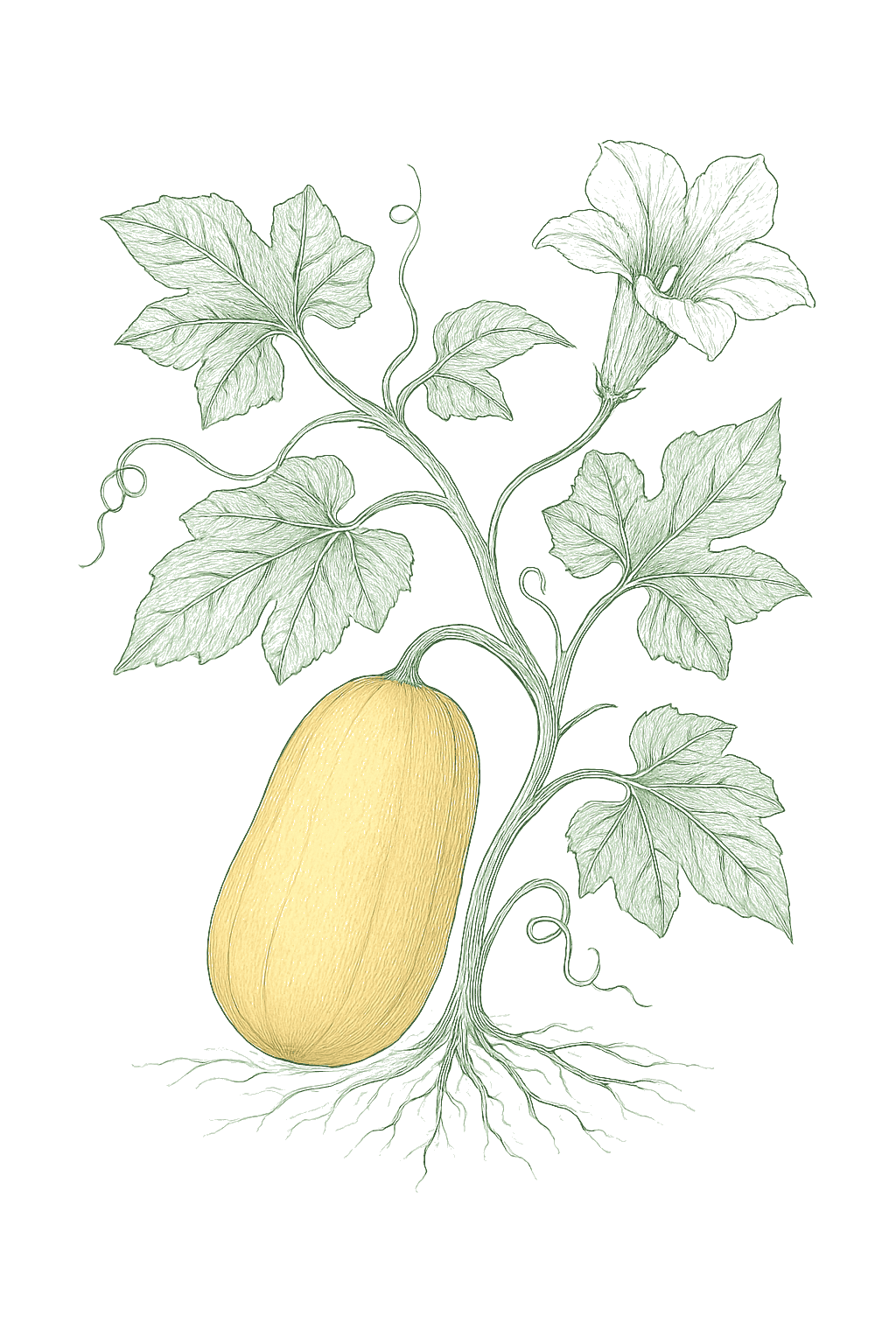
Off-season for spaghetti squash in zone 11.
In Zone 11, spaghetti squash can be planted January through February, then again August through September. Harvest runs April through May.
You plant spaghetti squash once for the season. It grows all summer and ripens together in the fall for a single harvest, so there is no need to replant every few weeks. In most places a later planting would be caught by frost before the squash could ripen. Only in very warm, nearly frost-free areas can you fit a second planting, and that is really a separate season.Spaghetti squash is not a succession crop. It is a single, long-season planting that sets fruit through summer and matures together for one fall harvest, so you sow once per season rather than at intervals. In most zones a second sowing would be killed by frost before its 90 to 100 day crop could ripen. Only in the warmest, frost-free or near-frost-free zones, or the low desert where a summer sowing is the fall crop, is a second seasonal window viable, and that is a separate season, not a succession.
In Zone 11, spaghetti squash can be planted January through February, then again July. Harvest runs April through May.
You plant spaghetti squash once for the season. It grows all summer and ripens together in the fall for a single harvest, so there is no need to replant every few weeks. In most places a later planting would be caught by frost before the squash could ripen. Only in very warm, nearly frost-free areas can you fit a second planting, and that is really a separate season.Spaghetti squash is not a succession crop. It is a single, long-season planting that sets fruit through summer and matures together for one fall harvest, so you sow once per season rather than at intervals. In most zones a second sowing would be killed by frost before its 90 to 100 day crop could ripen. Only in the warmest, frost-free or near-frost-free zones, or the low desert where a summer sowing is the fall crop, is a second seasonal window viable, and that is a separate season, not a succession.
In Zone 11, spaghetti squash can be planted April through May. Harvest runs August through October.
In Zone 11, spaghetti squash can be planted January through August. Harvest runs April through December.
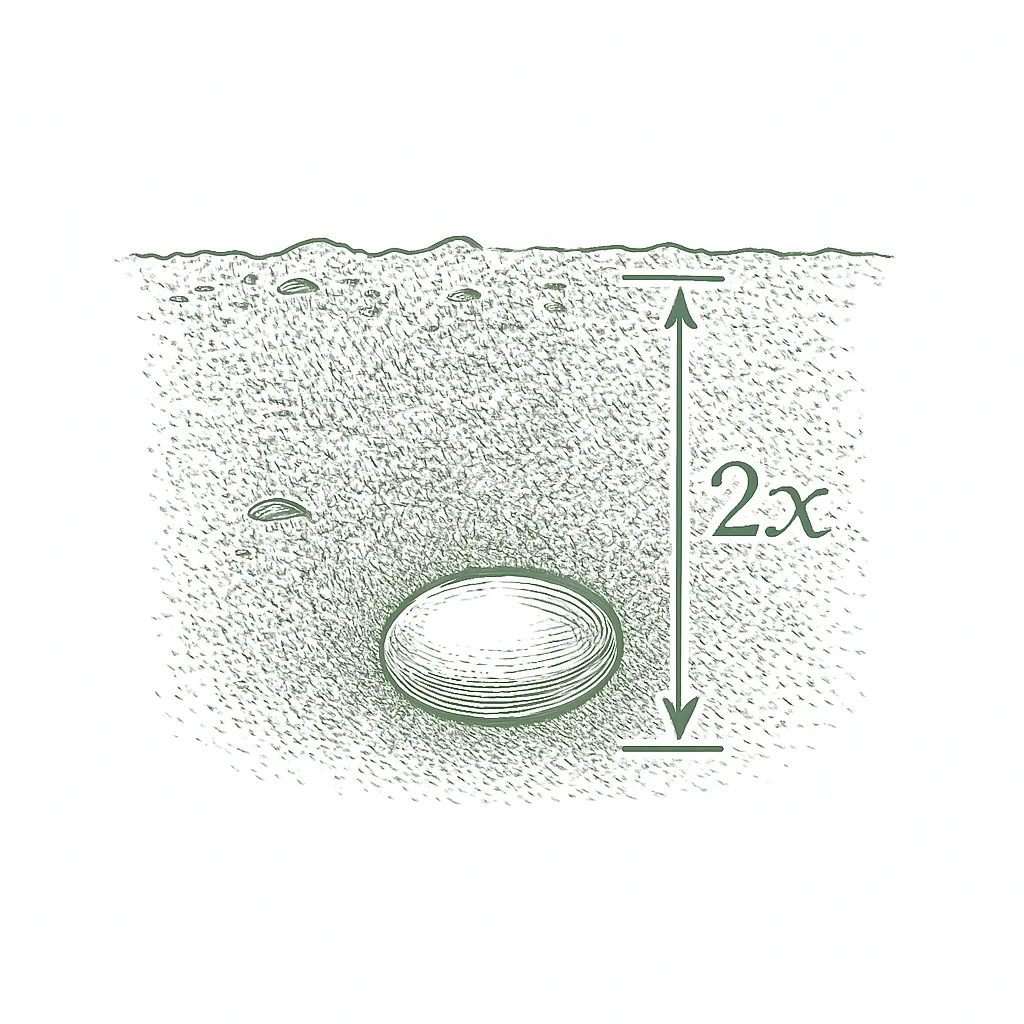
The easiest way to grow spaghetti squash is to sow seeds right where they will grow, once the soil is warm (about 70°F). Plant a few seeds 1 inch deep in each hill and keep the strongest. Start seeds indoors only if your season is short, about three weeks before planting out, and move them outside while they are still small. In cold areas, use transplants and a fast-maturing variety like Small Wonder so the fruit ripens before frost.Because cucurbits resent root disturbance, direct sowing once the soil is reliably warm (at least 65°F, ideally 70°F, at 2 inches) is the simplest, most reliable method, and direct-sown plants quickly catch up. Sow several seeds about 1 inch deep per hill and thin to the strongest. Start seeds indoors only to gain two to three weeks in a short season, sowing in large cells and setting plants out before they outgrow the pot. In the coldest zones, transplants and an early-maturing variety such as Small Wonder are what make a fall crop possible.












Not sure what soil you have? Grab a small handful of damp soil from your garden bed and squeeze it. If it crumbles apart easily, it's sandy. If it holds together but breaks when you poke it, it's loam (what most vegetables want). If it stays in a hard, slippery ball, it's clay.
Plant spaghetti squash in rich, well-drained soil with plenty of compost mixed in. It is a large, long-season plant, so give it a generous, fertile bed. Many gardeners plant on low hills or mounds, which warm up faster and drain better. If your soil is heavy or stays wet, build up mounds or use raised beds so the roots and developing fruit do not sit in water.
Mix 2-3 inches of compost into the top 6 inches of your bed before planting. Compost holds moisture (which sandy soil drains too fast) and adds the nutrients sandy soil tends to lack. Repeat each season. Compost breaks down over time.
Mix 2-3 inches of compost AND a few inches of coarse sand or perlite into the top 6 inches of your bed. The compost feeds the plants; the sand breaks up the clay so air and water can move through. Don't add sand without compost. It can compact like concrete.
If amending your soil sounds like too much work, or if your soil is heavy clay, full of rocks, or contaminated, build over it. A raised bed at least 12 inches deep filled with a 50/50 mix of compost and sandy loam gives you ideal growing soil with no battles. A 5-gallon container with quality potting mix does the same for one plant at a time. Both bypass your native soil entirely.
The numbers that matter, at a glance.
Spaghetti squash likes soil that is slightly acidic to neutral, about pH 6.0 to 6.8, and most garden soil is already close. An inexpensive soil test tells you where you stand and whether you need to adjust it before planting.Spaghetti squash does best in slightly acidic to neutral soil, around pH 6.0 to 6.8, with a sweet spot near 6.0 to 6.5. It still grows across a wider band, roughly 5.8 to 7.5, but uptake of some nutrients tightens as the soil turns alkaline. Test before planting and lime or add sulfur only on the test's advice rather than by guess.
Spaghetti squash grows for a long time and likes steady feeding. Mix a balanced fertilizer into the soil before planting, then feed with a little extra nitrogen about three to four weeks later as the vines start to run, and again when flowers appear. Once the squash begin to form, go easy on the nitrogen, because too much makes leafy vines instead of fruit.Spaghetti squash is a moderate feeder over a long season. Work a complete fertilizer such as 10-10-10 into the bed before planting, then side-dress with nitrogen about three to four weeks after planting as the vines begin to run, and again as flowering starts. Ease off heavy nitrogen once fruit has set, since late, lush vine growth comes at the expense of fruit and draws pests. Pair feeding with even moisture, because the nutrients only help a plant that is not also drought-stressed.
Use a balanced fertilizer like 10-10-10 at planting, then a little nitrogen as the vines spread. Do not overdo the nitrogen once fruit forms.A complete fertilizer such as 10-10-10 worked in at planting, then a nitrogen side-dress while vines run, easing off once fruit sets. Avoid pushing high nitrogen late, which gives vine at the expense of fruit.
The most useful spaghetti squash companions are flowers that bring in bees, since spaghetti squash needs lots of bee visits to set fruit, and the traditional Three Sisters partners, corn and beans. Nasturtiums can lure pests away. The one rule that really matters is to keep spaghetti squash away from other squash, cucumbers, and melons, which all share the same pests and diseases. Most spaghetti squash companion pairings are traditional rather than trial-tested, and the ones worth acting on serve two practical ends: pollination and pest pressure. Because cucurbit fruit set is pollinator-limited, with each female flower needing many bee visits, flowering insectary plants like borage near the patch are a genuine help. The Three Sisters partners, corn and beans, give the sprawling vines structure and a nitrogen boost while sharing none of spaghetti squash's pests, and a trap planting of nasturtium can divert squash bugs and beetles. The firmest rule is a rotation one: keep spaghetti squash away from other cucurbits, which share the full squash pest and disease complex, including the squash vine borer this pepo squash is prone to.
Unlike summer squash, you pick spaghetti squash once, when it is fully ripe. Look for a deep, even yellow color with no green, a hard rind you cannot dent with a thumbnail, and a dry, woody stem. The skin also goes from shiny to dull when ready, and the pale spot where it sits on the ground turns yellow. A ripe squash is what makes those nice spaghetti-like strands; picked too early it comes out mushy instead. Cut the squash off the vine with a knife, leaving a short piece of stem attached. Bring them in before a hard frost. You can eat it right away, or let it cure in a warm, dry place for about 10 days so the skin toughens for storage.Harvest spaghetti squash once at full maturity, not young: wait for a deep, even golden-yellow rind with no green or cream tint, a hard rind a thumbnail cannot dent, and a dried, corky stem. The skin turns from glossy to dull at ripeness, and the ground spot where the fruit rests turns from white to a deep yellow. A mature spaghetti squash is what strands well when cooked; picked immature it stays pale and cooks up mushy rather than into distinct strands. Cut the fruit from the vine with shears or a knife, leaving a 1 to 2 inch handle of stem, and avoid carrying it by the stem. Get the crop in before a hard frost, which damages the rind and shortens storage. A short cure of about 10 days in a warm, dry spot hardens the skin, though as a Cucurbita pepo it is also fine to eat straight from the vine.
A spaghetti squash plant usually gives you several squash, often 4 to 5, each 2 to 4 pounds. Bush types like Tivoli make fewer but take much less room. Plan on one or two plants going a long way, since each one spreads widely.A healthy spaghetti squash vine typically yields 4 to 5 oblong fruit of 2 to 4 pounds each; compact and bush types set fewer, smaller fruit on far less space. Vining types need plenty of room per plant, and even moisture and feeding through sizing build full, well-formed squash that strand cleanly.
Unlike summer squash, spaghetti squash does not keep producing all season. The plant sets its fruit over the summer and they all ripen together in fall, when you harvest once. Removing the latest tiny fruit helps the rest grow bigger before frost.Spaghetti squash does not produce continuously; the plant sets fruit through summer and then the crop matures together in fall for a single harvest. Once several fruit have set, removing the latest small fruit and pinching vine tips channels energy into sizing and ripening the keepers before frost. The big first-year surprise is how far spaghetti squash vines spread, often 6 to 8 feet. Give them more room than you think, and grow flowers nearby to bring in bees, since the plant needs lots of bee visits to set fruit.The usual first-year surprises are how much room the vines take (6 to 8 feet) and how pollinator-dependent fruit set is. Give plants more space than seems necessary, and grow some flowers nearby to draw bees.
Pick a spaghetti squash variety by your season and space. For a full-size, reliable squash, grow Vegetable Spaghetti. If your garden or season is small or short, grow the compact Tivoli or Small Wonder. Orangetti has sweeter, orange flesh on a smaller plant, and Stripetti stores the longest and stands up to mildew better if those are problems where you live.Choose by season length and space. Where there is room, the open-pollinated Vegetable Spaghetti is the dependable full-size standard. For small beds or containers, the bush Tivoli and the compact semi-bush Small Wonder stay tidy, and Small Wonder ripens earliest for short seasons. Orangetti offers sweeter, orange flesh on a semi-bush plant, and where powdery mildew or a long storage life matters, the striped Stripetti keeps best and holds up better to mildew.
Try not to grow spaghetti squash or its relatives in the same spot more than once every 3 years or so. Moving them around the garden each year helps avoid a buildup of pests and disease. Clean up old vines at the end of the season too.Rotate cucurbits on a 3 year cycle, returning spaghetti squash to a given bed no sooner than the third or fourth year, to break the buildup of squash bug, beetle-vectored wilt, and soilborne disease. Clear and remove spent vines at season's end rather than tilling them in, which removes overwintering pest and disease sites and makes rotation more effective.
The plant app sends a timely reminder at every critical moment of your spaghetti squash season. The wording adjusts to whichever you pick: beginner or seasoned. Here are three you'll see in Zone 11.
plant sends the right notification at exactly the right moment, for your zone, your weather, your crops. Founding members lock the rate forever.
We're building this guide with real growers. Got a question we missed? Ask here. We read every one and add the best answers right to this page.
Learned something the hard way? Pass it on. Real growers' tips make this guide better for the next person, and we credit you by name when yours goes live.
If you've grown this crop and you see a date, a temperature, a companion claim, or a recommendation that doesn't match your experience, tell us. Real growers' corrections make this guide better for the next person.
Every date, temperature, spacing, and recommendation on this page is sourced from university cooperative extension publications, peer-reviewed agricultural research, NOAA climate data, and direct extension calendars. Where claims are softer (traditional gardening wisdom not formally documented), we say so.
Spot a data point that doesn't match your experience? Submit a correction; accepted corrections earn full author credit on the page.
Zone-aware seasonal nudges, what's worth planting now, and the occasional recipe from the harvest. No spam, ever.