Today · in your zone
What's happening right now
Off-season for sunflower in zone 11.
Tap to switch. plant calibrates to where you are in the journey.
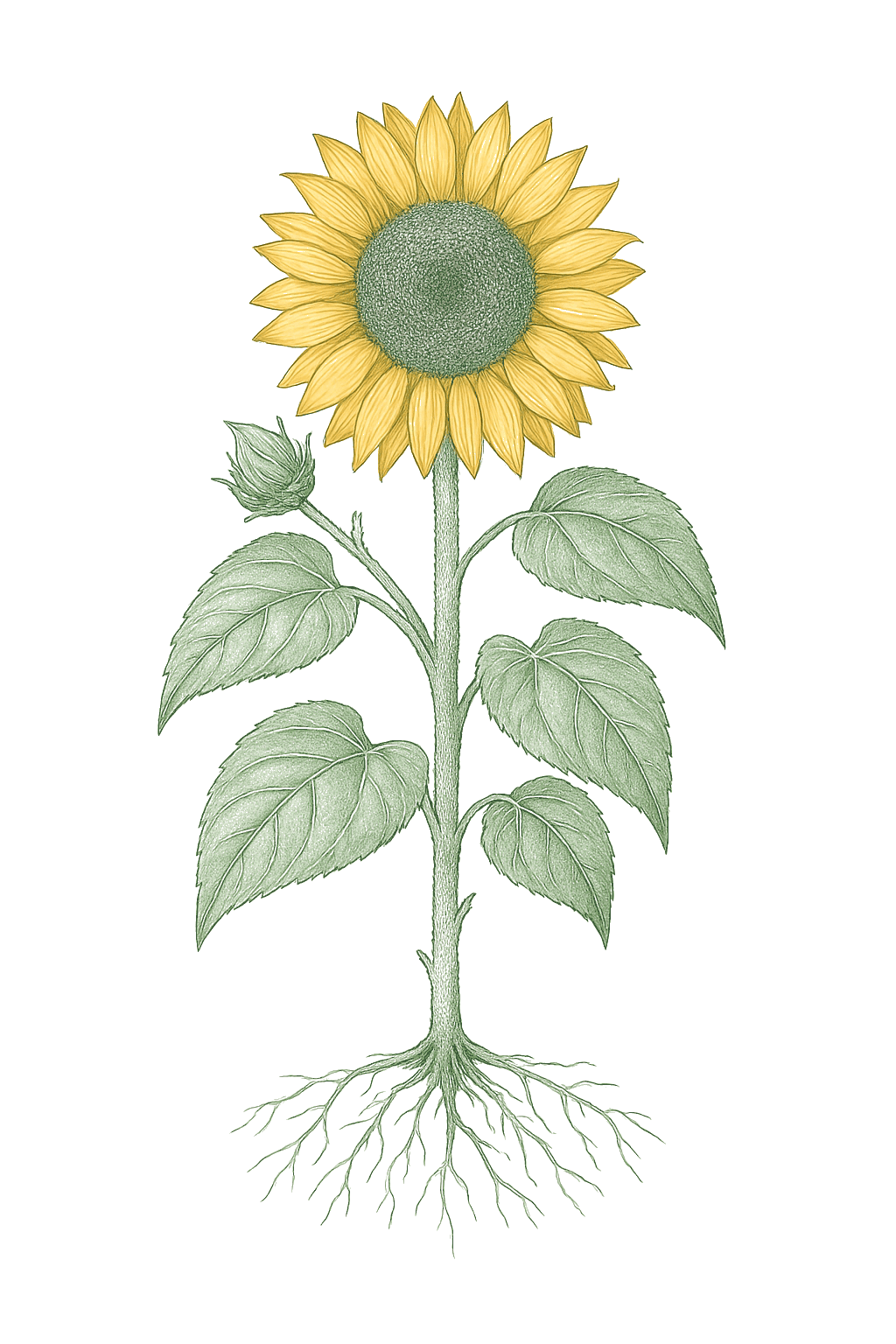
Sunflowers are easy, fast, cheerful flowers grown both for their blooms and for edible seeds that people and birds love. They come in a huge range: towering giants over 10 feet tall with one big head, bushy branching types with lots of smaller flowers, and little dwarf kinds under 2 feet for pots. Plant the large seeds straight into warm soil after your last frost, because sunflowers have a deep taproot and do not like being moved. They love heat and full sun and handle dry spells well. Young plants turn to follow the sun across the sky, and the open flowers bring in bees and butterflies. Watch out: birds and squirrels will raid the ripening seed heads, so cover them if you want to save the seeds. One thing to know is that sunflowers can hold back a few nearby plants with natural chemicals from their roots and old stalks, so it is smart to plant them along an edge. Sunflower (Helianthus annuus) is a fast, warm-season, frost-tender annual in the Asteraceae family, native to North America and grown both as an ornamental and for its edible, wildlife-valuable seed. Cultivars range enormously: from single-stem giants that top 10 feet with one massive head, to multi-branching types that carry many smaller blooms, to dwarf forms under 2 feet for pots and edging, in oilseed, confection, and pollen-free cut-flower classes. It is direct-sown into warm soil after frost (the big taproot resents transplanting), thrives in heat, full sun, and even lean soil, and is notably drought-tolerant once established. Young plants are heliotropic, tracking the sun east to west by day, while mature heads settle facing east. The flowers are a major pollinator and beneficial-insect draw, and the ripening seed heads are a magnet for birds and squirrels. Note its mild allelopathy: roots and decomposing residue release compounds that can suppress some neighboring plants, so it is best sited at a bed edge.
Off-season for sunflower in zone 11.
In Zone 11, sunflower can be planted February through October. Start indoors Jan 15 - Jan 29. In bloom April through December.
For sunflowers all summer, plant a new small batch of seeds every 1 to 3 weeks from after the last frost into midsummer, especially the single-stem cutting types, since each one flowers just once. Branching types bloom for a long time from one planting, and giant types are a one-and-done show. Sunflowers love the heat, so you do not stop for summer.Single-stem cut-flower types in particular reward succession sowing: sow every 1 to 3 weeks from after last frost through midsummer for a continuous run of fresh blooms, since each single-stem plant flowers once. Branching types bloom over a longer window from one sowing, and giants are a single grand plant. There is no heat pause: sunflowers thrive through peak summer.
In Zone 11, sunflower can be planted February through September. Start indoors Jan 11 - Jan 25. In bloom April through December.
For sunflowers all summer, plant a new small batch of seeds every 1 to 3 weeks from after the last frost into midsummer, especially the single-stem cutting types, since each one flowers just once. Branching types bloom for a long time from one planting, and giant types are a one-and-done show. Sunflowers love the heat, so you do not stop for summer.Single-stem cut-flower types in particular reward succession sowing: sow every 1 to 3 weeks from after last frost through midsummer for a continuous run of fresh blooms, since each single-stem plant flowers once. Branching types bloom over a longer window from one sowing, and giants are a single grand plant. There is no heat pause: sunflowers thrive through peak summer.
In Zone 11, sunflower can be planted March through October. Start indoors Feb 15 - Mar 1. In bloom May through December.
For sunflowers all summer, plant a new small batch of seeds every 1 to 3 weeks from after the last frost into midsummer, especially the single-stem cutting types, since each one flowers just once. Branching types bloom for a long time from one planting, and giant types are a one-and-done show. Sunflowers love the heat, so you do not stop for summer.Single-stem cut-flower types in particular reward succession sowing: sow every 1 to 3 weeks from after last frost through midsummer for a continuous run of fresh blooms, since each single-stem plant flowers once. Branching types bloom over a longer window from one sowing, and giants are a single grand plant. There is no heat pause: sunflowers thrive through peak summer.
In Zone 11, sunflower grows year round here: plant in any month and cut blooms all year.
For sunflowers all summer, plant a new small batch of seeds every 1 to 3 weeks from after the last frost into midsummer, especially the single-stem cutting types, since each one flowers just once. Branching types bloom for a long time from one planting, and giant types are a one-and-done show. Sunflowers love the heat, so you do not stop for summer.Single-stem cut-flower types in particular reward succession sowing: sow every 1 to 3 weeks from after last frost through midsummer for a continuous run of fresh blooms, since each single-stem plant flowers once. Branching types bloom over a longer window from one sowing, and giants are a single grand plant. There is no heat pause: sunflowers thrive through peak summer.
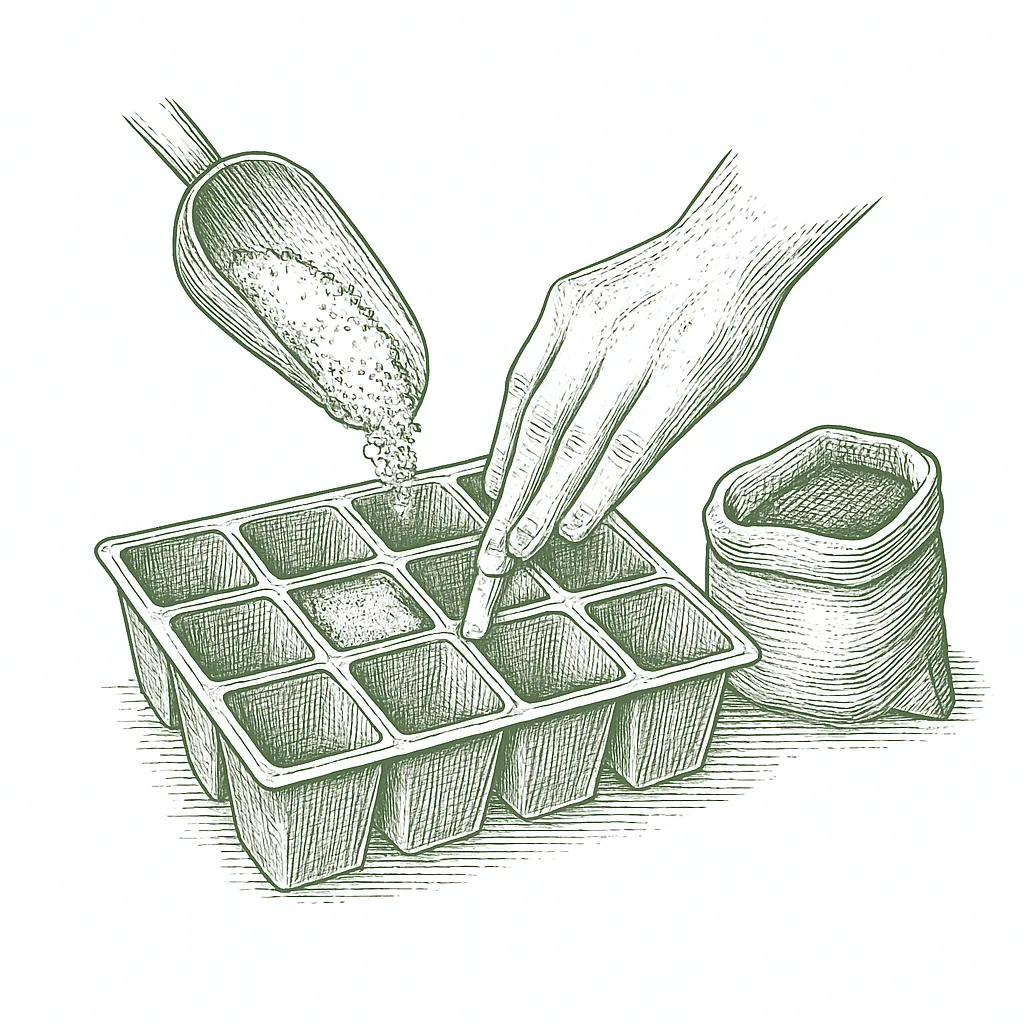
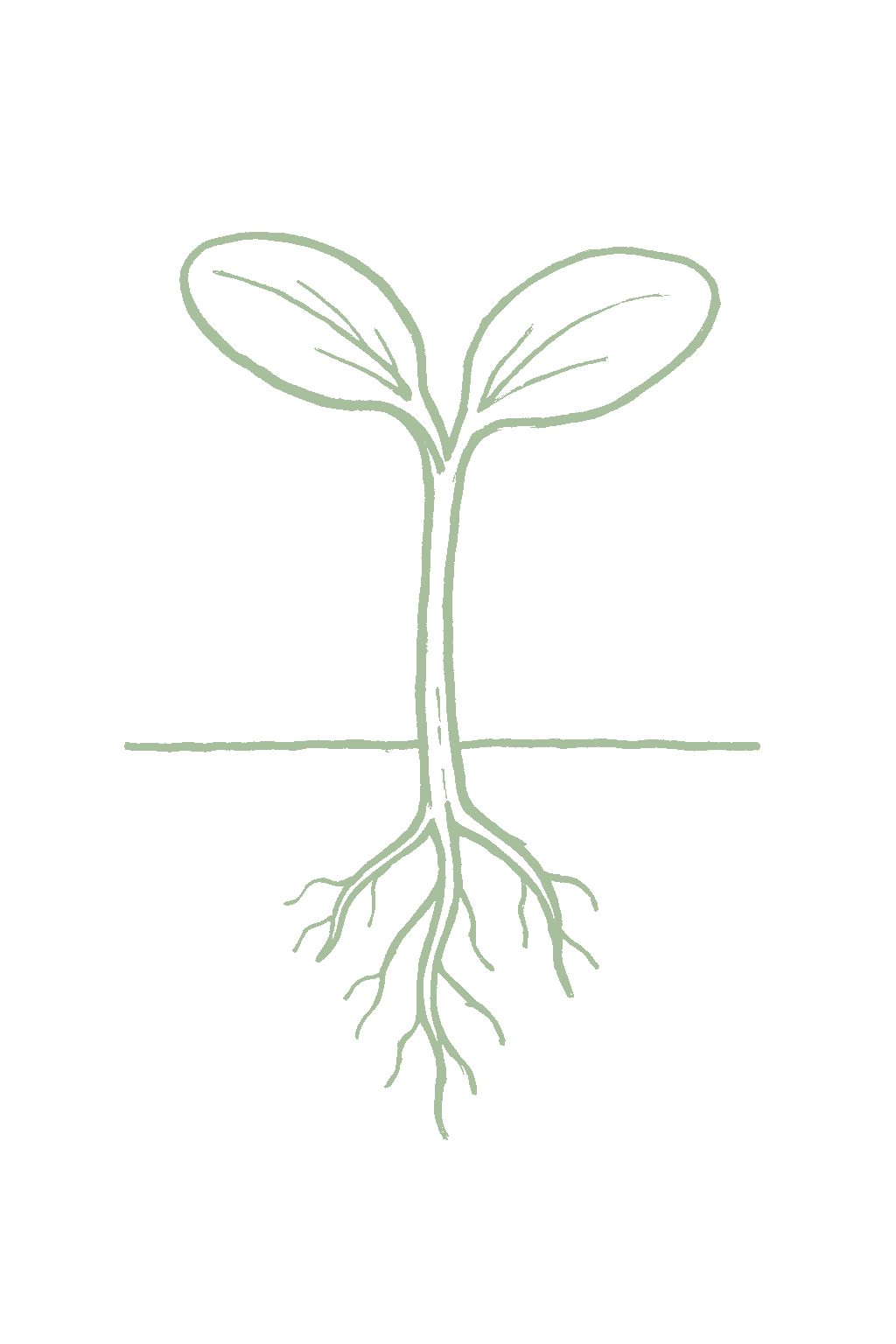
The best way is to sow sunflower seeds straight into warm garden soil (about 1 inch deep) after your last frost; they sprout in 7 to 10 days. Sunflowers have a deep root and do not like being moved, so plant them where they will grow. If your season is short, you can start a few indoors 2 to 3 weeks before the last frost in biodegradable pots and move them out gently, pot and all. Put a stake in for tall types early, before the big flower makes them top-heavy.Direct sowing is the strongly preferred method: sunflowers form a deep taproot early and resent transplanting, so sow seed about 1 inch deep into warmed soil (past 50 °F, ideally 70 to 85 °F) after frost, and they germinate in 7 to 10 days. To gain a couple of weeks in short seasons, start indoors only 2 to 3 weeks before last frost in biodegradable pots and transplant before the taproot circles, disturbing roots minimally. Thin to type-appropriate spacing once seedlings are up. Stake tall single-stem giants early so the support is in place before the head gets top-heavy.




Not sure what soil you have? Grab a small handful of damp soil from your garden bed and squeeze it. If it crumbles apart easily, it's sandy. If it holds together but breaks when you poke it, it's loam (what most vegetables want). If it stays in a hard, slippery ball, it's clay.
Sunflowers are not fussy and grow in most ordinary garden soil as long as water drains away and does not pool. A deep, loose, well-drained soil suits their long taproot best. They tolerate sandy, clay loam, and silty soils, but soggy, heavy clay that stays wet can rot the roots. Mixing in some compost helps, especially for the big branching and large-flowered types, which are hungrier feeders.
Mix 2-3 inches of compost into the top 6 inches of your bed before planting. Compost holds moisture (which sandy soil drains too fast) and adds the nutrients sandy soil tends to lack. Repeat each season. Compost breaks down over time.
Mix 2-3 inches of compost AND a few inches of coarse sand or perlite into the top 6 inches of your bed. The compost feeds the plants; the sand breaks up the clay so air and water can move through. Don't add sand without compost. It can compact like concrete.
If amending your soil sounds like too much work, or if your soil is heavy clay, full of rocks, or contaminated, build over it. A raised bed at least 12 inches deep filled with a 50/50 mix of compost and sandy loam gives you ideal growing soil with no battles. A 5-gallon container with quality potting mix does the same for one plant at a time. Both bypass your native soil entirely.
The numbers that matter, at a glance.
Sunflowers are easygoing about soil pH (how acidic or alkaline the soil is). A range around 6.0 to 7.5 is ideal, and most garden soil is already fine, so you usually do not need to change anything. They even tolerate slightly alkaline soil.Sunflowers perform best across roughly 6.0 to 7.5 and are tolerant of soils a little outside that, including mildly alkaline ground up to about 8.0. pH adjustment is rarely warranted; focus instead on drainage and depth for the taproot rather than on fine-tuning acidity.
Sunflowers, especially the big branching and large-flowered kinds, are fairly hungry plants. Mix compost and a balanced fertilizer into the soil before planting, and you can feed lightly again during the season if the leaves look pale. Do not overdo the high-nitrogen kind, though: too much makes tall, floppy, leafy plants with weaker stems and fewer flowers.Sunflowers, especially the multi-branching and large single-flowered types, are moderate to heavy feeders. Work compost and a balanced, slow-release fertilizer into the bed at planting, and supplement lightly through the season if growth is pale or the soil is lean. Avoid heavy nitrogen, which drives soft, leafy, weak-stalked growth that lodges in wind and delays bloom; a balanced ratio favoring steady stalk and head development is the goal.
The three numbers on fertilizer (N-P-K) are nitrogen, phosphorus, and potassium. For sunflowers, a balanced one like 10-10-10 works well. Avoid a high first-number (nitrogen) lawn feed, which gives leaves and floppy stems instead of strong flowers.A balanced ratio such as 10-10-10 worked in at planting, with phosphorus and potassium to back flower and seed development, suits sunflowers better than a high-nitrogen lawn-type feed, which favors weak, leafy growth.
Deadheading (snipping off faded flowers) mostly matters for the branching types with many flowers: cut the old blooms back to the next bud and the plant makes more, right up to frost. Cutting fresh ones for a vase does the same thing. The single-stem types, including the giants, make just one flower and do not rebloom, so there is nothing to deadhead; leave that head to make seeds, or cut it once for a vase. You do not need to pinch sunflowers.Deadheading applies mainly to branching, multi-head types: cut or snip spent blooms back to the next bud or leaf node to redirect energy into new flowers and prolong the display to frost, and cutting for the vase does the same job. Single-stem types (giants and most cut-flower singles) make one terminal head and do not rebloom, so there is nothing to deadhead; leave that head to ripen if you want seed, or cut it once for the vase. There is no pinching: branching types branch on their own.
Sunflowers are mainly grown for their own flowers and seeds, but they are a strong pollinator and beneficial-insect plant, so they help the wider garden too. Their open heads, made of hundreds of tiny flowers, bring in bees, butterflies, and helpful predator insects, and the ripening seeds feed birds. Tall, sturdy types can act as a natural trellis or windbreak for vining crops like cucumbers, squash, and melons, which also benefit from the extra pollinators. The honest catch is allelopathy: sunflower roots and old stalks release natural chemicals that can hold back some plants, especially potatoes and pole beans, and the hulls can stop seeds from sprouting. So plant sunflowers along an edge rather than in the middle of sensitive crops, and clean up the stalks and dropped hulls at season end. Sunflower is grown chiefly for itself, but it earns a place in the wider garden as a pollinator and beneficial-insect powerhouse: the composite heads supply abundant nectar and pollen to bees (including specialist sunflower bees), butterflies, and predatory and parasitic insects, and the seed heads are a documented wildlife and bird food. Sturdy tall types double as a living trellis or windbreak for cucurbits, which tolerate sunflower's allelopathy and gain from the pollinator traffic. The load-bearing honest caveat is that allelopathy: Helianthus annuus is a recognized allelopathic species (roots, residue, and seed hulls release growth-inhibiting compounds), best documented as a weed-suppressing cover-crop trait but also capable of stunting sensitive neighbors. Site sunflowers at a bed edge, not amid sensitive crops, keep potatoes and pole beans clear, and remove residue and spilled hulls at season end. There is no concurrent pairing that is broadly antagonistic to the sunflower itself; the antagonism runs the other way, from sunflower to certain neighbors.
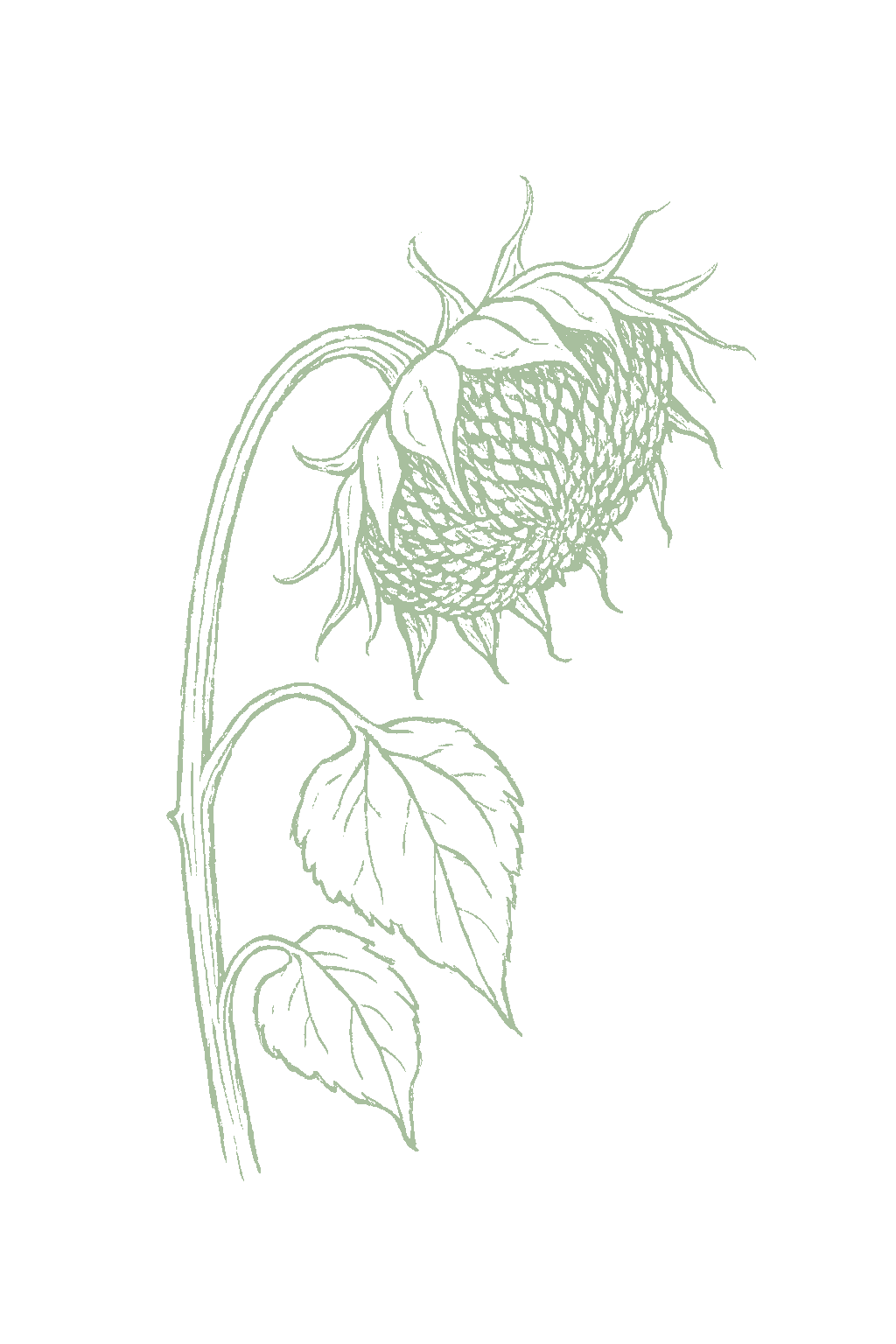
Sunflowers give you two harvests. For a vase, cut the flowers just as they open, in the morning, into clean water, and pull off the lower leaves; pollen-free types stay neatest. For seeds, leave the heads on the plant until the back turns brown and the seeds are plump and firm, about a month after the flower opens. Cover the ripening heads with a paper bag or cheesecloth so birds and squirrels do not get them, then cut the head and dry it somewhere warm and airy until the seeds come loose.Sunflower has two harvests. For cut flowers, cut when the bloom is just opening and the back of the head is still greenish, in the cool of the morning into clean water, stripping lower leaves; pollen-free types stay tidiest and vase life runs about a week. For seed, let heads ripen on the plant until the back turns from yellow to brown, the florets dry, and the seeds plump and firm (about 30 to 45 days after bloom); bag ripening heads in paper or cheesecloth to beat birds and squirrels, then cut and cure the head in a warm, dry, airy, rodent-free spot until the seeds release.
How much you get depends on the type. A giant sunflower makes one big head full of seeds, sometimes over a foot wide. Branching types make lots of smaller flowers over a longer time, great for cutting and for bees but with smaller seed heads. Dwarf types are mostly just for pretty flowers. One big head can hold many hundreds of seeds.Yield depends entirely on type. A single-stem giant produces one large head (often 8 to 14 inches or more across) yielding a substantial crop of seed; branching types produce many smaller heads over a longer window, ideal for cut flowers and pollinators but smaller individual seed heads; dwarf types give modest blooms for color. A well-grown large head can hold many hundreds to over a thousand seeds.
Sunflowers flower the same year you plant them, usually 2 to 3 months after sowing. There is no waiting year. Plant in spring and you get flowers in summer, with seeds ripening about a month after that.Sunflowers bloom the first season from seed, roughly 60 to 100 days after sowing depending on type (fast cut-flower singles sooner, giants later), so there is no establishment year; a spring sowing flowers in summer, with seed ripening over the following month.
Pick the type for your goal. For big edible or bird seeds, grow the giant kinds like 'Mammoth', which make one huge head but need a stake and lots of room. For cutting flowers for a vase, pollen-free single-stem types like the ProCut series are clean and tidy, while branching types like 'Autumn Beauty' and 'Lemon Queen' make lots of smaller flowers over a long time and are best for bees. For pots and small spaces, dwarf types like 'Teddy Bear' stay short. Open, single flowers with pollen are the best ones for bees and butterflies.Choose by purpose and size. For edible or bird seed, the giant single-stem types ('Mammoth', 'Sunzilla', 'American Giant') deliver one large head of plump seed but need staking and 18 to 24 inches of space. For cutting, single-stem pollen-free types (ProCut series, 'Italian White') give clean, uniform, mess-free stems and succession-sow well, while branching types ('Autumn Beauty', 'Lemon Queen') carry many smaller blooms over a long window and are the best pollinator and color choice. For pots, edging, and small spaces, dwarf types ('Teddy Bear', 'Sunspot', 'Music Box') stay under 2 to 3 feet. Open, single, pollen-bearing flowers feed pollinators best; pollen-free cut-flower types trade that for vase tidiness.
Sunflowers give you both flowers and edible seeds, so unlike most cut flowers there is a harvest to store. The main thing is to dry the seeds completely: hang cut heads in a warm, dry, airy place safe from mice until the seeds come off easily, then store them dry. For flowers in a vase, cut when the bloom is just opening, trim the stem, pull off the lower leaves, and use clean water; they last about a week. If you want the seeds, cover the ripening heads so birds and squirrels do not eat them first.Sunflower is grown both for ornament and for an edible, wildlife-valuable seed crop, so it does have a harvest to store. The key to good storage is full drying: cure cut heads in a warm, dry, airy, rodent-free spot until the seeds rattle loose, then store dry as above. For cut flowers, cut when the bloom is just opening, recut the stem, strip lower leaves below the waterline, and use clean water; vase life is roughly a week, longer for pollen-free types. If you are growing for seed, protect ripening heads from birds and squirrels, which strip them fast.
Rotating sunflowers helps more than it does for many flowers, because their main diseases live in the soil. Try not to grow sunflowers in the same spot two years running, especially if you saw any rot, mildew, or rust, and clean up old stalks and leaves at the end of the season. On the useful side, sunflowers are sometimes grown on purpose as a cover crop to hold down weeds, using the same natural chemicals that mean you should not follow them with touchy crops like potatoes.Rotation matters more for sunflower than for many ornamentals because its key diseases are soilborne and persistent. Avoid planting sunflower on the same ground in back-to-back years, particularly where Sclerotinia, downy mildew, or rust appeared, and clear infected debris at season end. Used deliberately, sunflower is also a recognized weed-suppressing cover crop thanks to the same allelopathy that cautions against following it with sensitive vegetables.
The plant app sends a timely reminder at every critical moment of your sunflower season. The wording adjusts to whichever you pick: beginner or seasoned. Here are three you'll see in Zone 11.
plant sends the right notification at exactly the right moment, for your zone, your weather, your crops. Founding members lock the rate forever.
We're building this guide with real growers. Got a question we missed? Ask here. We read every one and add the best answers right to this page.
Learned something the hard way? Pass it on. Real growers' tips make this guide better for the next person, and we credit you by name when yours goes live.
If you've grown this crop and you see a date, a temperature, a companion claim, or a recommendation that doesn't match your experience, tell us. Real growers' corrections make this guide better for the next person.
Every date, temperature, spacing, and recommendation on this page is sourced from university cooperative extension publications, peer-reviewed agricultural research, NOAA climate data, and direct extension calendars. Where claims are softer (traditional gardening wisdom not formally documented), we say so.
Spot a data point that doesn't match your experience? Submit a correction; accepted corrections earn full author credit on the page.
Zone-aware seasonal nudges, what's worth planting now, and the occasional recipe from the harvest. No spam, ever.