Today · in your zone
What's happening right now
Off-season for sweet alyssum in zone 9.
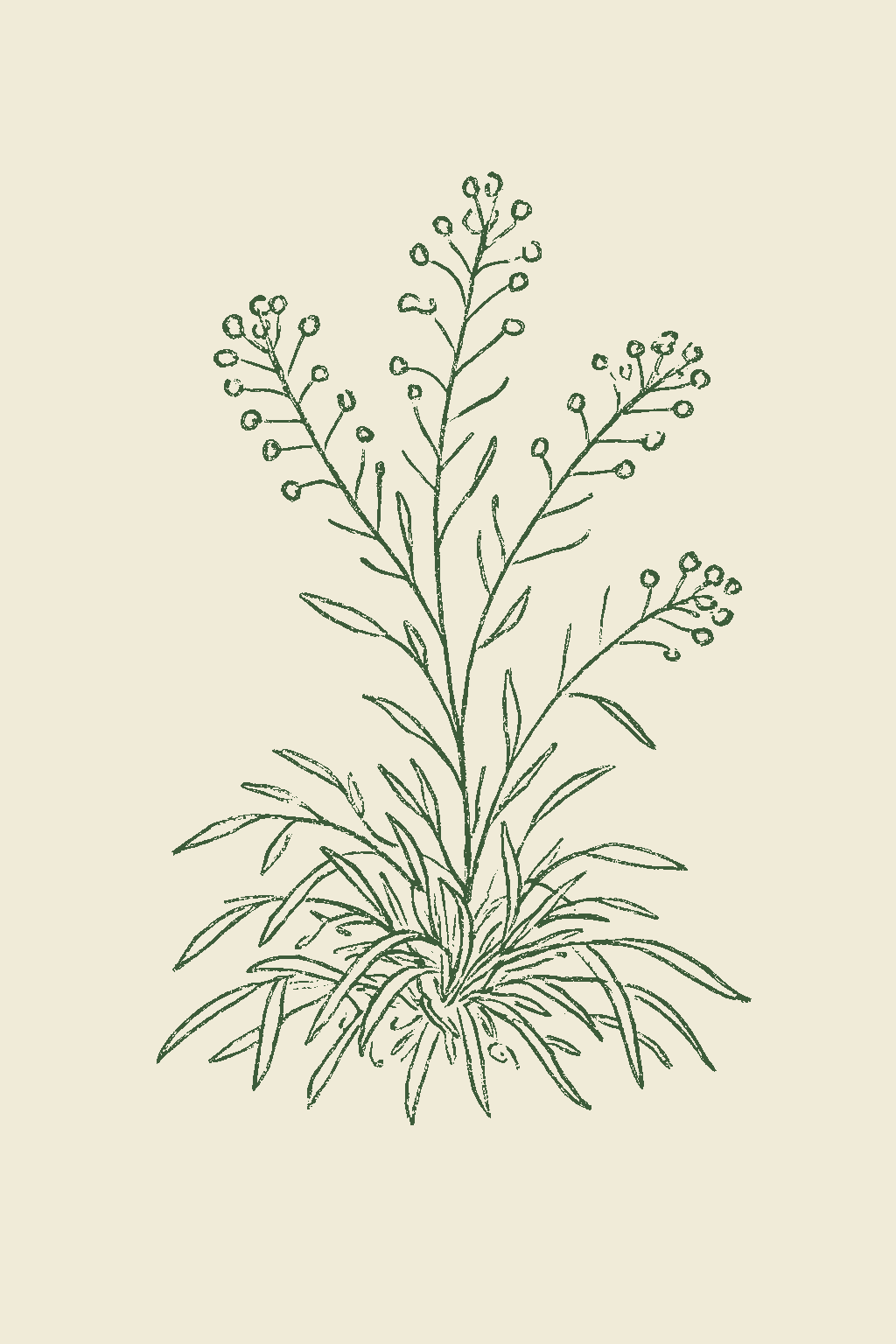
Sweet alyssum is a low, spreading flower that forms a carpet of tiny, sweet honey-scented blooms in white, pink, or lavender. It stays only a few inches tall but spreads wide, so it is perfect for edging a bed, filling a container, or tucking between vegetables. Its best trick is attracting good bugs: the flowers pull in hoverflies, tiny wasps, and ladybugs whose young eat aphids, so gardeners plant it right among their vegetables to help keep pests down. It flowers most in the cool weather of spring and fall, slows down and gets scraggly in summer heat, then bounces back when you trim it and the weather cools. It also drops seed and comes back on its own. Sweet alyssum (Lobularia maritima) is a low, carpet-forming cool-season annual in the mustard family, growing just 3 to 9 inches tall with a wider spread and smothering itself in tiny, honey-scented white, pink, or lavender flowers held in dense clusters. Its signature value is as a premier insectary plant: the sweet-scented blooms draw syrphid (hover) flies, parasitic wasps, ladybugs, and lacewings, whose larvae and broods prey on aphids, which is why growers interplant it through vegetable beds and why it is used in California organic lettuce and broccoli fields as part of an aphid biological-control plan. It blooms best in the cool of spring and fall; growth and flowering slow and the plants look ragged in summer heat, then revive with a light shearing and cooler weather. It self-sows readily.
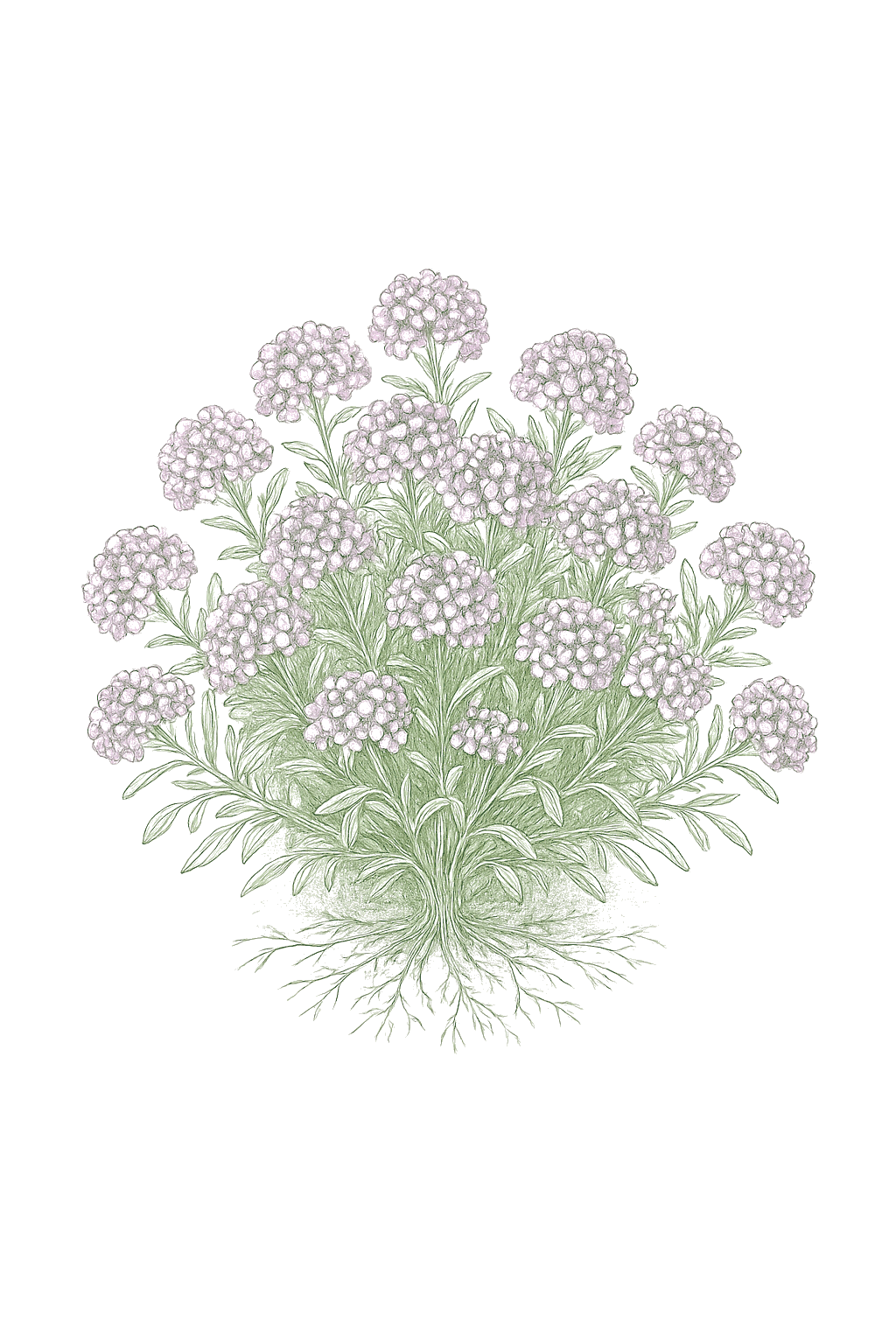
Off-season for sweet alyssum in zone 9.
Zone 9 averages a last frost around March 1. Within Zone 9, the colder half (9a, winters down to 20°F) runs about a week later. The warmer half (9b, winters down to 25°F) runs about a week earlier. The plant app picks your subzone from your ZIP.
| Subzone | Last spring | First fall | Growing days | Winter min | Fruits reliably |
|---|---|---|---|---|---|
| 9a | Mar 8 | Nov 24 | ~261 | 20-25°F | Yes · two seasons |
| 9b | Feb 28 | Nov 30 | ~275 | 25-30°F | Yes · two seasons |
Averages from 8 weather stations per subzone, drawn from NOAA 1991-2020 Climate Normals. Your actual frost date can vary by up to two weeks based on elevation, proximity to water, and local topography.
In Zone 9, sweet alyssum can be planted September through February, skipping the summer heat. In bloom October through April.
Sweet alyssum grows fast and reseeds itself, so many gardeners just plant it once or twice. For nonstop flowers, you can sow a fresh batch every couple of weeks during the cool season. In mild areas that means fall through spring, pausing for summer heat; in cold areas, spring and again in late summer, skipping the hottest part. Keep sowings on the cool side of the year, since it stalls in heat.Sweet alyssum is fast and reseeding, so it is often a one- or two-window bedding planting rather than a continuously sown crop, but you can stagger sowings every 2 to 3 weeks through the cool season for unbroken fresh bloom and to replace tired or rotted patches. In mild zones that window is fall through spring with a summer heat pause; in cold zones it is spring and again in late summer around a midsummer pause. Anchor sowings to the cool side of the season, since bloom stalls above summer heat.
In Zone 9, sweet alyssum can be planted October through December, skipping the summer heat. In bloom November through March.
Sweet alyssum grows fast and reseeds itself, so many gardeners just plant it once or twice. For nonstop flowers, you can sow a fresh batch every couple of weeks during the cool season. In mild areas that means fall through spring, pausing for summer heat; in cold areas, spring and again in late summer, skipping the hottest part. Keep sowings on the cool side of the year, since it stalls in heat.Sweet alyssum is fast and reseeding, so it is often a one- or two-window bedding planting rather than a continuously sown crop, but you can stagger sowings every 2 to 3 weeks through the cool season for unbroken fresh bloom and to replace tired or rotted patches. In mild zones that window is fall through spring with a summer heat pause; in cold zones it is spring and again in late summer around a midsummer pause. Anchor sowings to the cool side of the season, since bloom stalls above summer heat.
In Zone 9, sweet alyssum can be planted October through November, skipping the summer heat. In bloom November through March.
Sweet alyssum grows fast and reseeds itself, so many gardeners just plant it once or twice. For nonstop flowers, you can sow a fresh batch every couple of weeks during the cool season. In mild areas that means fall through spring, pausing for summer heat; in cold areas, spring and again in late summer, skipping the hottest part. Keep sowings on the cool side of the year, since it stalls in heat.Sweet alyssum is fast and reseeding, so it is often a one- or two-window bedding planting rather than a continuously sown crop, but you can stagger sowings every 2 to 3 weeks through the cool season for unbroken fresh bloom and to replace tired or rotted patches. In mild zones that window is fall through spring with a summer heat pause; in cold zones it is spring and again in late summer around a midsummer pause. Anchor sowings to the cool side of the season, since bloom stalls above summer heat.
In Zone 9, sweet alyssum can be planted September through March. In bloom October through July.
Sweet alyssum grows fast and reseeds itself, so many gardeners just plant it once or twice. For nonstop flowers, you can sow a fresh batch every couple of weeks during the cool season. In mild areas that means fall through spring, pausing for summer heat; in cold areas, spring and again in late summer, skipping the hottest part. Keep sowings on the cool side of the year, since it stalls in heat.Sweet alyssum is fast and reseeding, so it is often a one- or two-window bedding planting rather than a continuously sown crop, but you can stagger sowings every 2 to 3 weeks through the cool season for unbroken fresh bloom and to replace tired or rotted patches. In mild zones that window is fall through spring with a summer heat pause; in cold zones it is spring and again in late summer around a midsummer pause. Anchor sowings to the cool side of the season, since bloom stalls above summer heat.
In Zone 9, sweet alyssum can be planted September through February, skipping the summer heat. In bloom October through April.
Sweet alyssum grows fast and reseeds itself, so many gardeners just plant it once or twice. For nonstop flowers, you can sow a fresh batch every couple of weeks during the cool season. In mild areas that means fall through spring, pausing for summer heat; in cold areas, spring and again in late summer, skipping the hottest part. Keep sowings on the cool side of the year, since it stalls in heat.Sweet alyssum is fast and reseeding, so it is often a one- or two-window bedding planting rather than a continuously sown crop, but you can stagger sowings every 2 to 3 weeks through the cool season for unbroken fresh bloom and to replace tired or rotted patches. In mild zones that window is fall through spring with a summer heat pause; in cold zones it is spring and again in late summer around a midsummer pause. Anchor sowings to the cool side of the season, since bloom stalls above summer heat.
In Zone 9, sweet alyssum can be planted March through April. Start indoors Feb 22 - Mar 15. In bloom May through November.
Sweet alyssum grows fast and reseeds itself, so many gardeners just plant it once or twice. For nonstop flowers, you can sow a fresh batch every couple of weeks during the cool season. In mild areas that means fall through spring, pausing for summer heat; in cold areas, spring and again in late summer, skipping the hottest part. Keep sowings on the cool side of the year, since it stalls in heat.Sweet alyssum is fast and reseeding, so it is often a one- or two-window bedding planting rather than a continuously sown crop, but you can stagger sowings every 2 to 3 weeks through the cool season for unbroken fresh bloom and to replace tired or rotted patches. In mild zones that window is fall through spring with a summer heat pause; in cold zones it is spring and again in late summer around a midsummer pause. Anchor sowings to the cool side of the season, since bloom stalls above summer heat.
In Zone 9, sweet alyssum can be planted September through December, skipping the summer heat. In bloom October through April.
Sweet alyssum grows fast and reseeds itself, so many gardeners just plant it once or twice. For nonstop flowers, you can sow a fresh batch every couple of weeks during the cool season. In mild areas that means fall through spring, pausing for summer heat; in cold areas, spring and again in late summer, skipping the hottest part. Keep sowings on the cool side of the year, since it stalls in heat.Sweet alyssum is fast and reseeding, so it is often a one- or two-window bedding planting rather than a continuously sown crop, but you can stagger sowings every 2 to 3 weeks through the cool season for unbroken fresh bloom and to replace tired or rotted patches. In mild zones that window is fall through spring with a summer heat pause; in cold zones it is spring and again in late summer around a midsummer pause. Anchor sowings to the cool side of the season, since bloom stalls above summer heat.
In Zone 9, sweet alyssum can be planted October through November. In bloom December through February.
Sweet alyssum grows fast and reseeds itself, so many gardeners just plant it once or twice. For nonstop flowers, you can sow a fresh batch every couple of weeks during the cool season. In mild areas that means fall through spring, pausing for summer heat; in cold areas, spring and again in late summer, skipping the hottest part. Keep sowings on the cool side of the year, since it stalls in heat.Sweet alyssum is fast and reseeding, so it is often a one- or two-window bedding planting rather than a continuously sown crop, but you can stagger sowings every 2 to 3 weeks through the cool season for unbroken fresh bloom and to replace tired or rotted patches. In mild zones that window is fall through spring with a summer heat pause; in cold zones it is spring and again in late summer around a midsummer pause. Anchor sowings to the cool side of the season, since bloom stalls above summer heat.
In Zone 9, sweet alyssum can be planted October through February, skipping the summer heat. In bloom November through April.
Sweet alyssum grows fast and reseeds itself, so many gardeners just plant it once or twice. For nonstop flowers, you can sow a fresh batch every couple of weeks during the cool season. In mild areas that means fall through spring, pausing for summer heat; in cold areas, spring and again in late summer, skipping the hottest part. Keep sowings on the cool side of the year, since it stalls in heat.Sweet alyssum is fast and reseeding, so it is often a one- or two-window bedding planting rather than a continuously sown crop, but you can stagger sowings every 2 to 3 weeks through the cool season for unbroken fresh bloom and to replace tired or rotted patches. In mild zones that window is fall through spring with a summer heat pause; in cold zones it is spring and again in late summer around a midsummer pause. Anchor sowings to the cool side of the season, since bloom stalls above summer heat.
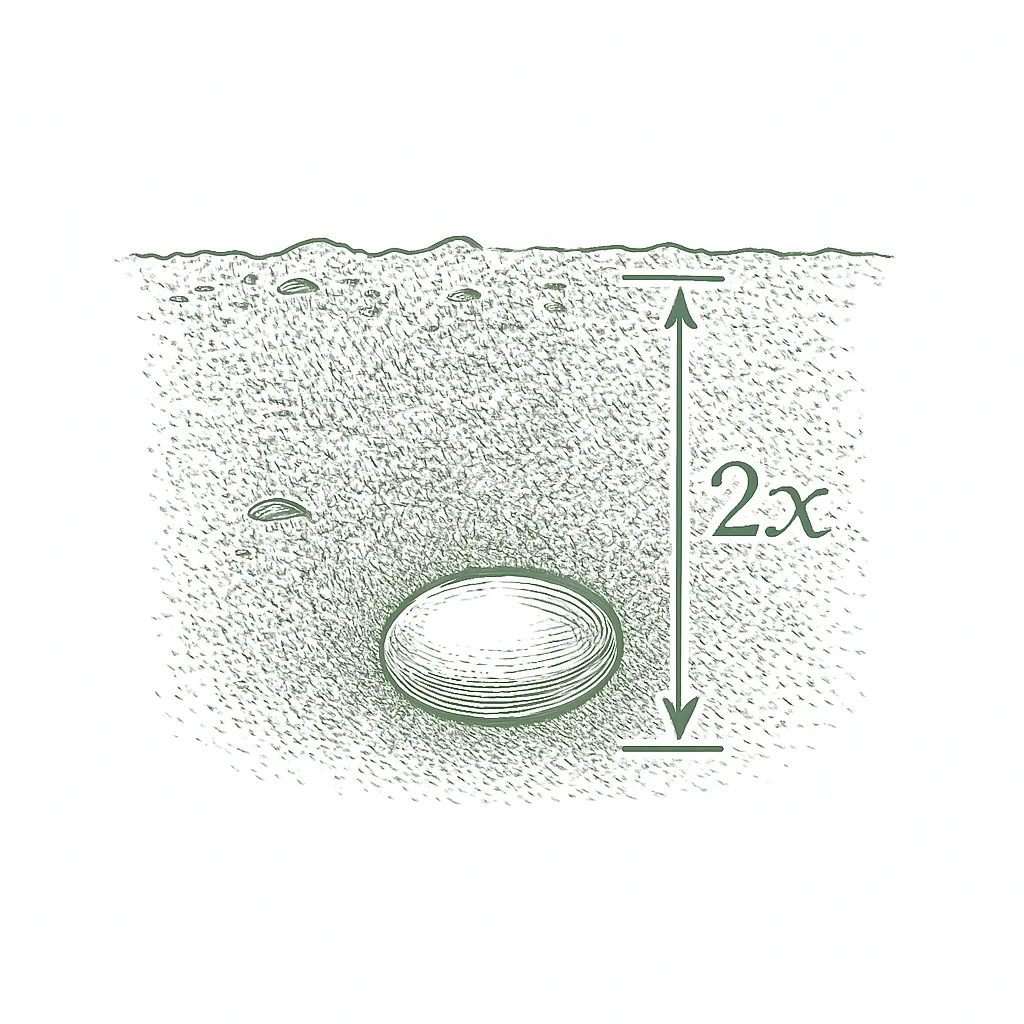
The easiest way is to sow sweet alyssum right where you want it: scatter the seed on cool, moist soil and barely cover it, because it needs light to sprout, around your last frost. It flowers in about 6 to 8 weeks. To get a jump on the season, start seed indoors about 5 to 6 weeks early, pressing it onto the surface so light reaches it, and plant out around the last frost. In mild areas, sow in fall for winter and spring flowers. Do not bury the seed, and leave a few plants to drop seed for next year.Sweet alyssum is easily direct-sown and is often the simplest path: surface-sow and barely cover the seed, since it needs light to germinate, on cool, moist soil around the last frost, and it flowers in roughly 6 to 8 weeks. For a head start, sow indoors about 5 to 6 weeks before set-out, pressing seed onto the surface under light, and transplant around the last frost. In mild-winter regions, sow in fall for winter and spring bloom. Do not bury the seed. Deadhead or shear rather than pinch, and leave a few plants to self-sow.












Not sure what soil you have? Grab a small handful of damp soil from your garden bed and squeeze it. If it crumbles apart easily, it's sandy. If it holds together but breaks when you poke it, it's loam (what most vegetables want). If it stays in a hard, slippery ball, it's clay.
Sweet alyssum is not fussy about soil as long as it drains well. Average garden soil is fine, and it even tolerates poor, sandy, or gritty ground. What it cannot take is heavy, soggy soil that stays wet, which leads to the stem and root rots that are the main way this plant is lost. Do not overdo the compost or fertilizer, because very rich soil gives you leaves instead of flowers.
Mix 2-3 inches of compost into the top 6 inches of your bed before planting. Compost holds moisture (which sandy soil drains too fast) and adds the nutrients sandy soil tends to lack. Repeat each season. Compost breaks down over time.
Mix 2-3 inches of compost AND a few inches of coarse sand or perlite into the top 6 inches of your bed. The compost feeds the plants; the sand breaks up the clay so air and water can move through. Don't add sand without compost. It can compact like concrete.
If amending your soil sounds like too much work, or if your soil is heavy clay, full of rocks, or contaminated, build over it. A raised bed at least 12 inches deep filled with a 50/50 mix of compost and sandy loam gives you ideal growing soil with no battles. A 5-gallon container with quality potting mix does the same for one plant at a time. Both bypass your native soil entirely.
The numbers that matter, at a glance.
Sweet alyssum is excellent in pots, window boxes, and hanging baskets, where it spills over the edge in a fragrant sheet of bloom right at nose height. Use a container with drainage holes and a well-draining mix, set it in sun with some afternoon shade in hot areas, and do not overcrowd, so air can move and the foliage stays healthy.Sweet alyssum is a first-rate container, window-box, and basket plant, spilling over the rim as a fragrant carpet. Use free-draining mix and pots with drainage holes, site for sun with afternoon shade in hot climates, and avoid crowding to keep airflow up. Containers dry faster than beds, so check often, and shear heat-tired plants to reflush as it cools.
In mild-winter areas, sweet alyssum planted in fall keeps blooming through winter and into spring, so containers can carry it over with a sheltered spot during cold snaps. In cold-winter areas, frost eventually kills the plants, but they often drop seed and come back on their own, and you can simply resow.In mild-winter zones sweet alyssum is grown as a fall-planted winter annual and containers hold through the cool season; give pots a sheltered spot in hard cold. In cold zones a hard freeze ends the planting, but self-sown seedlings and easy reseeding carry it forward rather than overwintered crowns.
Ask what your balcony or roof can carry
A balcony or roof can only hold so much weight. Before you set heavy pots there, ask a building architect what it can safely carry.Illinois Extension's guidance is to consult a building architect about weight limits before placing heavy pots on a balcony or rooftop garden. It gives no weight figure.
Never grow food in a container with anything toxic in it
Many kinds of containers can be used. Whatever you choose, keep anything toxic out of it, especially if you are growing food.Colorado State accepts nearly any container material but warns against using a container that holds toxic materials, especially for edible plants. Illinois adds that a vegetable container should be free of chemicals toxic to plants or people, and urges caution with treated lumber when growing food. If you cannot account for what a repurposed container once held, that alone is a reason to keep food out of it.
Secure hanging containers well
Fasten hanging baskets and window or rail boxes securely. Think about what is below them too, since they can drip on people or things underneath.Illinois Extension asks growers to secure hanging containers well and to think through the safety issues of hanging them. Placement matters too, since a hanging container can drip onto people or belongings below.
Sweet alyssum grows across a wide range of soil pH and does not need special adjustment. A near-neutral soil, roughly 6.0 to 7.0 on the pH scale (a measure of how acidic or alkaline soil is), suits it well, and it tolerates soil somewhat more acidic or more alkaline than that. Getting the drainage right matters far more than the exact pH.Sweet alyssum is adaptable on pH, growing in acid, neutral, or mildly alkaline soils; a near-neutral 6.0 to 7.0 is a safe target, with tolerance to either side. No narrow optimum is published for it, so drainage and moderate fertility are the levers that matter, not pH correction.
Sweet alyssum does not need much food, and too much gives you leaves instead of flowers. Mix a little balanced or low-nitrogen fertilizer into the soil at planting. In pots, feed lightly now and then, because watering washes food out. If plants look tired after summer heat, a light feed along with a trim and a good watering helps them flower again as it cools.Sweet alyssum is a light feeder, and overly fertile soil promotes leafy growth at the expense of flowers. A modest dose of a balanced or low-nitrogen fertilizer at planting is plenty; in containers, feed lightly through the season since frequent watering leaches nutrients. A light feeding together with a shearing and water helps heat-stalled plants recover and reflush as it cools.
The three numbers on fertilizer (N-P-K) are nitrogen, phosphorus, and potassium. For sweet alyssum, choose a low first-number blend like 5-10-5 rather than a high-nitrogen lawn feed, which would give you leaves instead of flowers.Lean toward a light, balanced or low-nitrogen ratio such as 5-10-5; a high-nitrogen feed drives leafy growth and suppresses the bloom that makes sweet alyssum useful as both an edging and an insectary plant.
Trimming keeps sweet alyssum blooming. Because the plants are small and dense, the easiest way to deadhead is to give the whole thing a light haircut. When it gets leggy or stops flowering in the heat, cut it back by a third to a half, water it, and feed it lightly; it will green up and flower again when it cools down. If you leave a few plants untrimmed at the end of the season, they will drop seed and come back on their own.Sweet alyssum flowers more freely when spent blooms are removed, and a light overall shearing acts as bulk deadheading on such a small, dense plant. When plants grow leggy or bloom thins in late-spring or summer heat, shear them back by a third to a half; combined with water and a light feed, this pushes fresh, compact growth and a new flush of bloom once the weather cools. Leaving a few plants unsheared late in the season lets them set seed and self-sow for next year.
Sweet alyssum is one of the best companion flowers for a vegetable garden. Its sweet, honey-scented flowers pull in helpful insects, hoverflies (also called flower flies), tiny parasitic wasps, ladybugs, and lacewings, whose young feed on aphids and other pests. Planting it as an edging or in strips right among your vegetables, especially aphid-prone crops like lettuce, brassicas, and peppers, gives those good bugs food and a home base so they stick around. It is also a magnet for bees. One thing to know: sweet alyssum is in the cabbage (mustard) family, so it can share a few pests with cabbage-family crops, like flea beetles and cabbage caterpillars; usually its benefits far outweigh that. There is no plant you must keep it away from. Just do not crowd it into soggy soil, where it tends to rot. Sweet alyssum's headline role is as an insectary, or companion, plant. Its honey-scented, easily accessible flowers supply nectar and pollen to natural enemies of aphids, syrphid (hover) flies, parasitic wasps, ladybugs, and lacewings, over a long bloom period, and their larvae or broods then prey on pest aphids. This is well documented in commercial agriculture: sweet alyssum is planted in insectary strips in California organic lettuce and broccoli fields to draw syrphid flies for aphid control, and extension and university trials report increased hoverfly and parasitoid abundance and reduced aphid numbers where it is interplanted (the field-level effect is real but context-dependent, so it is best framed as habitat support rather than a guaranteed control). Interplant it as edging or strips among aphid-prone crops. A caveat: as a Brassicaceae member it can host some brassica pests (flea beetles, cabbage caterpillars, aphids), so monitor when interplanting near cole crops. There is no biologically antagonistic companion to avoid; the meaningful caution is siting, since wet, poorly drained beds raise its rot pressure.
There is nothing to harvest all at once with sweet alyssum. It is grown for its carpet of flowers and the helpful insects it attracts, and it keeps blooming through the cool season, especially if you snip off old flowers or give it a light trim. If you want a little fragrant bouquet, cut short sprigs in the morning when the clusters are full. The stems are very short, so it makes tiny posies rather than cut flowers for a tall vase.Sweet alyssum is grown for its long carpet of bloom and for the beneficial insects it draws, not for a single harvest. It flowers continuously through the cool season, and regular deadheading or a light shear keeps it going. For a small fragrant posy, snip short sprigs when the clusters are full and freshly colored, ideally in the cool of the morning; the stems are short, so it suits tiny nosegays rather than tall arrangements.
One sweet alyssum plant spreads into a low mat covered in tiny flowers, and a few plants soon form a fragrant carpet. You are growing it for the flowers and the helpful insects they bring, not for a harvest. Heat-tolerant hybrids flower the longest.A single sweet alyssum plant spreads into a low mat that can carry hundreds of tiny flowers at once over a long cool season, and a few plants quickly knit into a fragrant carpet. Its practical yield is bloom and beneficial-insect habitat rather than a harvest; sterile hybrids bloom longest and heaviest.
Sweet alyssum flowers the same season you plant it, about 6 to 8 weeks from seed, with no waiting year. A fall sowing in a mild area blooms from fall through spring.Sweet alyssum blooms the first season, roughly 6 to 8 weeks from sowing, so there is no establishment year; a fall sowing in mild zones flowers from fall through spring.
The main differences between types are color and how well they handle heat. Seed-grown kinds like Carpet of Snow (white) and Royal Carpet (purple) give a low, spreading carpet and reseed themselves, but they slow down in summer heat. If you want flowers all summer long, look for a sterile hybrid like Snow Princess, which is bred to keep blooming in heat and cold. Because it makes no seed, it flowers nonstop but will not come back on its own from dropped seed.Variety choice mostly trades flower color and heat tolerance. Seed-grown types (Carpet of Snow, Royal Carpet, Rosie O'Day, Easter Bonnet, Clear Crystal) give a low spreading carpet and reseed, but bloom declines in summer heat. The tetraploid Snow Crystals is more vigorous and somewhat more heat- and drought-tolerant. For unbroken bloom through summer, choose sterile vegetative hybrids such as Snow Princess, which are bred for heat and cold tolerance and, being sterile, put all their energy into flowers rather than seed and do not self-sow.
Sweet alyssum is a garden flower, not something you store as food, so there is nothing to refrigerate or freeze. Its little sweet-smelling sprigs are very short, so they make tiny posies rather than tall cut flowers. Cut them in the morning into clean water and keep them cool; they only last a few days. It is most useful left in the garden, where its flowers feed helpful insects.Sweet alyssum is a bedding and insectary flower, not a stored crop, so the refrigerate and freeze fields do not apply. The honey-scented sprigs are short-stemmed and suit tiny nosegays; cut in the cool of the morning into clean water, keep them cool and out of direct sun, and expect only a few days of vase life. The plant's real value stays in the garden, where its long bloom feeds hoverflies, tiny wasps, and bees.
The ladder troubleshoots from the gentlest solution to the strongest. Start with the gentlest option and only move on when and if it doesn't work.
Knock heavier aphid clusters off the tender shoots with a hard stream of water from the hose. On sweet alyssum this is often all that is needed, since light infestations tend to fade on their own.Hose colonies off new growth as the first knock-back. Aphids rarely build far on this plant, so a physical rinse usually buys enough time for the resident natural enemies to catch up.
Sweet alyssum itself draws hoverflies and tiny parasitic wasps, helpful insects whose young feed on aphids, so light outbreaks often clear up without you doing anything. Protect these helpers by avoiding broad insect sprays on or near the planting.Conserve the syrphid flies and parasitoids the planting recruits; their pressure tends to suppress aphids here before they matter. Hold off on any broad-spectrum material that would remove the enemies doing that work.
If colonies keep building despite the water and the helper insects, coat them directly with insecticidal soap, a mild contact spray for soft-bodied pests. Spray just the affected patches so the helpful insects are mostly spared.Reserve soap for colonies that continue to build. Wet the aphids directly and keep the application narrow, since soap also takes out the soft-bodied beneficials it contacts and this plant's value lies partly in the enemies it feeds.
The bottom rungs are products with label rules: timing, pollinators, and days to wait before harvest. Before you spray →
The ladder troubleshoots from the gentlest solution to the strongest. Start with the gentlest option and only move on when and if it doesn't work.
Where flea beetle pressure runs high, drape young seedlings with floating row cover, a light fabric that lets sun and rain through but keeps insects out. Once plants are established, the small round holes usually stay a cosmetic problem.Cover seedlings where pressure is high; on an established carpet the shot-holing tends to stay cosmetic, so the cover is mainly an establishment-phase tool. As a brassica, sweet alyssum shares this pest with nearby cole crops, which is worth remembering when siting it.
No spray for this one. Prevention is the control.
The ladder troubleshoots from the gentlest solution to the strongest. Start with the gentlest option and only move on when and if it doesn't work.
Check the leaves now and then and pick off any caterpillars you find. Numbers on sweet alyssum are usually low enough that picking keeps up with them.Scout occasionally, especially where the planting sits among cole crops, and remove larvae by hand; the grazing is usually cosmetic on this plant.
If caterpillars become numerous, spray the foliage with Bt (Bacillus thuringiensis), a bacterium that targets caterpillars while leaving most other insects alone. Reapply after rain.Apply Bt where populations warrant, aiming at young larvae. It acts on caterpillars as a group, so keep it off nearby plants you are growing for butterflies.
The bottom rungs are products with label rules: timing, pollinators, and days to wait before harvest. Before you spray →
The ladder troubleshoots from the gentlest solution to the strongest. Start with the gentlest option and only move on when and if it doesn't work.
Clear boards, dense weeds, and other damp daytime hiding spots near the planting. Slugs and snails need somewhere moist to wait out the day, and removing that shelter cuts their numbers.Reduce harborage around the low, dense canopy. Shaded, mulched, irrigated beds carry the highest pressure, so tidying the edges matters most in those spots.
Go out after dark with a flashlight and pick slugs and snails off the plants. They do most of their feeding at night during cool, damp weather.Night patrols during damp, mild spells remove the feeders directly and pair well with trapping; the ragged holes in the low foliage tell you where to look.
Set simple traps near the plants, such as a board they will hide under by day or a shallow dish of beer, and collect what they catch on a regular round.Board or beer traps checked regularly knock numbers down alongside the night handpicking, and they concentrate the population where it is easy to remove.
If damage continues, scatter an iron phosphate slug bait, one of the lower-risk bait types, on the soil around the plants rather than on the leaves, and follow the label.Back up sanitation and traps with iron phosphate bait on the soil surface when pressure stays high. A lower-risk bait is still a pesticide, so keep it off the foliage and follow the label.
The bottom rungs are products with label rules: timing, pollinators, and days to wait before harvest. Before you spray →
The ladder troubleshoots from the gentlest solution to the strongest. Start with the gentlest option and only move on when and if it doesn't work.
This is the most common way sweet alyssum is lost, so start with the soil. Plant in a bed that drains well, water with restraint, and avoid soggy ground; plants that wilt, yellow, and collapse from the base have usually been sitting in soil that stayed wet.Management here is cultural, and drainage carries most of it. Excellent drainage plus restrained irrigation addresses the wet-soil conditions that favor these basal rots; collapse at the crown usually traces to a bed that stayed saturated.
Give plants room instead of crowding them, especially in beds that hold moisture. Moving air helps the base of each plant dry out between waterings.Space the planting for airflow and avoid packing plants into damp beds; air movement around the crowns complements the drainage and watering discipline rather than replacing it.
No spray for this one. Prevention is the control.
The ladder troubleshoots from the gentlest solution to the strongest. Start with the gentlest option and only move on when and if it doesn't work.
Space plants so air can move between them. This disease is worst where plantings are cool, wet, and crowded, so opening up the canopy takes away much of what it needs.Open spacing is the lead move; crowding holds the cool, damp, still conditions that favor sporulation on the leaf undersides.
Water at the soil rather than over the leaves, and do it in the morning so any foliage that gets wet can dry quickly. Dry leaves are far harder for this disease to work on.Irrigate at the base, in the morning, to keep the canopy dry through the day; extended leaf wetness is what lets the yellowing above and the gray sporulation beneath get started.
Pick off and dispose of leaves showing the yellowing on top and grayish fuzz underneath, so they cannot keep releasing spores into the planting.Remove infected debris promptly; sanitation limits the inoculum a crowded, damp patch would otherwise keep producing.
No spray for this one. Prevention is the control.
The ladder troubleshoots from the gentlest solution to the strongest. Start with the gentlest option and only move on when and if it doesn't work.
Sow into a clean, fresh seed-starting mix that drains freely, and water lightly. Cold, soggy conditions are what let seedlings rot at the soil line and topple over soon after sprouting.A clean, free-draining medium and restrained watering at sowing address the soilborne fungi behind the seedling collapse. The same drainage discipline that limits this plant's crown and root rots limits damping-off as well.
Sow thinly rather than scattering seed heavily. Overcrowded seedlings stay damp and shade one another, which favors the rot.Avoid overseeding; a crowded stand holds the saturated, still conditions that drive seedling loss at the soil line.
Once seedlings are up, give them plenty of light and moving air, thinning any patches that came up thick, so the soil surface can dry between waterings.Light and airflow after emergence finish the job; a stagnant, overcrowded tray keeps the surface wet enough for the pathogens to keep working.
No spray for this one. Prevention is the control.
Rotating sweet alyssum is not as important as for vegetables, but since it is a cabbage-family plant, do not put it where cabbage-family crops had disease trouble, and give it well-drained soil. Clean up old, diseased plants so problems do not carry over.Rotation matters less for a short-season, reseeding cool-season flower than for heavy feeders, but because sweet alyssum is a Brassicaceae member, it is worth keeping it out of beds with a history of brassica clubroot and improving drainage to limit the stem and root rots that are its main disease risk.
The plant app sends a timely reminder at every critical moment of your sweet alyssum season. The wording adjusts to whichever you pick: beginner or seasoned. Here are three you'll see in Zone 9.
plant sends the right notification at exactly the right moment, for your zone, your weather, your crops. Founding members lock the rate forever.
We're building this guide with real growers. Got a question we missed? Ask here. We read every one and add the best answers right to this page.
Learned something the hard way? Pass it on. Real growers' tips make this guide better for the next person, and we credit you by name when yours goes live.
If you've grown this crop and you see a date, a temperature, a companion claim, or a recommendation that doesn't match your experience, tell us. Real growers' corrections make this guide better for the next person.
Every date, temperature, spacing, and recommendation on this page is sourced from university cooperative extension publications, peer-reviewed agricultural research, NOAA climate data, and direct extension calendars. Where claims are softer (traditional gardening wisdom not formally documented), we say so.
Spot a data point that doesn't match your experience? Submit a correction; accepted corrections earn full author credit on the page.
Zone-aware seasonal nudges, what's worth planting now, and the occasional recipe from the harvest. No spam, ever.