Pick your zone and the dates re-calibrate.
The Guide Flowers Vol. 003

Sweet Pea

in Zone 13, this week

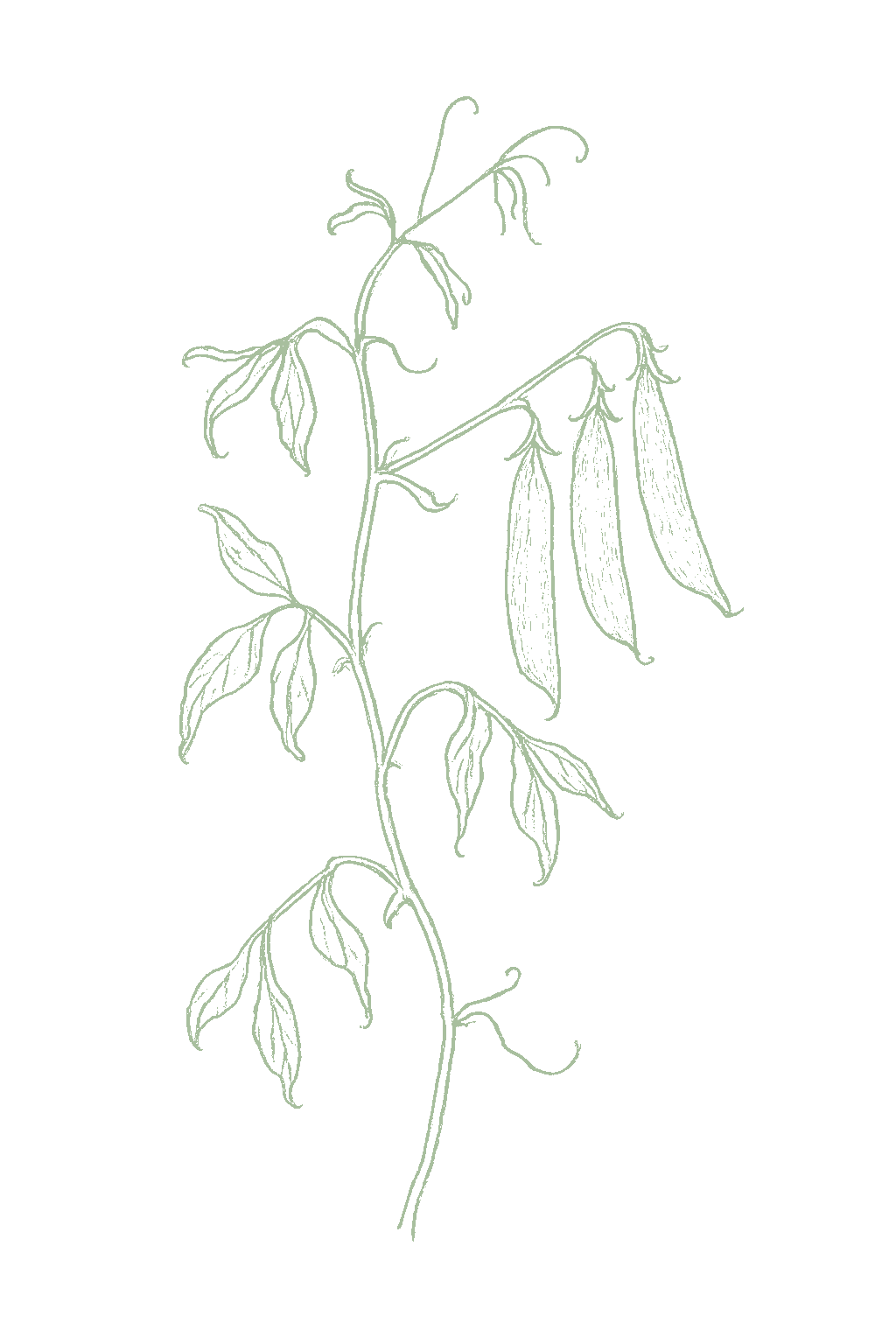
Sweet peas are climbing flowers loved for their sweet, strong perfume and their soft, ruffly blooms in white, pink, purple, blue, and red. Most kinds climb 5 to 8 ft up a trellis, netting, or strings, holding on with curly tendrils, though there are short bushy types that need no support. They like cool weather, so you plant them very early, as soon as the ground can be worked in late winter or early spring, or in fall where winters are mild. Young plants shrug off frost, but the plants tire out and stop blooming once hot summer weather arrives. One important safety note: sweet peas are only for looks. The seeds and pods are poisonous, and this is not the edible pea you cook with, so never eat any part and keep it away from your vegetable peas. They make wonderful, fragrant cut flowers for a vase. Sweet pea (Lathyrus odoratus) is a cool-season annual climber in the legume family (Fabaceae), grown for intensely fragrant, pea-like flowers in white, pink, lavender, blue, and crimson. Climbing types scramble 5 to 8 ft up a trellis, netting, or strings by curling leaf tendrils, while dwarf and bush types stay under 2 to 3 ft and need no support. It is sown very early: as soon as the soil can be worked in late winter or early spring in most of the country, or in fall in mild-winter regions, because young plants tolerate frost and the plant flowers best in cool weather and fades fast once summer heat sets in. Despite its name and pea-like pods, sweet pea is strictly ornamental: its seeds and pods are poisonous, it is not the edible garden pea (Pisum sativum), and it should not be planted where the pods could be mistaken for food. It is prized above all as a cut flower, with the strongest scent from heirloom and Grandiflora types.
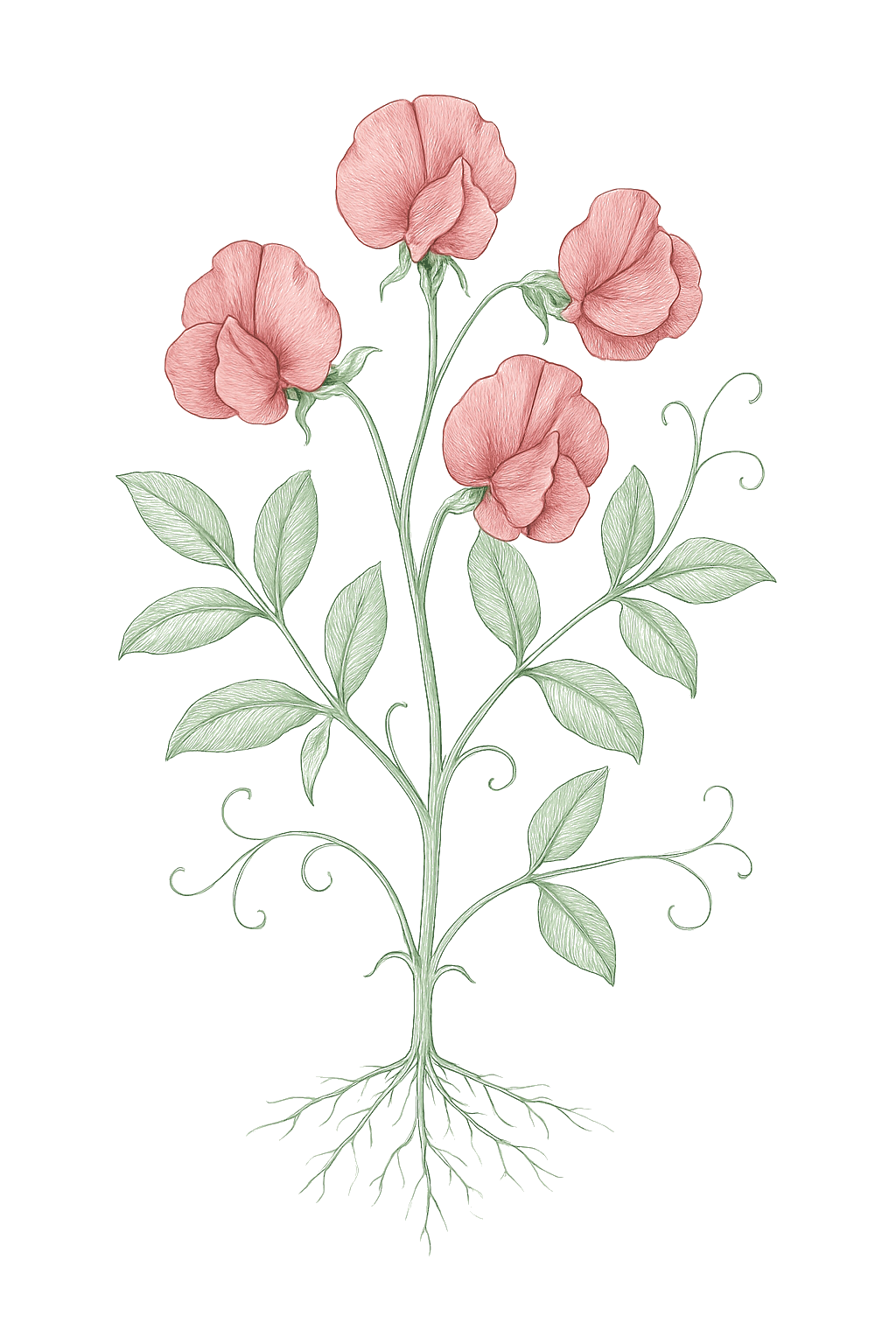
Sweet Pea mature plant
Fig. 01 · Sweet Pea, mature Zone 13
Mature in
65-100d
from transplant
Sunlight
Full sun
6-8 hrs daily
Water
Moderate
Spacing
3-6"
between plants
Soil pH
6.5-7.5
slightly acidic
Today · in your zone

What's happening right now

July 24 · Zone 13 · Stage 01 · Germination

Off-season for sweet pea in zone 13.

The season at a glance

Planting calendar

In Zone 13, sweet pea can be planted November through December, skipping the summer heat. In bloom January through March.

Jan
Feb
Mar
Apr
May
Jun
Jul
Aug
Sep
Oct
Nov
Dec
plant
too late
too late
too late
too hot
too hot
too hot
too hot
too hot
too hot
too hot
plant
plant
bloom
bloom
bloom
bloom
indoors
plant out
bloom
Keep them blooming Deadhead spent blooms through the bloom window to keep new flowers coming.
Seasoned
Stagger your sowings

Succession planting

You can sow sweet peas a couple of times a few weeks apart during the cool planting window to spread out the flowers, but there is no long succession like lettuce, because summer heat ends them. In mild-winter areas, plant once in fall and again in late winter; in cold areas, one early-spring sowing is usually it.Sweet pea is largely a single-cohort crop, but a couple of successive sowings across the cool window (early plus late in the sowing season) stretch the cut-flower supply, since the plant is undone by heat rather than tired plantings. In mild-winter regions the two real windows are fall and late winter; in cold regions, one early-spring sowing (optionally split by a few weeks) is the practical maximum before summer heat closes the season.

Every 3 weeks · sow a short new rowUp to 3 sowings a seasonToo hot to sow midsummer
Jan
Feb
Mar
Apr
May
Jun
Jul
Aug
Sep
Oct
Nov
Dec
sow
bloom
keep sowing
too hot
continuous bloom
The season, mapped

Seed to garden

You can plant seeds straight in the ground or start them indoors. Direct-sow as soon as you can work the soil in late winter or spring (or in fall where winters are mild), or start seeds indoors about 6 weeks earlier in deep pots. Soak the hard seeds overnight first; if any have not swelled, carefully nick the hard coat with a file to help them sprout, which takes 10 to 21 days. Plant about 1 in deep, and when seedlings are a few inches tall pinch out the tip to make them bushier. Put the trellis up when you plant.Both methods work. Direct-sow as soon as the soil is workable in late winter or early spring (fall in mild-winter zones), or start indoors about 6 weeks earlier in deep cells or root-trainers for an earlier, stronger start. Soak the hard seed overnight; for dark, hard-coated seed that has not swelled, nick the coat opposite the eye with a knife or file to speed the 10 to 21 day germination near 60 °F. Sow about 1 in deep, and pinch seedlings above the second or third leaf pair to force basal branching. Provide the climbing support at or before planting.
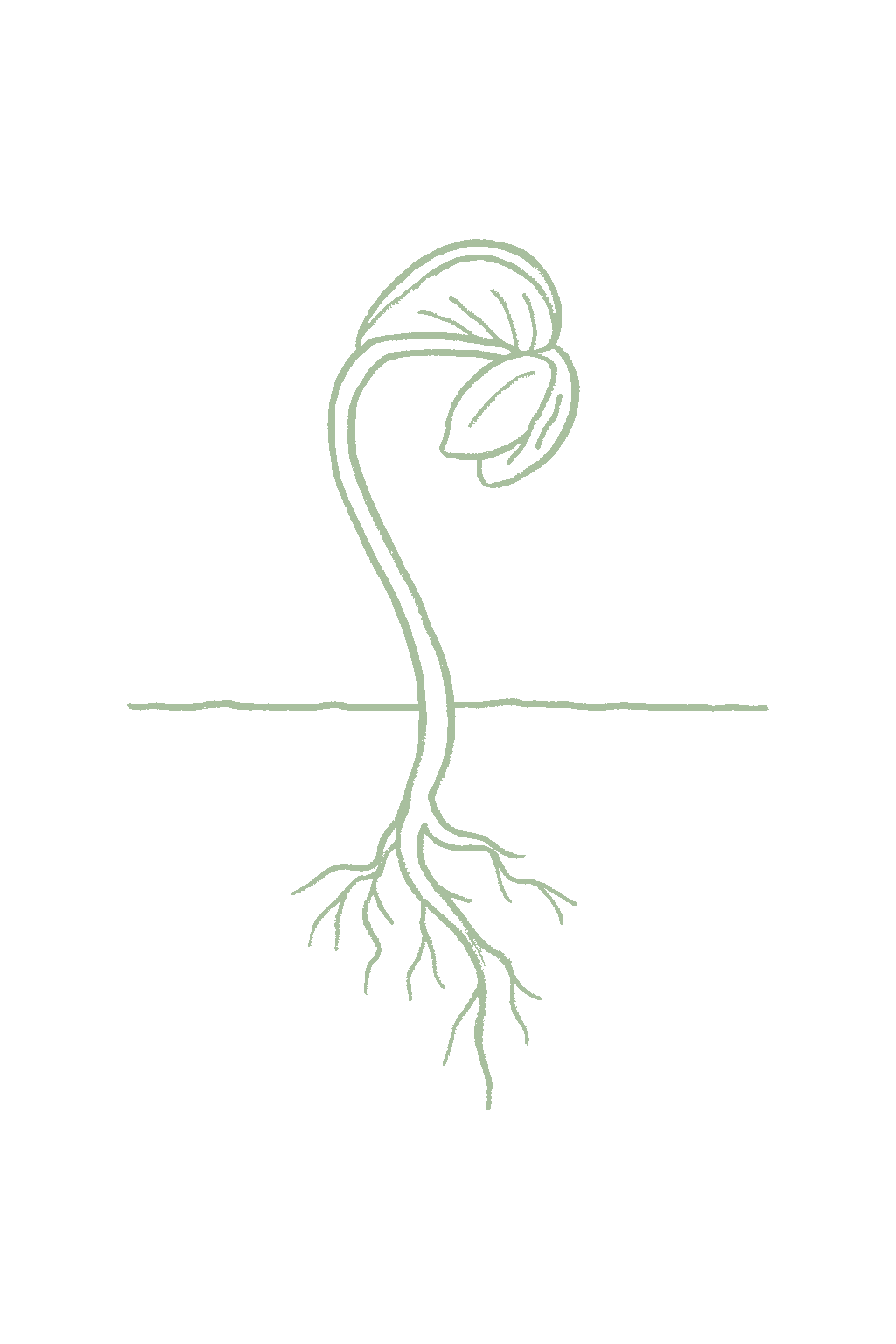
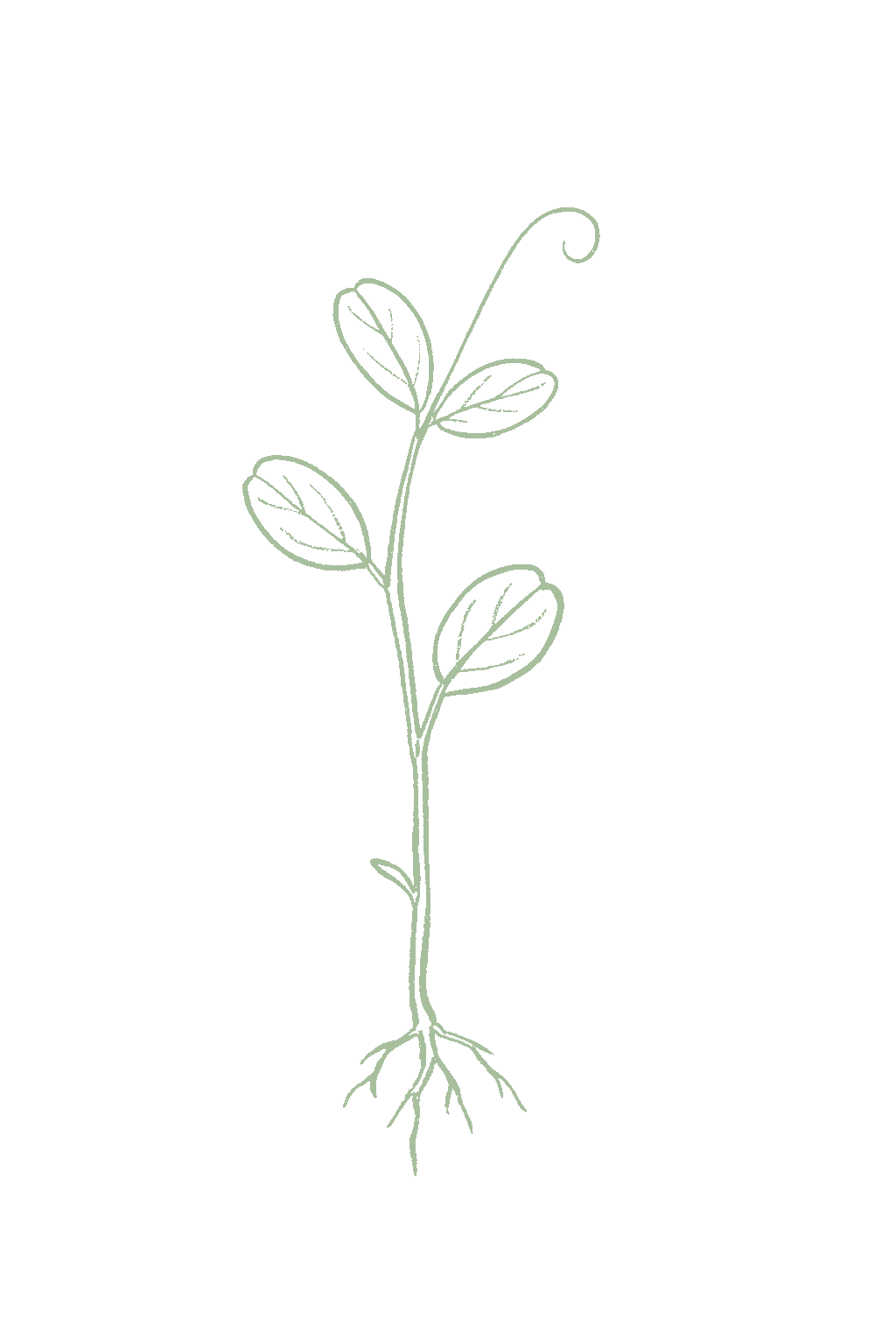
Start method
Both
Soil temp
55-65°F
From seed to fruit

The growing journey

Stage 01 · Germination
01
Germination
Days 10-21 · current stage
The first shoots push up in about two to three weeks.Seedlings emerge in roughly 10 to 21 days from cool soil near 60 °F; soaked or nicked seed comes up faster and more evenly.
Soak the seeds overnight, plant them about 1 in deep, and keep the soil damp until they sprout.Soak seed overnight (nick hard-coated seed), sow about 1 in deep into workable soil in late winter or early spring, or in fall in mild zones, and keep evenly moist.
FROM PLANT · Plant sweet peas early, in cool weather. The seeds sprout in cool soil and young plants handle frost, so late winter or early spring (or fall where winters are mild) is the right time.Sow early into cool soil: sweet pea germinates near 60 °F and seedlings are frost-hardy, so late-winter or early-spring sowing (fall in mild zones) gives the long cool run the plant needs before heat.
FROM PLANT · Soak the seeds in water overnight before planting. If any seeds are dark and stay hard, carefully nick the hard shell with a file so water can get in.Soak the hard seed overnight; dark, hard-coated seed that stays hard can be nicked opposite the eye to let water in and even up the 10 to 21 day germination.
02
Seedling
Days 21-40
Small climbing plants with curling tendrils appear and slowly get taller.Paired leaflets and the first clasping tendrils develop; growth is slow and hardy in cool weather.
When plants are a few inches tall, pinch out the tip to make them bushier, put up the trellis, and watch for slugs and birds.Pinch above the second or third leaf pair at 4 to 6 in to force basal branching, set up the trellis or netting, and protect from slugs and birds.
FROM PLANT · When seedlings are a few inches tall, pinch off the very top. This makes the plant send up several stems from the base instead of one, so you get more flowers.Pinch seedlings above the second or third leaf pair at 4 to 6 in: removing the growing tip forces multiple basal shoots and a bushier, more productive plant.
FROM PLANT · Put the trellis or netting up right away for climbing types. Sweet peas grab on as they grow, so having 5 to 6 ft of support ready keeps them tidy.Get the support up early: climbing types need a 5 to 6 ft trellis, netting, or strings from the start, since the tendrils grab as they grow and a late support means tangled vines.
FROM PLANT · Watch young sweet peas for slugs, snails, and birds, which love the tender shoots. Use slug bait or hand-pick at night, and net the plants if birds are a problem.Protect tender seedlings from slugs, snails, and birds, which can strip young sweet peas overnight; hand-pick or bait for slugs and net against birds where they are a problem.
03
Established / vine growth
Days 38-62
The plant climbs quickly up its support and fills in with leaves.Vines lengthen and grab the support with tendrils; rich soil and steady moisture drive strong, leafy, upward growth.
Guide the climbing stems onto the trellis, keep the soil moist, and feed lightly.Train new growth onto the support, keep soil evenly moist, and feed moderately; go easy on nitrogen so the plant sets buds rather than only foliage.
FROM PLANT · As the vines climb, keep the soil evenly moist and feed lightly. Do not overdo nitrogen fertilizer, or you get lots of leaves and few flowers.Keep the soil evenly moist and feed moderately as vines climb; sweet pea is a deep-rooted, thirsty legume, but ease off nitrogen so growth turns to buds rather than all foliage.
FROM PLANT · Spread a mulch over the soil to keep the roots cool and damp. This helps sweet peas keep making long-stemmed flowers as it warms up.Mulch the root zone to keep it cool and moist: sweet pea roots resent heat and drying, and a mulch buffers the swings that shorten stems and drop buds as the weather warms.
04
Budding
Days 55-90
Flower stems with buds start to rise up among the leaves.Flower stems (peduncles) rise from the leaf axils bearing several buds; long, strong stems come from cool weather, moisture, and steady feeding.
Keep watering and feeding as buds appear, and watch for aphids and thrips.Keep moisture and feeding steady as buds form; support long stems and watch for aphids and thrips that can distort buds or spread virus.
FROM PLANT · As buds form, check for aphids and thrips. They can twist the buds and spread virus. Wash aphids off, and pull out any plants with streaky or mottled leaves.Scout for aphids and thrips as buds form: both distort buds and spread mosaic and spotted-wilt viruses. Control aphids early and rogue out any mottled, streaked, or ringspotted plants.
05
Flowering and cutting
Days 65-100
Sweet-smelling flowers open along the stems, best in cool weather.Fragrant flowers open from the base of each stem upward, roughly 10 to 14 weeks after sowing; bloom is heaviest in cool weather and slows as heat builds.
Cut flowers often for the vase and pull off any seed pods, and water well as it warms up.Cut stems for the vase as the lowest florets open and remove all developing pods, which is what keeps bloom going; water deeply in warming weather and use light afternoon shade to extend the season.
FROM PLANT · Cut sweet peas often, as soon as the bottom flowers on a stem open, and pull off any seed pods. Picking a lot and stopping seeds is what keeps them blooming.Cut daily at the peak: harvest each stem as its lowest one or two florets open, and never let pods set. Frequent cutting with no seed development is the single strongest driver of continued bloom.
FROM PLANT · In warm weather sweet peas can get powdery mildew, a white dust on the leaves. Space plants for airflow, water at the base in the morning, and remove badly affected leaves.Manage powdery mildew in warm, crowded, or dry-rooted plantings: space and support for airflow, water at the base early in the day, and remove affected leaves; mildew often marks the plant's late-season decline.
06
Heat decline and seed saving (optional)
Days 95-140
In hot weather the plant slows down, makes fewer flowers, and starts to yellow and finish.As sustained heat arrives, flowering slows, stems shorten, and plants yellow and fade; pods left to mature signal the end and can be dried for seed.
To save seeds, let a few pods dry on the plant, keep them away from food since they are poisonous, then remove the finished plants.Let a few pods dry on the plant only if saving seed (label and store the poisonous seed away from food), then pull spent plants; in mild zones sow a fresh fall crop later.
FROM PLANT · If you want seeds for next year, let a few pods dry on the plant until tan, then collect them. Label them for planting only and keep them away from food and children, because they are poisonous. Heirloom types grow fairly true from saved seed.To save seed, leave a few pods to ripen and dry to tan on a spent plant, then collect and label the seed for planting only: sweet pea seed is poisonous and must be kept from food and children. Open-pollinated and heirloom types come reasonably true.
Beginner
Know your soil

Your soil

Identify yours

Not sure what soil you have? Grab a small handful of damp soil from your garden bed and squeeze it. If it crumbles apart easily, it's sandy. If it holds together but breaks when you poke it, it's loam (what most vegetables want). If it stays in a hard, slippery ball, it's clay.

What this crop wants

Sweet peas like deep, rich, well-drained soil with plenty of compost or organic matter mixed in, because they grow a deep root system and are hungry, thirsty plants. Dig the bed over and work in compost before planting. A pH that is neutral to slightly alkaline is ideal; if your soil is acidic, a little garden lime helps. The one thing to avoid is soil that stays soggy, which rots the roots.

If your soil doesn't match

You have sandy soil

Mix 2-3 inches of compost into the top 6 inches of your bed before planting. Compost holds moisture (which sandy soil drains too fast) and adds the nutrients sandy soil tends to lack. Repeat each season. Compost breaks down over time.

You have clay soil

Mix 2-3 inches of compost AND a few inches of coarse sand or perlite into the top 6 inches of your bed. The compost feeds the plants; the sand breaks up the clay so air and water can move through. Don't add sand without compost. It can compact like concrete.

Containers and raised beds

If amending your soil sounds like too much work, or if your soil is heavy clay, full of rocks, or contaminated, build over it. A raised bed at least 12 inches deep filled with a 50/50 mix of compost and sandy loam gives you ideal growing soil with no battles. A 5-gallon container with quality potting mix does the same for one plant at a time. Both bypass your native soil entirely.

Learn more about your soil
The specs

Care guide

The numbers that matter, at a glance.

Sunlight
Full sun · 6-8 hrs/day
Water
moderate
Spacing
3-6 inches
Soil
loam, sandy loam
Days to maturity
65-100 days from transplant
Soil pH
6.5 to 7.5
Container OK?
Yes · 3+ gal pot
Germination temp
55-65°F
Soil chemistry

Soil pH for sweet pea

Preferred
6.5 to 7.5
Tolerated
6 to 7.8

Sweet peas prefer soil that is neutral to slightly alkaline, roughly 6.5 to 7.5. Unlike most flowers they tolerate a touch of lime, so if your soil is quite acidic, mixing in a little garden lime before planting helps. You usually do not need to make it more acidic.Sweet pea favors a near-neutral to slightly alkaline soil, about 6.5 to 7.5, and tolerates a mildly acidic to mildly alkaline band. It is one of the flowers that responds to a light liming of acid soils. pH matters less than depth, fertility, and steady moisture, but a very acidic soil is worth correcting before sowing.

Verified · 1 source View
Steady hand on the hose

Watering

When & how much
Frequency
Sweet peas like steady moisture and do not like to dry out. Keep the soil damp (not soggy) all through their growing and flowering season, watering deeply and regularly, and more often as the weather warms up. Letting them get dry means shorter stems and fewer flowers.Keep the soil consistently, evenly moist: sweet pea has high water needs and does not tolerate drying out, which stalls growth, shortens stems, and cuts bloom. Water deeply and regularly through establishment and the whole flowering period, increasing frequency as the weather warms. Do not let the bed swing between bone-dry and saturated.
Amount
Give them about an inch of water a week, and more in hot or dry spells. Water deeply so it soaks down to the roots, rather than a light sprinkle every day. The goal is soil that stays evenly damp.Aim for at least one inch of water per week from rain plus irrigation during growth, more in heat or fast-draining soil, applied deeply to reach the deep root system. Consistency matters more than volume: frequent shallow sips are worse than a deep soak that keeps the whole root zone moist.
Method
Water the soil at the base of the plants, not over the leaves, using a watering can or soaker hose. Watering in the morning and keeping the leaves dry helps prevent mildew. A layer of mulch keeps the soil moist and the roots cool.Water at the base with a can, drip line, or soaker hose and keep water off the foliage where practical; wet leaves in crowded plantings invite powdery mildew and other leaf diseases. Water early in the day so any splashed foliage dries quickly, and mulch to hold moisture and keep the roots cool.
Signs of trouble
Too much water
If the lower leaves yellow, the plant wilts even though the soil is wet, or the base of the stems looks soft and brown, the soil is too wet or drains poorly. Sweet peas rot in soggy ground, so ease off and improve drainage.Yellowing lower leaves, wilting despite wet soil, and soft, browning stems at the base signal overwatering or poor drainage; sweet pea roots and crowns rot readily in saturated ground. Standing water and heavy, airless soil are the usual causes.
Too little water
Sweet peas that are too dry wilt in the afternoon, stop growing well, and make short stems with few flowers, and buds may drop off before opening. A deep, regular watering usually turns this around.Wilting in the heat of the day, stalled growth, shorter flower stems, and early bud drop point to underwatering; dry stress is quickly punished with poor bloom and hastens the plant's summer decline.
Feeding rhythm

Feeding

Frequency
monthly
Type
Balanced, then bloom-oriented (moderate, avoid excess nitrogen)
When to start
Compost at planting, then feed every 3 to 4 weeks in active growth

Sweet peas grow in rich soil and like regular, gentle feeding, unlike some flowers that prefer poor soil. Mix compost into the bed before planting, then feed every few weeks while they are growing and flowering. Do not overdo nitrogen (the first number on the label), because too much gives you lots of leaves and few flowers. A general flower food, or one aimed at blooms, works well.Sweet pea is a moderate feeder grown in rich soil, not a lean-soil flower. Work compost or well-rotted manure into the bed before sowing, then feed roughly every 3 to 4 weeks through active growth and bloom. Because it is a legume that fixes some of its own nitrogen, go easy on high-nitrogen feeds: excess nitrogen pushes leafy vines at the expense of flowers. A balanced feed early shifting to one higher in phosphorus and potassium as buds form supports the longest, strongest flush of bloom.

Moderate, low-nitrogen at bloom

The three numbers on fertilizer (N-P-K) are nitrogen, phosphorus, and potassium. For sweet peas, avoid a high first number (nitrogen), which gives leaves instead of flowers. A balanced or bloom-type food, with compost worked in at planting, is ideal.Compost-enriched soil plus a balanced feed early, shifting to a lower-nitrogen, higher phosphorus and potassium feed at budding. Avoid heavy nitrogen: as a legume, sweet pea needs little added N and over-feeding it suppresses bloom.

Flower care

Deadheading sweet pea

Flower form
pea-like (papilionaceous): a large upright standard with flared wings and a keel; plain or ruffled (Spencer)

With sweet peas, picking the flowers is how you keep them blooming. Cut stems often for the vase, and snip off any little seed pods you see forming. If the plant is allowed to make seeds, it thinks its job is done and quits flowering. So the trick is simple: keep cutting the flowers and never let pods develop, and the plant keeps making more blooms until summer heat stops it. Only leave a few pods to dry at the very end if you want to collect seeds for next year.For sweet pea, cutting and deadheading are the same job and the single biggest lever on bloom length. Harvest flowers for the vase while the lowest one or two blooms on a stem are just opening, and remove any developing seed pods promptly: once the plant sets seed it reads the season as finished and stops flowering. Keep every stem picked and no pods maturing, and a healthy plant flowers for weeks longer before summer heat ends it. Leave a few pods to ripen and dry only if you deliberately want to save seed at the end of the season.

Who grows well together

Companion planting

Sweet peas are grown for their flowers and scent, not as a companion or pest-control plant, so there is not much proven companion science here. Their open, nectar-rich flowers do draw bees and other pollinators to the garden, and as a legume they fix a little nitrogen in the soil. The most useful and best-supported rule is a keep-away one: do not plant sweet peas next to your edible garden peas. They share pests and diseases such as aphids, viruses, and root rots, and because sweet pea pods are poisonous, keeping the two apart avoids any dangerous mix-up. Grow sweet peas up their own trellis, fence, or obelisk where the scent can be enjoyed. Sweet pea's garden value is ornamental (fragrance and cut flowers) plus modest pollinator draw and light nitrogen fixation as a legume; it is not a documented trap or repellent companion, so its pairings are best framed honestly rather than as pest control. The one well-grounded, load-bearing guidance is separation from edible peas (Pisum sativum): the two share aphids, aphid-borne viruses, and soilborne root rots, and sweet pea's poisonous pods should never be grown intermingled where they could be confused with an edible crop. Site it on its own support, and rotate it away from ground that recently grew peas, beans, or sweet pea to limit soilborne carryover.

Other
Pollinators (bees and other flower visitors)
Sweet pea's fragrant, nectar-rich flowers bring bees and other pollinators into the garden, which helps everything nearby that needs pollinating. This is a nice side benefit, not a pest-control trick.As an open, scented, nectar-rich legume flower, sweet pea recruits bees and other pollinators, a general habitat benefit to a mixed planting. This is a reasonable inference from its floral biology rather than a documented companion effect, so it is offered as a modest, honest benefit, not a pest-management claim. Well-grounded
Keep apart from
Edible garden peas (Pisum sativum) Keep sweet peas away from your edible peas. They catch the same pests and diseases (aphids, viruses, root rots), and because sweet pea seeds and pods are poisonous, growing them tangled together risks a dangerous mix-up at harvest. Give sweet peas their own spot and trellis.Do not interplant sweet pea with edible peas. The two share aphids, aphid-borne viruses (enation mosaic, pea mosaic), and soilborne root rots, so proximity concentrates shared problems; and because sweet pea's seeds and pods are poisonous, extension guidance is explicit that it should not be grown near edible peas where the pods could be confused for food. Separate the plantings and rotate sweet pea off recent pea or bean ground. Research-backed
Provenance tagged inline · see methodology for the labeling system Key
Cutting for the vase

When to cut

Sweet peas are picked for their flowers and scent, not to eat. Cut the stems in the morning when the bottom one or two flowers on the stem have just opened. They last about 5 days in a vase. The more you cut, the more the plant blooms, so pick often and pull off any seed pods you find. Never eat any part of the plant: the seeds and pods are poisonous.Sweet pea is harvested as a cut flower, not a food. Cut stems in the cool of the morning when the lowest one or two florets on the stem have just opened and the upper buds still show color; stems are typically 10 to 14 in long. Plunge them straight into water and expect a vase life of about 5 days. Cut daily at peak: frequent cutting, plus removing any seed pods, is what keeps the plant producing. Every part is inedible and the seeds and pods are poisonous, so this is a vase crop only.

Verified · 2 sources View
Bloom yield

What to expect

A healthy climbing sweet pea gives you lots of sweet-smelling flowers for cutting over several weeks in the cool part of the season, then slows and stops in the heat. Keep cutting and remove seed pods for the most flowers. Dwarf and bush types make fewer flowers over a shorter time, but are great in pots.A well-grown climbing sweet pea yields many fragrant, cuttable stems over a concentrated cool-season run, heaviest in spring or the mild months, tapering as heat arrives. Kept cut and pod-free, a plant produces for several weeks; let it set seed or hit heat and production falls off quickly. Dwarf and bush types give a shorter, lower flush suited to containers and edging rather than steady cutting.

Sweet peas flower the same year you plant them, usually about three months after sowing, with no waiting year. Planting early, while it is cool, gives you more and earlier flowers.Sweet pea flowers in its single season from seed, reaching first bloom in roughly 10 to 14 weeks and cutting for several weeks after; there is no establishment year. A very early or fall sowing that builds a strong root system in cool weather gives the earliest and most abundant bloom.

What changes yield
Timing: an early or fall sowing that roots in cool weather gives longer stems and far more bloom than a late sowing caught by heat.Support and pinching: pinched, well-supported climbers branch and yield more than unpinched, sprawling plants.Cutting and deadheading: constant cutting with no seed set is the strongest driver of continued flowering.Moisture and feeding: steady moisture and moderate feeding sustain long stems; drought and excess nitrogen both cut bloom.Heat: sustained warmth ends the season; cool-summer and coastal regions flower far longer than hot-summer ones.
Verified · 2 sources View
Pick your variety

Recommended varieties

Pick a type for your goal. For big, ruffly, long-stemmed cut flowers, choose Spencer types, but check that the variety is described as fragrant, since scent varies. For the strongest perfume, and for hot-summer gardens, choose old-fashioned or heirloom kinds like 'Old Spice' or the original 'Cupani', which smell wonderful and take heat a bit better. If you do not want to put up a trellis, grow dwarf or bush types like 'Bijou' or 'Little Sweetheart' in a pot or along an edge. All types are for looks only, and the seeds and pods are poisonous.Choose by habit, fragrance, and heat timing. Spencer types give the largest, most ruffled, longest-stemmed flowers and are the florist and show standard, but fragrance varies by cultivar. For scent and for gardens where heat comes early, the Grandiflora and old-fashioned heirlooms (notably 'Old Spice', and the original 'Cupani' / 'Matucana') carry the strongest perfume and better heat tolerance, trading some flower size. Dwarf and bush selections ('Bijou', 'Little Sweetheart', 'Cupid') stay compact and self-supporting for pots and edging, needing no trellis. All are ornamental only, with poisonous seeds and pods.

Spencer types
climbing; large, ruffled, long-stemmed flowers on 6 to 8 ft vines, the classic exhibition and cut-flower sweet pea, fragrance variable
Grandiflora / old-fashioned heirlooms including 'Old Spice'
climbing; smaller plainer flowers but the strongest fragrance and the best heat tolerance, good where summers warm early
'Cupani' / 'Matucana'
climbing; the original 1600s bicolor with maroon and violet flowers and intense scent, very heirloom
'Mars', 'Memories', 'Oban Bay'
climbing; named cultivars noted for fragrance and long stems
Dwarf and bush types 'Bijou', 'Little Sweetheart', 'Cupid'
mounding 8 in to 3 ft, self-supporting, for containers, edging, and baskets, no trellis needed
In the vase

Vase life

Sweet peas are a fresh cut flower and nothing more: pick them young, keep them cool, and enjoy the scent for their few days in the vase. No part is edible, and the seeds and pods are poisonous. If you save seeds to replant, label them and keep them well away from food and children.Handle sweet pea as the delicate, fragrant cut flower it is: cut young, condition cool, and expect only about 5 days in the vase. There is no edible or preserved form; every part is inedible and the seeds and pods are poisonous. Save dried seed only for planting, clearly labeled and kept away from food and children.

Verified · 2 sources View
When something goes wrong

Common problems

Plants quit blooming and yellowed when it got hotFlowering stopped and plants yellowed in early summer
01 of 05
What happened This is normal. Sweet peas like cool weather and finish when summer heat arrives, slowing down and turning yellow. In hot places, that happens early, so they are grown mainly over the cool months.Normal end-of-season for a cool-season plant: sustained heat slows and stops bloom, shortens stems, and yellows the vines. In hot regions this comes early, which is why sweet pea is grown as a fall-to-spring or very-early-spring crop there. Next season Plant as early as you can (or in fall where winters are mild), pick heat-tolerant heirloom types, and use afternoon shade, deep watering, and mulch to stretch the season.Sow as early as possible (or in fall in mild zones) to bank cool-season growth before heat, choose heat-tolerant heirlooms, and give afternoon shade, deep water, and mulch as it warms.
Big leafy vines but hardly any flowersLush vines with few flowers
02 of 05
What happened Usually too much nitrogen fertilizer or not enough sun makes leafy vines with few flowers. Letting seed pods form, or not picking flowers, also stops blooming.Usually too much nitrogen or too little light: as a legume in rich, over-fed soil, sweet pea runs to foliage. Letting pods set, or not cutting, also shuts down bloom. Next season Cut back on nitrogen feed, give full sun, and keep cutting the flowers while removing seed pods.Ease off nitrogen and favor phosphorus and potassium at budding, give full sun, and cut flowers constantly while removing every pod.
Few or no seeds sproutedSeeds failed to come up
03 of 05
What happened Usually the seeds were not soaked, or the soil was too warm, too dry, or cold and soggy. Sweet pea seeds are hard-coated and sprout best in cool, moist soil.Commonly hard, unsoaked seed, warm or dry soil, or rot in cold wet ground. Sweet pea has a hard coat and germinates best in cool, moist, workable soil near 60 °F. Next season Soak seeds overnight (nick very hard ones), plant about 1 in deep in cool, damp soil in late winter or spring, and avoid cold soggy ground.Soak overnight and nick hard seed, sow about 1 in deep into cool, evenly moist, workable soil in late winter or spring, and avoid cold waterlogged beds.
Flower buds fell off without openingBuds dropped before opening
04 of 05
What happened Buds drop when the plant is stressed, usually from dry or uneven watering, a sudden hot spell, too much shade, or too much fertilizer.Bud drop follows stress: dryness or erratic watering, a sudden warm spell, low light, or over-feeding. Sweet pea sheds buds when moisture or temperature swings. Next season Keep the soil evenly moist, mulch, feed gently, and give full sun with some afternoon shade where it is hot. Steady care stops most bud drop.Keep moisture steady, mulch, feed moderately, and site in full sun with afternoon relief in warm areas; consistency prevents most bud drop.
White powder on leaves, or streaked, twisted leavesWhite dusty leaves or mottled, distorted growth
05 of 05
What happened A white dusty coating is powdery mildew, common late in the season. Streaked, mottled, or twisted leaves are virus diseases spread by aphids and thrips, which cannot be cured.White dust is powdery mildew, common in warm, crowded, or dry-rooted plantings late in the season. Mottling, streaking, and distortion are aphid- and thrip-borne viruses (mosaic, spotted wilt) with no cure. Next season For mildew, space plants for airflow, water in the morning at the base, and remove bad leaves. For virus, control aphids and thrips and pull out affected plants.For mildew, improve airflow, water at the base early, and remove affected leaves. For virus, control aphids and thrips and rogue out symptomatic plants promptly.
Verified · 4 sources View
The usual suspects

Pests & diseases

Pests
Aphids
P · 01
Thrips (including western flower thrips)
P · 02
Spider mites
P · 03
Slugs and snails
P · 04
Caterpillars and leafminers
P · 05
Diseases
Powdery mildew
D · 01
Root, stem, and crown rots
D · 02
Mosaic and spotted-wilt viruses
D · 03
Anthracnose and leaf spots
D · 04
Downy mildew
D · 05
Seasoned
Where to plant next year

Crop rotation

Because sweet peas are related to peas and beans, plant them after non-legume crops like leafy greens, cabbage-family plants, or onions, and not right after peas or beans. This helps avoid the soil diseases that legumes share. Each year, give them a fresh spot, and their own trellis where you can enjoy the scent.Rotate sweet pea like the legume it is: follow non-legumes such as leafy greens, brassicas, or alliums, and avoid replanting it after peas, beans, or sweet pea to limit soilborne root rot and virus carryover. Because it is grown ornamentally, siting is also about the support structure and where the fragrance is enjoyed, but the disease-driven rotation away from recent legume ground is the substantive rule.

Family
Fabaceae
Years between
3 years
in the same bed
Avoid following
Sweet peas are in the pea and bean family, so do not plant them where peas, beans, or sweet peas grew in the last few years. Those crops share the same soil diseases and pests, which build up over time. Move sweet peas to a fresh spot each year, and give a bed about 3 years before growing them there again.Sweet pea is a legume (Fabaceae), so rotate it off ground that recently grew peas, beans, or sweet pea itself: the family shares soilborne root rots (Rhizoctonia, Pythium, Fusarium) and the same aphids and viruses, which build up with repeated legume cropping. Extension guidance is to avoid planting sweet pea in the same spot in consecutive years; a 3 year gap on a given bed is prudent, especially if root rot has appeared.
Plant after
leafy greensbrassicasalliums
Verified · 2 sources View
In the app · pre-launch

When plant taps you on the shoulder

The plant app sends a timely reminder at every critical moment of your sweet pea season. The wording adjusts to whichever you pick: beginner or seasoned. Here are three you'll see in Zone 13.

p
plant
4 weeks before last frost
Time to plant sweet peas
You can plant sweet peas now, as soon as the ground can be worked. Soak the seeds overnight, plant them about 1 in deep, and set up a trellis. The young plants handle cold, so early is good.
p
plant
Seedling arrives
Pinch and add a trellis
When your seedlings are a few inches tall, pinch out the top to make them bushier, and make sure a trellis or netting is ready for them to climb.
p
plant
Flowering arrives
Time to cut your sweet peas
Your flowers are opening. Start cutting them for the vase and pull off any seed pods you see. The more you pick, the more flowers you get.
Get personalized alerts.

plant sends the right notification at exactly the right moment, for your zone, your weather, your crops. Founding members lock the rate forever.

Back the Kickstarter →
Ask the gardener

Common questions

Got a question we missed?

We're building this guide with real growers. Got a question we missed? Ask here. We read every one and add the best answers right to this page.

Grown this before?

Share a tip

Learned something the hard way? Pass it on. Real growers' tips make this guide better for the next person, and we credit you by name when yours goes live.

Seasoned
Spot something wrong?

Report a problem

If you've grown this crop and you see a date, a temperature, a companion claim, or a recommendation that doesn't match your experience, tell us. Real growers' corrections make this guide better for the next person.

How we built this guide

Methodology & sources

Every date, temperature, spacing, and recommendation on this page is sourced from university cooperative extension publications, peer-reviewed agricultural research, NOAA climate data, and direct extension calendars. Where claims are softer (traditional gardening wisdom not formally documented), we say so.

Research-backed Documented in cooperative extension publications or peer-reviewed research
Well-grounded A known agronomic principle, but not formally tested for this specific pair
Traditional Time-tested gardening wisdom, limited formal research support
Last reviewed
July 2, 2026
Data version
crops_data_final · v1.0 · schema 2.9
Sources cited on this page
16 publications
Verified entries
Companion-planting claims tagged inline · zone dates verified against 5+ extensions
See all sources cited on this page
  • University of Minnesota Extension umn_ext
  • University of Maryland Extension umd_ext
  • Cornell Cooperative Extension cornell_ext
  • Iowa State University Extension iastate_ext
  • Michigan State University Extension msu_ext
  • NC State Extension ncsu_ext
  • Penn State Extension psu_ext
  • U. of Illinois Urbana-Champaign Extension uiuc_ext
  • UC Davis Postharvest Center ucd_postharvest
  • Texas A&M AgriLife Extension tamu_agrilife
  • Virginia Cooperative Extension 426-331 vce_426_331
  • Piedmont Master Gardeners piedmont_mg
  • UGA Vegetable Garden Calendar uga_calendar
  • Clemson Home & Garden Information Center clemson_hgic
  • UC IPM Statewide IPM Program uc_ipm
  • NOAA 1991-2020 Climate Normals noaa_normals

Growing notes, weekly.

Zone-aware seasonal nudges, what's worth planting now, and the occasional recipe from the harvest. No spam, ever.

Vol. 003 · Sweet Pea · plant.lifestyle