Today · in your zone
What's happening right now
Off-season for tomatillo in zone 6.
Tap to switch. plant calibrates to where you are in the journey.
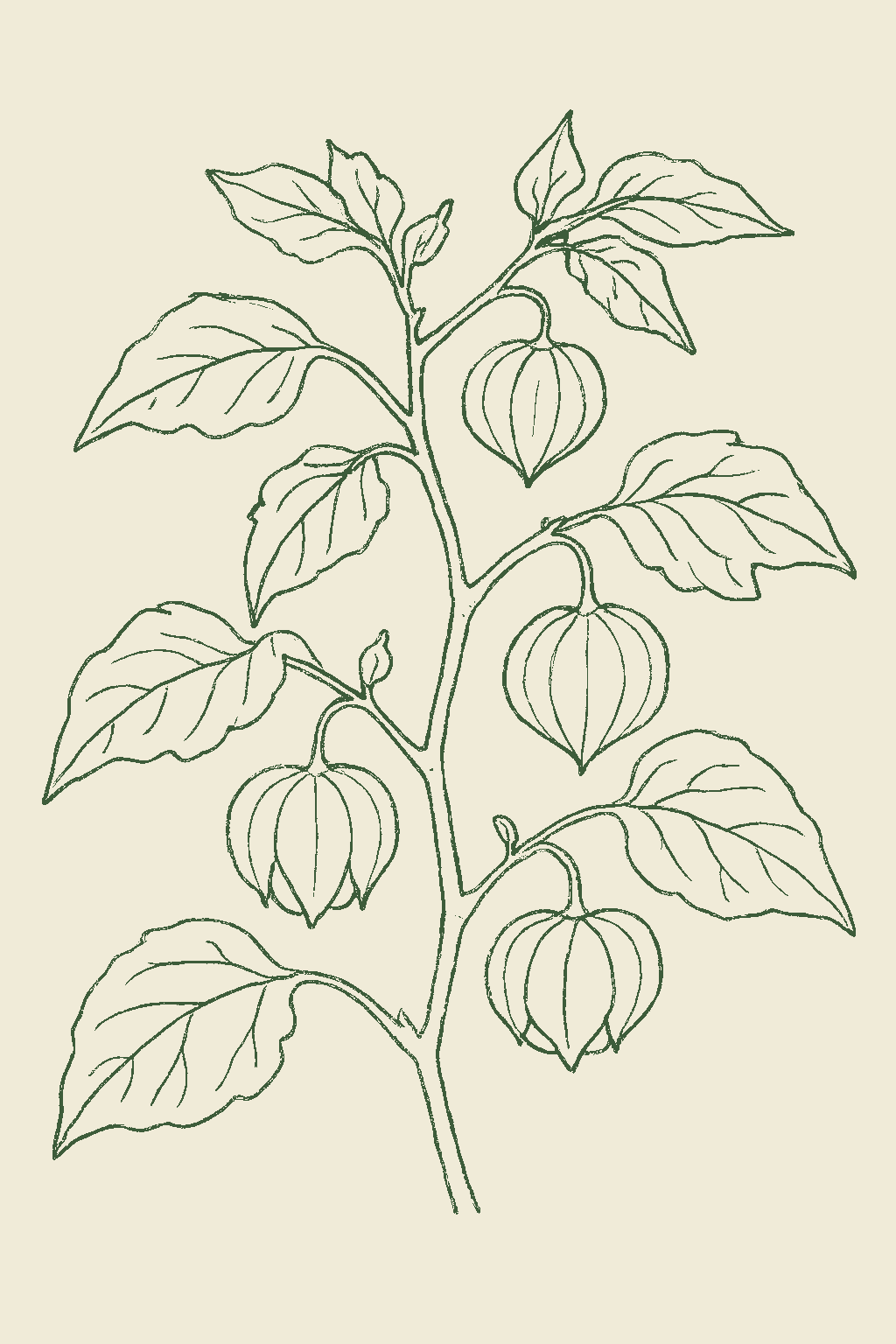
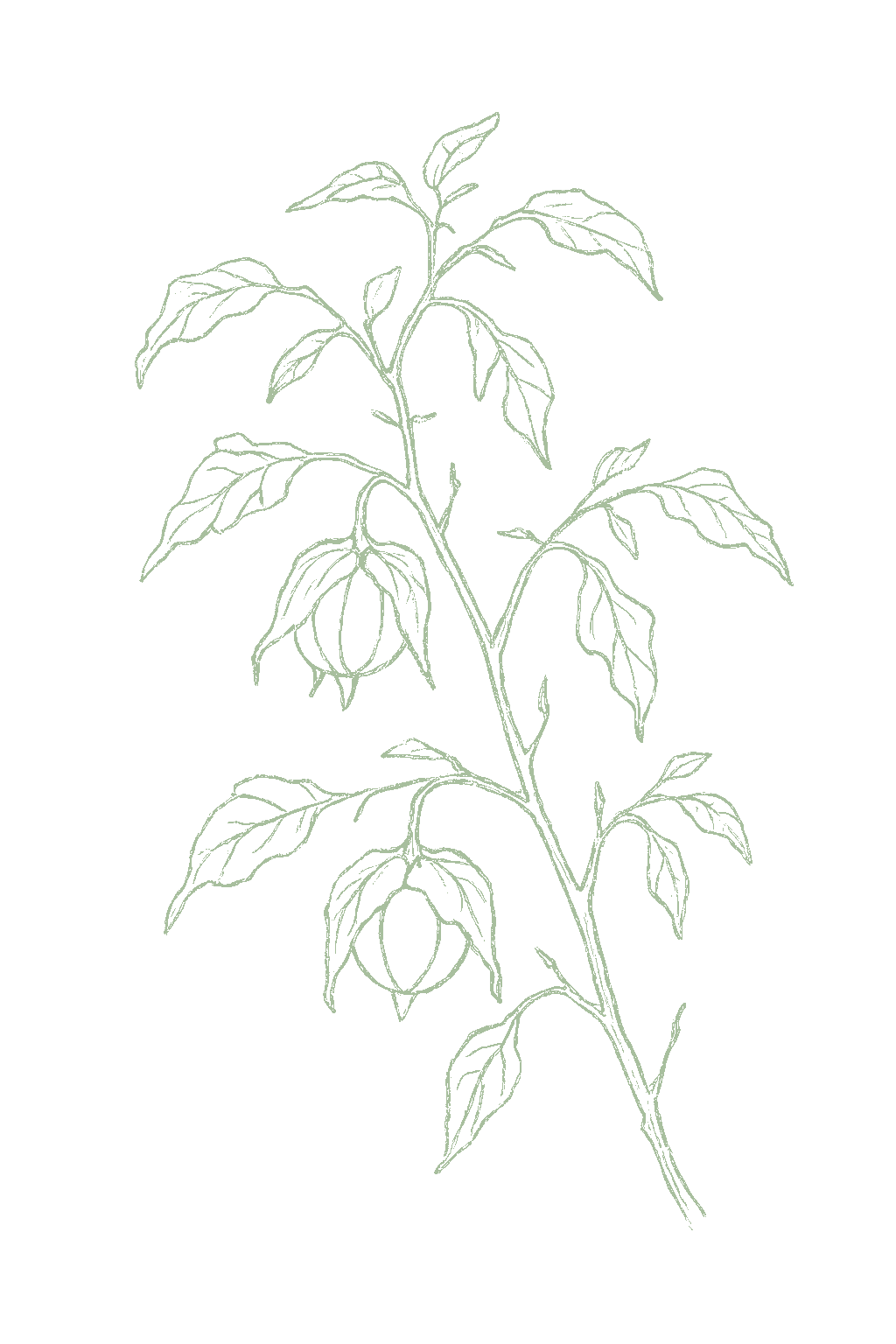
Tomatillos are the tart little green fruits in a papery husk that make salsa verde. You grow them almost exactly like tomatoes: start seeds indoors, then plant them out after the last frost. Three things make them different. You must grow at least two plants, because a single tomatillo cannot pollinate itself and will give you empty husks. The plants get big and sprawling, 3 to 4 feet across, so give them room and a cage or stake to lean on. And they shrug off summer heat and dry spells better than tomatoes, with fewer disease problems. Pick the fruit when it fills out its husk and the husk starts to split. They are very productive, and any fruit that drops will often sprout on its own next spring. The tomatillo (Physalis philadelphica) is a warm-season Solanaceae grown for its tart, husk-covered fruit, the green base of salsa verde. Culture mirrors tomato, started indoors and transplanted after frost, with three differences worth knowing. First, it is self-incompatible: a single plant sets almost no fruit, so grow at least two for cross-pollination. Second, the plant is large, sprawling, and vigorous, reaching 3 to 4 feet tall and wide, so it needs a sturdy cage or stake and wide spacing. Third, it tolerates summer heat and drought better than tomato and is notably less disease-prone, which makes it forgiving across hot regions. Fruit is ready when it swells to fill, and often split, its papery husk. Plants are heavy bearers and self-seed readily from dropped fruit, so expect volunteers the following spring.
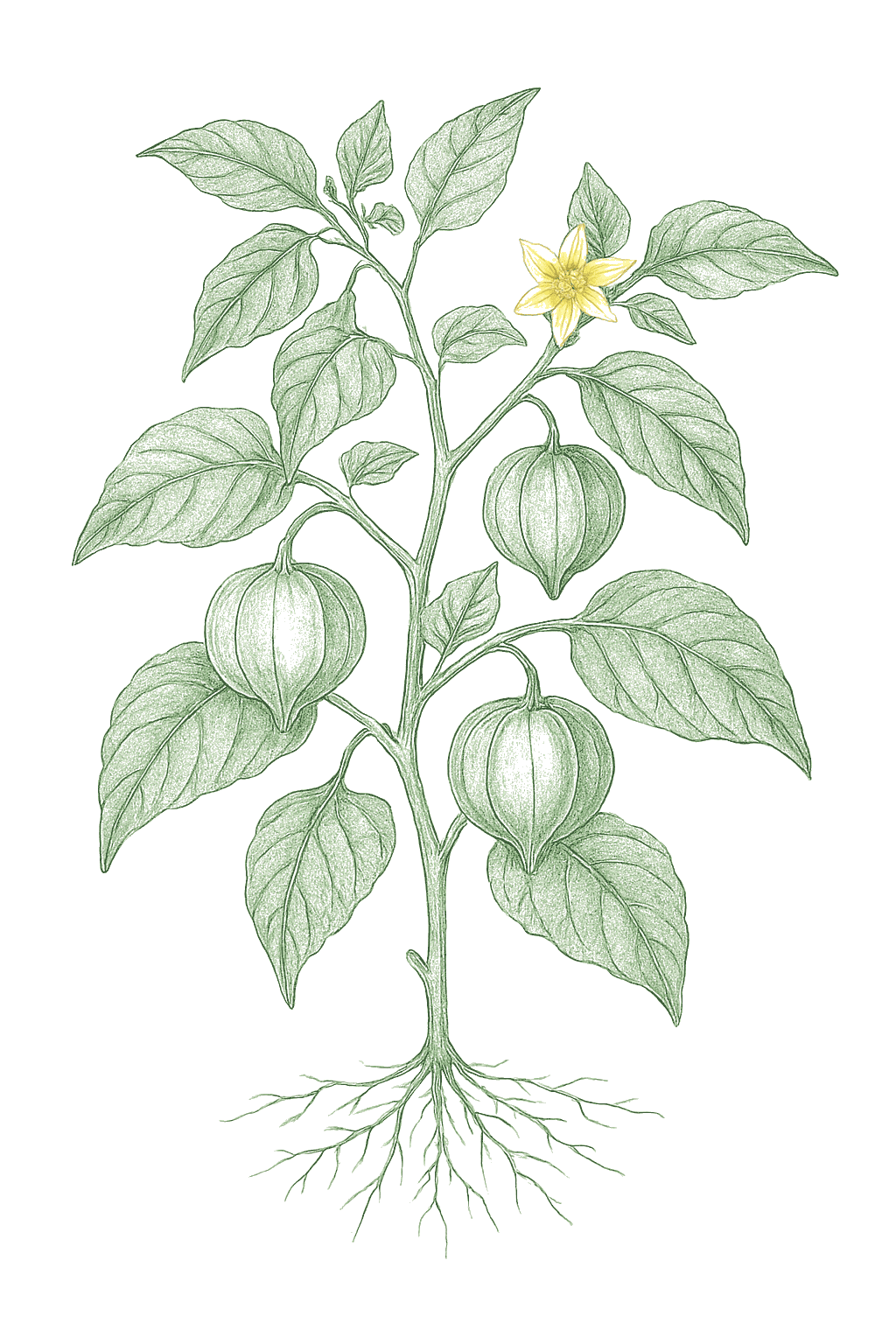
Off-season for tomatillo in zone 6.
In Zone 6, tomatillo can be planted April through May. Start indoors Mar 15 - Apr 1. Harvest runs July through October.
Start seeds indoors about 4 to 5 weeks before your last frost, roughly a week or two after you would start tomatoes. They germinate fast in warm soil (75 to 85°F). When you transplant, you can bury the stem a little deeper than it sat in the pot to encourage extra roots. Remember to start at least two plants so they can pollinate each other.Start indoors 4 to 5 weeks before last frost (about 1 to 2 weeks after tomato). Germinate at 75 to 85°F. Harden off 7 to 10 days; transplant after frost once nights hold above 55°F. Plant slightly deep to encourage adventitious roots. Always set out two or more plants for cross-pollination.
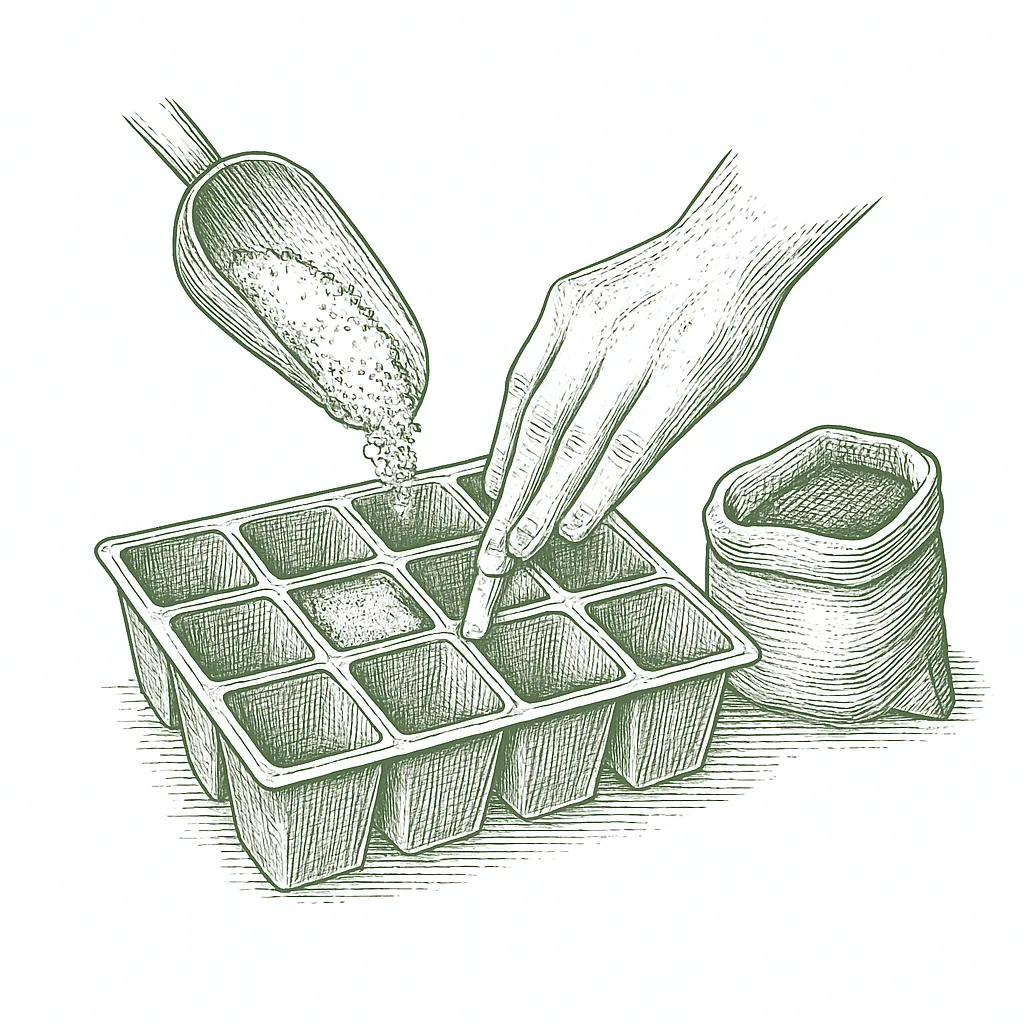
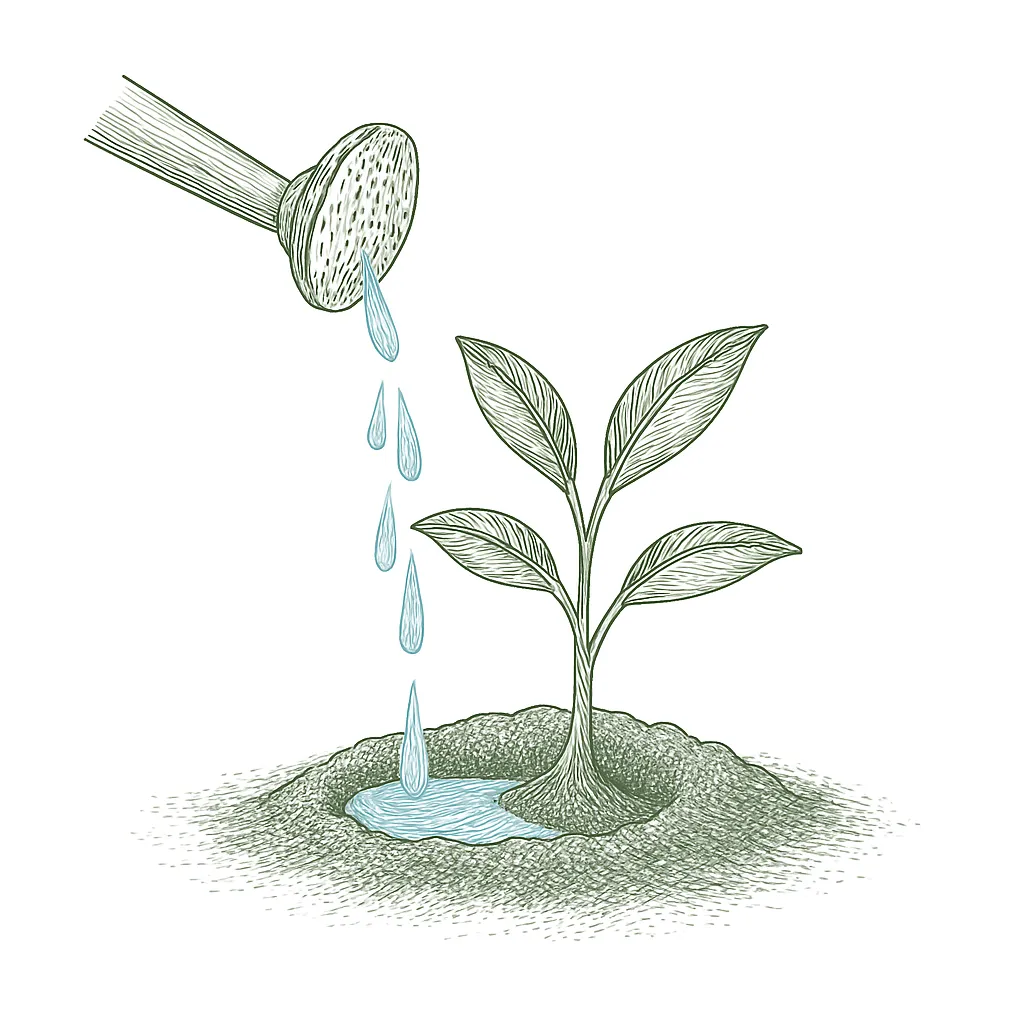





Not sure what soil you have? Grab a small handful of damp soil from your garden bed and squeeze it. If it crumbles apart easily, it's sandy. If it holds together but breaks when you poke it, it's loam (what most vegetables want). If it stays in a hard, slippery ball, it's clay.
Tomatillos want soil that drains well and has some compost worked in, but they are not fussy and will do fine in poorer, drier ground than tomatoes tolerate. If water pools on your bed after rain or stays soggy, fix the drainage first, because soggy roots rot. Digging in 2 to 3 inches of compost before planting is plenty. Avoid piling on rich manure or heavy nitrogen, which pushes big leafy plants with little fruit.
Mix 2-3 inches of compost into the top 6 inches of your bed before planting. Compost holds moisture (which sandy soil drains too fast) and adds the nutrients sandy soil tends to lack. Repeat each season. Compost breaks down over time.
Mix 2-3 inches of compost AND a few inches of coarse sand or perlite into the top 6 inches of your bed. The compost feeds the plants; the sand breaks up the clay so air and water can move through. Don't add sand without compost. It can compact like concrete.
If amending your soil sounds like too much work, or if your soil is heavy clay, full of rocks, or contaminated, build over it. A raised bed at least 12 inches deep filled with a 50/50 mix of compost and sandy loam gives you ideal growing soil with no battles. A 5-gallon container with quality potting mix does the same for one plant at a time. Both bypass your native soil entirely.
The numbers that matter, at a glance.
Soil pH is a measure of acidity on a scale from 1 to 14, where 7 is neutral. Tomatillos do well across a fairly wide band, from about 6.0 to 7.0, and tolerate soils a little outside that. That makes them easier to place than many crops. Soils in the interior West (Arizona, Nevada, Utah) often run alkaline (above 7); tomatillos handle the upper end better than most vegetables, but a cheap soil test from your extension office tells you where you stand.Tomatillos are adaptable across roughly pH 6.0 to 7.0 and tolerate the 5.5 to 7.3 margins better than tomato, one reason they succeed in the alkaline soils of the interior West. As with other Solanaceae, the slightly-acidic-to-neutral band keeps phosphorus, calcium, and magnesium available; strongly acidic soil (below 5.5) raises blossom-end-rot risk through impaired calcium uptake. Most eastern and midwestern soils sit naturally in range.
Tomatillos are light feeders compared with tomatoes. Mix a little balanced fertilizer into the bed at planting, then sprinkle a small dose around each plant about a month and two months after transplanting. Go easy on nitrogen (the first number on the bag): too much makes a giant leafy plant with few fruit. Once the plant is loaded with fruit, you can stop feeding.A modest feeder. Incorporate a balanced fertilizer at planting, then side-dress lightly at about 4 and 8 weeks. Utah State suggests roughly 1 tablespoon of a nitrogen source per plant at those intervals. Excess nitrogen drives rank vegetative growth and delays fruiting, so keep N moderate and lean toward potassium once flowering begins.
Look for the three numbers on the bag (the NPK ratio). A balanced or slightly-higher-potassium blend such as 10-10-10 or 5-10-10 is ideal. Avoid high-nitrogen lawn-style fertilizers, which give you leaves instead of fruit.balanced to high-K, e.g. 10-10-10 or 5-10-10; avoid high-N
Tomatillos get along with the same companions as tomatoes. Basil, marigolds, and nasturtiums are popular neighbors and may help with pests. The most important 'companion' is simply a second tomatillo plant, since they need each other to set fruit. Keep them away from other nightshades (tomatoes, peppers, potatoes), which share their diseases. Tomatillo companion guidance is largely inherited from tomato tradition with little crop-specific extension testing. The marigold/nematode and basil/aromatic-deterrent pairings are the usual suggestions, honestly labeled here as traditional or mechanistic rather than proven for this crop. The one evidence-backed rule is rotational: keep tomatillos away from other Solanaceae to avoid shared disease. And remember the obligate need for a second plant for pollination.
Watch the husk. A tomatillo is ready when the fruit grows big enough to fill the papery husk and the husk starts to split open and turn tan. For the tart green flavor you want in salsa, pick while the fruit is still firm and green; if you wait too long it turns yellow and goes soft and mild. Ripe fruit comes off easily, and a lot of it simply falls to the ground, where the husk keeps it fresh for a few days. Check your plants about once a week and pick as the fruit fills out.Pick when the fruit swells to fill its papery husk and the husk begins to split, turning from green toward tan. For bright, tart fruit (the classic salsa-verde flavor) harvest while the fruit is still firm and green; left longer it turns yellow, soft, and blandly sweet. Ripe fruit detaches easily and often drops to the ground on its own, where it keeps for days inside the protective husk. Harvest over the whole season as fruit fills out, roughly weekly at peak.
Expect roughly 2 to 3 pounds of fruit per plant, often more in a long warm season. They keep producing right up until frost. Just remember: a single plant yields almost nothing, so the per-plant figure assumes you have at least two.About 2 to 3 pounds of fruit per plant over the season, and a vigorous plant in a long-season climate can exceed that. Production is continuous from first set until frost. Remember the yield is zero without a second plant for cross-pollination.
At their peak, two tomatillo plants can bury you in fruit, gardeners are famous for having too many. Pick about once a week, and gather the ones that drop, since the husk keeps them good for days.At peak a healthy plant sets fruit faster than you can use it, hence the tomatillo's reputation for overwhelming the gardener. Pick weekly; fallen fruit holds in its husk. Your first year, the biggest factor in success is simply planting two or more plants so they pollinate, after that, tomatillos are forgiving. Give them full sun, room to sprawl, and a cage, and you will likely have plenty.First-season yield hinges far more on having multiple plants for cross-pollination than on fine-tuning culture; tomatillos are otherwise low-maintenance and heat-tolerant. Full sun, wide spacing, and support carry the crop.
Most tomatillos you will see are green types like Toma Verde, which are tart and perfect for salsa verde. Purple kinds (Purple De Milpa) are a bit smaller and tangier and turn purple in the husk. Whatever you pick, remember to grow at least two plants, and growing two different varieties together actually improves how much fruit you get.Green market types (Toma Verde, Verde Puebla) are the salsa-verde standard. Purple De Milpa is smaller, tangier, and an aggressive self-seeder. Because tomatillos are self-incompatible, interplanting two different varieties improves cross-pollination and yield. Note that 'pineapple ground cherry' (Physalis pruinosa/peruviana) is a sweeter, smaller relative grown the same way but is botanically distinct from the tart tomatillo.
Keep a 3-year gap before planting any nightshade in the same spot. One quirk: tomatillos drop fruit that sprouts on its own next spring, so you may get surprise seedlings in last year's bed. Pull them if you are trying to rotate.Rotate on a 3-year cycle away from all Solanaceae. Note that tomatillos self-seed freely from dropped fruit, so last year's bed often sprouts volunteers, pull them if they violate your rotation.
The plant app sends a timely reminder at every critical moment of your tomatillo season. The wording adjusts to whichever you pick: beginner or seasoned. Here are three you'll see in Zone 6.
plant sends the right notification at exactly the right moment, for your zone, your weather, your crops. Founding members lock the rate forever.
We're building this guide with real growers. Got a question we missed? Ask here. We read every one and add the best answers right to this page.
Learned something the hard way? Pass it on. Real growers' tips make this guide better for the next person, and we credit you by name when yours goes live.
If you've grown this crop and you see a date, a temperature, a companion claim, or a recommendation that doesn't match your experience, tell us. Real growers' corrections make this guide better for the next person.
Every date, temperature, spacing, and recommendation on this page is sourced from university cooperative extension publications, peer-reviewed agricultural research, NOAA climate data, and direct extension calendars. Where claims are softer (traditional gardening wisdom not formally documented), we say so.
Spot a data point that doesn't match your experience? Submit a correction; accepted corrections earn full author credit on the page.
Zone-aware seasonal nudges, what's worth planting now, and the occasional recipe from the harvest. No spam, ever.