Today · in your zone
What's happening right now
Off-season for viola in zone 3.
Tap to switch. plant calibrates to where you are in the journey.
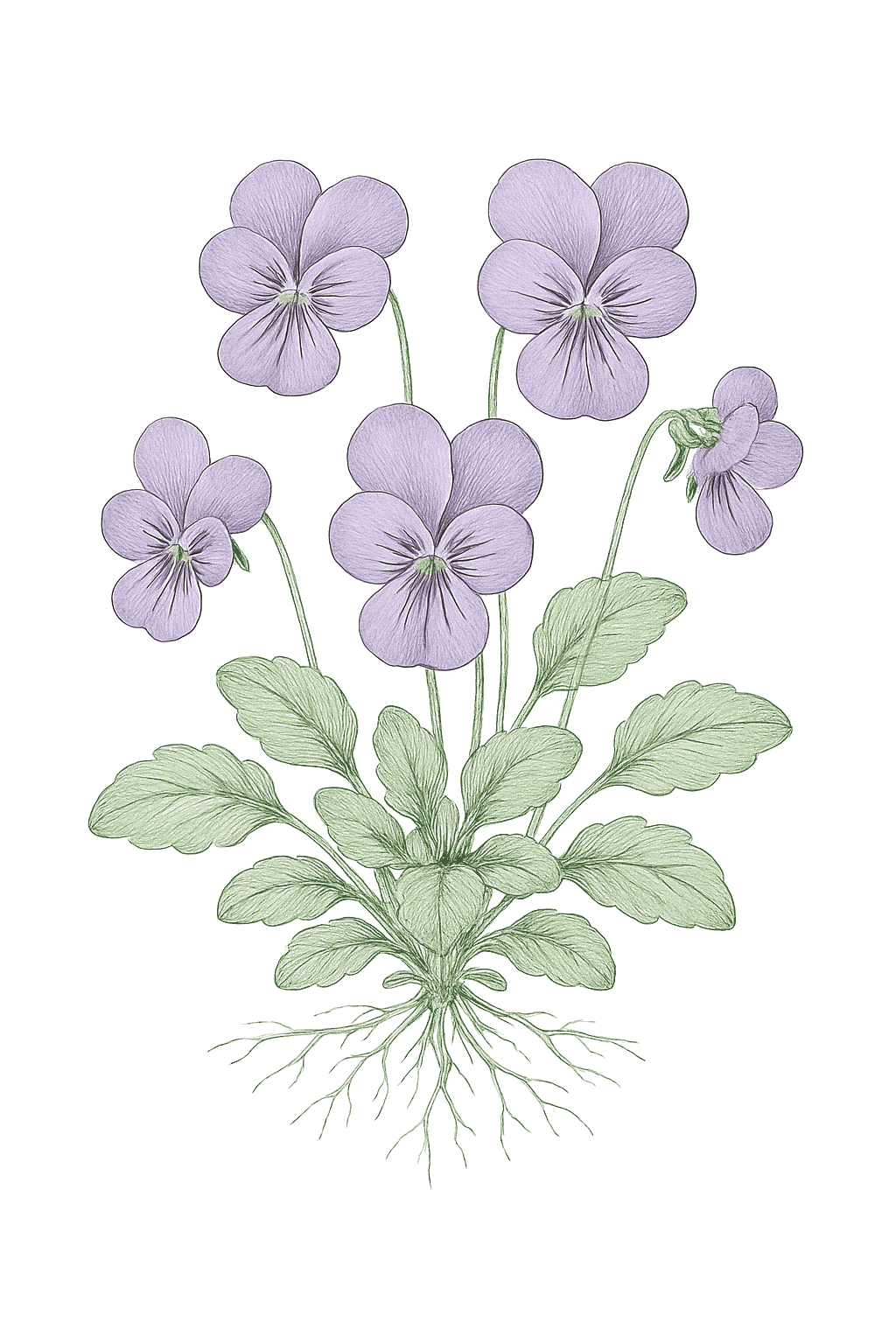
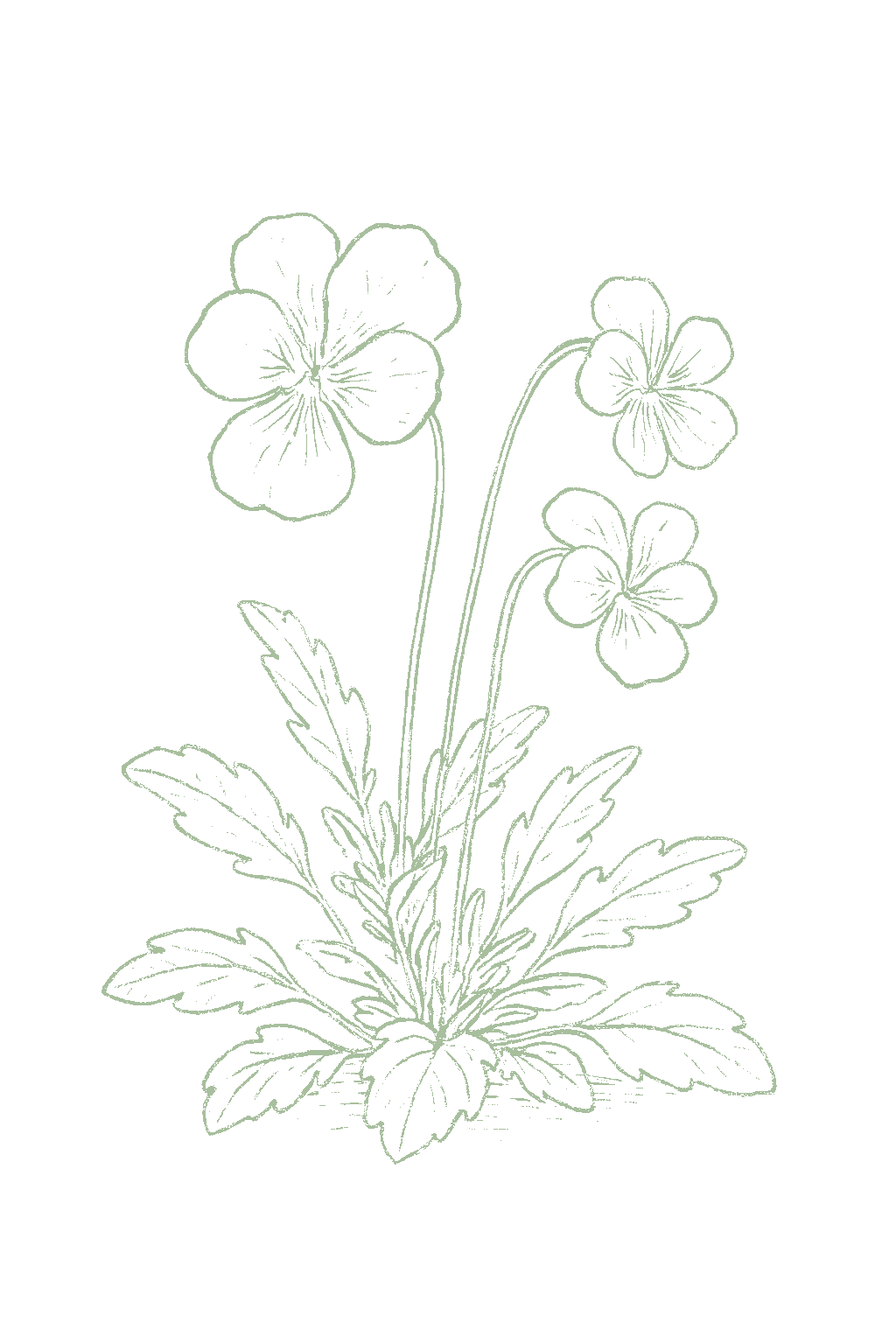
Violas, pansies, and Johnny-jump-ups are cheerful flowers for cool weather. Unlike most flowers, they love the cold: they keep blooming through fall, winter, and early spring in mild areas and bounce back from frost and light snow. What they cannot take is heat. Once summer warmth arrives, they get leggy, pale, and stop flowering well, so in hot areas they are grown as a fall-to-spring flower and replaced when it heats up. The flowers are edible and pretty on a salad or cake, and the little Johnny-jump-up type reseeds itself and pops up on its own year after year. Viola is the classic cool-season bedding flower: garden pansies (Viola x wittrockiana), violas or horned violets (Viola cornuta), and Johnny-jump-ups (Viola tricolor) are short-lived perennials almost always grown as cool-season annuals. They are very frost-hardy, blooming any time the temperature is above freezing and shrugging off light snow, which makes them the workhorse of fall, winter, and early-spring color in mild zones and the first and last color of the season in cold ones. Their one hard limit is heat: blooms fade, stems stretch, and plants turn ragged once sustained warmth above roughly 75 °F arrives, so in most regions they pause or are pulled through summer and return in fall. The flowers are edible, and Johnny-jump-ups self-seed and naturalize.
Off-season for viola in zone 3.
In Zone 3, viola can be planted April through August. Start indoors Mar 1 - Mar 31. In bloom May through October.
For nonstop flowers, plant a fresh batch every couple of weeks during the cool season rather than all at once. In mild areas that means fall through spring, pausing for summer heat; in cold areas, early spring and again in late summer, skipping the hottest part. Violas fade once it gets hot, so keep your plantings on the cool side of the year.Stagger transplant sets every 2 to 3 weeks through your cool-season window for continuous, fresh bloom and to replace plants lost to slugs or rot. In mild zones that window is fall through spring with a summer heat pause; in cold zones it is early spring and again in late summer, around a midsummer pause. Violas fade above roughly 75 °F, so anchor plantings to the cool side of the season.
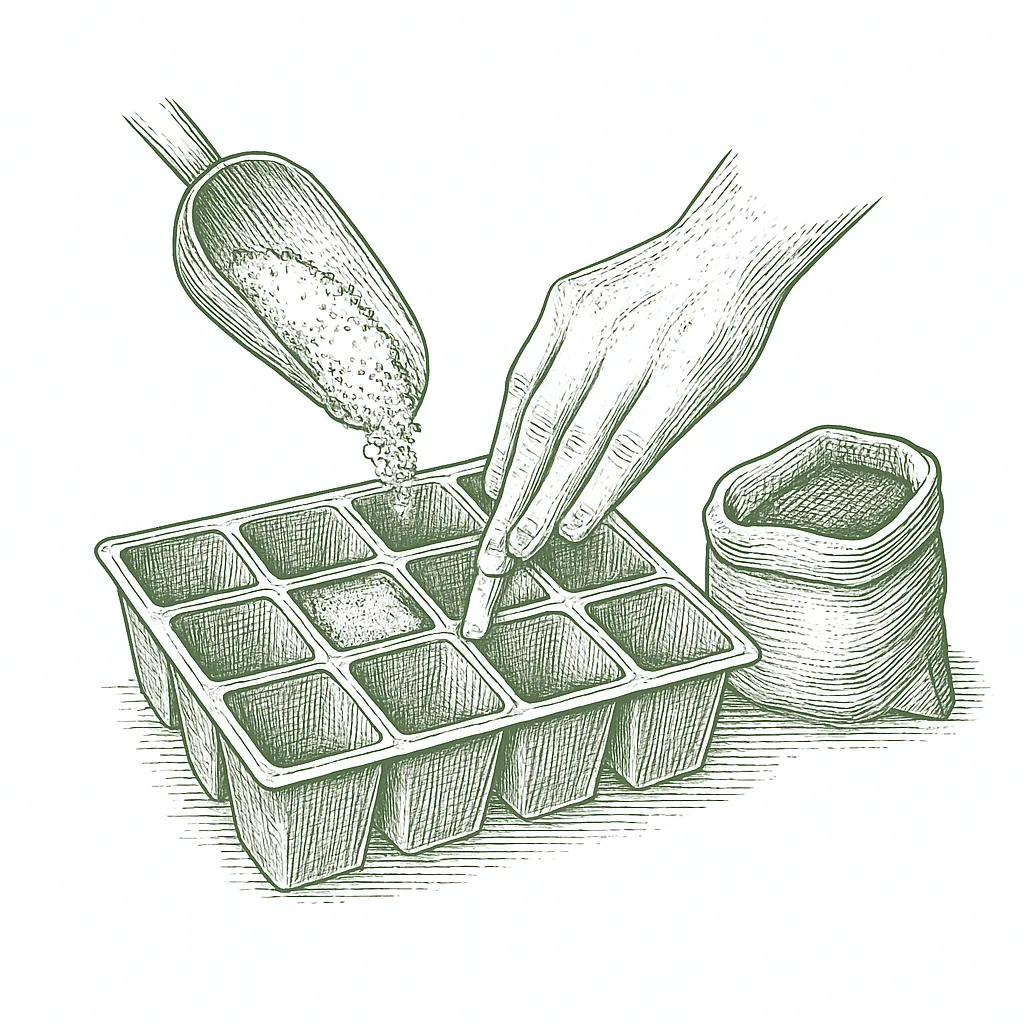
The easiest path is to buy or start transplants, because viola seed takes 10 to 14 weeks to bloom and needs cool, dark soil to sprout, which summer cannot provide. Start seed indoors 6 to 8 weeks ahead, kept cool and covered so it is dark, then plant out when the weather is cool: late summer in mild areas for fall and winter flowers, or early spring in cold areas. You can sow straight in the ground where the soil is cool. Do not pinch the tops; just remove old flowers to keep them blooming.Viola is most often set out as transplants, since seed-to-bloom runs roughly 10 to 14 weeks and the seed needs cool, dark conditions (about 65 to 75 °F) that summer soil cannot give. Start indoors 6 to 8 weeks ahead in cells, kept cool and covered to exclude light, then transplant once the weather is cool: late summer for fall and winter bloom in mild zones, early spring for spring bloom in cold ones. Direct sowing works in mild climates when soil is cool. Do not pinch; deadhead instead to drive bloom.
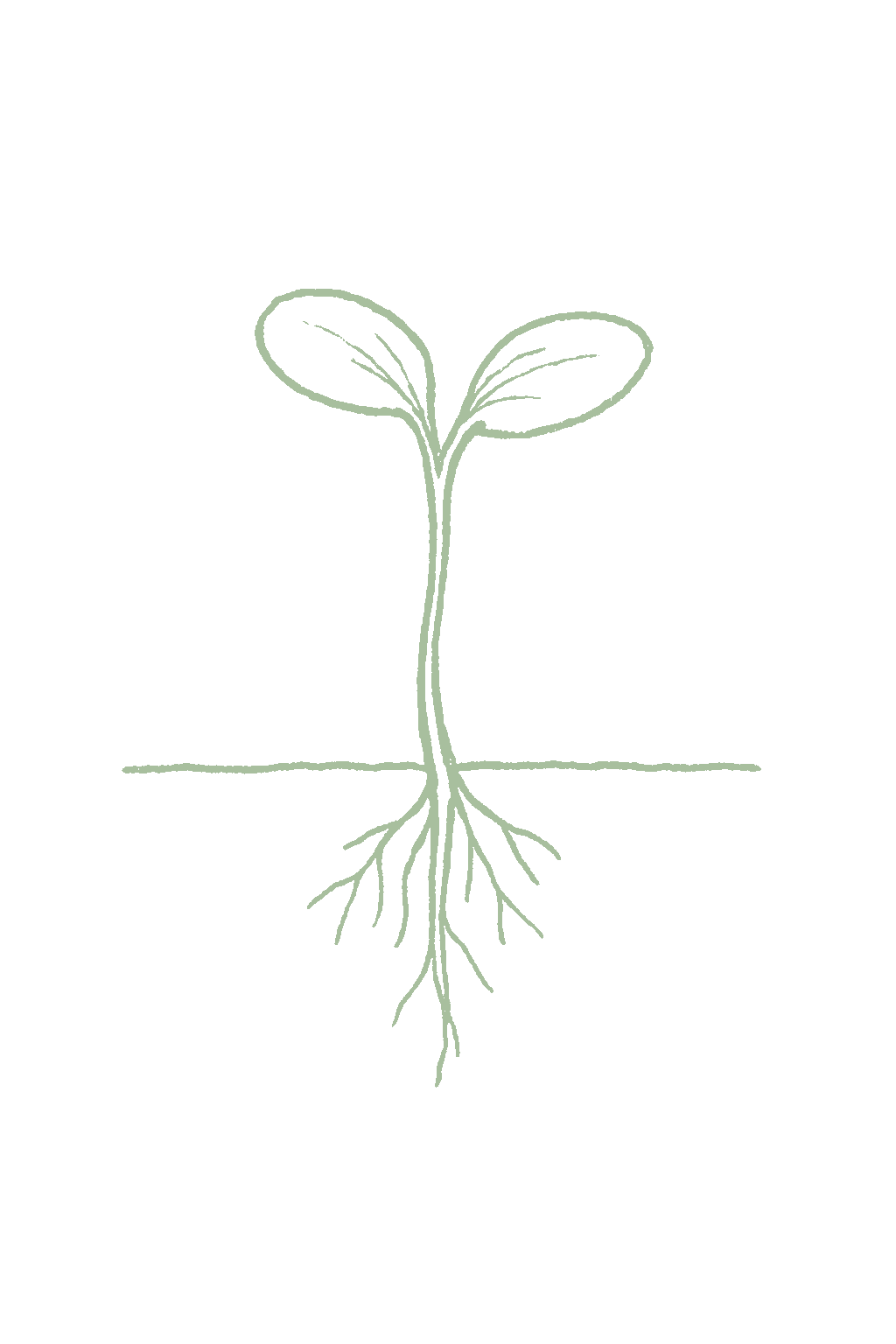










Not sure what soil you have? Grab a small handful of damp soil from your garden bed and squeeze it. If it crumbles apart easily, it's sandy. If it holds together but breaks when you poke it, it's loam (what most vegetables want). If it stays in a hard, slippery ball, it's clay.
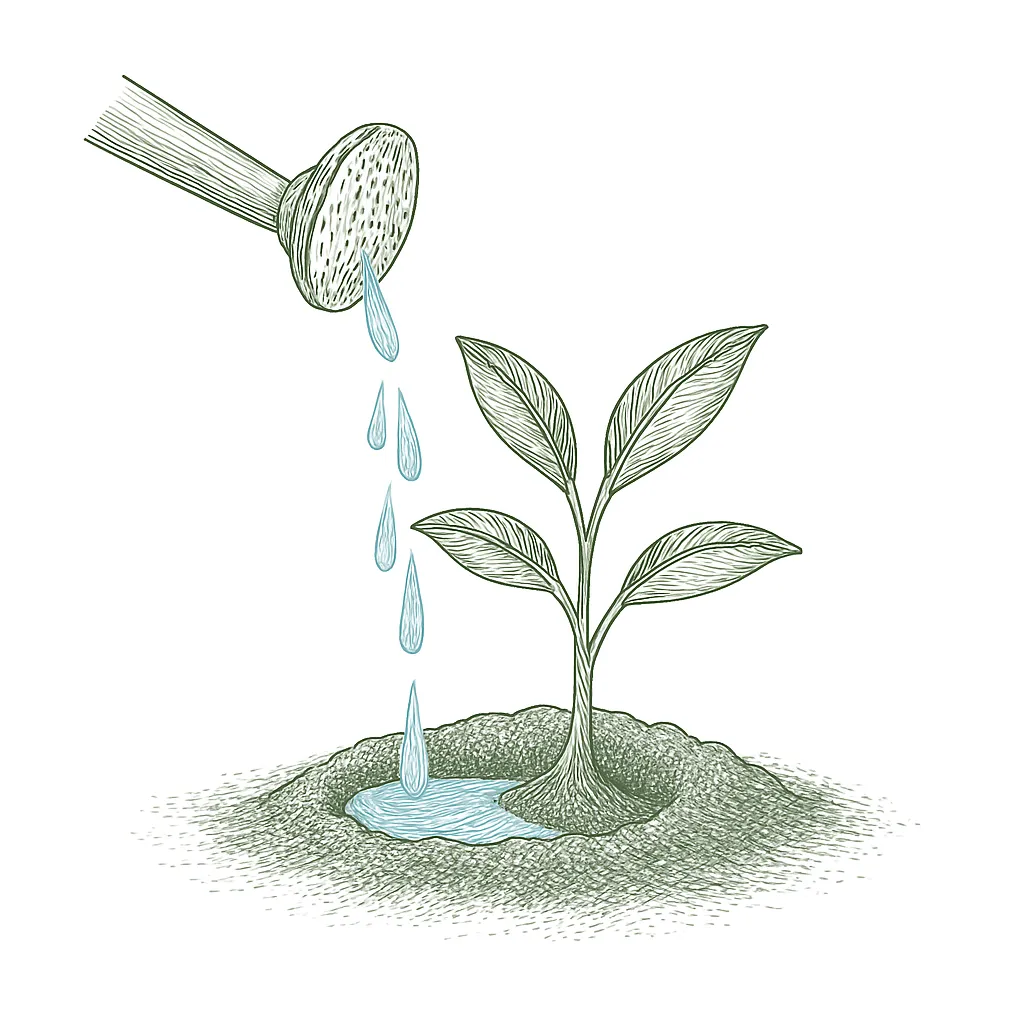
Violas like rich, moist soil that still drains well, with plenty of compost mixed in. The thing to avoid is heavy, soggy ground that stays wet, because wet feet lead to root rot, the most common way these plants are lost.
Mix 2-3 inches of compost into the top 6 inches of your bed before planting. Compost holds moisture (which sandy soil drains too fast) and adds the nutrients sandy soil tends to lack. Repeat each season. Compost breaks down over time.
Mix 2-3 inches of compost AND a few inches of coarse sand or perlite into the top 6 inches of your bed. The compost feeds the plants; the sand breaks up the clay so air and water can move through. Don't add sand without compost. It can compact like concrete.
If amending your soil sounds like too much work, or if your soil is heavy clay, full of rocks, or contaminated, build over it. A raised bed at least 12 inches deep filled with a 50/50 mix of compost and sandy loam gives you ideal growing soil with no battles. A 5-gallon container with quality potting mix does the same for one plant at a time. Both bypass your native soil entirely.
The numbers that matter, at a glance.
Violas do best in slightly acidic soil, around 5.4 to 5.8 on the pH scale (a measure of how acidic or alkaline soil is). They dislike high-alkaline soil, where leaves yellow and root rot becomes more likely, so avoid liming the bed for them.Viola is happiest in a slightly acidic soil of about 5.4 to 5.8 and tolerates a bit either side of that. High pH is the real risk: alkaline soil triggers iron deficiency and favors black root rot, so do not lime a viola bed and correct genuinely alkaline ground before planting.
Violas do not need much food. Mix a slow-release granular fertilizer into the soil when you plant, and feed once more in early spring. Pick a low-nitrogen type like 5-10-10. Too much nitrogen (a high first number) gives you tall, floppy plants with fewer flowers.Violas are light feeders. Mix a slow-release granular fertilizer into the bed at planting and feed again in early spring; a low-nitrogen, phosphorus-leaning blend such as 5-10-10 suits them. Avoid high-nitrogen fertilizer, which forces soft, leggy growth at the expense of bloom and, in cold weather, stretches the plants.
The three numbers on fertilizer (N-P-K) are nitrogen, phosphorus, and potassium. For violas, choose a low first-number blend like 5-10-10 rather than a high-nitrogen lawn feed.A low-nitrogen, bloom-leaning ratio such as 5-10-10 suits violas better than a high-nitrogen feed, which stretches them in the cool weather they grow in.
Snip off old, faded flowers before they form seeds. This simple step keeps violas blooming much longer. If the plants get tall and floppy as the weather warms, cut them back by about a third and they will green up and flower again before summer heat finishes them off.Remove faded flowers before they set seed to extend the bloom period; this is the single most effective way to keep violas flowering through a long cool season. If plants stretch and grow leggy in late-spring warmth, shear them back by about a third to force fresh, compact growth and a late flush before heat ends the season.
Violas are mostly grown for cool-season color and edible flowers, and they mix happily with almost anything that likes the same cool weather. Gardeners tuck them under spring bulbs like tulips and daffodils, among cool-season greens such as lettuce and kale, and beside other cool-weather annuals. They also feed early bees when little else is blooming. There is no plant you must keep violas away from. The only real caution is wet soil: do not crowd them into soggy, poorly drained beds, where the crown and root rot that troubles violas spreads. Viola's companion role is the cool-season color-and-edible layer rather than a pest-management partner. It underplants spring bulbs for layered early color, interplants among cool-season greens and other cool-weather annuals that share its culture, and offers early-season nectar and pollen plus larval forage for fritillary butterflies. There is no biologically antagonistic companion to avoid; the meaningful caution is siting. Crowding violas into wet, poorly drained, or rot-prone beds raises shared crown and root-rot pressure, so favor drainage and airflow and rotate away from beds where rot has built up.
Pick viola flowers when they are open and bright, ideally in the morning. If you are going to eat them, pick them the same day and only use flowers you grew yourself without bug sprays. For garden color there is nothing to harvest all at once: the plant keeps making flowers all through the cool season, and picking or snipping off old blooms makes it flower even more.Pick blooms when they are fully open and freshly colored, cutting in the cool of the morning. For edible use, harvest the same day you plan to use them and use only flowers grown without pesticides. For bedding color there is no single harvest: the plant blooms continuously through the cool season, and regular picking and deadheading drive more flowers.
One viola or pansy plant gives you flowers steadily for months if you keep removing the faded ones. The small-flowered violas and Johnny-jump-ups make the most flowers; the big pansies make fewer, larger ones.A single viola or pansy, deadheaded through the cool season, yields a steady succession of blooms over months; smaller-flowered violas and Johnny-jump-ups produce the most flowers, while large-flowered pansies give fewer, bigger blooms.
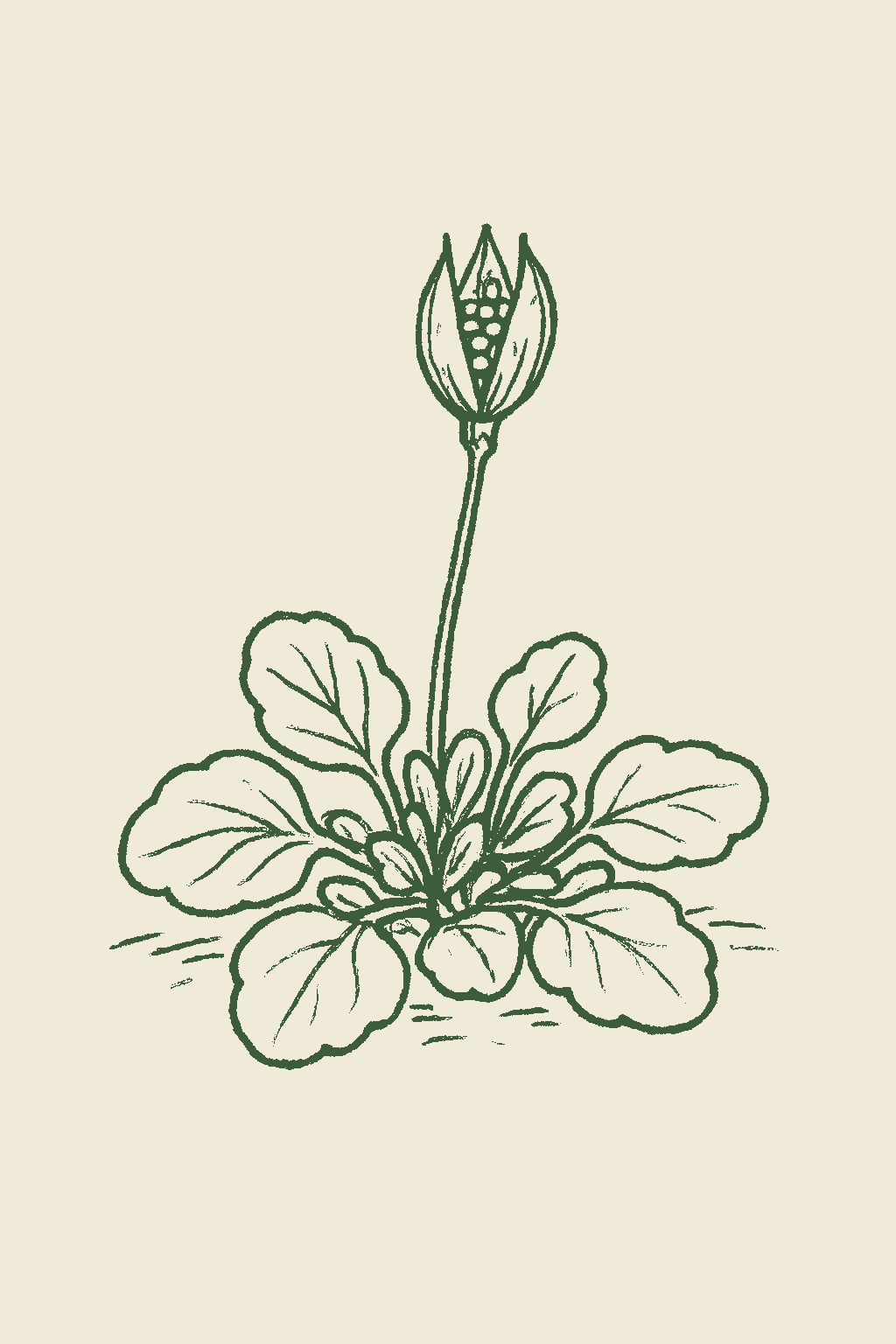
Violas flower the same season you plant them, about 10 to 14 weeks from seed, with no waiting year. A fall planting in a mild area blooms from fall right through spring.Violas bloom the first season from seed or transplant, roughly 10 to 14 weeks from sowing, so there is no establishment year; a fall planting flowers from fall through spring in mild zones.
Bigger flowers usually mean less toughness. Large garden pansies (Majestic Giant, Matrix, Delta) have the showiest blooms but fade fastest in heat. Violas (Sorbet, Penny) have smaller, more numerous flowers and handle both cold and early warmth better. Johnny-jump-ups are the hardiest and most heat-tolerant and reseed themselves. If you want flowers to survive winter, look for cold-bred types like Icicle or the trailing Cool Wave.Variety choice trades flower size against weather toughness. Large-flowered garden pansies (Majestic Giant, Matrix, Delta) give the biggest blooms but are the least heat-tolerant; violas (Viola cornuta: Sorbet, Penny) carry smaller, more numerous flowers and push later into warmth and harder into cold; Johnny-jump-ups (Viola tricolor) are the toughest and most heat-tolerant and self-seed freely. For overwintering in cold zones, choose cold-bred series such as Icicle or the trailing Cool Wave. Panolas split the difference between pansy size and viola resilience.
Viola and pansy flowers are edible and have a mild, slightly green flavor. They look lovely on salads, cakes, and desserts. Only eat flowers you grew without bug sprays, pick them the day you use them, rinse gently, and pinch off the little white base of the petals, which can taste bitter. Dark flowers may color your tongue for a bit, which is harmless.Viola, pansy, and Johnny-jump-up flowers are edible, with a mild grassy, faintly wintergreen flavor, and serve as garnish on salads, desserts, and cakes. Eat only flowers grown without pesticides (nursery plants are often treated), harvest the day of use, wash gently, and remove the bitter white heel at the petal base. Dark blooms can briefly tint the tongue.
Rotating violas is not as important as for vegetables, but it still helps. Plant them in a different, well-drained spot if rot was a problem, and clean up old, diseased leaves at the end of the season so it does not carry over.Rotation matters less for a short-season cool-weather flower than for heavy feeders, but moving violas to a fresh, well-drained bed and clearing infected debris limits carryover of the crown and root rots that are their main disease risk.
The plant app sends a timely reminder at every critical moment of your viola season. The wording adjusts to whichever you pick: beginner or seasoned. Here are three you'll see in Zone 3.
plant sends the right notification at exactly the right moment, for your zone, your weather, your crops. Founding members lock the rate forever.
We're building this guide with real growers. Got a question we missed? Ask here. We read every one and add the best answers right to this page.
Learned something the hard way? Pass it on. Real growers' tips make this guide better for the next person, and we credit you by name when yours goes live.
If you've grown this crop and you see a date, a temperature, a companion claim, or a recommendation that doesn't match your experience, tell us. Real growers' corrections make this guide better for the next person.
Every date, temperature, spacing, and recommendation on this page is sourced from university cooperative extension publications, peer-reviewed agricultural research, NOAA climate data, and direct extension calendars. Where claims are softer (traditional gardening wisdom not formally documented), we say so.
Spot a data point that doesn't match your experience? Submit a correction; accepted corrections earn full author credit on the page.
Zone-aware seasonal nudges, what's worth planting now, and the occasional recipe from the harvest. No spam, ever.