Your Fall Garden Starts Now: What to Plant in Late Summer
Fall gardening starts earlier than the weather makes it feel. In many climates, the plants you want to harvest in October, November and beyond need to be seeded or transplanted while summer tomatoes are still ripening. That can feel backwards, especially if August is still hot where you live, but the key is to plan from your expected cool weather backward rather than waiting for the first cold morning.
Start with the planting window for your location
There is no single national list of vegetables that everyone should plant on the same August weekend. Even UC Cooperative Extension planting charts vary by county and microclimate. UC Master Gardeners in Alameda County, for example, note that gardeners can begin cool-season crops in August but may need to wait until September in hotter climates.2 Santa Clara County’s chart similarly treats planting dates as guidelines that shift with local weather and microclimates.1 That variation is exactly why plant uses location-aware growing guidance rather than one national planting calendar.
That makes late summer a planning month first. Start with the crop guides for your area, then identify the cool-season crops that still have enough time to establish and mature as temperatures change.
The cool-season lineup
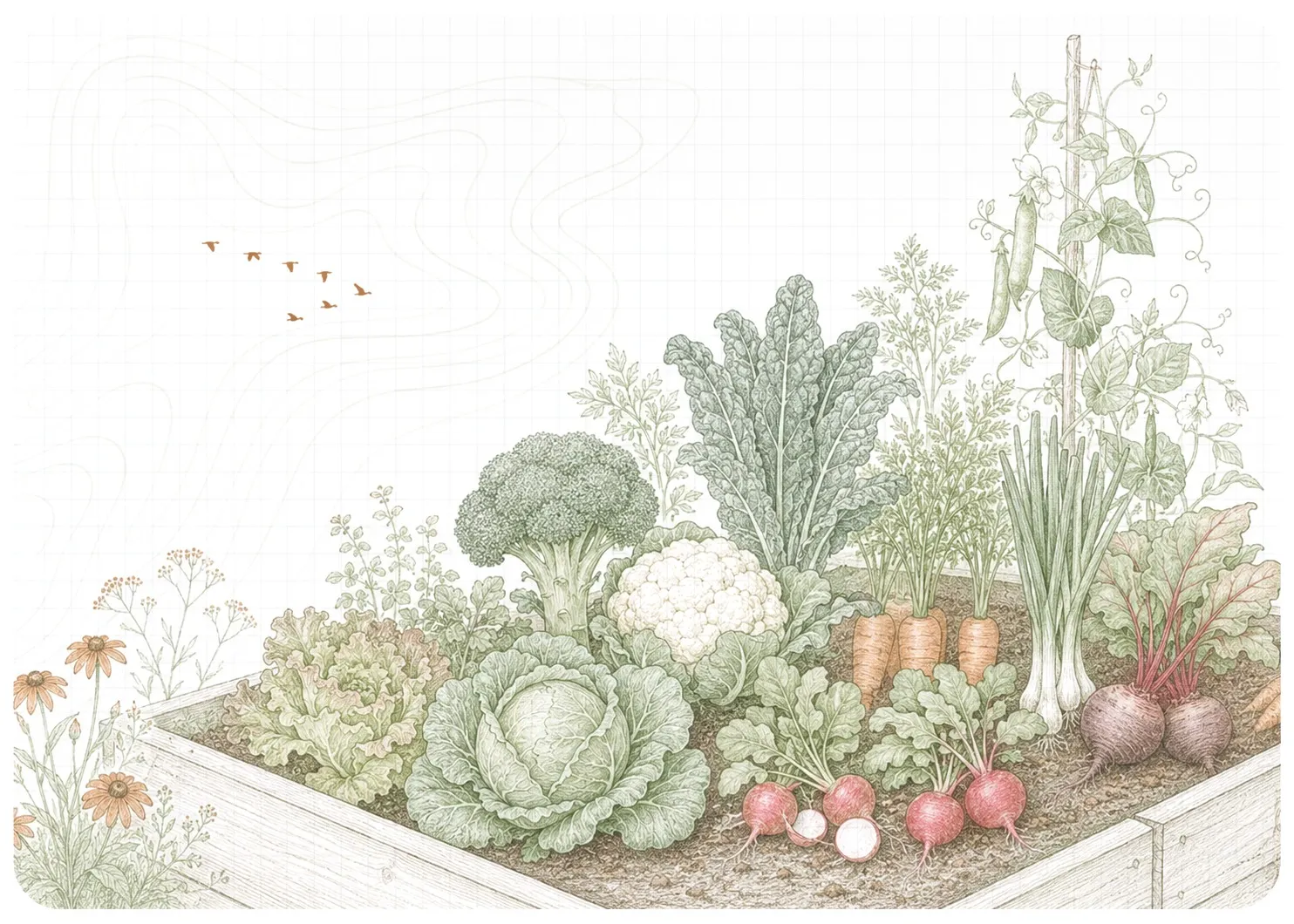
Common fall choices include broccoli, cauliflower, cabbage, kale, chard, lettuce, spinach, arugula, beets, carrots, radishes, peas and green onions.3 The exact mix depends on your climate. Use plant to narrow that list to crops that fit your location and current planting window rather than treating every cool-season vegetable as ready on the same day.
Seeds or transplants?
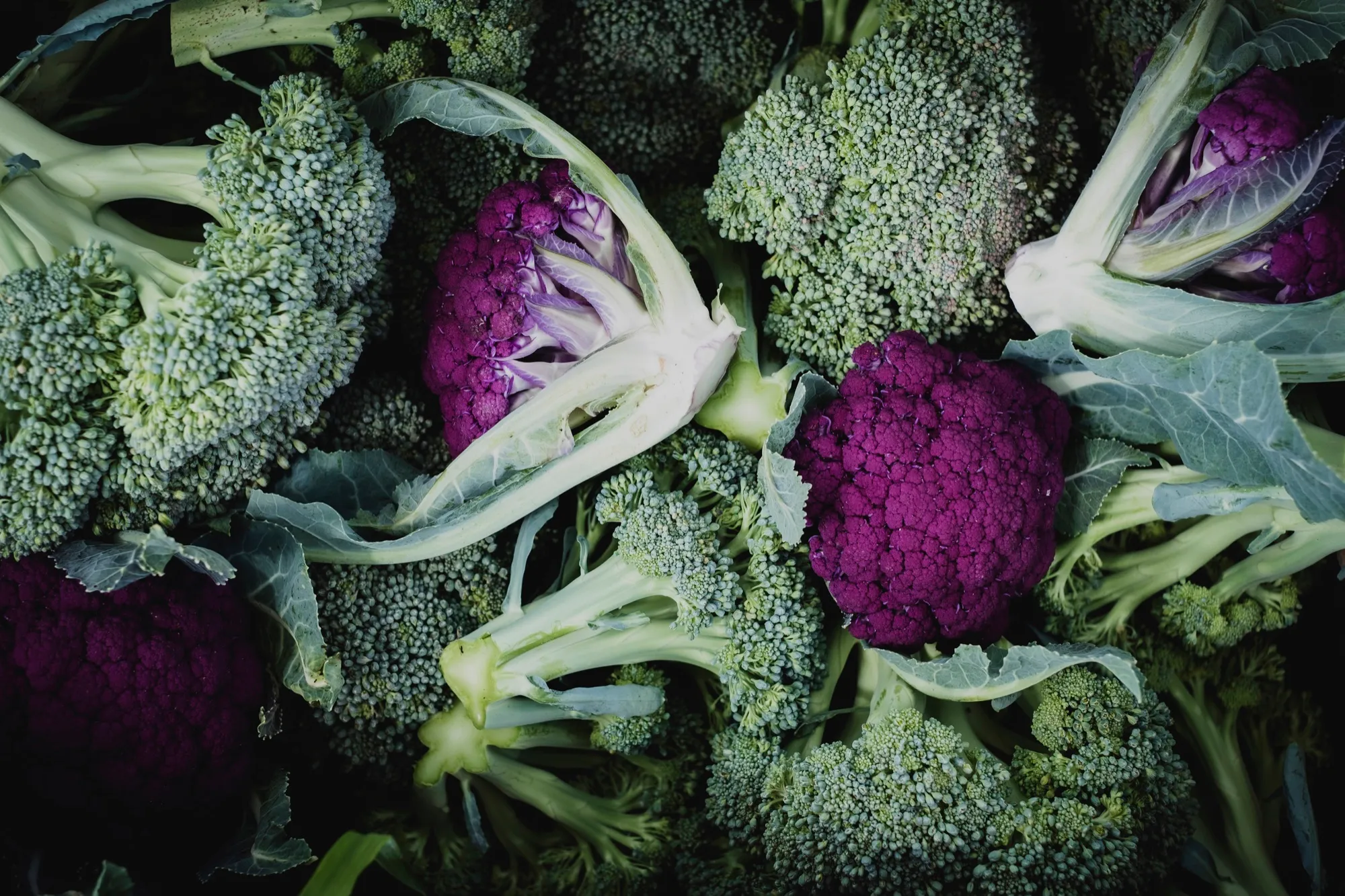
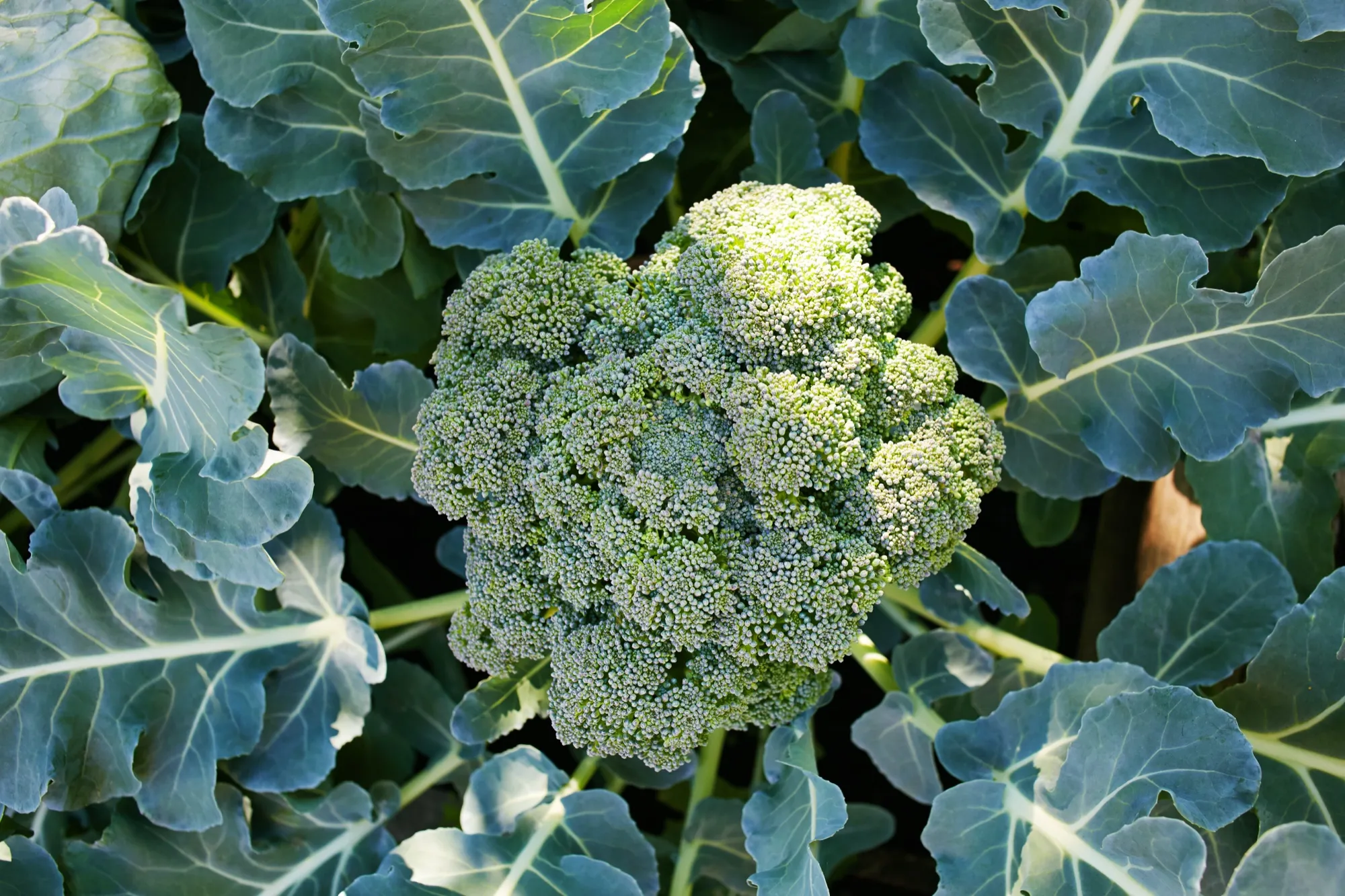
Root crops such as carrots, beets, turnips and radishes are usually direct seeded, because transplanting can damage the developing root.3 Longer-season brassicas such as broccoli, cabbage and cauliflower are a different case. UC Master Gardeners point out that nursery seedlings for these crops can be hard to find late in the summer, which is why many gardeners start their own from seed instead.3
Heat is a real constraint for some crops. Lettuce for fall harvest goes in during August and September, but high temperatures can stop the seed from germinating, so UC guidance recommends using four-week-old transplants rather than direct seeding in that window.3
If you start your own transplants, count backward from your target transplant date. UC’s Santa Clara County chart uses broccoli as an example: seedlings intended for a mid-September transplant are started roughly six weeks earlier.1
Use the summer garden as shade
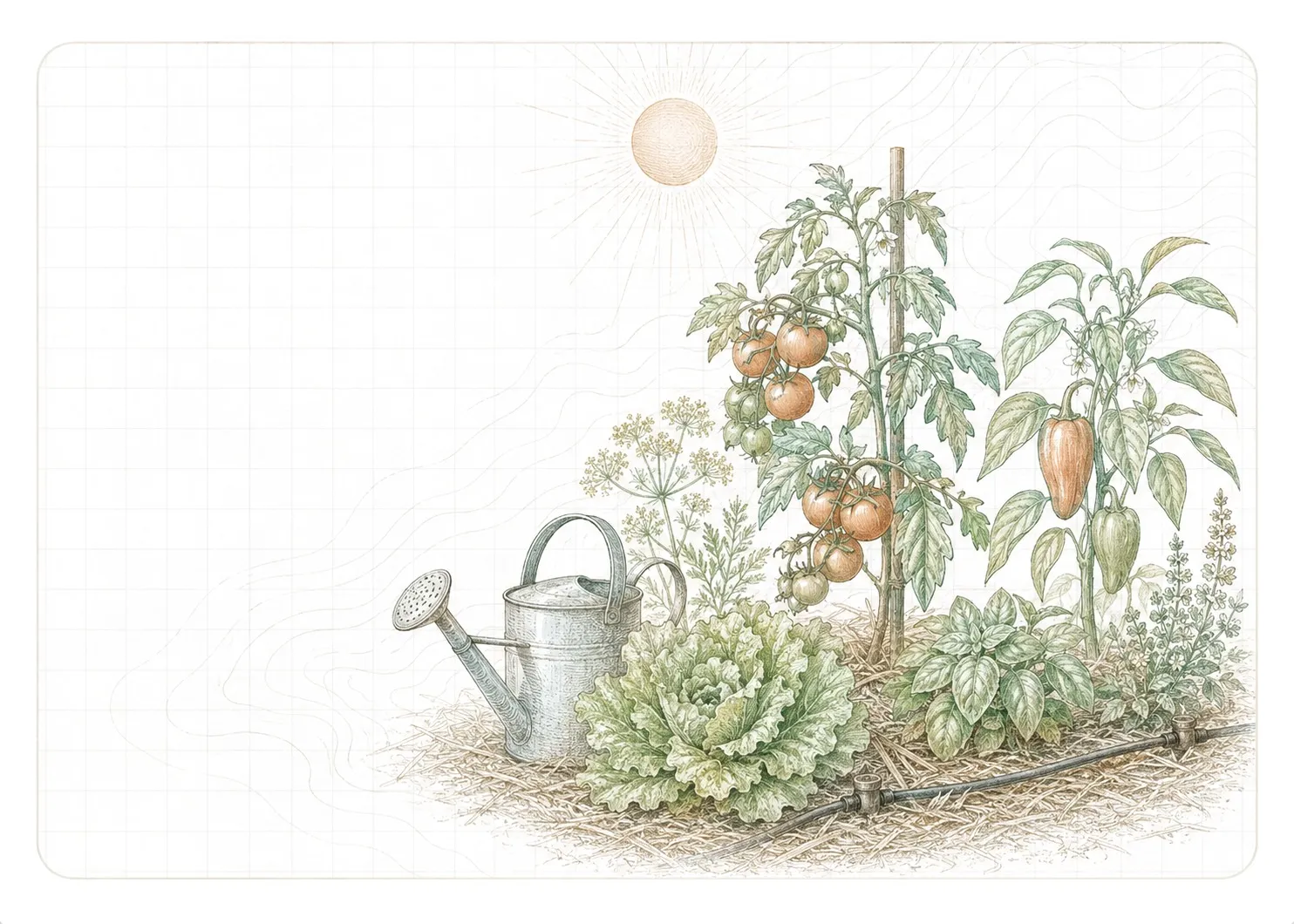
You do not have to clear the whole bed before fall planting begins. Existing tomatoes, peppers or other tall summer crops can temporarily shade tender seedlings during the hottest part of the day. UC Master Gardeners specifically note that interplanting a new crop among an existing crop can be useful in August because established foliage can protect young seedlings from intense sun.3
Just remember that the old and new crops are sharing water, nutrients and root space. Give young plants enough room to establish, and remove the summer crop when it is clearly finished.
Think in harvests, not planting dates
A fall garden works best when you picture what you want to harvest and then stagger plantings. Instead of sowing every lettuce seed on one day, plant a small section and repeat later. Do the same with radishes, beets and other quick crops. That spreads the harvest and keeps one successful planting from turning into more produce than you can use at once.
The takeaway
August is not the end of the gardening year. For many gardeners it is the beginning of the next one. Keep the summer crops that are still producing, identify the space that will open next, and use plant to see which cool-season crops fit the planting window where you live.
See what you can plant now
Use the crop guides to see which fall crops fit your location before you sow or transplant.
This is the part we are building into plant, an iOS app that carries your garden through the season: frost alerts the morning of, a harvest journal, and a planting calendar tuned to your zone. See what we are building.
Sources
[1] UC Master Gardeners of Santa Clara County, Vegetable Planting Chart. ucanr.edu
[2] UC Master Gardener Program of Alameda County, Your Alameda County Garden, Month-by-Month. ucanr.edu
[3] UC Master Gardener Program of Alameda County, Cool Weather Vegetable Gardening: Late Summer or Early Fall is the Time to Plan and Plant. ucanr.edu
All sources accessed August 17, 2026.