Today · in your zone
What's happening right now
Your cherry tomato harvest window is open through Nov 26.
Tap to switch. plant calibrates to where you are in the journey.
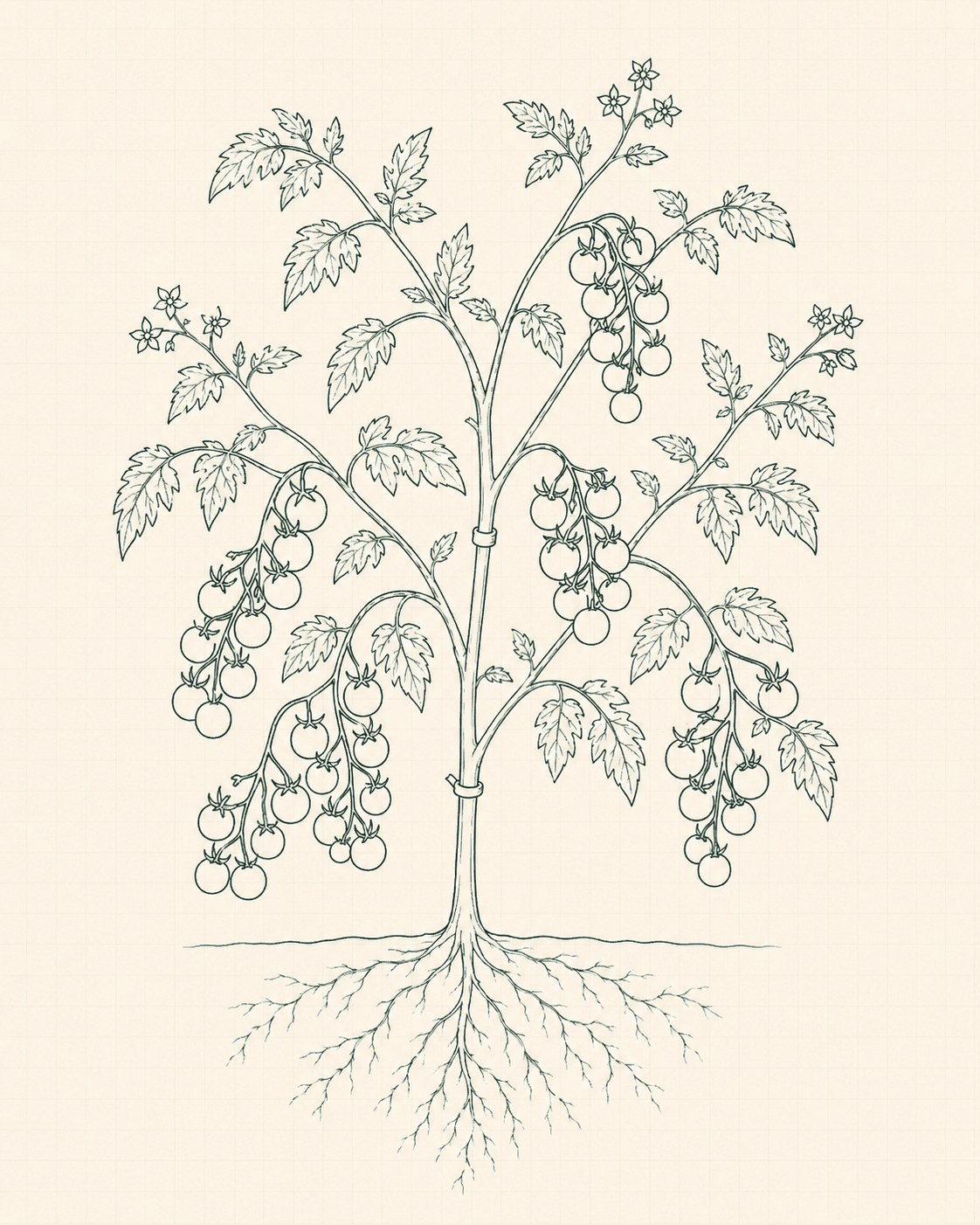
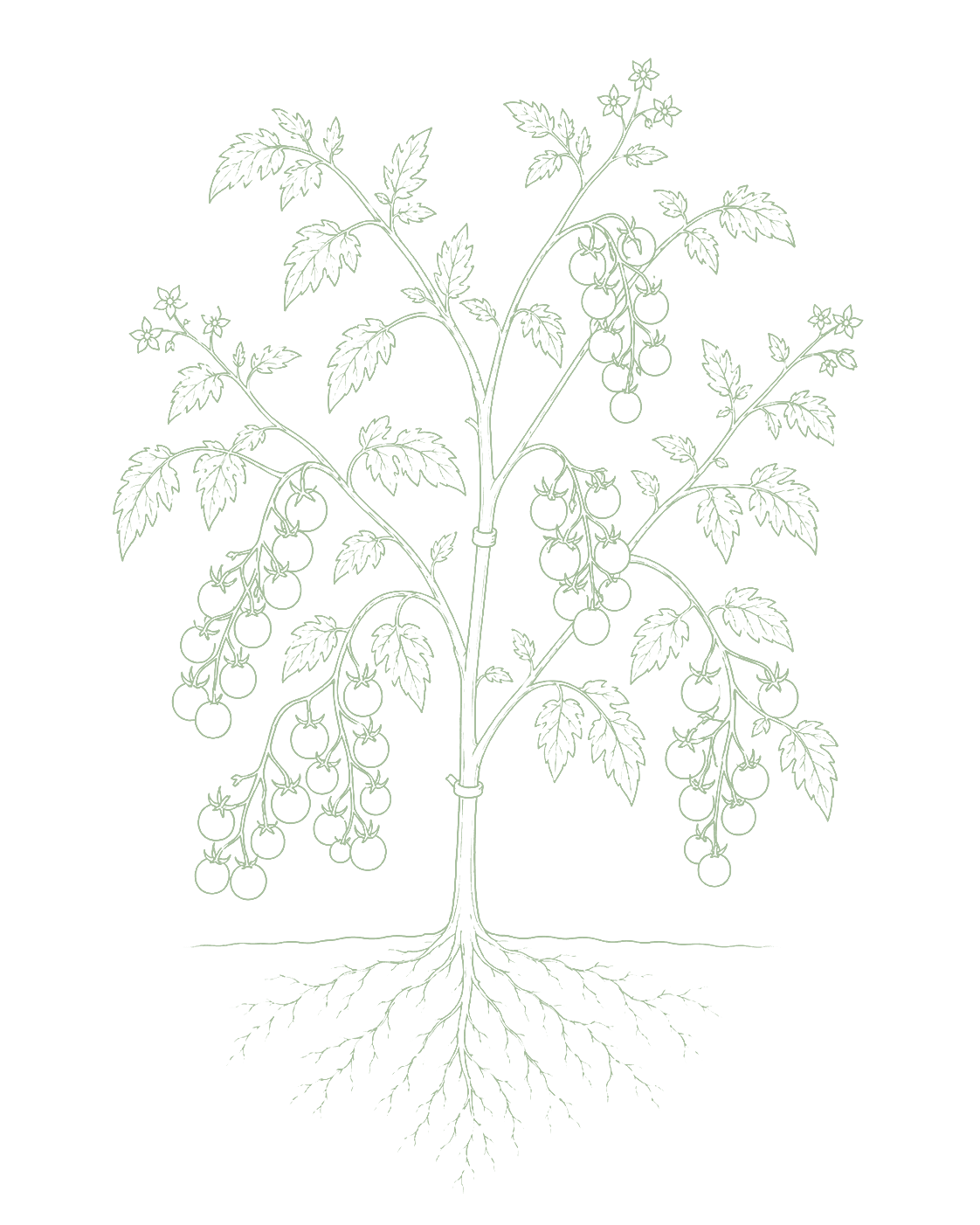
The easiest tomato to start with, and there's a specific reason why. Most cherry tomatoes are indeterminate, meaning the plant keeps producing new flower clusters and fruit continuously from early summer until frost, instead of ripening everything at once and stopping. One plant can give you handfuls of tomatoes over 10-14 weeks. That same continuous growth habit also means the plant recovers better from uneven watering or a missed feeding than a tomato that puts everything into one big harvest. Modern hybrid varieties like Sun Gold and Sweet 100 also have built-in disease resistance, which lowers the chances of losing a plant to blight. If you're in a cold zone (3-5), look for short-season varieties labeled under 60 days to maturity. If you're in a warm zone (9-11), you can get a second round of tomatoes by planting again in late summer. For containers or small spaces, compact varieties like Patio Choice or Tumbling Tom are the right pick. Cherry tomatoes are the most forgiving class in the tomato family for first-season growers, for a specific biological reason: most are indeterminate, meaning they continue producing new flower clusters and fruit continuously from first flowering until frost kills the plant. A single healthy plant can yield fruit over 10-14 weeks rather than all at once. The category spans a wide range: round cherries, pear-shaped types, elongated Romas, and cocktail-sized varieties, with fruit sizes from under half an inch to golf-ball. Most modern hybrid cherries (Sun Gold, Sweet 100, Supersweet 100) are also bred for disease tolerance, which further lowers the failure risk. Compact determinate cultivars such as Patio Choice and Tumbling Tom are suited to containers and small-space gardens. In warm climates (zones 9-11), second plantings in late summer can extend harvest into winter. In the coldest growing zones (3-5), short-season varieties (under 60 days to maturity) are the practical choice.
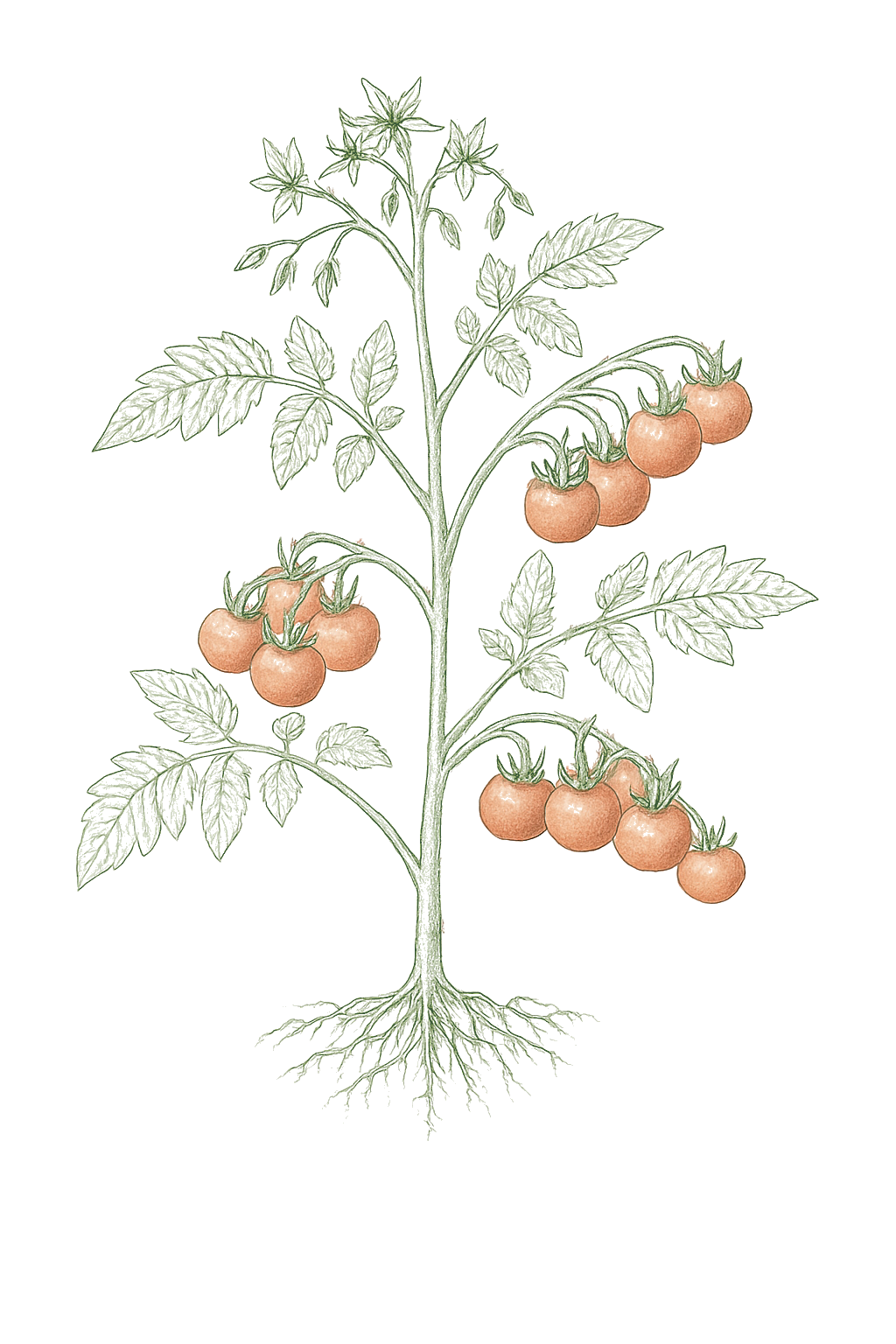
Your cherry tomato harvest window is open through Nov 26.
In Zone 8, cherry tomato can be planted March through April, then again July. Start indoors Feb 11 - Feb 25. Harvest runs May through June.
One planting gives you tomatoes all summer until frost kills the plant, no need to replant mid-season. If you're in a warm climate like Zone 9 or warmer (think Southern California, Phoenix, or South Florida), you can start a second planting in late summer for a fall and winter harvest.Not a true succession crop, one planting produces all season. In Zone 9+ you can start a second batch in late summer for a winter harvest.
In Zone 8, cherry tomato can be planted April through May. Start indoors Feb 18 - Mar 4. Harvest runs June through December.
In Zone 8, cherry tomato can be planted May. Start indoors Mar 20 - Apr 19. Harvest runs June through November.
In Zone 8, cherry tomato can be planted April through May, then again July through August. Start indoors Mar 4 - Mar 18. Harvest runs June through June.
One planting gives you tomatoes all summer until frost kills the plant, no need to replant mid-season. If you're in a warm climate like Zone 9 or warmer (think Southern California, Phoenix, or South Florida), you can start a second planting in late summer for a fall and winter harvest.Not a true succession crop, one planting produces all season. In Zone 9+ you can start a second batch in late summer for a winter harvest.
In Zone 8, cherry tomato can be planted April through May, then again July. Start indoors Feb 27 - Mar 13. Harvest runs June through June.
One planting gives you tomatoes all summer until frost kills the plant, no need to replant mid-season. If you're in a warm climate like Zone 9 or warmer (think Southern California, Phoenix, or South Florida), you can start a second planting in late summer for a fall and winter harvest.Not a true succession crop, one planting produces all season. In Zone 9+ you can start a second batch in late summer for a winter harvest.
In Zone 8, cherry tomato can be planted March through April, skipping the summer heat. Start indoors Feb 15 - Mar 1. Harvest runs June through June.
In Zone 8, cherry tomato can be planted April, skipping the summer heat. Start indoors Feb 18 - Mar 4. Harvest runs June through June.
In Zone 8, cherry tomato can be planted March through April, then again July through August. Start indoors Feb 5 - Feb 19. Harvest runs May through June.
One planting gives you tomatoes all summer until frost kills the plant, no need to replant mid-season. If you're in a warm climate like Zone 9 or warmer (think Southern California, Phoenix, or South Florida), you can start a second planting in late summer for a fall and winter harvest.Not a true succession crop, one planting produces all season. In Zone 9+ you can start a second batch in late summer for a winter harvest.
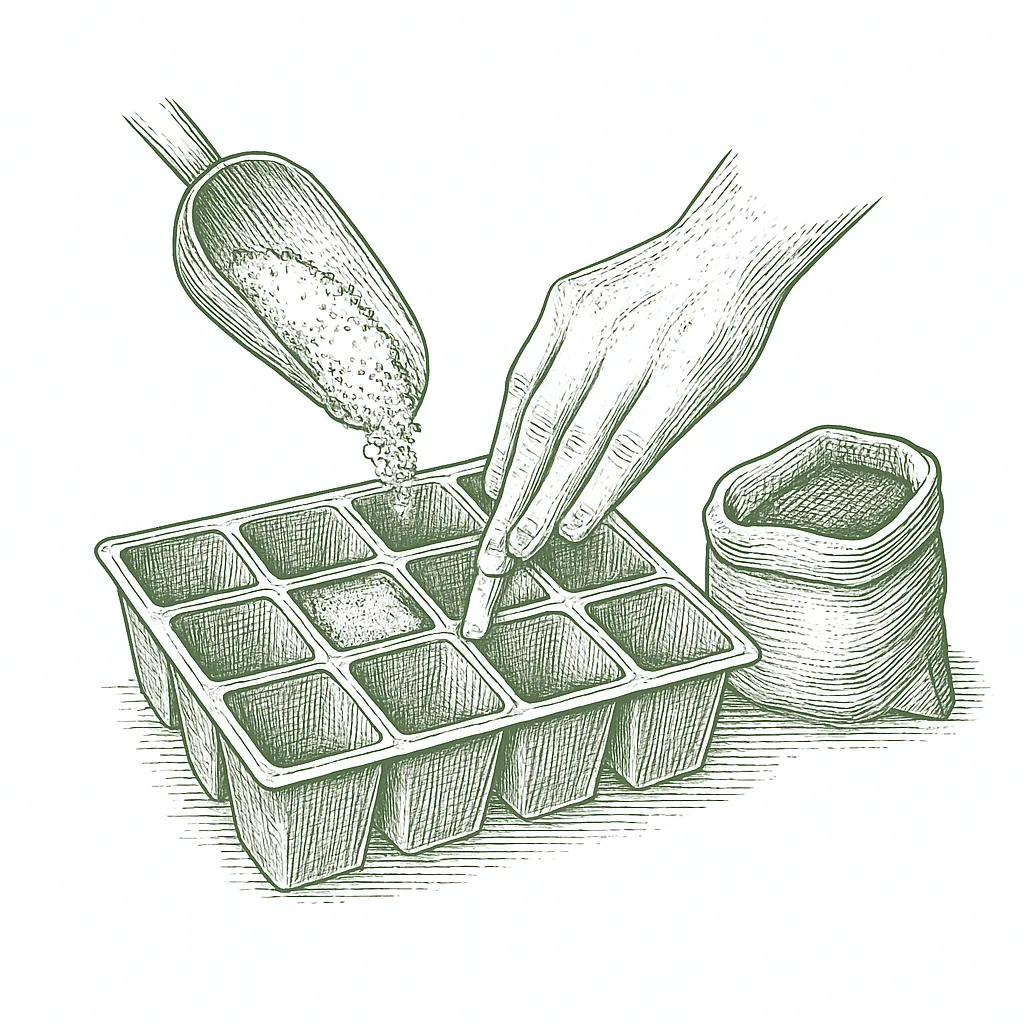
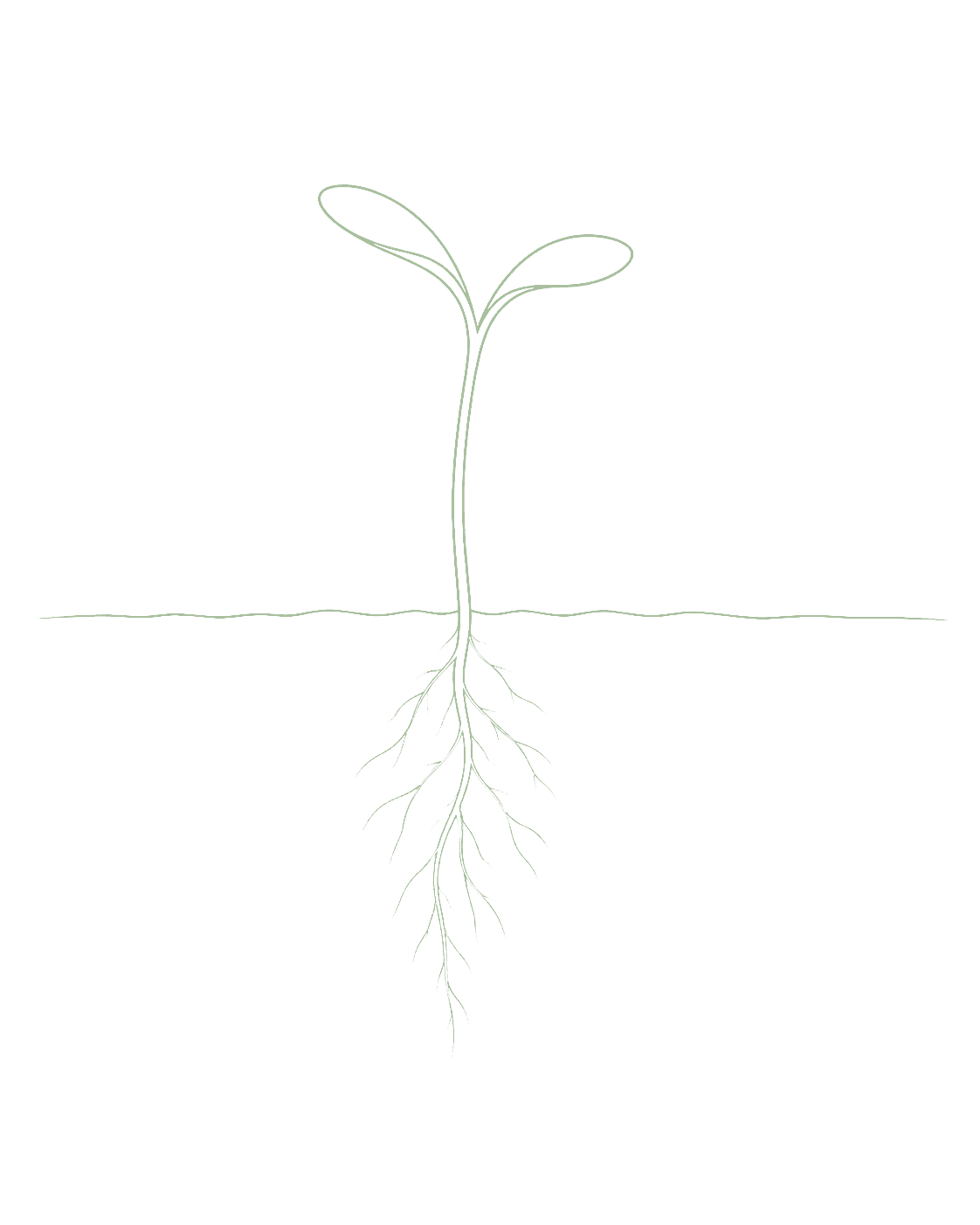
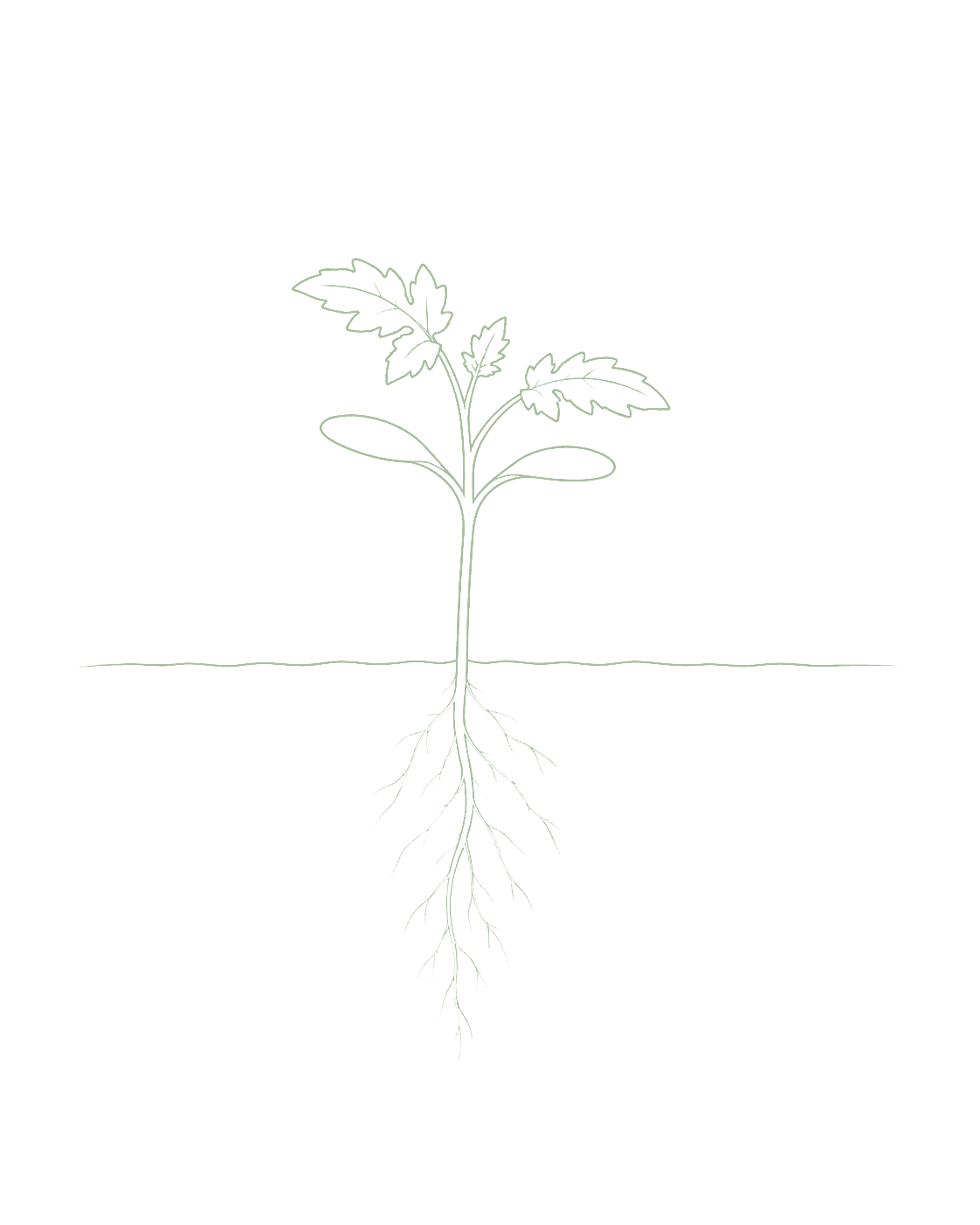
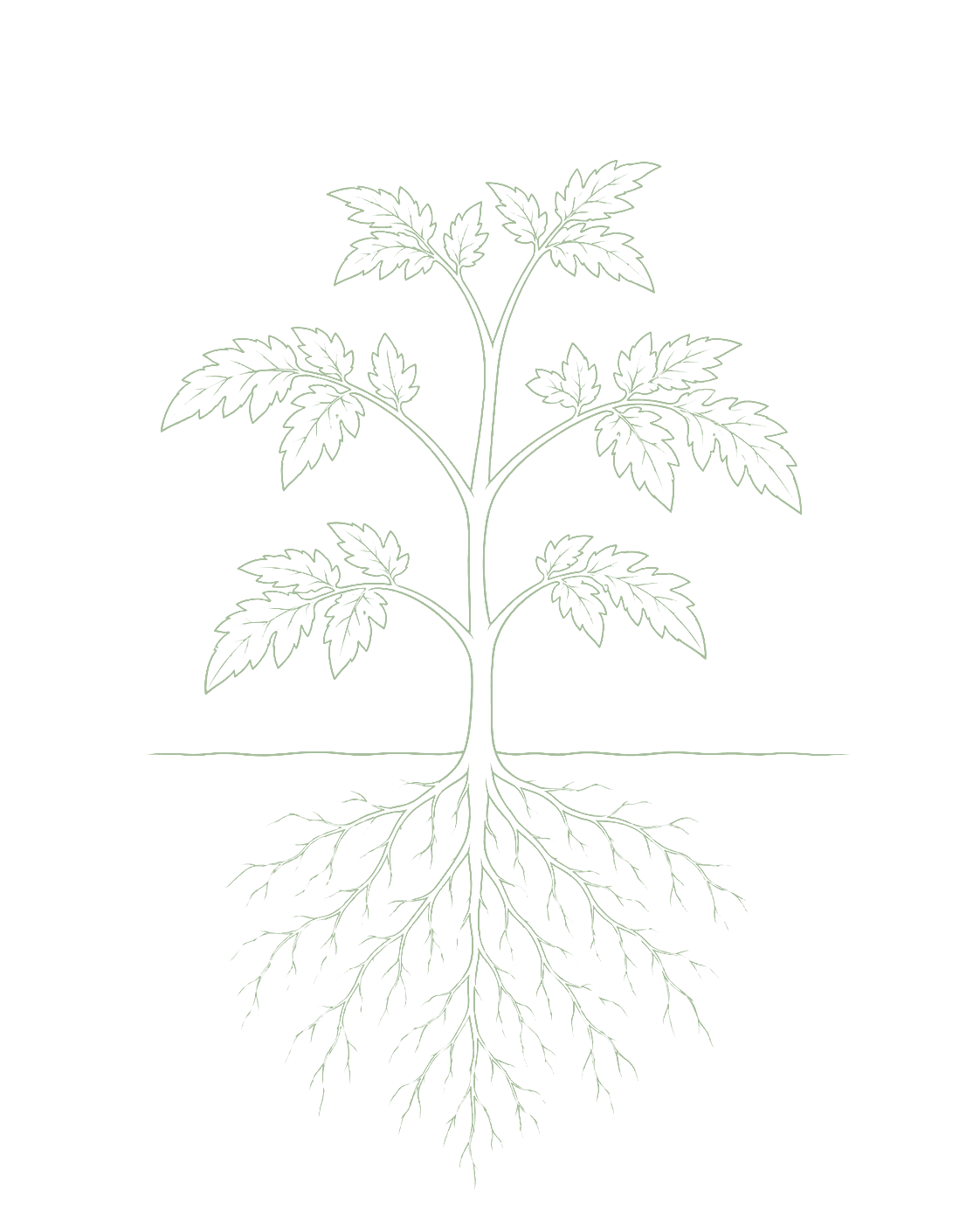
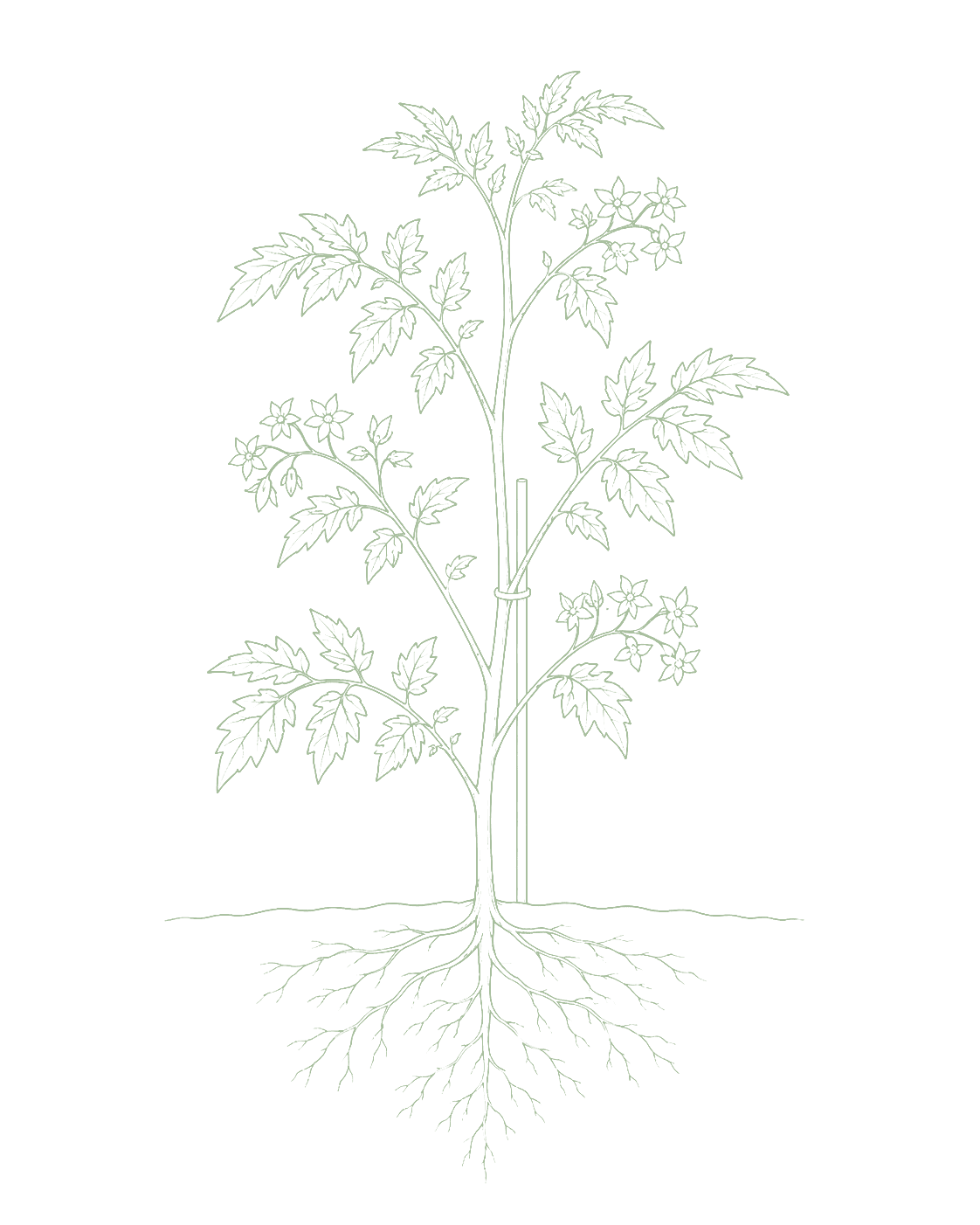
Start seeds indoors 6 to 8 weeks before your last frost date (look yours up if you don't know it, as it varies by 6 to 8 weeks across zones). When you transplant, dig a deeper hole than the pot and bury the stem right up to the lowest set of leaves, as new roots form all along the buried stem and make for a stronger, more drought-tolerant plant from the start.Start indoors 6-8 weeks before last frost. Harden off over 7-10 days before transplanting. Transplant deep: bury stem up to lowest leaves to encourage roots.
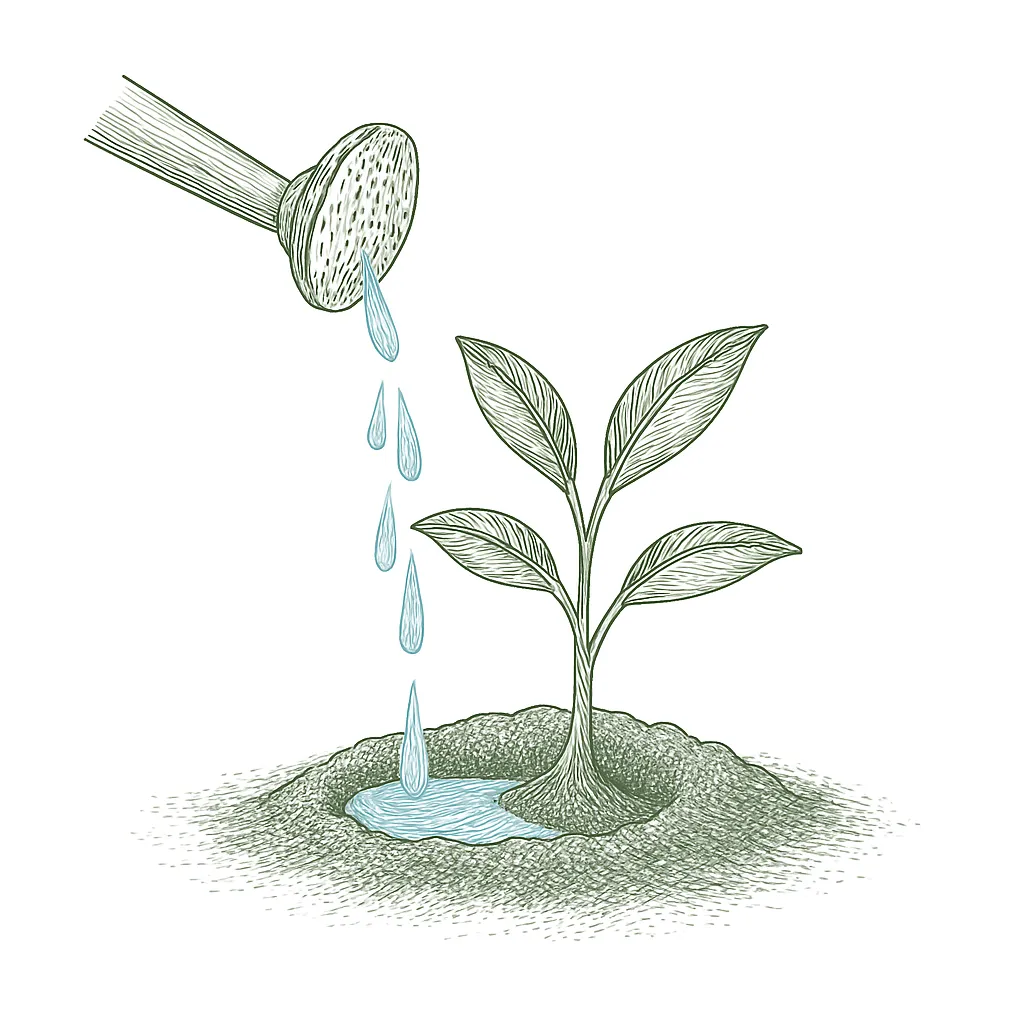

Not sure what soil you have? Grab a small handful of damp soil from your garden bed and squeeze it. If it crumbles apart easily, it's sandy. If it holds together but breaks when you poke it, it's loam (what most vegetables want). If it stays in a hard, slippery ball, it's clay.
Cherry tomatoes want soil that drains well and is rich in organic matter. If water sits on top of your bed after rain or stays soggy for more than a day, drainage is a problem, soggy roots will rot even if the soil is otherwise good. The easiest fix for most soils is to work in 2 to 3 inches of compost before planting, which improves both drainage and fertility at once. Tomatoes are heavy feeders, so starting with rich soil means less fertilizing mid-season.
Mix 2-3 inches of compost into the top 6 inches of your bed before planting. Compost holds moisture (which sandy soil drains too fast) and adds the nutrients sandy soil tends to lack. Repeat each season. Compost breaks down over time.
Mix 2-3 inches of compost AND a few inches of coarse sand or perlite into the top 6 inches of your bed. The compost feeds the plants; the sand breaks up the clay so air and water can move through. Don't add sand without compost. It can compact like concrete.
If amending your soil sounds like too much work, or if your soil is heavy clay, full of rocks, or contaminated, build over it. A raised bed at least 12 inches deep filled with a 50/50 mix of compost and sandy loam gives you ideal growing soil with no battles. A 5-gallon container with quality potting mix does the same for one plant at a time. Both bypass your native soil entirely.
The numbers that matter, at a glance.
Soil pH is a measure of acidity on a scale from 1 to 14, where 7 is neutral. Tomatoes need it between about 6.0 and 6.8, the slightly acidic range where the nutrients they need are most available. Soils in the interior West (Arizona, Nevada, Utah, Colorado) often run alkaline (above 7), which can cause nutrient problems even when fertilizer is applied; growers in those regions often need to add sulfur before planting. Eastern and Midwestern soils are often naturally in the right range, but a $10 soil test from your local extension office tells you for certain.Tomatoes are particularly sensitive to pH because it governs the solubility of phosphorus, calcium, and magnesium, three nutrients they consume in large quantities. At pH below 5.5, manganese and aluminum become increasingly available at phytotoxic levels; blossom-end rot risk rises as calcium uptake is impaired. Above 7.0, iron and manganese deficiencies drive interveinal chlorosis on younger leaves. In the alkaline soils common across the interior West and alkaline-irrigation regions, growers routinely need to acidify before planting. Eastern soils often run naturally in the preferred range; Pacific Northwest soils vary widely by parent material.
When you see the first flowers opening, switch fertilizers. Use a balanced or all-purpose fertilizer early in the season, then switch to a tomato-specific or high-potassium fertilizer once flowers appear. Too much nitrogen (the first number on the package) after flowering pushes the plant to grow more leaves instead of fruit.Switch from balanced to high-potassium feed at flowering. Too much nitrogen produces leafy plants with little fruit.
Look for three numbers on the fertilizer bag: those are the NPK ratio (nitrogen, phosphorus, potassium). For fruiting tomatoes, you want the third number to be the highest: something like 5-10-10 or 8-32-16 works well.high K, e.g. 5-10-10 or 8-32-16
Most tomato companion advice is garden tradition rather than tested fact. The clearest exception is marigolds, which can cut down on root pests, but only when planted thickly as a cover crop a couple of months ahead, not scattered among the tomatoes. In practice: keep fennel away, keep tomatoes away from their relatives like potatoes and eggplant if disease has been a problem for you, and try nasturtiums as a trap for aphids if aphids gave you trouble in past seasons. Cherry tomato companions are dominated by traditional lore with selective extension backing. The marigold/nematode connection is the best-documented pairing in this crop's companion set, effective as a dense pre-season cover crop, not as scattered concurrent interplanting. For most growers, the practical guidance is straightforward: avoid fennel, keep tomatoes away from other Solanaceae family members (potatoes, eggplant) if disease pressure is a concern in your region, and consider nasturtiums as an aphid trap crop if aphid pressure was a problem in past seasons.
Pick when the tomato is fully colored all the way through, red, yellow, orange, or black depending on what you planted, and gives just slightly to a gentle squeeze. The skin shifting from shiny to slightly matte is a reliable visual cue that it's ready. A ripe tomato should twist off easily; if you have to pull hard, give it one more day. Try to harvest in the morning when it's cooler, as tomatoes held in hot sun deteriorate faster.Pick when fully colored, red, yellow, orange, or black depending on variety, and slightly soft to a gentle squeeze. Full color indicates that lycopene synthesis (in red types) or anthocyanin and carotenoid accumulation (in other types) is complete, which correlates with peak sugar content and flavor volatiles. The fruit should detach with a slight twist rather than requiring pulling; resistance to easy separation means the abscission zone has not yet fully formed. The skin losing its sheen is a reliable visual cue: the epidermis transitions from a taut, reflective surface to a slightly matte finish as cell turgor shifts during final ripening. Harvest in the morning when temperatures are cooler, as fruit held at 90°F+ deteriorates faster than fruit harvested and moved to shade.
About 4 to 8 pounds of fruit per plant over the season, and cherry types often land at the higher end when conditions are good. Vining (indeterminate) plants keep producing until frost; bushier (determinate) plants give one big flush and then taper off.4-8 lbs over the season per plant, with cherry-type hybrids commonly producing at the upper end of that range under good conditions. Indeterminate varieties continue producing until frost; determinate cherry types produce a concentrated flush and then taper off.
At its peak, a healthy vining plant gives you a generous bowlful every 2 to 3 days. Production is not steady: it builds up after the first few tomatoes, peaks in the hottest weeks of summer, then slows down as the season cools and the days get shorter.At peak a healthy indeterminate plant yields a generous bowlful every 2-3 days. Production is not linear: it accelerates from first harvest, peaks in the hottest weeks of summer, and then slows in late season as temperatures drop and days shorten. Your first year, expect to land somewhere in the lower part of the range while you learn what your specific spot needs. The four things that make the biggest difference are sun (at least 6 hours of direct sun daily), consistent watering, good soil, and catching pest or disease problems early. If you're picking enough tomatoes to fill a salad bowl every week or two, that is a real first-season success.First-season plants often yield at the low end of the range as growers learn site-specific conditions. Soil organic matter, sun hours, consistent watering, and timely disease response each contribute materially to where within the 4-8 lb range a plant lands. Getting enough tomatoes to fill a salad bowl regularly is a genuine first-season success.
Cherry tomatoes come in a few shapes: round, pear-shaped, and slightly larger elongated types called cocktail tomatoes. All are grown the same way. If you're not sure which to try, Sungold is a popular first choice with a sweet, complex flavor. Juliet is a common elongated type that holds up well on the vine.Cherry-class tomatoes include round cherry, pear-shaped, and cocktail (elongated cherry) types, cultivation is the same across all. Sungold is consistently rated the best-tasting cherry tomato by home gardeners worldwide. Juliet is the most common cocktail tomato.
Move your tomatoes to a different part of the garden each year, and don't come back to the same spot for at least 3 years. Soil diseases, including the wilts and blights that affect tomatoes, can survive in the soil or on old plant debris for multiple seasons. Rotation is the main tool home gardeners have to keep these in check. The same rule applies to peppers, eggplant, and potatoes: they share the same diseases, so avoid planting any of them where tomatoes grew recently.Rotate nightshades to a fresh bed every 3 years minimum. Soilborne pathogens, particularly Fusarium wilt (Fusarium oxysporum f. sp. lycopersici), Verticillium wilt, and early blight (Alternaria solani), can persist in soil or on plant debris for multiple seasons. Fusarium and Verticillium are soil-systemic and resistant to most home-garden interventions once established; the primary management tool for the home gardener is rotation combined with resistant varieties. Avoid planting tomatoes after any Solanaceae crop (peppers, eggplant, potatoes), as these share the same pathogen suite.
The plant app sends a timely reminder at every critical moment of your cherry tomato season. The wording adjusts to whichever you pick: beginner or seasoned. Here are three you'll see in Zone 8.
plant sends the right notification at exactly the right moment, for your zone, your weather, your crops. Founding members lock the rate forever.
We're building this guide with real growers. Got a question we missed? Ask here. We read every one and add the best answers right to this page.
Learned something the hard way? Pass it on. Real growers' tips make this guide better for the next person, and we credit you by name when yours goes live.
If you've grown this crop and you see a date, a temperature, a companion claim, or a recommendation that doesn't match your experience, tell us. Real growers' corrections make this guide better for the next person.
Every date, temperature, spacing, and recommendation on this page is sourced from university cooperative extension publications, peer-reviewed agricultural research, NOAA climate data, and direct extension calendars. Where claims are softer (traditional gardening wisdom not formally documented), we say so.
Spot a data point that doesn't match your experience? Submit a correction; accepted corrections earn full author credit on the page.
Zone-aware seasonal nudges, what's worth planting now, and the occasional recipe from the harvest. No spam, ever.