Today · in your zone
What's happening right now
Off-season for dill in zone 9.
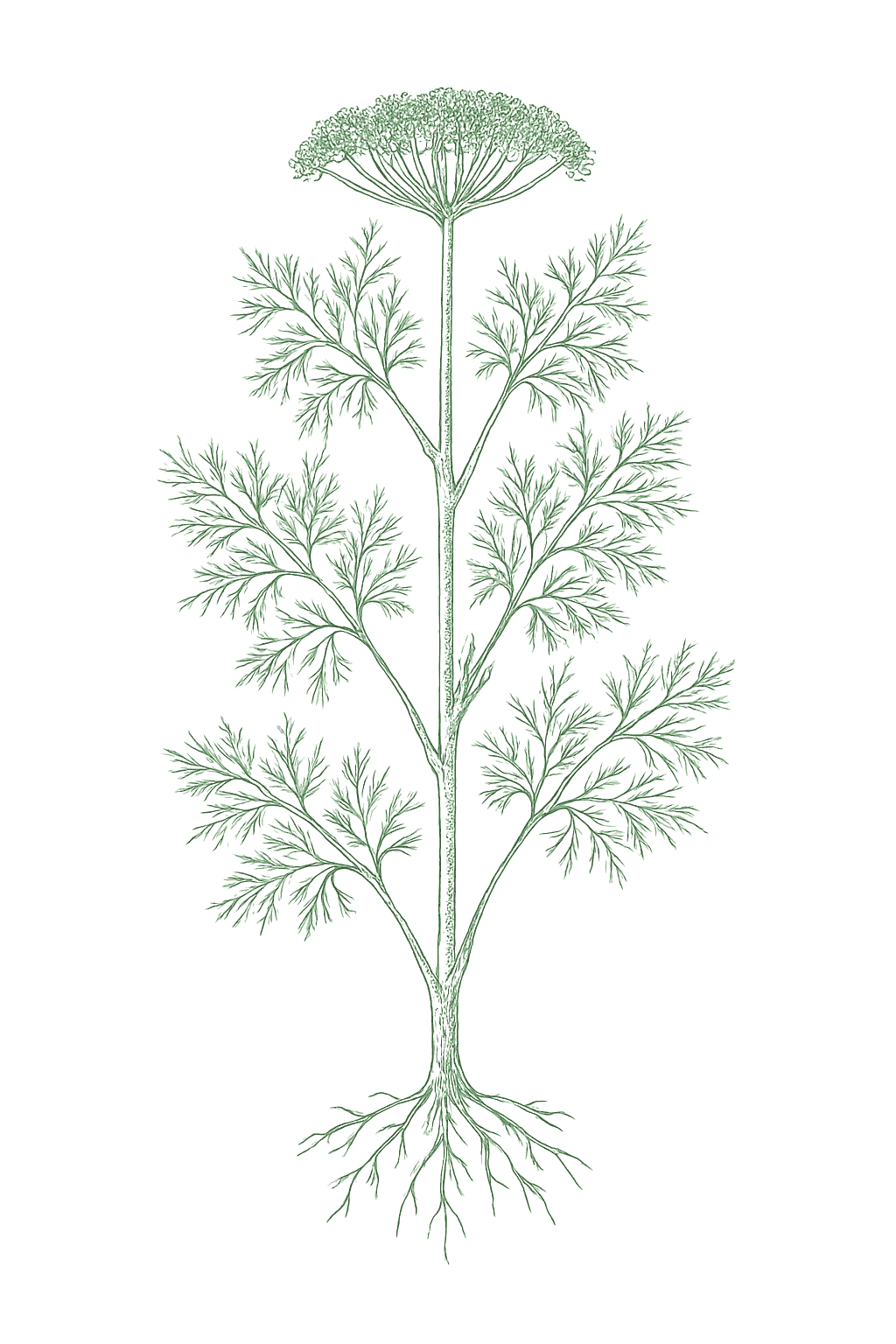
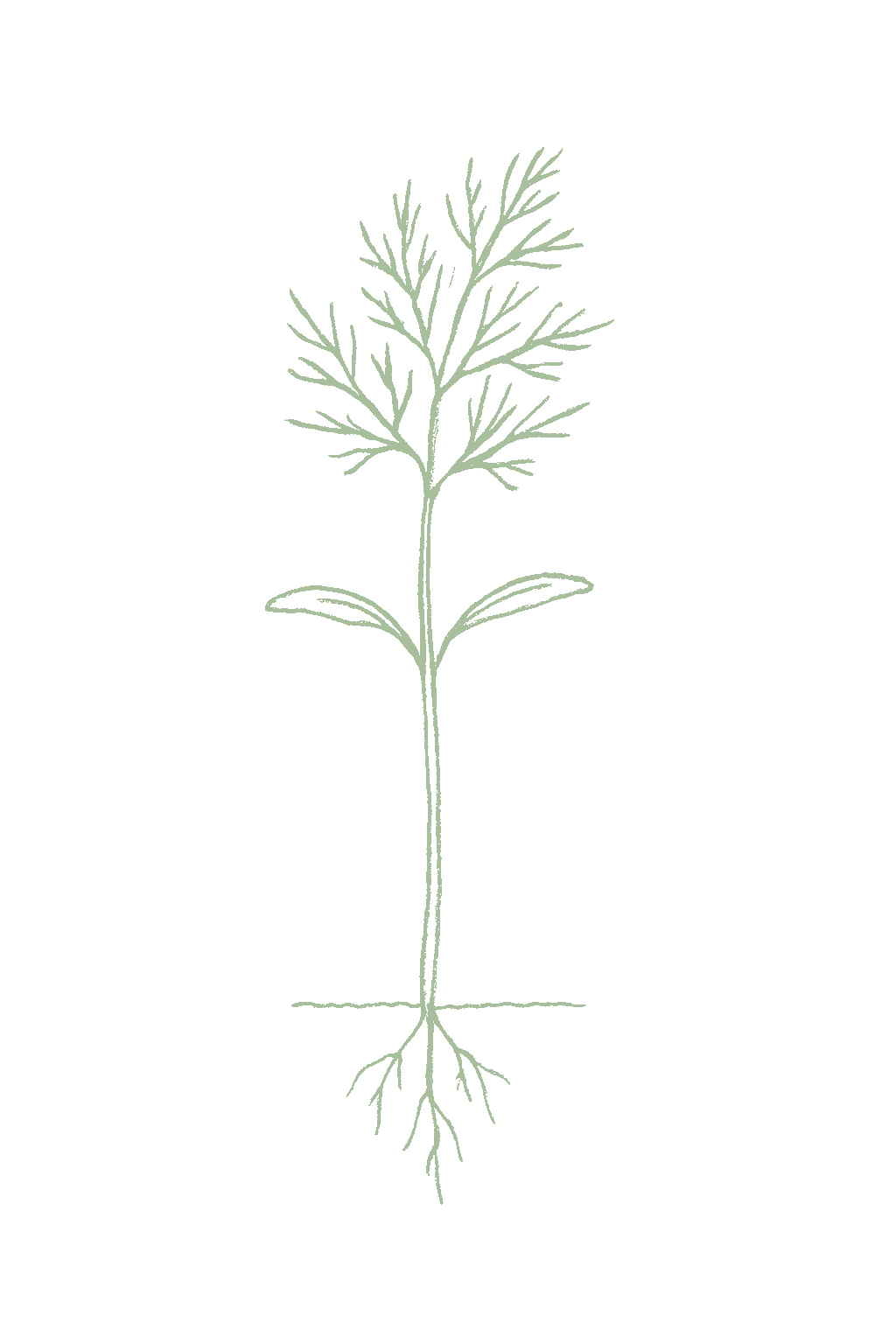
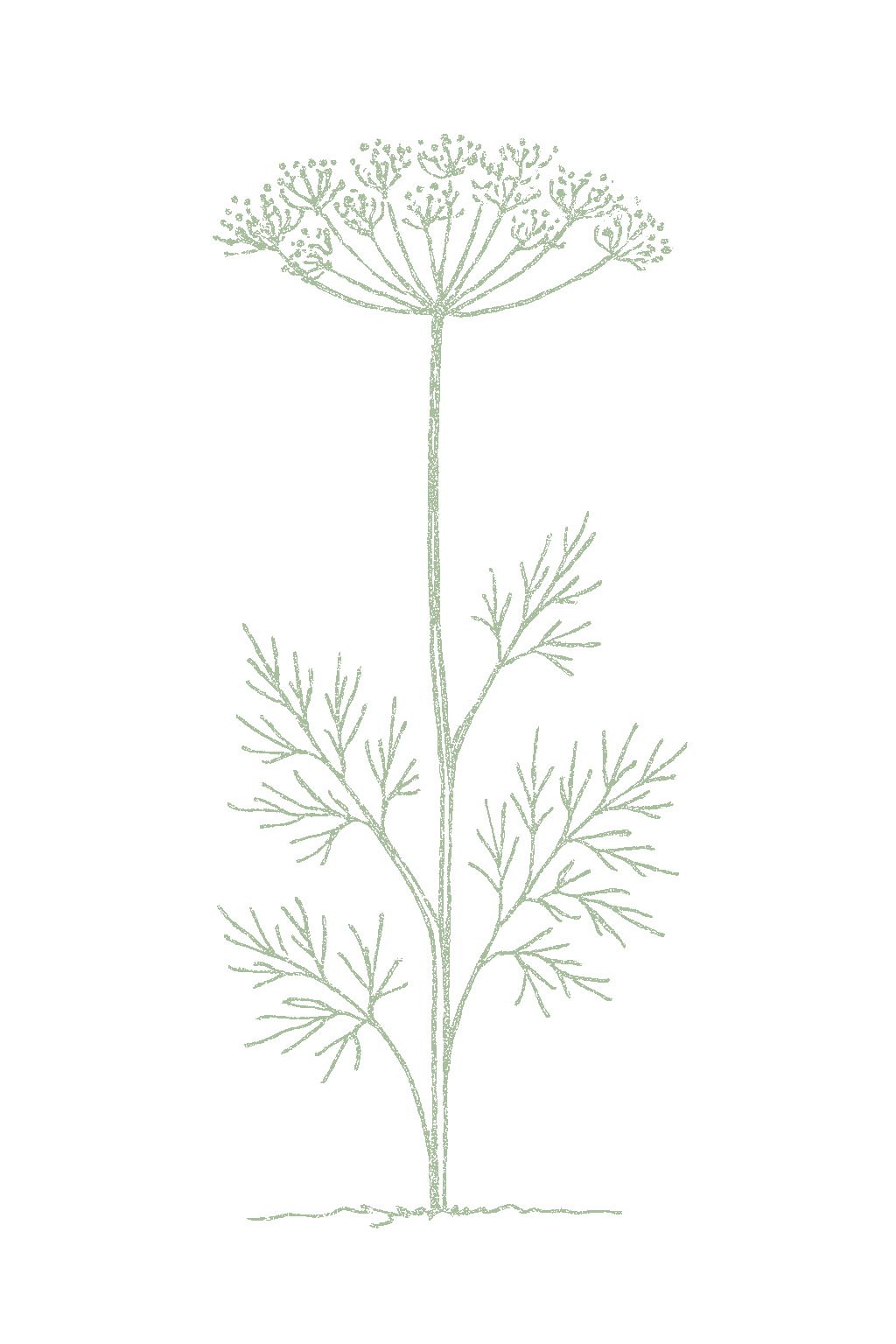
Dill gives you two things from one plant: the soft feathery leaves are dill weed, and the flower heads and seeds are what you use for pickling and as a spice. Like cilantro, and unlike warm-season herbs such as basil, dill is a cool-leaning plant. Young plants handle a light frost, but once summer heat and long days arrive it bolts, sending up a tall flower stalk that can reach up to 4 feet, and leaf growth slows. So the trick is to grow it for leaves in the cooler parts of the year, spring and again in late summer for fall, and to let the summer plants flower for seed heads. Sow a little every 2 to 3 weeks, since each plant bolts after a while, and plant the seeds right in the garden because dill does not like being moved. It is fast, easy, and reseeds itself, so once you grow it you often get volunteers the next year. And when it bolts, you get dill heads for pickling and dried dill seed. Dill (Anethum graveolens) is an annual herb in the carrot family (Apiaceae) grown for two products from one plant: the feathery leaves are the herb dill weed, and the flower heads and dried seed are used for pickling and as the spice dill seed. Like cilantro, and unlike warm-season herbs such as basil, dill is a cool-leaning crop that bolts once summer heat and long days arrive, sending up a tall flower stalk (the plant reaches up to 4 feet in flower) above roughly 75 to 80°F. That shapes how it is grown: the leaf crop favors the cool shoulders of the year, spring and especially a late-summer-into-fall sowing, while the heat of summer is when growers let it run to seed and pickling heads rather than leaves. Because the bolt is fast and inevitable in warmth, dill is a succession crop, sown in small batches every 2 to 3 weeks so fresh, pre-bolt plants keep coming. It is direct-sown (a slender taproot resents transplanting), young plants tolerate light frost, and it self-sows so readily that a patch often returns on its own. It is easy and largely trouble-free, with the black swallowtail caterpillar a welcome visitor as much as a pest. The grower's real skill is timing the leaf crop into the cool seasons and treating the summer bolt as the start of the seed-and-pickling harvest rather than a failure.
Off-season for dill in zone 9.
Zone 9 averages a last frost around March 1. Within Zone 9, the colder half (9a, winters down to 20°F) runs about a week later. The warmer half (9b, winters down to 25°F) runs about a week earlier. The plant app picks your subzone from your ZIP.
| Subzone | Last spring | First fall | Growing days | Winter min | Fruits reliably |
|---|---|---|---|---|---|
| 9a | Mar 8 | Nov 24 | ~261 | 20-25°F | Yes · two seasons |
| 9b | Feb 28 | Nov 30 | ~275 | 25-30°F | Yes · two seasons |
Averages from 8 weather stations per subzone, drawn from NOAA 1991-2020 Climate Normals. Your actual frost date can vary by up to two weeks based on elevation, proximity to water, and local topography.
In Zone 9, dill can be planted October through March, skipping the summer heat. Harvest runs April through January.
Sow a little dill every 2 to 3 weeks instead of all at once, so you always have fresh leaves before it bolts. Do this in spring and again in late summer for fall. In hot areas, skip high summer for leaves and keep sowing through the cool months, and let summer plants make seed heads.Dill is a natural succession crop: it matures fast and bolts once summer heat and long days arrive, so one sowing fades in a few weeks. Sow a short row every 2 to 3 weeks through the cool windows, spring until heat sets in, and again from late summer through fall, which gives a strong second leaf crop. In hot regions skip high summer for leaves and succession-sow through the cool fall, winter, and spring, letting any summer plants run to seed and pickling heads.
In Zone 9, dill can be planted October through January, skipping the summer heat. Harvest runs February through March.
Sow a little dill every 2 to 3 weeks instead of all at once, so you always have fresh leaves before it bolts. Do this in spring and again in late summer for fall. In hot areas, skip high summer for leaves and keep sowing through the cool months, and let summer plants make seed heads.Dill is a natural succession crop: it matures fast and bolts once summer heat and long days arrive, so one sowing fades in a few weeks. Sow a short row every 2 to 3 weeks through the cool windows, spring until heat sets in, and again from late summer through fall, which gives a strong second leaf crop. In hot regions skip high summer for leaves and succession-sow through the cool fall, winter, and spring, letting any summer plants run to seed and pickling heads.
In Zone 9, dill can be planted October through January, skipping the summer heat. Harvest runs February through April.
Sow a little dill every 2 to 3 weeks instead of all at once, so you always have fresh leaves before it bolts. Do this in spring and again in late summer for fall. In hot areas, skip high summer for leaves and keep sowing through the cool months, and let summer plants make seed heads.Dill is a natural succession crop: it matures fast and bolts once summer heat and long days arrive, so one sowing fades in a few weeks. Sow a short row every 2 to 3 weeks through the cool windows, spring until heat sets in, and again from late summer through fall, which gives a strong second leaf crop. In hot regions skip high summer for leaves and succession-sow through the cool fall, winter, and spring, letting any summer plants run to seed and pickling heads.
In Zone 9, dill can be planted February through September. Harvest runs April through January.
Sow a little dill every 2 to 3 weeks instead of all at once, so you always have fresh leaves before it bolts. Do this in spring and again in late summer for fall. In hot areas, skip high summer for leaves and keep sowing through the cool months, and let summer plants make seed heads.Dill is a natural succession crop: it matures fast and bolts once summer heat and long days arrive, so one sowing fades in a few weeks. Sow a short row every 2 to 3 weeks through the cool windows, spring until heat sets in, and again from late summer through fall, which gives a strong second leaf crop. In hot regions skip high summer for leaves and succession-sow through the cool fall, winter, and spring, letting any summer plants run to seed and pickling heads.
In Zone 9, dill can be planted September through April, skipping the summer heat. Harvest runs May through February.
Sow a little dill every 2 to 3 weeks instead of all at once, so you always have fresh leaves before it bolts. Do this in spring and again in late summer for fall. In hot areas, skip high summer for leaves and keep sowing through the cool months, and let summer plants make seed heads.Dill is a natural succession crop: it matures fast and bolts once summer heat and long days arrive, so one sowing fades in a few weeks. Sow a short row every 2 to 3 weeks through the cool windows, spring until heat sets in, and again from late summer through fall, which gives a strong second leaf crop. In hot regions skip high summer for leaves and succession-sow through the cool fall, winter, and spring, letting any summer plants run to seed and pickling heads.
In Zone 9, dill can be planted March through August. Harvest runs April through November.
Sow a little dill every 2 to 3 weeks instead of all at once, so you always have fresh leaves before it bolts. Do this in spring and again in late summer for fall. In hot areas, skip high summer for leaves and keep sowing through the cool months, and let summer plants make seed heads.Dill is a natural succession crop: it matures fast and bolts once summer heat and long days arrive, so one sowing fades in a few weeks. Sow a short row every 2 to 3 weeks through the cool windows, spring until heat sets in, and again from late summer through fall, which gives a strong second leaf crop. In hot regions skip high summer for leaves and succession-sow through the cool fall, winter, and spring, letting any summer plants run to seed and pickling heads.
In Zone 9, dill can be planted February through April, then again August through September, skipping the summer heat. Harvest runs April through May.
Sow a little dill every 2 to 3 weeks instead of all at once, so you always have fresh leaves before it bolts. Do this in spring and again in late summer for fall. In hot areas, skip high summer for leaves and keep sowing through the cool months, and let summer plants make seed heads.Dill is a natural succession crop: it matures fast and bolts once summer heat and long days arrive, so one sowing fades in a few weeks. Sow a short row every 2 to 3 weeks through the cool windows, spring until heat sets in, and again from late summer through fall, which gives a strong second leaf crop. In hot regions skip high summer for leaves and succession-sow through the cool fall, winter, and spring, letting any summer plants run to seed and pickling heads.
In Zone 9, dill can be planted October through December. Harvest runs November through February.
Sow a little dill every 2 to 3 weeks instead of all at once, so you always have fresh leaves before it bolts. Do this in spring and again in late summer for fall. In hot areas, skip high summer for leaves and keep sowing through the cool months, and let summer plants make seed heads.Dill is a natural succession crop: it matures fast and bolts once summer heat and long days arrive, so one sowing fades in a few weeks. Sow a short row every 2 to 3 weeks through the cool windows, spring until heat sets in, and again from late summer through fall, which gives a strong second leaf crop. In hot regions skip high summer for leaves and succession-sow through the cool fall, winter, and spring, letting any summer plants run to seed and pickling heads.
In Zone 9, dill can be planted September through March, skipping the summer heat. Harvest runs April through February.
Sow a little dill every 2 to 3 weeks instead of all at once, so you always have fresh leaves before it bolts. Do this in spring and again in late summer for fall. In hot areas, skip high summer for leaves and keep sowing through the cool months, and let summer plants make seed heads.Dill is a natural succession crop: it matures fast and bolts once summer heat and long days arrive, so one sowing fades in a few weeks. Sow a short row every 2 to 3 weeks through the cool windows, spring until heat sets in, and again from late summer through fall, which gives a strong second leaf crop. In hot regions skip high summer for leaves and succession-sow through the cool fall, winter, and spring, letting any summer plants run to seed and pickling heads.
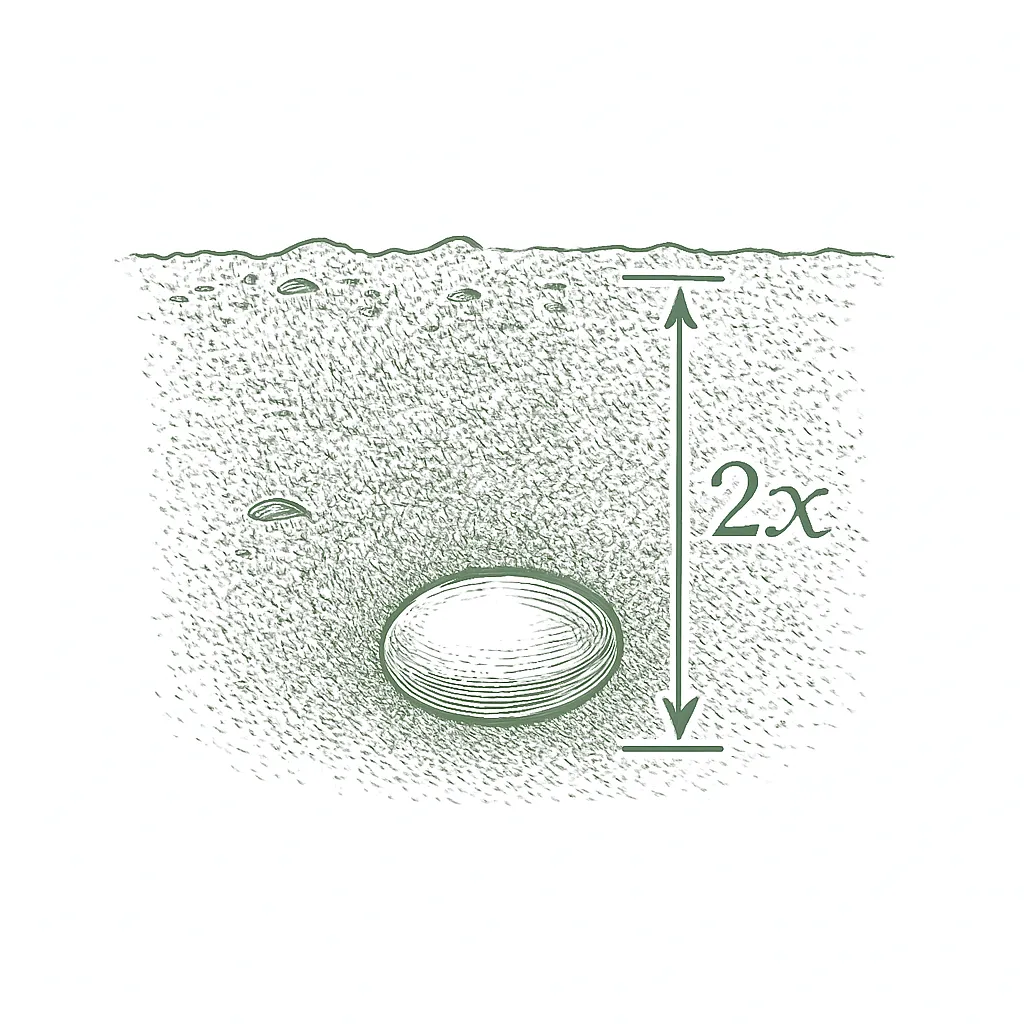
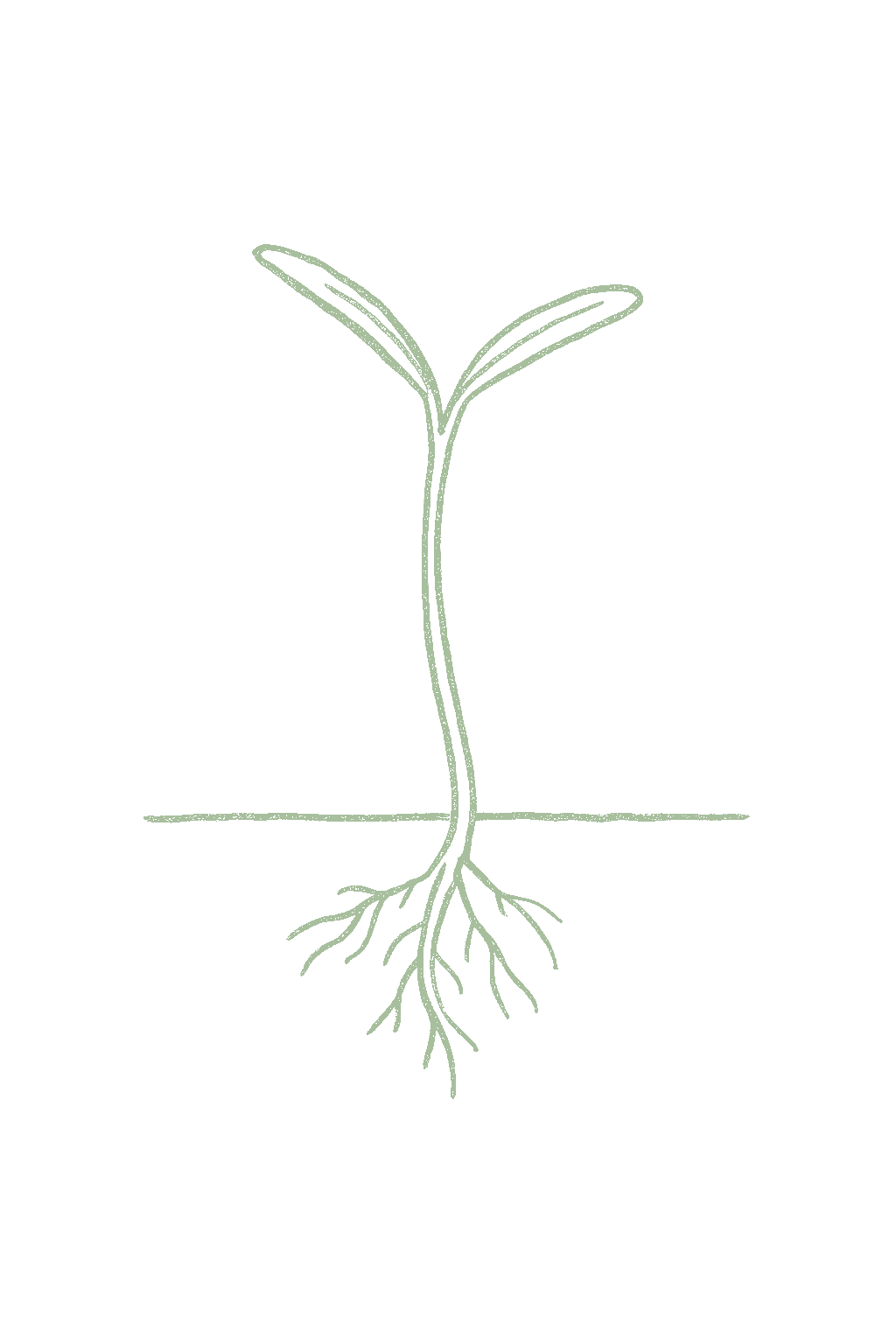
Plant dill straight in the garden from seed, because it has a deep little root and does not like being moved. Sow the seeds about a quarter inch deep as soon as the soil can be worked in spring, since young plants handle light frost. The seeds are slow, often taking two to three weeks, so keep the soil moist. Thin the plants to about 9 inches apart, and sow again every couple of weeks for a steady supply. In hot areas plant in fall through spring instead of summer, because heat makes it bolt; a summer crop is really for the seed and pickling heads.Dill is almost always direct-sown, since it forms a slender taproot and resents transplanting. Sow seed about 0.25 inch deep as soon as the soil can be worked in spring; young dill tolerates light frost, so Wisconsin Horticulture suggests sowing a week or two before the last hard frost, and it germinates slowly, often 10 to 21 days. Sow a little thicker than the final stand and thin to about 9 inches for full plants, or 4 to 6 inches for cut leaf. Succession-sow every 2 to 3 weeks for a steady leaf supply. In hot regions, shift sowing to fall through spring, since summer heat and long days bolt the crop to seed; midsummer plantings are grown for seed and pickling heads rather than leaves.
Not sure what soil you have? Grab a small handful of damp soil from your garden bed and squeeze it. If it crumbles apart easily, it's sandy. If it holds together but breaks when you poke it, it's loam (what most vegetables want). If it stays in a hard, slippery ball, it's clay.
Dill likes loose, well-drained soil and is not fussy about richness; it actually does fine in lean ground. Mix in a little compost so the soil holds some moisture but still drains freely. Heavy, soggy, or compacted soil is the main thing to avoid, since it rots the slow-sprouting seed and the deep little taproot. Steady moisture keeps the feathery leaves tender.
Mix 2-3 inches of compost into the top 6 inches of your bed before planting. Compost holds moisture (which sandy soil drains too fast) and adds the nutrients sandy soil tends to lack. Repeat each season. Compost breaks down over time.
Mix 2-3 inches of compost AND a few inches of coarse sand or perlite into the top 6 inches of your bed. The compost feeds the plants; the sand breaks up the clay so air and water can move through. Don't add sand without compost. It can compact like concrete.
If amending your soil sounds like too much work, or if your soil is heavy clay, full of rocks, or contaminated, build over it. A raised bed at least 12 inches deep filled with a 50/50 mix of compost and sandy loam gives you ideal growing soil with no battles. A 5-gallon container with quality potting mix does the same for one plant at a time. Both bypass your native soil entirely.
The numbers that matter, at a glance.
Dwarf dill makes an easy container herb. Use a pot at least 10 inches deep to fit its root, choose a compact variety like Fernleaf so it does not get too tall and tippy, and snip the feathery leaves as you need them. Keep it watered, grow it in the cool seasons, and give afternoon shade in hot weather to slow bolting.Dill grows well in a container at least 10 inches deep to fit its taproot. Standard dill reaches up to 4 feet and gets top-heavy, so choose a dwarf, slow-bolting variety such as Fernleaf for pots. Keep moisture even, since pots dry fast and drought triggers bolting, grow it in the cool seasons, and give afternoon shade in warm spells. A pot is also the easiest way to move the crop into shade or shelter as the weather turns.
BouquetThe most widely grown garden dill, productive of both leafy dill weed and large seed heads, good for pickling; reaches about 2 to 3 feet. A reliable all-purpose standard.
FernleafA compact, slow-bolting dwarf, about 18 inches, an All-America Selections winner and the best choice for containers and small spaces, with a longer leaf window before flowering.
DukatA leafy, slow-bolting type prized for high essential-oil content and sweet, strong flavor; an excellent dill-weed variety for fresh leaf harvest.
HeraA slow-bolting bunching dill bred for uniform, upright leaf production, holding in leaf longer before the seedstalk rises; a good cut-leaf choice where heat shortens the window.
In mild areas, a pot of fall-sown dill can keep growing through winter in a sheltered, sunny spot, since young dill takes light frost. In cold areas dill is not very cold-hardy, so a hard freeze will kill it; bring a small pot indoors to a bright window or simply let a plant drop seed, since dill reseeds itself readily.Dill tolerates light frost when young, so a fall-sown container can carry a leaf crop through winter in mild zones. It is less cold-hardy than the hardiest greens, and a hard freeze kills it, so in cold zones move a small pot to a bright indoor window or an unheated but protected spot, or simply rely on its heavy self-seeding to return plants in spring rather than overwintering the parent.
Ask what your balcony or roof can carry
A balcony or roof can only hold so much weight. Before you set heavy pots there, ask a building architect what it can safely carry.Illinois Extension's guidance is to consult a building architect about weight limits before placing heavy pots on a balcony or rooftop garden. It gives no weight figure.
Never grow food in a container with anything toxic in it
Many kinds of containers can be used. Whatever you choose, keep anything toxic out of it, especially if you are growing food.Colorado State accepts nearly any container material but warns against using a container that holds toxic materials, especially for edible plants. Illinois adds that a vegetable container should be free of chemicals toxic to plants or people, and urges caution with treated lumber when growing food. If you cannot account for what a repurposed container once held, that alone is a reason to keep food out of it.
Secure hanging containers well
Fasten hanging baskets and window or rail boxes securely. Think about what is below them too, since they can drip on people or things underneath.Illinois Extension asks growers to secure hanging containers well and to think through the safety issues of hanging them. Placement matters too, since a hanging container can drip onto people or belongings below.
Dill grows best in slightly acidic soil, about 5.5 to 6.5. Most garden soil is fine, and a simple soil test tells you where you stand.Aim for a soil pH of about 5.5 to 6.5, slightly acidic; Utah State University gives this as dill's ideal range. It is forgiving and still does fine up to neutral, roughly 5.5 to 7.0. Dill is not a pH-sensitive plant, so in most gardens no adjustment is needed beyond a soil-test baseline.
Dill does not need much fertilizer and even grows well in poor soil. Mix a little compost into the bed before planting, and that is usually all it needs. If the soil is poor, you can give one light feeding while the plants are young. Too much fertilizer makes dill floppy and weakens the flavor, so go easy.Dill is a light feeder and one of the few herbs that prefers lean soil; Utah State University notes that no additional nutrients are needed if the soil is amended at planting. Work a little compost in before sowing and, in poor ground, give one light feeding once the plants are growing. Avoid heavy nitrogen, which makes dill lank and floppy and can dull the aromatic oils that give the leaves and seed their flavor. A plant grown on for seed or pickling heads needs no extra feeding once it bolts.
Dill needs very little feeding. Mix compost into the soil at planting, and only feed lightly if the soil is poor.Dill is a light feeder that prefers lean soil; compost worked in at planting usually covers it, with at most one light, balanced feeding in poor ground. Avoid heavy nitrogen, which makes the plant floppy and weakens the aromatic oils.
Dill is one of the great companion herbs, mostly because of what it does when it flowers: the yellow blooms pull in hoverflies, ladybugs, lacewings, and tiny parasitic wasps that hunt aphids and caterpillars on nearby crops. It is a traditional partner for the cabbage family, where it is said to help against cabbageworms, and it interplants well with cucumbers, onions, lettuce, and corn. Keep it away from fennel, which can cross-pollinate it, and from carrots, its close relative. Most of dill's companion value is real but indirect: allowed to flower, dill (an Apiaceae umbel) is a strong insectary plant, recruiting hoverflies, ladybugs, lacewings, and parasitoid wasps that suppress aphids and caterpillars on neighboring crops, an effect extension IPM guidance leans on. It is a traditional companion for brassicas (cabbage, broccoli, kale), where folklore credits it with deterring cabbageworms, plausible via the beneficials it draws but not measured as a direct effect; it also interplants with cucumbers, onions, lettuce, and corn. The well-grounded cautions are its own carrot-family relatives: fennel and carrots, which can cross-pollinate dill where they flower together, and which share Apiaceae pests on rotation grounds.
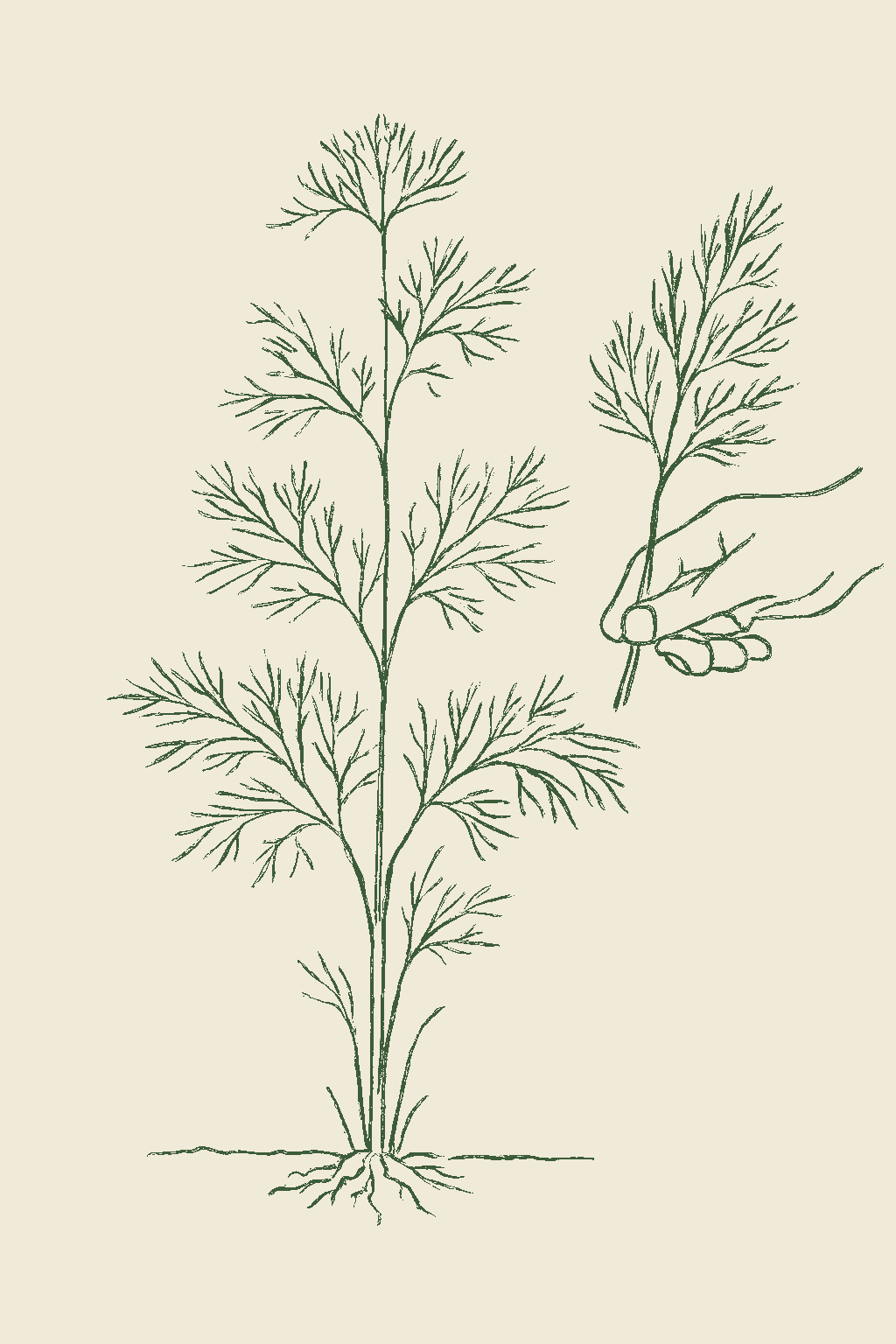
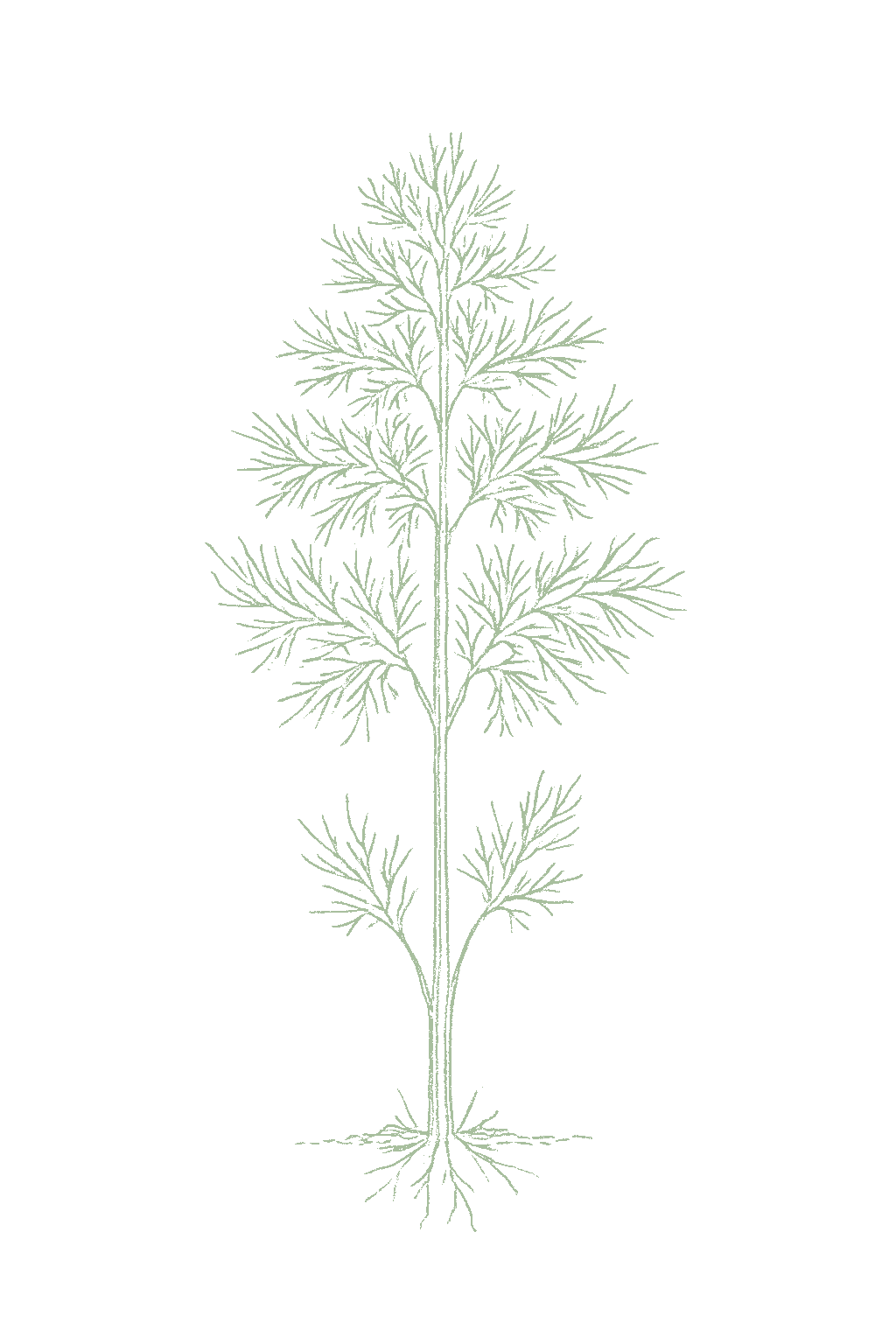
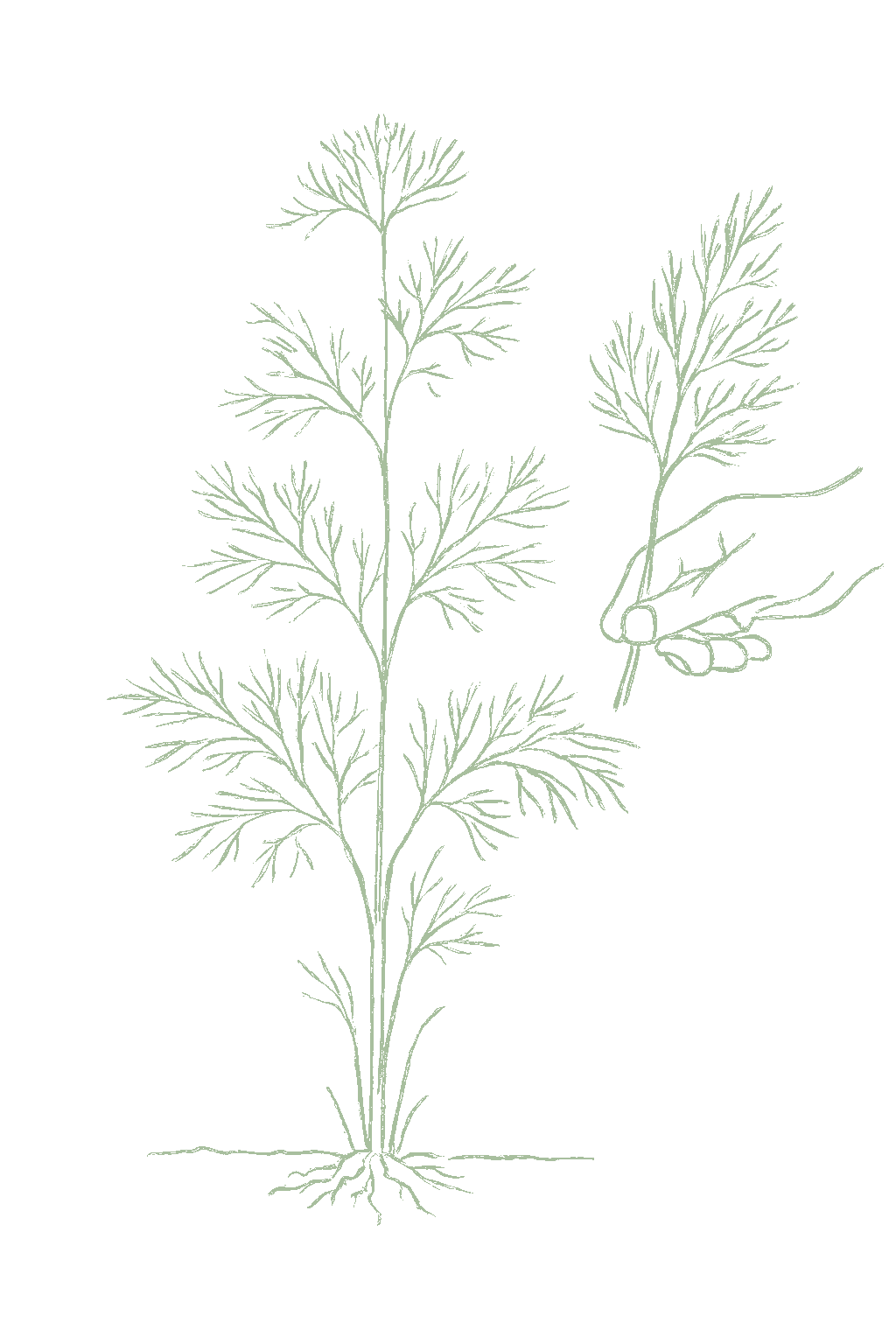
Start picking dill when the plants are 8 to 10 inches tall and bushy, a few weeks after sowing and before you see a tall flower stalk. Snip the feathery leaves from the outside, and pick in the cool morning for the best flavor. Pick often, because once it bolts the plant puts its energy into flowers and seed. For pickling, cut the flower heads as the blooms open. For dried dill seed, let the heads turn tan, cut and dry them, then shake out the seeds to store.Begin cutting dill leaves once plants are 8 to 10 inches tall and bushy, roughly 6 to 8 weeks from sowing, well before the central seedstalk rises. Snip whole feathery fronds from the outside, or shear the upper plant, taking no more than a third at a time and picking in the cool morning for the best flavor; pick often, since the leaf window closes once it bolts. For green pickling heads, cut the umbels just as the flowers open and the immature seed forms. For dried dill seed, let the plant flower and set seed and harvest the heads as they turn from green to tan but before they shatter, dry them in a paper bag, then thresh and store the seed airtight.
Each dill plant gives you feathery leaves for a few weeks, then sends up a tall stalk with flower heads and seeds. Grow a small patch and cut the leaves often, and let a few plants make seed heads for pickling.A single dill plant gives a flush of feathery leaves over several weeks, then a tall flowering stalk topped with seed heads, so it yields on two timelines: leaves early and seed later. For steady dill weed, grow several plants in a patch and cut often; for pickling, a few tall plants supply plenty of heads and seed.
Dill makes the most leaves in the cooler weeks of spring and fall. Once summer heat hits, plants bolt and make flower heads and seed instead. So the leaves come in the cool seasons and the seed heads come in summer.Leaf production peaks in the cool weeks of late spring and fall. A spring patch produces leaves until heat and long days bolt it, while a late-summer sowing gives a strong fall leaf crop. The seed and pickling-head crop peaks from summer-bolted plants. Dill is one of the easier, faster herbs for a beginner, with leaves in about 6 to 8 weeks from a cool-weather sowing. The trick is to sow a little every couple of weeks and pick it young so you keep getting tender leaves. And when it bolts, you get seed heads for pickling and dried dill seed.Dill is a fast, forgiving first-season crop: leafy dill weed in about 6 to 8 weeks from a cool-weather sowing, and seed heads later in the same season. The key to a steady leaf supply is frequent succession sowing and picking young, since a single plant soon turns to making seed. The bonus is that a bolted plant is not wasted, it gives you pickling heads and dried dill seed.
If you want leafy dill weed, pick a slow-bolting or dwarf variety like Fernleaf, Dukat, Hera, or Bouquet, which take a bit longer to flower. None of them stop flowering in heat, so sow a fresh batch every couple of weeks too. If you mainly want seed heads for pickling, grow a tall type like Long Island Mammoth.Match the type to the goal. For leafy dill weed, choose slow-bolting selections, Fernleaf (dwarf, for pots), Dukat, Hera, and Bouquet, which hold in leaf longer before the seedstalk rises; none truly stop the bolt in heat and long days, but they buy time. For seed and pickling heads, the tall heirlooms Long Island Mammoth and Mammoth set big heads fast and are the classic pickling dills. Because the bolt is inevitable in warmth, succession sowing matters as much as variety for a steady leaf supply.
The ladder troubleshoots from the gentlest solution to the strongest. Start with the gentlest option and only move on when and if it doesn't work.
On a big, established plant the chewing is usually light, and many gardeners simply leave the caterpillars where they are. If a small planting looks threatened, lift them off by hand rather than reaching for a spray: they are large enough to spot against the feathery leaves and slow enough to catch.Tolerance is the usual answer on an established plant, where the defoliation tends to be cosmetic. Where hand removal is warranted, the larvae are big and sluggish enough that clearing them off a small planting or a seedling stand by hand is realistic at garden scale.
Bt, short for Bacillus thuringiensis, is a bacterial spray that acts on caterpillars. It works on these, but it is rarely the right call on dill, since dill is one of the plants black swallowtails depend on and Bt does not tell one caterpillar from another. Keep it off dill you are growing partly for the butterflies, and consider it only if a seedling planting is genuinely at risk.Bt is effective if control is truly needed, but it is seldom warranted on a host plant grown in part for the butterflies it supports. It acts on caterpillars as a group, desirable species included, so hold it for a real threat to a seedling stand and confine any application to the planting with the problem.
The bottom rungs are products with label rules: timing, pollinators, and days to wait before harvest. Before you spray →
The ladder troubleshoots from the gentlest solution to the strongest. Start with the gentlest option and only move on when and if it doesn't work.
Go easy on nitrogen, the nutrient in fertilizer that pushes fast leafy growth. Soft new shoots are what aphids build up on, so dill that has not been overfed tends to give them less to work with.Excess nitrogen produces the succulent growth these colonies multiply on fastest, so moderate feeding is a setting you choose before there is an outbreak rather than a response to one. It also leaves the natural enemies dill recruits undisturbed.
Knock the clusters off with a strong stream of water from the hose, aiming up under the leaves where they gather. Repeat every few days, since stragglers regroup, and check the new growth often because the feathery leaves hide them well.A directed jet dislodges colonies mechanically with no pesticide involved; run it again every few days so survivors do not simply rebuild. Scout growing tips closely, since dill's lacy foliage conceals a colony until it is well along.
Ladybugs, lacewings, and parasitic wasps, the tiny wasps that lay their eggs inside aphids, will hunt aphids for you. Letting some of your dill flower helps, because those flat flower heads are a known draw for exactly these helpers.Conserving resident ladybugs, lacewings, and parasitoid wasps is the living control here, and dill is unusually good at supporting it: allowed to flower, its umbels turn the planting into an insectary that recruits the aphid predators it is known for hosting.
Insecticidal soap, a soap-based spray sold for garden use, kills the aphids it actually touches, so wet the undersides of the leaves where the clusters sit. Repeat every few days, and spray only the growth that has aphids on it, since the soap also hits the soft-bodied helpers it lands on.Soap works on contact alone, so coverage of the colony on leaf undersides decides the result; expect to repeat every few days rather than to finish it in one pass. Confine the spray to infested growth so the predators dill's own flowers brought in are not knocked back alongside the aphids.
The bottom rungs are products with label rules: timing, pollinators, and days to wait before harvest. Before you spray →
The ladder troubleshoots from the gentlest solution to the strongest. Start with the gentlest option and only move on when and if it doesn't work.
Give each plant room so air moves through the planting and the leaves dry off quickly. Crowded dill is where this white coating tends to build, and spacing is the step that carries the most weight here.Wider spacing is the primary lever on this one: dense stands with poor airflow sit alongside warm days and cool humid nights among the conditions that favor it. Opening up a crowded planting is worth doing mid-season, not only at sowing.
Avoid overfeeding. Heavy nitrogen pushes soft, dense growth, and a thick stand holds the still, humid air this fungus does well in.Restraining nitrogen limits the dense flush that keeps a canopy still and humid, so it pairs directly with spacing: both act on the canopy condition rather than on the pathogen itself.
Water the soil at the base of the plants instead of sprinkling them from overhead, and do not give them more water than they need. Utah State University notes that dill mildews when it is overwatered.Deliver water at the soil line and keep total moisture in check. Utah State University's observation is that dill mildews where it is overwatered, and the guidance for this crop pairs avoiding overhead watering with avoiding excess moisture generally.
Cut the leaves while they are still good. Most home crops are picked before mildew does much harm, so a leaf crop taken on time often gets ahead of it.The leaf harvest usually comes off before mildew matters, which makes harvest timing a real control on this crop. A tall plant held for seed stays exposed far longer and has to lean on the other steps to carry it.
Pull off the worst coated leaves and carry them out of the garden. Heavily coated leaves yellow and are unpleasant to eat anyway, so removing them costs you little.Stripping affected foliage lowers what the stand is carrying and earns its keep mainly on plants held for seed, which stand long enough for it to matter. Coated leaves have already lost quality, so removal is not a sacrifice.
No spray for this one. Prevention is the control.
The ladder troubleshoots from the gentlest solution to the strongest. Start with the gentlest option and only move on when and if it doesn't work.
Start with clean, disease-free seed. These leaf fungi can arrive on the seed itself, so the packet you buy is the first place the problem can be shut out.Infected seed is a documented entry route for these fungi, which makes seed sourcing a decision set once, before anything is in the ground; nothing later in the season corrects it.
Do not grow dill in the same bed year after year. Move it, and other carrot-family crops, to fresh ground, since these fungi carry over in what is left behind.Rotating away from the carrot family denies the pathogens the host sequence they carry over on. Paired with debris removal, it addresses the between-season reservoir rather than an infection already underway.
Space the plants so air moves between them and the leaves dry faster after rain. These fungi do their worst in wet weather, so a planting that dries quickly is a harder place for them.Widening spacing shortens the leaf wetness these fungi are favored by, and it is one of the few levers still available once a wet, splashy stretch sets in.
Water at the soil line, using drip or a wand held low, rather than over the tops of the plants. This disease spreads on splashing water, so keeping the foliage dry takes away how it travels.Switching to drip or soil-line delivery removes the overhead irrigation that both wets the foliage and splashes spores through the stand; it is the one irrigation change the crop guidance asks for here.
Pick off the spotted leaves and get them out of the garden, then clear the old plants when the crop is done. There is no spray cure for this in the home garden, so removing infected material and heading off the next round is where the effort goes.Remove spotted foliage as it shows and clear crop debris at the end of the season, since the fungi carry over in it. Once the disease is established there is no effective home-garden cure, which puts the weight on these steps rather than on a rescue.
No spray for this one. Prevention is the control.
The ladder troubleshoots from the gentlest solution to the strongest. Start with the gentlest option and only move on when and if it doesn't work.
Wait until the soil is not cold and soggy before sowing, plant the seed shallowly, use fresh seed, and go easy on the watering. Dill seed is slow to sprout, and the longer it sits in the ground, the longer these soil fungi have at it.Sowing depth, soil warmth, seed viability, and restrained watering are all set at sowing, and they work by shortening the exposure: dill germinates slowly, and slow emergence in cold, saturated soil leaves seed sitting in the danger zone. Fresh seed matters here for speed of emergence rather than for freedom from a pathogen.
Sow into ground that drains well. This strikes hardest in cold, soggy soil, so a bed that does not stay waterlogged gives the seed a better chance.Saturated, poorly drained soil is the condition these soilborne fungi are favored by. Correcting drainage is preventive by necessity, because nothing rescues a seedling once it has collapsed.
There is no cure once a seedling has flopped over at the soil line, so pull the collapsed ones and throw them out rather than waiting to see whether they recover.Remove affected seedlings; the collapse is not reversible, so this is housekeeping rather than rescue. Everything that actually decides the outcome on this problem happens before or at sowing.
No spray for this one. Prevention is the control.
Try not to grow dill or other carrot-family plants (carrots, parsley, cilantro, fennel, celery) in the same spot more than about once every 3 years, since they share pests and diseases. Plant dill after peas, beans, cabbage, onions, or tomatoes instead. Dill self-sows a lot, so pull up stray seedlings that pop up where you do not want them.Rotate dill and its carrot-family relatives so they do not return to the same ground for about 3 years. The Apiaceae share foliar blights, the carrot motley dwarf complex, and soilborne rots, which build up where the family repeats. Follow dill with legumes, brassicas, alliums, or nightshades. Because dill self-sows heavily from bolted plants, volunteers can blur a rotation, so pull seedlings that come up out of place if you are managing the family carefully.
The plant app sends a timely reminder at every critical moment of your dill season. The wording adjusts to whichever you pick: beginner or seasoned. Here are three you'll see in Zone 9.
plant sends the right notification at exactly the right moment, for your zone, your weather, your crops. Founding members lock the rate forever.
We're building this guide with real growers. Got a question we missed? Ask here. We read every one and add the best answers right to this page.
Learned something the hard way? Pass it on. Real growers' tips make this guide better for the next person, and we credit you by name when yours goes live.
If you've grown this crop and you see a date, a temperature, a companion claim, or a recommendation that doesn't match your experience, tell us. Real growers' corrections make this guide better for the next person.
Every date, temperature, spacing, and recommendation on this page is sourced from university cooperative extension publications, peer-reviewed agricultural research, NOAA climate data, and direct extension calendars. Where claims are softer (traditional gardening wisdom not formally documented), we say so.
Spot a data point that doesn't match your experience? Submit a correction; accepted corrections earn full author credit on the page.
Zone-aware seasonal nudges, what's worth planting now, and the occasional recipe from the harvest. No spam, ever.