Today · in your zone
What's happening right now
Off-season for jalapeño in zone 11.
Tap to switch. plant calibrates to where you are in the journey.
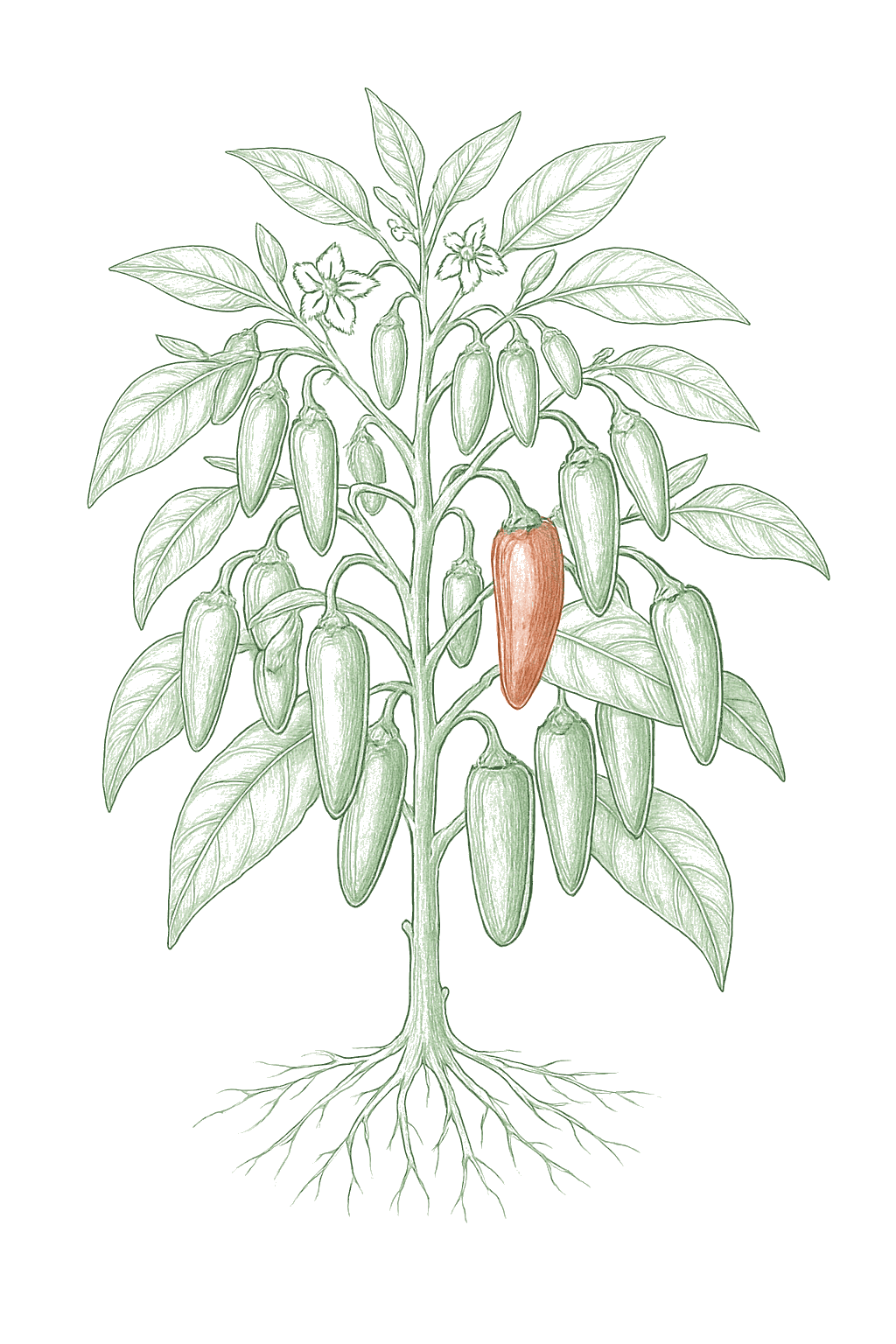
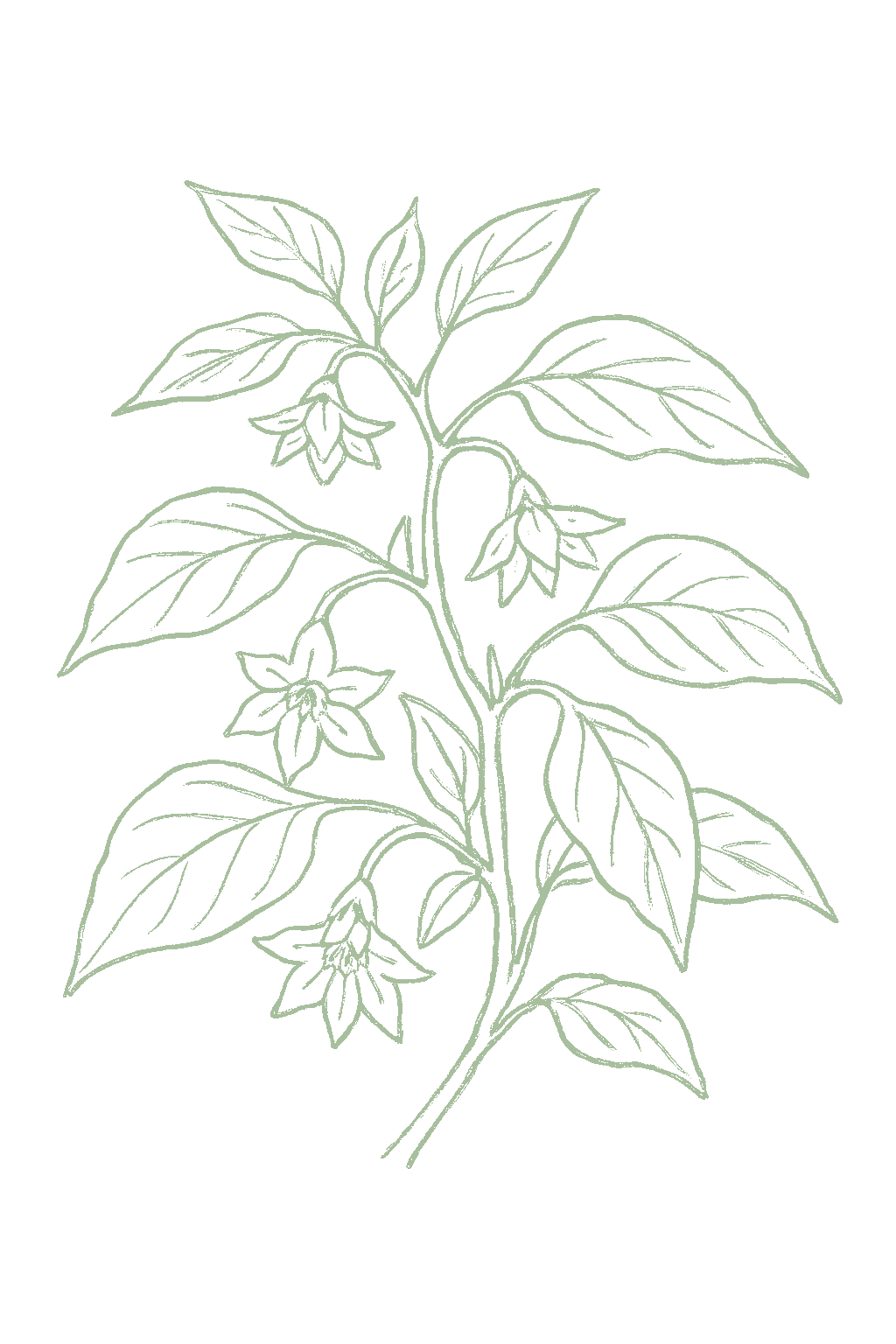
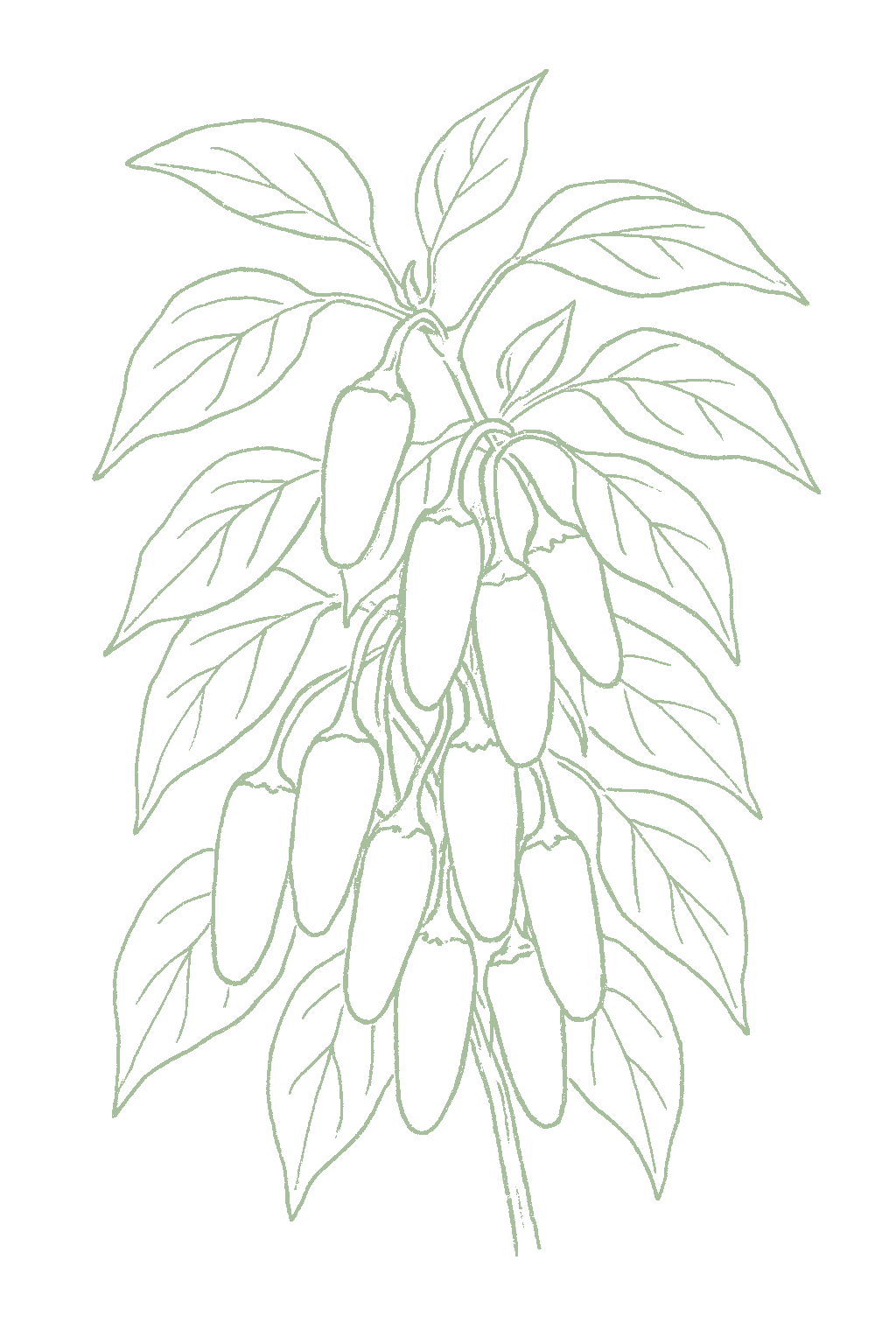
Jalapeno is the most popular hot pepper for home gardens, a warm-season plant (Capsicum annuum) grown for its firm, medium-hot peppers. You grow it just like a bell pepper: start it indoors, then set it out into warm soil after the last frost, because peppers barely grow until it is truly warm. The special thing about jalapeno is its heat, which comes from capsaicin inside the pod. That heat is not fixed: peppers get hotter as they ripen from green to red and when the plant is stressed by heat or a little dryness, so the very same plant can give mild or fiery peppers depending on how you grow and pick them. Two things surprise beginners: the tan lines (corking) on a ripe jalapeno are a good sign, not damage, and you can pick the peppers firm and dark green (the usual way, about 70 to 80 days after planting out) or leave them to turn red for more heat. Like tomatoes, jalapeno drops its flowers and stops setting fruit in extreme heat, above about 90°F days and 75°F nights, then starts again when it cools. Watch for aphids, flea beetles on young plants, hornworms, and, in the South, the pepper weevil, and for diseases like bacterial spot and Phytophthora blight, which you head off with clean plants, crop rotation, and watering the soil rather than the leaves. Always wear gloves when cutting hot peppers, since the oil that makes them hot stings your skin and eyes. Jalapeno is a warm-season fruiting vegetable (Capsicum annuum), the most popular hot pepper in American gardens, grown for its firm, medium-hot pods. Its culture is that of any pepper, close to a bell: a heat-loving, self-fertile, transplant crop set into warm soil after frost, growing slowly until the ground is truly warm, then bearing continuously through the summer. What sets it apart is pungency. Jalapeno carries capsaicin, roughly 2,500 to 8,000 Scoville units, produced in glands on the placenta inside the pod, and its heat is not fixed: it rises as the fruit ripens from green to red and as the plant meets stress, especially heat and a controlled water pull, so the same variety can be mild or fiery depending on how and when it is grown and picked. Two jalapeno-specific points reassure new growers: corking, the fine tan netting on a mature pod's skin, is a prized sign of quality, not a defect; and pods can be picked firm and dark green (the usual harvest, around 70 to 80 days from transplant) or left to ripen red for more heat and sweetness. Like tomato, jalapeno drops its blossoms and pauses fruit set when days climb above about 90°F and nights above 75°F, so in the hottest regions the crop splits into a spring and a fall flush around the peak of summer. Its pests are aphids (and the mosaic viruses they carry), flea beetles on seedlings, the pepper maggot (which largely spares thin-walled hot types), the pepper weevil in the South, and hornworms; its main diseases are bacterial spot, mosaic viruses, Phytophthora blight, and anthracnose, all held off by clean seed, rotation, warm well-drained soil, and dry foliage. Handle the harvest with gloves: capsaicin is an oil that burns skin and eyes.
Off-season for jalapeño in zone 11.
In Zone 11, jalapeño can be planted September, skipping the summer heat. Start indoors Jul 25 - Aug 15. Harvest runs November through June.
In Zone 11, jalapeño can be planted January through February, then again September, skipping the summer heat. Start indoors Jan 1 - Jan 15. Harvest runs April through May.
You plant jalapeno once for the season. A single planting keeps producing all through the warm months, so there is no need to replant every few weeks. In most places a later planting would not have time to fruit before frost. Only in very warm, nearly frost-free areas, or the hot desert, can you fit a second planting, and that is really a separate season.Jalapeno is not a succession crop. One planting produces continuously through the whole warm season, so you set plants out once rather than at intervals. In most zones a later sowing would be caught by frost before its long warm season could finish. Only in the warmest, frost-free or near-frost-free zones, and in the hot desert where the planting splits around midsummer heat, is a second seasonal window viable, and that is a separate season rather than a true succession.
In Zone 11, jalapeño can be planted March through May. Start indoors Feb 10 - Feb 25. Harvest runs June through December.
In Zone 11, jalapeño can be planted January through March, then again August through September. Harvest runs April through July.
You plant jalapeno once for the season. A single planting keeps producing all through the warm months, so there is no need to replant every few weeks. In most places a later planting would not have time to fruit before frost. Only in very warm, nearly frost-free areas, or the hot desert, can you fit a second planting, and that is really a separate season.Jalapeno is not a succession crop. One planting produces continuously through the whole warm season, so you set plants out once rather than at intervals. In most zones a later sowing would be caught by frost before its long warm season could finish. Only in the warmest, frost-free or near-frost-free zones, and in the hot desert where the planting splits around midsummer heat, is a second seasonal window viable, and that is a separate season rather than a true succession.
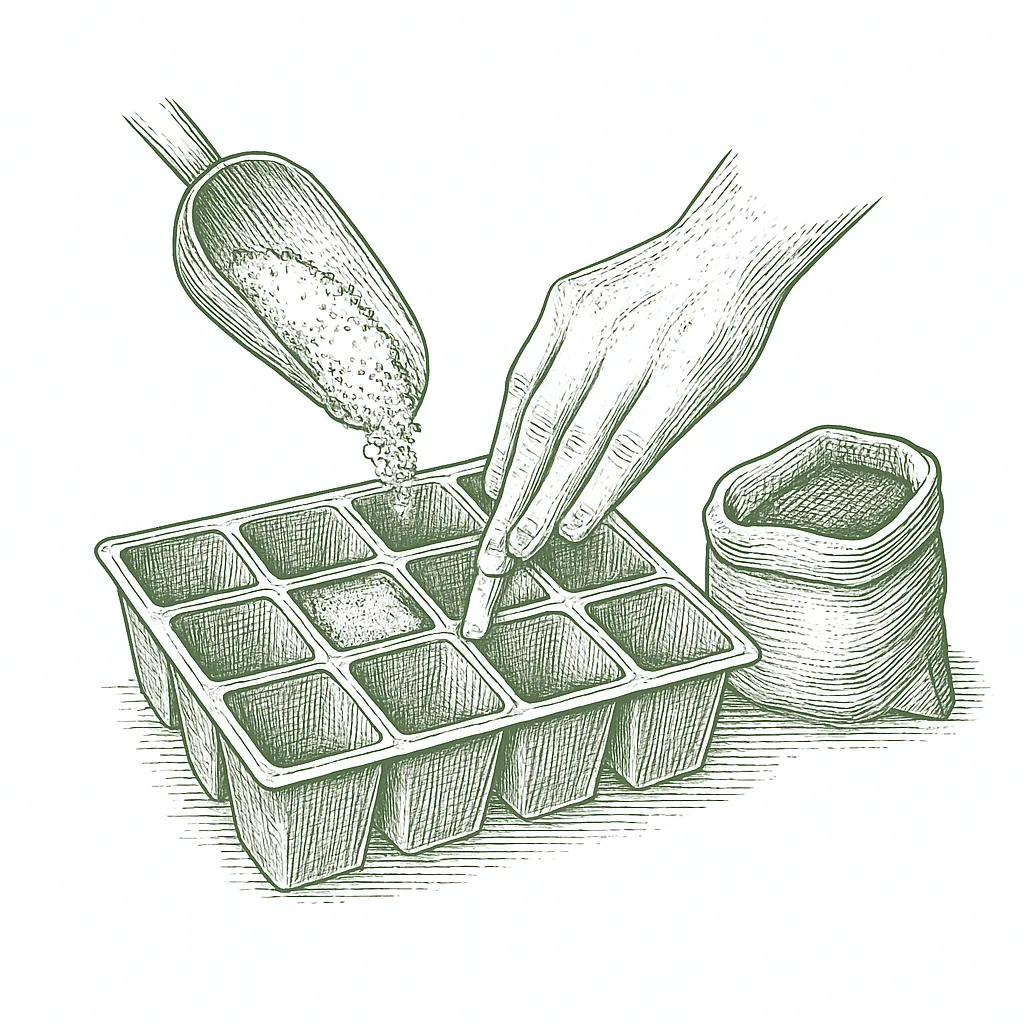
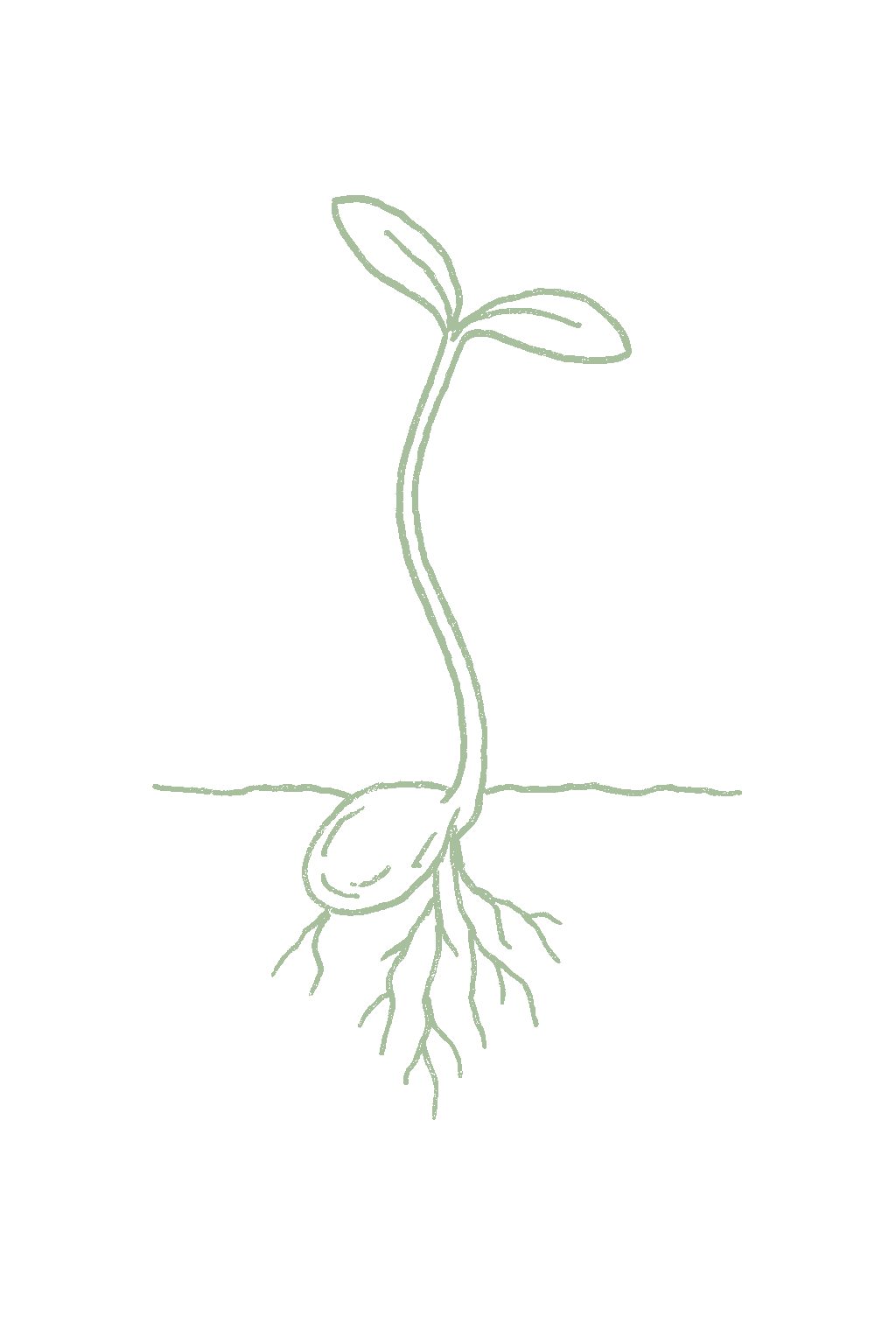
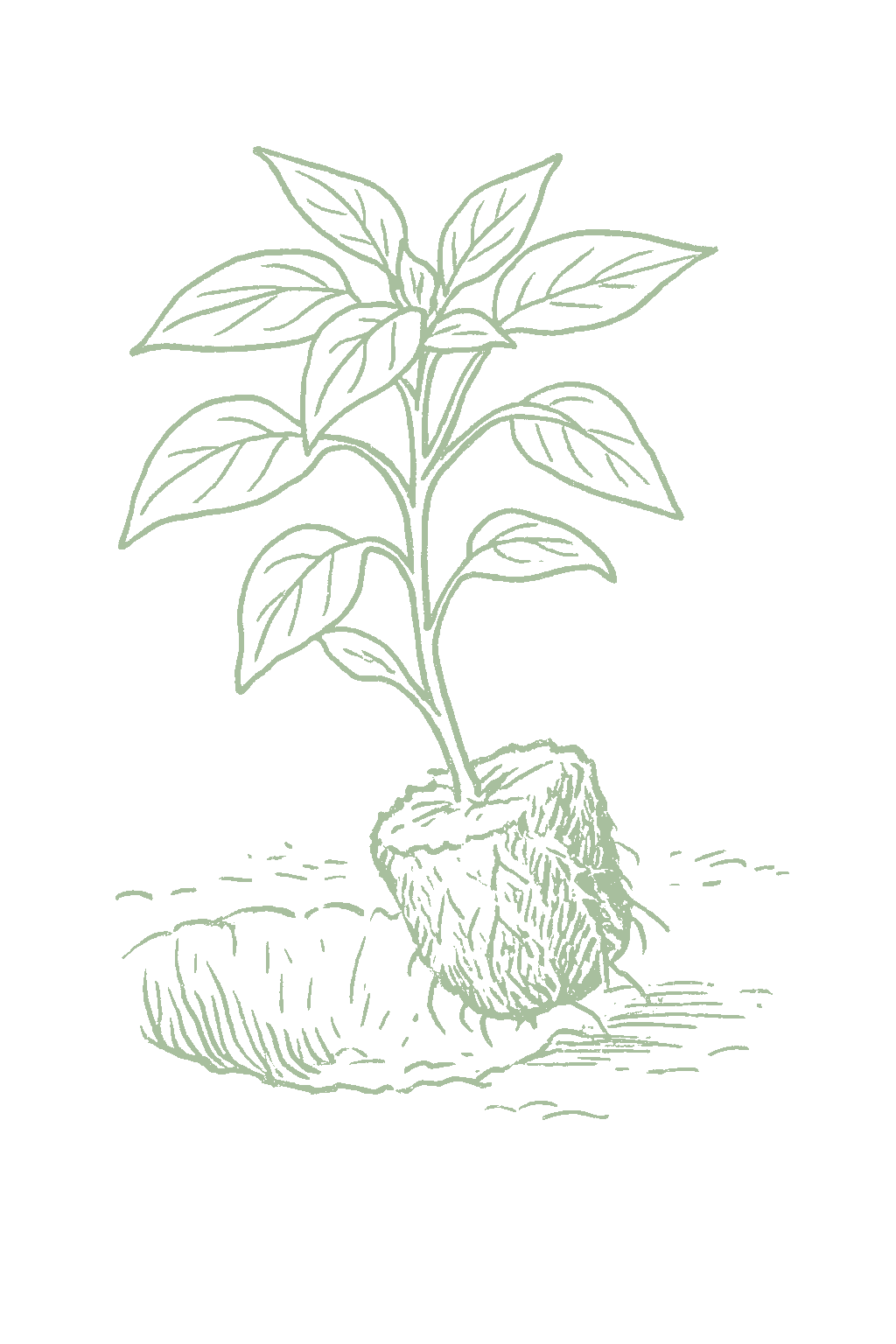
Start jalapeno seeds indoors about 8 weeks before you plan to plant out, keeping them warm (80 to 90°F on a heat mat) to sprout well, since pepper seeds are slow to come up in cool soil. Grow stocky plants up to a foot tall in bright light, then plant them outside only once nights stay above 50°F and the soil is warm, around when you would plant tomatoes. Black plastic mulch warms the soil and helps.Start jalapeno seeds indoors about 8 weeks before transplanting (6 to 8 weeks per Clemson and Iowa State, up to 8 to 10 per UMD), with bottom heat of 80 to 90°F for fast, even germination, since pepper seed is slow and erratic in cool mix. Grow sturdy transplants up to a foot tall in strong light, then set them out only after nights hold above 50°F and the soil has warmed to at least 60 to 65°F, typically around the tomato date or a touch later. Black plastic or fabric mulch warms the soil and gives this warmth-loving crop a head start. Jalapeno is a transplant crop across nearly all of the country; direct sowing is practical only in the longest, warmest regions.

Not sure what soil you have? Grab a small handful of damp soil from your garden bed and squeeze it. If it crumbles apart easily, it's sandy. If it holds together but breaks when you poke it, it's loam (what most vegetables want). If it stays in a hard, slippery ball, it's clay.
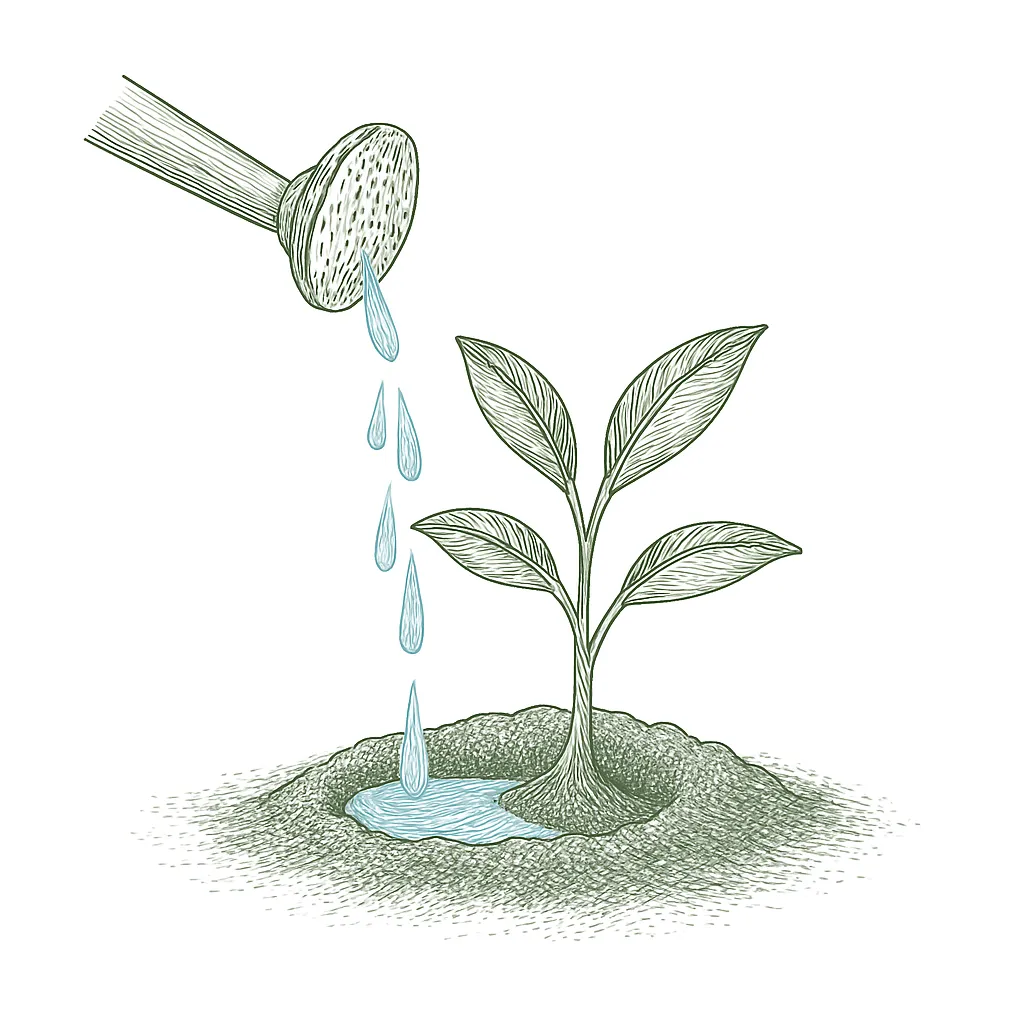
Jalapeno likes rich, well-drained soil that warms up well in the sun, because peppers barely grow until the ground is warm. Mix in 2 to 3 inches of compost before planting. If your soil is heavy clay or slow to warm, a sheet of black plastic or fabric mulch laid down before planting warms the soil and gives the plant the head start it wants. Aim for soil that stays evenly moist but never waterlogged, since soggy roots invite disease.
Mix 2-3 inches of compost into the top 6 inches of your bed before planting. Compost holds moisture (which sandy soil drains too fast) and adds the nutrients sandy soil tends to lack. Repeat each season. Compost breaks down over time.
Mix 2-3 inches of compost AND a few inches of coarse sand or perlite into the top 6 inches of your bed. The compost feeds the plants; the sand breaks up the clay so air and water can move through. Don't add sand without compost. It can compact like concrete.
If amending your soil sounds like too much work, or if your soil is heavy clay, full of rocks, or contaminated, build over it. A raised bed at least 12 inches deep filled with a 50/50 mix of compost and sandy loam gives you ideal growing soil with no battles. A 5-gallon container with quality potting mix does the same for one plant at a time. Both bypass your native soil entirely.
The numbers that matter, at a glance.
Jalapeno likes slightly acidic soil, about pH 6.0 to 6.8, and a lot of garden soil is already close. The pH scale runs from acidic to alkaline, and this range is where peppers take up nutrients best. Peppers are not too fussy and will grow a bit outside this band, but an inexpensive soil test from your local extension office tells you where you stand and whether to add lime or sulfur before planting.Jalapeno grows best at a soil pH of about 6.0 to 6.8, with Clemson placing the sweet spot near 6.0 to 6.5 where the nutrients peppers need stay most available. It tolerates a somewhat wider band, roughly 5.5 to 7.5, and in fact chile is grown successfully on the neutral-to-alkaline soils common across the interior West, though uptake of iron, manganese, and other micronutrients tightens as soil turns strongly alkaline, showing as yellowing between the veins of younger leaves. Most Eastern and Midwestern soils sit naturally near the target; a soil test from your local extension office settles it before you plant and tells you whether to lime an acid soil or add sulfur to an alkaline one.
Jalapeno does not need heavy feeding. Mix a modest amount of a balanced fertilizer, or one a little lower in nitrogen like 5-10-10, into the soil before you plant. Then wait: once the first little peppers have set, feed with a nitrogen fertilizer, and again during picking. Going heavy on nitrogen too early gives you a big leafy plant with hardly any peppers, so save the feeding for after fruit starts forming.Jalapeno is a moderate feeder, not a heavy one. Follow a soil test, or work a modest amount of a balanced-to-low-nitrogen fertilizer such as 5-10-10 into the bed before transplanting, then side-dress with nitrogen once the first fruits have set, about three to four weeks after planting, and again during harvest. Hold the nitrogen back before fruit set: too much early on drives a big leafy plant with few flowers, the single most common reason a pepper looks lush but sets almost no pods. Pair feeding with steady moisture, and note that a mild, deliberate water and nitrogen pull as the crop ripens tends to concentrate a hot pepper's heat.
Use a balanced or lower-nitrogen fertilizer like 5-10-10 at planting, then a nitrogen feed once fruit sets. Do not overdo the nitrogen early or you get all leaves and few peppers.A balanced or slightly low-nitrogen fertilizer such as 5-10-10 worked in at planting, then a nitrogen side-dress (for example calcium nitrate, 15.5-0-0) once fruit sets. Avoid heavy nitrogen before fruit set, which gives leaf at the expense of flowers and pods.
The most useful jalapeno companions are easy neighbors like basil, which enjoys the same warm, sunny, evenly watered conditions, plus a ring of marigolds or nasturtiums to lure aphids and flea beetles away. Bush beans add a little nitrogen. The one rule that really matters is to keep jalapeno away from tomatoes, eggplant, and potatoes, which are close relatives and share the same pests and diseases. Most jalapeno companion pairings are traditional rather than trial-tested. Basil is the classic pepper neighbor, an easy match since both are warm-season crops that want the same sun and water, and a border of nasturtium or marigold is the usual deflector, drawing or repelling the aphids and flea beetles that trouble peppers. Bush beans fix a little nitrogen the moderately feeding plant appreciates. The single firmest rule is a rotation one: keep jalapeno away from its Solanaceae relatives, tomatoes, eggplant, and potatoes, which share its full pest and disease complex, including the aphid-borne mosaic viruses, Phytophthora blight, and bacterial spot.
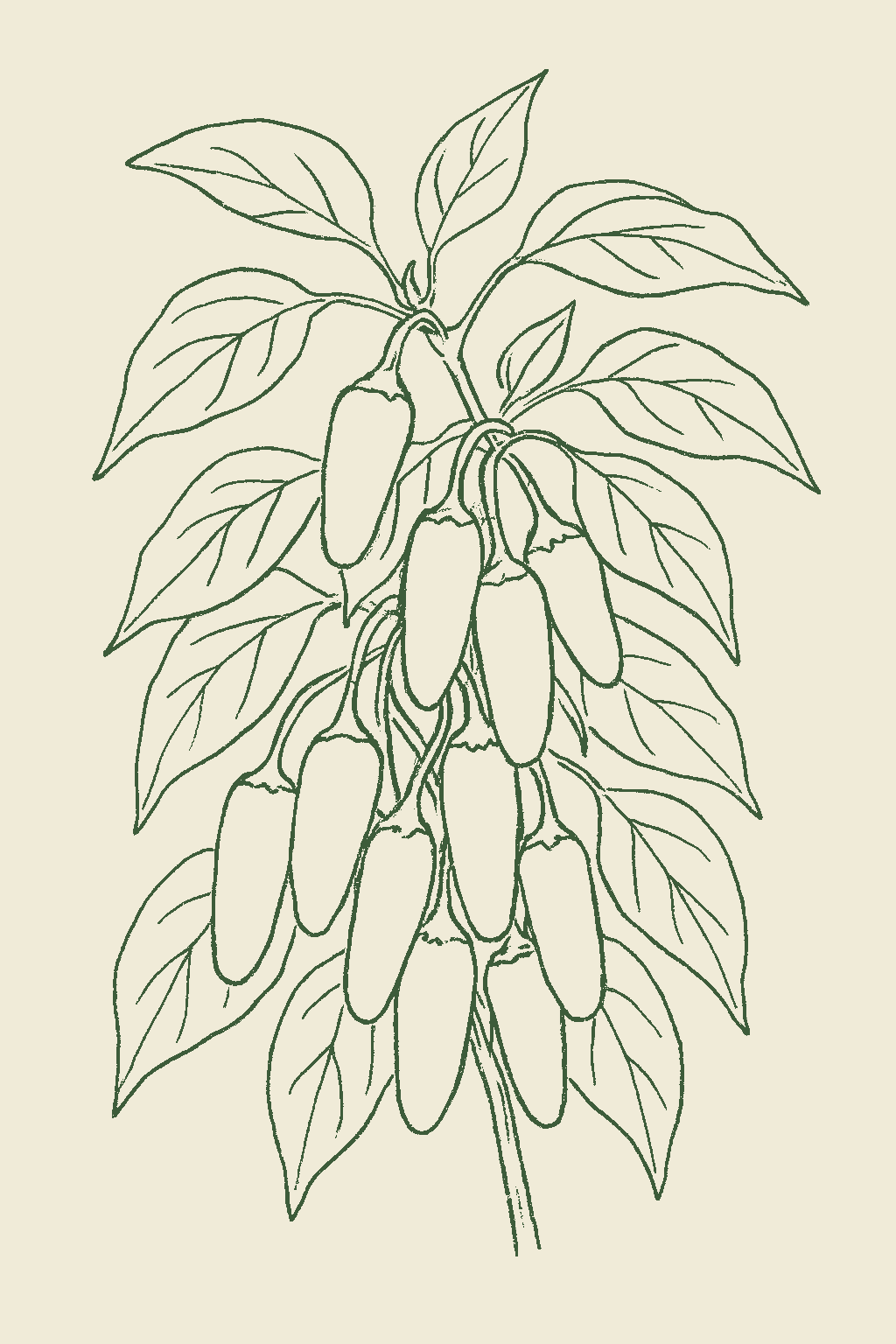
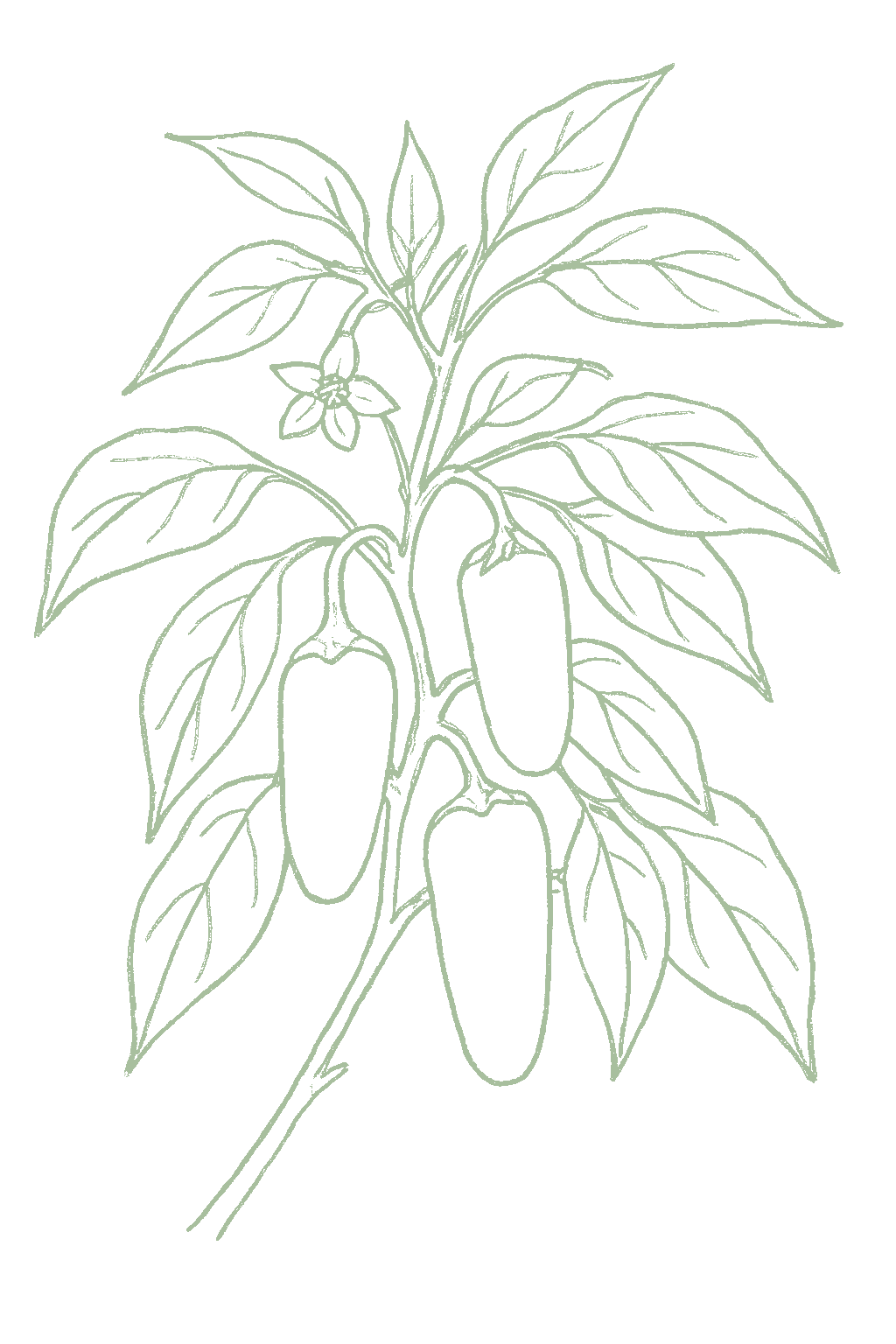
You can pick jalapeno two ways. For the usual firm green pepper, harvest when it reaches full size, about 2 to 3 inches long, and the skin is firm and dark, deep green going toward black-green. Or leave it on the plant two to three more weeks and let it turn red, which makes it sweeter and hotter. Two things surprise first-timers: peppers get hotter as they ripen and when the plant is stressed by heat or dryness, and the fine tan lines or netting that show up on the skin, called corking, are a normal sign of a ripe, well-grown pepper, not damage. Cut the peppers off with scissors or a knife, leaving a bit of stem, instead of pulling, and keep picking so the plant makes more. Always wear gloves when handling and cutting hot peppers: the oil that makes them hot sticks to your skin and stings badly if it gets in your eyes, so keep your hands away from your face and wash them well after.Jalapeno gives you a choice of when to pick, and the choice changes the pepper. For the familiar firm green jalapeno, harvest when the pods reach full size, roughly 2 to 3 inches long, and the skin is firm and deep, dark green, often shading toward black-green at the shoulders (Clemson's cue is that dark, black-green color). Left on the plant another two to three weeks, the same fruit ripens through to red, growing sweeter AND hotter as it matures. Two things surprise new growers and are worth knowing: heat rises with both maturity and stress, so a red pepper, or one grown hot and a little dry, is hotter than a well-watered green one; and corking, the fine tan or brown netting and stretch marks that appear on the skin, is a sign of a mature, fast-grown pepper prized in markets, not a defect or a disease. Cut fruit with shears or a knife leaving a short stem, rather than pulling, since a yanked branch tears easily, and pick regularly, since removing mature pods keeps the plant flowering and setting more. Wear gloves when picking and especially when cutting hot peppers: capsaicin, the compound that makes them hot, is an oil that clings to skin and burns painfully if it reaches your eyes, nose, or lips, so keep your hands away from your face and wash well afterward.
Jalapeno is very productive: a single healthy plant usually gives you dozens of peppers over the season, picked a few at a time. Keeping it warm, evenly watered, and regularly picked makes the difference, and a couple of plants is plenty for most families.A healthy jalapeno is a heavy bearer, typically yielding 25 to 35 or more pods over the season, often more from a vigorous hybrid like Mucho Nacho, picked continuously. Steady warmth, even moisture, and regular harvesting carry a plant to the upper end; a cold start, heat that stalls fruit set, or letting pods over-ripen unpicked pulls it down.
Once it gets going, jalapeno keeps producing through the warm months, heaviest from midsummer into fall. In very hot areas it pauses setting fruit during the worst of the summer heat and picks back up as it cools. Keep picking the peppers, green or red, since leaving them on the plant slows down new ones.Jalapeno bears continuously through the warm months once it starts, with production strongest from midsummer into early fall and tapering as nights cool. In the hottest regions fruit set stalls during the peak of summer heat and resumes as it eases, giving a spring and a fall flush. Picking pods promptly, green or red, keeps the plant flowering and setting; leaving mature fruit on the plant slows further set. The two things that trip up first-year jalapeno growers are planting too early into cold soil and using too much fertilizer, which gives lots of leaves but few peppers. Wait until it is truly warm, go easy on the nitrogen until fruit sets, and keep the water steady. Jalapeno is otherwise easy and very rewarding.First-season growers most often lose jalapeno to two things: setting plants out too early into cold soil, which stalls them for weeks, and over-feeding with nitrogen, which gives a big leafy plant with few pods. Wait for real warmth, go easy on nitrogen until fruit sets, keep water even, and this is one of the most rewarding, forgiving crops a beginner can grow.
Pick a jalapeno to match how hot you like it and how long your season is. Jalapeño M is the reliable standard. In a short or cool-summer garden, choose Early Jalapeño, which ripens sooner. Mucho Nacho gives big peppers for stuffing. Want the flavor without much burn? Grow the mild TAM from Texas A&M. Want it really hot? Try Biker Billy. Short on space? Purple Jalapeño is compact and pretty in a pot. Remember: red, stressed peppers are hotter; green, well-watered ones are milder.Choose a jalapeno by heat, size, and season. Jalapeño M is the dependable standard; Early Jalapeño is the pick for short or cool seasons, setting sooner and tolerating cool nights; Mucho Nacho gives big, meaty pods for stuffing; the Texas A&M TAM Mild delivers jalapeno flavor with much less heat and good disease resistance, while Biker Billy runs to the hot end for chile-heads. Purple Jalapeño is compact and ornamental, excellent in a pot. Across all of them, remember the two levers on heat: let pods ripen red and grow the plant a little hot and lean for more burn, or pick green and keep it well watered for a milder pepper.
BBQ & Grill · 40m · Serves 4
Move jalapeno to a different part of the garden each year, and do not return it, or its relatives tomato, eggplant, and potato, to the same spot for about three to four years. Diseases like bacterial spot and Phytophthora blight and pests like the pepper weevil build up where nightshades grow, and rotation is the main tool to keep them in check. Clean up old plants at the end of the season too.Rotate jalapeno on at least a 3 year cycle, returning it to a given bed no sooner than the third or fourth year, to break the buildup of bacterial spot, anthracnose, and Phytophthora blight (all favored by warm, wet conditions and carried on debris or seed) and of the pepper weevil where it overwinters. The wider Solanaceae, tomato, eggplant, and potato, share that complex, so rotate them as a group and avoid following any of them. Clear and remove spent plants at season's end rather than tilling them in, which removes overwintering pest and disease sites, and is doubly important where pepper weevil or bacterial spot is present.
The plant app sends a timely reminder at every critical moment of your jalapeño season. The wording adjusts to whichever you pick: beginner or seasoned. Here are three you'll see in Zone 11.
plant sends the right notification at exactly the right moment, for your zone, your weather, your crops. Founding members lock the rate forever.
We're building this guide with real growers. Got a question we missed? Ask here. We read every one and add the best answers right to this page.
Learned something the hard way? Pass it on. Real growers' tips make this guide better for the next person, and we credit you by name when yours goes live.
If you've grown this crop and you see a date, a temperature, a companion claim, or a recommendation that doesn't match your experience, tell us. Real growers' corrections make this guide better for the next person.
Every date, temperature, spacing, and recommendation on this page is sourced from university cooperative extension publications, peer-reviewed agricultural research, NOAA climate data, and direct extension calendars. Where claims are softer (traditional gardening wisdom not formally documented), we say so.
Spot a data point that doesn't match your experience? Submit a correction; accepted corrections earn full author credit on the page.
Zone-aware seasonal nudges, what's worth planting now, and the occasional recipe from the harvest. No spam, ever.