Today · in your zone
What's happening right now
Off-season for parsley in zone 7.
Tap to switch. plant calibrates to where you are in the journey.
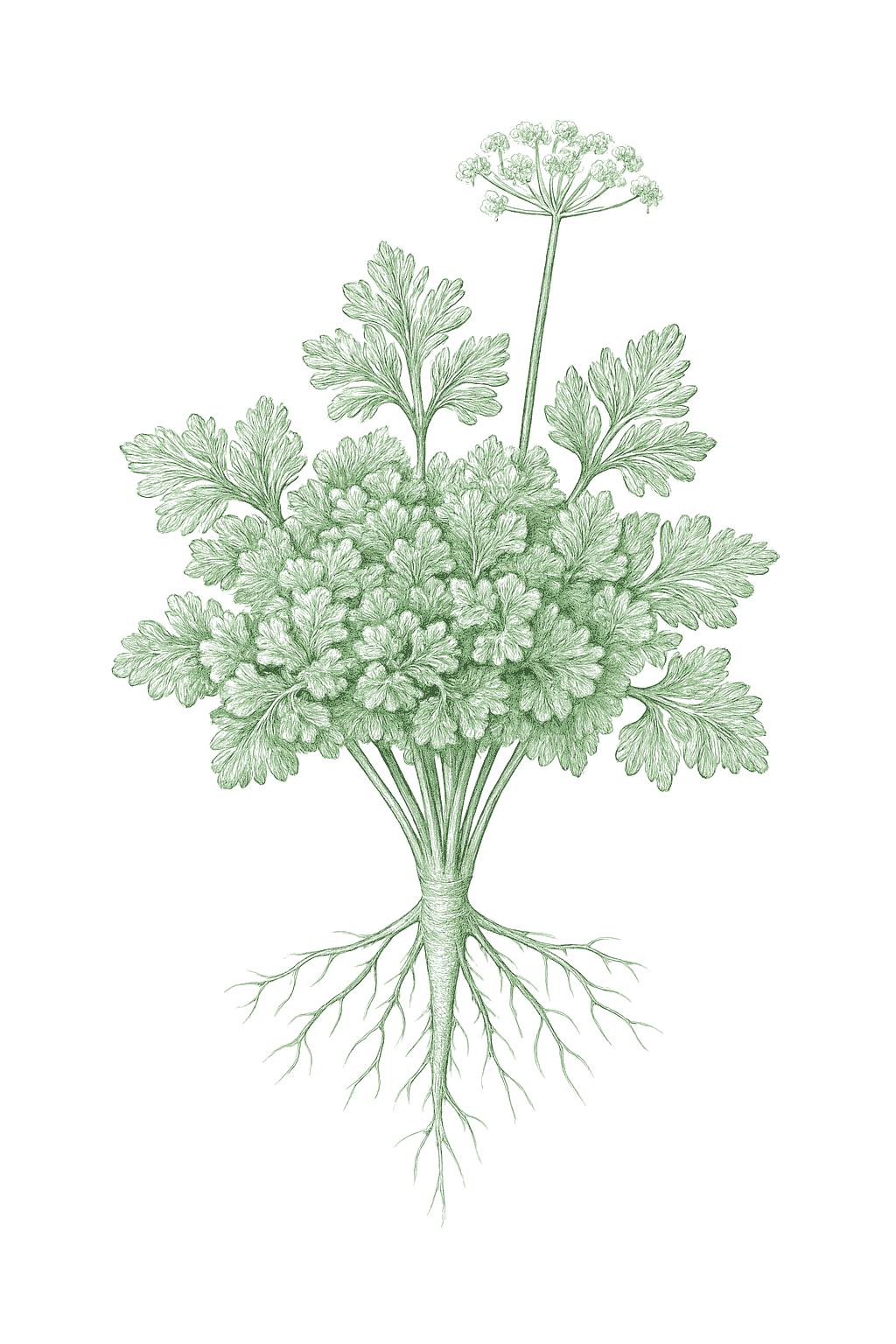
Parsley is a hardy herb in the carrot family, grown for its tasty, healthy leaves. It is easygoing once it gets started, and very different from both basil and cilantro: it handles frost and cool weather, but it also takes summer heat without flooding into flower the way cilantro does, so one planting gives you leaves from spring all the way through fall. The one tricky part is the beginning: parsley seed is slow, often taking 2 to 5 weeks to sprout, so soak it in warm water first and be patient. You harvest it by cutting the outer stems near the base, and the middle keeps growing new leaves for months. There are two main kinds, flat-leaf (Italian), which has the best flavor for cooking, and curly, the frilly kind used for garnish. One thing to know: parsley lives two years, and in its second spring it sends up a flower stalk and the leaves turn bitter, so plant fresh parsley each year for the best leaves. It has few pests, mainly the big green-and-black parsleyworm caterpillar, which turns into a black swallowtail butterfly and is usually welcome. Parsley (Petroselinum crispum) is a hardy biennial herb in the carrot family (Apiaceae), grown for its flavorful, vitamin-rich leaves. Its biology is the mirror image of warm-season herbs like basil and the opposite of fast cool-season herbs like cilantro. Parsley is COOL-TOLERANT and FROST-HARDY, taking light freezes and overwintering in mild zones, yet it is also genuinely HEAT-TOLERANT: because it is a biennial that does not flower until its second year, it does NOT bolt from first-year summer heat the way cilantro does, so a single planting yields leaves spring through fall, and only the most extreme desert and subtropical summers slow it. That long, flexible season is the headline. The signature challenge is at the start: parsley seed germinates slowly and erratically, often 2 to 5 weeks, so growers soak it and wait. It is harvested cut-and-come-again from the OUTER stems, leaving the center to regrow for months. It comes in flat-leaf (Italian) types, with the stronger, sweeter flavor cooks prefer, and curly (French) types grown for garnish, plus Hamburg root parsley grown for an edible root. The one catch is the biennial cycle: an overwintered plant bolts in its second spring and the leaves turn bitter, so parsley is sown fresh each year for the best leaves. Pests are few, chiefly the parsleyworm (the handsome black swallowtail caterpillar, often left for the butterflies) and aphids, and disease is minimal.
Off-season for parsley in zone 7.
In Zone 7, parsley can be planted March through April. Harvest runs May through November.
Unlike cilantro, parsley does not need re-sowing every couple of weeks: one planting lasts all season. For the freshest leaves, just add a second sowing in midsummer or early fall, and in hot areas plant in the cool months instead of the hottest part of summer.Parsley does not need the aggressive succession sowing fast herbs do; one planting yields all season because you cut from the same plants. Still, a spring sowing plus a midsummer or early-fall sowing keeps the freshest, most tender leaves coming and sets up an overwintering crop in mild zones. In the hottest regions, sow through the long cool window (fall into spring) and skip the peak of summer.
In Zone 7, parsley can be planted April. Harvest runs June through November.
Unlike cilantro, parsley does not need re-sowing every couple of weeks: one planting lasts all season. For the freshest leaves, just add a second sowing in midsummer or early fall, and in hot areas plant in the cool months instead of the hottest part of summer.Parsley does not need the aggressive succession sowing fast herbs do; one planting yields all season because you cut from the same plants. Still, a spring sowing plus a midsummer or early-fall sowing keeps the freshest, most tender leaves coming and sets up an overwintering crop in mild zones. In the hottest regions, sow through the long cool window (fall into spring) and skip the peak of summer.
In Zone 7, parsley can be planted March through April. Harvest runs June through November.
Unlike cilantro, parsley does not need re-sowing every couple of weeks: one planting lasts all season. For the freshest leaves, just add a second sowing in midsummer or early fall, and in hot areas plant in the cool months instead of the hottest part of summer.Parsley does not need the aggressive succession sowing fast herbs do; one planting yields all season because you cut from the same plants. Still, a spring sowing plus a midsummer or early-fall sowing keeps the freshest, most tender leaves coming and sets up an overwintering crop in mild zones. In the hottest regions, sow through the long cool window (fall into spring) and skip the peak of summer.
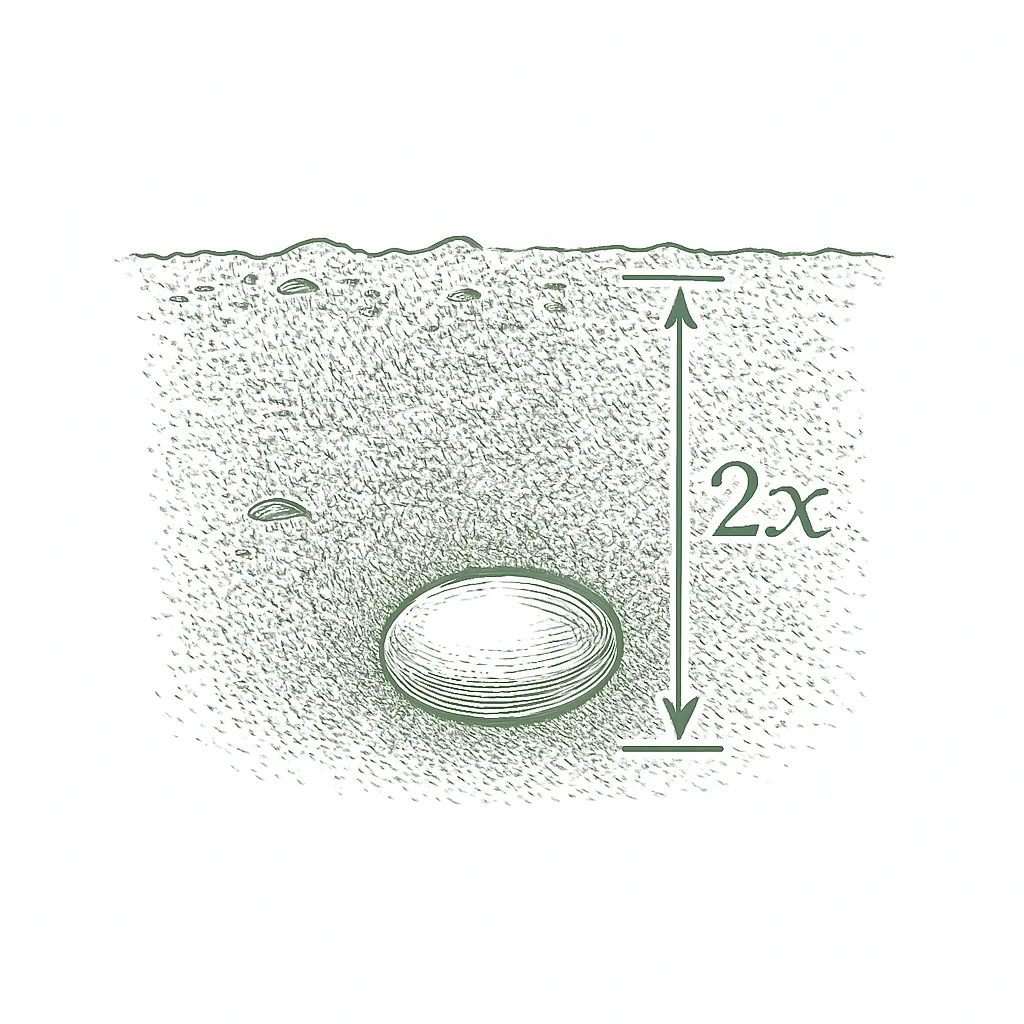
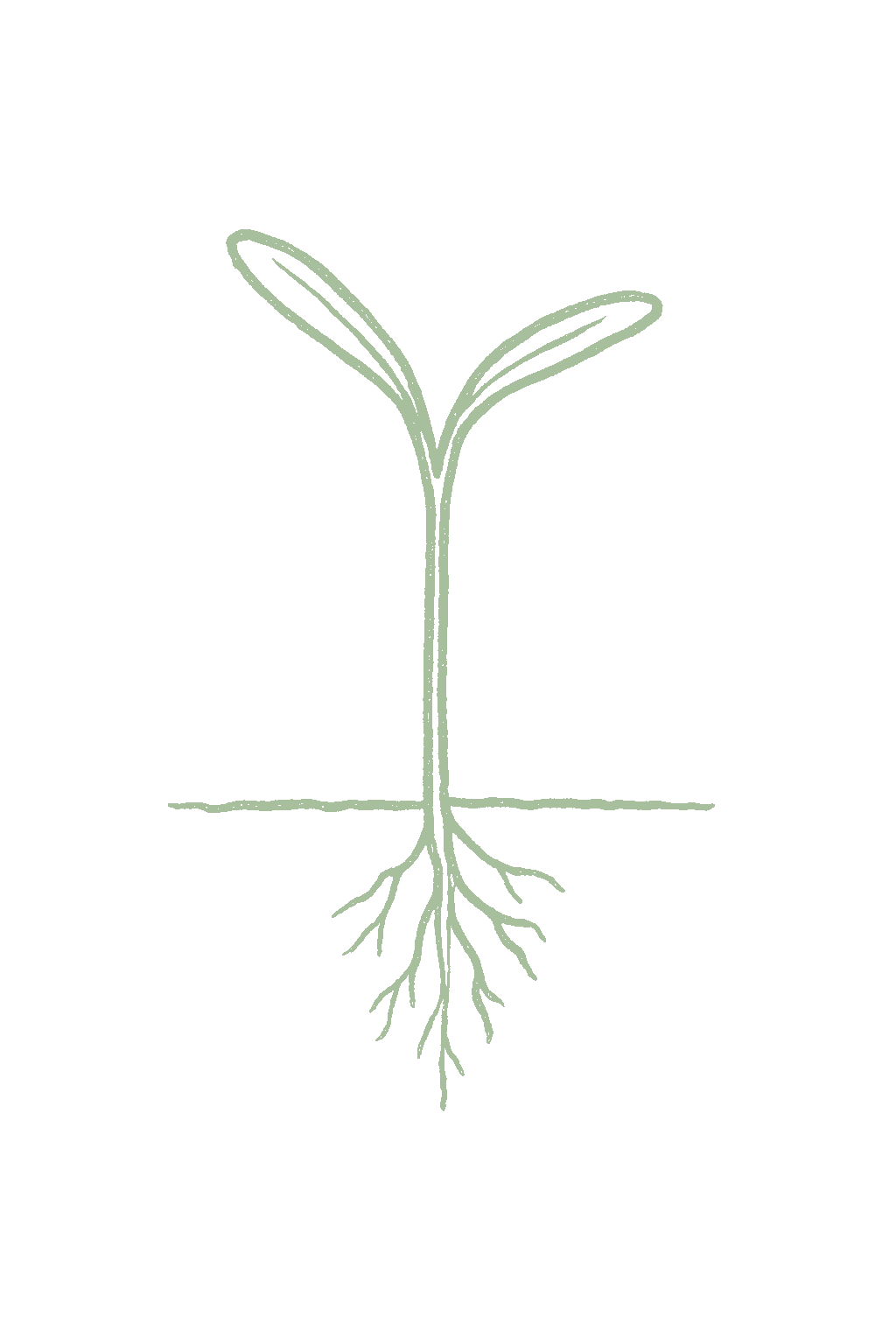
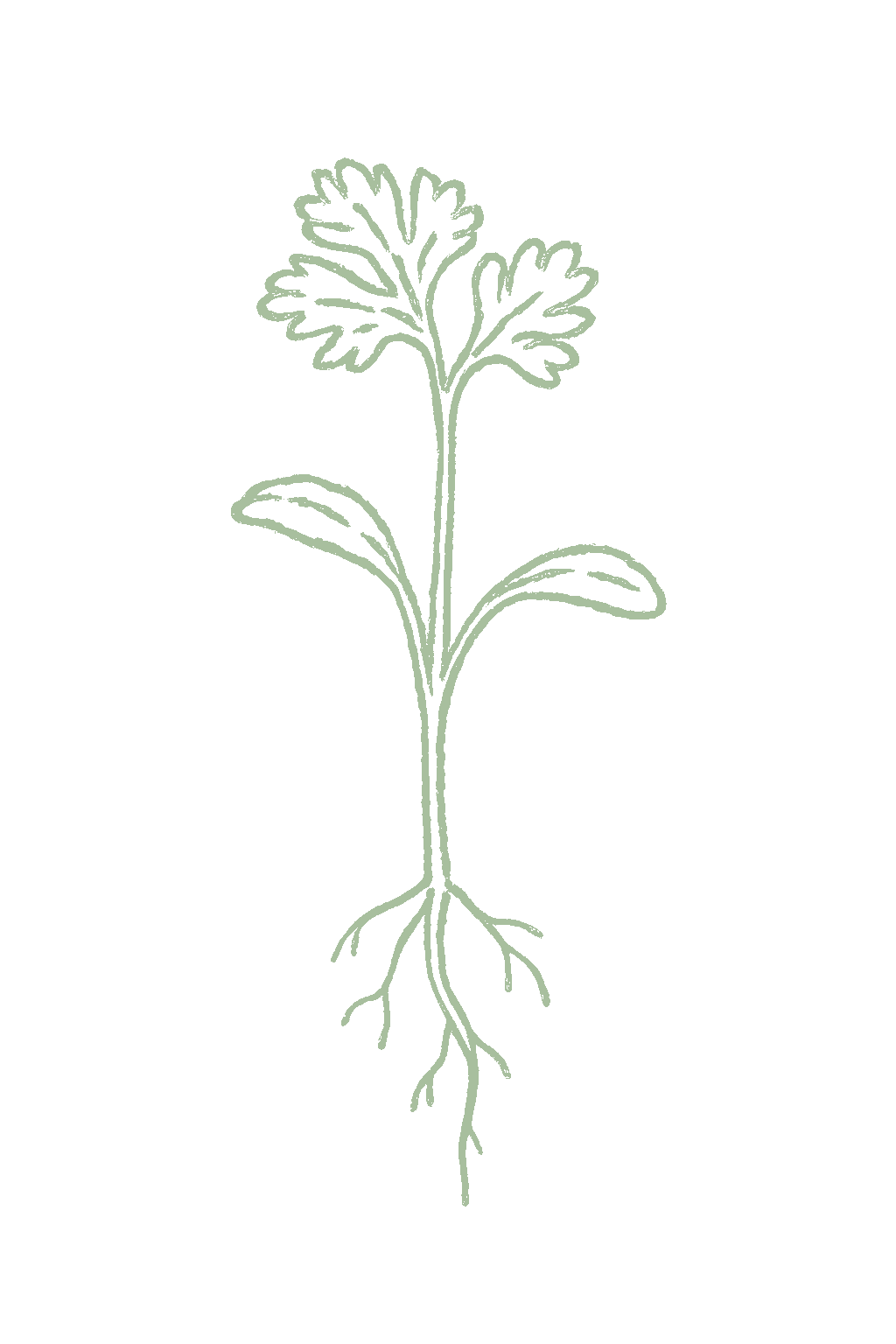
You can plant parsley straight in the garden or start it indoors. The seeds are slow, often taking 2 to 5 weeks, so soak them in warm water for up to a day before planting and keep the soil moist the whole time. Sow about a quarter inch deep as soon as the soil can be worked in spring, since parsley handles frost. For an earlier start, sow indoors 6 to 8 weeks before the last frost and move the young plants outside after hardening them off, while they are still small.Parsley can be direct-sown or started indoors. Its seed germinates slowly and erratically, often 2 to 5 weeks, and germinates poorly in cold soil, so soaking the dry seed in warm water for up to 24 hours before sowing speeds and evens emergence. Direct-sow about 0.25 inch deep as soon as the soil can be worked in spring, since parsley tolerates frost. To get a head start, sow indoors 6 to 8 weeks before the last frost and transplant out after hardening off; parsley moves better when young, before the taproot is long, so transplant on the early side. Keep the seedbed evenly moist through the long germination.

Not sure what soil you have? Grab a small handful of damp soil from your garden bed and squeeze it. If it crumbles apart easily, it's sandy. If it holds together but breaks when you poke it, it's loam (what most vegetables want). If it stays in a hard, slippery ball, it's clay.
Parsley likes loose, fertile soil with plenty of compost worked in, kept evenly moist but never soggy. It is forgiving, but rich, steady soil keeps the leaves tender and green and feeds a plant you cut from all season. It has a deeper root than most salad greens, so loosen the bed well; hard, compacted, or waterlogged ground holds it back and invites root rot.
Mix 2-3 inches of compost into the top 6 inches of your bed before planting. Compost holds moisture (which sandy soil drains too fast) and adds the nutrients sandy soil tends to lack. Repeat each season. Compost breaks down over time.
Mix 2-3 inches of compost AND a few inches of coarse sand or perlite into the top 6 inches of your bed. The compost feeds the plants; the sand breaks up the clay so air and water can move through. Don't add sand without compost. It can compact like concrete.
If amending your soil sounds like too much work, or if your soil is heavy clay, full of rocks, or contaminated, build over it. A raised bed at least 12 inches deep filled with a 50/50 mix of compost and sandy loam gives you ideal growing soil with no battles. A 5-gallon container with quality potting mix does the same for one plant at a time. Both bypass your native soil entirely.
The numbers that matter, at a glance.
Parsley grows best in slightly acidic to neutral soil, about 6.0 to 7.0. Most garden soil is fine, and a simple soil test tells you where you stand.Aim for a soil pH of about 6.0 to 7.0, slightly acidic to neutral, the range the University of Minnesota lists as best for parsley; it still does fine across roughly 5.5 to 7.5. Parsley is not a pH-sensitive plant, so in most gardens no adjustment is needed beyond a soil-test baseline.
Parsley does not need much feeding. Mix some compost or a little balanced fertilizer into the soil before planting, then give it a light feeding once or twice over the season, since you cut from the same plants for a long time. If you grow it in a pot, feed lightly with a diluted liquid fertilizer every few weeks because watering washes nutrients out.Parsley is a light to moderate feeder grown for steady leafy growth over a long season. The University of Minnesota suggests a 5-10-5 fertilizer at about 3 ounces per 10 feet of row, once or twice during the season, on top of compost worked in before planting. Because you cut from the same plants for months, a light midseason side-dress of nitrogen keeps fresh green leaves coming; in containers a dilute liquid feed every 3 to 4 weeks replaces what frequent watering leaches out. Avoid heavy nitrogen, which draws aphids and softens the flavor.
Use a balanced fertilizer such as 5-10-5 worked into the soil before planting, then feed lightly once or twice during the season.Moderate, balanced feeding for steady leaf growth: a 5-10-5 or balanced vegetable fertilizer worked in before sowing, then a light side-dress once or twice through the season. Go easy on nitrogen, which softens flavor and draws aphids on a crop eaten fresh.
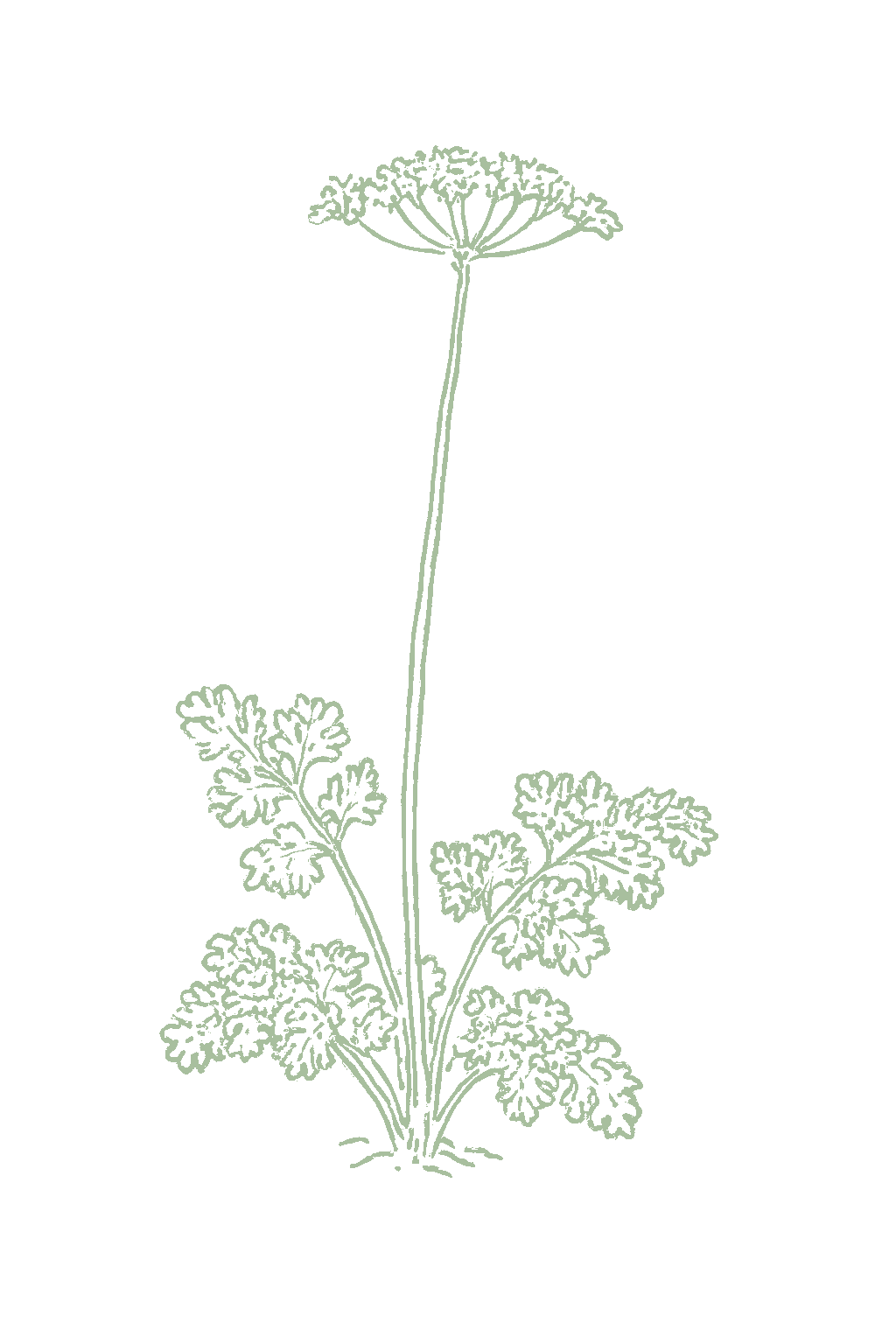
Parsley is small, leafy, and easygoing, and its biggest garden gift comes in its second year: if you let it flower, the blooms pull in hoverflies, ladybugs, and tiny parasitic wasps that hunt aphids on nearby crops, and they feed black swallowtail butterflies. It interplants well with tomatoes and peppers, with asparagus, and with brassicas and onions. Keep it away from other carrot-family plants like carrots and celery, which share its pests, and from fennel, a poor herb neighbor. Much of parsley's companion value is real but indirect: a second-year plant allowed to flower is a strong insectary umbel, recruiting hoverflies, ladybugs, lacewings, and parasitoid wasps that suppress aphids on neighboring crops, and it hosts the black swallowtail. Practically it interplants with tomatoes and peppers (which gain from those beneficials), with asparagus (a long-standing traditional pairing), and with brassicas and alliums that share its cool-tolerant culture. The well-grounded cautions are its own family, the Apiaceae (carrot, celery, dill, parsnip), which share parsley's pests and diseases and should be rotated apart, and fennel, a broad allelopath and poor herb neighbor.
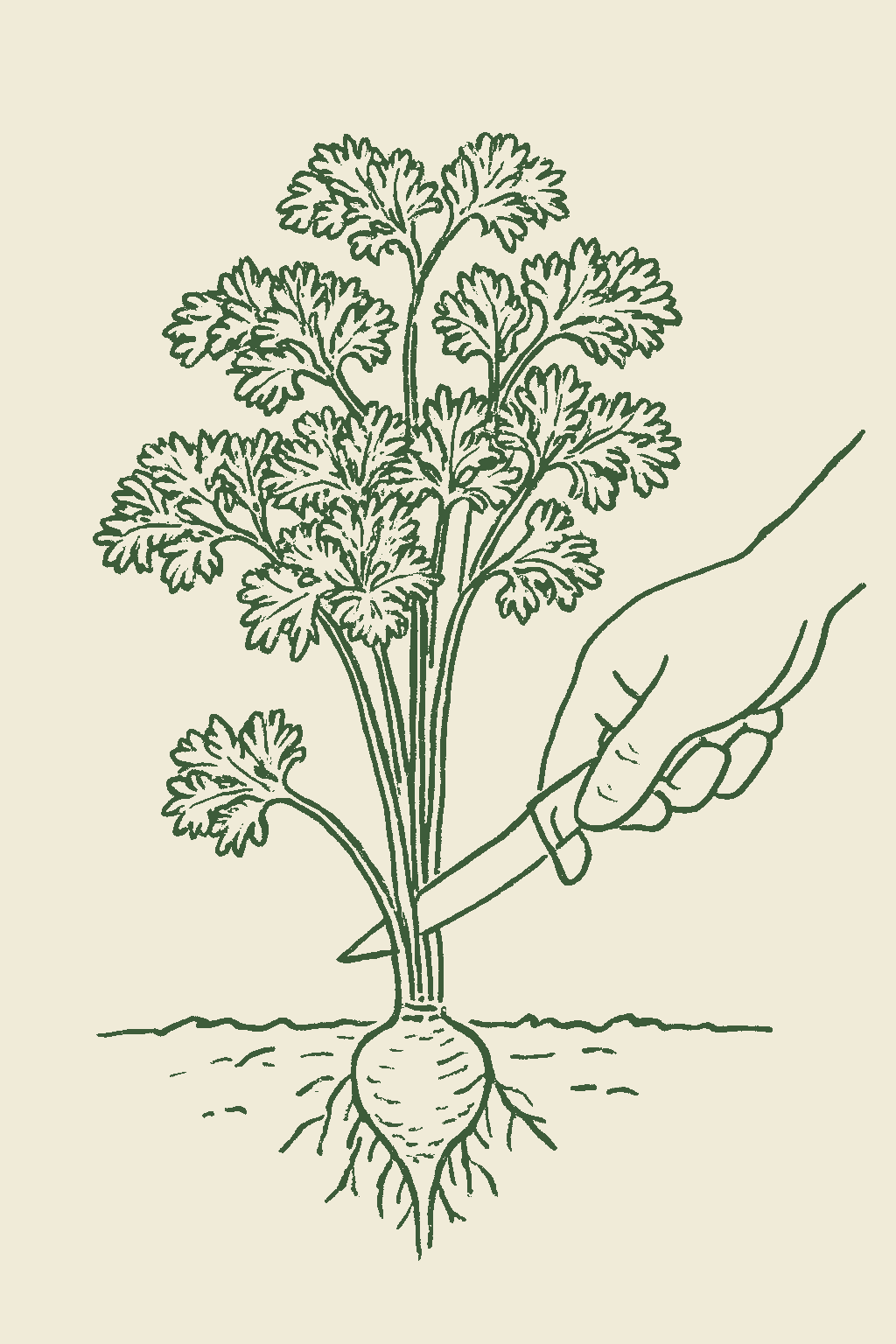
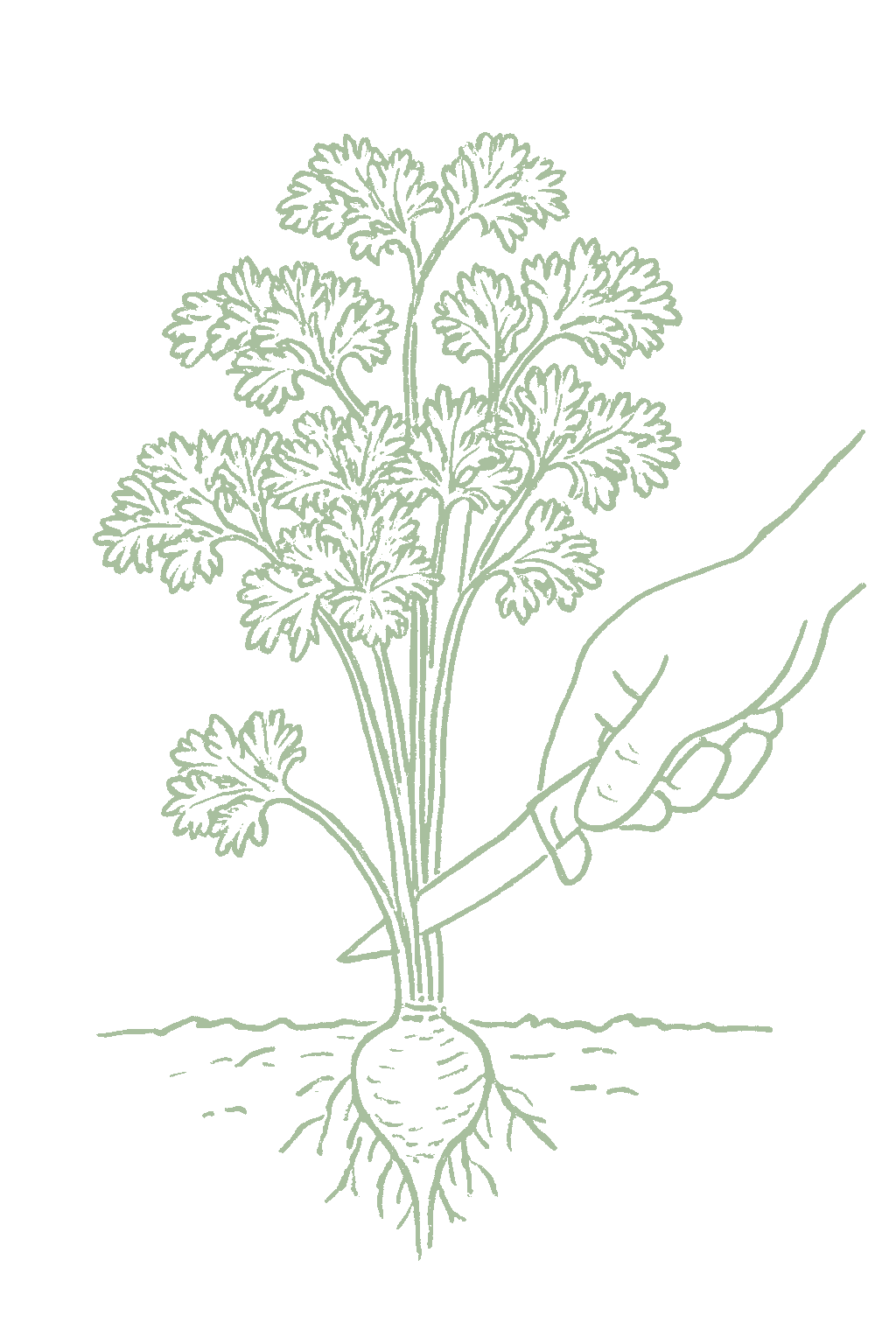
Start picking parsley when the plants are full and about 6 inches tall, a couple of months after sowing. Cut the OUTER stems near the base, no more than a third at a time, and the middle keeps growing new leaves for months, even through summer heat. Pick in the cool morning for the best flavor and put it in the fridge, where it keeps 1 to 2 weeks. In mild areas a mulched plant can live through winter and give you a few early leaves, but it will flower and turn bitter that second spring, so plant new parsley each year for the best leaves.Begin cutting parsley once plants are full and about 6 inches tall, roughly 70 to 90 days from sowing. Harvest by cutting the OUTER stems at the base, taking no more than about a third at a time, and the plant keeps producing fresh leaves from the center for months, right through summer heat that would bolt cilantro or lettuce, and into fall. Pick in the cool morning for the best flavor and refrigerate at once; cut parsley keeps 1 to 2 weeks. In mild zones a mulched plant overwinters for an early-spring cutting, but take that as a bonus: an overwintered plant bolts in its second spring and the leaves turn bitter, so sow fresh plants each year for the main leaf crop.
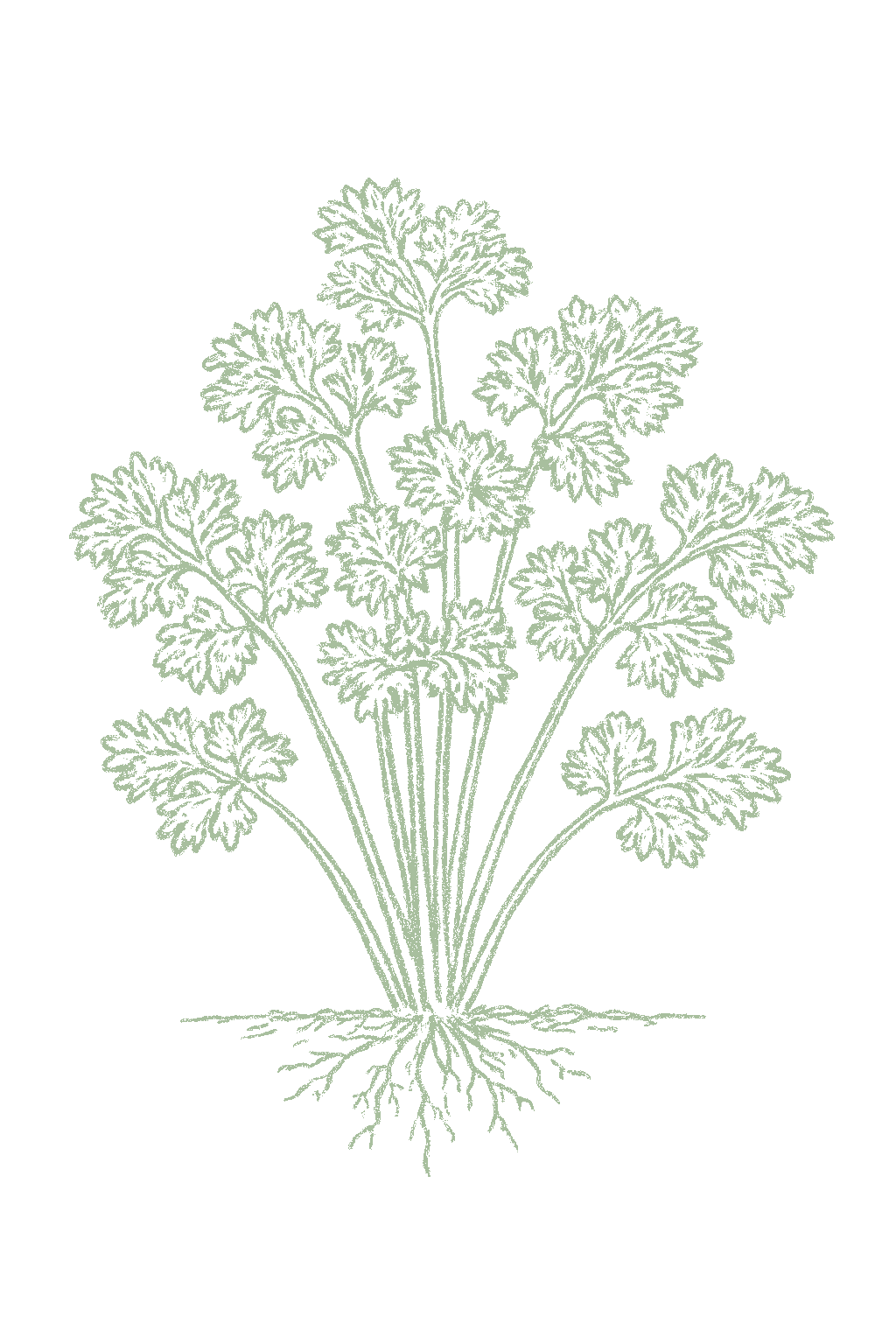
One parsley plant keeps giving leaves for months if you cut from the outside, so a few plants are plenty for a kitchen. Flat-leaf types are bigger and give more; curly types are smaller and frillier.A single parsley plant forms a full rosette of stems and, cut from the outside, yields fresh leaves for months across one long season, far longer than a fast herb like cilantro. A few plants supply a kitchen; flat-leaf types are taller and higher-yielding, curly types denser and lower.
Parsley keeps producing steadily all season, even in summer heat, and in mild areas it carries into fall and even winter. The next spring it flowers and is done.Leaf production builds through the season and holds steady right through summer, since parsley does not bolt from heat in its first year. In mild zones plants carry into late fall and overwinter for an early-spring bonus before the second-year bolt ends them. Parsley is easy once it sprouts, but the seed is slow, so soak it and wait a few weeks without giving up. After that, one planting gives you leaves for months. Just cut from the outside, not the top, and plant new parsley each year for the best flavor.Parsley is a rewarding first-season crop once you get past its slow germination: soak the seed, be patient through the 2-to-5-week sprouting, and a single sowing then produces leaves for months with little fuss. The main beginner mistakes are giving up on the slow seed and harvesting from the top instead of the outer stems. Plant fresh each year, since the second-year plant bolts and turns bitter.
Pick the type for how you cook. Flat-leaf (Italian) parsley like Italian Flat Leaf or Giant of Italy has the most flavor and is best for cooking. Curly parsley like Forest Green or Moss Curled is the frilly kind used for garnish and looks nice in pots. There is also Hamburg or root parsley, grown for an edible root. They all grow the same way, so just keep the soil moist and plant fresh each year.Choose by use. Flat-leaf (Italian) parsley, including Italian Flat Leaf and Giant of Italy, has the strongest, sweetest flavor, taller open plants, and slightly better heat and overwintering tolerance, and is the cook's choice. Curly (French) parsley, such as Forest Green and the Moss Curled and Triple Curled strains, gives the dense, frilly leaves used for garnish and edging, with a milder flavor. Hamburg or root parsley is a distinct type grown for an edible parsnip-like root as well as leaves and wants deep, loose soil. All are grown the same way; variety matters less than steady moisture and fresh annual sowing, since any parsley bolts in its second year.
BBQ & Grill · 25m · Serves 4
BBQ & Grill · 35m · Serves 4
Try not to grow parsley or other carrot-family plants (carrots, parsley, dill, fennel, celery) in the same spot more than about once every 3 years, since they share pests and diseases. Plant parsley after peas, beans, cabbage, onions, or tomatoes instead. Parsley left to flower in its second year can drop seed, so pull up stray seedlings where you do not want them.Rotate parsley and its carrot-family relatives so they do not return to the same ground for about 3 years. The Apiaceae share the carrot rust fly and carrot weevil, aster yellows, Septoria leaf spot, and soilborne crown and root rots, which build up where the family repeats. Follow parsley with legumes, brassicas, alliums, or nightshades. Because parsley is biennial and self-sows from second-year plants left to flower, volunteers can blur a rotation, so pull seedlings that come up out of place.
The plant app sends a timely reminder at every critical moment of your parsley season. The wording adjusts to whichever you pick: beginner or seasoned. Here are three you'll see in Zone 7.
plant sends the right notification at exactly the right moment, for your zone, your weather, your crops. Founding members lock the rate forever.
We're building this guide with real growers. Got a question we missed? Ask here. We read every one and add the best answers right to this page.
Learned something the hard way? Pass it on. Real growers' tips make this guide better for the next person, and we credit you by name when yours goes live.
If you've grown this crop and you see a date, a temperature, a companion claim, or a recommendation that doesn't match your experience, tell us. Real growers' corrections make this guide better for the next person.
Every date, temperature, spacing, and recommendation on this page is sourced from university cooperative extension publications, peer-reviewed agricultural research, NOAA climate data, and direct extension calendars. Where claims are softer (traditional gardening wisdom not formally documented), we say so.
Spot a data point that doesn't match your experience? Submit a correction; accepted corrections earn full author credit on the page.
Zone-aware seasonal nudges, what's worth planting now, and the occasional recipe from the harvest. No spam, ever.