Today · in your zone
What's happening right now
Off-season for sugar snap peas in zone 11.
Tap to switch. plant calibrates to where you are in the journey.
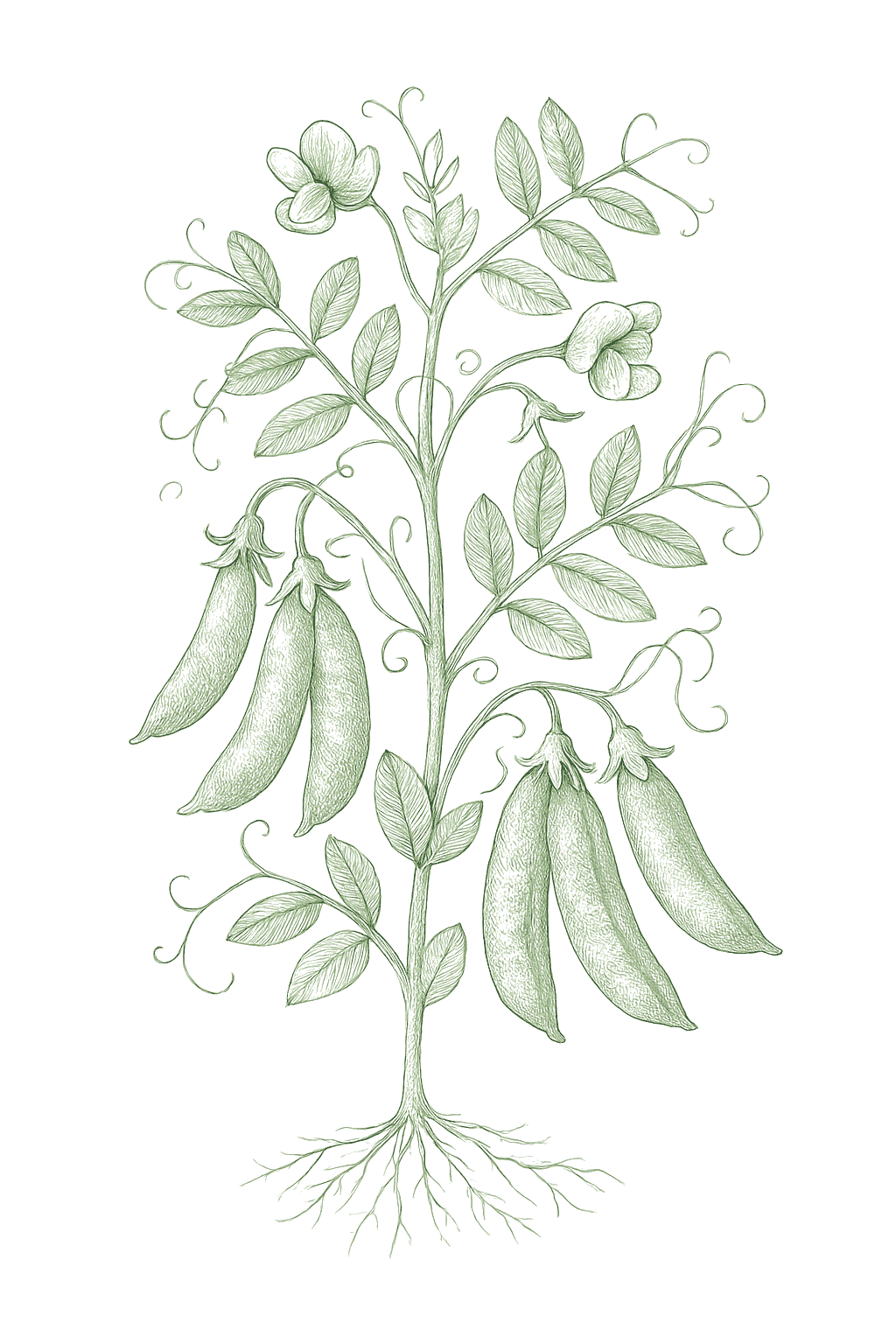
Sugar snap peas are the plump, sweet peas you eat whole, pod and all. Unlike flat snow peas, which you pick while the pod is still flat, you let snap peas fill out until the peas inside are round and the pod is fat, crisp, and sweet. They are a cool-weather crop: plant the seeds straight in the garden as soon as you can work the soil in spring, and again in late summer for fall. Some kinds grow into tall vines that need a trellis, like Sugar Snap; others, like Sugar Ann, stay short and bushy and hold themselves up. Older kinds have a stringy seam you peel off before eating; newer kinds are stringless. Sugar snap peas are an edible-pod pea grown for plump, rounded pods eaten whole, pod and peas together, while the pod is still crisp, bright, and sweet. They are the plump-podded cousin of the flat snow pea: where a snow pea is picked young and flat before its seeds develop, a snap pea is left until the peas inside have swelled and nearly filled the pod, giving the crunchy, sugary pod that names the type. Like all peas they are a cool-season legume, sown as early as the ground can be worked in spring and again for a fall crop, and they fix much of their own nitrogen. Types range from tall climbing vines that need a trellis, such as the original Sugar Snap, to compact bush types like Sugar Ann that stand on their own; older varieties carry a string along the pod that is pulled off before eating, while newer ones are stringless.
Off-season for sugar snap peas in zone 11.
In Zone 11, sugar snap peas can be planted October through November, skipping the summer heat. Harvest runs December through March.
Snap peas crop for a few weeks from one planting, so you may not need many sowings. Plant a second short row a week or two after the first to stretch the supply, and again in late summer for fall where it works. In hot areas, skip summer and sow through the cool months.Sugar snap peas, especially the tall indeterminate types, crop over a longer window than snow peas, so one sowing often carries the spring crop; add a second sowing a week or two later only to stretch the supply, and a separate fall crop where summers allow. In hot regions skip summer entirely and sow through the cool fall, winter, and early spring.
In Zone 11, sugar snap peas can be planted October through November, skipping the summer heat. Harvest runs December through April.
Snap peas crop for a few weeks from one planting, so you may not need many sowings. Plant a second short row a week or two after the first to stretch the supply, and again in late summer for fall where it works. In hot areas, skip summer and sow through the cool months.Sugar snap peas, especially the tall indeterminate types, crop over a longer window than snow peas, so one sowing often carries the spring crop; add a second sowing a week or two later only to stretch the supply, and a separate fall crop where summers allow. In hot regions skip summer entirely and sow through the cool fall, winter, and early spring.
In Zone 11, sugar snap peas can be planted March through May, then again September through October, skipping the summer heat. Harvest runs November through May.
Snap peas crop for a few weeks from one planting, so you may not need many sowings. Plant a second short row a week or two after the first to stretch the supply, and again in late summer for fall where it works. In hot areas, skip summer and sow through the cool months.Sugar snap peas, especially the tall indeterminate types, crop over a longer window than snow peas, so one sowing often carries the spring crop; add a second sowing a week or two later only to stretch the supply, and a separate fall crop where summers allow. In hot regions skip summer entirely and sow through the cool fall, winter, and early spring.
In Zone 11, sugar snap peas can be planted October through November, skipping the summer heat. Harvest runs December through March.
Snap peas crop for a few weeks from one planting, so you may not need many sowings. Plant a second short row a week or two after the first to stretch the supply, and again in late summer for fall where it works. In hot areas, skip summer and sow through the cool months.Sugar snap peas, especially the tall indeterminate types, crop over a longer window than snow peas, so one sowing often carries the spring crop; add a second sowing a week or two later only to stretch the supply, and a separate fall crop where summers allow. In hot regions skip summer entirely and sow through the cool fall, winter, and early spring.
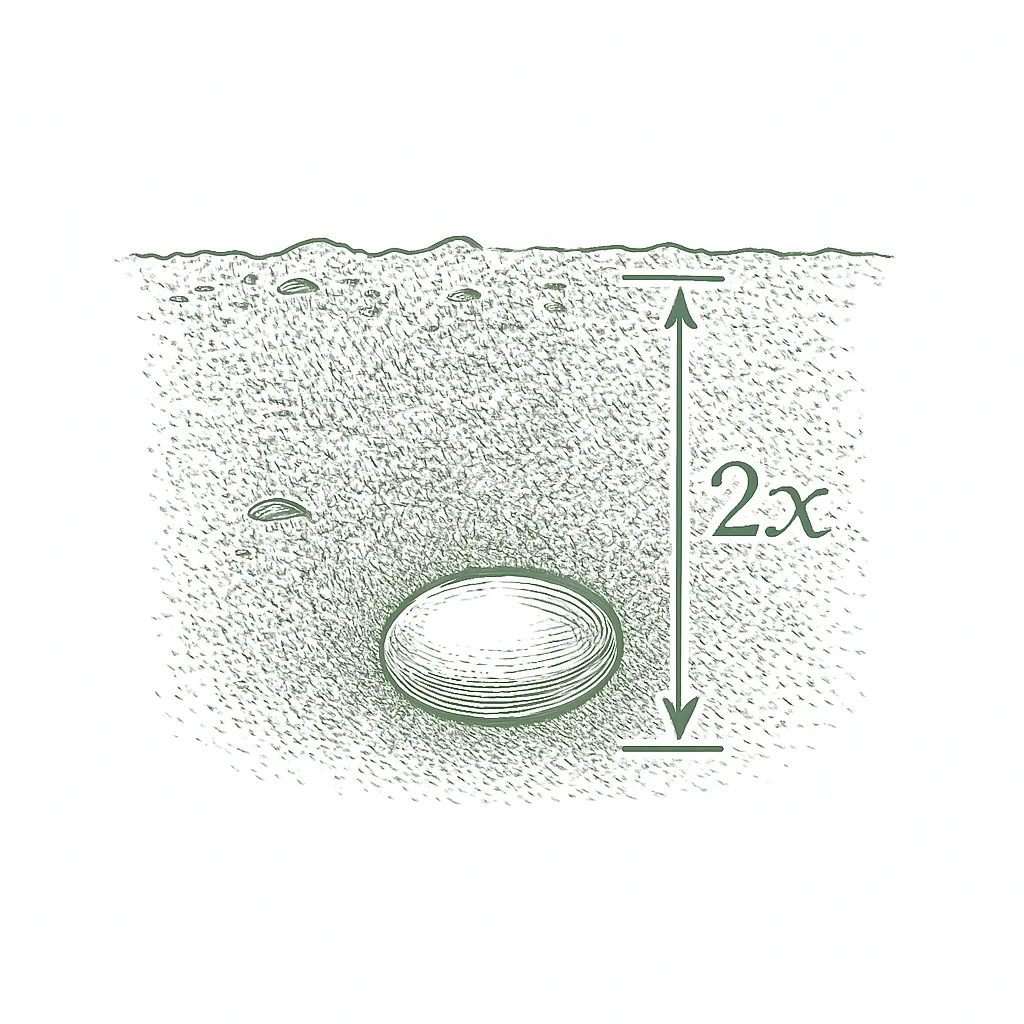
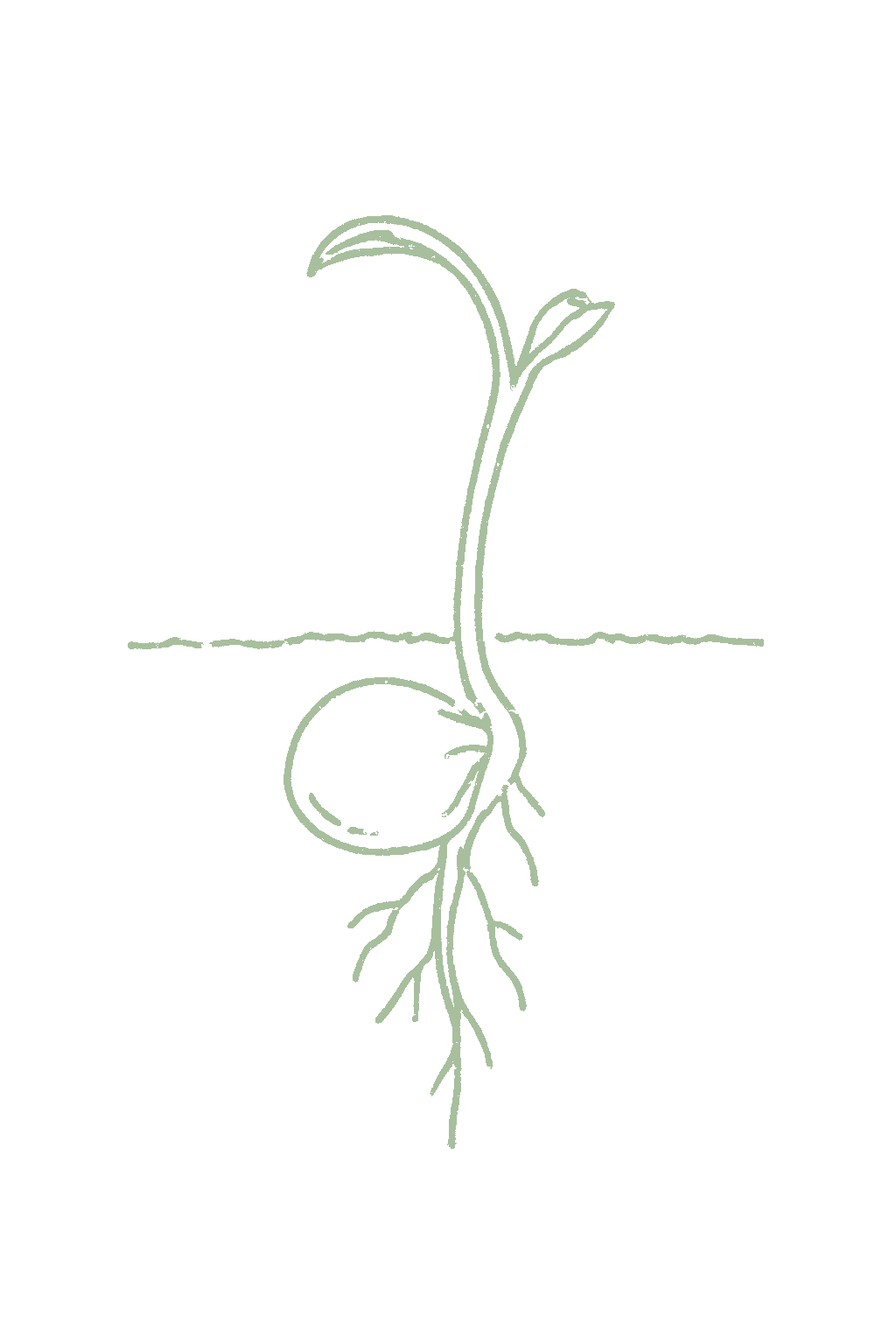
Plant snap pea seeds right where they will grow, as soon as the soil can be worked in spring and again in late summer for fall. Peas do not like their roots disturbed, so skip starting them indoors. Plant about 1 to 1.5 inches deep and 1 to 2 inches apart.Direct-sow into cool, workable soil as early as the ground can be prepared in spring, and again for a fall crop. Peas resent root disturbance and germinate readily in cool soil, so transplanting offers no advantage. Sow about 1 to 1.5 inches deep and 1 to 2 inches apart in rows roughly 18 to 24 inches apart; some growers presoak seed overnight to speed emergence.



Not sure what soil you have? Grab a small handful of damp soil from your garden bed and squeeze it. If it crumbles apart easily, it's sandy. If it holds together but breaks when you poke it, it's loam (what most vegetables want). If it stays in a hard, slippery ball, it's clay.
Snap peas like loose, fertile soil that drains well, with some compost mixed in. The main thing they care about is good drainage, because peas planted in cold, soggy soil tend to rot before they sprout. If water sits on your bed for a long time after rain, work in compost or plant on a raised bed first.
Mix 2-3 inches of compost into the top 6 inches of your bed before planting. Compost holds moisture (which sandy soil drains too fast) and adds the nutrients sandy soil tends to lack. Repeat each season. Compost breaks down over time.
Mix 2-3 inches of compost AND a few inches of coarse sand or perlite into the top 6 inches of your bed. The compost feeds the plants; the sand breaks up the clay so air and water can move through. Don't add sand without compost. It can compact like concrete.
If amending your soil sounds like too much work, or if your soil is heavy clay, full of rocks, or contaminated, build over it. A raised bed at least 12 inches deep filled with a 50/50 mix of compost and sandy loam gives you ideal growing soil with no battles. A 5-gallon container with quality potting mix does the same for one plant at a time. Both bypass your native soil entirely.
The numbers that matter, at a glance.
Snap peas grow best in soil from about 6.0 to 7.0, which is slightly acidic to neutral. They do poorly in strongly acidic soil below 6.0, so if a soil test reads low, mix in some lime before planting. Most garden beds are already in a good range.Aim for a soil pH of about 6.0 to 7.0. Clemson targets 6.0 to 6.5 for peas, and growth is inhibited on acid soils at pH 6.0 and below, so lime an acid plot the season before sowing. Peas tolerate up to roughly 7.5, and a soil test is the reliable way to confirm both pH and fertility before the season starts.
Peas make much of their own food from the air, so they barely need fertilizer. Mix a little compost or balanced fertilizer into the bed before you plant and that is enough. Too much fertilizer gives you big leafy vines but fewer pods. If you like, you can coat the seed with a pea inoculant powder, which helps the roots make nitrogen, but it is optional.Sugar snap peas are light feeders. As legumes they fix much of their own nitrogen through root nodules, so heavy nitrogen drives leafy vine growth at the expense of pods. Without a soil test, work a little balanced fertilizer or compost into the bed before sowing; that is usually all peas need. An inoculant of the right Rhizobium bacteria is optional and can help nodulation where peas have not been grown before. Avoid high-nitrogen feeds, which delay flowering and cut pod set.
A balanced vegetable fertilizer like 5-10-10 mixed into the bed before planting is plenty.A balanced 5-10-10 worked in before sowing if no soil test is available; skip extra nitrogen, which peas supply themselves.
Snap peas get along with most cool-season vegetables. They grow happily beside carrots, radishes, and lettuce, and because they leave nitrogen in the soil, they are a good crop to grow before a leafy green. The pairing to avoid is planting peas right next to onions or garlic. As a nitrogen-fixing legume, sugar snap peas leave the soil richer for what follows and sit comfortably among the other cool-season crops grown in the same early-spring and fall windows: carrots, radishes, and lettuce are classic bed-mates. The long-standing caution is to keep peas away from the alliums (onion, garlic), which are widely held to suppress legumes through the same root-bacteria interference seen with beans.
Snap peas are ready when the pods are plump and rounded and the peas inside have filled out, but the pod is still bright green, crisp, and sweet, about a week after the flowers open. Pick them before the pod gets dull, yellow, or tough. Check the vines every one to three days and pick often, because leaving old pods on the plant makes it stop making new ones. Hold the vine with one hand and pull the pod with the other so you do not tear the plant, and peel the string off the seam of older kinds before eating.Sugar snap peas are ready when the pods have plumped up and rounded out, with the peas inside nearly full but the pod still bright green, crisp, and tender, roughly 5 to 8 days after flowering. Pick before the seeds bulge and stand out individually along the pod and before the pod dulls, yellows, or turns fibrous, the point at which it goes tough and starchy. Pick every one to three days: frequent picking keeps the vines flowering and producing, while overmature pods left on the plant signal it to stop. Snap the pod off with two hands so you do not tear the brittle vine, and pull the string along the seam of older, stringed varieties before eating.
Each pea plant gives only a modest amount, so peas are grown in rows, not one at a time. A 10-foot row of snap peas gives about 3 to 4 pounds of pods over its picking weeks.Sugar snap peas yield modestly per plant, so they are grown in rows or blocks rather than singly. Utah State puts a snap or snow pea crop at about 3 to 4 pounds of pods per 10 feet of row over its cropping window; a trellised double row in a small bed gives a steady picking for several weeks.
Snap peas crop for three to four weeks, then slow down as it heats up. Because one planting keeps going for a while, you often need only one or two sowings, plus a fall crop where it works.Snap peas come on over three to four weeks, a longer window than snow peas, and then decline as the weather warms. Because a single sowing crops for a while, one or two sowings usually suffice, with a separate fall crop where summers allow. Snap peas are a great first-year crop. You plant the seed straight into cool spring soil, and in about two months you are picking plump, sweet pods. The main things that affect your harvest are planting early before the heat, giving tall vines a trellis, and picking often once the pods fill out.Sugar snap peas are a rewarding first-year crop: cold-hardy seed sown straight into early-spring soil, quick to a plump, sweet pod in about 58 to 70 days, and forgiving of cool weather. The main levers on yield are sowing early enough to beat the heat, giving climbing types a trellis, and picking often once the pods plump up.
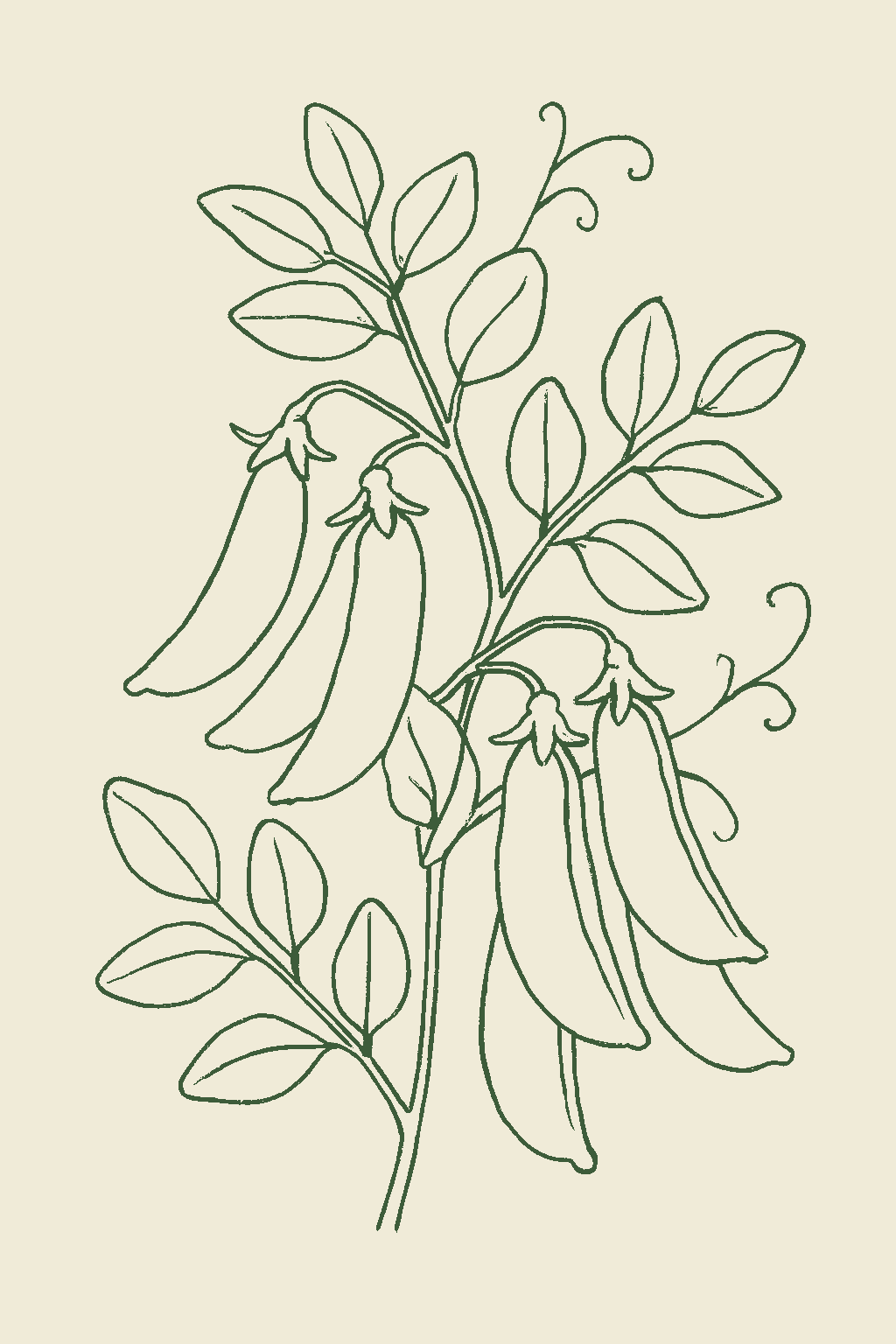
These are snap peas, the plump, sweet kind you eat whole once the pods fill out, different from flat snow peas and from shelling peas you pop open for the seeds. Pick a type to fit your space: tall kinds like Sugar Snap need a trellis, while short bush kinds like Sugar Ann hold themselves up and do well in pots. If powdery mildew or wilt is common where you garden, choose a resistant variety like Super Sugar Snap, Cascadia, or Sugar Sprint. Older kinds have a stringy seam you peel off; Sugar Ann, Cascadia, and Sugar Sprint are stringless.These are snap (sugar snap) peas, bred for plump, rounded, edible pods eaten whole once the peas have filled out; do not confuse them with flat snow peas, which are picked young and flat, or with shelling peas grown only for the seed. Match the variety to your support: tall climbers like Sugar Snap and Super Sugar Snap reach several feet and need a sturdy trellis, while bush types like Sugar Ann stand on their own and suit containers and small beds. Where powdery mildew or wilt recur, lean on the resistant varieties: Super Sugar Snap, Cascadia, and Sugar Sprint carry powdery mildew resistance, and Cascadia adds Fusarium wilt and pea enation mosaic virus resistance. Older varieties carry a string along the pod seam that is pulled before eating; Sugar Ann, Cascadia, and Sugar Sprint are stringless.
Mains · 20m · Serves 2
Move your peas to a new spot each year, on about a three-year rotation, and longer if you have had disease trouble. Because peas feed the soil with nitrogen, whatever you plant there next will benefit.Rotate peas on a roughly three-year cycle, longer where Ascochyta blight or root rot have shown up. Their nitrogen-fixing habit makes them a good predecessor for nitrogen-hungry crops.
The plant app sends a timely reminder at every critical moment of your sugar snap peas season. The wording adjusts to whichever you pick: beginner or seasoned. Here are three you'll see in Zone 11.
plant sends the right notification at exactly the right moment, for your zone, your weather, your crops. Founding members lock the rate forever.
We're building this guide with real growers. Got a question we missed? Ask here. We read every one and add the best answers right to this page.
Learned something the hard way? Pass it on. Real growers' tips make this guide better for the next person, and we credit you by name when yours goes live.
If you've grown this crop and you see a date, a temperature, a companion claim, or a recommendation that doesn't match your experience, tell us. Real growers' corrections make this guide better for the next person.
Every date, temperature, spacing, and recommendation on this page is sourced from university cooperative extension publications, peer-reviewed agricultural research, NOAA climate data, and direct extension calendars. Where claims are softer (traditional gardening wisdom not formally documented), we say so.
Spot a data point that doesn't match your experience? Submit a correction; accepted corrections earn full author credit on the page.
Zone-aware seasonal nudges, what's worth planting now, and the occasional recipe from the harvest. No spam, ever.