Today · in your zone
What's happening right now
Off-season for sweet corn in zone 9.
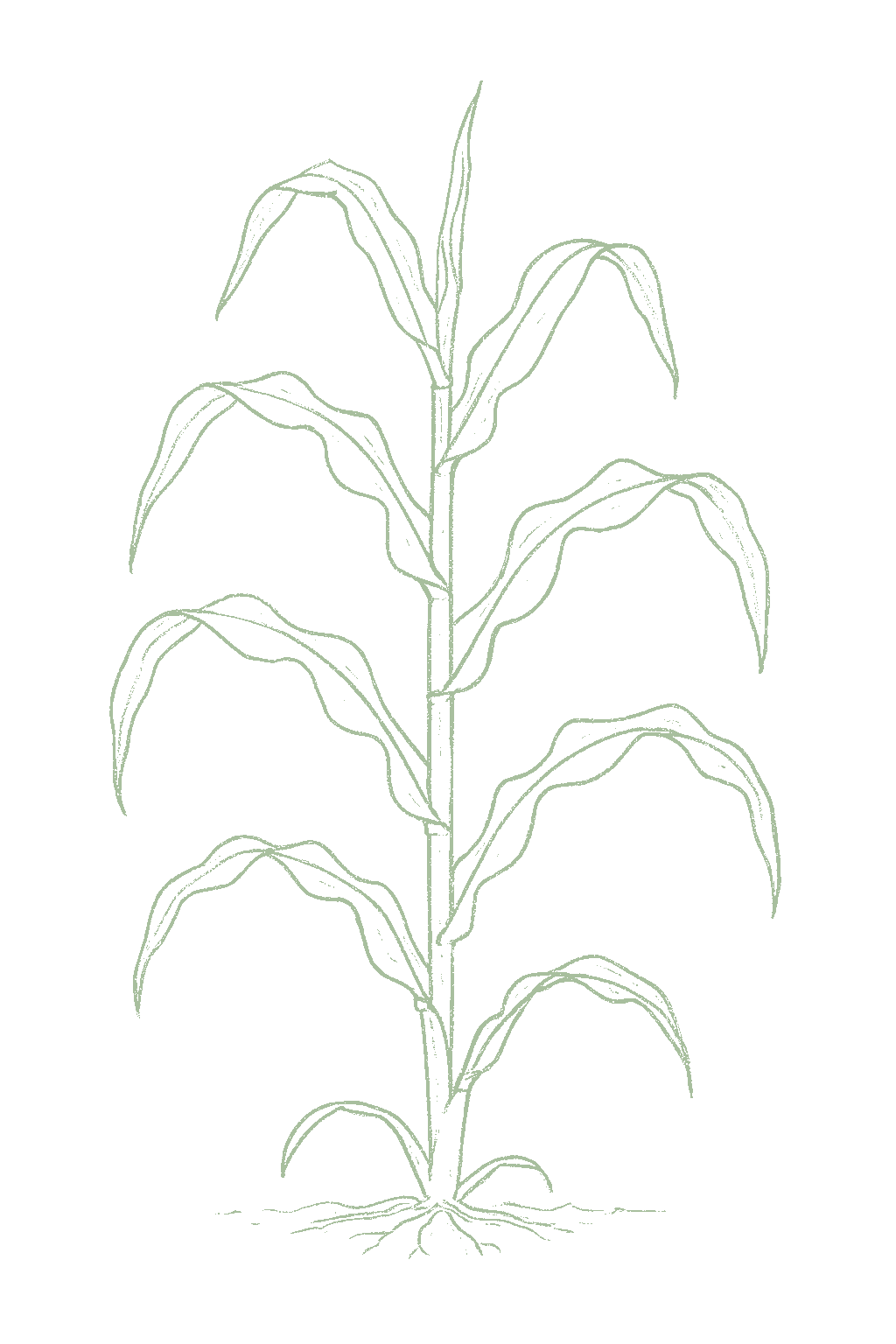
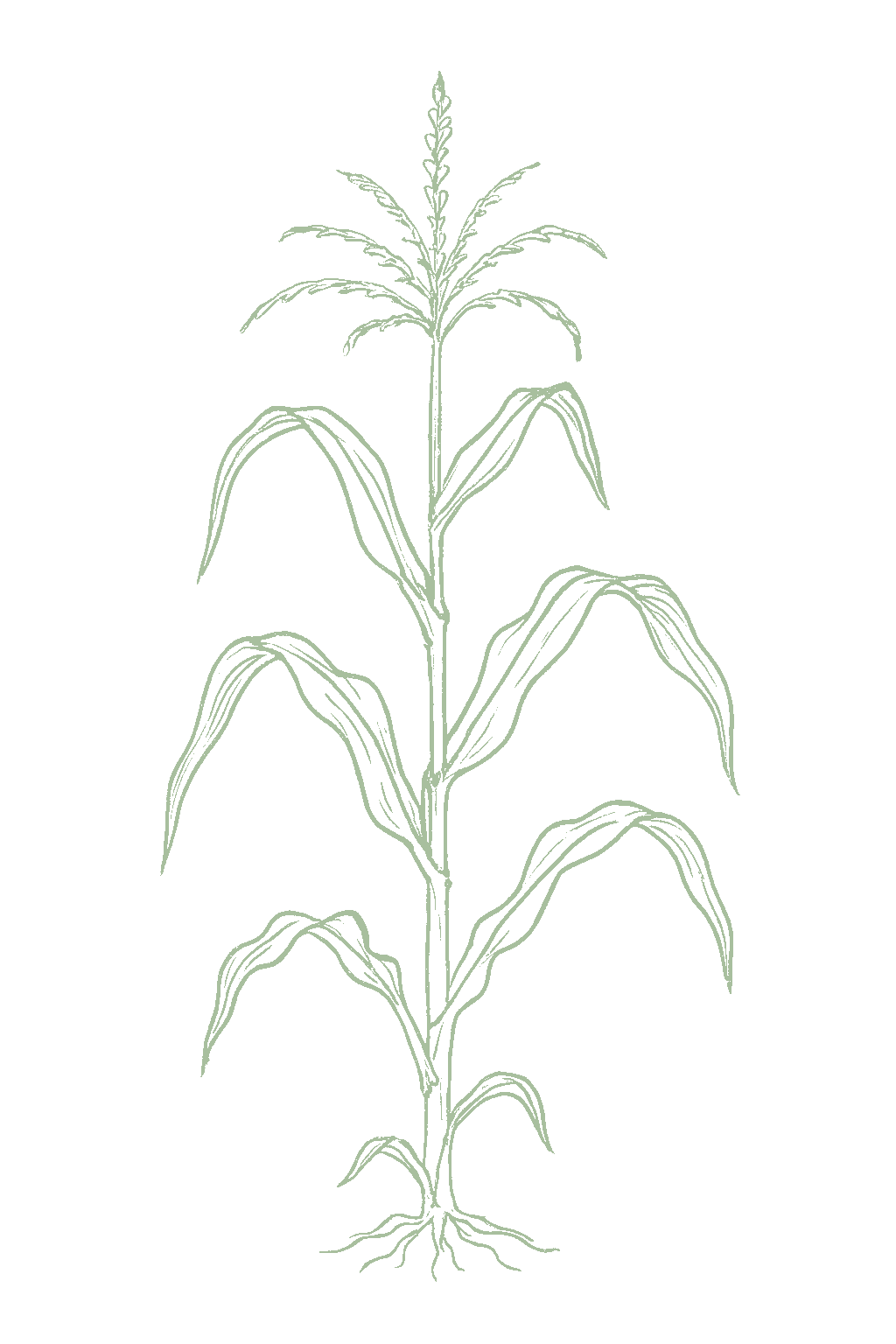
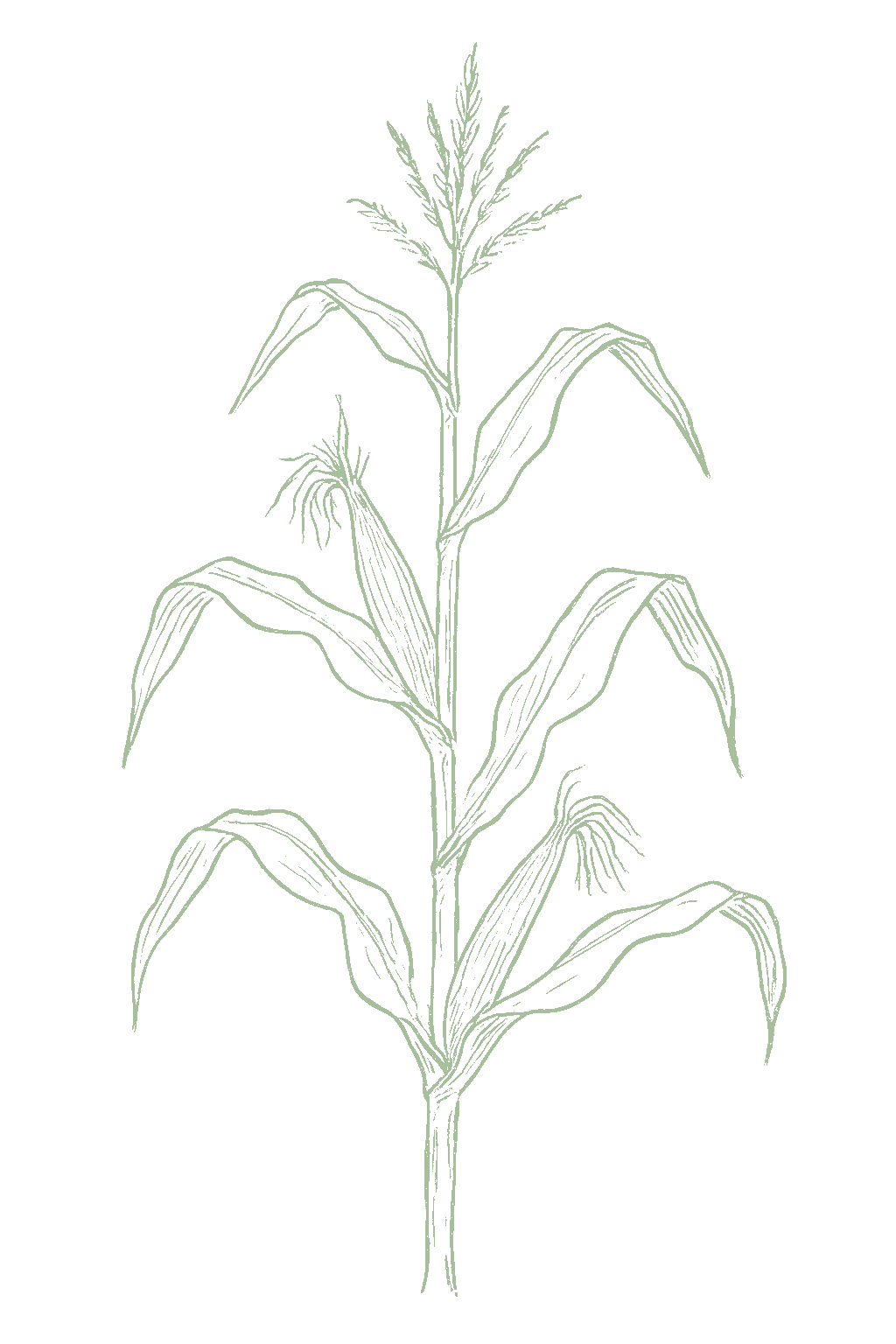
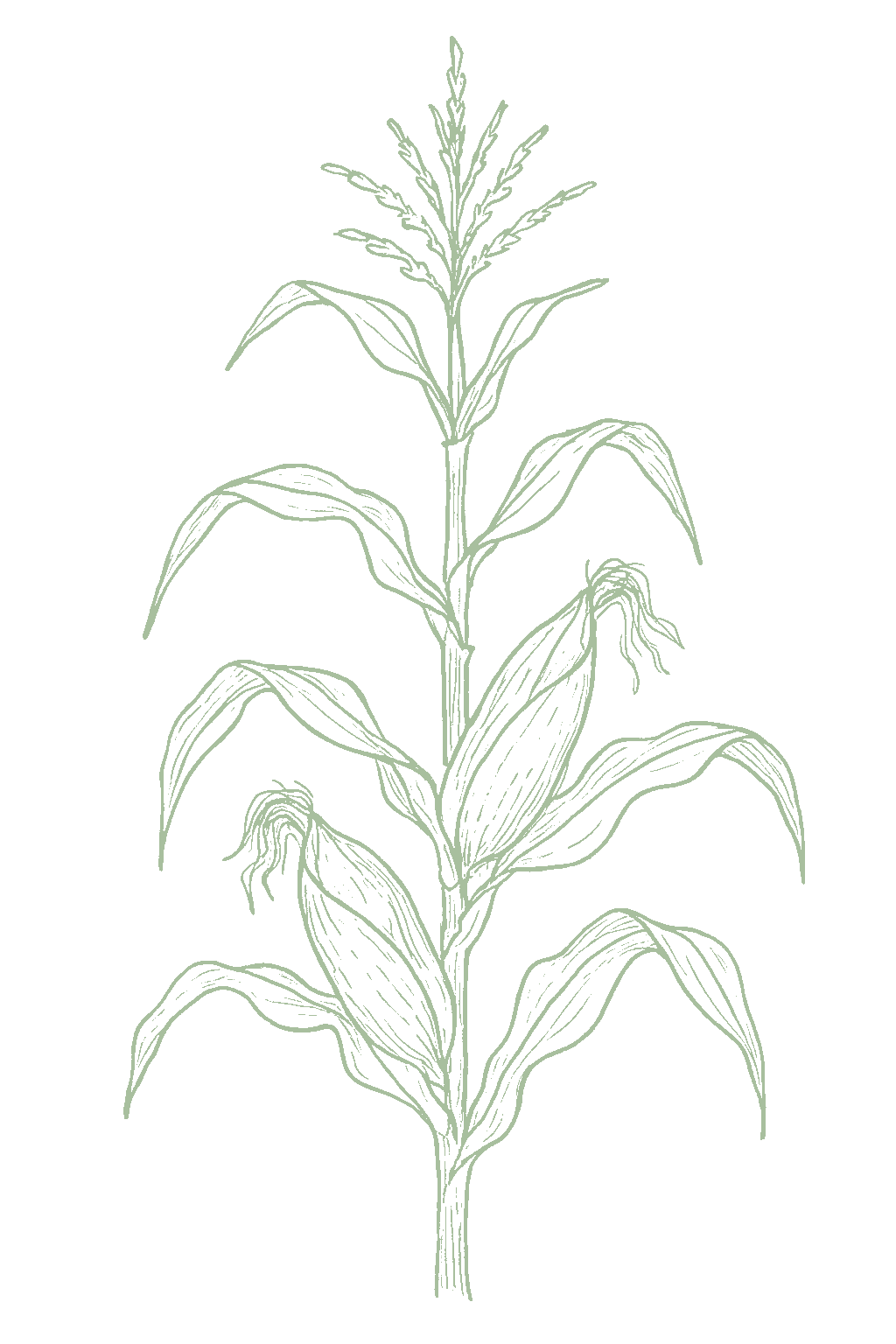
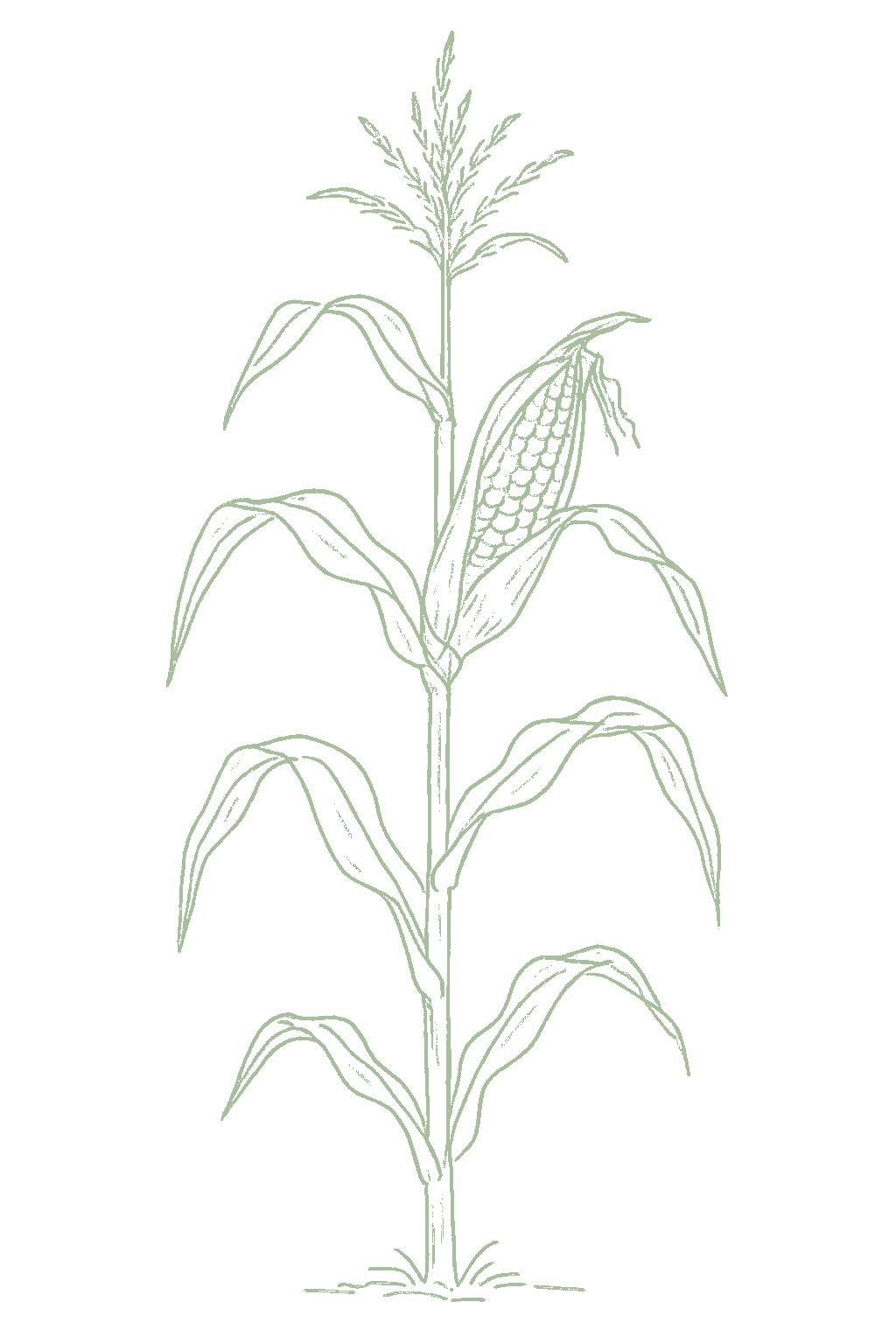
Sweet corn is a tall summer grass grown for its ears, which you pick young and sweet at the milk stage. Corn is pollinated by wind, not by bees: the feathery tassel at the top drops pollen that has to reach the silks below, and each silk that catches pollen becomes one kernel. That is why you plant corn in a square block of short rows instead of a single long row, so the pollen has plenty of neighbors to land on. It likes warm soil, rich feeding, and steady water while the ears are forming. Sweet corn (Zea mays var. saccharata) is a tall, frost-tender warm-season grass grown for its immature ears, picked green at the milk stage. It is wind-pollinated: the tassel sheds pollen that must land on the silks, so it is planted in a block of short rows rather than one long row. Variety choice turns on sugar genetics (su, se, sh2), which set both sweetness and how long the ears hold quality after picking. Direct-sown into warm soil, it is a heavy feeder with a critical moisture window at tasseling and silking.
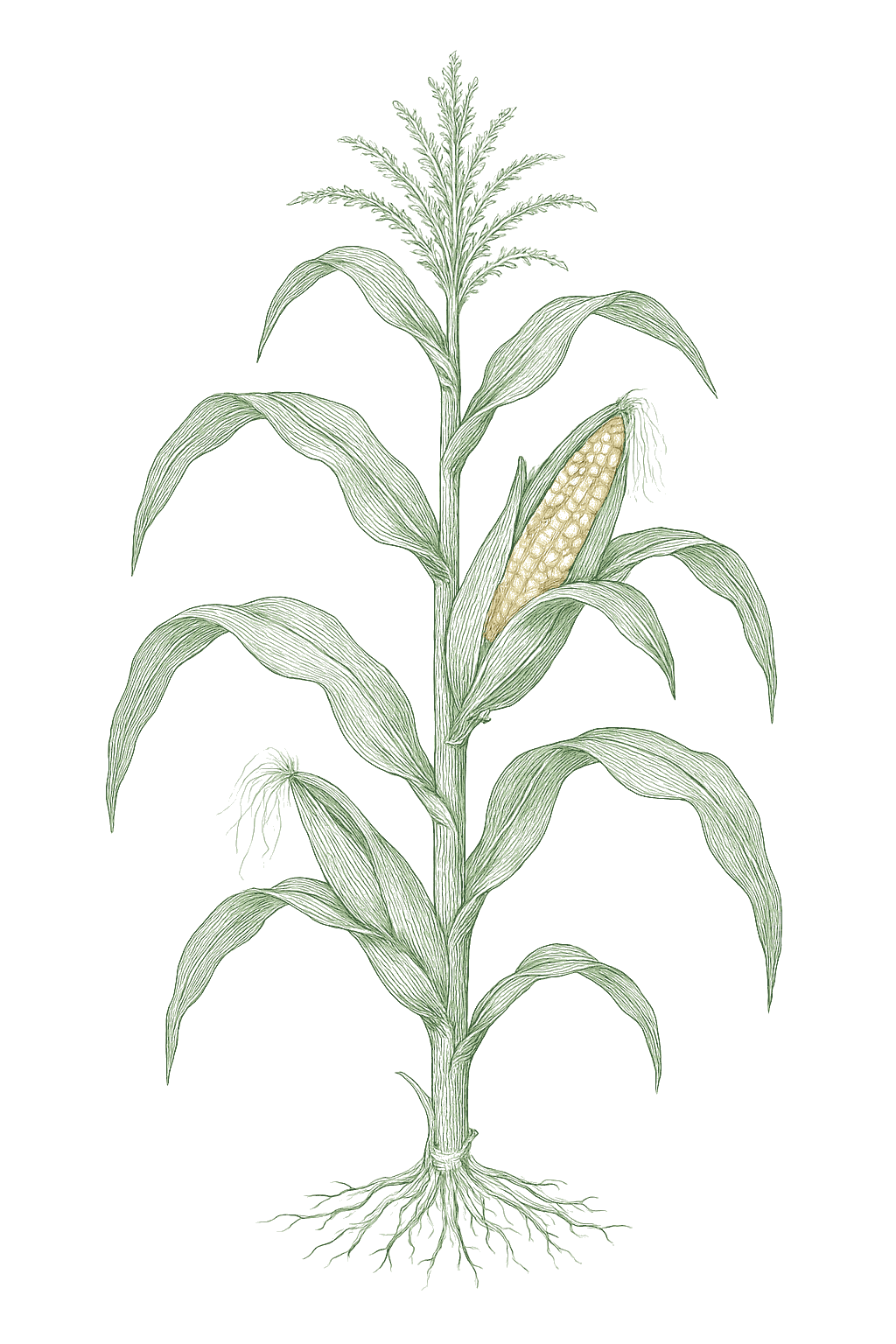
Off-season for sweet corn in zone 9.
Zone 9 averages a last frost around March 1. Within Zone 9, the colder half (9a, winters down to 20°F) runs about a week later. The warmer half (9b, winters down to 25°F) runs about a week earlier. The plant app picks your subzone from your ZIP.
| Subzone | Last spring | First fall | Growing days | Winter min | Fruits reliably |
|---|---|---|---|---|---|
| 9a | Mar 8 | Nov 24 | ~261 | 20-25°F | Yes · two seasons |
| 9b | Feb 28 | Nov 30 | ~275 | 25-30°F | Yes · two seasons |
Averages from 8 weather stations per subzone, drawn from NOAA 1991-2020 Climate Normals. Your actual frost date can vary by up to two weeks based on elevation, proximity to water, and local topography.
In Zone 9, sweet corn can be planted March through August. Harvest runs May through November.
To spread out the harvest, plant a new BLOCK every couple of weeks rather than a single row, so each block can still pollinate itself. Or plant early and late varieties at the same time. Either way, stop planting early enough that the last block ripens before your first fall frost.Stagger whole BLOCKS, not single rows: sow a fresh block every two weeks (or when the previous planting has three to five leaves) so each block still pollinates itself. Alternatively, plant su, se, and sh2 types of differing maturity at once. Stop early enough that the last block finishes before the first fall frost.
In Zone 9, sweet corn can be planted February through May, then again August, skipping the summer heat. Harvest runs April through November.
To spread out the harvest, plant a new BLOCK every couple of weeks rather than a single row, so each block can still pollinate itself. Or plant early and late varieties at the same time. Either way, stop planting early enough that the last block ripens before your first fall frost.Stagger whole BLOCKS, not single rows: sow a fresh block every two weeks (or when the previous planting has three to five leaves) so each block still pollinates itself. Alternatively, plant su, se, and sh2 types of differing maturity at once. Stop early enough that the last block finishes before the first fall frost.
In Zone 9, sweet corn can be planted February through March, skipping the summer heat. Harvest runs April through May.
To spread out the harvest, plant a new BLOCK every couple of weeks rather than a single row, so each block can still pollinate itself. Or plant early and late varieties at the same time. Either way, stop planting early enough that the last block ripens before your first fall frost.Stagger whole BLOCKS, not single rows: sow a fresh block every two weeks (or when the previous planting has three to five leaves) so each block still pollinates itself. Alternatively, plant su, se, and sh2 types of differing maturity at once. Stop early enough that the last block finishes before the first fall frost.
In Zone 9, sweet corn can be planted May through July. Harvest runs July through October.
To spread out the harvest, plant a new BLOCK every couple of weeks rather than a single row, so each block can still pollinate itself. Or plant early and late varieties at the same time. Either way, stop planting early enough that the last block ripens before your first fall frost.Stagger whole BLOCKS, not single rows: sow a fresh block every two weeks (or when the previous planting has three to five leaves) so each block still pollinates itself. Alternatively, plant su, se, and sh2 types of differing maturity at once. Stop early enough that the last block finishes before the first fall frost.
In Zone 9, sweet corn can be planted March through July. Harvest runs May through October.
To spread out the harvest, plant a new BLOCK every couple of weeks rather than a single row, so each block can still pollinate itself. Or plant early and late varieties at the same time. Either way, stop planting early enough that the last block ripens before your first fall frost.Stagger whole BLOCKS, not single rows: sow a fresh block every two weeks (or when the previous planting has three to five leaves) so each block still pollinates itself. Alternatively, plant su, se, and sh2 types of differing maturity at once. Stop early enough that the last block finishes before the first fall frost.
In Zone 9, sweet corn can be planted April through May. Harvest runs June through September.
To spread out the harvest, plant a new BLOCK every couple of weeks rather than a single row, so each block can still pollinate itself. Or plant early and late varieties at the same time. Either way, stop planting early enough that the last block ripens before your first fall frost.Stagger whole BLOCKS, not single rows: sow a fresh block every two weeks (or when the previous planting has three to five leaves) so each block still pollinates itself. Alternatively, plant su, se, and sh2 types of differing maturity at once. Stop early enough that the last block finishes before the first fall frost.
In Zone 9, sweet corn can be planted March through April, then again August, skipping the summer heat. Harvest runs May through May.
To spread out the harvest, plant a new BLOCK every couple of weeks rather than a single row, so each block can still pollinate itself. Or plant early and late varieties at the same time. Either way, stop planting early enough that the last block ripens before your first fall frost.Stagger whole BLOCKS, not single rows: sow a fresh block every two weeks (or when the previous planting has three to five leaves) so each block still pollinates itself. Alternatively, plant su, se, and sh2 types of differing maturity at once. Stop early enough that the last block finishes before the first fall frost.
In Zone 9, sweet corn can be planted February through September. Harvest runs May through December.
To spread out the harvest, plant a new BLOCK every couple of weeks rather than a single row, so each block can still pollinate itself. Or plant early and late varieties at the same time. Either way, stop planting early enough that the last block ripens before your first fall frost.Stagger whole BLOCKS, not single rows: sow a fresh block every two weeks (or when the previous planting has three to five leaves) so each block still pollinates itself. Alternatively, plant su, se, and sh2 types of differing maturity at once. Stop early enough that the last block finishes before the first fall frost.
In Zone 9, sweet corn can be planted March through August. Harvest runs May through November.
To spread out the harvest, plant a new BLOCK every couple of weeks rather than a single row, so each block can still pollinate itself. Or plant early and late varieties at the same time. Either way, stop planting early enough that the last block ripens before your first fall frost.Stagger whole BLOCKS, not single rows: sow a fresh block every two weeks (or when the previous planting has three to five leaves) so each block still pollinates itself. Alternatively, plant su, se, and sh2 types of differing maturity at once. Stop early enough that the last block finishes before the first fall frost.
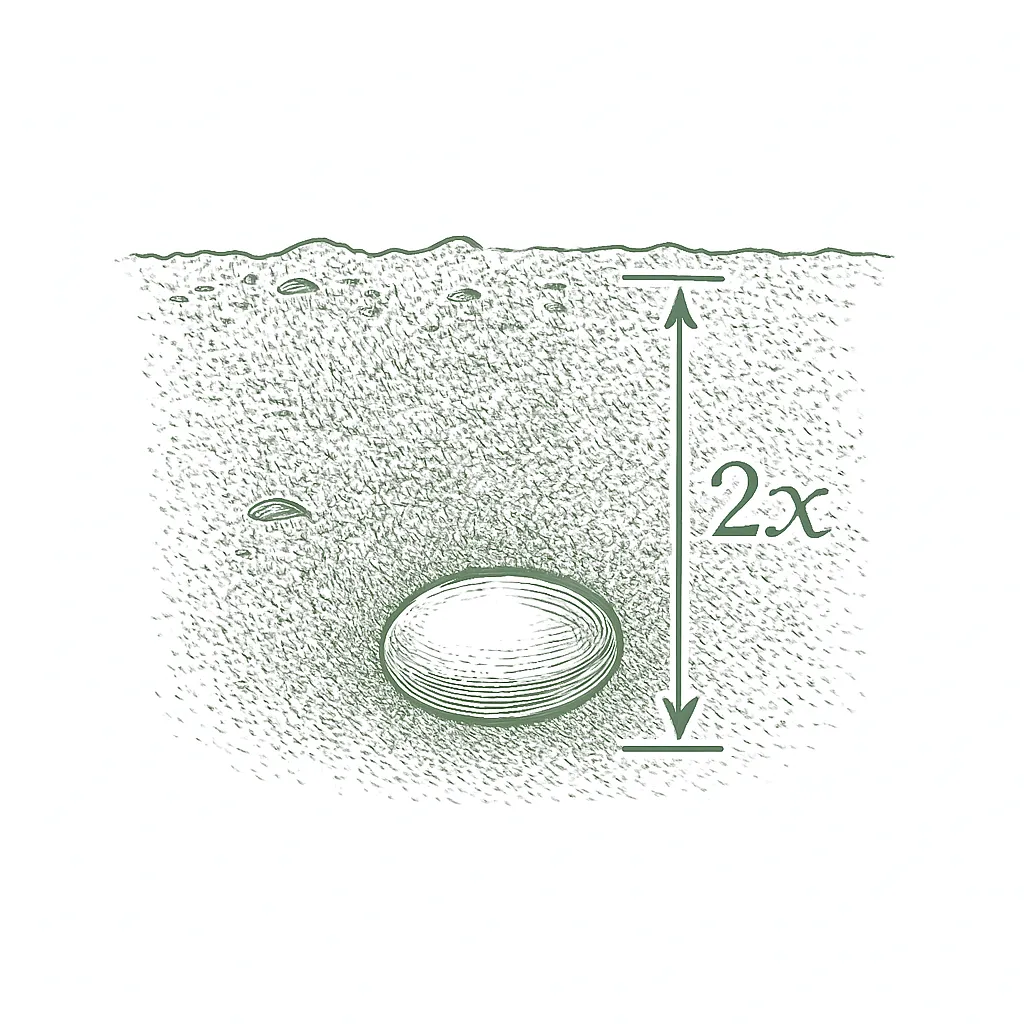
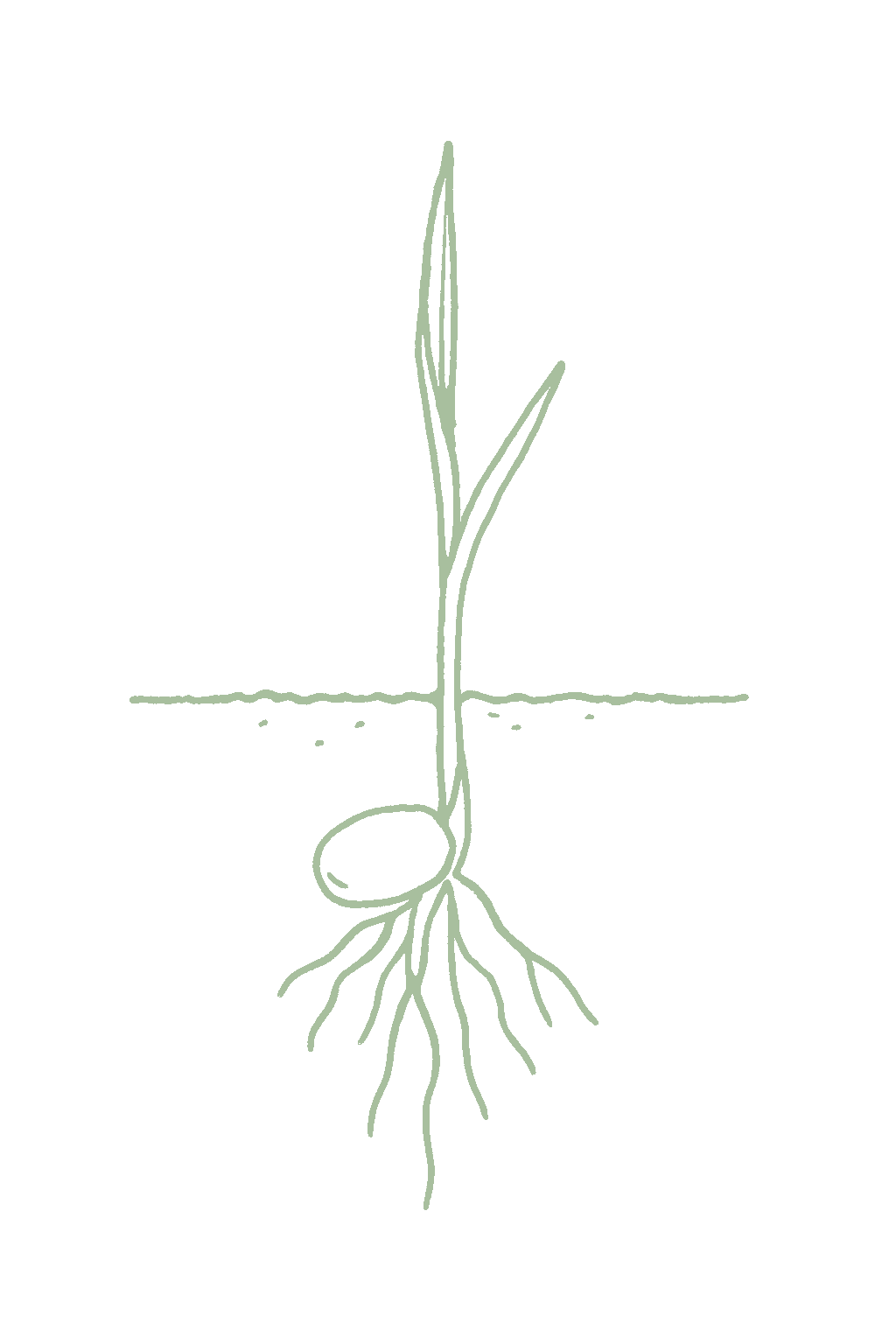
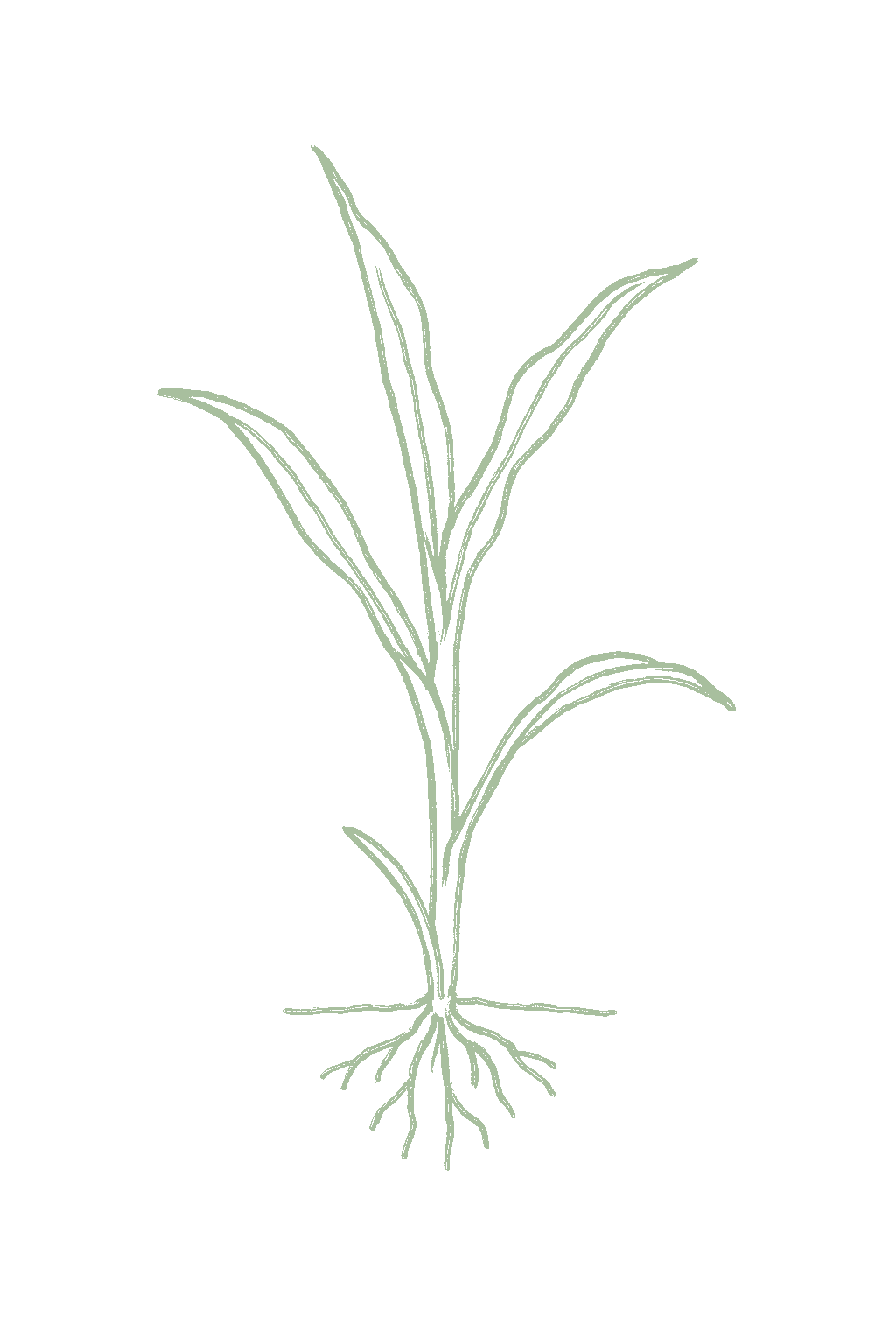
Plant corn seeds right where they will grow, once the soil has warmed to at least 60°F and frost is past. Corn does not like having its roots disturbed and comes up fast anyway, so there is little reason to start it indoors.Direct-sow into warm soil (at least 60°F, warmer for sh2) after the last spring frost. Corn resents root disturbance and germinates quickly in place, so transplanting offers little gain and risks setting plants back.







Not sure what soil you have? Grab a small handful of damp soil from your garden bed and squeeze it. If it crumbles apart easily, it's sandy. If it holds together but breaks when you poke it, it's loam (what most vegetables want). If it stays in a hard, slippery ball, it's clay.
Corn likes deep, rich, well-drained soil. If water pools on your bed after rain, work in compost and consider a raised bed so the roots never sit wet.
Mix 2-3 inches of compost into the top 6 inches of your bed before planting. Compost holds moisture (which sandy soil drains too fast) and adds the nutrients sandy soil tends to lack. Repeat each season. Compost breaks down over time.
Mix 2-3 inches of compost AND a few inches of coarse sand or perlite into the top 6 inches of your bed. The compost feeds the plants; the sand breaks up the clay so air and water can move through. Don't add sand without compost. It can compact like concrete.
If amending your soil sounds like too much work, or if your soil is heavy clay, full of rocks, or contaminated, build over it. A raised bed at least 12 inches deep filled with a 50/50 mix of compost and sandy loam gives you ideal growing soil with no battles. A 5-gallon container with quality potting mix does the same for one plant at a time. Both bypass your native soil entirely.
The numbers that matter, at a glance.
Sweet corn is not suited to pots. It grows tall, feeds heavily, and must be planted in a block of several plants for wind pollination, so it belongs in a garden bed, not a container.Sweet corn is a poor container crop: it is tall and hungry and depends on a block planting for wind pollination, none of which a single pot supports. Grow it in the ground.
Corn does best in soil that is slightly acidic to neutral, around a pH of 6.0 to 6.8. Most garden beds are already close; a soil test is the only way to know for sure and to catch soil that is too acidic.A soil pH of 6.0 to 6.8 suits sweet corn. Lime an acidic bed to reach that range the season before, and confirm both pH and fertility with a soil test, since corn's heavy feeding rewards a well-limed, well-fed bed.
Corn is hungry, especially for nitrogen. Mix a balanced fertilizer into the soil at planting, then feed again when the plants are about knee-high and once more when the tassels appear at the top. Those are the times corn needs the most food. In sandy soil or after heavy rain, feed a little more often, since the nitrogen washes away.Corn is a heavy nitrogen feeder. Work a balanced starter into the bed at planting, then sidedress nitrogen twice: once when plants are knee-high and again as the tassels form, the two windows when demand peaks. Sandy soils and heavy rain leach nitrogen, so split the sidedressing further where that applies.
Corn wants plenty of nitrogen. Use a balanced fertilizer at planting, then feed nitrogen again as it grows.Nitrogen-forward feeding: a balanced starter, then nitrogen sidedressings at knee-high and tasseling.
Corn is the tall centerpiece of the classic Three Sisters planting with beans and squash. The beans feed the soil the corn is so hungry for, and the squash shades the ground below. Keep corn away from tomatoes, since the two share the same ear-and-fruit worm. Corn anchors the traditional Three Sisters trio: beans climb it and fix nitrogen for its heavy demand, and squash sprawls below as a living mulch. The main caution is tomatoes, which share the pest Helicoverpa zea (corn earworm / tomato fruitworm), so a shared planting can concentrate it.
Corn is ready when the silks at the top of the ear have turned brown and dry and the ear feels plump and firm. To be sure, peek at a few kernels and press one with a thumbnail: ready corn runs a milky juice, watery juice means wait, and thick paste means you are late. This peak lasts only a few days, so check daily once the silks brown.Pick at the milk stage: the silks have browned and dried at the ear tip, the ear feels full and firm, and a punctured kernel runs a milky (not clear, not doughy) juice. This is roughly 18 to 20 days after the first silks show, and the window lasts only about 4 to 5 days.
Each corn plant usually gives just one or two ears, which is why you grow a whole block of it rather than a few plants. A 10-foot row gives roughly a dozen to two dozen ears, all around the same time.Each stalk typically yields one to two ears, which is why corn is grown in a block of many plants rather than a few; a 10-foot row returns roughly a dozen to two dozen ears over its short window.
A block of corn comes ready all within a few days, then quickly goes past its best. Planting blocks a couple of weeks apart, or mixing early and late varieties, spreads out the harvest instead of getting it all at once.A block ripens close together over a short 4-to-5-day milk-stage window, then the sugars turn. Staggered blocks (or su, se, and sh2 types of differing maturity) spread the harvest instead of one glut. Sweet corn is a fun first-year crop, but it needs room: plant a block of several rows, not just a few plants, keep it watered when the silks are out, and guard the ripe ears from raccoons. Do that and a small block gives a real harvest in 60 to 90 days.Sweet corn is rewarding but space-hungry for a first-year grower: it needs a block of several rows, steady water at silking, and protection from raccoons at the finish. Given those, a short block delivers a real harvest in 60 to 90 days.
Sweet corn comes in three sugar types. Standard sweet (su) tastes classic but must be eaten quickly. Sugary-enhanced (se) is sweeter and tender and holds a bit longer, and is the easiest all-around choice. Supersweet (sh2) stays sweetest the longest, but its seed needs warmer soil to sprout and it has to be kept apart from the other types so their pollen does not make it starchy.Choose by sugar genetics. Standard sugary (su) gives classic corn flavor but the shortest quality window; sugary-enhanced (se) is sweeter and more tender and holds a little longer; supersweet (sh2) holds sweetness longest and stores best, but its seed needs warmer soil to germinate and it must be isolated from su and se types by distance or planting date, or the cross turns the kernels starchy.
BBQ & Grill · 25m · Serves 4
The ladder troubleshoots from the gentlest solution to the strongest. Start with the gentlest option and only move on when and if it doesn't work.
Start at the seed packet. Varieties with long, tight husk cover make it harder for the young caterpillars to work their way down into the ear. It slows them rather than shutting them out, so treat it as a head start.Husk cover is the varietal lever: long, tight husks slow larvae moving down the silk channel toward the tip. It reduces entry rather than preventing it, so keep the later rungs available.
Bt is a naturally occurring bacterium sold as a spray that sickens young caterpillars once they eat it. It helps only if you put it on fresh silks, because that is where the eggs hatch and where the tiny caterpillars feed before they get down inside the ear.Bt is a labeled organic option for the exposed window on fresh silks. Once larvae are down the silk channel they are out of reach, which makes silk timing the whole of the decision.
Where earworm pressure is heavy, spinosad is the stronger organic spray, and like Bt it has to land on fresh silks to reach the caterpillars before they tunnel in.Spinosad is the other labeled organic material for silk-stage treatment, under the same timing constraint as Bt, since neither reaches larvae already feeding inside the ear.
The bottom rungs are products with label rules: timing, pollinators, and days to wait before harvest. Before you spray →
The ladder troubleshoots from the gentlest solution to the strongest. Start with the gentlest option and only move on when and if it doesn't work.
After harvest, chop the old cornstalks up and dig them into the bed. The caterpillars spend the winter inside those stalks, so working the residue in cuts down how many come back.Shred and incorporate stalk residue post-harvest. The overwintering stage sits inside old stalks, so destroying the residue is the main between-season lever.
Move the corn to a different part of the garden each year rather than replanting last year's patch.Rotating the planting away from last season's block backs up residue destruction; it is offered as a supporting step rather than a stand-alone one.
Scout the whorl, the tight cluster of new leaves at the center of each plant, on a routine. Rub out the egg patches and small caterpillars you find there before they get into the stalk.Whorl scouting with hand removal of egg masses and early instars covers the window that matters; after larvae enter the stalk or ear shank they are protected from anything applied to the outside.
A Bt spray, a bacterial product the caterpillars have to eat, reaches the borers while they are still feeding out in the open whorl. Once they are inside the stalk it will not get to them.Bt covers the same open-whorl window as handpicking and suits widespread whorl feeding; it has no reach on larvae already tunneled into stalk tissue.
The bottom rungs are products with label rules: timing, pollinators, and days to wait before harvest. Before you spray →
The ladder troubleshoots from the gentlest solution to the strongest. Start with the gentlest option and only move on when and if it doesn't work.
Set a cardboard or foil collar around each young stem, pushing it about an inch into the ground. Cutworms chew at the base, so the collar puts a wall between them and the plant.A cardboard or foil collar set an inch into the soil rings each seedling through establishment, the stage when stems are still soft enough to be severed at the base.
A flashlight after dark is the tool here: take the caterpillars off by hand, or scratch through the top inch of soil beside a plant that was cut overnight, where the culprit tends to lie curled up.Night collection plus digging just under the surface next to fresh damage works at low to moderate numbers; the larvae feed after dark and shelter shallowly by day.
No spray for this one. Prevention is the control.
The ladder troubleshoots from the gentlest solution to the strongest. Start with the gentlest option and only move on when and if it doesn't work.
Where Stewart's wilt occurs in your area, pick a variety described as tolerant of it. That does not stop the beetles chewing the leaves; it limits the disease they can pass along while they feed.Varietal tolerance here is aimed at Stewart's wilt, the bacterial disease the corn flea beetle vectors, not at the feeding injury itself. It is a seed-buying decision, made where the disease occurs locally.
Where beetles are thick on the seedlings, cover the young plants with lightweight row cover fabric. Take it off when the tassels form so the wind can carry pollen to the silks.Row cover over the seedling stage is the exclusion step under heavy pressure; it has to come off at tasseling because corn sets its ears by wind pollination.
Light feeding is usually something small plants grow past, so hold an organic spinosad spray back for the times seedlings are actually being set back.Spinosad is labeled if needed, but fine pitting on plants that are growing away from it does not call for a spray.
The bottom rungs are products with label rules: timing, pollinators, and days to wait before harvest. Before you spray →
The ladder troubleshoots from the gentlest solution to the strongest. Start with the gentlest option and only move on when and if it doesn't work.
You cannot spray for raccoons, so the job is keeping them out. Run a short two-wire electric fence around the patch, the wires low at roughly 4 and 8 inches off the ground, and switch it on as the ears get close to ready. Do it before the corn is ripe rather than after the first raid: once raccoons have found your corn they come back every night.Exclusion is the whole control here, since no spray applies. A two-wire electric fence at about 4 and 8 inches, energized before the ears reach the milk stage, is the most reliable home defense. Timing carries as much weight as the fence itself, because a barrier raised after the first raid is trying to break an established nightly route rather than prevent one.
No spray for this one. Prevention is the control.
The ladder troubleshoots from the gentlest solution to the strongest. Start with the gentlest option and only move on when and if it doesn't work.
If smut turns up year after year, look for a variety described as more tolerant of it when you buy seed.Varietal tolerance is the seed-buying lever where smut recurs in the same ground. It is tolerance rather than immunity, so keep the removal step running alongside it.
Move the corn to a different bed each year. The fungus can sit in the soil for years, so replanting the same spot keeps handing it another crop.Spores persist in soil for years, so rotating out of an infected bed is the standing cultural step; it lowers what is waiting there rather than clearing it.
Cut off the galls, the puffy silver-white growths, and bag them for the trash before they burst open. Keep them out of the compost, since the black powder inside is spores headed for your soil.Excise and bag galls while they are still silvery and intact; once one ruptures the teliospores are already loose. Trash rather than compost.
No spray for this one. Prevention is the control.
The ladder troubleshoots from the gentlest solution to the strongest. Start with the gentlest option and only move on when and if it doesn't work.
Rust-resistant varieties are easy to find, so start there when you buy seed.Resistant hybrids are widely available and carry most of the load. The pathogen blows in on wind currents rather than overwintering in most northern gardens, so there is little local carryover to manage.
Plant early in your window so the corn is nearly done before rust gets bad late in summer, which is this crop's guidance alongside the rust-resistant variety this ladder starts with. The one limit is the soil itself, since corn seed rots in cold, wet ground; this method's cautions carry the soil temperatures to wait for.An early planting takes the crop through silking and grain fill before rust builds late in the season, which is this crop's guidance and why the rung sits beside the resistant hybrid at the front of the ladder: both are settled before anything is in the ground. The floor is the seedbed, because corn seed sown into cold, wet soil rots rather than emerges, and this method's cautions carry the temperatures that set it.
Water at the soil line instead of over the top of the plants where you can. Rust takes hold in cool, damp conditions, so leaving less water sitting on the leaves helps.Skip overhead irrigation where practical. Infection favors cool, moist, humid weather, and base watering keeps leaf wetness periods shorter.
Take the worst of the lower leaves off to slow the spread and let more air through the plant. Most home patches live with some rust and no spray at all.Removing the most heavily pustuled lower leaves slows spread and opens the canopy; a labeled fungicide is rarely warranted at garden scale, where tolerating the infection is the usual outcome.
No spray for this one. Prevention is the control.
The ladder troubleshoots from the gentlest solution to the strongest. Start with the gentlest option and only move on when and if it doesn't work.
Resistant or tolerant varieties are the main defense here, so choose them at seed-buying time if this disease shows up where you garden.Hybrid resistance is the primary control. Nothing is curative once the bacterium is in the plant, so the decision is made at seed purchase.
There is no cure for a plant that is already infected. Pull badly affected seedlings and get rid of them rather than waiting to see whether they come back.Rogue and destroy severely affected seedlings. Infected plants do not recover, and management shifts to the vector rather than the bacterium.
Covering young plants with row cover keeps corn flea beetles, the insects that carry this bacterium from plant to plant, off the seedlings during the stage when infection does the most harm. Take the cover off at tasseling so the corn can pollinate.Row cover over seedlings breaks the transmission cycle by excluding the corn flea beetle vector through the most damaging infection window; it comes off at tasseling for wind pollination.
No spray for this one. Prevention is the control.
Move your corn to a new spot each year, on about a two-to-three-year cycle. Planting it where beans or peas grew the year before gives it the extra nitrogen it wants.Rotate corn on a two-to-three-year cycle and place it after a nitrogen-fixing legume where you can, since corn is a heavy nitrogen feeder.
The plant app sends a timely reminder at every critical moment of your sweet corn season. The wording adjusts to whichever you pick: beginner or seasoned. Here are three you'll see in Zone 9.
plant sends the right notification at exactly the right moment, for your zone, your weather, your crops. Founding members lock the rate forever.
We're building this guide with real growers. Got a question we missed? Ask here. We read every one and add the best answers right to this page.
Learned something the hard way? Pass it on. Real growers' tips make this guide better for the next person, and we credit you by name when yours goes live.
If you've grown this crop and you see a date, a temperature, a companion claim, or a recommendation that doesn't match your experience, tell us. Real growers' corrections make this guide better for the next person.
Every date, temperature, spacing, and recommendation on this page is sourced from university cooperative extension publications, peer-reviewed agricultural research, NOAA climate data, and direct extension calendars. Where claims are softer (traditional gardening wisdom not formally documented), we say so.
Spot a data point that doesn't match your experience? Submit a correction; accepted corrections earn full author credit on the page.
Zone-aware seasonal nudges, what's worth planting now, and the occasional recipe from the harvest. No spam, ever.