Three Cool Weather Crops to Try: Radishes, Arugula and Swiss Chard
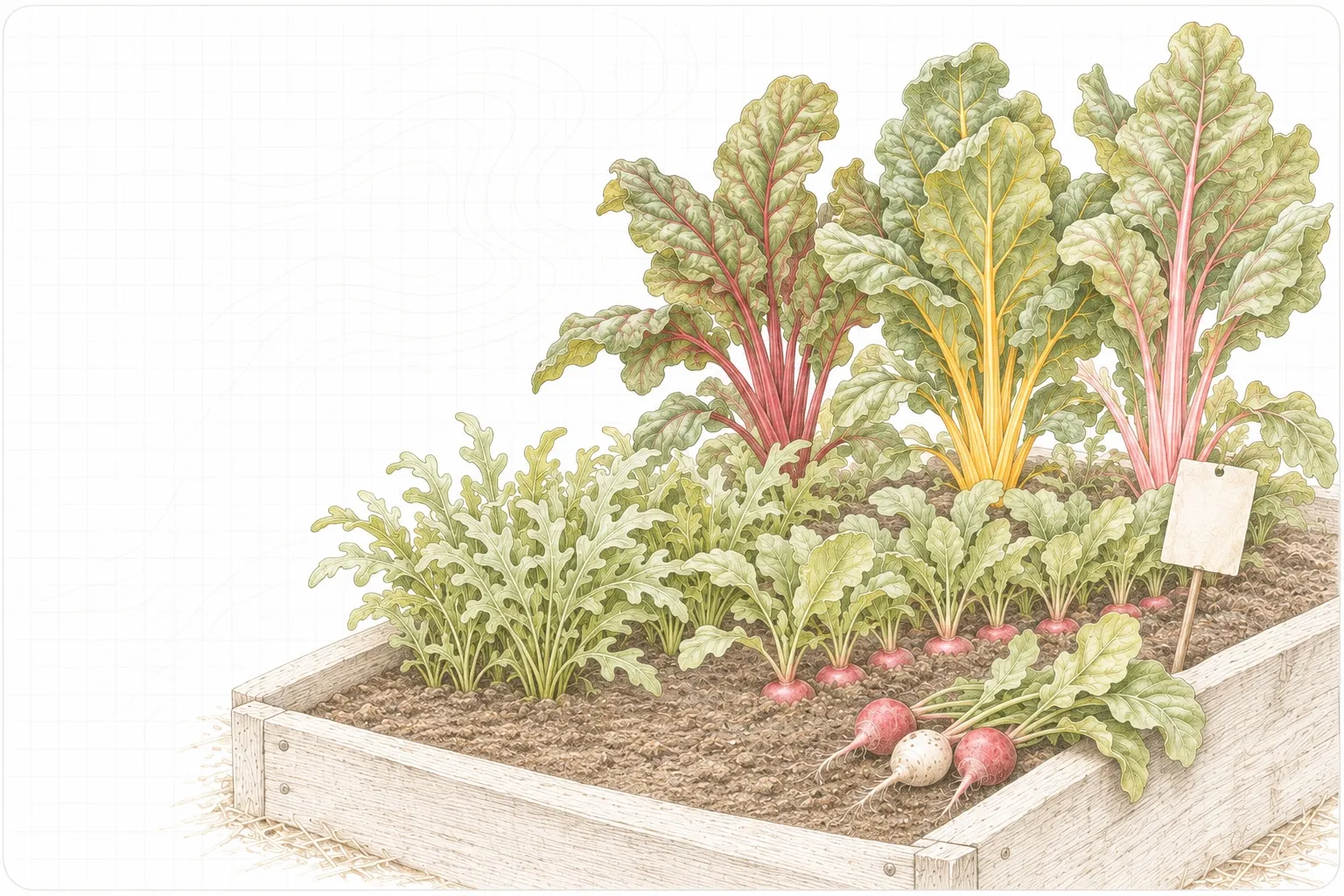
When the tomatoes are winding down and it gets dark before dinner, it can feel like the garden is done for the year. But if you’ve still got a few weeks before frost, there may be time to tuck in a short row of radishes or sow a pot of arugula. Both can give you something to pick in about a month. Swiss chard takes longer to fill out, but you can pick a few leaves at a time and come back for more.
They’re all good crops to try with kids. There’s something to look for almost every time you go out, from the first little leaves to a red radish poking up through the dirt.
Is there still time to plant?
Start with our frost dates page to see when frost usually arrives where you live. If you have mild winters and your first frost is still a few weeks away, you may have time to sow radishes or arugula. Chard needs a bigger head start. If the ground is about to freeze, save the seeds for spring. In spring, you can sow radishes and arugula as soon as the soil is soft enough to work.1, 2, 7
The soil temperature matters, too. Radish seeds sprout best when the soil is between 45 and 85°F. Once they’re up, the plants grow best when the air is between 50 and 65°F, and cooler weather gives the roots a milder flavor. Arugula can sprout in soil around 40°F, and seedlings often show up in five to seven days. If you’re curious what your soil feels like to a seed, here’s how to check.2, 3
Radishes
Radishes are usually ready three to five weeks after you plant them. They can also handle heavy frosts in spring and fall.1, 4
Sow the seeds a quarter to half an inch deep and an inch or two apart. Once the seedlings are big enough to eat, pull a few so the ones you leave have about two inches between them. That gives the roots room to grow (thinning guide).1, 4
Here’s something fun to try in a school garden. Sow a few radish seeds along a row of carrots or beets. The radishes come up first, so the kids can see where the row is while they wait for the other seeds to sprout.1
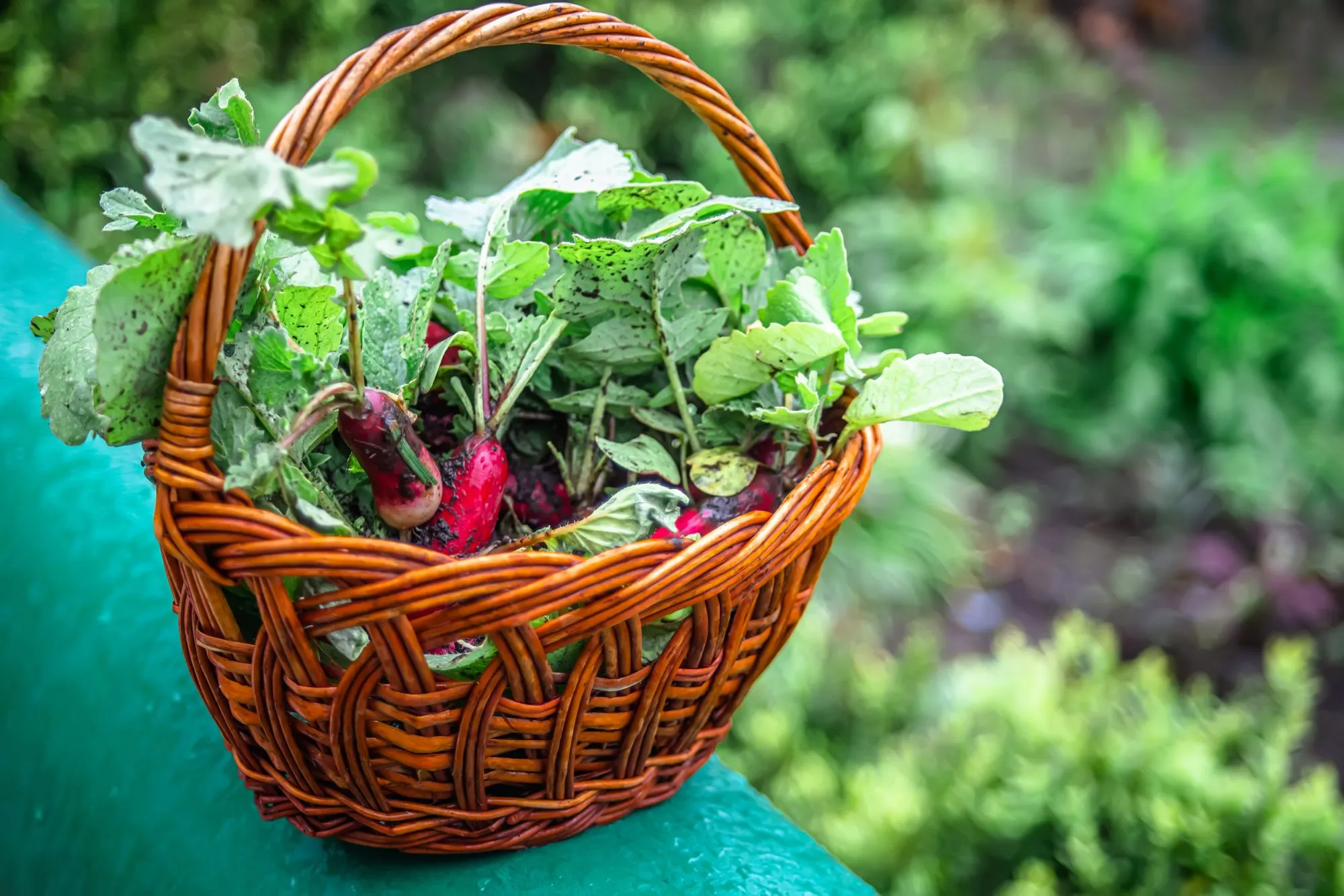
When the tops of the roots start peeking out of the soil, you can see how big they’re getting. Pull round red radishes when they’re about an inch across. Pick small white radishes a little sooner, before they’re about three quarters of an inch across.1, 3
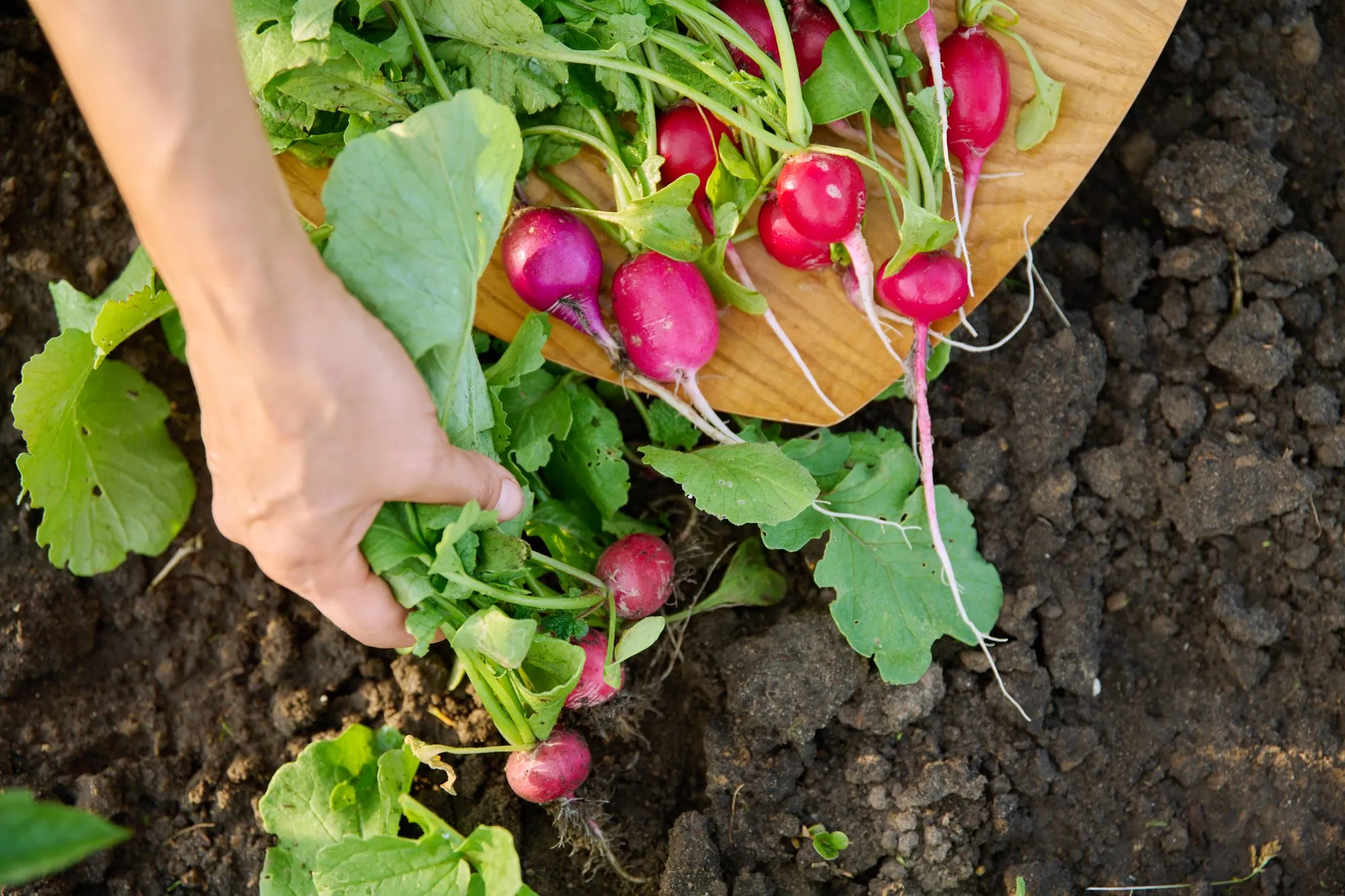
Radishes can get tough, hot or cracked if you leave them in the ground too long. If you only want a handful at a time, sow a few seeds every five days or so while you still have time for them to grow.1, 4
Arugula
You can often start picking arugula about four weeks after sowing, once the leaves are a couple of inches long. Pick a few outer leaves for dinner, or cut the whole plant an inch or two above the soil and let it grow back. As the row fills in, thin the plants to about six inches apart. The little plants you pull can go right into a salad.2, 5
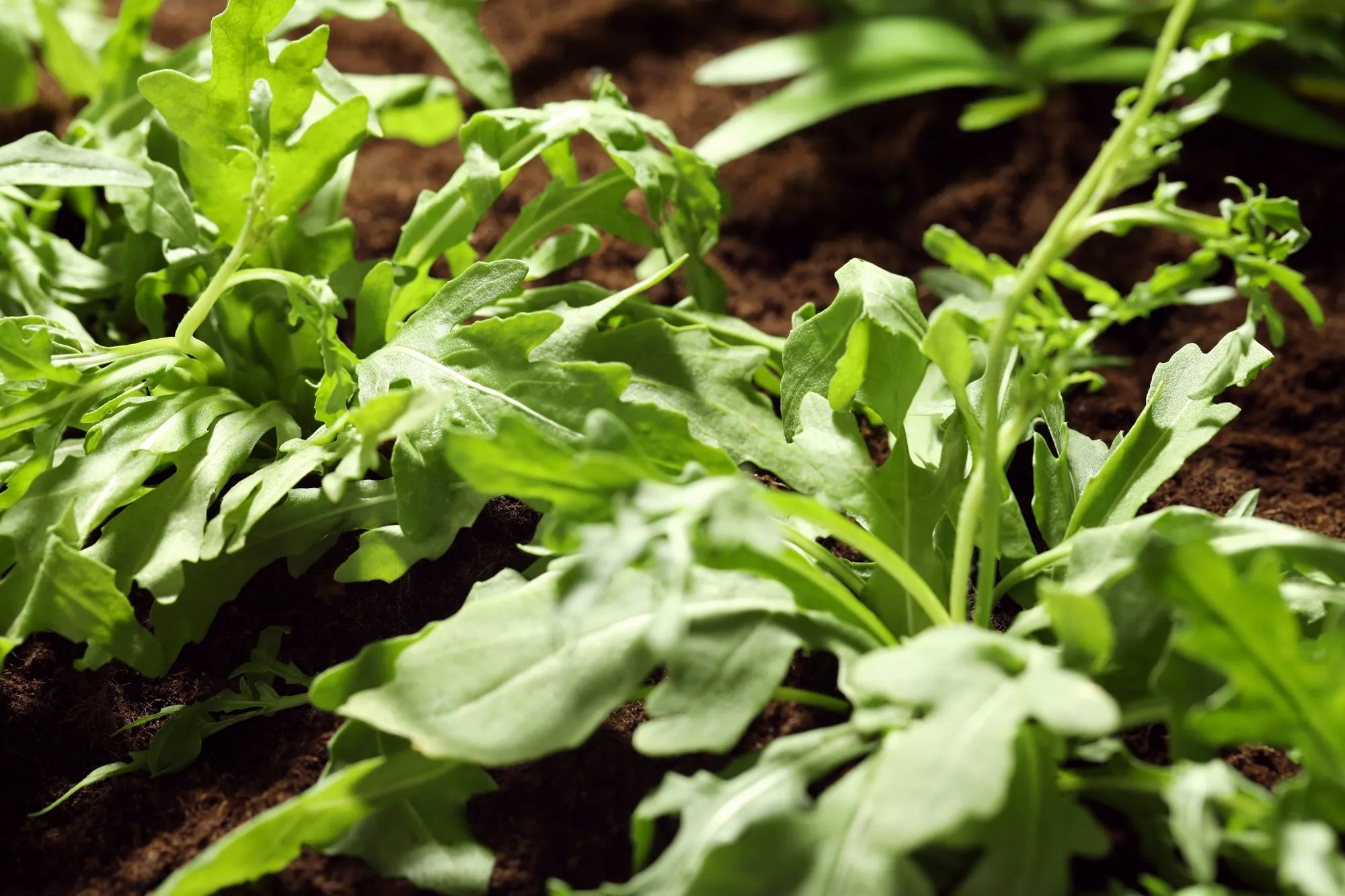
Hot weather, long days and dry soil can make arugula send up a flower stalk. That’s called bolting, and the leaves are usually better before it happens. Fall’s shorter, cooler days give you more time to pick. For a steady supply, sow a little every two to three weeks until about a month before your usual first frost.2, 5, 6
Extension guides differ on how much cold arugula can take. If a freeze is in the forecast, go ahead and pick whatever looks ready. You can also grow arugula in a pot on a bright windowsill in winter, which makes it a good one to try in a classroom.5, 6
Swiss chard
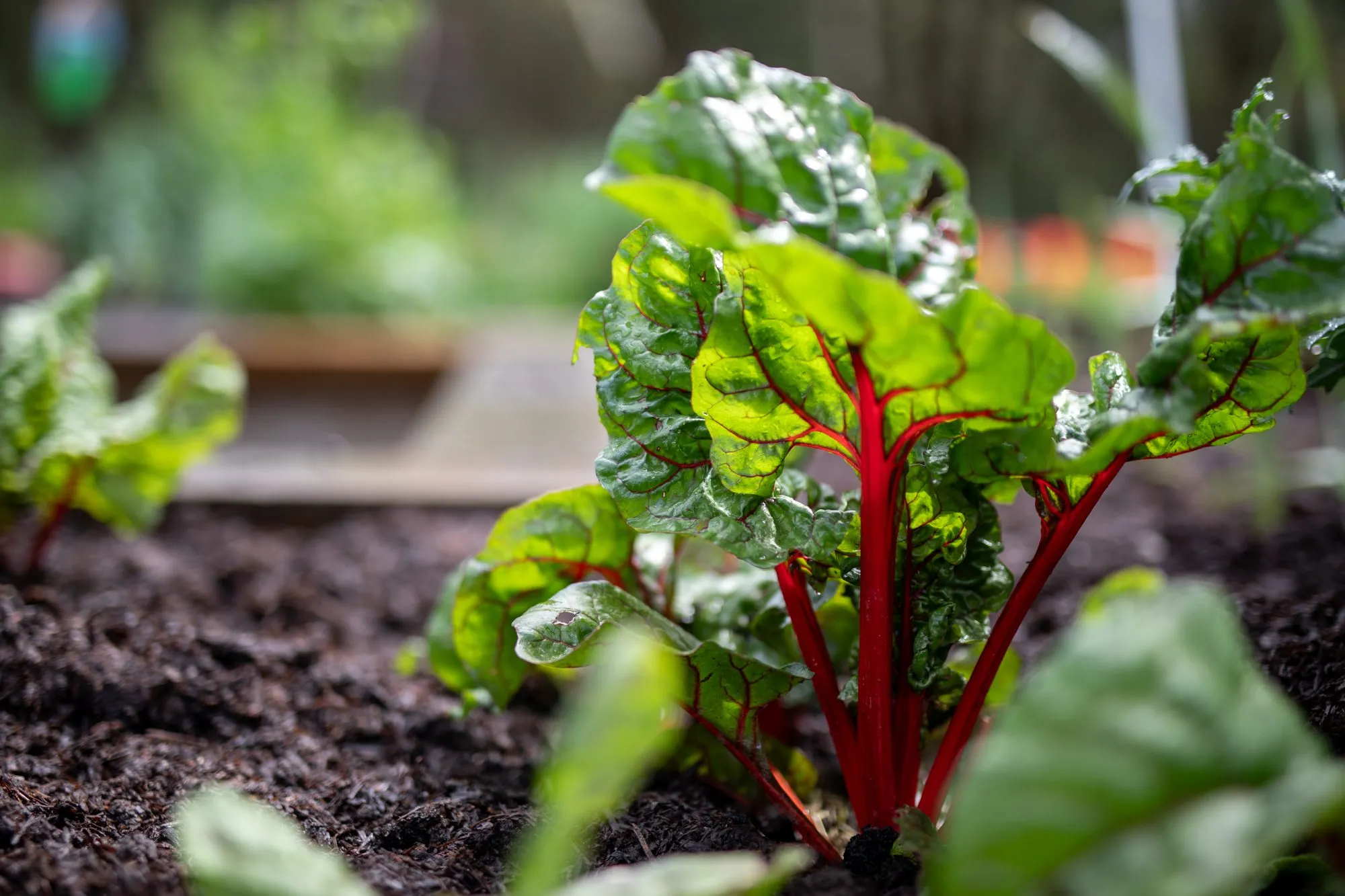
Chard takes longer than radishes or arugula to reach full size, but you can start picking when the leaves are about four inches long. Take a few of the bigger leaves from the outside and leave the small ones in the middle to grow. A few plants can give you leaves from spring through fall. And if you’re picking seeds with kids, the varieties with red, pink, gold or orange stalks are fun to grow side by side.6, 7, 8
Chard grows best when temperatures stay below 75°F. Young plants can handle temperatures around 32°F, and established plants can stay in the garden through light frosts. If you’re sowing for fall, choose a variety that matures quickly and aim to have it reach full size two to three weeks before your usual first frost. If you already have chard in the garden, you may still have leaves to pick after a light frost.7
If your chard makes it through winter, it may send up a flower stalk in spring. That’s a good time to pull it and start a fresh batch.8
Start with a little space
A short row of radishes, a wide pot of arugula or a few chard plants are plenty to get started. If you’re growing with kids, let them pull the first radish to see how big it got. Even a small harvest is enough to bring inside, rinse off and share.
For more on when to plant and what to pick, see our radish guide, arugula guide and Swiss chard guide.
Grow with the seasons
We’re building plant to help you figure out what you can grow where you live and when to get it in the ground.
Explore plant and follow along as we grow.
Sources
[1] University of Maryland Extension, Growing Radishes in the Home Garden
[2] Cornell Cooperative Extension, Arugula
[3] Clemson Cooperative Extension Home & Garden Information Center, Carrot, Beet, Radish and Parsnip
[4] University of Minnesota Extension, Growing radishes in home gardens
[5] University of Wisconsin Extension Horticulture, Arugula
[6] Clemson Cooperative Extension Home & Garden Information Center, Arugula, Kale, Mesclun, Mustard and Swiss Chard
[7] Utah State University Extension, Swiss Chard in the Garden
[8] University of Minnesota Extension, Growing spinach and Swiss chard in home gardens
All sources accessed November 3, 2026.